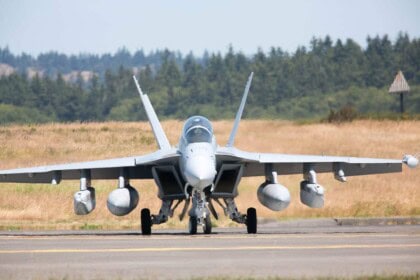
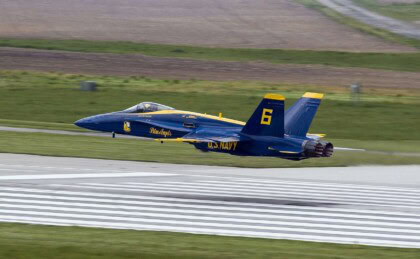
The EA-18G Growler is the only carrier-based jammer in service. Full specs, the $68.2M unit cost, the new ALQ-249 pod, and how it differs from the F/A-18.
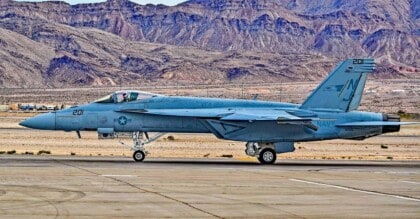
The F/A-18 Super Hornet is the Navy's main carrier strike fighter. Specs explained, the $67.4M unit cost, Block III, and how it differs from the Hornet.
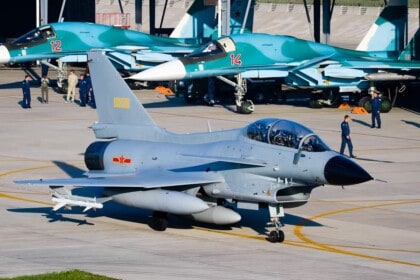
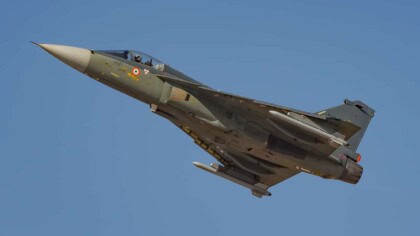
The Chengdu J-10 Vigorous Dragon is China's single-engine delta-canard fighter. See its history, J-10A to J-10C variants, engines, operators and combat debut.
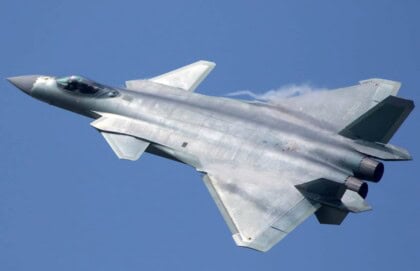
The Chengdu J-20 is China's Mach 2 stealth fighter. Inside its canard delta layout, WS-10C and WS-15 engines, weapons bays, variants and 500-jet fleet.
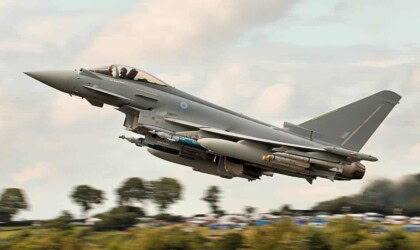
The Eurofighter Typhoon is Europe's twin-engine canard-delta fighter, with 769 ordered by 10 nations. Its speed, weapons, variants, cost and operators.
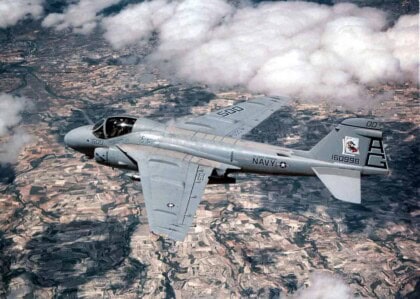
The A-6 Intruder flew all-weather strikes for the US Navy and Marines from 1963 to 1997. Its specs, 693 built, 84 lost in Vietnam and what replaced it.
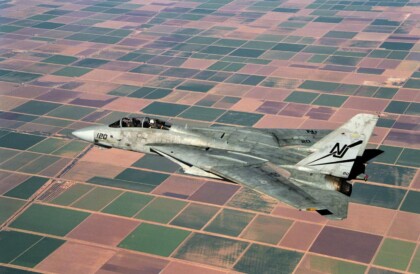
The F-14 Tomcat flew U.S. Navy fleet defense from 1974 to 2006 with the AIM-54 Phoenix missile. See its specs, variants, combat record, and why it retired.
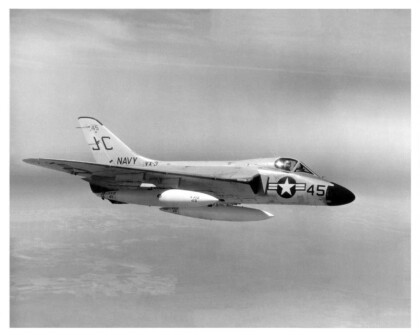
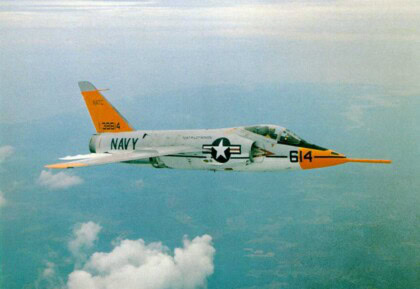
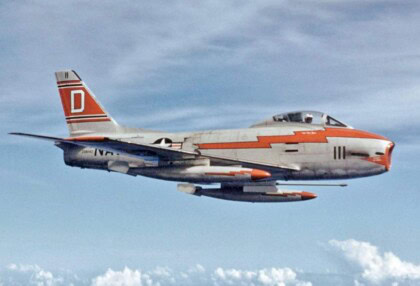
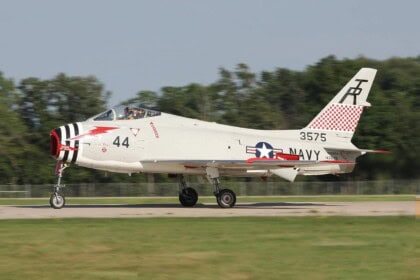
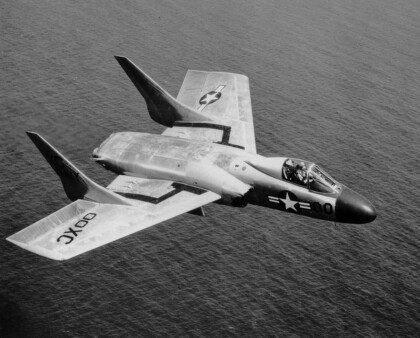
The Grumman F11F (F-11) Tiger was a Navy supersonic fighter that flew with the Blue Angels and shot itself down in 1956. History, speed and retirement.
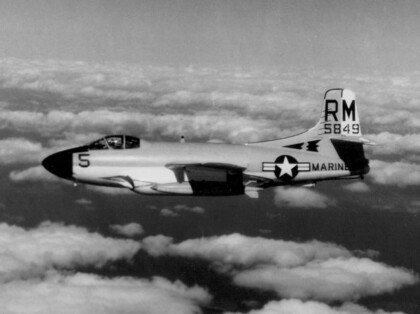
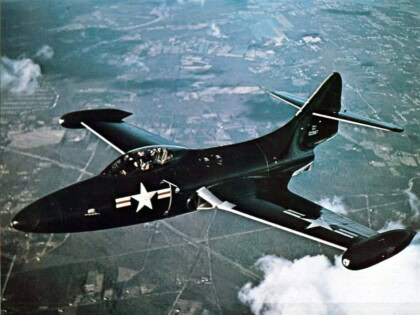
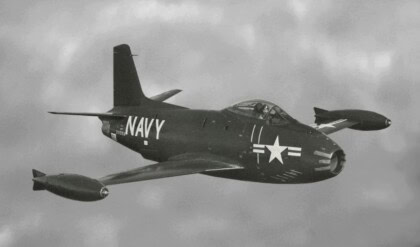
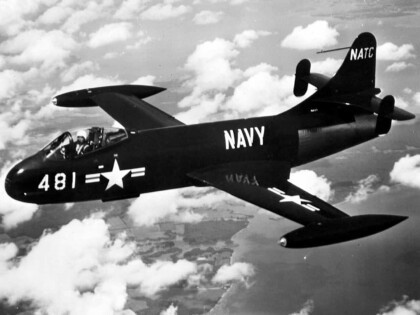
The Grumman F9F Panther was the Navy's first jet to fight in the air. Its Korean War record, variants, famous pilots, the Blue Angels and where to see one.
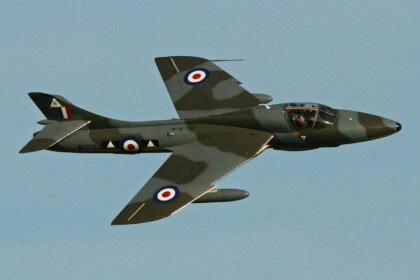
The Hawker Hunter was Britain's transonic fighter, with 1,972 built and a 727.63 mph record. See its history, variants, combat record and who still flies it.
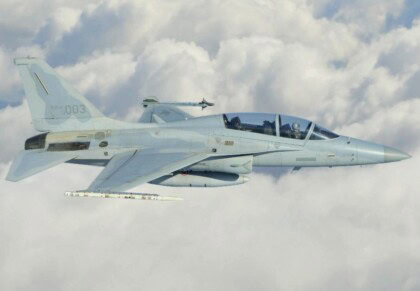
The KAI FA-50 Fighting Eagle is a supersonic light fighter built on the T-50 trainer. See its engine, speed, Block 20 and 70 upgrades, and who flies it.
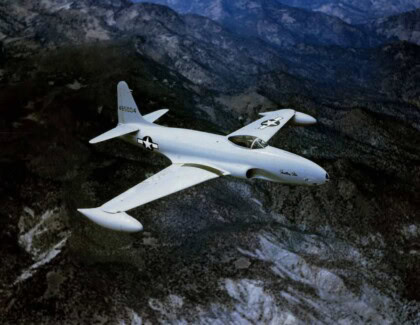
The Lockheed F-94 Starfire was the USAF's first jet all-weather interceptor. Its T-33 roots, the F-94A, B and rocket-armed C, its Korea record and specs.
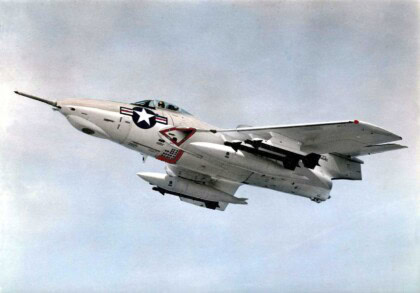
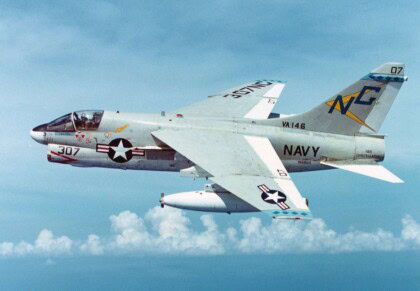
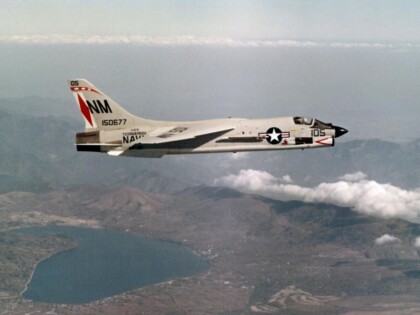
LTV A-7 Corsair II specs explained: the 15,000 lbf TF41 turbofan, 15,000 lb of ordnance, A-7A to A-7E variants, and combat from Vietnam to Desert Storm.
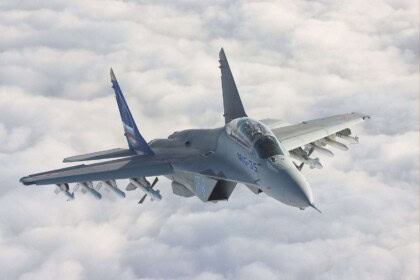
The MiG-35 is Russia's upgraded MiG-29 multirole fighter, a 4++ generation jet with RD-33MK engines. Specs, radar, weapons, variants and how few are in service.
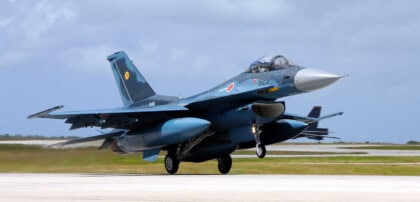
The Mitsubishi F-2 is Japan's F-16-based fighter with a bigger composite wing and an AESA radar. See how it differs, who flies it and what replaces it.
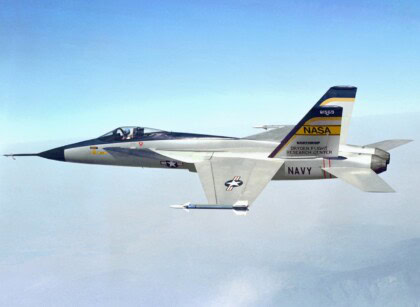
The Northrop YF-17 Cobra lost the USAF Lightweight Fighter contest to the YF-16, then became the F/A-18 Hornet. Design, flights and where the two prototypes are now.
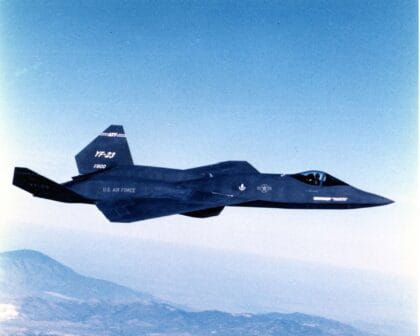
The Northrop YF-23 Black Widow II was rated stealthier and faster than the YF-22, yet lost the ATF race. Why it lost, how it flew and where both are now.
The Republic F-84 Thunderjet went from a failing 1947 fighter to the USAF's main strike jet in Korea. Variants, F-84E vs F-84G, handling and retirement.
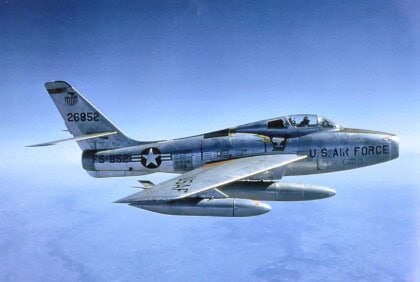
The Republic F-84F Thunderstreak emerged in the early 1950s as a swept-wing development of the F-84. Designed for improved performance, it served primarily as a fighter-bomber. The aircraft became widely deployed within NATO forces.
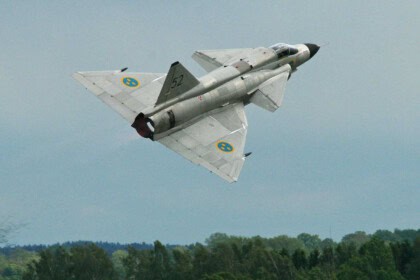
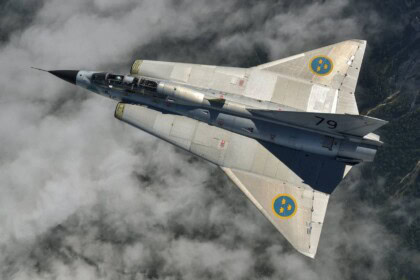
The Saab 35 Draken was Sweden's double-delta Cold War interceptor: 651 built, Mach 2, road-base ready, never fired in anger. History, variants and operators.
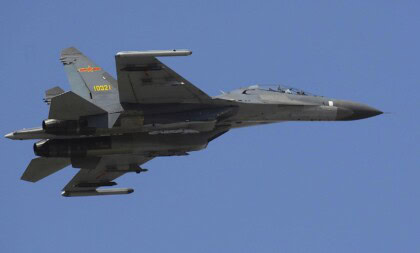
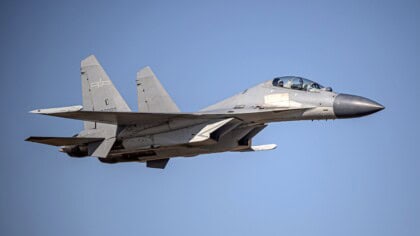
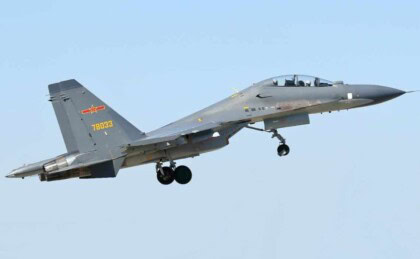
The Shenyang J-11 is China's licence-built Su-27 Flanker. Its history, J-11A, J-11B and J-11D variants, weapons, numbers in service and what J 11 means.
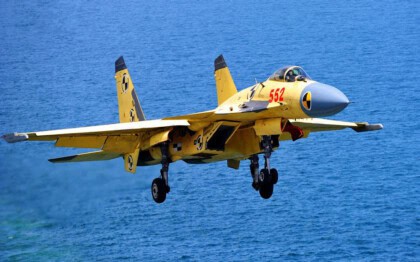
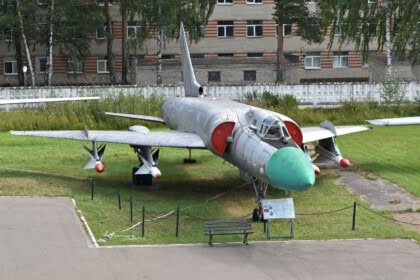
J-15 fighter specs, variants and history: China's carrier-based Flanker flies from Liaoning, Shandong and Fujian, with 116+ built and Mach 2.17 top speed.
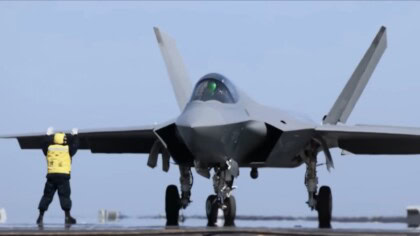
J-35 fighter jet specs, variants and history: China's Mach 1.8 stealth fighter launches from carrier Fujian, with the land-based J-35A in PLAAF service.
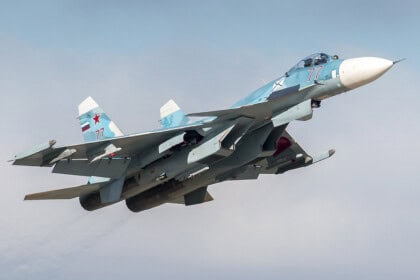
The Su-33 is Russia's carrier-based Flanker: 24 built, ski-jump launches from the Admiral Kuznetsov, a Syria combat debut in 2016, and an uncertain future.
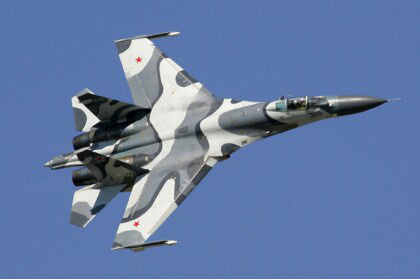
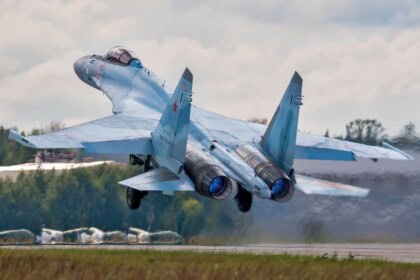
The Sukhoi Su-35 is Russia's thrust-vectoring Flanker: Mach 2.25, Irbis-E radar, who flies it, what it really costs and how many Ukraine has shot down.
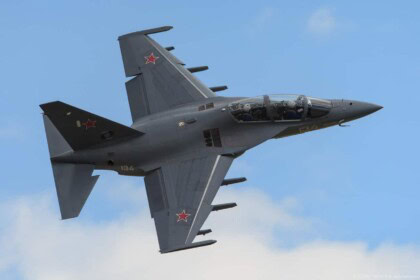
The Yakovlev Yak-130 is Russia's two-seat jet trainer and light attack aircraft: Mach 0.93, nine hardpoints, who flies it, its price and its combat use.