Fighter Jets
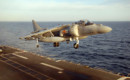
Hawker Siddeley AV-8B Harrier
ICAO: HAR
The British jet fighter built for speed and export success.
The latest aviation news and stories sent to your inbox.
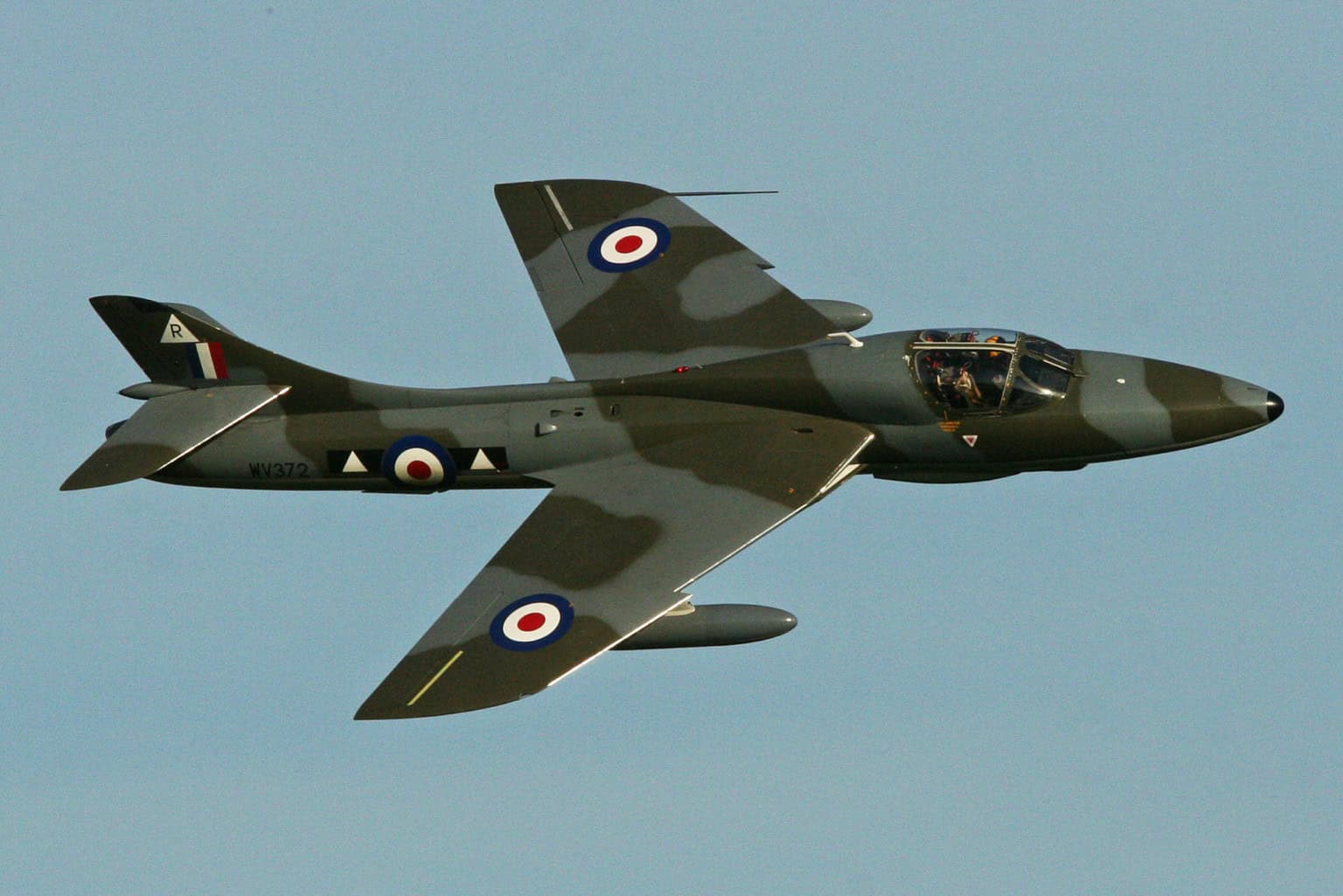
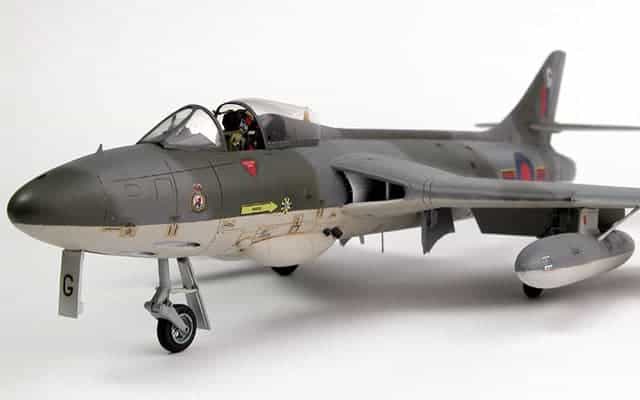
The Hawker Hunter was a British transonic jet fighter developed in the early Cold War. Designed as an interceptor and ground-attack aircraft, it achieved widespread export adoption. The Hunter became one of Britain’s most successful jet aircraft.
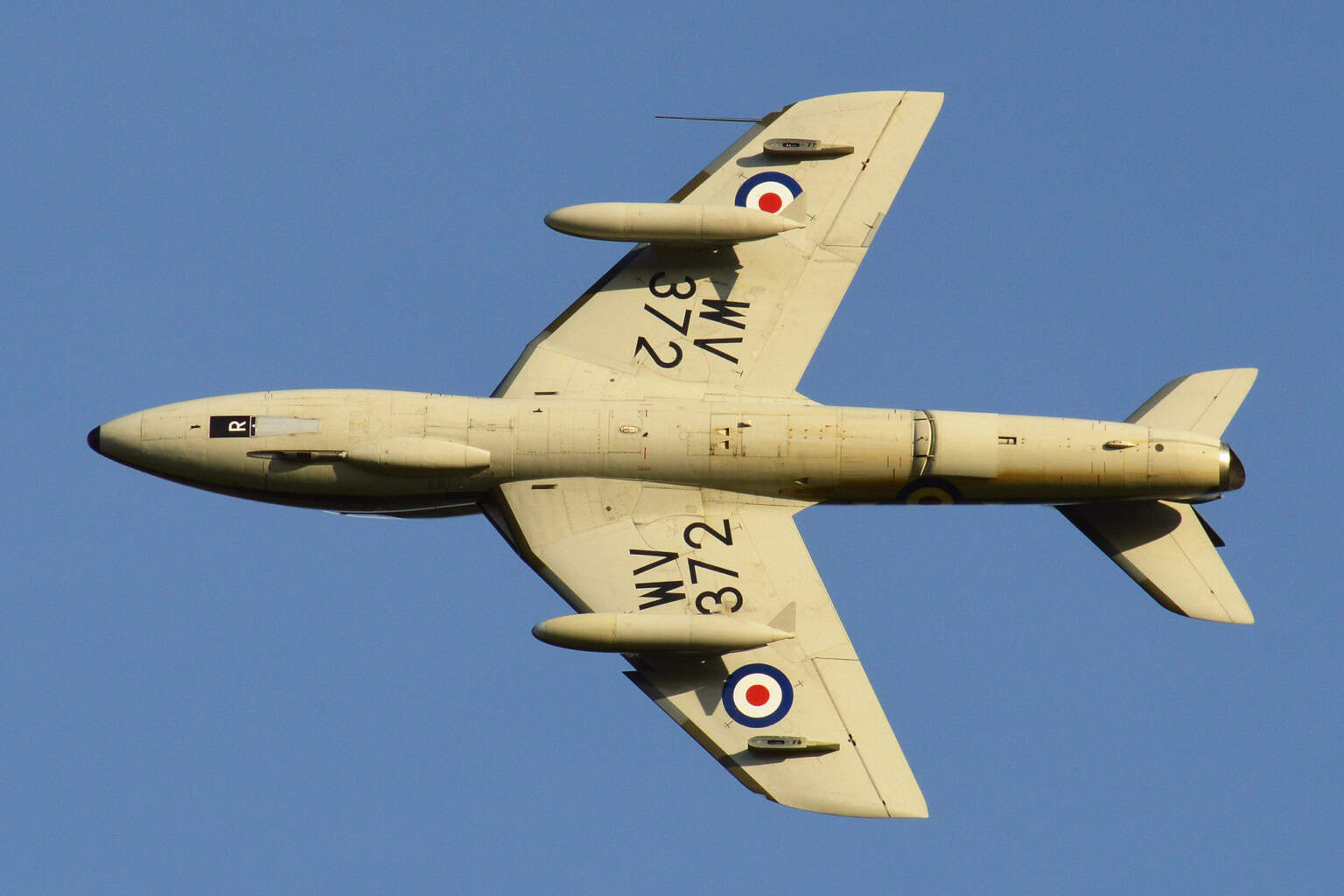


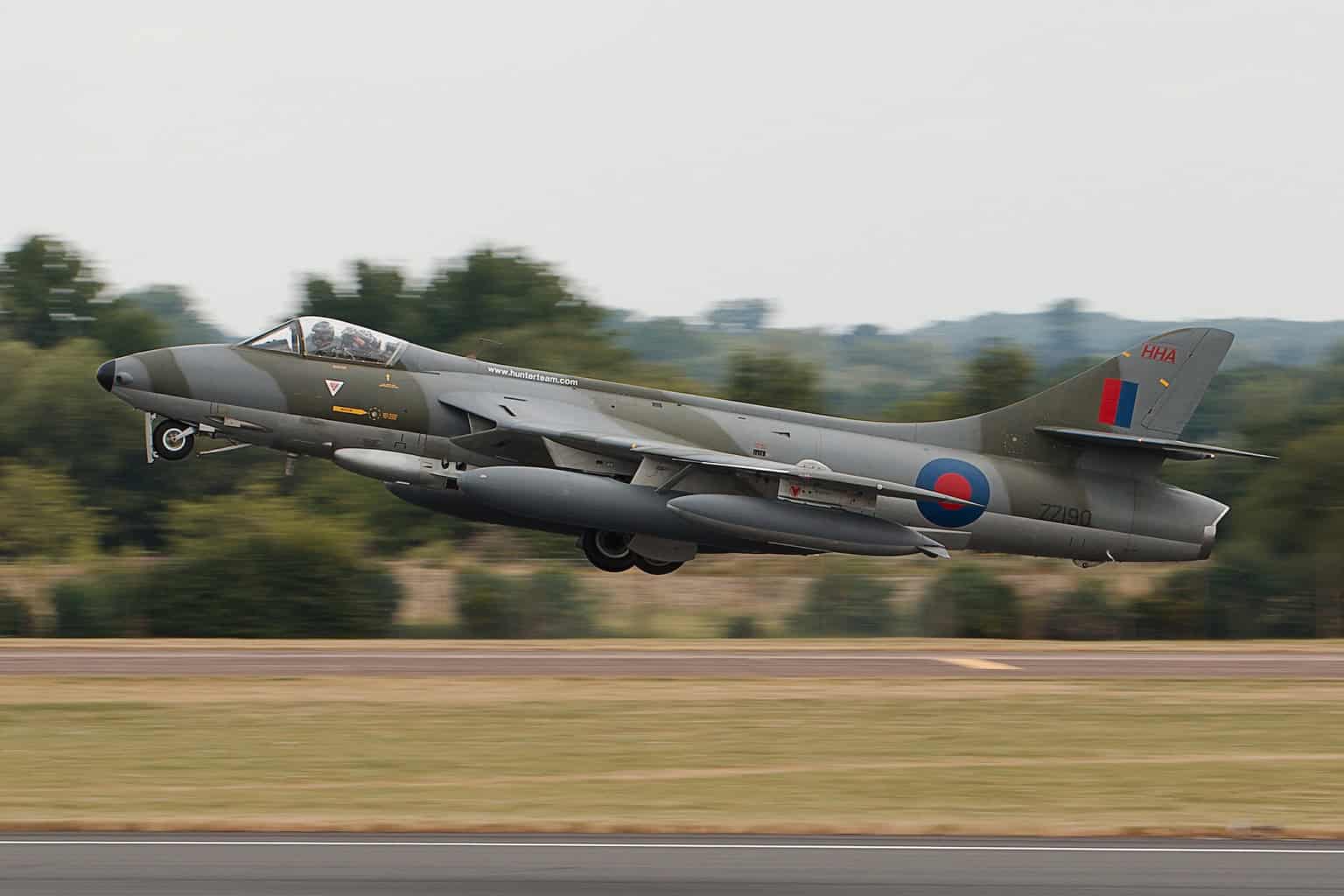
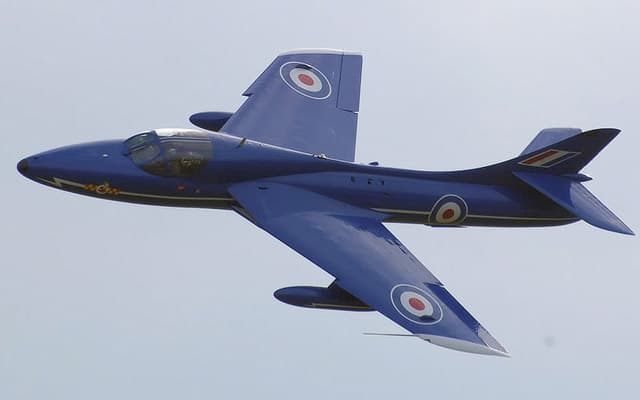
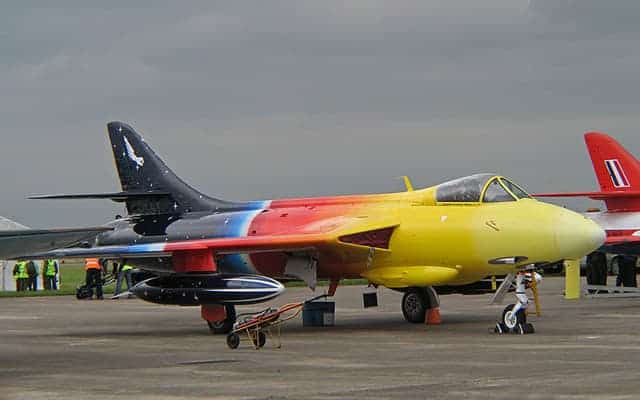
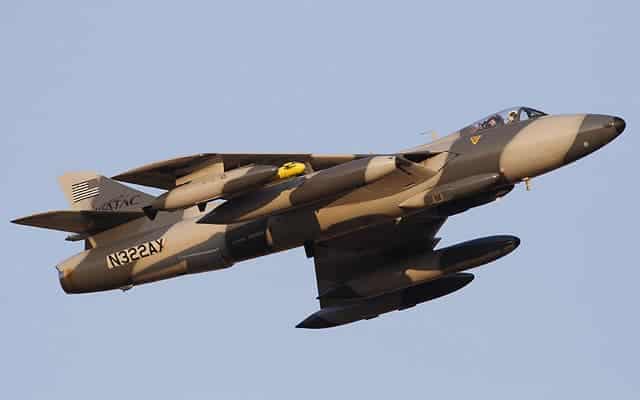
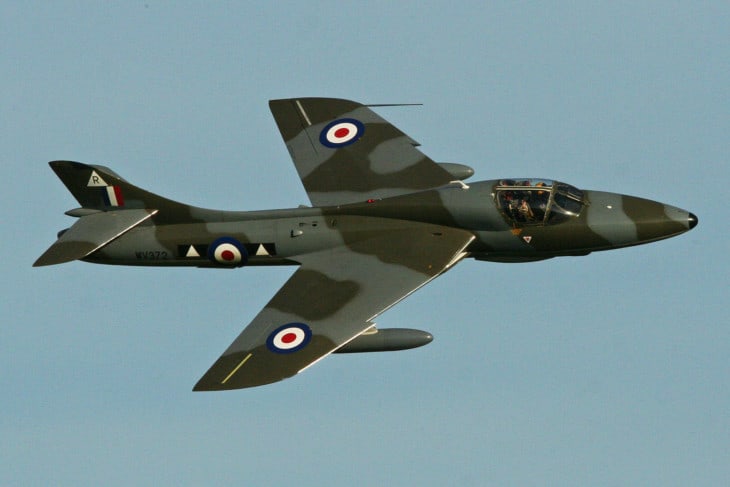
The Hunter first flew in 1951 and entered service in 1954. It featured a swept-wing design and streamlined fuselage for improved high-speed performance. Early versions encountered development challenges that were resolved through progressive upgrades.
Powered by a Rolls-Royce Avon turbojet producing approximately 10,000 pounds of thrust (44 kN), the Hunter approached transonic speeds. Maximum takeoff weight was around 24,000 pounds (10,900 kg). Armament included four 30 mm cannon and external stores for strike missions.
The Hunter served with numerous air forces and saw combat in various regional conflicts. Its reliability and handling qualities made it a favored export aircraft. The type remained in limited service well into the late twentieth century.
Sources and references used for research and fact-checking.