Fighter Jets
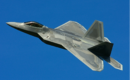
Lockheed Martin F-22 Raptor
ICAO: F22
The only fifth-generation fighter in full-rate production, flown by 20 nations.
Updated: by Tim de Vries
The latest aviation news and stories sent to your inbox.
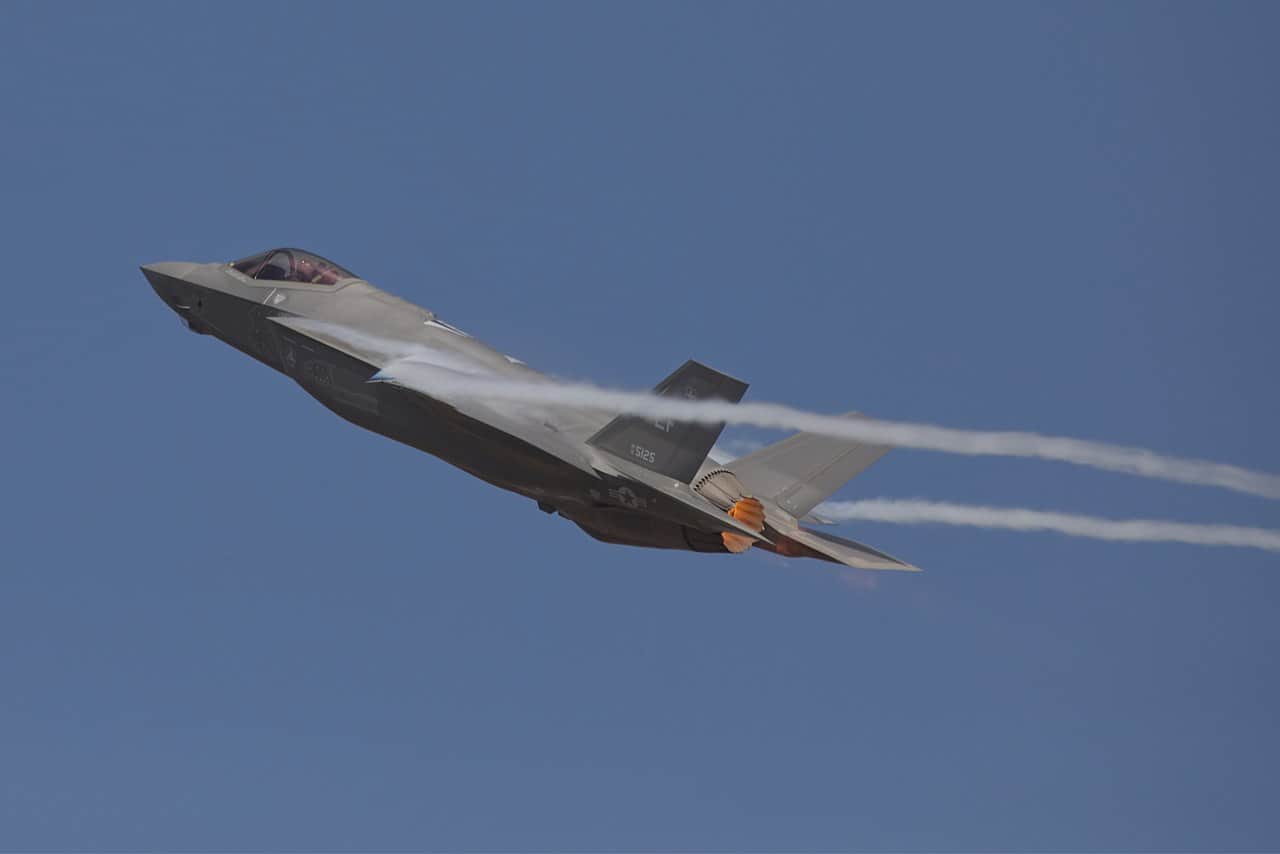
The Lockheed Martin F-35 Lightning II is a fifth-generation stealth strike fighter built in three variants: the conventional F-35A, the short takeoff and vertical landing F-35B, and the carrier-capable F-35C. A single Pratt & Whitney F135 turbofan gives all three 43,000 lb of thrust, and more than 1,345 aircraft have been delivered to 20 partner and customer nations.
Live Fleet Activity (F35)
Fetching live data…


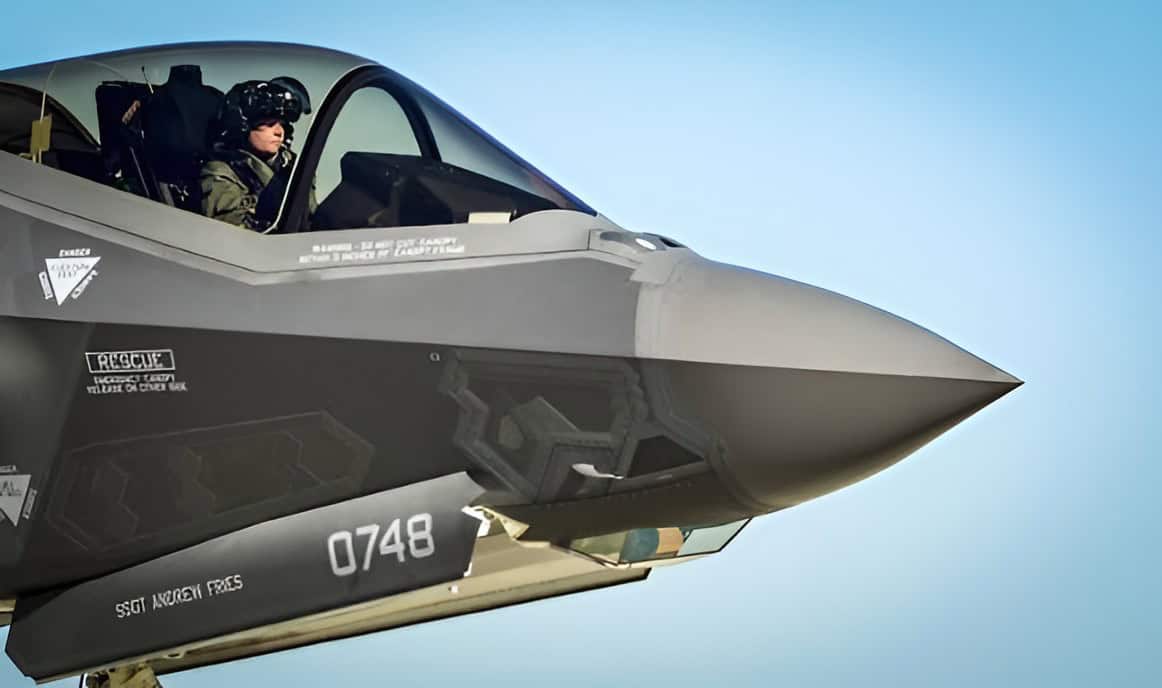


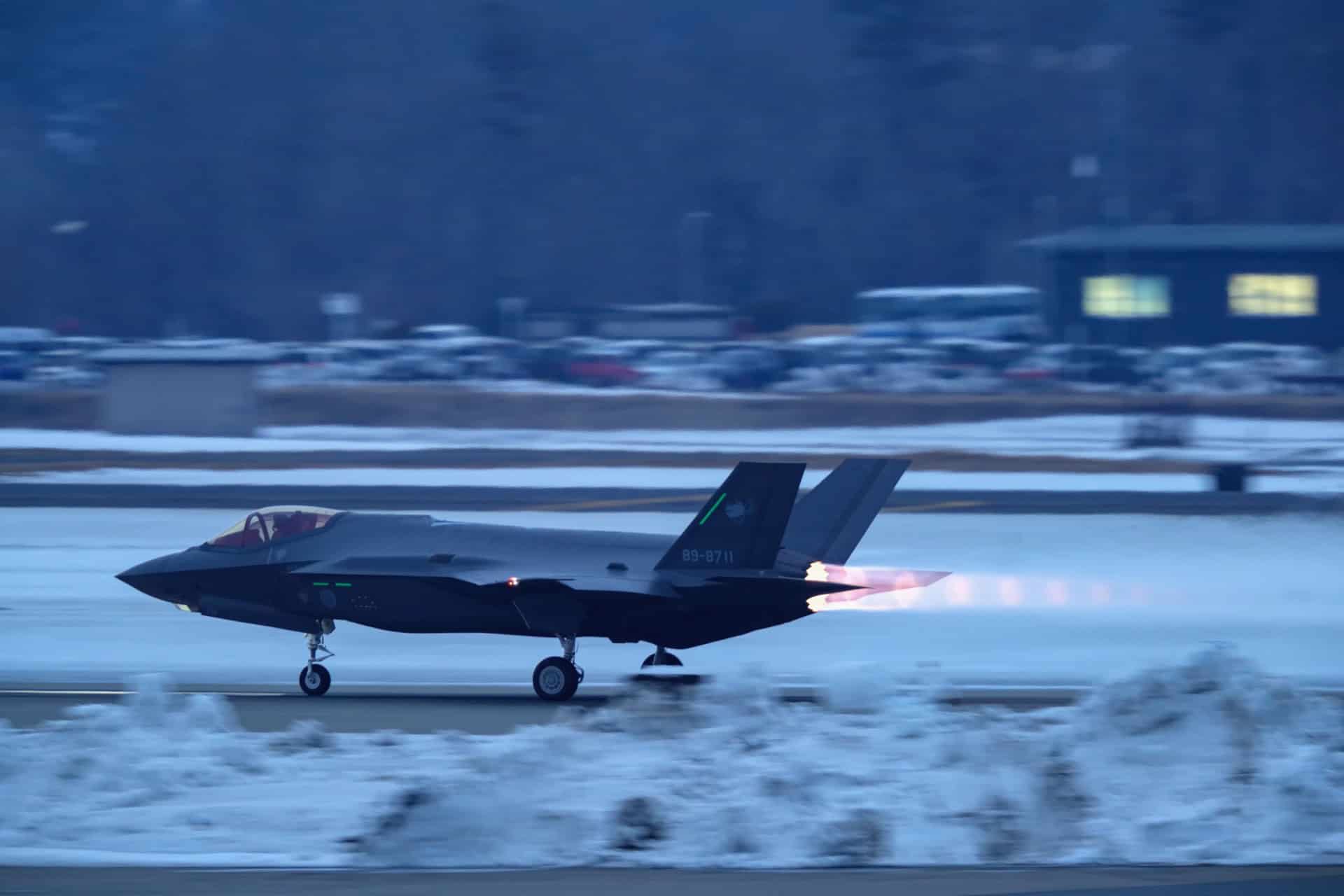



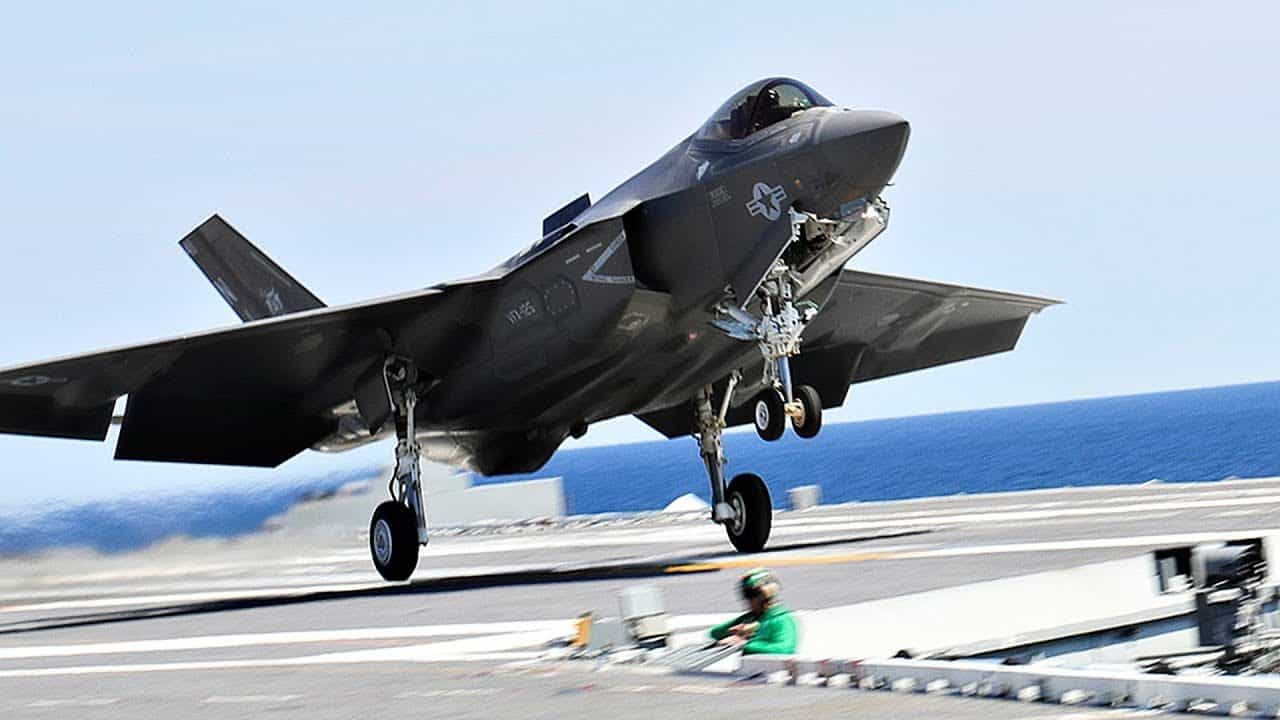
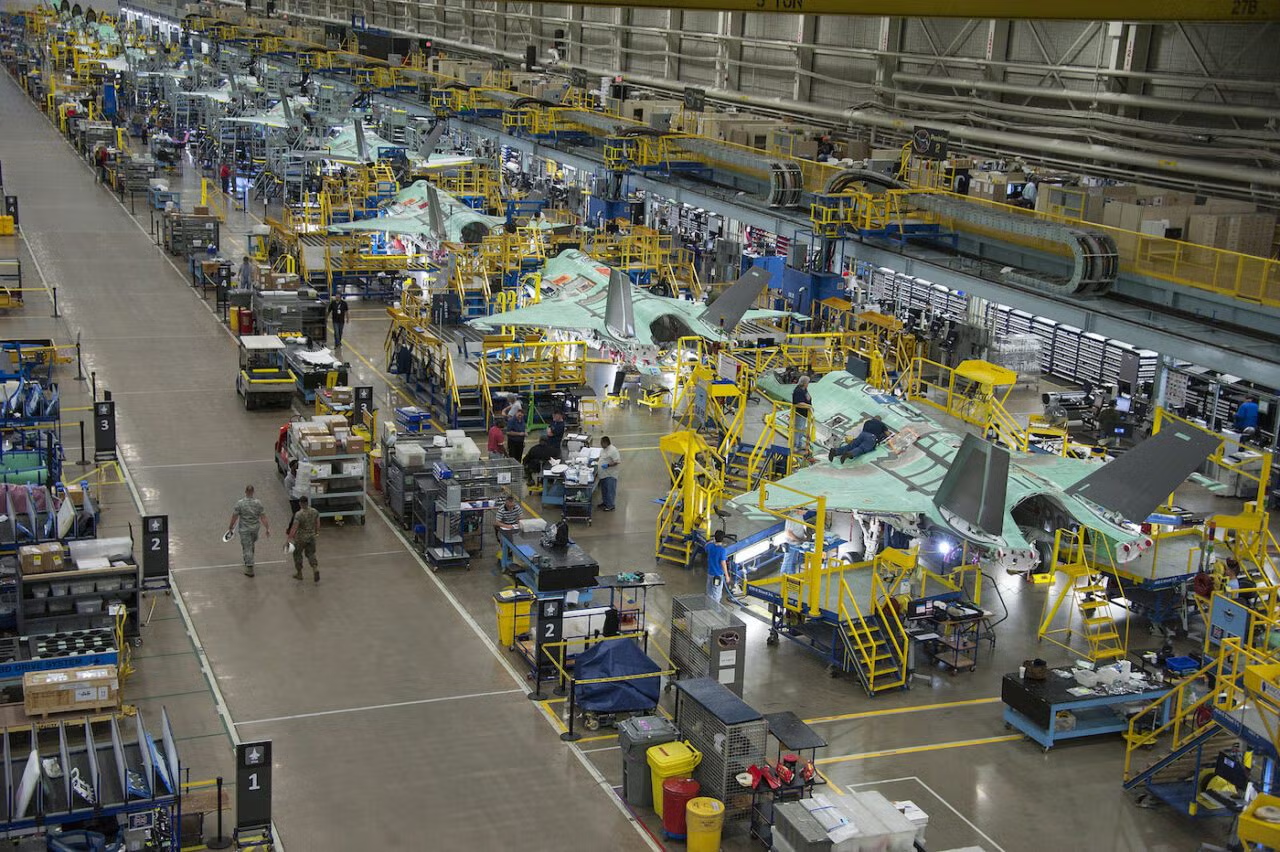


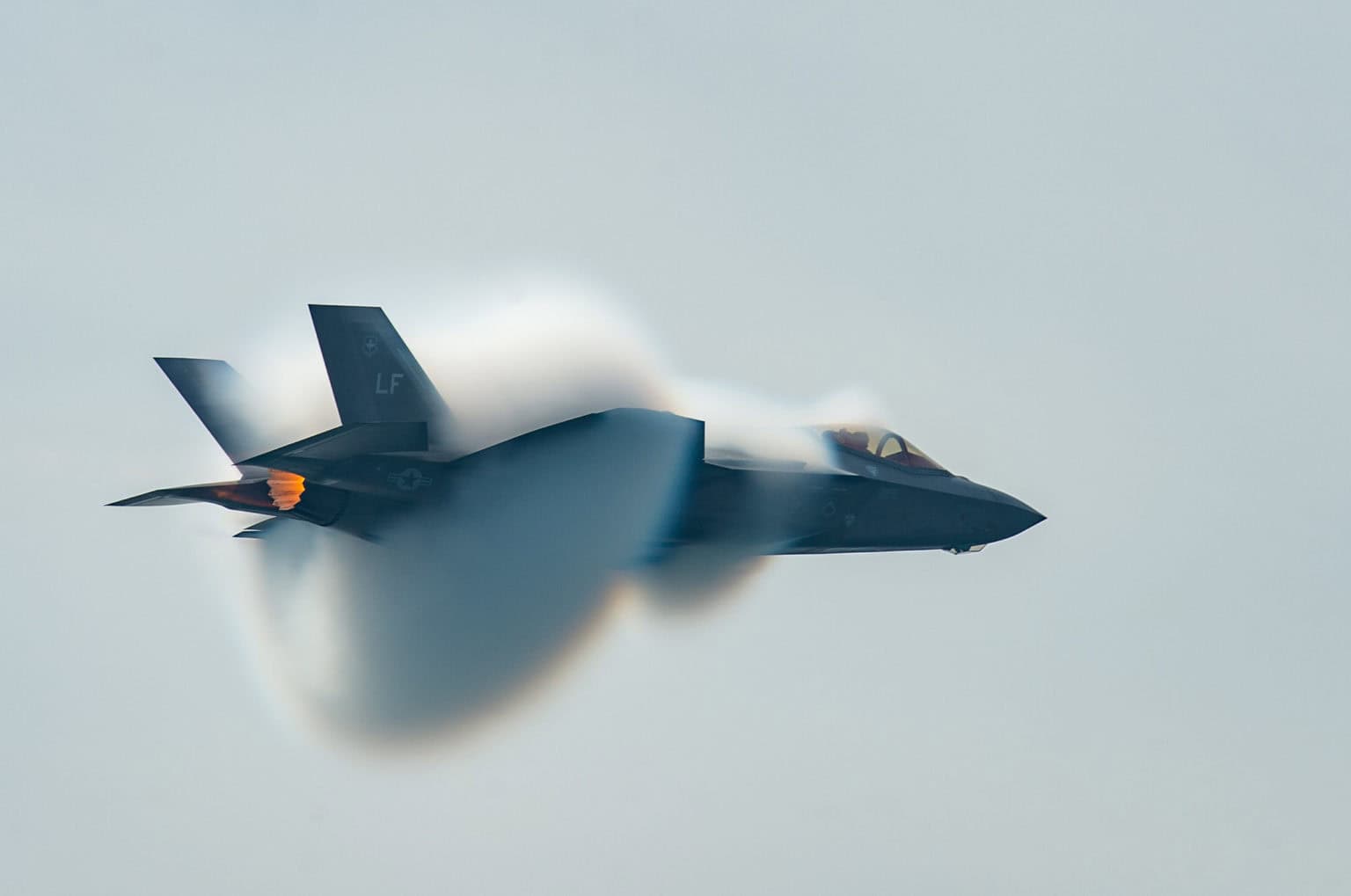


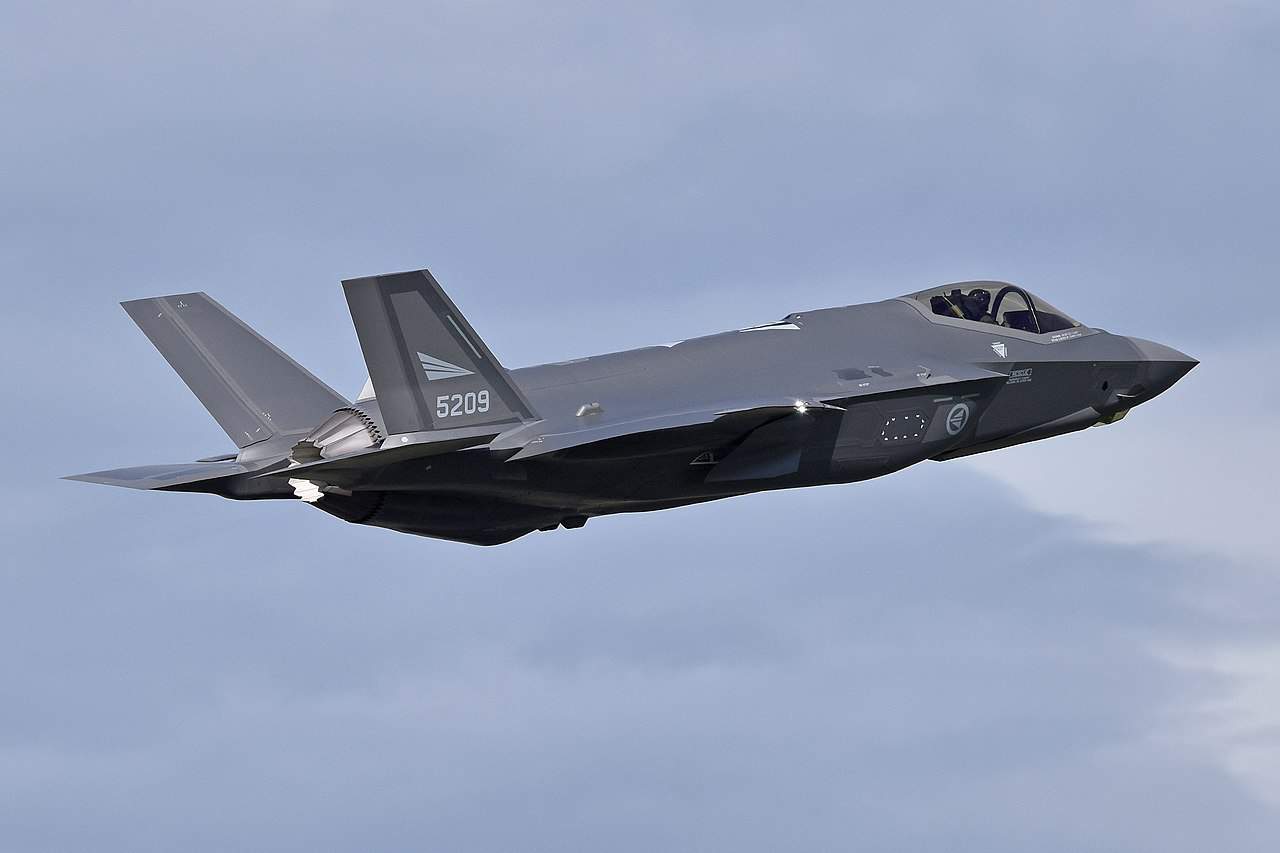
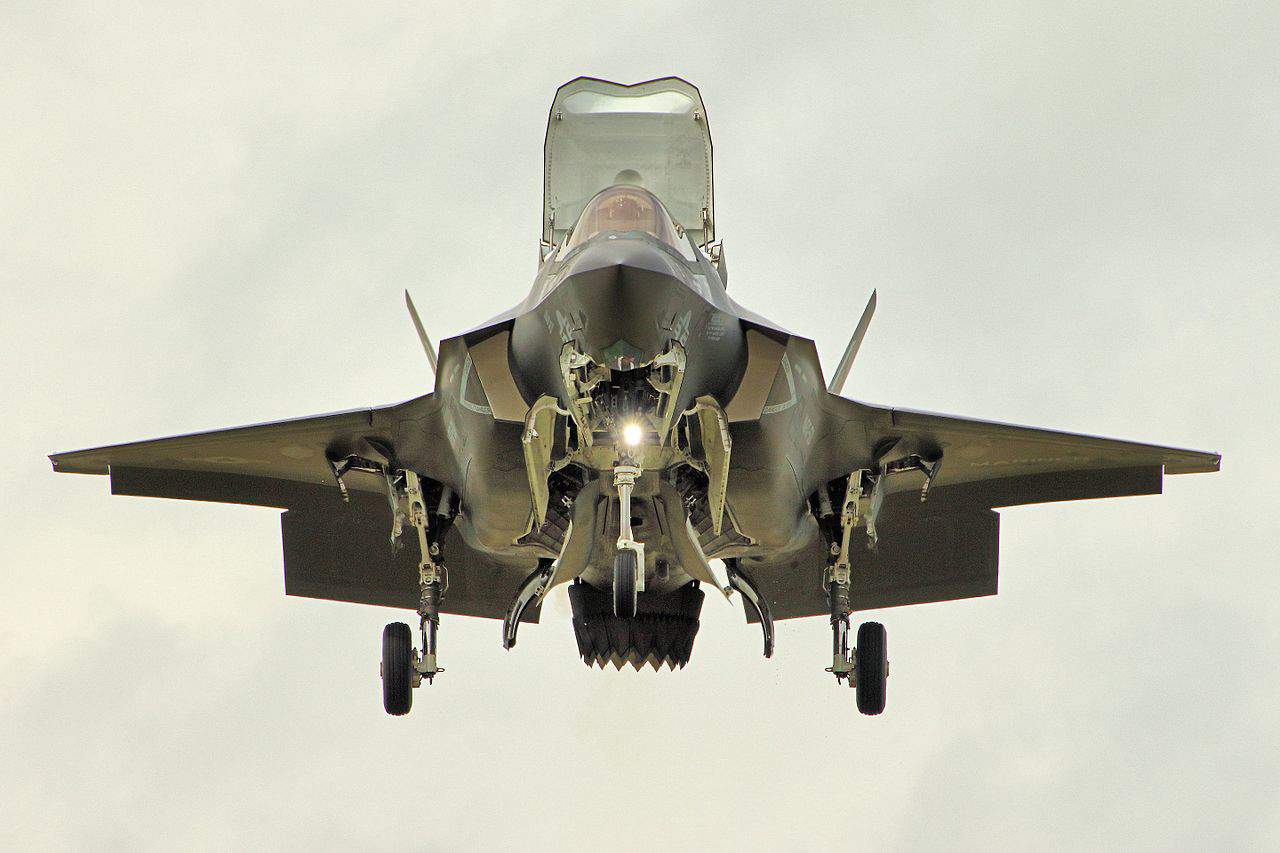


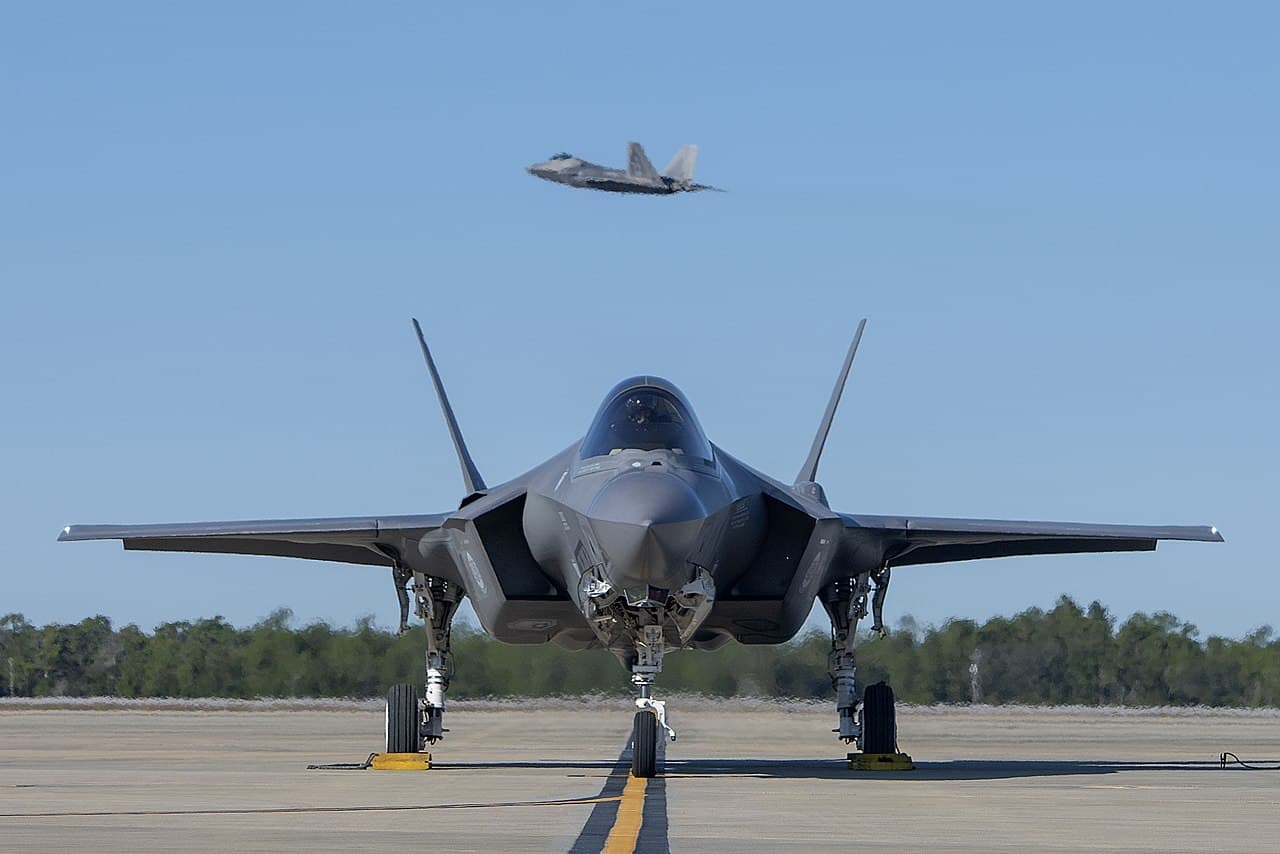
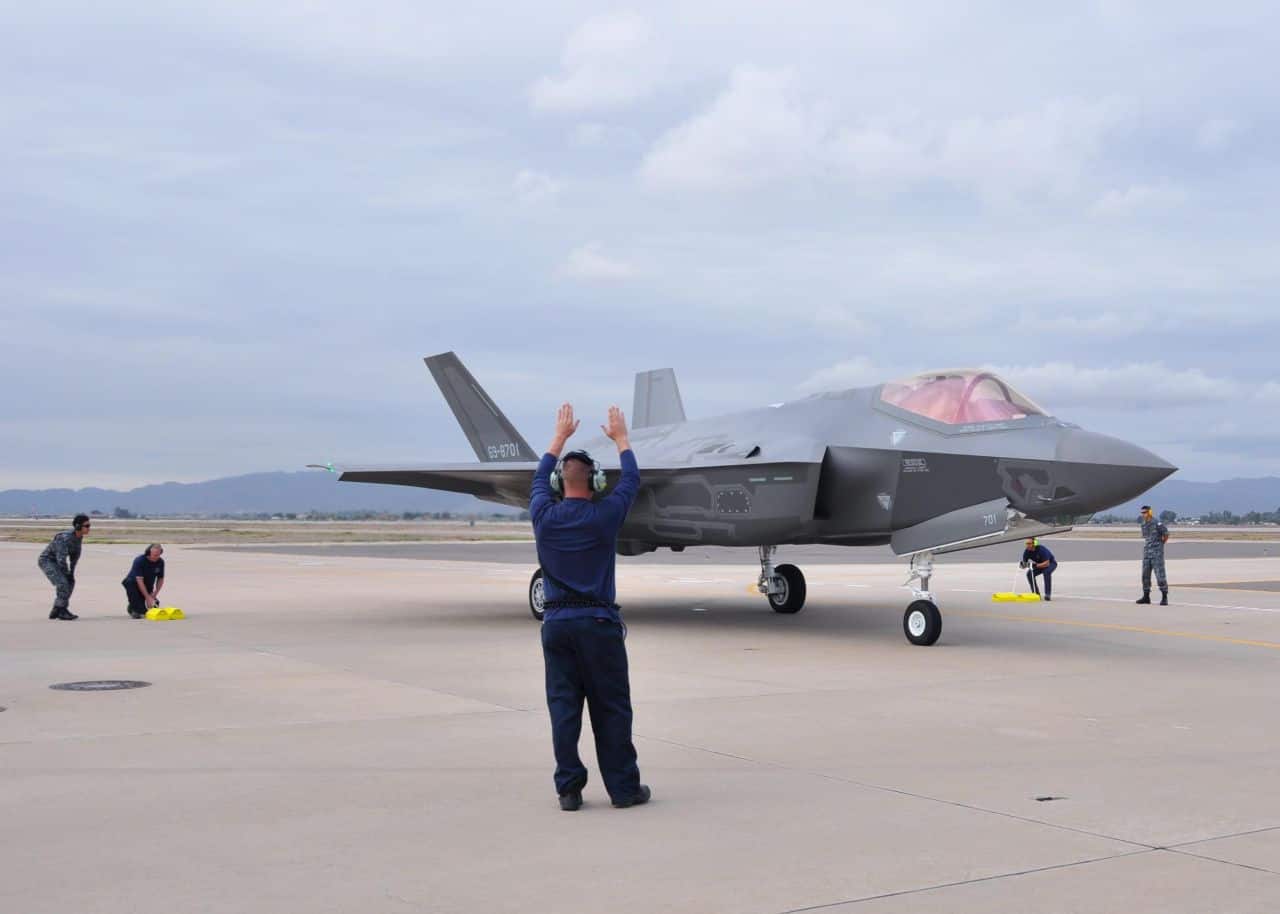
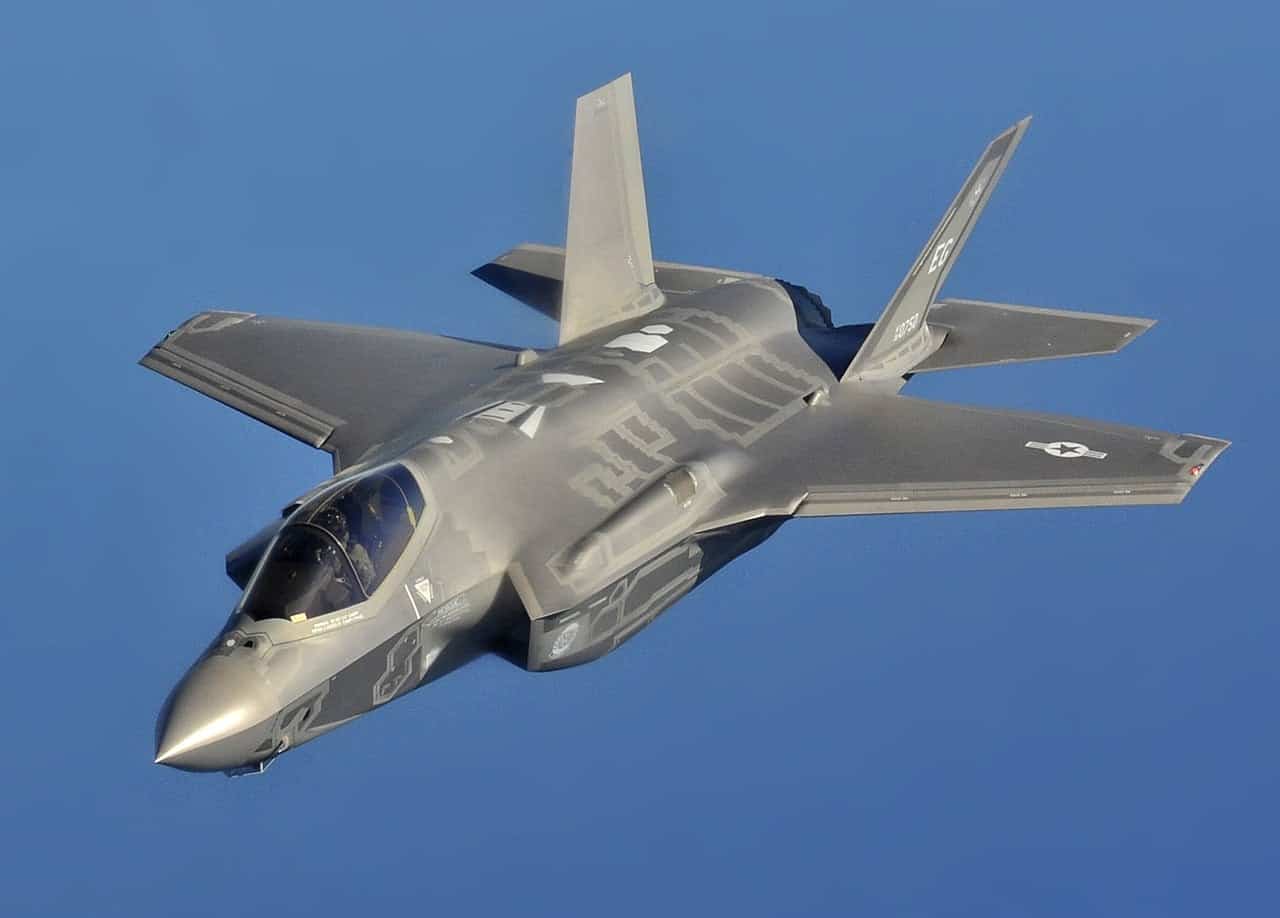
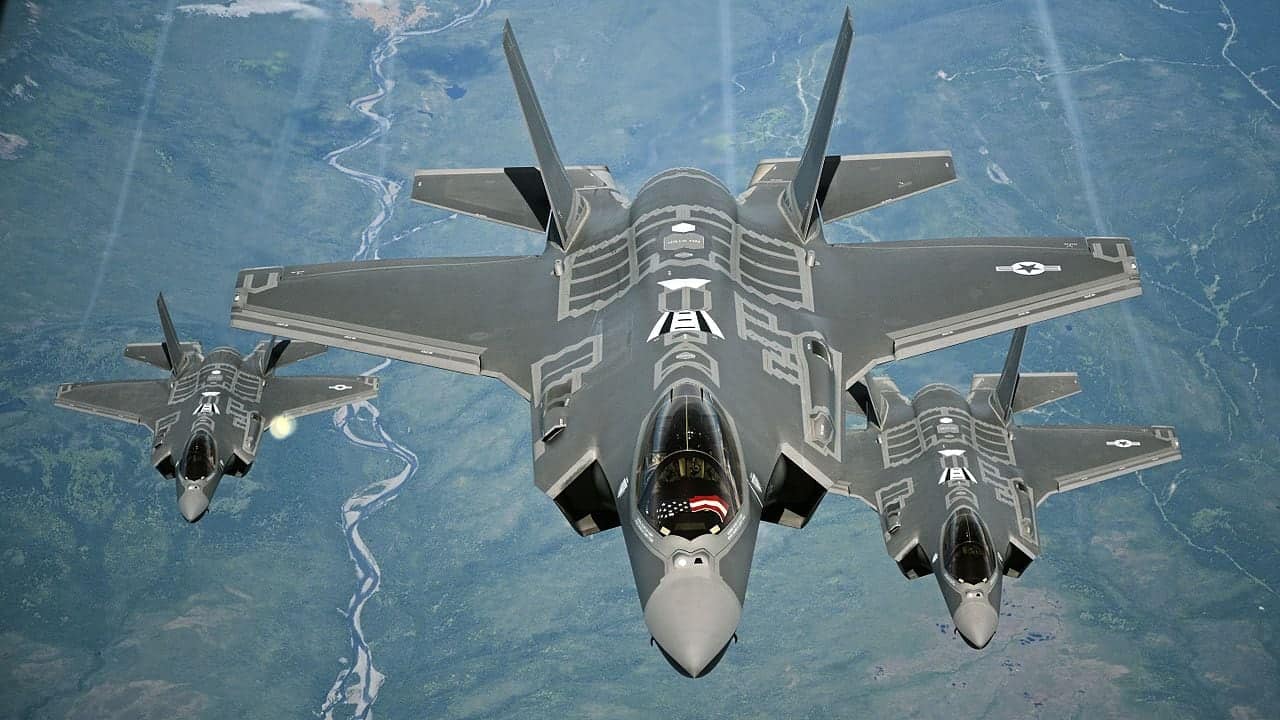
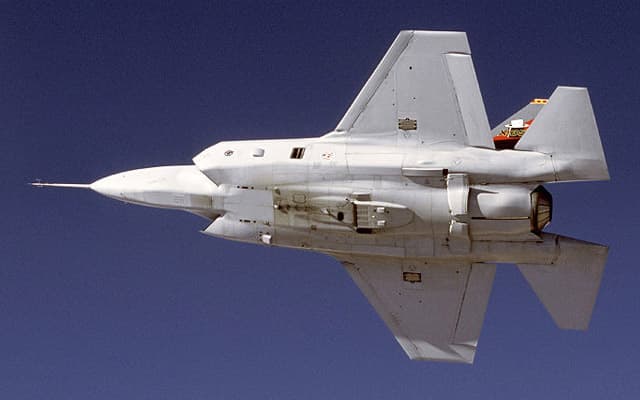
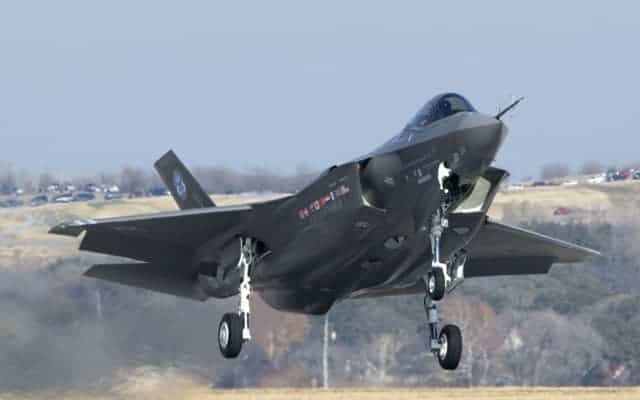
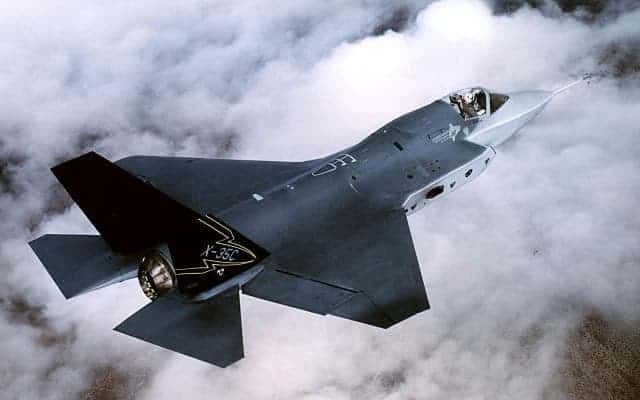
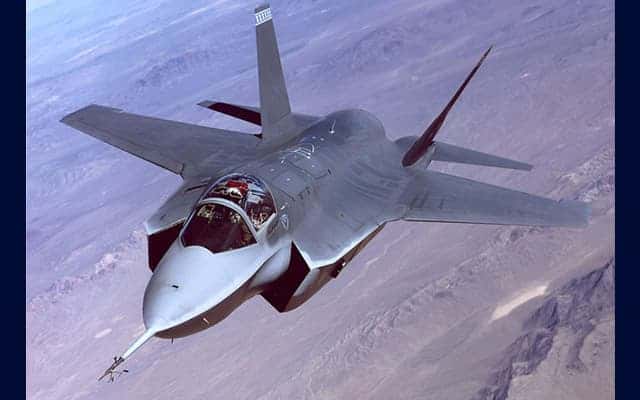

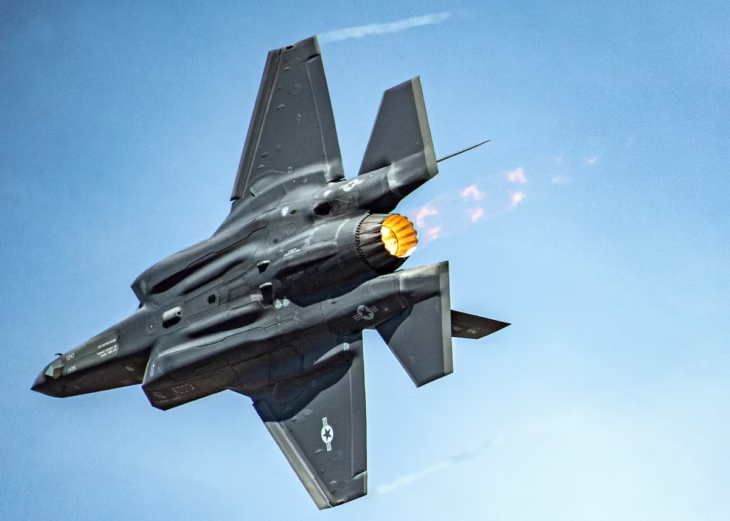
The Lockheed Martin F-35 Lightning II is a single seat, single engine, supersonic stealth strike fighter. It exists in three variants that look nearly identical but take off and land in three completely different ways.
It is a multirole aircraft rather than a dedicated air superiority fighter. The design brief asked for one airframe that could drop bombs, shoot down other aircraft, jam radars and act as an airborne intelligence node, all while staying hard to detect.
That combination is what puts it in the fifth generation of fighter aircraft: low observable shaping, internal weapons carriage, an active electronically scanned array radar, and sensor fusion that merges every input into a single picture for the pilot.
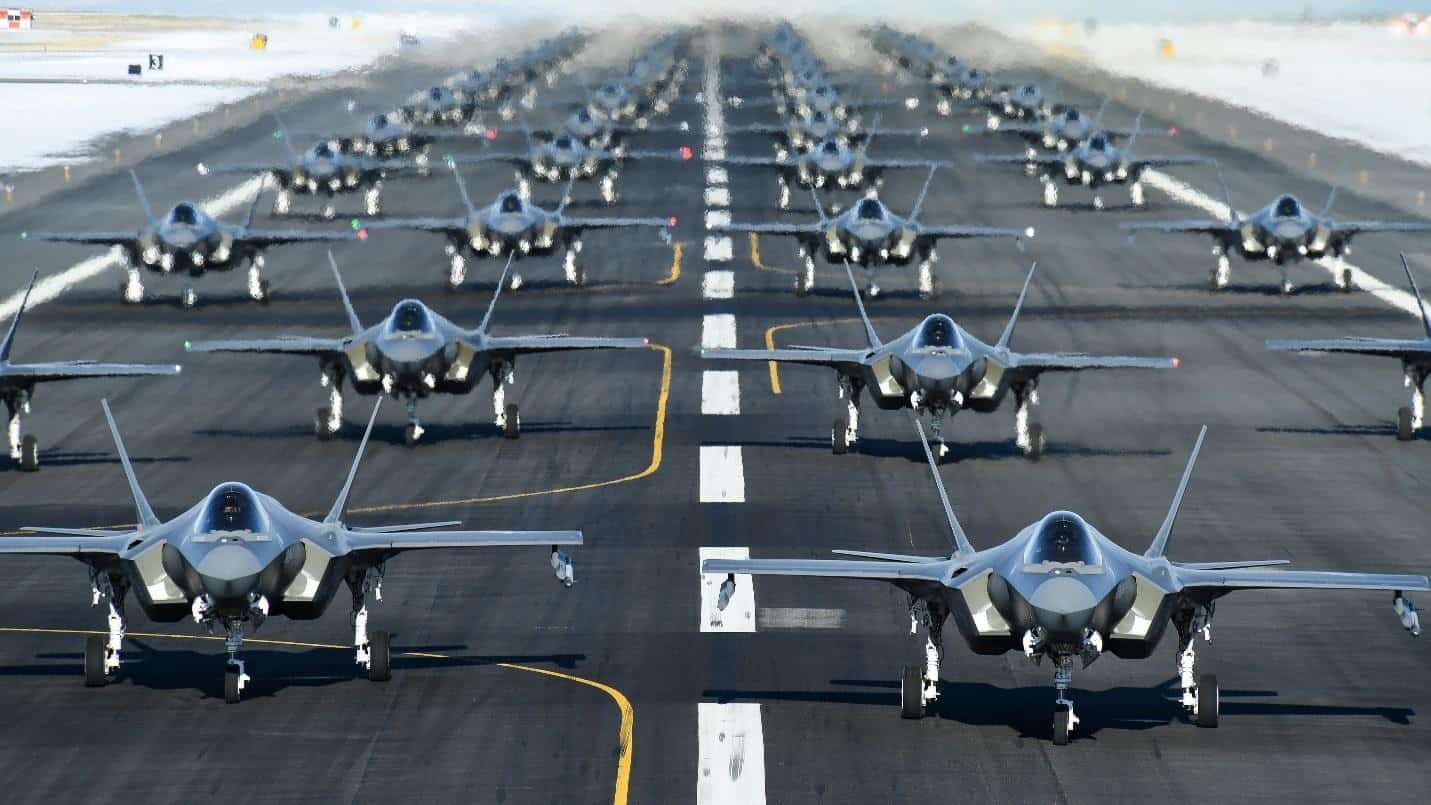
It is also the most-produced stealth aircraft in history. Lockheed Martin had delivered more than 1,345 airframes as of August 2026, and the global fleet has passed one million flight hours.
The F-35 descends from the Lockheed Martin X-35, which beat the Boeing X-32 in the Joint Strike Fighter competition in October 2001. The goal was to replace four separate aircraft with one common design.
Those four were the US Air Force’s F-16 Fighting Falcon and A-10 Thunderbolt II, the Navy’s F/A-18 Hornet, and the Marine Corps’ AV-8B Harrier II. Britain’s Harrier GR.7 and Sea Harrier were on the list too.
The first F-35A flew on 15 December 2006. The Marine Corps declared its F-35B combat ready on 31 July 2015, the Air Force followed with the F-35A on 2 August 2016, and the Navy declared the F-35C operational on 28 February 2019.
Development was funded primarily by the United States with contributions from selected NATO members and Australia. Turkey was removed from the program in 2019 after buying the Russian S-400 air defence system.
Full-rate production was not formally approved until March 2024, roughly five years later than planned, largely because of delays integrating the aircraft into the Joint Simulation Environment test rig. In practice the factories had been running near full rate since 2020.
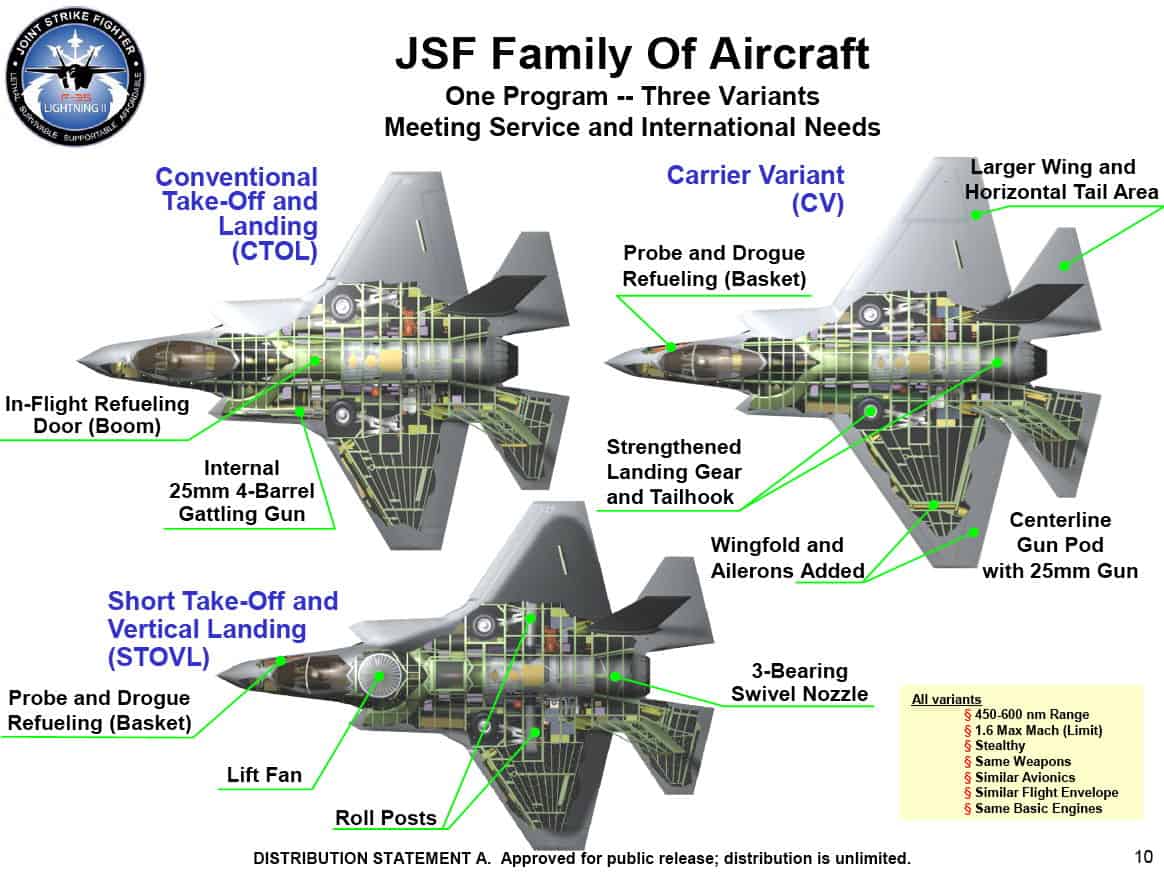
The three variants are the reason the program exists, and also the reason it was so expensive. Each one solves a different basing problem, and the differences are physical, not just software.
The F-35A is the conventional takeoff and landing model flown by the Air Force and most export customers. It is the lightest, the cheapest and the only variant with an internal gun, a 25 mm GAU-22/A rotary cannon with 180 rounds.
The F-35B is the short takeoff and vertical landing model built for the Marine Corps, the Royal Navy and Italy. A shaft-driven lift fan behind the cockpit and a swivelling rear nozzle let it operate from amphibious assault ships and short strips.
That lift system costs the F-35B dearly in fuel and payload. It carries 13,500 lb (6,120 kg) of internal fuel, roughly a quarter less than the F-35A, and its weapons payload drops to 15,000 lb (6,800 kg).
The F-35C is the carrier variant. It has a much larger wing at 43 feet (13.1 m) of span and 668 square feet (62.1 sq m) of area, against 35 ft 0 in (10.67 m) and 460 square feet (42.7 sq m) on the other two.
That bigger wing gives the F-35C the slower approach speed a catapult-and-arrestor deck demands, plus the most internal fuel of the family at 19,750 lb (8,960 kg). It is also the heaviest empty, at 34,581 lb (15,686 kg) against the F-35A’s 29,300 lb (13,290 kg).
The g limits differ too, and they tell you what each variant is really for. The F-35A is stressed to +9.0 g, the F-35C to +7.5 g and the F-35B to +7.0 g.
Every F-35 is powered by a single Pratt & Whitney F135 turbofan. In the F-35A it is the F135-PW-100, producing 28,000 lb of thrust (125 kN) dry and 43,000 lb (191 kN) in full afterburner.
That is the most thrust any fighter engine in production puts out, and it is the reason a single-engine aircraft can carry this much weight. Twin-engine fighters of the same era typically split a similar total across two smaller engines.
The engine is a three-stage fan feeding a six-stage compressor, an annular combustor, a single-stage high pressure turbine and a two-stage low pressure turbine. The F-35B adds a Rolls-Royce LiftSystem: a two-stage counter-rotating lift fan driven off the engine shaft, plus roll posts in the wings and a three-bearing swivel nozzle at the tail.
Readers sometimes ask for the F-35’s horsepower. Jet engines are rated in thrust rather than shaft power, so 43,000 lb of thrust is the correct figure and there is no meaningful horsepower equivalent for a turbofan in level flight.
Stealth on the F-35 is a combination of shape, materials and discipline about what the aircraft carries. The airframe uses aligned edges, a serrated pattern around every door and panel, and a sawtooth treatment on the weapons bay doors so that radar energy reflects away in a few predictable directions rather than straight back.
The engine inlet uses a diverterless supersonic inlet, a bulged surface that pushes sluggish boundary-layer air away without the splitter plate and ducting that older designs needed. Fewer parts means fewer radar-reflecting corners.
Radar absorbent material is baked into the skin rather than applied as a coating that ground crews have to patch after every sortie. That was a deliberate maintainability lesson learned from earlier stealth fighter programs.
The discipline part matters most. An F-35 flying with weapons and fuel tanks hung under the wings is not a stealth aircraft in any useful sense, which is why the low-observable configuration keeps everything inside.
The F-35’s real advantage is not its airframe. It is the AN/APG-81 active electronically scanned array radar, replaced by the AN/APG-85 from Lot 17 onward, feeding a fused picture alongside several other sensors.
The AN/AAQ-40 Electro-Optical Targeting System sits under the nose behind faceted sapphire windows and handles precision targeting. The AN/AAQ-37 Distributed Aperture System uses six infrared cameras spread around the airframe to give continuous spherical coverage for missile warning and night vision.
The AN/ASQ-239 Barracuda system handles electronic warfare and countermeasures. All of it is stitched together and pushed to the pilot as one picture rather than as separate displays to be interpreted.
The F-35 has no head-up display. The Generation III helmet-mounted display system projects flight and targeting symbology onto the visor, and the Distributed Aperture System feeds video straight to it, so a pilot can look down through the floor of the aircraft and see the ground.
Data leaves the aircraft over the Multifunction Advanced Data Link, a low-probability-of-intercept link that lets a flight of F-35s share a common track picture without lighting up an adversary’s receivers. Link 16 handles the wider network at the cost of being detectable.
The full specification table for this aircraft is on this page, above the article, and the figures below explain the ones that get quoted against each other most often. All of them describe the F-35A unless stated otherwise.
Range versus combat radius. The Air Force publishes more than 1,200 nautical miles on internal fuel, which is a one-way distance flown at the most efficient profile. Combat radius, the more operationally honest number, is 669 nm for an air-to-surface interdiction mission and 760 nm in air-to-air configuration, both on internal fuel.
Speed in Mach versus knots. The published top speed is Mach 1.6, which the Air Force glosses as roughly 1,200 mph. At sea level the aircraft is limited to about Mach 1.06, or 700 knots.
Maximum takeoff weight. The Air Force describes the F-35A as a 70,000 pound class aircraft rather than quoting an exact figure, and the Royal Australian Air Force publishes 65,918 lb (29,900 kg). Empty weight is 29,300 lb (13,290 kg), so roughly half of a fully loaded F-35A is fuel and weapons.
Payload, internal and external. The 18,000 lb (8,160 kg) total weapons figure is only reachable with the external hardpoints loaded, which forfeits stealth. Flying clean, the four internal stations hold 5,700 lb (2,590 kg).
Thrust-to-weight. At gross weight the F-35A sits at 0.87, rising to 1.07 with 50 percent internal fuel. That is respectable but well short of an air superiority design, and it is the clearest numerical hint that this is a strike fighter first.
Runway length. No published takeoff or landing distance exists for the F-35A, so the specification table leaves those rows empty rather than borrow the F-35B’s short takeoff figures. In practice, Air Force and Air National Guard wing policy avoids planned landings on runways shorter than 8,000 feet unless certified arresting gear is installed.
The F-35A carries its stealth loadout in two internal bays with four stations between them. A typical configuration is two AIM-120 AMRAAM air-to-air missiles and two 2,000 lb class bombs, all inside the aircraft.
Six external wing stations exist for missions where survivability is not the constraint. Loading them is informally called Beast Mode, and it turns the F-35 into a conventional bomb truck with a radar cross section to match.
The cleared weapons list is long and still growing. It includes the AIM-9X Sidewinder, AIM-120 AMRAAM, AIM-132 ASRAAM, Joint Direct Attack Munitions, Paveway laser guided bombs, the AGM-154 JSOW, the GBU-39 Small Diameter Bomb and the GBU-53/B StormBreaker.
The F-35A is also certified to carry two B61 Mod 12 nuclear bombs, which makes it a dual-capable aircraft for NATO nuclear sharing. Belgium, Germany, Italy and the United Kingdom have all moved to buy nuclear-capable F-35As.
Block 4 adds the MBDA Meteor, SPEAR 3, AGM-88G AARGM-ER, the AGM-158 JASSM family and the Joint Strike Missile as integration work completes.
Unit flyaway cost is the figure worth quoting, and it differs sharply by variant. For the 296 aircraft in Lots 18 and 19, with deliveries starting in 2026, the F-35A costs $92.0 million, the F-35B $121.4 million and the F-35C $110.8 million in 2026 dollars.
Flyaway cost covers the marginal cost of building one aircraft, including the government-furnished engine and radar. The F135 engine alone accounted for $20.4 million of that as of 2025.
It does not cover spares, training, support equipment, infrastructure or the decades of sustainment that follow. That is why program-level figures look so different.
The Government Accountability Office put the total F-35 program cost at roughly $2 trillion through 2088, and the Joint Program Office later clarified a $2.1 trillion figure. About half of that increase over earlier estimates is inflation across a 60-year ownership window rather than new spending.
F-35 capability arrives in software blocks, and the hardware that runs them arrives as Technology Refresh packages. The development phase ran through Blocks 1A, 1B, 2A, 2B, 3i and 3F, with 3F delivering the full flight envelope and baseline combat capability.
Technology Refresh 3 replaced the core processor, memory and cockpit display to create the computing headroom Block 4 needs. Its delayed software caused a lengthy delivery pause in 2023 and 2024 while completed aircraft sat in storage at Fort Worth.
Block 4 is the substantial capability jump: more weapons, better electronic warfare, improved sensor performance and the AN/APG-85 radar. It is being delivered incrementally rather than as one release.
Because early production aircraft were built while development continued, a practice known as concurrency, a large share of the fleet needs retrofit work to reach the current standard. That overlap is one of the program’s most-criticised decisions.
Twenty nations participate in the F-35 program. The United States is by far the largest customer, with planned buys of 1,763 F-35As for the Air Force, 280 F-35Bs and 140 F-35Cs for the Marine Corps, and 273 F-35Cs for the Navy.
Britain plans 138 F-35Bs for the Royal Air Force and Royal Navy. Italy is buying 75 F-35As and 40 F-35Bs, the Netherlands 57 F-35As, Australia 100 F-35As and Norway 52 F-35As.
Israel operates a nationally modified variant designated F-35I Adir, with 75 aircraft planned and its own mission systems integrated. Japan is the largest Asian operator with 105 F-35As and 42 F-35Bs planned.
More recent customers include Poland, Finland, Switzerland, Germany, Belgium, Denmark, Canada, Singapore, South Korea, Greece, the Czech Republic and Romania. More than 3,290 pilots and 20,100 maintainers had been trained by early 2026.
The comparison that comes up most often is with the F-22 Raptor, and the honest answer is that they were built for different jobs. The F-22 is a twin-engine air superiority fighter that supercruises and out-turns almost anything; the F-35 is a single-engine strike fighter that sees further and shares more.
The F-22 line closed in 2011 after only 186 operational jets, so the F-35 also wins on numbers and on how current its electronics are. Our side-by-side F-22 Raptor versus F-35 Lightning II comparison lays the specifications out row by row.
Against the Chinese Chengdu J-20 and Shenyang J-35, and the Russian Sukhoi Su-57, the F-35’s edge is claimed to be sensor fusion and coalition interoperability rather than raw kinematics. Those claims are hard to verify from open sources, because the relevant performance is classified on all sides.
Within the current US fighter fleet, the F-35 is the aircraft that ties the others together. It is a common thread that also runs through most rankings of the best fighter jets in the world.
The F-35 first saw combat in May 2018, when Israel used the F-35I in strikes in Syria. US F-35Bs flew their first strikes in Afghanistan later that year, and the F-35C entered combat over Yemen in 2024.
Since then the type has been used by the United States in Iraq, Iran and Venezuela, and by Israel in Gaza, Lebanon, Iraq, Iran and Yemen. Britain has flown it operationally over Iraq and Syria.
Design service life is 8,000 flight hours per airframe, and the fleet is planned to remain in service until 2088. That makes the F-35 the backbone of American and allied tactical air power for the next several decades.
The United States plans to buy 2,456 F-35s in total: 1,763 F-35As for the Air Force, 280 F-35Bs and 140 F-35Cs for the Marine Corps, and 273 F-35Cs for the Navy. Several hundred of those have been delivered, out of a global fleet of more than 1,345 aircraft as of August 2026.
Neither is simply better, because they were designed for different missions. The F-22 is a twin-engine air superiority fighter with higher speed, a higher ceiling and supercruise, while the F-35 has newer sensors, better data sharing and a far larger production run.
In a pure air-to-air fight the F-22 has the kinematic advantage. In a strike or networked role the F-35 is the more capable aircraft.
By the usual measures of sensor fusion, networking and production maturity, the F-35 is generally considered the most advanced fighter in operational service. The F-22 remains superior in raw air-to-air performance, and Chinese and Russian fifth-generation types are harder to assess because their real performance is not published.
The F-35A has a unit flyaway cost of $92.0 million in 2026 dollars for Lots 18 and 19. The F-35B costs $121.4 million and the F-35C $110.8 million, because the lift fan and the carrier structure add expense. These figures exclude spares, training and sustainment.
The published top speed is Mach 1.6, about 1,200 mph (1,930 km/h) at altitude, and roughly Mach 1.06 or 700 knots at sea level. The F-35 does not supercruise, so sustained supersonic flight requires afterburner.
No. Every F-35 variant is single seat, and there is no two-seat trainer version, which is unusual for a modern fighter. Conversion training is done entirely in simulators, and a student’s first F-35 flight is solo.
Lockheed Martin and the Air Force do not publish a takeoff or landing distance for the F-35A, so the specification table on this page leaves those fields empty. Operationally, Air Force and Air National Guard wing policy avoids planned landings on runways shorter than 8,000 feet unless certified arresting gear is installed and operational.
The F-35 won the Joint Strike Fighter competition in October 2001, and the first F-35A flew on 15 December 2006. Production has run since 2006 and continues today, with full-rate production formally approved in March 2024.
The F-35 is a fifth-generation fighter. That classification requires low-observable design, internal weapons carriage, an AESA radar and fused sensor data presented as a single picture, all of which the F-35 has.
Lockheed Martin is the prime contractor and builds the aircraft at Fort Worth, Texas, with additional final assembly lines in Cameri, Italy and Nagoya, Japan. Northrop Grumman supplies the centre fuselage and the radar, BAE Systems the aft fuselage and electronic warfare suite, and Pratt & Whitney the F135 engine.
Sources and references used for research and fact-checking.