Fighter Jets
Boeing F-15EX Eagle II
ICAO: F15
The only carrier-based jammer flying anywhere in the world.
Updated: by Tim de Vries
The latest aviation news and stories sent to your inbox.
The Boeing EA-18G Growler is the only carrier-capable electronic attack aircraft in service anywhere in the world. Built on the two-seat F/A-18F Super Hornet airframe, it jams enemy radar and communications so the rest of the strike package can survive contested airspace. The US Navy took 160 between 2006 and 2016, Australia flies 12, and production has now ended.
Live Fleet Activity (F18S)
Fetching live data…
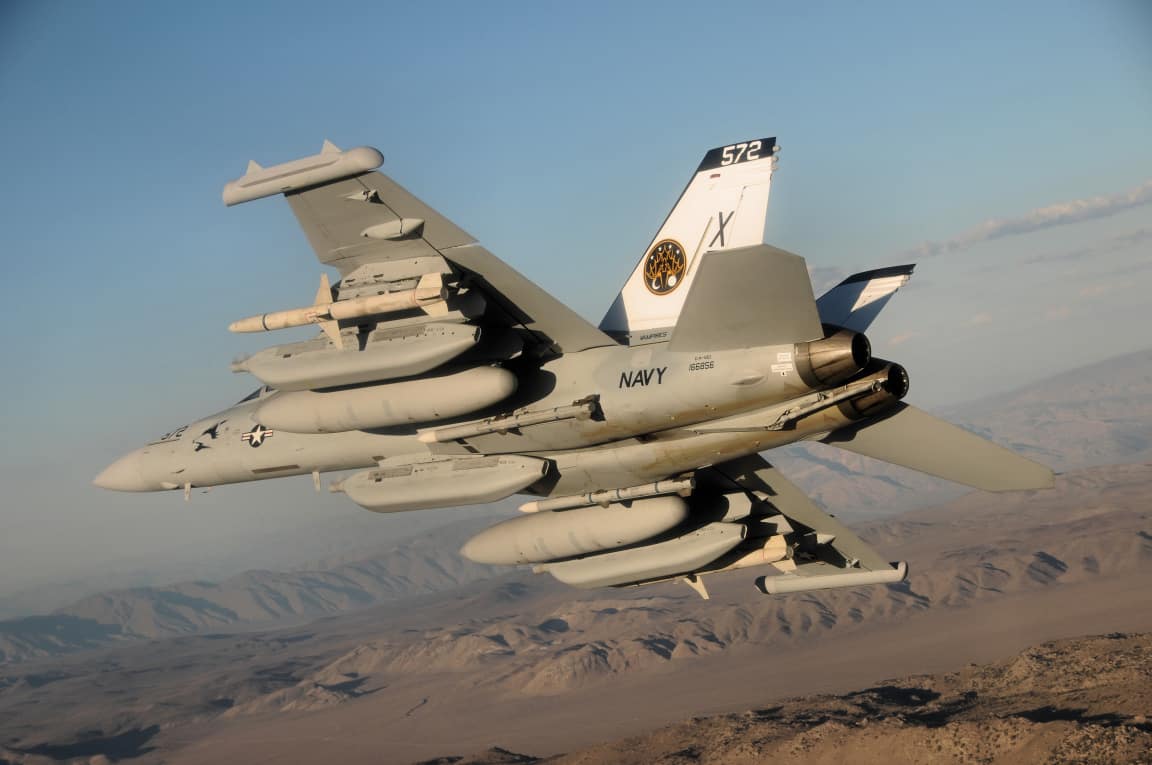
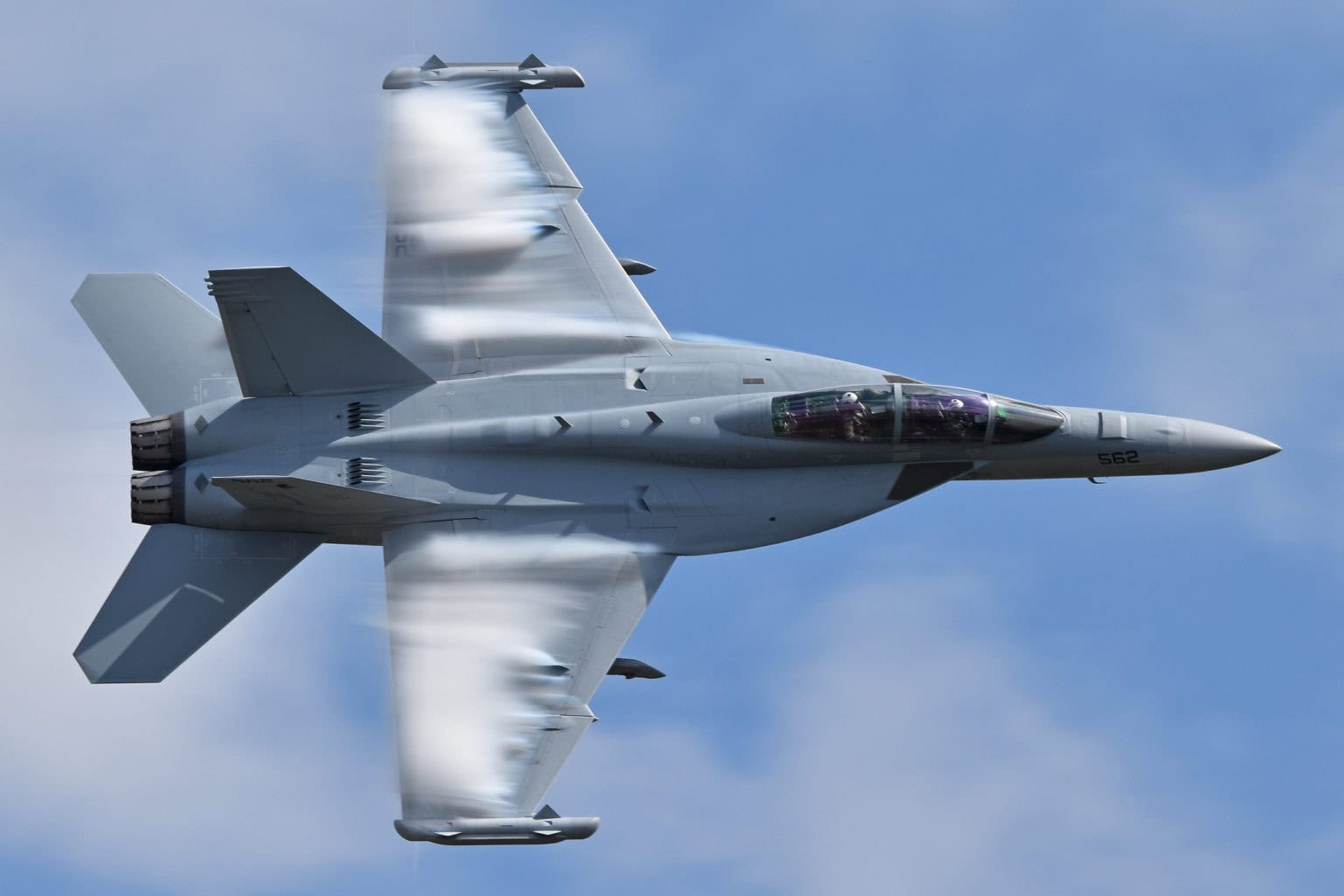


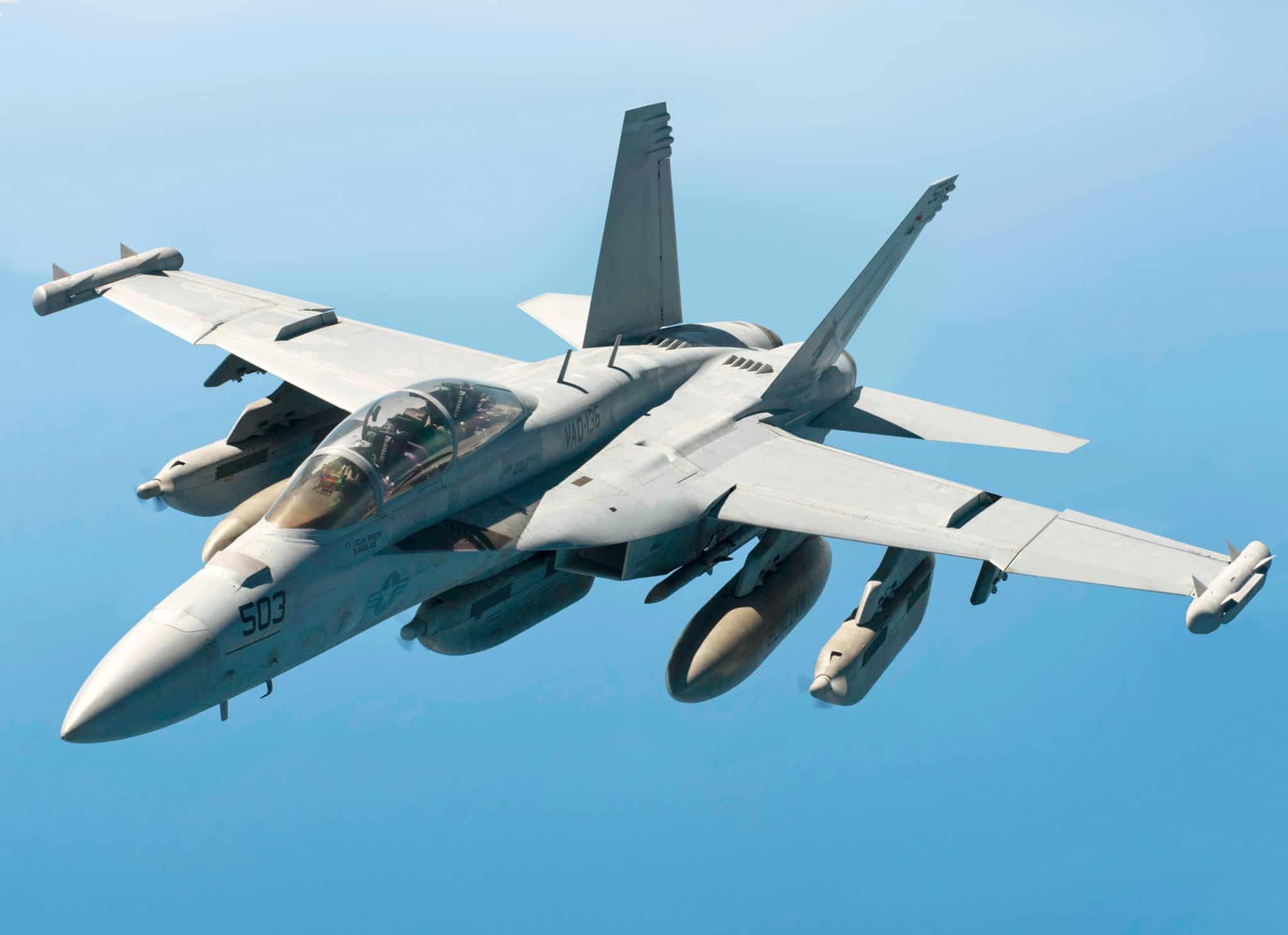


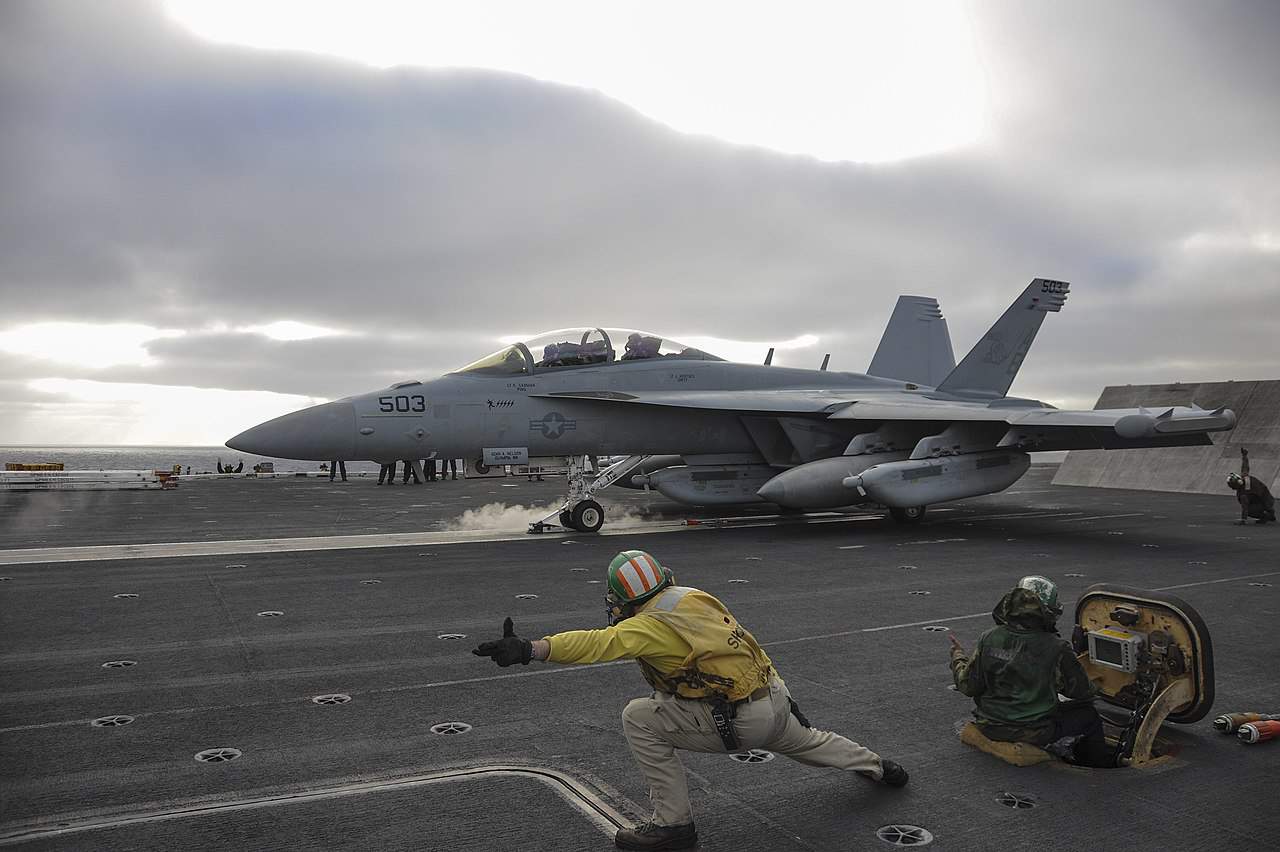
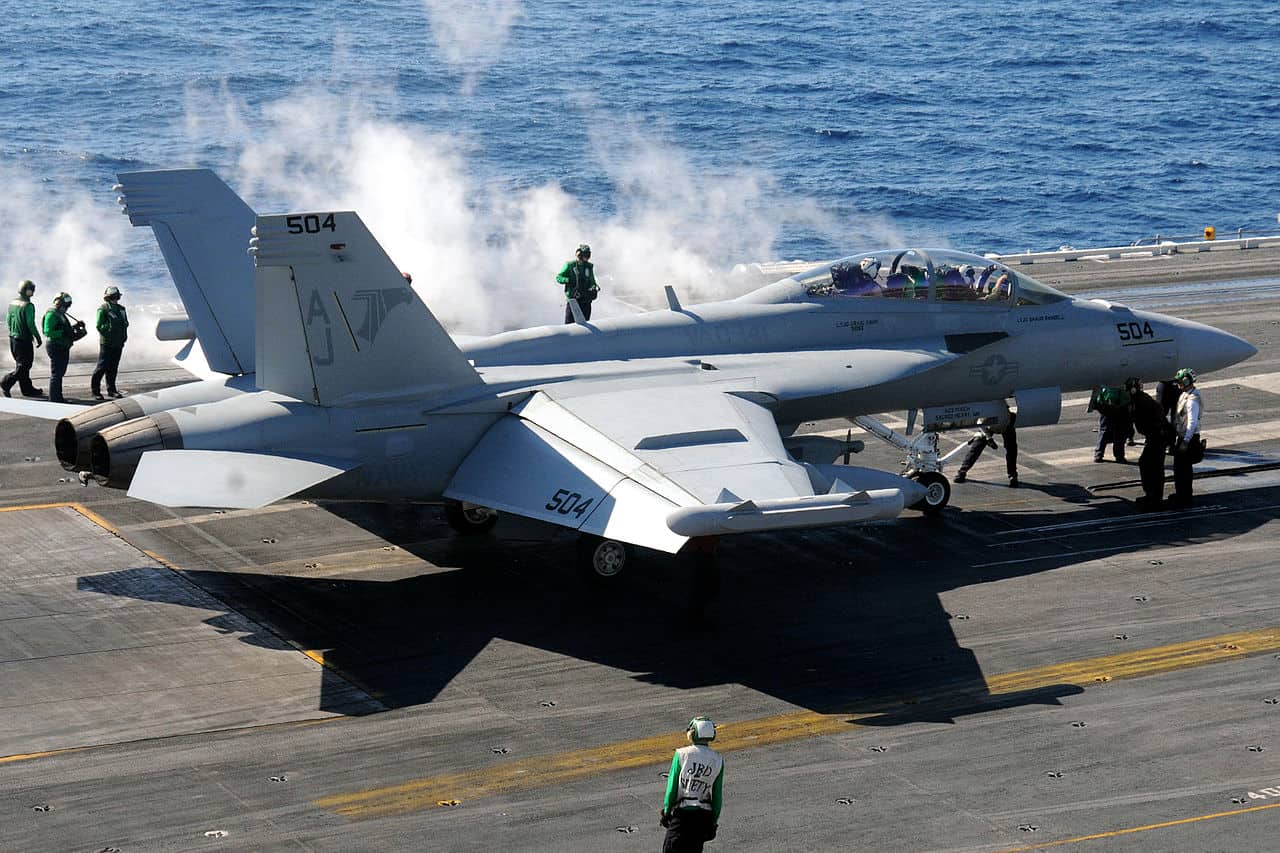


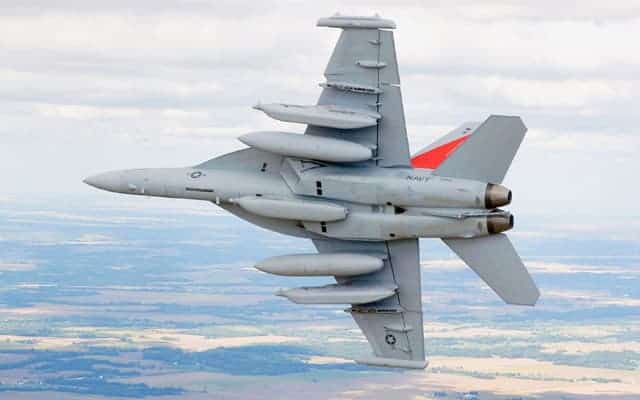
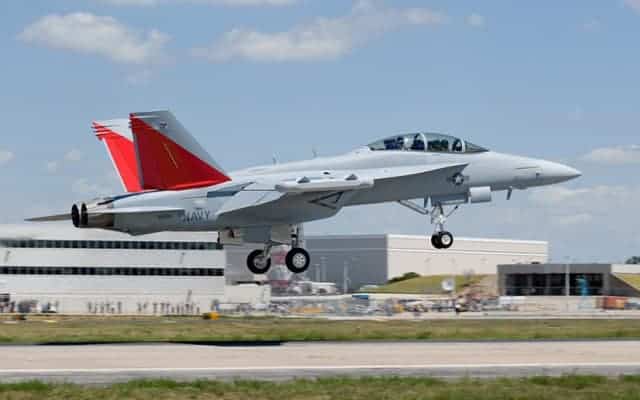
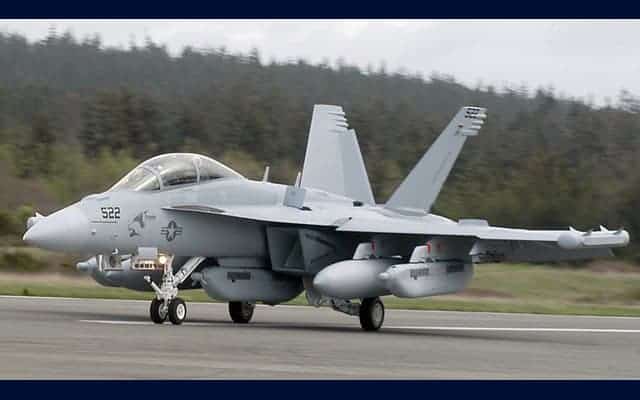
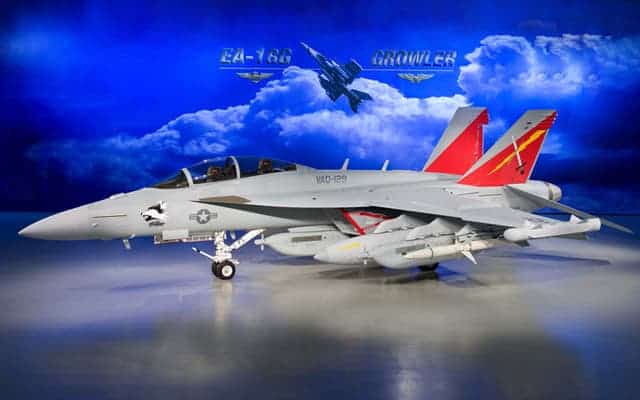

The Boeing EA-18G Growler is an electronic attack aircraft. Its job is not to shoot down enemy fighters or bomb targets, but to blind the radars and cut the radio links that let an enemy air defense system work at all.
It does this by broadcasting jamming energy on the frequencies the defender is using. Search radars lose the returns they need to build a track, surface-to-air missile batteries cannot guide, and the command network that ties them together goes quiet.
That makes the Growler an enabler. When a strike package goes into contested airspace, the Growler flies with it or orbits nearby, and everything else in the formation survives partly because of what it is doing.
It is also the only carrier-capable dedicated jammer flying anywhere in the world. No other navy operates a purpose-built electronic attack aircraft from a flight deck, which is a large part of why it ranks first among the electronic warfare aircraft in service today.
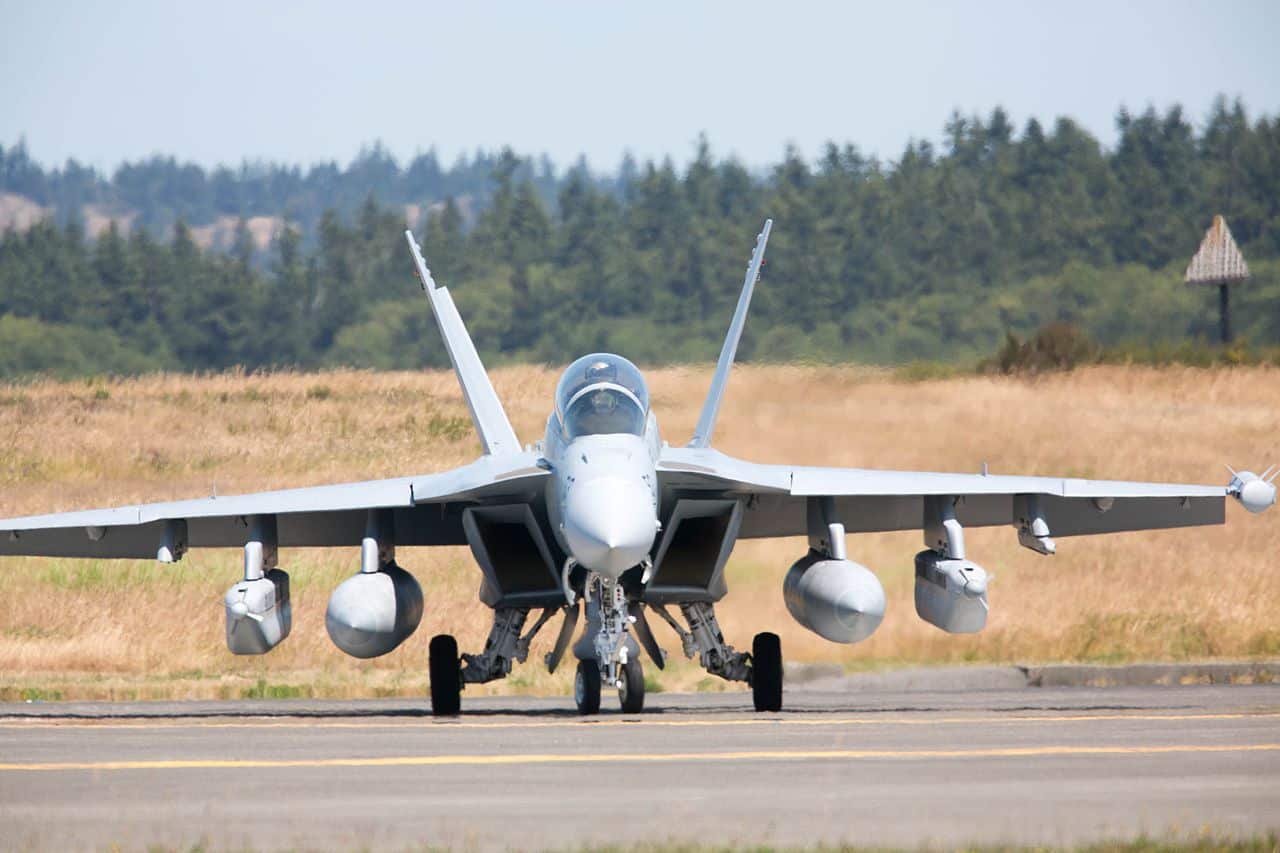
The Growler is built on the two-seat F/A-18F Super Hornet airframe, and from a distance the two look almost identical. About 90 percent of the airframe is common between them.
The differences are in what was taken out and what was put in. The 20 mm M61 cannon in the nose is gone, and the space it occupied now houses electronic warfare equipment.
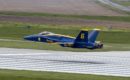
The wingtips no longer carry Sidewinder rails. They carry the AN/ALQ-218 wideband receiver pods instead, which is the easiest way to tell a Growler from a Super Hornet in a photograph.
Inside, the back seat changes role. In an F/A-18F the rear crewman is a weapons systems officer; in a Growler that seat belongs to an electronic warfare officer running the jamming suite.
The full specification table for the aircraft is on this page. Three of the figures in it are worth explaining, because the Growler’s published numbers often get quoted against each other in ways that do not compare.
The first is range. The 1,275 nm figure is the aircraft flying clean with two AIM-9s, and it is the number most references print.
An operational Growler is never clean. Loaded with jamming pods, missiles and external tanks, its combat radius on an interdiction profile is roughly 390 nm, while its ferry range carrying nothing but fuel is about 1,800 nm.
The second is speed. Mach 1.8 works out to roughly 1,190 mph (1,915 km/h) at 40,000 ft, but that is a clean airframe figure and a Growler carrying a jamming fit will not come close to it.
The third is fuel. The internal load is 13,940 lb (6,323 kg), and the aircraft can add up to three 480-gallon external tanks, spending hardpoints on endurance out of the 17,750 lb (8,050 kg) its nine stations can carry in total.
The Growler’s capability lives in three systems, and they do different jobs. The first is the AN/ALQ-218, the wingtip receiver set that listens across a wide band and works out what is transmitting, on what frequency, and from where.
Nothing can be jammed until it has been found, so the ALQ-218 is the part of the aircraft that makes the rest useful. It builds the electromagnetic picture the crew acts on.
The second system is the jammer itself. For most of the Growler’s service life that meant the AN/ALQ-99 tactical jamming pod, a design that dates back to the EA-6B Prowler era of the early 1970s and had become both maintenance-hungry and increasingly outmatched.
The replacement is the AN/ALQ-249 Next Generation Jammer. Its mid-band pod uses active electronically scanned array technology, which lets it put jamming energy on several targets at once rather than sweeping a single beam.
VAQ-133 took the mid-band pod on its first combat deployment in late 2024, aboard the USS Abraham Lincoln. Low-band and high-band pods are still in development, and Growlers have been photographed flying with a mixed load of old ALQ-99 and new ALQ-249 pods while the transition runs its course.
The third system is INCANS, an interference cancellation system that lets the crew transmit jamming and still talk on the radio at the same time. Earlier jammers deafened their own communications while working.
The Growler carries the AGM-88 HARM anti-radiation missile, which homes on a radar’s own emissions. Jamming a radar hides the strike package; a HARM removes the radar permanently.
For self-defense it carries the AIM-120 AMRAAM. It has no gun, and it is not built to turn with a fighter, so its answer to an air threat is a missile shot rather than a dogfight.
In July 2024 that capability was used for real. A Growler of VAQ-130, flying from the USS Dwight D. Eisenhower in the Red Sea, shot down a Houthi drone with an AMRAAM, scoring the type’s first air-to-air kill.
The Navy had expanded the Growler fleet’s AMRAAM capacity only months earlier, in direct response to the Red Sea drone threat. During that same deployment VAQ-130 flew close to 700 combat sorties and conducted seven strikes into Houthi-held territory in Yemen.
The Growler exists because the Prowler was running out of airframe life. Boeing began work on a Super Hornet-based replacement in the early 2000s, and the first EA-18G flew on August 15, 2006.
The type entered operational service on September 22, 2009. Its combat debut came in March 2011 over Libya, flying in support of the no-fly zone enforced under Operation Odyssey Dawn.
It inherited a joint responsibility along the way. When the Air Force retired the EF-111A Raven in 1998, American tactical jamming fell to the Navy and Marine Corps, and the Growler still flies missions on behalf of all the services.
The US Navy procured 160 Growlers between 2006 and 2016, and 172 airframes had been built in total as of October 2021. Growler production has now ended, with the wider Super Hornet line due to close in 2027.
That matters more than it sounds. Every Growler the Navy will ever fly has already been delivered, so the fleet can only shrink from here through attrition, and the Navy intends to keep the type in service into the 2040s.
The US Navy is the primary operator, flying the aircraft from Naval Air Station Whidbey Island in Washington state. Growler squadrons carry the VAQ prefix, and a carrier air wing normally deploys with a squadron of four to seven aircraft.
Australia is the only export customer, and the only country other than the United States to fly a dedicated tactical jammer of any kind. The Royal Australian Air Force operates 12 Growlers with No. 6 Squadron at RAAF Base Amberley.
Australia’s fleet has an unusual history. One aircraft, A46-311, was destroyed by an uncontained engine failure and fire during takeoff at Nellis Air Force Base in January 2018, and the RAAF quietly took delivery of a replacement airframe in February 2023.
That single attrition replacement is why the production span on this page runs to 2023. Series production for both customers finished in the late 2010s, and the 2023 aircraft was a one-off built to restore Australia’s squadron to 12.
Australian Growlers began receiving the ALQ-249 mid-band pod in 2025, with deliveries continuing through 2026.
The published flyaway unit cost is $68.2 million in 2012 dollars. That figure covers the aircraft itself and not the jamming pods, which are procured separately and are a substantial cost in their own right.
Australia’s replacement airframe was reported at around $170 million, a much larger number because it included associated support and program costs rather than a bare aircraft. Program-level and flyaway figures are not comparable, and mixing them is the most common error in cost comparisons of this type.
No EA-18G has ever been released for civilian ownership. Unlike some retired trainers and older fighters that reach the warbird market, the Growler is an in-service classified electronic warfare platform and none will be sold privately.
The Growler has a good safety record for a high-performance carrier aircraft, but it has suffered losses. The most serious recent accident happened on October 15, 2024, when a VAQ-130 aircraft crashed during a training flight in mountainous terrain east of Mount Rainier, Washington.
Both crew members were killed. Lt. Serena Wileman and Lt. Cmdr. Lyndsay Evans, both 31 and both based at Whidbey Island, were identified by the Navy the following week.
The RAAF’s 2018 loss at Nellis was the type’s other well-known write-off. The crew escaped, but the airframe was assessed as beyond economic repair after the fire.
The Growler is a fourth-generation-plus aircraft, derived from a fourth-generation fighter, and it is not stealthy. The F-35 is a fifth-generation stealth fighter with a sophisticated electronic warfare suite of its own in the AN/ASQ-239.
The two do different jobs, and the distinction is worth being precise about. The F-35’s system is built to protect the F-35, detecting threats and defeating the missiles aimed at it.
The Growler’s system is built to protect everyone else. It carries far more jamming power than any fighter can house internally, and it can direct that power at threats that are not tracking it at all.
Stealth and jamming are also complementary rather than interchangeable. A stealth aircraft is harder to see; a jammer makes the whole sensor picture unreliable, which helps the non-stealthy aircraft in the package as well.
There is no direct replacement in production. The Navy’s plan runs through the Next Generation Air Dominance family of systems, where Increment 2 is intended to take over the electronic attack mission.
Increment 1 is the F/A-XX strike fighter, which comes first. Increment 2 remains in the study phase and is expected to include both crewed and uncrewed platforms.
Until then the Growler airframe is the host for whatever comes next, which is why the Navy has committed to flying it to around 2046 and is spending on new jamming pods rather than a new aircraft.
The Air Force has taken the opposite route. Its EC-130H Compass Call fleet flew its last mission in September 2026, with the job passing to the Gulfstream-based EA-37B.
The Growler jams enemy radar and communications so that other aircraft can operate in defended airspace. It locates hostile emitters with its AN/ALQ-218 wingtip receivers, then floods the relevant frequencies with jamming energy from its pods, breaking the radar tracks and command links an air defense system needs. It can also destroy radars outright with the AGM-88 HARM anti-radiation missile.
Not really, and it is not meant to. The Growler has no gun, and its wingtips carry receiver pods instead of Sidewinder rails. It does carry the AIM-120 AMRAAM for self-defense, and in July 2024 a Growler used one to down a Houthi drone over the Red Sea, the type’s first air-to-air kill.
The Growler is a Super Hornet converted into a jammer, sharing roughly 90 percent of its airframe with the two-seat F/A-18F. The visible differences are the AN/ALQ-218 receiver pods on the wingtips and the absence of a nose cannon. The bigger difference is inside: the Growler’s back-seater is an electronic warfare officer running a jamming suite, not a weapons systems officer running an air-to-ground attack.
No. Series production ended after the US Navy and Royal Australian Air Force orders were completed in the late 2010s, with 172 airframes built in total as of October 2021. One further aircraft was built afterwards as an attrition replacement for Australia and delivered in February 2023, which is the last Growler off the line. Boeing’s wider F/A-18 Super Hornet line is scheduled to close in 2027, so no further Growlers will be built.
The published flyaway cost is $68.2 million in 2012 dollars, which covers the aircraft but not the jamming pods it carries. Program-level figures are much higher because they include support, training and infrastructure. Australia’s single replacement airframe, bought after a 2018 accident, was reported at around $170 million on that broader basis.
Its top speed is Mach 1.8, roughly 1,190 mph (1,915 km/h) at 40,000 ft. It is marginally faster than a standard Super Hornet in a clean configuration, though a Growler on an operational mission is carrying jamming pods and external tanks and will not approach that number.
The US Navy procured 160 between 2006 and 2016, and the Royal Australian Air Force operates 12. A total of 172 airframes had been built as of October 2021, and because production has ended the fleet can only decline from that point through attrition.
No. The Growler is a front-line electronic warfare platform with classified systems on board, and none have been released to the civilian market. Unlike some retired military trainers and older fighters that reach private warbird owners, no EA-18G is available for sale.
The US Navy’s Growler squadrons are home-based at Naval Air Station Whidbey Island in Washington state, and deploy aboard aircraft carriers as part of a carrier air wing. Australia’s 12 aircraft fly with No. 6 Squadron from RAAF Base Amberley in Queensland.
Sources and references used for research and fact-checking.