Boeing

Global leader in commercial jetliners, defense systems, and spaceflight

United States
The number of Boeing aircraft listed on aerocorner.com for each category.

AeroCorner features profiles for 71 Boeing aircraft. This includes 22 Mid Size Passenger Jets, 15 Jumbo Passenger Jets, 11 Heavy Business Jets, 6 Military Aircraft, 5 Cargo Airplanes, 5 Fighter Jets, 2 Military Propellor Planes, 2 Military Transport Planes, 1 Aerial Firefighting, 1 Future, and 1 Military Trainer. Each profile includes performance data, photo galleries, dimensions, and operational history.

Boeing Superlatives
  • Largest (wingspan): Boeing BBJ 777-9 (Wingspan: 235 ft 7 in · 71.80 m)
  • Heaviest (MTOW): Boeing 747-8 (MTOW: 987,000 lb  ·  447,500 kg )
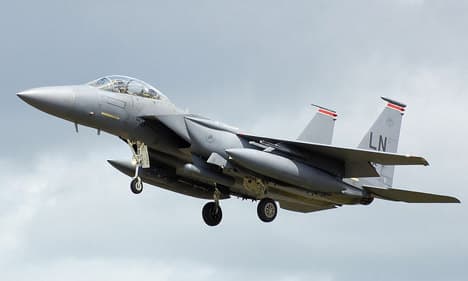
  • Fastest: F-15E Strike Eagle (Top speed: 1,629 kt  ·  1,875 mph  ·  3,017 km/h )

The Boeing Company is one of the world’s most influential aerospace manufacturers, producing commercial airliners, military aircraft, satellites, and space systems. Its aircraft families such as the 737, 747, 777, and 787 have shaped the global air travel landscape and remain core to airline fleets worldwide.

Boeing also plays a major role in defense and space programs, supporting military services with fighters, tankers, rotorcraft, and advanced systems. Its engineering innovations, global supply chain, and manufacturing scale make it one of the central pillars of modern aviation and aerospace technology.
Read more
All aircraft by Boeing listed. Click on each to visit its dedicated profile page.

Aircraft by Boeing

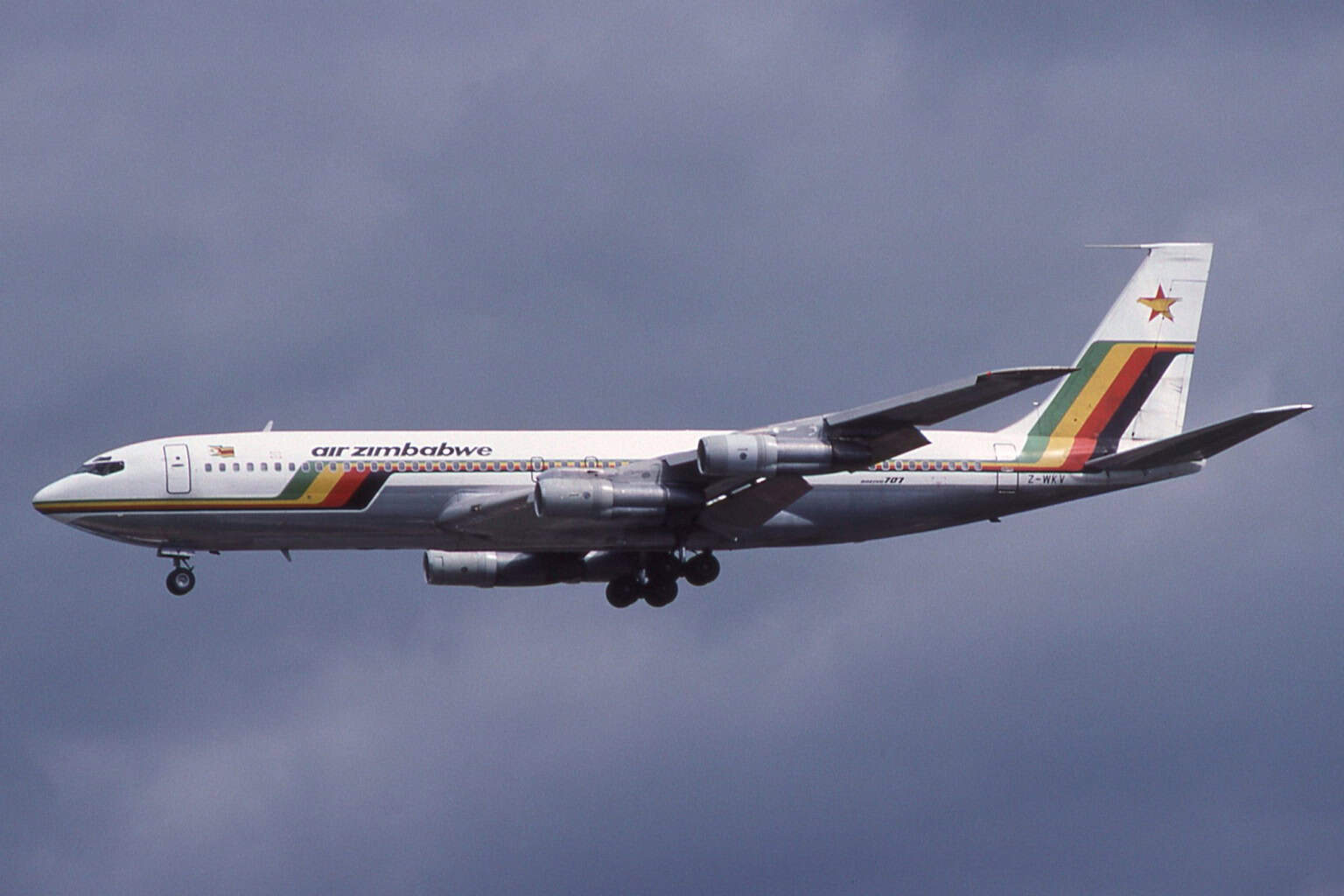
Boeing 707
Mid Size Passenger Jets

Boeing 707 (B703)

Boeing 727
Mid Size Passenger Jets

Boeing 727 (B727)

Boeing 737 Convertible
Mid Size Passenger Jets

Boeing 737 Convertible (B737)

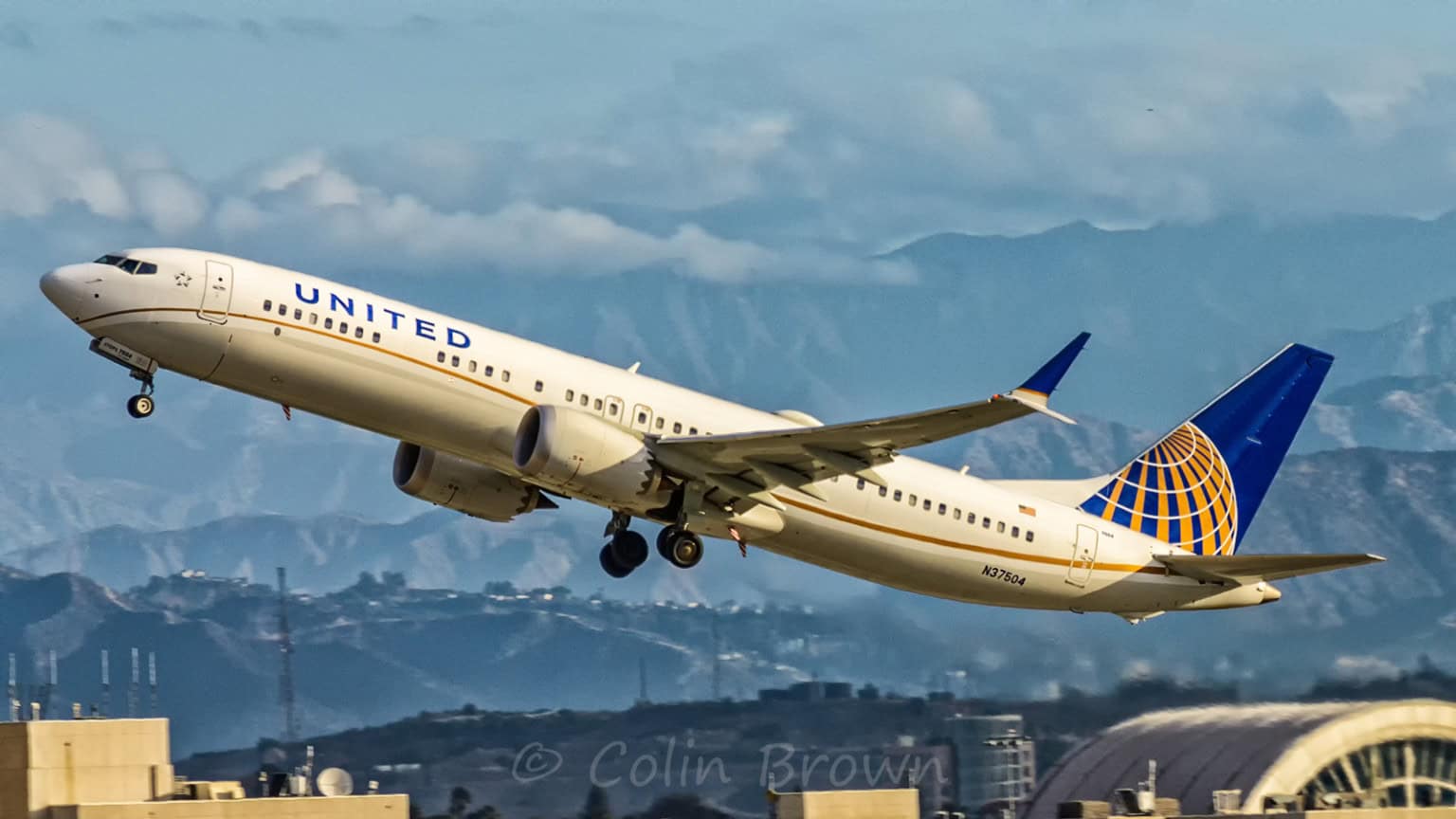
Boeing 737 MAX 10
Mid Size Passenger Jets

Boeing 737 MAX 10 (B3XM)

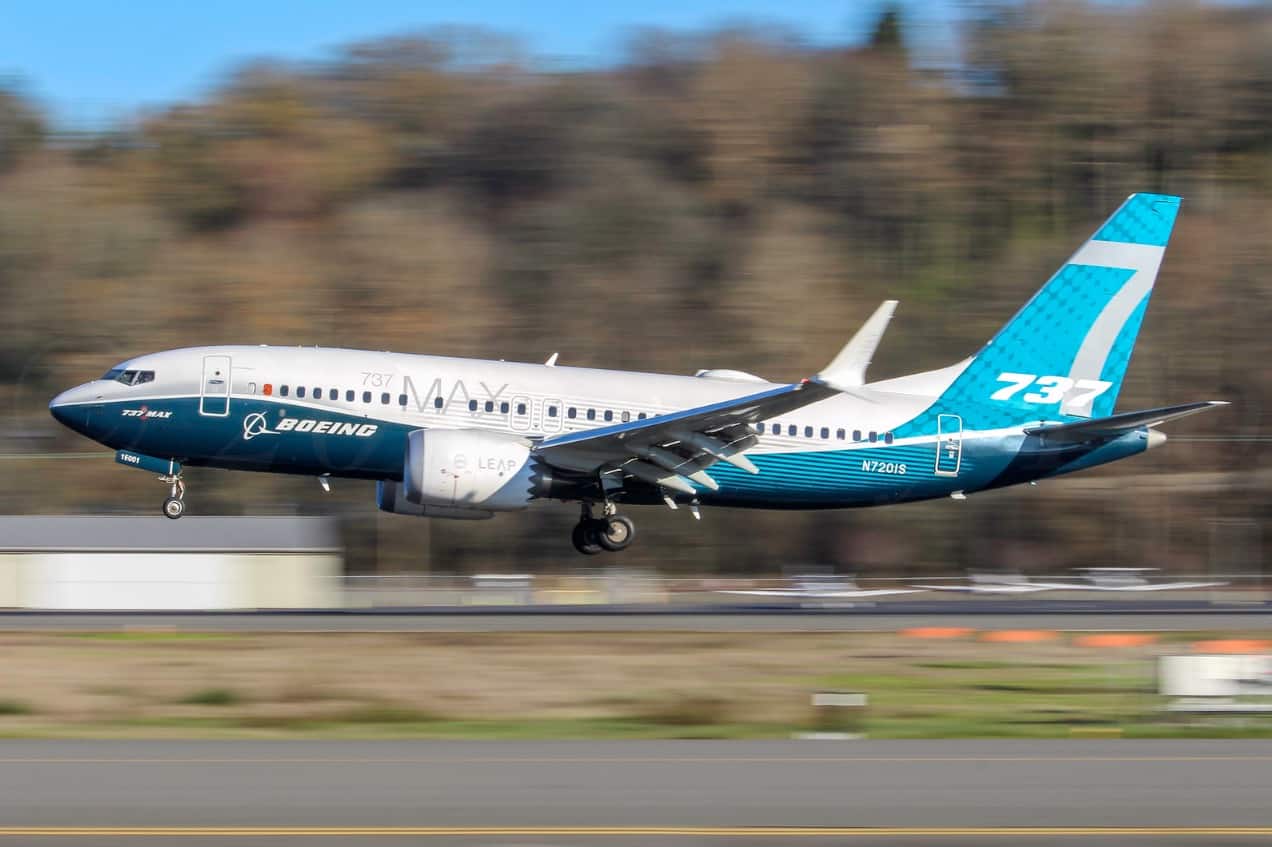
Boeing 737 MAX 7
Mid Size Passenger Jets

Boeing 737 MAX 7 (B37M)

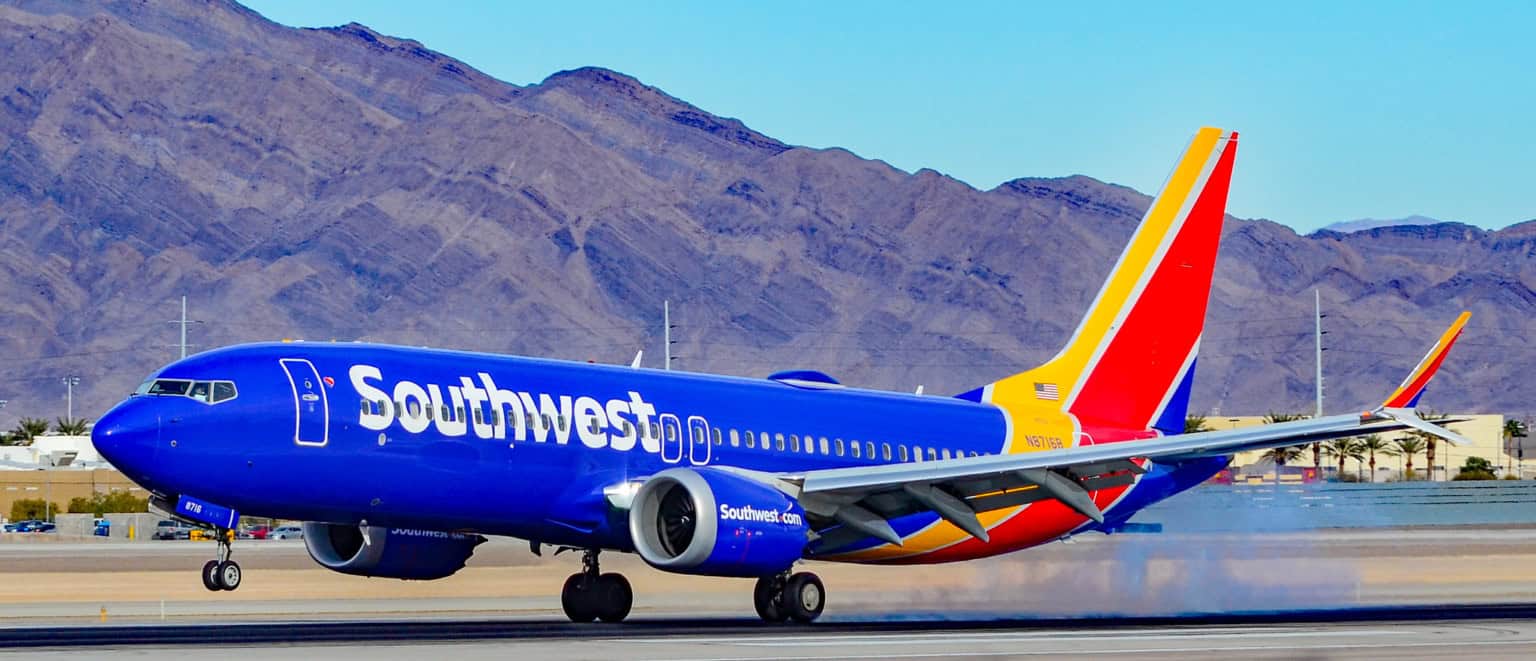
Boeing 737 MAX 8
Mid Size Passenger Jets

Boeing 737 MAX 8 (B38M)

Boeing 737 MAX 9
Mid Size Passenger Jets

Boeing 737 MAX 9 (B39M)

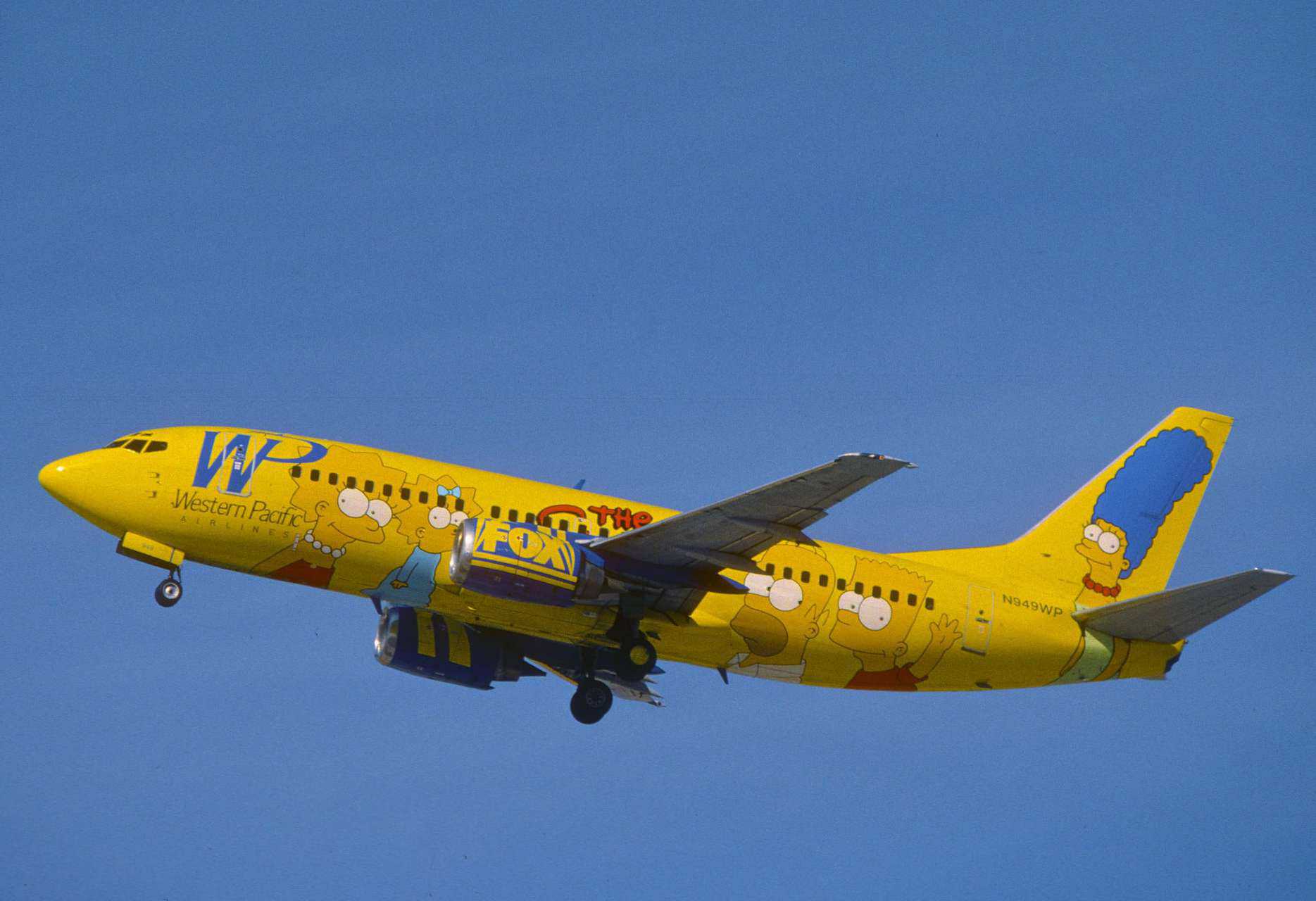
Boeing 737-100
Mid Size Passenger Jets

Boeing 737-100 (B731)

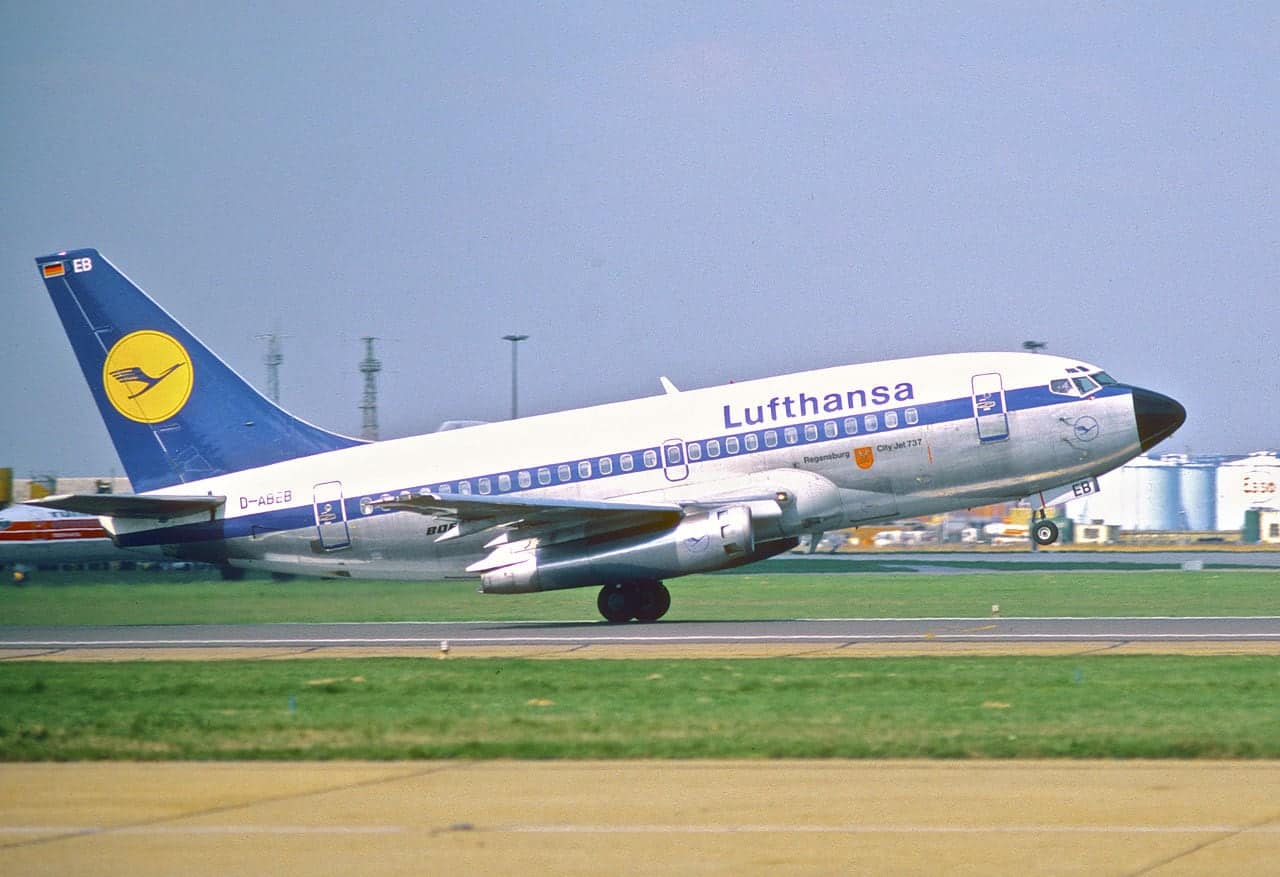
Boeing 737-200
Mid Size Passenger Jets

Boeing 737-200 (B732)

Boeing 737-300
Mid Size Passenger Jets

Boeing 737-300 (B733)

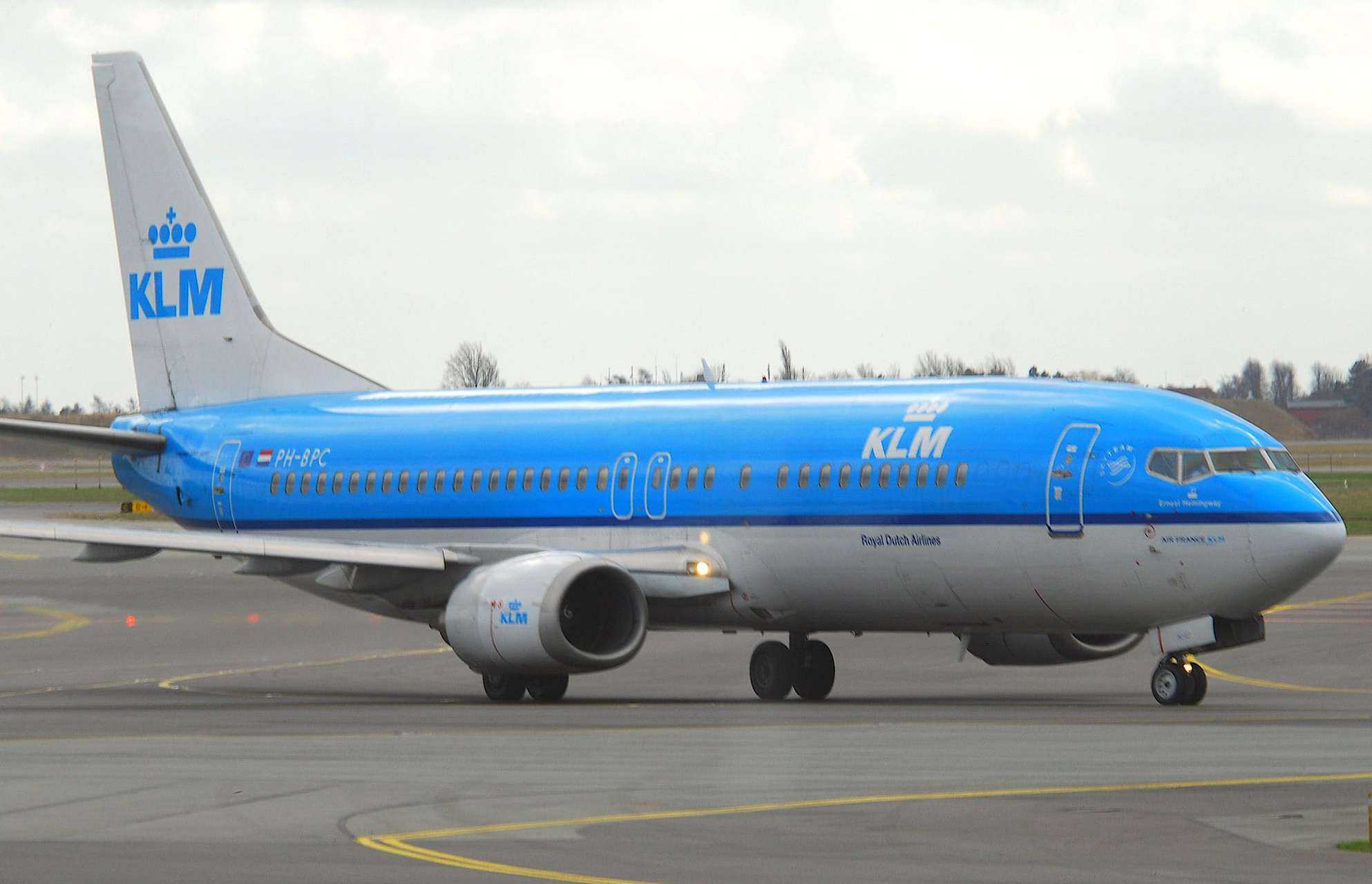
Boeing 737-400
Mid Size Passenger Jets

Boeing 737-400 (B734)

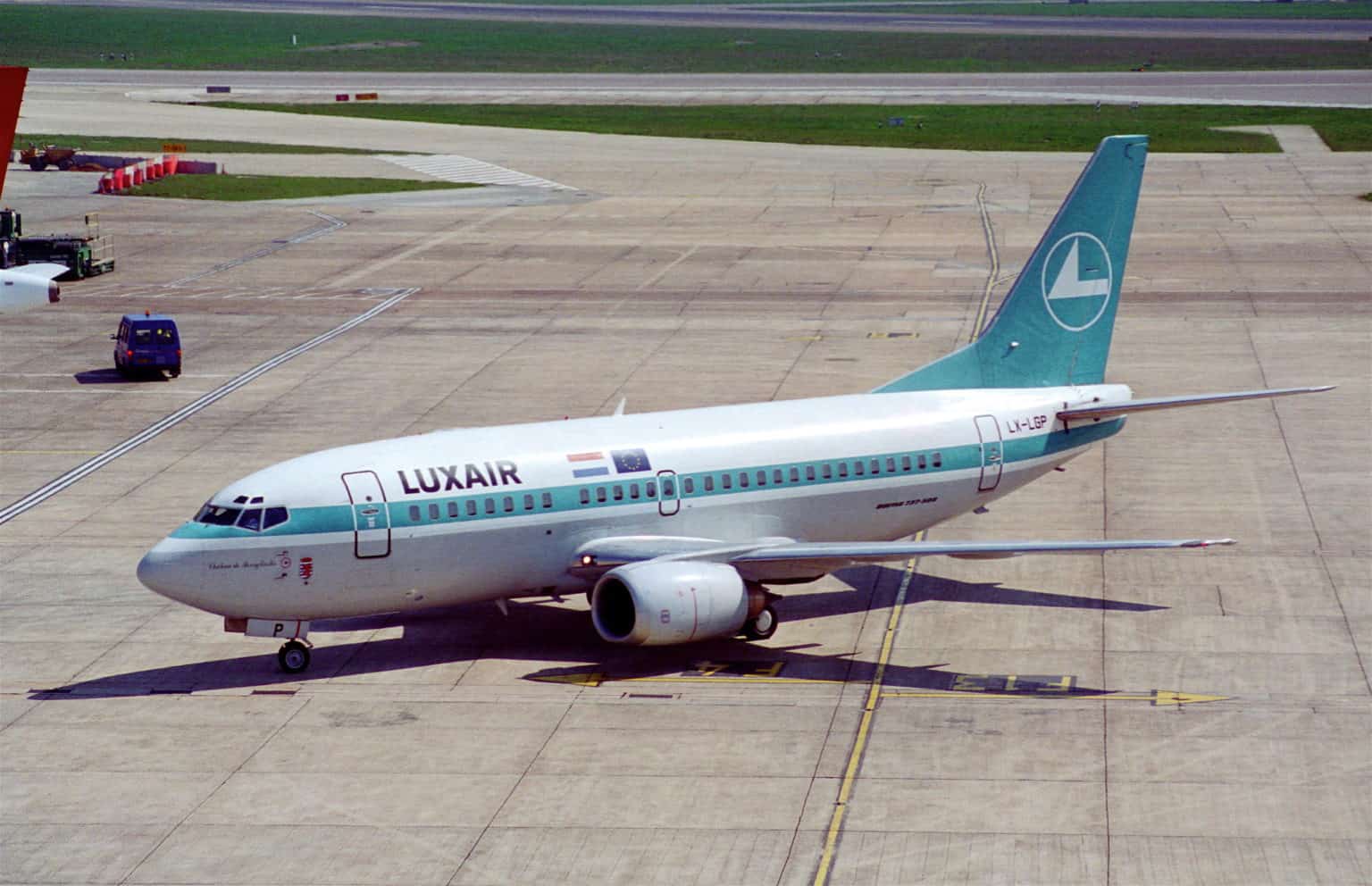
Boeing 737-500
Mid Size Passenger Jets

Boeing 737-500 (B735)

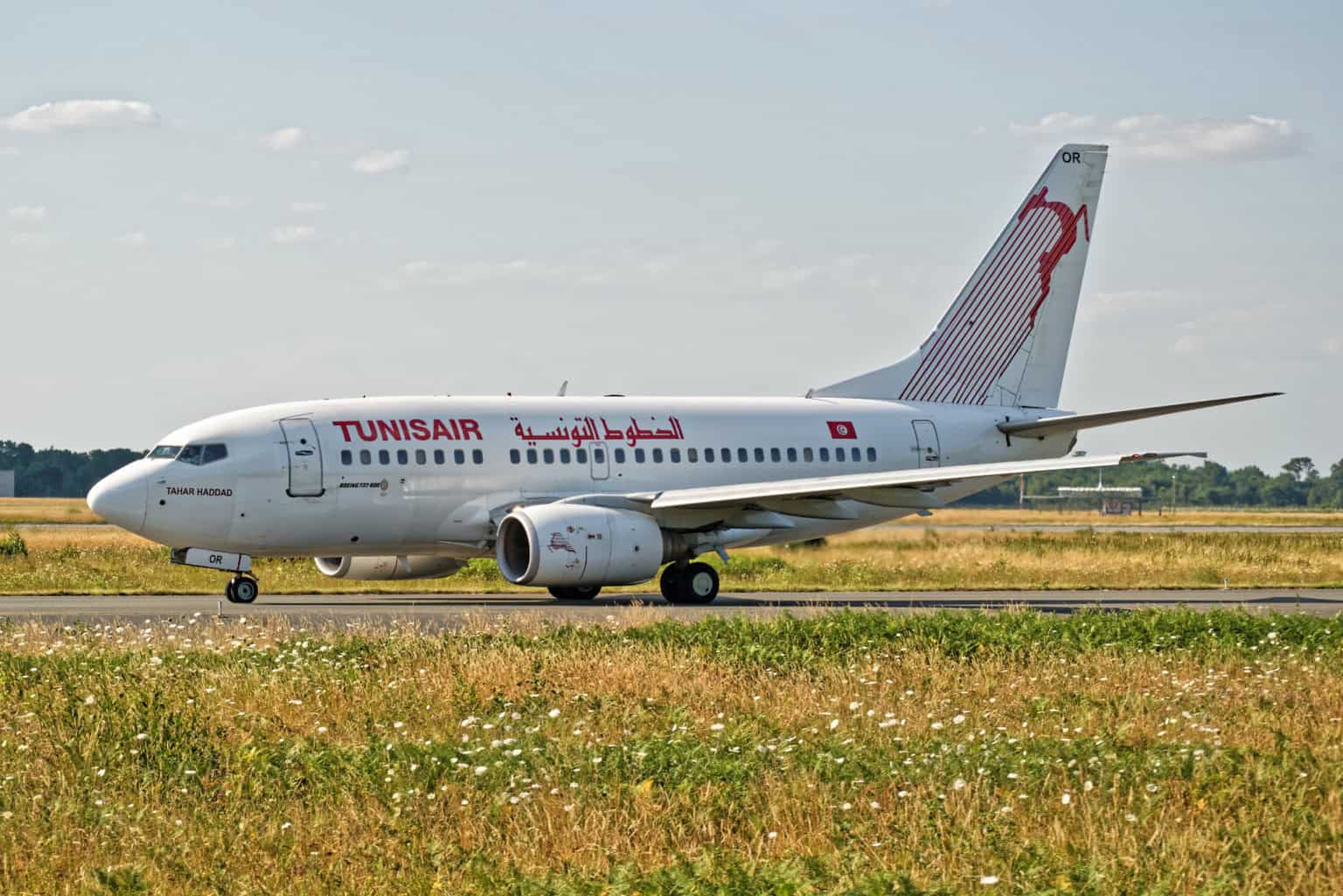
Boeing 737-600
Mid Size Passenger Jets

Boeing 737-600 (B736)

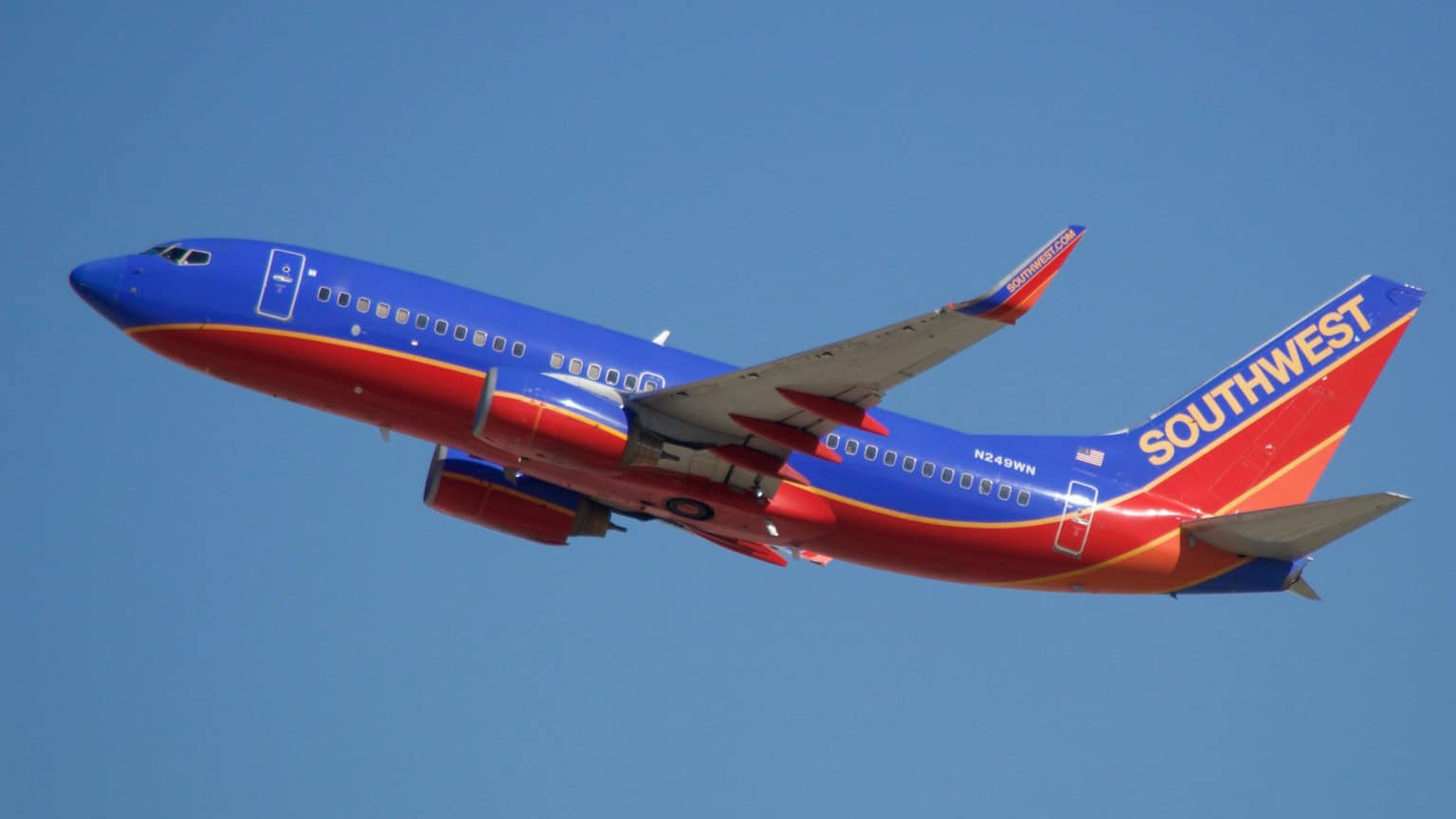
Boeing 737-700
Mid Size Passenger Jets

Boeing 737-700 (B737)

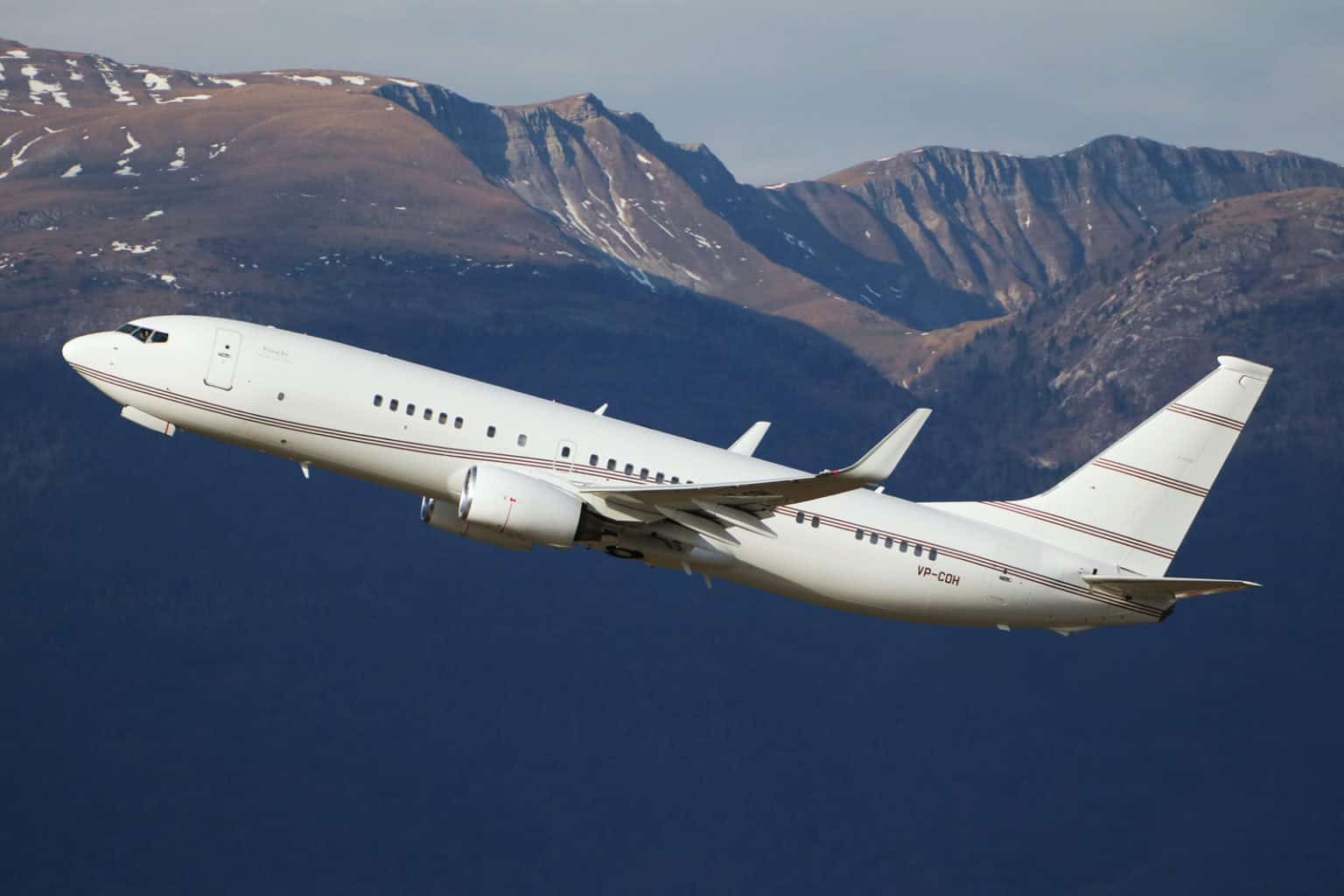
Boeing 737-800
Mid Size Passenger Jets

Boeing 737-800 (B738)

Boeing 737-900ER
Mid Size Passenger Jets

Boeing 737-900ER (B739)

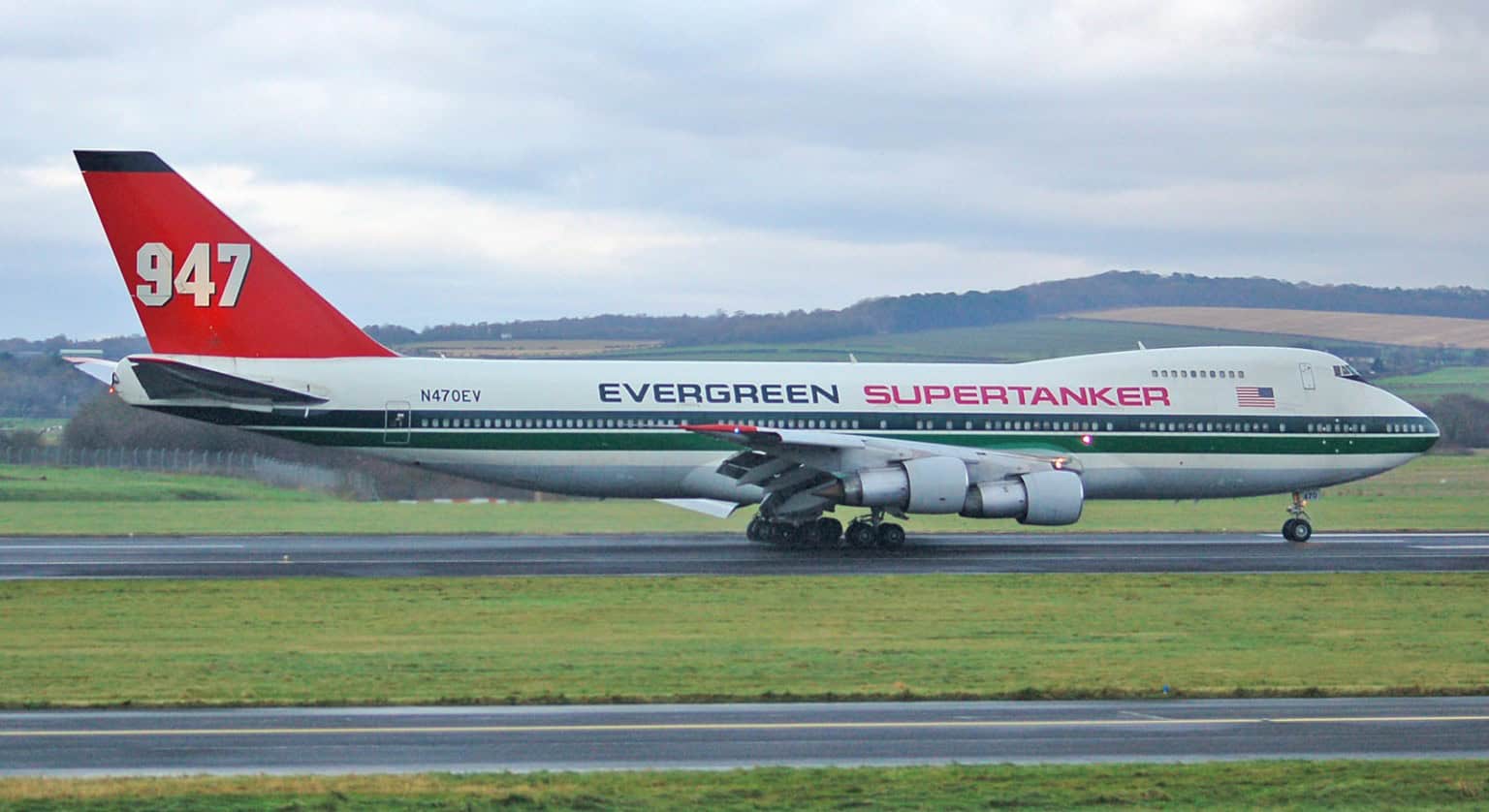
Boeing 747 Supertanker
Aerial Firefighting

Boeing 747 Supertanker (GST)

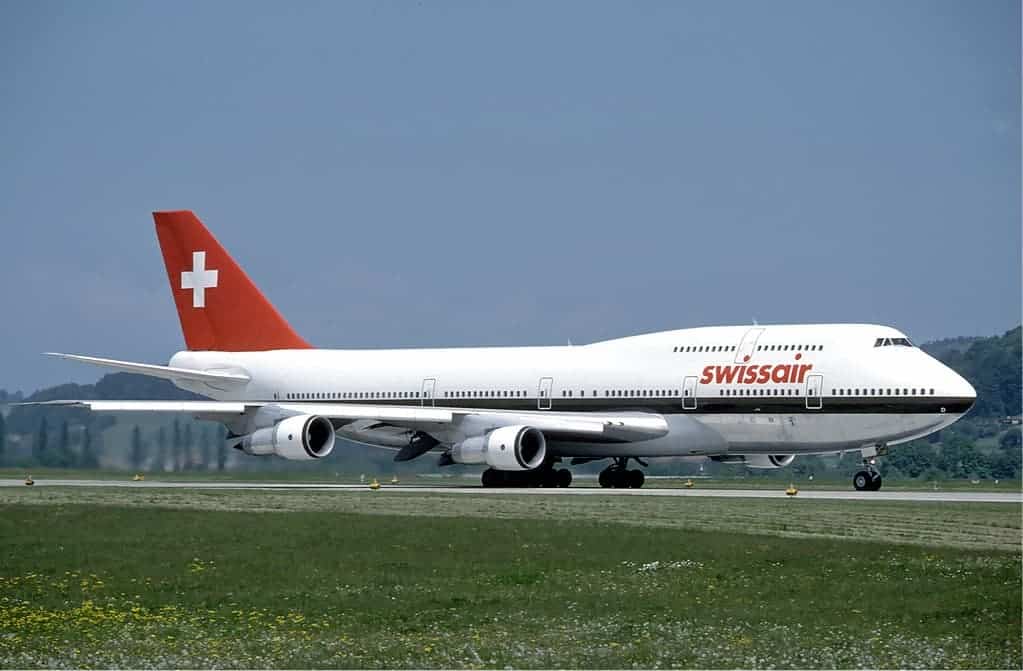
Boeing 747-100
Jumbo Passenger Jets

Boeing 747-100 (B741)

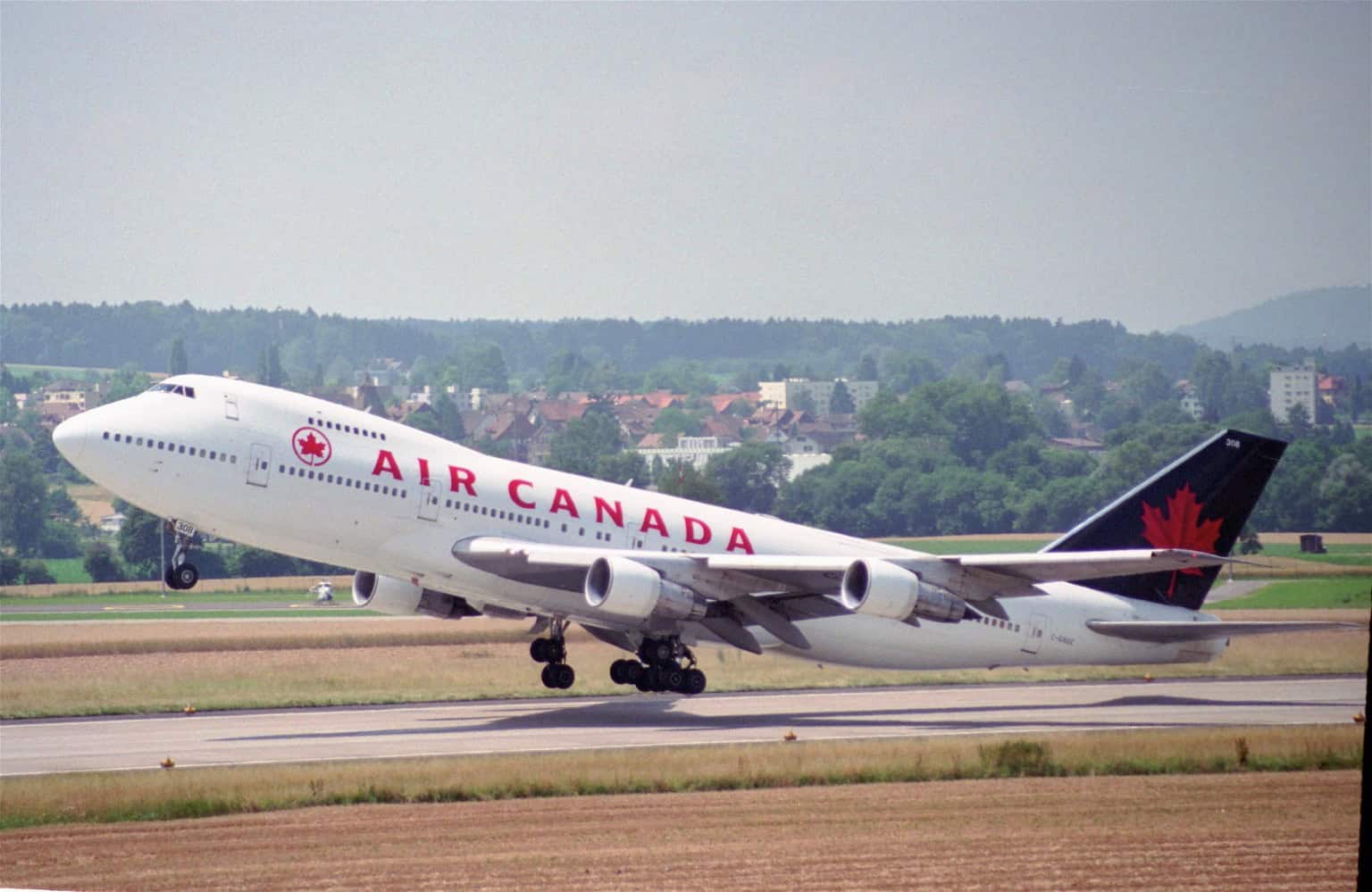
Boeing 747-200
Jumbo Passenger Jets

Boeing 747-200 (B742)

Boeing 747-300
Jumbo Passenger Jets

Boeing 747-300 (B743)

Boeing 747-400
Jumbo Passenger Jets

Boeing 747-400 (B744)

Boeing 747-400 LCF Dreamlifter
Boeing 747-400ER
Jumbo Passenger Jets

Boeing 747-400ER (B744)

Boeing 747-400F
Cargo Airplanes

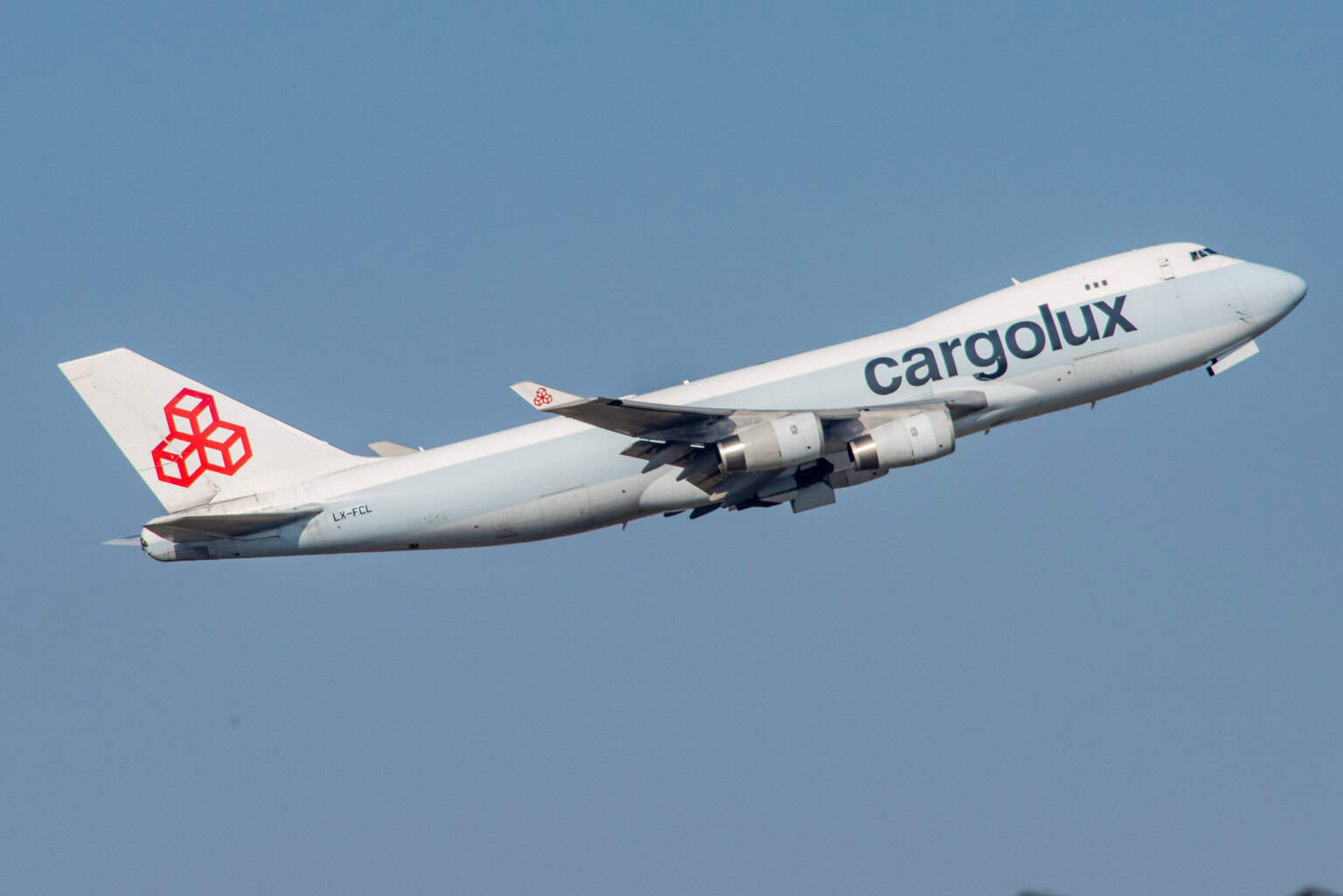
Boeing 747-400F (B744)

Boeing 747-8
Jumbo Passenger Jets

Boeing 747-8 (B748)

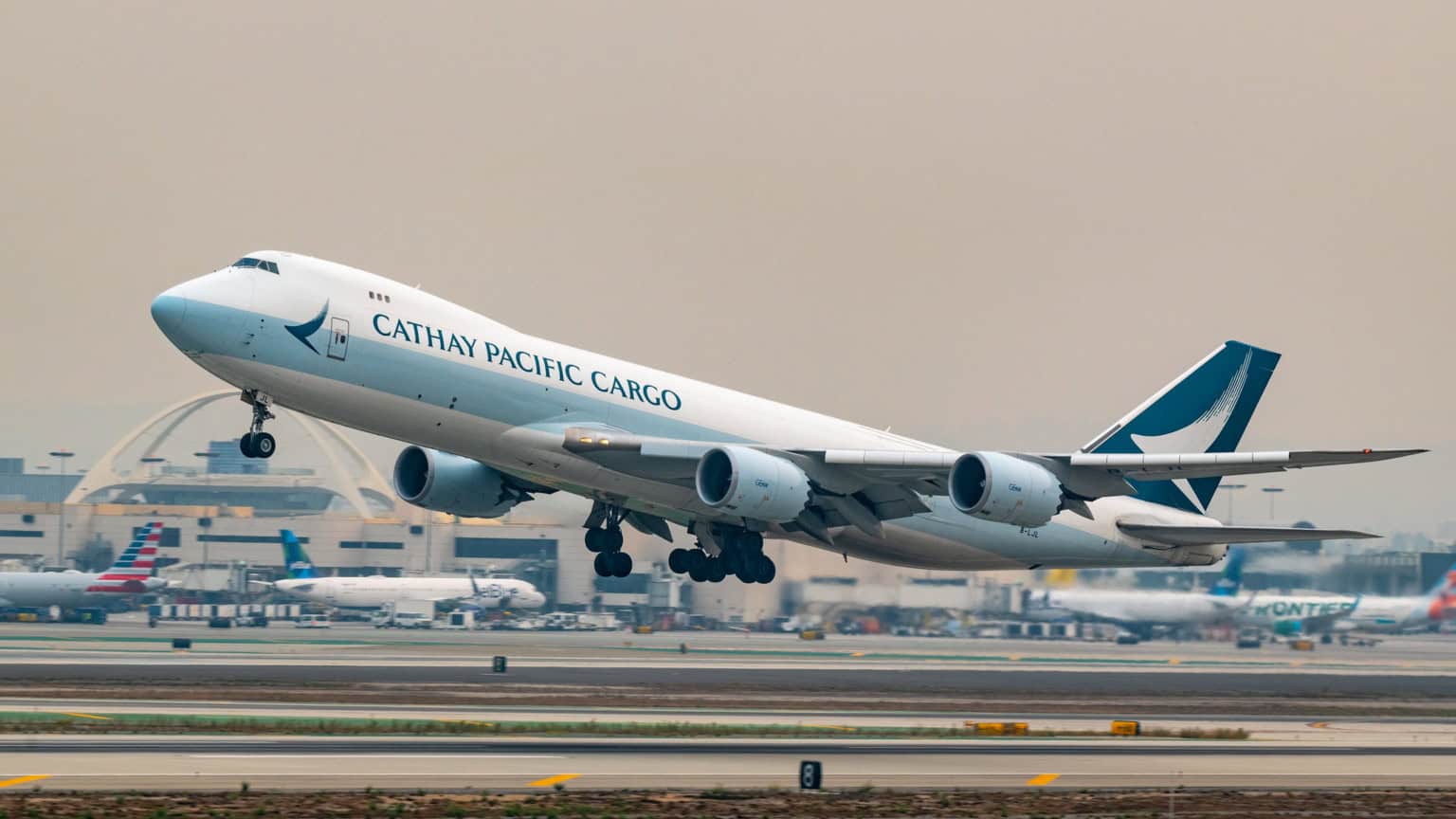
Boeing 747-8 Freighter
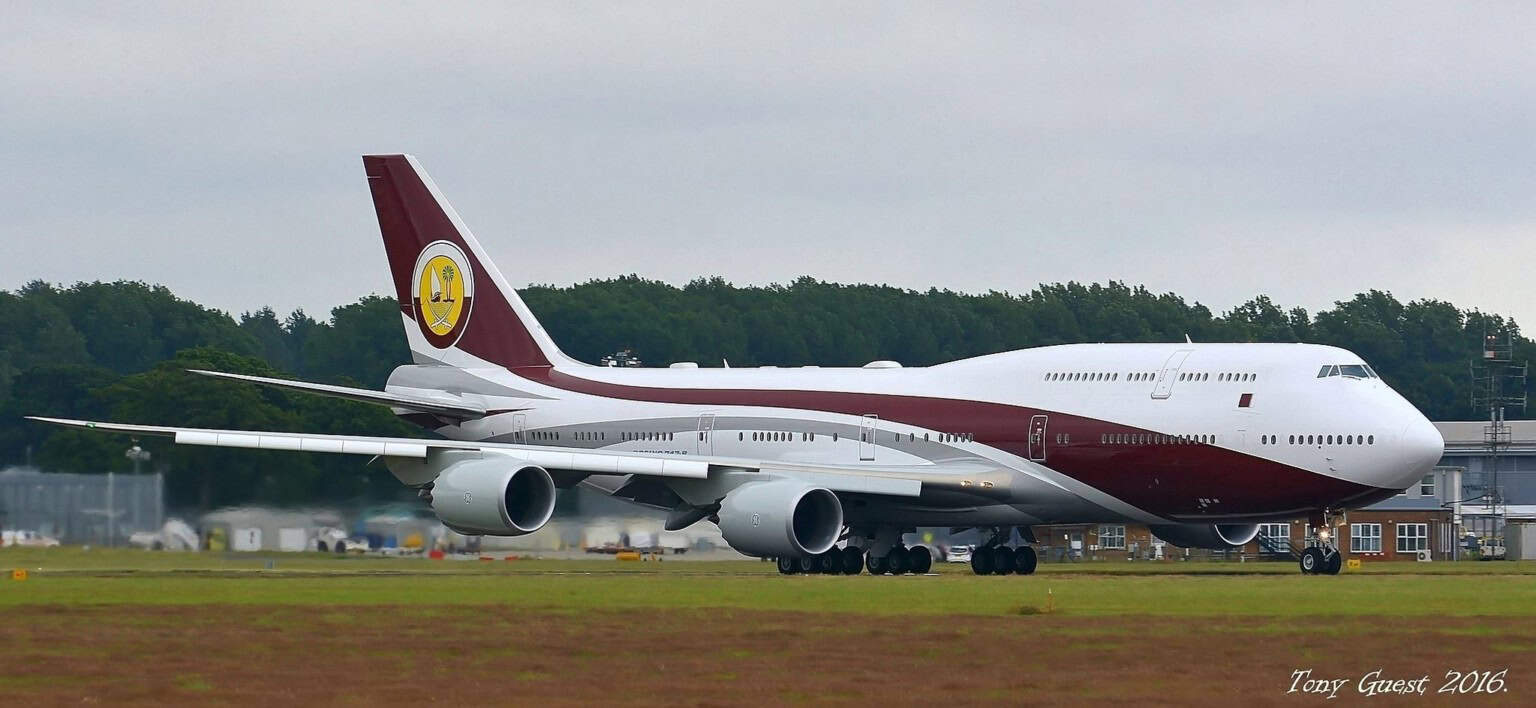
Boeing 747-8 VIP / BBJ
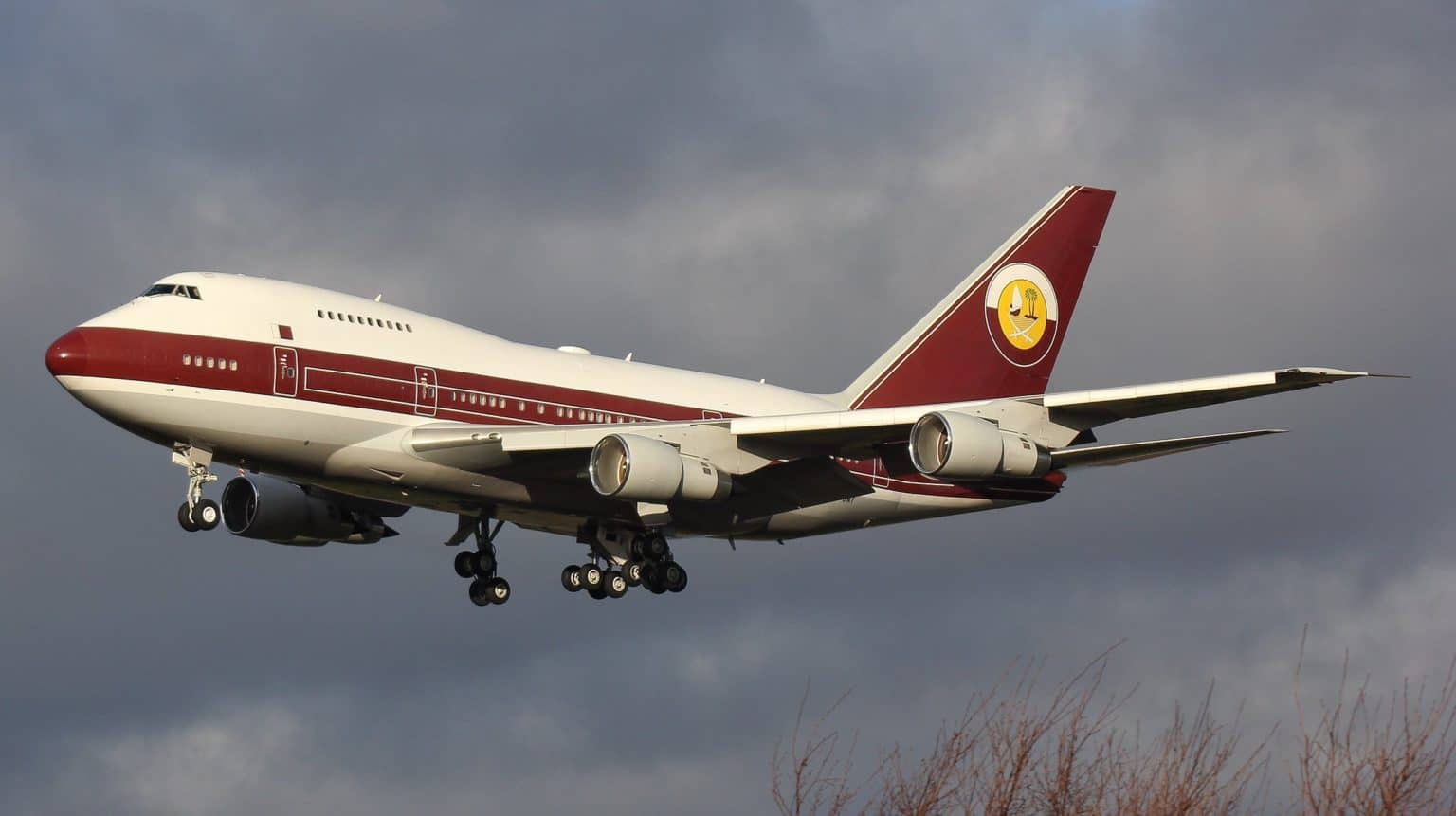
Boeing 747SP
Jumbo Passenger Jets

Boeing 747SP (B74S)

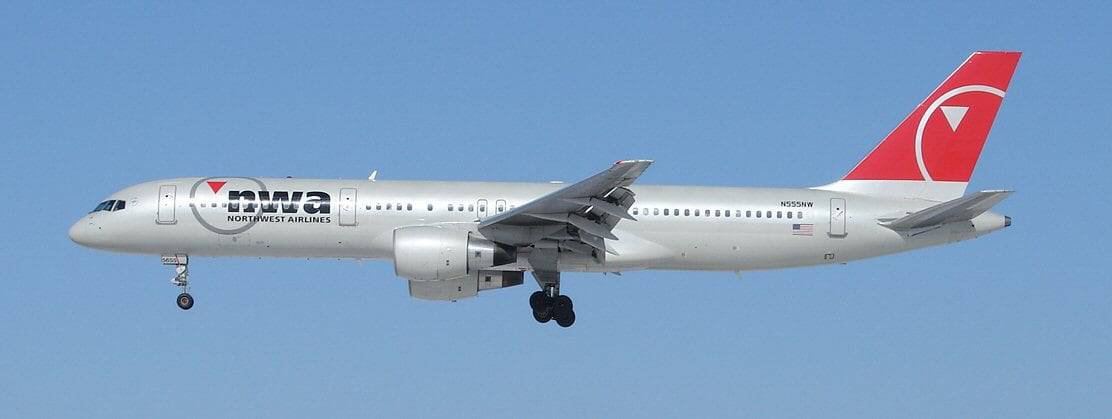
Boeing 757-200
Mid Size Passenger Jets

Boeing 757-200 (B752)

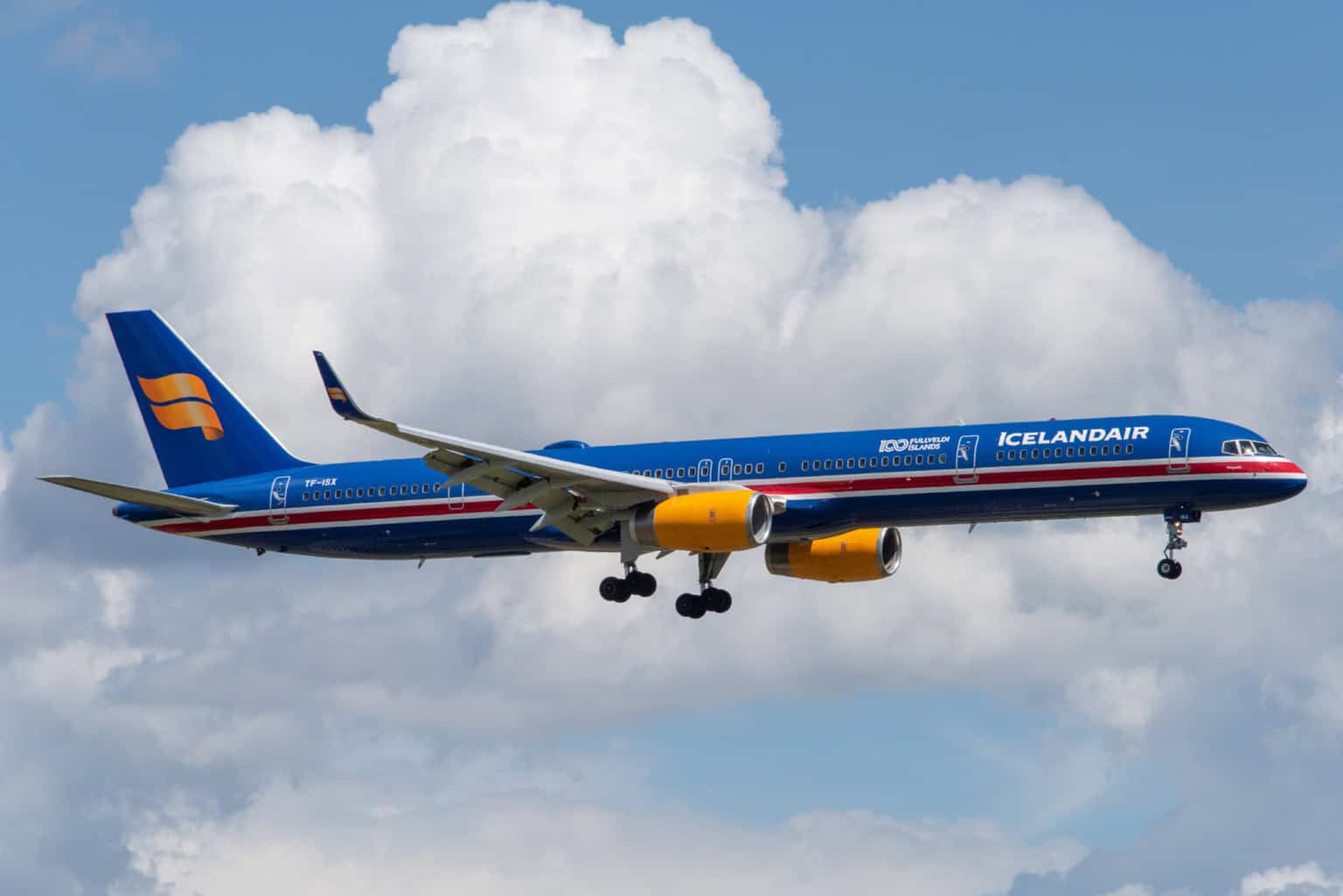
Boeing 757-300
Mid Size Passenger Jets

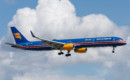
Boeing 757-300 (B753)

Boeing 767 Freighter
Boeing 767-200
Mid Size Passenger Jets

Boeing 767-200 (B762)

Boeing 767-300
Mid Size Passenger Jets

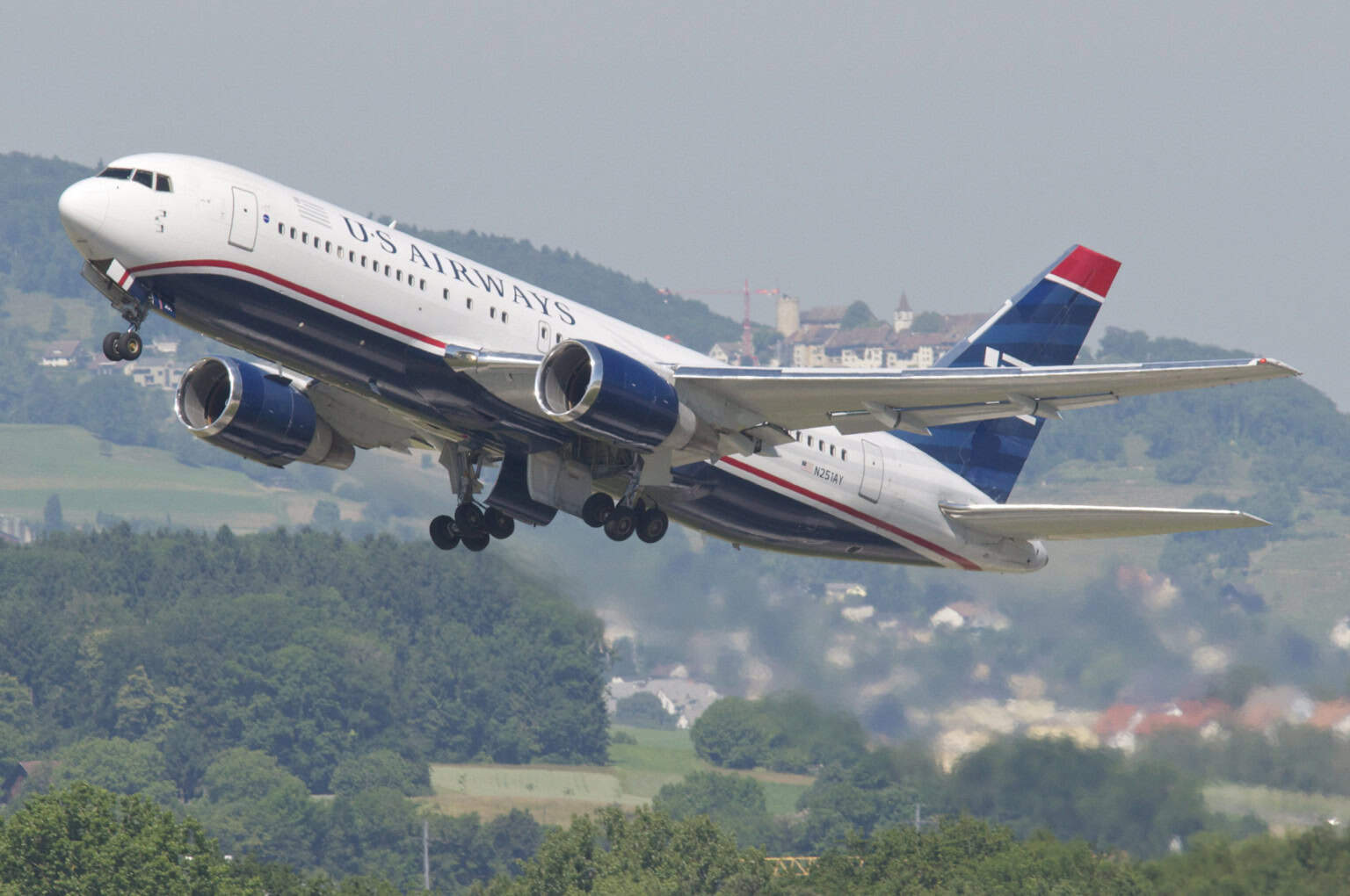
Boeing 767-300 (B763)

Boeing 767-400
Mid Size Passenger Jets

Boeing 767-400 (B764)

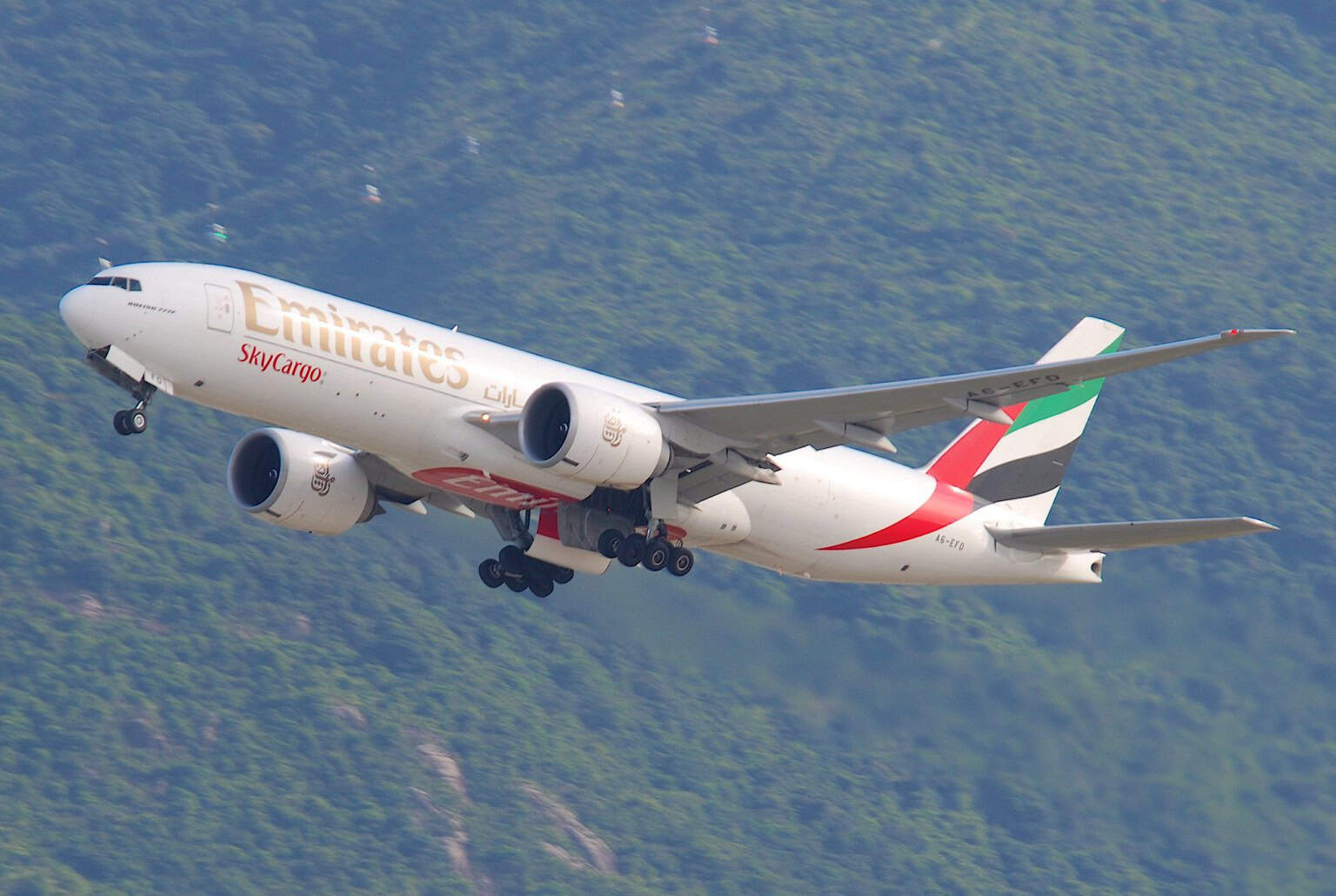
Boeing 777 Freighter
Boeing 777 VIP
Heavy Business Jets

Boeing 777 VIP (B77L)

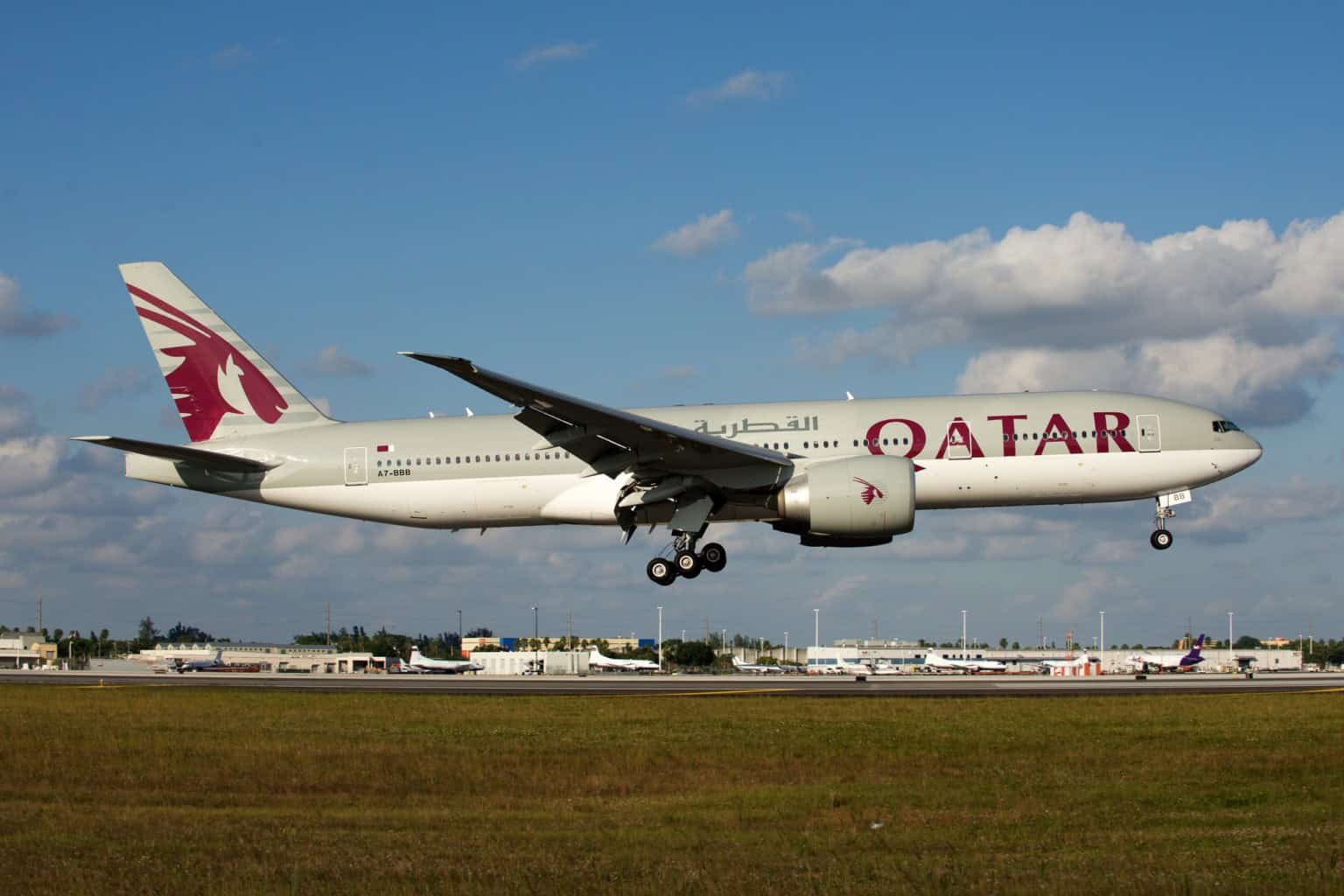
Boeing 777-200ER
Jumbo Passenger Jets

Boeing 777-200ER (B772)

Boeing 777-200LR
Jumbo Passenger Jets

Boeing 777-200LR (B77L)

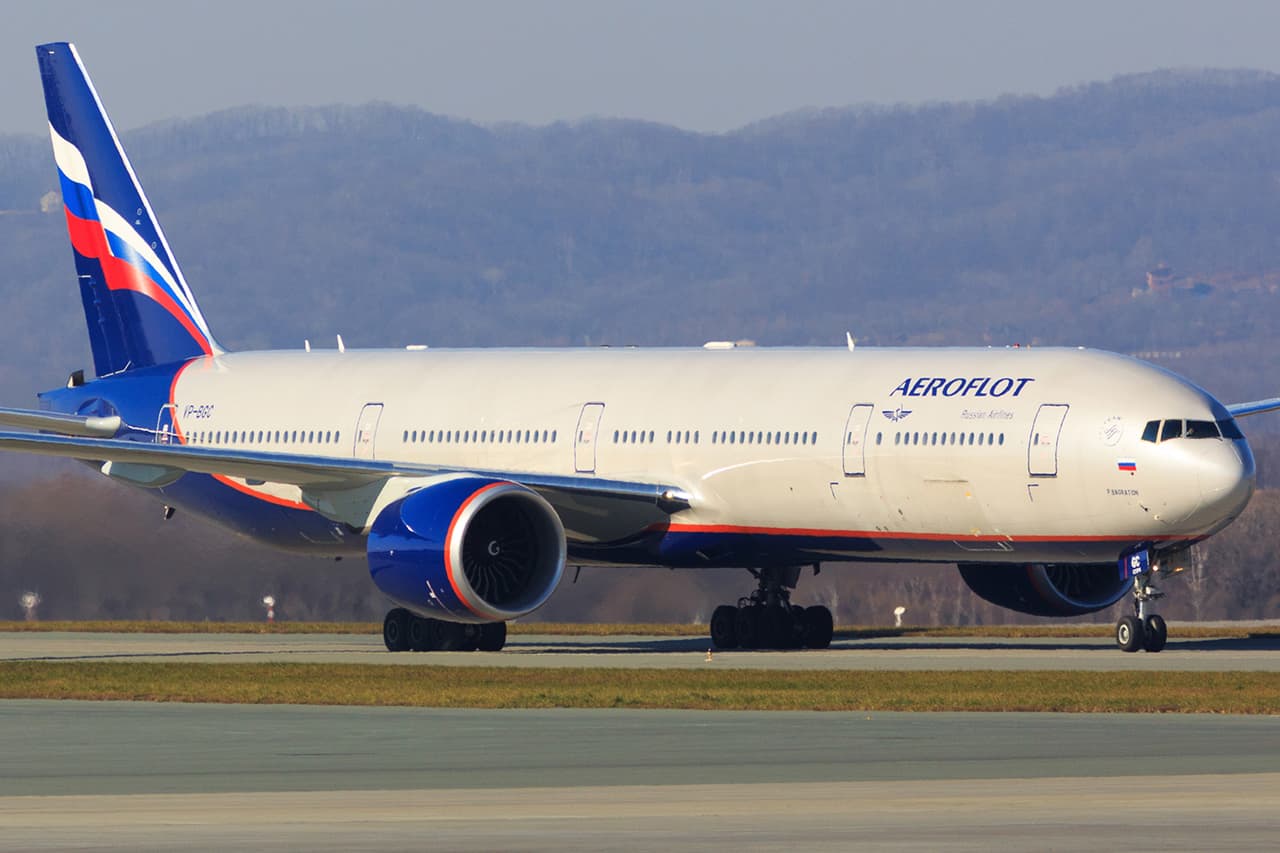
Boeing 777-300
Jumbo Passenger Jets

Boeing 777-300 (B773)

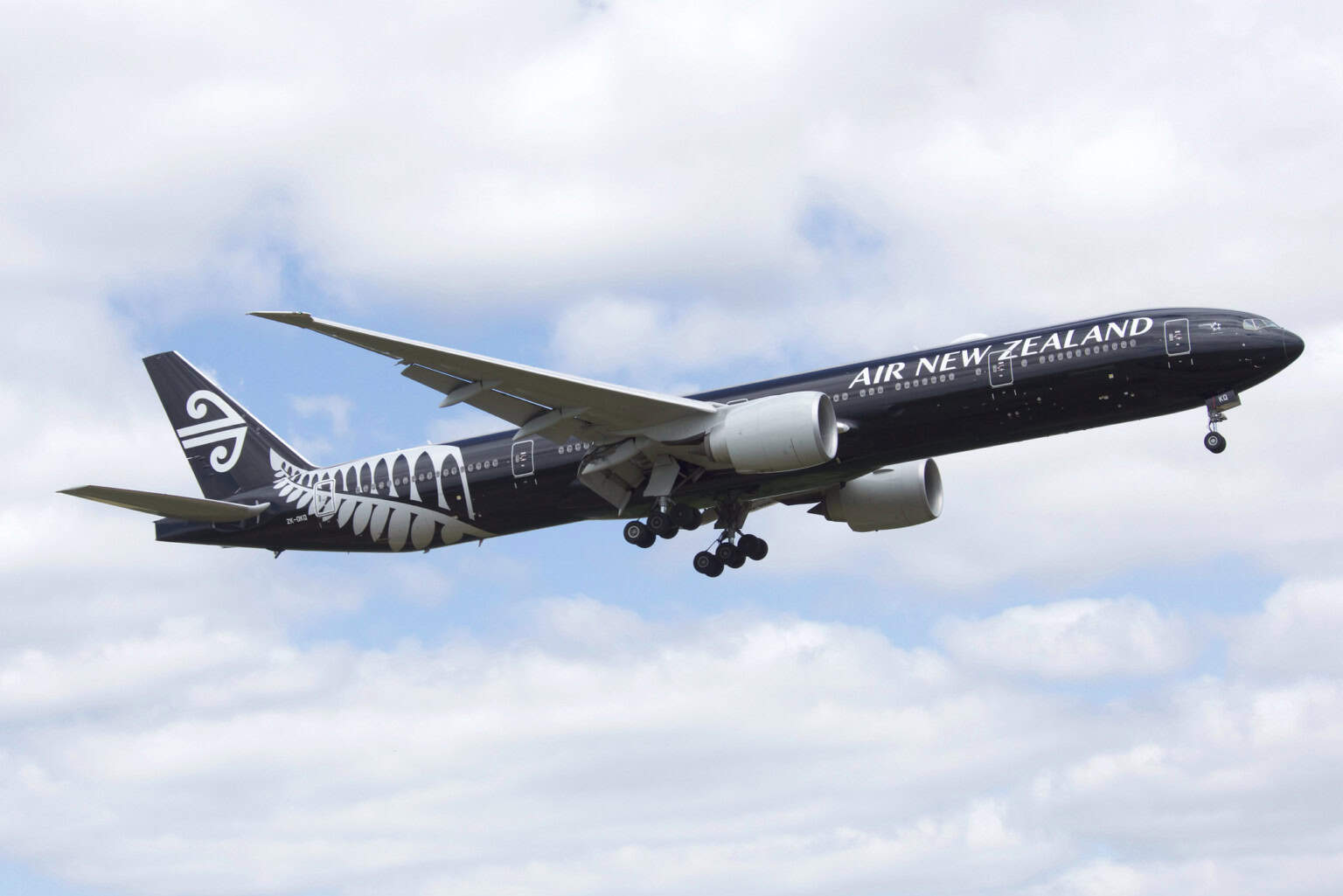
Boeing 777-300ER
Jumbo Passenger Jets

Boeing 777-300ER (B77W)

Boeing 787-10 Dreamliner
Boeing 787-3
Jumbo Passenger Jets

Boeing 787-3 (B783)

Boeing 787-8 Dreamliner
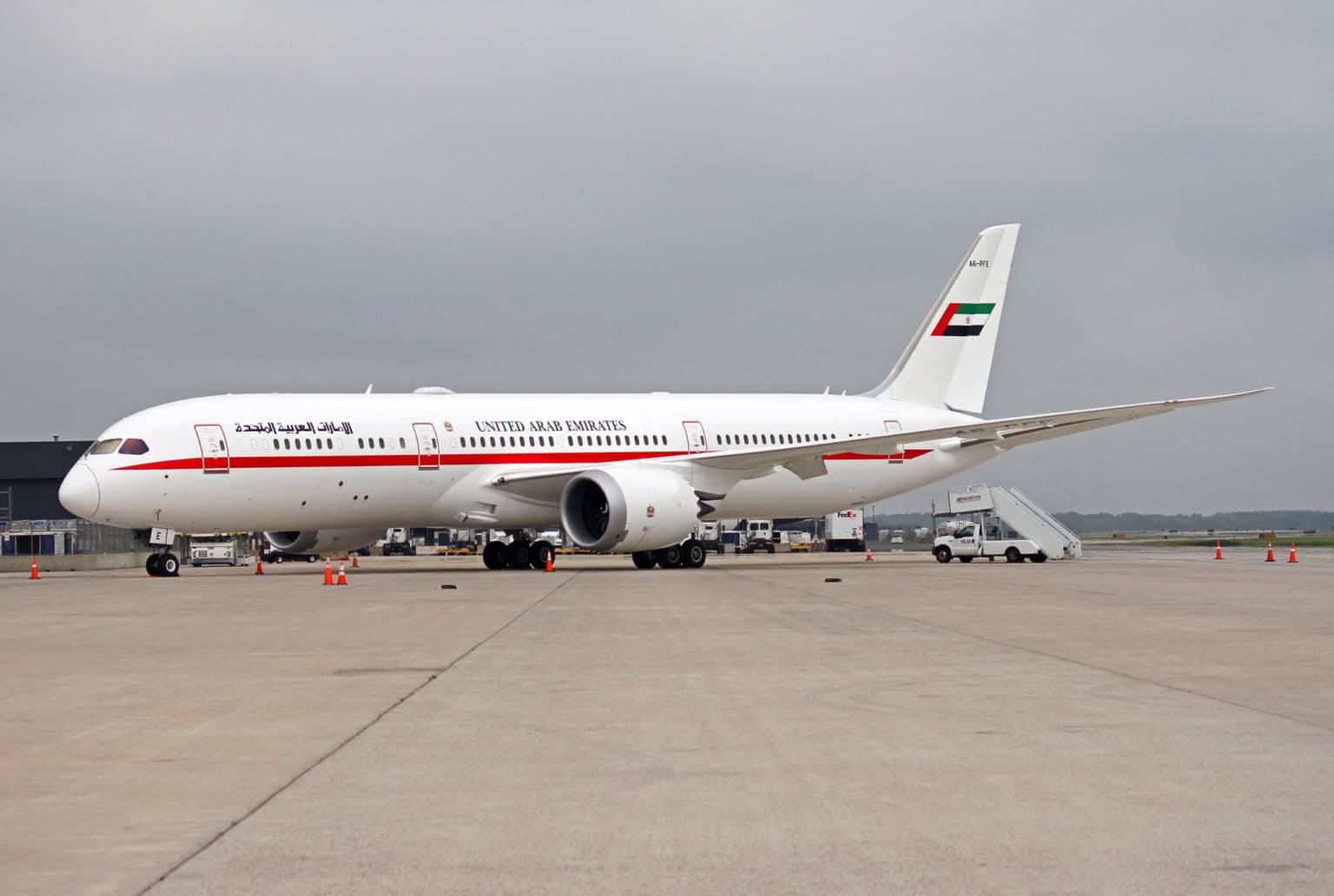
Boeing 787-9 Dreamliner
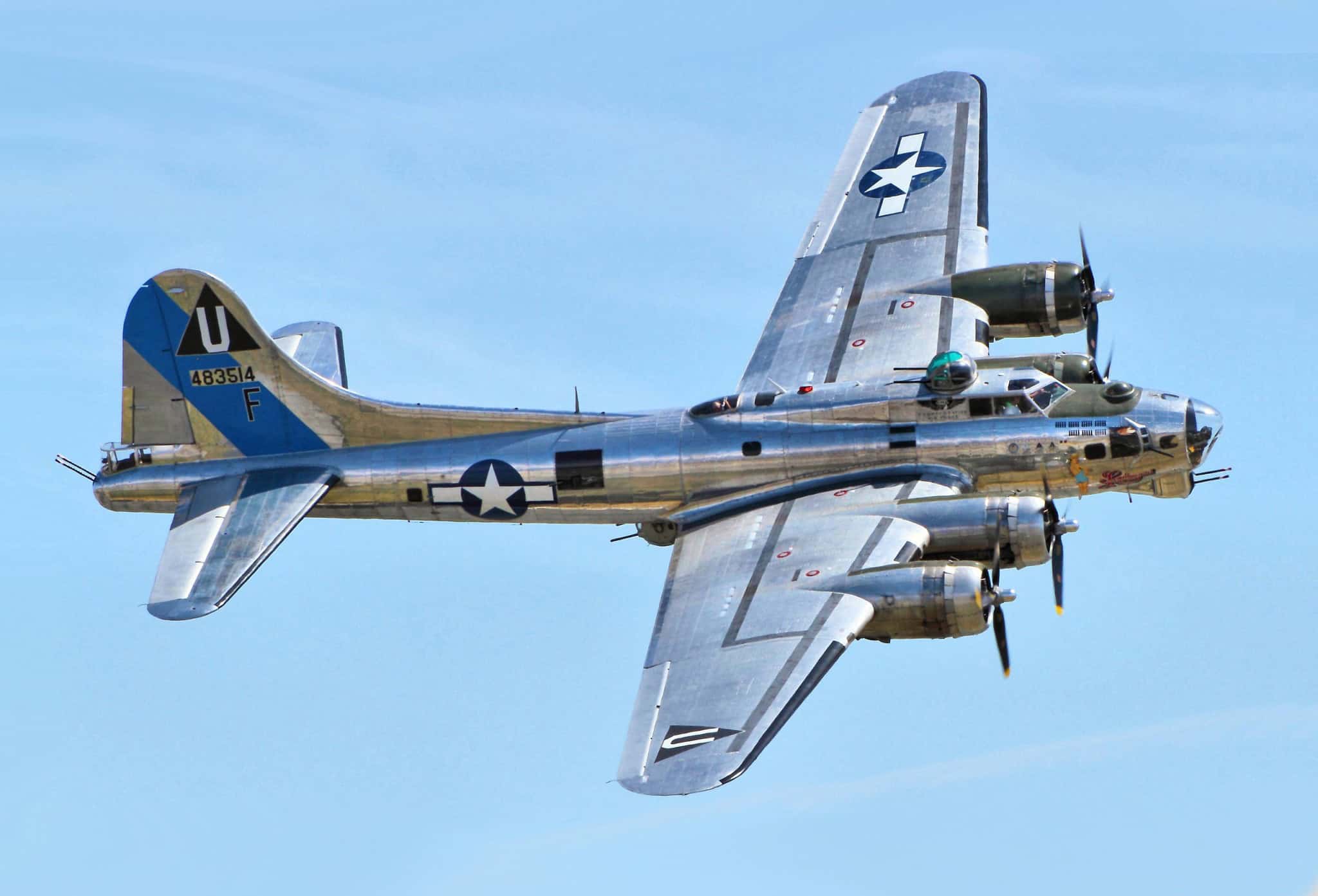
Boeing B-17 Flying Fortress
Boeing B-29 Superfortress
Military Propellor Planes

Boeing B-29 Superfortress (B29)

Boeing B-47 Stratojet
Military Propellor Planes

Boeing B-47 Stratojet (B47)

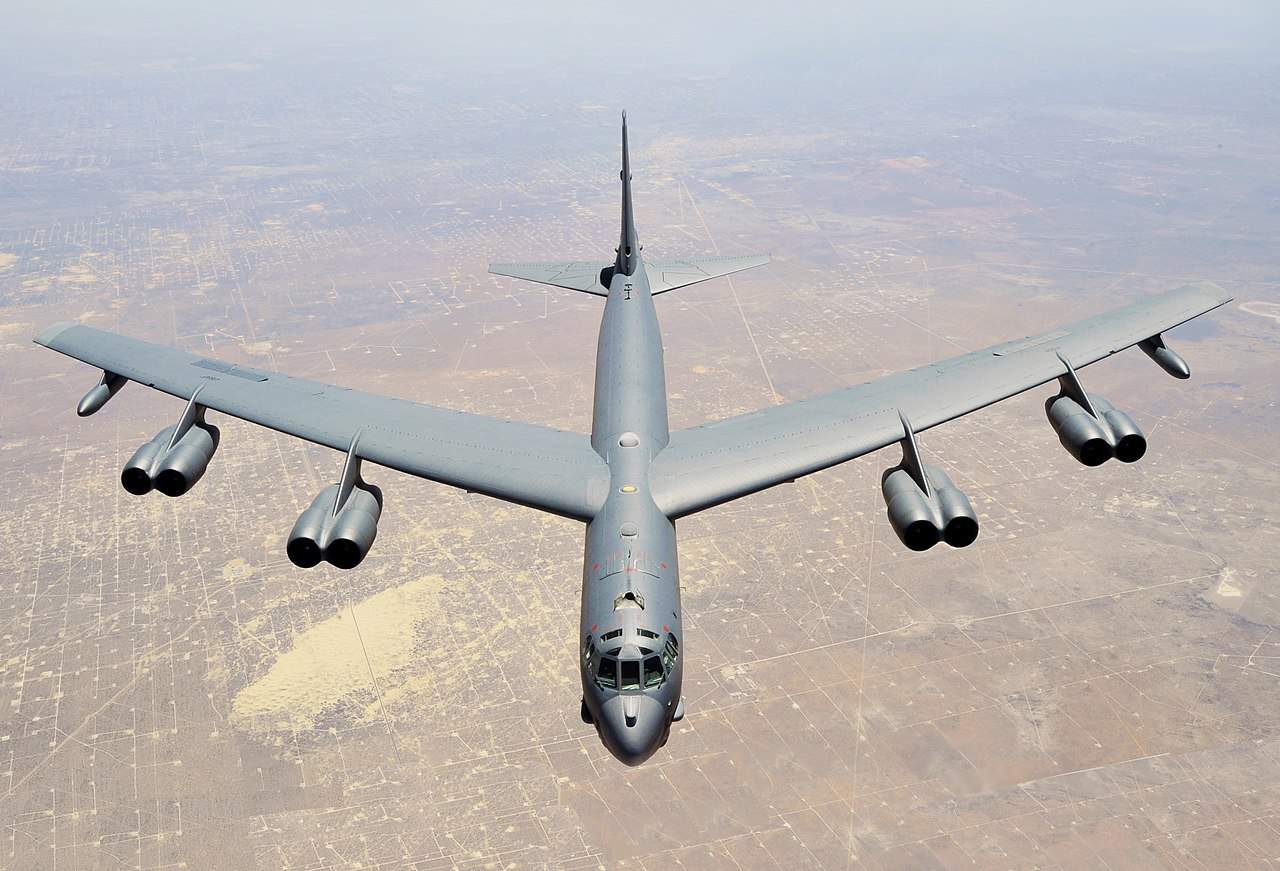
Boeing B-52 Stratofortress
Boeing BBJ 737-700
Heavy Business Jets

Boeing BBJ 737-700 (B737)

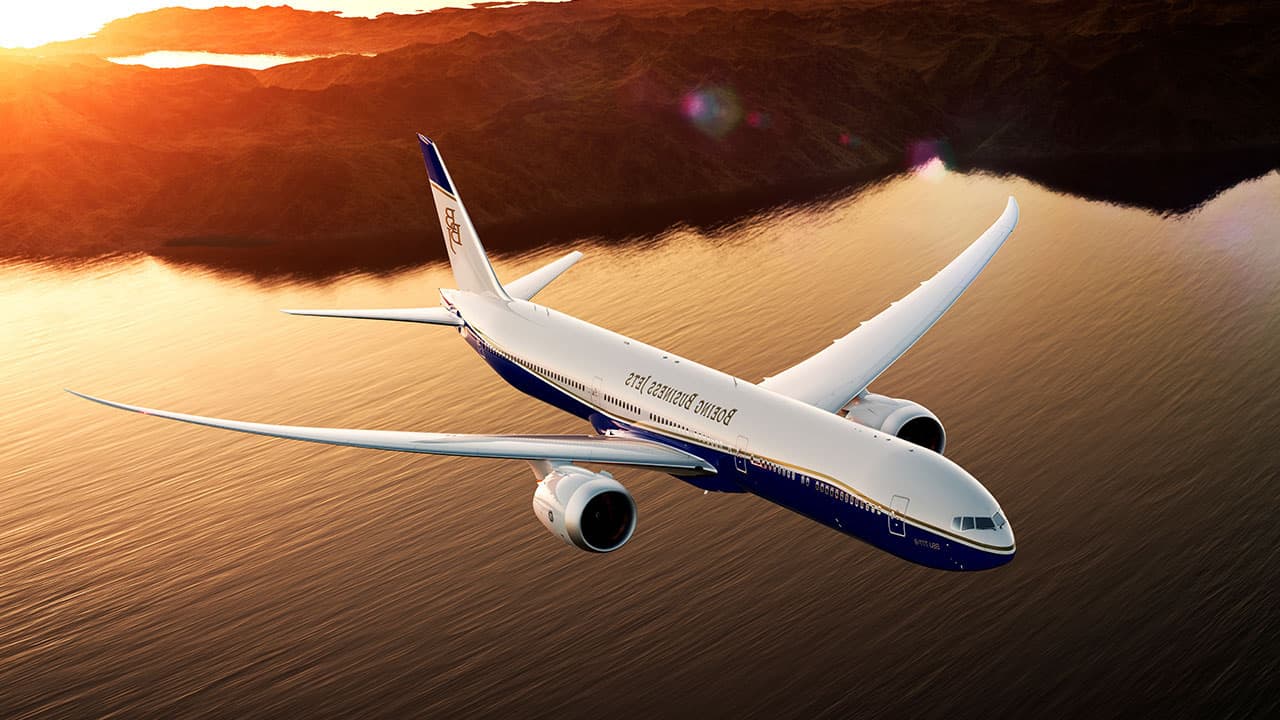
Boeing BBJ 777-9
Heavy Business Jets

Boeing BBJ 777-9 (B779)

Boeing BBJ 787-800
Heavy Business Jets

Boeing BBJ 787-800 (B788)

Boeing BBJ 787-9
Heavy Business Jets

Boeing BBJ 787-9 (B789)

Boeing BBJ MAX 7
Heavy Business Jets

Boeing BBJ MAX 7 (B37M)

Boeing BBJ MAX 9
Heavy Business Jets

Boeing BBJ MAX 9 (B39M)

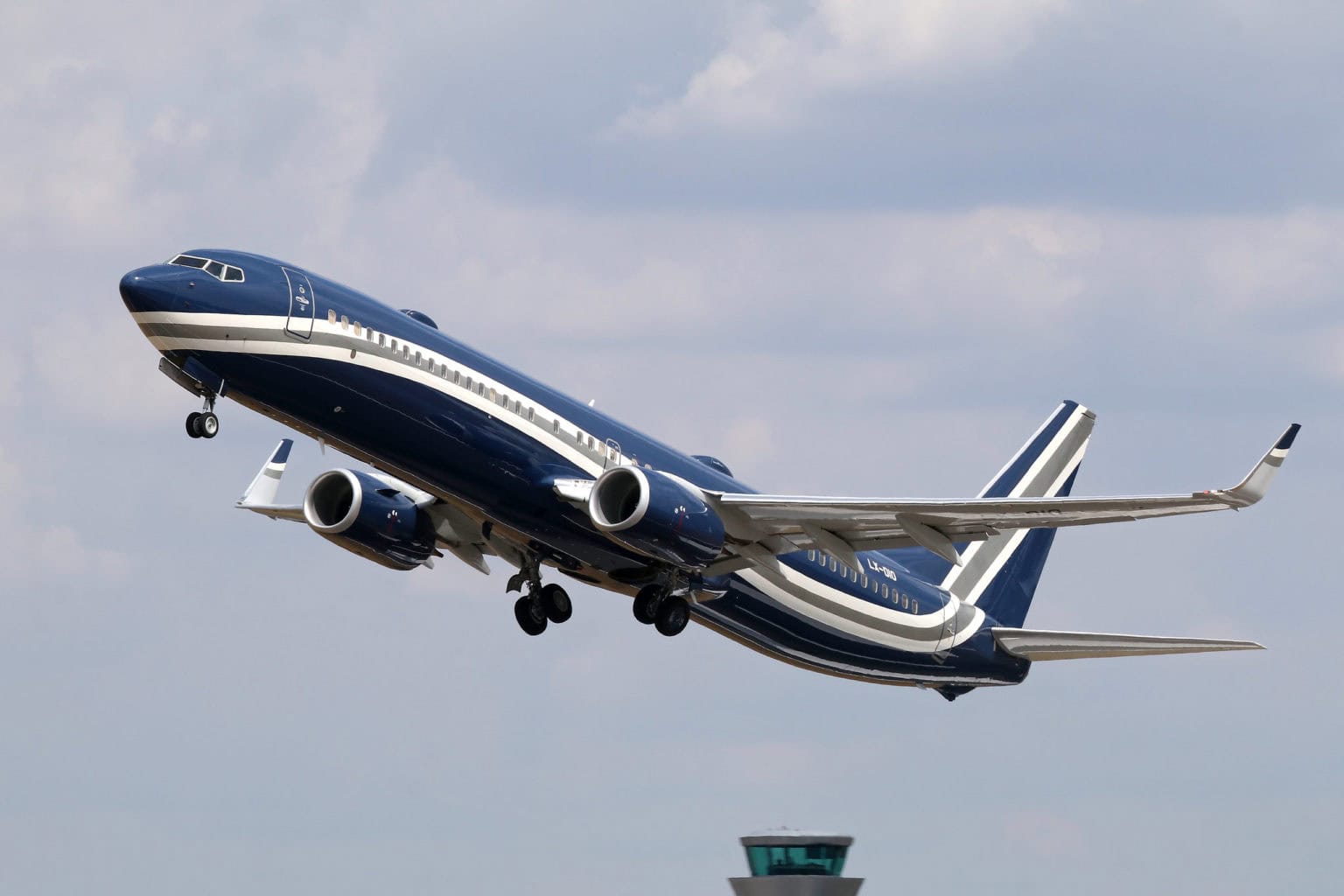
Boeing BBJ2 737-800
Heavy Business Jets

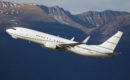
Boeing BBJ2 737-800 (B738)

Boeing BBJ3 737-900ER
Heavy Business Jets

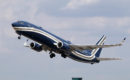
Boeing BBJ3 737-900ER (B739)

Boeing C-17 Globemaster III
Military Transport Planes

Boeing C-17 Globemaster III (C17)

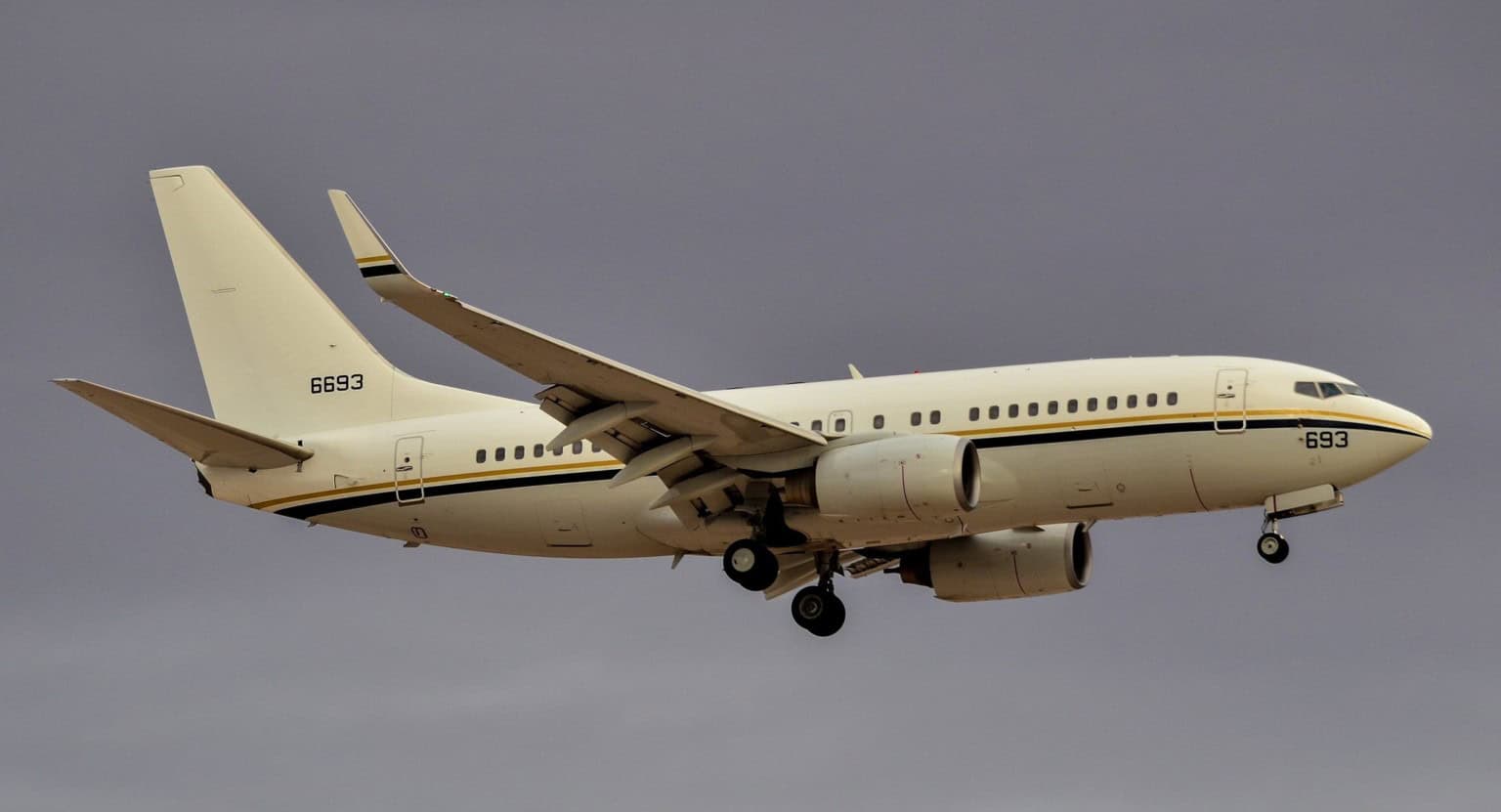
Boeing C-40A Clipper
Military Transport Planes

Boeing C-40A Clipper (B737)

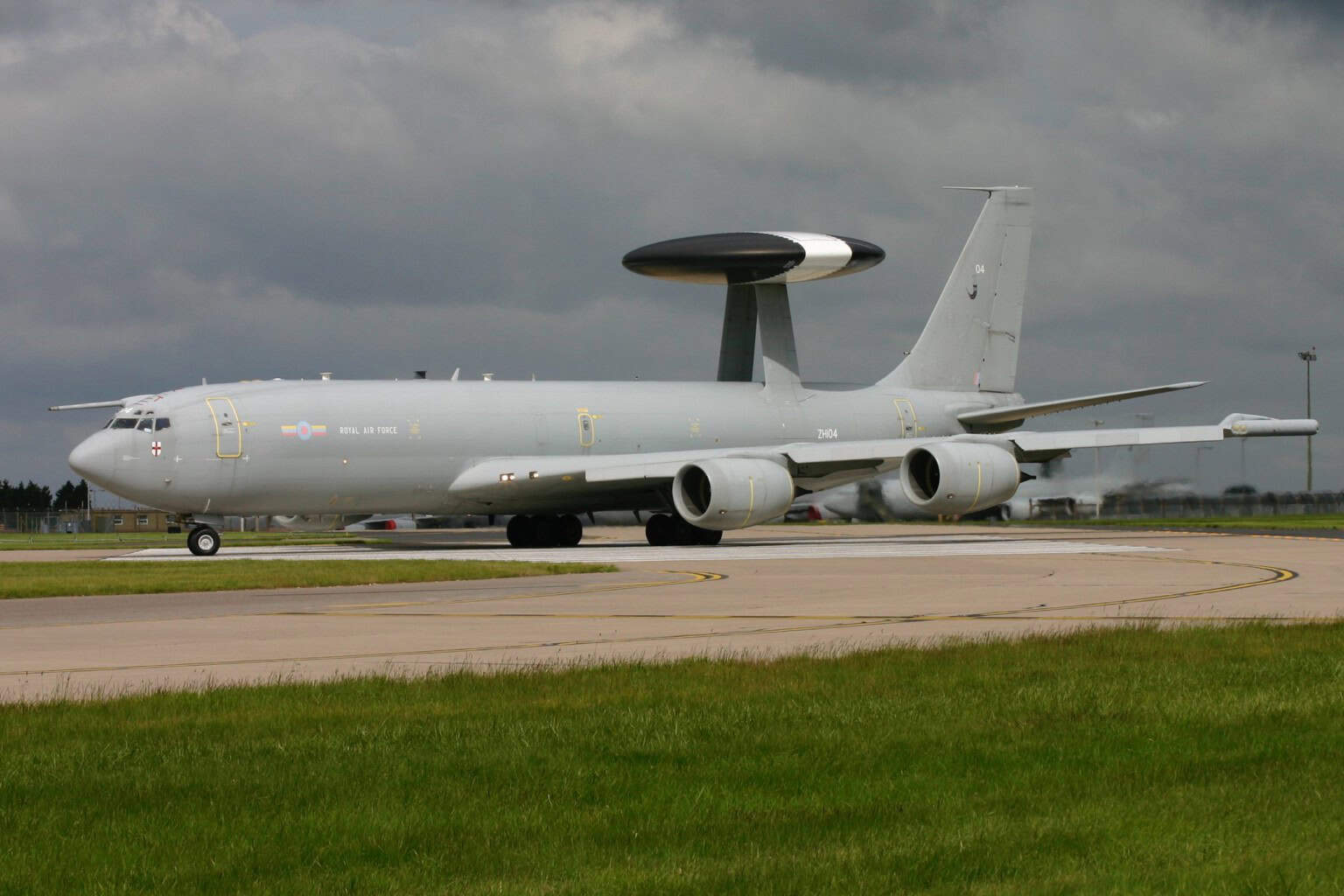
Boeing E-3 D Sentry
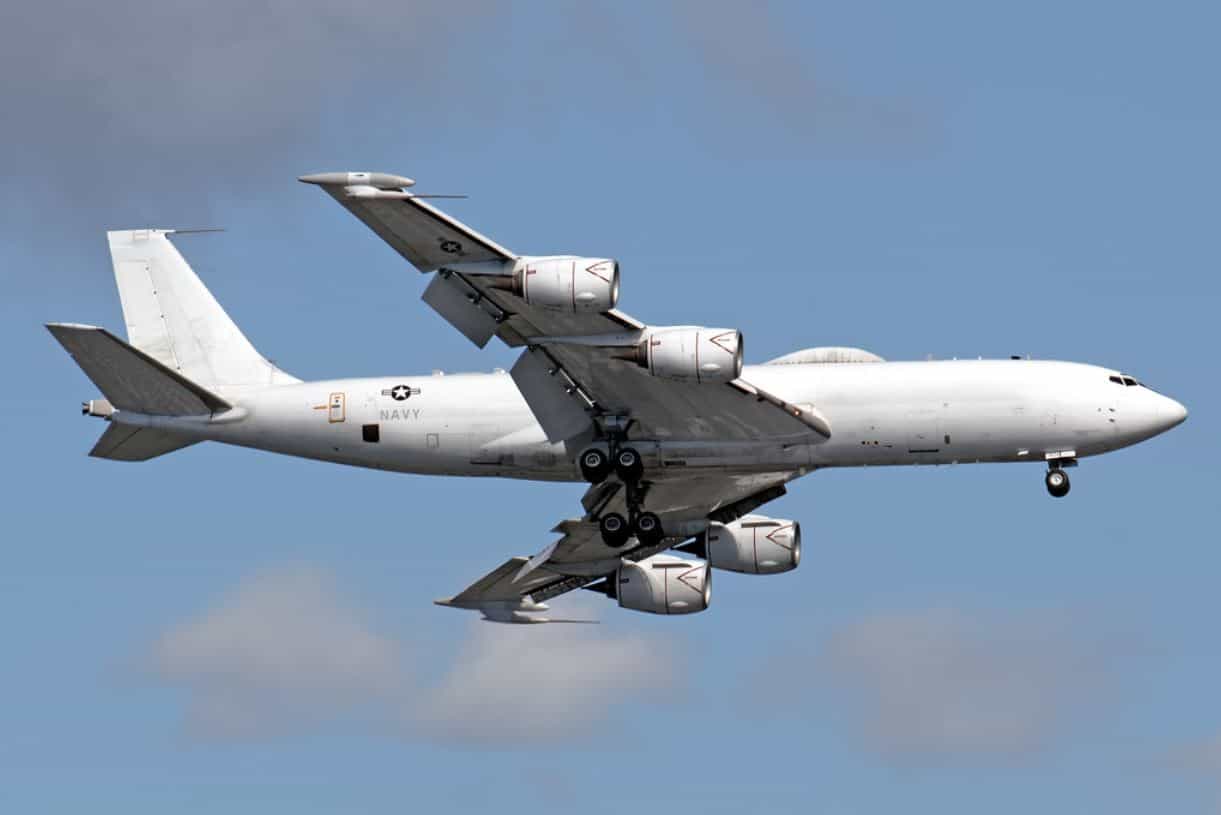
Boeing E-6 Tacamo
Military Aircraft

Boeing E-6 Tacamo (E6)

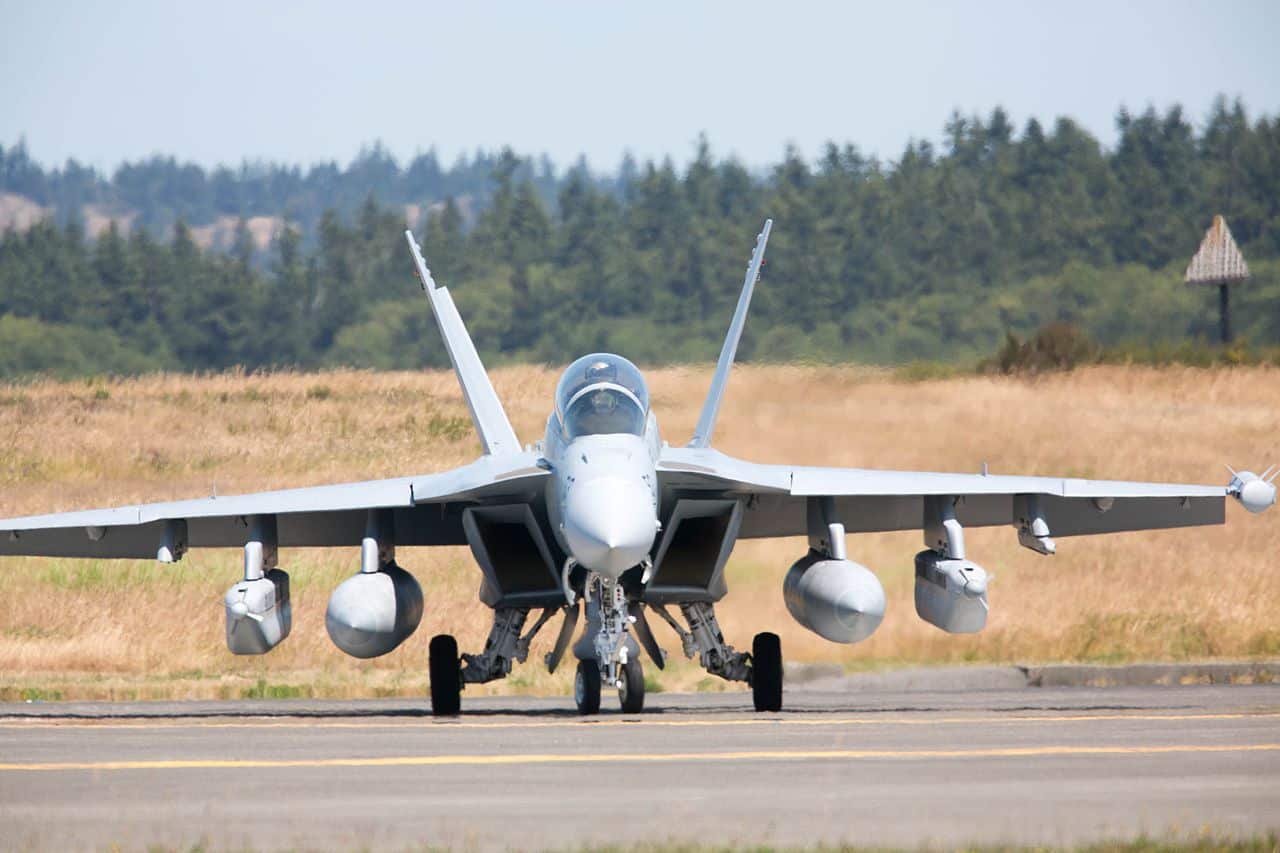
Boeing EA 18G Growler
Boeing F-15SE Silent Eagle
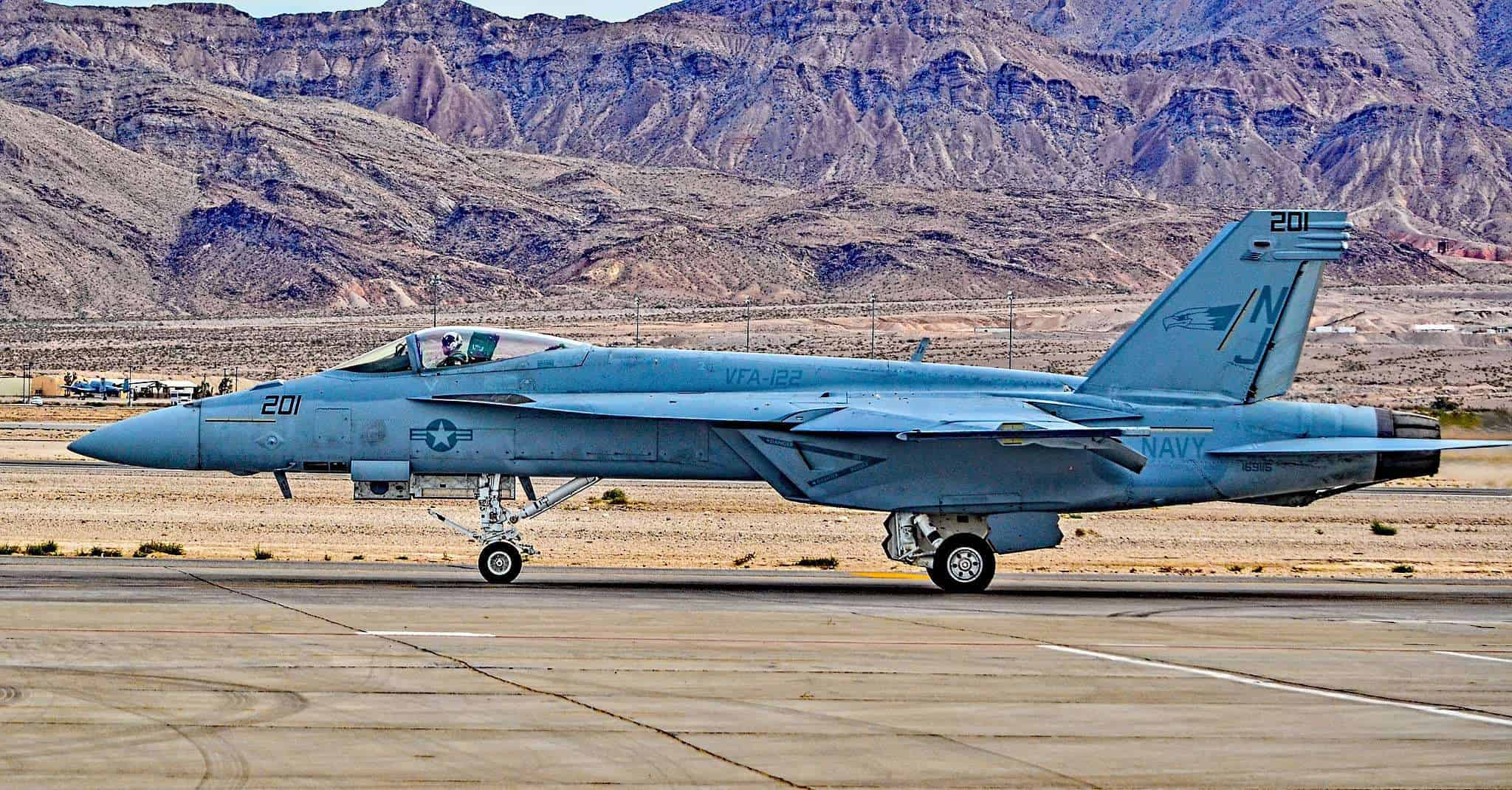
Boeing F/A-18 Hornet
Boeing F/A-18 Super Hornet
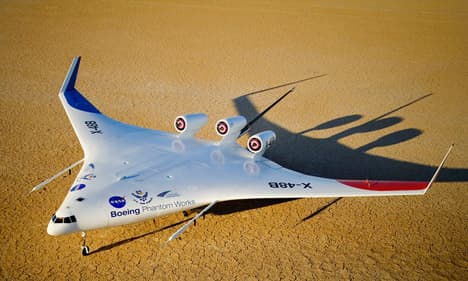
Boeing Phantom Works X-48 B
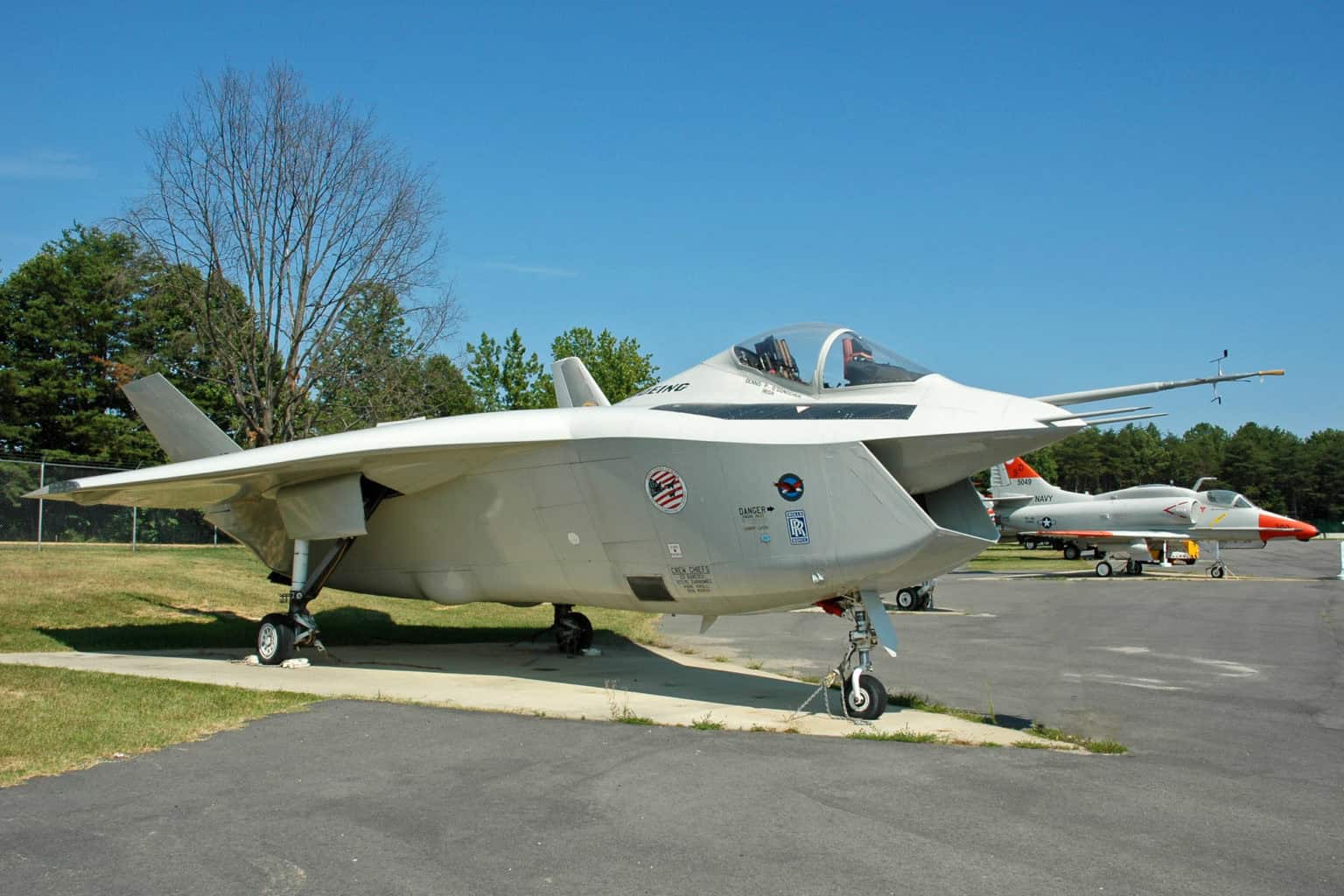
Boeing X-32
Military Aircraft

Boeing X-32 (X32)

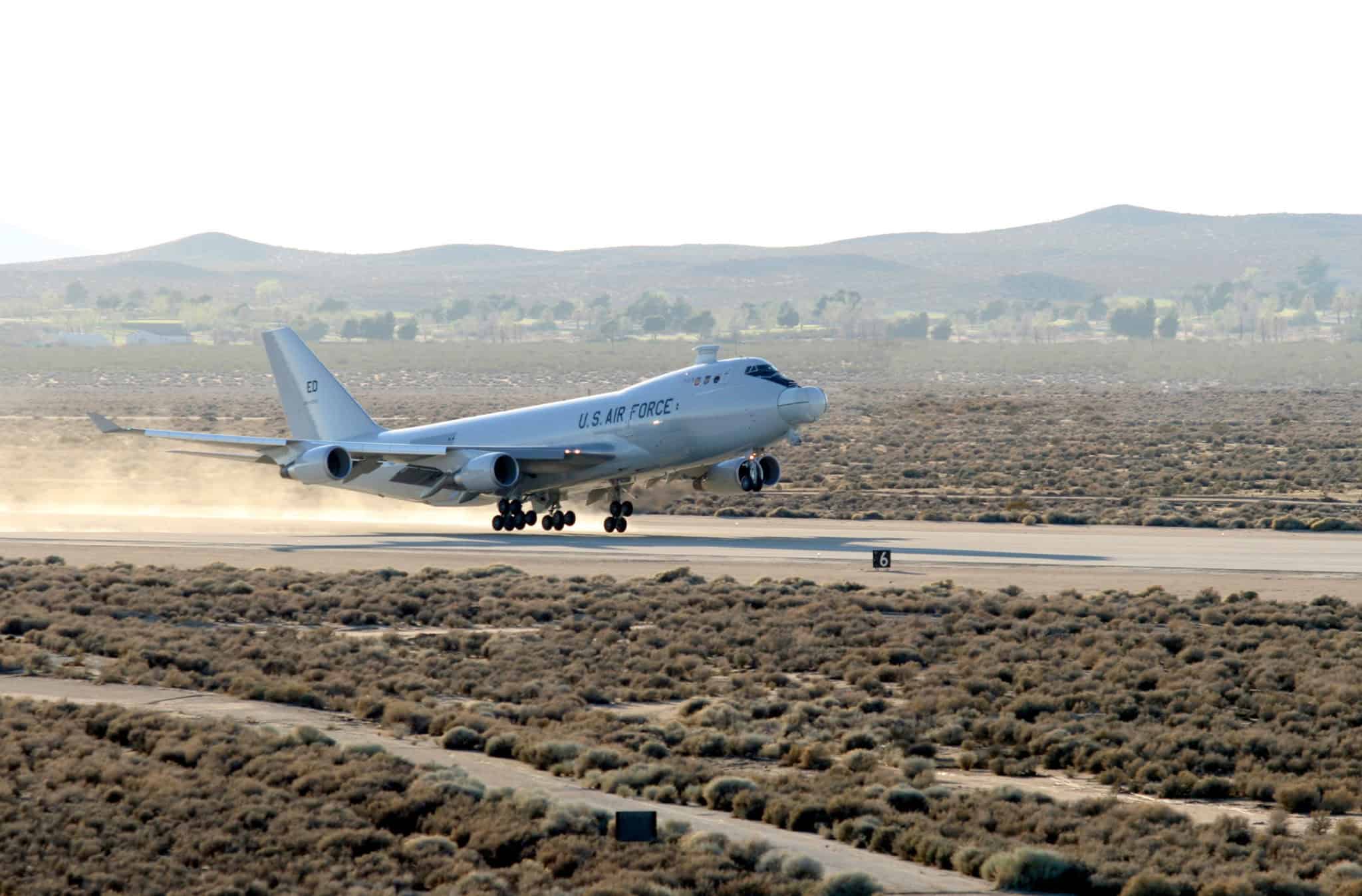
Boeing YAL-1
Military Aircraft

Boeing YAL-1 (YAL1)

F-15E Strike Eagle
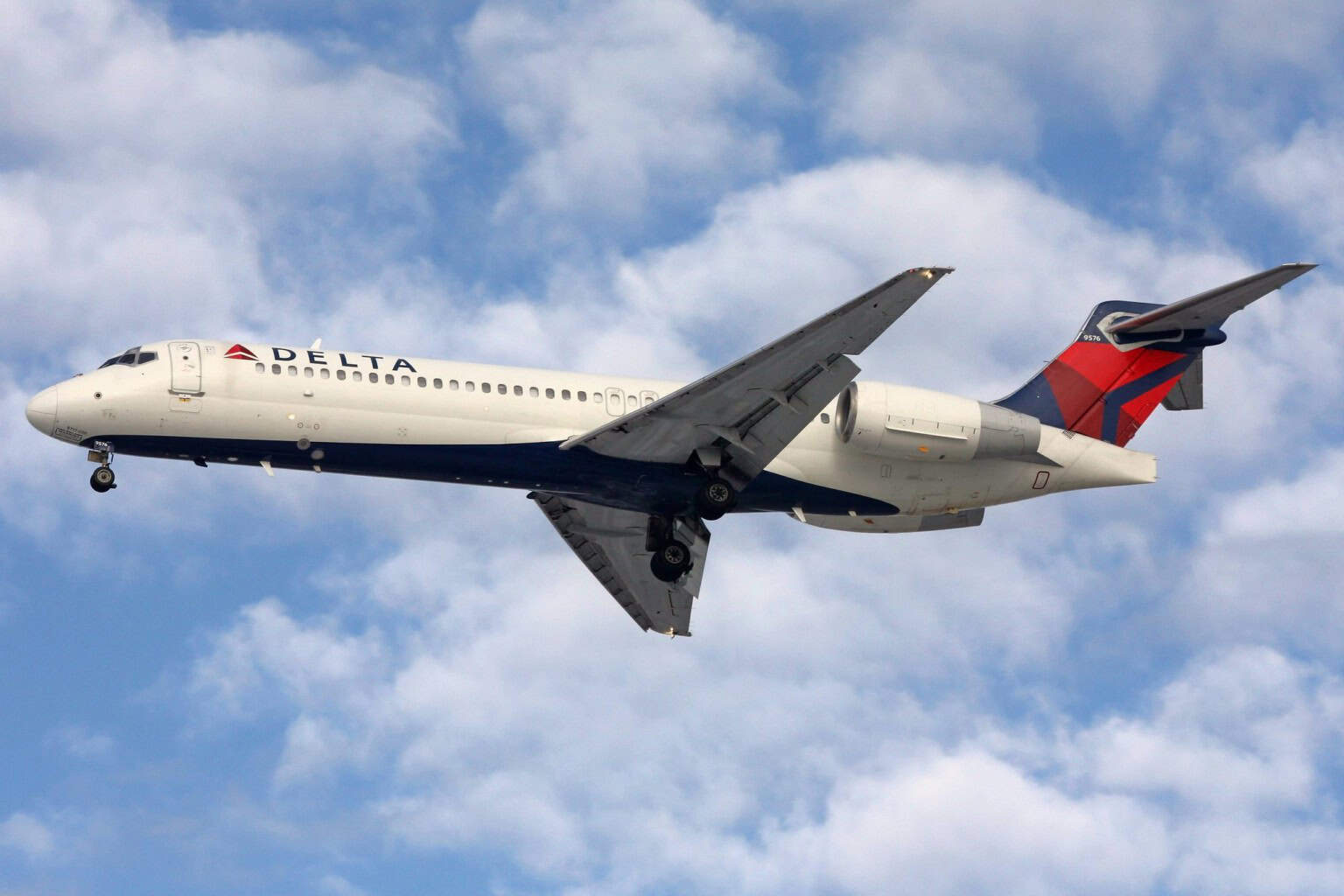
McDonnell Douglas MD-95 / Boeing 717
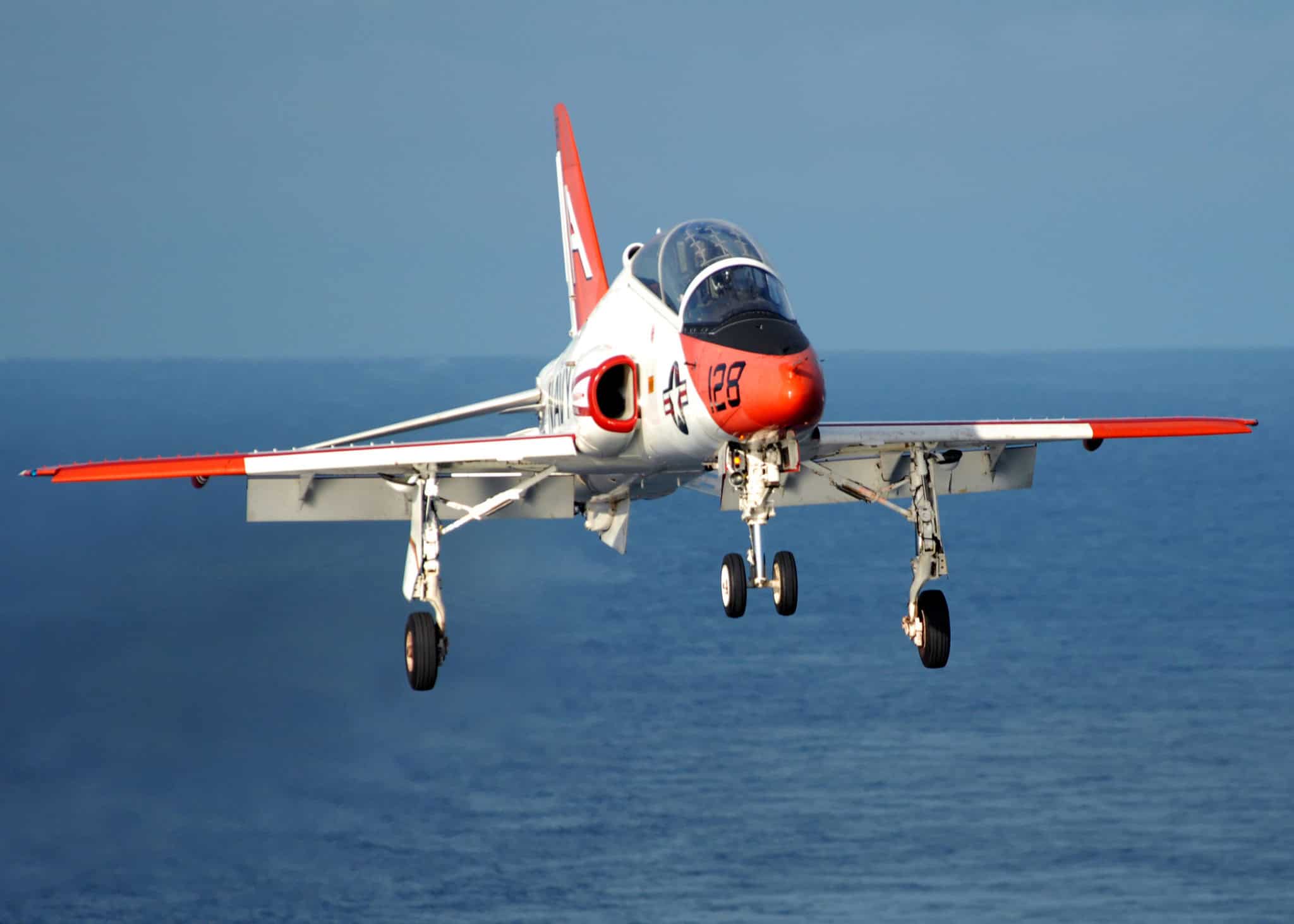
T45 Goshawk
Military Trainers

T45 Goshawk (T45)

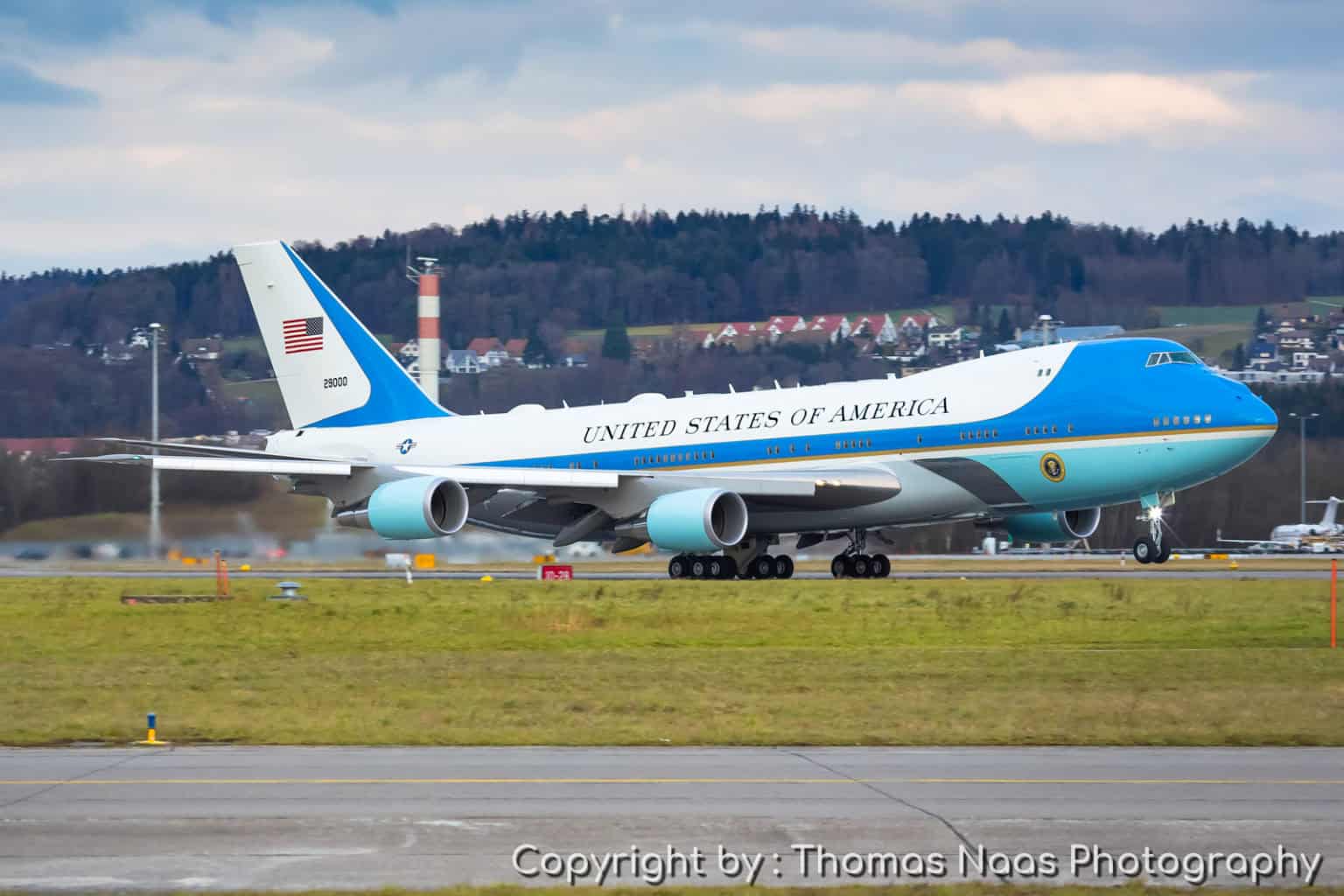
VC-25A Air Force One
Heavy Business Jets

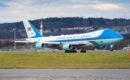
VC-25A Air Force One (VC25)

Article about Boeing

Founding and Early Development

Boeing was founded in 1916 by William Boeing in Seattle, Washington. Beginning with wooden seaplanes, the company quickly expanded into mail carriers, flying boats, and early passenger aircraft. This period established Boeing as a major early contributor to both civil and military aviation.

Growth, Expansion, and Major Milestones

Through the 20th century Boeing introduced landmark aircraft including the 247, 307, 707, and 747, each pushing commercial aviation forward. The company expanded into space and defense programs and merged with McDonnell Douglas in 1997, creating one of the world’s largest aerospace groups.

Most Important Aircraft Produced

  • 737 series – Best-selling commercial jetliner with global reach
  • 747 – The iconic wide-body that transformed long-haul travel
  • 777 – Highly successful long-range twin-engine wide-body
  • 787 Dreamliner – Composite-intensive airliner emphasizing efficiency
  • F-15 and F/A-18 – Key American fighters through Boeing’s defense division

Modern Era and Successor Companies

Boeing’s structure includes its Commercial Airplanes division, Defense and Space operations, and Global Services. It develops advanced manufacturing technologies, autonomous systems, digital support platforms, and long-term fleet services for airlines and military operators around the world.

Headquarters and Manufacturing Locations

Boeing is headquartered in Arlington, Virginia. Major commercial aircraft manufacturing occurs in Everett and Renton, Washington, and North Charleston, South Carolina. These large-scale facilities support wide-body and narrow-body aircraft production and form the core of Boeing’s global industrial footprint.

Engineering Style & Design Philosophy

Boeing emphasizes aerodynamic efficiency, long-range performance, structural innovation, and global maintainability. Its design philosophy integrates commercial and military engineering principles, focusing on safety, reliability, and the ability to serve airlines and operators with varied mission profiles.
Other Products and Capabilities

Boeing produces satellites, launch vehicles, missile systems, space hardware, rotorcraft, and avionics systems. It also offers extensive digital services, maintenance networks, training programs, and integrated fleet support aimed at long-term operational efficiency.
Company Scale (Workforce & Production Capacity)

Boeing employs more than one hundred thousand people worldwide. Its factories deliver hundreds of commercial aircraft annually while supporting major defense and space programs. The Everett facility remains one of the world’s most expansive and productive aerospace manufacturing sites.
Ownership Timeline

  • 1916 – Founded as Pacific Aero Products
  • 1917 – Renamed The Boeing Company
  • 1934 – Company reorganized after regulatory ruling
  • 1997 – Merged with McDonnell Douglas
  • 2001 – Headquarters moved to Chicago
  • 2022 – Headquarters moved to Arlington, Virginia

Notable Events and Historical Impact

1. Launch of the 747 “Jumbo Jet”

The 747 revolutionized air travel with its size, range, and capacity, making international long-haul flights more accessible and shaping global aviation for decades.

2. Opening of the Everett Production Facility

Built to produce the 747, the Everett plant became the world’s largest manufacturing building by volume. It later supported additional wide-body programs including the 767, 777, and 787.

3. 737 MAX Crashes and Global Grounding

Two fatal 737 MAX accidents led to a worldwide grounding and major reforms in certification, engineering processes, and quality oversight. The event reshaped regulatory standards throughout aviation.

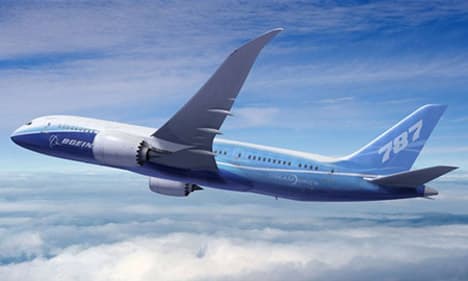
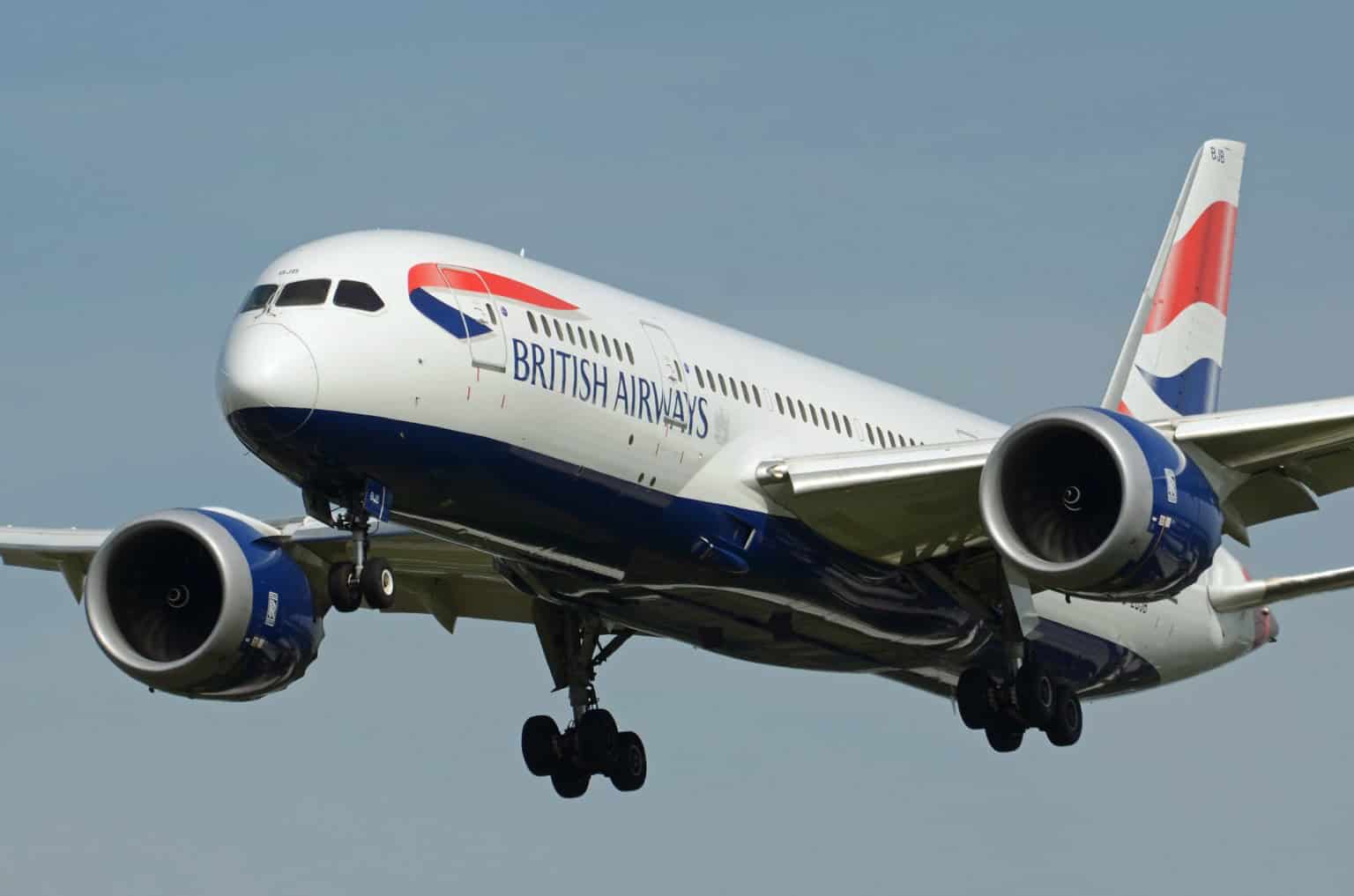
4. Introduction of the 787 Dreamliner

The 787 marked a new era with composite fuselage sections, advanced aerodynamics, and long-range fuel efficiency. It influenced both airline operations and future aircraft manufacturing methods.

5. Expansion into Global Aerospace Services

Boeing increased its focus on services, logistics, digital systems, and lifecycle support, transforming from a pure manufacturer into an integrated global aerospace service provider.

Safety Record / Incidents

Boeing’s history includes significant safety and regulatory challenges, most notably the 737 MAX crisis. These events prompted extensive internal restructuring and industry-wide changes to certification, engineering oversight, and production practices.

Legacy and Influence on Aviation

Boeing has shaped commercial and military aviation more than almost any other manufacturer. From pioneering early jetliners to creating wide-body aircraft that transformed travel, Boeing’s engineering and global presence continue to influence aviation, defense, and space systems worldwide.