Mid Size Passenger Jets
The original twinjet widebody built for transcontinental efficiency.
The latest aviation news and stories sent to your inbox.
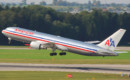
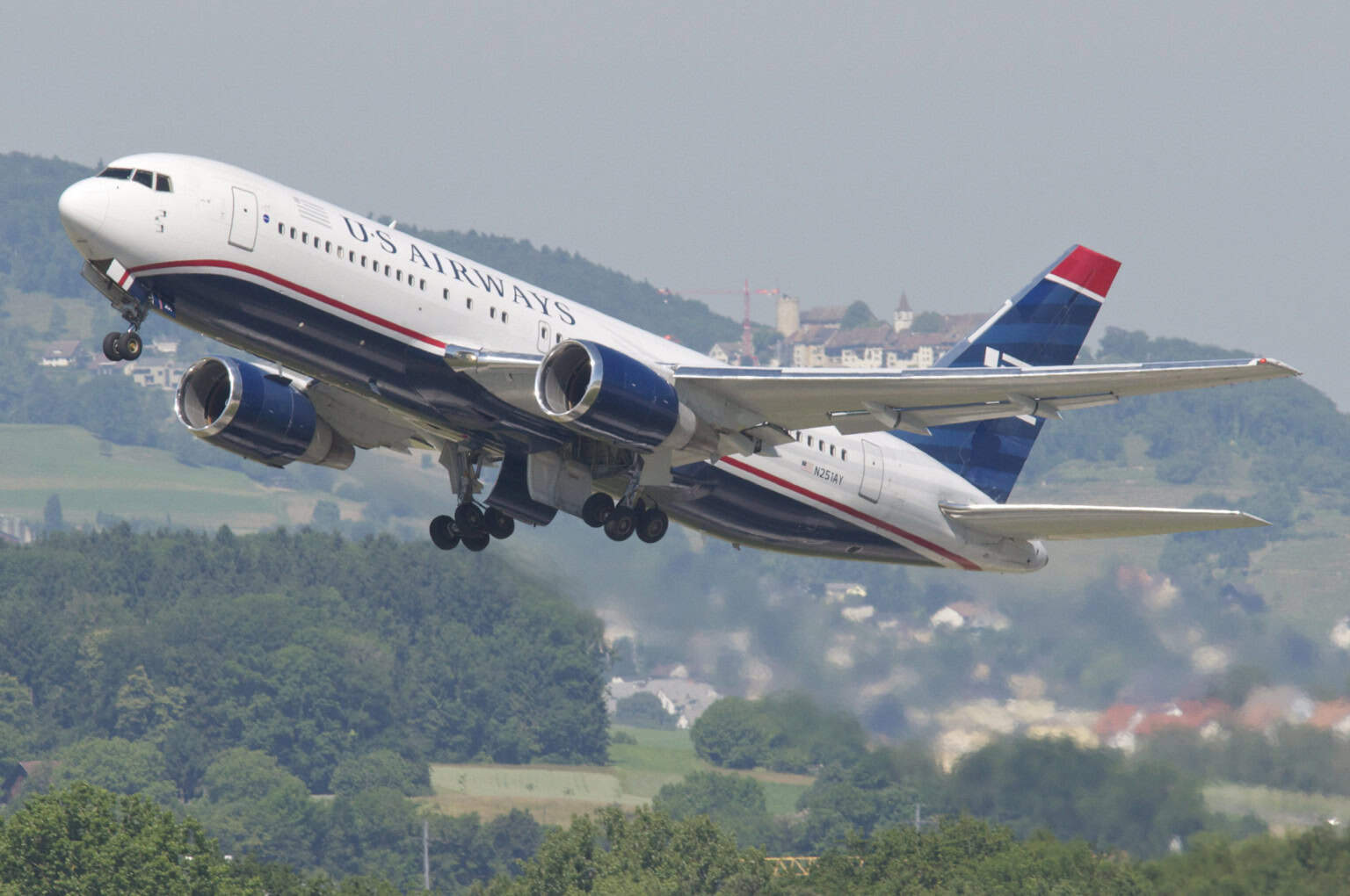
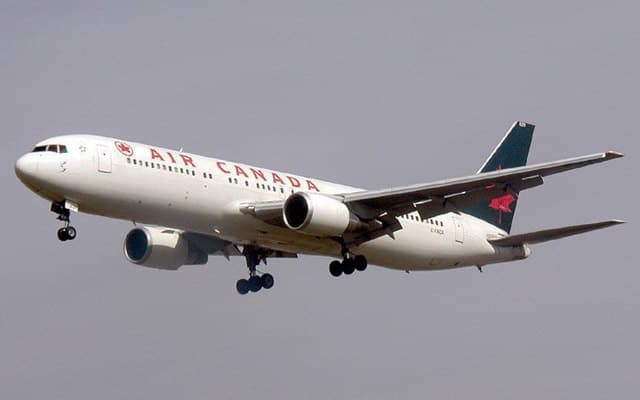
The Boeing 767-200 was the first variant of the 767 family. Designed to provide efficient twin-engine widebody service, it entered airline operations in the early 1980s. The aircraft helped establish extended-range twin-engine operations.
Live Fleet Activity (B762)
Fetching live data…


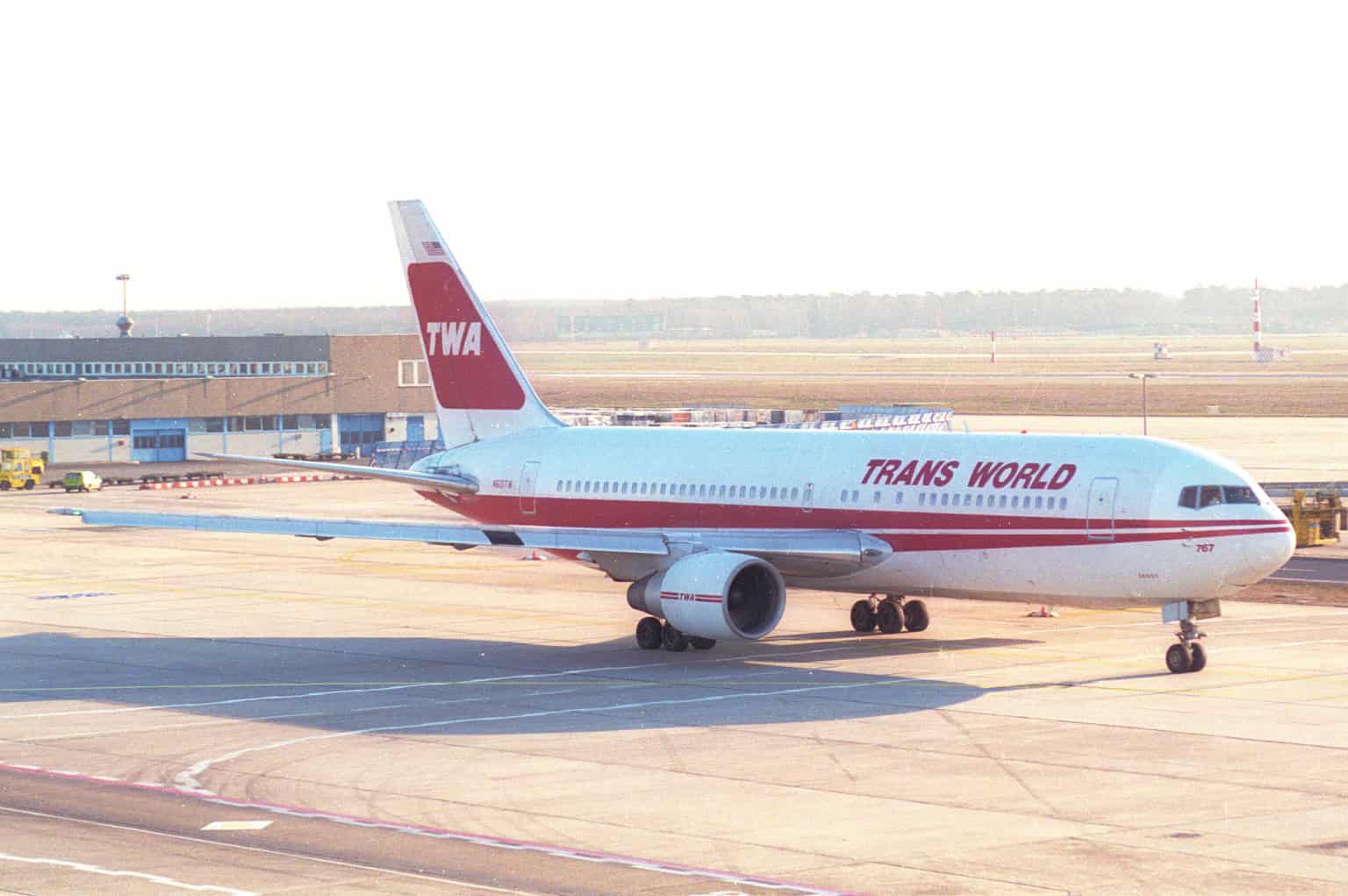
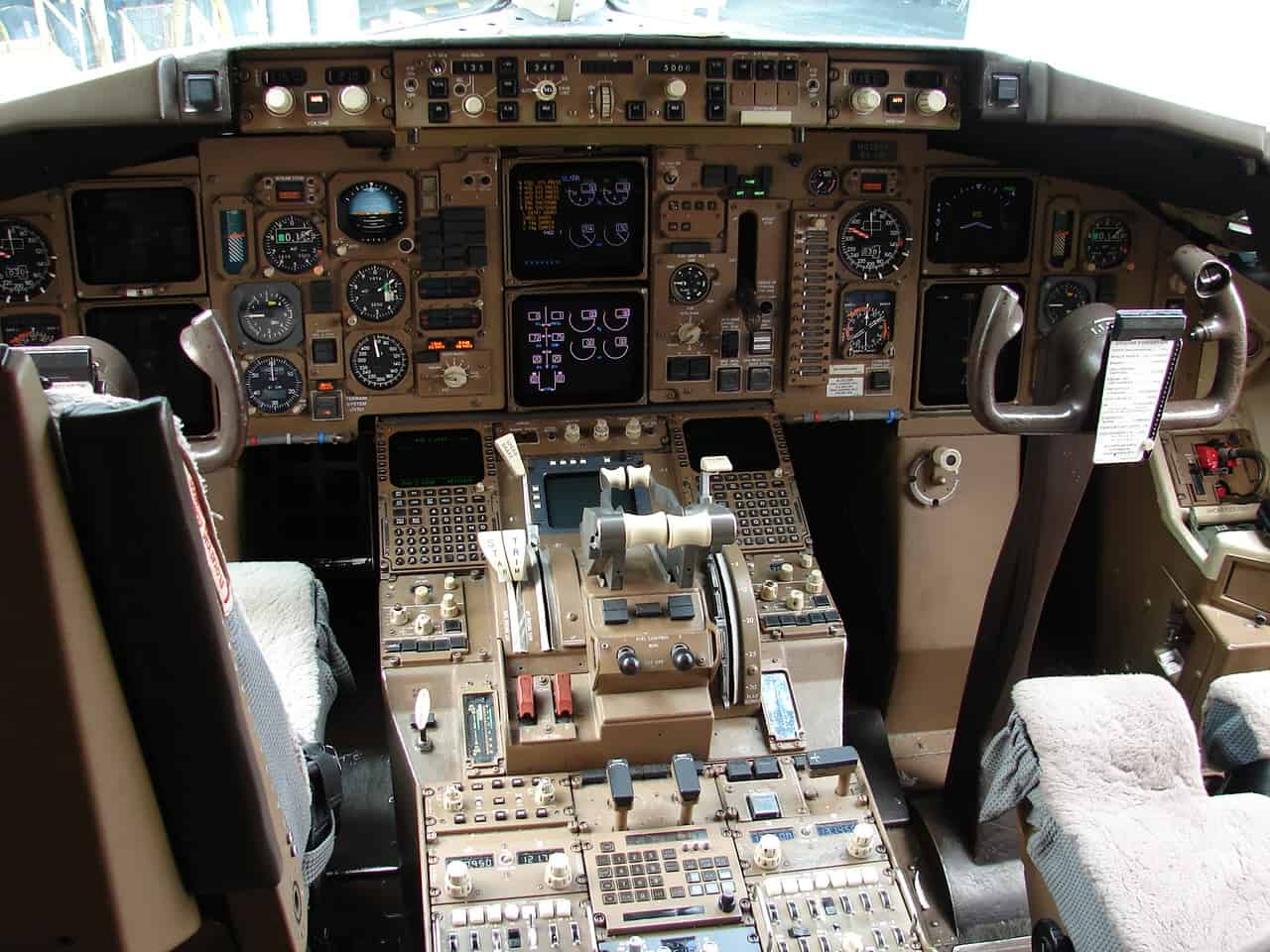
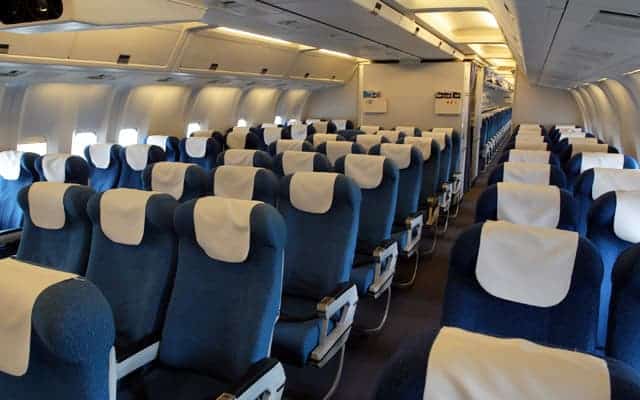

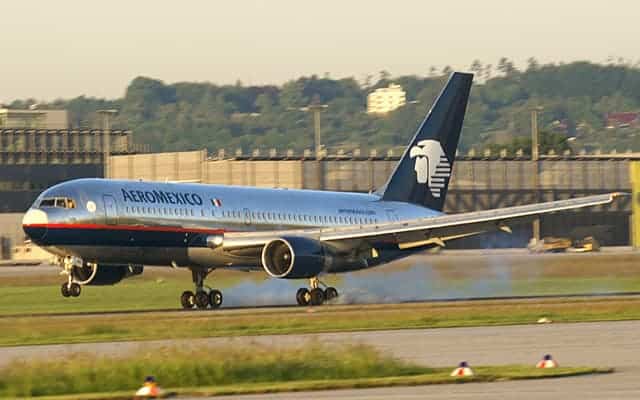
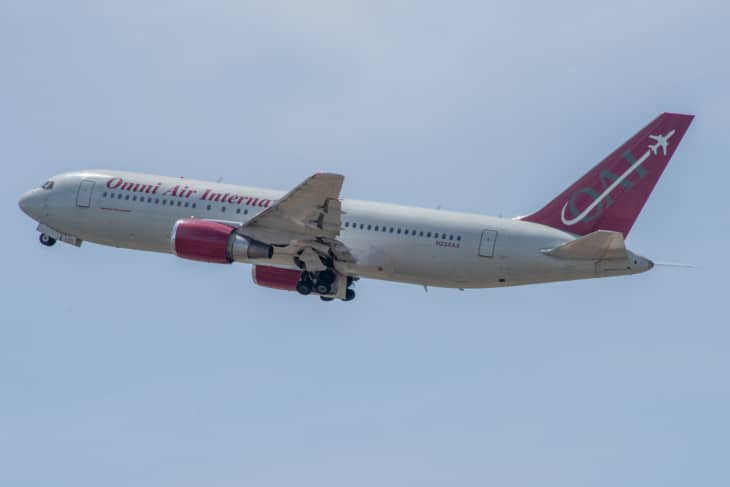
The 767-200 first flew in 1981 and entered service in 1982. It was developed to serve medium and long-haul routes with improved fuel efficiency compared with earlier widebodies. The aircraft introduced advanced flight deck systems for its era.
Powered by two high-bypass turbofan engines producing approximately 48,000 to 52,000 pounds of thrust (213 to 231 kN) each depending on variant, the 767-200 cruises at around 460 knots (850 km/h). Maximum takeoff weight exceeds 315,000 pounds (143,000 kg). Seating typically ranges from 180 to 218 passengers.
The 767-200 established the foundation for subsequent 767 variants. It played a significant role in expanding transcontinental and transatlantic services. Many aircraft were later converted to cargo use.
Sources and references used for research and fact-checking.