McDonnell Douglas MD-95 / Boeing 717

The compact twinjet built as the final evolution of the DC-9 family.
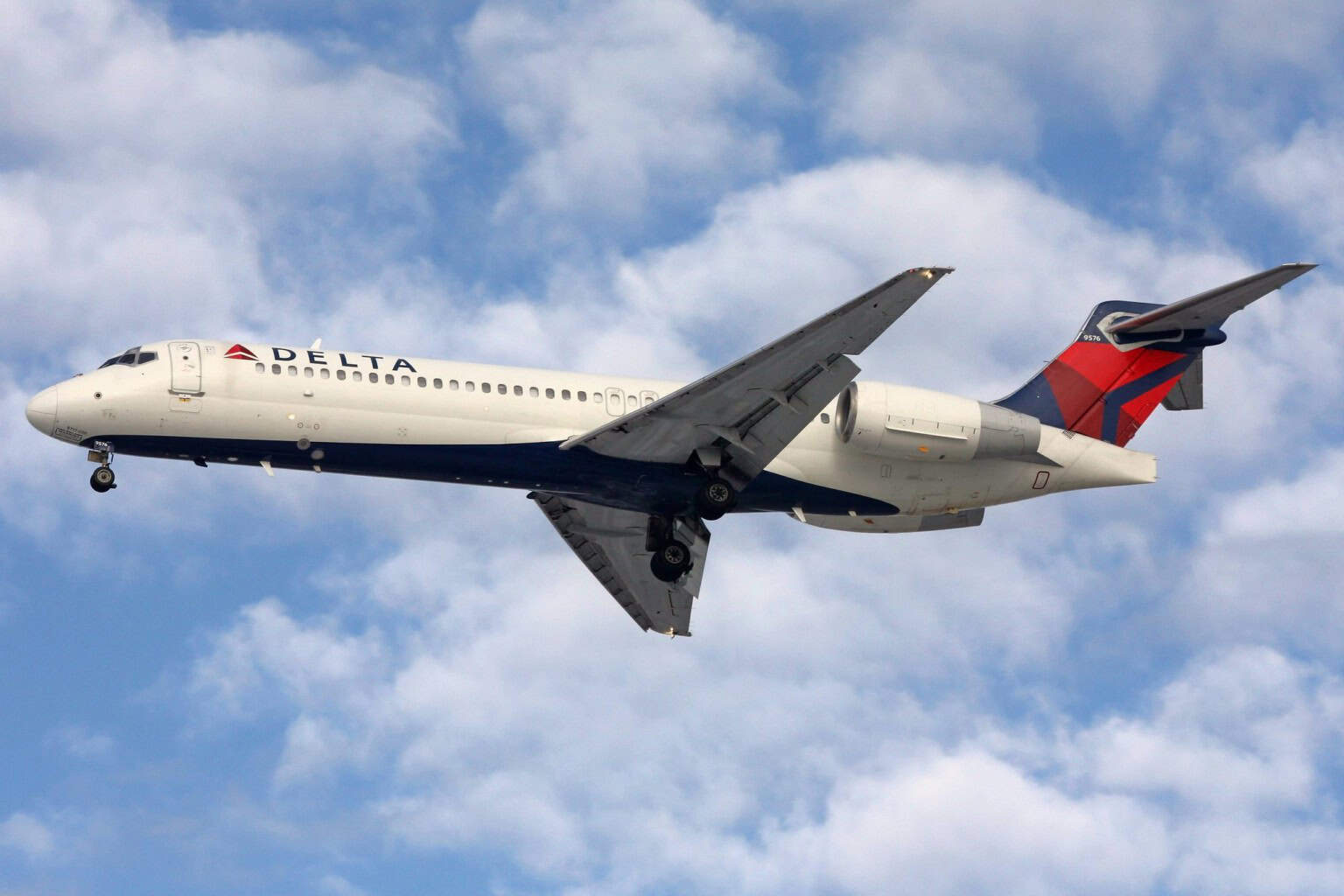
DELTA Boeing 717-200 ‘N608AT’ © GeorgeM757

Overview

Boeing United States ICAO: B712 1998–2006 Active $31.5 million (1999)

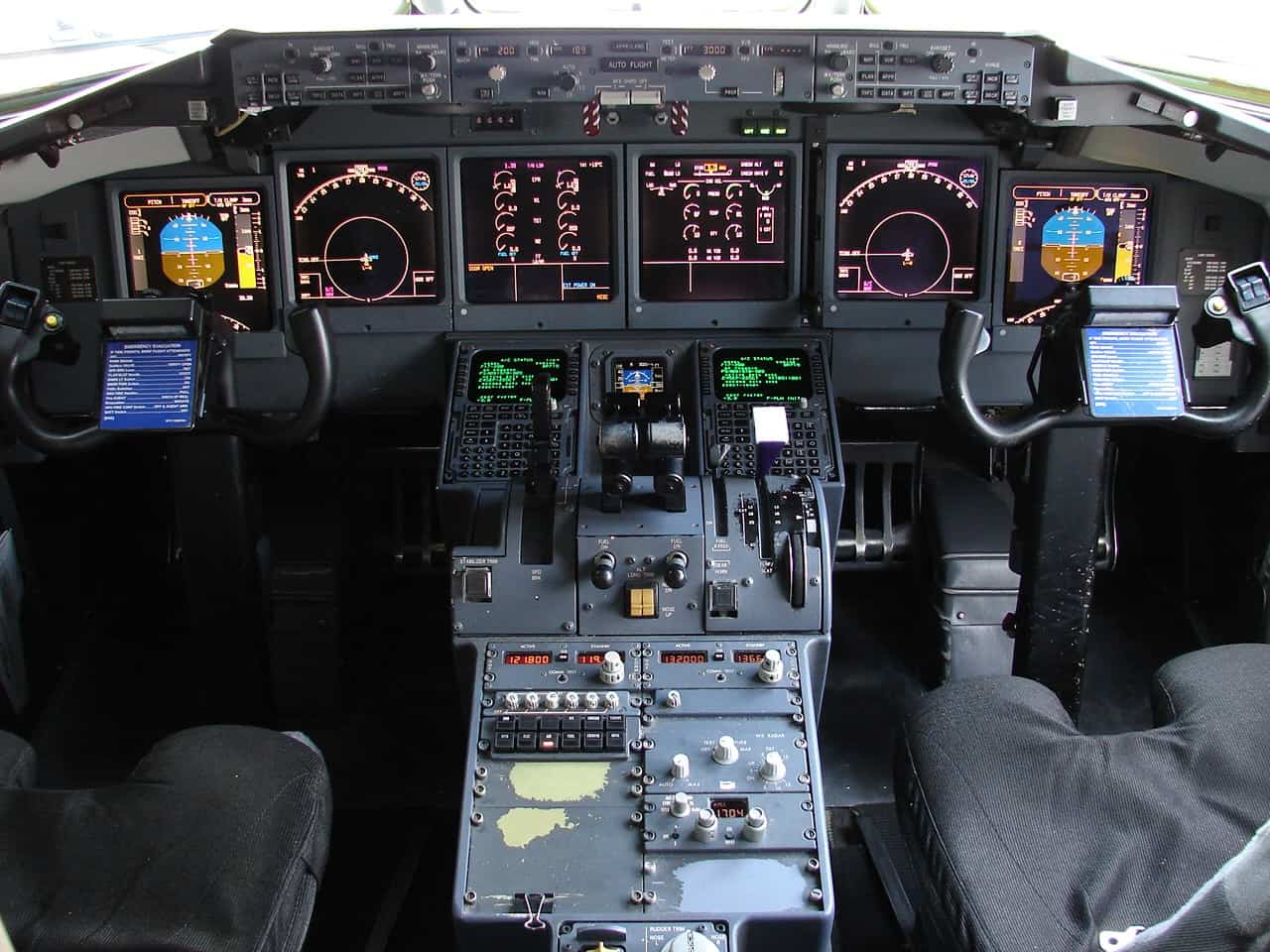
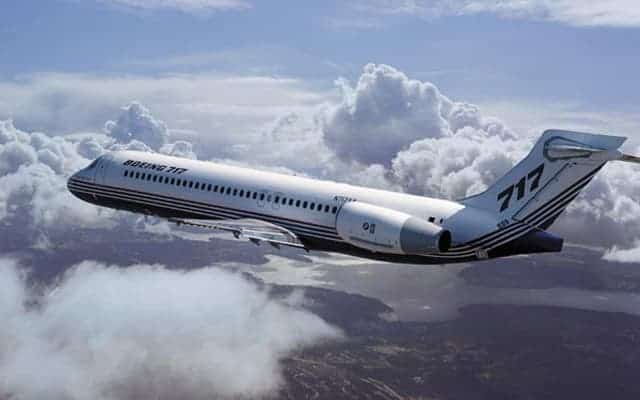
The MD-95, later marketed as the Boeing 717, was developed as a modernized successor to the DC-9. Designed for short-haul, high-frequency routes, it entered service at the end of the 1990s. The aircraft combined updated engines and avionics with a proven airframe lineage.

Live Fleet Activity (B712)

📡

Fetching live data…

Specifications

Units
Engine
2 × Rolls Royce BR715-C1-30
Engine type
Turbofan
Thrust
2 × 21,000 lbf · 93 kN
Avionics
Honeywell VIA 2000 computers, BAE Systems FADEC
Wing tips
No winglets
Seats
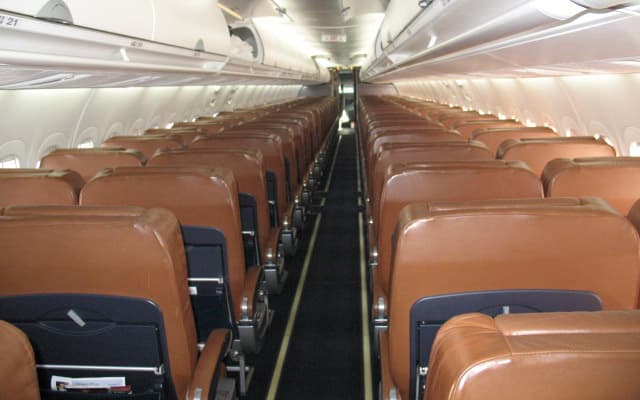
117 economy · 106 business
Crew
Cabin width
10 ft 4 in  ·  3.14 m
Cabin height
6 ft 8 in  ·  2.03 m
Cabin length
76 ft 11 in  ·  23.44 m
Exterior length
124 ft 0 in  ·  37.80 m
Tail height
29 ft 3 in  ·  8.92 m
Fuselage diameter
11 ft 1 in  ·  3.37 m
Wing span
93 ft 5 in  ·  28.47 m
Baggage volume
731 ft³  ·  20.7 m³
Gross weight
Empty weight
Max takeoff weight
121,000 lb  ·  55,000 kg
Max landing weight
102,000 lb  ·  46,300 kg
Max payload
32,000 lb  ·  14,500 kg
Fuel capacity
4,400 gal · 16,700 L · 13,300 kg (Jet A)
Max cruise speed
495 kt  ·  570 mph  ·  917 km/h
Maximum speed
Cruise speed
Approach speed
139 kt  ·  160 mph  ·  257 km/h
Range
2,060 nm  ·  2,370 mi  ·  3,820 km
Fuel burn
0.47 nm/gal  ·  0.23 km/L
Ceiling
37,000 ft  ·  11,300 m
Rate of climb
3,000 ft/min  ·  15 m/s
Takeoff distance
5,500 ft  ·  1,680 m
Landing distance
4,650 ft  ·  1,420 m
(/) tap to zoom
(/)
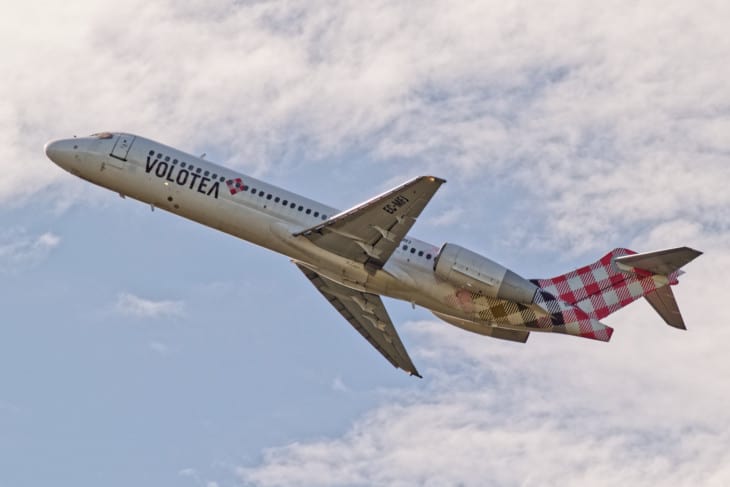
Volotea Boeing 717 EC-MFJ’

Live fleet activity details

📡
Fetching live data…
Flight Airline Reg Alt Speed Heading V/S

Operational Context

McDonnell Douglas MD-95 / Boeing 717 — short-haul narrow-body jet

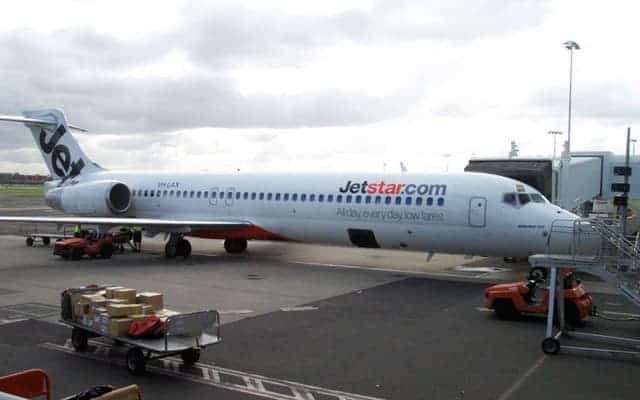
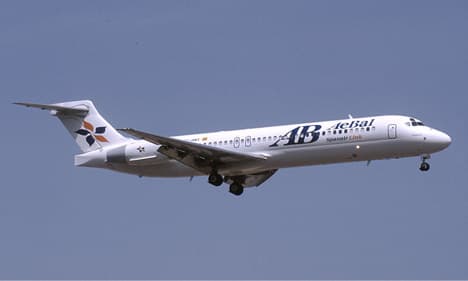
The MD-95 first flew in 1998 and entered airline service in 1999. After Boeing’s merger with McDonnell Douglas, it was redesignated the 717. The aircraft retained the rear-mounted twin-engine layout and T-tail configuration characteristic of the DC-9 series.

Powered by two Rolls-Royce BR715 turbofan engines producing approximately 18,500 pounds of thrust (82 kN) each, the 717 cruises at around 445 knots (825 km/h). Maximum takeoff weight exceeds 120,000 pounds (54,430 kg). Seating typically ranges from 100 to 125 passengers.

The 717 found success with airlines operating dense short-haul networks. Production ended in 2006, marking the conclusion of the DC-9 lineage. Many aircraft remain active in regional service.