
Mid Size Passenger Jets
McDonnell Douglas MD-95 / Boeing 717
ICAO: B712
The narrow-body jet built for medium and long-range flexibility.
The latest aviation news and stories sent to your inbox.
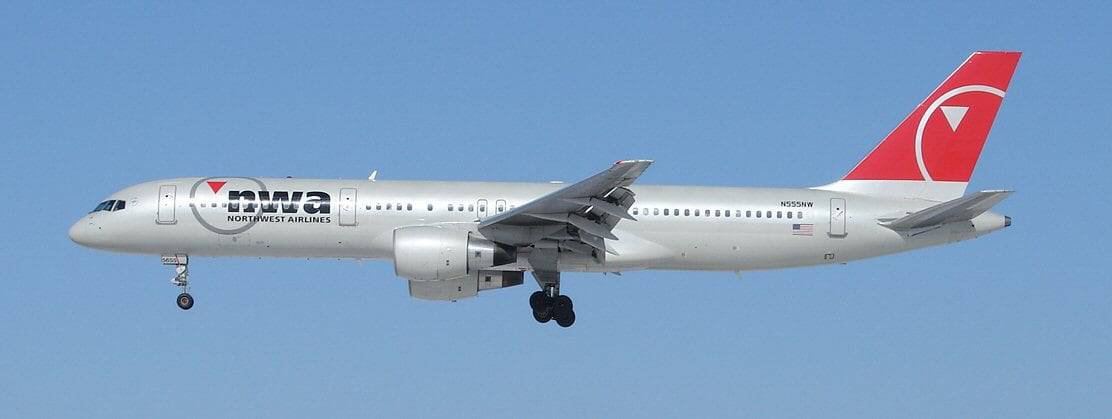
The Boeing 757-200 is a twin-engine narrow-body aircraft designed for medium and transcontinental routes. Entering service in the early 1980s, it combined narrow-body efficiency with long-range capability. The aircraft became popular on domestic and transatlantic routes.
Live Fleet Activity (B752)
Fetching live data…




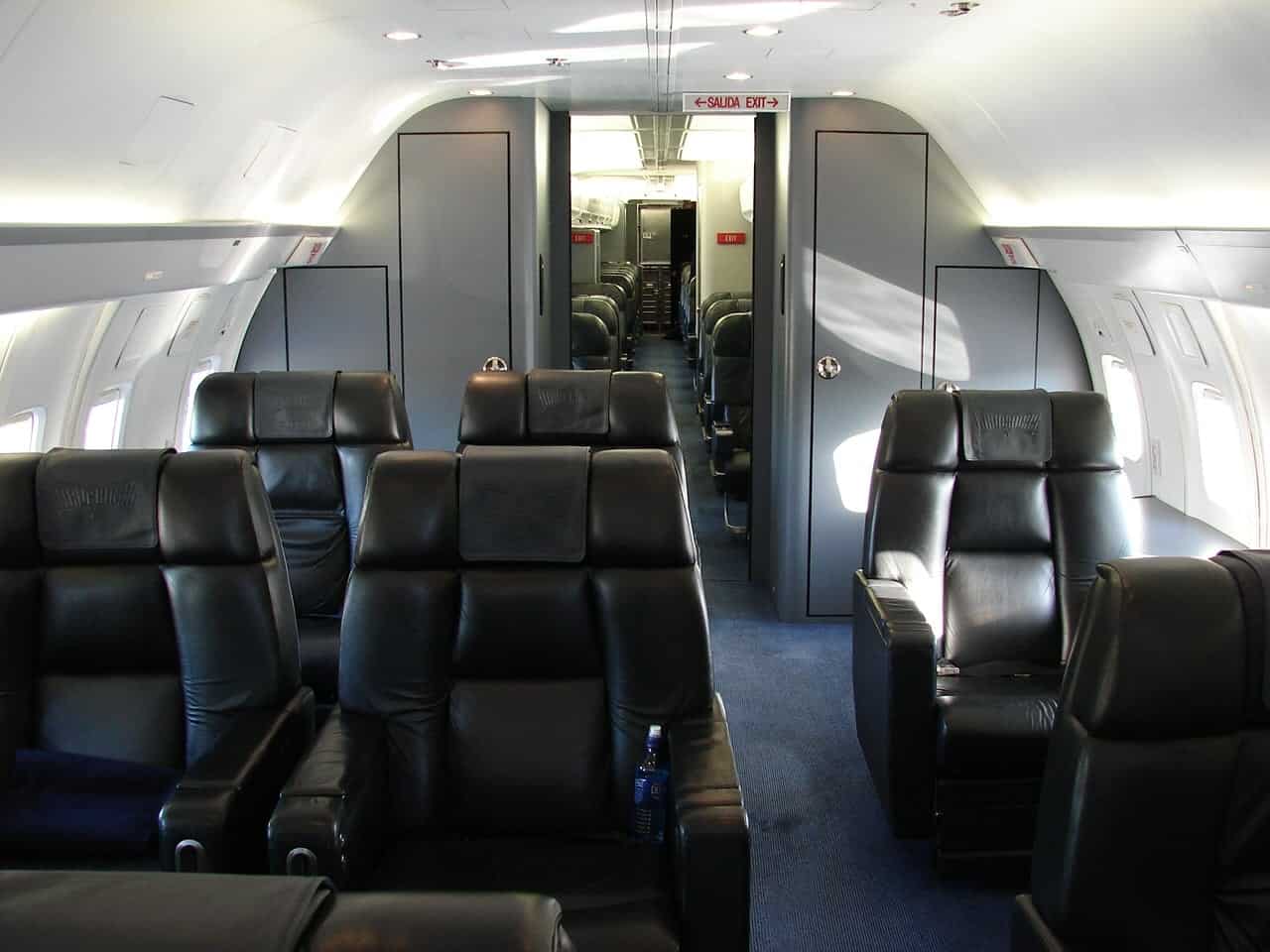



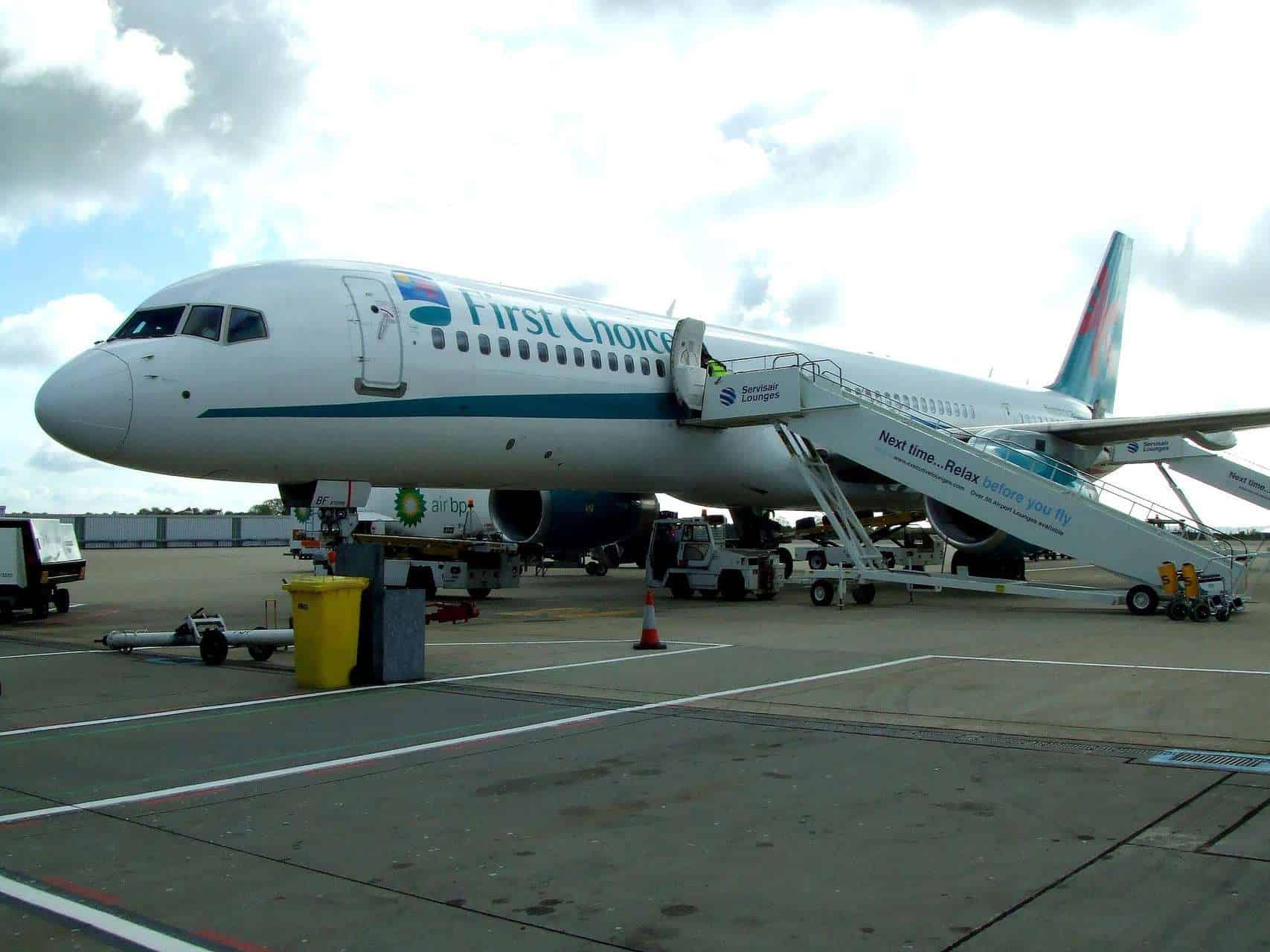

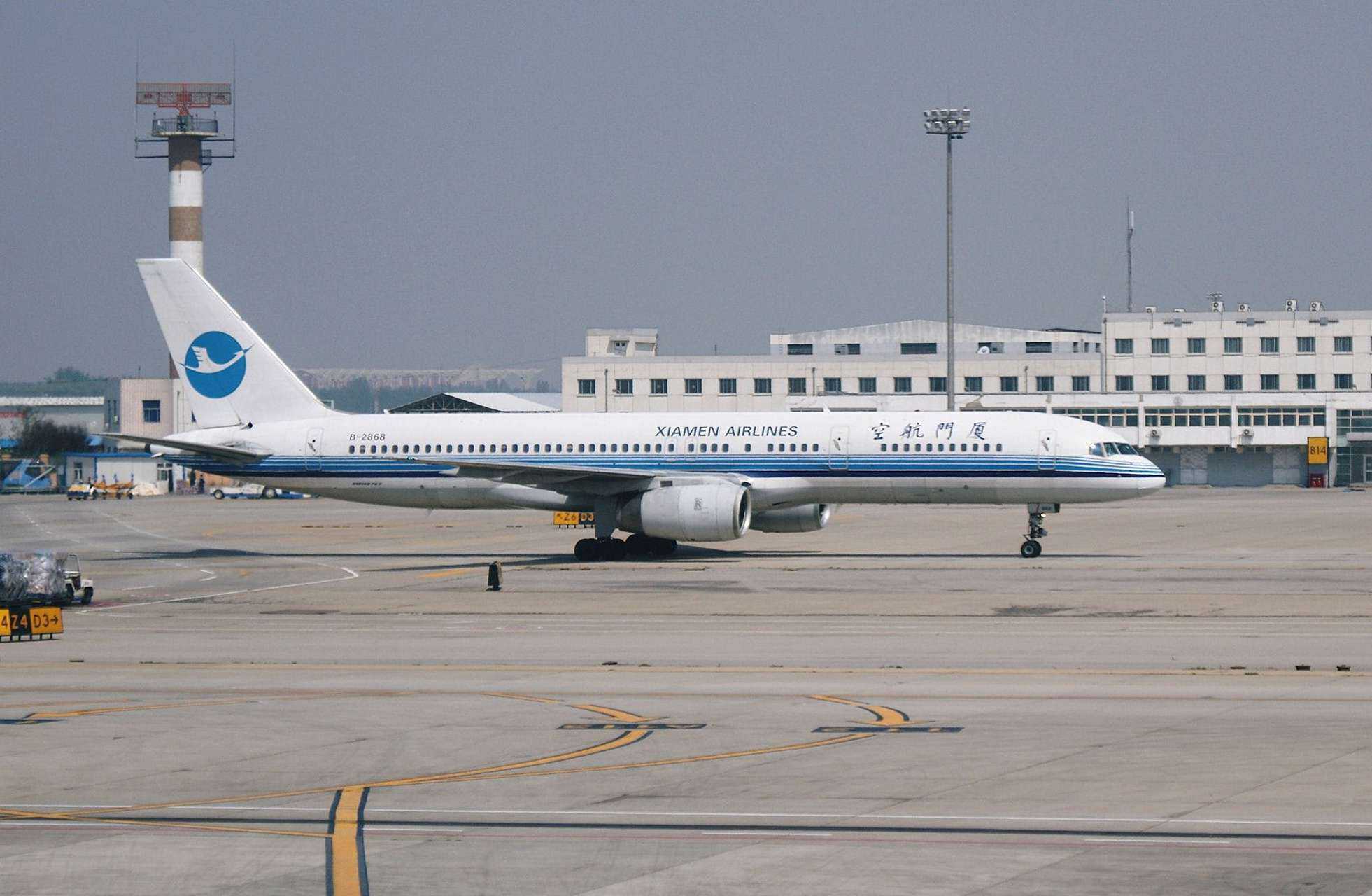
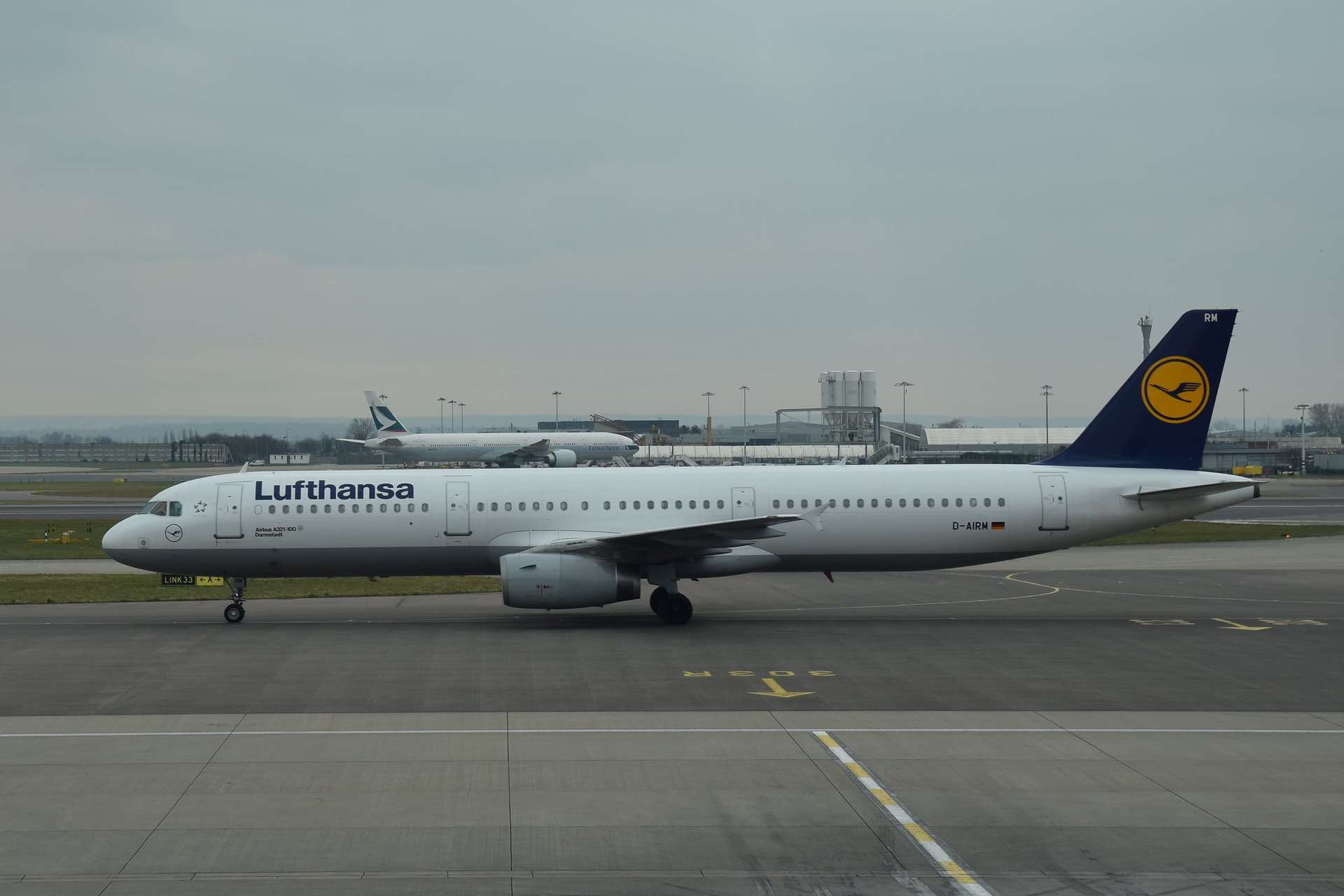



The 757-200 first flew in 1982 and entered airline service in 1983. It was developed alongside the 767 and shares a similar flight deck design. The aircraft features a longer fuselage and more powerful engines than earlier narrow-body jets.
Powered by two Rolls-Royce RB211 or Pratt & Whitney PW2000 turbofan engines producing approximately 37,000 to 43,000 pounds of thrust (165 to 191 kN) each, the 757-200 cruises at around 470 knots (870 km/h). Maximum takeoff weight exceeds 255,000 pounds (115,700 kg). Seating typically ranges from 180 to 239 passengers.
The 757-200 proved well suited to transcontinental and select transatlantic routes. Production ended in 2004, but many remain active in passenger and cargo service. The aircraft is valued for its performance from shorter runways.
Sources and references used for research and fact-checking.