

Table of Contents
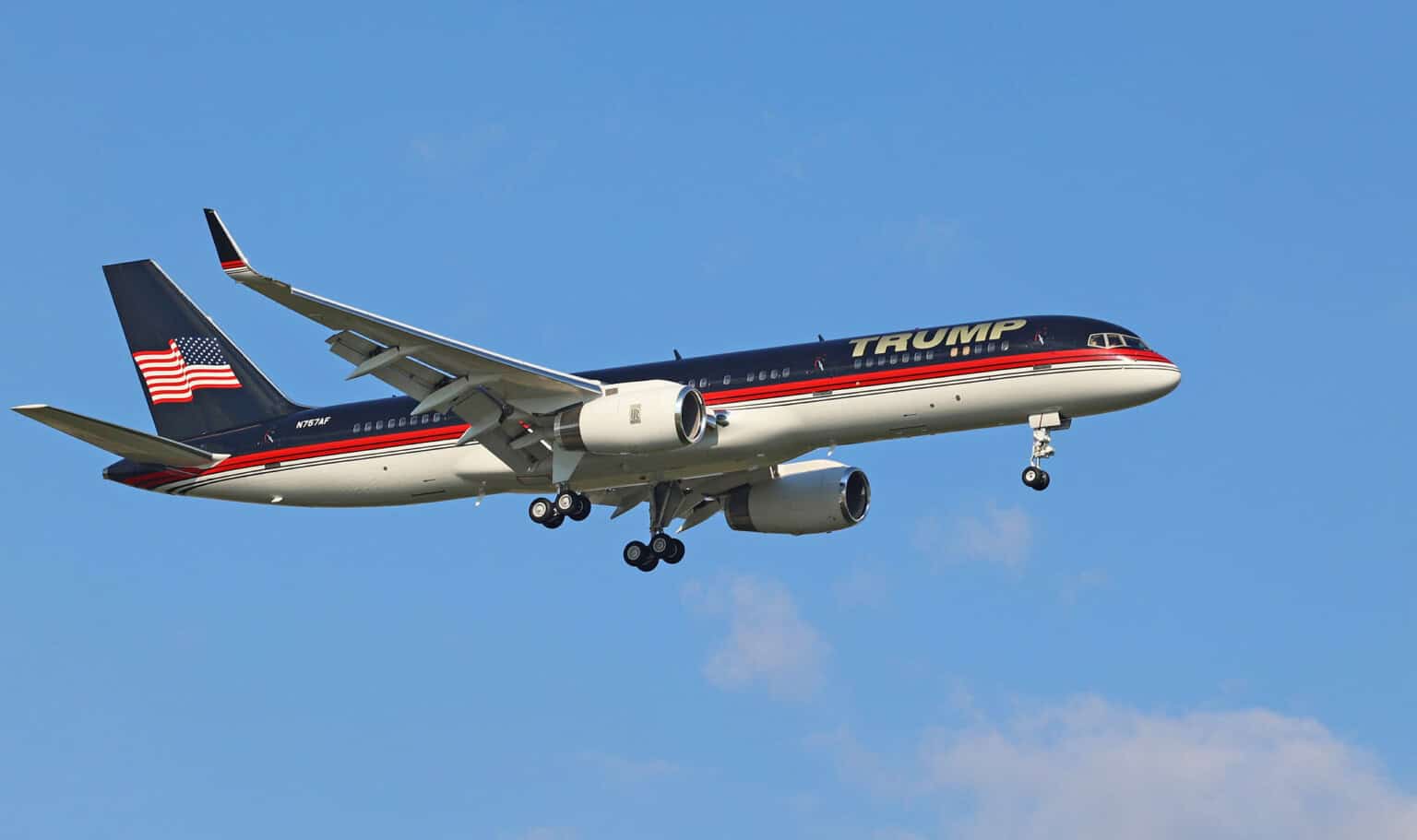
The Boeing 757-200 registered N757AF sat in a fenced-off corner of Stewart International Airport in New York for nearly three years. Weeds grew around the landing gear. The black fuselage with its gold “TRUMP” lettering gathered grime. While it waited, its owner was being flown around the world on a different aircraft: a Boeing VC-25A, the one the world calls Air Force One. The irony is hard to miss. Donald Trump spent four years as the most powerful person on the planet, flying the most famous aircraft in history, while his personal private jet was parked in a field in upstate New York with nothing to do.
Before it was a political prop and after it was a campaign workhorse, N757AF was a commercial Boeing 757 built in 1991 for a Danish airline, later flown by a Mexican carrier, and eventually acquired by Microsoft co-founder Paul Allen before Trump bought it in 2011 for a reported sum that the two parties have never quite agreed on. Trump claimed he paid $100 million. Sources familiar with the transaction said the price was under $50 million, with less than $10 million spent on the gold-plated refit that followed. Either way, the aircraft that emerged from that renovation is one of the most recognizable private jets in the world: a 180-foot-long narrowbody airliner reconfigured for 43 passengers, fitted with 24-karat gold seatbelt clasps, gold bathroom fixtures, leather seats embroidered with the Trump family crest, and a master bedroom with a king-size bed and silk linens.
This guide covers Trump’s full private aviation history, from his 1988 helicopter service through the Trump Shuttle airline, through his personal 727 years, the acquisition and renovation of N757AF, the Cessna Citation X he quietly sold during the 2024 campaign, and the three Sikorsky S-76 helicopters that round out one of the most storied celebrity aviation portfolios in the world.
Quick facts about Donald Trump’s private jet
Donald Trump’s Private Jet Fleet
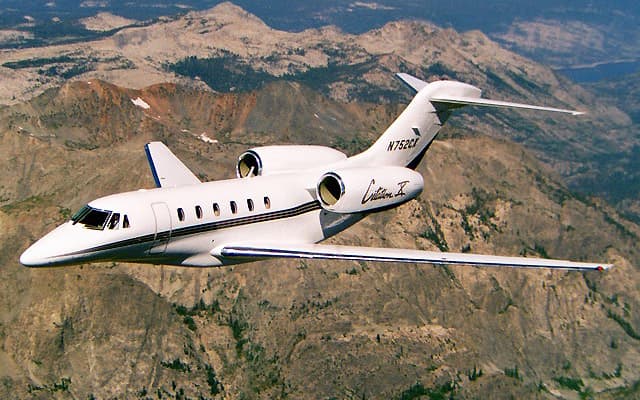
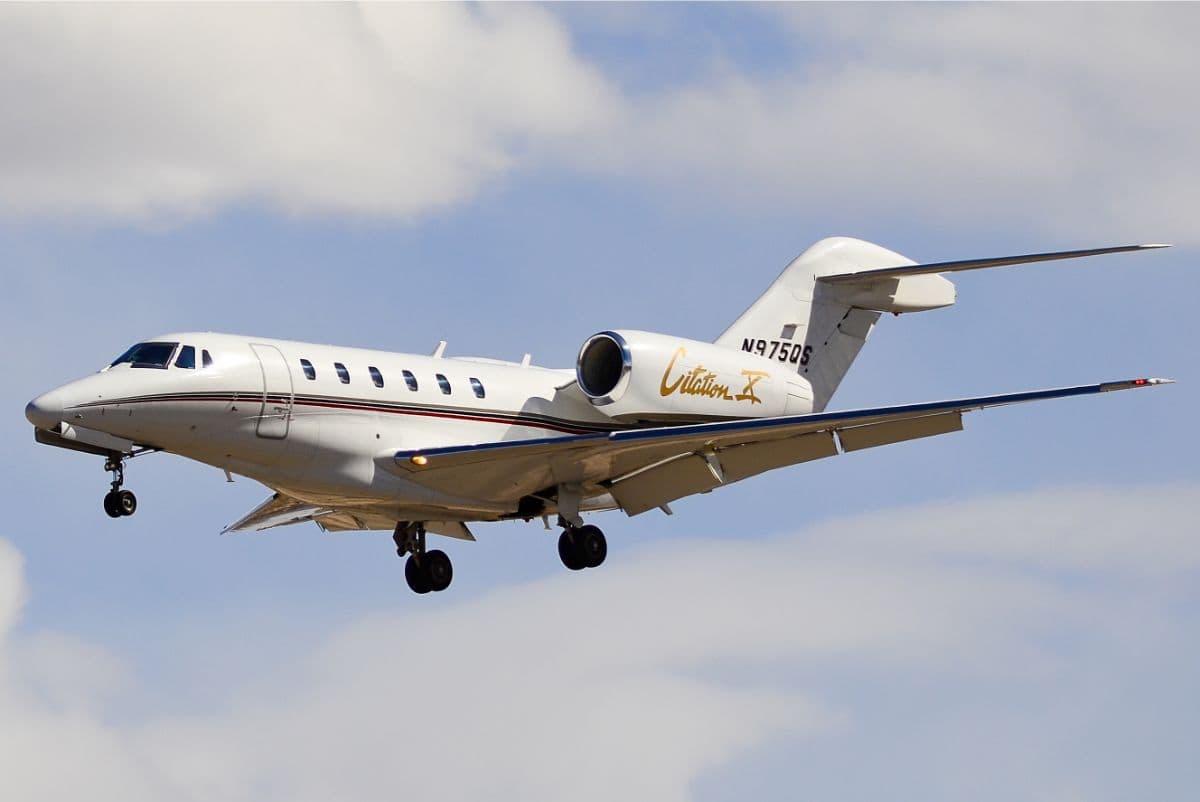
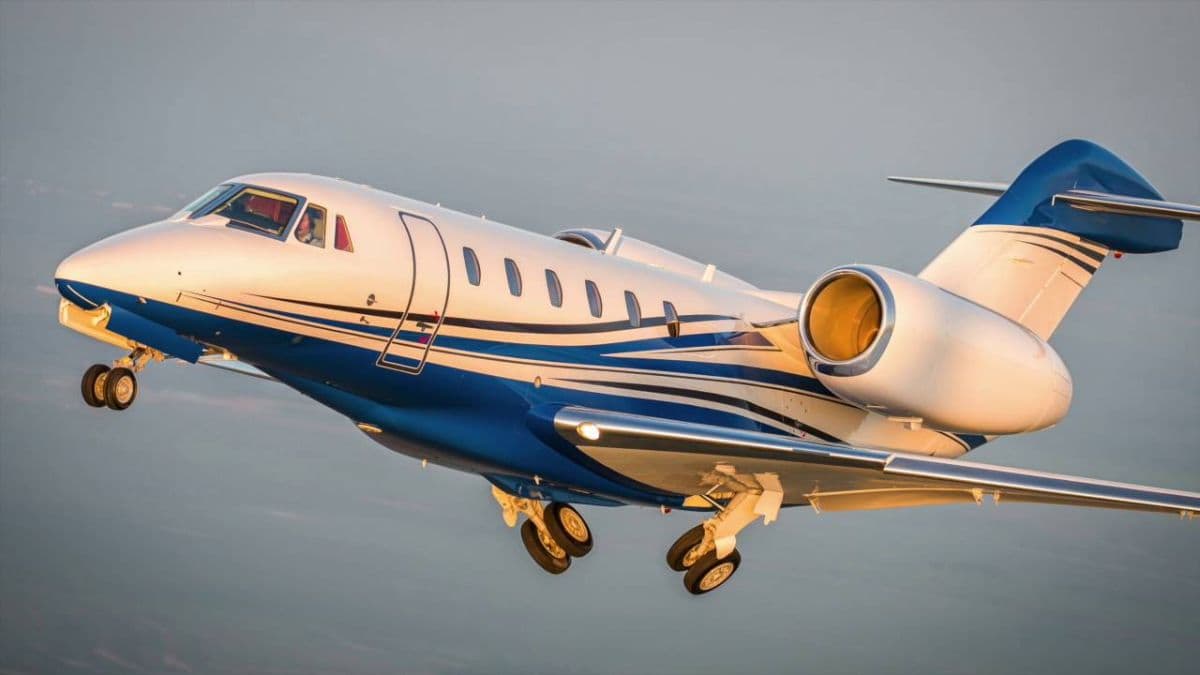
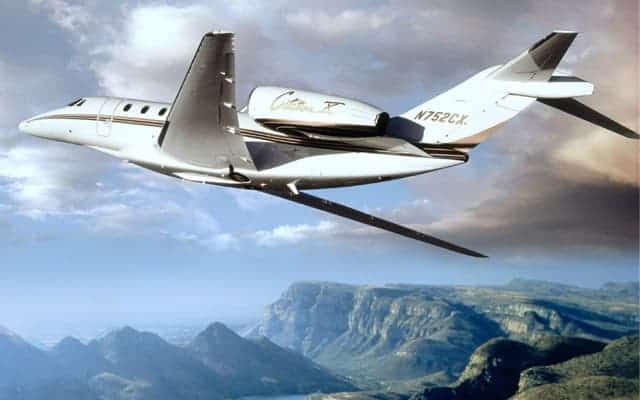
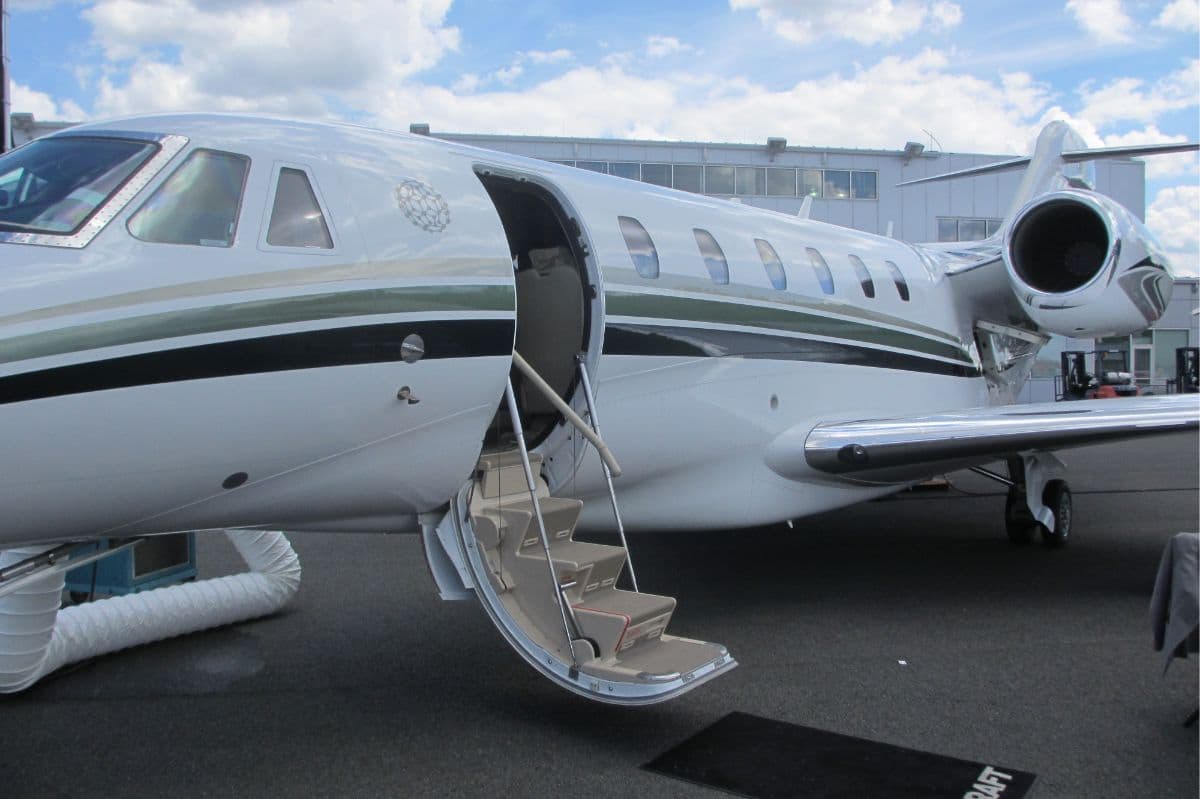
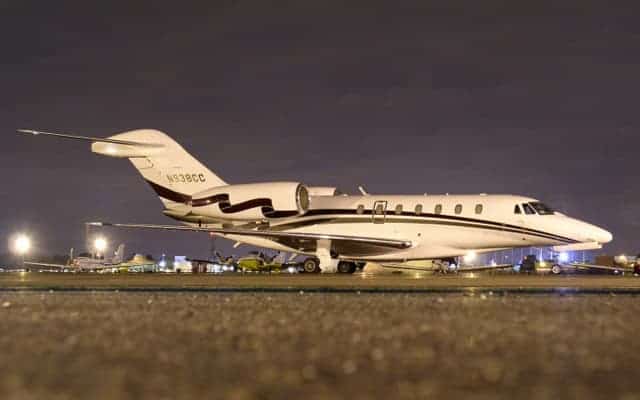
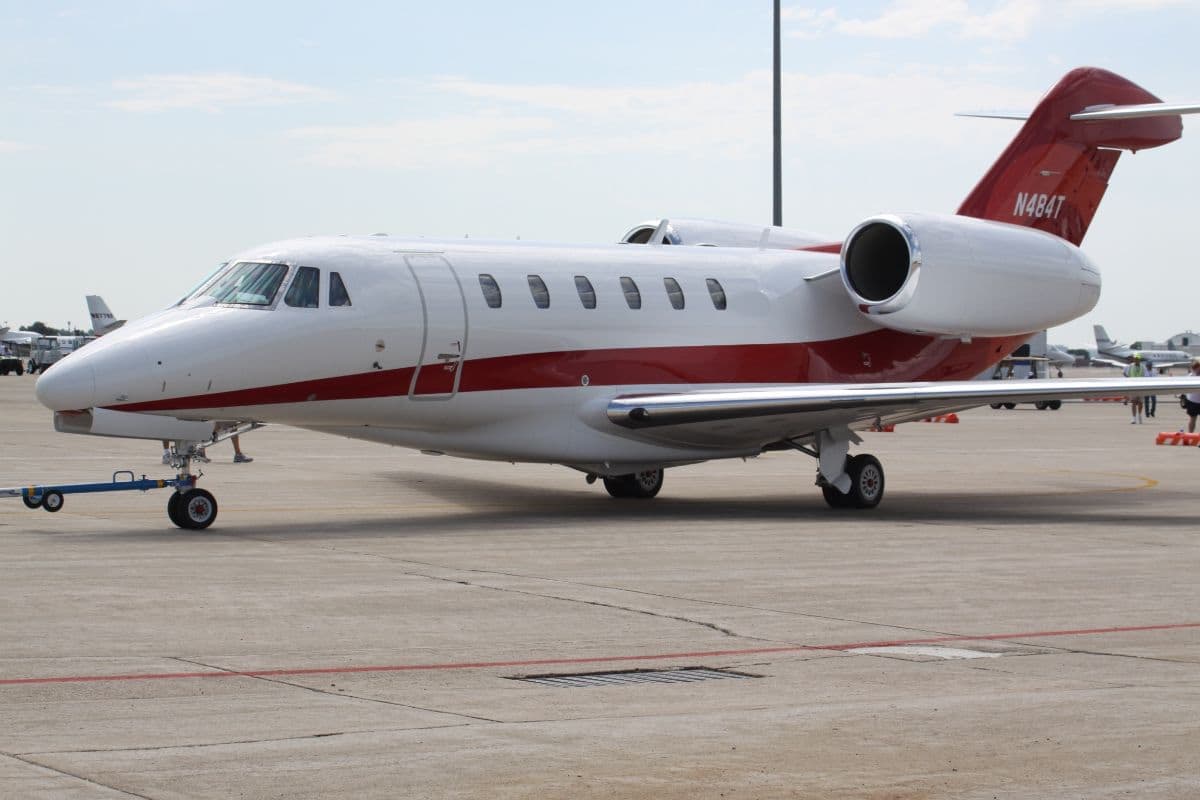
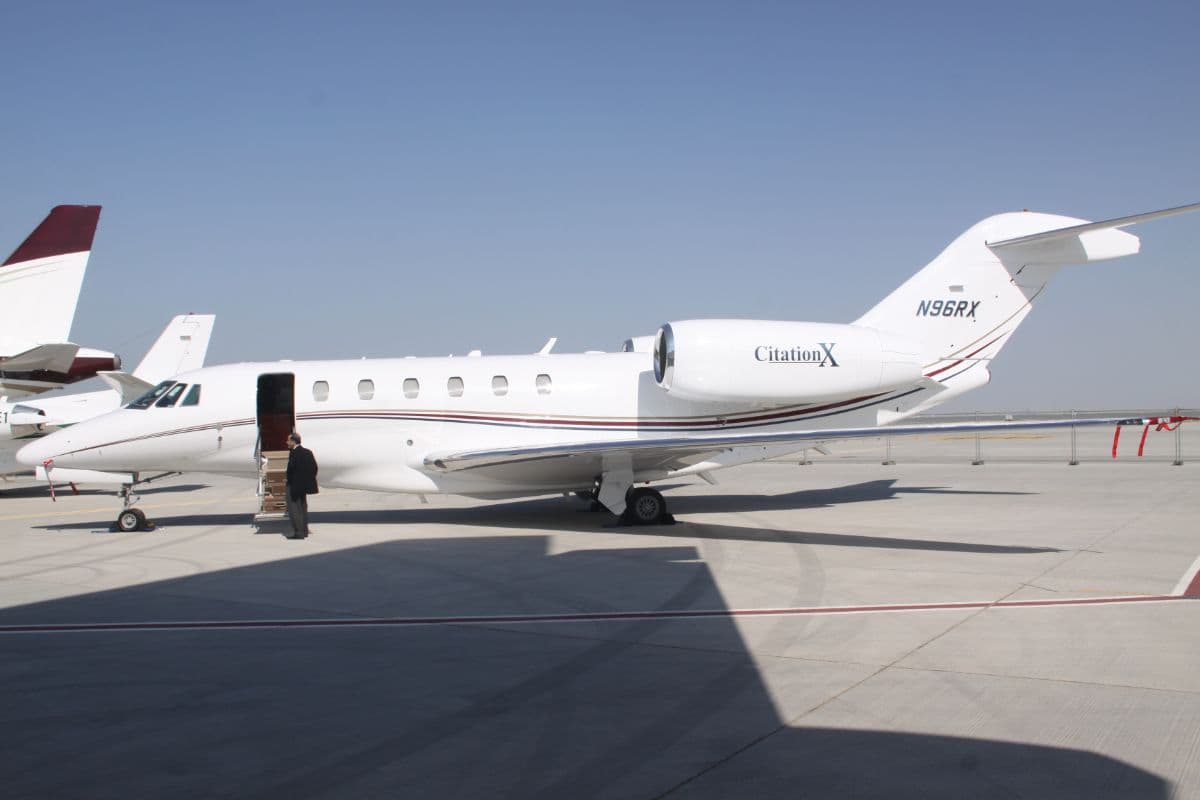
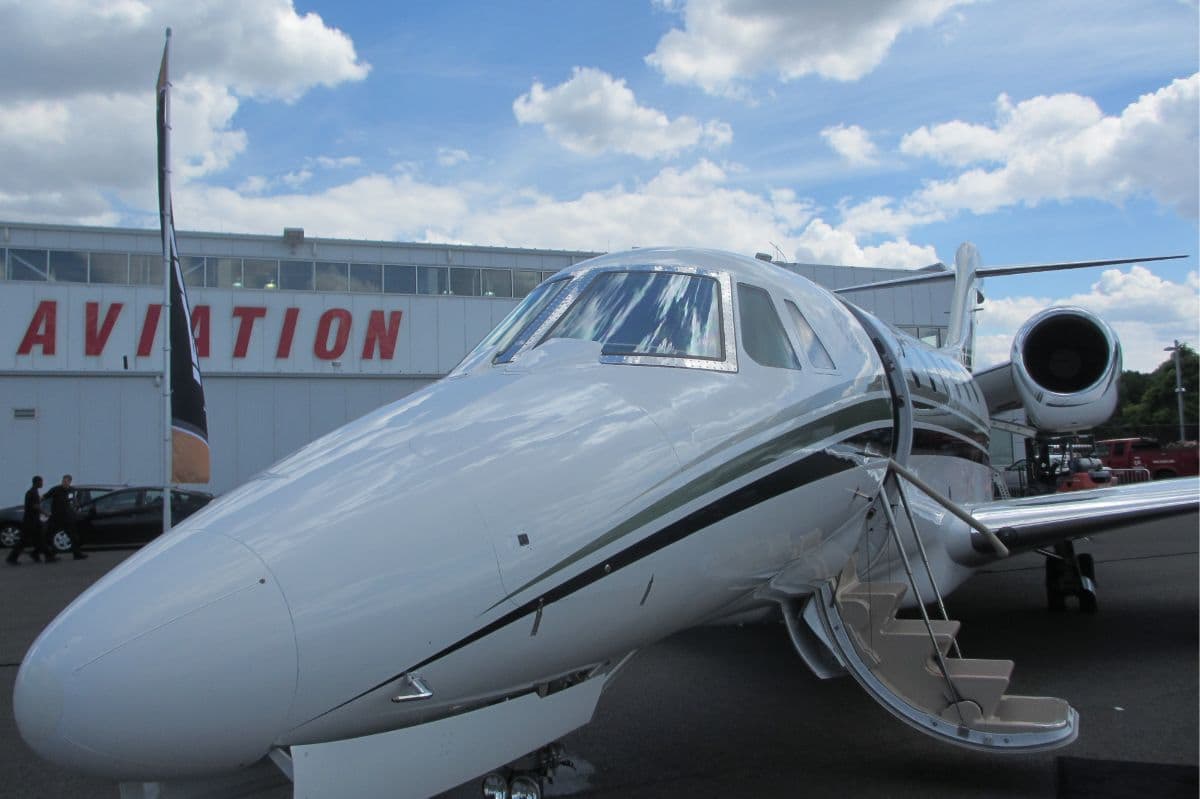
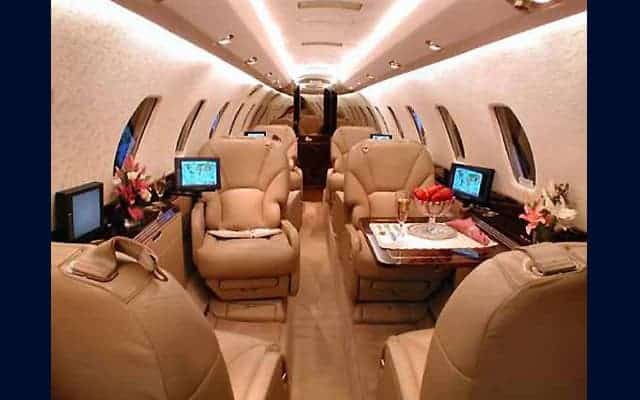
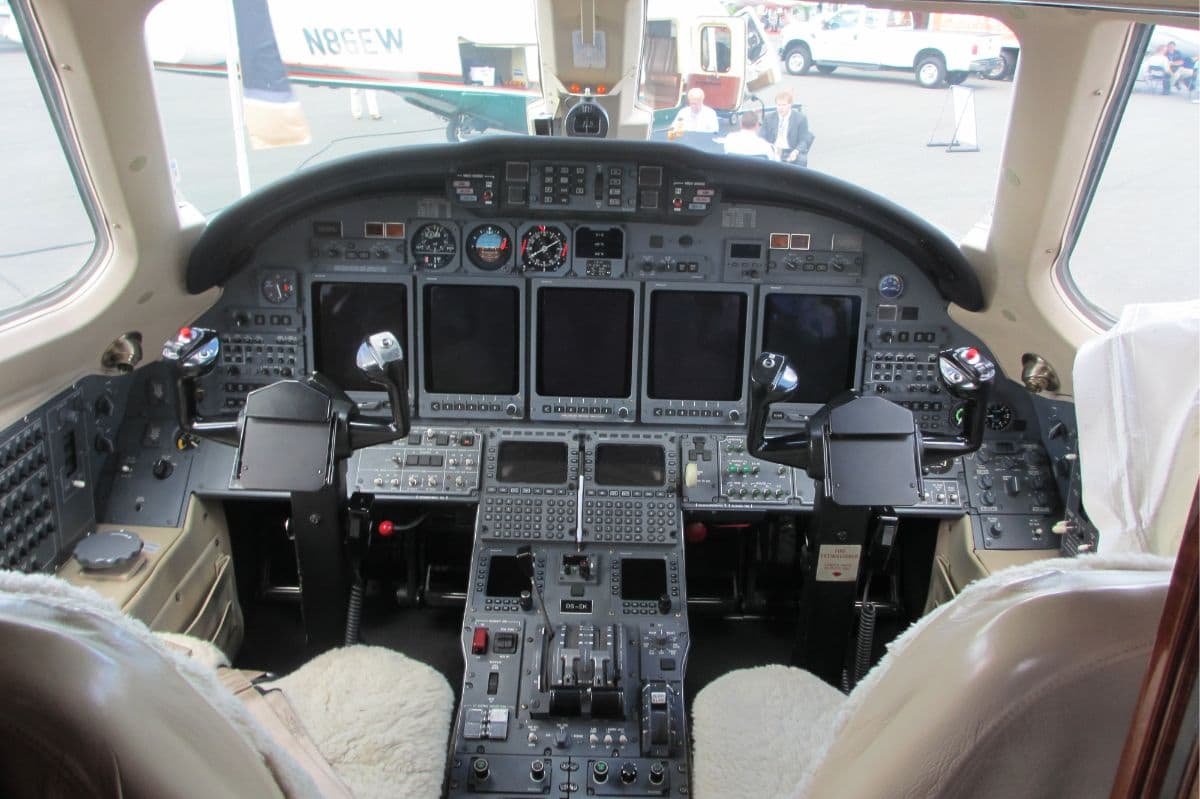
Trump’s aviation portfolio is anchored by the Boeing 757-200 he has operated since 2011. Until mid-2024 a Cessna Citation X (N725DT) served as his secondary fixed-wing aircraft, handling shorter legs and routes where the 757 was impractical. Three Sikorsky S-76 helicopters handle inter-property transfers, such as the regular run between Trump Tower in New York and his Bedminster golf club in New Jersey. The fleet is operated by DJT Operations I LLC, registered in New York.


The helicopter fleet
Alongside his fixed-wing aircraft, Trump operates three Sikorsky S-76 helicopters for regional travel between his properties. The S-76 is a twin-turbine helicopter widely used in executive transport and offshore oil operations, capable of carrying up to 12 passengers and cruising at around 145 knots.
From Trump Air to Trump Force One: A Lifetime in Aviation
Donald Trump’s involvement with aviation predates the 757 by more than two decades. He built a helicopter commuter service, bought a major shuttle airline, owned a personal Boeing 727 for personal travel, and eventually acquired one of the largest private jets ever operated by any private individual. The story of how he got there is a portrait of a businessman who has always seen aircraft as both tools and symbols.
1988
Trump Air launches. On March 22, 1988, Trump establishes a scheduled helicopter commuter service between LaGuardia Airport and the Wall Street Heliport in Manhattan. The operation uses three Sikorsky S-61 helicopters, each capable of carrying 24 passengers, painted in Trump's signature black and red livery. The service is designed to connect Manhattan executives with Trump Shuttle flights at LaGuardia.
1989
The Trump Shuttle takes flight. Trump acquires the assets of Eastern Air Lines' northeastern shuttle operation for $365 million, renaming it Trump Shuttle. The Boeing 727 fleet is transformed with maple wood veneers, chrome accents, gold lavatory fixtures, and complimentary meals. The first Trump Shuttle flight departs on June 8, 1989, from New York to Boston. The airline quickly establishes itself as the luxury alternative on the New York-Boston-Washington corridor.
1991
N757AF is born. The Boeing 757-200 that will eventually become Trump Force One is delivered to Sterling Airlines of Denmark, a charter carrier, on September 3, 1991. The aircraft leaves the factory in its standard silver-and-white airline livery, indistinguishable from the hundreds of other 757s entering service that year.
1992
Trump Shuttle folds. Rising fuel costs, a national recession, and debt from the acquisition force Trump Shuttle to cease operations on April 7, 1992. The airline is absorbed into a new company, Shuttle Inc., and eventually becomes the USAir Shuttle. The 727s, chrome fixtures and all, fly on under different branding.
1993
N757AF moves to Mexico. The Sterling Airlines 757 is acquired by TAESA, a Mexican commercial airline, where it continues in passenger service as a standard narrowbody jet.
1995
Paul Allen acquires the jet. N757AF is purchased by entities connected to Paul Allen, the Microsoft co-founder and co-creator of Microsoft alongside Bill Gates, who operates it as a VIP transport aircraft. Allen holds the aircraft for sixteen years.
1997
Trump buys a personal 727. Trump re-purchases a Boeing 727 for personal executive travel, re-establishing his own fixed-wing capability after the Shuttle years.
2011
Trump acquires N757AF from Paul Allen. DJT Operations I LLC purchases the 757-200 from Paul Allen's entities. Trump sells his personal 727 and turns his full attention to the new acquisition. A renovation follows: the interior is stripped and rebuilt with 24-karat gold-plated fixtures, Italian leather seats embroidered with the Trump family crest, a master bedroom with a king-size bed, two guest rooms, three full bathrooms, a dining area, a conference room, and a state-of-the-art entertainment system.
2016
”Trump Force One” enters the national conversation. As Trump campaigns for the Republican presidential nomination, the 757 becomes a fixture on the nightly news. The nickname Trump Force One, riffing on the presidential Air Force One, spreads from social media to broadcast television. The aircraft lands at rallies across the country, often taxiing close to crowds as a deliberate visual statement.
2017
The jet goes idle. Trump wins the 2016 election and takes office as the 45th President of the United States. As a sitting president, he travels exclusively on Air Force One. N757AF is gradually retired from active use and eventually placed into storage at Stewart International Airport in Newburgh, New York, where it sits for almost three years.
2022
Trump Force One returns. With his 2024 presidential campaign building, the 757 is recommissioned and flown to Palm Beach International Airport in October 2022, close to Mar-a-Lago. Maintenance and cosmetic restoration work brings the aircraft back to flying condition after its long idle period.
2024
The Citation X is sold. In May 2024, the Cessna Citation X (N725DT) is sold to MM Fleet Holdings LLC, a company connected to Texas real estate developer Mehrdad Moayedi, leaving the 757 as Trump's sole fixed-wing aircraft during the height of his 2024 campaign schedule.
Inside Trump Force One: The Boeing 757-200 in Detail
The Boeing 757-200 is a narrow-body twinjet that entered service in 1983 and remained in production until 2004, with nearly 1,050 examples built. Powered by two Rolls-Royce RB211-535E4 turbofans, the type is known for outstanding short-field performance relative to its size: it can operate from runways that would be challenging for comparable aircraft and still cruise at 35,000 feet with a full load of fuel. In commercial configuration, the 757-200 typically carries between 180 and 228 passengers in a single-class layout. Trump’s N757AF, refit for 43 passengers, allocates roughly four times the floor space per person, which is how a 43-seat aircraft can contain a master bedroom, a separate guest room, and three full bathrooms.
The gold interior is not subtle. Door handles, seatbelt clasps, sink faucets, light fixtures, and most metal surfaces throughout the cabin are plated in 24-karat gold. The Trump family crest is embroidered on every seat, cushion, and sofa. The master bedroom at the rear of the aircraft features a king-size bed with silk linens, a private entertainment system, and its own full bathroom with a spacious shower. Forward of the sleeping quarters sit two guest rooms, a dining area that doubles as a conference room, and a galley. The main cabin runs with oversized leather seats in a club configuration. The exterior is equally distinctive: a matte black fuselage with bold gold lettering spelling “TRUMP” along the forward fuselage, and an American flag on the tail.
Airframe
Performance
Ownership
The Rolls-Royce RB211-535E4 engines powering N757AF are a high-bypass turbofan variant that delivers exceptional reliability and the distinctive hushkit sound signature that made the 757 one of the quieter narrowbodies of its era. Each engine produces around 40,100 pounds of thrust. The “glass cockpit” upgrade installed during the 2011 renovation replaced the original analog instrument suite with modern digital displays, bringing the cockpit certification in line with current standards. The aircraft is based at Palm Beach International Airport in Florida, a short drive from Mar-a-Lago, making it a regular fixture on the flight line there.
The Trump Shuttle: When Donald Trump Ran an Airline
Long before Trump Force One became a political spectacle, Trump had one of the more unusual chapters in American aviation history: a brief, expensive, and ultimately unsuccessful stint as an airline operator. Understanding it matters because it explains both why aviation has always been central to Trump’s personal brand and how a Boeing 727 ended up in his personal fleet.
In 1989, Trump acquired the shuttle operations of Eastern Air Lines for $365 million, rebranding the service as Trump Shuttle. The fleet of Boeing 727 trijets was given the full gold-and-luxury treatment: maple wood cabin veneers, chrome seat-back tray tables, gold-tinted lavatory fixtures, in-flight meals (on a shuttle route), and self-check-in kiosks that were genuinely ahead of their time. The first Trump Shuttle flight departed New York for Boston on June 8, 1989. For a brief period, the airline flew on the prestige of the Trump name and the novelty of its upscale interiors. Then the 1990 recession hit, fuel costs rose sharply, and the debt from the $365 million purchase became unsustainable. Trump Shuttle stopped flying under its own name on April 7, 1992, eventually becoming the USAir Shuttle. The loss was substantial, but the experience cemented Trump’s fascination with large aircraft as status symbols.
Trump Shuttle at a glance
Operated: June 1989 to April 1992. Fleet: Boeing 727-200 trijets. Routes: New York LaGuardia to Boston Logan and Washington National, hourly. Purchase price: $365 million (from Eastern Air Lines). Notable: introduced self-check-in kiosks and in-flight gold fixtures on a shuttle route.
The Emissions Argument: What Trump Force One Actually Burns
A Boeing 757-200 burns approximately 1,200 gallons of jet fuel per hour. At a typical cruise speed of around 550 mph, that works out to roughly 2.2 gallons per mile, generating approximately 26 tons of CO2 per 1,000 miles flown. For context, that is more than six times the fuel consumption per flight of a Gulfstream G650ER, the aircraft favored by Elon Musk, Jeff Bezos, and most tech billionaires. The 757 carries more than twice as many passengers as a G650ER (43 versus 19), so the per-seat figure is not as extreme as the per-flight figure, but the scale is still significant for an aircraft that frequently flies with far fewer than its maximum capacity.
Estimated CO2 per 1,000 miles of flight. Boeing 757-200 figure based on approximately 1,200 gal/hr fuel burn. Gulfstream G650ER based on approximately 225 gal/hr. Actual emissions depend on load, altitude, and routing.
Trump’s aircraft is technically harder to track than most celebrity jets: N757AF has been listed under a blocking request with the FAA, limiting its appearance on public flight-tracking platforms like FlightAware and Flightradar24. This does not prevent tracking entirely, as secondary radar data and ADS-B monitoring tools can still pick up the flights, but it reduces real-time visibility compared to jets that appear openly. The blocking arrangement became a recurring story during the 2024 campaign as tracking-focused media and advocacy accounts attempted to monitor the aircraft’s movements during campaign events and court appearances.
Trump Force One’s Most Notable Flights
The 757 has been a consistent presence on the news cycle since 2015, functioning both as practical transport and as a rolling piece of political theatre.
The 2016 Campaign Trail
During the 2016 Republican primary, Trump Force One became one of the most photographed aircraft in American politics. Trump regularly arranged for the jet to taxi directly toward rally crowds at regional airports, using the aircraft’s sheer size and unmistakable livery as a backdrop for crowd shots and news coverage. The 757’s ability to operate from shorter runways proved valuable: the type can use runways that would turn away a 767 or A330, allowing Trump to land at smaller regional airports that placed him closer to rally venues and key voting areas. The optics of stepping off a massive private jet, gold lettering gleaming, became one of the defining visual tropes of that campaign cycle.
The Idle Years: 2017 to 2021
When Trump was inaugurated as the 45th President of the United States in January 2017, N757AF effectively became redundant. The president of the United States does not travel on a personal aircraft while in office. The VC-25A, commonly known as Air Force One, handles all presidential transport with the kind of communications capability, security hardening, and support infrastructure that no private jet can replicate. Trump Force One was moved to Stewart International Airport in Newburgh, New York, where it sat on a fenced section of the tarmac for nearly three years. Photos taken by aviation photographers and airport workers during that period showed the aircraft gradually accumulating dirt on its fuselage, a somewhat surreal contrast with its usual role as a prop for wealth and power.
Return to Service: 2022 and the 2024 Campaign
The aircraft was recommissioned in October 2022, flown south to Palm Beach International Airport after maintenance work addressed the systems that had sat idle during the storage period. By January 2024, it was flying hard: tracking data indicated the aircraft covered nearly 5,300 miles in just the first two weeks of that month alone, connecting Trump to Iowa caucus events, the New Hampshire primary, and court appearances in New York City. The typical routing during that stretch was Palm Beach to a Midwest or Northeast destination and back, often with a New York leg in between. The aircraft’s high operating cost relative to a Gulfstream-class jet became a recurring question among aviation finance commentators, though Trump’s team has consistently framed the 757’s size and visibility as practical advantages for a high-profile political operation.
How Trump Force One Compares to Other Celebrity Jets
Among celebrities with private jets, Donald Trump sits in an unusual category: most high-profile owners of ultra-large private jets have at least one widebody in their fleet, while Trump has anchored his operation around a narrowbody airliner of the type originally designed for short to medium-haul commercial routes. The 757 is not the largest celebrity jet in existence (that title goes to widebody aircraft like Drake’s Boeing 767, which is a genuine twin-aisle widebody airliner), but it is substantially larger than the Gulfstream-class jets favored by most tech billionaires and entertainers.
The most natural comparison in the celebrity jet world is Bruce Dickinson, the Iron Maiden frontman who is also a licensed airline captain. Dickinson’s “Ed Force One” is also a Boeing 757, purpose-built as a tour transport that carries the band, crew, and equipment. The two aircraft share the same airframe type but represent very different missions: Dickinson’s 757 is configured for maximum cargo and crew transport capacity, while Trump’s is configured for maximum personal luxury at minimum passenger count. Both are outliers in the celebrity aviation world for choosing a commercial narrowbody over a purpose-built business jet.
John Travolta made a similar large-aircraft choice during his peak aviation years, operating a Boeing 707 from a private runway at his Florida home. Travolta, a licensed captain across multiple types, took the pilot-enthusiast approach that puts the aircraft at the center of the lifestyle. Trump’s relationship with aviation has always been more about the symbol than the stick: he is not a licensed pilot and the 757 is flown by a professional crew, but the choice of a 43-seat airliner over a 12-seat Gulfstream is itself a statement, consistent with a personal brand built around scale. Among the largest private jets in the world, the 757 is a serious entry, though it sits a tier below the Boeing 747s and Airbus A380s that populate the fleets of Middle Eastern royalty and a handful of tech ultracentibillionaires.
757 vs. Gulfstream: the real difference
A Gulfstream G700 costs around $75 million new and burns approximately 260 gallons per hour. Trump’s 757 cost roughly $60 million total (purchase and renovation) and burns approximately 1,200 gallons per hour. The 757 carries more than twice as many passengers and projects a very different image, but it costs roughly four to five times as much to operate per flight hour.
Where Trump diverges most clearly from the tech-billionaire cohort is in the aircraft type itself. Elon Musk, Jeff Bezos, and Bill Gates all operate Gulfstream-class jets: purpose-built, factory-fresh, efficient long-range business aircraft. Trump chose a 30-year-old commercial airliner and gold-plated it. The choice is entirely consistent with a broader aesthetic sensibility that has always prioritized conspicuous scale over operational efficiency, but it also reflects genuine practical thinking: a 43-seat 757 can carry a full campaign team, security detail, and press pool on a single aircraft, a capability that a 19-seat Gulfstream simply cannot match. See how some of the world’s top athletes approach the same question, and the range of answers is wide.
FAQ
Sources and references used for research and fact-checking.
- Trump Force One - Wikipedia
- Trump Force One: A Closer Look At The Boeing 757 Donald Trump Operates - Simple Flying
- How Many Aircraft Does Donald Trump Own? - Simple Flying
- What Happened To The Trump Shuttle? - Simple Flying
- Donald Trump's Private Jet — N757AF · Live Tracker, Flight History and CO2 - CelebPlanes
Get the Newsletter
The latest aviation news and stories sent to your inbox.
About the Author
Tim is the owner and lead editor of AeroCorner since 2019, overseeing aviation content covering aircraft, airlines, airports, and the broader aviation industry. Through years of researching, writing, editing, and publishing aviation-focused content, he has developed extensive practical knowledge of commercial aviation and air travel. Based in Asia and a frequent traveler himself, Tim also brings firsthand passenger experience to AeroCorner’s coverage. Outside of publishing, he has also explored aviation firsthand through hands-on flight training in New Zealand.