

Table of Contents
The most dangerous commercial aircraft still in service is the McDonnell Douglas MD-11. Across its life it has been written off in 3.41 accidents per million departures, and 1.86 of those per million killed someone. No other airliner still carrying commercial loads comes close.
That figure is not an opinion. It comes from Boeing’s Statistical Summary of Commercial Jet Airplane Accidents, the industry’s reference document since 1969, which tracks hull losses per million departures for every Western jet airliner ever built.
That measure is the whole argument of this article. Most “worst aircraft” lists rank planes by how many crashes people remember, which simply finds the types that flew the most flights. Rate finds the types that were actually more likely to kill you.
One warning before the list. Every aircraft below is safer than the car you drove to the airport, and the worst of them is safer than the best airliner of 1975. “Most dangerous” here means relatively, not absolutely.
| Rank | Aircraft | Hull loss rate | Fatal hull loss rate | Status in 2026 |
|---|---|---|---|---|
| 1 | McDonnell Douglas MD-11 | 3.41 | 1.86 | Freighters only |
| 2 | Airbus A300 (B2/B4) | 2.69 | 0.63 | A handful of freighters |
| 3 | Airbus A310 | 2.52 | 1.89 | Rare, mostly Iran and Afghanistan |
| 4 | Boeing 737-100/-200 | 1.76 | 0.87 | About 40 flying |
| 5 | BAe 146 / Avro RJ | 1.49 | 0.66 | Cargo and limited passenger |
| 6 | Fokker 100 / Fokker 70 | 1.19 | 0.42 | Several dozen flying |
| 7 | Airbus A300-600 | 0.91 | 0.52 | Widely used as freighters |
| 8 | Boeing 737-300/-400/-500 | 0.88 | 0.27 | Common, mostly cargo |
| 9 | McDonnell Douglas MD-80/-90 | 0.78 | 0.32 | Cargo and limited passenger |
How this ranking works
Aircraft are ranked by hull loss accident rate per one million departures, taken from Boeing’s 2025 Statistical Summary. A hull loss means the aircraft was destroyed or damaged beyond economic repair. Departures are used instead of flight hours because accidents correlate far more strongly with takeoffs and landings than with time in the air. Only types still carrying commercial passengers or freight in 2026 are ranked.
How We Ranked Them: Hull Losses per Million Departures
Raw crash counts are worthless for comparing aircraft. The Boeing 737-300/-400/-500 has lost 68 airframes, the Airbus A310 only 12, yet the A310 is roughly three times more likely to be destroyed on any given flight.
The difference is exposure. The 737 Classic has flown around 77 million departures. The A310 has flown fewer than five million. Counting crashes measures popularity; counting rate measures risk.
Boeing uses departures rather than flight hours deliberately. Takeoff, approach and landing account for a few percent of a typical flight but the large majority of accidents, so a cycle is a better unit of exposure than an hour.
Two rates matter. The hull loss rate counts every airframe destroyed. The fatal hull loss rate counts only those that killed someone. Both are listed above, because a type can wreck often without killing often, and the reverse.
The Most Dangerous Commercial Aircraft Still in Service
1. McDonnell Douglas MD-11: 3.41 hull losses per million departures
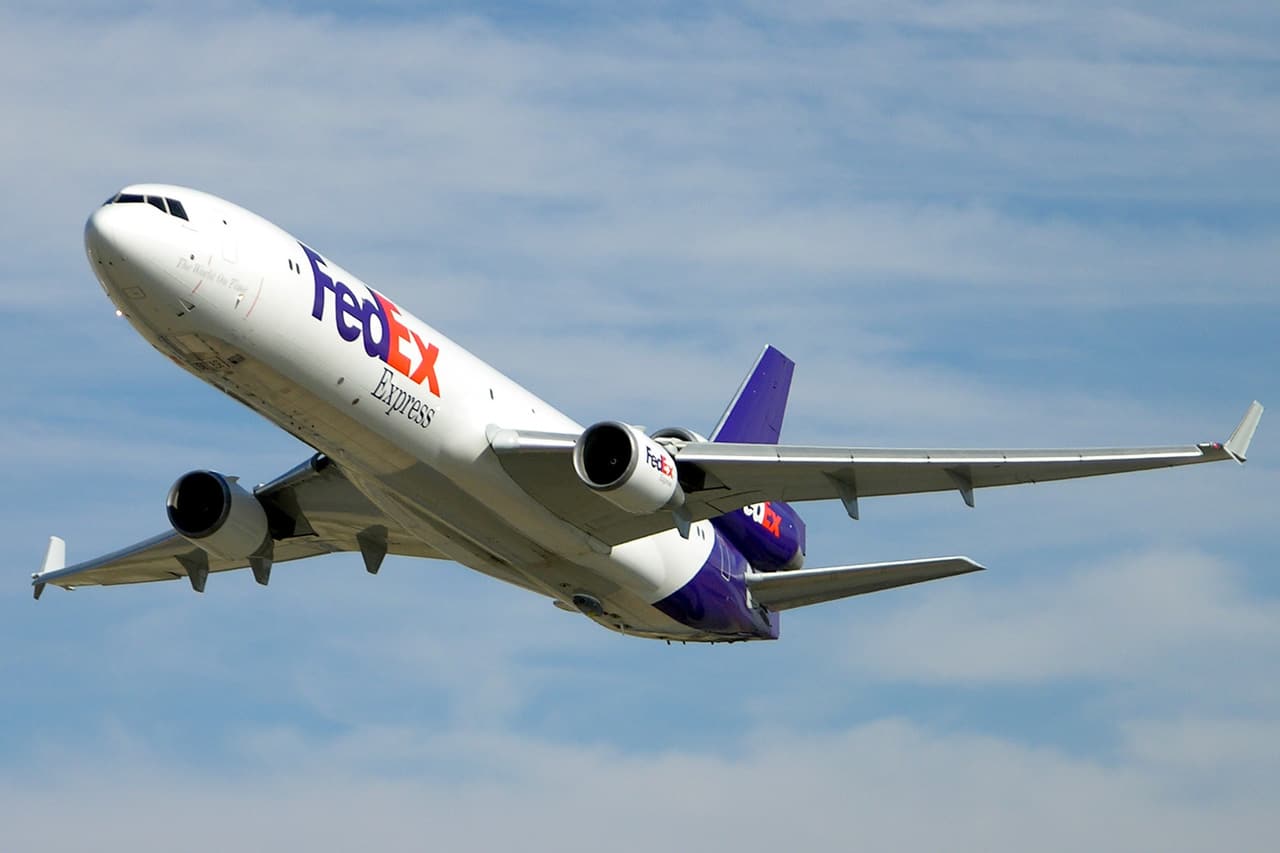


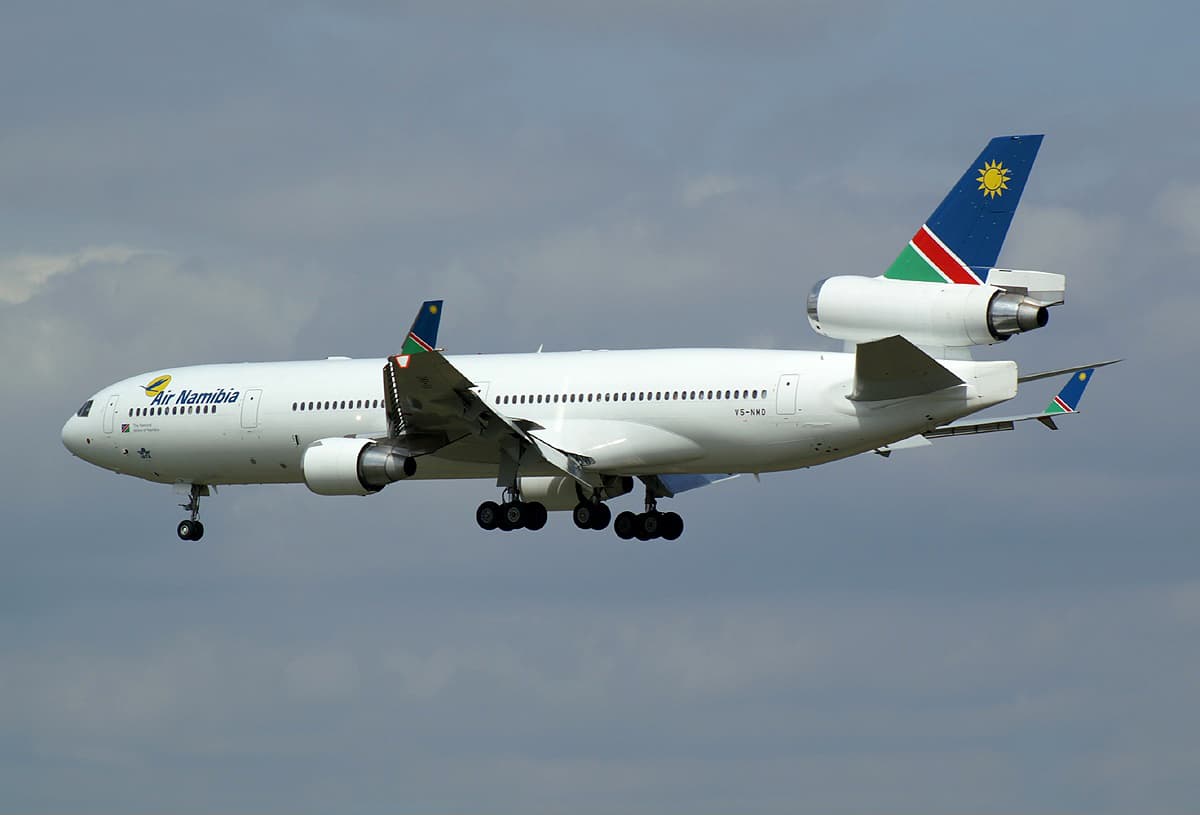
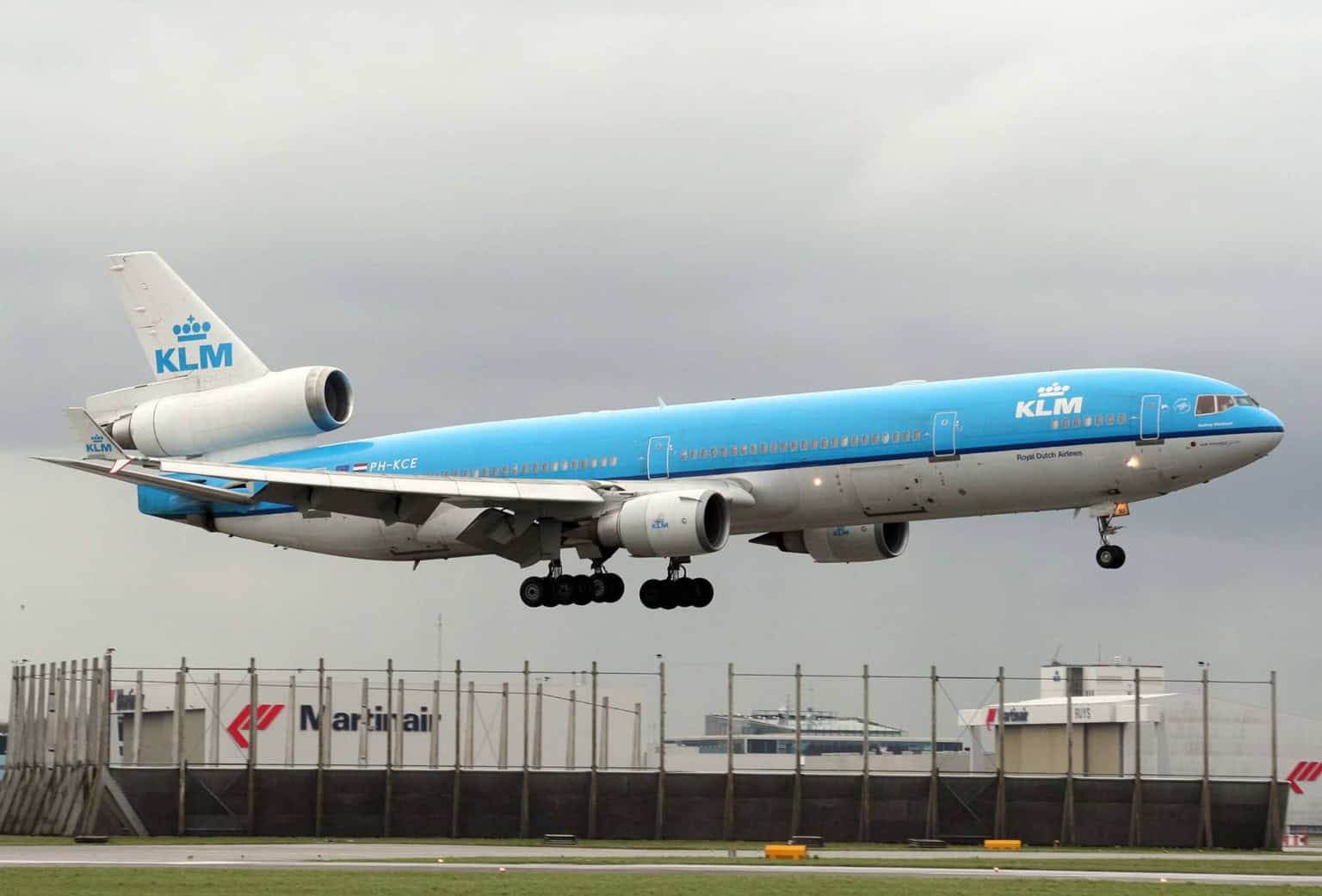


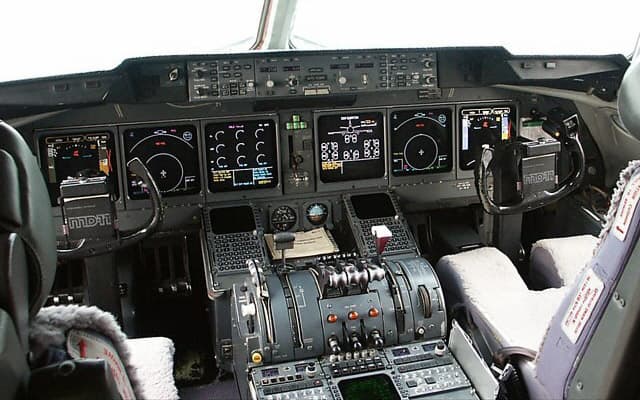
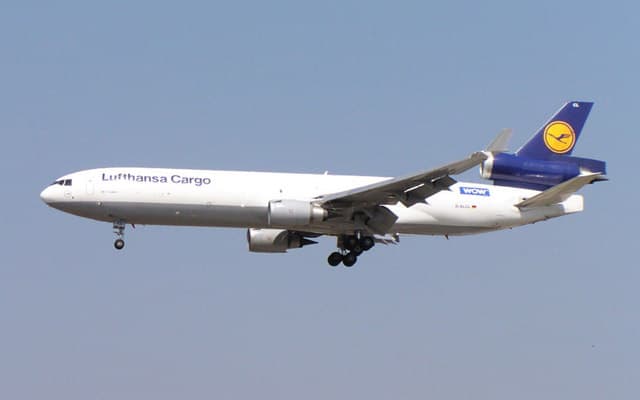
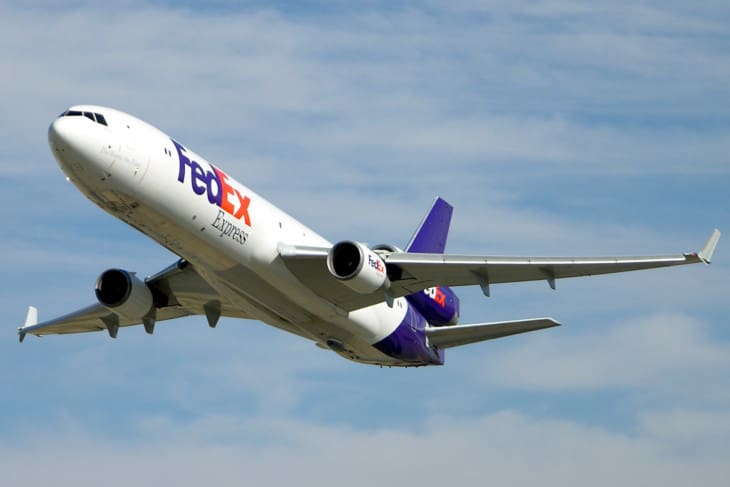
The MD-11 is the worst-rated airliner still earning a living, and 2025 made the case for itself. Eleven have been destroyed in about 3.2 million departures, six of them fatally.
The type was always demanding. It was stretched from the DC-10 with a smaller tail to cut drag, which left it less forgiving in the flare, and a series of hard-landing accidents followed at FedEx, China Airlines and Lufthansa Cargo.
Then on November 4, 2025, UPS Flight 2976 lost its left engine and pylon on the takeoff roll at Louisville and crashed into an industrial area. All three crew and twelve people on the ground were killed.
Investigators found fatigue cracks in the pylon’s aft mount bearings. The FAA grounded every MD-11 in the United States, then extended the order to the DC-10 on November 14 for the same reason.
The most dangerous airliner flying just got smaller
UPS never flew its MD-11s again. In January 2026 it permanently retired all 27, taking a $137 million charge, and is replacing them with 767-300 freighters. FedEx took the other path: it retired five, fixed the rest, and returned them to service when the FAA lifted the grounding on May 11, 2026. FedEx now operates the great majority of the MD-11s left in the world.
2. Airbus A300 (B2 and B4): 2.69 hull losses per million departures


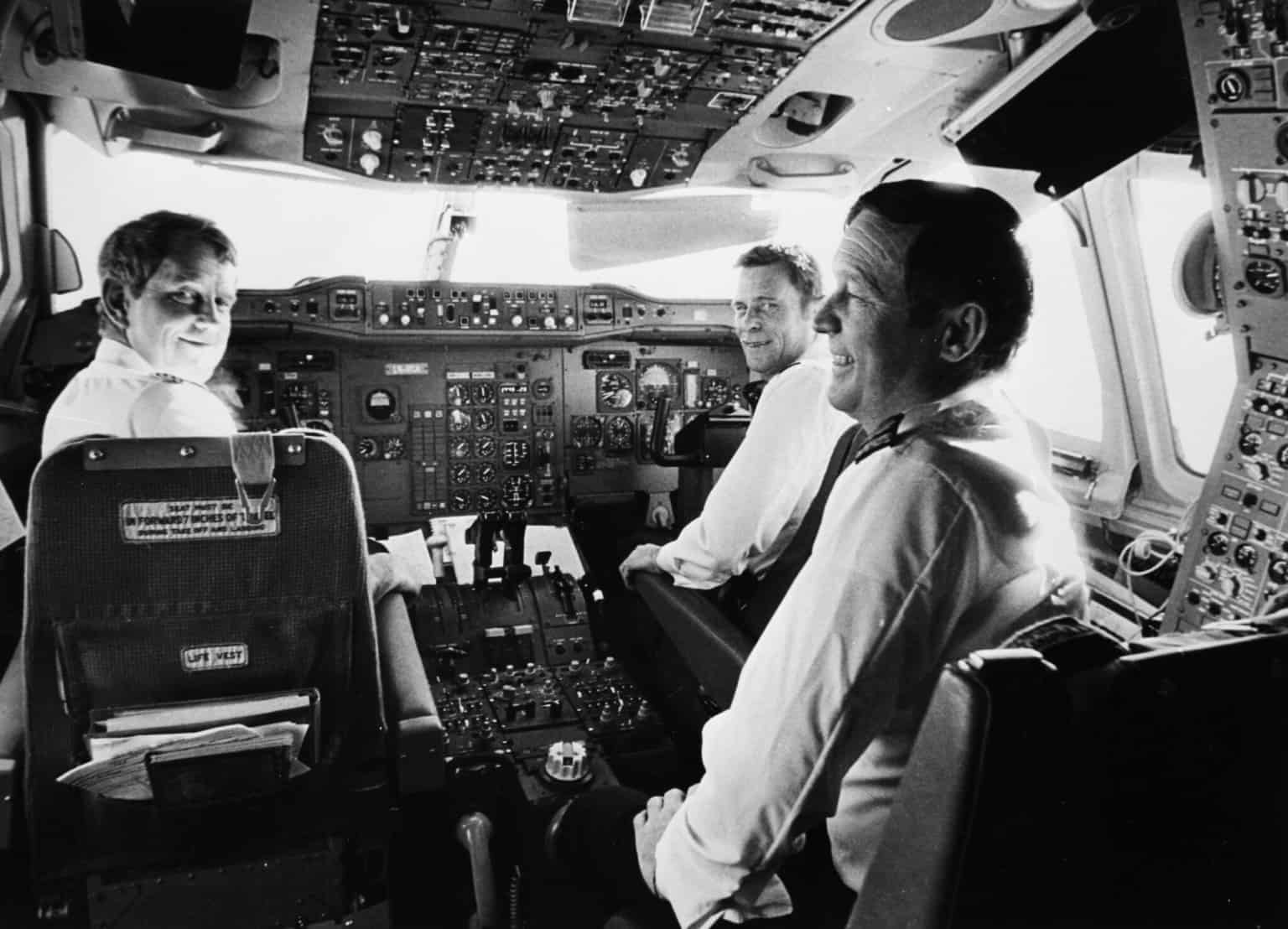


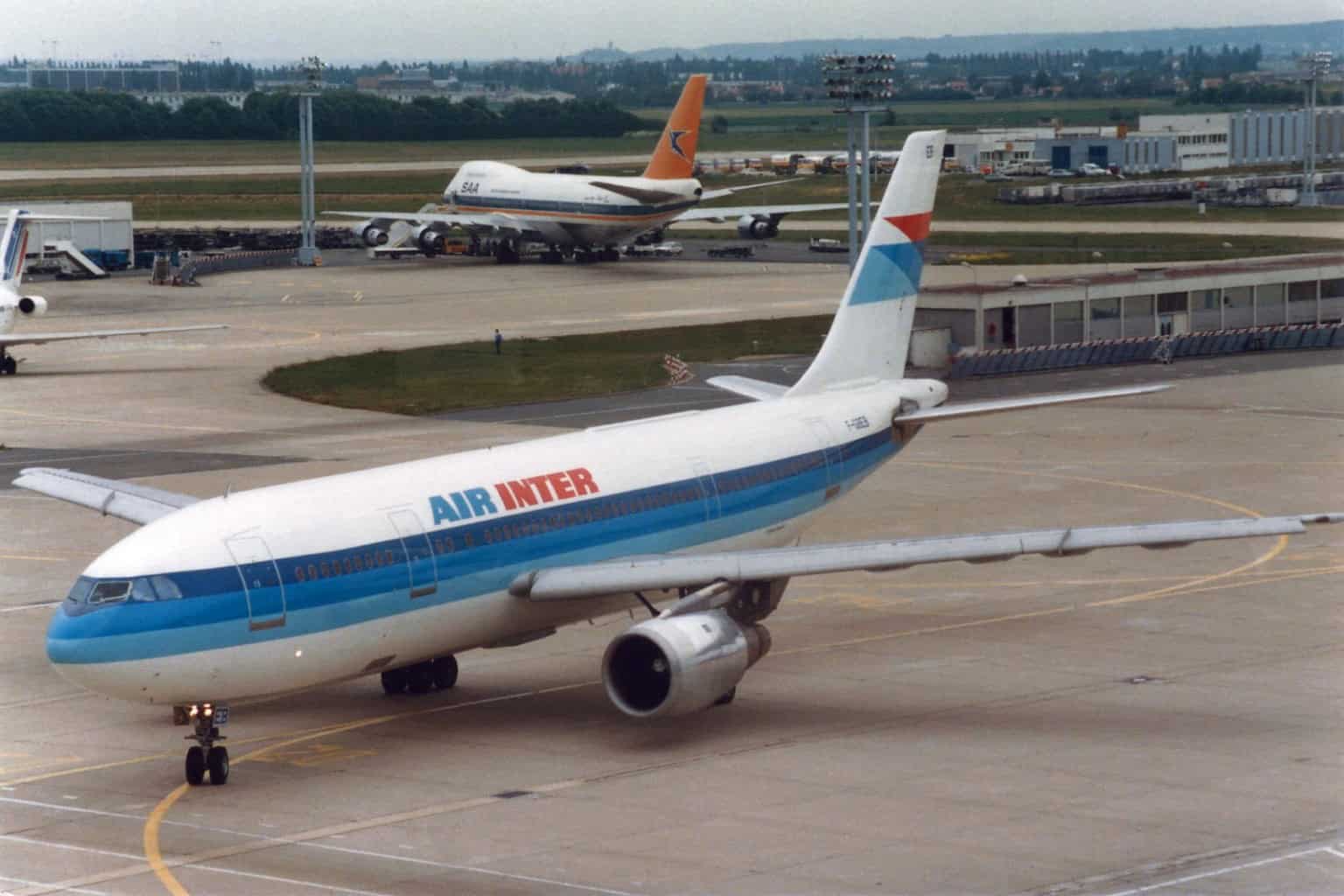
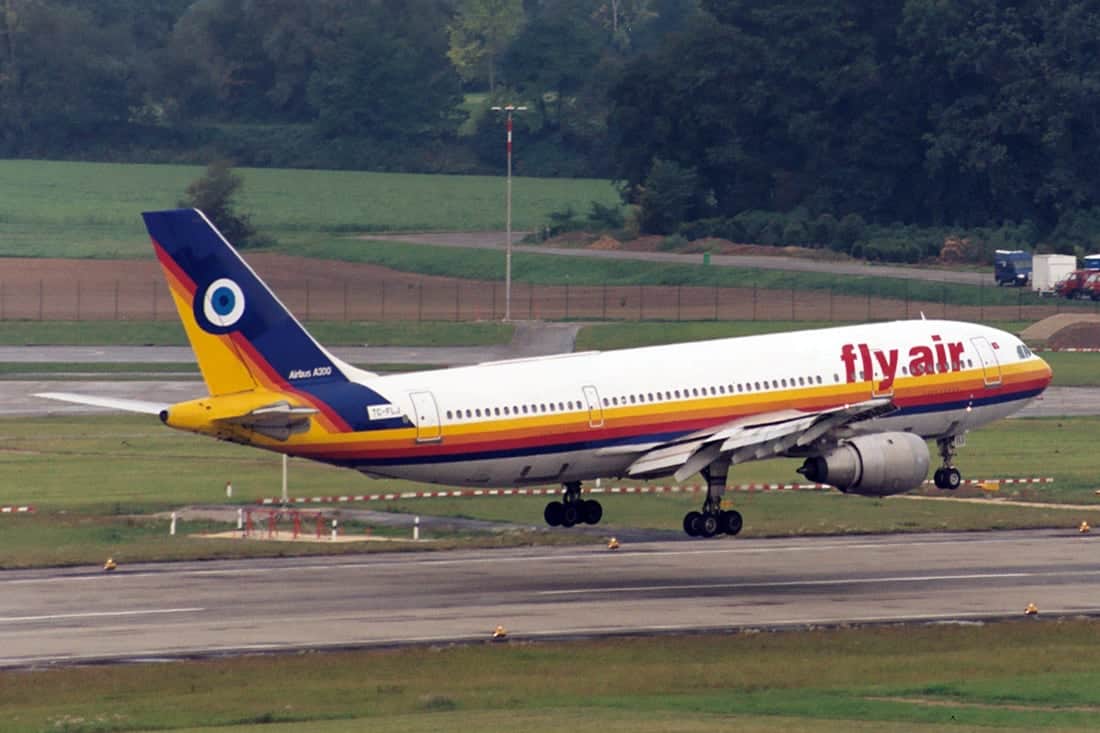


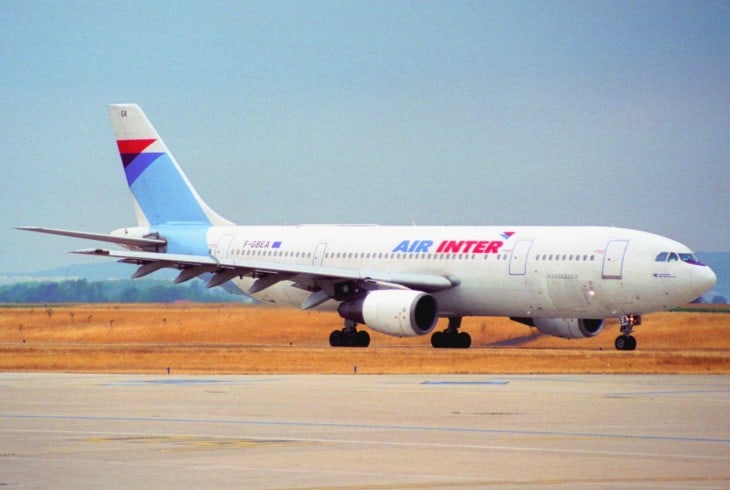


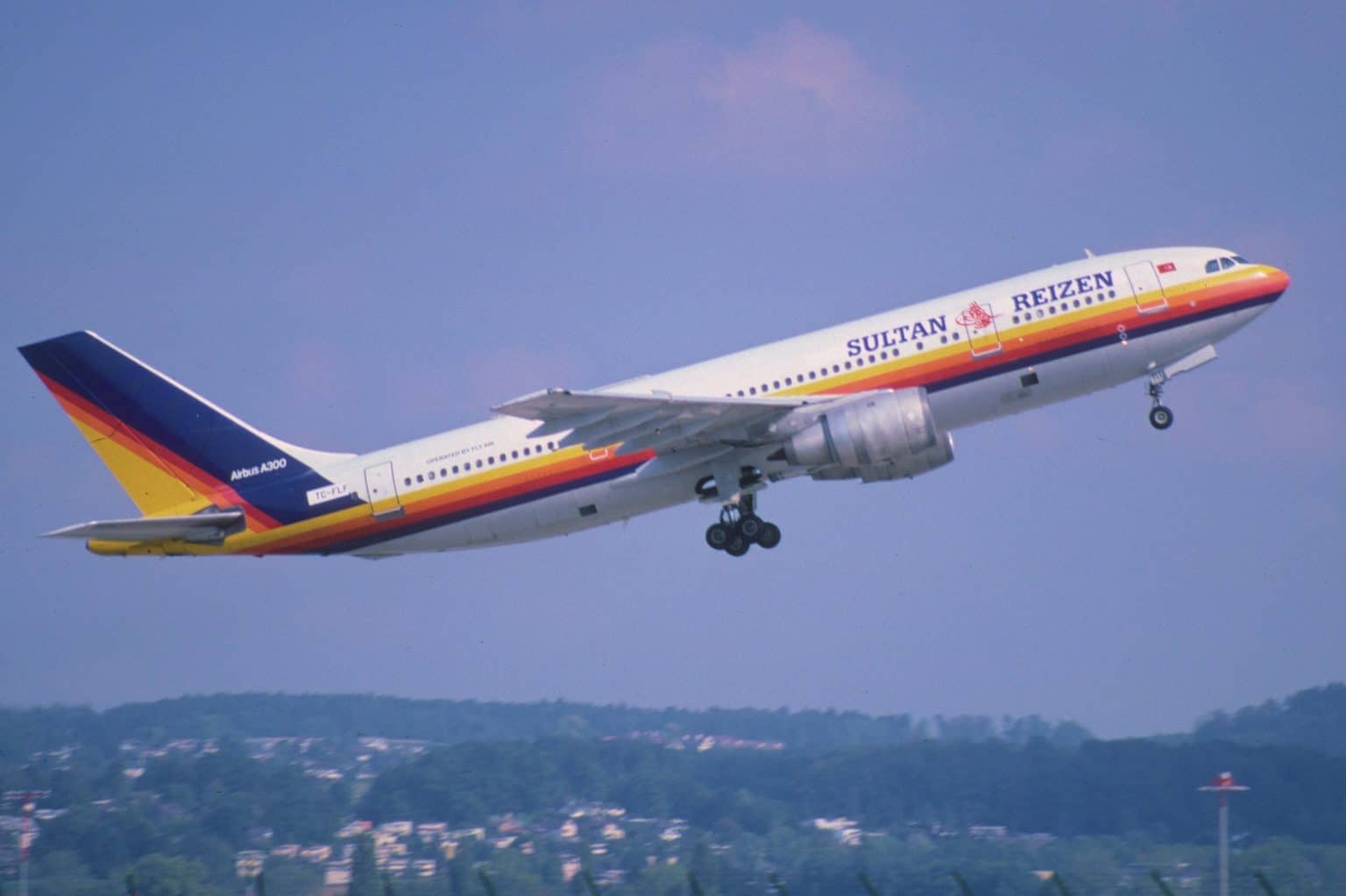

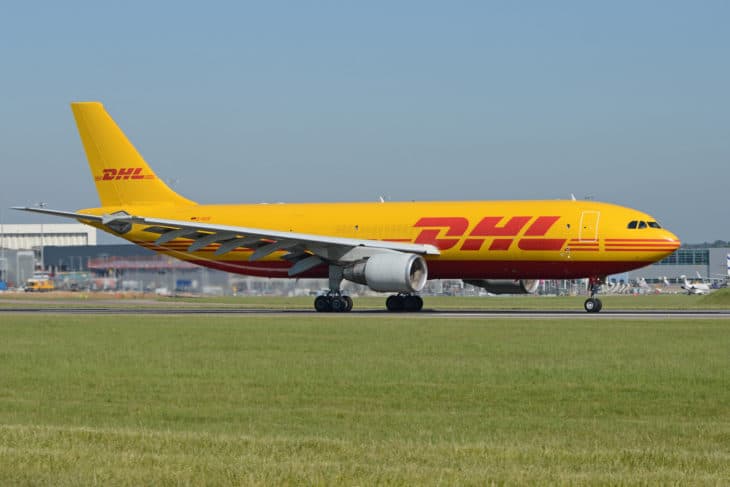
The original A300 is the wreck-prone entry that rarely killed anyone. Seventeen airframes have been destroyed in roughly 6.3 million departures, but only four of those accidents were fatal.
That gap tells you something. Most A300 losses were runway excursions, gear collapses and ground fires in freight operations, the kind of accident that ruins an airframe and everyone walks away.
Very few early A300s still fly. The survivors are freighters with small operators, and the type is effectively finished in passenger service.
3. Airbus A310: 2.52 hull losses per million departures
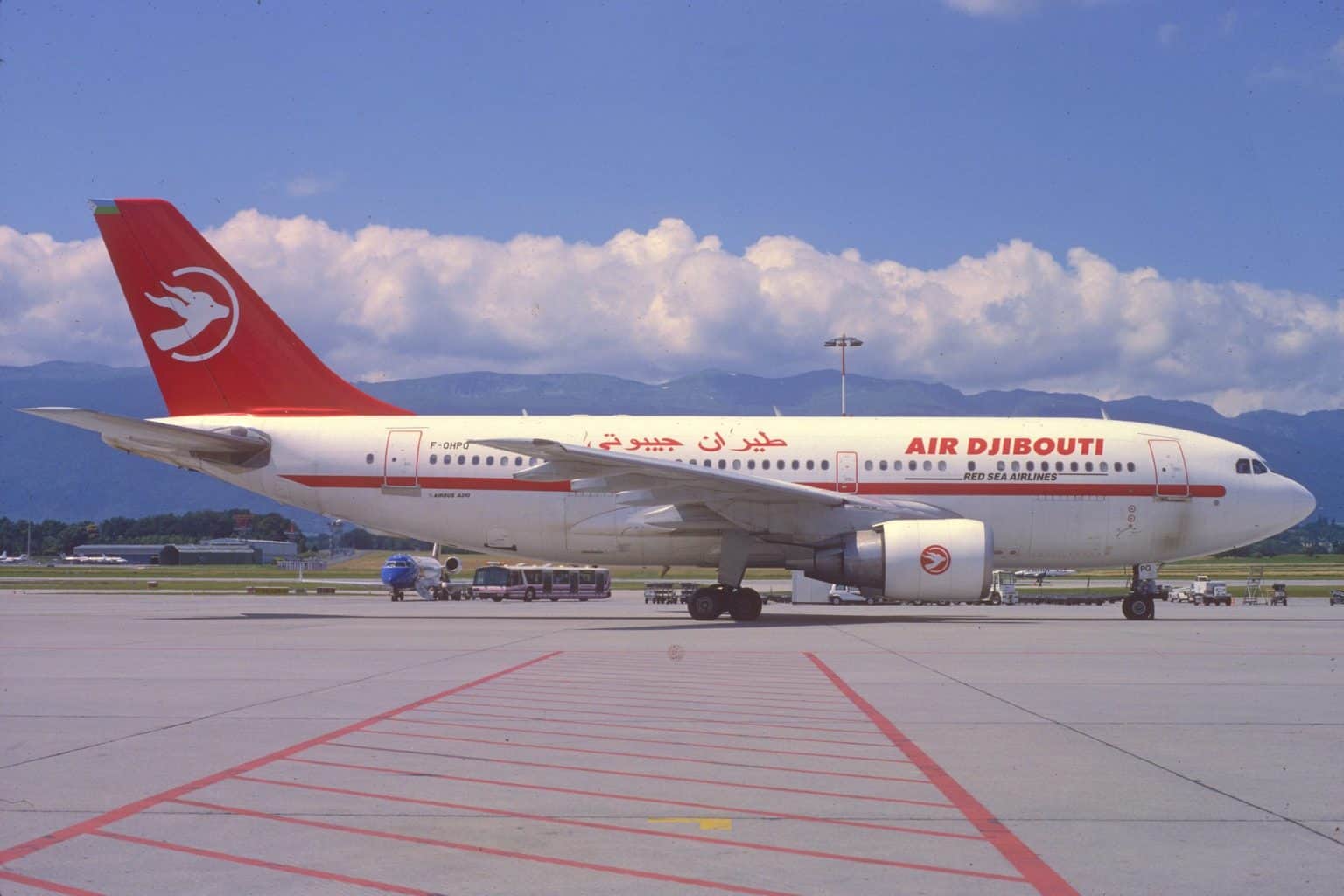


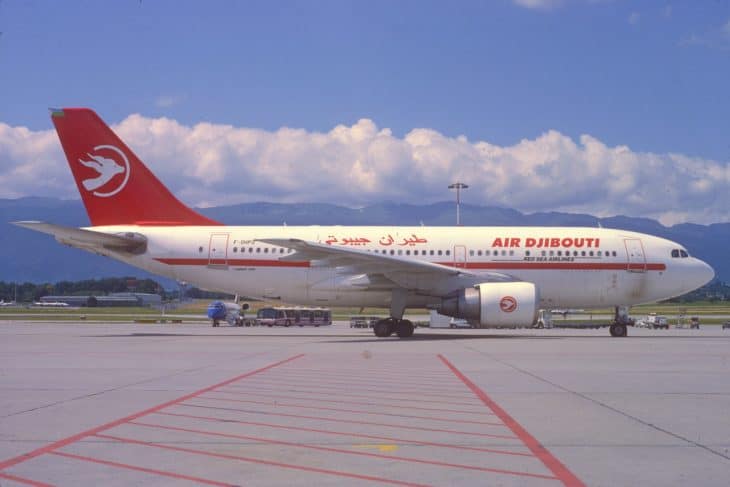
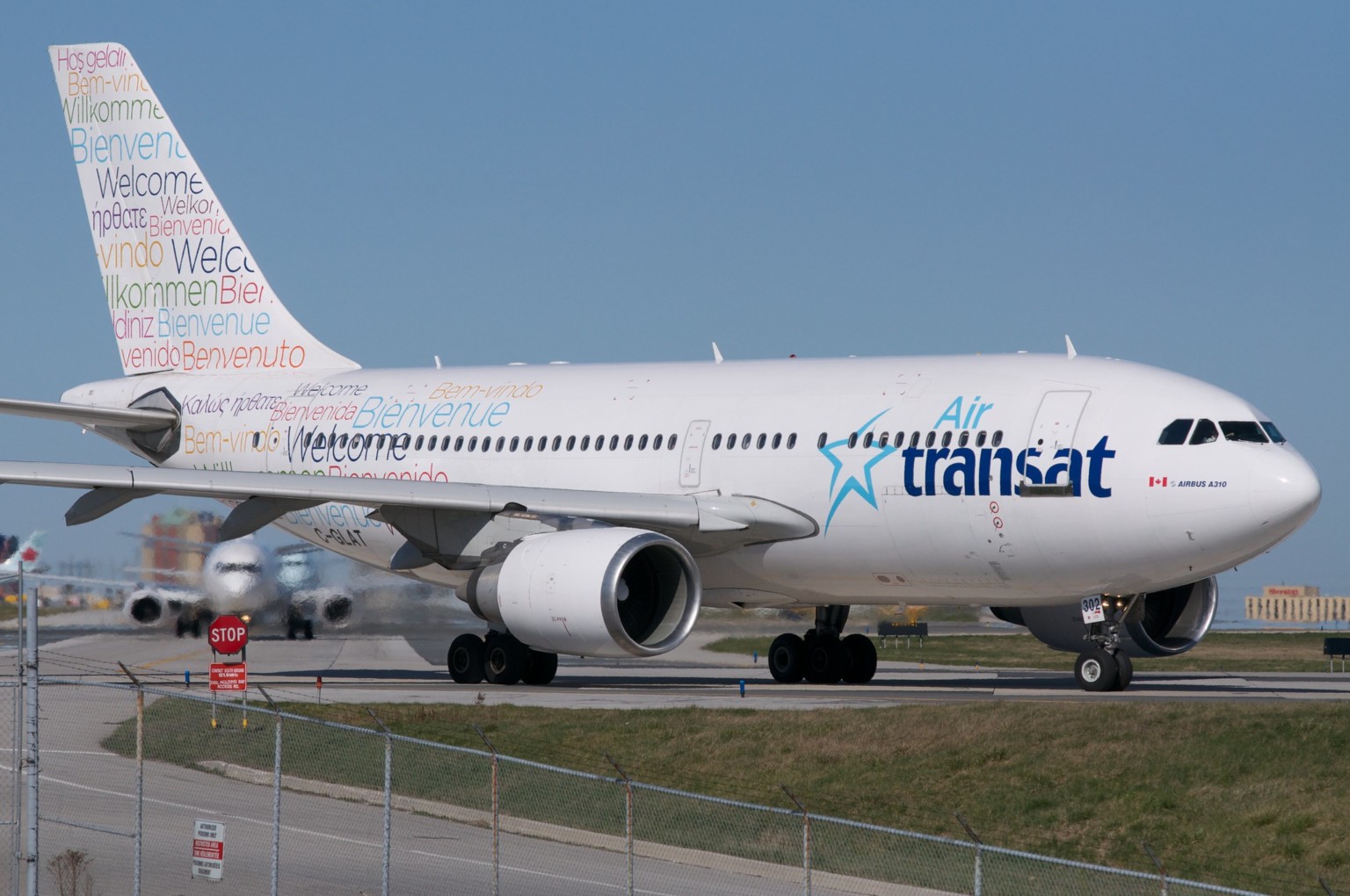
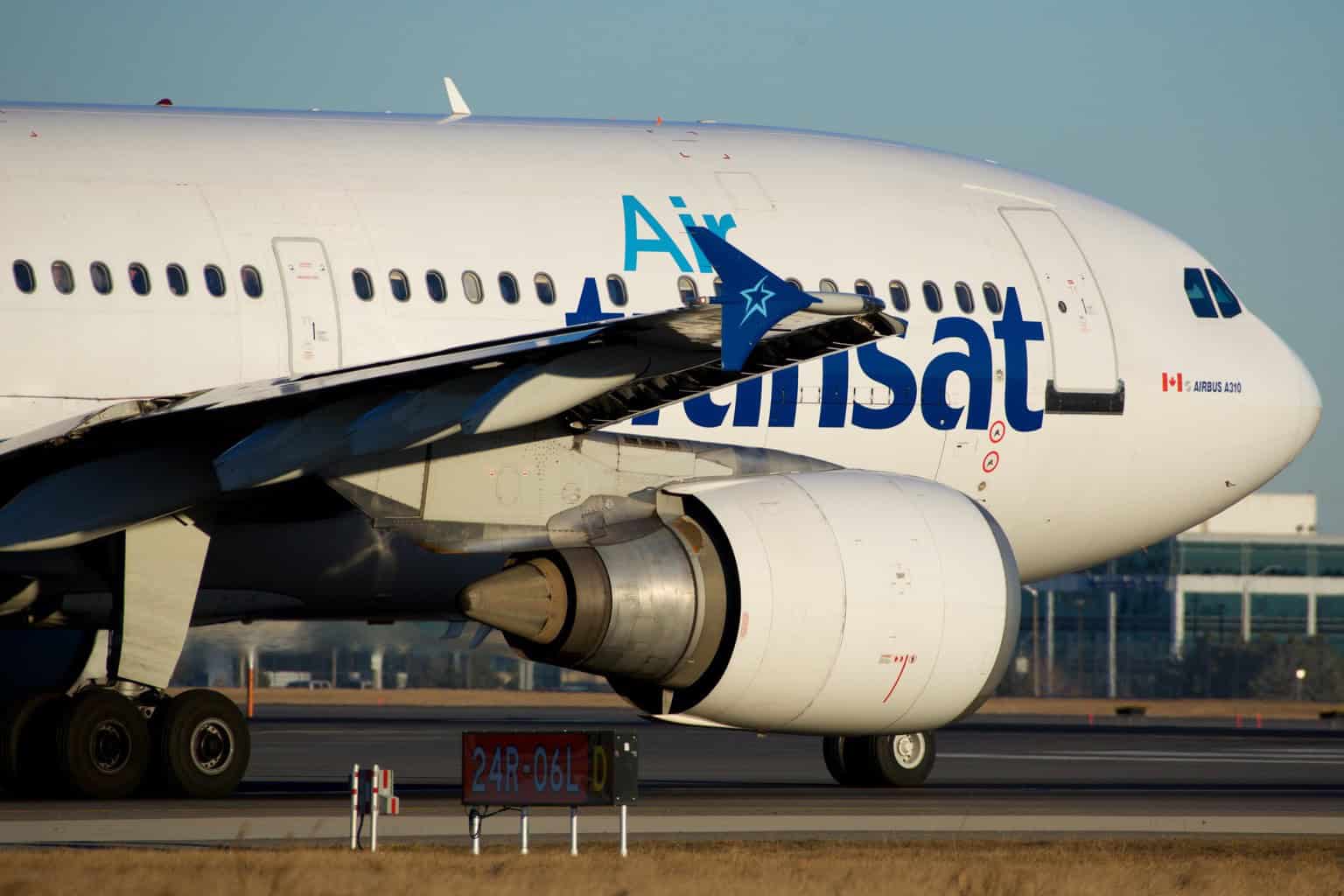


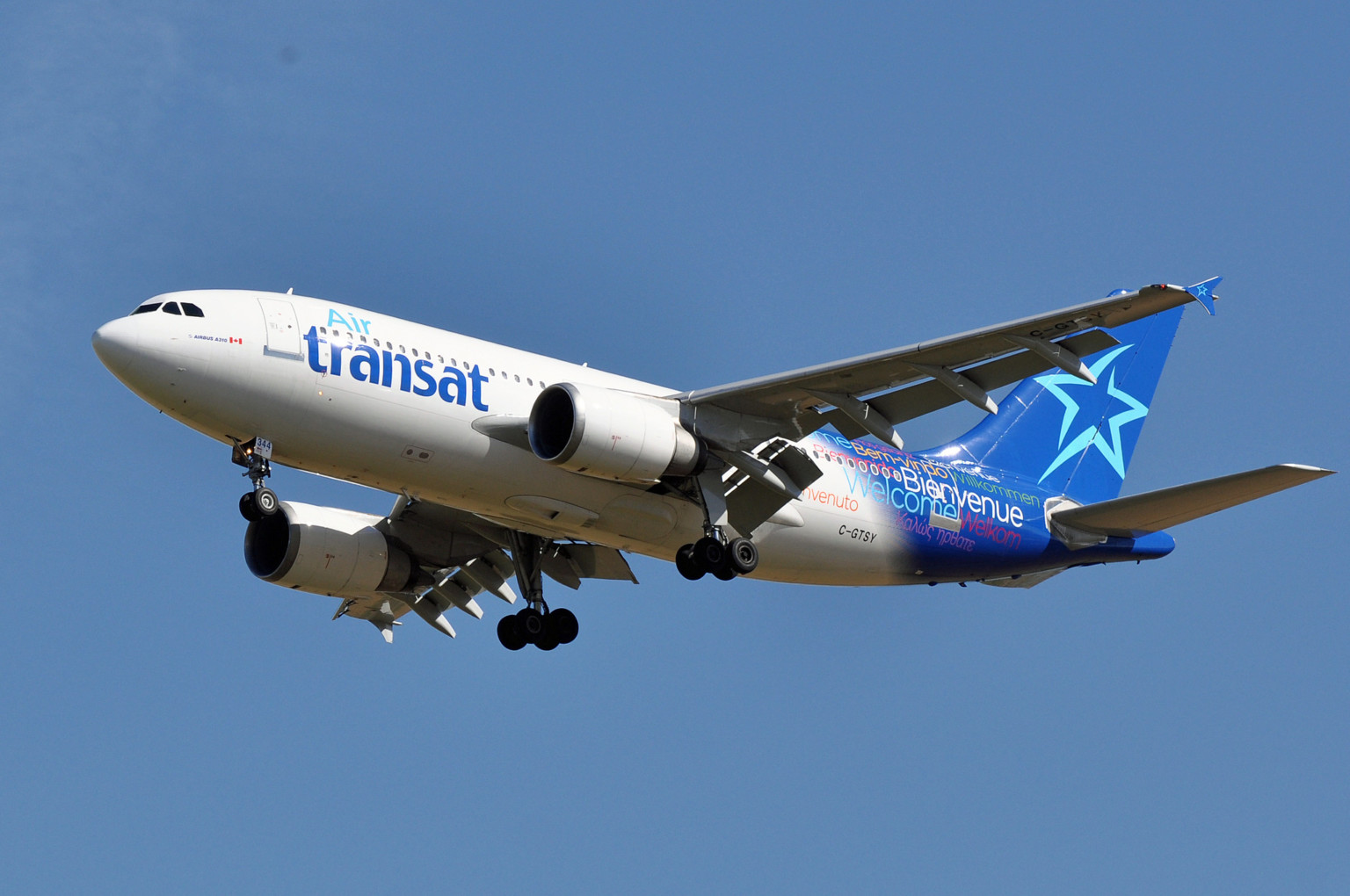
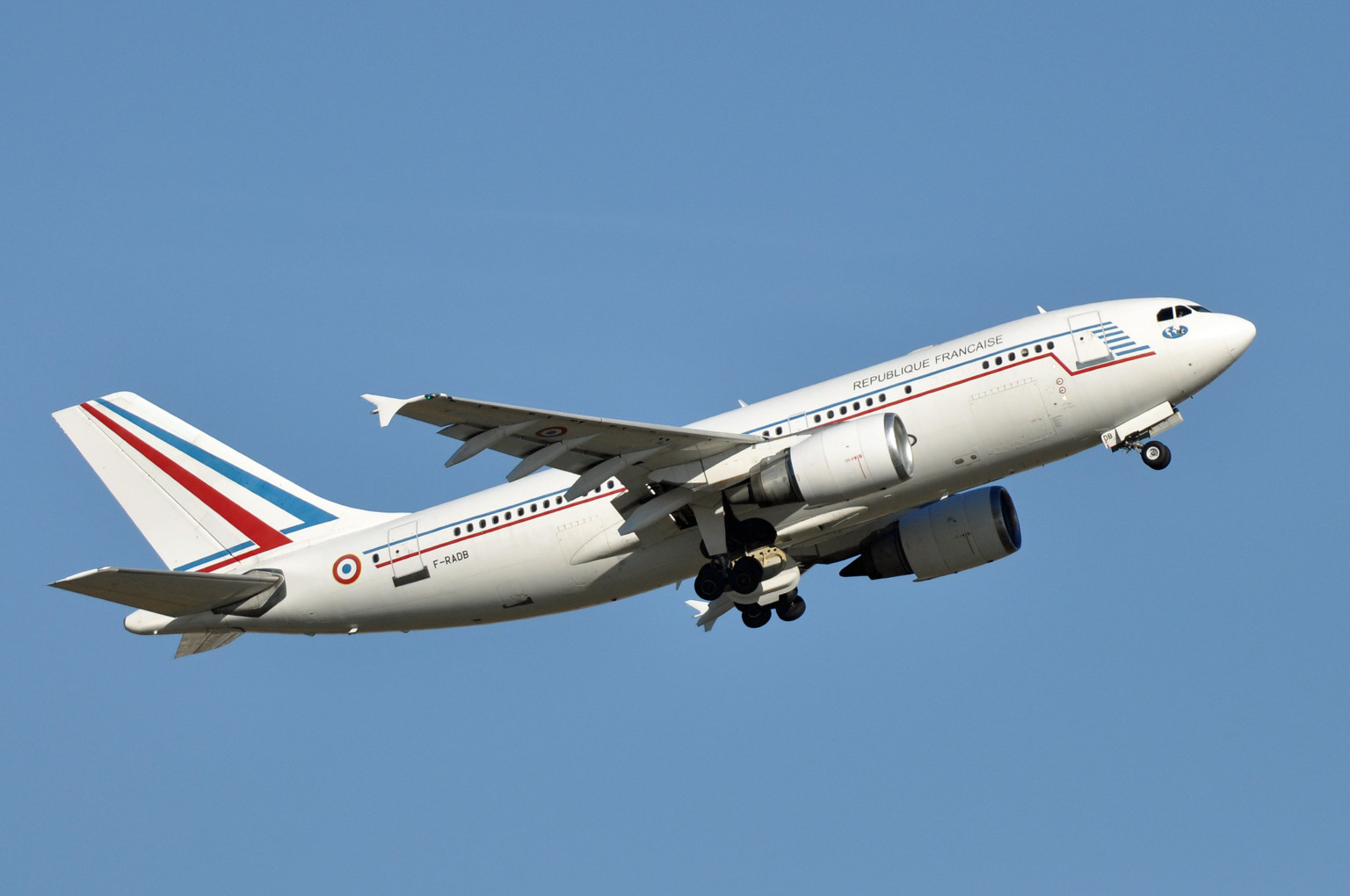

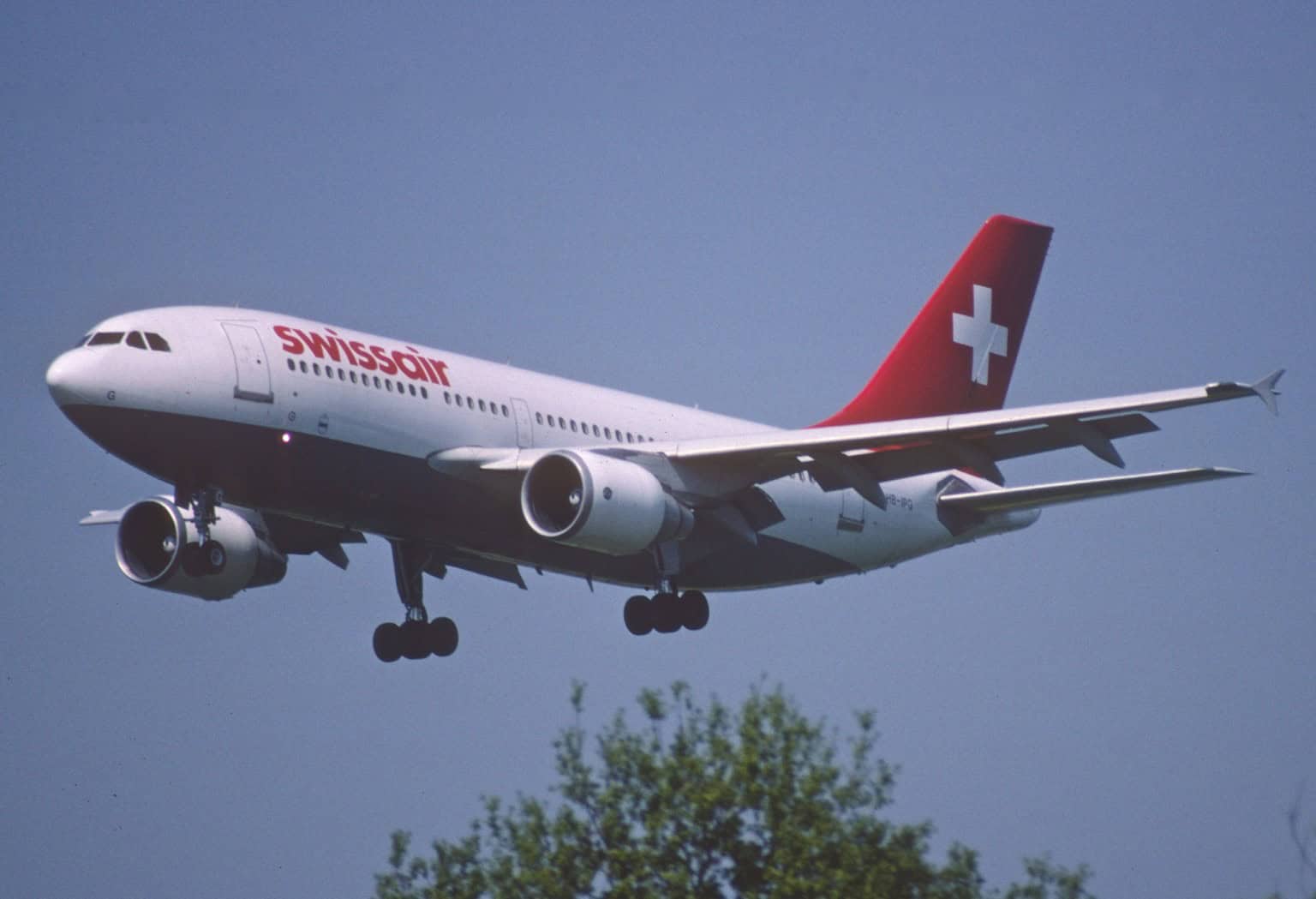

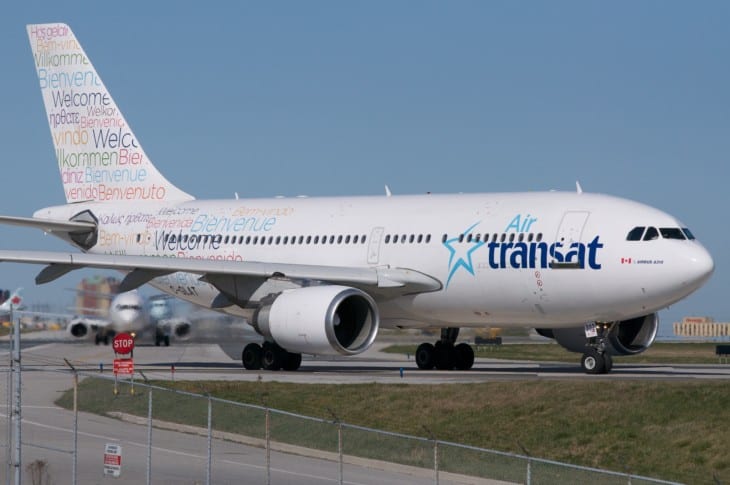
The A310 is the opposite case, and by one measure the most dangerous aircraft on this list. Its fatal hull loss rate of 1.89 per million departures is the highest of any type still flying, higher even than the MD-11.
Nine of its twelve hull losses killed people, an unusually lethal ratio. It reflects a run of severe accidents including TAROM Flight 371 near Bucharest in 1995, which killed all 60 aboard after an autothrottle fault, and Yemenia Flight 626 off the Comoros in 2009, which left one survivor out of 153.
Fewer than a dozen A310s remain in passenger service, almost entirely with Iranian and Afghan carriers that sanctions have locked out of the modern market. A few more fly cargo.
4. Boeing 737-100 and 737-200: 1.76 hull losses per million departures
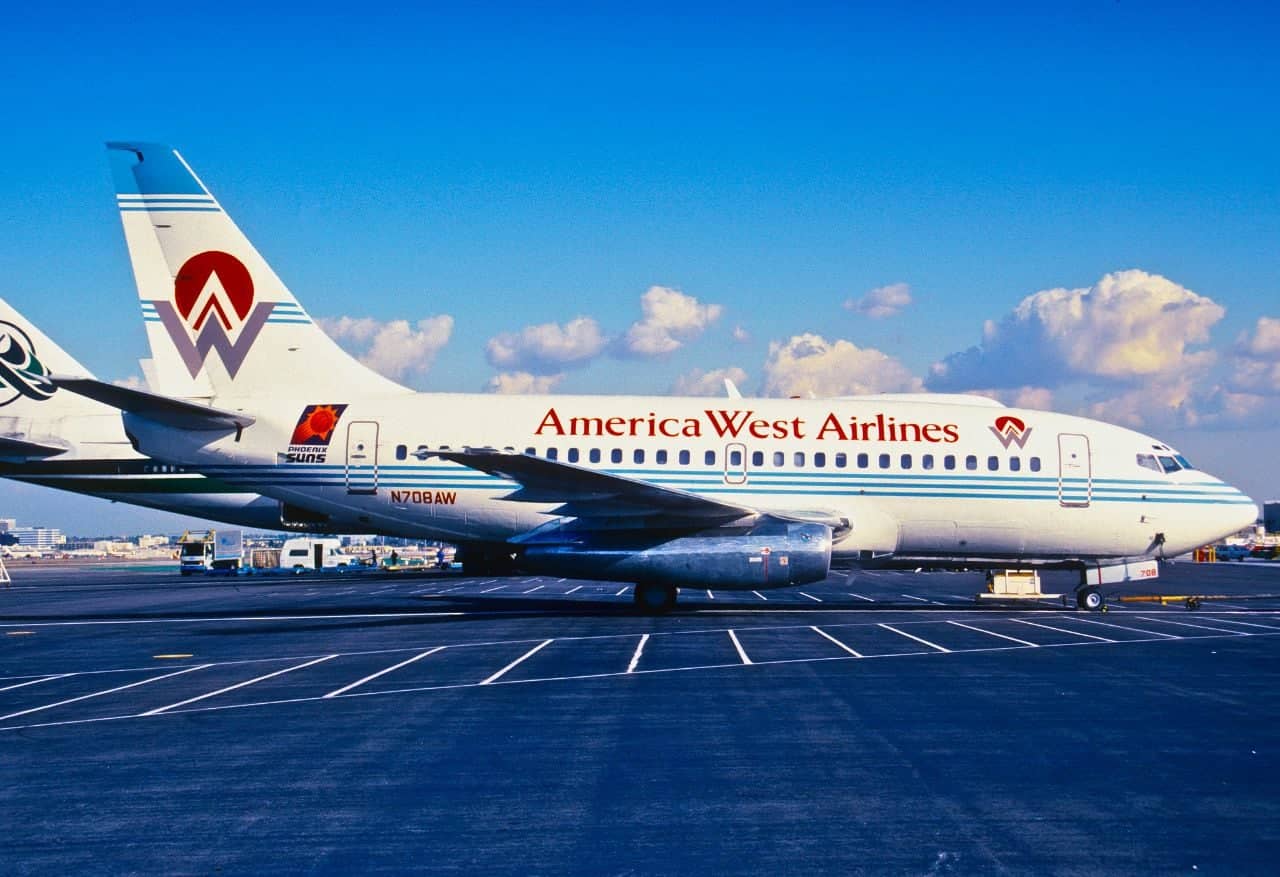


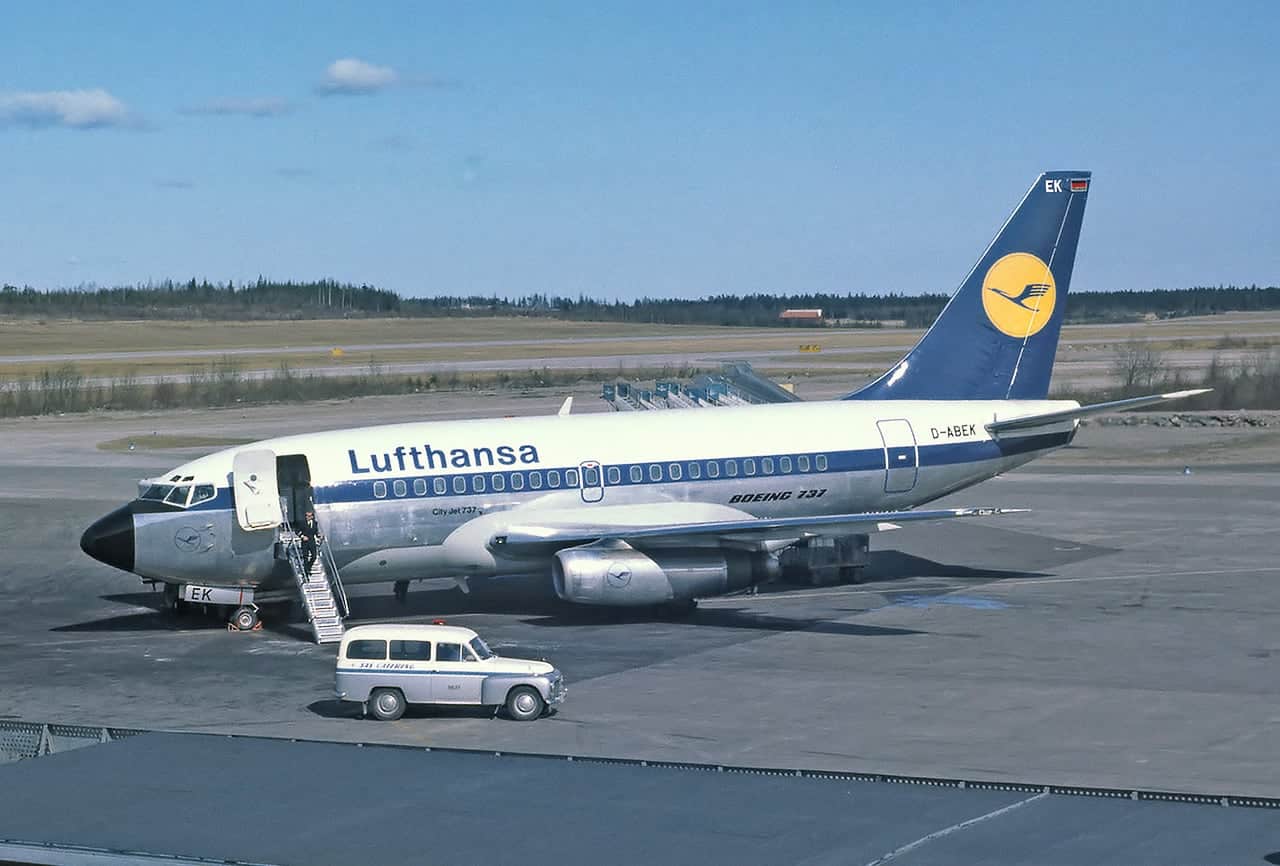

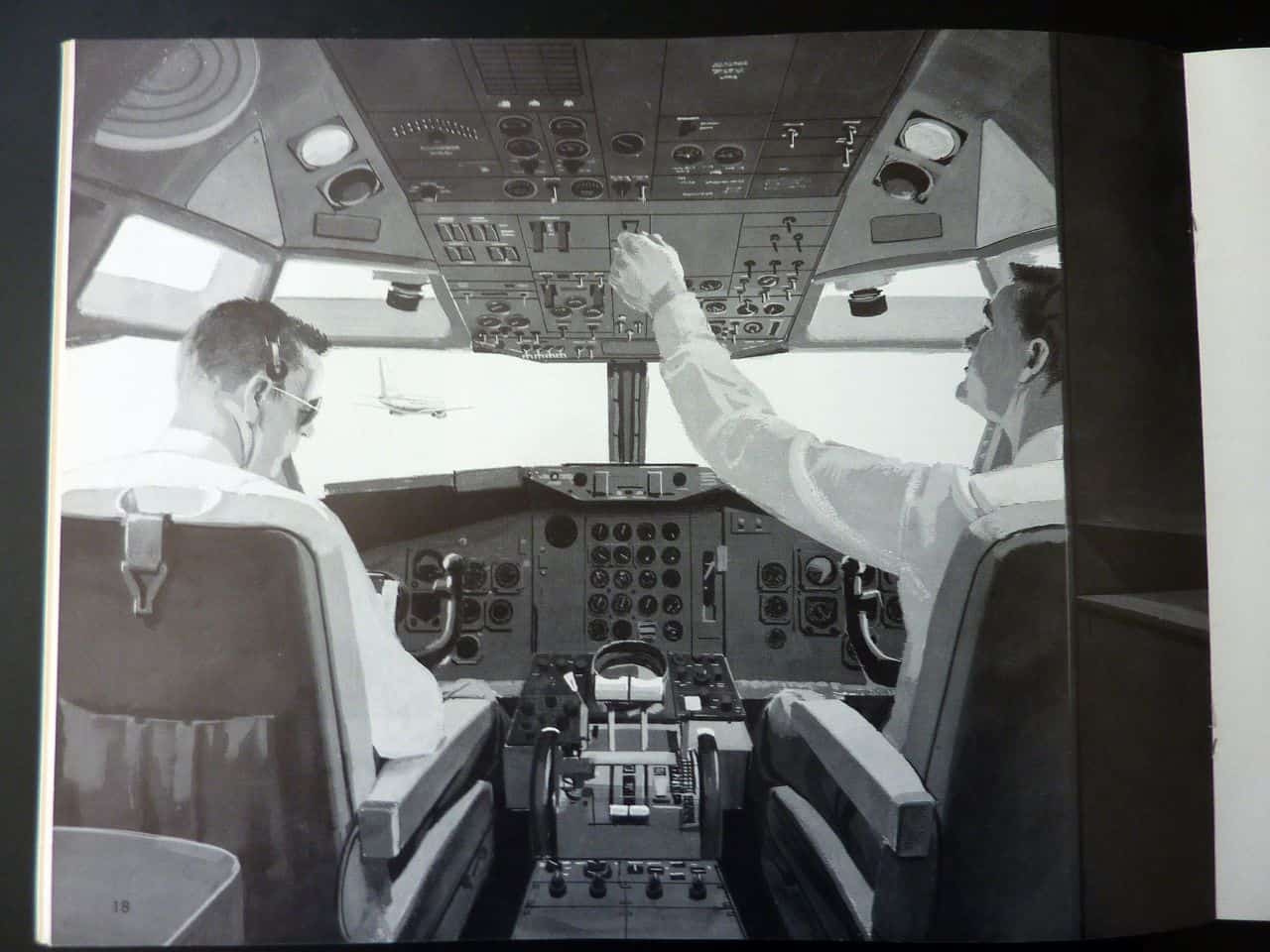


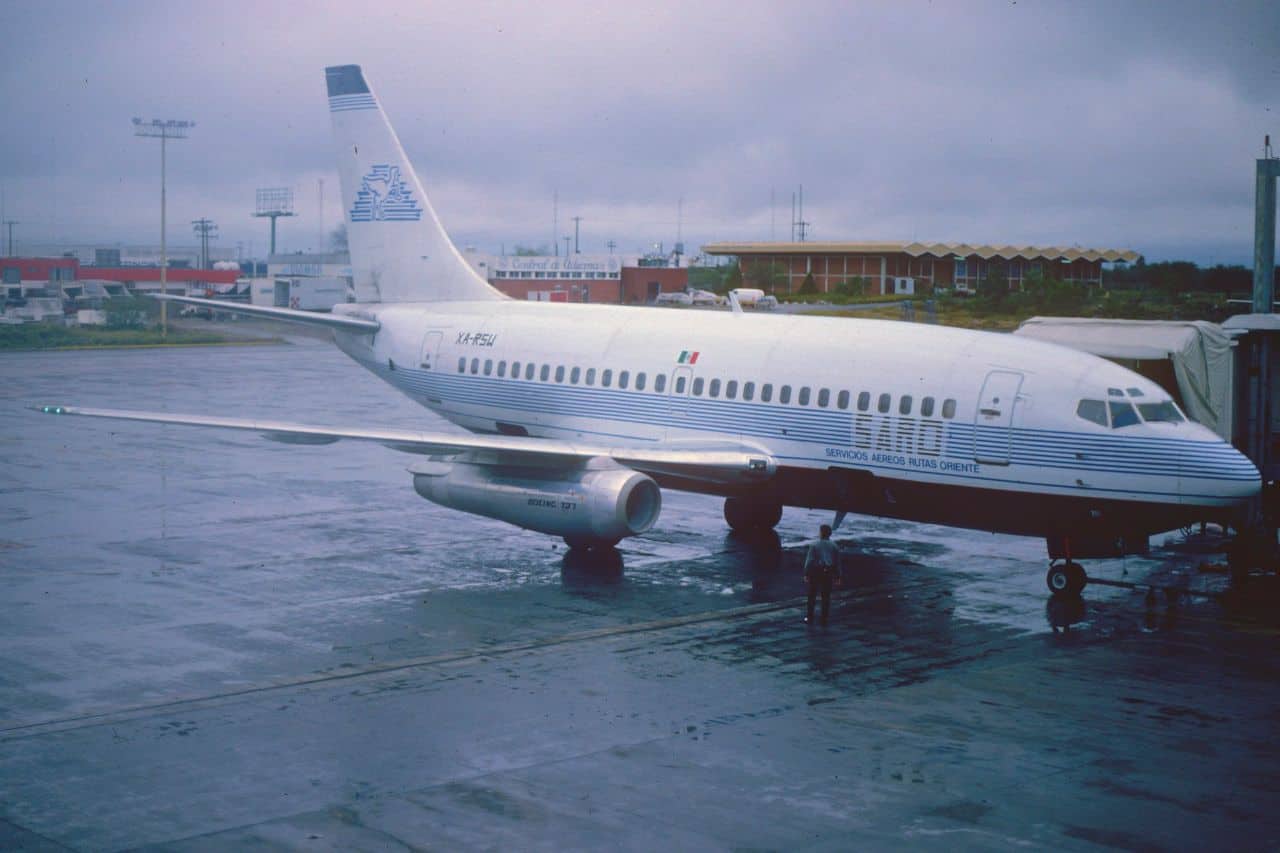
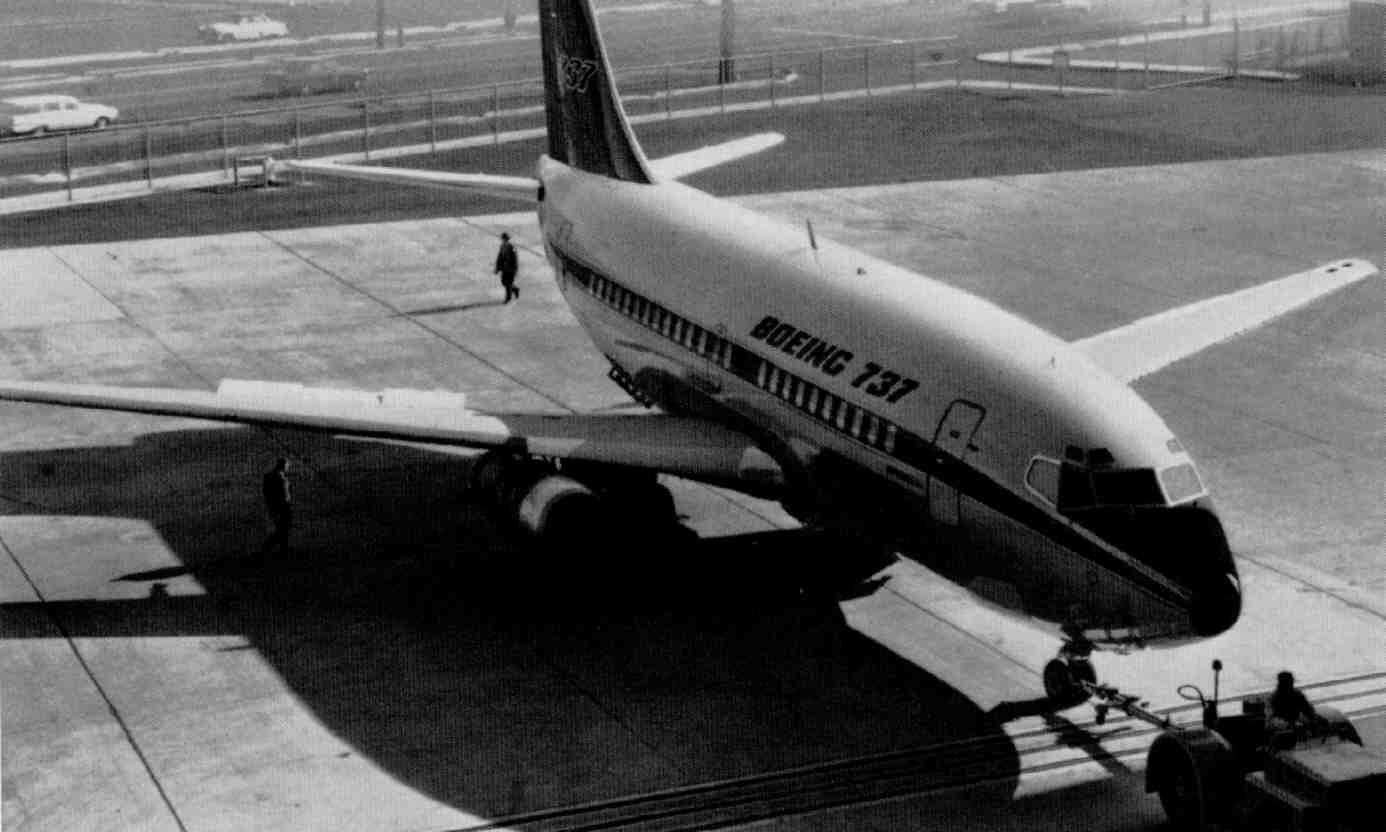
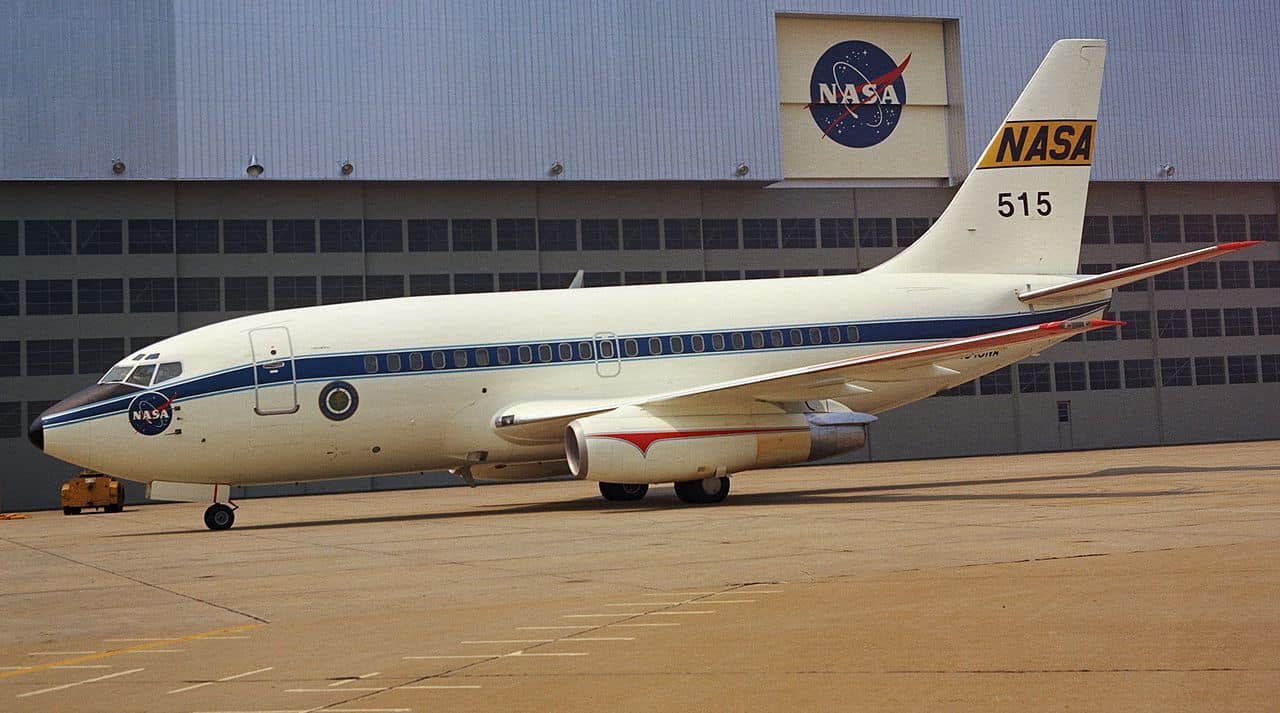
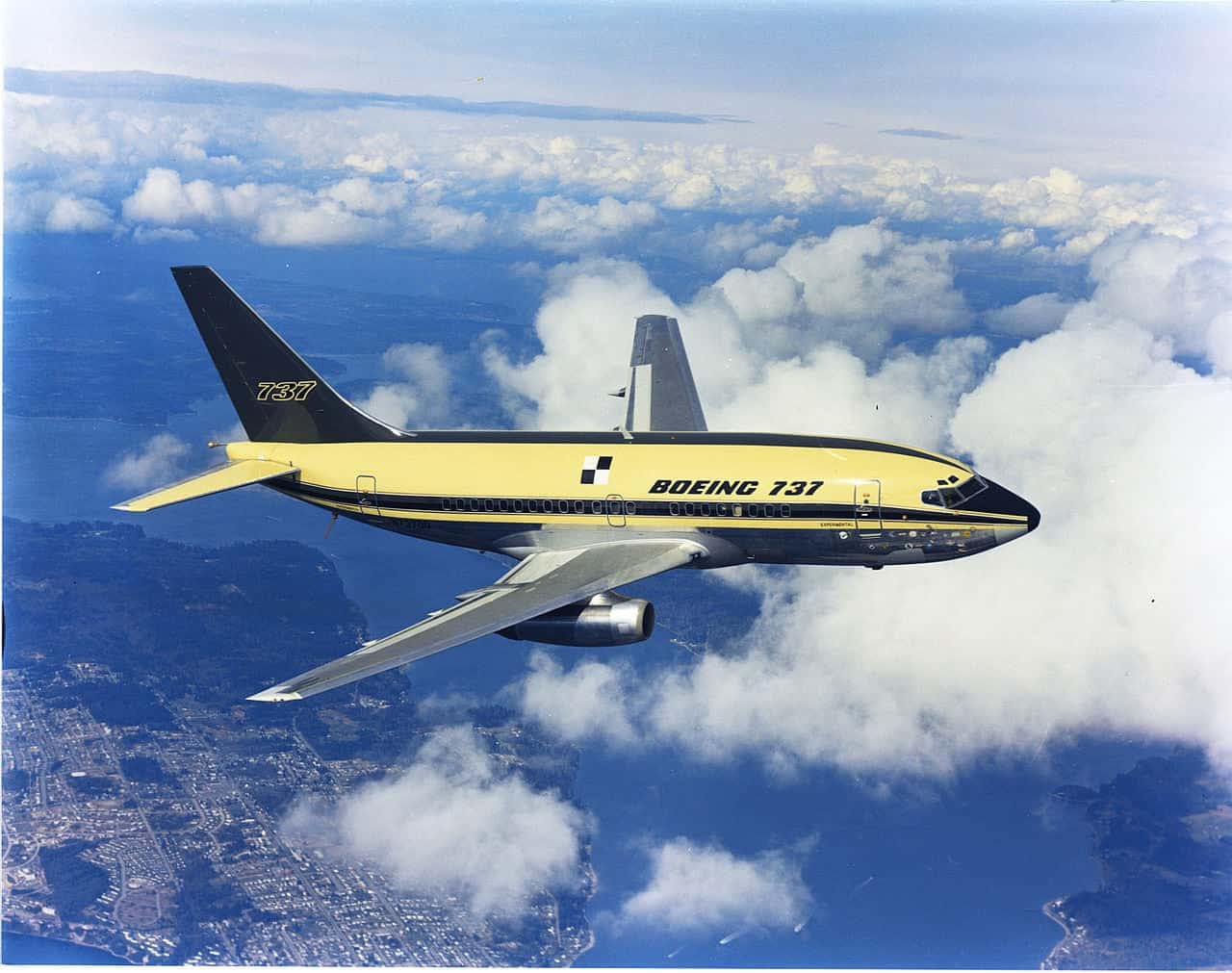
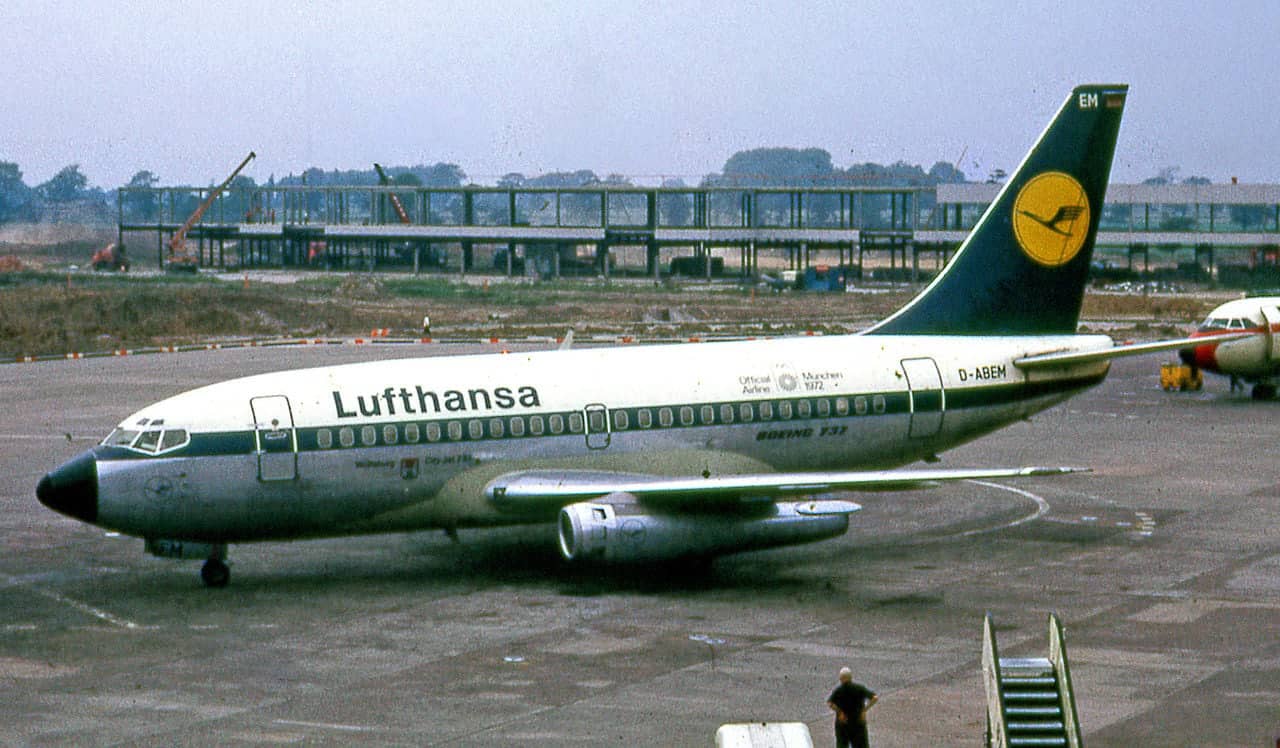
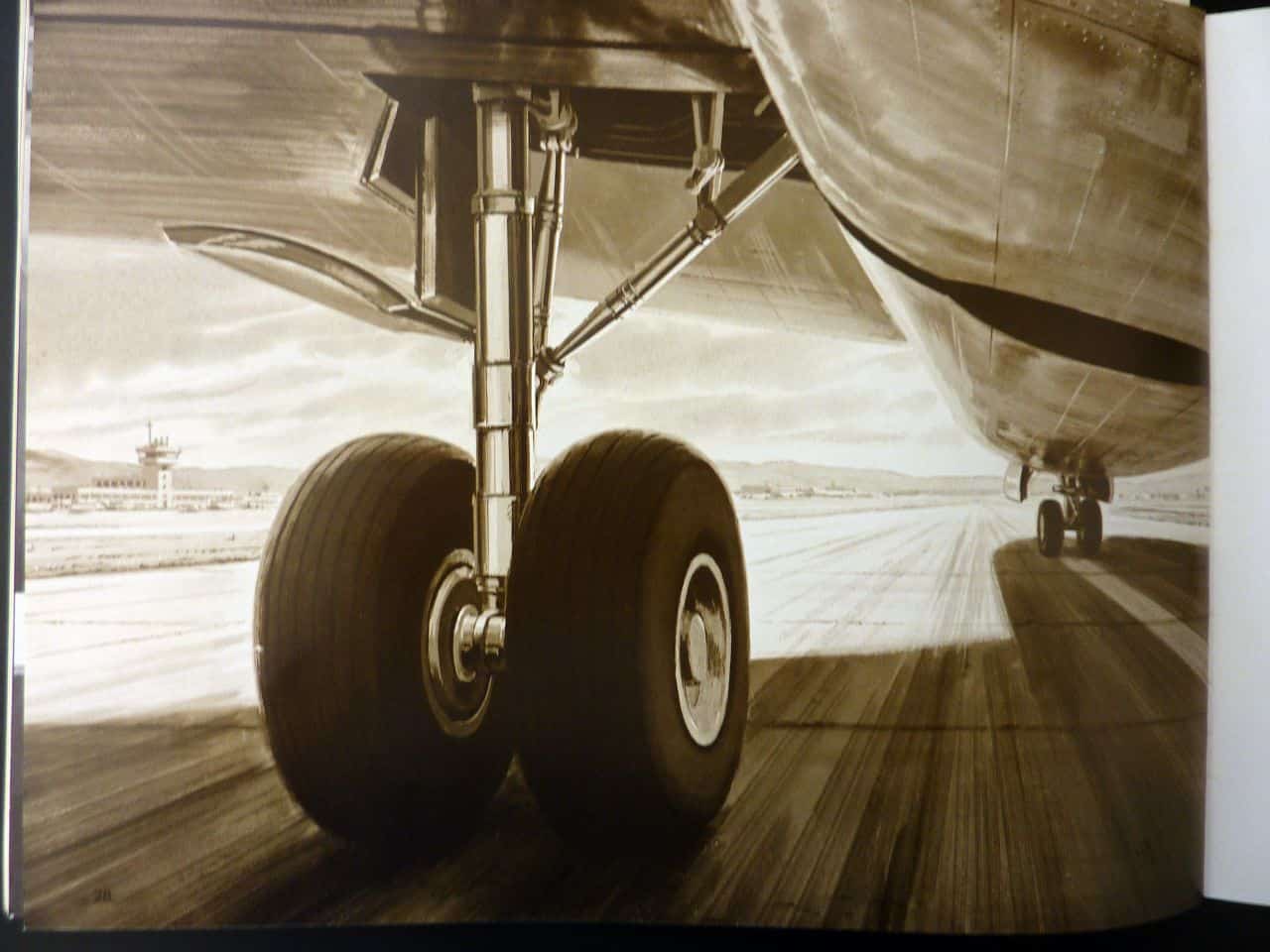
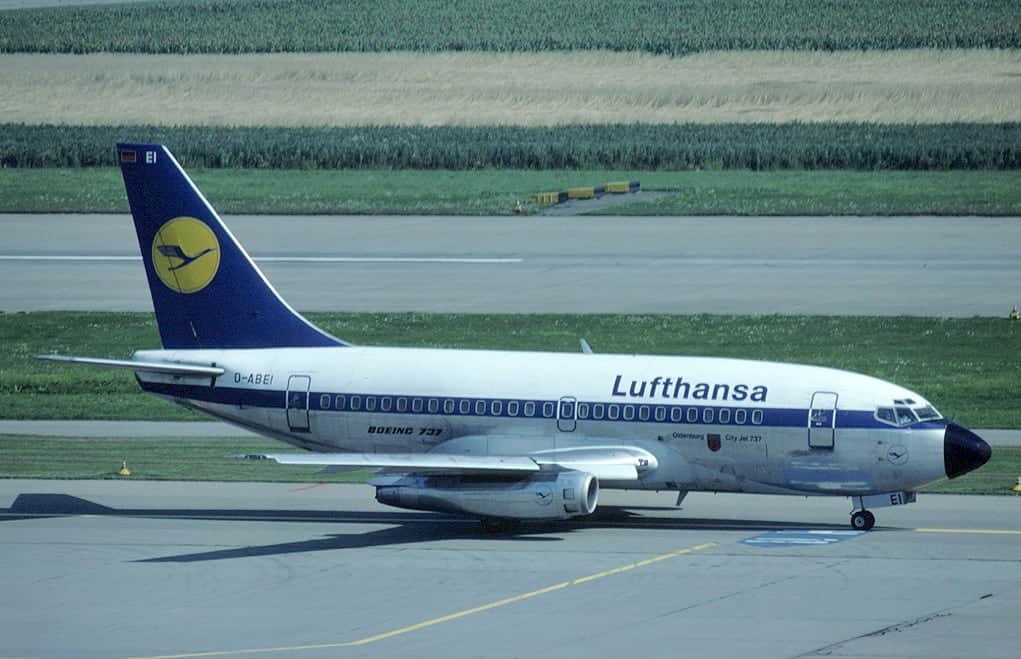
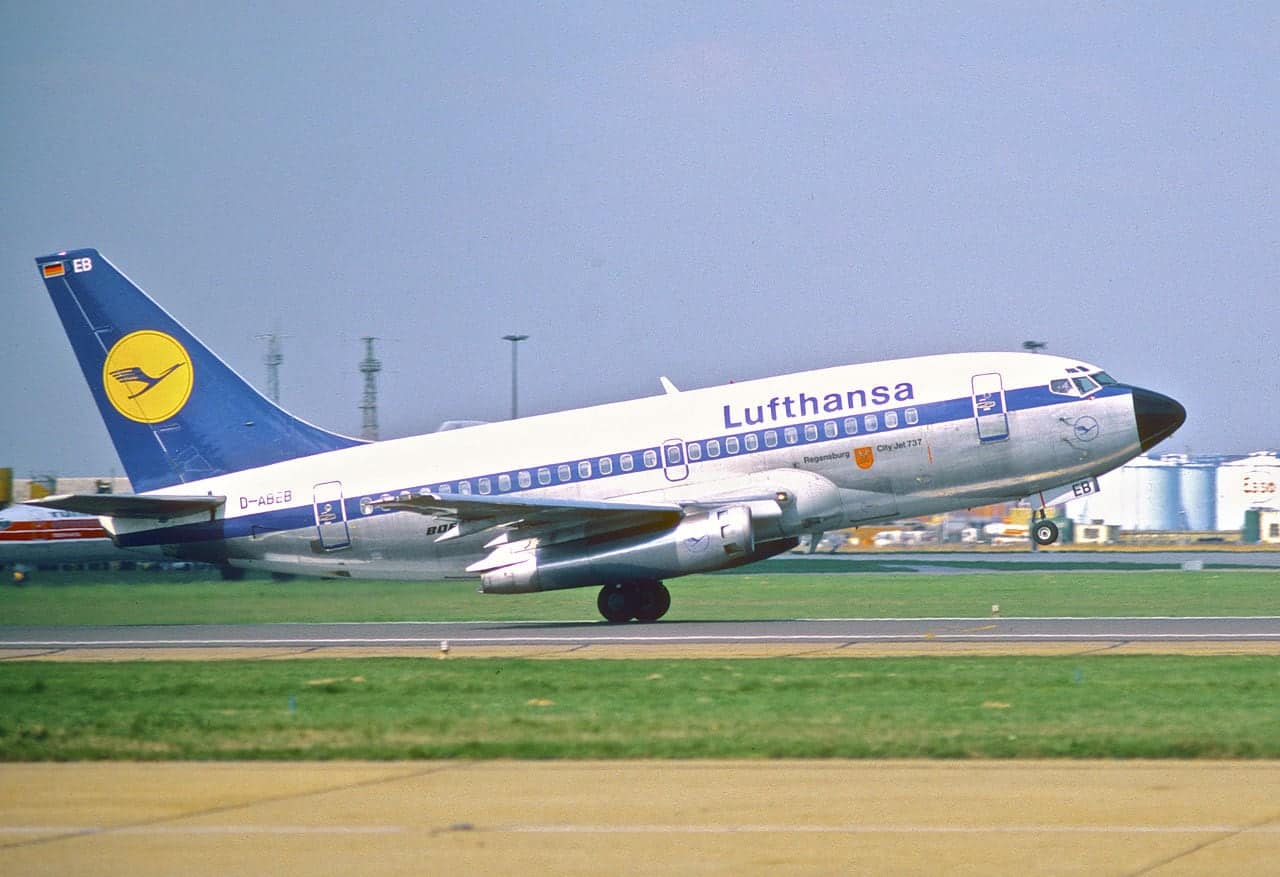

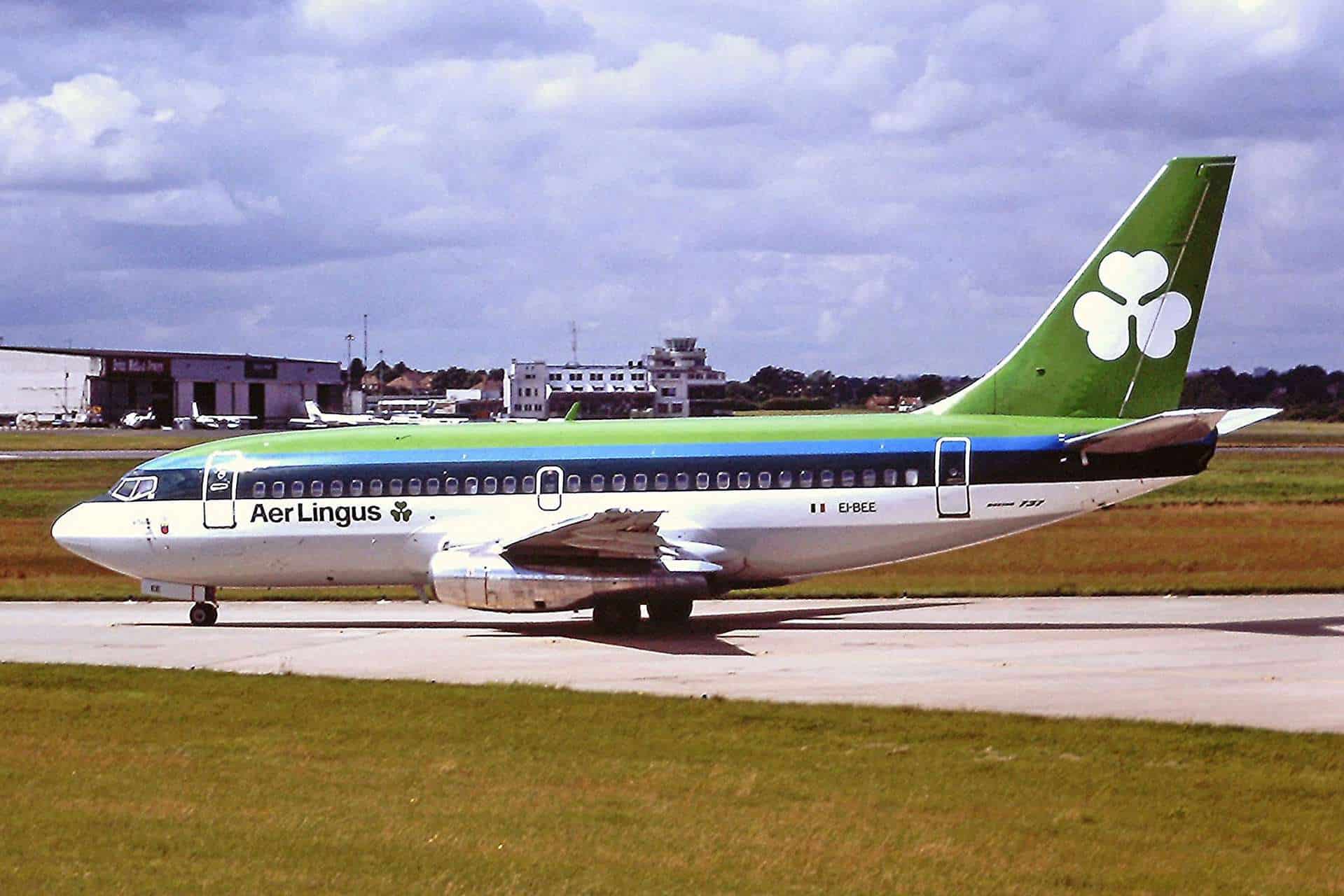


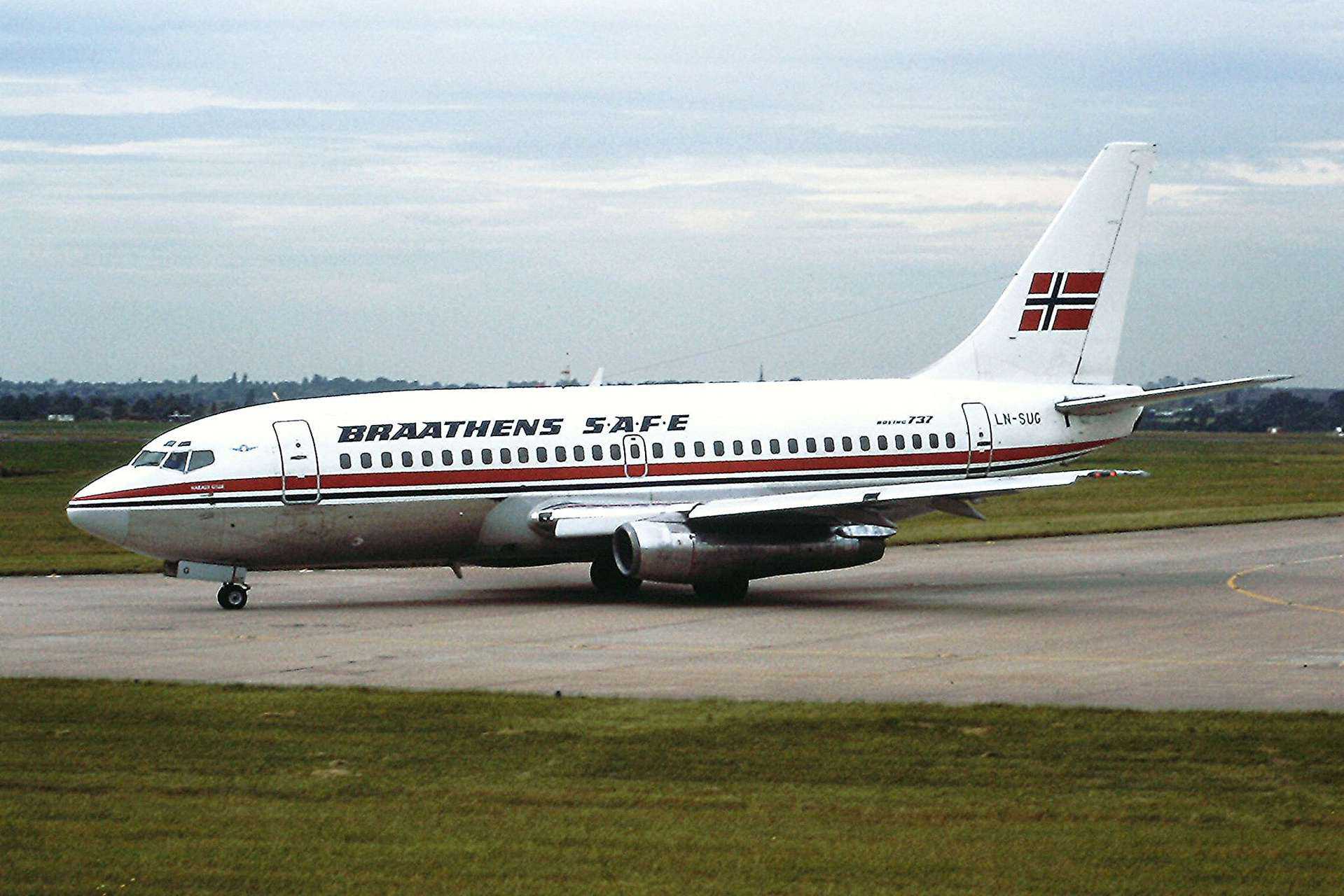
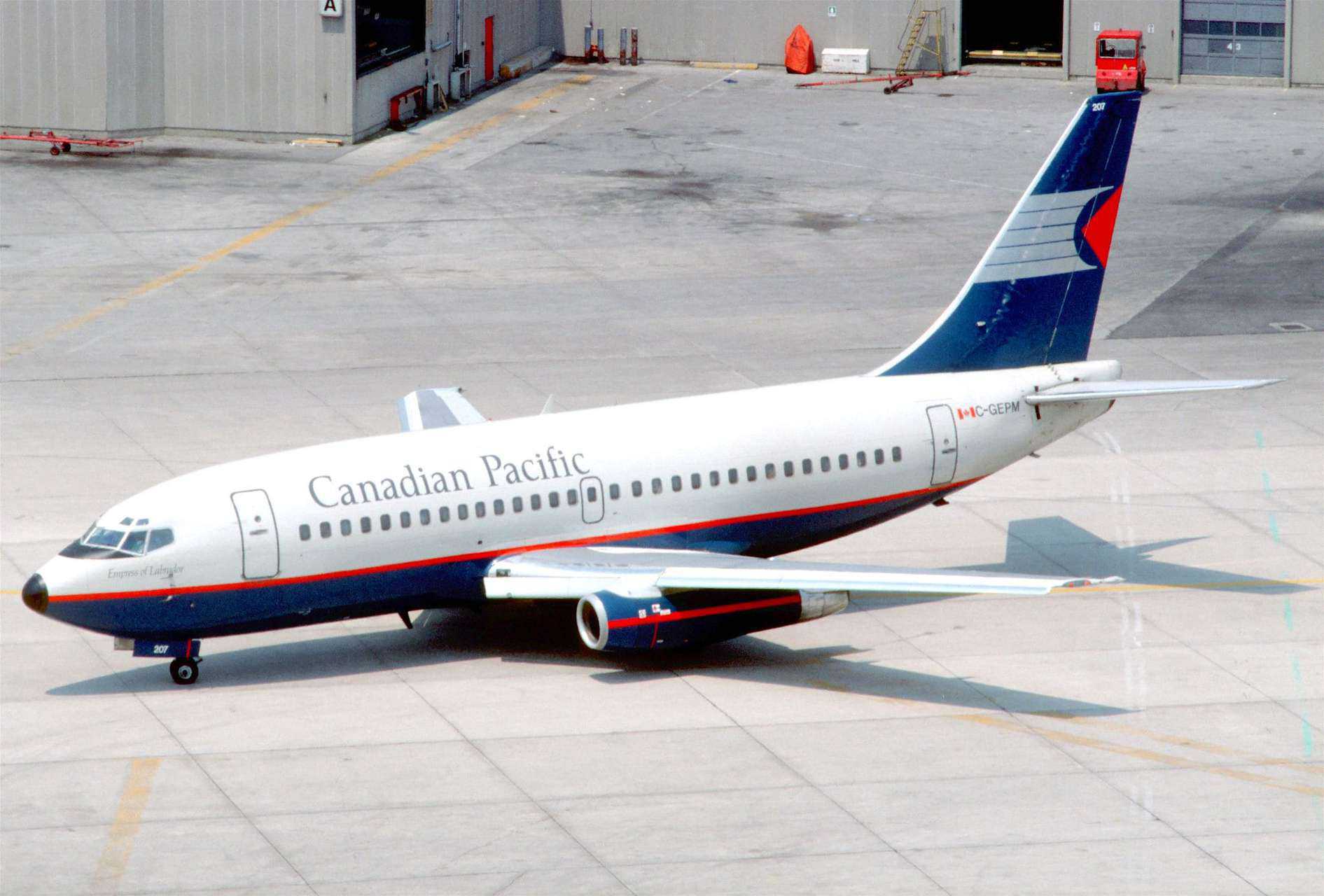
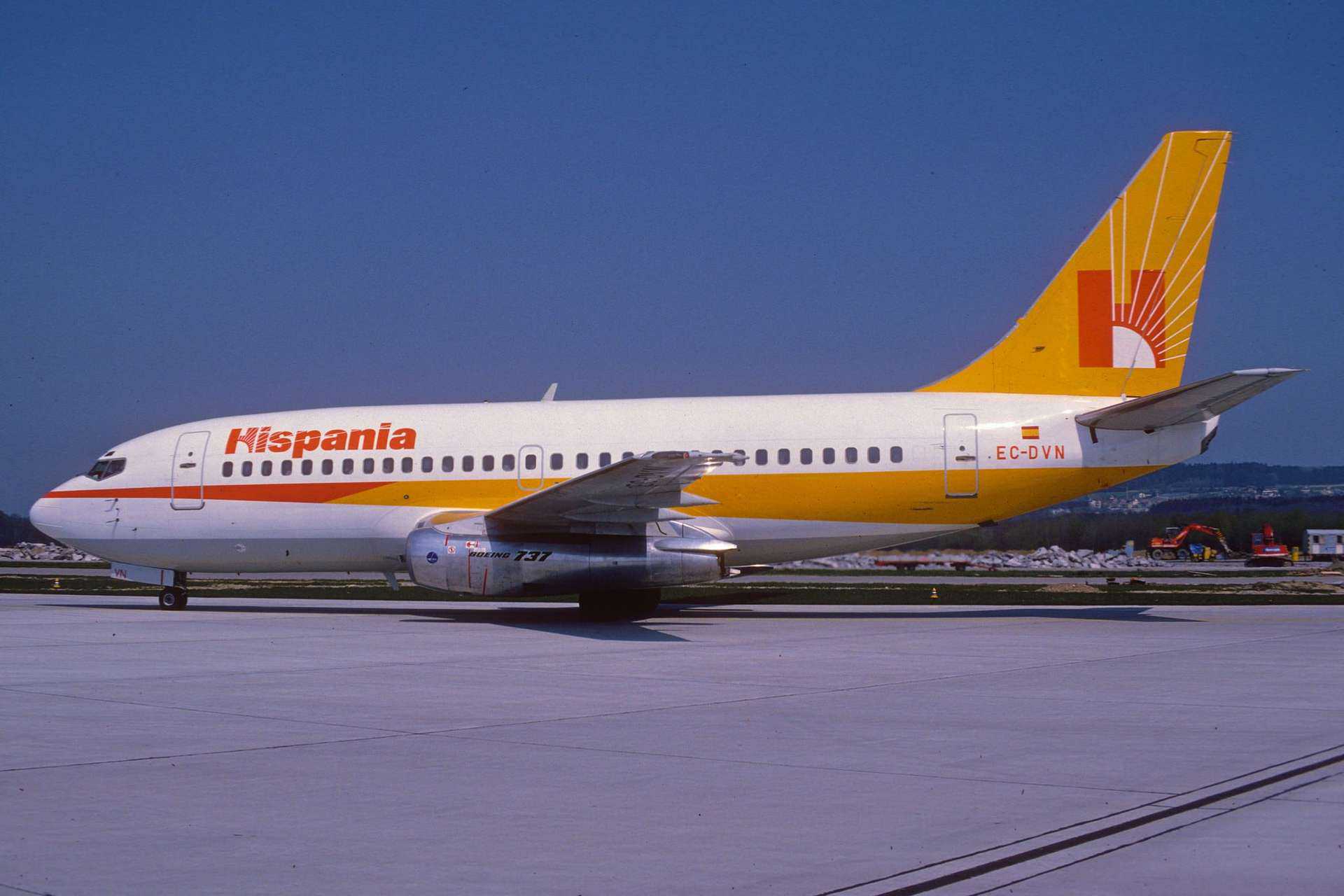
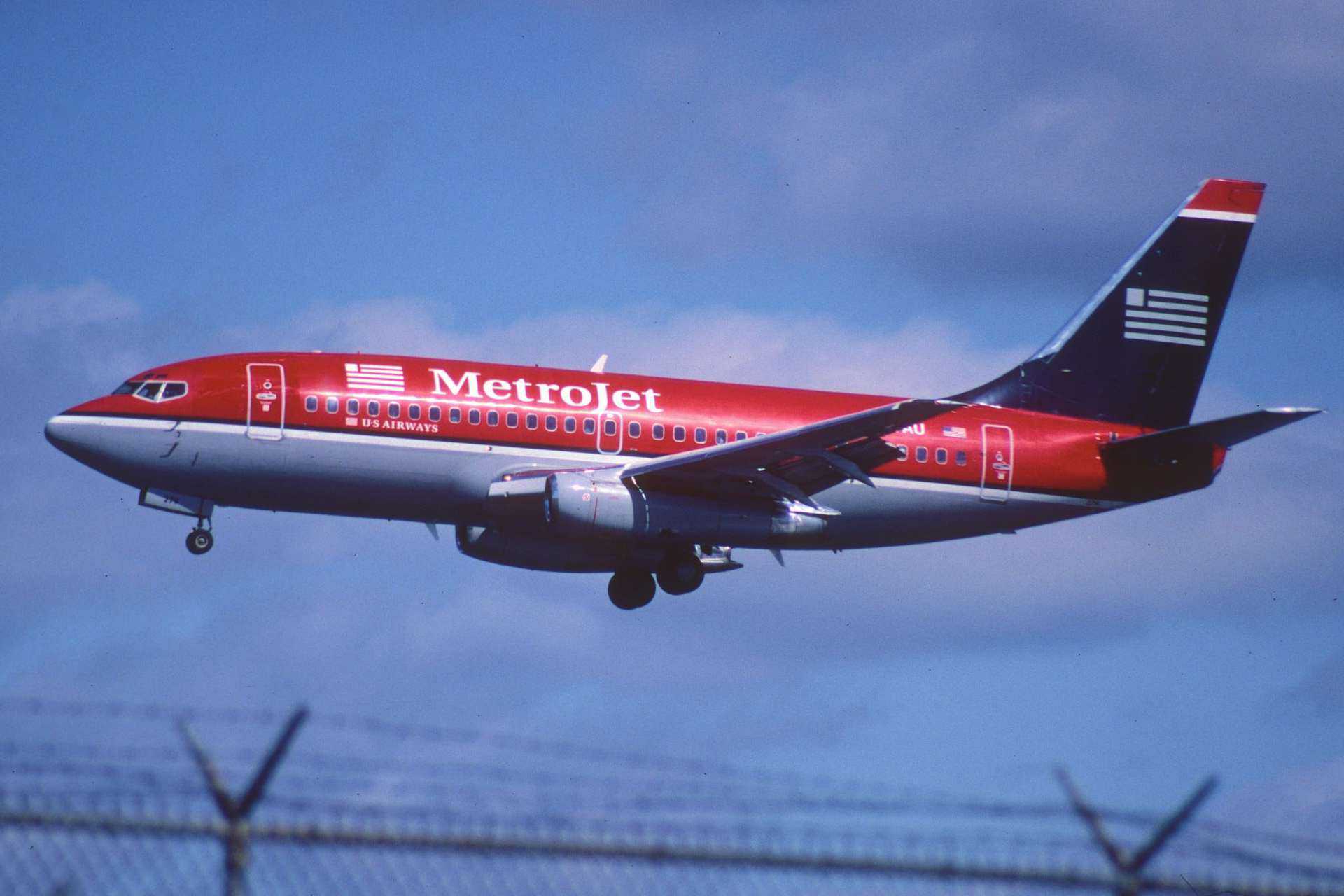

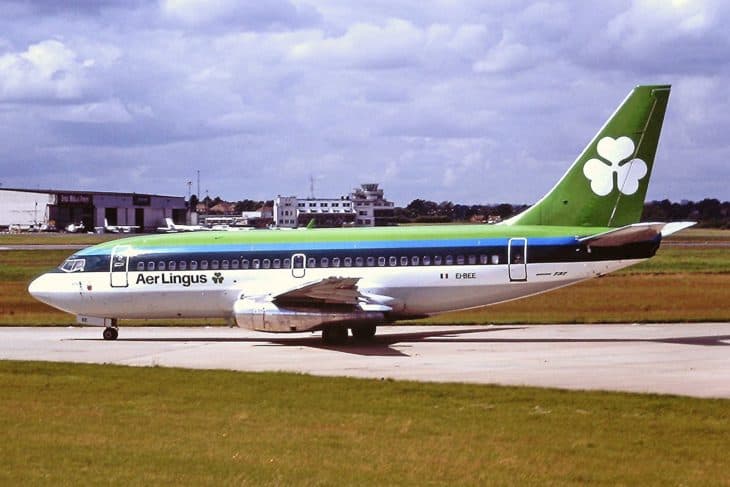
The first-generation 737 has lost 103 airframes, more than any other type still in service, at a rate of 1.76 per million departures. Fifty-one of those accidents were fatal.
It is also the entry that most needs its context. The 737-200 entered service in 1968 and did most of its flying before ground proximity warning systems, before TCAS and before crew resource management existed.
Roughly 40 are still airworthy, and the largest fleet belongs to Canada’s Nolinor Aviation, which took delivery of an eighth in 2025 and plans a ninth. They fly gravel and ice runways to northern communities that nothing modern can serve.
No, the 737-200 was never grounded
A claim that circulates widely, including in the earlier version of this article, is that the 737-200 was one of only three airliners ever grounded. It is not true. The FAA has grounded a type outright four times: the DC-10 in 1979, the 787 in 2013, the 737 MAX in 2019, and the MD-11 and DC-10 in November 2025. The 737-200 has never been among them.
5. BAe 146 and Avro RJ: 1.49 hull losses per million departures
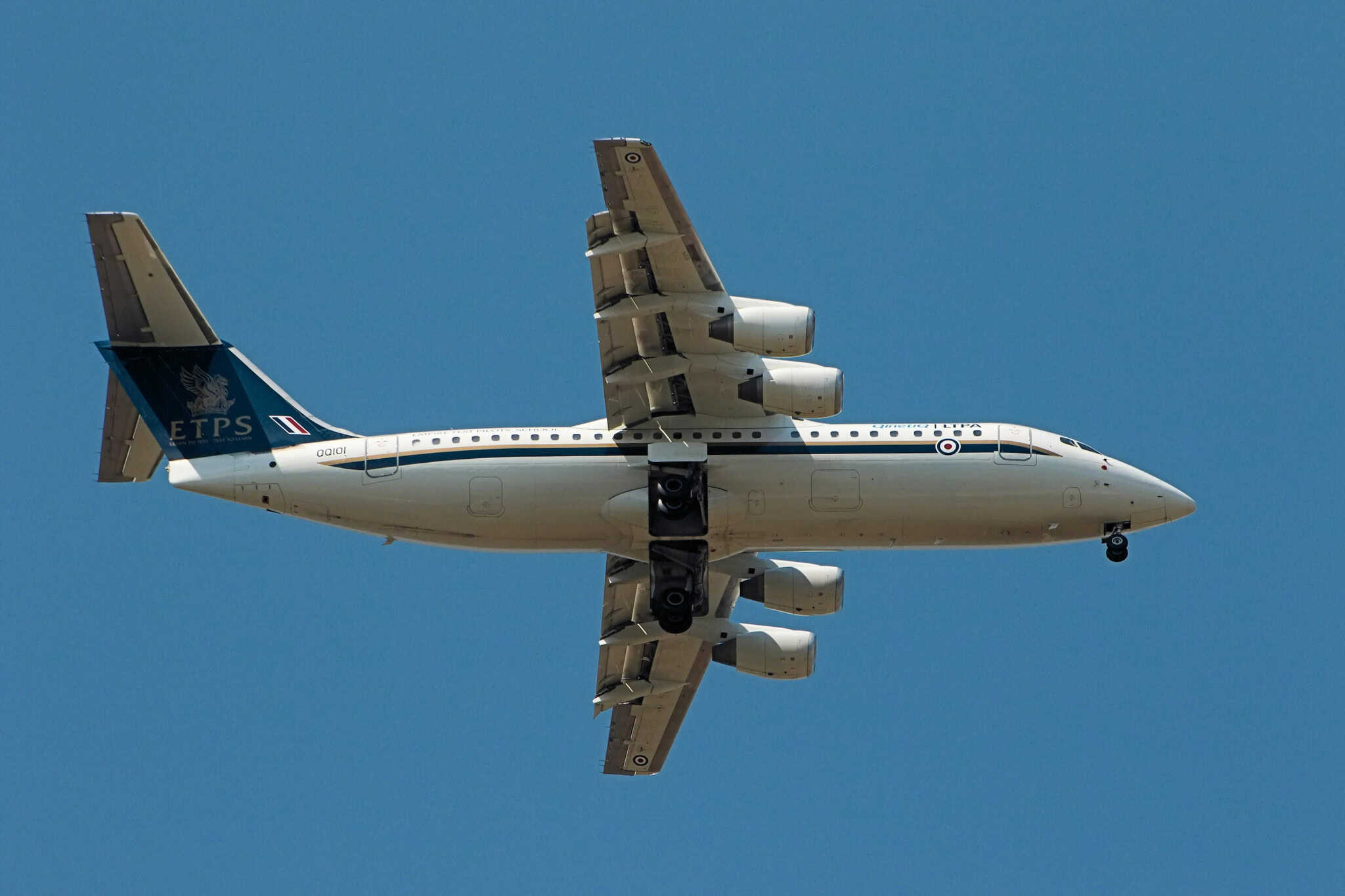
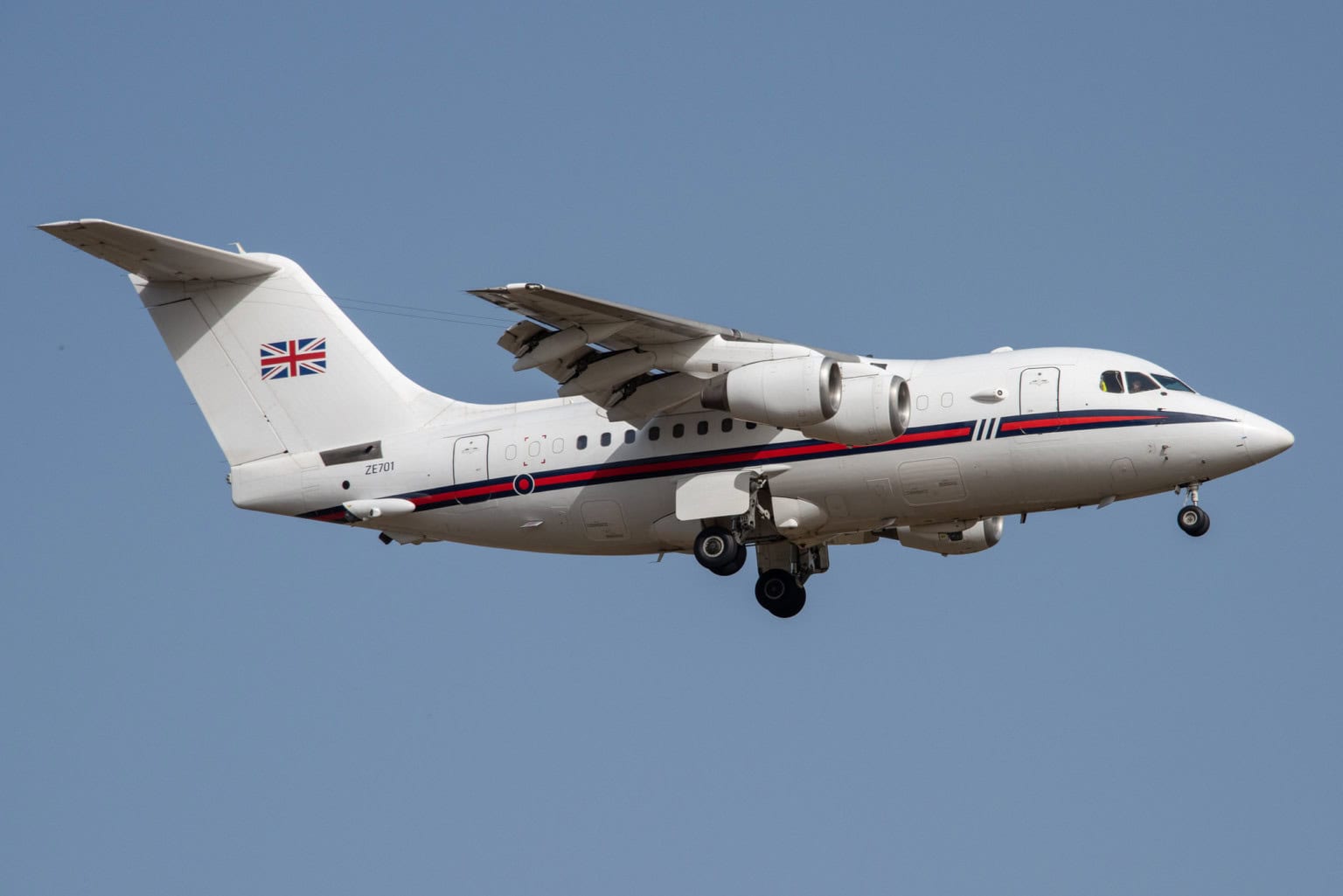
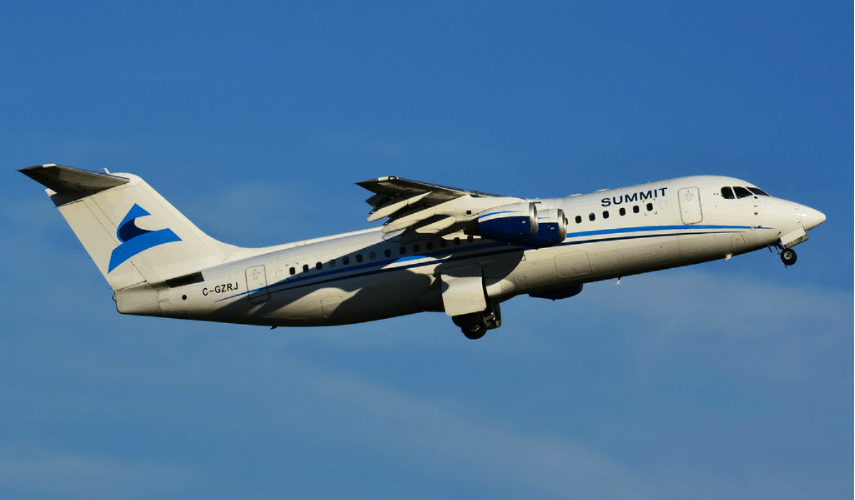
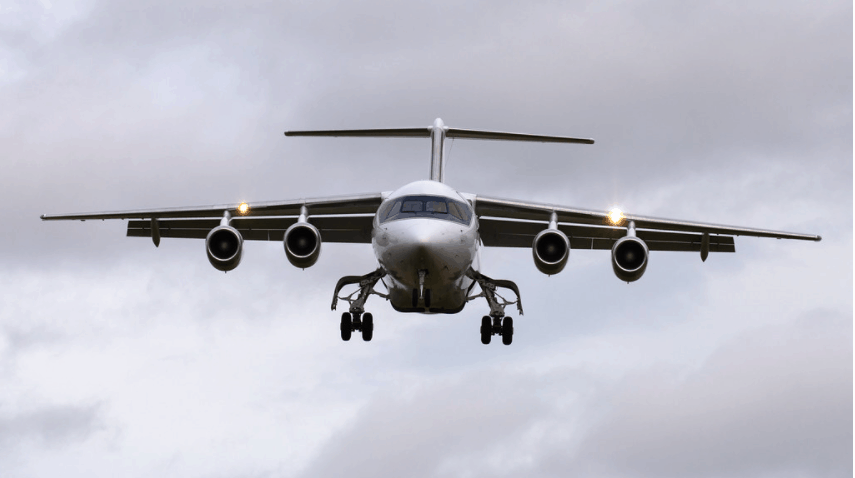


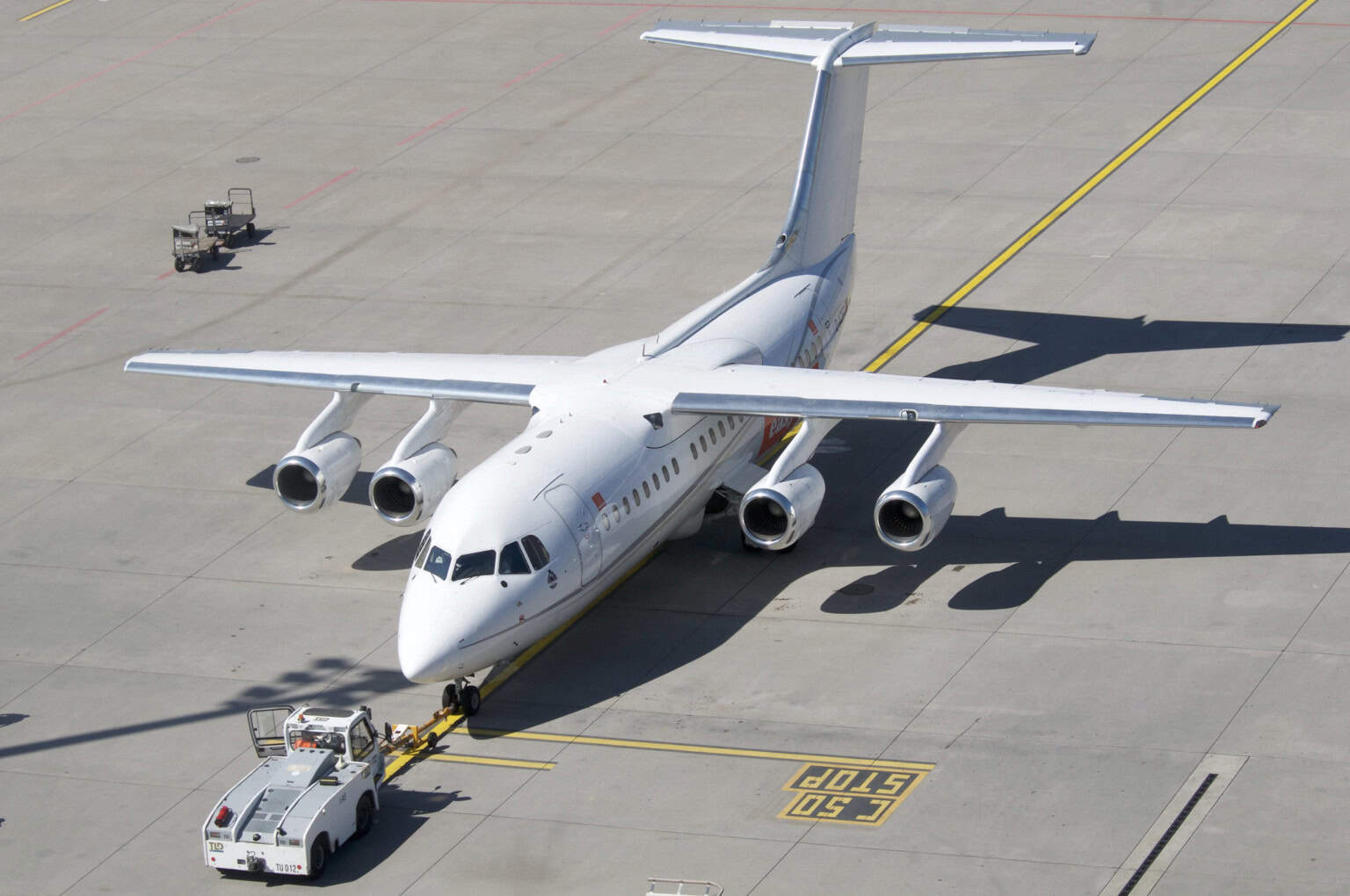
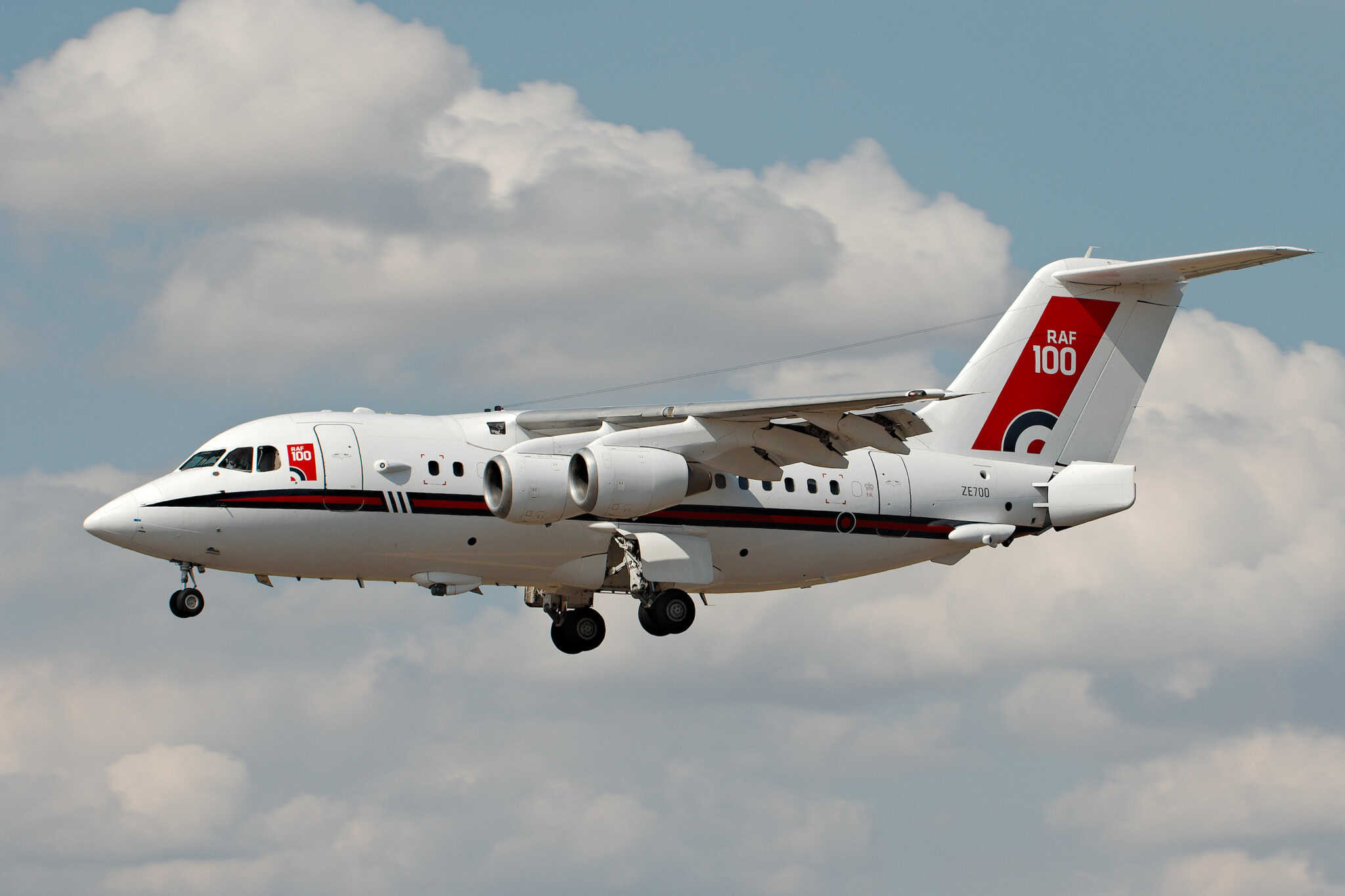


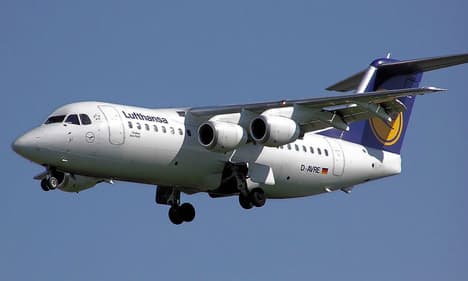
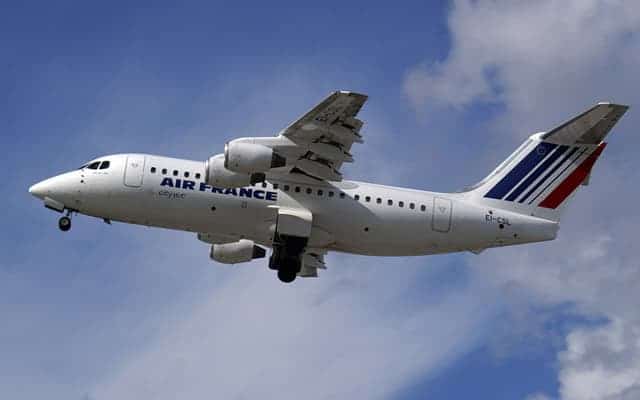
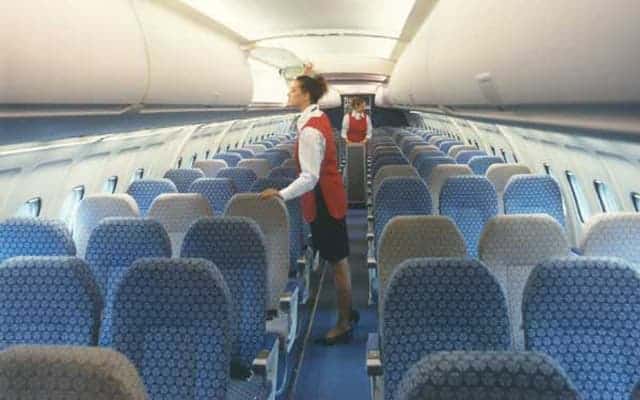
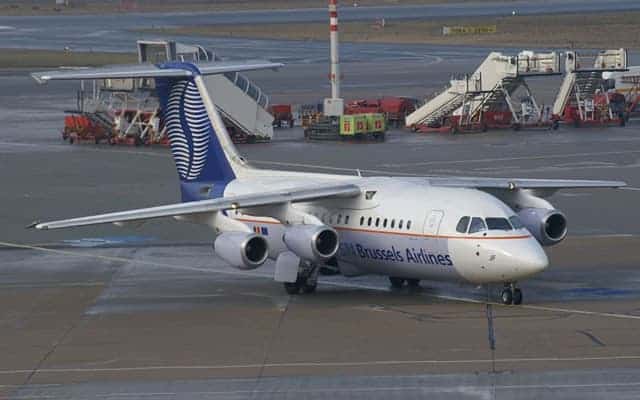

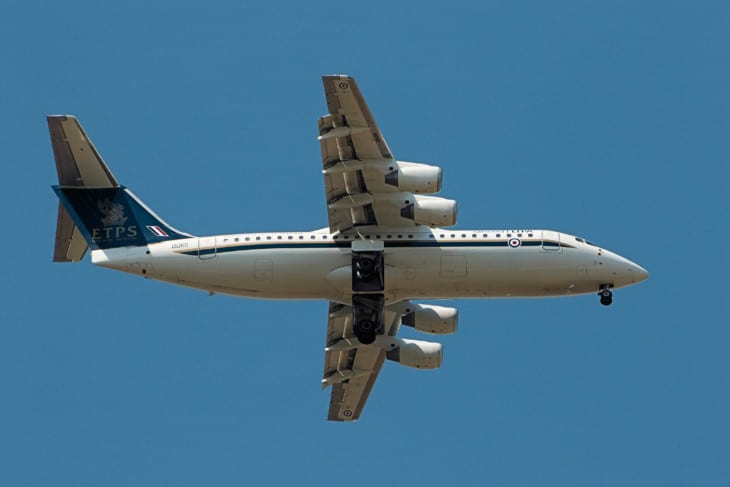
The four-engined British regional jet has lost 18 airframes in about 12 million departures, eight of them fatally. It was built for short, steep, awkward runways, and that is where most of its accidents happened.
The type survives today mainly as a freighter and as a firefighting air tanker, with a small number still flying passengers on charter work.
6. Fokker 100 and Fokker 70: 1.19 hull losses per million departures
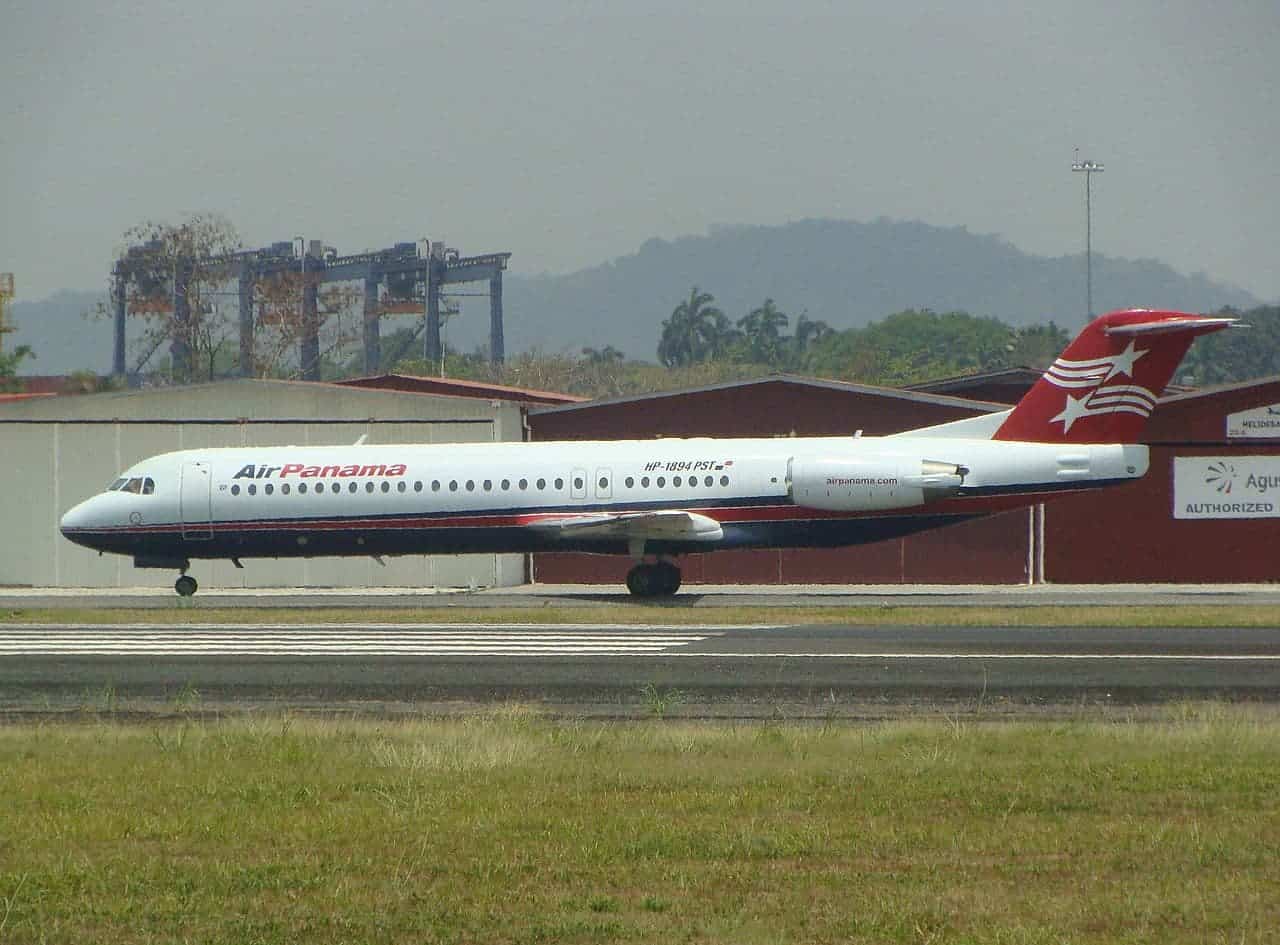

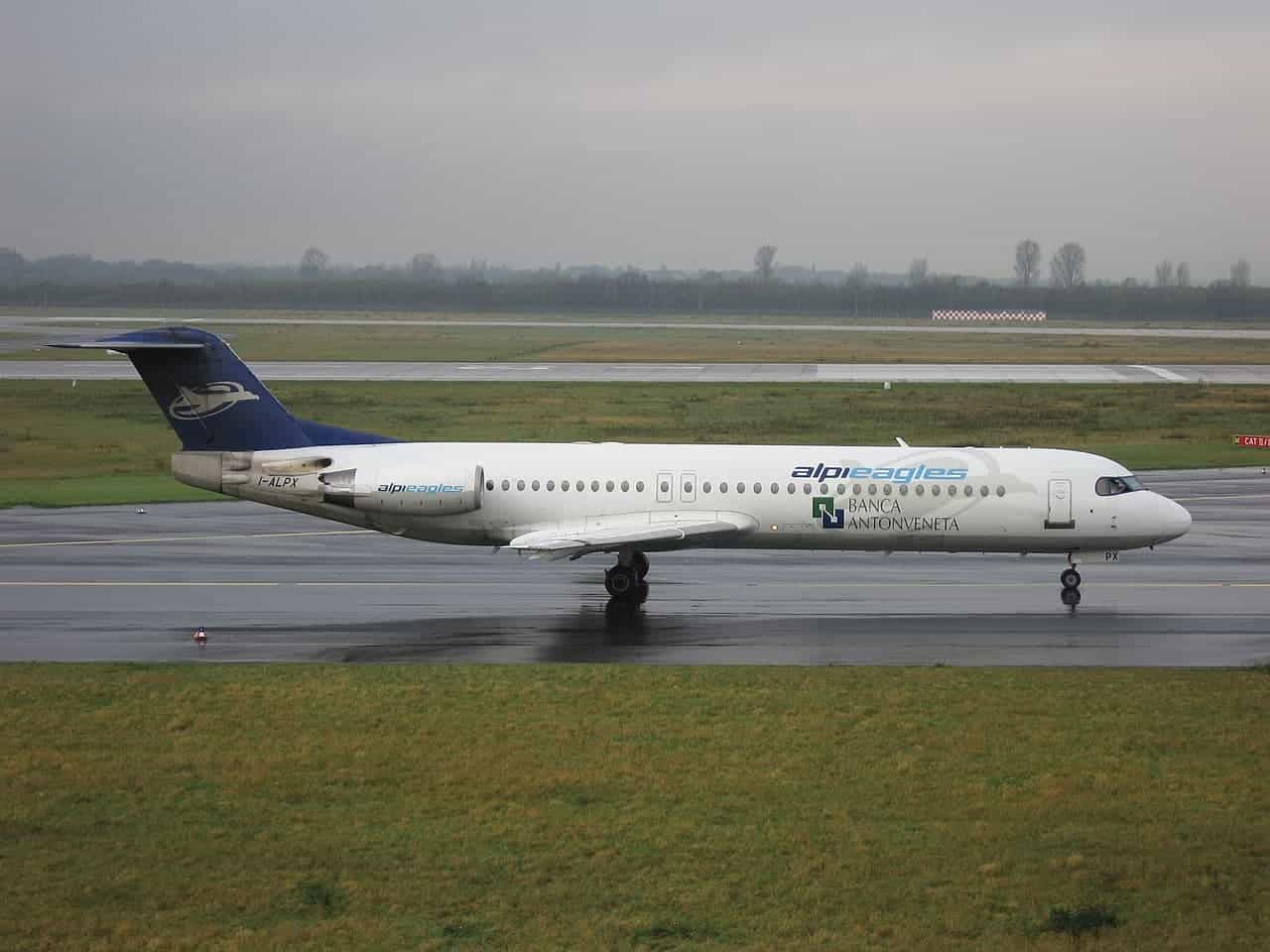
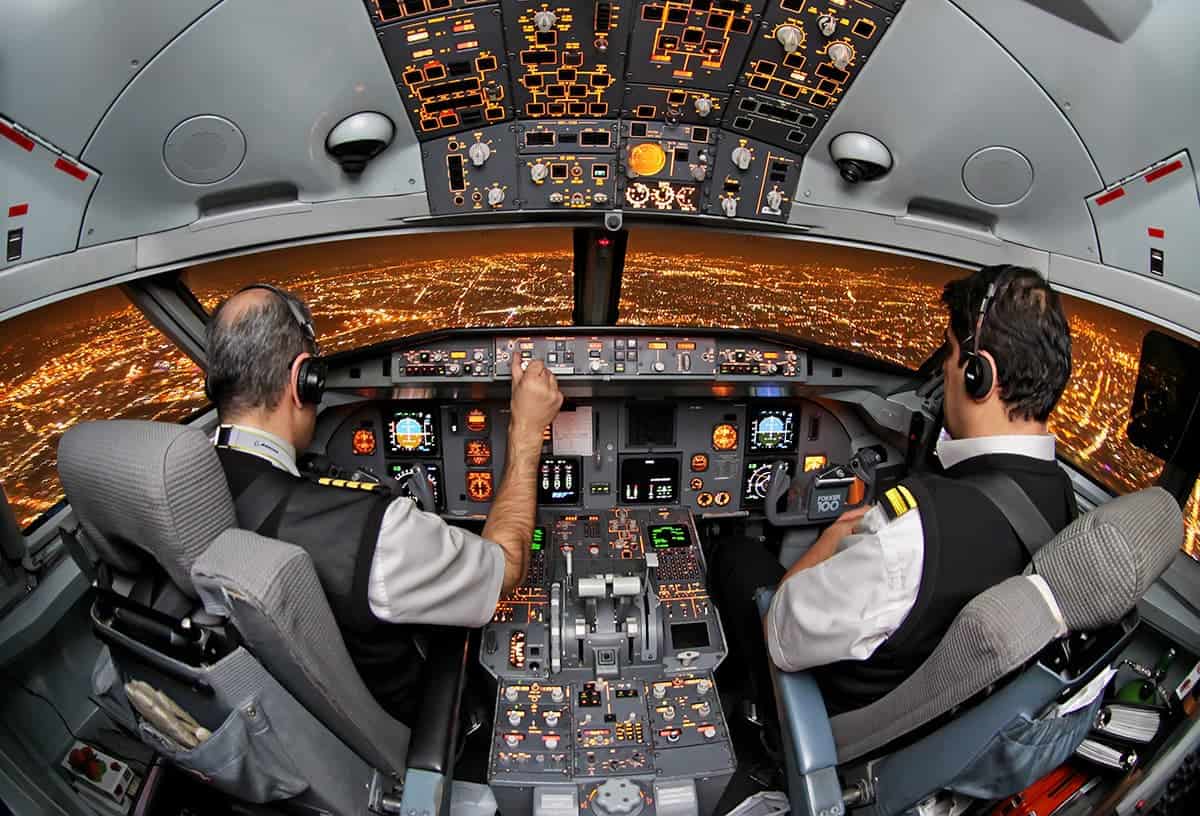
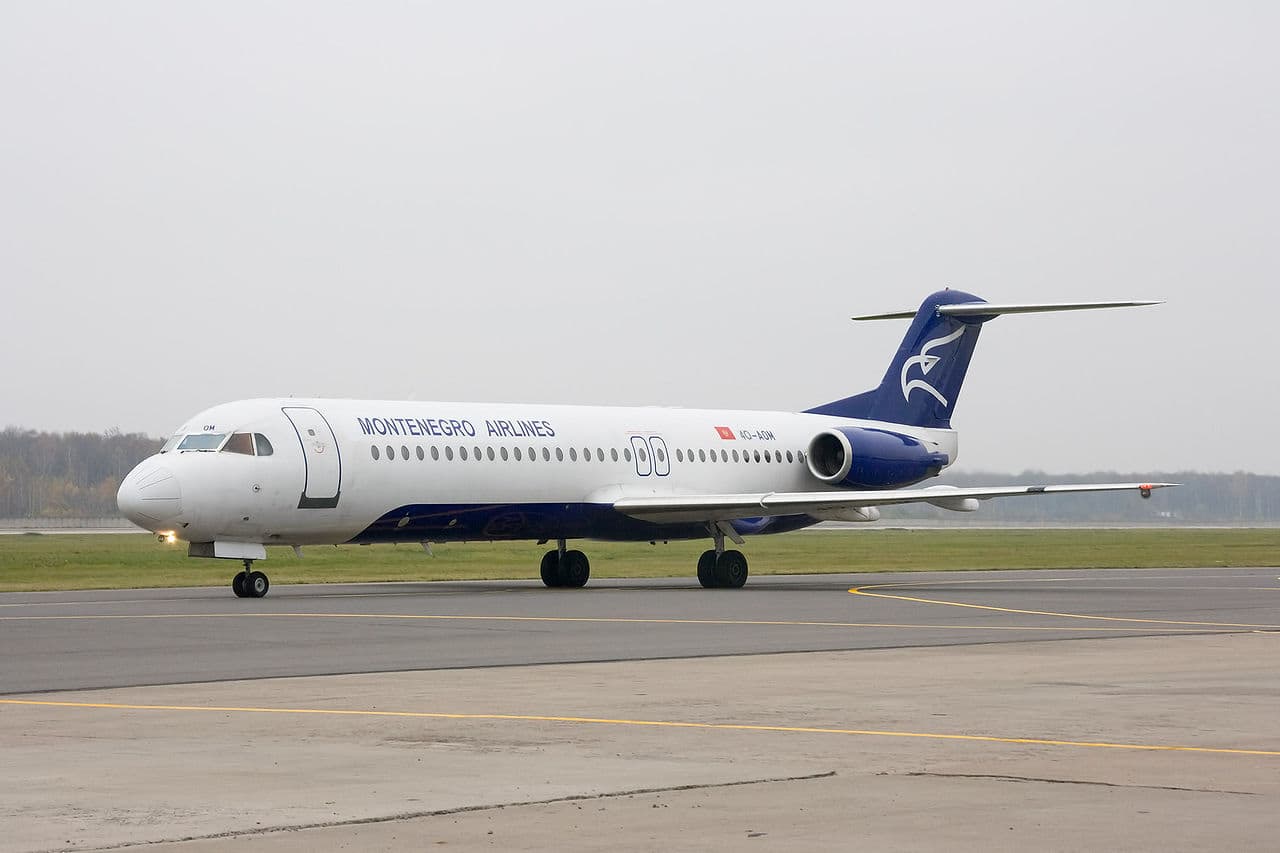
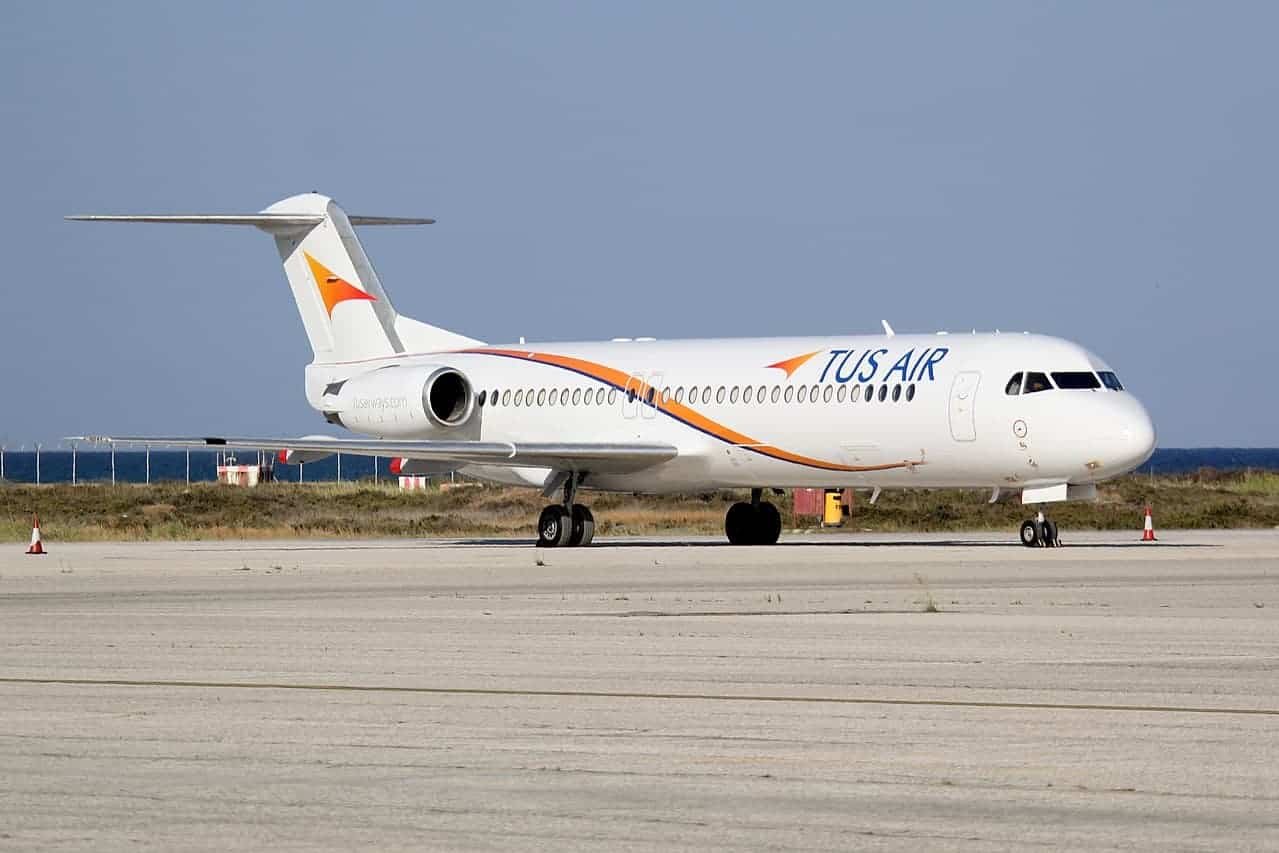
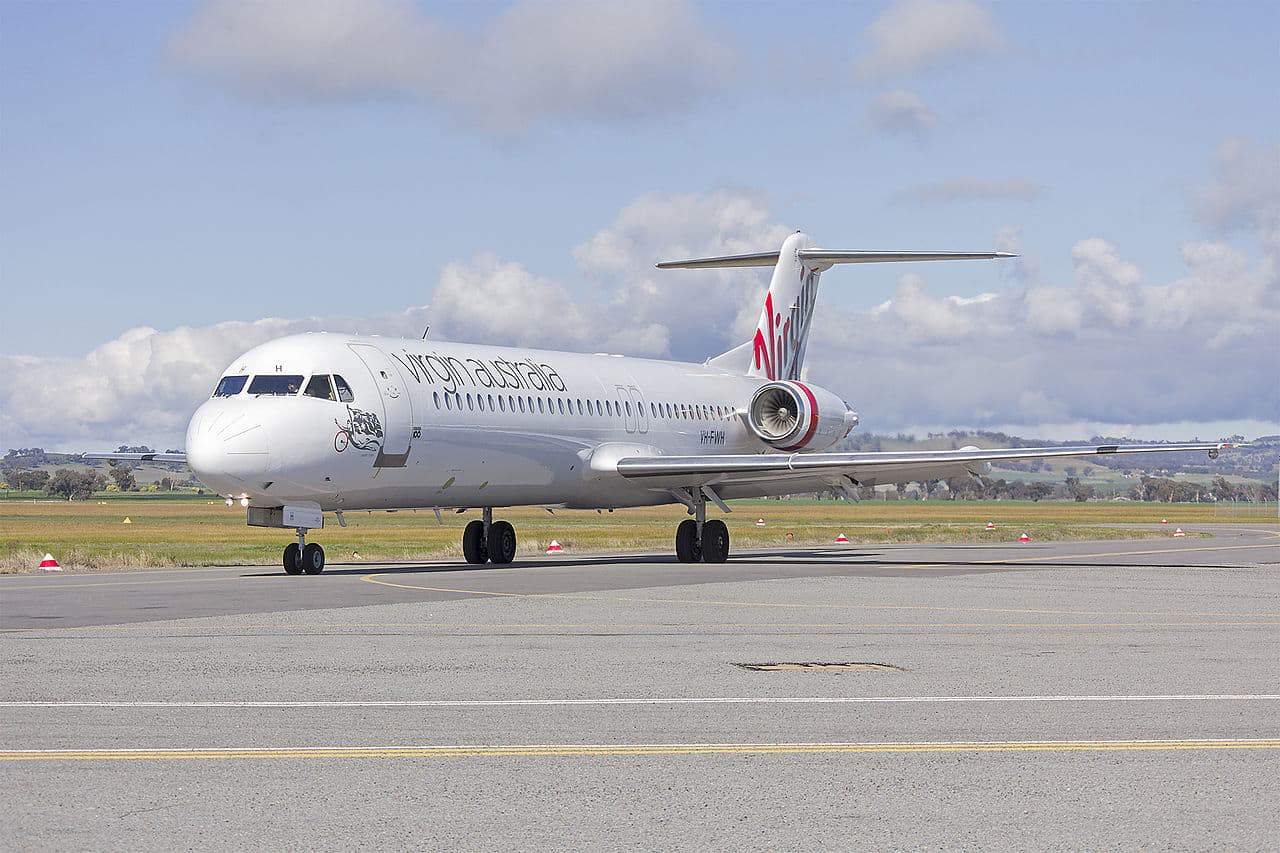
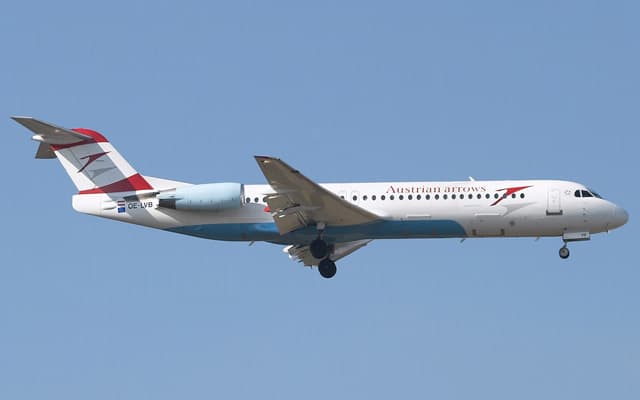
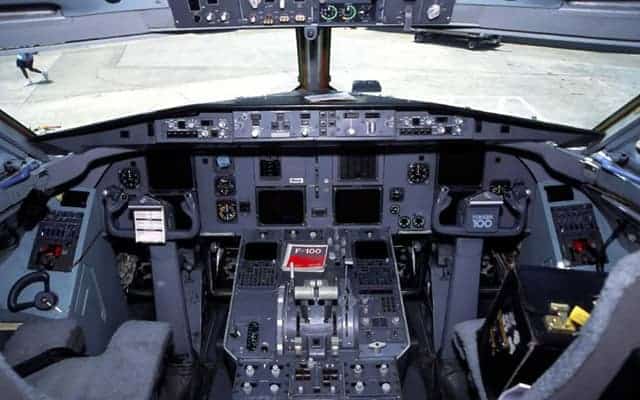
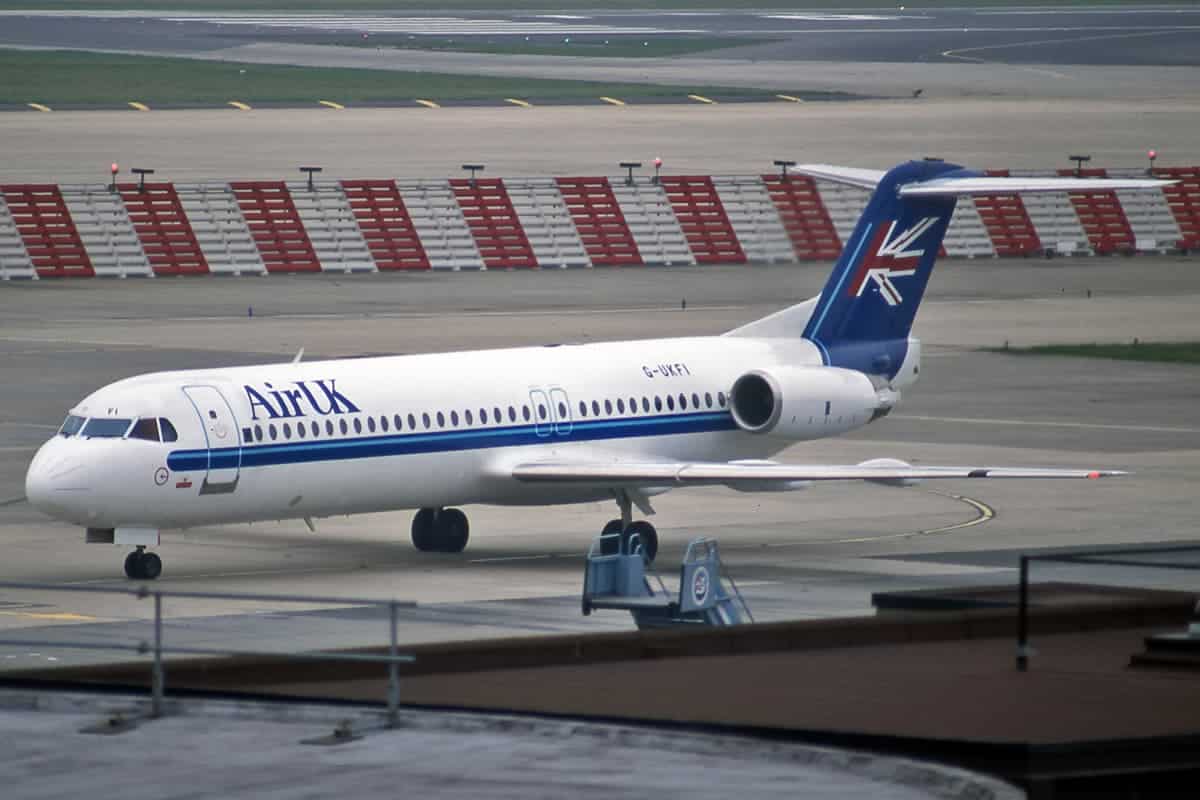
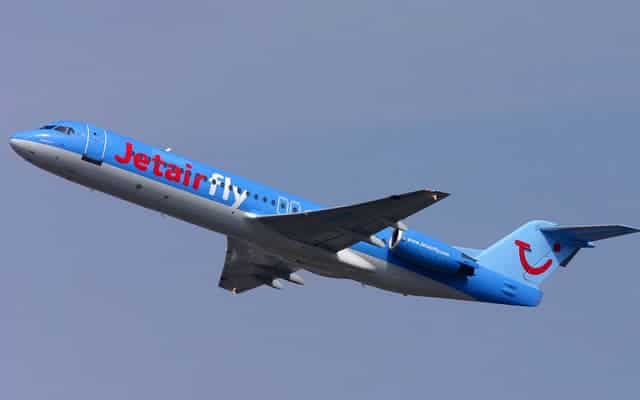
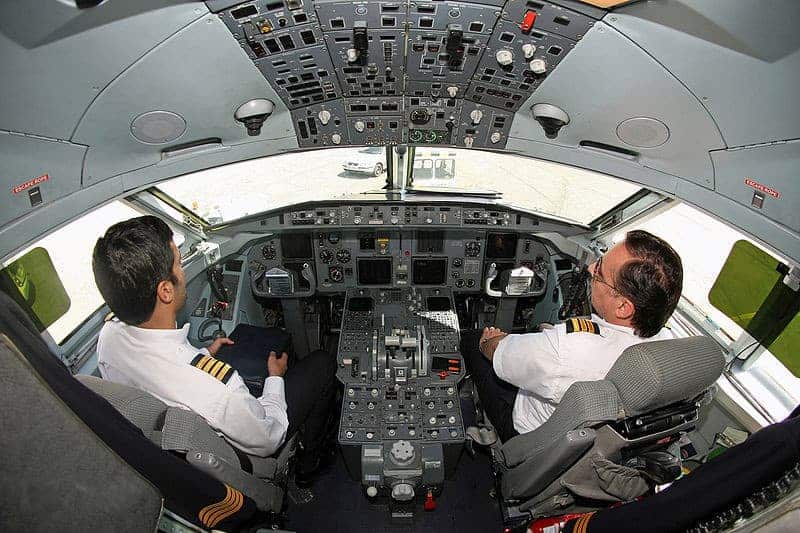
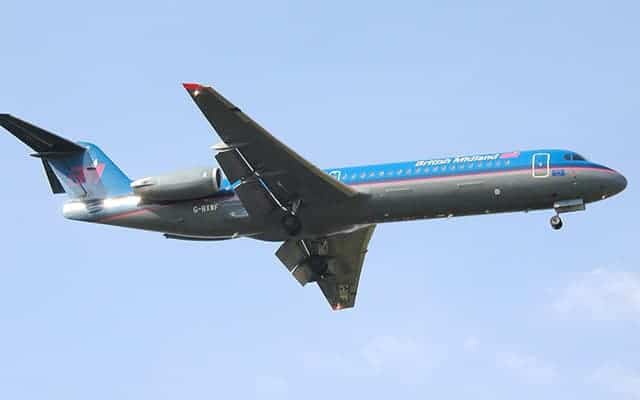
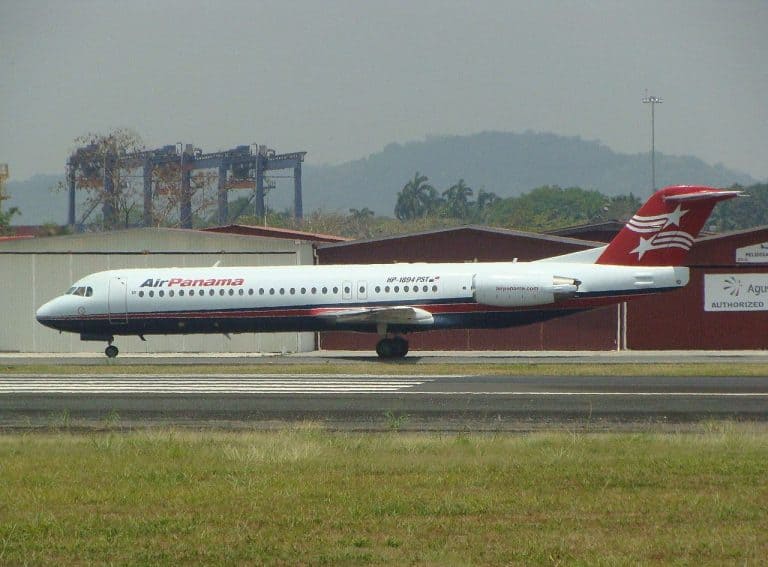


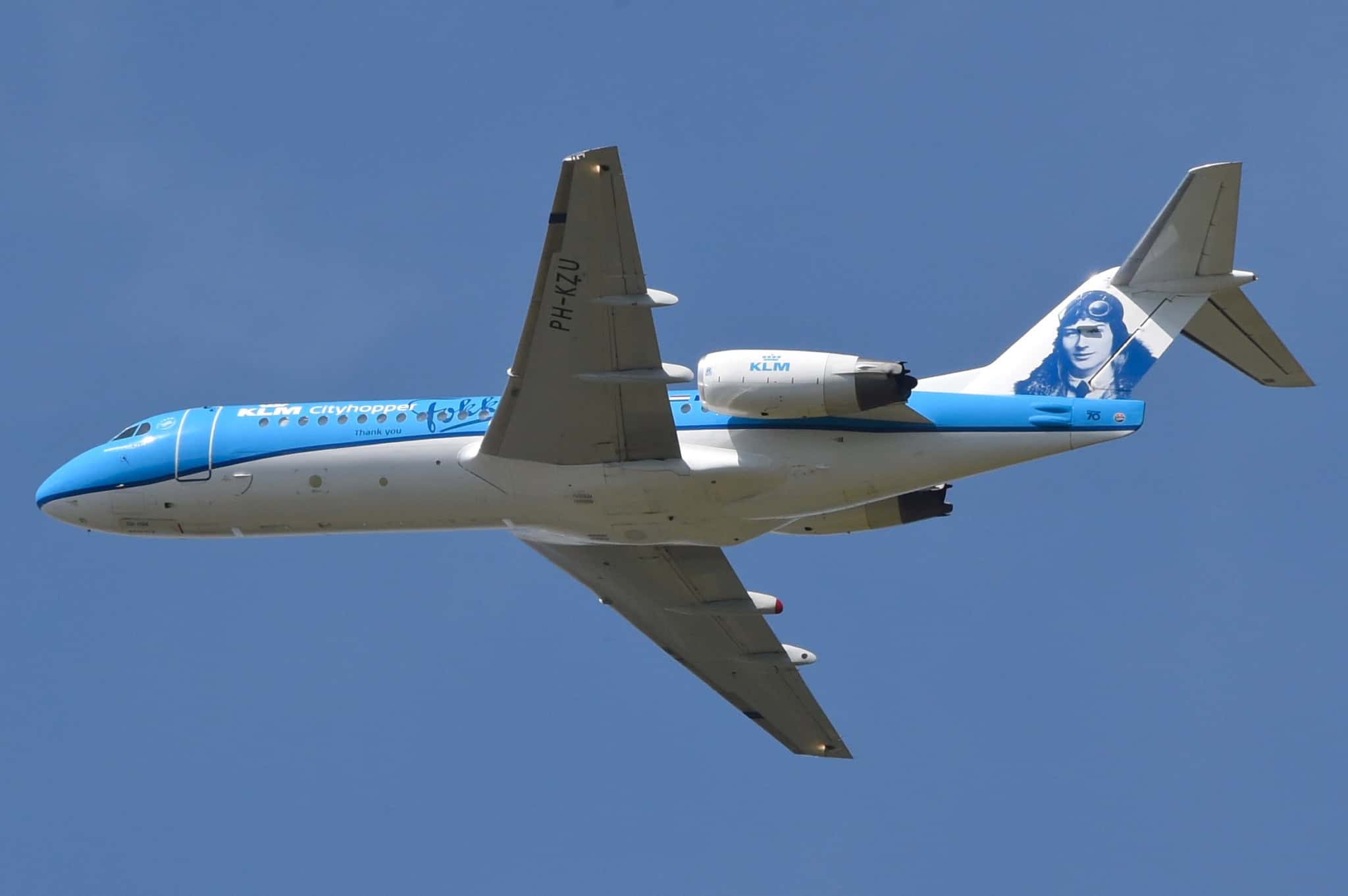
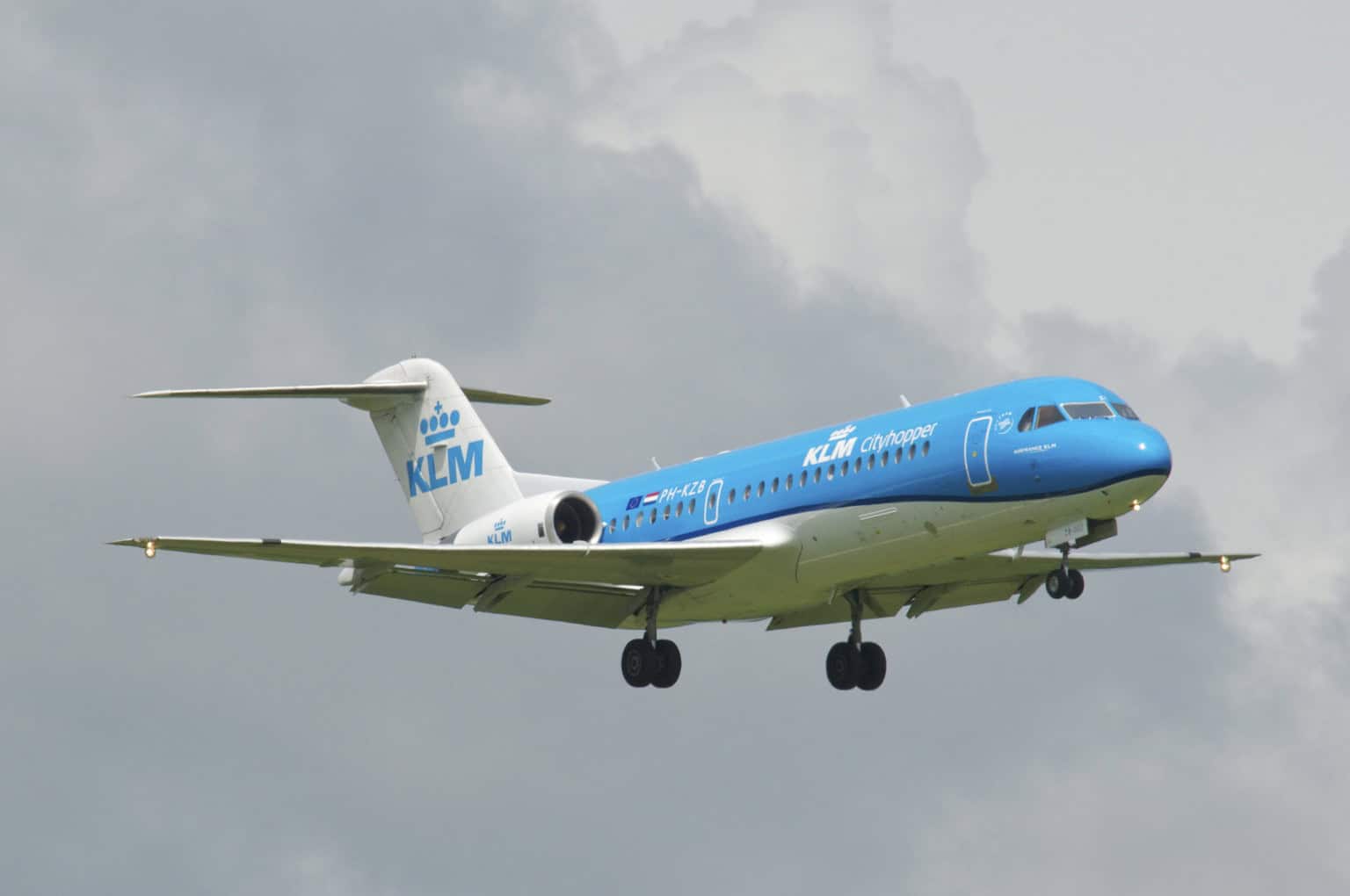
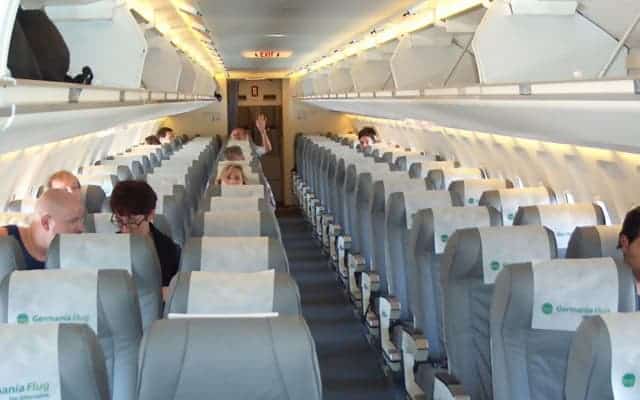
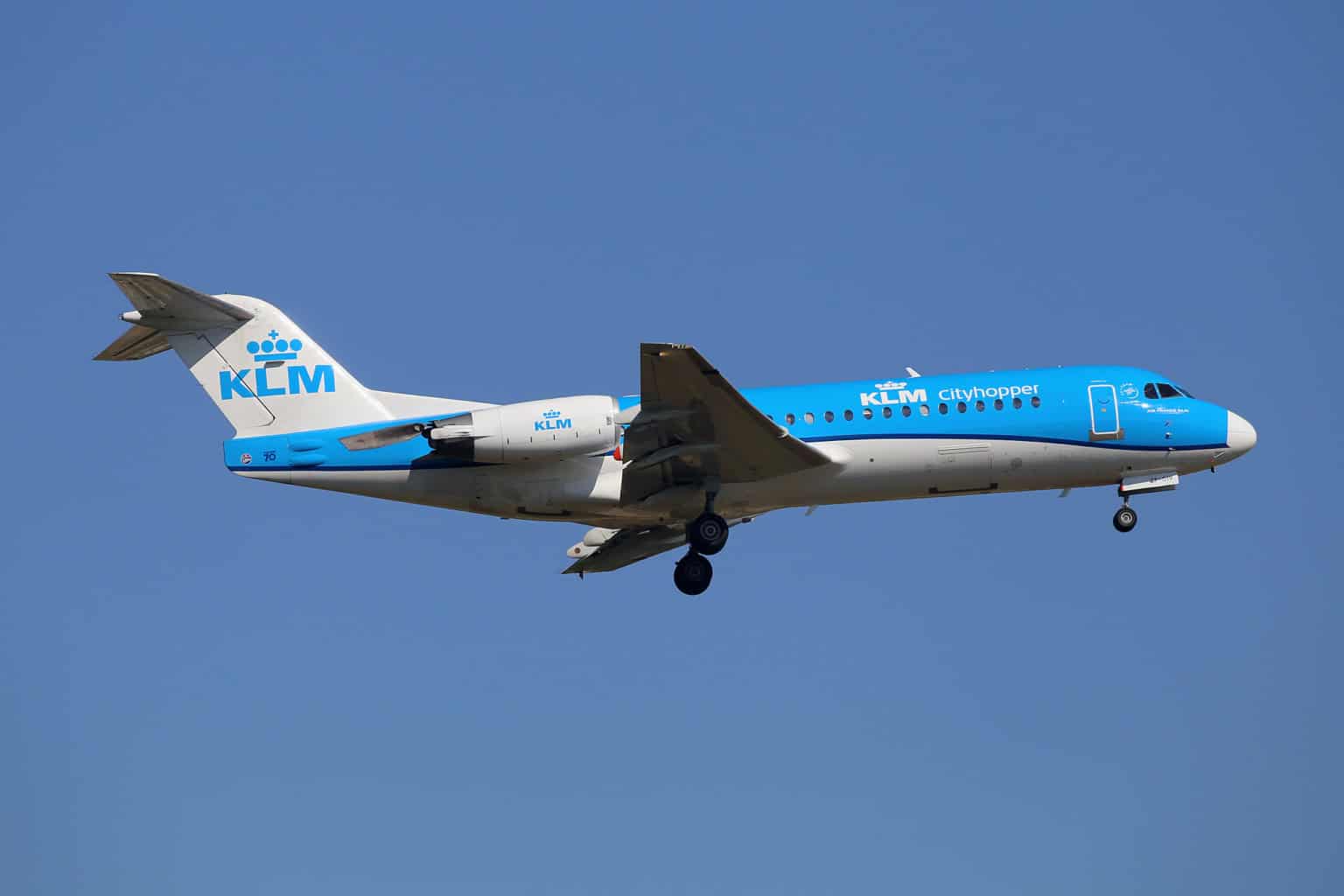
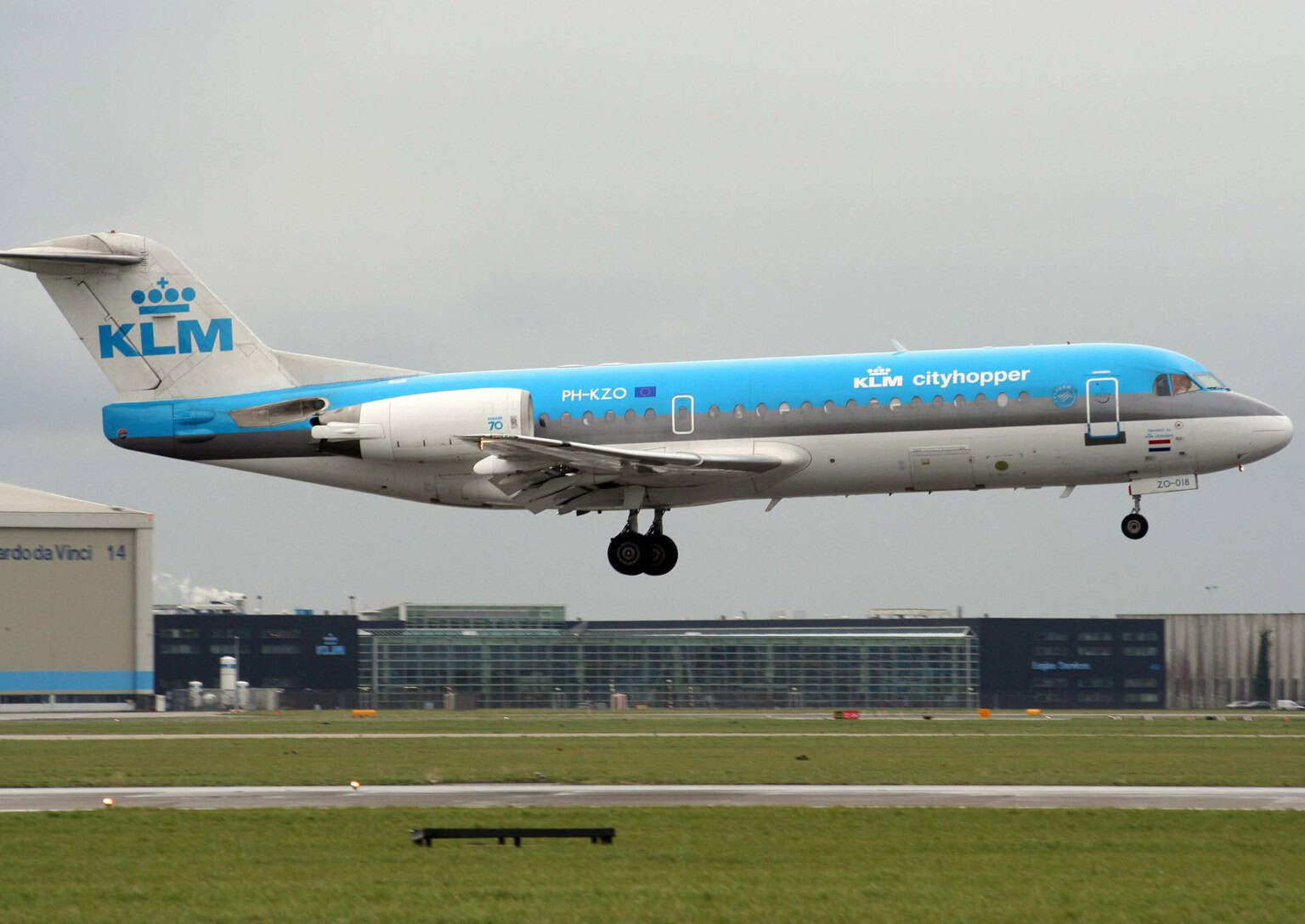
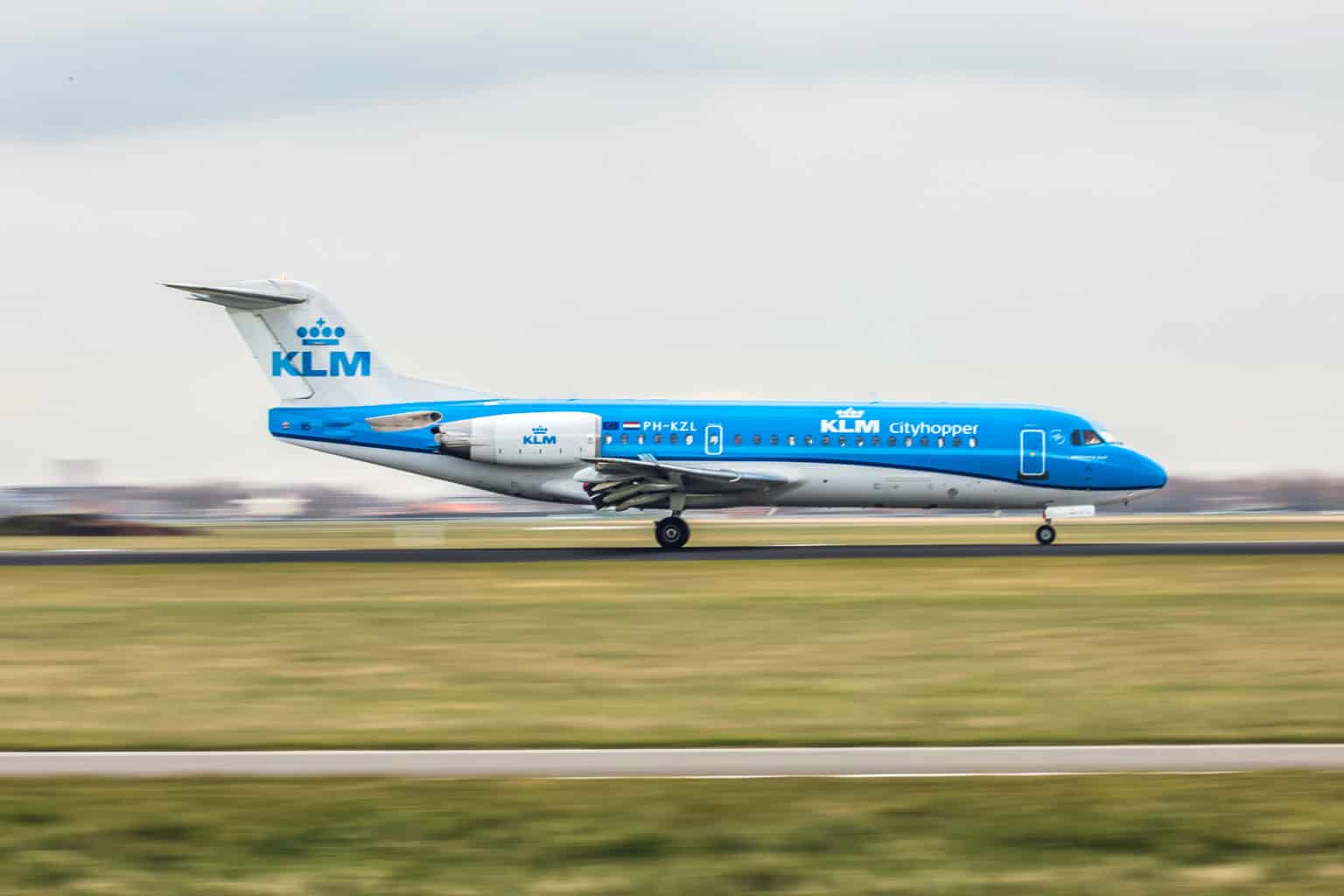
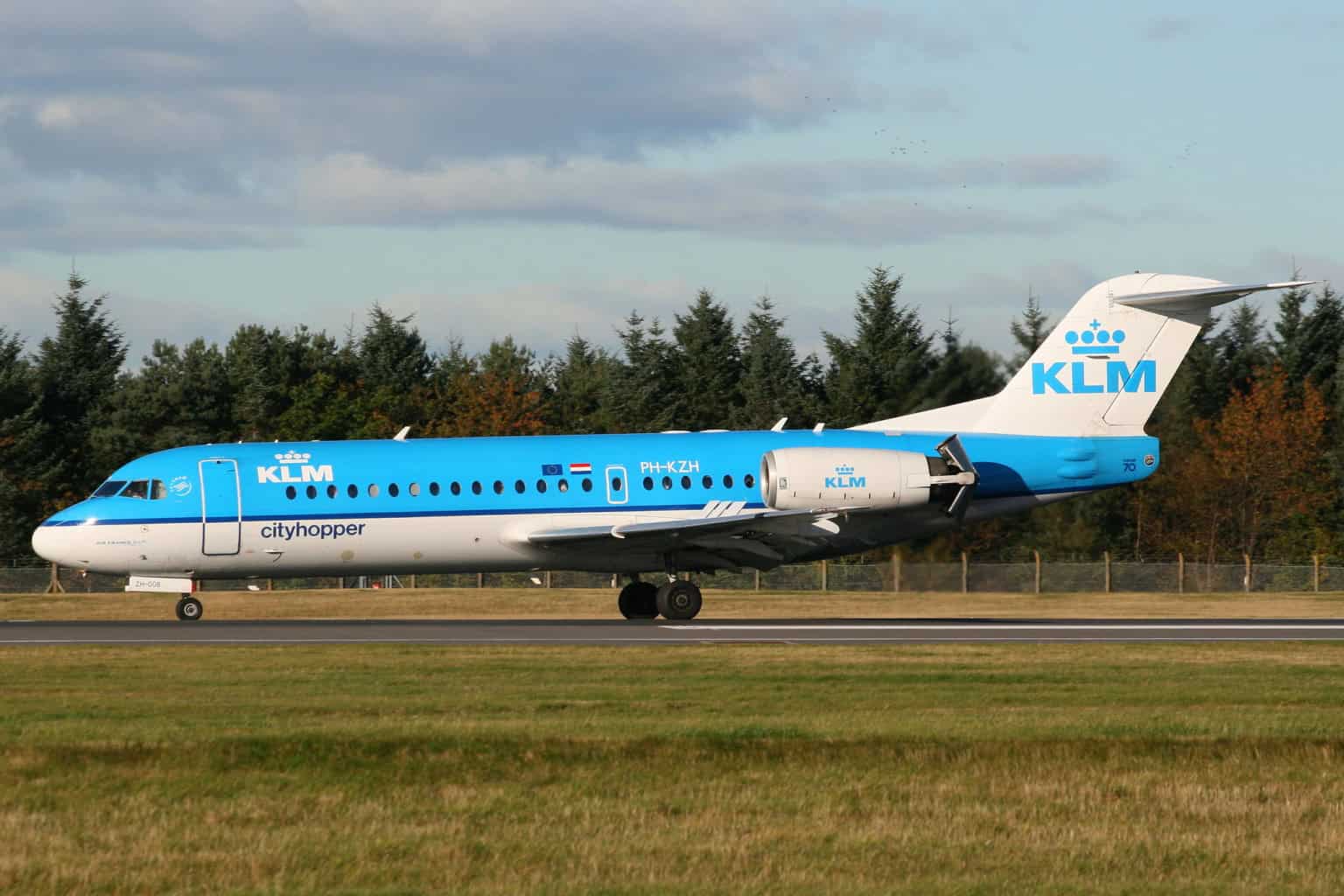


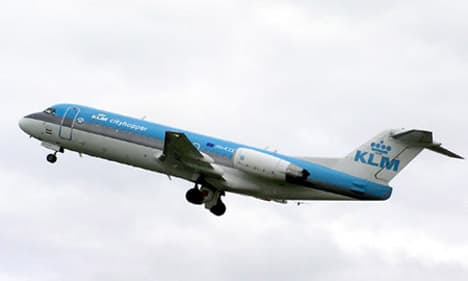
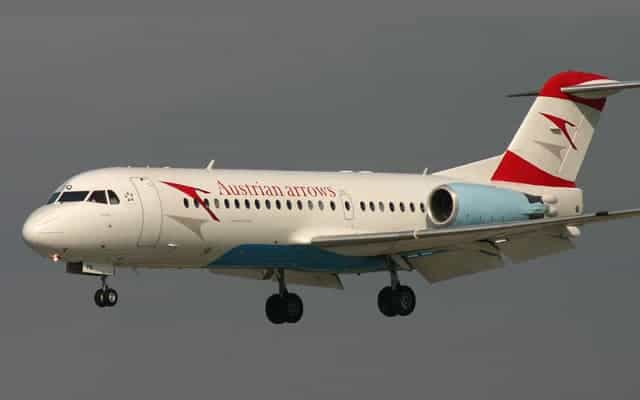
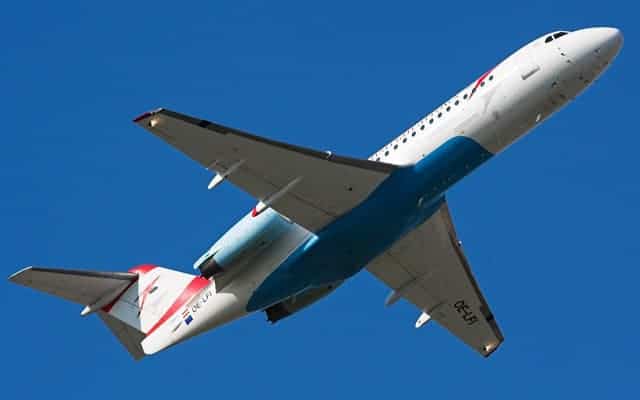
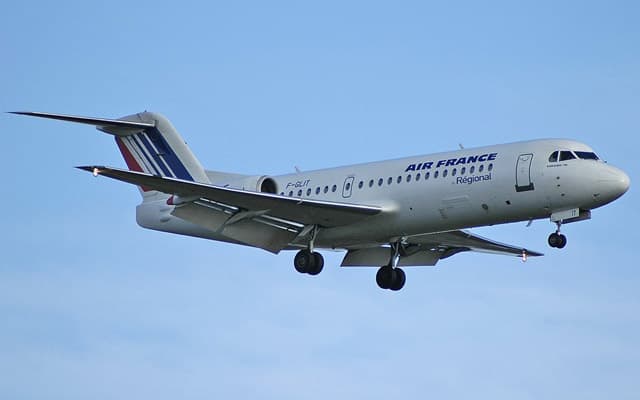
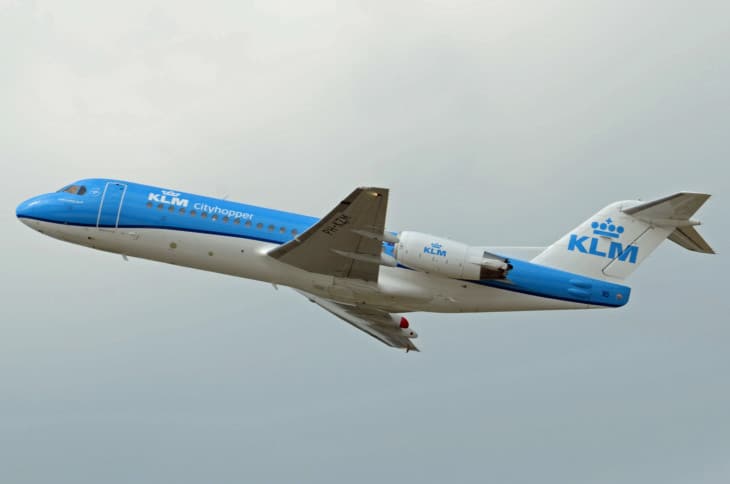
Fokker’s last airliner has a mid-table record: 14 hull losses in roughly 11.8 million departures, five of them fatal. It is a better aircraft than the F-28 that preceded it, which you will meet below.
Several dozen remain active more than a decade after Fokker stopped supporting them. Australia’s Alliance Airlines holds the largest fleet, flying charter and resource-sector work, with others in Iran and Papua New Guinea.
7 to 9: A300-600, 737 Classic and MD-80/-90


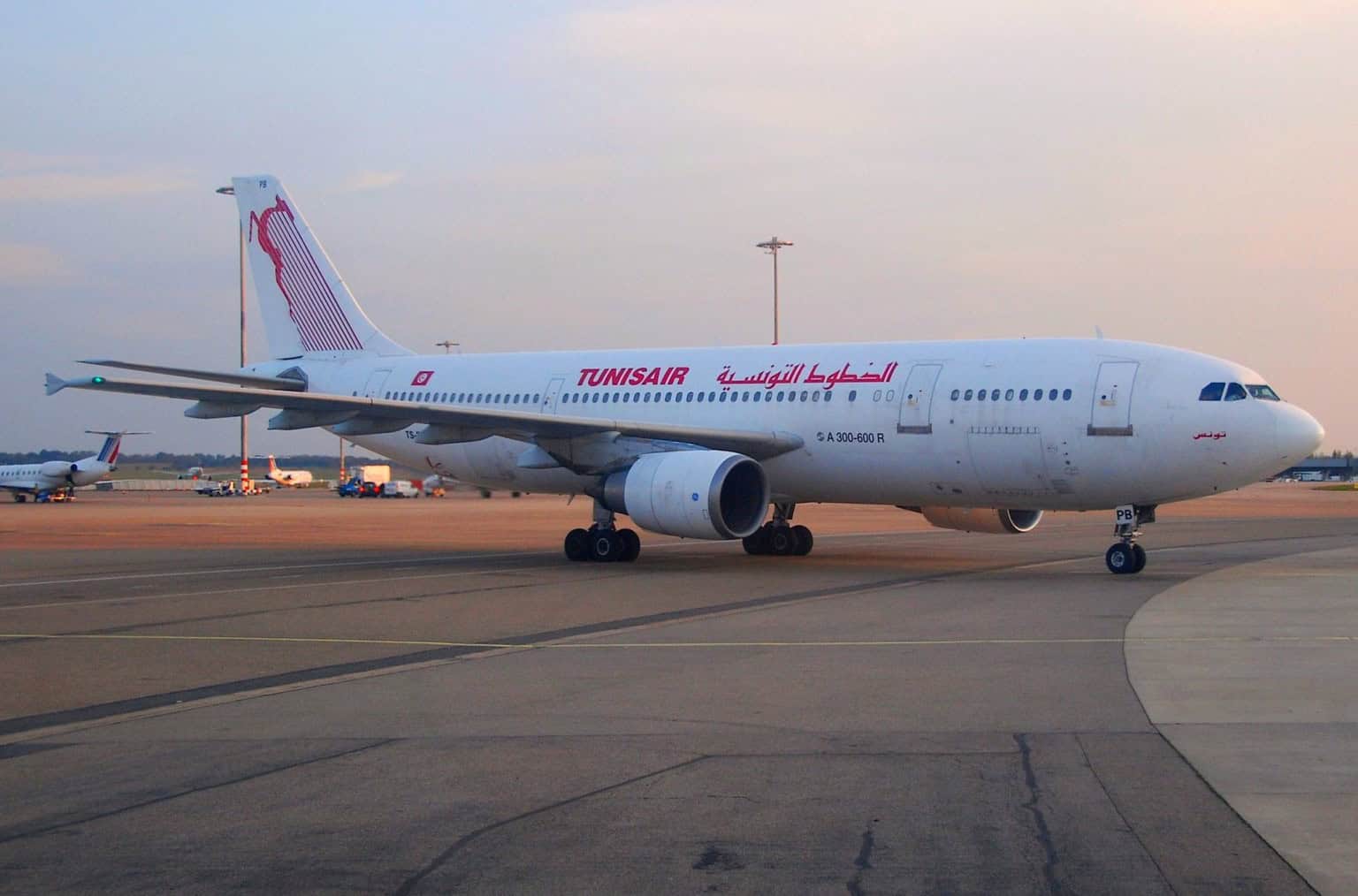


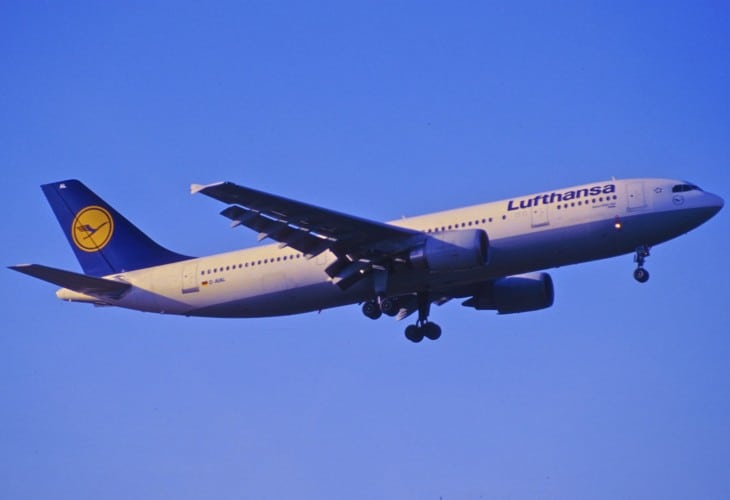
The bottom of the ranking is where “dangerous” stops meaning much. The A300-600 sits at 0.91, the 737-300/-400/-500 at 0.88 and the MD-80/-90 at 0.78 hull losses per million departures.
All three are common sights in freight. FedEx alone still operated 58 A300-600s at the end of its 2026 financial year, and 737 Classics haul parcels worldwide, so read more about the fleets in our guide to types of cargo planes.
For comparison, the worldwide average across all jet types since 1959 is 1.05 hull losses per million departures. Everything from rank seven down is already better than the historical industry norm.
Why This Ranking Is Unfair to Old Aircraft
Here is the problem with every list like this one, including this one. Lifetime accident rates punish aircraft for the decade they flew in, not for how they were designed.
The 737-200, the DC-9 and the 727 accumulated their losses in the 1960s, 1970s and 1980s, when the entire industry crashed vastly more often. Boeing’s own data shows the worldwide hull loss rate fell 58 percent between the last two decades alone.
A 1968 jet is charged for every accident of the pre-TCAS, pre-GPWS, pre-CRM era. A 2015 jet is not, because it never flew then. The scoreboard is measuring calendar time as much as engineering.
Longevity is not the same as decay, either. Some of the oldest military planes in service have flown for 60 years and more without their safety record collapsing, because what keeps an airframe safe is the maintenance program around it.
The correction almost nobody makes
If you rebuilt a 737-200 today and flew it with 2026 avionics, 2026 procedures and 2026 crews, its accident rate would not look like 1.76. Much of what these old numbers record is the safety system of the era, not the aluminum. That is the single biggest reason to treat any lifetime ranking of airliners as a history lesson rather than a risk assessment.
What Is the Worst Commercial Aircraft Ever Built?
Drop the “still flying” condition and the answer changes. The worst safety record of any individual jet airliner belongs to the Fokker F28 Fellowship, at 4.62 hull losses and 2.31 fatal hull losses per million departures.
Forty-two F28s were destroyed out of 241 built. That is roughly one in six airframes lost, in only nine million departures across the whole fleet.
The F28 is also why “worst ever” and “worst still flying” are different questions. It is effectively gone from commercial service, with the last examples flying for Argentina’s state carrier LADE.
| Aircraft | Hull losses | Fatal hull losses | Hull loss rate |
|---|---|---|---|
| First-generation jets, all retired | 392 | 211 | 5.65 |
| Fokker F28 Fellowship | 42 | 21 | 4.62 |
| McDonnell Douglas MD-11 | 11 | 6 | 3.41 |
| DC-10 / MD-10 | 28 | 12 | 2.98 |
| Airbus A300 | 17 | 4 | 2.69 |
| Airbus A310 | 12 | 9 | 2.52 |
| Boeing 737-100/-200 | 103 | 51 | 1.76 |
| McDonnell Douglas DC-9 | 91 | 48 | 1.45 |
| Boeing 727 | 96 | 55 | 1.25 |
The line at the top is the real answer to “worst ever”. Taken together, the first jet airliners were written off at 5.65 per million departures, more than five times today’s average, and killed someone in 3.04 of those.
Which Aircraft Has the Worst Safety Record?
Among all Western jet airliners, the Fokker F28. Among types still in commercial service, the MD-11 by hull loss rate and the A310 by fatal hull loss rate.
If you mean deadliest by body count rather than rate, the answer is different again and mostly reflects fleet size. The Boeing 737 family in all its generations has killed more people than any other airliner because it has flown more flights than any other airliner.
That is the trap in the question. “Worst safety record” and “most deaths” point at different aircraft, and only the first one tells you anything about the airplane.
Why the A350 shows up on other people's danger lists
Boeing’s table gives the Airbus A350 a rate of 0.46, which looks alarming next to the A320’s 0.17, and at least one widely-shared article has ranked the A350 as the passenger jet with the worst safety record. It is a counting artifact. The A350 has exactly one hull loss, Japan Airlines 516 at Haneda in January 2024, and all 379 people aboard the A350 got out alive. The five deaths were on the Coast Guard turboprop it struck on the runway, and Boeing counts external fatalities. Divide one event by a small number of accumulated flights and a very safe aircraft posts a bad-looking rate.
The Aircraft People Think Are Dangerous But Are Not
Several aircraft with fearsome reputations have safety records at or near the top of the industry. Three of them appeared on the previous version of this list, and the data does not support their inclusion.
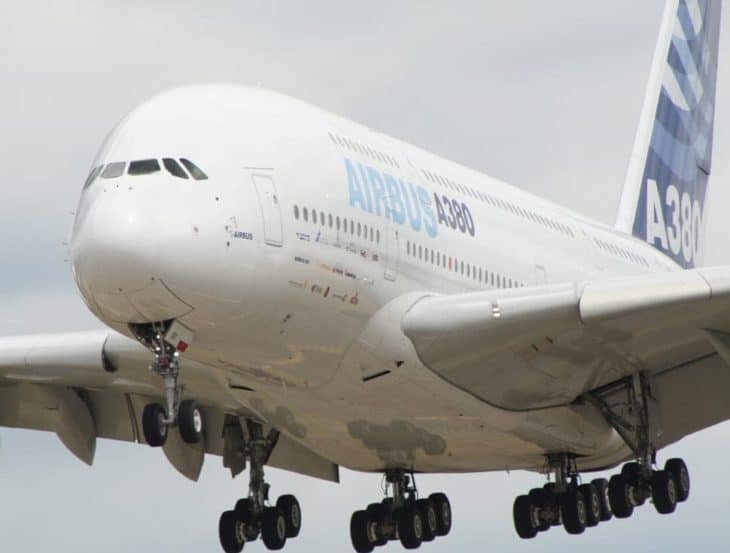
The Airbus A380 has a perfect record. Not one has been destroyed in commercial service, despite the uncontained engine failure on Qantas 32 in 2010 that could easily have ended differently. It remains the biggest of the largest commercial airplanes ever to carry passengers.
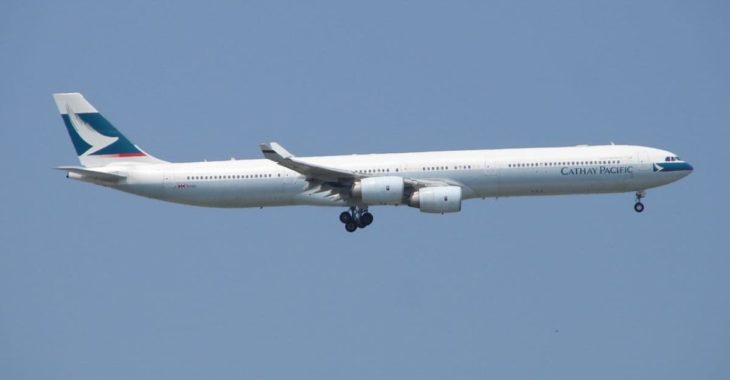
The Airbus A340 has never had a fatal hull loss in its entire career. Two airframes have been written off, both without a single death, including Air France 358 at Toronto in 2005 where all 309 aboard escaped a burning aircraft.
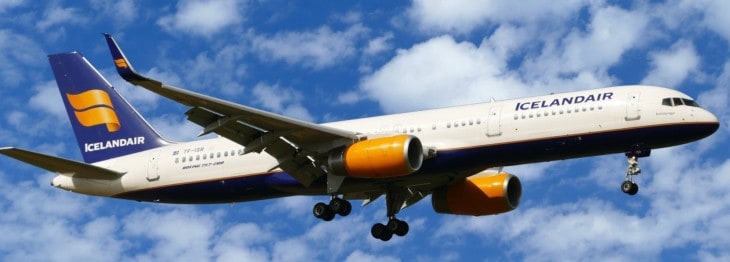
The Boeing 757 sits at 0.28 hull losses per million departures, better than most jets of its generation. Being slow to deplane is not a safety defect.
| Aircraft | Hull losses | Fatal hull losses | Hull loss rate |
|---|---|---|---|
| Airbus A220 / C Series | 0 | 0 | 0.00 |
| Boeing 717 | 0 | 0 | 0.00 |
| Boeing 787 Dreamliner | 0 | 0 | 0.00 |
| Airbus A380 | 0 | 0 | 0.00 |
| Airbus A330neo | 0 | 0 | 0.00 |
| Airbus A320neo family | 1 | 1 | 0.04 |
| Bombardier CRJ-700/-900/-1000 | 2 | 1 | 0.09 |
| Boeing 737NG | 23 | 11 | 0.16 |
| Airbus A320ceo family | 32 | 14 | 0.17 |
| Embraer E170/E175/E190 | 6 | 1 | 0.17 |
| Boeing 757 | 8 | 6 | 0.28 |
| Airbus A330 | 6 | 2 | 0.36 |
| Boeing 777 | 4 | 2 | 0.36 |
| Airbus A340 | 2 | 0 | 0.56 |
The pattern is generational, not national. Every clean-sheet design since the late 1990s is clustered at or below 0.4, whoever built it.
What Boeing’s Numbers Leave Out
Boeing’s dataset covers Western-built jet airliners only. It excludes Soviet and Russian types, every turboprop, and Chinese and Japanese designs, which is exactly where several genuinely troubling records live.
These aircraft cannot be ranked on the same scale, because nobody publishes verified departure counts for them. Comparing their crash totals to Boeing’s rates would be dishonest, so they are described here instead of ranked.
Soviet and Russian jets
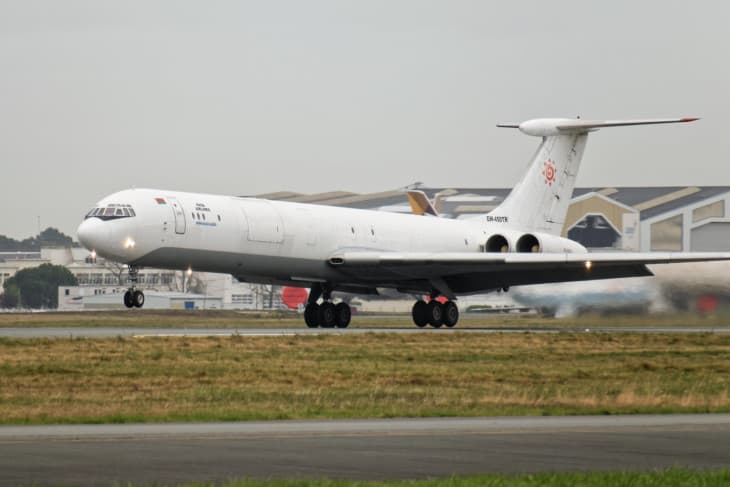
The Ilyushin Il-62 has a poor record by any reading, but it is barely a live question in 2026. North Korea’s Air Koryo is essentially the only operator still using them for scheduled passenger flights.
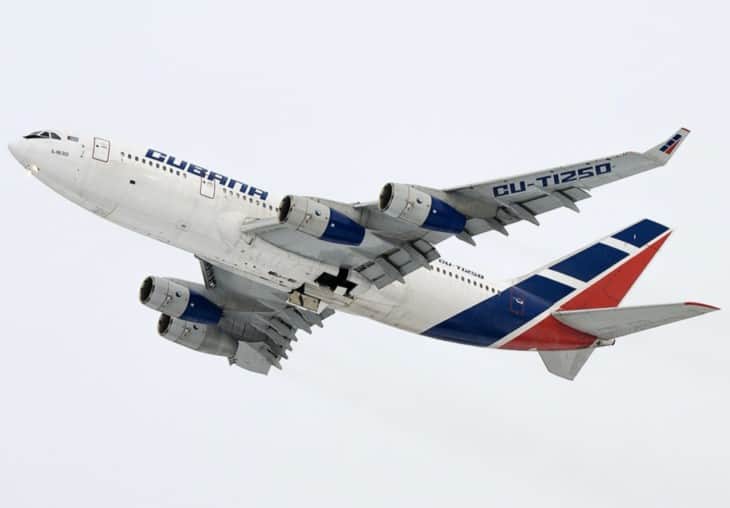
The Ilyushin Il-96 is the surprise. It has never suffered a fatal accident in passenger service, which is why it carries the Russian president. It is a commercial failure, not a dangerous aircraft.
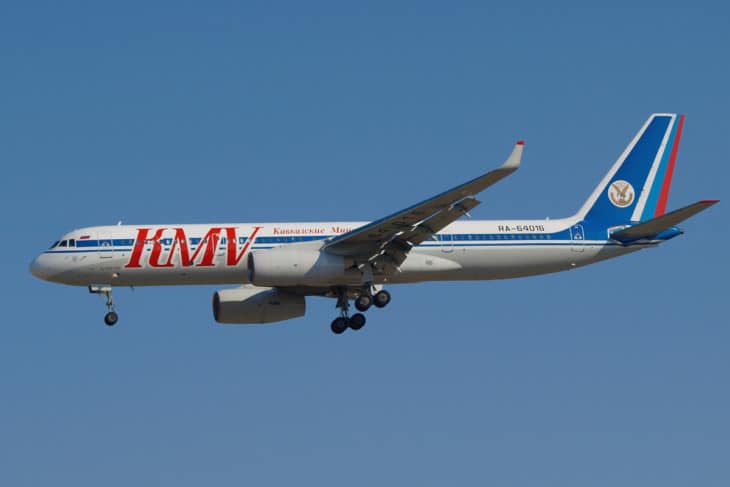
The Tu-204 has had a handful of hull losses from a small fleet, which makes its rate look bad on thin evidence. It was never FAA certified because no operator ever applied to fly one into the United States, not because regulators inspected it and refused.
Turboprops and regional types
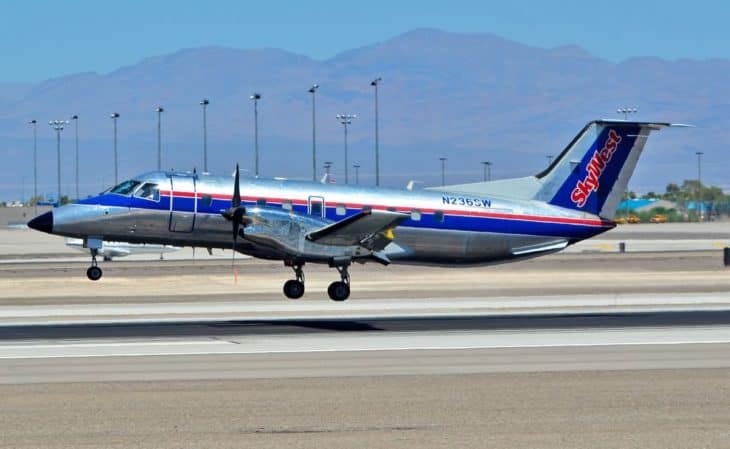
The Embraer EMB-120 Brasilia is often called dangerous on the strength of one accident: Continental Express 2574, which broke up over Texas on September 11, 1991, killing all 14 aboard.
The NTSB found that 47 screws attaching the left horizontal stabilizer’s leading edge had been removed during overnight maintenance and never replaced. That is a shift-handover failure, not an aircraft defect.
The ATR 72 draws the same suspicion after Yeti Airlines 691 in 2023 and TransAsia 235 in 2015. Its family hull loss rate of roughly 0.44 per million departures is ordinary for a turboprop of its generation, and most of its accidents trace to crew or icing, not design.
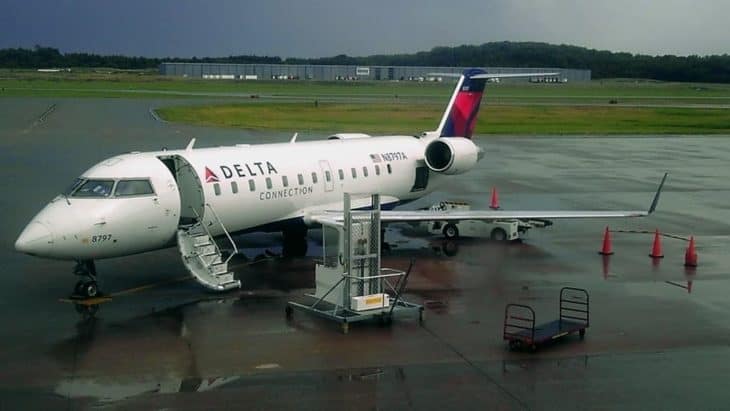
The Bombardier CRJ-200 belongs in a different category entirely. It is genuinely unpleasant, with a low ceiling and small windows, but discomfort is not danger and its record is unremarkable.
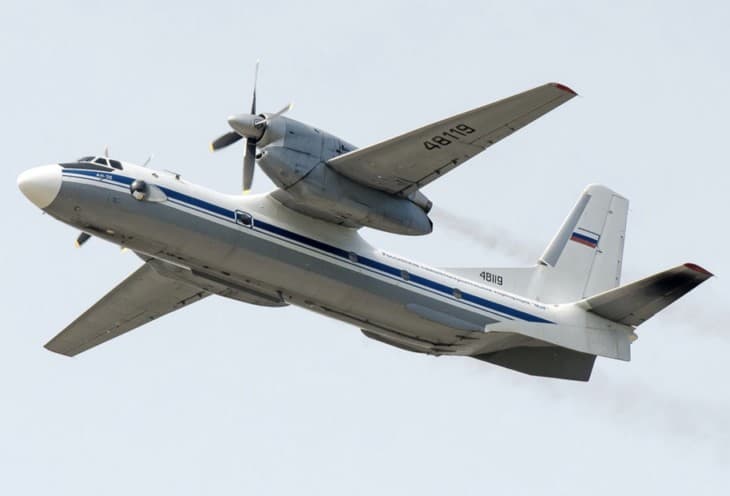
The Antonov An-32 is a real outlier, but the aircraft is only half the story. It is a military transport flown as civil cargo by lightly regulated operators into the worst airstrips on earth, some of which appear in our guide to the hardest airports to land at.
Chinese types
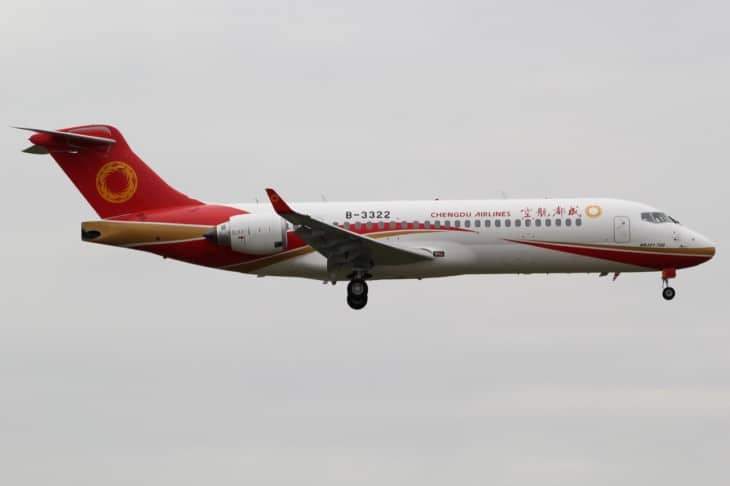
COMAC’s regional jet is frequently listed as one of the worst aircraft flying, usually on the basis that it is old-fashioned and was built in small numbers. Both claims have aged badly.
The aircraft was renamed the C909 at Airshow China in November 2024. Around 150 have been delivered since 2016, carrying more than 17 million passengers, and it has had no fatal accidents.
COMAC’s larger C919 entered airline service in May 2023, not 2021, and is now flying in numbers with the big three Chinese carriers. Both types are covered in our roundup of the newest commercial airplanes.
Is the Boeing 737 MAX Still Dangerous?
The 737 MAX sits at 0.27 hull losses per million departures, all of them fatal: Lion Air 610 in 2018 and Ethiopian 302 in 2019, which together killed 346 people and grounded the fleet worldwide for 20 months.
That number is higher than the 737NG it replaced, at 0.16, and much higher than the A320neo at 0.04. It is also a rate computed from two accidents, both caused by the same MCAS flaw, both before the fix.
The MAX has flown roughly 7.4 million departures with no hull loss since returning to service. The statistical case that it is now a normal aircraft grows stronger every year, and the full story is in our account of the 737 MAX crisis.
The Aircraft Matters Less Than Who Is Flying It
Here is the finding that should end most of these arguments. The gap between aircraft types is small next to the gap between the places they operate.
Over 2016 to 2025, Boeing recorded a hull loss rate of 0.19 per million departures across North America, Central America and the Caribbean. Over the same decade in Western and Central Africa the figure was 11.63.
That is a factor of about 61, flying largely the same aircraft. No type on this page differs from another by anything remotely like that margin.
What actually drives the risk
Maintenance standards, crew training, regulatory oversight, terrain and airport infrastructure explain far more of the variation in airline safety than the badge on the tail. An A310 flown to European standards is safer than a brand-new jet flown to poor ones. If you want a single question to ask about a flight, ask who is operating it and where, not what they are operating.
The encouraging part is the direction of travel. Even Western and Central Africa cut its hull loss rate from 48.38 in 1996 to 2005 down to 11.63 in the most recent decade, and recorded no fatal accidents at all across those ten years.
The picture across the whole industry is the same one: fewer accidents, on far more flights. We covered the mechanics of that in why planes are safe and the specific crashes that forced the changes in the flights that changed aviation.
FAQ
Sources and references used for research and fact-checking.
- The Boeing Company, Statistical Summary of Commercial Jet Airplane Accidents, Worldwide Operations 1959-2025
- National Transportation Safety Board, NTSB to Hold Two-Day Investigative Hearing on November 2025 UPS Cargo Airplane Crash in Kentucky
- FreightWaves, UPS won't resurrect MD-11 fleet after deadly crash, takes $137M charge
- U.S. Securities and Exchange Commission, FedEx Corporation Form 10-K, fiscal year ended May 31 2026
- Federal Aviation Administration, Lessons Learned, Continental Express Flight 2574, Embraer EMB-120RT, N33701
- FlightGlobal, Nolinor introduces another 737-200 approaching half-century in service
- FlightGlobal, Comac formally rebrands ARJ21 as C909
Get the Newsletter
The latest aviation news and stories sent to your inbox.
About the Author

Tim is the owner and lead editor of AeroCorner since 2019, overseeing aviation content covering aircraft, airlines, airports, and the broader aviation industry. Through years of researching, writing, editing, and publishing aviation-focused content, he has developed extensive practical knowledge of commercial aviation and air travel. Based in Asia and a frequent traveler himself, Tim also brings firsthand passenger experience to AeroCorner’s coverage. Outside of publishing, he has also explored aviation firsthand through hands-on flight training in New Zealand.