

Table of Contents
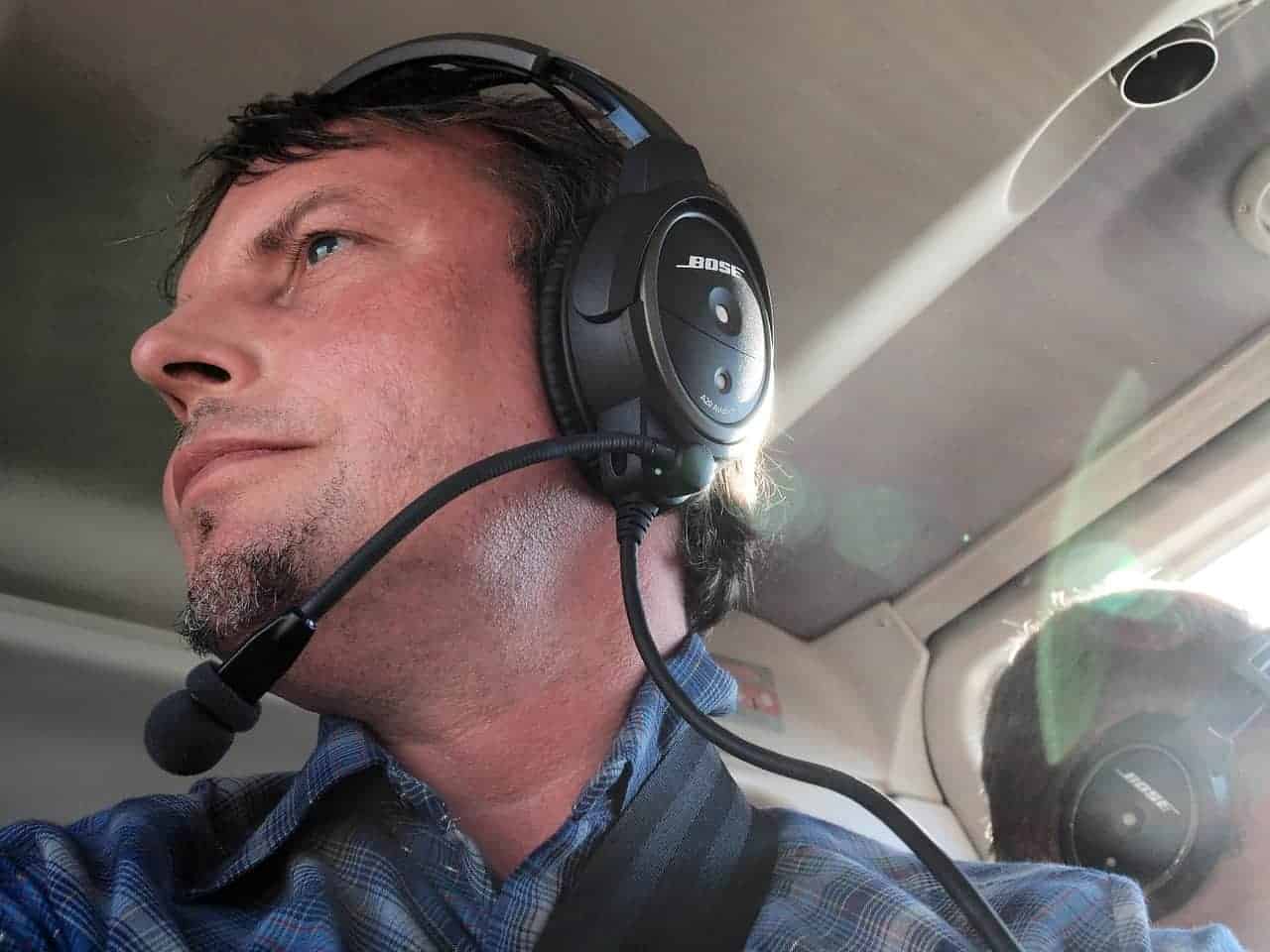
The best aviation headset for most pilots in 2026 is the Bose A30: three levels of active noise reduction, 45+ hours on two AA batteries, and a lighter clamp than the A20 it replaced. The Lightspeed Zulu 4 is the best value at the top end, and the David Clark H10-13.4 is still the best passive headset you can buy.
Below are 12 picks from about $100 to $1,300, each matched to a type of flying. Every weight, battery figure, warranty and price comes from the manufacturer or a major pilot shop, checked in October 2026.
One thing first, because the internet gets it wrong: the FAA does not require a private pilot to wear a TSO-certified headset. That and the other buying traps are covered after the reviews.
AeroCorner is a participant in the Amazon Services LLC Associates Program. We earn from qualifying purchases made through links on this page, at no extra cost to you.
| Headset | Best for | Type | Weight | Warranty | Price |
|---|---|---|---|---|---|
| Bose A30 | Best overall | ANR, around-ear | 14.2 oz (404 g) | 5 years | $1,299 |
| Lightspeed Zulu 4 | Best value premium ANR | ANR, around-ear | 14.6 oz (414 g) | 7 years | $1,099 |
| Lightspeed Delta Zulu | CO detector, rechargeable | ANR, around-ear | 14.9 oz (422 g) | 7 years | $1,299 |
| David Clark DC ONE-X | Longest battery life | ANR, around-ear | 12.3 oz (349 g) | 5 years | $1,020 |
| David Clark DC PRO-X2 | Lightweight on-ear ANR | ANR, on-ear | 7.5 oz (213 g) | 5 years | $925 |
| Lightspeed Sierra | ANR under $800 | ANR, around-ear | 16 oz (454 g) | 5 years | $749 |
| Bose ProFlight Series 2 | Airline and jet pilots | ANR, in-ear | 4.5 oz (128 g) | 5 years | $1,099 |
| Rugged Air RA950 | Budget ANR | ANR, around-ear | 15.2 oz (431 g) | 7 years | $499 |
| FARO AIR | Lightest headset | Passive, in-ear | 1 oz (28 g) | 3 years | $390 to $420 |
| David Clark H10-13.4 | Best passive | Passive, around-ear | 16.5 oz (468 g) | 5 years | About $370 |
| KORE Aviation KA-1 | Students on a budget | Passive, around-ear | 1.3 lb (590 g) | 5 years | $225 |
| Rugged Air RA200 | Cheapest worth buying | Passive, around-ear | 16.2 oz (460 g) | 7 years | $100 |
How we picked
We did not lab-test these headsets. Each pick is ranked on what the published specs say about noise reduction, weight, battery life, warranty and price, then matched to the flying it suits best. Where a manufacturer’s own pages disagree, we use the figure on its spec sheet and say so.
The best aviation headsets in 2026, reviewed
1. Bose A30: best aviation headset overall
Check the Bose A30 (Bluetooth, dual GA plugs) on Amazon
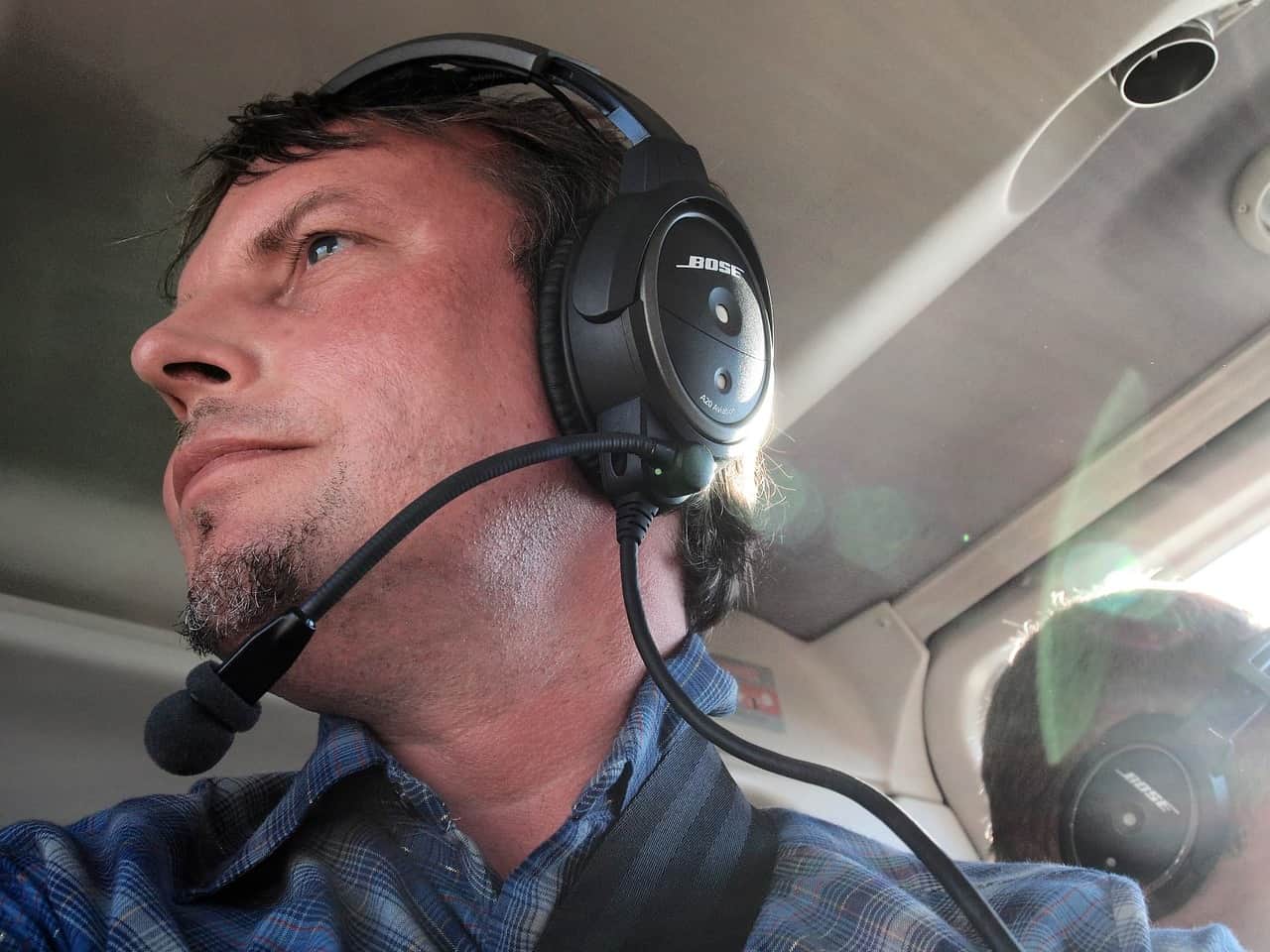
Bose released the A30 in 2023 as the successor to the A20, its previous flagship. The A20 is now discontinued and sells used only.
The A30’s biggest change is comfort. Bose cut the clamping force by 20% compared with the A20, and the headset weighs 14.2 oz (404 g) on the head.
You get three user-selectable noise cancellation levels (low, medium and high) and a tap control that lets you hear the cabin without taking the headset off. Two AA batteries last 45+ hours, or 25+ hours with Bluetooth running.
It comes in every common plug: dual general aviation plugs, 6-pin LEMO panel power, 5-pin XLR for Airbus cockpits, and U-174 for helicopters. It carries FAA TSO-C139a approval and a five-year warranty.
Key specs: 14.2 oz (404 g), 3 ANR modes, 45+ hours on 2 AA batteries, Bluetooth optional, 5-year warranty, $1,299.
2. Lightspeed Zulu 4: best value premium ANR headset
Check the Lightspeed Zulu 4 (GA dual plugs) on Amazon
Lightspeed announced the Zulu 4 in July 2025 as the update to the Zulu 3, which had been on sale since 2017. It costs $200 less than the Bose A30 and carries a longer warranty: seven years against five.
The headline change is FrameFit, tapered foam ear seals designed to seal around the arms of glasses and the band of a cap. If you fly in sunglasses, this is the headset to try first.
It also gains dual Bluetooth, so a phone and an EFB tablet can stay connected at once. Lightspeed says outgoing Bluetooth calls carry up to 90% less background noise, and the mic boom is 10% longer.
The Zulu 3 is still sold new at $949, a reasonable buy if you don’t need the new seals.
Key specs: 14.6 oz (414 g), 2 AA batteries, dual Bluetooth, 7-year warranty, $1,099.
3. Lightspeed Delta Zulu: best for safety features
See the Delta Zulu at Lightspeed Aviation (it is not sold on Amazon)
The Delta Zulu has a carbon monoxide sensor built into the headset. It gives audible and visual alerts at preset or user-set thresholds. Carbon monoxide has no smell, so a sensor at your ear is a sensible extra in a piston airplane.
It also runs on a rechargeable lithium-ion pack or AA batteries, and Lightspeed’s HearingEQity feature tunes the audio to your own hearing profile. At $1,299 it matches the Bose A30 on price.
Key specs: 14.9 oz (422 g), lithium-ion or AA power, Bluetooth, CO sensor, 7-year warranty, $1,299.
4. David Clark DC ONE-X: best battery life
Check the David Clark DC ONE-X on Amazon
The DC ONE-X is David Clark’s flagship around-ear headset, and at 12.3 oz (349 g) without the cord it is the lightest premium around-ear headset here on the makers’ figures. It runs up to 50 hours on two AA batteries, the longest claimed battery life on this list, shared with the PRO-X2.
David Clark calls its noise cancellation ENC (electronic noise cancelling) rather than ANR, but it does the same job. Bluetooth is built in, it is TSO-C139a approved, and it comes with a five-year warranty plus a 30-day money-back guarantee.
Key specs: 12.3 oz (349 g), up to 50 hours on 2 AA batteries, Bluetooth, 5-year warranty, $1,020 for dual plugs.
5. David Clark DC PRO-X2: best lightweight on-ear headset
Check the David Clark DC PRO-X2 on Amazon
The PRO-X2 sits on the ear rather than around it, which drops the weight to 7.5 oz (213 g). It is the lighter option for pilots who find around-ear cups hot or tiring.
It shares the ONE-X’s 50-hour battery life and five-year warranty, and comes with or without Bluetooth. List price is $925.
Key specs: 7.5 oz (213 g), up to 50 hours on 2 AA batteries, Bluetooth optional, 5-year warranty, $925.
6. Lightspeed Sierra: best ANR headset under $800
Check the Lightspeed Sierra on Amazon
The Sierra is the cheapest way into Lightspeed’s ANR. Lightspeed rates it at an average of 40 hours on two AA batteries, and it has Bluetooth.
The trade-offs are weight and warranty. At 16 oz (454 g) it is heavier than the Zulu 4, and it carries five years of cover instead of Lightspeed’s usual seven.
Key specs: 16 oz (454 g), about 40 hours on 2 AA batteries, Bluetooth, 5-year warranty, $749.
7. Bose ProFlight Series 2: best for airline and jet pilots
Check the Bose ProFlight Series 2 (dual plug) on Amazon

The ProFlight Series 2 is an in-ear ANR headset that weighs 4.5 oz (128 g). Bose builds it for jet aircraft and markets it to airline, corporate and regional pilots in pressurized cockpits.
It keeps the A30’s three noise cancellation modes and runs at least 45 hours on two AA batteries in the dual-plug version. It is TSO-C139a approved and has a five-year warranty.
In a loud piston single, most pilots will be happier with an around-ear headset. In a quiet jet flight deck over a four-day trip, the low weight wins.
Key specs: 4.5 oz (128 g), 3 ANR modes, 45+ hours on 2 AA batteries, Bluetooth, 5-year warranty, $1,099.
8. Rugged Air RA950: best budget ANR headset
Check the Rugged Air RA950 on Amazon
The RA950 brings active noise reduction down to $499, less than half the price of the premium headsets. It weighs 15.2 oz (431 g) and uses an EM56 noise-cancelling microphone.
Rugged Air backs it with a seven-year warranty, as long as Lightspeed’s. Rugged Air headsets are now sold by Rugged Radios.
Key specs: 15.2 oz (431 g), ANR plus 24 dB passive rating, EM56 mic, 7-year warranty, $499.
9. FARO AIR: lightest aviation headset
The FARO AIR is a passive in-ear headset that weighs 1 oz (28 g). Instead of electronics, it relies on ear tips sealing the ear canal, and FARO claims up to 50 dB of noise reduction.
It has a music input, no Bluetooth, and a three-year warranty. It suits pilots who find any headband uncomfortable and don’t mind an in-ear fit.
Key specs: 1 oz (28 g), passive in-ear, music input, 3-year warranty, $390 to $420.
10. David Clark H10-13.4: best passive headset
Check the David Clark H10-13.4 on Amazon

The H10-13.4 is the classic green David Clark headset. It has no electronics at all, so there is nothing to charge and nothing to fail.
It carries a 23 dB noise reduction rating and weighs 16.5 oz (468 g) without the cord. David Clark backs it with five years of cover, and it sells for about $370.
Key specs: 16.5 oz (468 g), 23 dB NRR, passive, 5-year warranty, about $370.
11. KORE Aviation KA-1: best headset for student pilots
Check the KORE Aviation KA-1 on Amazon
The KA-1 is a passive headset with a 24 dB noise reduction rating, slightly higher than the David Clark H10-13.4’s 23 dB, at well under its price. It uses silicone gel ear seals rather than foam.
A mono/stereo switch and a 3.5 mm music input are included, along with a five-year warranty. The catch is weight: at 1.3 lb (590 g) it is one of the heaviest headsets here.
Key specs: 1.3 lb (590 g), 24 dB NRR, gel ear seals, music input, 5-year warranty, $225.
12. Rugged Air RA200: cheapest headset worth buying
Check the Rugged Air RA200 on Amazon
At about $100, the RA200 is the headset to buy for a discovery flight, a passenger seat, or a spare for the flight bag. It has the same 24 dB rating as the KA-1 and a noise-reflective microphone.
It weighs 16.2 oz (460 g) and, unusually at this price, carries a seven-year warranty.
Key specs: 16.2 oz (460 g), 24 dB NRR, passive, 7-year warranty, $100.
ANR vs passive headsets: is active noise reduction worth it?
A passive headset blocks noise with clamping force and thick ear seals. An ANR headset adds microphones and electronics that generate sound to cancel the noise that gets past the seals.

The case for ANR is your hearing. The FAA puts the cockpit of a small single-engine airplane at 70 to 90 dB, and NIOSH recommends limiting exposure to 85 dBA over an eight-hour day.
That limit falls fast as noise rises. Under the NIOSH 3 dB rule, every 3 dB increase halves the safe exposure time, so a loud cockpit uses up the day’s allowance in a few hours.
What happens if the batteries die mid-flight?
Nothing dramatic. David Clark says its ENC headsets keep working as passive noise-attenuating headsets when the batteries run down, and the radio still comes through. You lose the extra quiet, not the communication.
For a student pilot on a tight budget, a good passive headset is enough to learn in. If you will fly for years, buying ANR once costs less than buying a passive headset and then upgrading.
Do you need a TSO-certified headset?
Not as a private pilot. A TSO is a minimum performance standard that the FAA approves for a manufacturer’s product, not a rule about what pilots must wear.
Myth: the FAA requires TSO headsets on every flight
It does not. Under 14 CFR 21.601, a TSO is a minimum performance standard for an article. Sporty’s sums up the Part 91 position plainly: there is no FAA oversight of what kind of headset is used in the cockpit. Airlines are different, because their own company policies often mandate TSO headsets.
Airline crews also face a microphone rule. Under 14 CFR 121.359, where the cockpit voice recorder records the boom mic, flight crew must use it below 18,000 feet.
Several of the premium headsets on this list, including the Bose A30, ProFlight Series 2, DC ONE-X and PRO-X2, carry TSO-C139a approval anyway.
What headset do airline pilots use?
Airlines often supply a standard headset on the flight deck, but many professional pilots buy their own. Bose, Telex and David Clark all build lightweight headsets specifically for turbine and jet cockpits.
Telex calls its passive Airman 750 the world’s most popular commercial aviation headset. Its battery-free Airman 8+ adds ANR at about 4.4 oz (125 g) and is aimed at commercial and business turbine aircraft.
Bose’s entry for that market is the ProFlight Series 2. David Clark’s DC JET-X is a 4.5 oz on-ear alternative at $685 that runs up to 50 hours on a single AA battery or on USB-C power, with a shorter three-year warranty.
Bose vs David Clark: which is better for pilots?
Neither wins outright. Bose’s strengths are comfort and control: the A30 clamps 20% more lightly than the A20, and both it and the ProFlight Series 2 offer three selectable ANR levels.
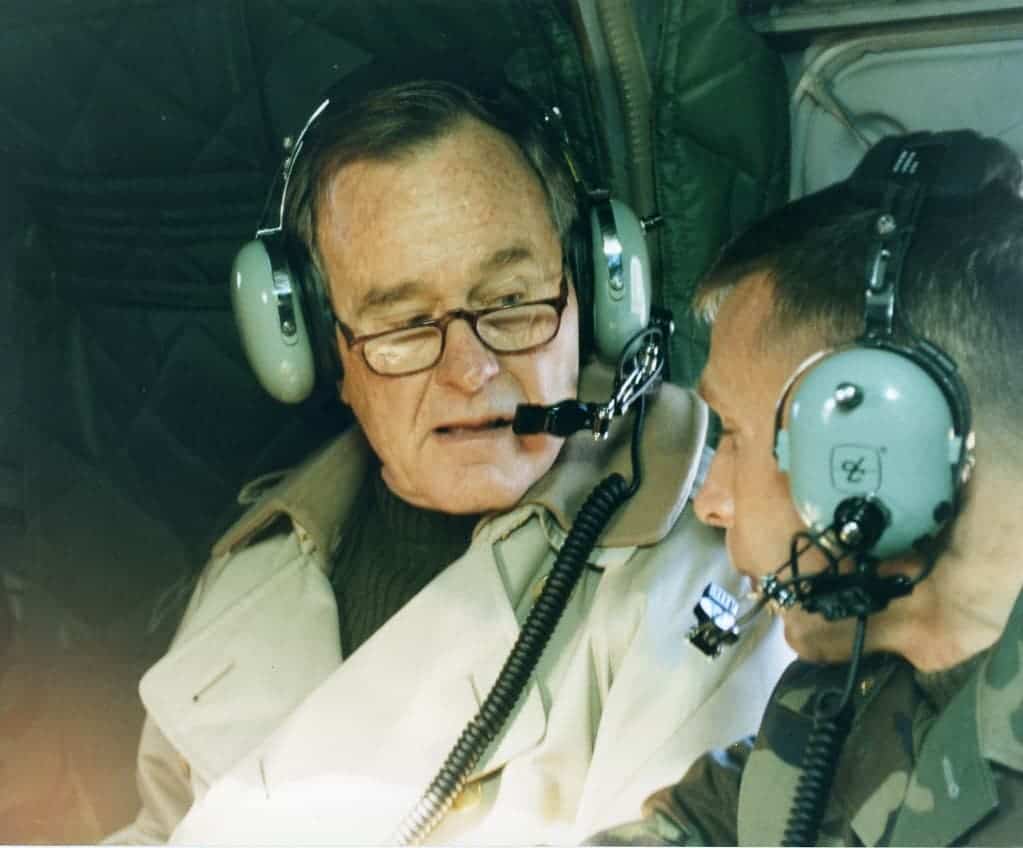
David Clark, in business since 1935, leads on battery life and choice: up to 50 hours on its ENC headsets, plus a passive line led by the H10-13.4. The DC ONE-X is also $279 cheaper than the A30.
Warranties are a wash. Both brands give five years on their main headsets, with David Clark’s JET-X the exception at three.
How to choose an aviation headset
Get the right plug
Most general aviation airplanes use dual GA plugs. Others have a 6-pin LEMO panel-power jack, Airbus cockpits use a 5-pin XLR, and helicopters use the U-174.
Amazon listings bundle several plug versions under one page, so check the selected variant before you buy. The links in this guide point to the dual-plug version where there is a choice.
Check the fit with your glasses
Glasses arms lift the ear seal and let noise in. Try any headset with the frames you actually fly in, and if you are still choosing those, our guide to the best sunglasses for pilots favors thin temples that sit under a seal.

Weight matters more than it looks on a spec sheet. A few ounces make a real difference over a three-hour cross-country, which is why on-ear and in-ear designs exist.
Decide whether you need Bluetooth
Bluetooth lets you take phone calls on the ground, hear EFB audio alerts, and stream music. Whether you can play music in flight is a separate question, covered in our explainer on whether pilots can listen to music.
Buy for every seat
Passengers sit in the same noise as the pilot and need a headset to hear the intercom. A budget passive set like the Rugged Air RA200 is a sensible spare to keep in the airplane.

Consider buying used
Premium headsets hold their value, and there is a busy used market for the discontinued Bose A20. Lightspeed also sells certified pre-owned headsets, such as a Zulu 3 at $787 against $949 new.
Check the ear seals and head pad on any used headset, because worn seals let noise in.

FAQ
Sources and references used for research and fact-checking.
- Bose, Bose A30 Aviation Headset
- Bose, Bose A30 Aviation Headset brochure
- Bose, Bose ProFlight Series 2 Aviation Headset
- Bose, Bose Aviation headsets
- AVweb, Sun 'n Fun 2024: Bose A30 Headset
- Lightspeed Aviation, Lightspeed headsets comparison
- Lightspeed Aviation, Zulu 4 ANR Headset
- Lightspeed Aviation, Lightspeed announces Zulu 4
- Lightspeed Aviation, Delta Zulu ANR Headset
- Lightspeed Aviation, Three ways to power your Lightspeed Delta Zulu headset
- Lightspeed Aviation, Sierra ANR Headset
- David Clark Company, Fixed-wing ENC headsets
- David Clark Company, Fixed-wing passive headsets
- David Clark Company, DC ONE-X series
- David Clark Company, DC PRO-X2 series
- David Clark Company, DC JET series
- David Clark Company, Aviation headset FAQs
- David Clark Company, President's message
- Sporty's Pilot Shop, David Clark H10-13.4 Headset
- KORE Aviation, KORE Aviation KA-1
- Rugged Radios, Rugged Air RA200
- Rugged Radios, Rugged Air RA950 ANR
- FARO Aviation, FARO AIR in-ear aviation headset
- FARO Aviation, FARO Aviation
- Telex, About Telex aviation headsets
- Telex, Airman 8+
- Sporty's Pilot Shop, TSO aviation headsets: what they mean
- eCFR, 14 CFR 21.601, Applicability and definitions (TSO)
- eCFR, 14 CFR 121.359, Cockpit voice recorders
- FAA, Hearing and Noise in Aviation
- NIOSH, Understanding noise exposure
- FLYING Magazine, Aviation headsets for airline pilots
Get the Newsletter
The latest aviation news and stories sent to your inbox.
About the Author

Tim is the owner and lead editor of AeroCorner since 2019, overseeing aviation content covering aircraft, airlines, airports, and the broader aviation industry. Through years of researching, writing, editing, and publishing aviation-focused content, he has developed extensive practical knowledge of commercial aviation and air travel. Based in Asia and a frequent traveler himself, Tim also brings firsthand passenger experience to AeroCorner’s coverage. Outside of publishing, he has also explored aviation firsthand through hands-on flight training in New Zealand.