


Table of Contents
The newest commercial airplane you can actually book a seat on is the Airbus A321XLR, which entered passenger service in November 2024. It is a single-aisle jet that flies transatlantic routes a narrowbody was never supposed to reach.
Right behind it is China’s Comac C919, flying passengers since 2023. The newest airliners still to come are Boeing’s stretched 737 MAX 10 and the giant 777X, both due in 2027.
This list ranks the newest airliners by when they entered, or are expected to enter, revenue passenger service, newest first. It is current as of 2026, and it separates the jets already flying from the ones still in testing or development, so you always know what is real and what is a promise.
| Aircraft | Class | Passenger service | Status |
|---|---|---|---|
| Airbus A321XLR | Narrowbody | 2024 | In service |
| Comac C919 | Narrowbody | 2023 | In service |
| Airbus A330neo | Widebody | 2018 | In service |
| Airbus A350-1000 | Widebody | 2018 | In service |
| Airbus A321neo | Narrowbody | 2017 | In service |
| Boeing 737 MAX 8 | Narrowbody | 2017 | In service |
| Airbus A220 | Narrowbody | 2016 | In service |
| Boeing 737 MAX 7 & MAX 10 | Narrowbody | 2027 (expected) | In certification |
| Boeing 777X (777-9) | Widebody | 2027 (expected) | In certification |
| Yakovlev MC-21 | Narrowbody | 2027 (expected) | In flight test |
| Boom Overture | Supersonic | ~2029 (target) | In development |
| Comac C929 | Widebody | Early 2030s (target) | In design |
How this ranking works
“Newest” here means the most recent airliner to carry paying passengers, so the order is by entry-into-service date, newest first. Jets still in flight testing or on the drawing board are listed after the in-service aircraft, with their expected dates. Freighters and private-jet conversions are excluded: this is about airplanes you can buy a ticket on.
The newest airliners flying today
These seven jets are already in service somewhere in the world in 2026. The two at the top are genuinely new designs of the decade; the rest are the latest members of families you have almost certainly flown on.
1. Airbus A321XLR
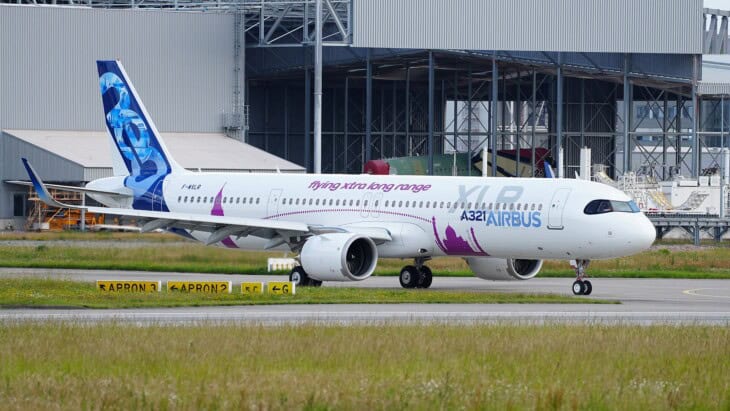
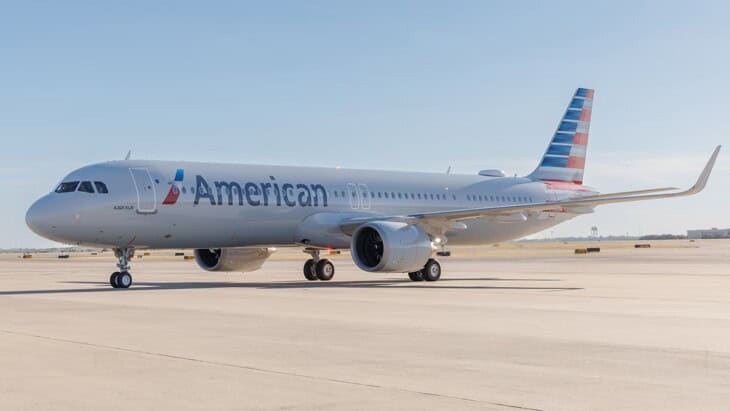
The A321XLR is the newest airliner in passenger service anywhere, delivered to Iberia in October 2024 and flying its first commercial routes that November. The “XLR” stands for Xtra Long Range, and that is the whole point of the airplane.
It is a stretched, long-legged version of the A321neo with an extra fuel tank built into the fuselage, giving it a range of up to 4,700 nautical miles. That lets a single-aisle jet fly routes like Madrid to Boston or New York to Rome, trips that used to demand a widebody.
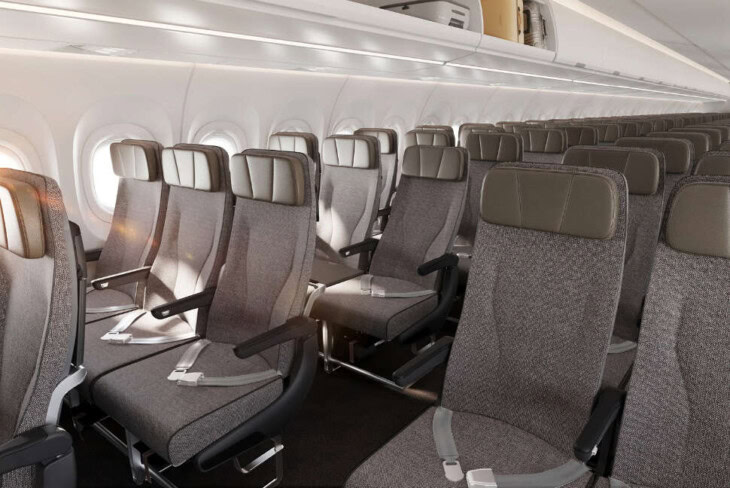
Iberia flies it in a 182-seat, two-class layout, though the type can be configured for more. For airlines, the appeal is simple: it opens thin long-haul routes that a big twin-aisle jet could never fill profitably.
A single aisle over the Atlantic
The A321XLR can stay airborne for roughly 11 hours. That is a narrowbody, the same basic shape as the plane you take on a short domestic hop, doing the work of a wide-body jet on transatlantic routes.
2. Comac C919


The Comac C919 is China’s answer to the Airbus and Boeing duopoly, and it is the newest all-new airliner design to reach service. China Eastern took the first delivery in December 2022 and flew the first commercial flight in May 2023.
It is a narrowbody in the same class as the A320neo and 737 MAX, seating roughly 158 to 192 passengers. By 2026, around 35 had been delivered, and the C919 was serving a growing domestic network with China Eastern alongside Air China and China Southern.
Every one so far has gone to a Chinese carrier, and deliveries have run behind target as Comac builds up production. It is early, but for the first time in decades the Airbus and Boeing rivalry has a serious third name in the room.
China's jet still runs on Western engines
Despite being China’s bid for aviation independence, the C919 flies behind CFM LEAP engines, the same American and French powerplant that hangs under the A320neo and 737 MAX. A fully domestic engine is still years away.
3. Airbus A330neo


The A330neo is Airbus’s re-engined widebody, and it entered service with TAP Air Portugal in December 2018. The “neo” means new engine option: it swaps in modern Rolls-Royce Trent 7000 engines and adds curved Sharklet wingtips.
The most common version, the A330-900, carries around 260 to 300 passengers on medium and long-haul routes. It is not a clean-sheet design, but it is a modern, fuel-efficient twin that lets airlines refresh their widebody fleets without the cost of an all-new type.
4. Airbus A350-1000
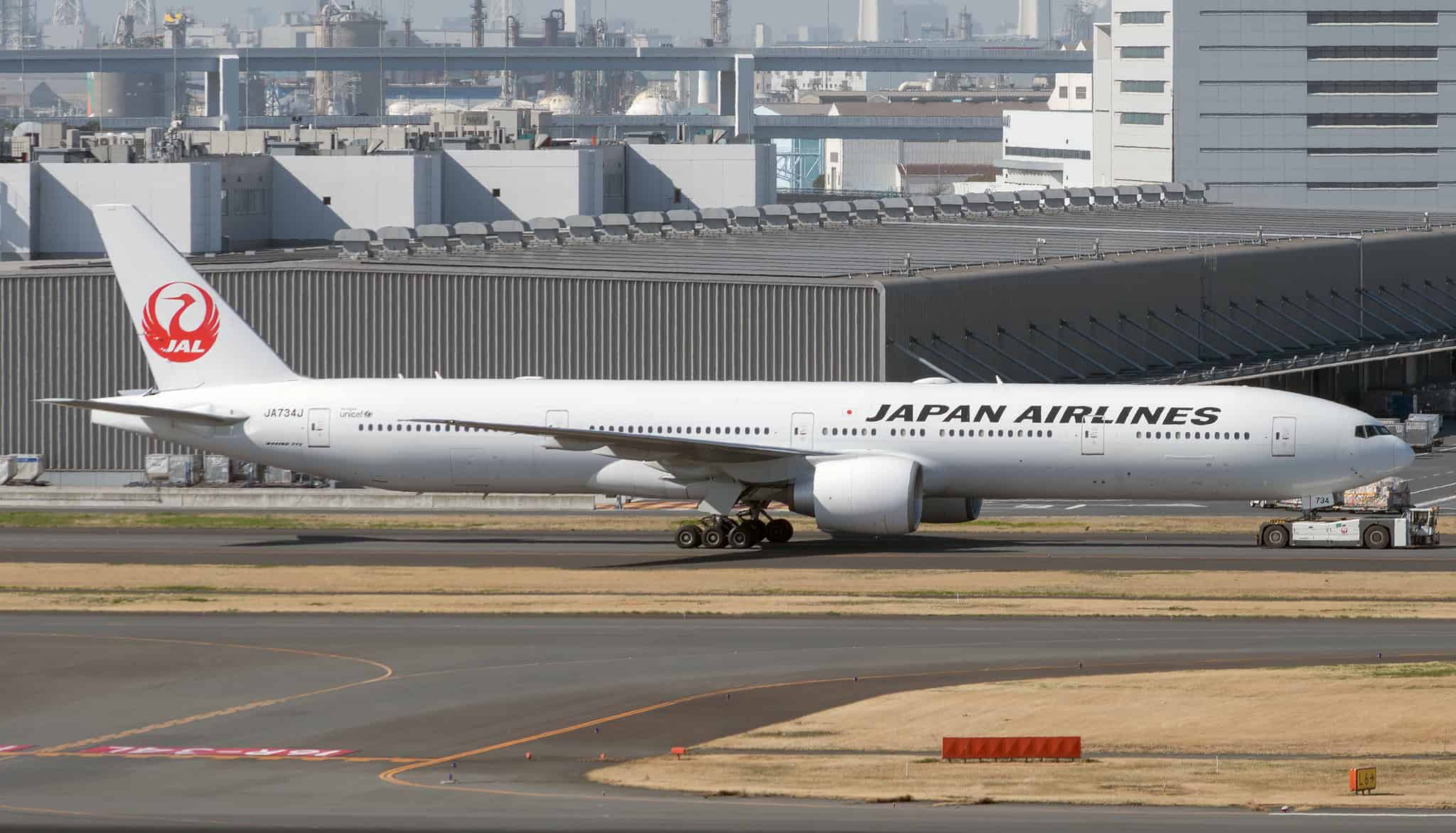
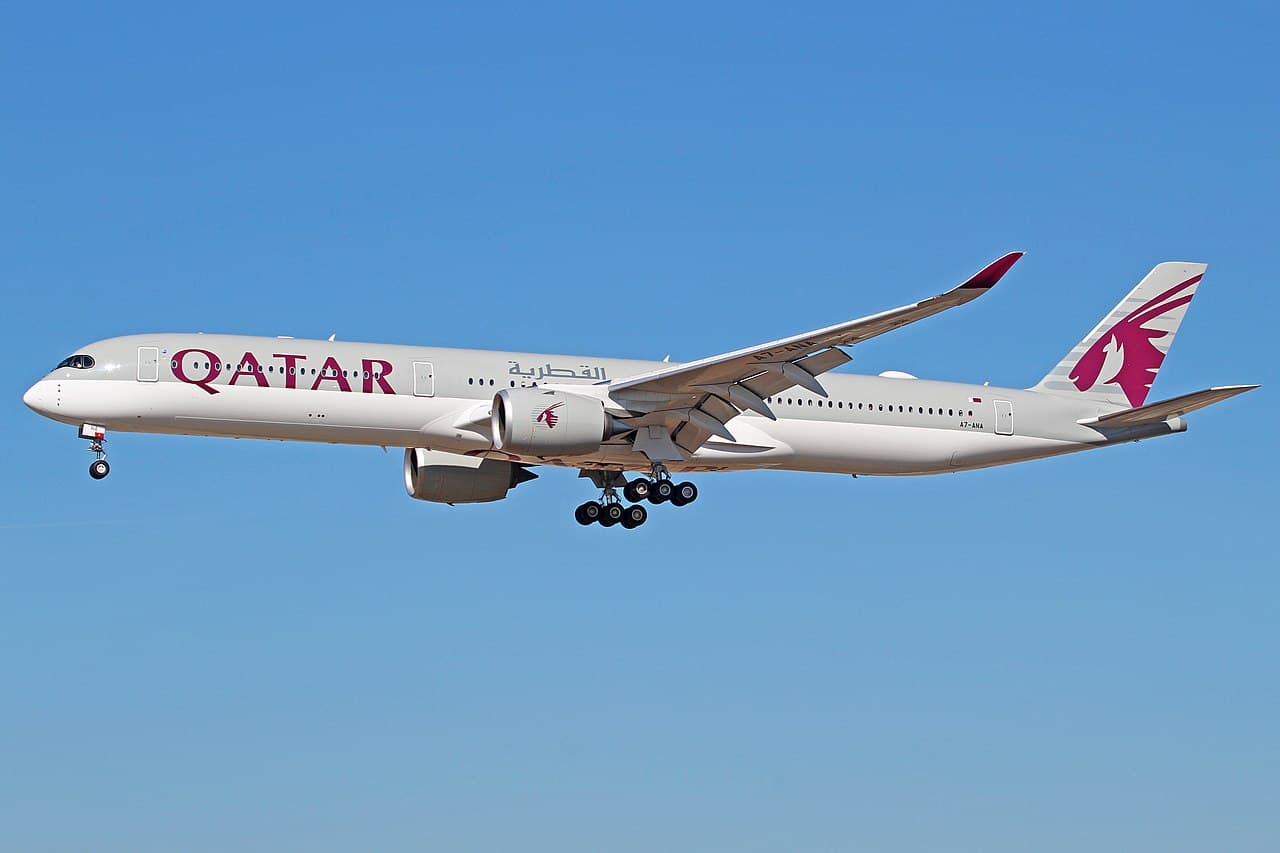

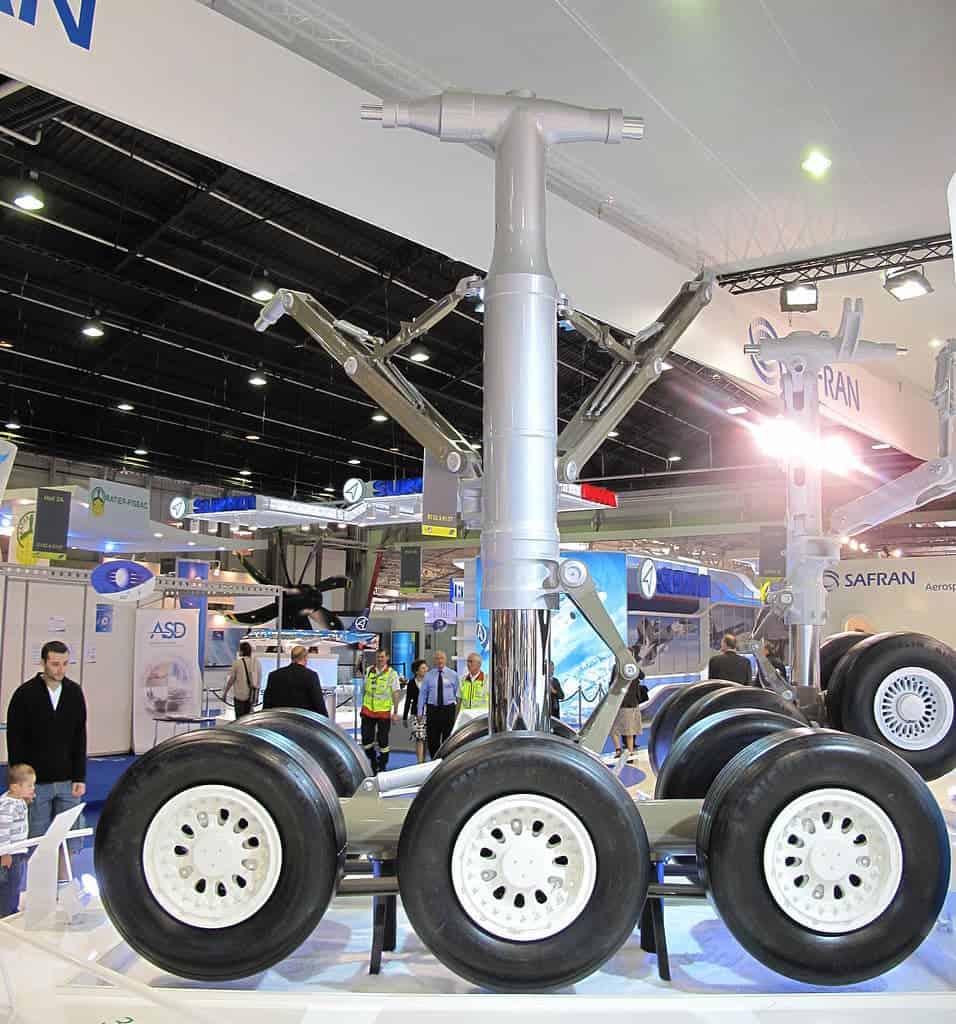
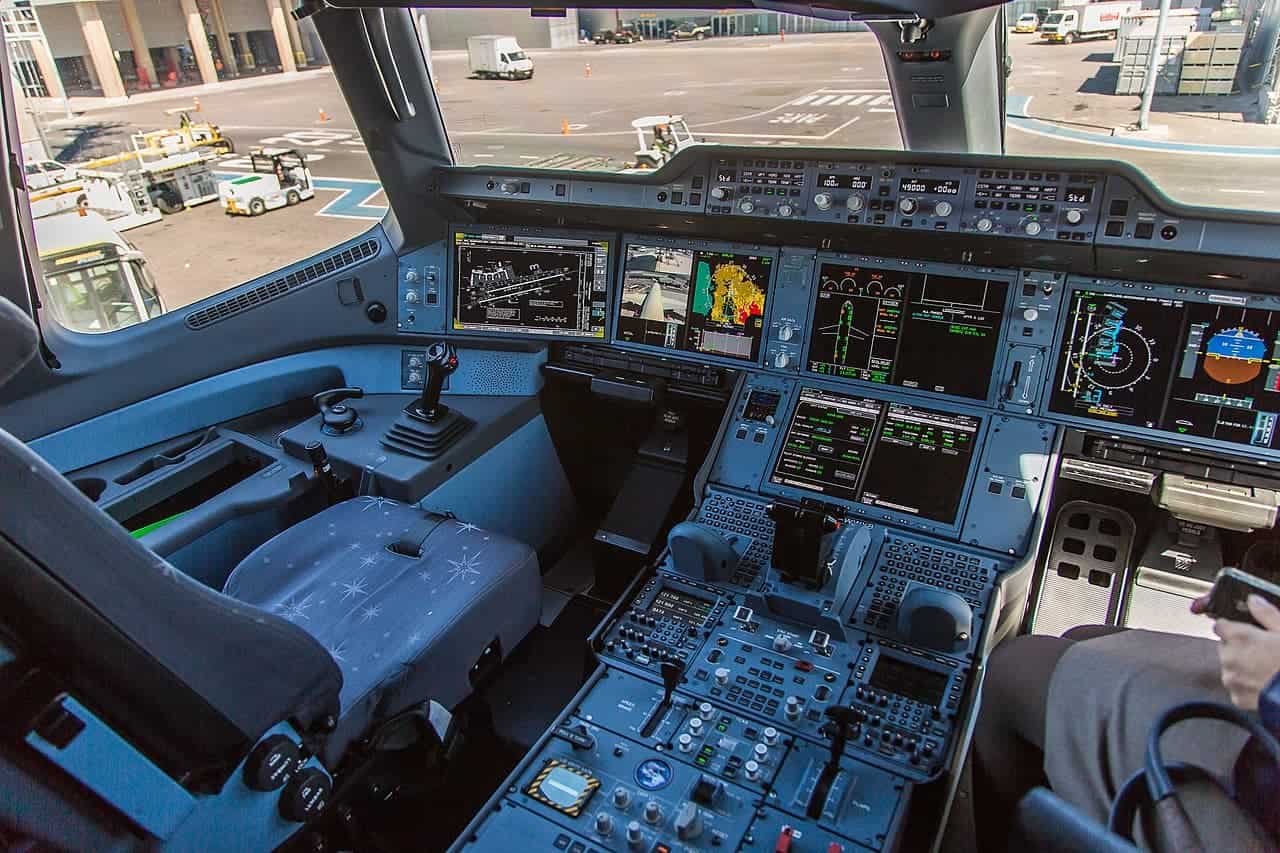
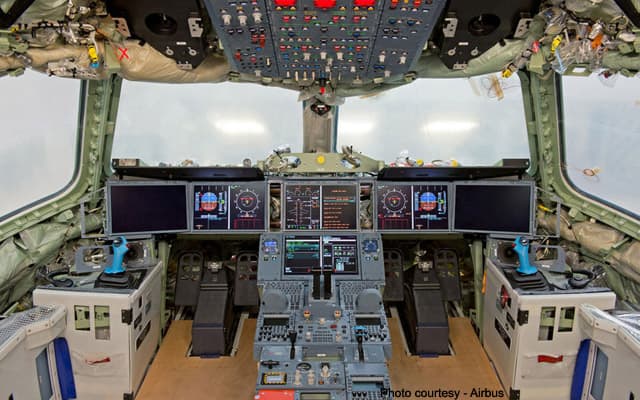
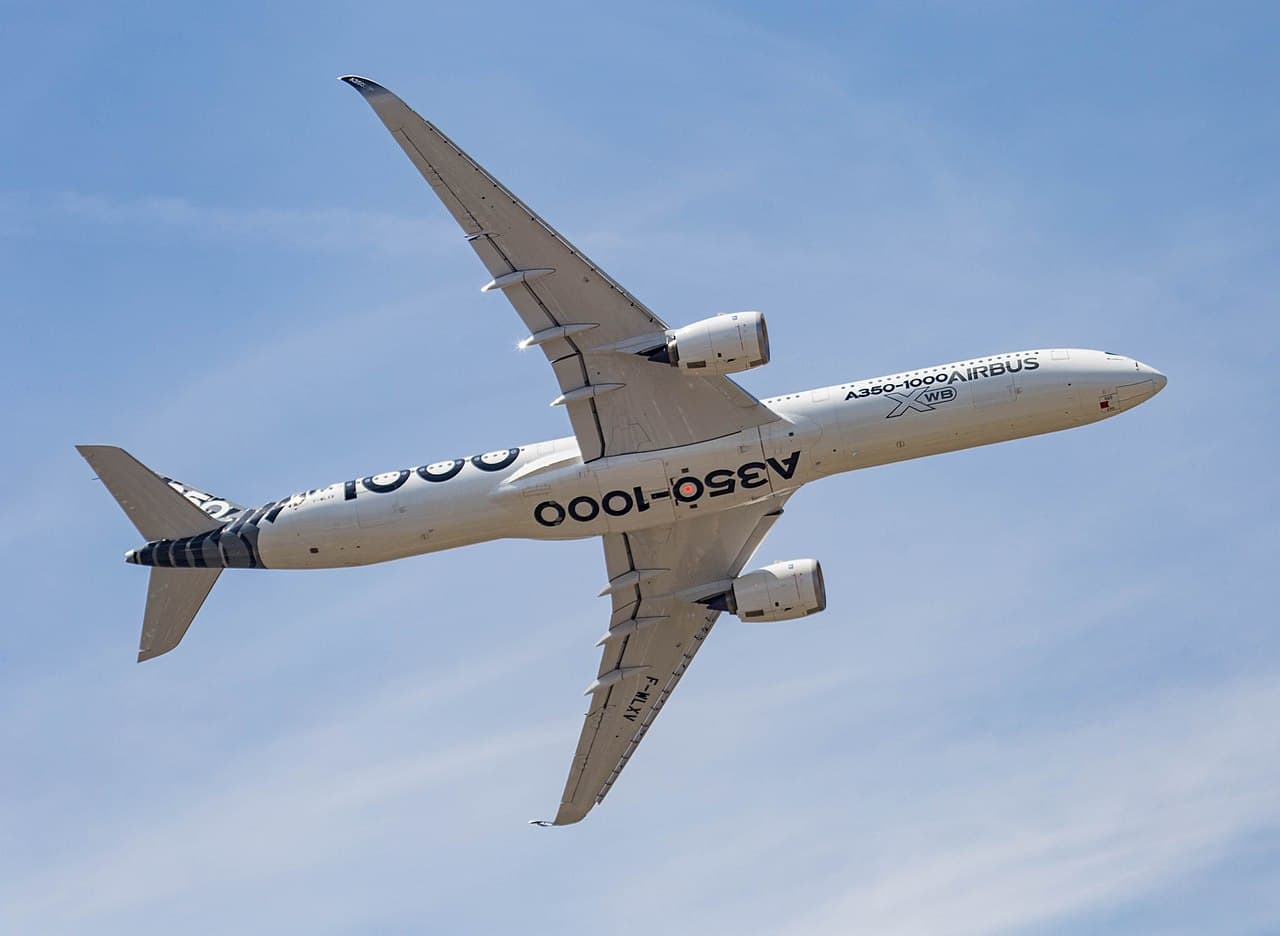
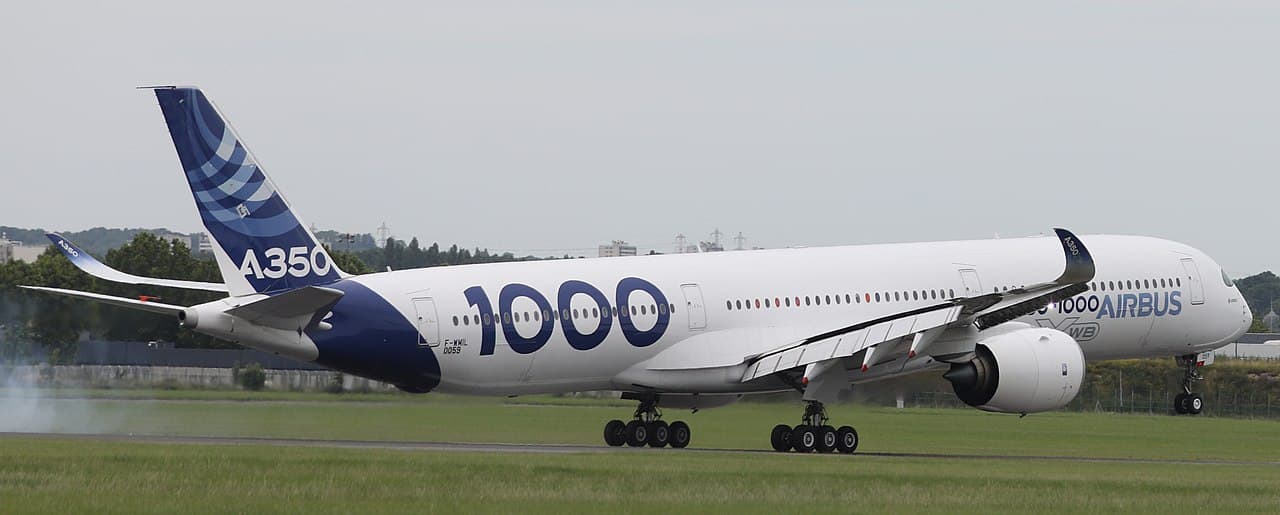

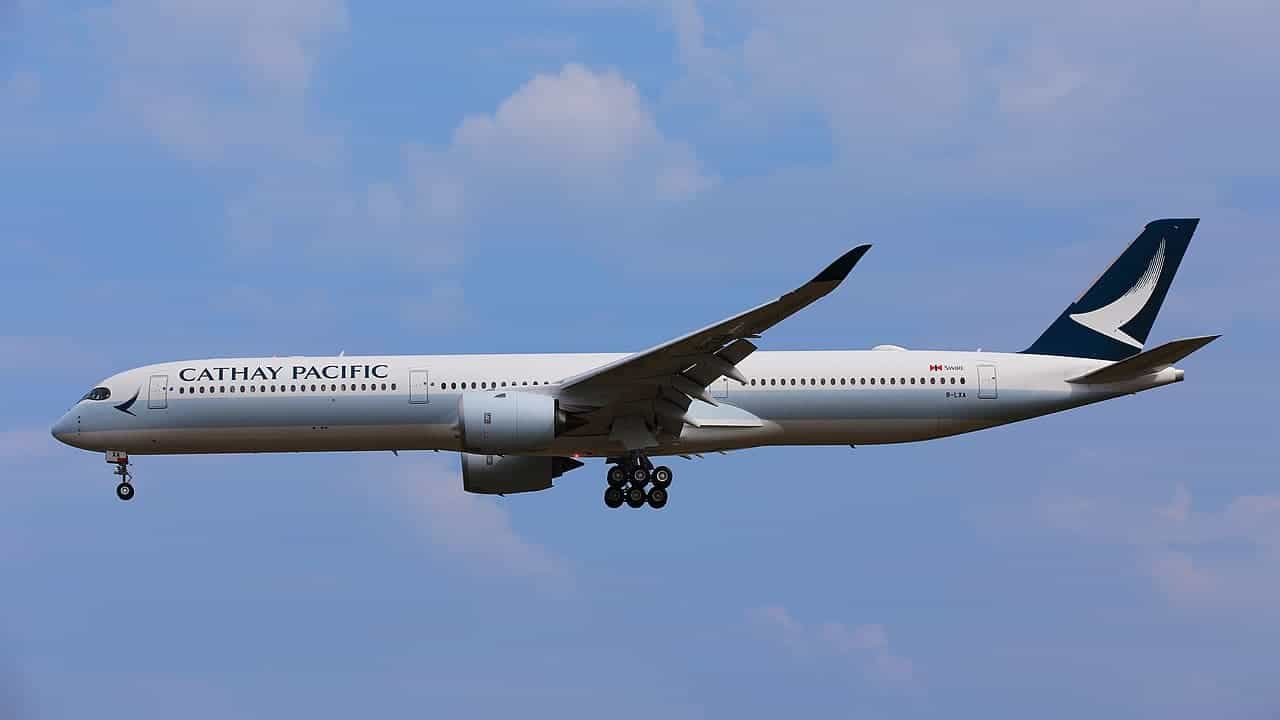
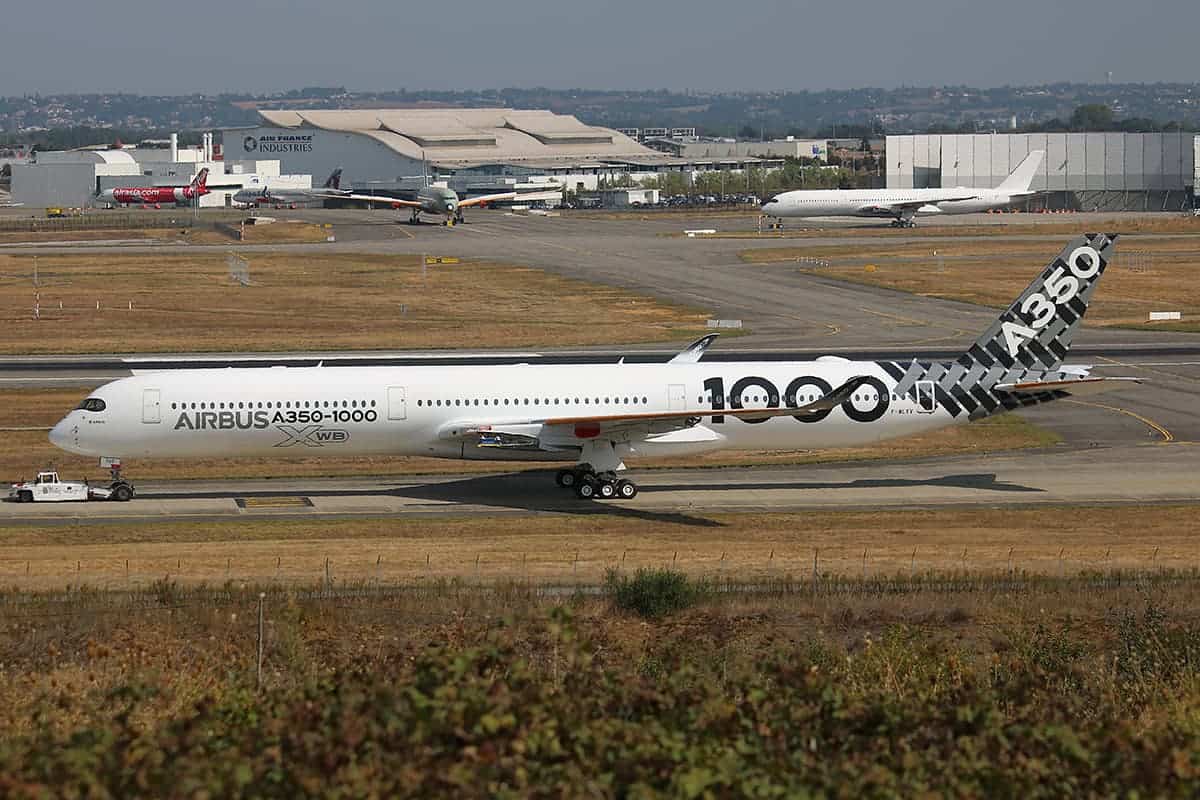

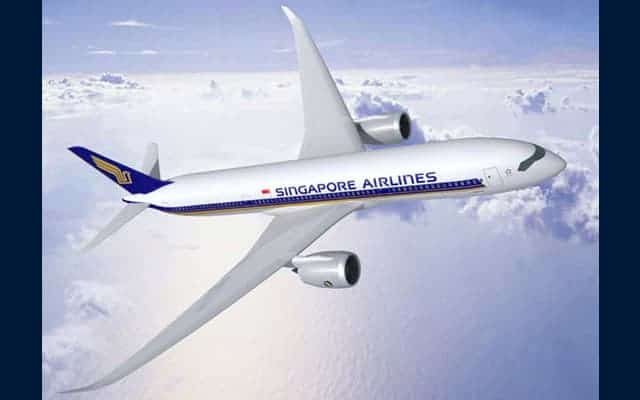
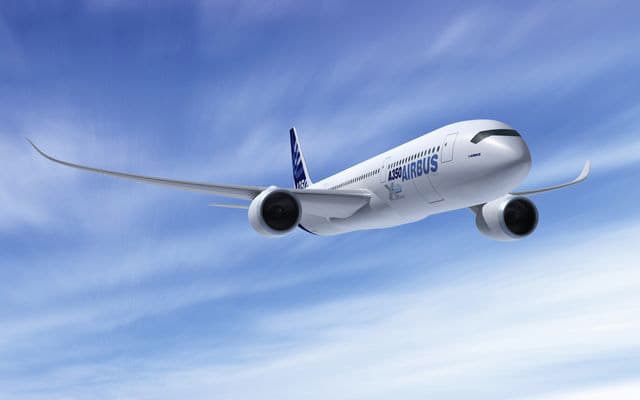
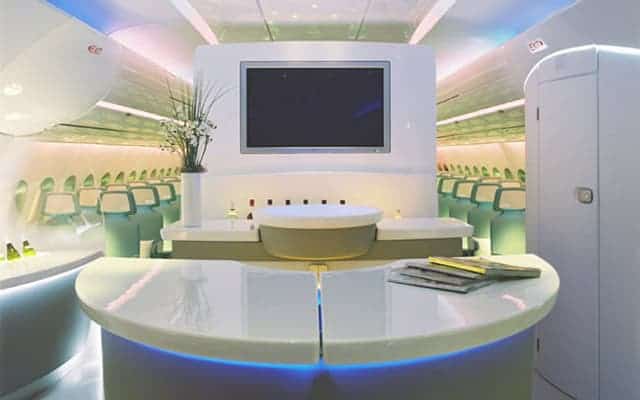
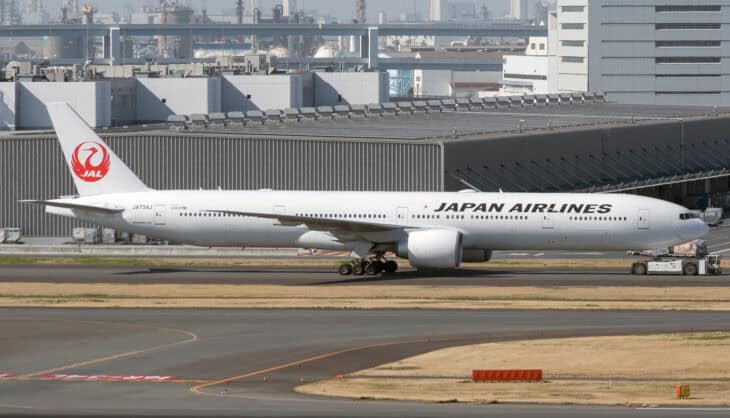
The A350-1000 is the largest member of the A350 family, and it entered service with Qatar Airways in February 2018. It is a carbon-fiber, twin-engine widebody built for long, dense routes.
Depending on the airline’s layout it seats roughly 350 to 410 passengers, with a range near 8,700 nautical miles. It sits at the heart of the modern long-haul market and competes directly with the biggest twins Boeing builds, which is exactly why the 777X on this list matters so much to Airbus.
5. Airbus A321neo

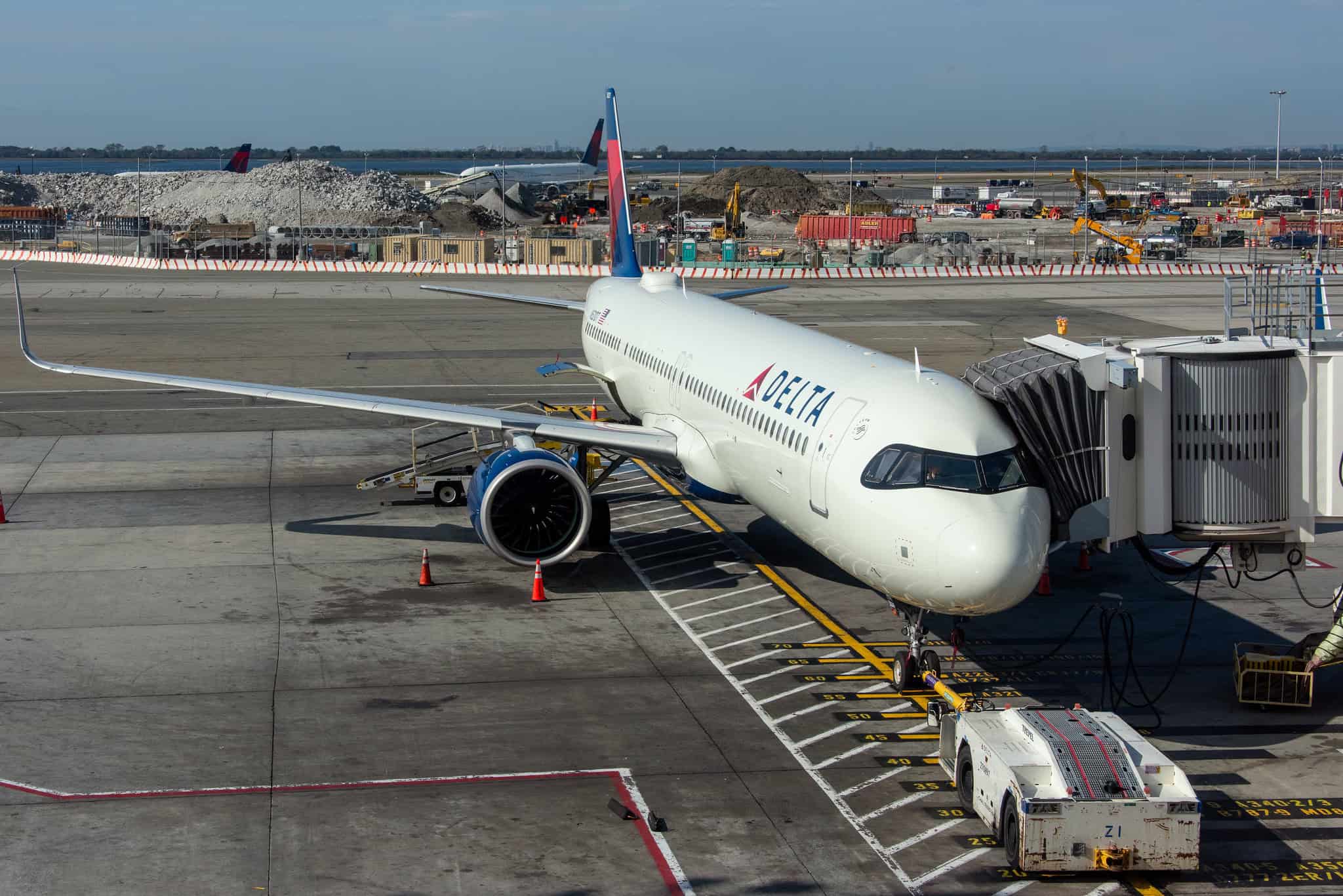


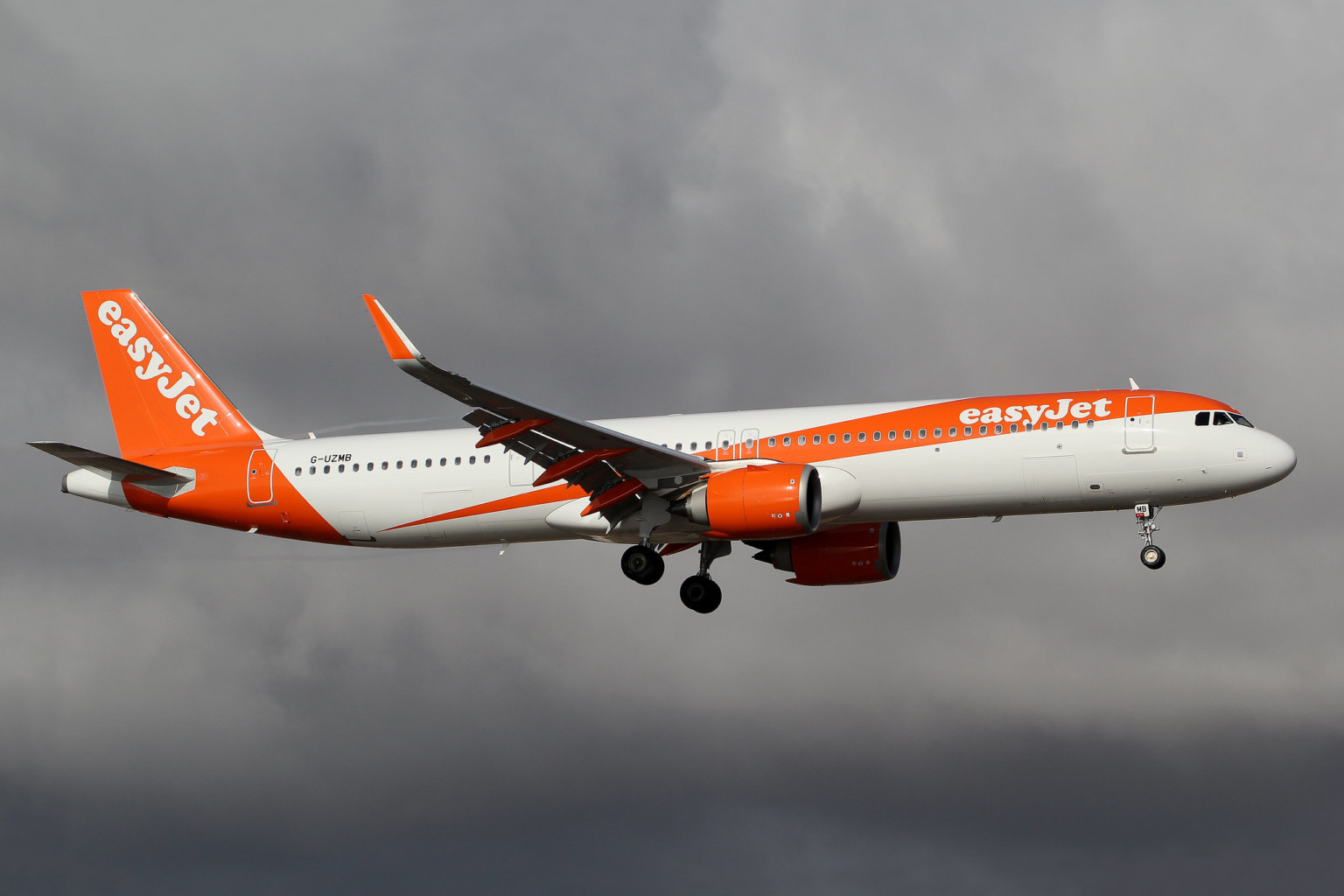
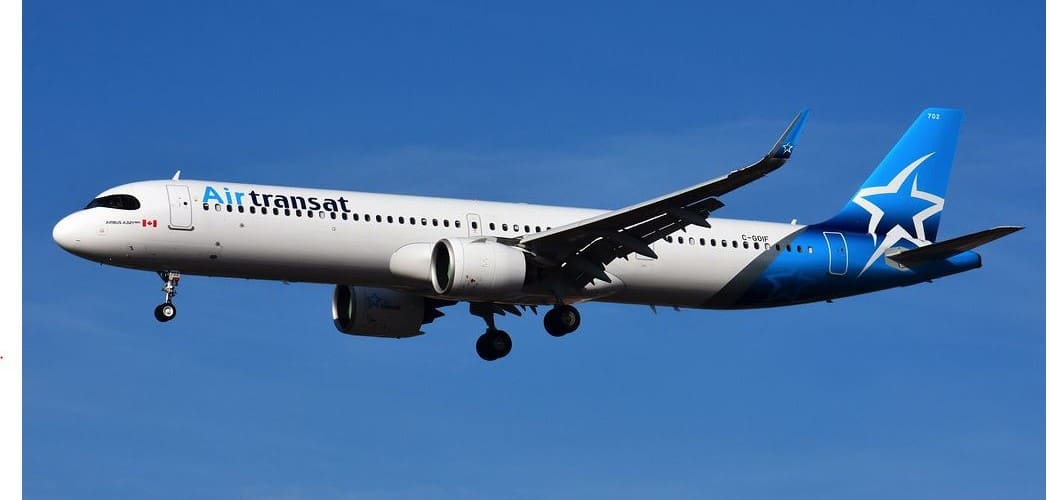
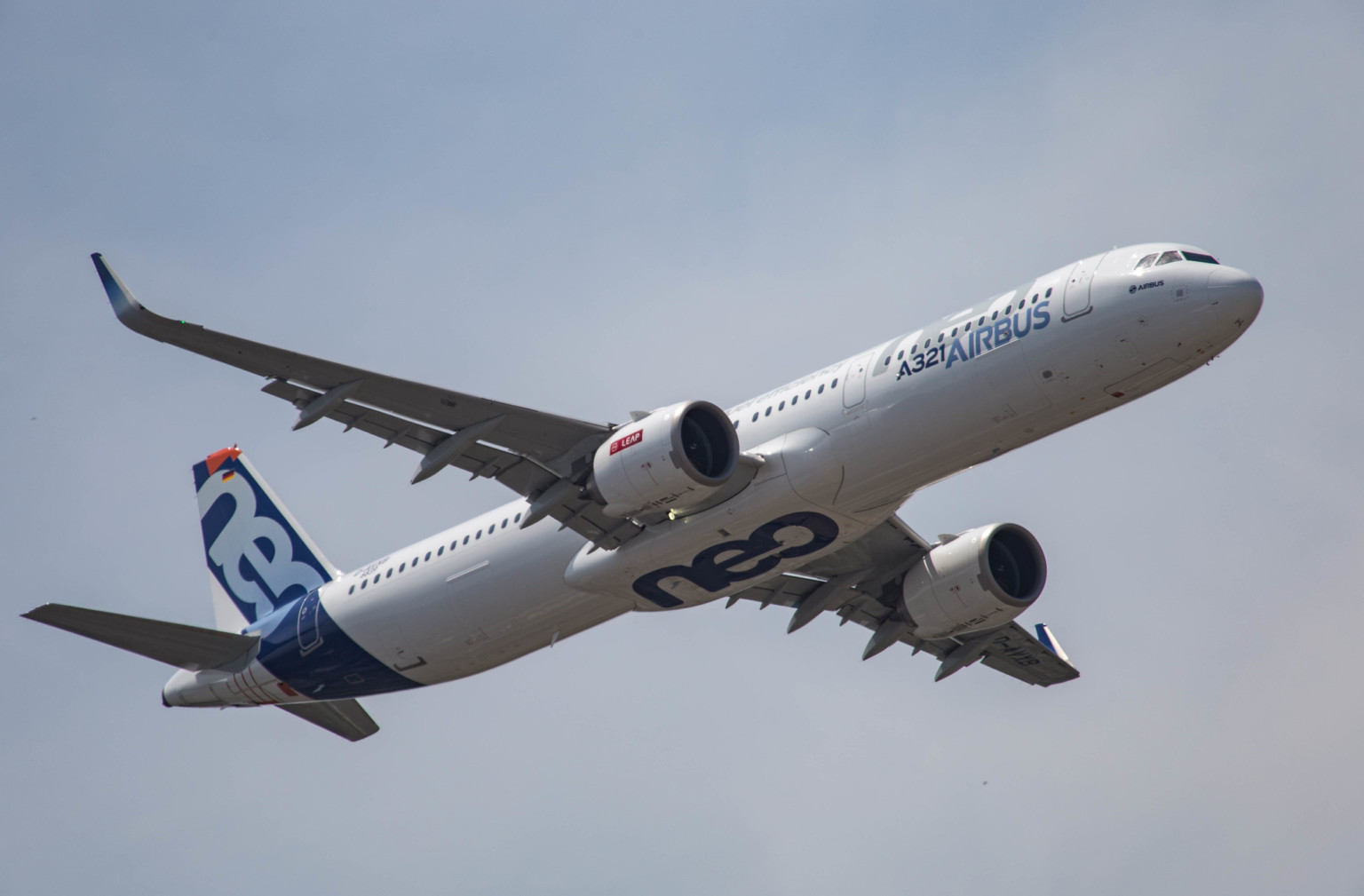


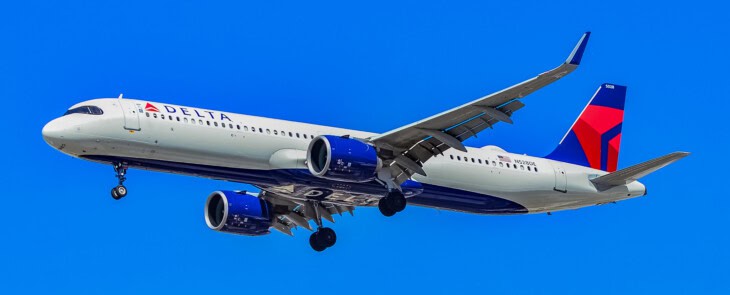
The A321neo entered service in 2017 and has since become one of the best-selling airliners in the world. It is the largest of the A320neo family, a single-aisle workhorse with new engines and Sharklets that cut fuel burn.
Its “Cabin Flex” layout can seat as many as 244 passengers, and it is the platform the record-breaking A321XLR is built on. If you have flown a modern narrowbody in the last few years, there is a good chance it was one of these.
6. Boeing 737 MAX 8


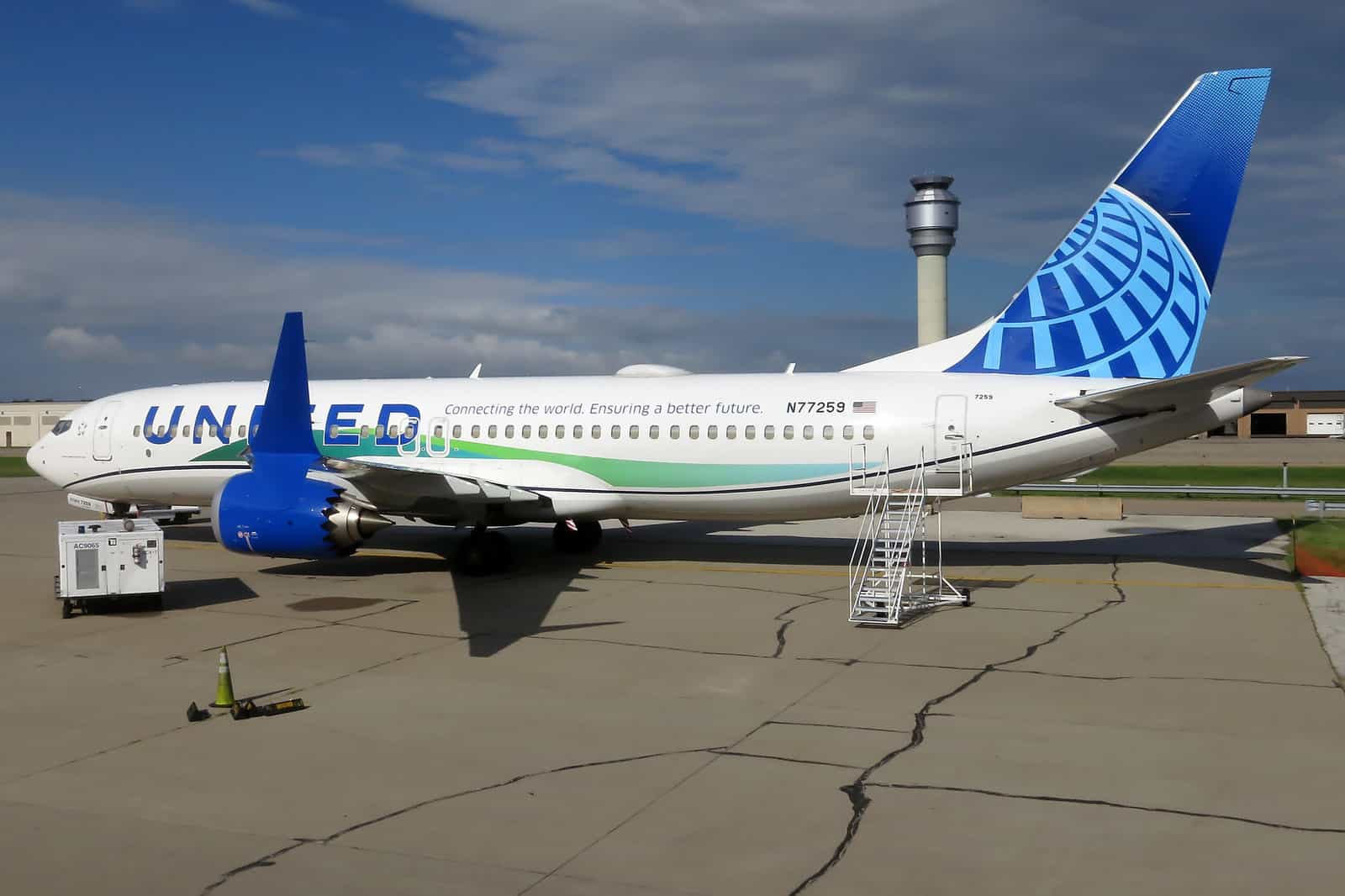

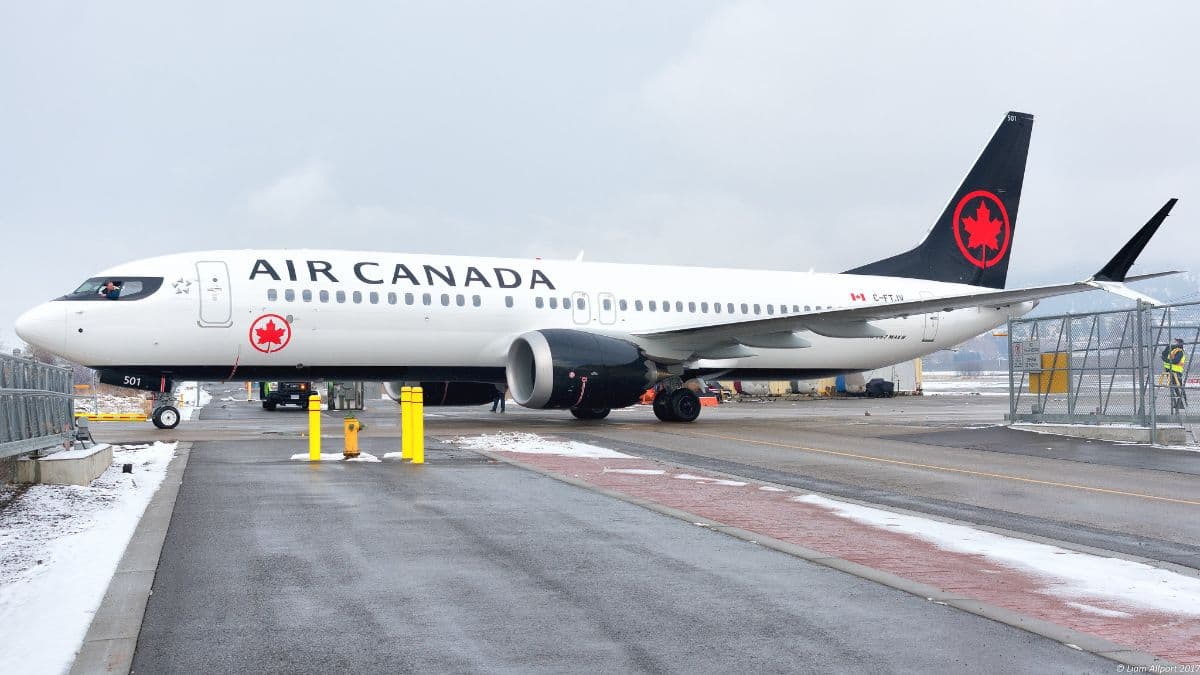
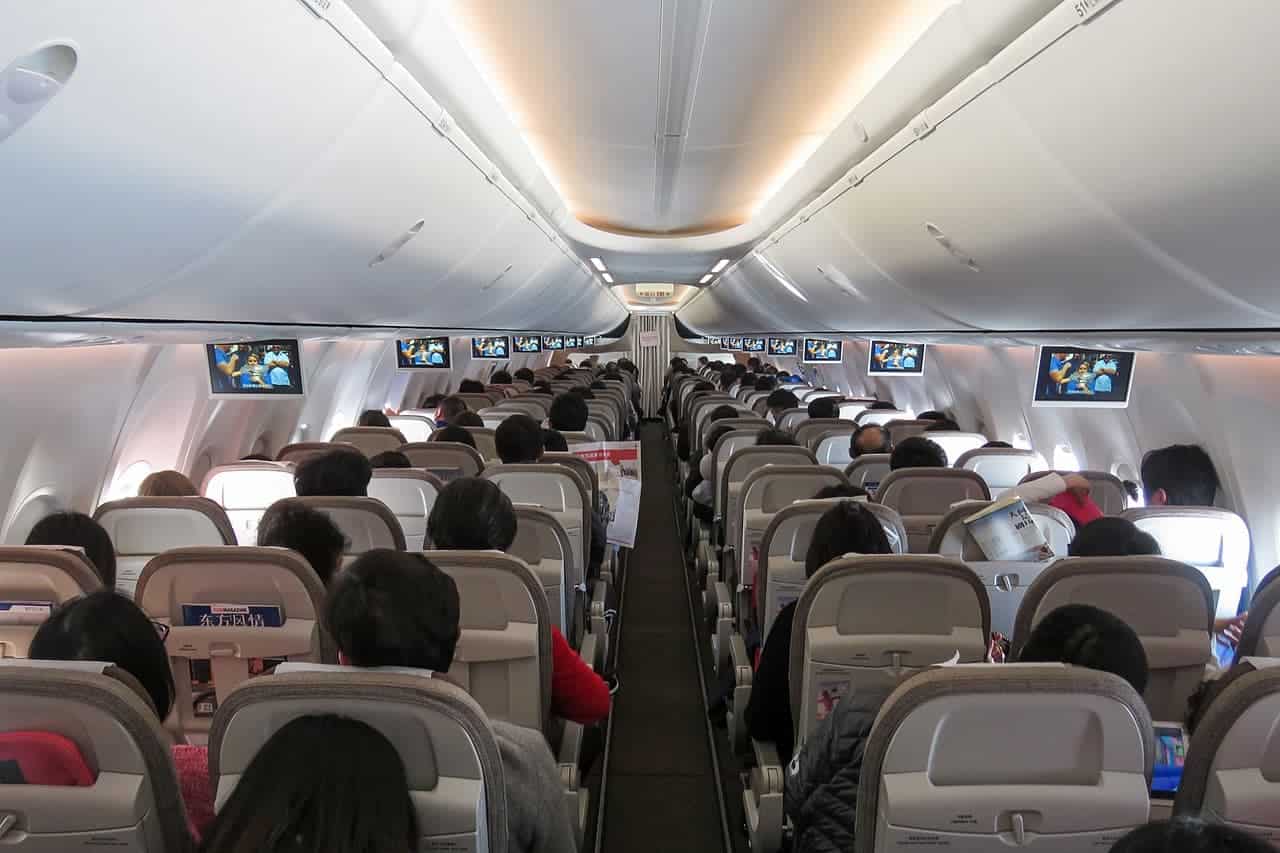
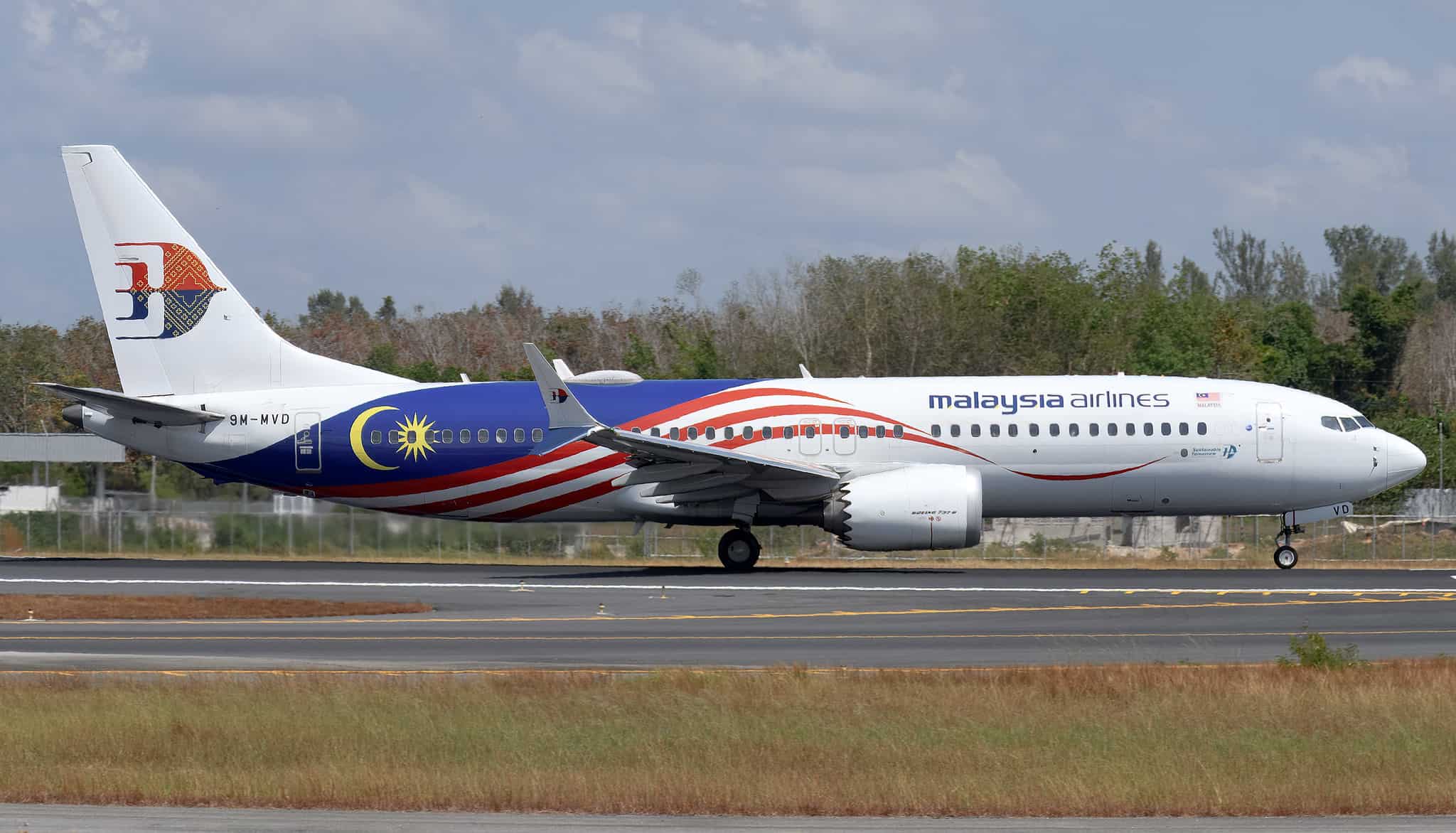

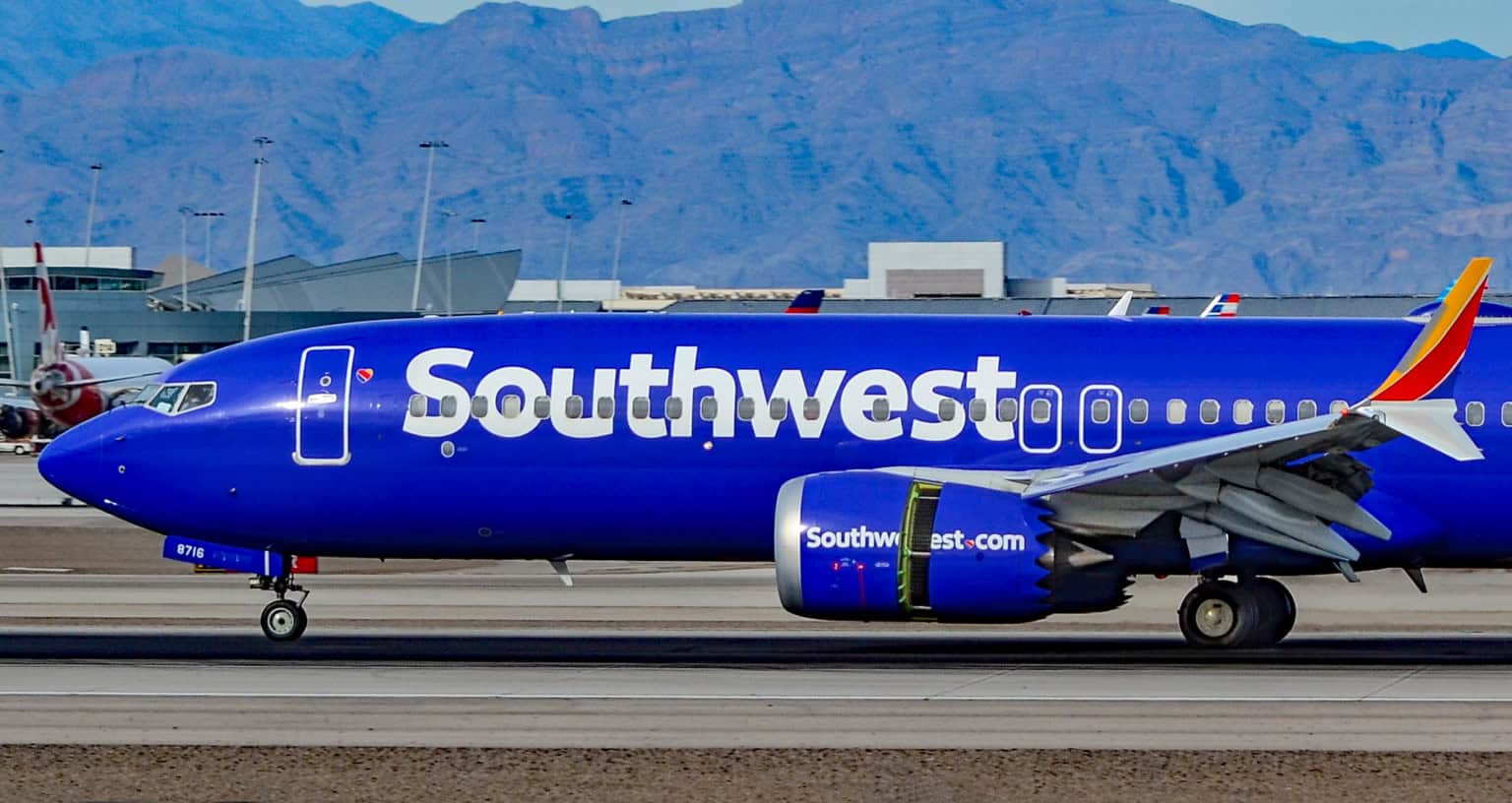

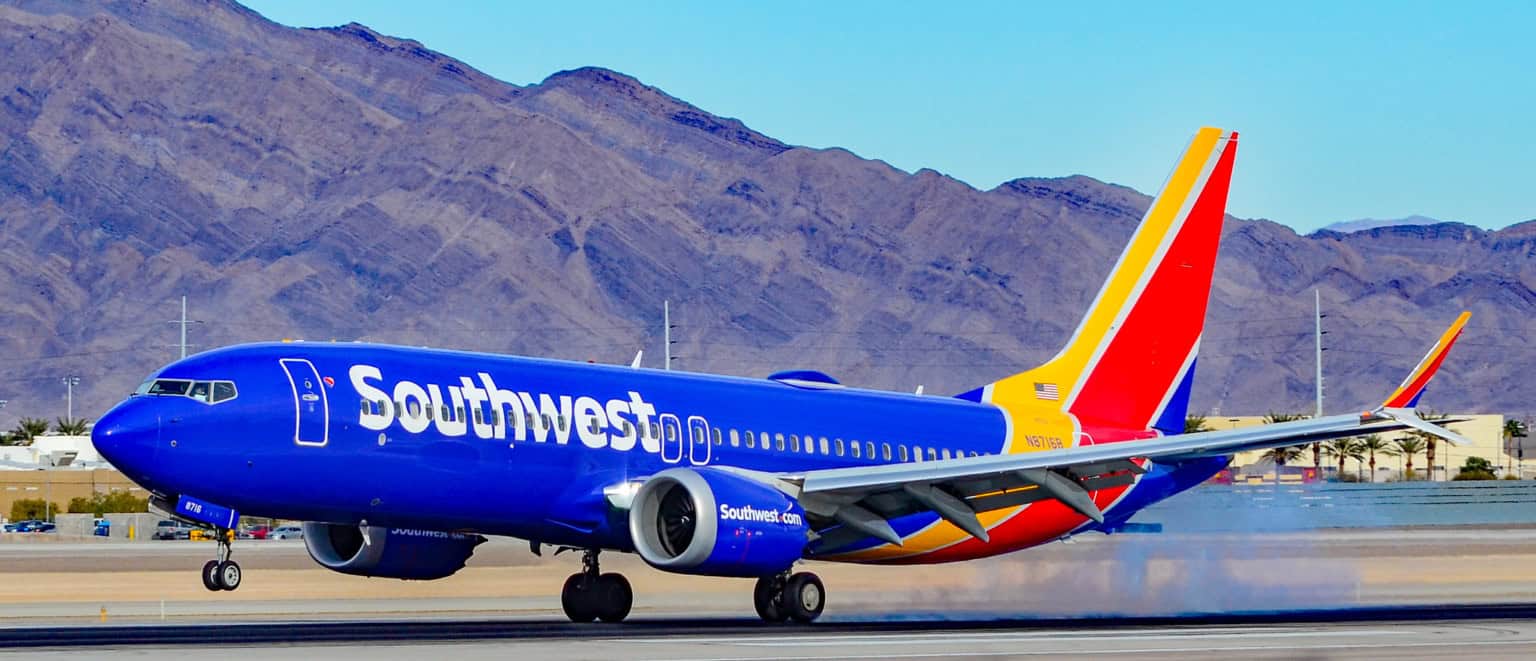


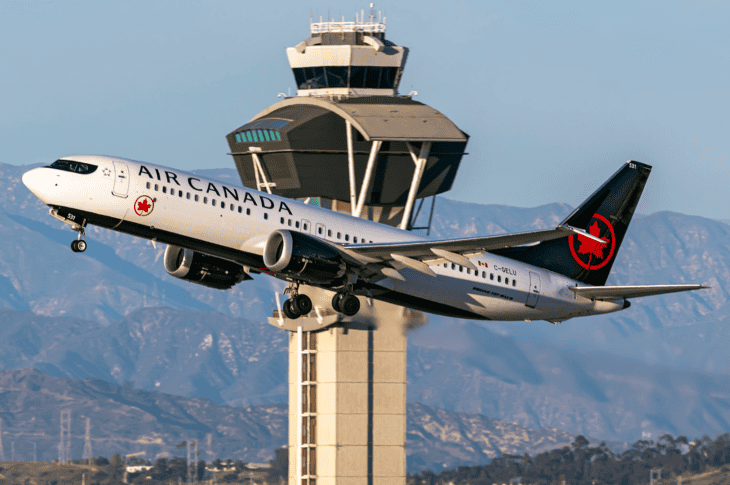
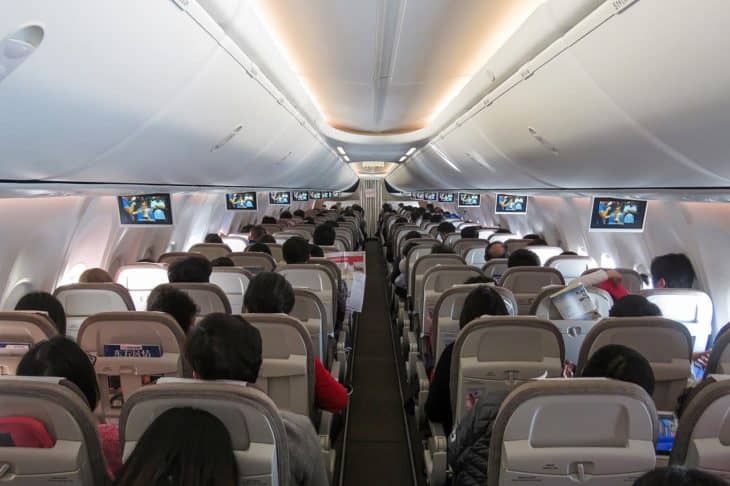
The 737 MAX 8 is Boeing’s re-engined single-aisle answer to the A320neo, and it first entered service in 2017. It promised roughly 14 percent lower fuel burn thanks to new LEAP engines and split-tip winglets.
Its history is not a quiet one. The MAX was grounded worldwide in March 2019 after two fatal crashes, a crisis we cover in depth in our piece on the Boeing 737 MAX and its return.
After design changes and re-certification it returned to service in late 2020 and now flies for airlines around the globe. It remains one of the most-ordered aircraft in the sky.
7. Airbus A220
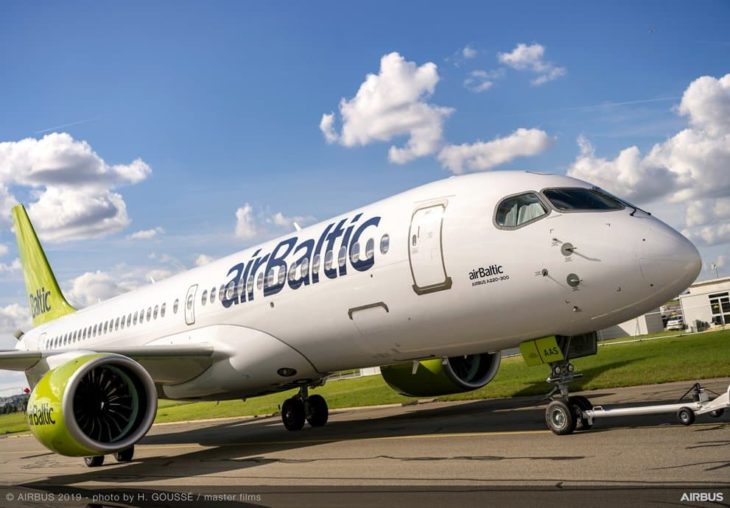
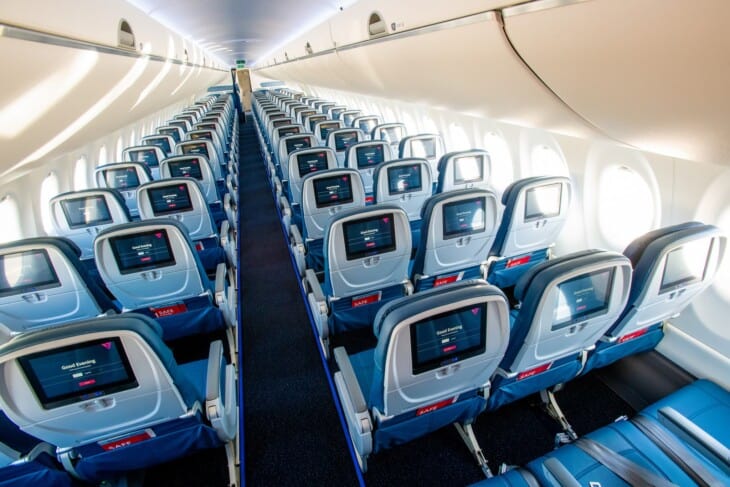
The A220 is the newest clean-sheet design in this in-service group, even though it first flew passengers back in 2016. It began life as the Bombardier C Series before Airbus took it over and rebranded it.
It is a small narrowbody seating roughly 100 to 160 passengers, with a five-across cabin, large windows, and quiet geared-turbofan engines. It reset the standard for the smallest jet class, which is why airlines from Delta to airBaltic keep adding it.
The newest airliners still to come
These are the aircraft that will define “newest” over the next few years. Some are weeks from certification; others are years from a first flight. We list them by how close they are to carrying passengers.
8. Boeing 737 MAX 7 and MAX 10
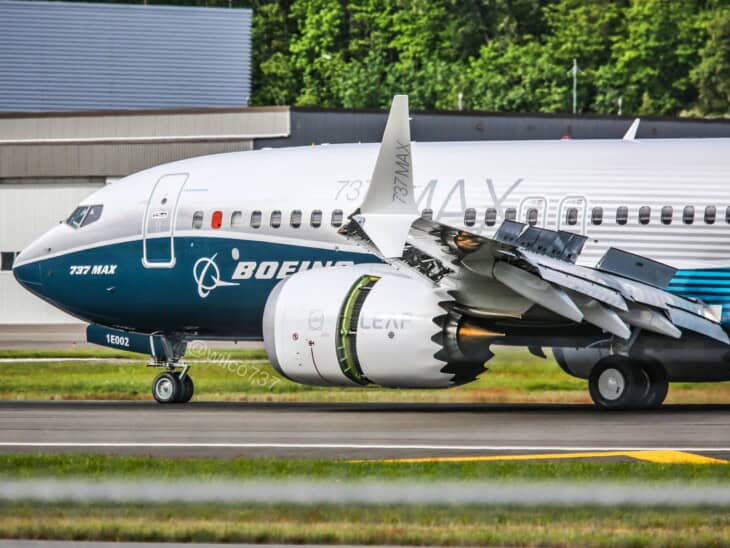
The MAX 7 and MAX 10 are the shortest and longest members of the 737 MAX family, and they are the next new Boeings due to fly passengers. Both finished their certification flight testing in mid-2026.
The smaller MAX 7 secured FAA type certification in 2026, and the stretched MAX 10, which seats up to about 230 passengers, is expected to follow later in the year. First deliveries are lined up for 2027.
Southwest is the launch customer for the MAX 7, while United, Delta, and Alaska are waiting on the MAX 10. Together the two variants hold well over 1,700 orders.
9. Boeing 777X (777-9)

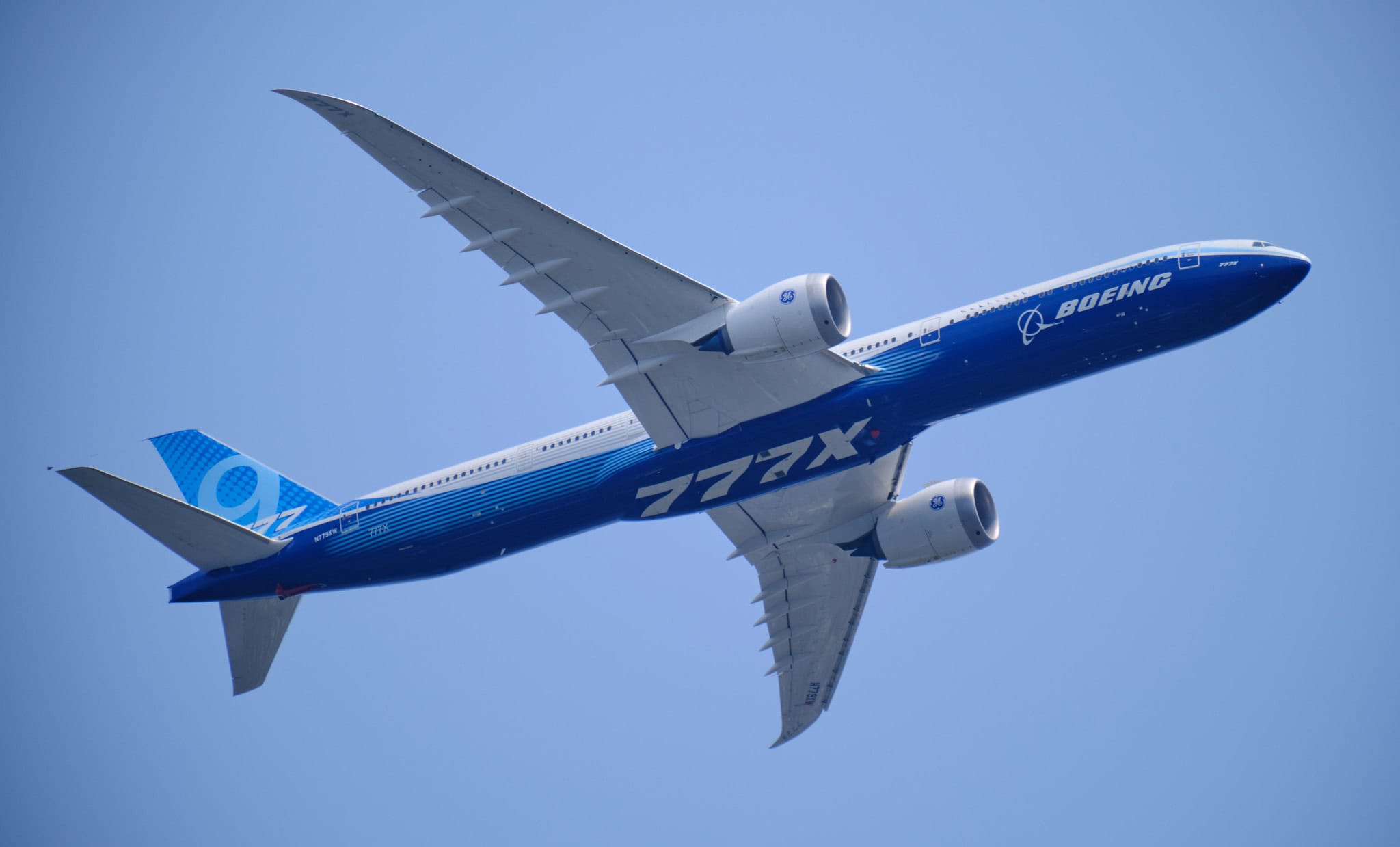


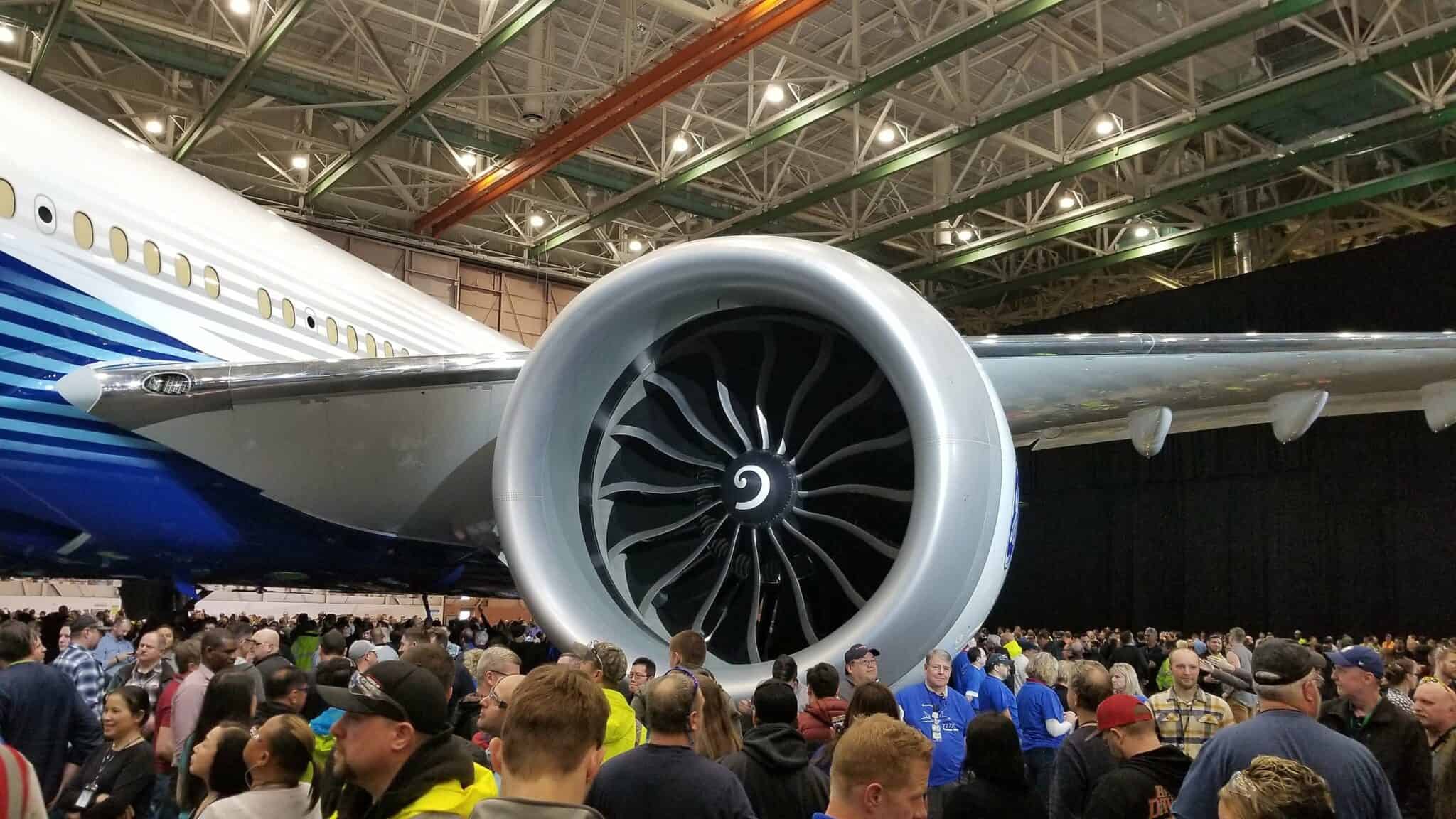

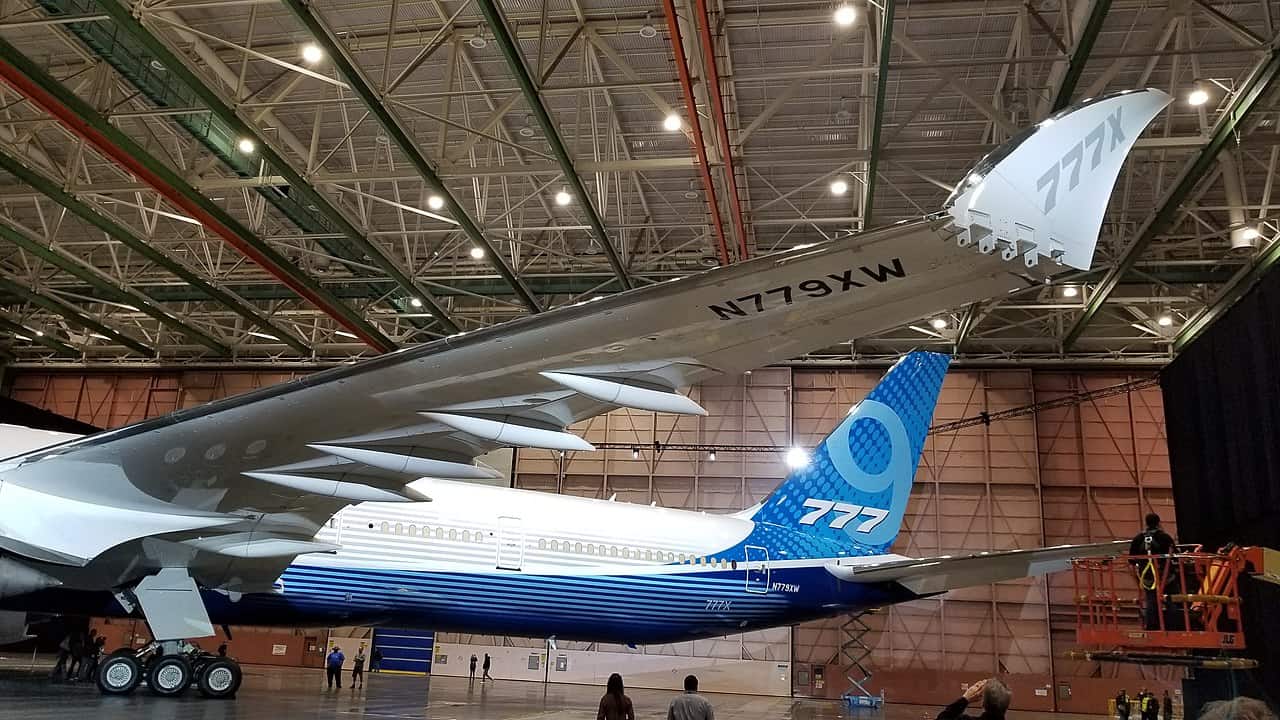

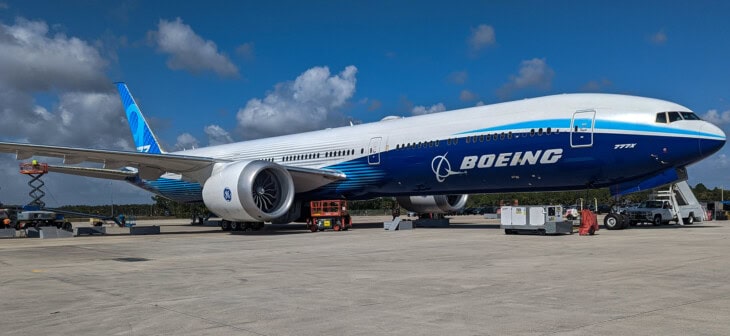
The 777X is Boeing’s next big widebody and the largest twin-engine jet ever built. The first version, the 777-9, seats over 400 passengers and is designed to replace older 747s and 777s on the busiest long-haul routes, while burning about 20 percent less fuel.
Its most striking feature is a set of folding wingtips. The wing is so long it would not fit standard airport gates, so the tips fold up on the ground and extend for flight.
The program has run years late. The 777-9 first flew in 2020, cleared a key FAA certification phase in early 2026, and is now expected to be certified in 2027, with first deliveries to launch customer Emirates in the first quarter of that year.
10. Yakovlev MC-21
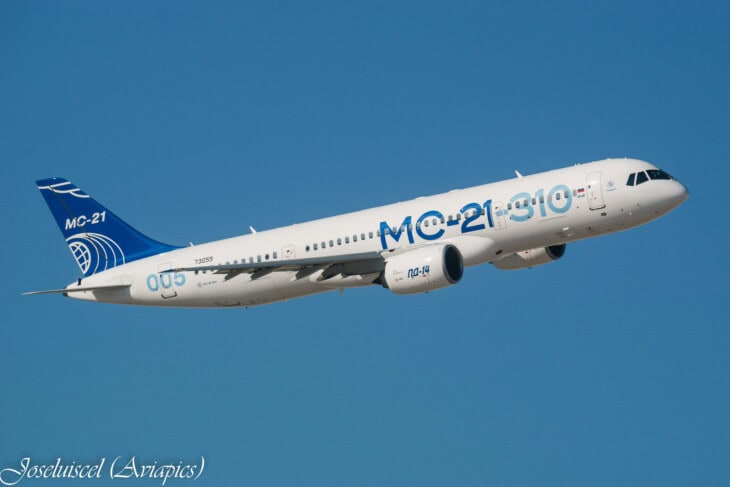
The MC-21 is Russia’s new narrowbody, a would-be rival to the A320neo and 737 MAX. It was known as the Irkut MC-21 until August 2023, when its maker was rebranded as the Yakovlev Corporation.
Western sanctions forced Russia to redesign the jet around domestic engines and systems, a slow and difficult switch. The first fully import-substituted MC-21-310 entered flight testing in 2026, but only about a third of its certification flights were complete by mid-year.
Certification and first deliveries have slipped to 2027, with Rossiya, part of the Aeroflot group, lined up as the launch airline. For now it remains a jet that flies in tests but not in service.
11. Boom Overture
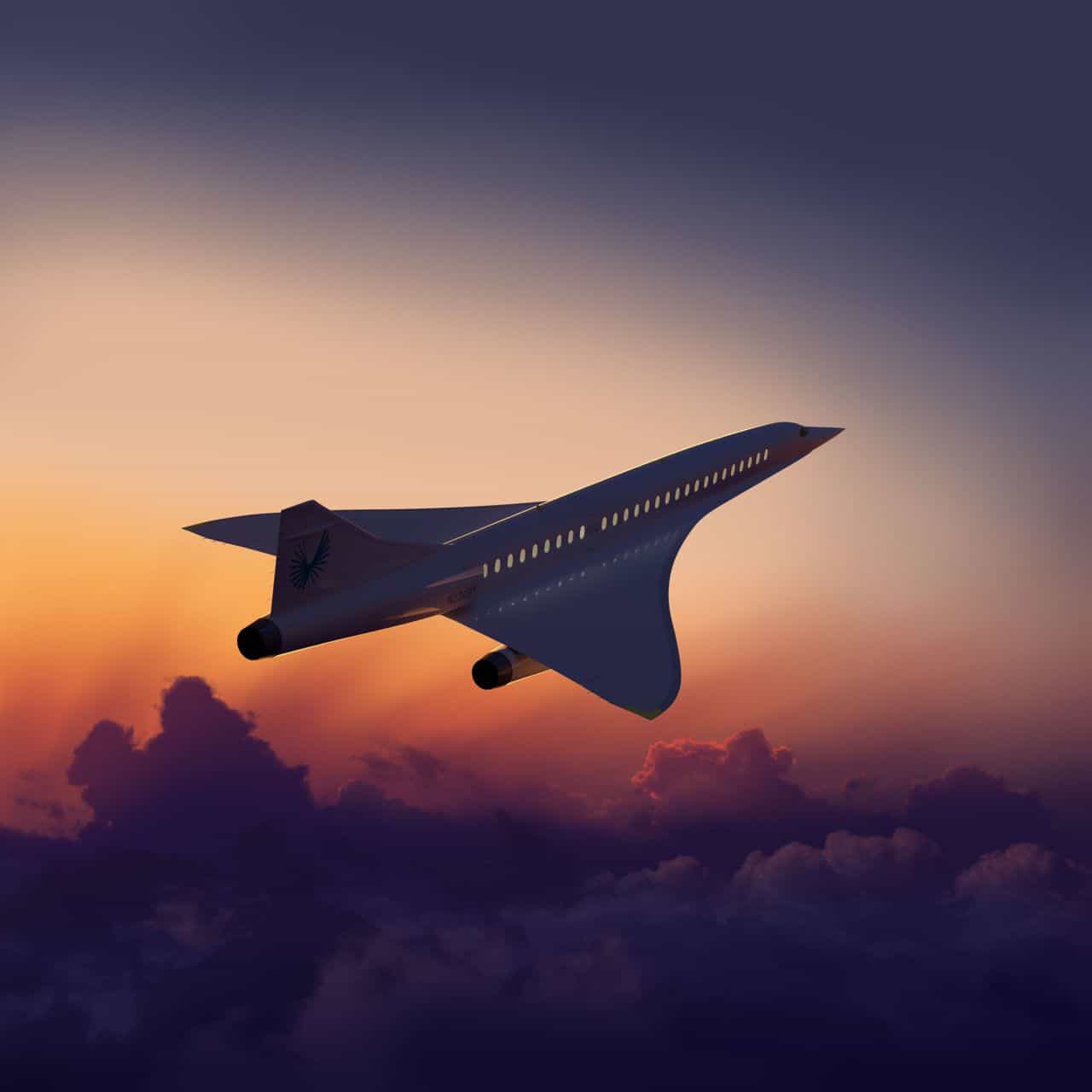
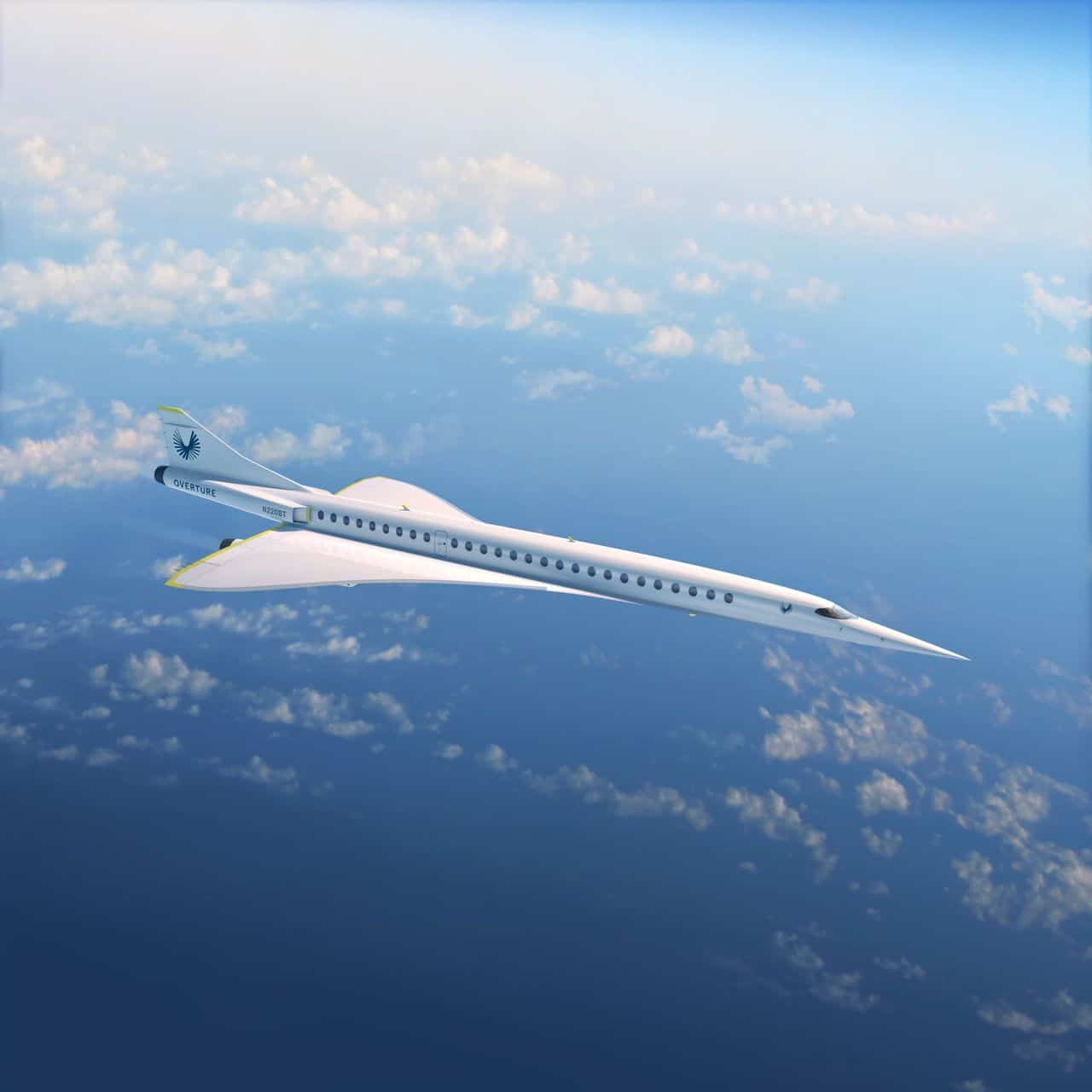
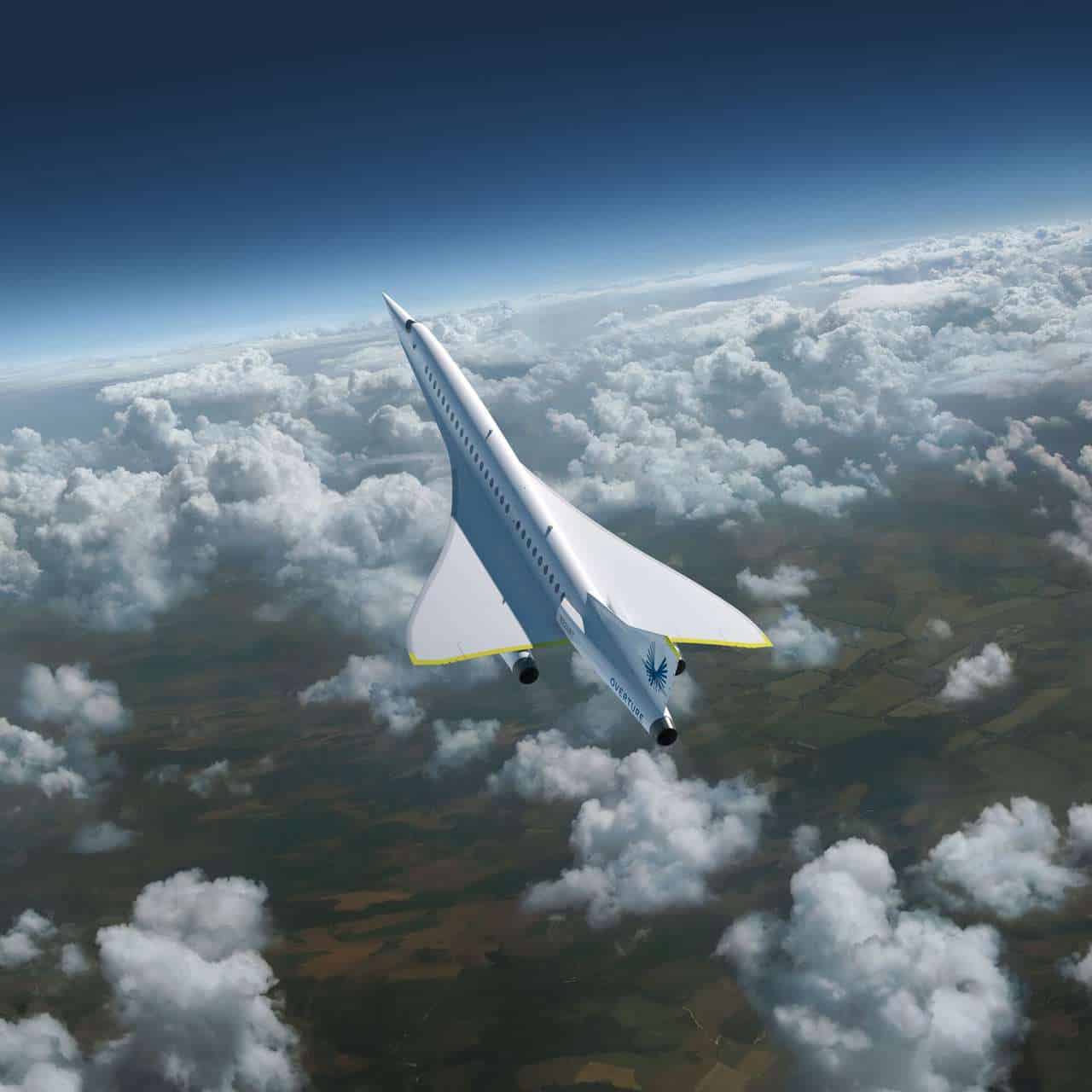
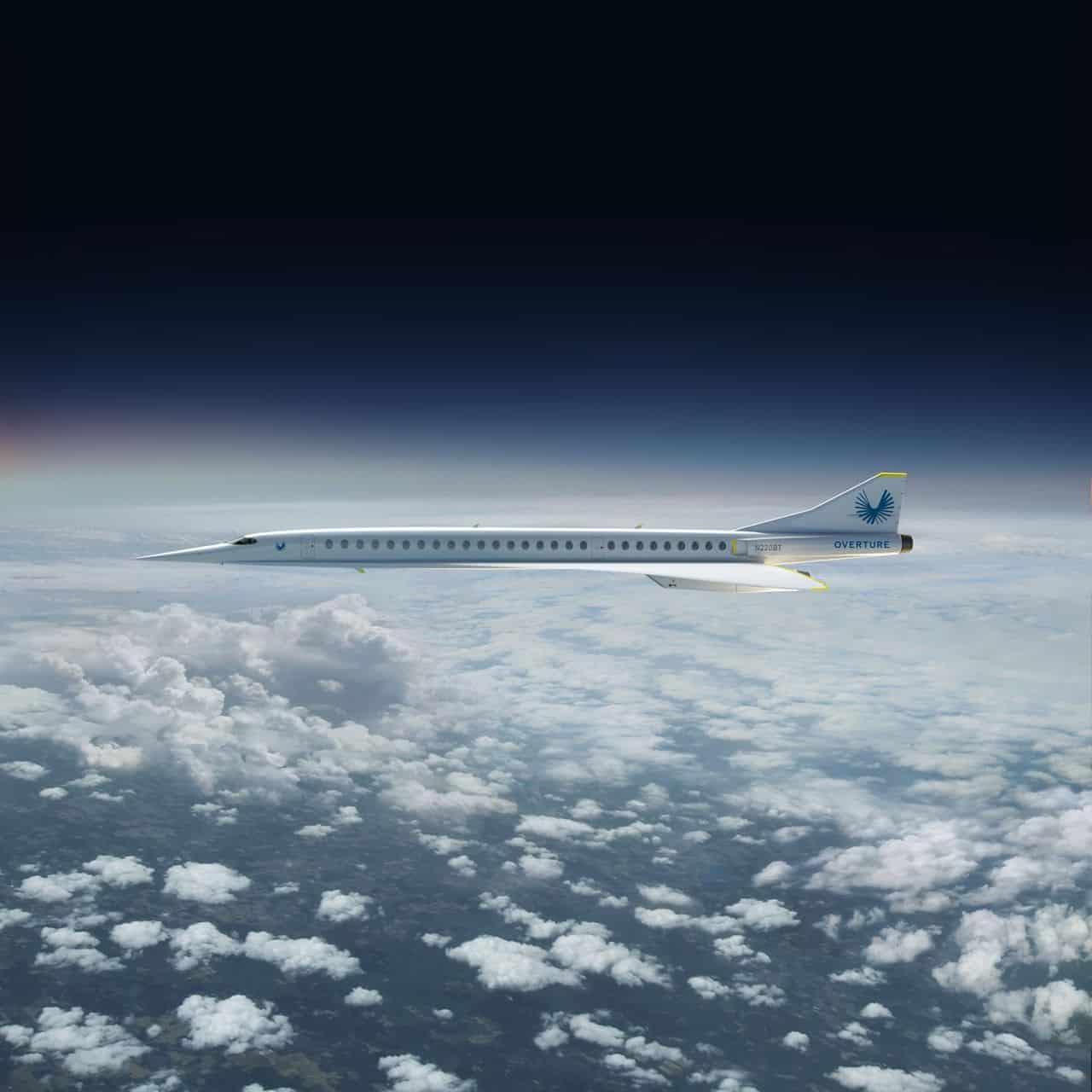
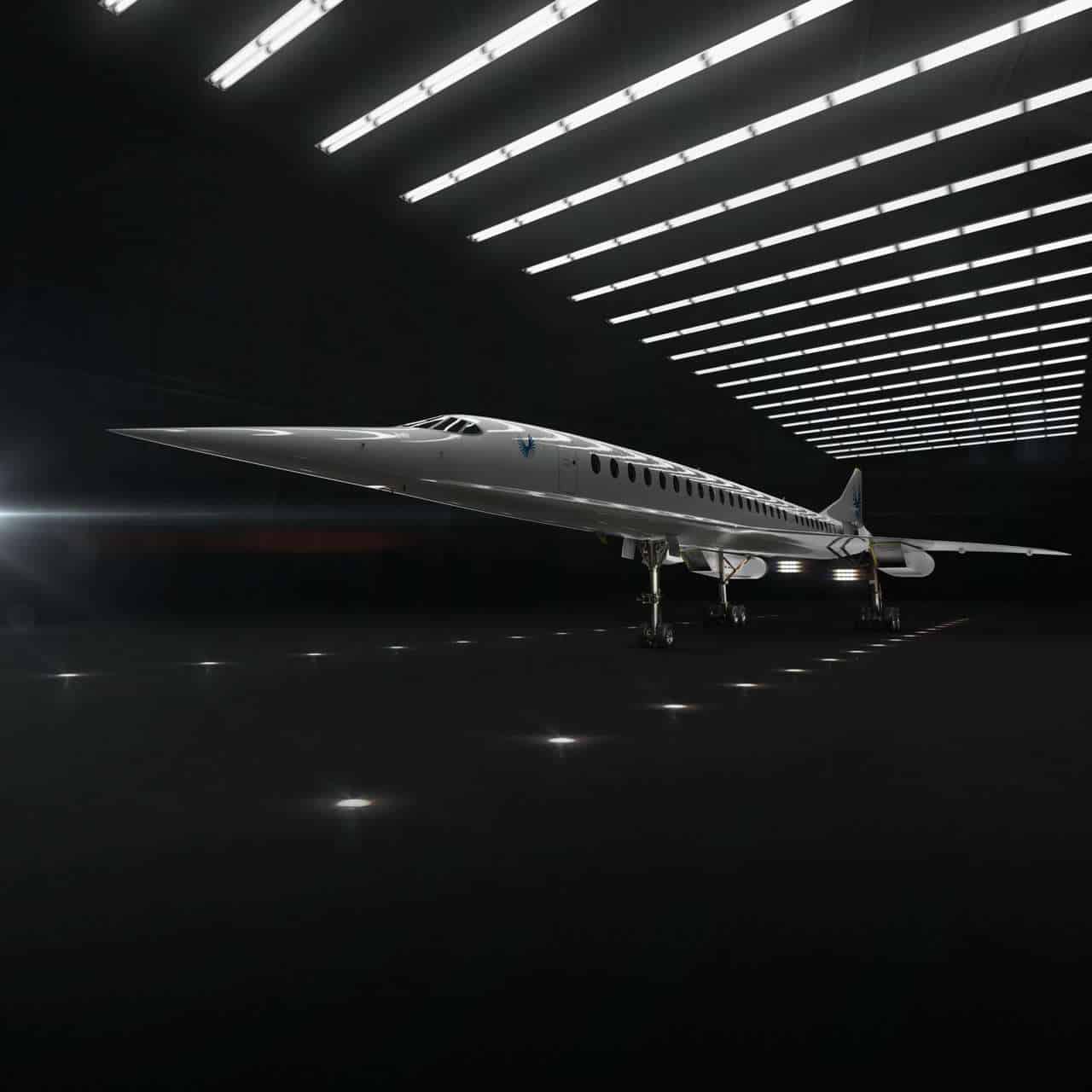
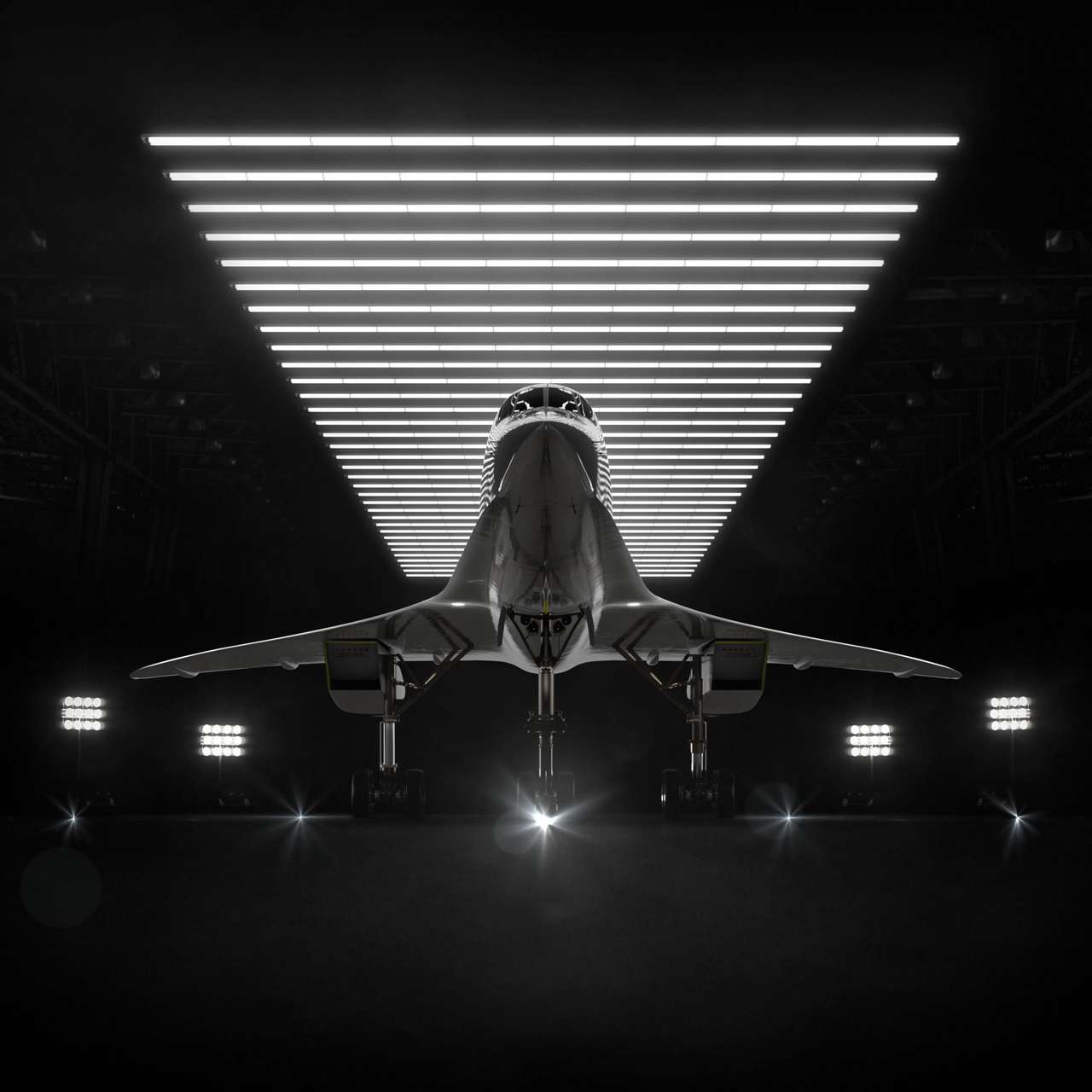
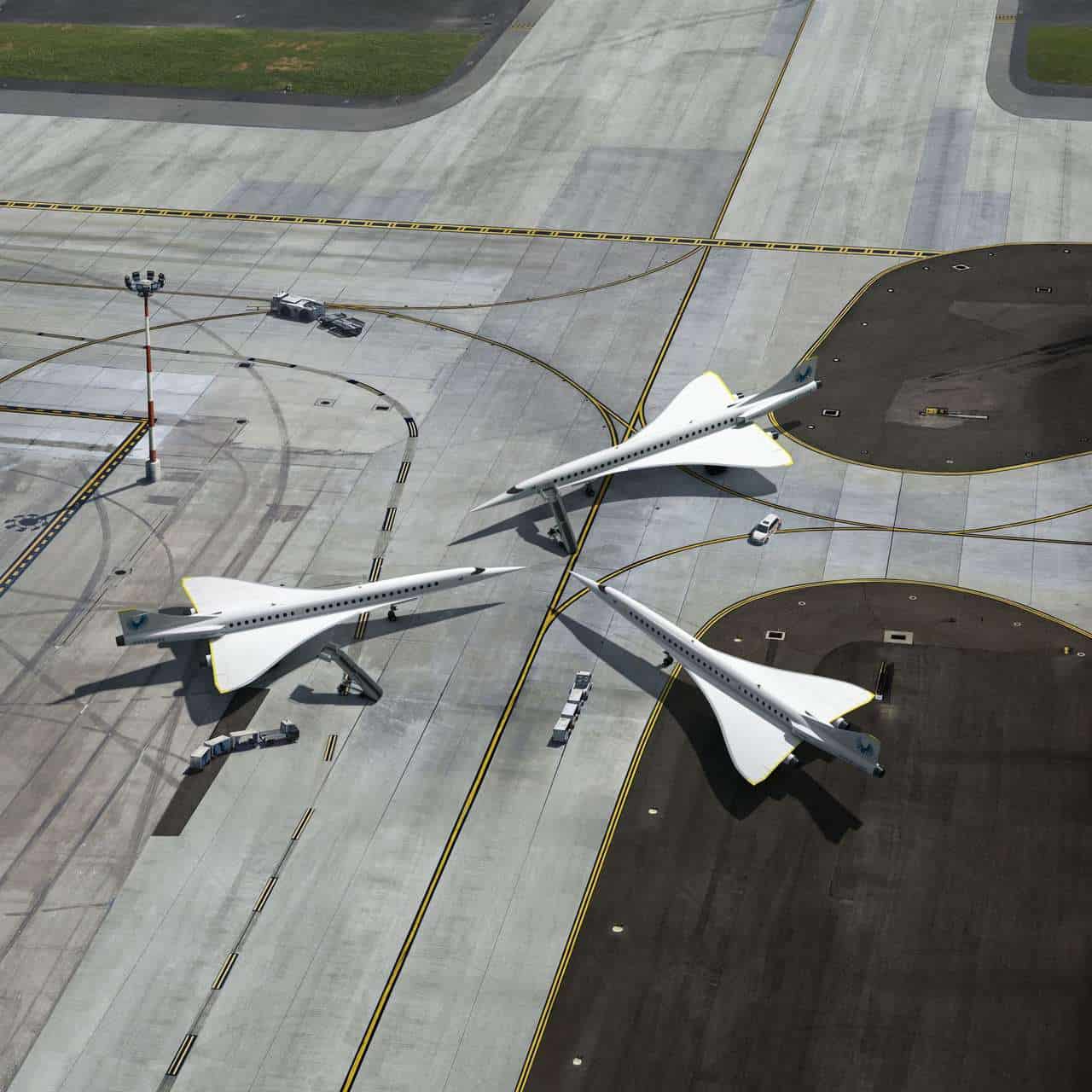
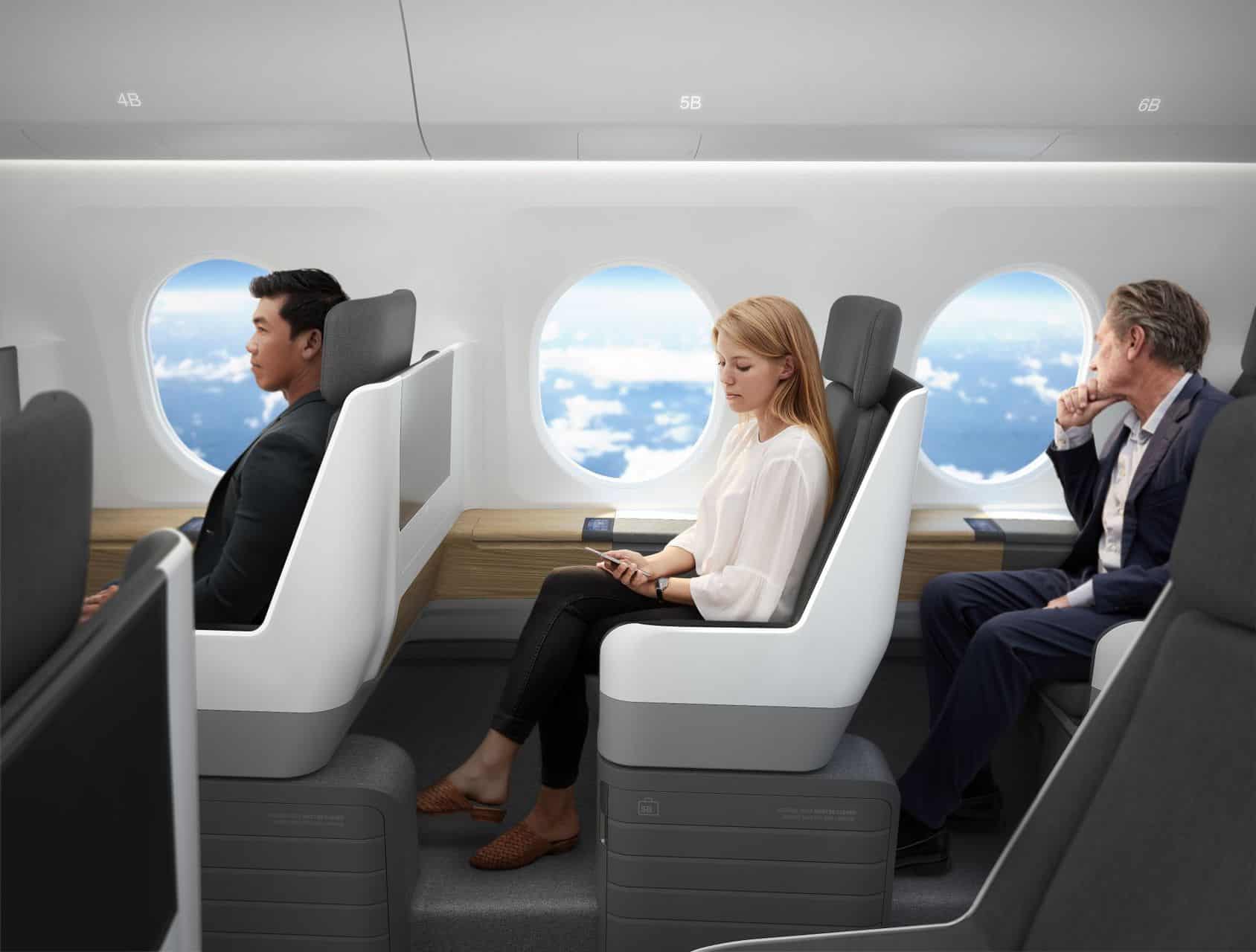
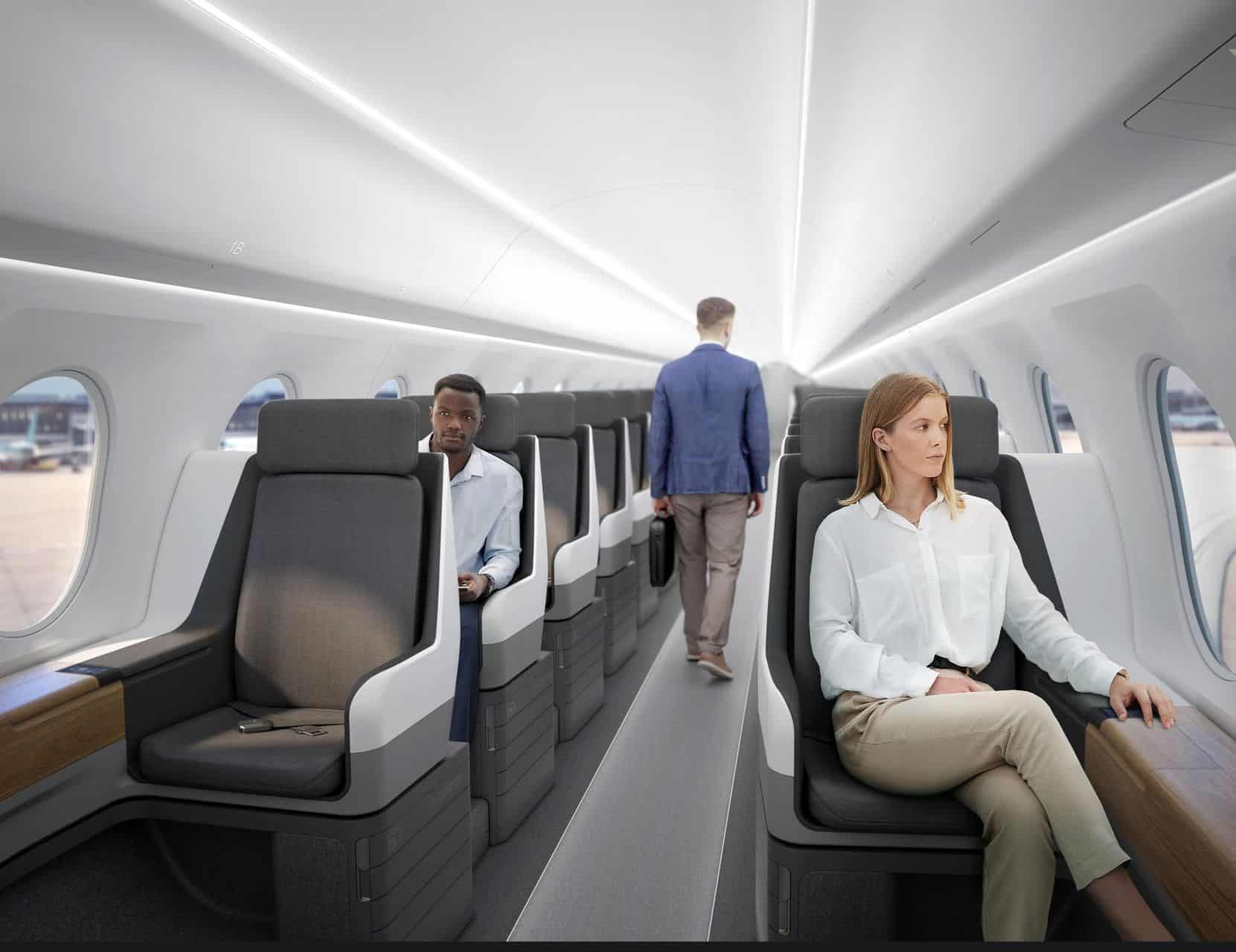
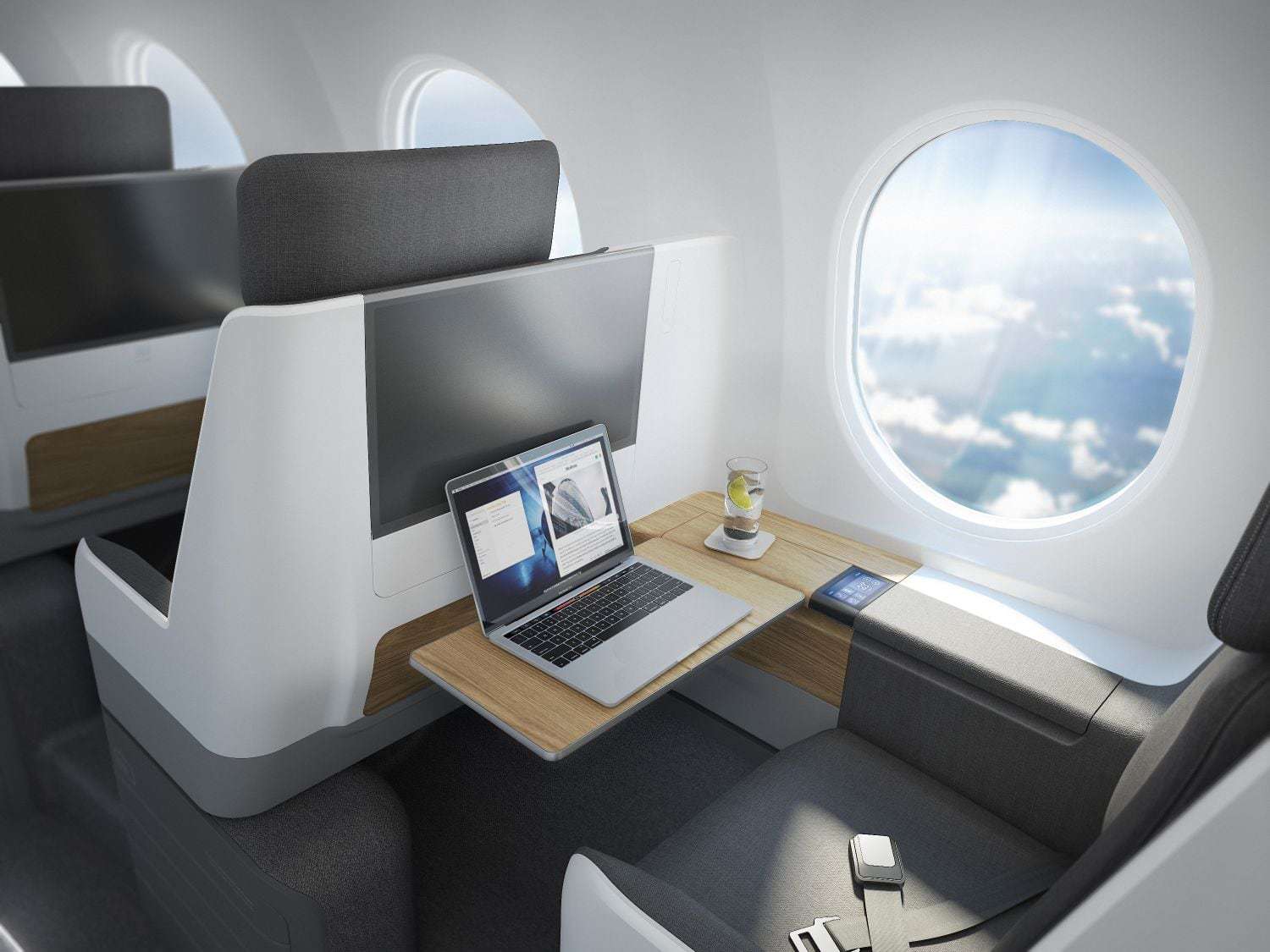
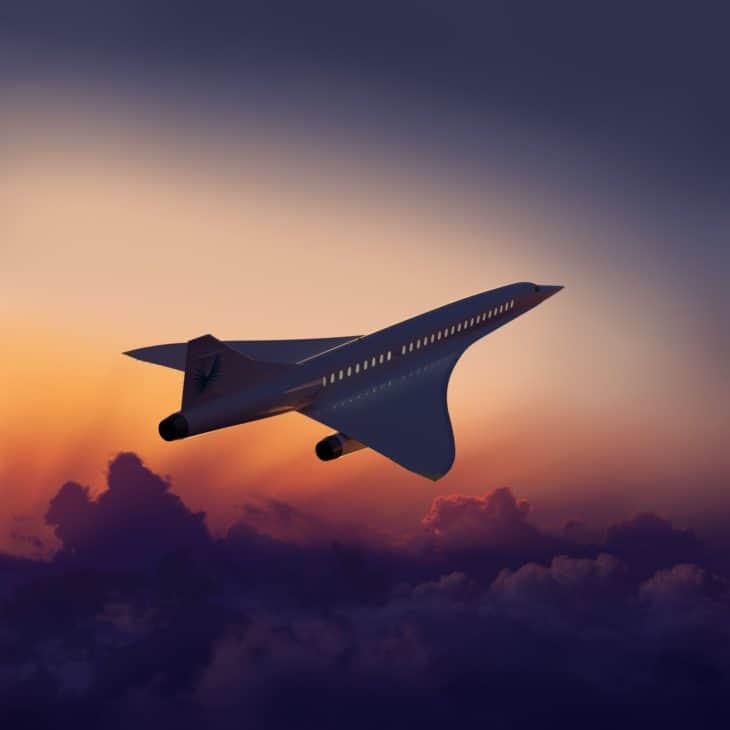
The Boom Overture is the most ambitious airplane on this list: a supersonic airliner meant to carry 64 to 80 passengers at Mach 1.7, roughly twice the speed of today’s jets. If it flies as planned, it will be the first supersonic airliner since the Concorde retired in 2003.
Denver-based Boom took a major step in January 2025, when its XB-1 demonstrator broke the sound barrier over the Mojave Desert. It was the first independently developed jet to go supersonic, and it did it several times across two test flights.
The full-size Overture is a much bigger challenge and is targeting flights around 2029. Its order book stands at 130 aircraft and pre-orders from United, American, and Japan Airlines, though a passenger-carrying supersonic jet remains a promise, not a product.
For where a jet like this would fit among the record holders, see our guide to the fastest aircraft in the world.
12. Comac C929
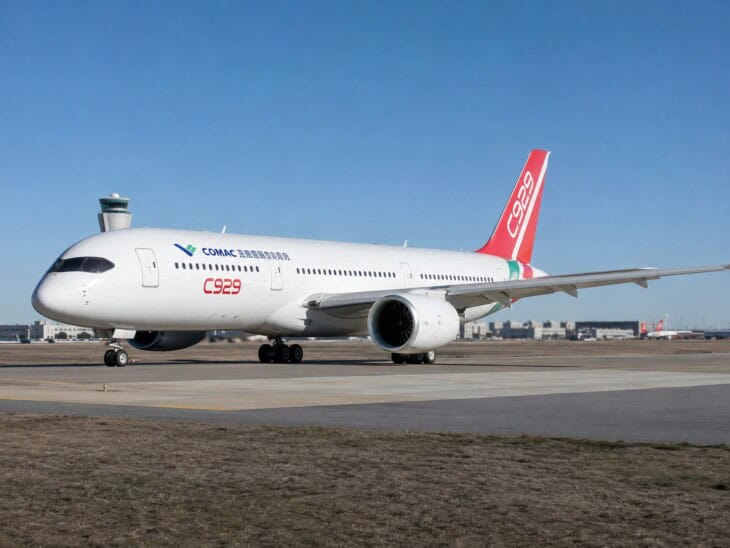
The C929 is Comac’s widebody, the twin-aisle follow-up to the C919 and China’s most ambitious airliner yet. It is aimed squarely at the long-haul market that the A350 and Boeing 787 dominate today.
The baseline design carries around 280 passengers over a range near 7,450 miles (12,000 km), and it has already picked up a launch order from Air China. The program is still in the design phase.
A first flight is not expected before roughly 2030, with entry into service slipping into the early-to-mid 2030s. A big open question remains its engines, which China wants to source domestically. It is the newest airliner on the horizon, and also the furthest away.
So where are the 787 and A350?
People often assume the Boeing 787 Dreamliner and the base Airbus A350 are the “newest” jets, but they are not. The 787 entered service in 2011 and the A350 in 2015, which makes them modern but no longer new. “Newest” tracks the first flight with passengers, and by that measure the A321XLR and C919 have moved well ahead of them.
The bigger picture: two rivalries, four contenders
For decades the story of new airliners was really one story: the rivalry between Boeing and Airbus. Almost every jet in the “flying today” half of this list is a move in that long game.
What has changed is the arrival of serious new players. China’s Comac now has one jet in service and a widebody in design, and Russia is pushing to field the MC-21 on its own terms.
The other shift is what “new” is being used for. The newest jets are less about raw size, a race explored in our look at the largest commercial airplanes, and more about efficiency and range: doing more with less fuel, and flying single-aisle jets on routes that once needed a widebody.
Sources and references used for research and fact-checking.
- Airbus, Airbus delivers first A321XLR to Iberia
- Aviation Week, China's Airlines Expect 33 Comac C919 Deliveries In 2026
- Boeing, Boeing certification progress reported on 737 MAX models and 777-9
- Aviation A2Z, FAA Approves Next Phase for New Boeing 777X, 2027 Entry in Sight
- FlightGlobal, First deliveries of MC-21 pushed back to 2027
- Boom Supersonic, Boom Supersonic Achieves Supersonic Flight
Get the Newsletter
The latest aviation news and stories sent to your inbox.
About the Author

Tim is the owner and lead editor of AeroCorner since 2019, overseeing aviation content covering aircraft, airlines, airports, and the broader aviation industry. Through years of researching, writing, editing, and publishing aviation-focused content, he has developed extensive practical knowledge of commercial aviation and air travel. Based in Asia and a frequent traveler himself, Tim also brings firsthand passenger experience to AeroCorner’s coverage. Outside of publishing, he has also explored aviation firsthand through hands-on flight training in New Zealand.