Jumbo Passenger Jets
Airbus A380-900
ICAO: A389
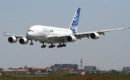
The Airbus A380-800 is the only full-length double-deck jet airliner ever built and still the largest passenger aircraft in service, produced from 2003 to 2021.
Updated: by Tim de Vries

The latest aviation news and stories sent to your inbox.
The Airbus A380-800 is the largest passenger aircraft ever built and the only airliner with two full-length decks. It seats 545 in a standard four-class layout, is certified for a maximum of 853, and flies 8,000 nautical miles nonstop. Airbus built 254 of them between 2003 and 2021 before ending the programme.
Live Fleet Activity (A388)
Fetching live data…
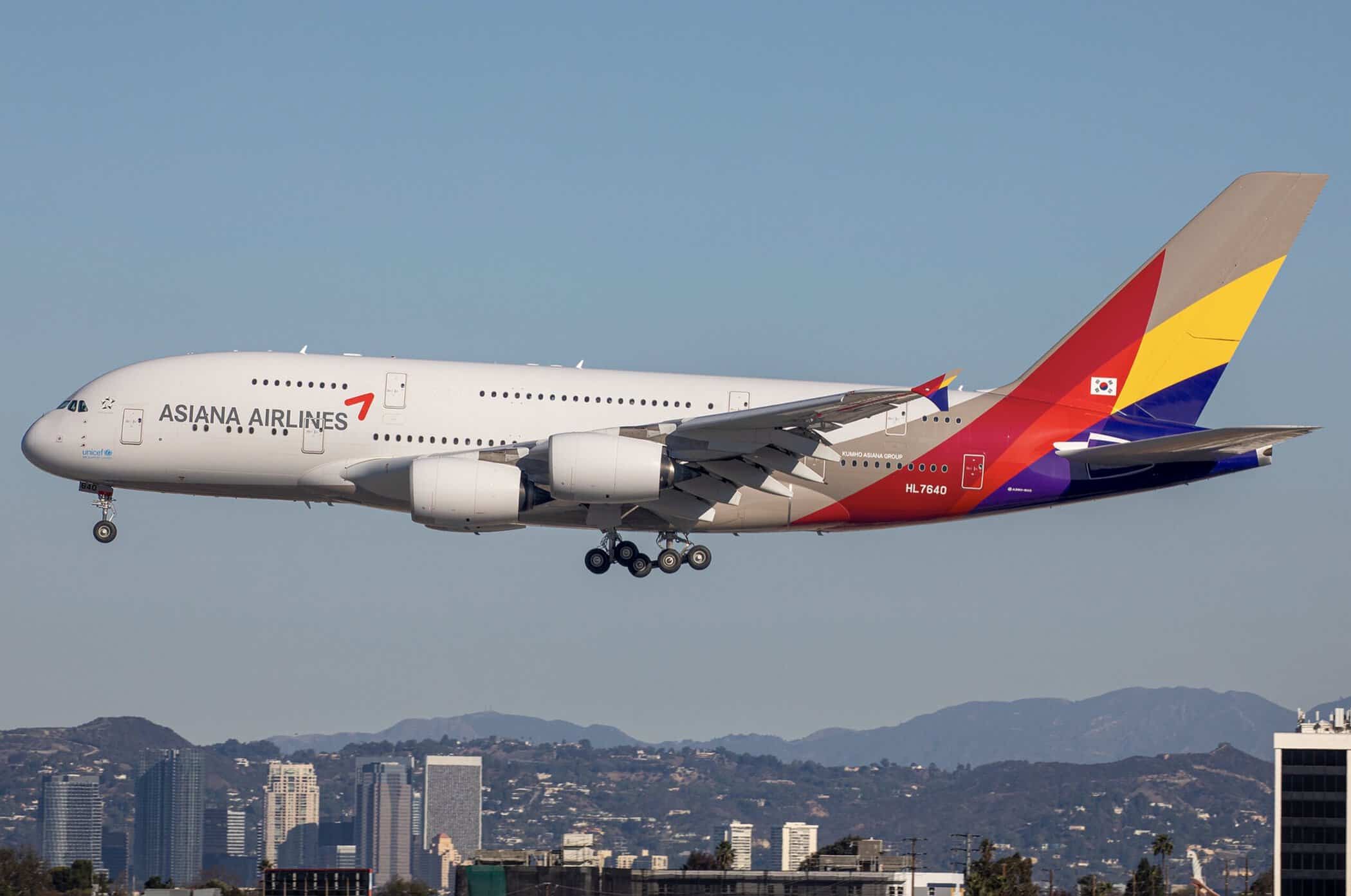
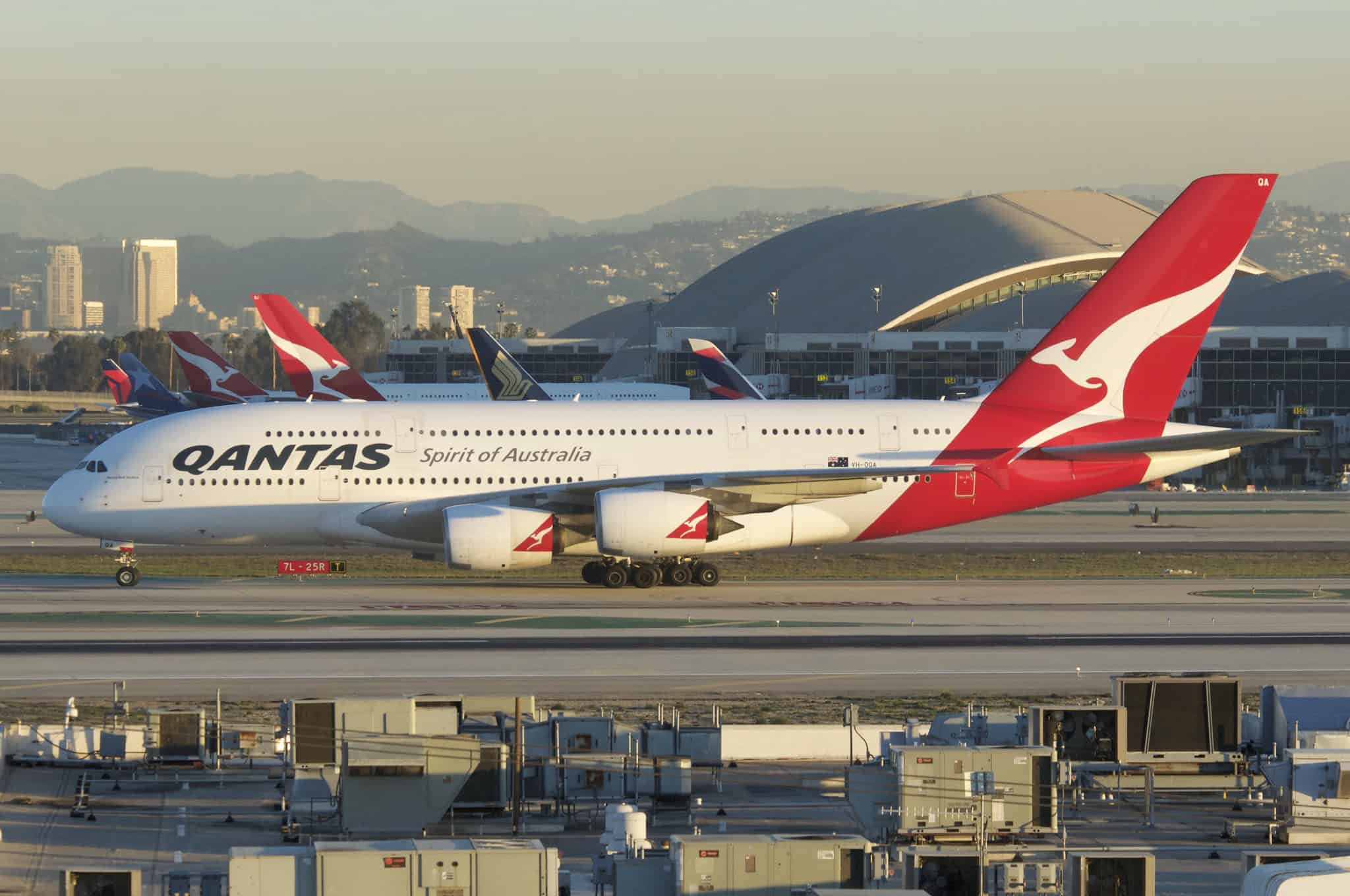


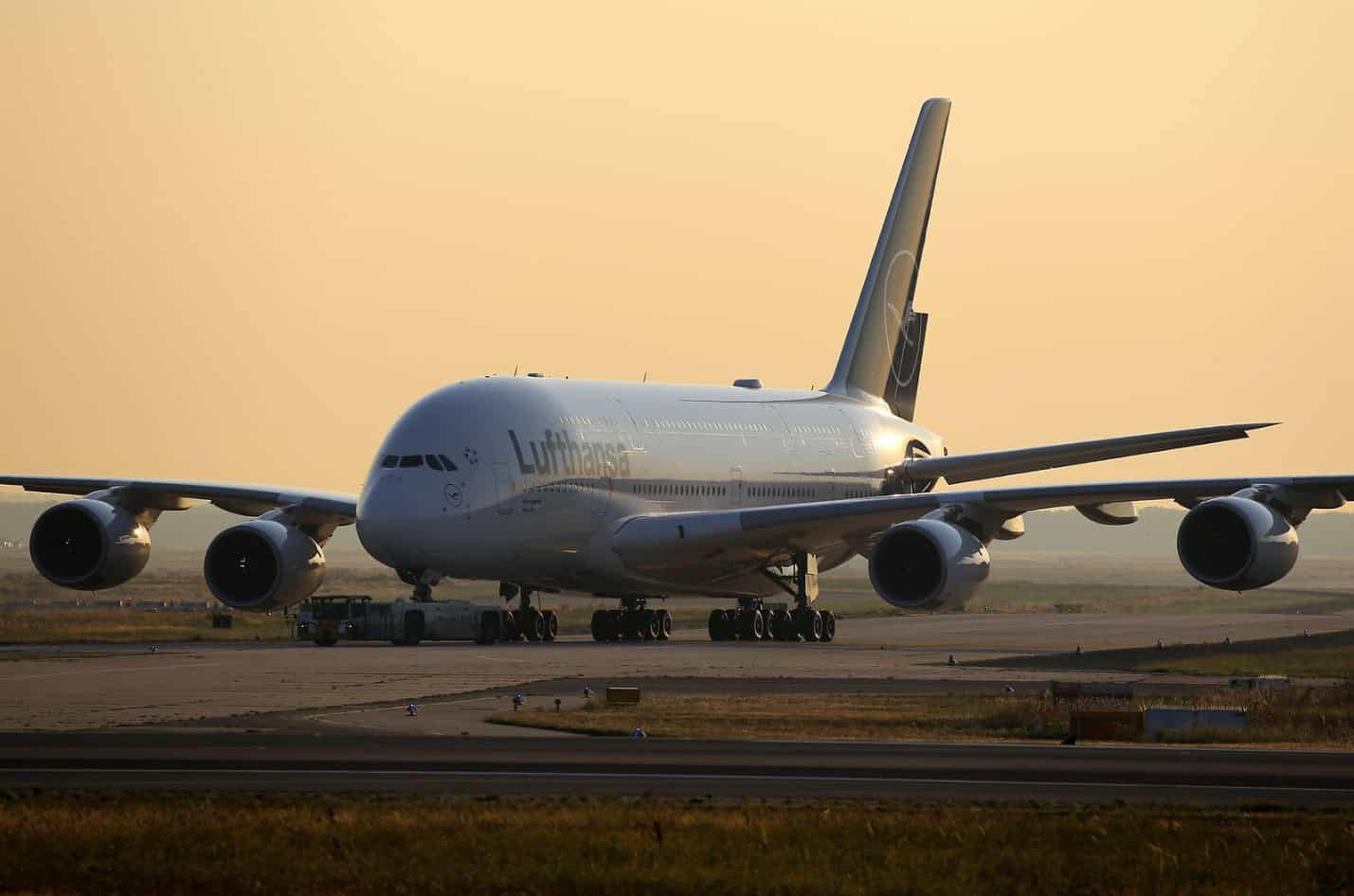


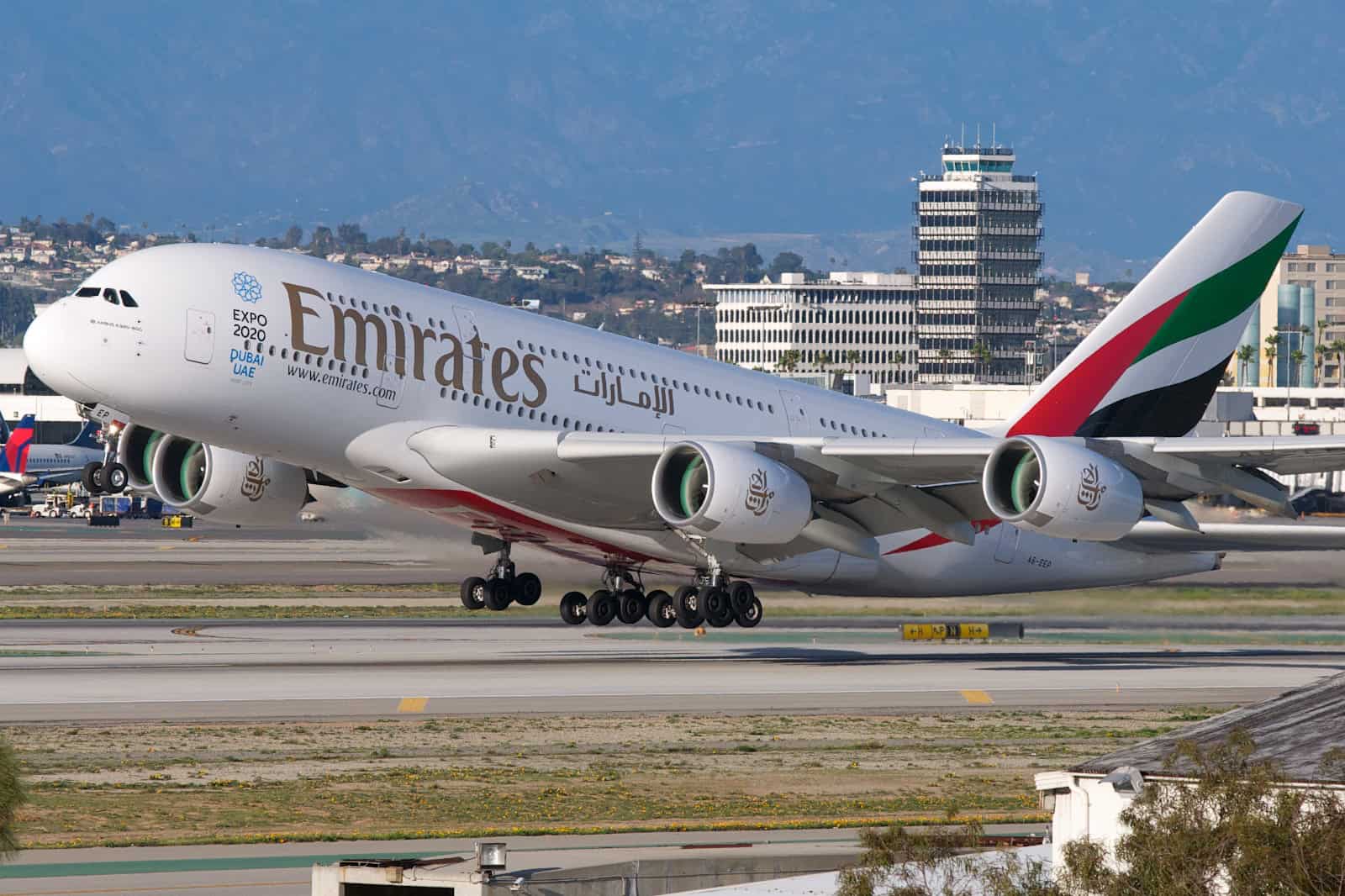
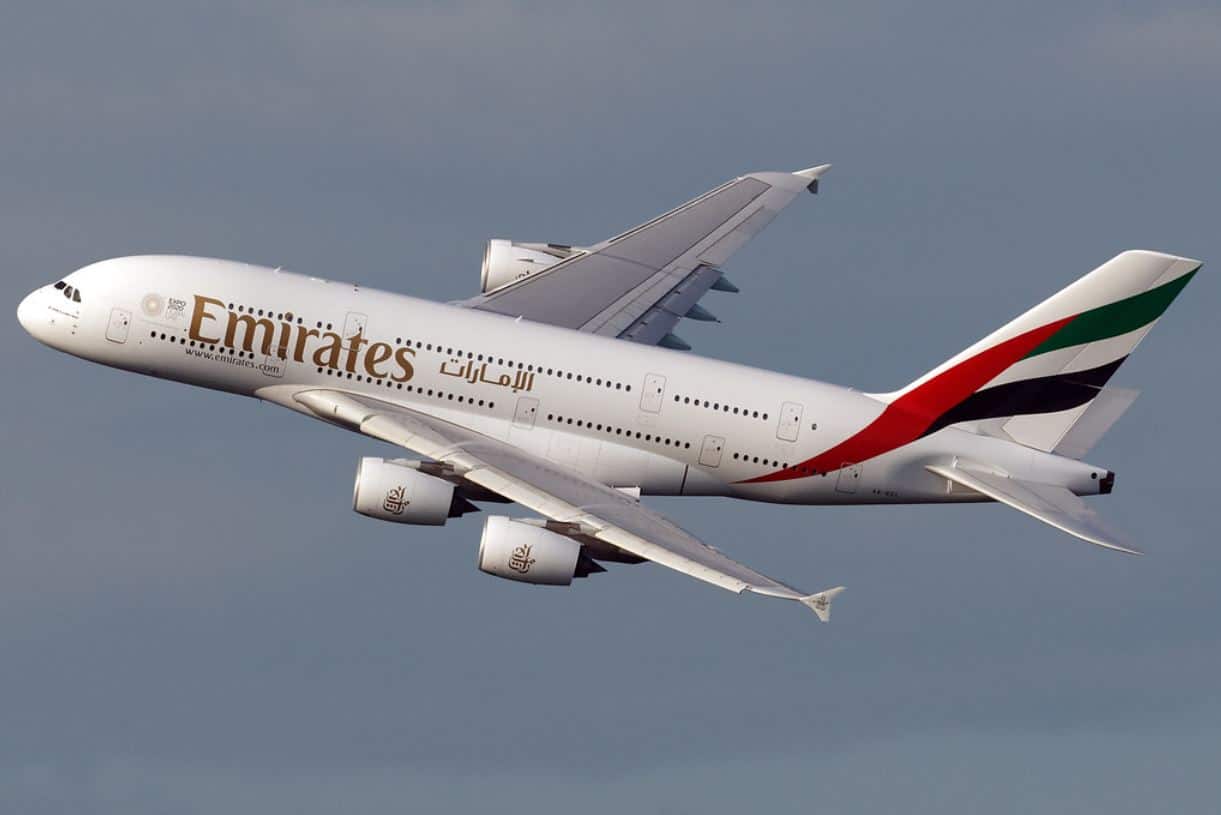
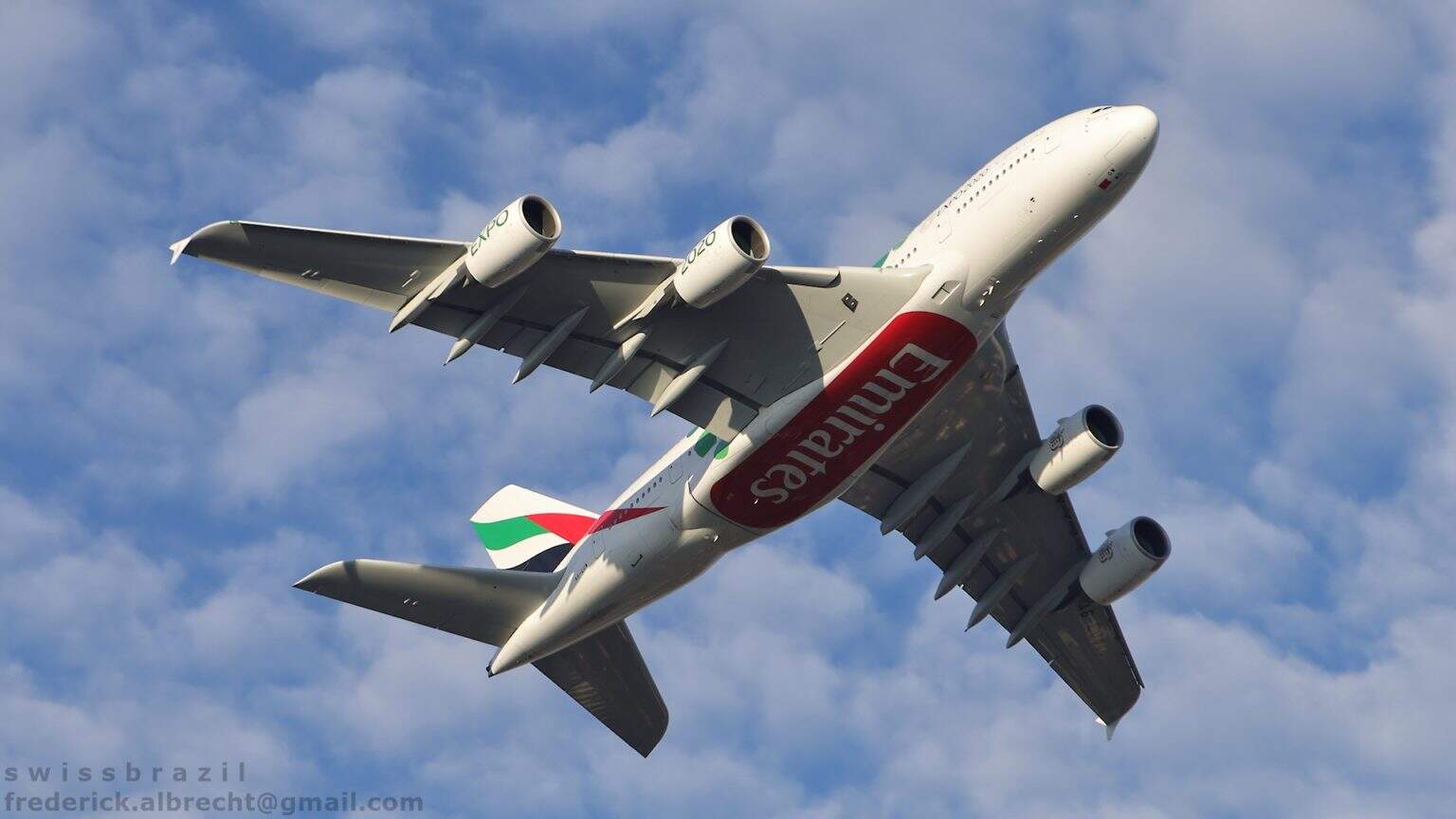


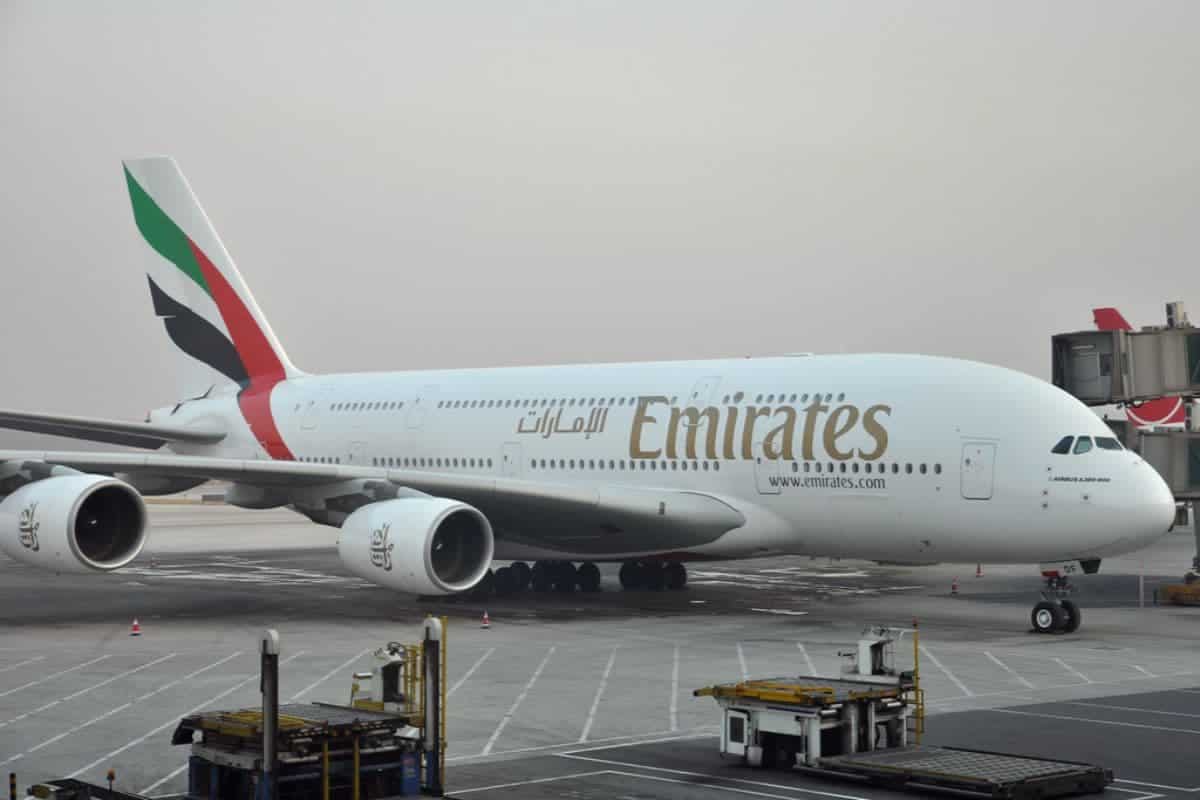

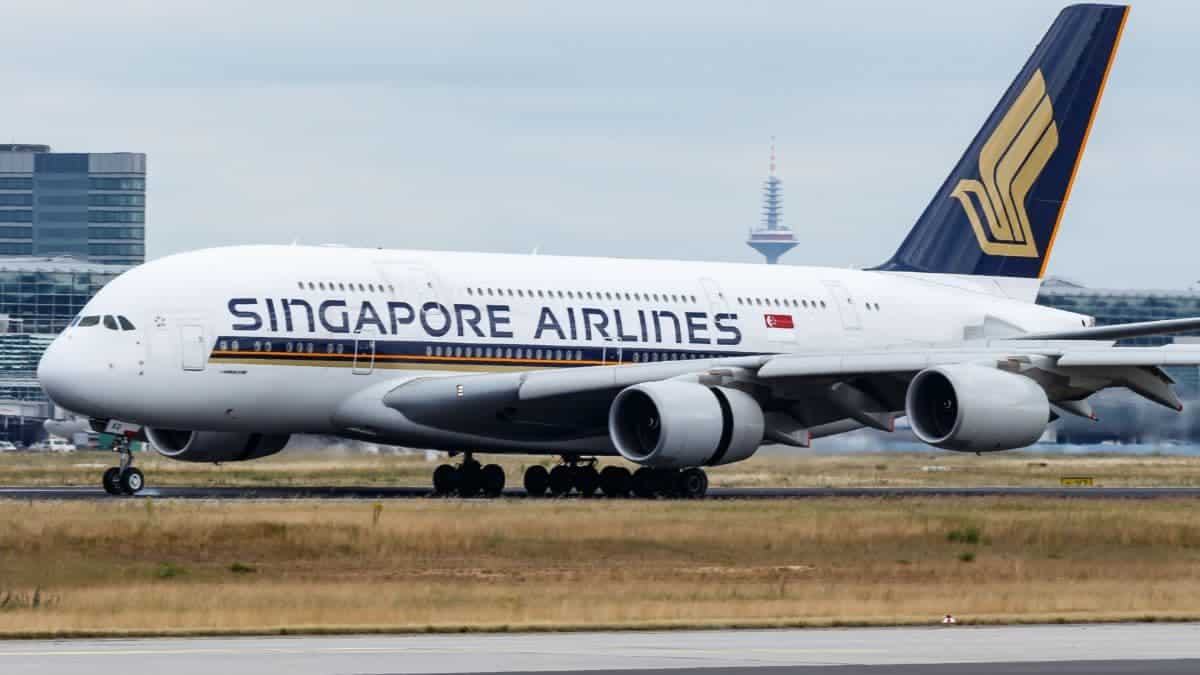


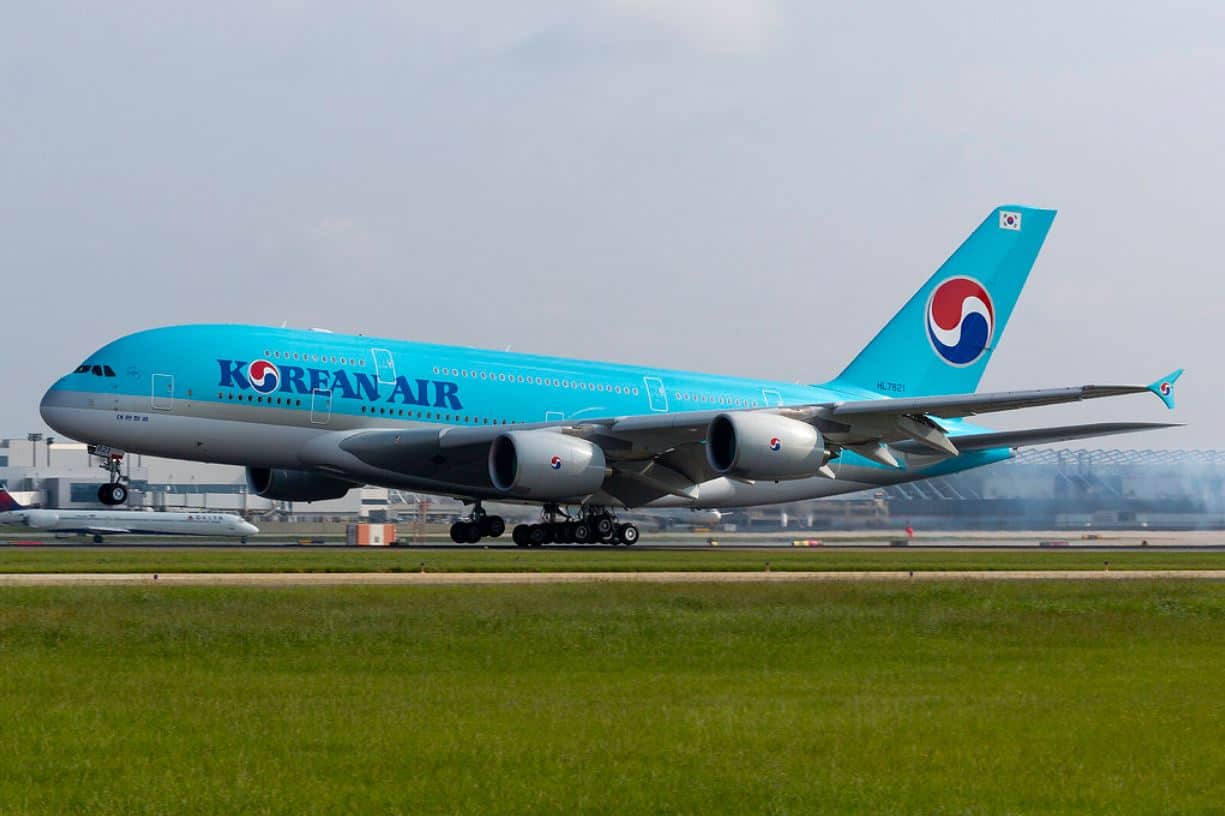


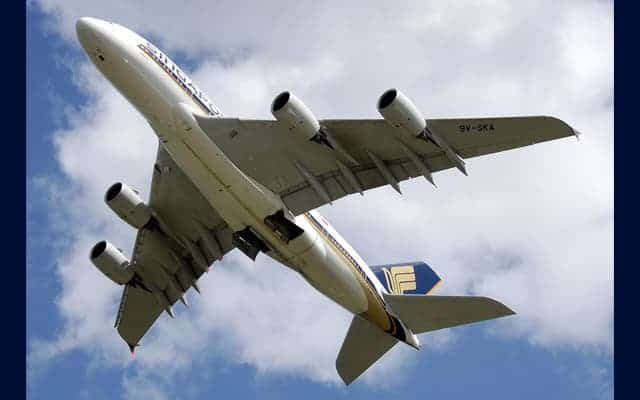
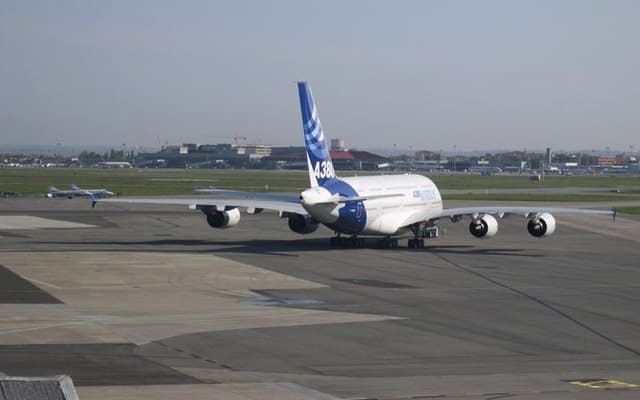
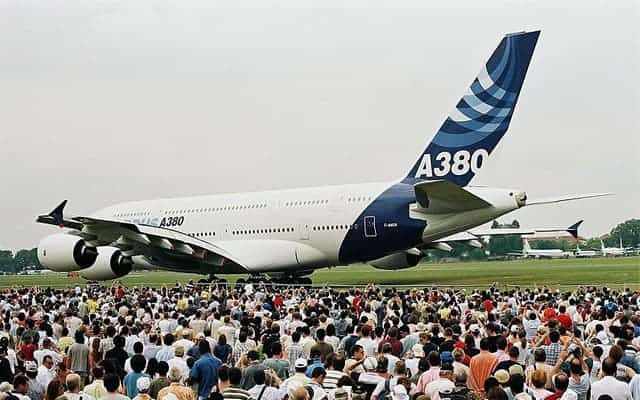
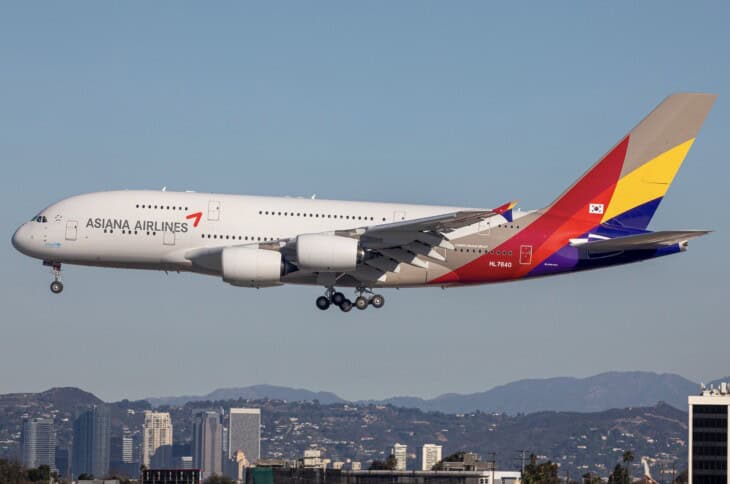
The Airbus A380-800 is the only full-length double-deck jet airliner ever built, and it remains the largest passenger aircraft in service. It carries 545 seats in a standard four-class layout and is certified for a maximum of 853.
Airbus produced it from 2003 to 2021, building 254 airframes including three test aircraft. The last one was delivered to Emirates on 16 December 2021.
Every A380 is an A380-800. The stretched A380-900 and the A380F freighter were both studied and never built, so the model designation covers the entire fleet.
Airbus began studying a very large airliner in 1988 and announced the project in 1990, with the explicit aim of breaking Boeing’s monopoly at the top of the market. The 747 had held that position alone for twenty years.
The programme was formally launched in December 2000. First metal followed in 2003, the first convoy of major sections reached Toulouse in April 2004, and the aircraft flew for the first time on 27 April 2005.
Entry into service slipped by roughly two years, mostly because of a wiring harness crisis. The German and Spanish plants stayed on CATIA version 4 while the British and French sites moved to version 5, the configuration data did not reconcile, and harnesses built to one standard would not fit airframes built to the other.
Development costs almost doubled as a result. Singapore Airlines finally flew the first commercial service on 25 October 2007.
Total development cost is estimated at around $25 billion, against a 2018 list price of $445.6 million per aircraft. That gap is the whole story of the programme’s finances.
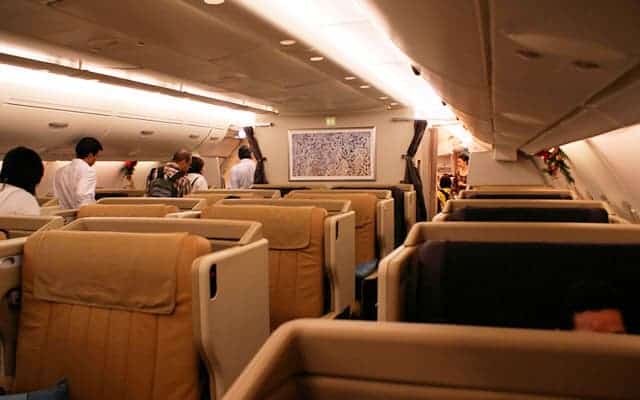
The A380-800’s defining feature is 5,920 square feet (550 m2) of usable cabin floor, spread over two full-length decks. Nothing else flying comes close.
The main deck cabin is the widest of any airliner at roughly 21 ft 7 in (6.58 m), which is about 20 inches (51 cm) wider than a 747 cabin. The upper deck, at roughly 19 ft (5.8 m), is the first full widebody upper deck ever flown and is 71 inches (180 cm) wider than the 747’s.
Airbus’s own reference layouts put ten-abreast economy on the main deck and eight-abreast economy on the upper deck. Business class sits six abreast upstairs, and first class six abreast on the main deck.
That extra width is why A380 economy seats can be up to 19 inches across, a genuine inch or more over the norm on a 777 or a 787. It is also why airlines were able to fit showers, bars and enclosed suites without gutting the seat count.
The cabin is split into 15 separate temperature zones, each adjustable between 18 and 30 degrees C, and the air is fully changed every two to three minutes through HEPA filters. Passengers consistently rate the A380 as the quietest widebody they fly on.
No airline has ever ordered the 853-seat configuration. That number is the certified evacuation limit, not a commercial layout.
In practice, operators fit between roughly 470 and 615 seats. Emirates flies three-class and two-class layouts in the 484 to 615 range, Lufthansa carries 509, Qantas 485 after its 2019 refit, Singapore Airlines 471, and British Airways 469.
The spread comes almost entirely from premium cabins. An Emirates first-class suite consumes several times the floor area of an economy seat, and the two onboard shower spas on the Emirates aircraft cost roughly a dozen seats on their own.
The A380 is one of a very small group of four-engine passenger planes still in scheduled service, and by some distance the largest of them.
The upper deck is the better deck for most passengers, and it is not close. It is narrower, quieter, carries fewer people, and its cabins are almost always premium or premium economy.
Two things make it quieter. The engines hang below and outboard of the upper deck floor line, so their noise reaches upper-deck passengers through more structure, and the smaller cabin simply holds fewer people making noise.
The upper deck also has a structural quirk in its favour. The fuselage curves inward above the windows, which leaves a shelf-like side bin next to window seats on many airlines’ layouts, a storage feature no other airliner offers.
If you are in economy, the upper deck’s eight-abreast layout means a 2-4-2 arrangement rather than the main deck’s 3-4-3. Only two people sit between you and a window instead of three.
The quietest seats on the aircraft are on the upper deck ahead of the wing. The noisiest are on the main deck at the rear, behind the engines and near the aft galleys.
The A380-800 was certified with two engine choices. The Rolls-Royce Trent 900 powers the A380-841 and A380-842, and the Engine Alliance GP7200, a General Electric and Pratt & Whitney joint venture, powers the A380-861.
Both are three-shaft or two-shaft high-bypass turbofans in the 70,000 lbf class, among the largest commercial aircraft engines ever put into series production. Emirates split its fleet between the two types.
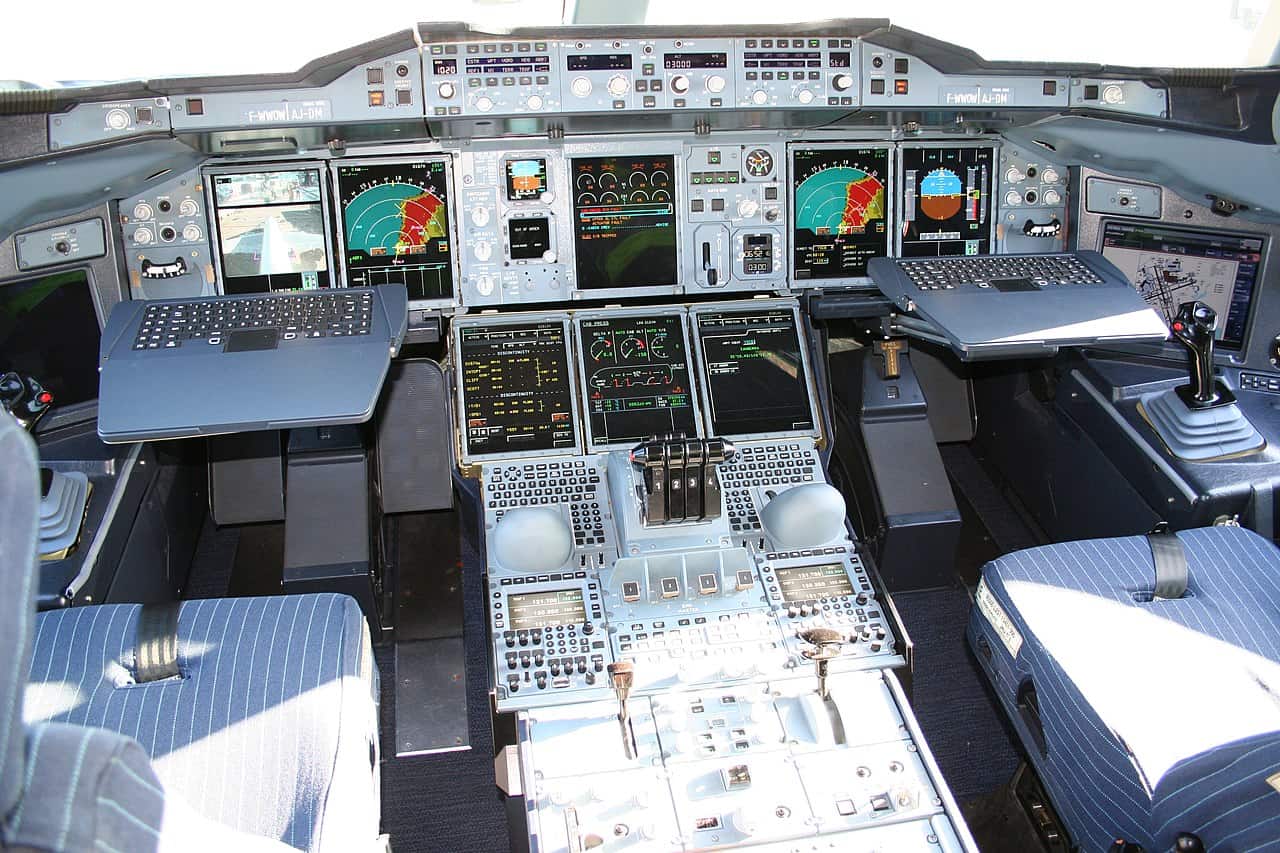
The A380 was the first airliner to fly with a full Integrated Modular Avionics suite, developed with Thales and Diehl. Instead of one box per function, shared processing cabinets run multiple systems in partitioned software, which cut both weight and wiring.
Thales supplied the eight main cockpit displays, Honeywell the flight management system, and Rockwell Collins the high-speed data buses. The flight deck is close enough to the A330 and A340 that cross-crew qualification takes a fraction of a full type course.
The aircraft also runs its hydraulics at 5,000 psi (350 bar), against the 3,000 psi that has been standard on airliners since the 1940s. Higher pressure means smaller pipes and lighter actuators for the same force, which matters a great deal on an airframe this size.
The full specification table for the aircraft is on this page. A few of those figures deserve context, because the A380 is quoted against several different standards depending on who is publishing.
Thrust is the clearest example. The panel shows a single maximum figure of 76,752 lbf, the Trent 972-84 rating and the highest take-off thrust on the current EASA type certificate. The Trent 970-84 is rated at 75,152 lbf and the Engine Alliance GP7270 at 74,735 lbf, while Airbus’s own marketing literature simply says “70,000 lb slst” for the class.
Speed is quoted in knots in the panel, but the A380 is flown to a Mach number. Long-range cruise is Mach 0.85, which works out to roughly 488 knots true airspeed at 43,000 feet, and the maximum is Mach 0.89, about 515 knots at 34,000 feet.
Weight is a range, not a point. Airbus certified the A380-800 in fifteen weight variants, with maximum takeoff weights from 480,000 kg up to 575,000 kg (1,268,000 lb); the panel carries the top figure, which is what almost every long-haul operator bought.
Range works the same way. The 8,000 nautical miles in the panel is Airbus’s figure with a full 545-seat four-class load, while the design range quoted earlier in the programme, 8,500 nautical miles, assumes a lighter payload. Landing distance is deliberately left blank because it varies from roughly 4,600 to 9,000 feet depending on landing weight and airfield elevation, so no single number is honest.
Airbus announced the end of A380 production in February 2019, after Emirates cancelled an order for 39 aircraft and replaced it with 40 A330-900s and 30 A350-900s. Emirates was effectively the only customer left, and losing it ended the programme.
The arithmetic never worked. Airbus needed more than $90 million of profit on every aircraft to recover the development cost, and at a $445.6 million list price it was not covering production cost, let alone development.
The deeper problem was a bet on the wrong network model. Airbus designed the A380 for a hub-and-spoke world in which slot-constrained megahubs would need ever-larger aircraft; airlines instead moved to point-to-point flying on efficient twinjets that reach the same destinations without a connection.
The A380 also had no freight career to fall back on. The 747 stayed in production for six extra years on cargo orders alone, but the A380’s upper deck floor is load-bearing structure and its cockpit sits beside the lower deck, so it can take neither a hinged nose nor a single tall cargo deck.
The final fuselage was assembled on 25 September 2020, and the last aircraft, serial number 272, first flew on 17 March 2021. It is now flying for Emirates.
The A380 is far bigger overall, but not longer. At 238 ft 7 in (72.7 m) it is shorter than both the Boeing 777-300ER at 242 ft 4 in (73.9 m) and the Boeing 777-9 at 251 ft 9 in (76.7 m).
Every other measure goes the other way. The A380’s wingspan of 261 ft 8 in (79.75 m) beats the 777-9’s 235 ft 5 in (71.76 m), and its maximum takeoff weight of 1,268,000 lb (575,000 kg) is about 64 percent above the 777-9’s 775,000 lb (351,534 kg).
Capacity is the real gap. A typical A380 carries 470 to 615 passengers against 349 to 414 on a 777-9, because the A380 has two full decks and the 777 has one.
The trade is efficiency. Two engines burn less fuel than four for a given payload, which is exactly why the 777 and the A350 XWB displaced the superjumbo. For the same reason the A380 sits near the top of any list of the largest commercial airplanes while being nowhere near the most-produced.
The last published Airbus list price for the A380-800 was $445.6 million, quoted for 2018. Airbus stopped publishing list prices across its range in 2019.
Nobody paid that. Airlines buying in fleet quantities routinely negotiated discounts well past 40 percent, and Emirates, which took 116 aircraft, had more leverage than anyone.
The second-hand market has been brutal. Early aircraft coming off lease around 2017 and 2018 found no buyers and several were broken up for parts before their fifteenth birthday, which for a commercial airliner is barely middle age.
That has since reversed. Post-pandemic capacity shortages pushed used A380 values back up, and airlines that had written the type off returned aircraft to service rather than take delivery delays on new twinjets.
Around 189 A380s were in service with 12 operators as of May 2025, out of 251 delivered. That is a higher active count than most people expect for an aircraft whose obituary was written in 2020.
Emirates dominates with 116 aircraft, more than all other operators combined. Singapore Airlines and British Airways each fly 12, Qantas and Qatar Airways 10 each, and Lufthansa 8.
The remaining operators are Etihad Airways, Korean Air, All Nippon Airways and Asiana Airlines. Air France retired its fleet outright in 2020 and China Southern followed in 2022.
Retirement dates are now surprisingly distant. Qantas plans to begin phasing its A380s out from 2028, Lufthansa after 2030, Korean Air before 2031, and Emirates intends to fly its fleet until 2041.
Airbus ended production in February 2019 after Emirates, the only remaining large customer, cancelled an order for 39 aircraft. The programme cost about $25 billion to develop and Airbus needed over $90 million profit per aircraft to recover that, which the $445.6 million list price could not deliver.
The underlying cause was a wrong bet on network structure. Airbus expected traffic to concentrate through congested megahubs served by very large aircraft, while airlines moved to point-to-point routes flown by efficient twinjets.
The upper deck forward of the wing is the quietest and most comfortable part of the aircraft. It sits above and inboard of the engines, holds fewer passengers than the main deck, and on most airlines carries only premium or premium economy cabins.
In economy, upper deck window seats on many layouts have a side storage bin created by the inward curve of the fuselage. Avoid the rear of the main deck, which is behind the engines and next to the aft galleys.
Upstairs, in nearly every case. The upper deck is quieter, narrower and less crowded, and its economy layout is eight abreast in a 2-4-2 arrangement rather than the main deck’s ten abreast 3-4-3.
The one advantage of the main deck is space. First class suites and the widest economy seats are down there, along with the bar or lounge areas some airlines fit.
The A380 is much bigger by weight, wingspan, floor area and capacity, but the Boeing 777-300ER and 777-9 are both slightly longer. The A380’s maximum takeoff weight of 1,268,000 lb (575,000 kg) is about 64 percent above the 777-9’s 775,000 lb (351,534 kg), and it carries roughly 50 percent more passengers.
The 777 is longer because it is a single-deck aircraft that has to stretch to add seats. The A380 adds them by stacking two decks instead.
It is certified for a maximum of 853 passengers, and Airbus’s standard four-class reference layout seats 545. No airline has ever fitted the maximum, and real-world configurations run from about 469 seats on British Airways to 615 on Emirates’ two-class aircraft.
Airbus quotes 8,000 nm (9,210 mi, 14,820 km) with a full 545-seat load. The design range at lighter payloads is 8,500 nautical miles, enough for Hong Kong to New York or Sydney to Istanbul nonstop.
Long-range cruise is Mach 0.85, roughly 488 knots (562 mph or 904 km/h) true airspeed at 43,000 feet. Maximum operating speed is Mach 0.89, about 515 knots (593 mph or 954 km/h). It is quick for a widebody but well short of the fastest passenger planes ever flown.
No A380 has been lost in a hull-loss accident. The type’s two most serious events were uncontained engine failures, on Qantas Flight 32 in November 2010 and on Air France Flight 66 in September 2017, and neither caused injuries to passengers.
The ICAO type designator is A388 and the IATA aircraft type code is 388. The broader IATA code 380 refers to the A380 family as a group.
Airbus built 254 A380s between 2003 and 2021, including three test aircraft, and delivered 251 to 14 customers. Production ended with serial number 272, which went to Emirates on 16 December 2021.
Sources and references used for research and fact-checking.