Cargo Airplanes
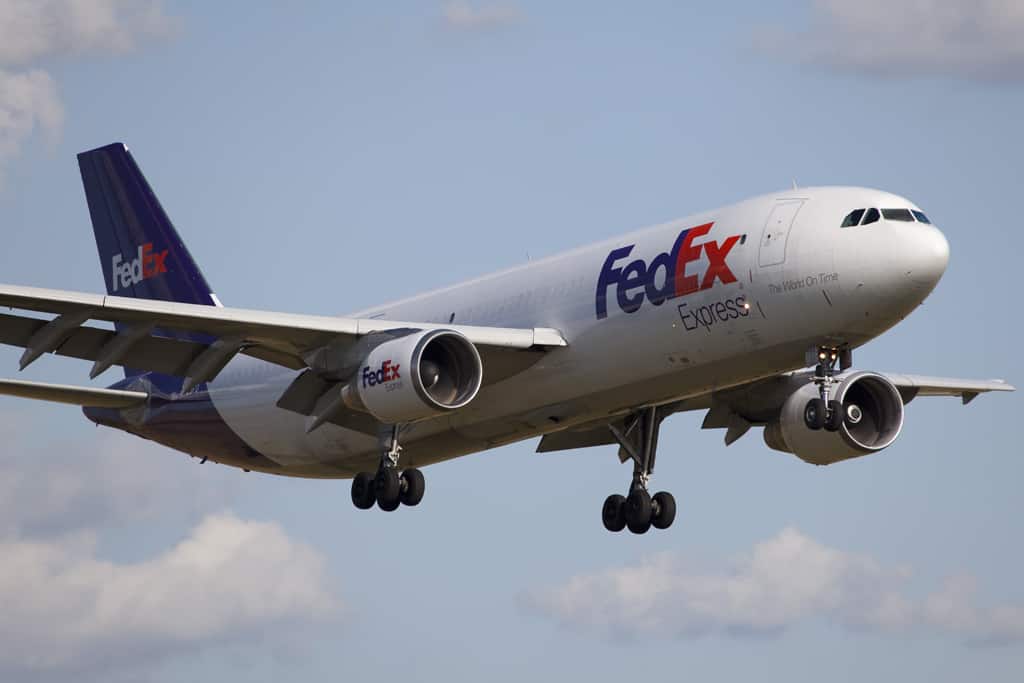
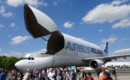
Airbus A300-600F
ICAO: A30B
European engineering powerhouse shaping the future of commercial aviation

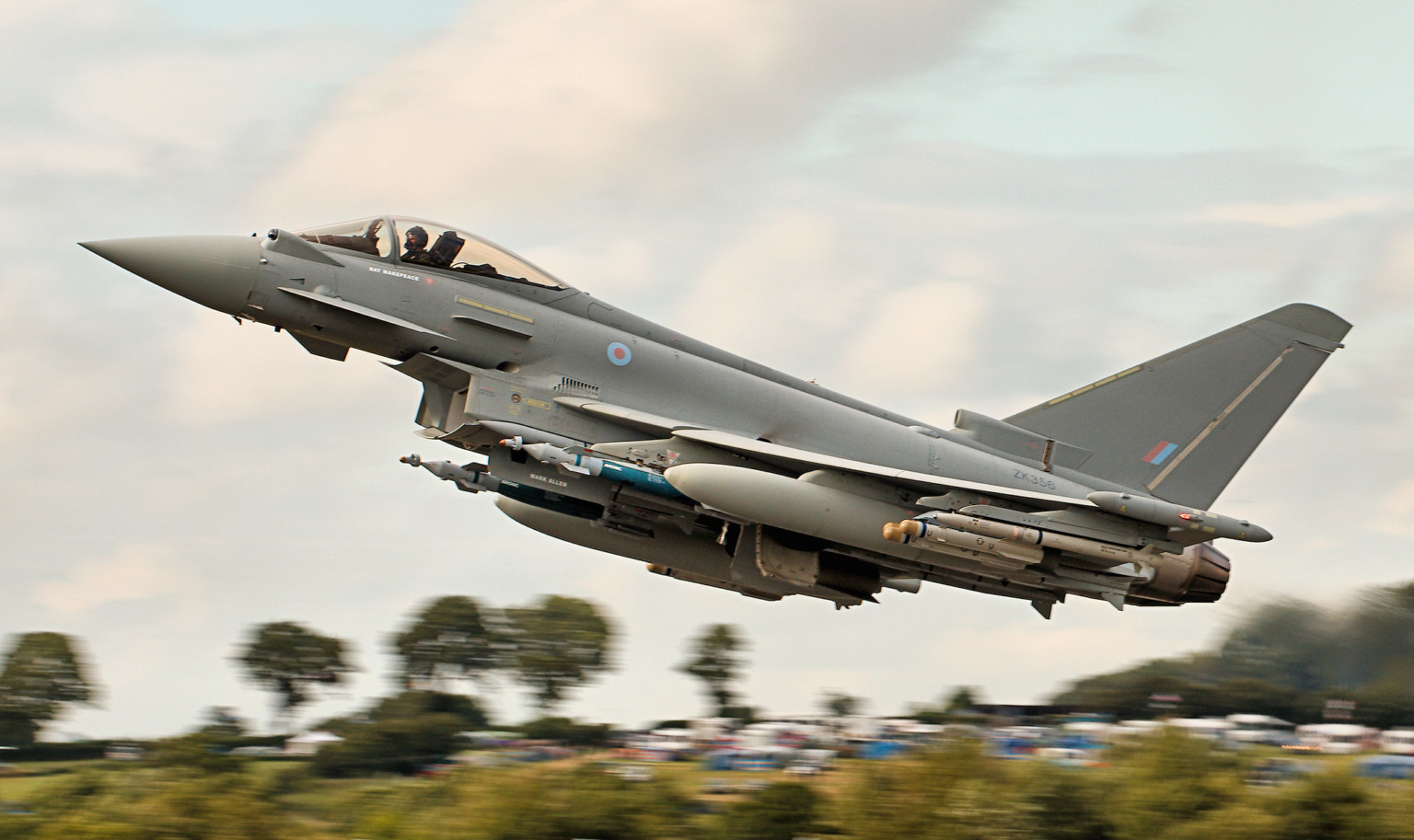
AeroCorner features profiles for 46 Airbus aircraft. This includes 17 Jumbo Passenger Jets, 11 Mid Size Passenger Jets, 7 Cargo Airplanes, 7 Heavy Business Jets, 2 Military Transport Planes, 1 Military Propellor Plane, and 1 Fighter Jet. Each profile includes performance data, photo galleries, dimensions, and operational history.
Airbus is one of the world’s leading aerospace manufacturers, producing commercial airliners, military aircraft, helicopters, and space systems. Its aircraft families such as the A320, A330, A350, and A380 are central to global airline fleets and have shaped modern commercial aviation. The company operates across Europe with a global industrial footprint and a strong focus on innovation, sustainability, and advanced manufacturing.
Airbus also maintains a major presence in defense and space operations, developing transport aircraft, fighters through partnerships, satellites, launch vehicles, and next-generation programs. Its combination of civil and military capabilities makes Airbus a cornerstone of modern aerospace technology and European industrial collaboration.
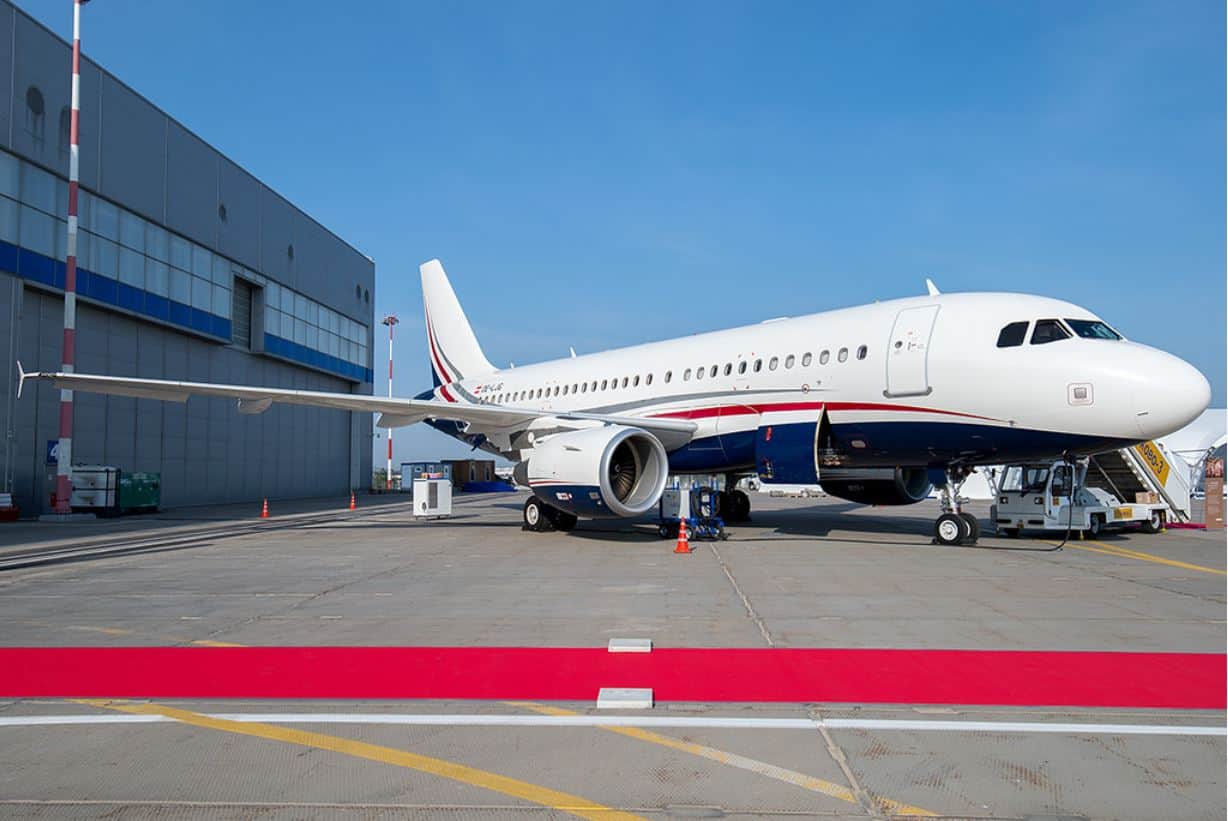
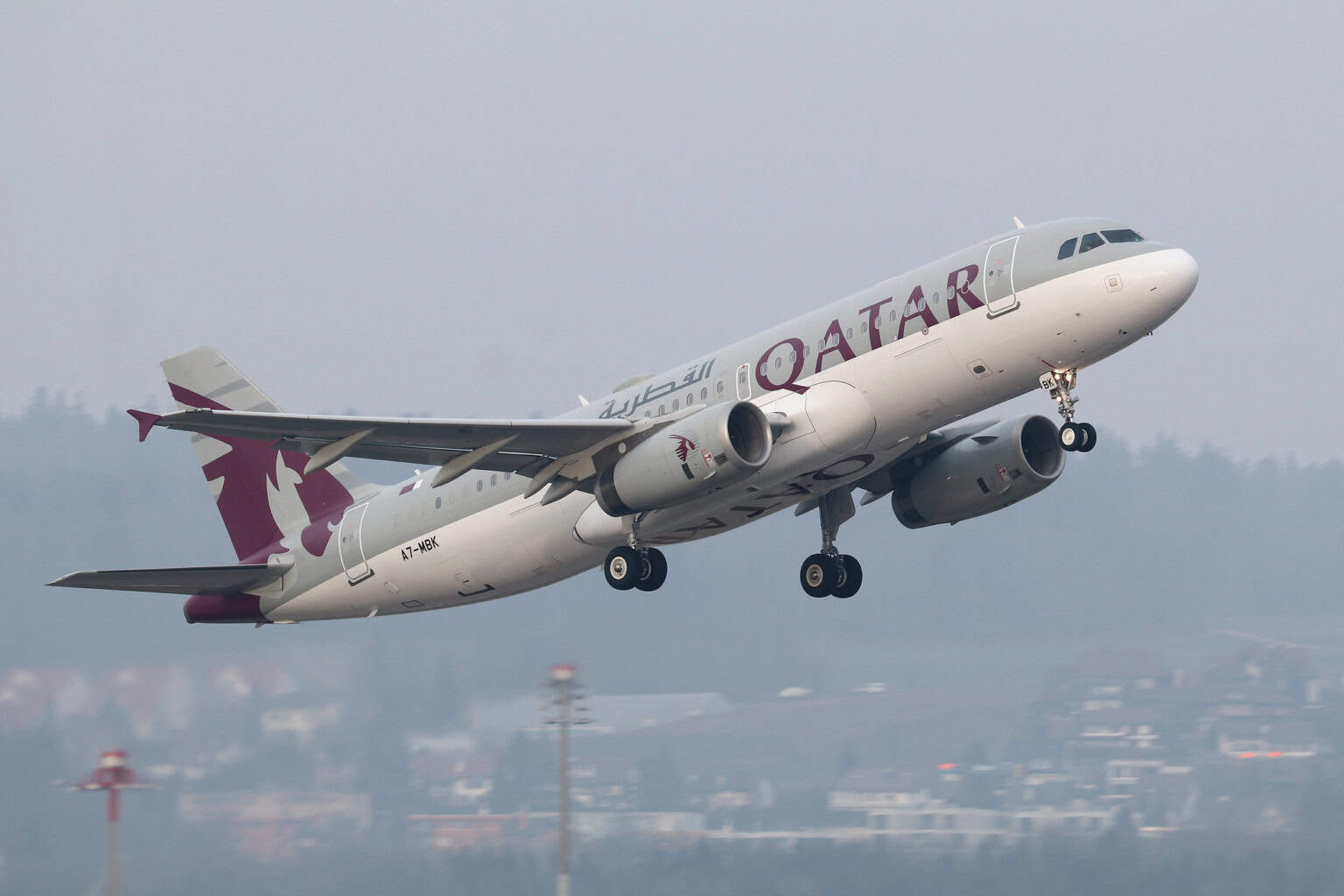
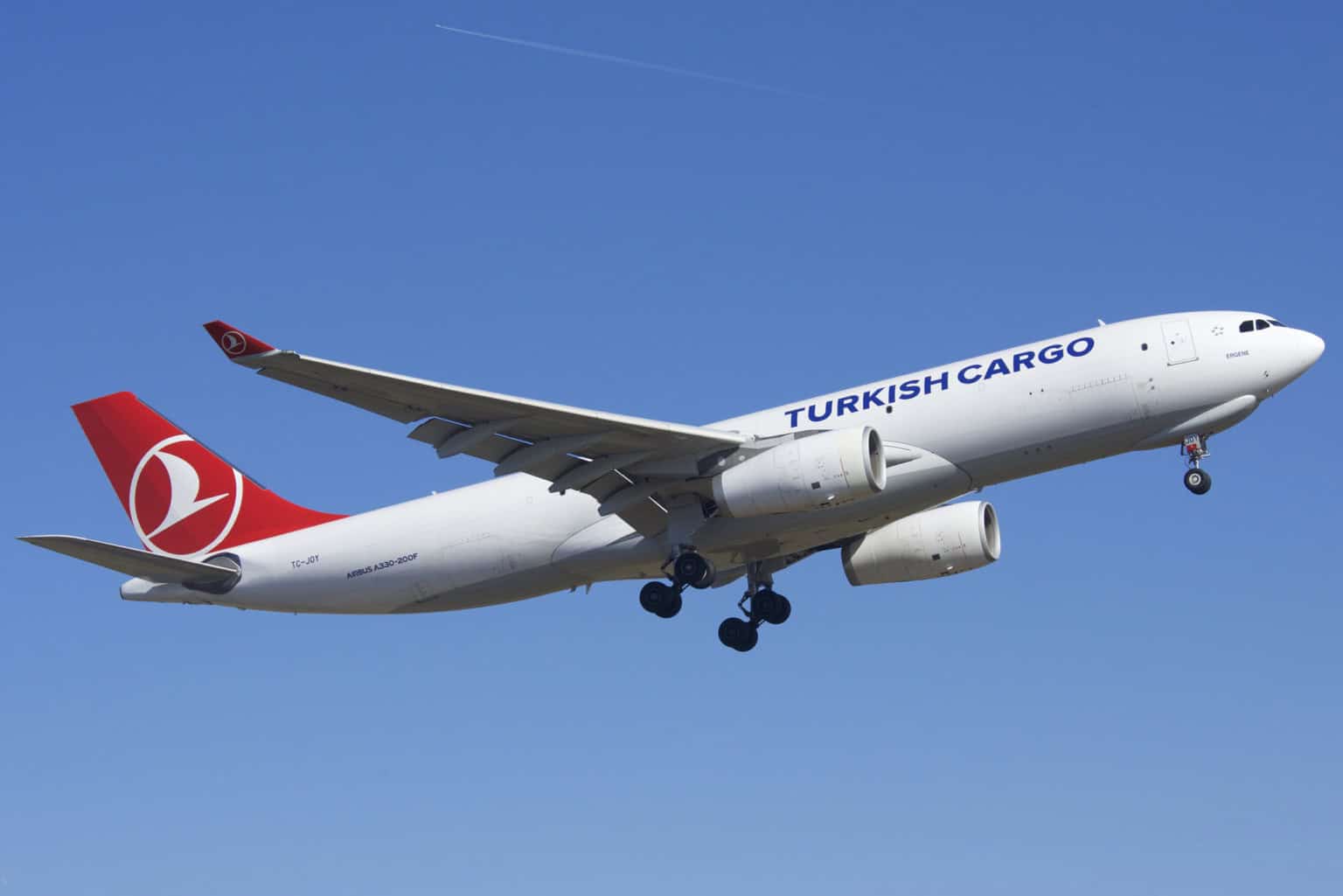

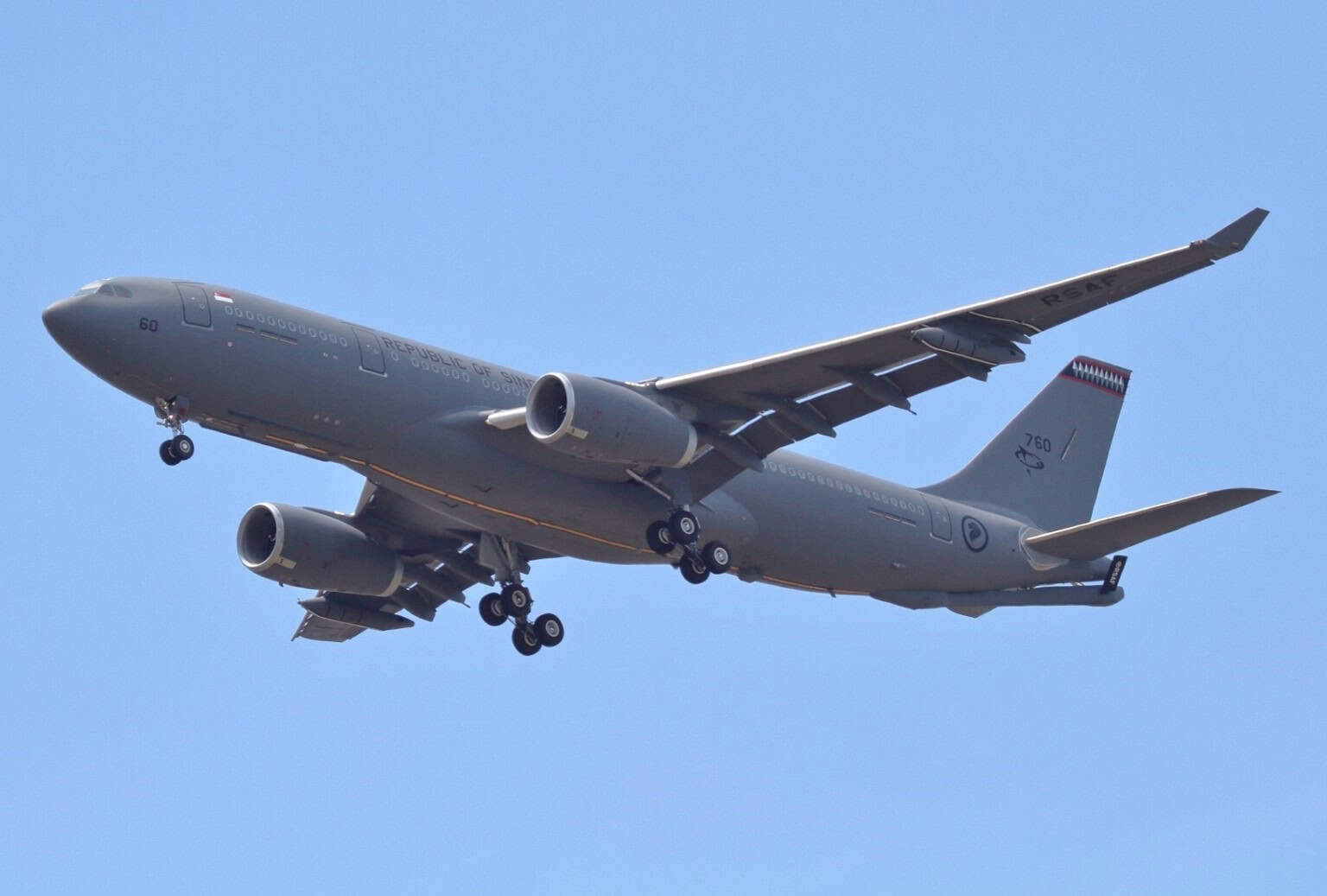
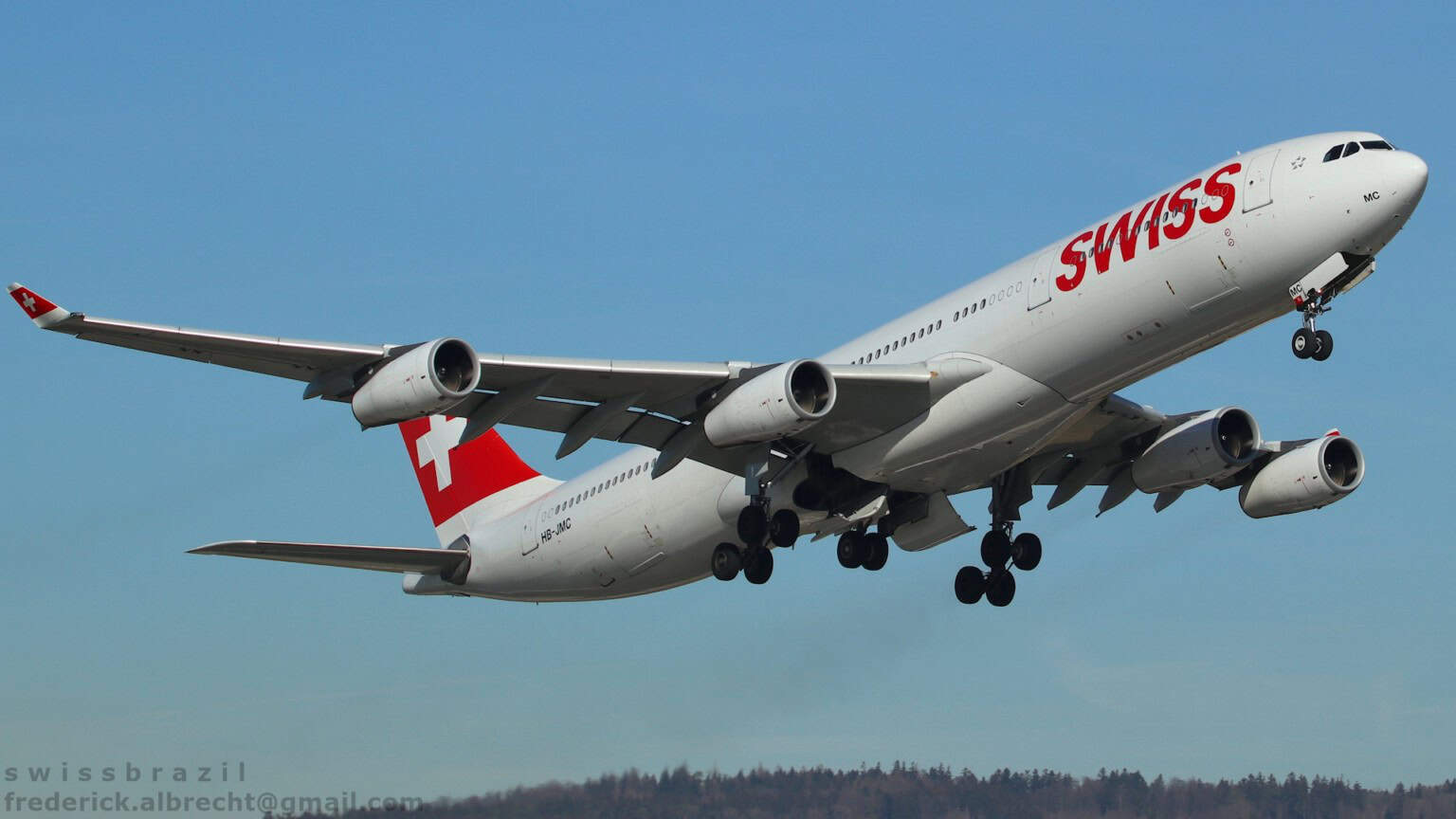
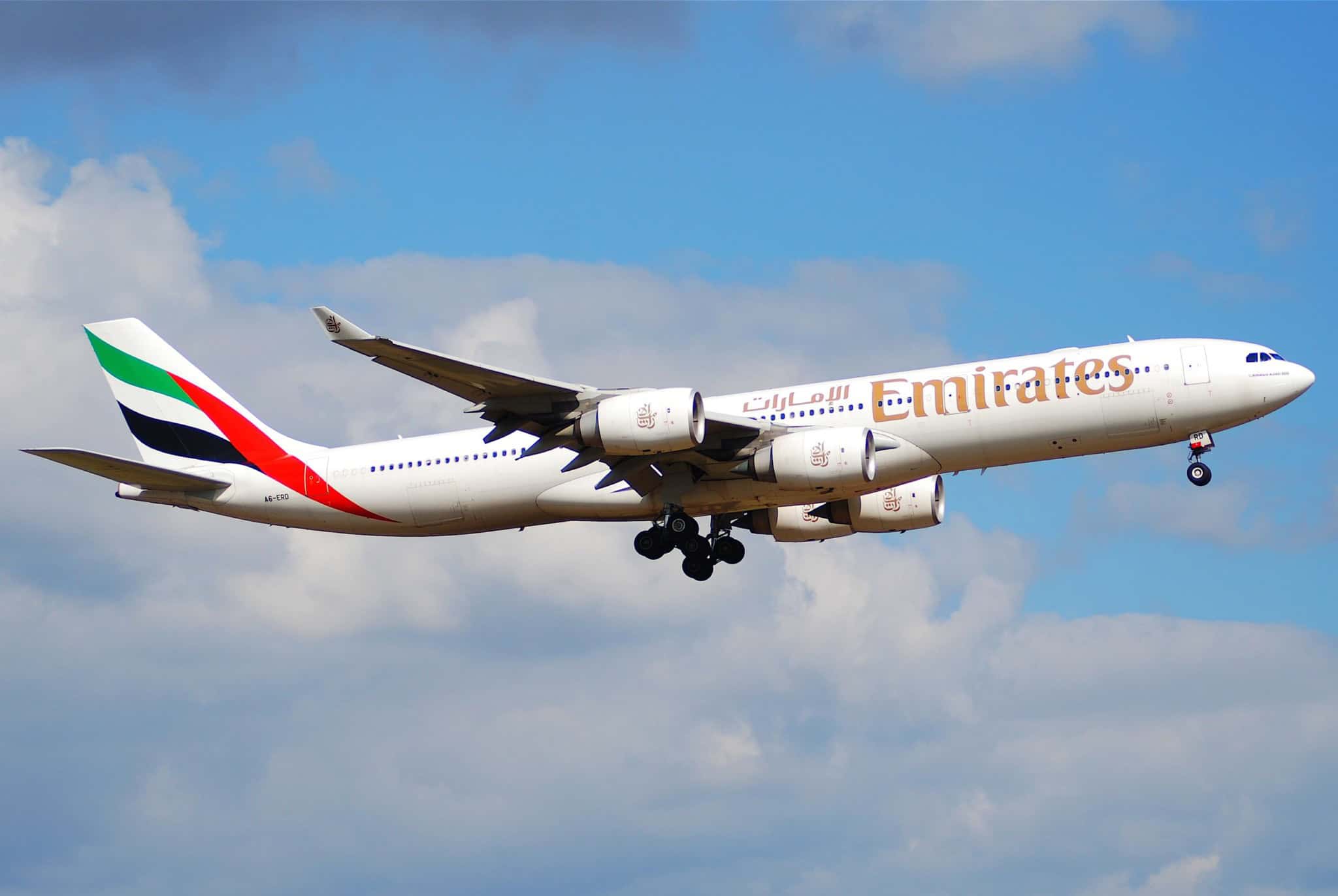


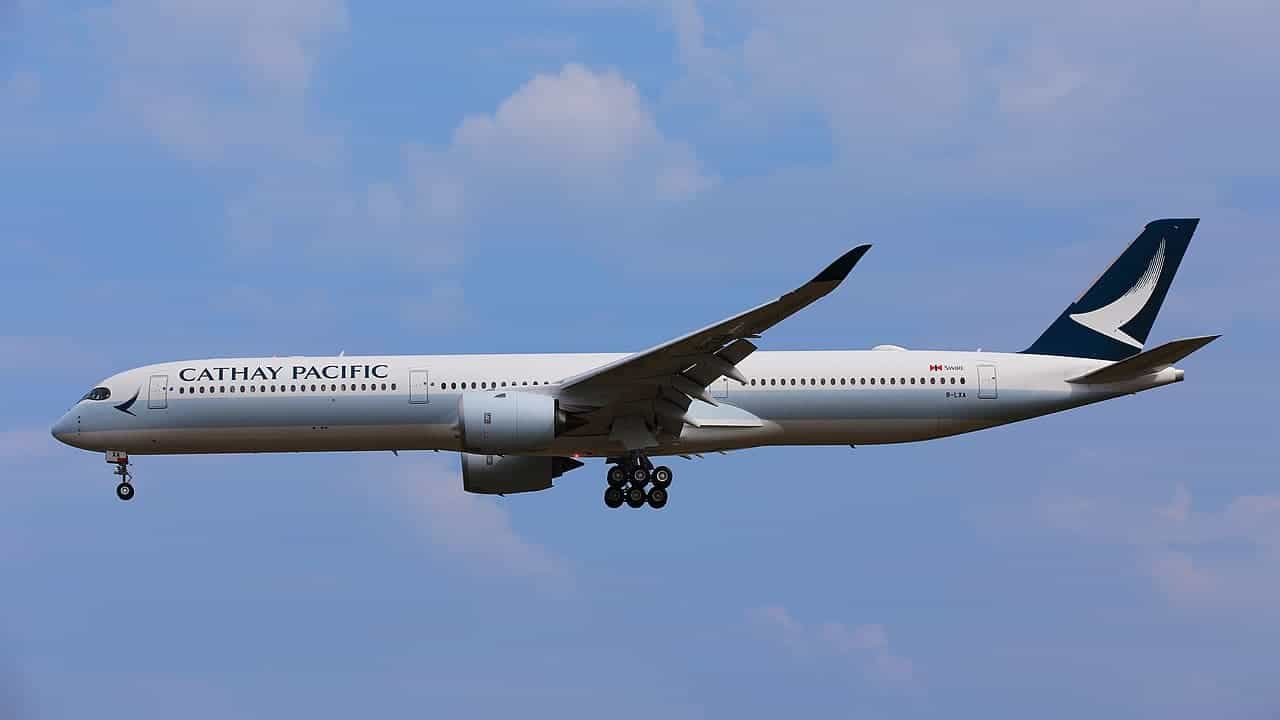
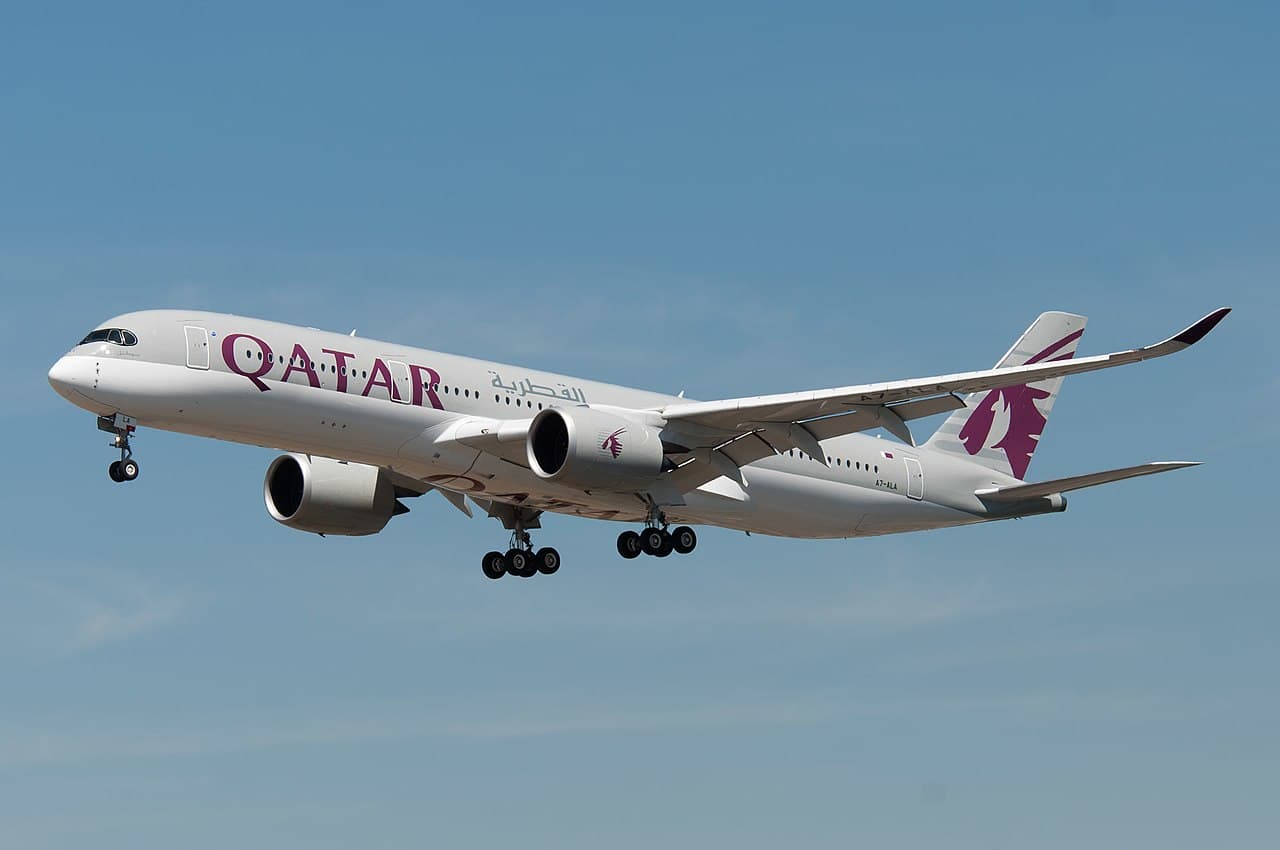

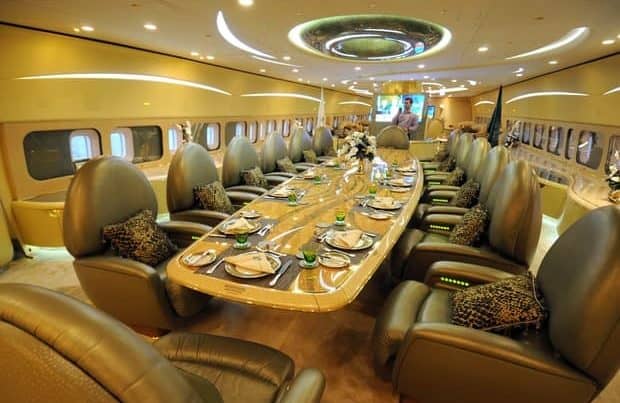
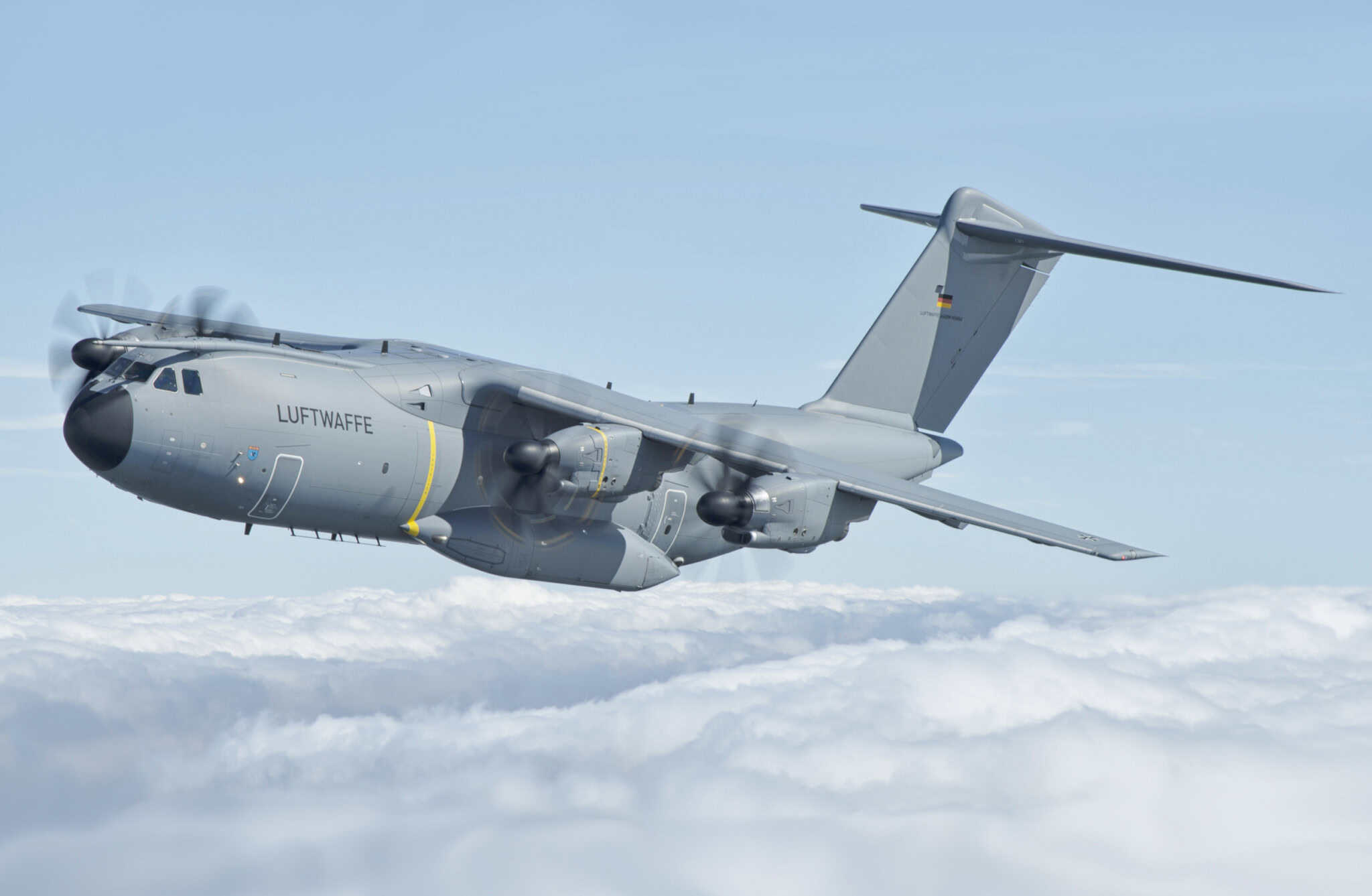
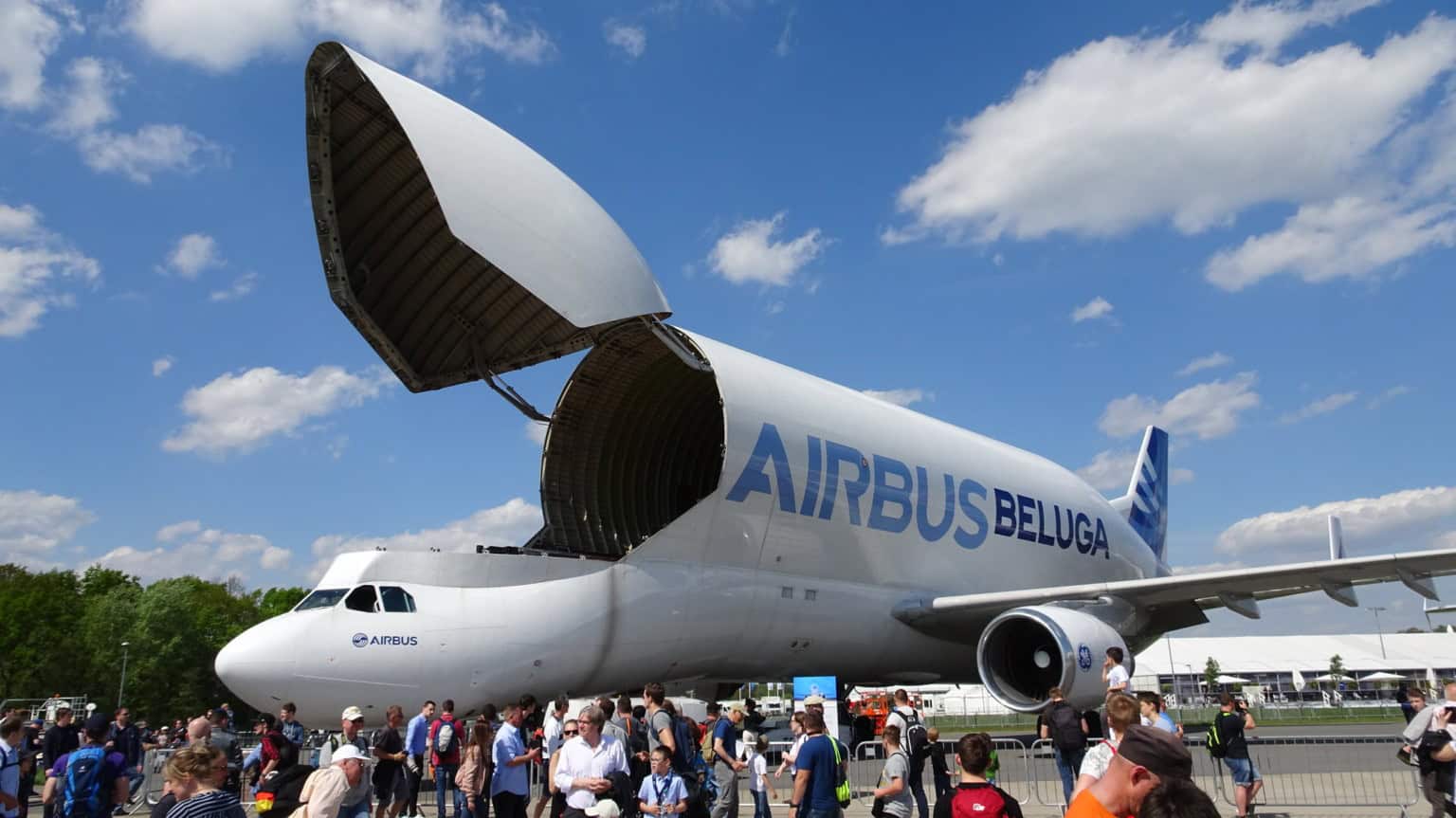
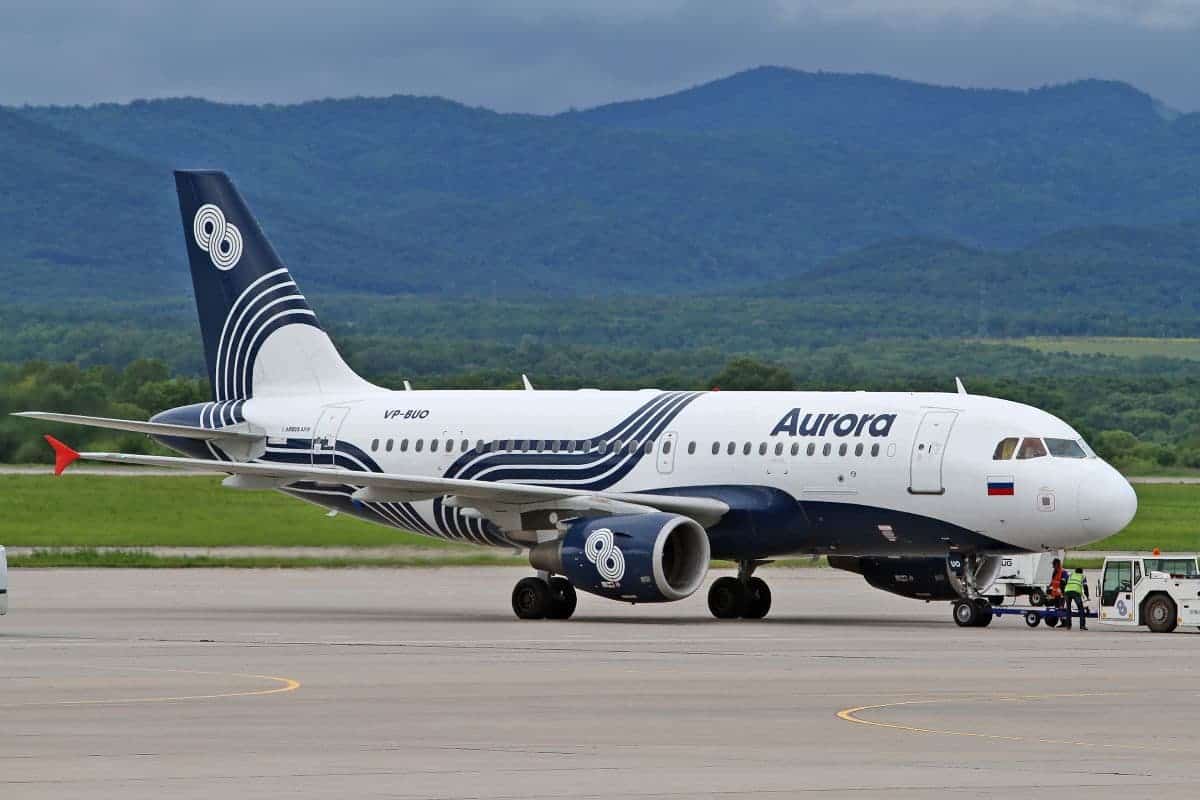
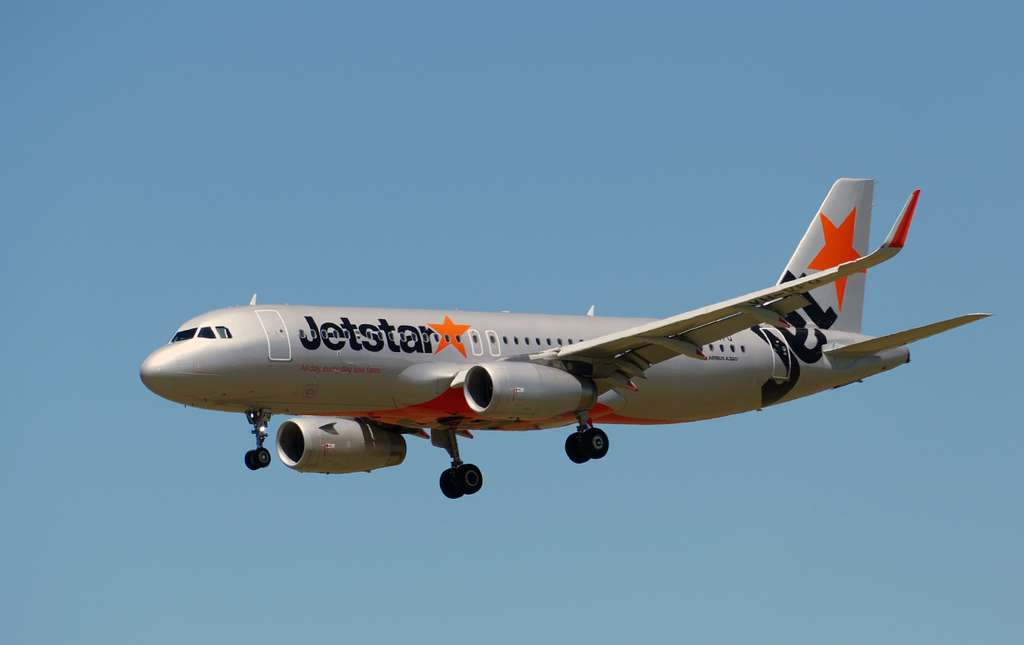

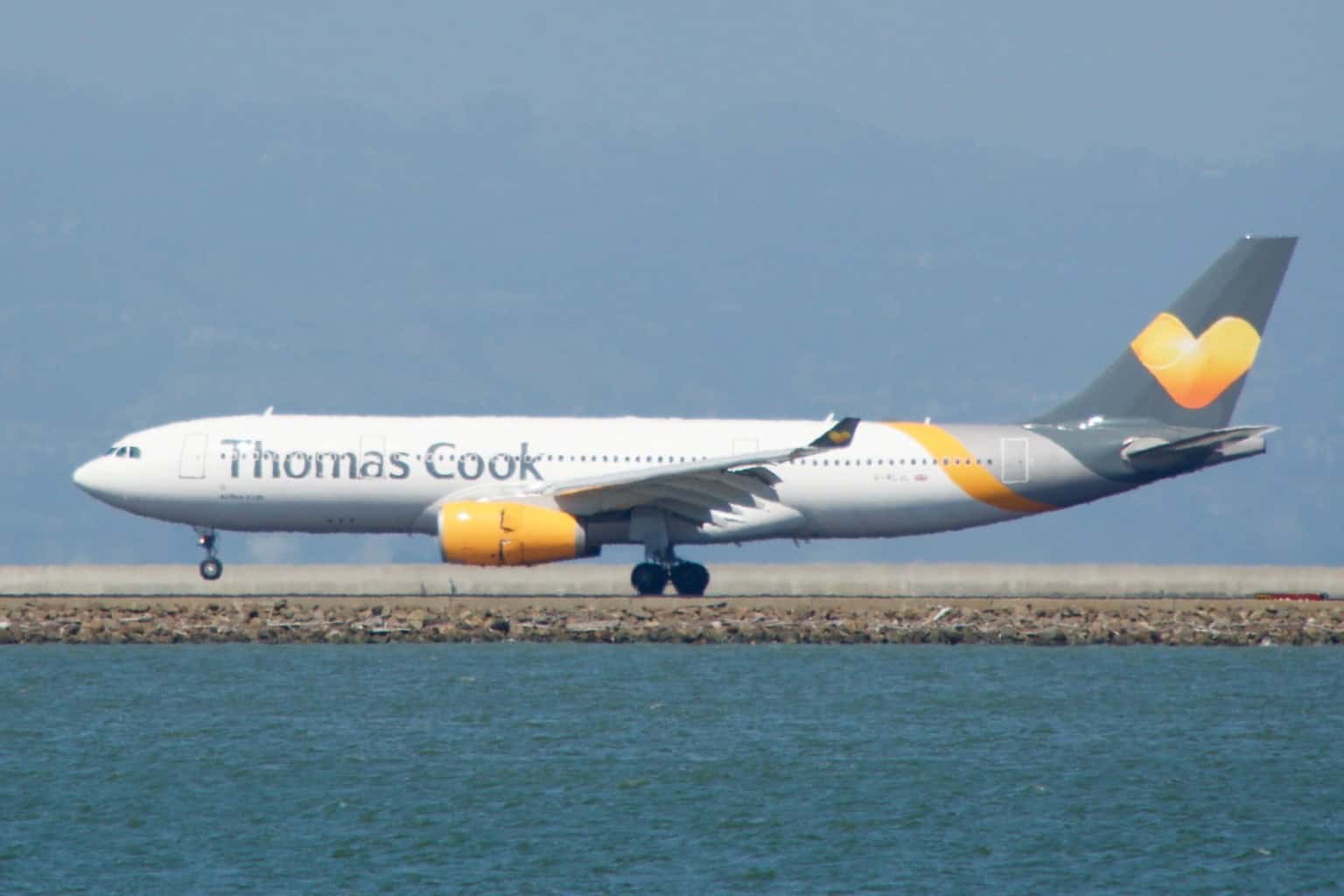
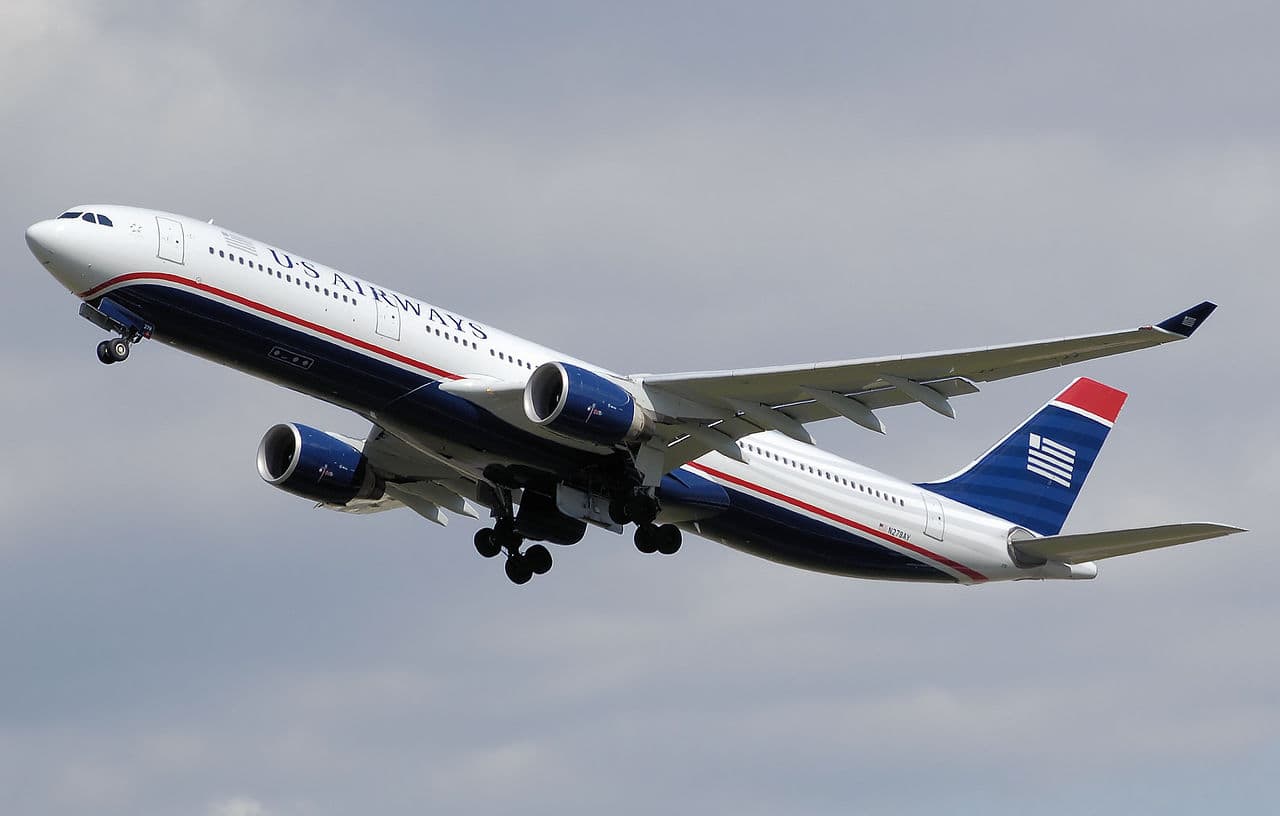

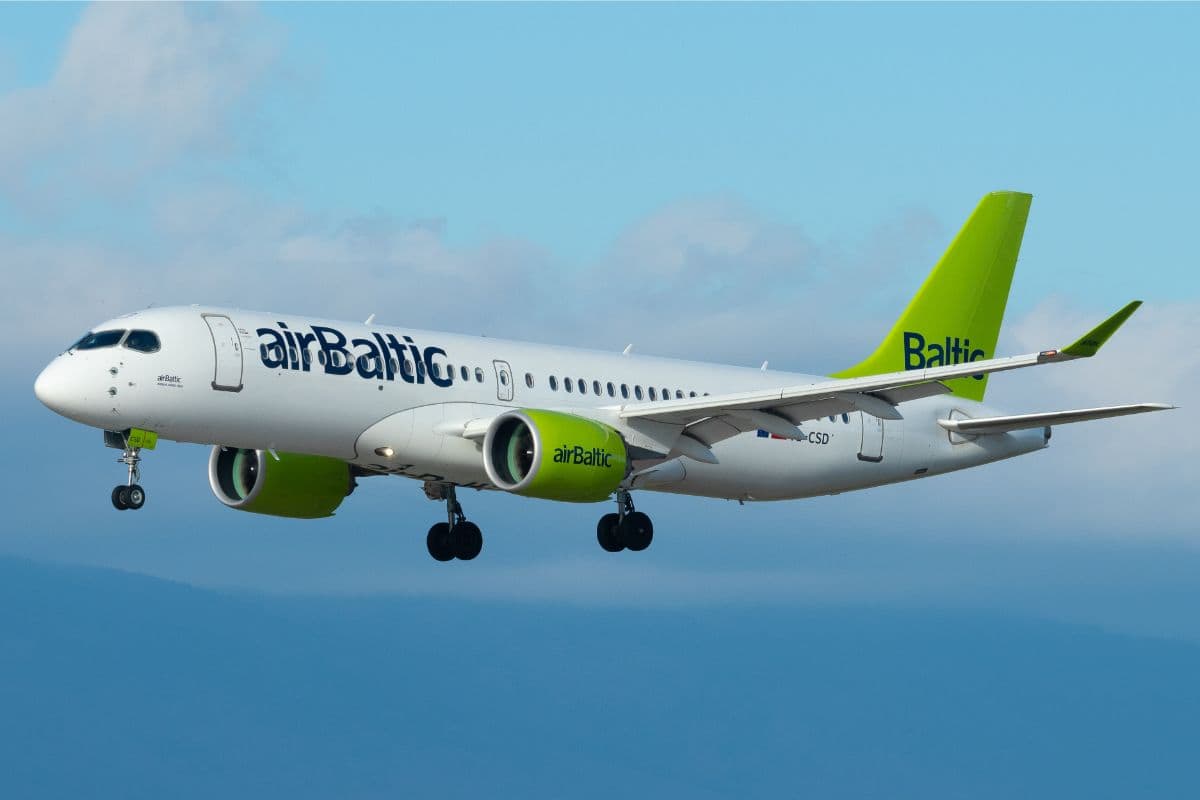
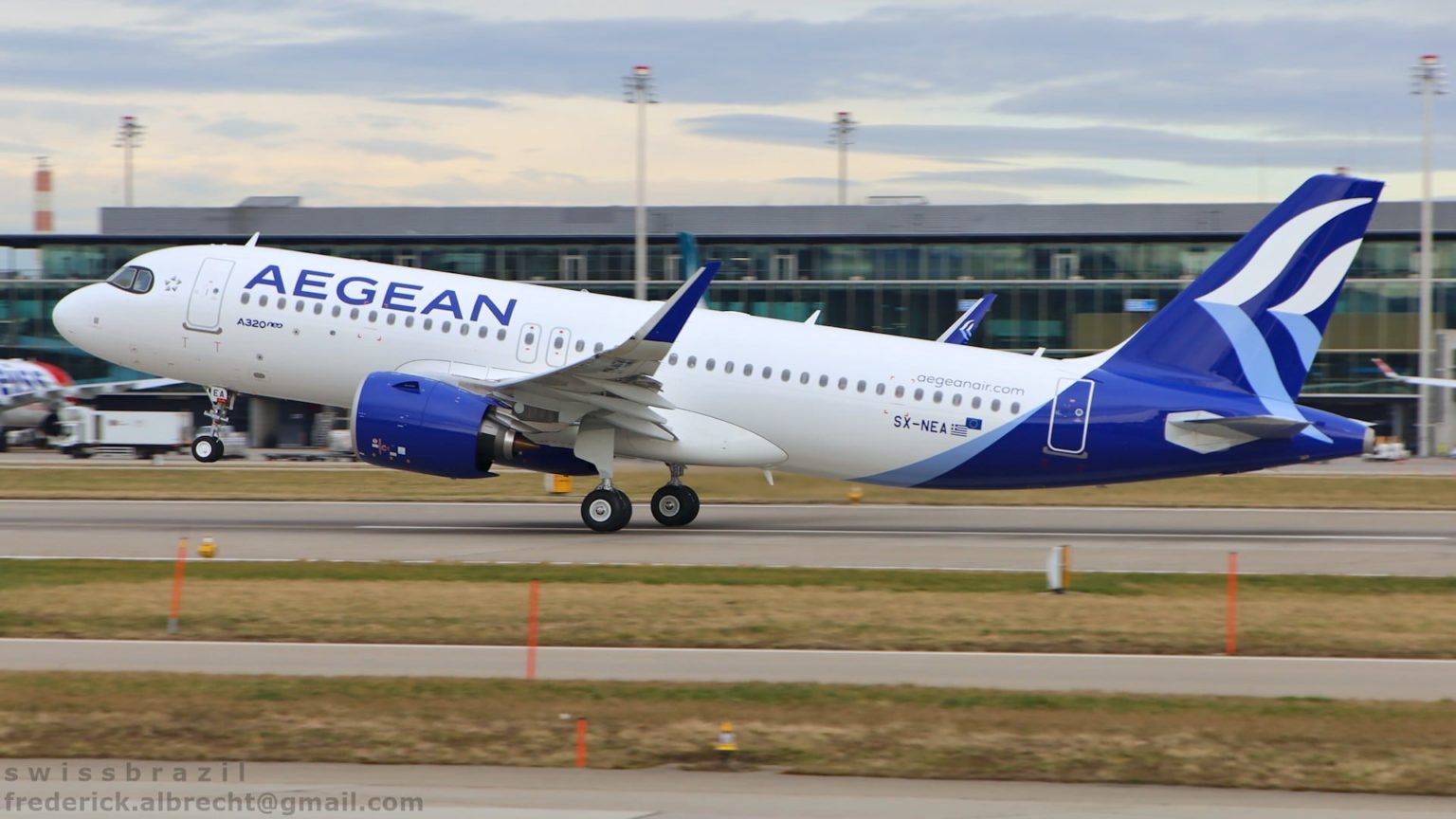
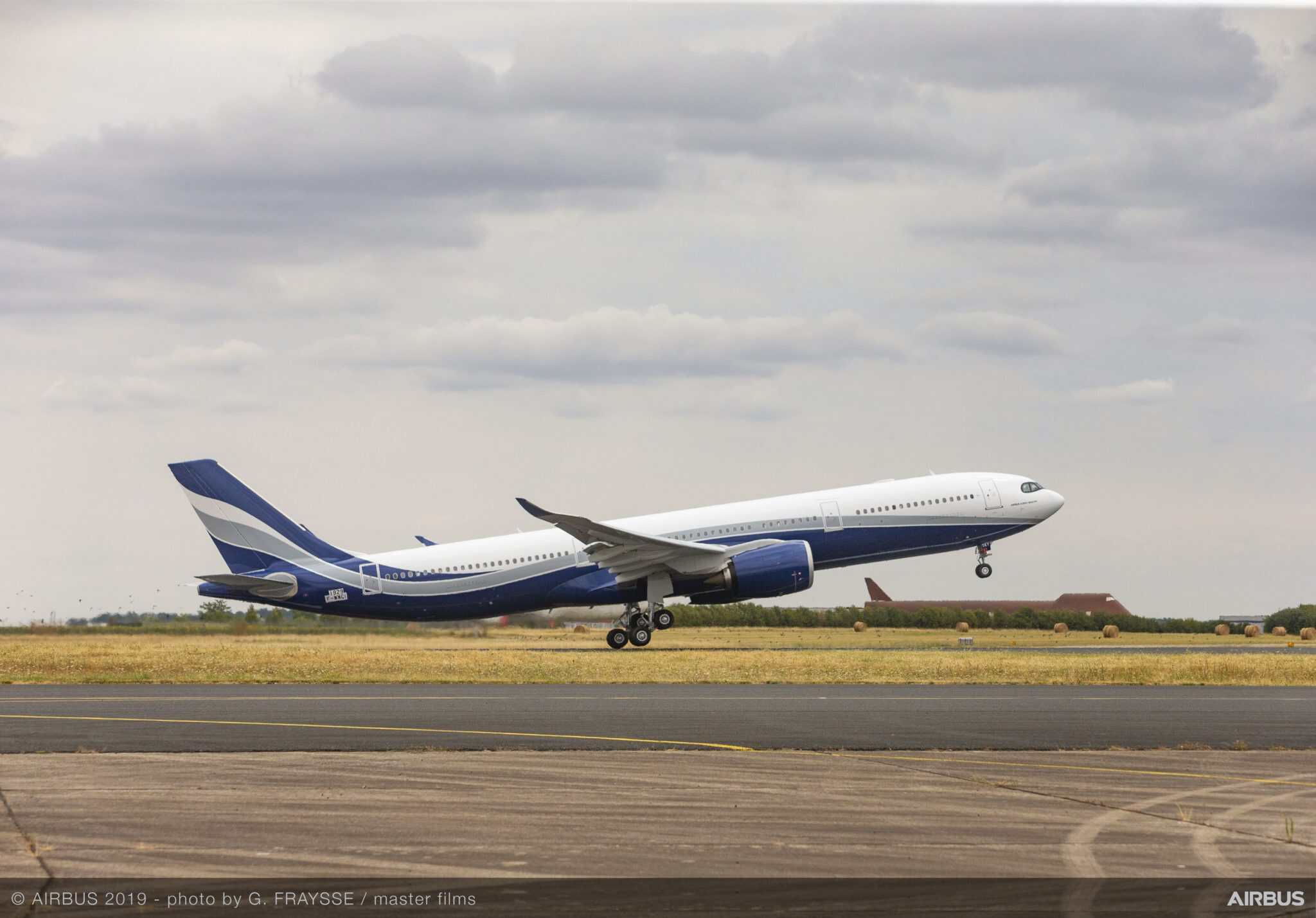
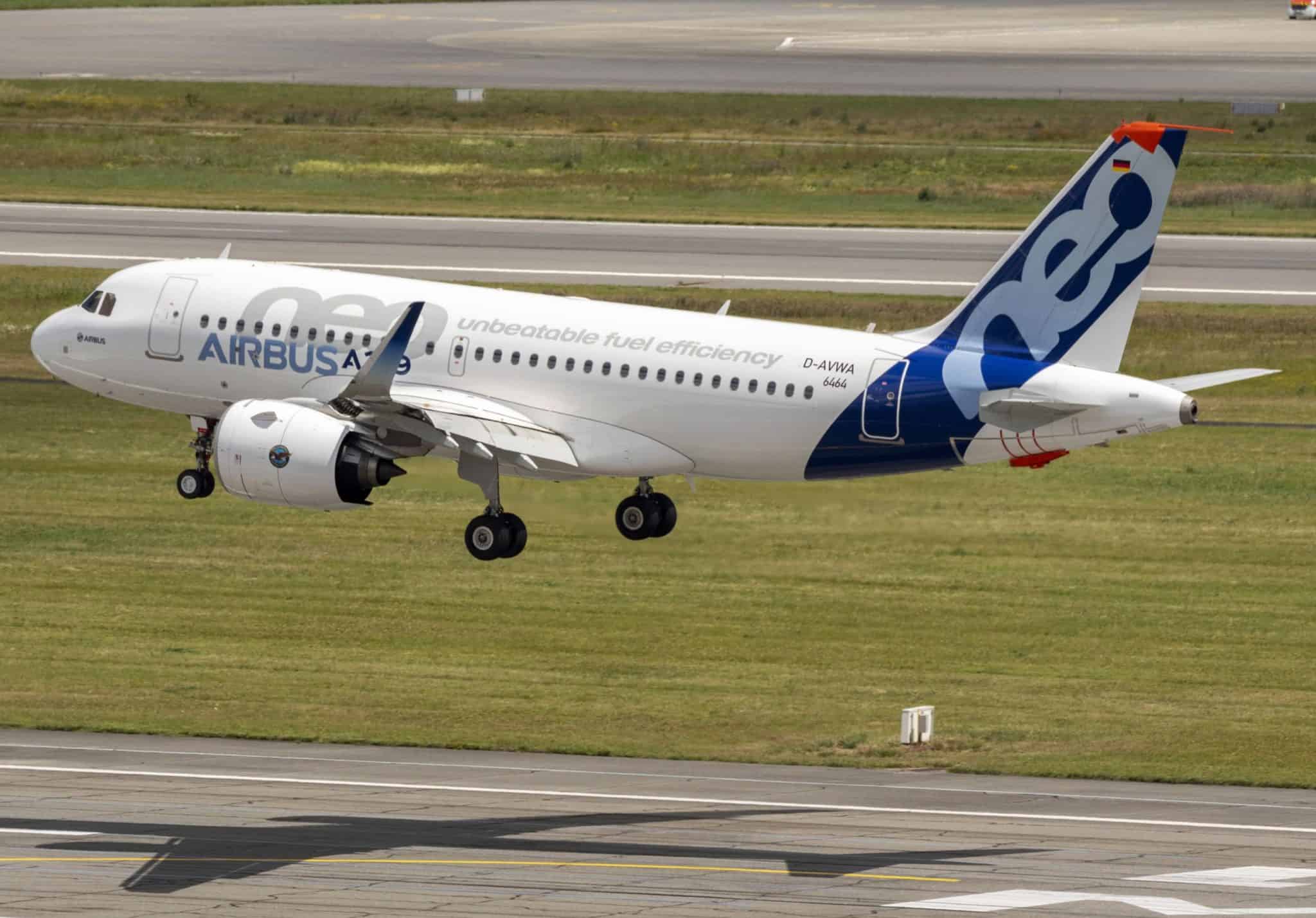

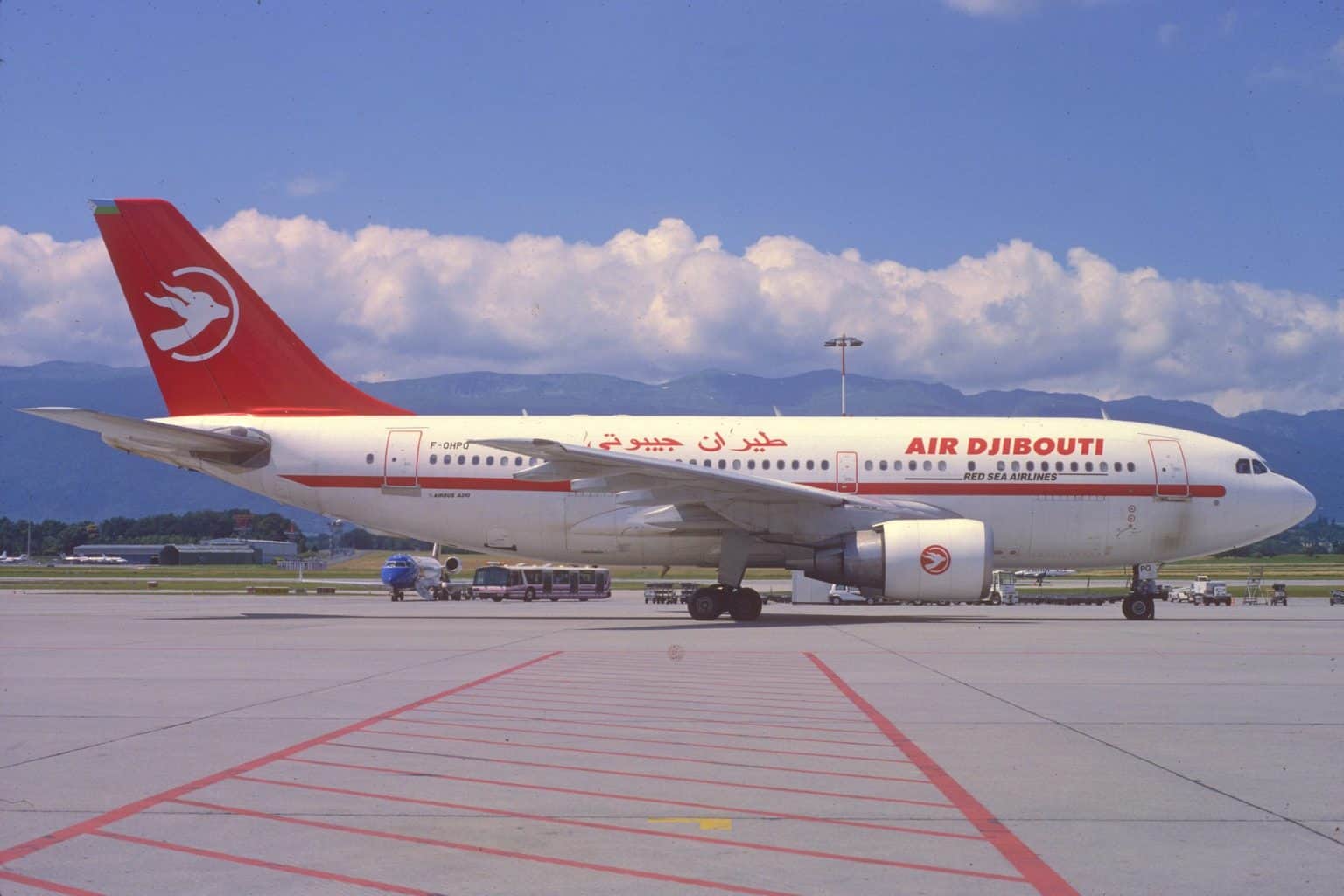
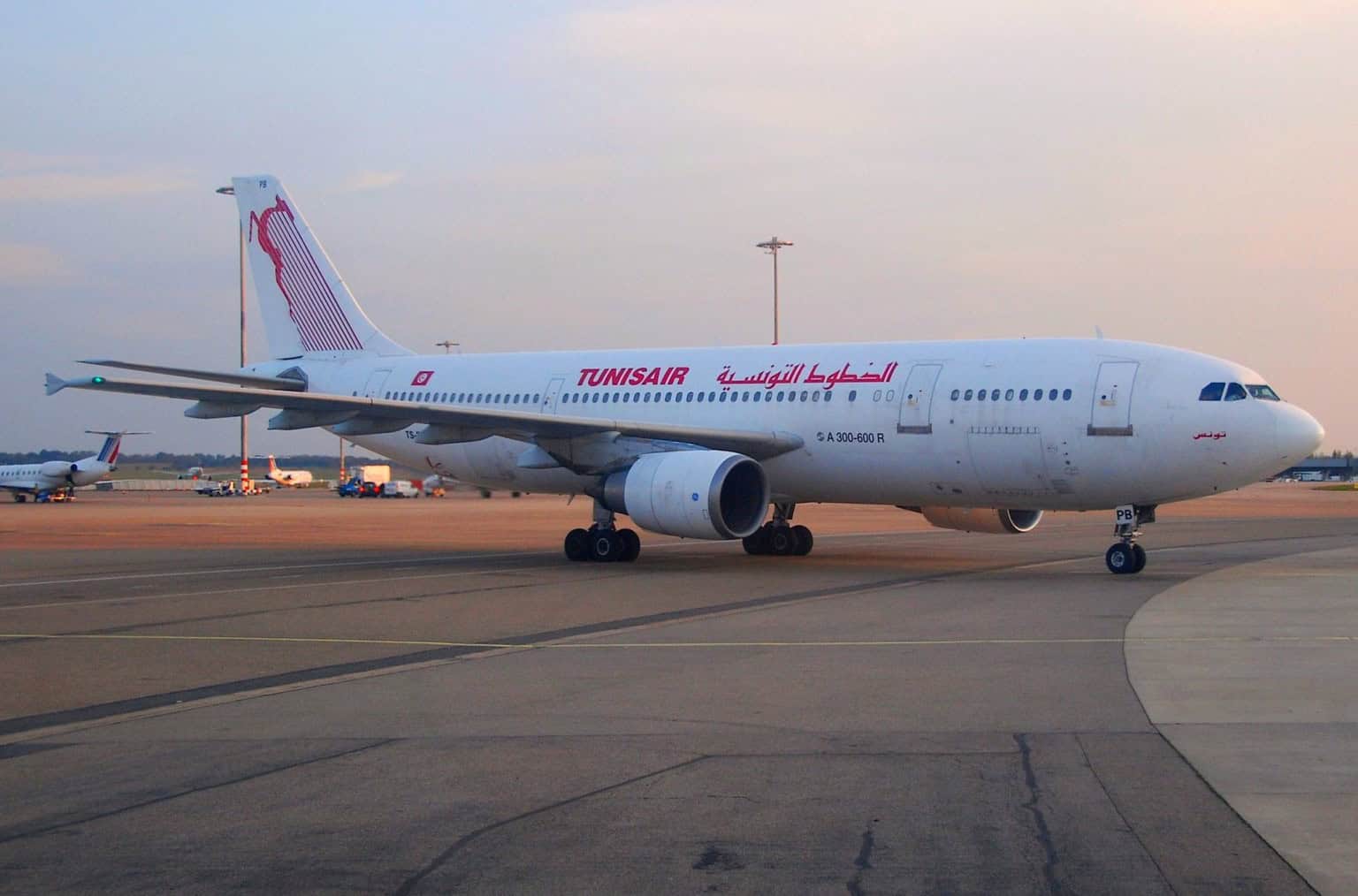
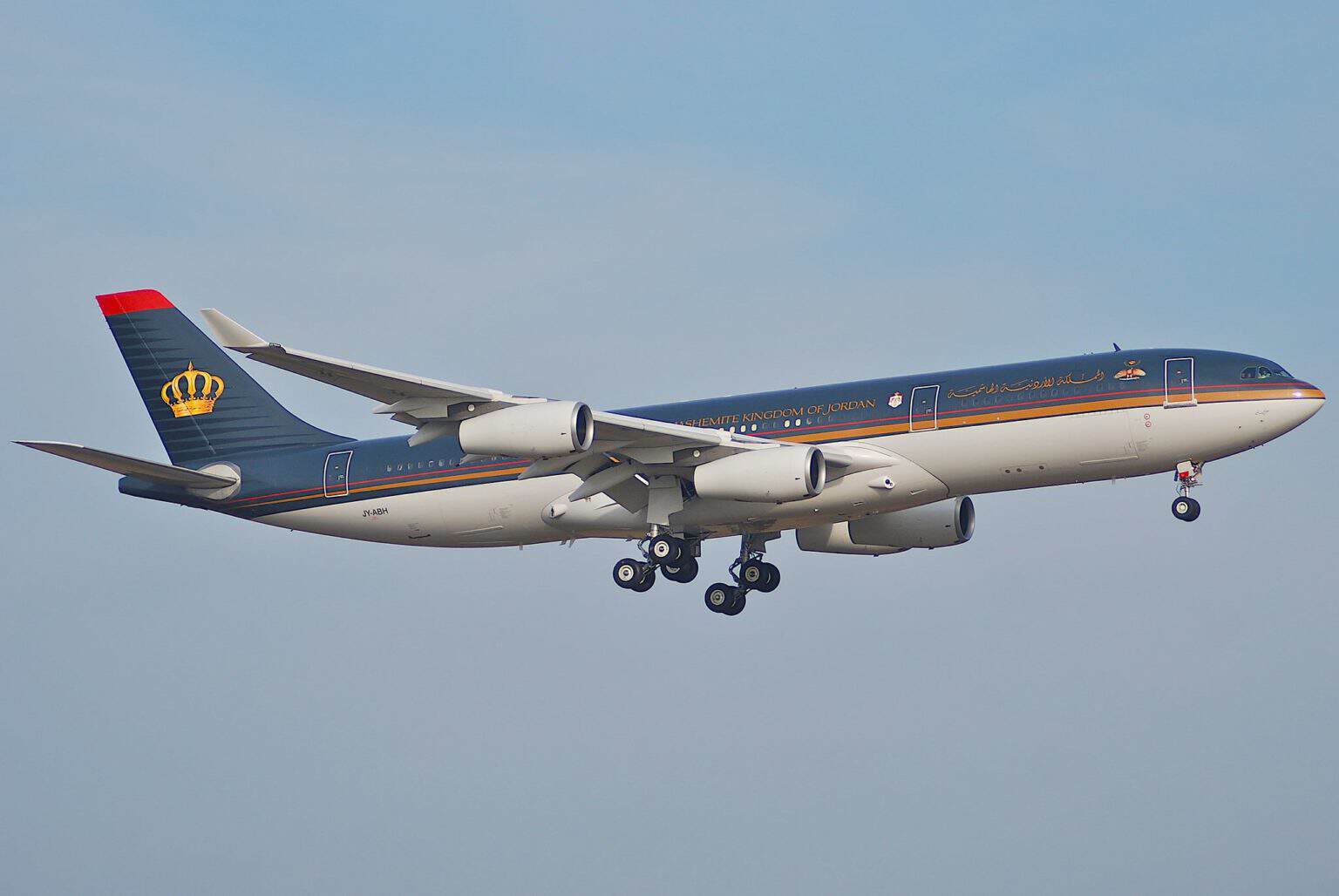
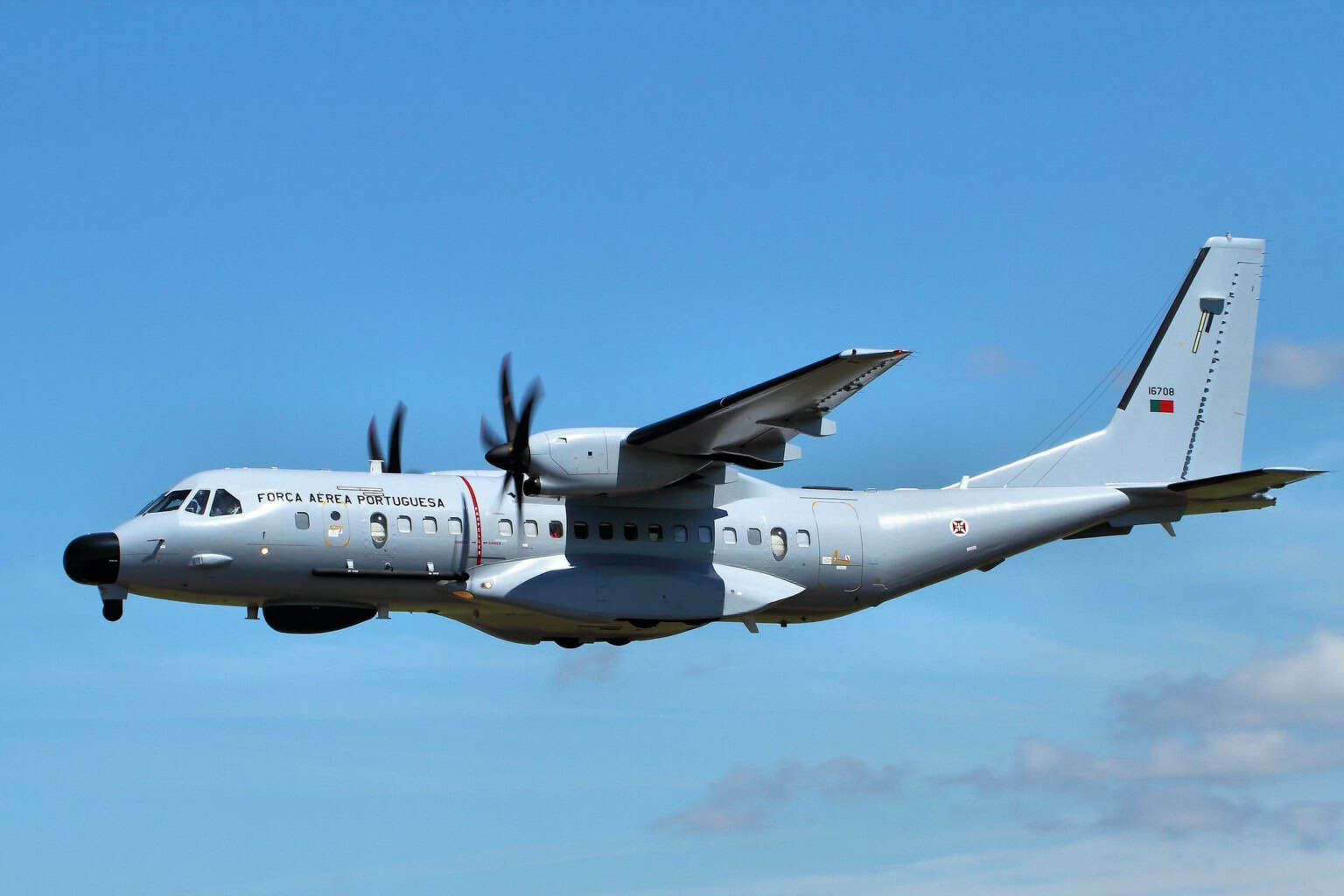
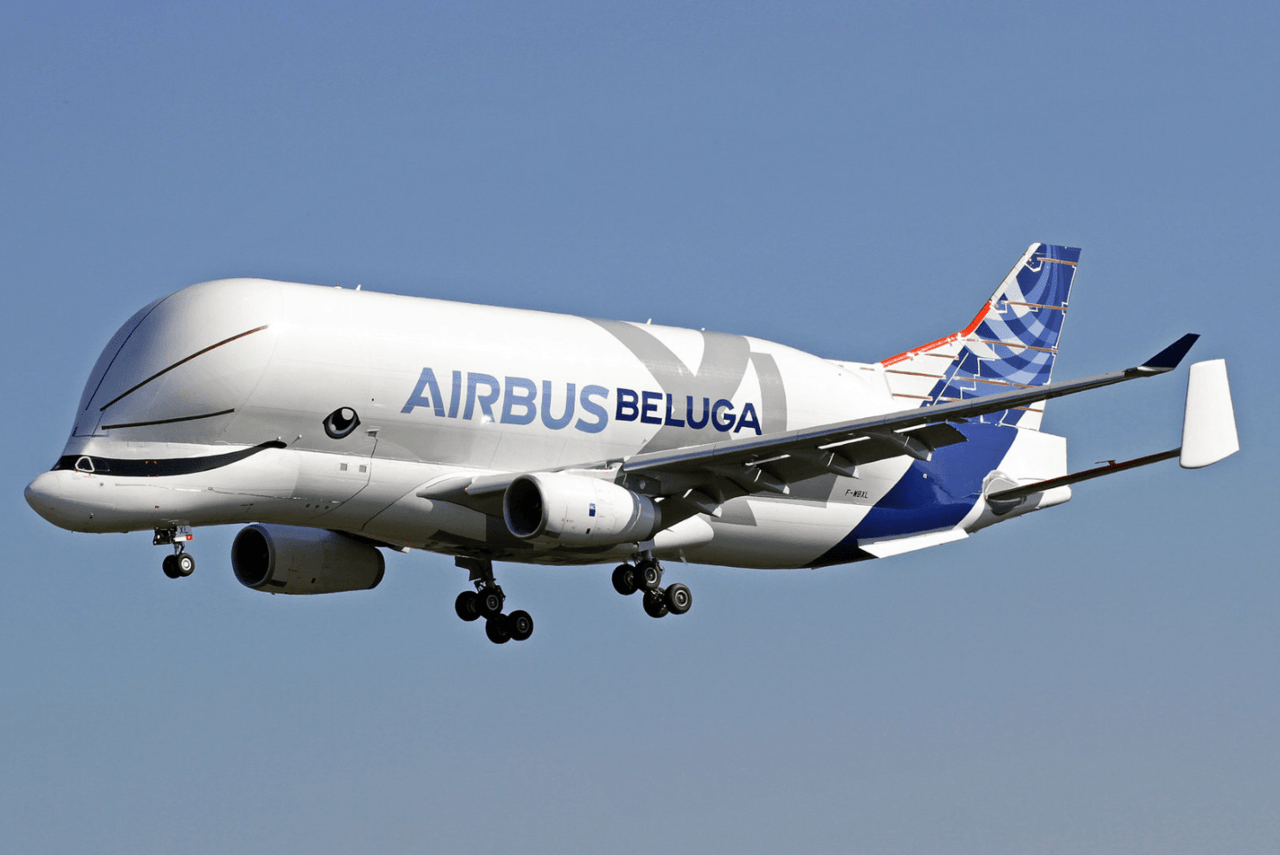
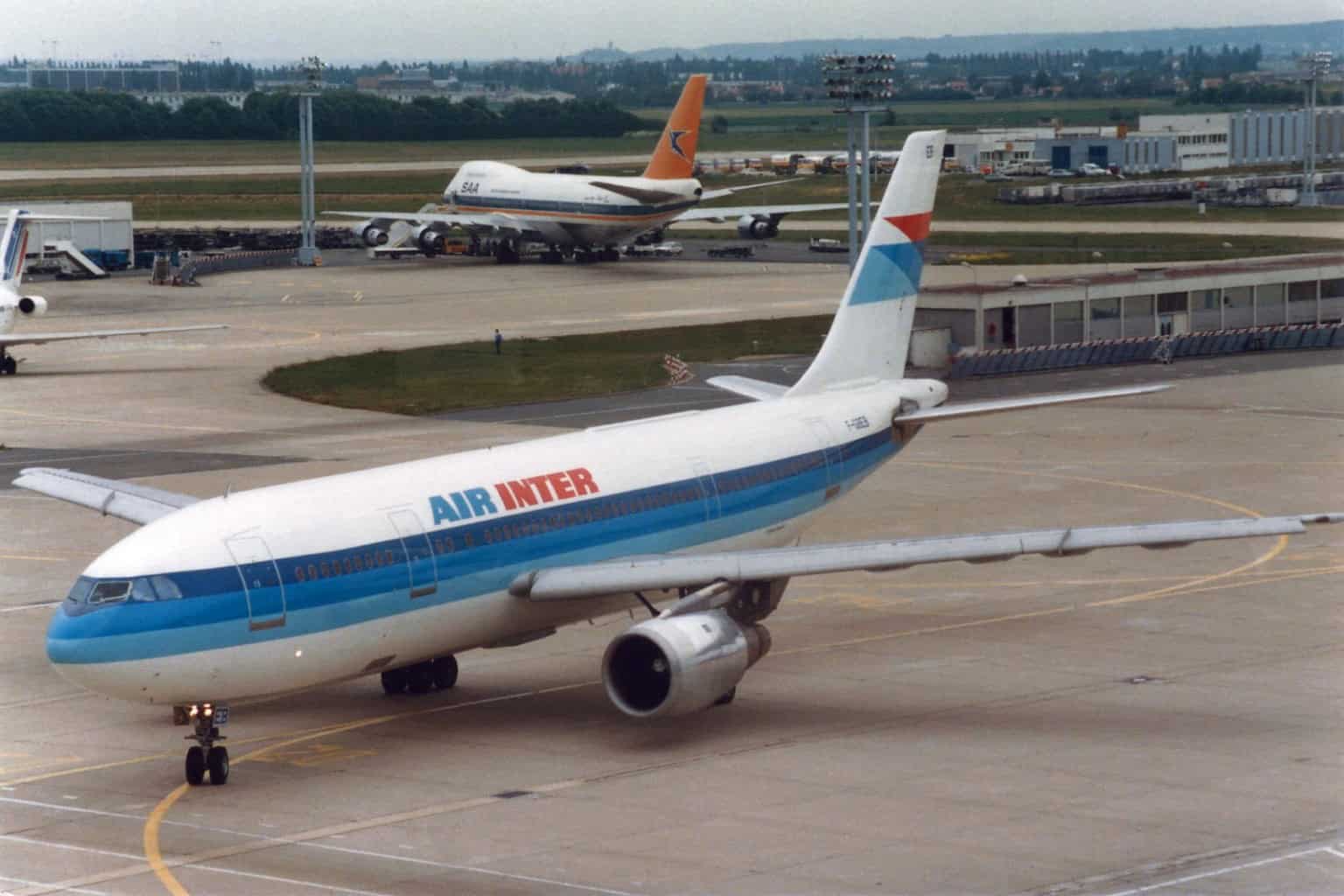
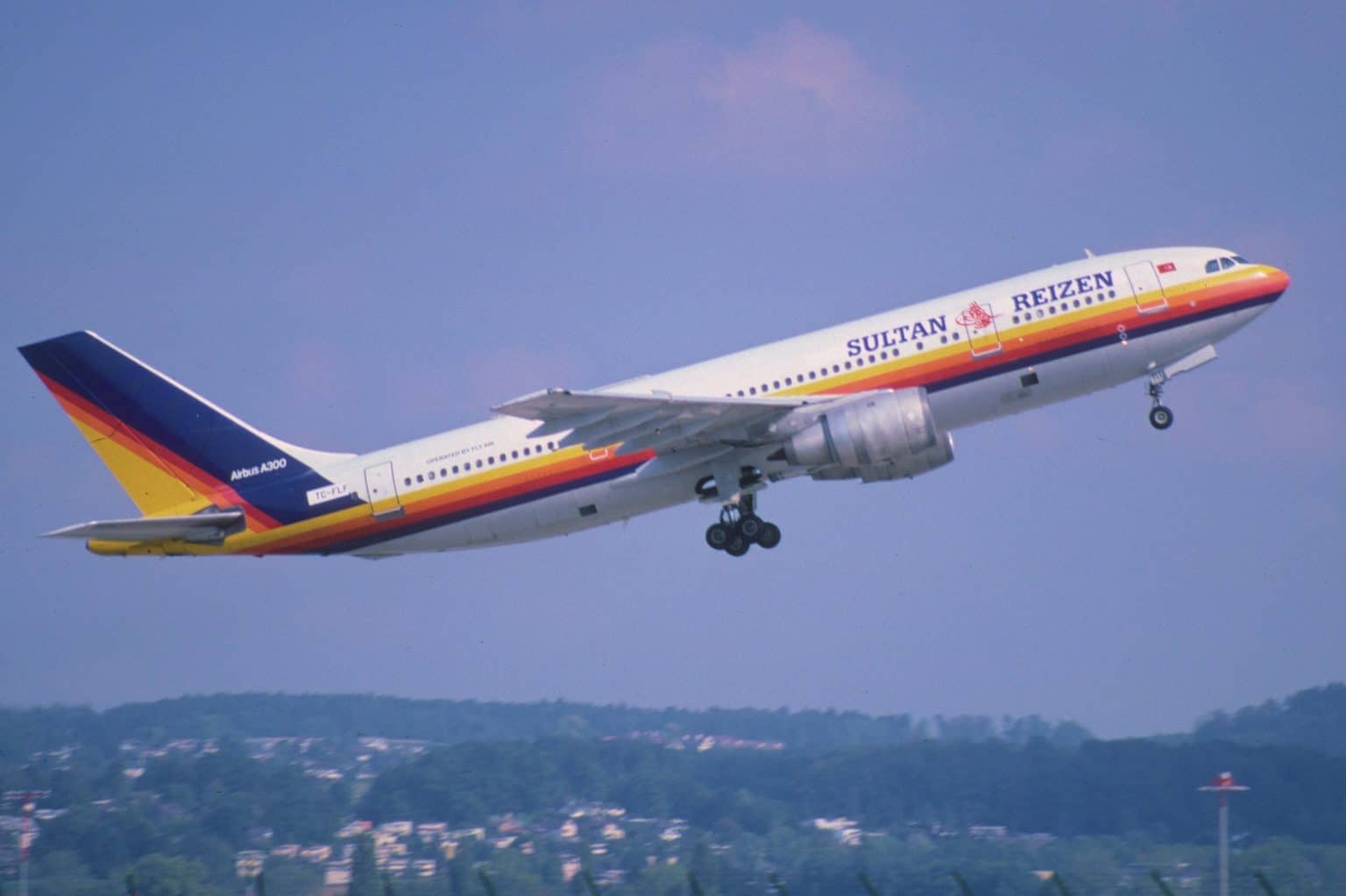
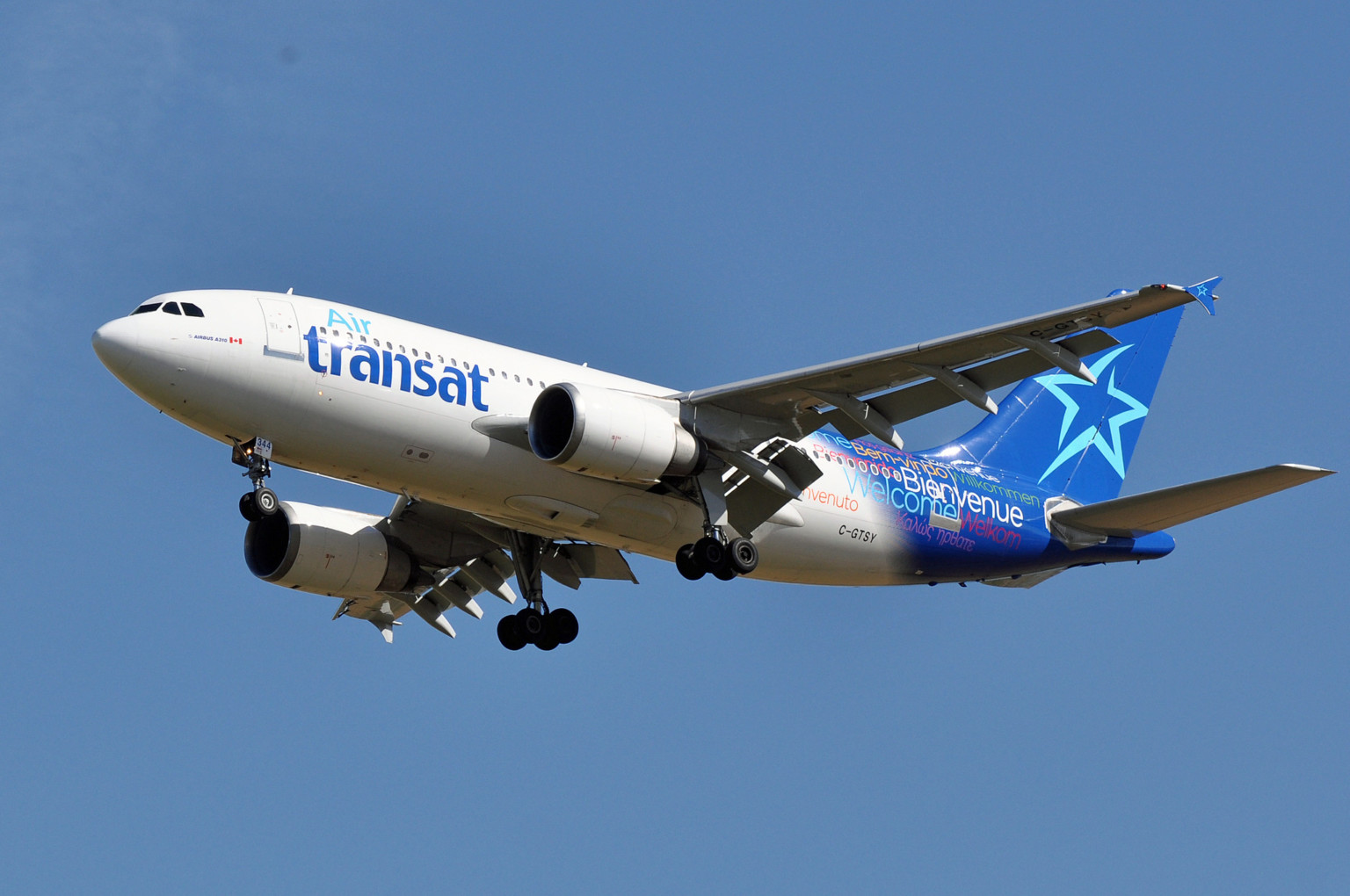


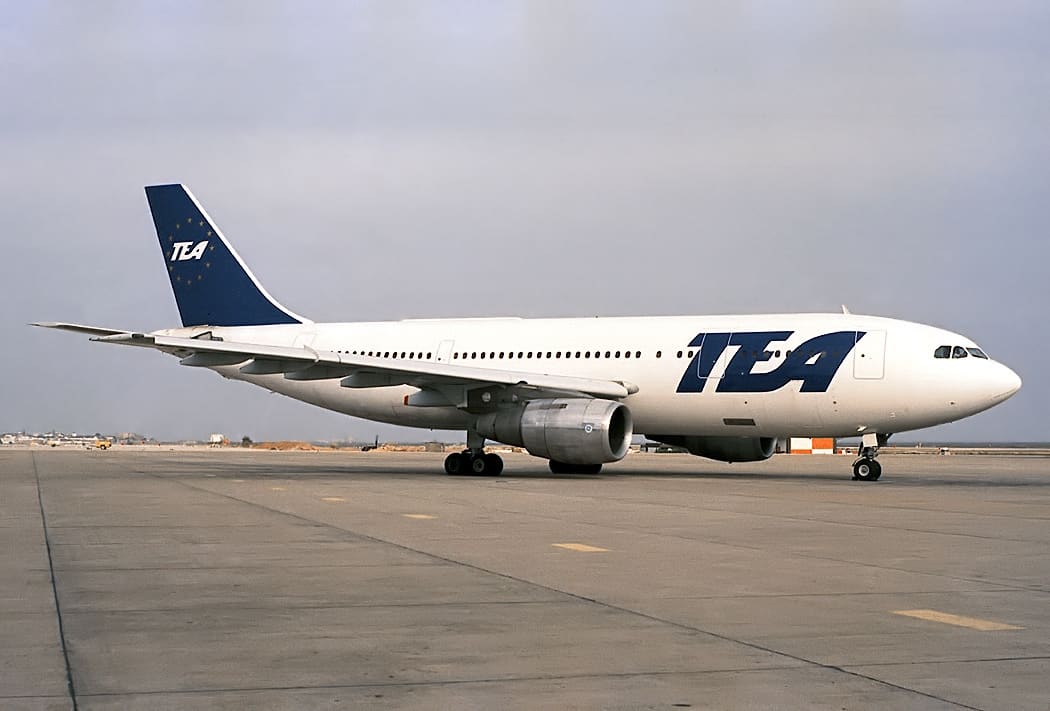


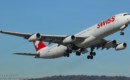
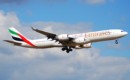
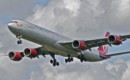
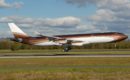



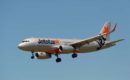
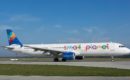
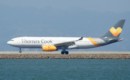

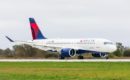
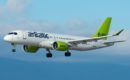
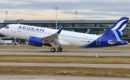
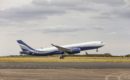
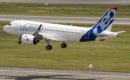





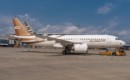
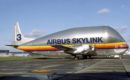
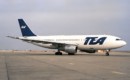
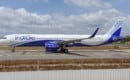
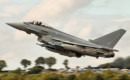
Airbus is the world’s largest commercial aircraft manufacturer by deliveries in many recent years. Its focus includes fuel-efficient airliners, digital flight operations, hybrid-electric research programs, and sustainable aviation initiatives. The company’s global support network assists airlines, governments, and operators in more than 150 countries.
Airbus began as a European consortium in 1970, formed to unify aerospace capabilities across France, Germany, Spain, and the United Kingdom. The early A300 program established Airbus as a major contender in the commercial market. Cooperation and shared development shaped the company’s corporate identity from the start.
Airbus expanded rapidly with the A310 and A320 families, the latter becoming its most successful product. The company grew into military transport, helicopters, and space systems. In the 2000s, the A380 project pushed engineering boundaries, while the A350 marked a new generation of composite wide-bodies.
Airbus builds aircraft across Europe and worldwide. Major final assembly lines include Toulouse and Hamburg for commercial jets, Saint-Nazaire and Bremen for fuselage and wing components, and Mobile, Alabama for A320 and A220 production. Helicopter facilities are centered in France and Germany.
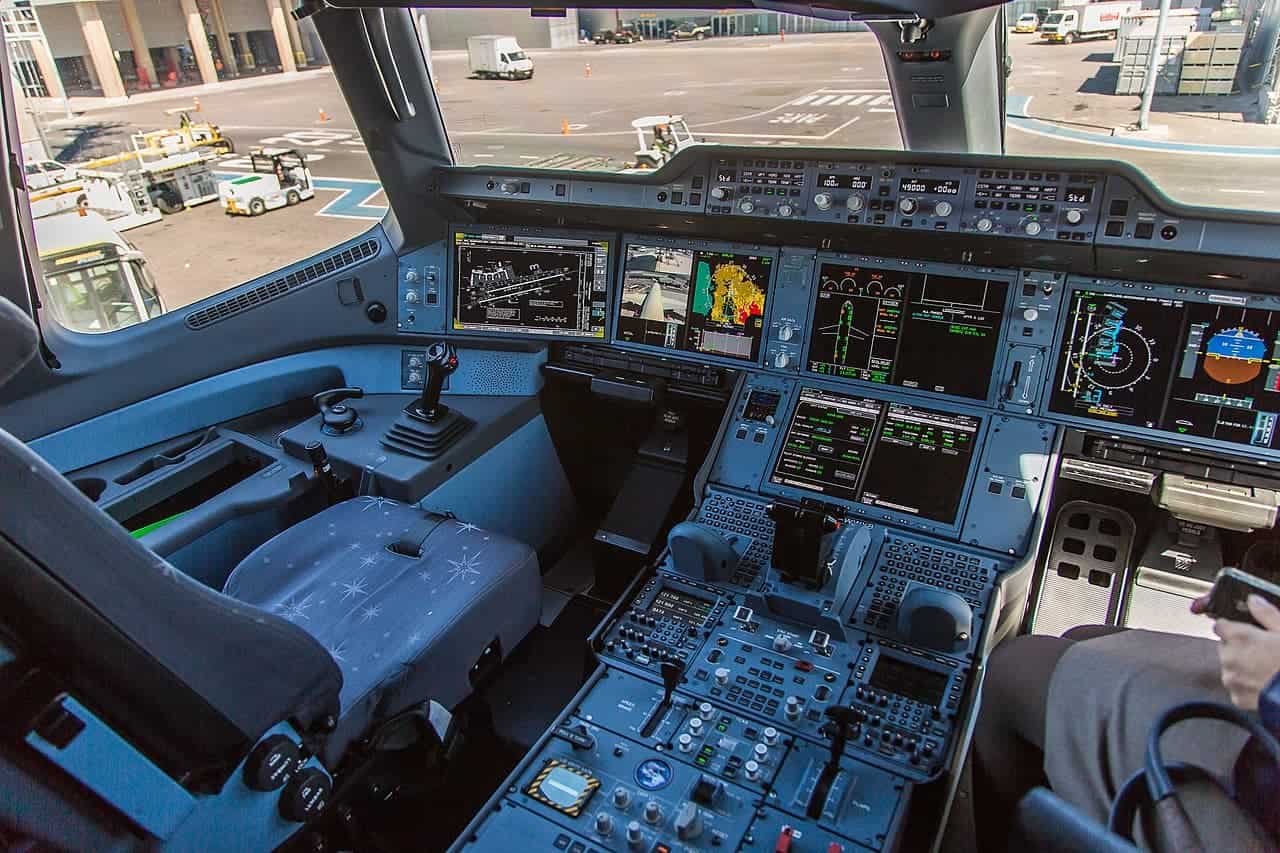
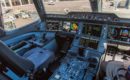
Airbus emphasizes fly-by-wire systems, composite structures, and cockpit standardization across families. Its engineering approach favors commonality, digital manufacturing, aerodynamic refinement, and sustainability-focused technologies including hydrogen propulsion research and hybrid-electric demonstrators.
Beyond commercial airliners, Airbus develops military transports, trainers, and mission aircraft, along with satellites, launch vehicle components, and space systems. The company participates in major European defense partnerships and advanced aerospace research programs.
Airbus employs over one hundred thousand people across multiple countries. Its industrial facilities deliver hundreds of airliners each year and support extensive defense and space programs. The company plays a major economic role across Europe and the global aerospace sector.
The A320 introduced full digital fly-by-wire controls to commercial aviation, setting a new industry standard and becoming one of the best-selling airliners ever built.
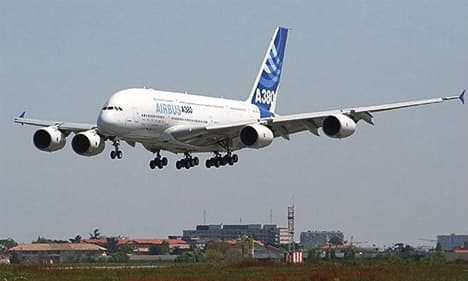
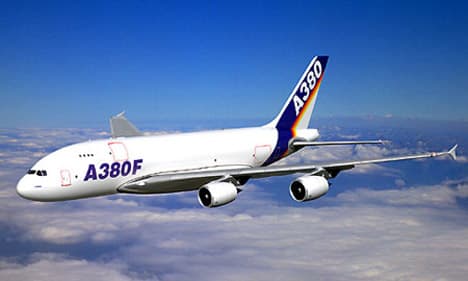
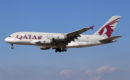
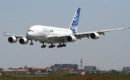
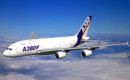
The A380 became the world’s largest passenger airliner, showcasing engineering ambition and delivering unmatched capacity, even though changing market dynamics limited long-term production.
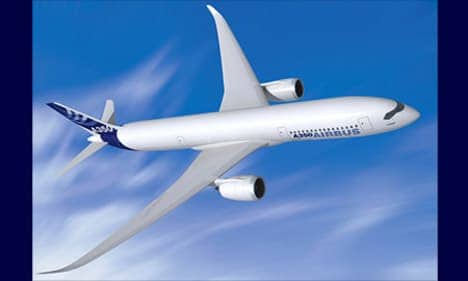
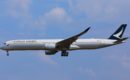
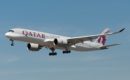
The A350 marked a major advance in composite structures, efficiency, and long-range capability. It became a flagship product for Airbus in the wide-body segment.
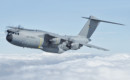
Airbus developed the A400M to serve as a modern military transport for European nations, offering advanced avionics, multi-role capability, and strategic/tactical flexibility.
Opening the Mobile, Alabama factory expanded Airbus’s global manufacturing footprint and strengthened its presence in the U.S. commercial market.
Airbus maintains a strong safety record, though individual models have experienced incidents typical of global fleets. Development challenges around programs such as the A380 and A400M influenced production planning, testing, and long-term strategies.
Airbus reshaped global commercial aviation through innovation, European cooperation, and competitive aircraft families that challenged long-standing industry dominance. Its engineering progress, international structure, and broad aerospace portfolio continue to shape civil, military, and space sectors worldwide.