Cargo Airplanes
Airbus A380 Cargo
ICAO: A388
The dedicated freighter built from Airbus’s first widebody platform.
The latest aviation news and stories sent to your inbox.
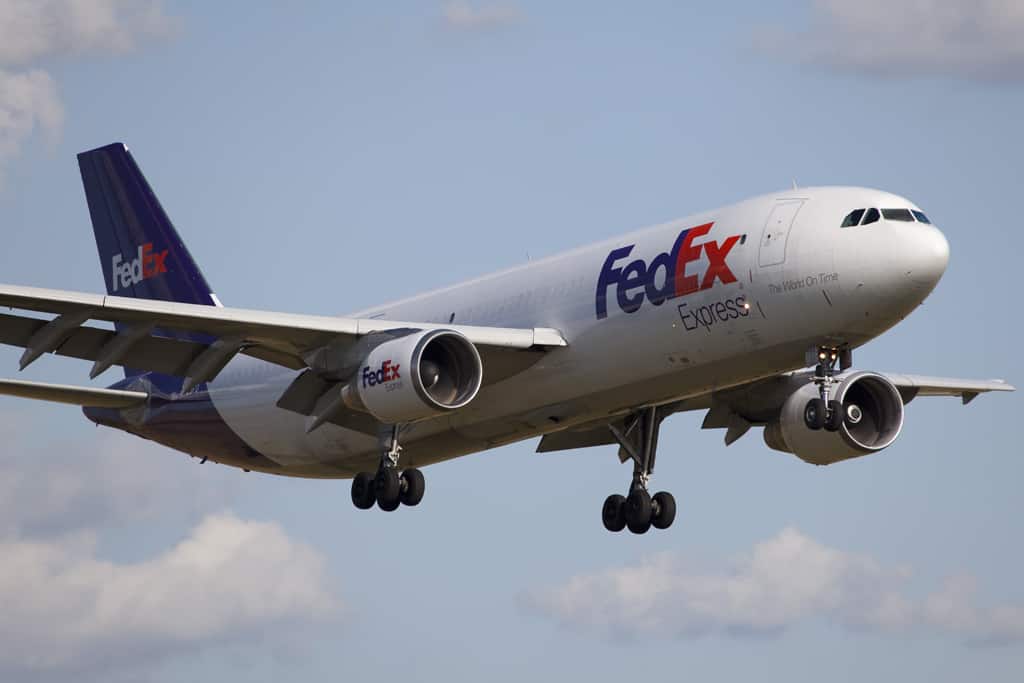
The Airbus A300-600F is a cargo variant of the A300-600 widebody. Designed for medium and long-haul freight operations, it entered service in the 1980s. The aircraft became popular among express cargo operators.
Live Fleet Activity (A30B)
Fetching live data…


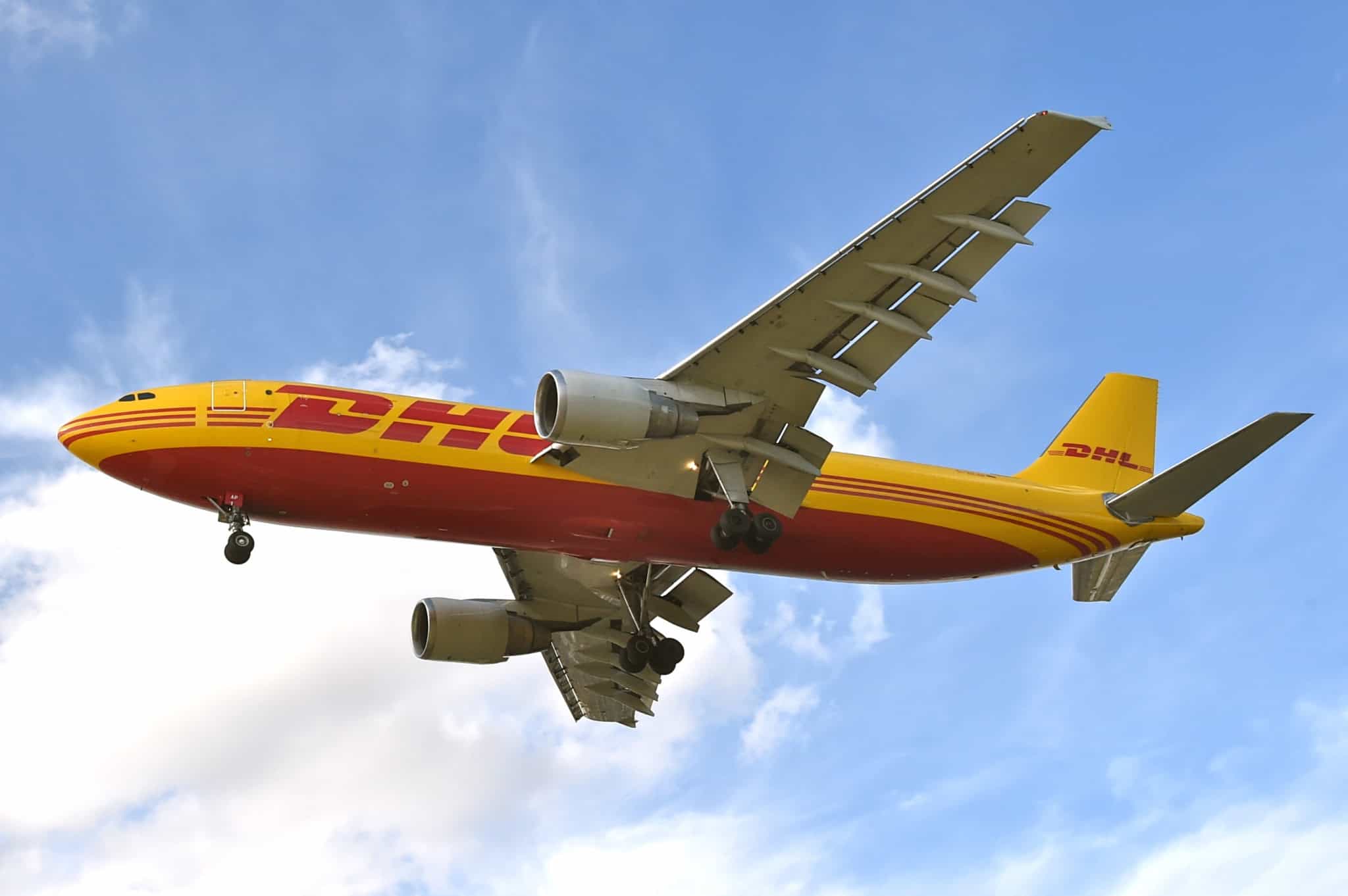




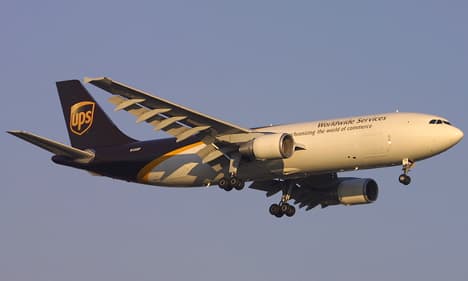
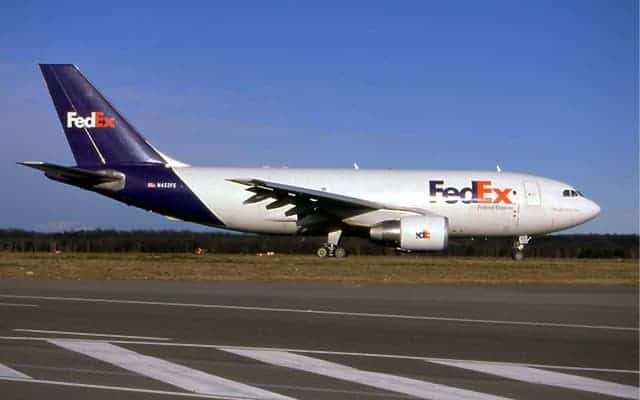
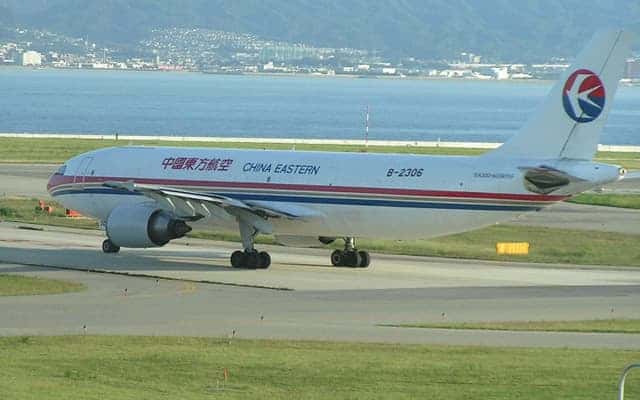

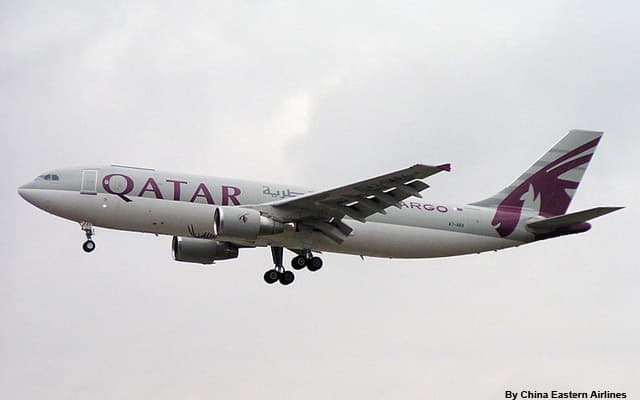
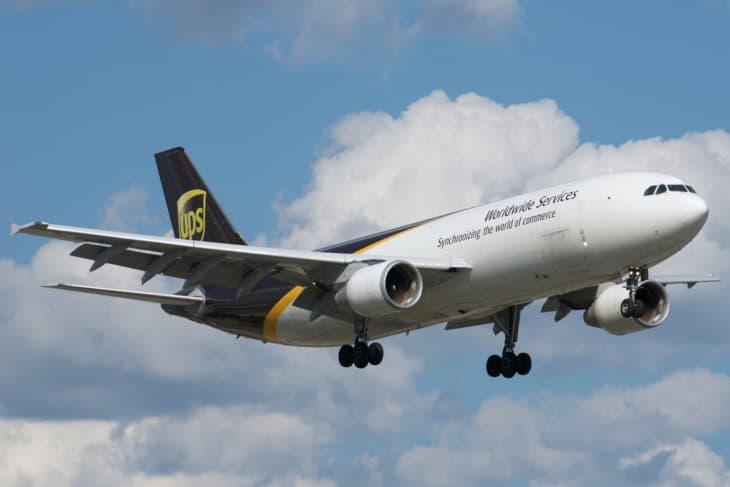
The A300-600F first flew in the mid-1980s as a cargo derivative of the passenger A300-600. It features a reinforced main deck floor and large cargo door. The aircraft retains the widebody twin-engine configuration of the A300 family.
Powered by two General Electric CF6 or Pratt & Whitney PW4000 turbofan engines producing approximately 60,000 pounds of thrust (267 kN) each, the A300-600F cruises at around 470 knots (870 km/h). Maximum takeoff weight exceeds 375,000 pounds (170,100 kg). It offers significant palletized cargo capacity.
The A300-600F became widely used by global freight carriers. Its payload and range suited regional and transcontinental routes. Many aircraft remain in cargo service today.
Airbus conceived freighter versions of its A300 family to address growing demand from freight operators for larger, more efficient medium widebody freighters. The program intent emphasized an airframe that could accept efficient freight handling systems and provide competitive block times on regional and intercontinental routes. Airbus worked with cargo-handling suppliers to integrate main-deck systems early in the design process.
Prototype work adapted structural hard points and internal arrangement from the passenger A300-600, while introducing factory-installed cargo handling features not present on early passenger conversions. Design changes were validated through structural and fatigue testing tailored to concentrated pallet and container loads. A factory freighter was intended to avoid many conversion modifications later required for passenger aircraft.
Production context reflected a market where integrators and scheduled cargo carriers sought aircraft with a balance of payload and runway performance. Airbus offered a mix of factory-built freighters and conversion pathways for existing passenger A300-600 airframes. Program planning accounted for the logistics of retrofitting main-deck doors and pallet rails within existing production lines and aftermarket support.
Certification activities proceeded along standard airworthiness pathways for large transport category airplanes with cargo-specific requirements for fire suppression, floor loading, and emergency egress. Civil aviation authorities evaluated the freighter arrangements within the accepted regulatory framework for transport category cargo aircraft. Delivery schedules aligned with demand cycles from express logistics providers and specialist freight carriers.
The A300-600F retains a low wing, twin-engine widebody layout with a forward cockpit and conventional empennage. The fuselage cross section accepts standard freight pallets and containers on the main deck. Designers incorporated a large side cargo door and facilitated forward and aft pallet positions to optimize center of gravity management during typical cargo missions.
Structurally, the main deck floor receives reinforcement and additional support beams to carry concentrated pallet loads and forklift operations. Floor handling equipment is integrated into a continuous track system that permits rapid loading and secure restraint of cargo. Lower deck compartments accommodate additional unit load devices or bulk cargo as mission planning requires.
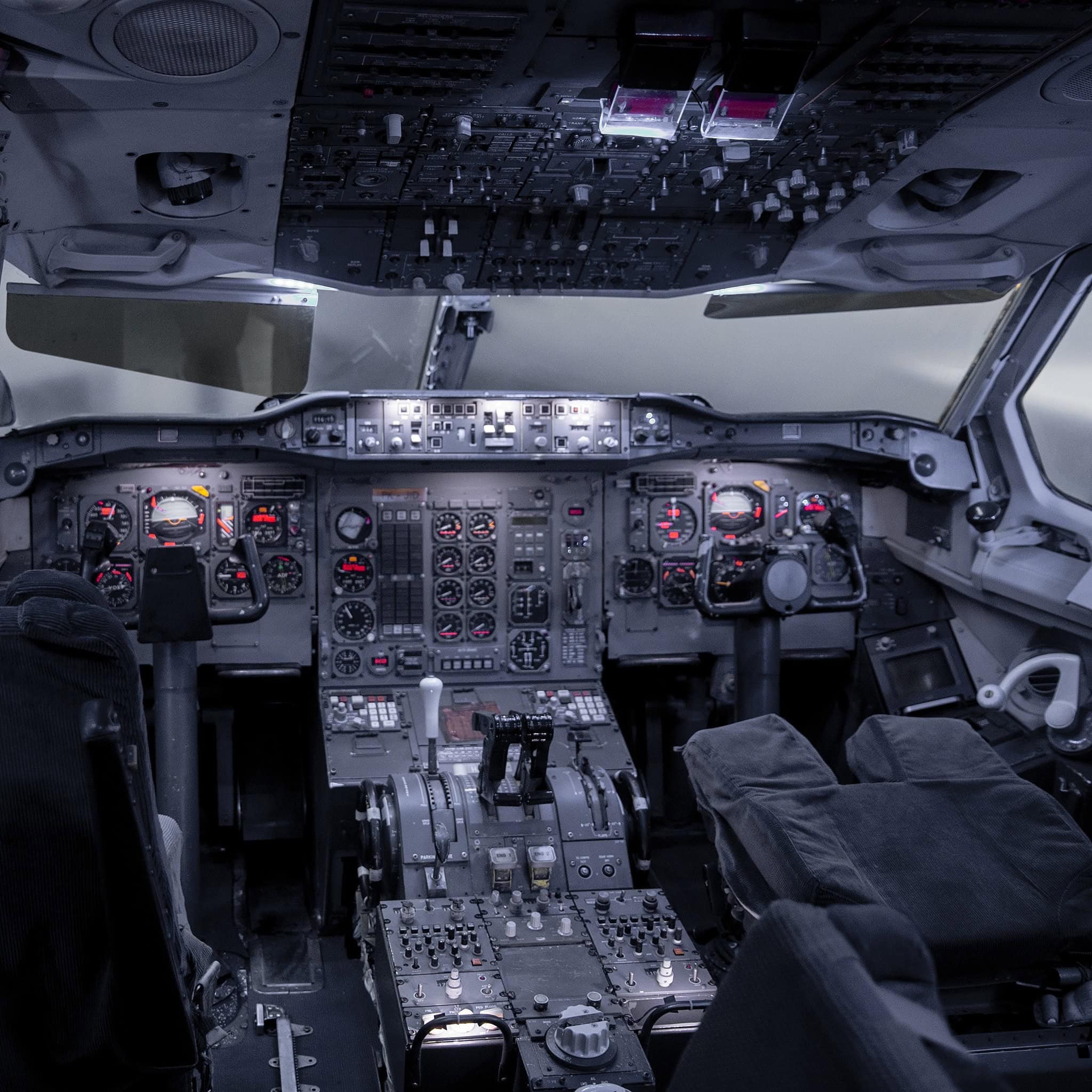
Avionics architecture follows the A300-600 lineage with standard flight decks of the era augmented by cargo mission equipment. Navigation, communications, and flight management systems align with operator requirements for long-range freight sectors and simplified crew management. Cargo fire detection and suppression systems meet regulatory criteria for all occupied compartments and are arranged to permit rapid response.
Distinguishing features include an optimized freight door hinge and sill arrangement to ease compatibility with container loaders, and attention to cargo handling ergonomics for ground crews. Aerodynamic refinements from the -600 family such as high-lift devices and wing modifications are present to preserve acceptable field performance while carrying dense loads.
Performance for typical freight missions emphasizes payload-to-range tradeoffs that cargo planners routinely manage. The aircraft operates efficiently on medium- to long-range sectors where palletized loads must be moved between major hubs, permitting favorable block times and lower unit cost compared with narrowbody conversions. Fuel consumption per ton-mile is competitive for its category.
Climb performance supports rapid ascent to cruise altitudes appropriate for transcontinental and overwater tracks, with operational ceilings compatible with air traffic system requirements for long-range flights. Endurance on many missions is driven by payload and regulatory fuel reserves rather than raw fuel capacity alone, so range varies with weight and routing choices.
Operational limitations include runway length requirements for heavily loaded departures and noise restrictions at some airports that affect scheduling. Ground handling throughput is shaped by available loading equipment and apron capacity, which can create bottlenecks on tight turnaround plans. The aircraft is suited to repetitive hub-to-hub cycles rather than frequent short hops with multiple ground stops.
Mission profiles commonly include overnight express services and block-fed feeder runs between gateways. Crew composition and cargo loading plans are optimized to minimize ground time while observing center of gravity and weight-and-balance constraints. Operators plan flights around available pallet positions and lower-deck volume to achieve required payloads within infrastructure limits.
The A300-600F exists alongside passenger derivatives and converted freighter examples. Factory-built freighter versions incorporate cargo handling systems at assembly rather than after delivery, simplifying certification of the cargo arrangement. Converted freighters derive from used passenger A300-600 airframes that are modified by third-party shops to install main-deck doors, reinforcements, and handling equipment.
Some operators have employed combination schedules using both factory freighters and conversions to balance fleet availability and acquisition costs. Conversion programs typically standardize on pallet rail layouts and restraint systems that align with the factory design to ease operational commonality. Cargo system suppliers developed kits compatible across the A300-600 freighter family to simplify maintenance and spare parts provisioning.
Specific subvariants addressed customer preferences for differing auxiliary power and ground support interfaces. Modularity in equipment selection allowed operators to choose options such as additional lower-deck container restraints and alternate interior configurations for specialized cargo types while maintaining the same basic airframe and flight characteristics.
Commercial Service
The aircraft entered service with a mix of integrators and specialist cargo airlines focused on palletized express and scheduled freight. Its size and cargo volume made it attractive for overnight express networks and for replacement of older generation widebody freighters. Commercial operators scheduled the type for both short-haul high-frequency trunk routes and longer transcontinental sectors where payload efficiency mattered.
Fleet experience emphasized predictable maintenance cycles and established engineering support, with many operators using common A300-600 airframe knowledge to streamline spares and training. Turnaround efficiency on the ground was a priority, prompting investments in dedicated loading bridges and dock equipment at major bases. Operational economics were a primary driver behind fleet renewal and capacity planning decisions.
Operational use also included ad hoc charters and heavy cargo shipments when specialized handling was available. The aircraft served in diverse climatic environments, from temperate hubs to hot weather airports, testing environmental control and payload planning practices. Operators adjusted environmental control usage and cargo loading sequences to accommodate seasonal performance variations.
Operators
A range of integrators and scheduled cargo carriers adopted the type as part of mixed fleets. Airlines used the A300-600F to balance capacity demands, often pairing it with smaller narrowbody freighters for feeder work and larger widebodies for ultra-long sectors. Crew training programs emphasized transition commonality within operators that flew multiple A300 family variants.
Maintenance practices tended to centralize heavy checks at well-equipped bases with experience on Airbus widebodies. Operators placed importance on local support for avionics and structural components due to the type's unique cargo door and floor systems. Roaming maintenance partnerships and component pool agreements helped sustain aging fleets in commercial operation.
The aircraft participated in global cargo networks, frequently concentrated at major logistics hubs where apron space and loading infrastructure supported high daily movements. Commercial scheduling favored block-hour utilization patterns that maximized revenue-generating flights while accommodating mandatory maintenance and regulatory rest requirements.
The A300-600F demonstrated the viability of a medium widebody freighter designed for palletized operations from the factory. Lessons learned in integrating cargo handling at the production stage informed subsequent freighter designs and conversion practices. The aircraft influenced how manufacturers and operators approach tradeoffs between payload, range, and turnaround efficiency.
Program impact includes the maturation of aftermarket conversion standards that sought to replicate factory freighter ergonomics and certified handling systems. Market lessons emphasized the importance of cockpit commonality and spares sharing for cost control across mixed fleets. The type contributed to broader acceptance of twin-engine widebodies in dedicated cargo roles.
Technological elements such as reinforced main-deck structures and integrated pallet systems became standard considerations for later dedicated freighters. Airbus continued to apply those principles in follow-on freighter programs that offered improved performance and newer avionics suites suitable for modern air traffic management environments.
Sources and references used for research and fact-checking.