

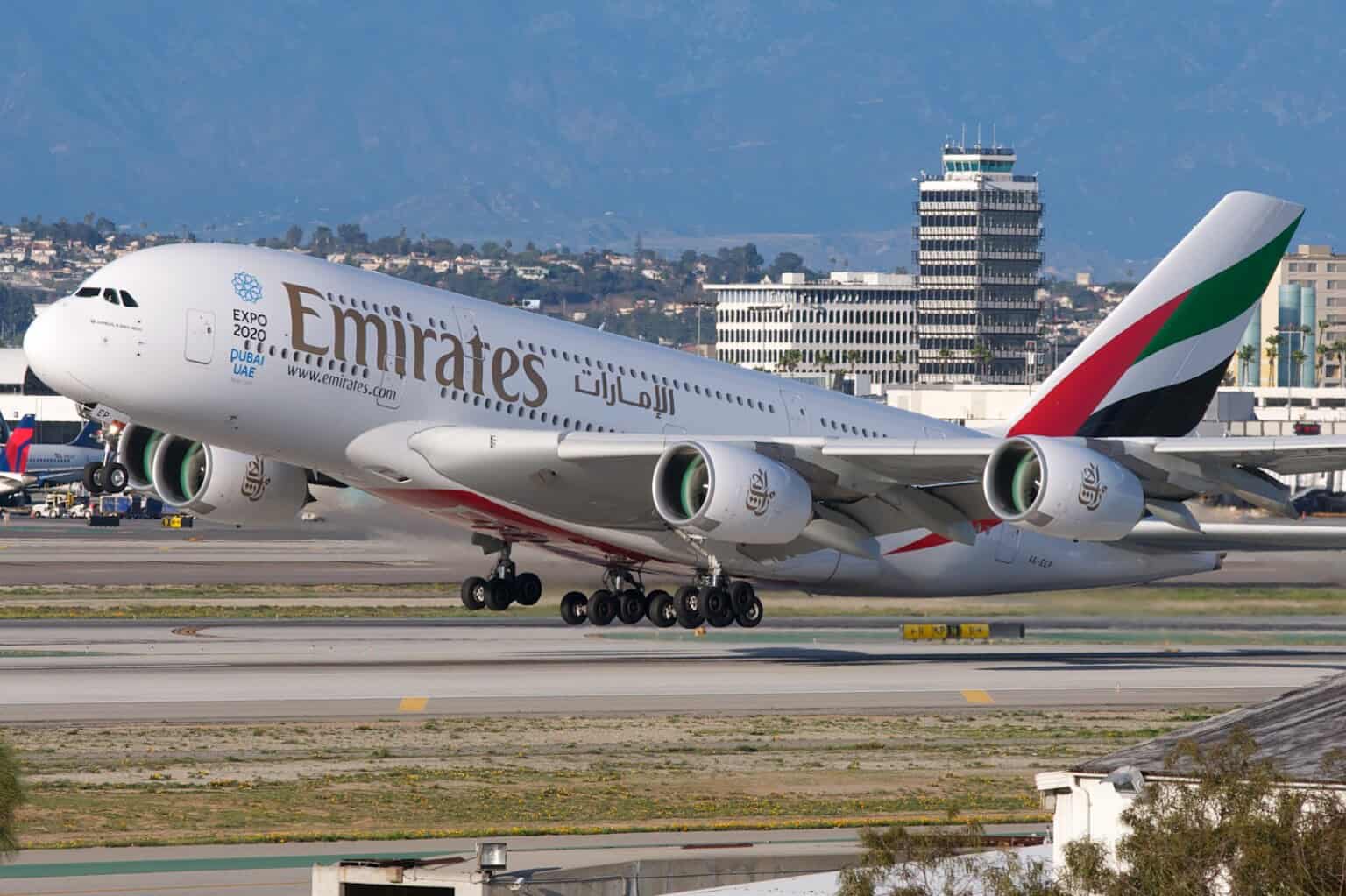
Table of Contents
The largest commercial airplane in the world is the Airbus A380-800. Nothing else in passenger service comes close: it carries about 525 people in a normal layout, and it is certified for up to 853. It is the widest, heaviest, and highest-capacity airliner ever flown.
But “largest” hides a twist. The A380 is not the longest passenger jet. That title belongs to the Boeing 747-8, whose 250-foot fuselage runs a full 12 feet past the A380’s nose. The A380 is bigger overall because it is a full double-decker, so we rank this list by size in the round, capacity first, with length and wingspan alongside.
These are the 10 largest commercial airplanes flying today, as of 2026. For the biggest aircraft of any kind ever built, including military and cargo giants, see our guide to the biggest aircraft in the world.
"Largest" depends on how you measure it
By passengers, wingspan, and weight, the Airbus A380 wins. By length, the Boeing 747-8 is longer. And the longest airliner ever, the Boeing 777-9, has not entered service yet. This list ranks by overall size, capacity first.
The 10 largest commercial airplanes at a glance
| Rank | Aircraft | Length | Wingspan | Typical seats |
|---|---|---|---|---|
| 1 | Airbus A380-800 | 238 ft 7 in (72.7 m) | 261 ft 8 in (79.8 m) | ~525 |
| 2 | Boeing 747-8 Intercontinental | 250 ft 2 in (76.3 m) | 224 ft 7 in (68.4 m) | ~410 |
| 3 | Boeing 747-400 | 231 ft 10 in (70.7 m) | 211 ft 5 in (64.4 m) | ~416 |
| 4 | Boeing 777-300ER | 242 ft 4 in (73.9 m) | 212 ft 7 in (64.8 m) | ~396 |
| 5 | Airbus A340-600 | 247 ft 3 in (75.4 m) | 208 ft 2 in (63.5 m) | ~380 |
| 6 | Airbus A350-1000 | 242 ft 1 in (73.8 m) | 212 ft 5 in (64.8 m) | ~360 |
| 7 | Boeing 787-10 Dreamliner | 224 ft (68.3 m) | 197 ft 3 in (60.1 m) | ~336 |
| 8 | Airbus A350-900 | 219 ft 4 in (66.8 m) | 212 ft 5 in (64.8 m) | ~315 |
| 9 | Boeing 777-200LR | 209 ft 1 in (63.7 m) | 212 ft 7 in (64.8 m) | ~301 |
| 10 | Airbus A330-300 | 208 ft 10 in (63.7 m) | 197 ft 10 in (60.3 m) | ~295 |
1. Airbus A380-800
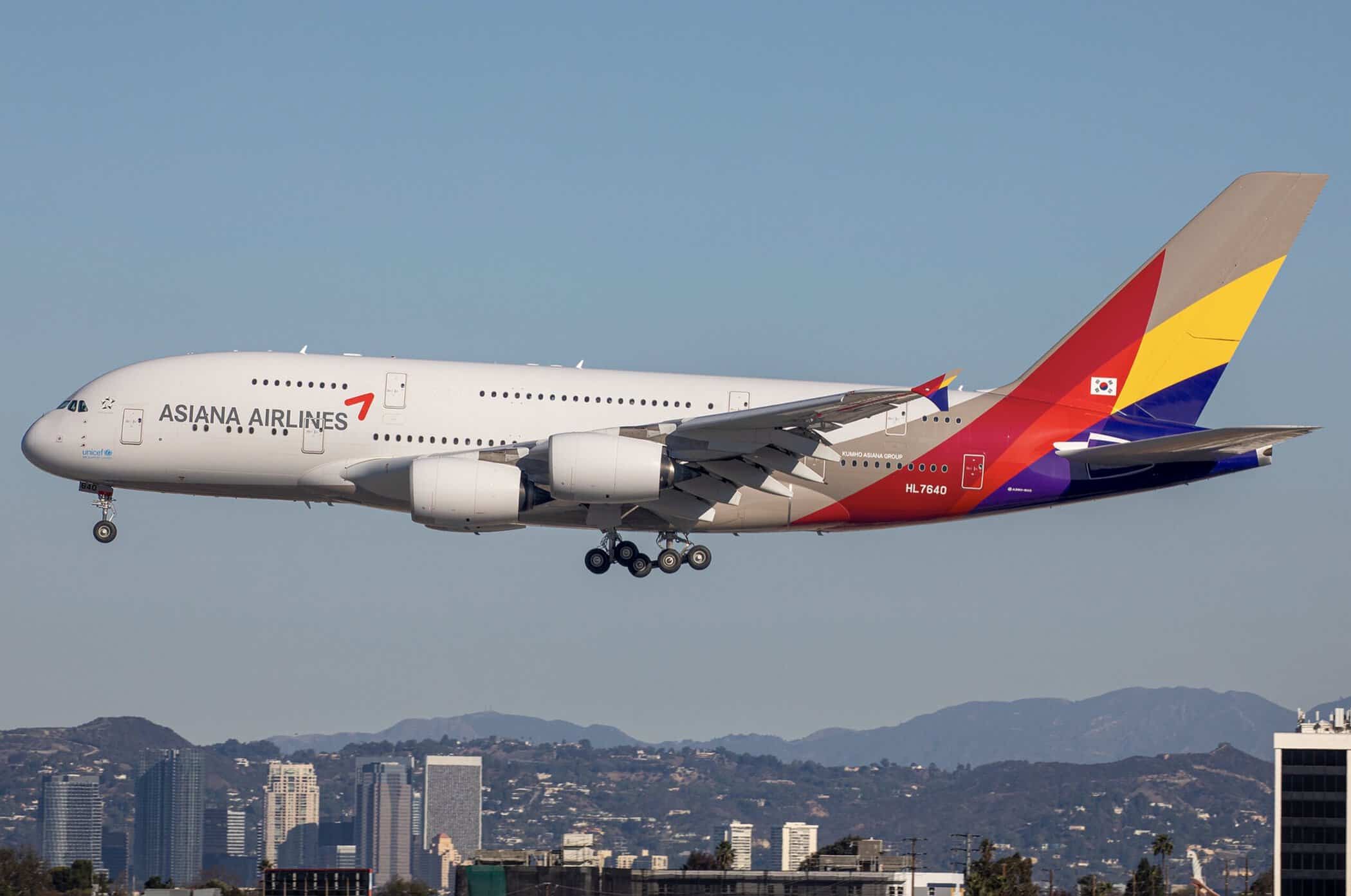
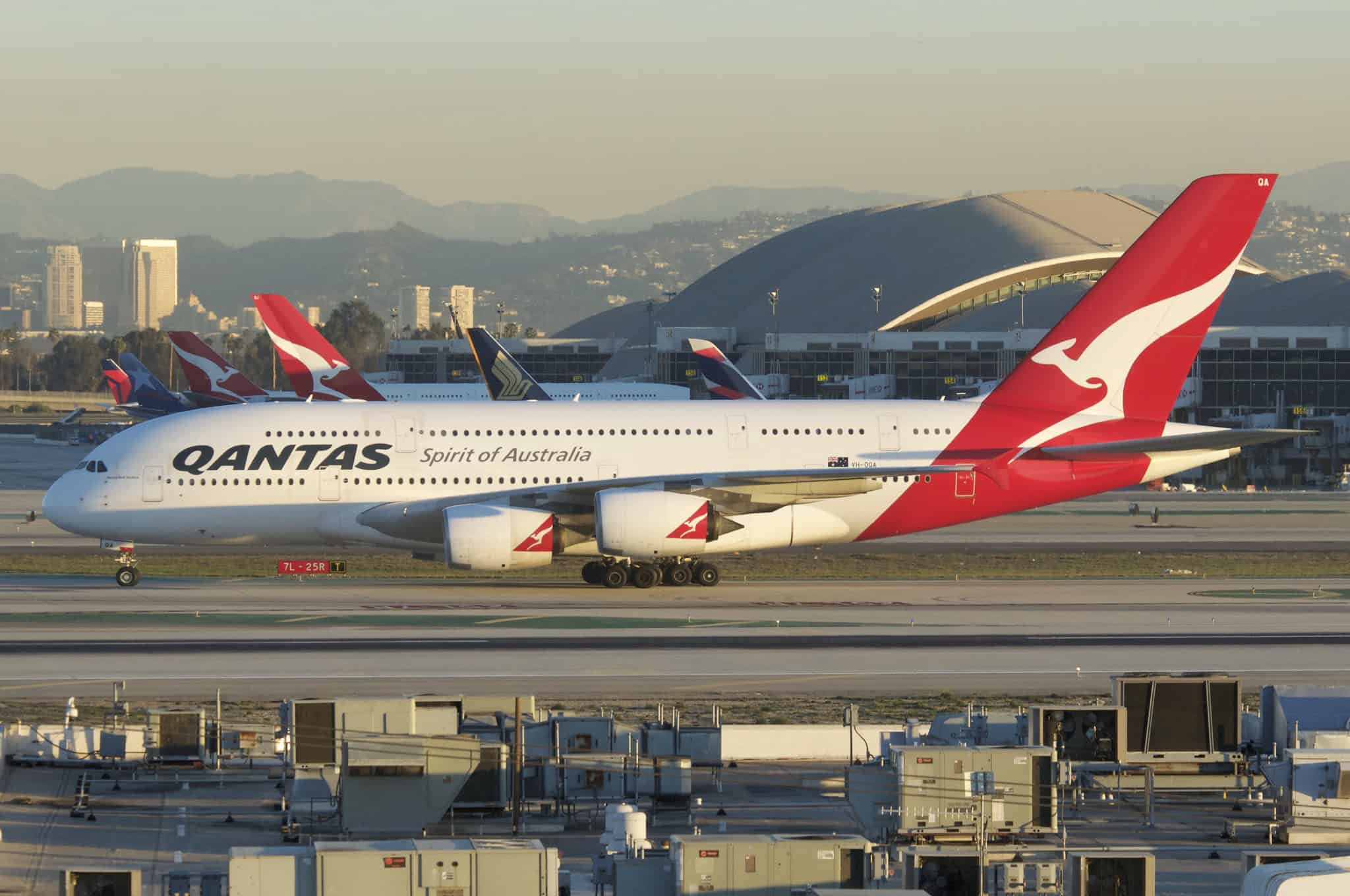


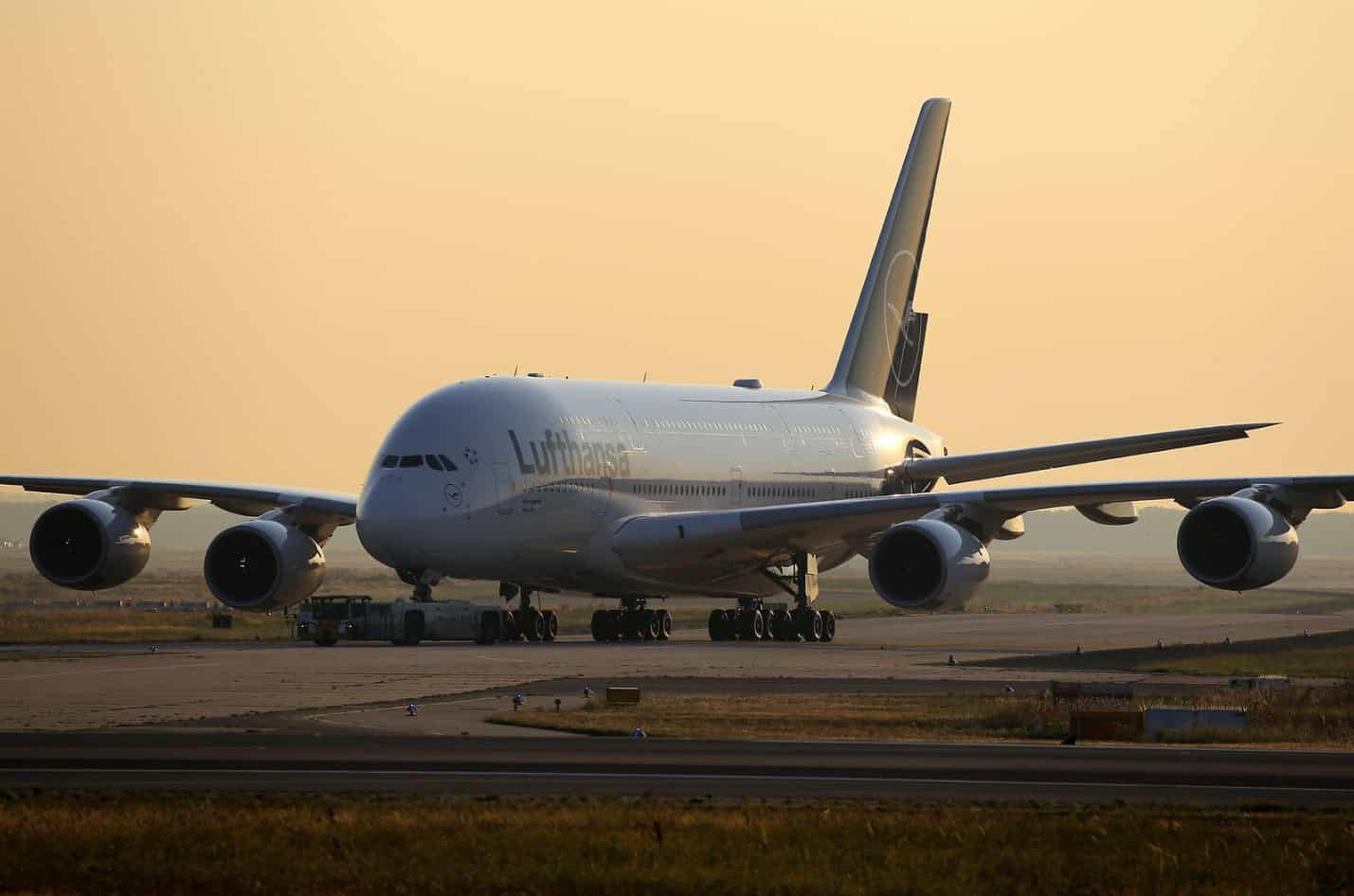


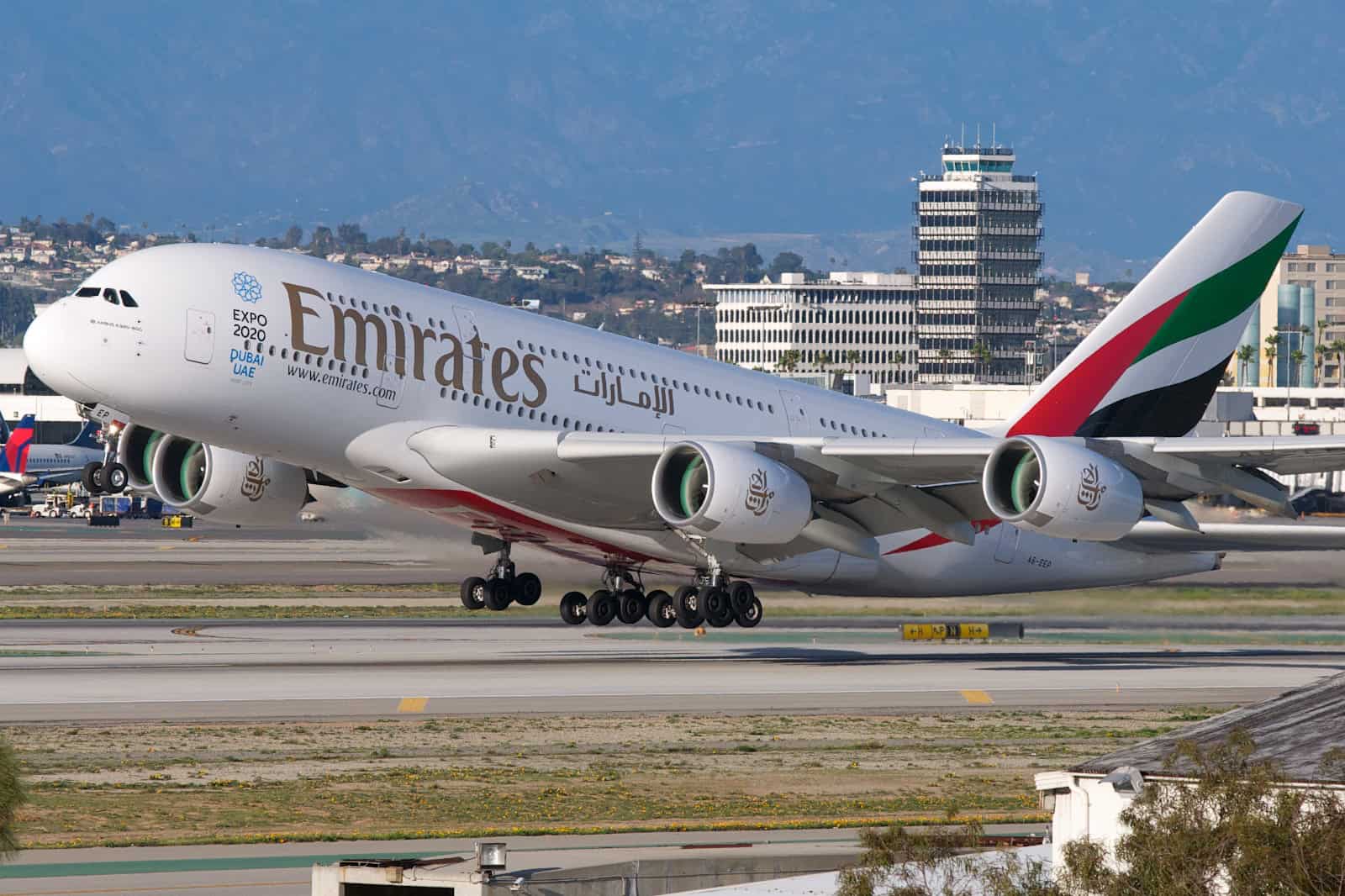
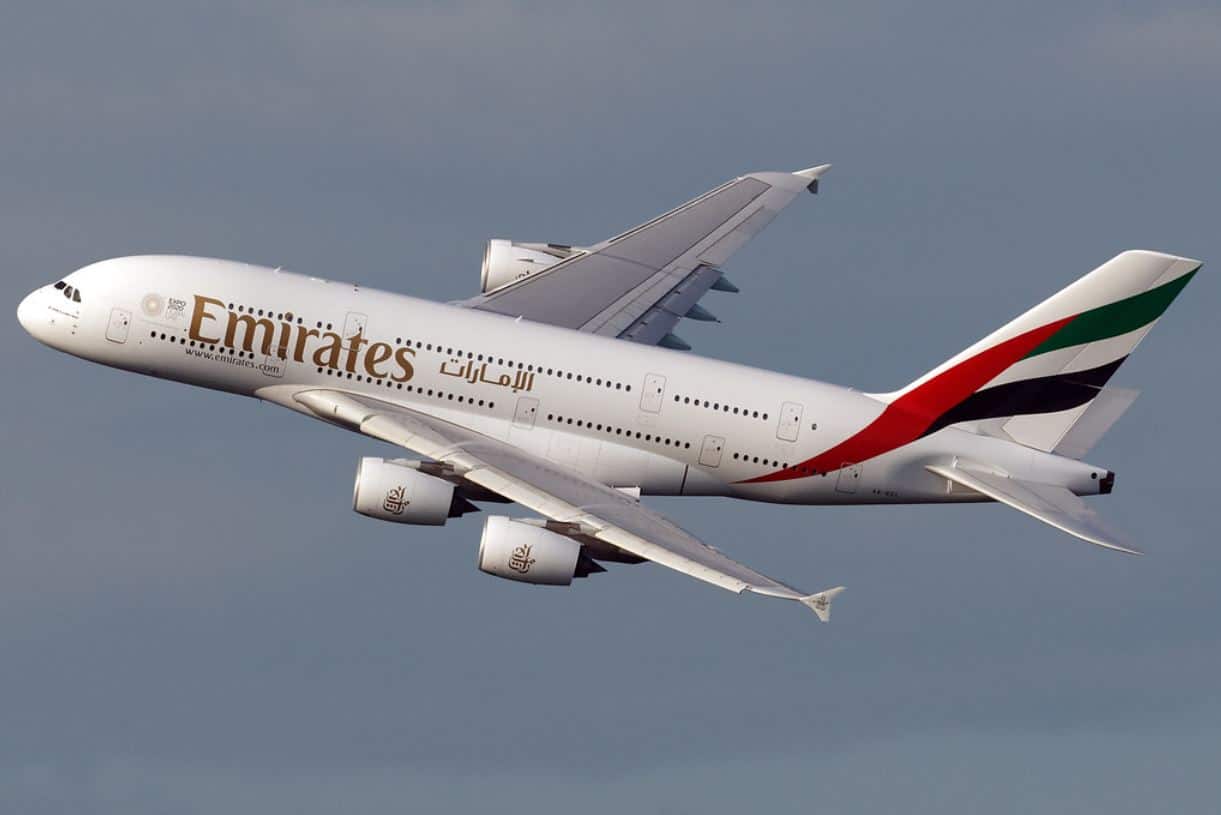
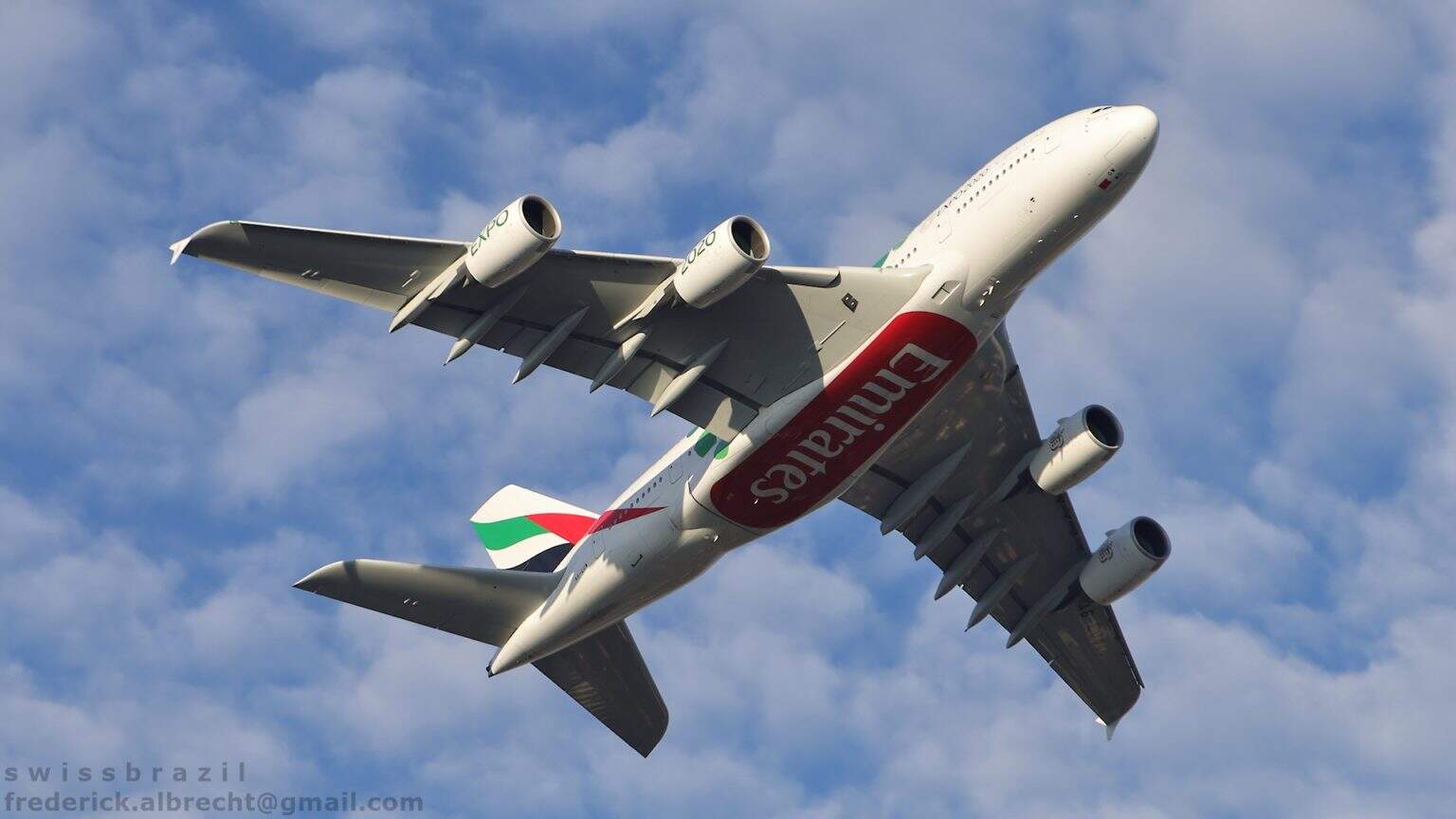


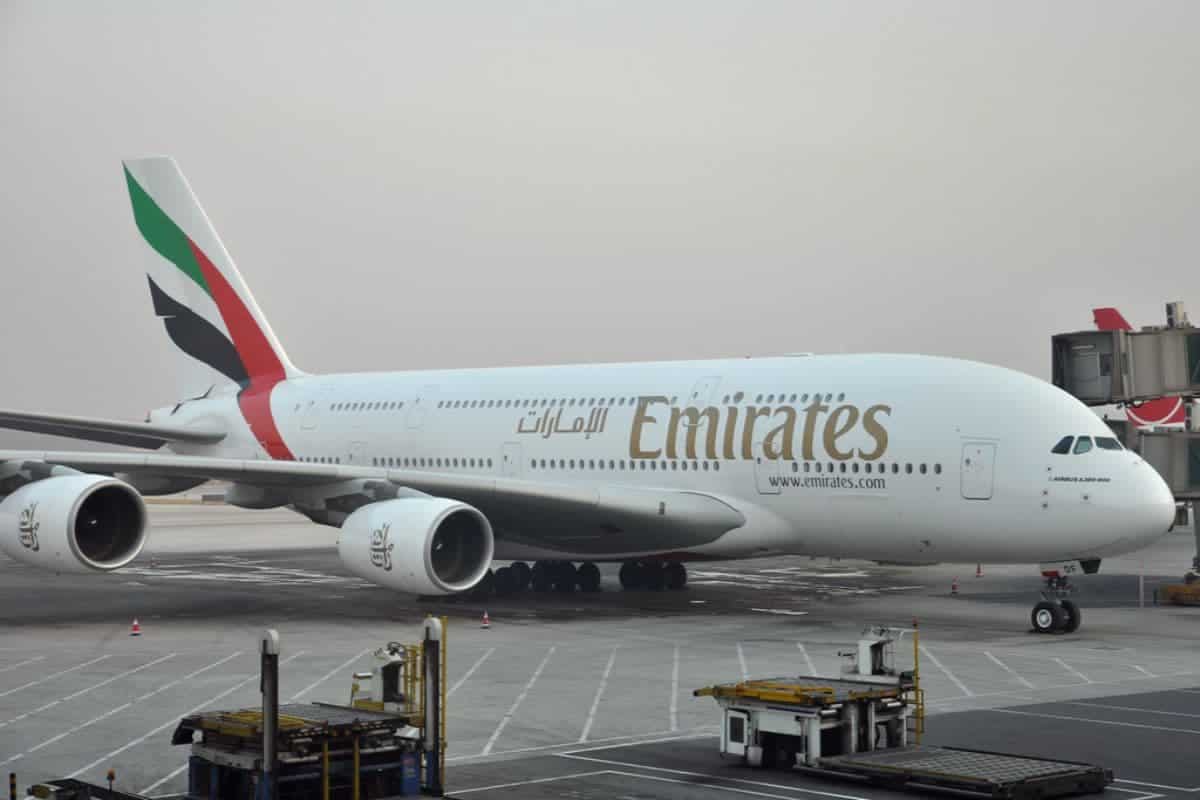

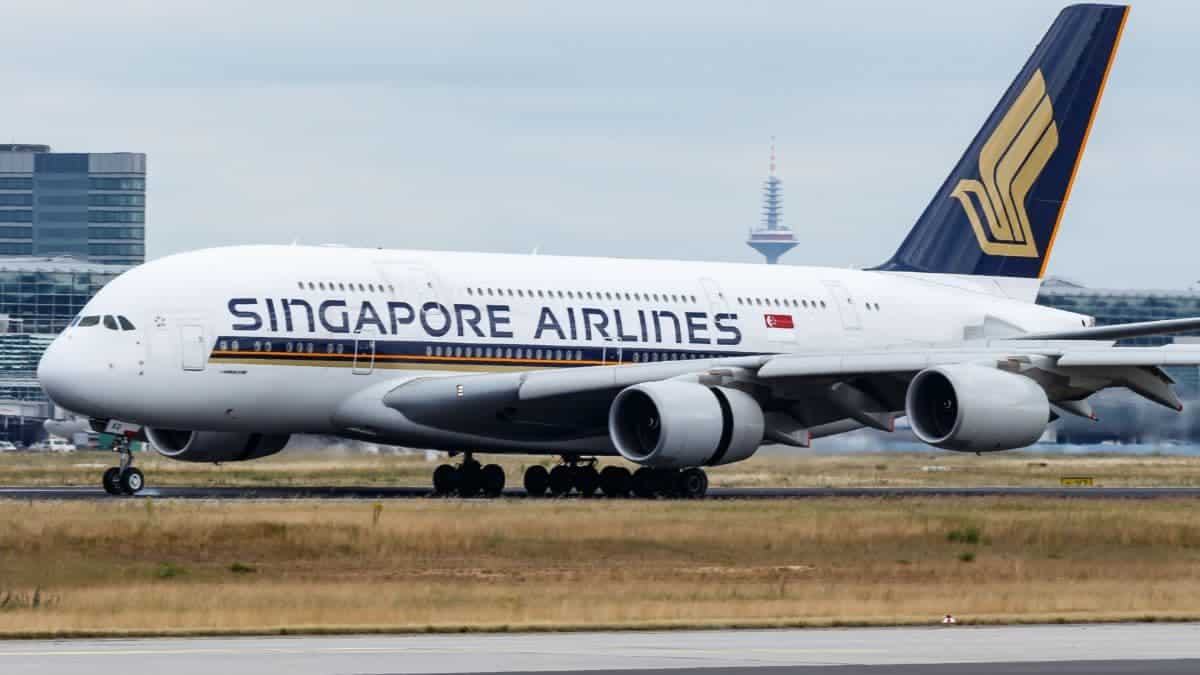


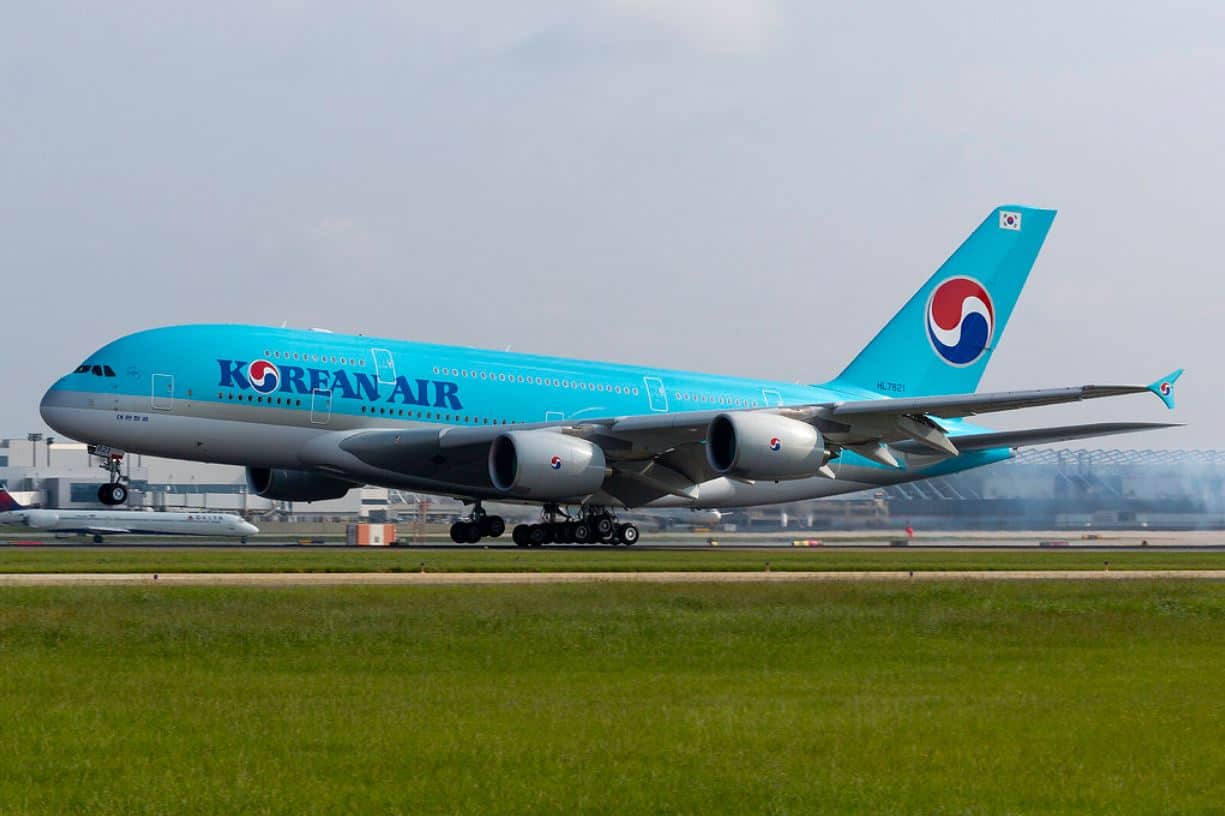


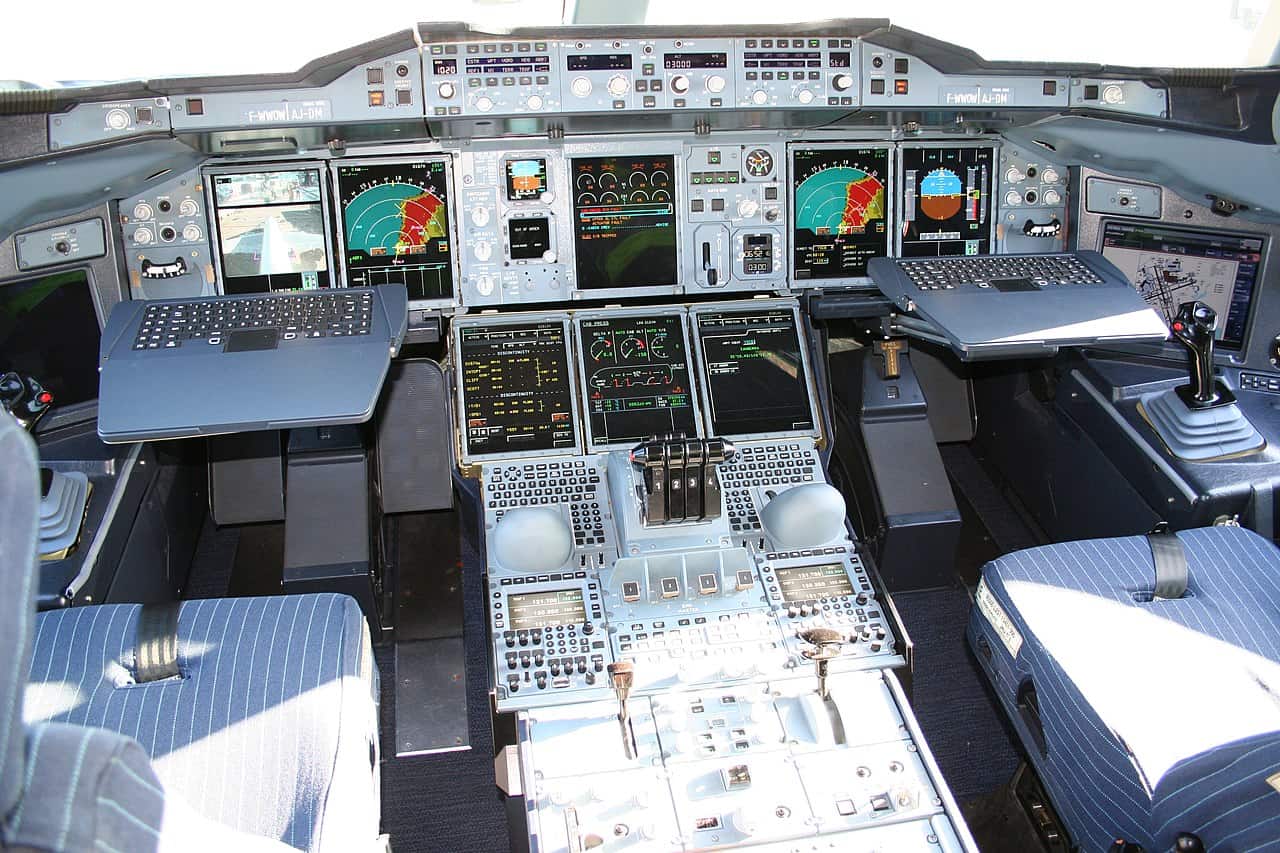
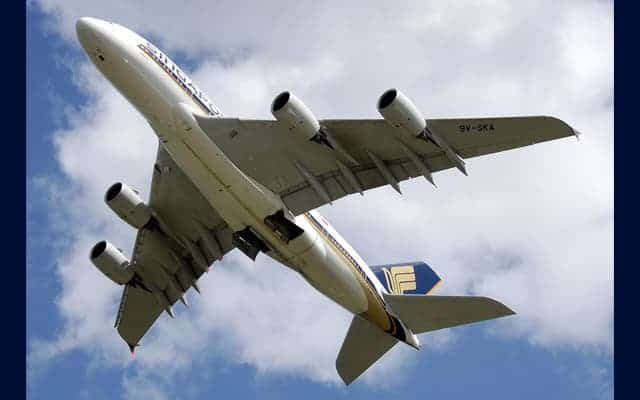
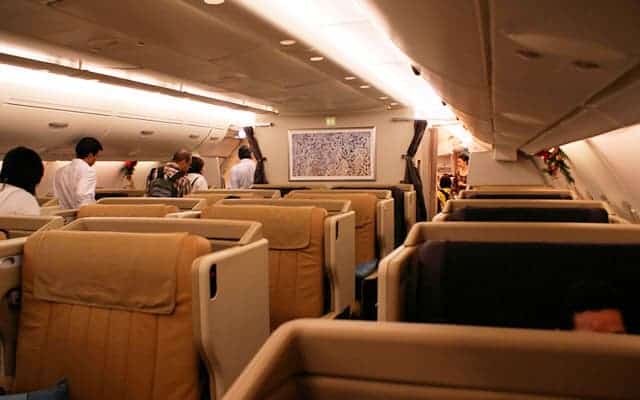
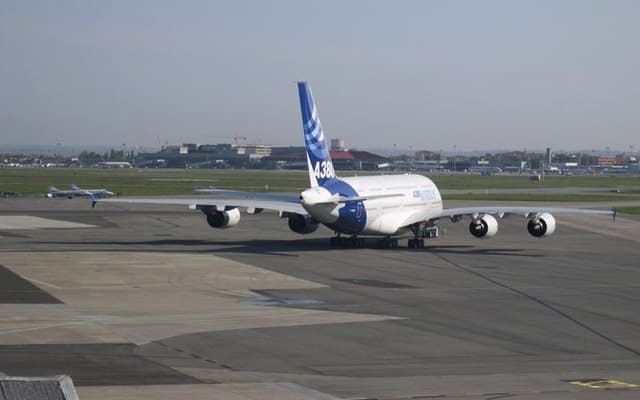
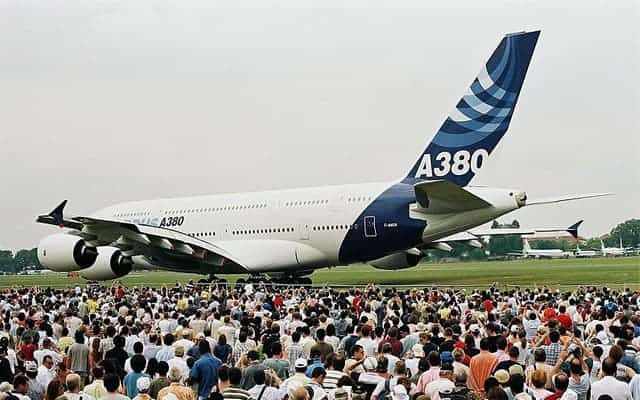
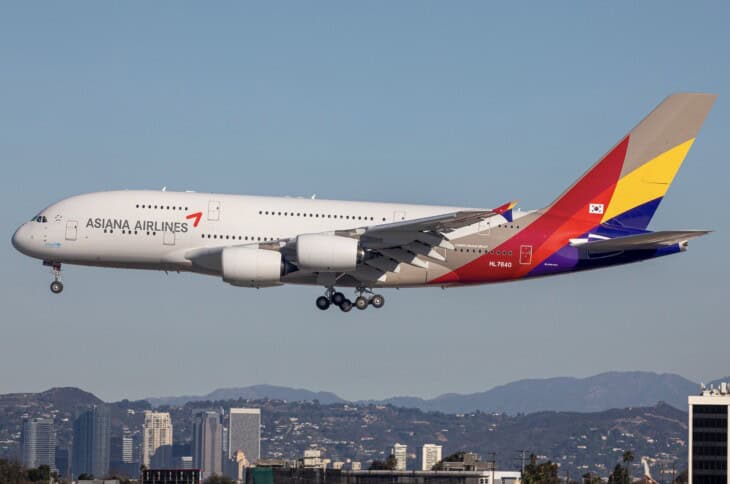
The Airbus A380-800 is the largest passenger airplane ever built. It is the only full-length double-decker airliner, with a main deck and an upper deck that both run the length of the fuselage. A typical four-class cabin seats around 525 people, and the type is certified to carry up to 853.
Its numbers dwarf everything else in service. The wingspan is 261 feet 8 inches (79.8 m), and the maximum takeoff weight is roughly 1.23 million pounds (560 t), heavier than any other airliner. Singapore Airlines flew the first A380 in 2007.
Airbus ended A380 production in 2021 as airlines shifted to smaller, more efficient twinjets. But the jets already built are not going anywhere soon. Emirates, the largest operator, plans to fly its fleet well into the 2030s, so the A380 will remain the world’s largest airliner for years.
Big enough for a shower in the sky
The A380’s upper deck gave airlines room for features no other airliner could fit. Emirates installed onboard shower spas in first class and a lounge bar at the back of the upper deck.
2. Boeing 747-8 Intercontinental
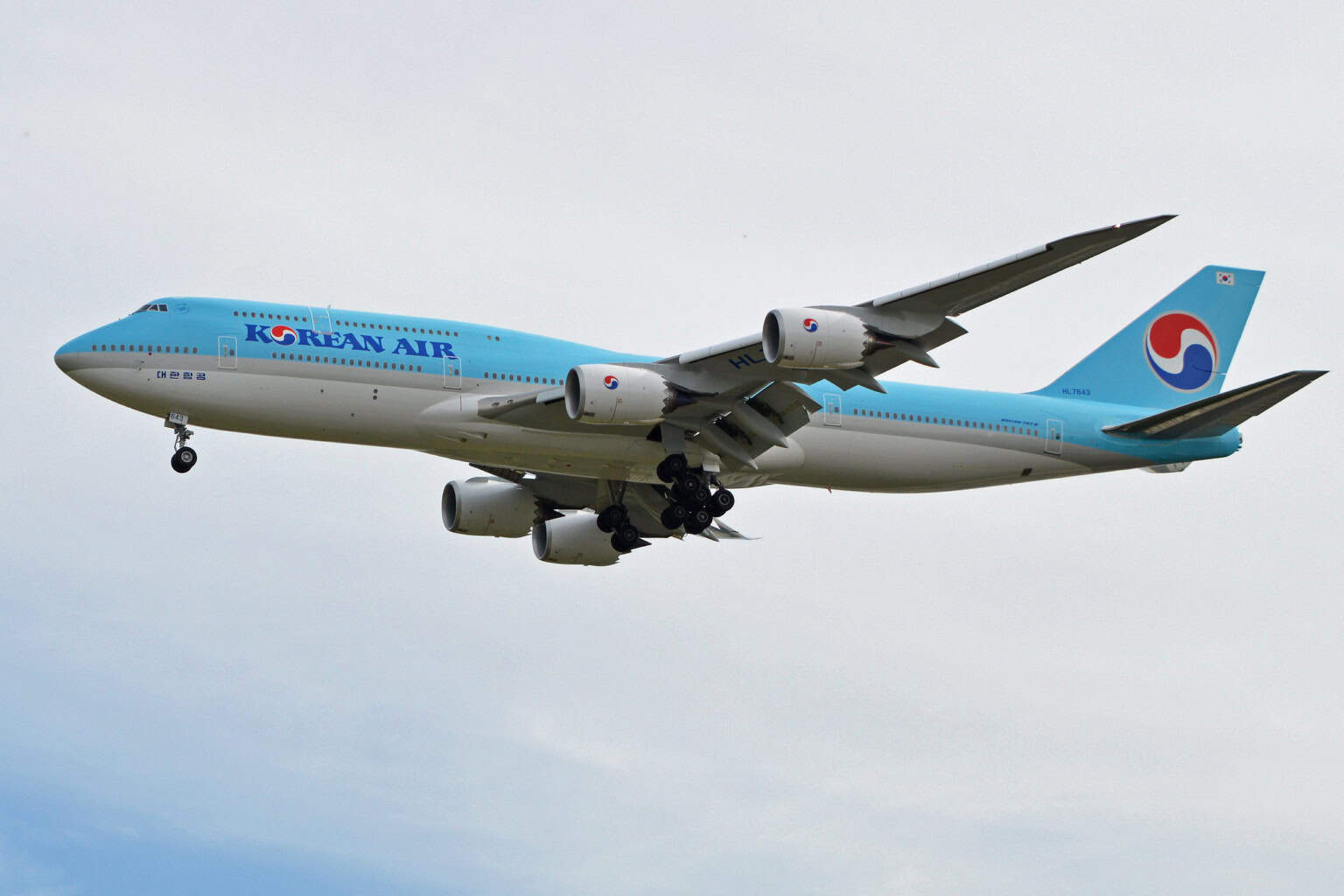
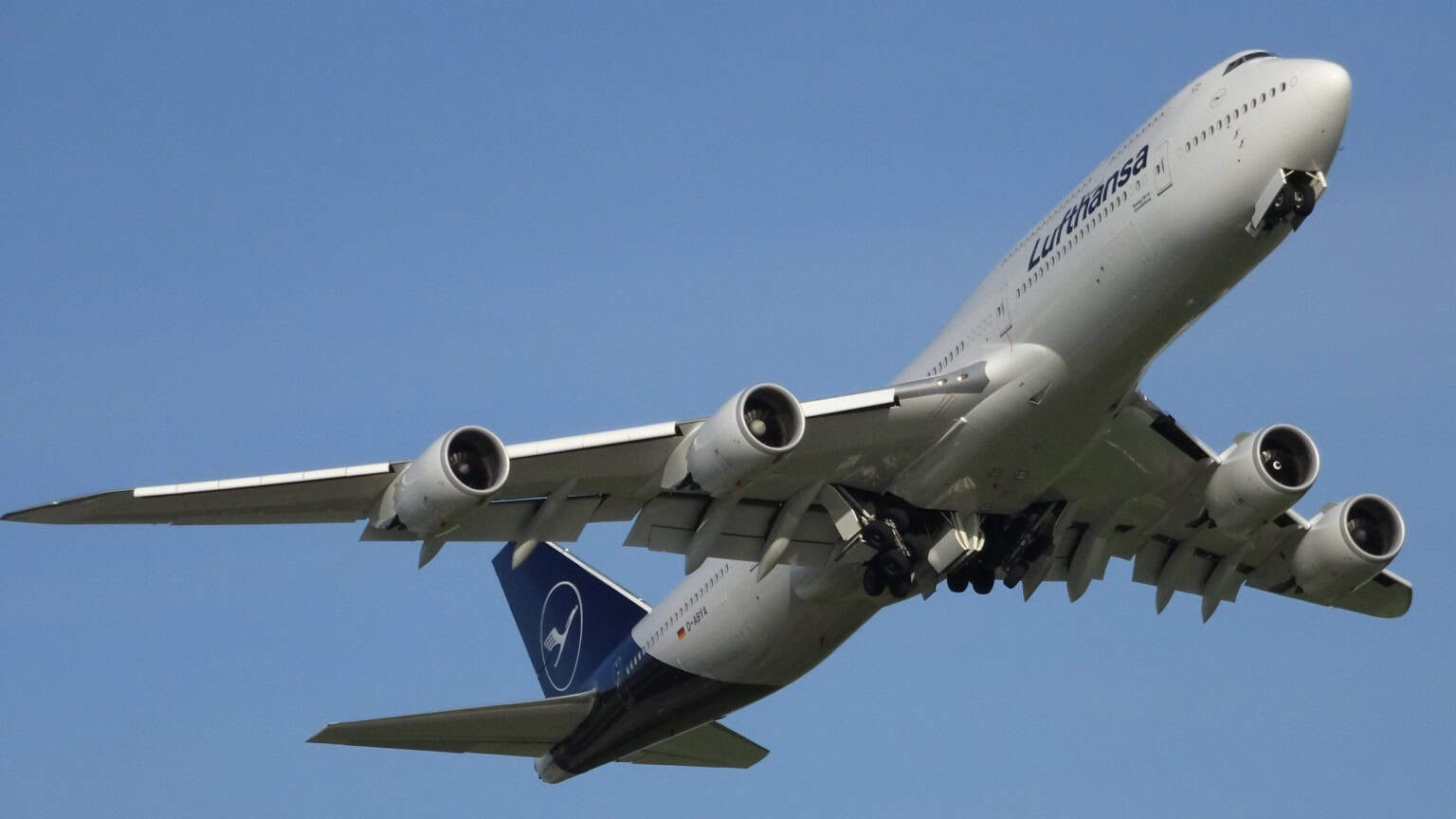

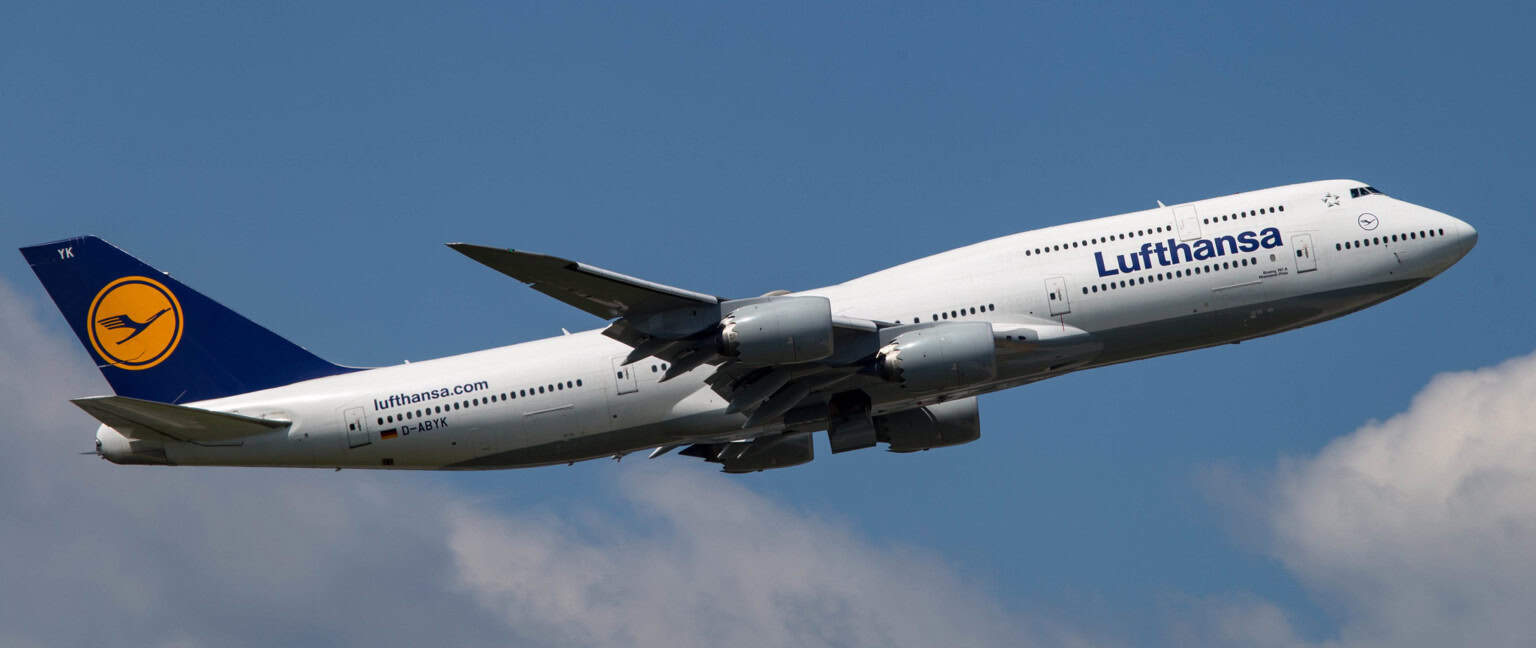

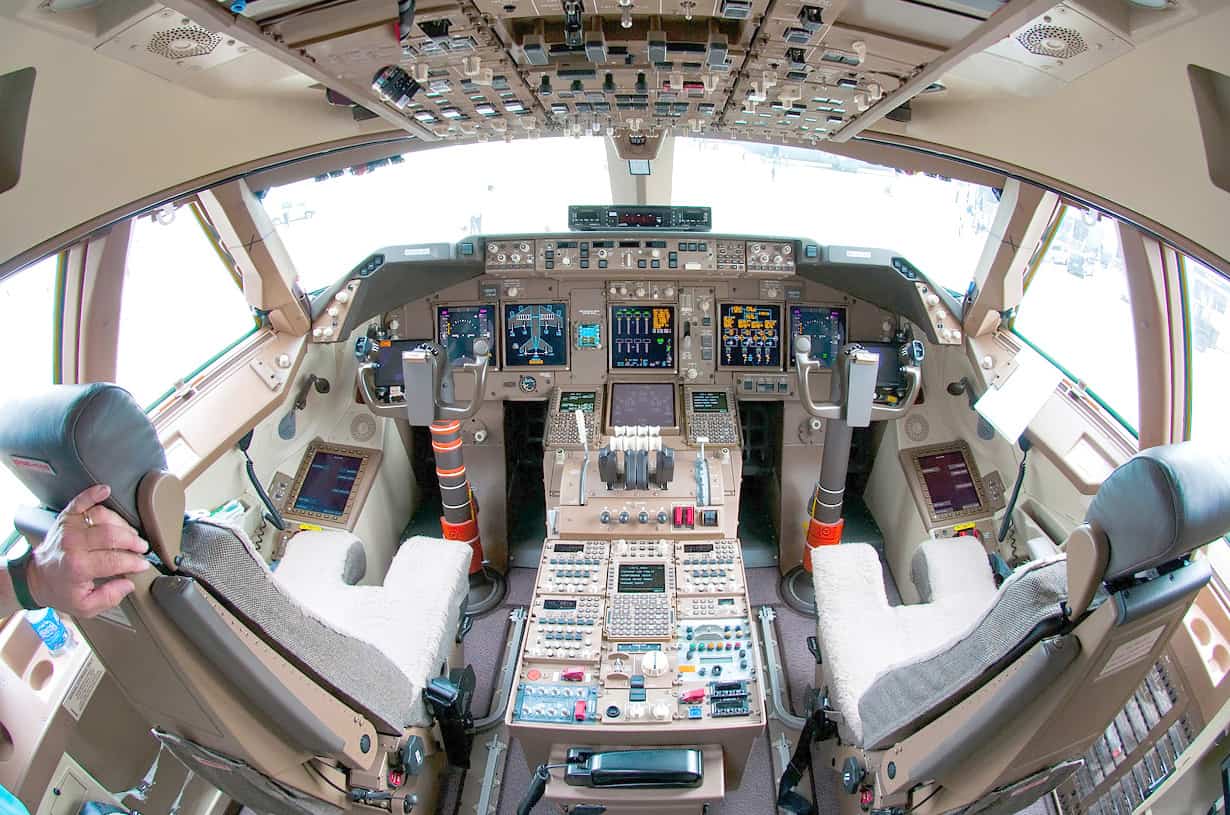
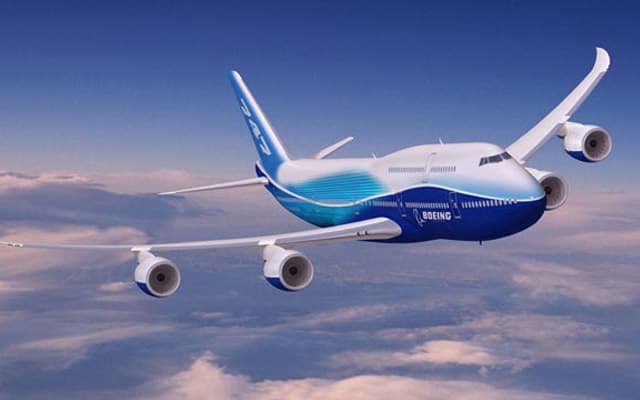
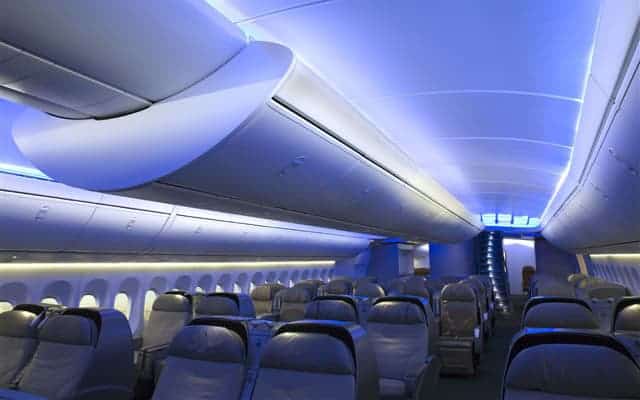
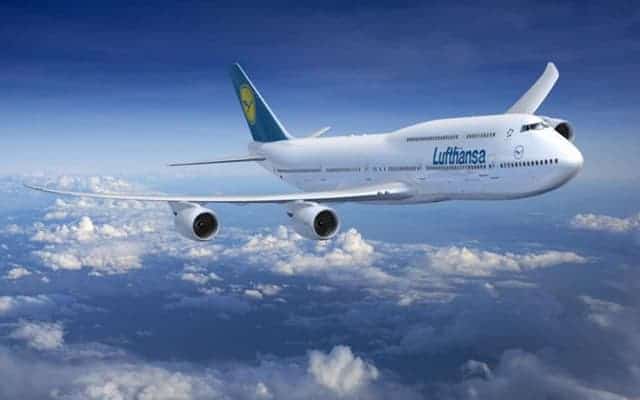
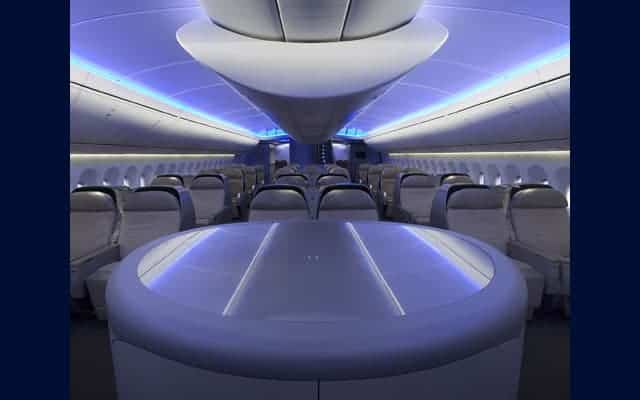

The Boeing 747-8 Intercontinental is the longest passenger airplane in history. At 250 feet 2 inches (76.3 m), its fuselage runs about 12 feet longer than the A380’s. It is the final and largest version of the original jumbo jet, the Boeing 747-8.
A three-class cabin seats around 410 passengers, with the upper deck stretched longer than earlier 747s. The four GEnx engines and a 224-foot wingspan give it a maximum takeoff weight of about 987,000 pounds (448 t).
Only a handful of airlines fly the passenger 747-8, including Lufthansa, Korean Air, and Air China. It is more common as a freighter, and it is the airframe Boeing is building as the next two U.S. presidential aircraft.
The longest, but not the largest
The 747-8 is 12 feet longer than the A380, yet it carries roughly 115 fewer passengers. A single main deck simply holds fewer seats than the A380’s two full decks, which is why length alone doesn’t decide the ranking.
3. Boeing 747-400
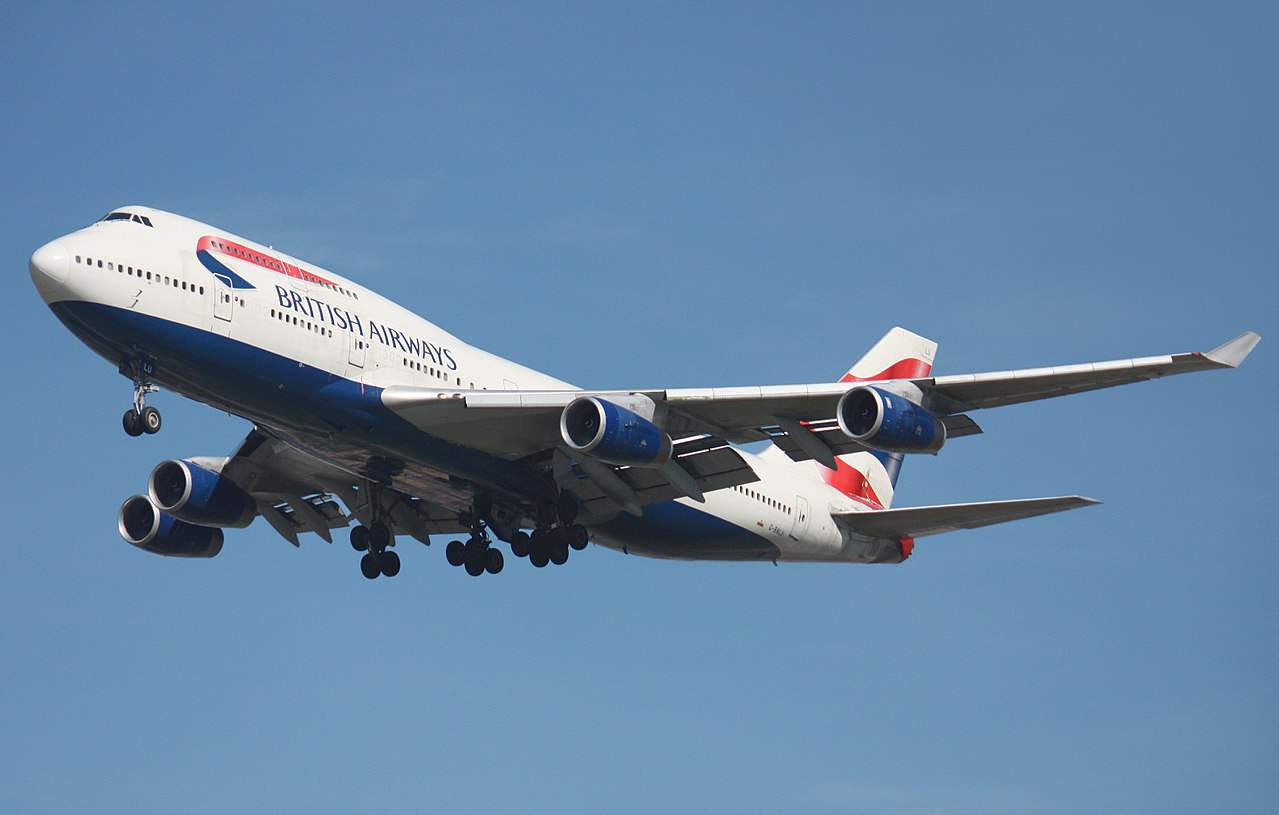
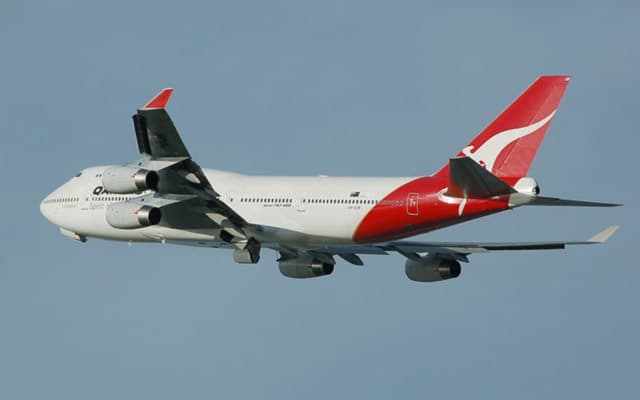

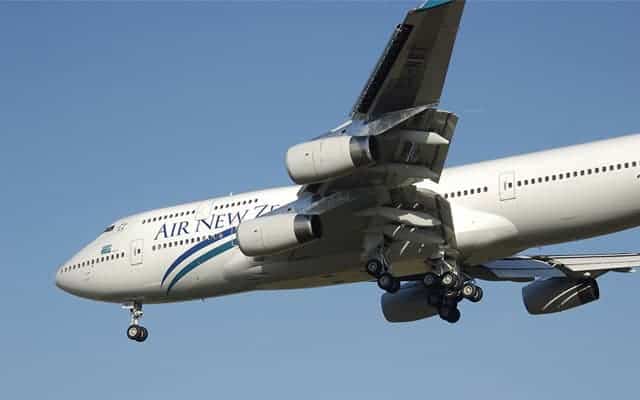


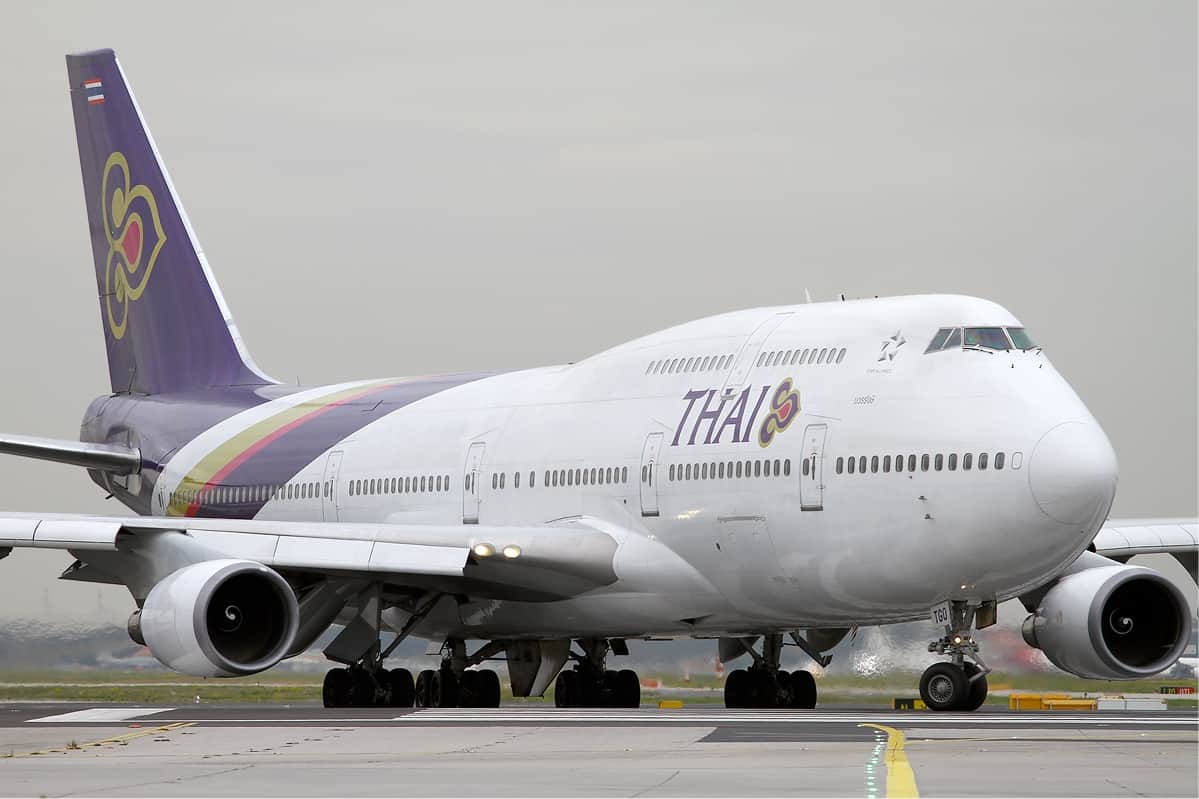
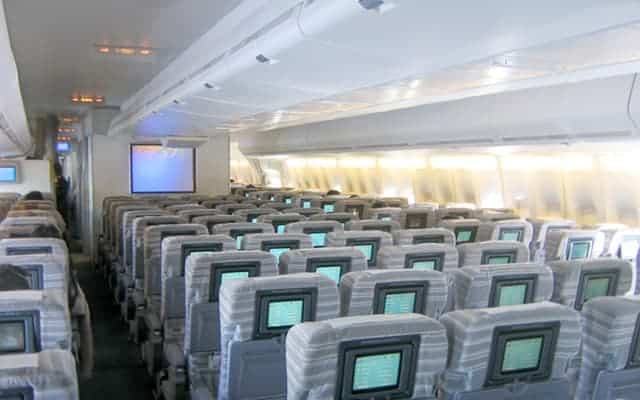
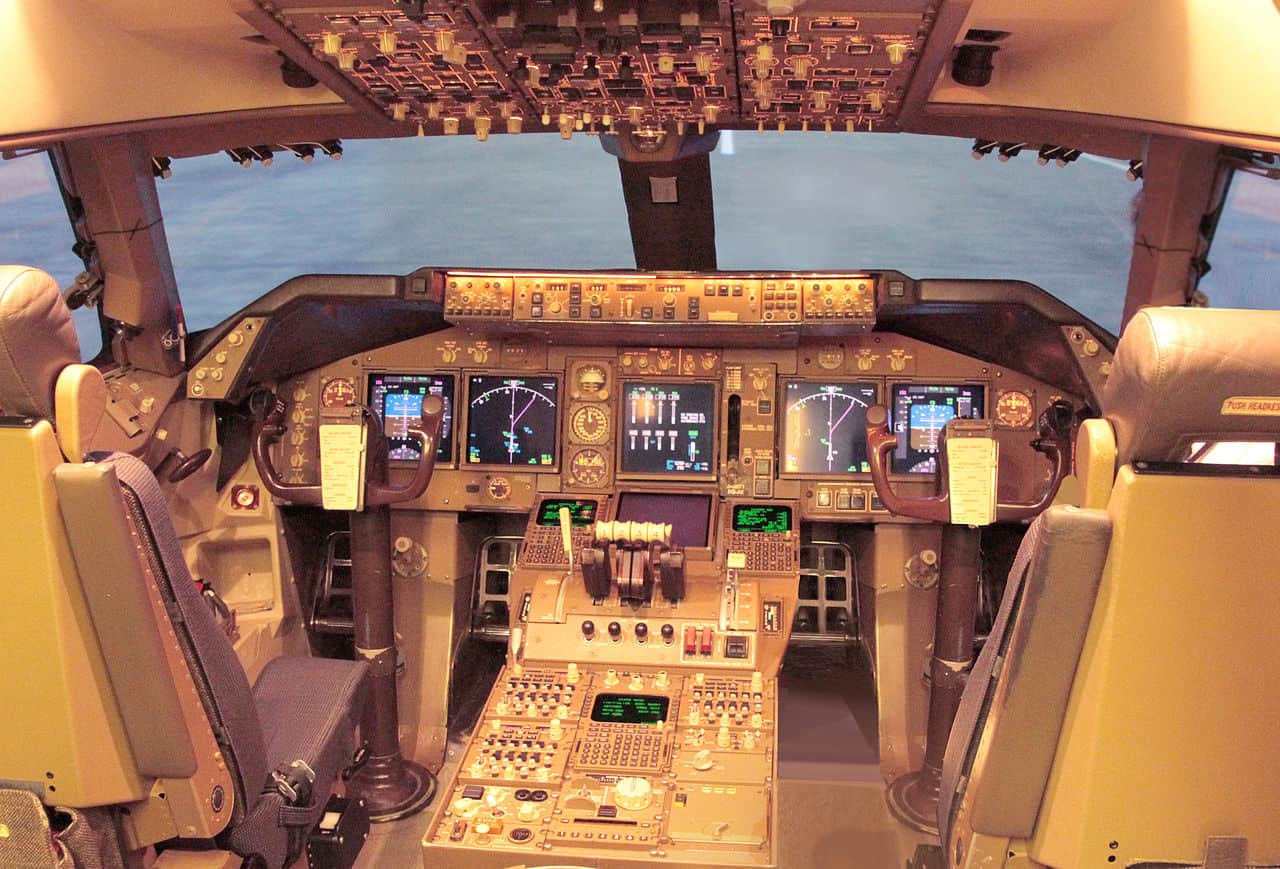
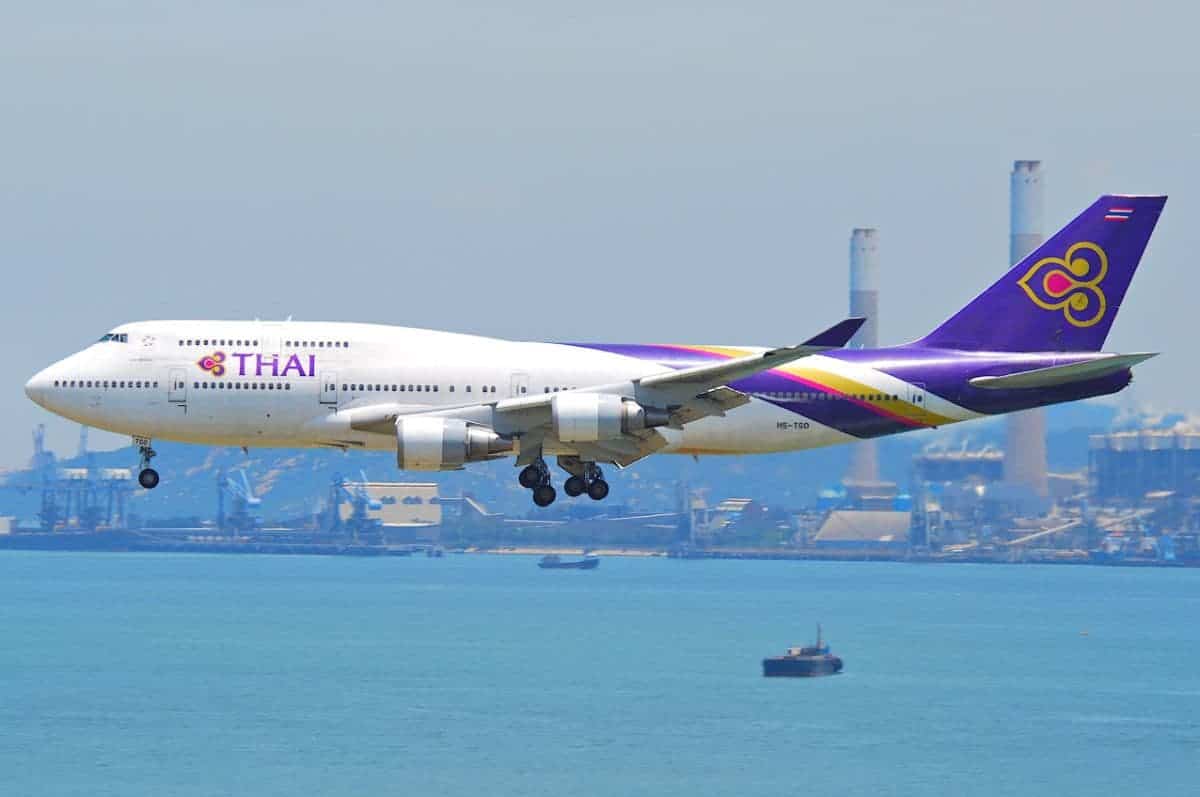
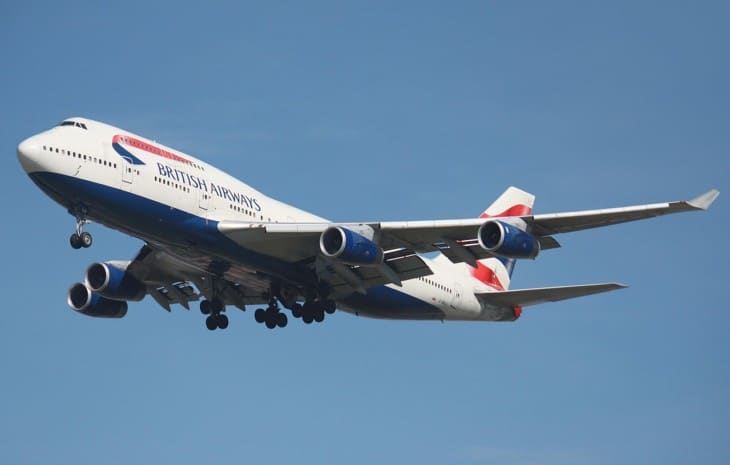
The Boeing 747-400 was the best-selling version of the jumbo jet and, for two decades, the largest airliner most travelers ever boarded. A three-class cabin holds about 416 passengers, and a high-density layout can exceed 500.
It measures 231 feet 10 inches (70.7 m) long with the familiar partial upper-deck hump. The four-engine layout and roughly 875,000-pound (397 t) maximum weight let it open the long, thin intercontinental routes that made global travel routine.
The passenger 747-400 is now nearly retired. Most have left airline fleets, though a few carriers still fly them and many continue as cargo aircraft. It earns a place here as the plane that defined the word “jumbo” for a generation.
4. Boeing 777-300ER


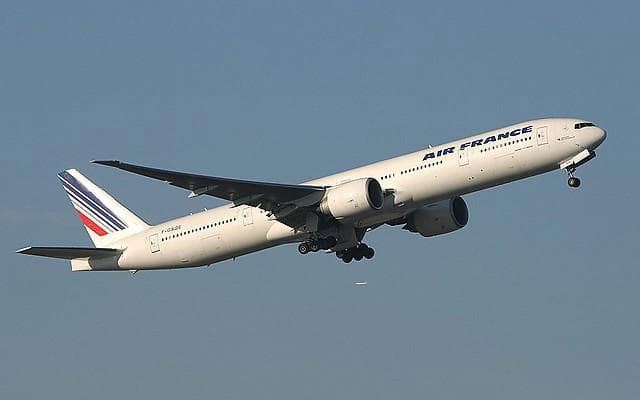
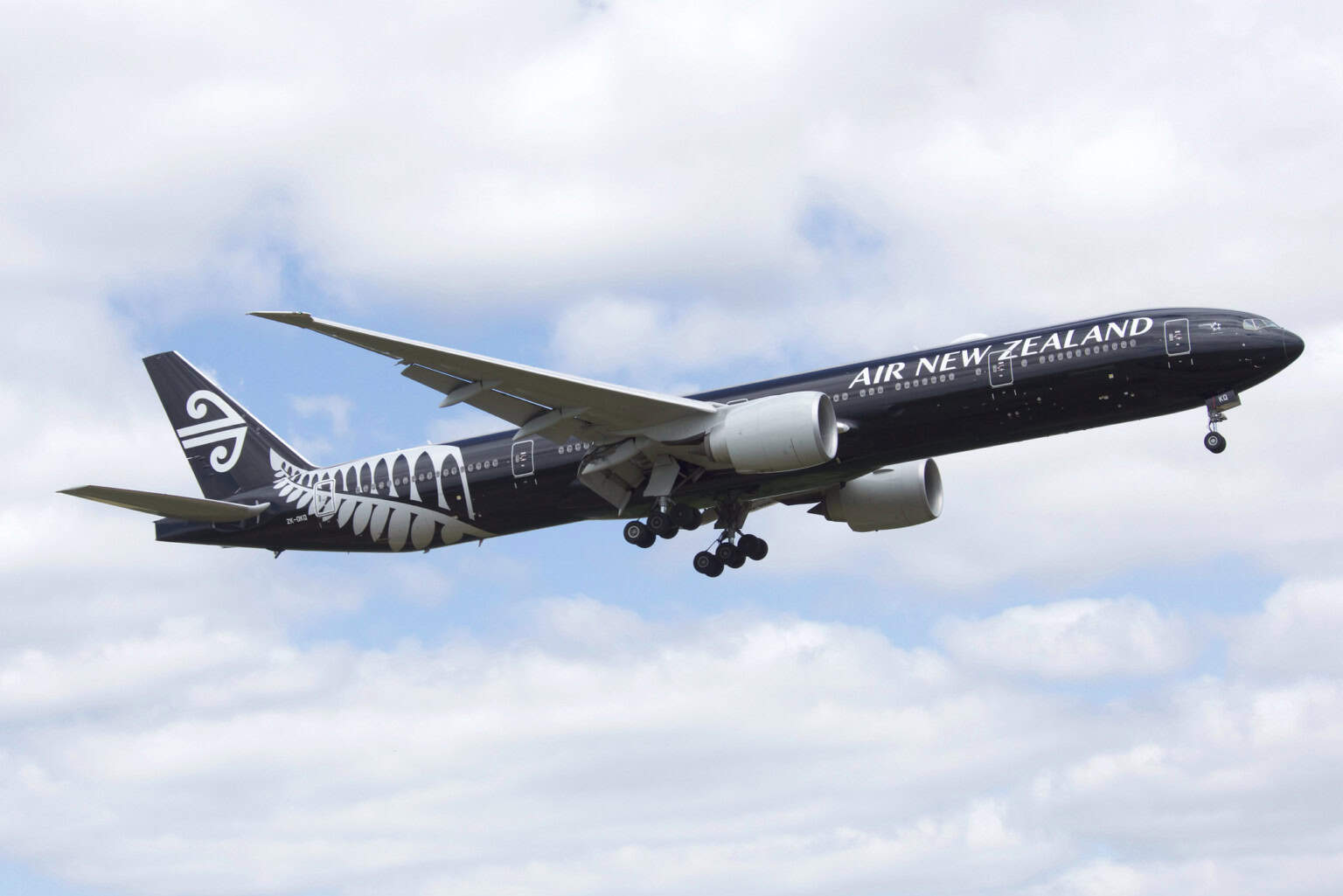


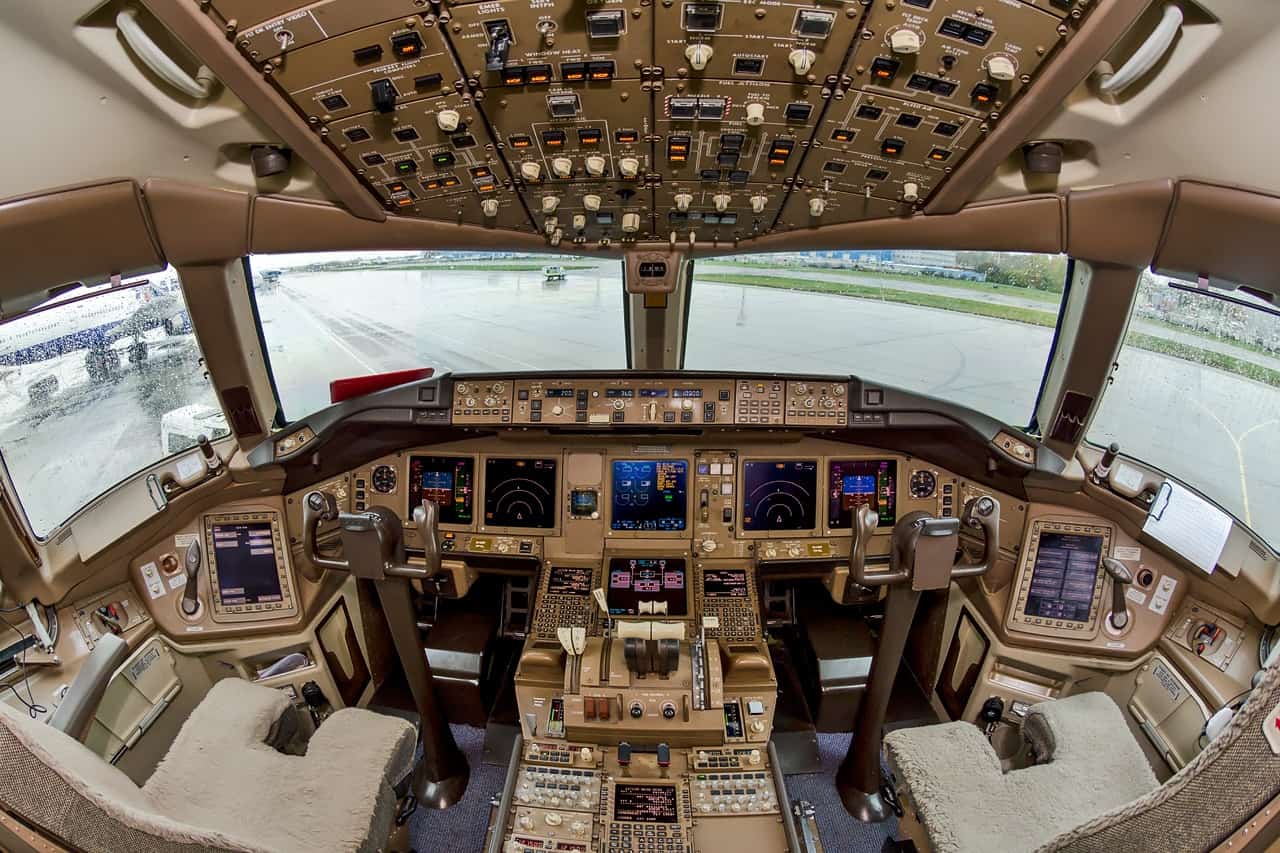
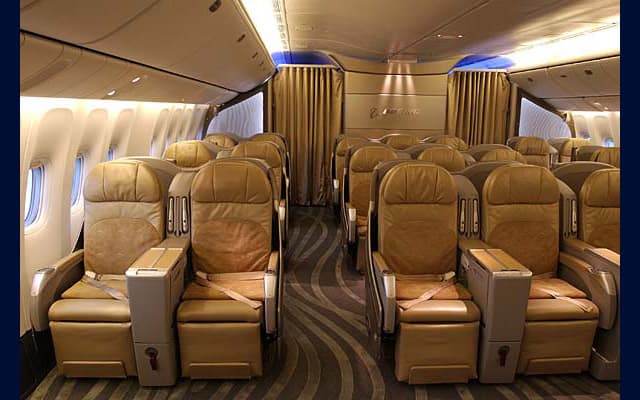
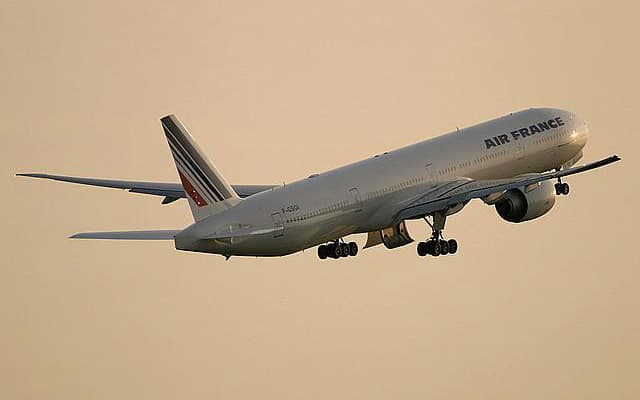
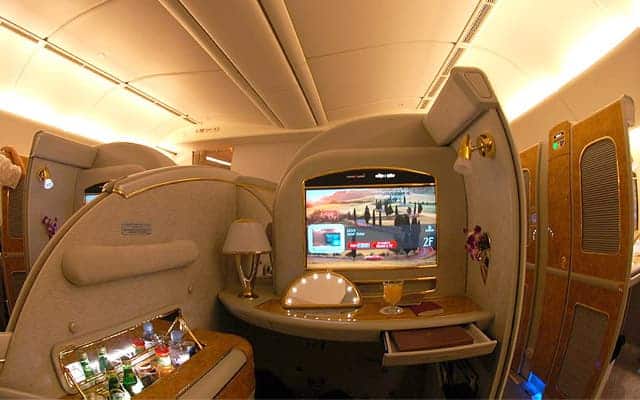
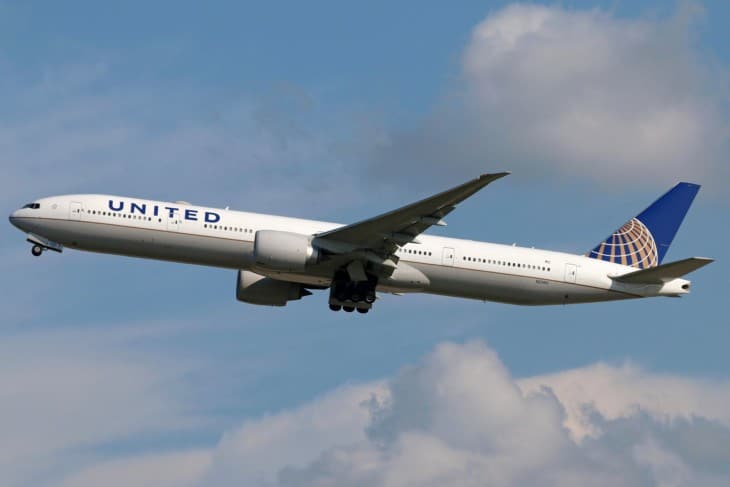
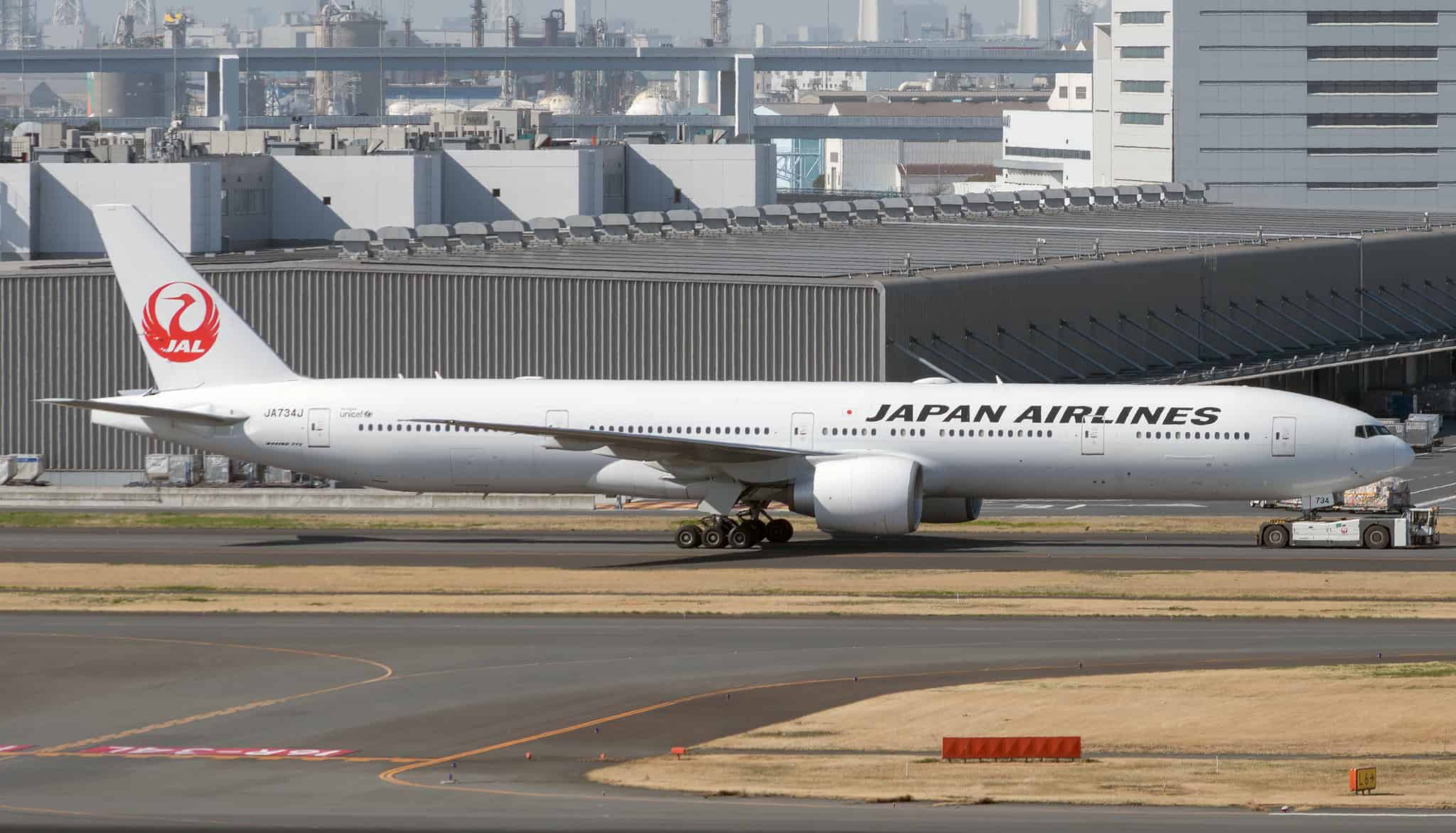
The Boeing 777-300ER is the largest twin-engine airliner in service and the workhorse of long-haul flying. At 242 feet 4 inches (73.9 m), it is longer than the A380 and holds about 396 passengers in three classes, with dense layouts pushing past 500.
Two engines instead of four make it far cheaper to run than the jumbos above it, which is why it replaced so many of them. Many airlines retired 747s and A340s and put the 777-300ER on the same routes.
The biggest twinjet flying
Every airplane larger than the 777-300ER has four engines. It proved a twin could do the heavy long-haul work of a jumbo, and it reshaped the widebody market in the process.
5. Airbus A340-600


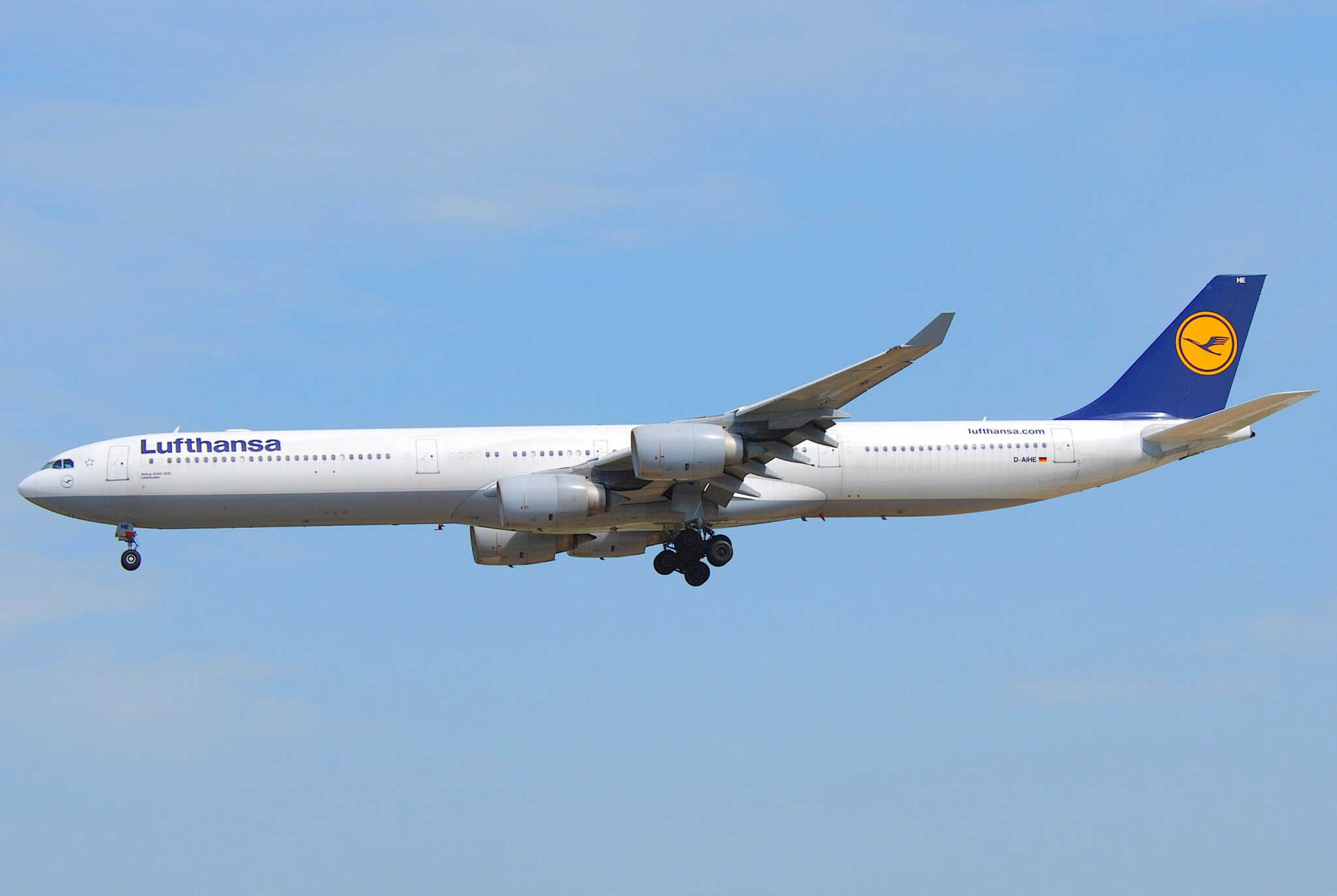


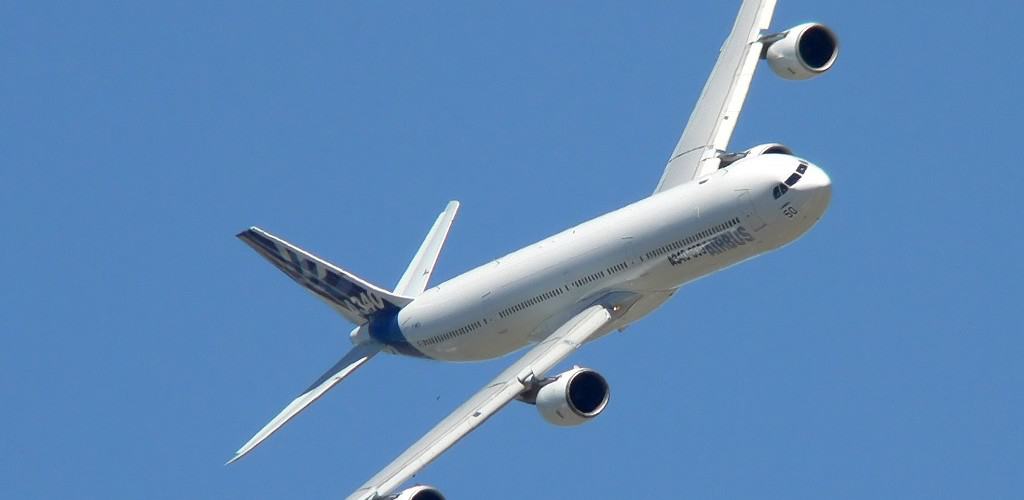


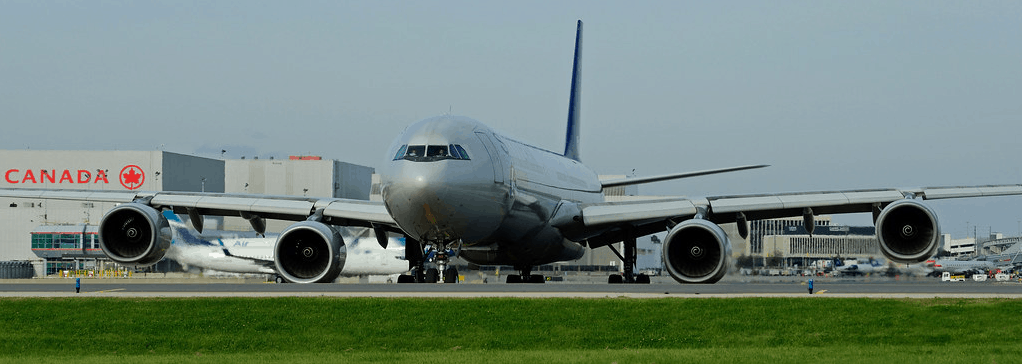

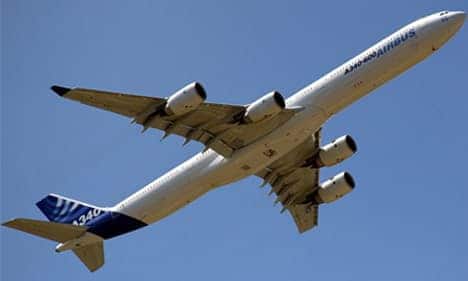
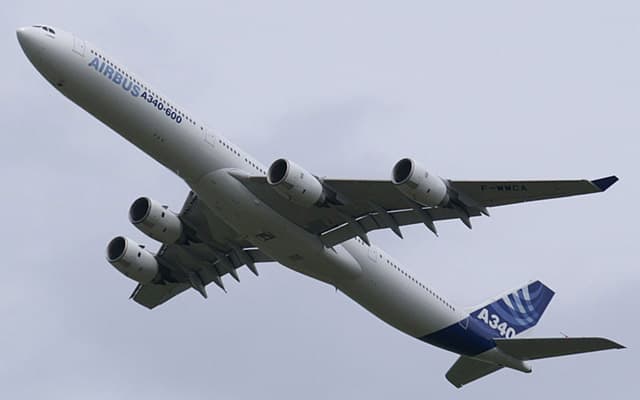
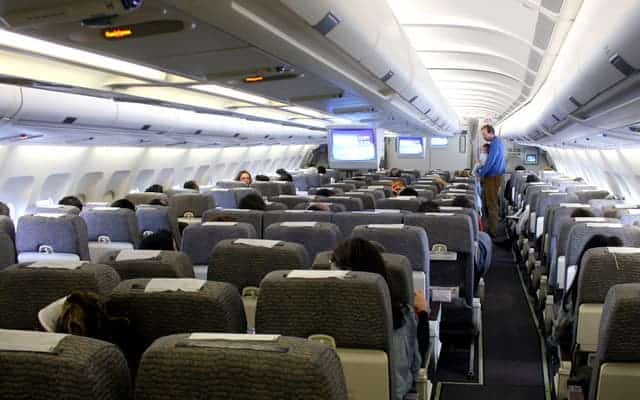
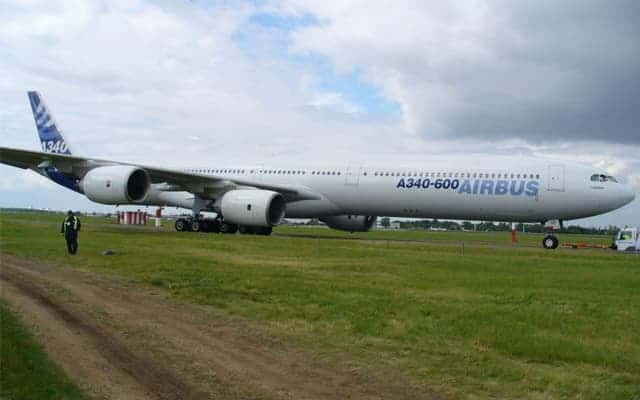
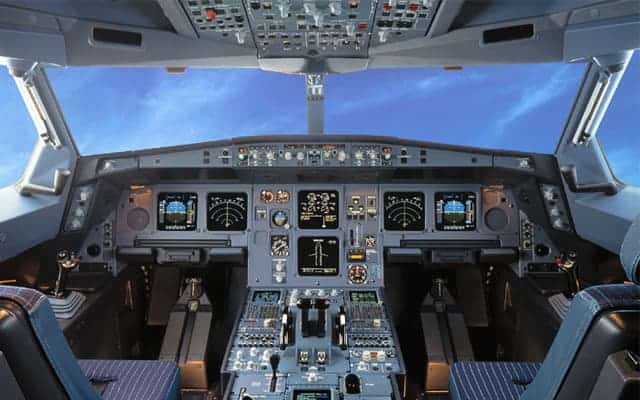
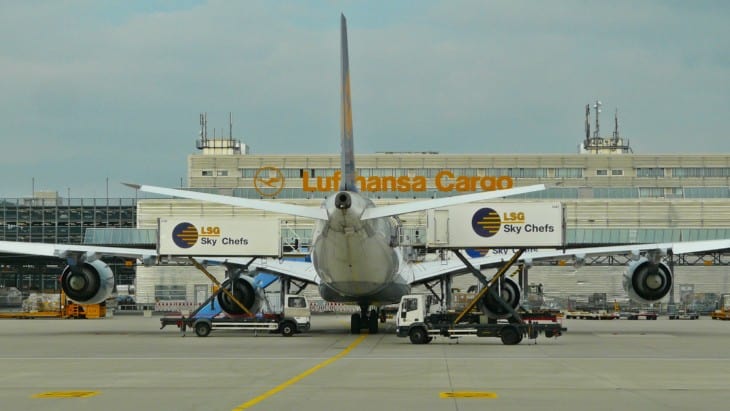
The Airbus A340-600 was the longest airliner in the world when it entered service in 2002, before the 747-8 took that record. Its fuselage stretches 247 feet 3 inches (75.4 m), and it seats around 380 passengers.
It used four engines to fly ultra-long routes at a time when twins were not yet cleared for them. That was also its weakness: four engines burn more fuel, and airlines moved to the twinjet 777 and A350 as the rules changed.
The A340-600 is now largely retired from passenger service, with only a small number still flying. Like the 747-400, it makes the list as one of the physically largest airliners ever operated.
6. Airbus A350-1000
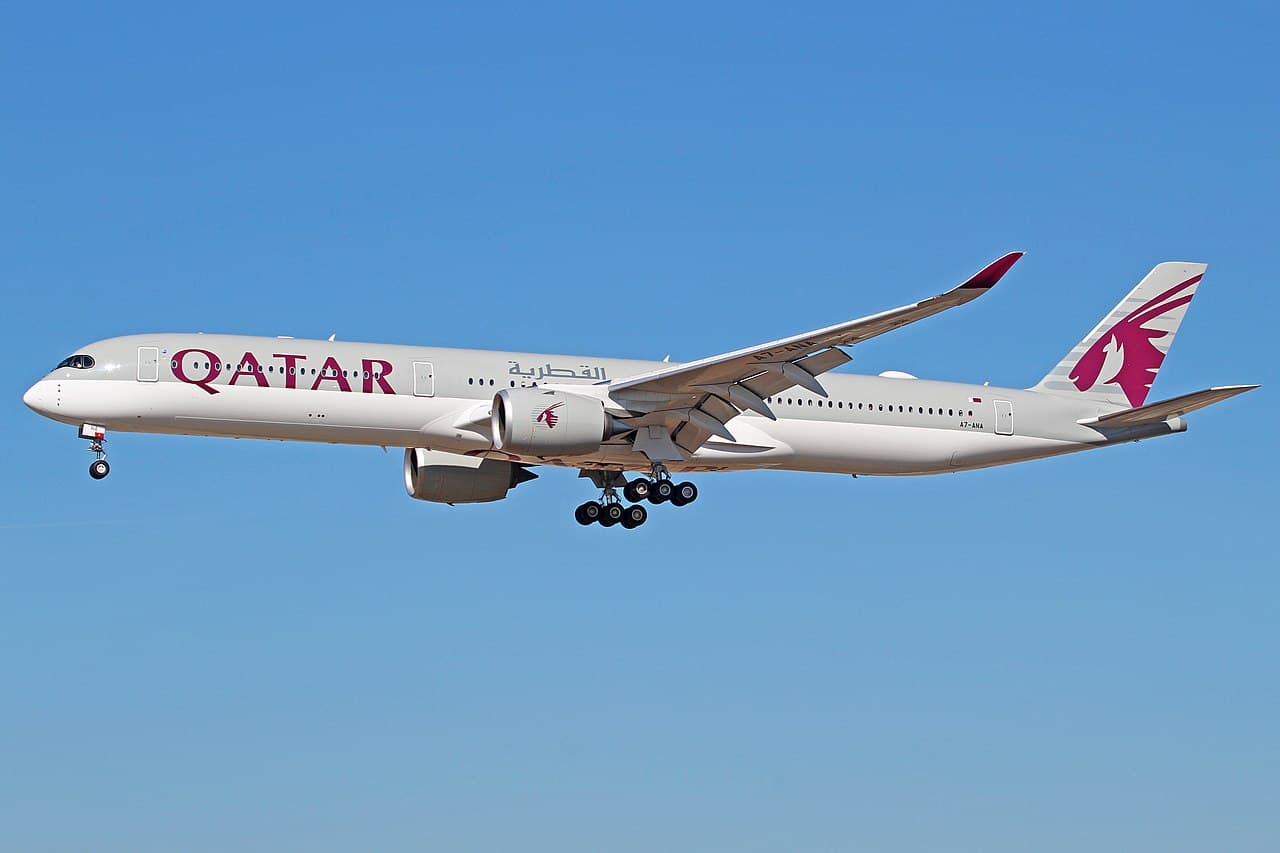

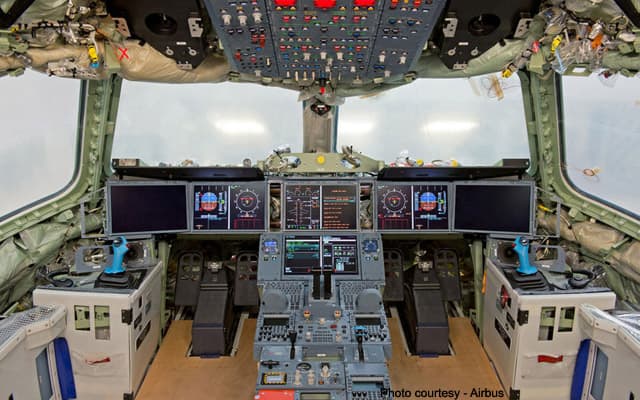
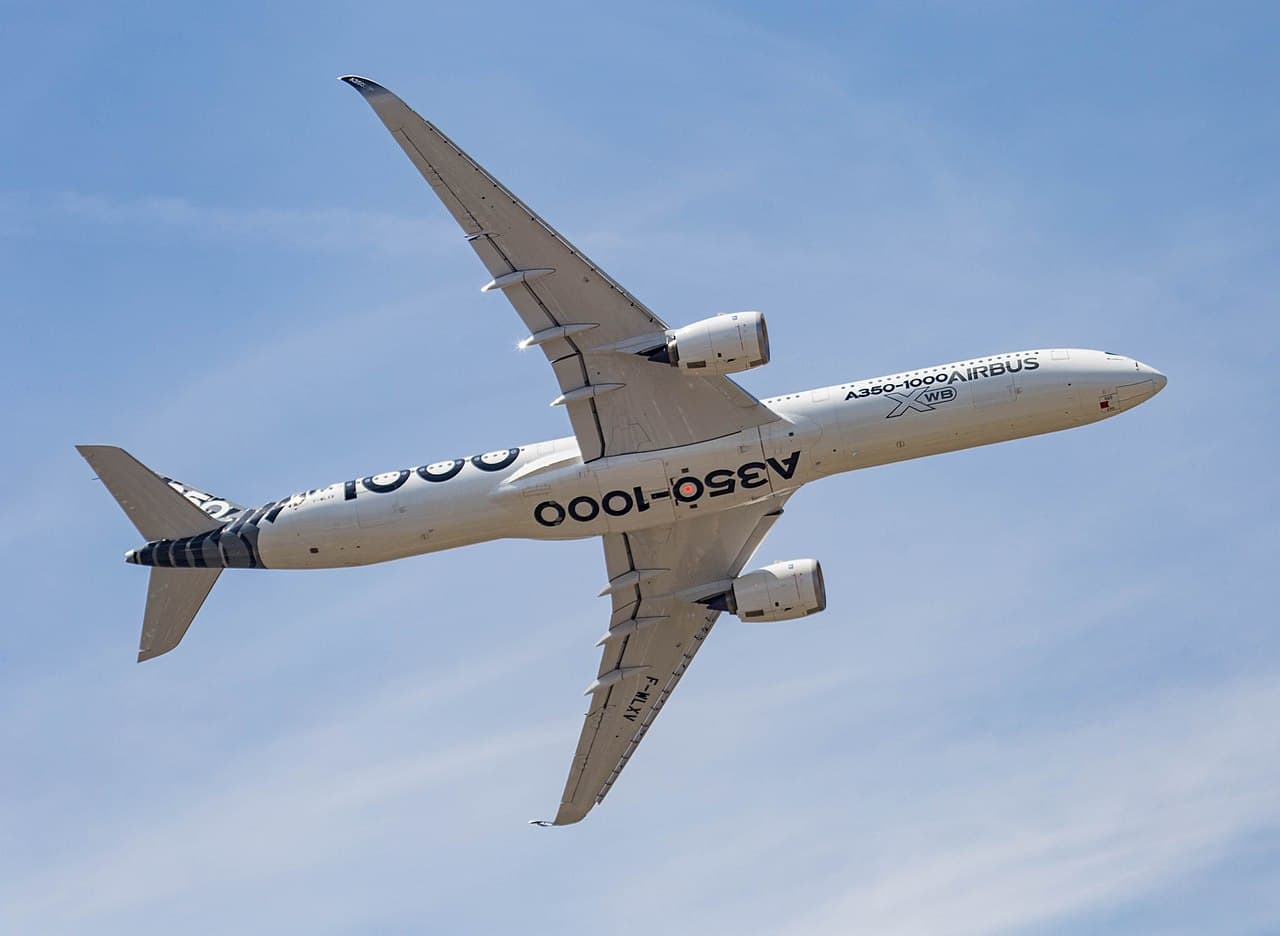
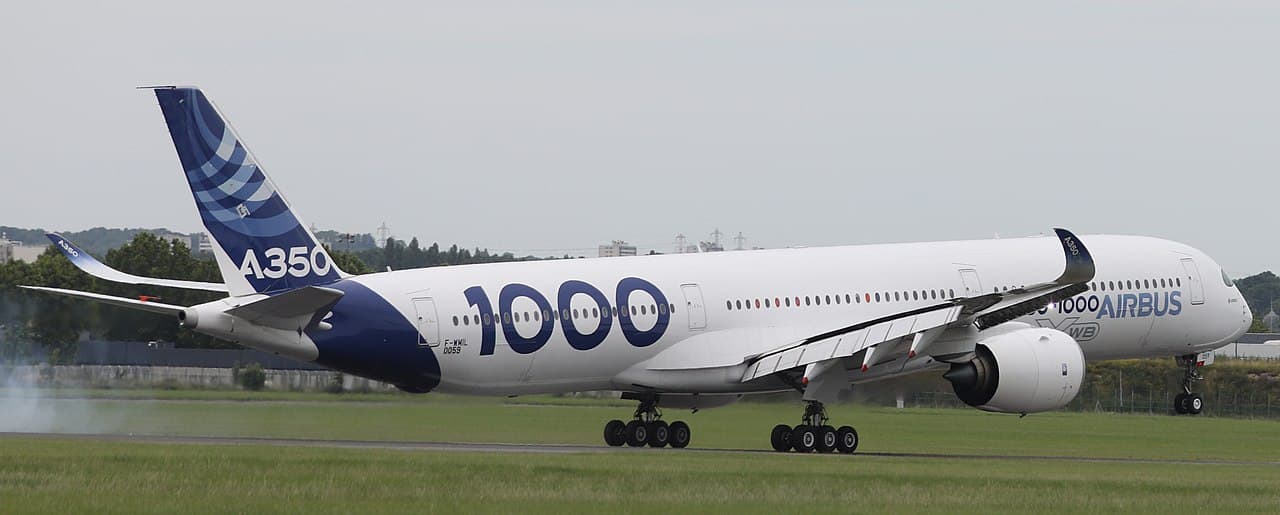

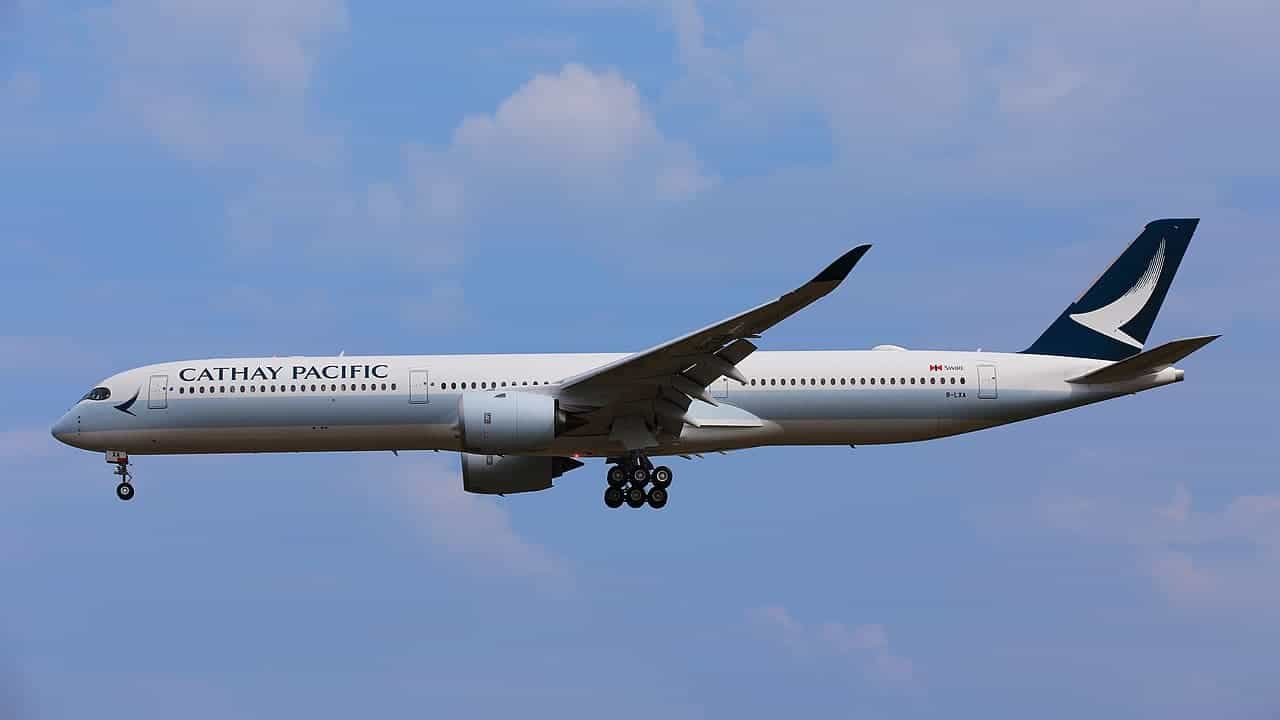
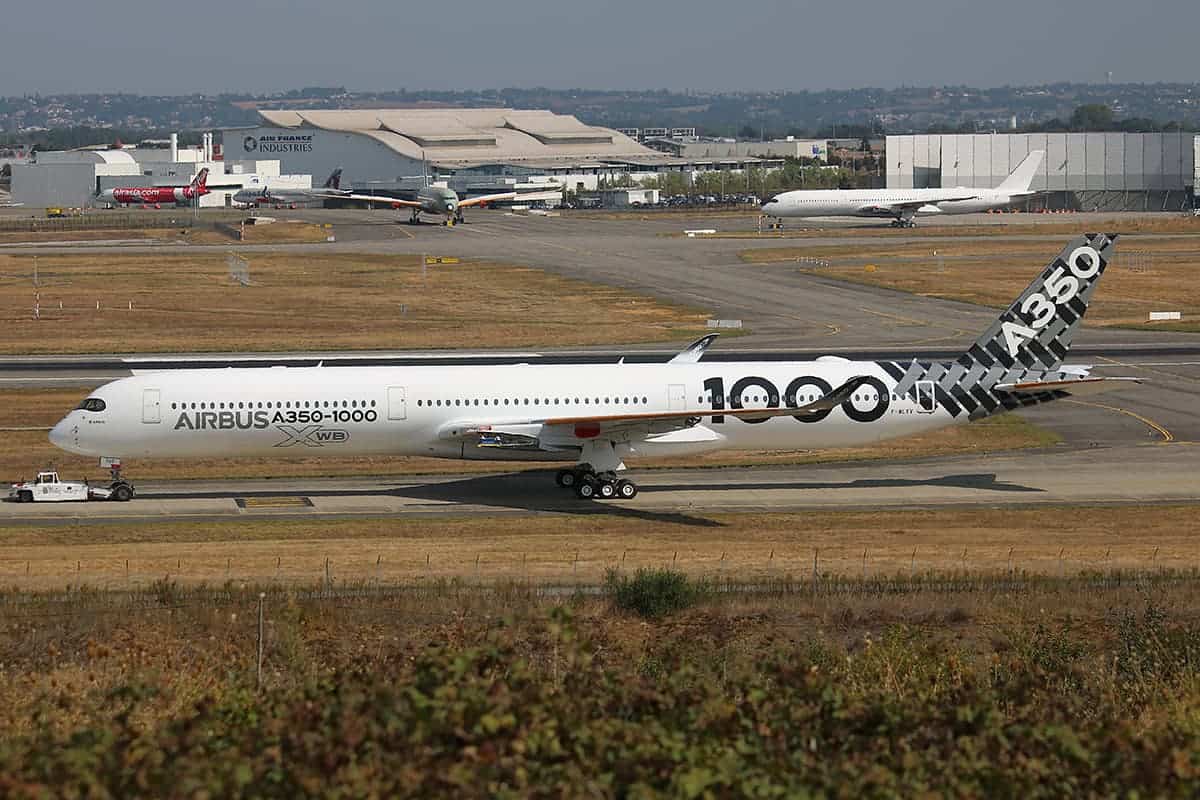

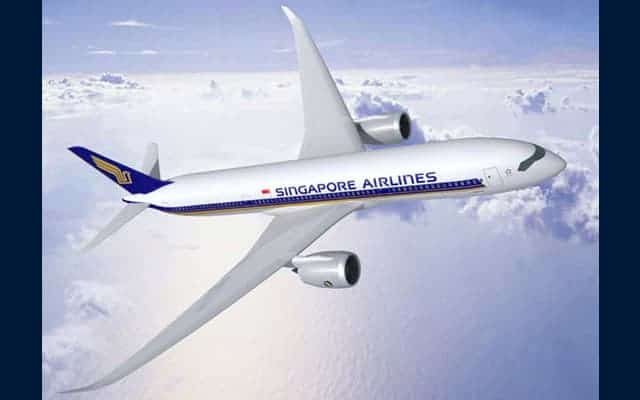
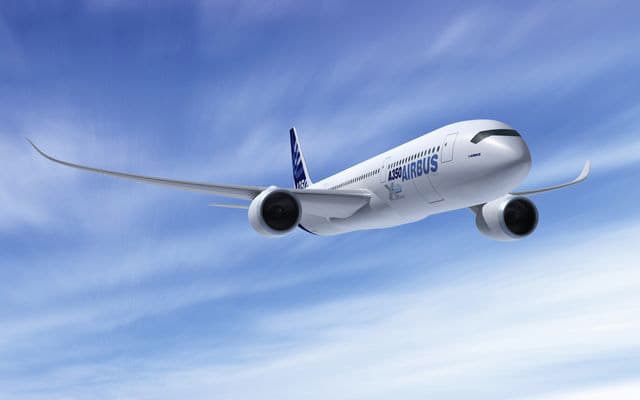
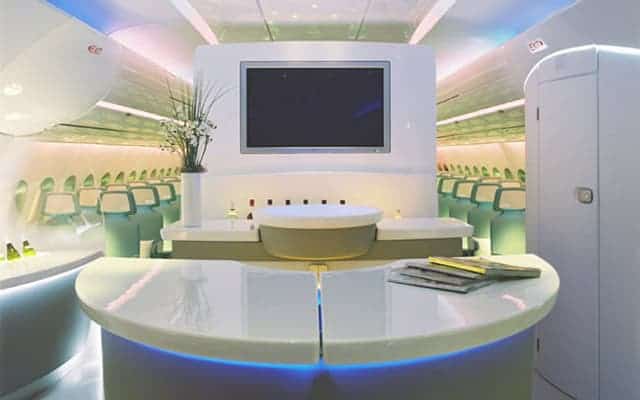
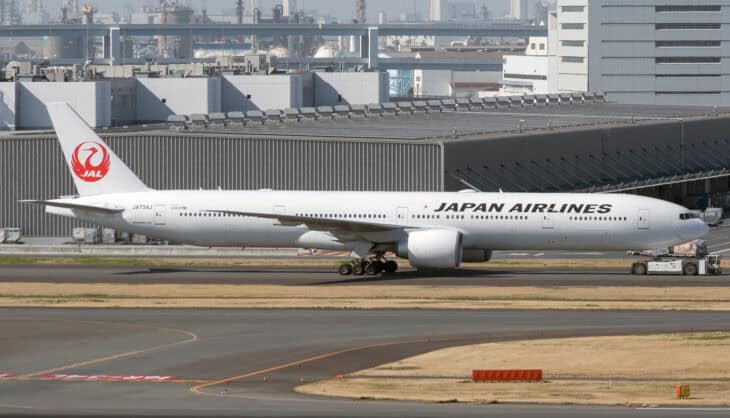
The Airbus A350-1000 is the largest member of the A350 family and, at 242 feet 1 inch (73.8 m), almost exactly the same length as the 777-300ER. It typically seats about 360 passengers and is one of the newest big widebodies still in production.
It is Airbus’s direct answer to the 777, built from carbon-fiber composites to cut weight and fuel burn. Airlines such as Qatar Airways, British Airways, and Cathay Pacific use it on their longest routes.
Because it and the 777-300ER are within an inch of each other in length, they are the two aircraft people most often ask about when comparing the largest twinjets flying today.
7. Boeing 787-10 Dreamliner
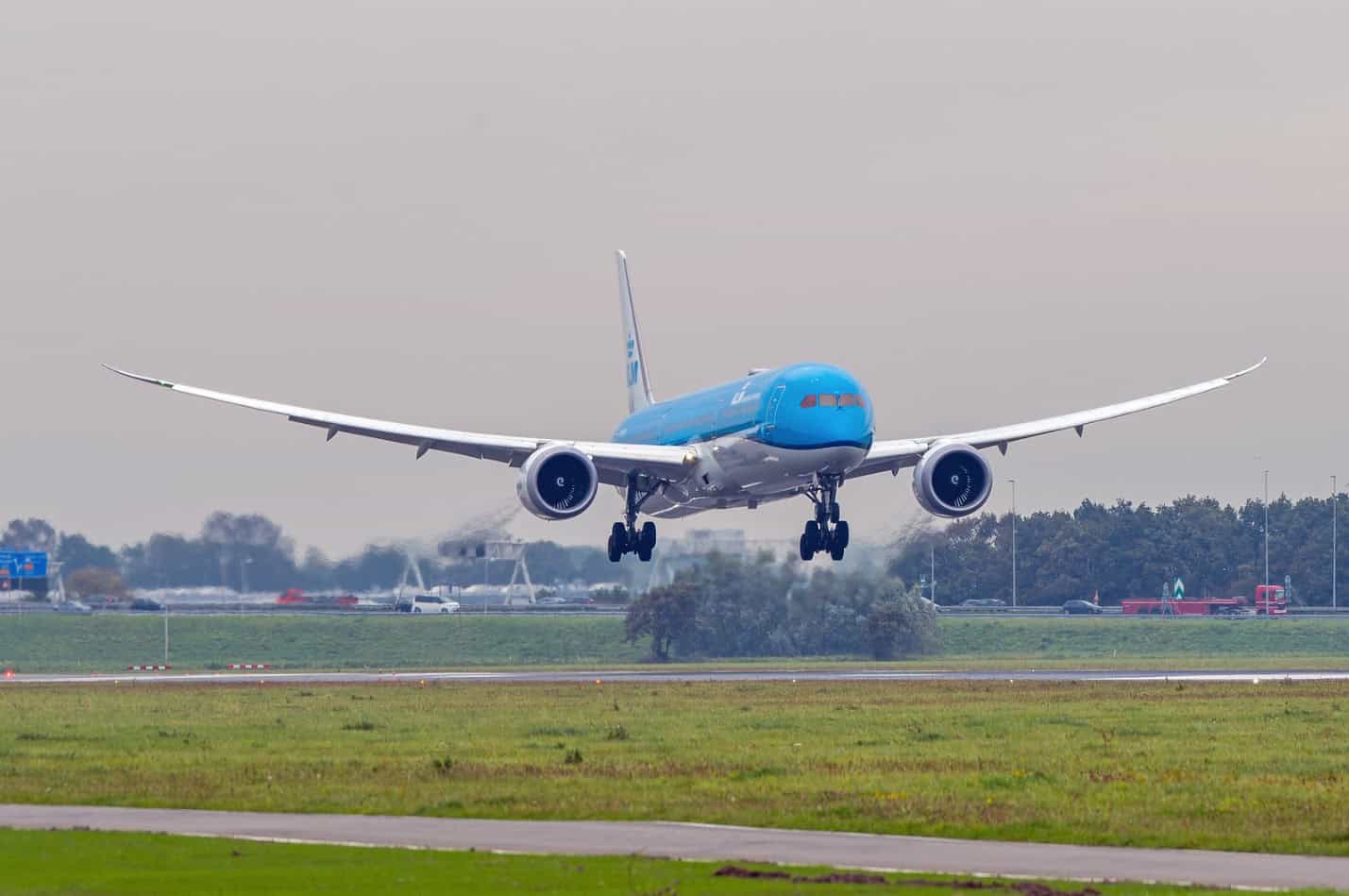


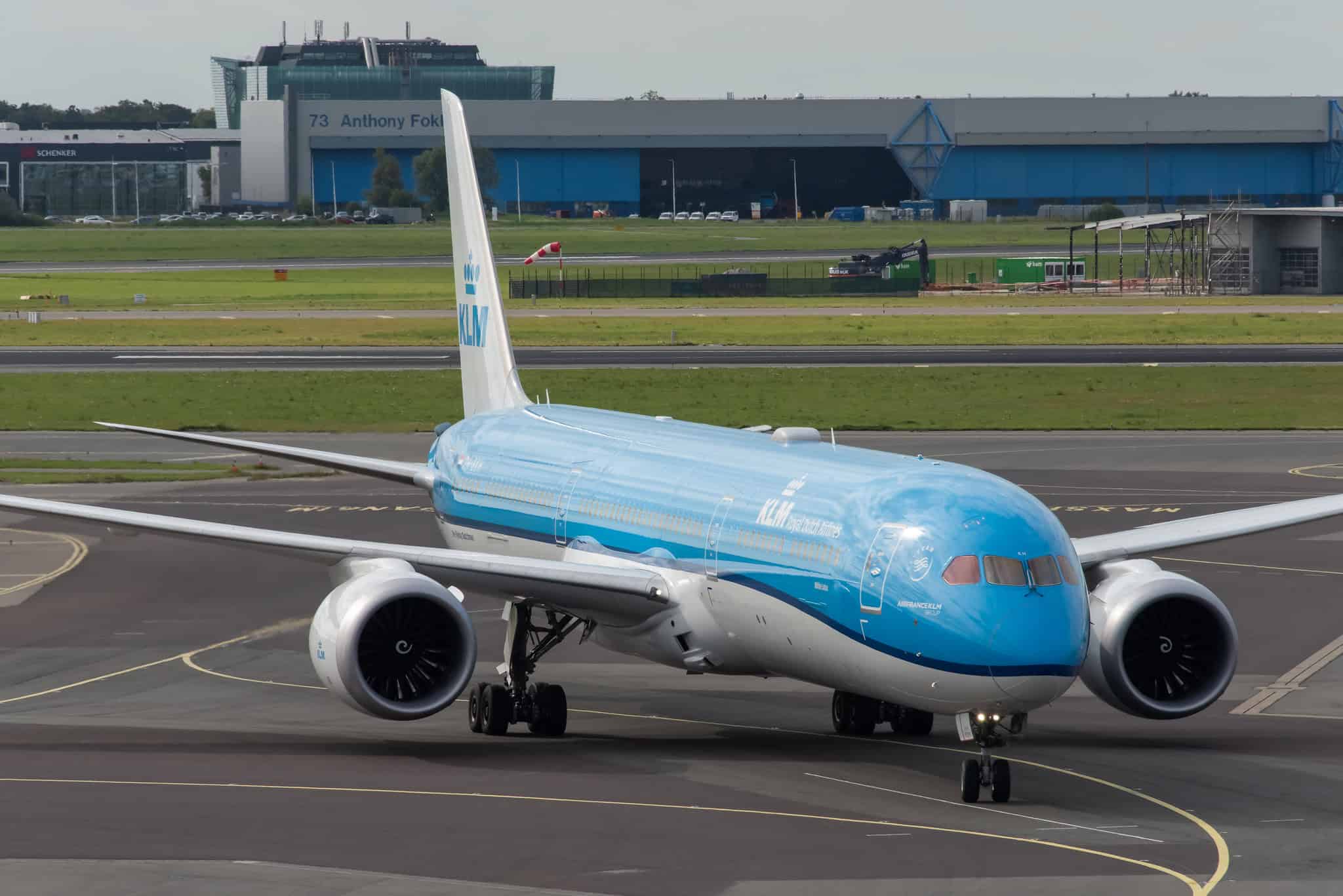


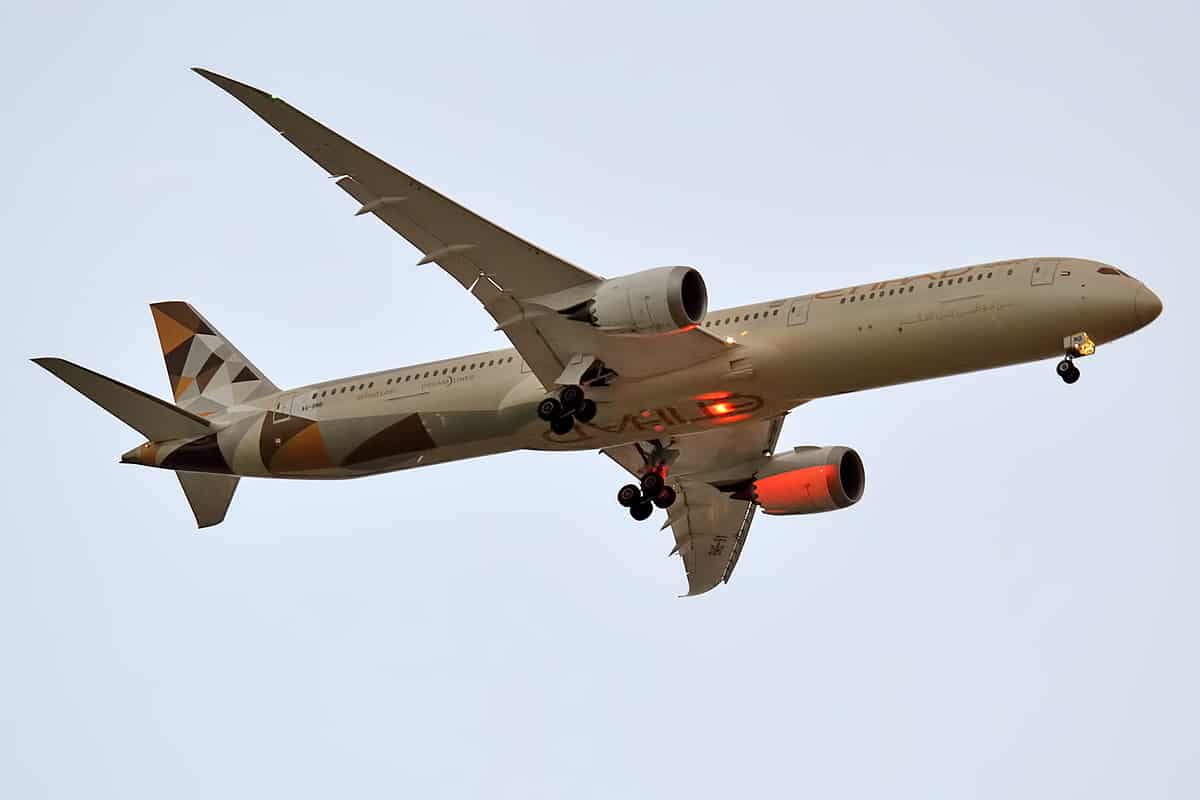
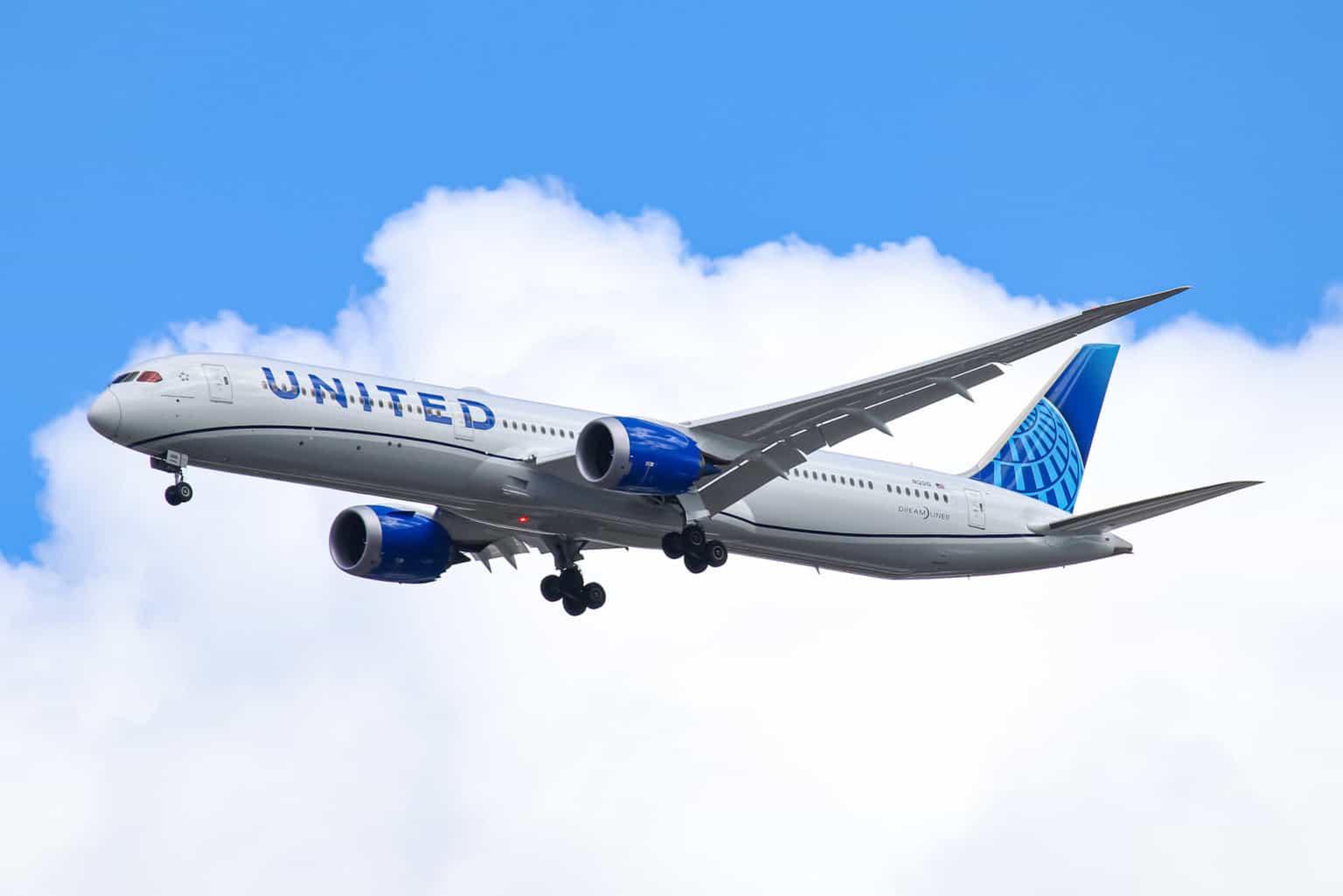


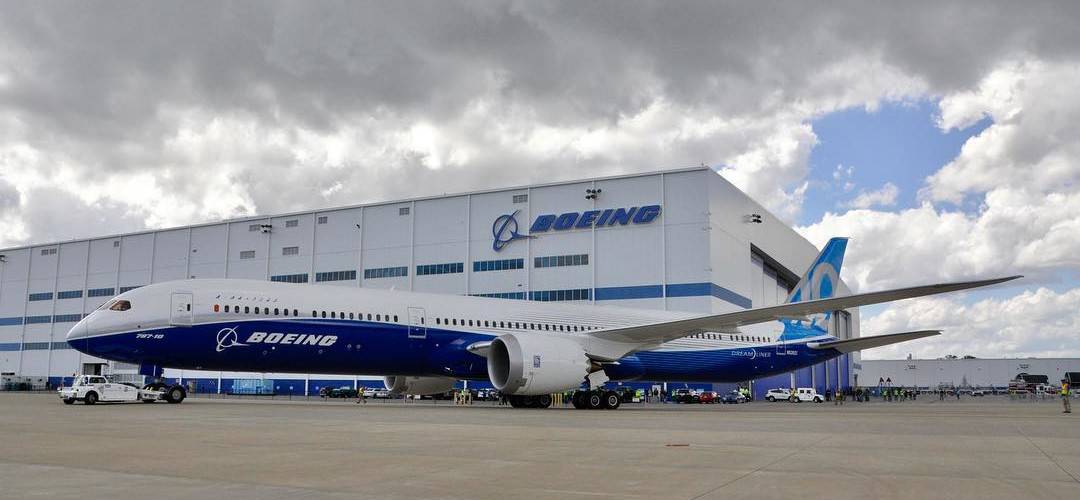

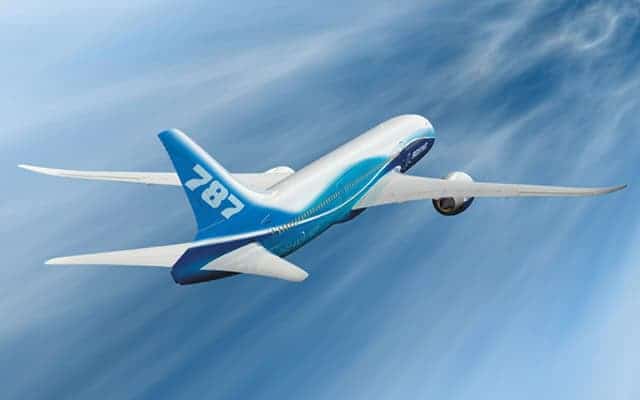

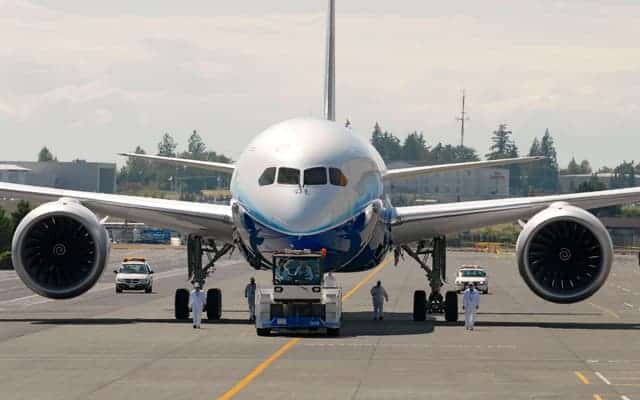
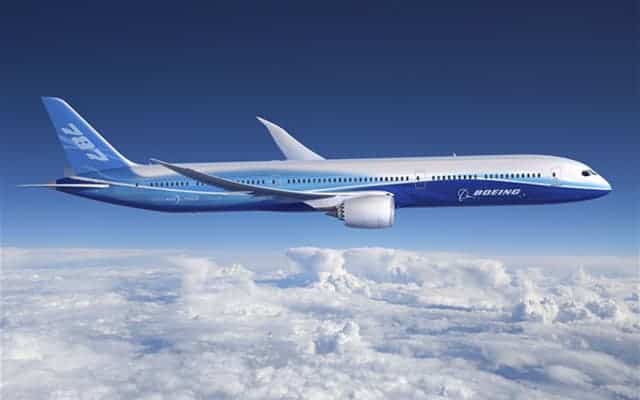
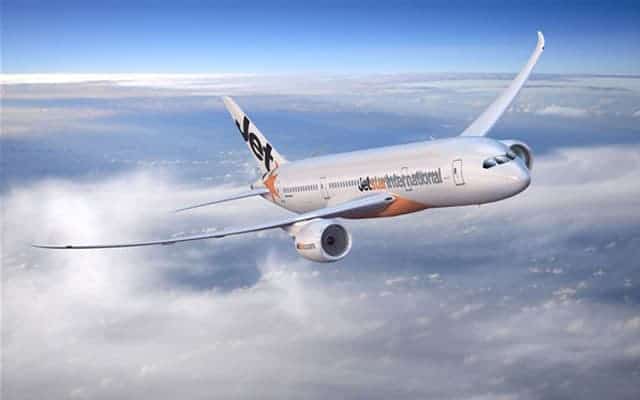
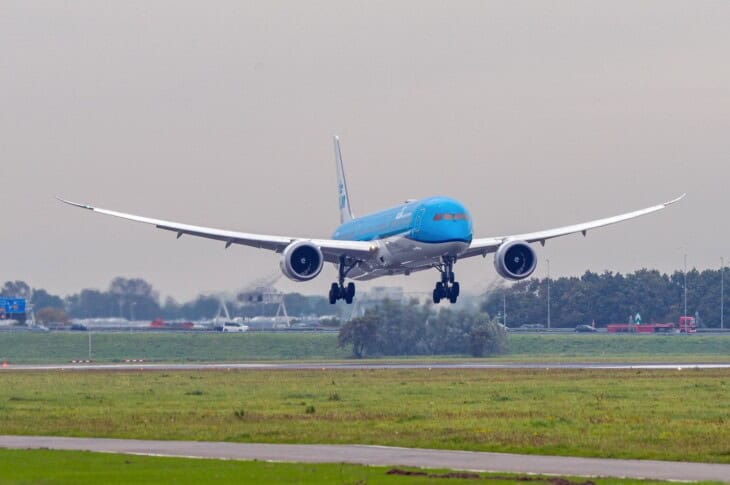
The Boeing 787-10 is the largest of the three Dreamliner variants. It measures 224 feet (68.3 m) long and seats around 336 passengers in a typical two-class layout.
It trades a little range for more seats than its smaller siblings, making it a favorite on busy medium and long-haul routes. Its composite airframe allows higher cabin humidity and lower cabin altitude, which many travelers notice as less fatigue on long flights.
The 787-10 shows how far efficient twinjets have come: it carries nearly as many people as an early 747 while burning a fraction of the fuel.
8. Airbus A350-900

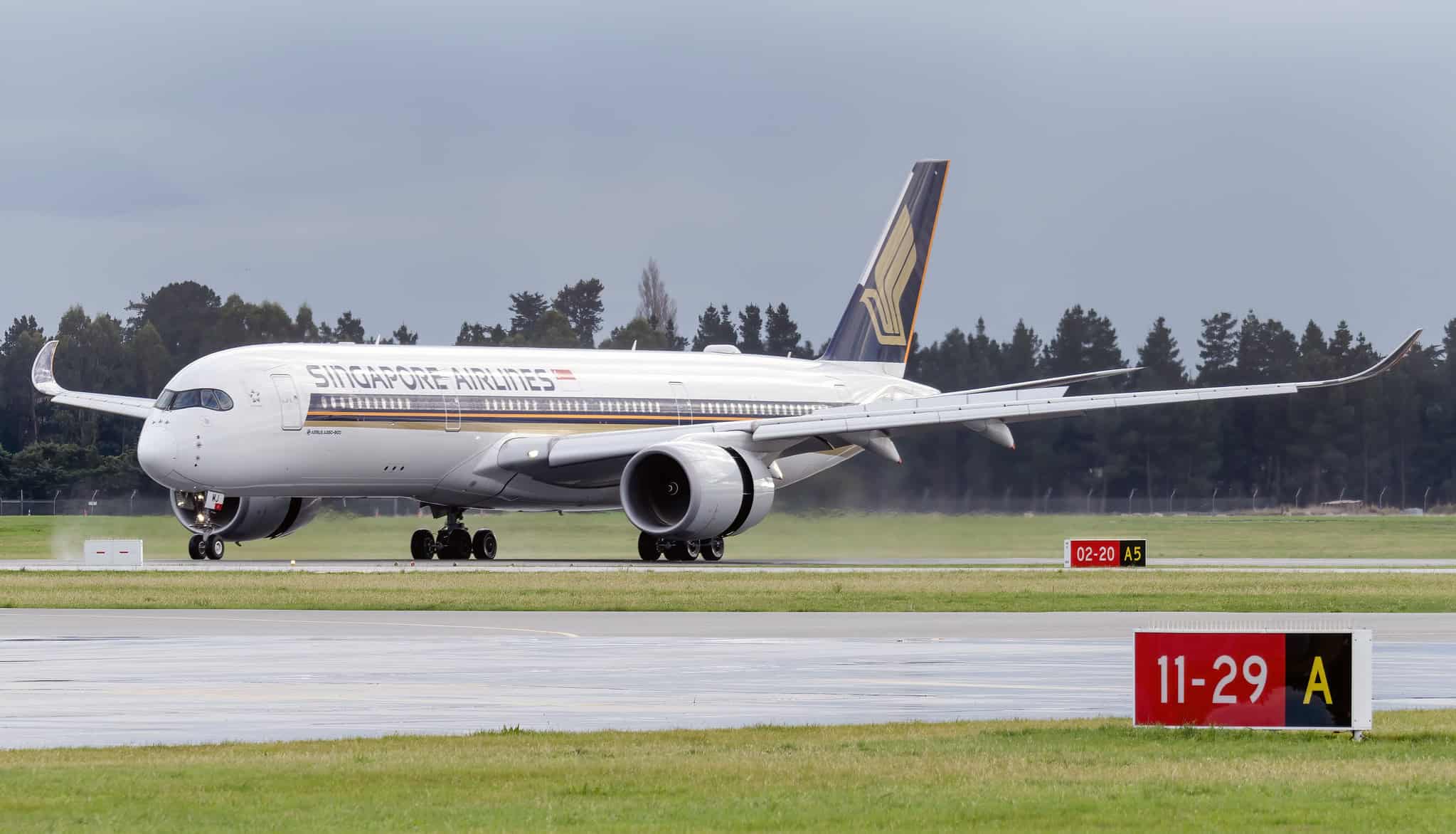
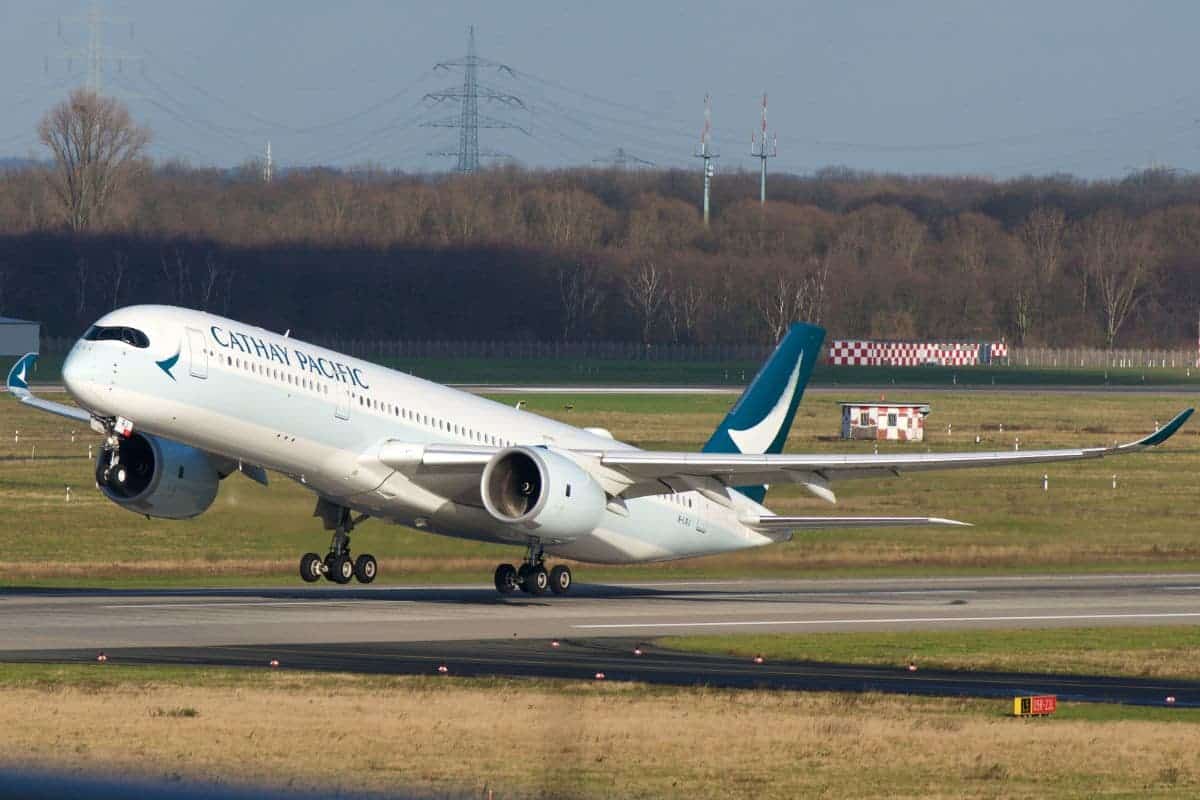


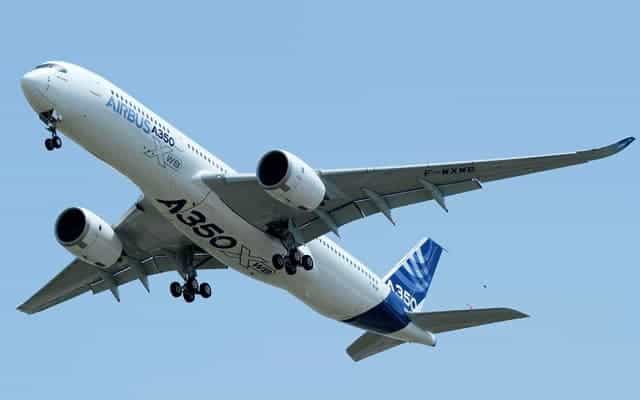
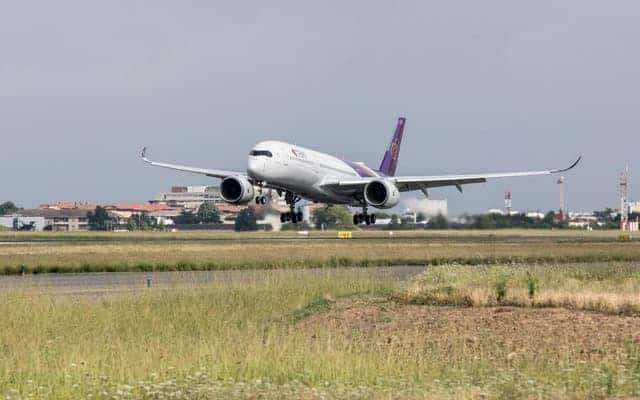
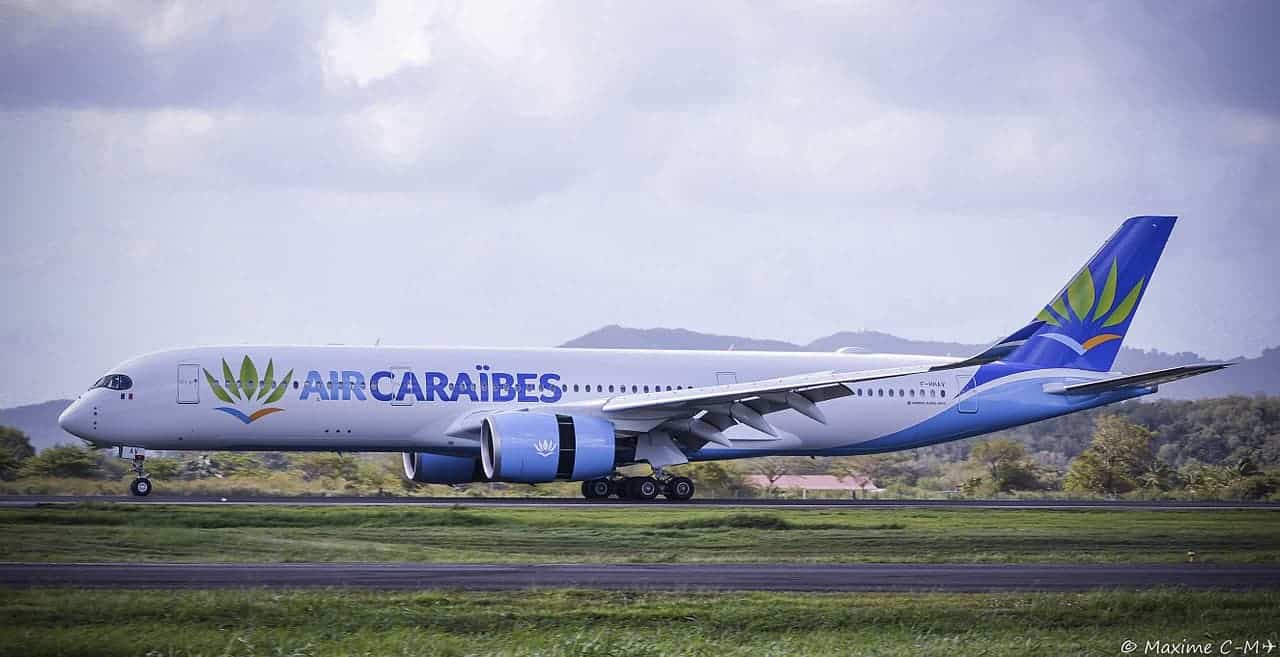
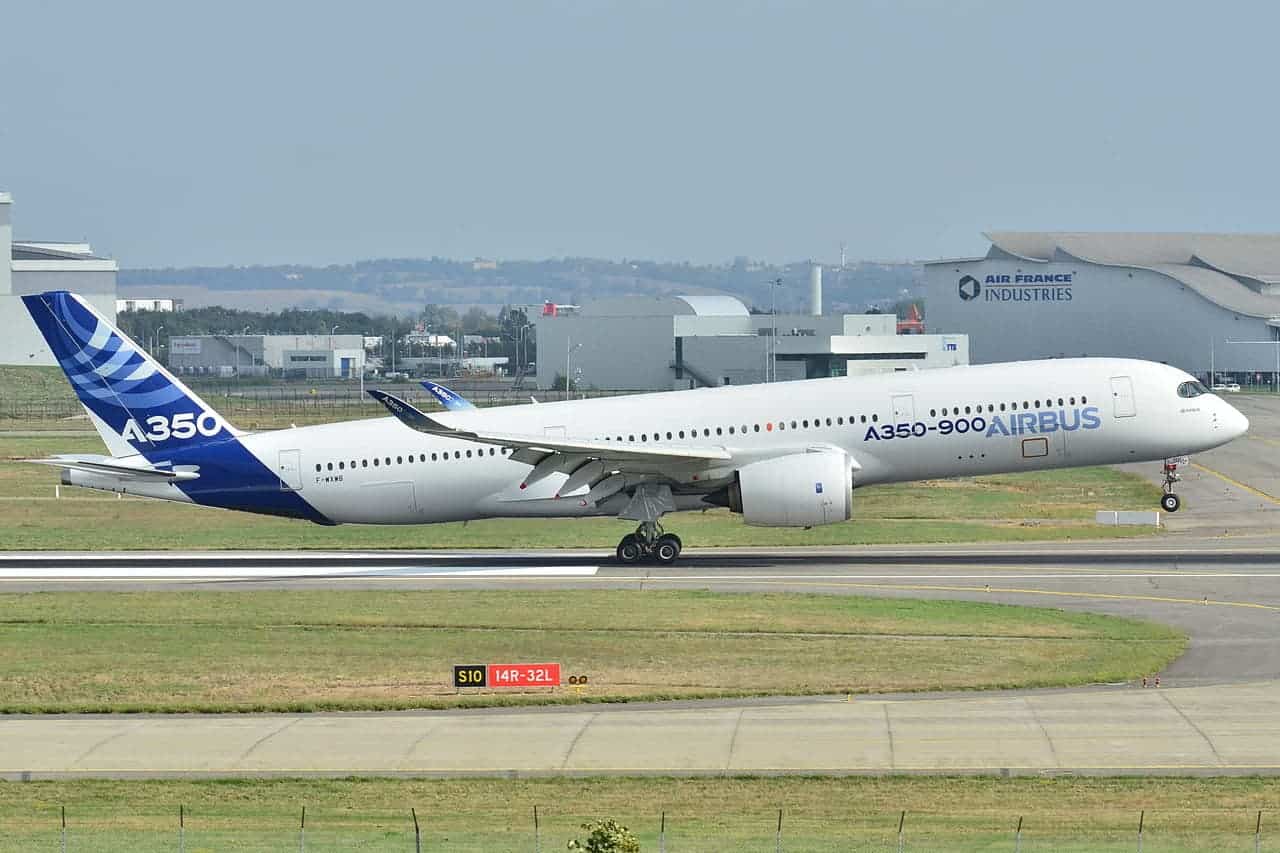
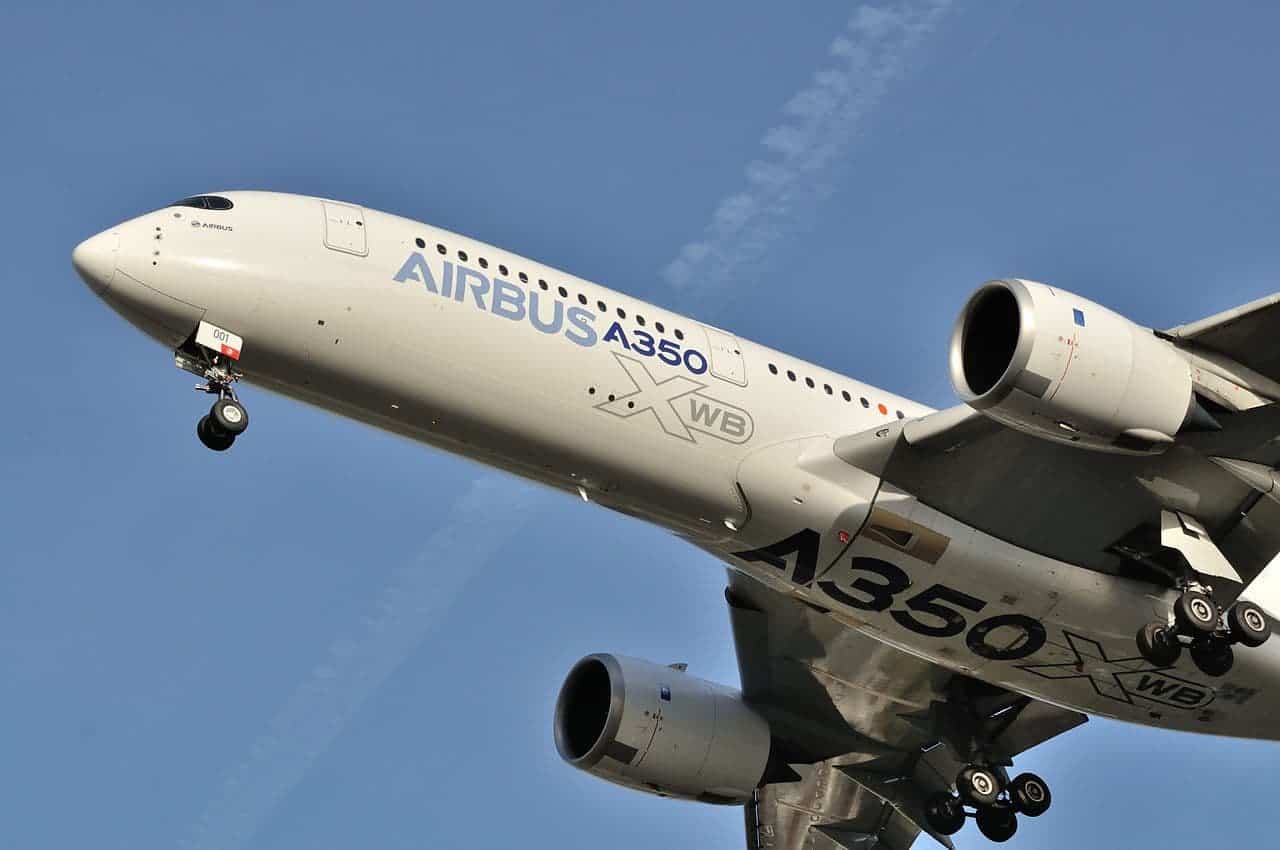
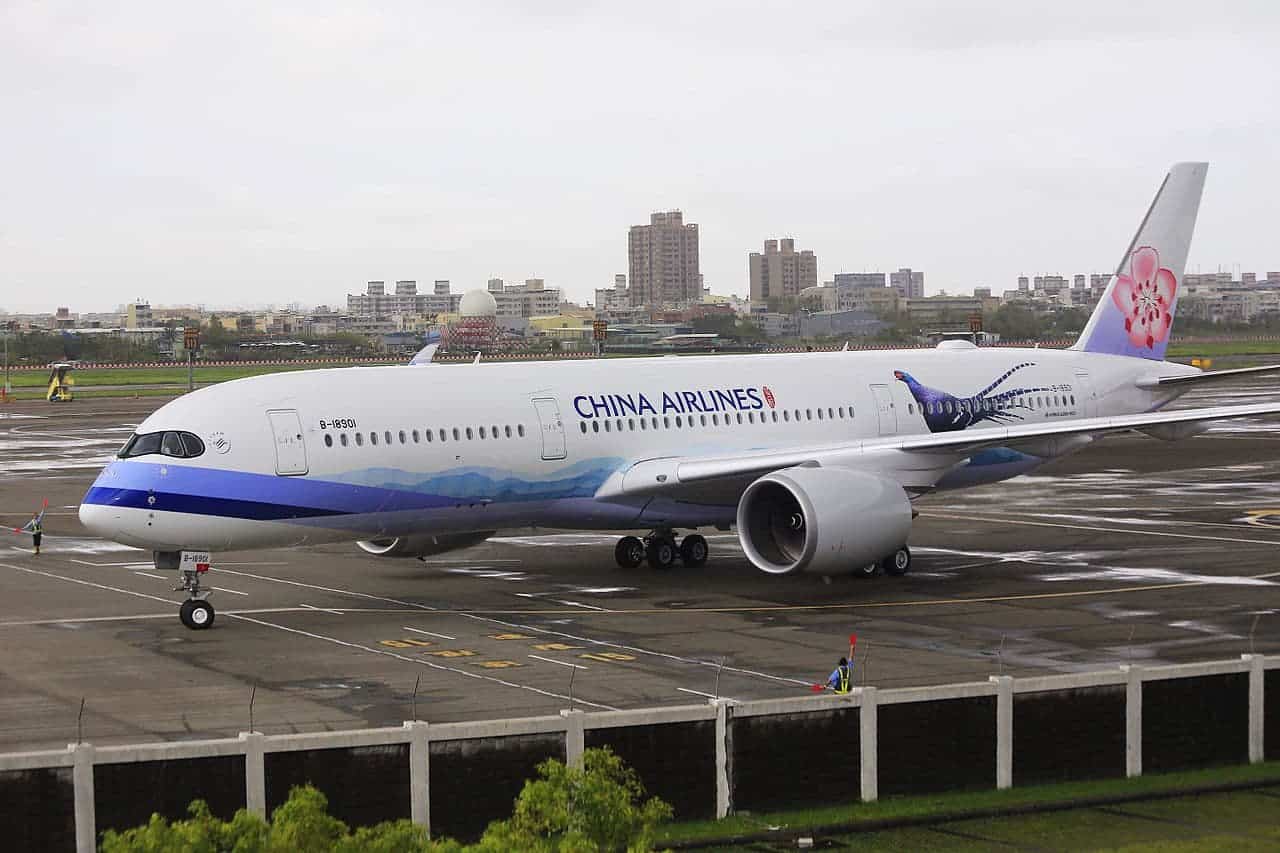
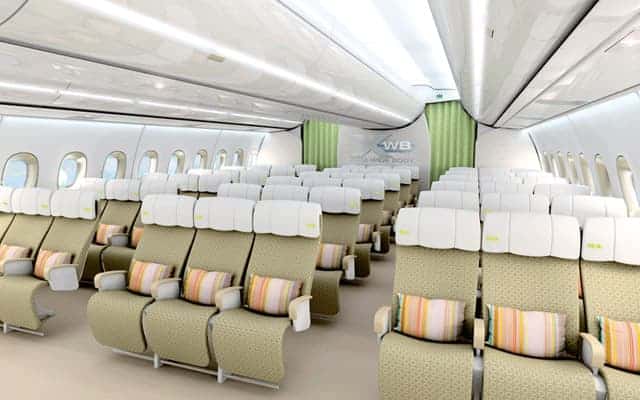
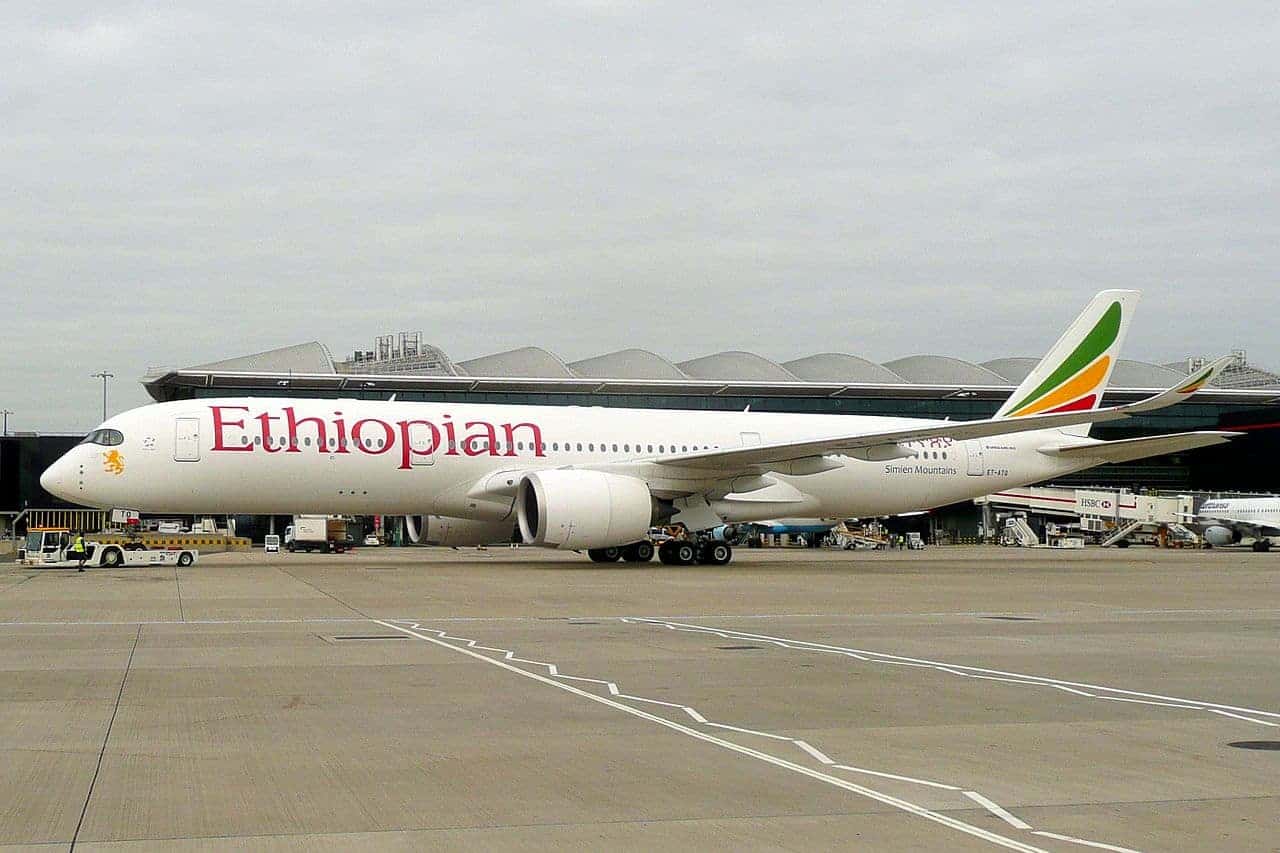
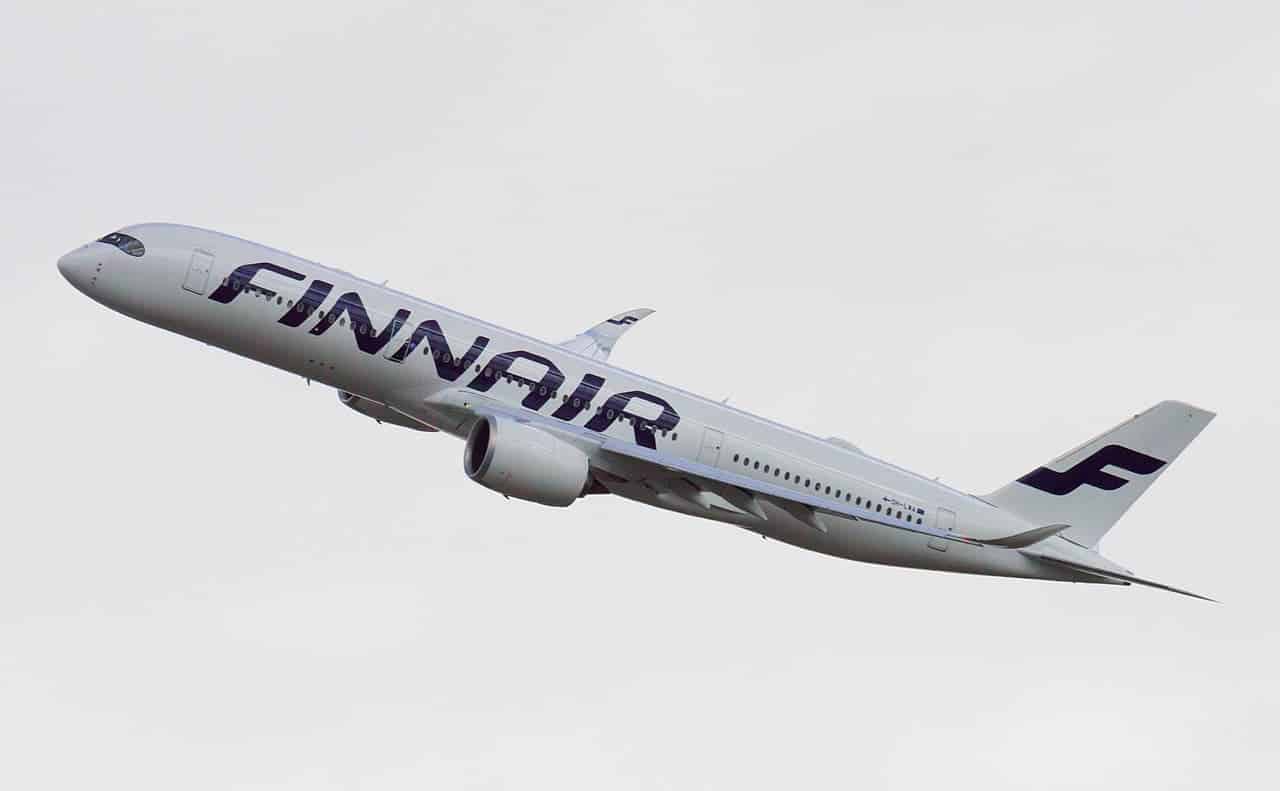
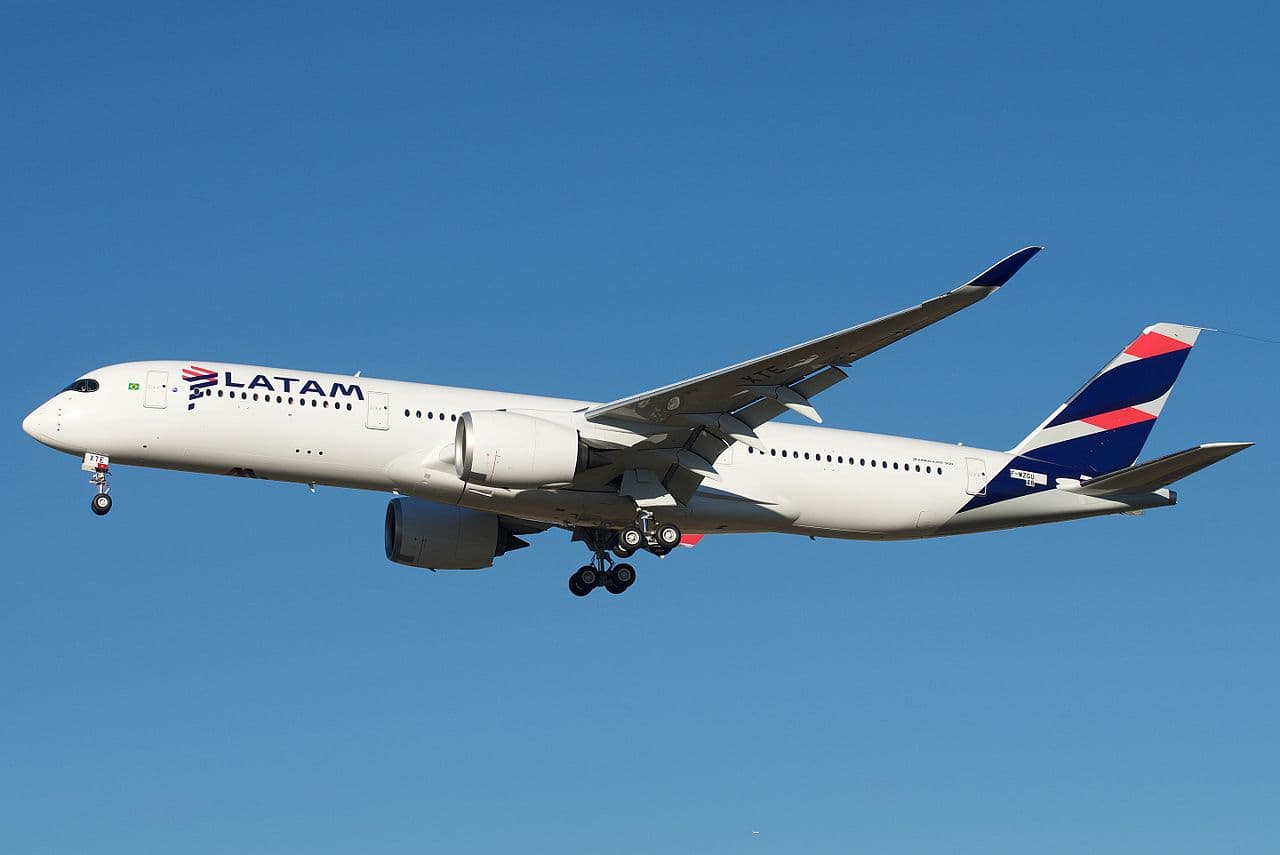
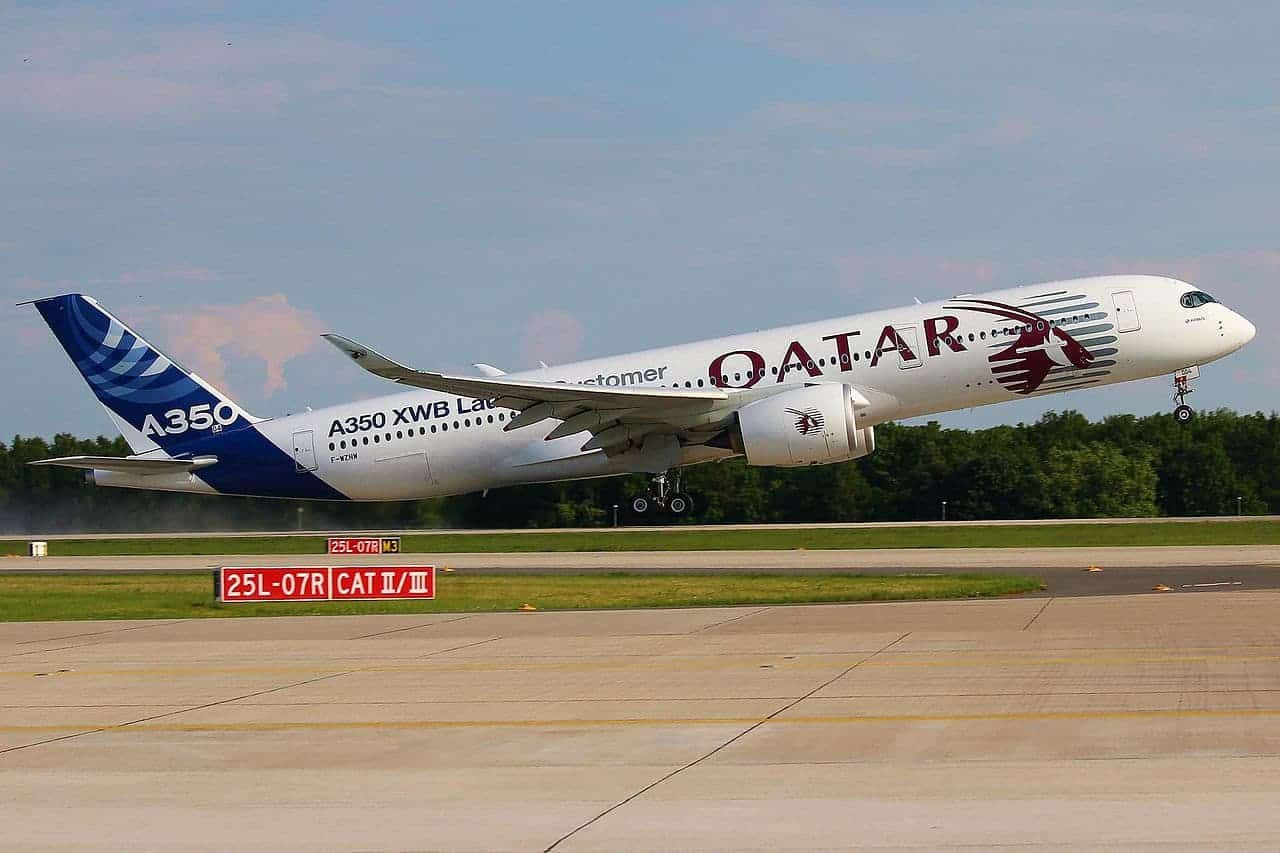

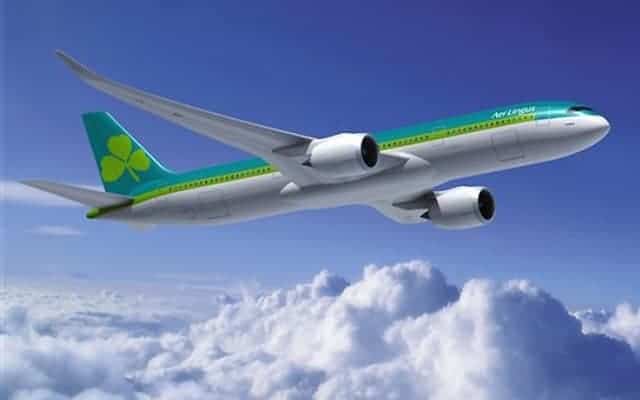
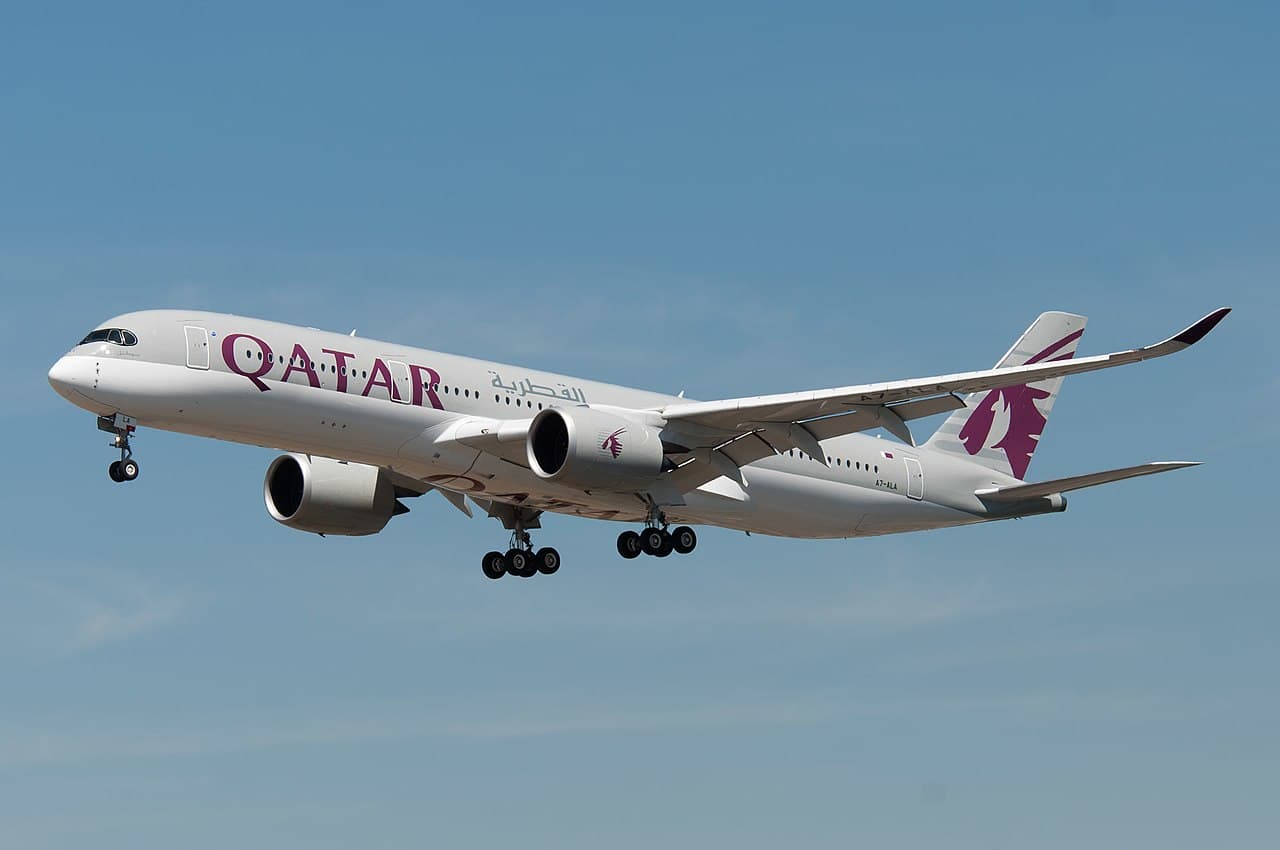
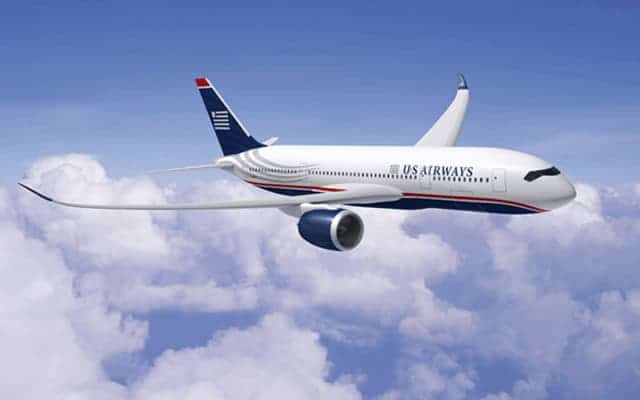
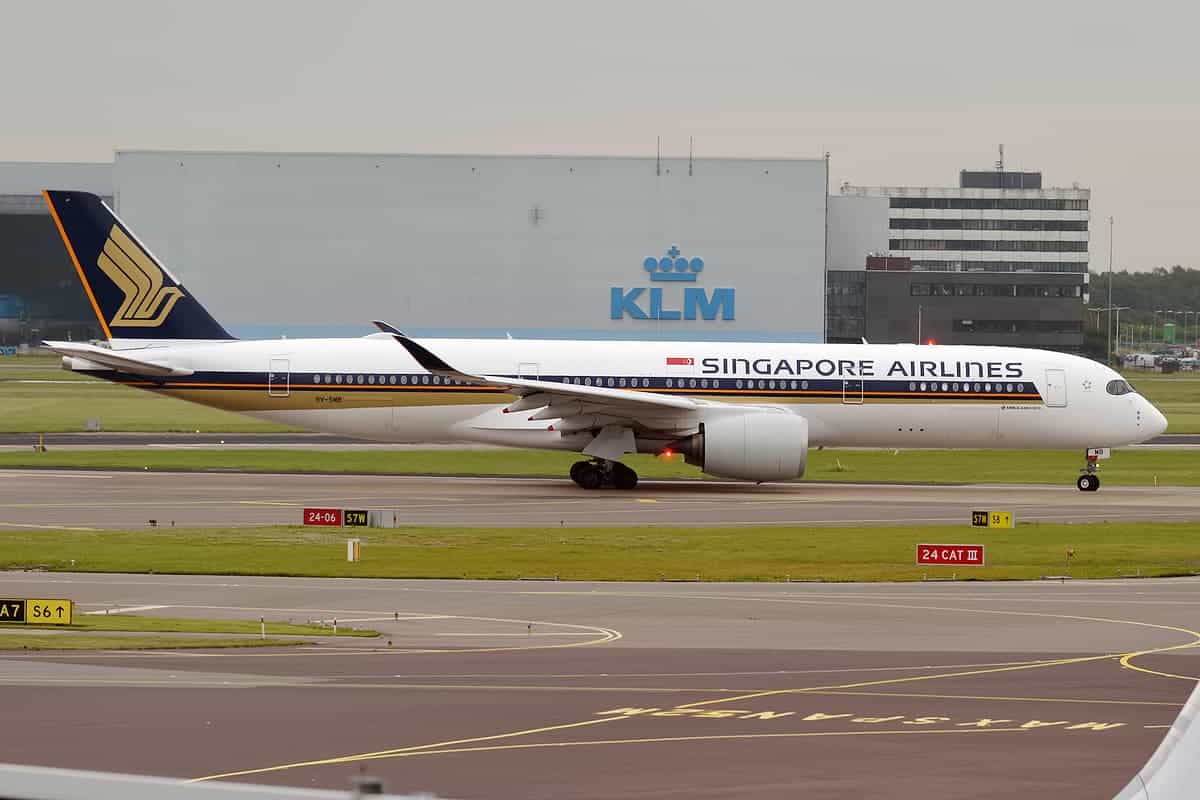
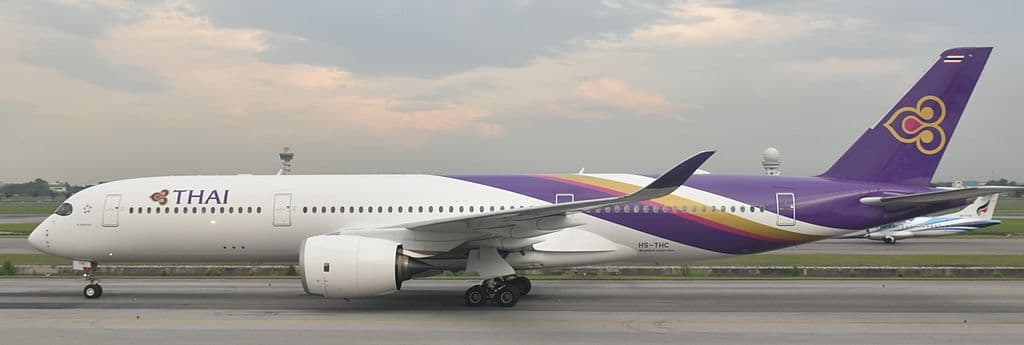
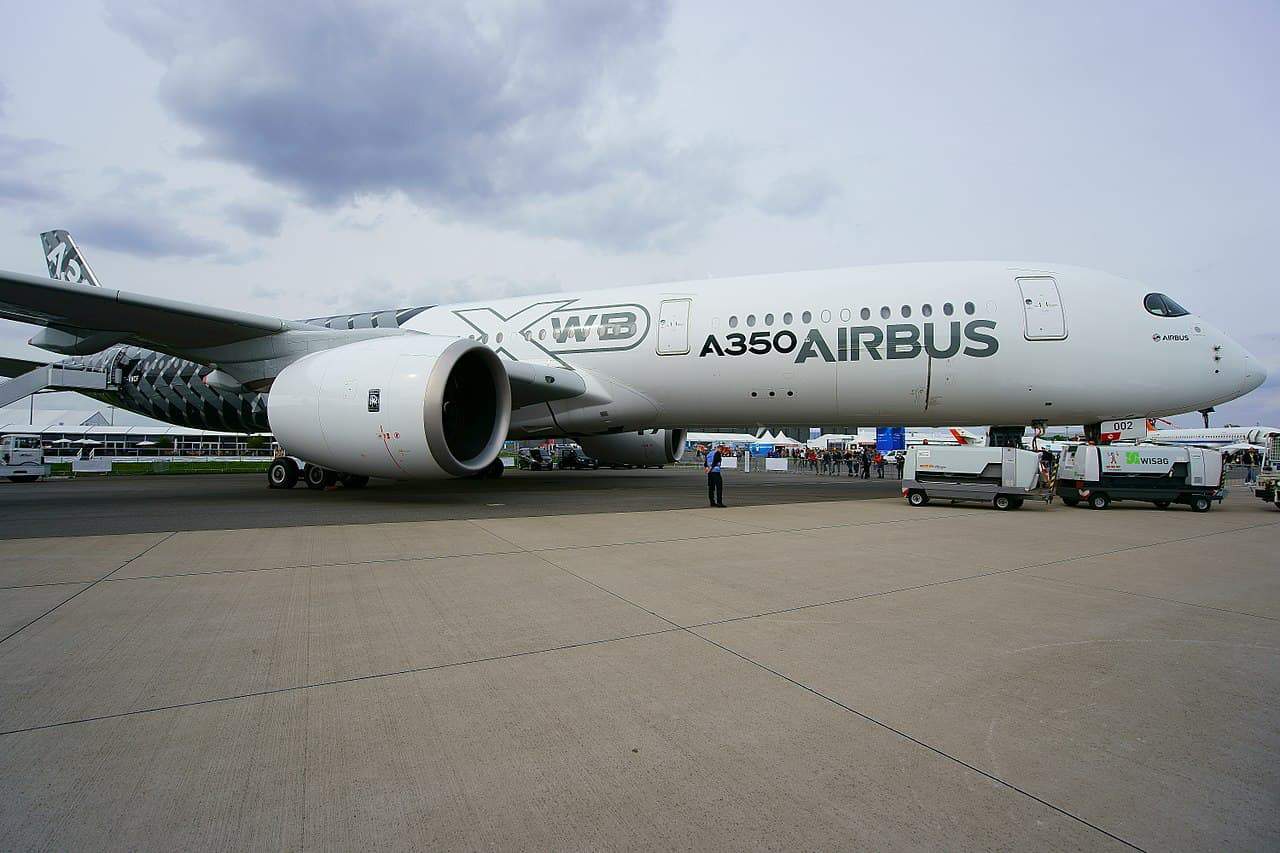

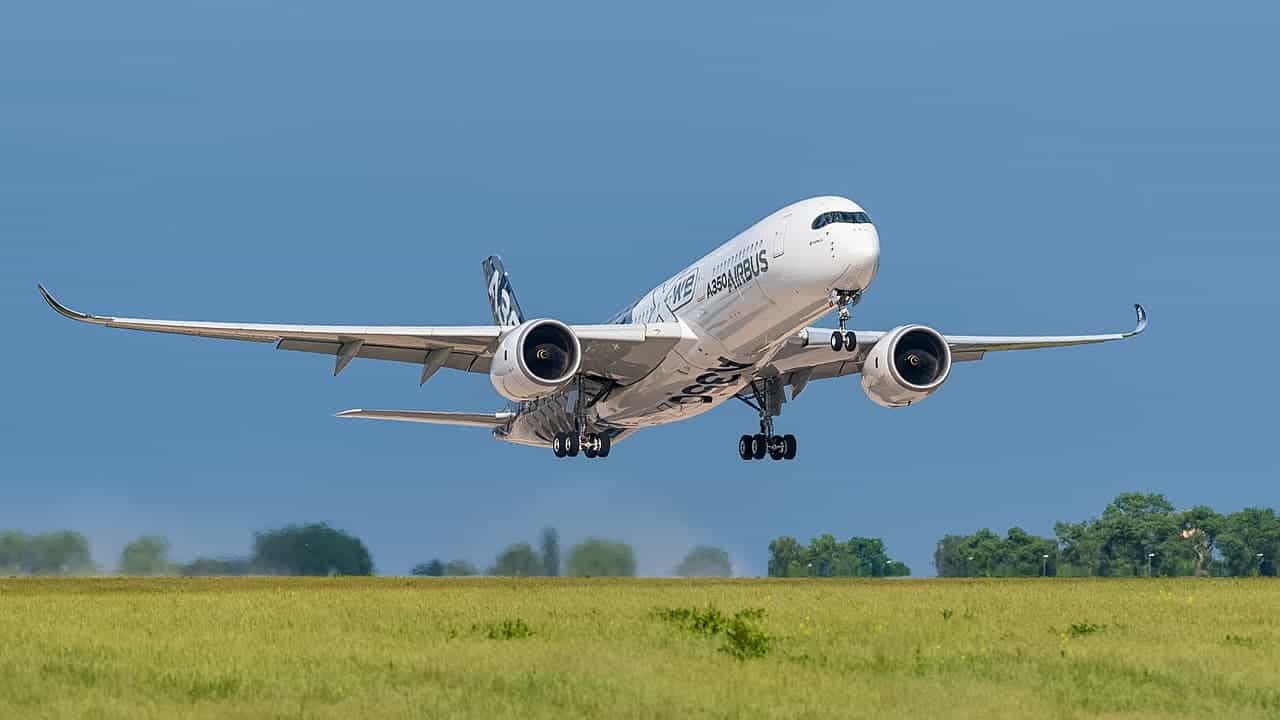
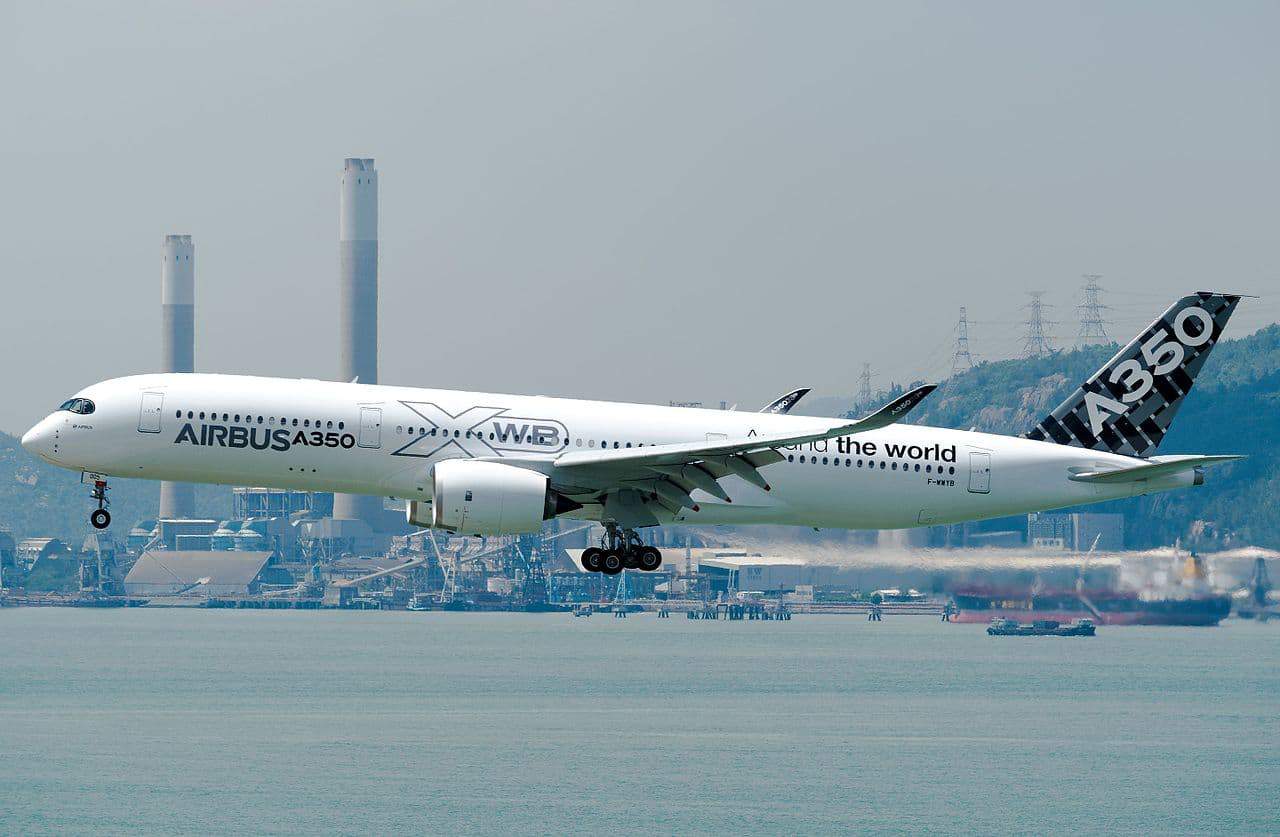
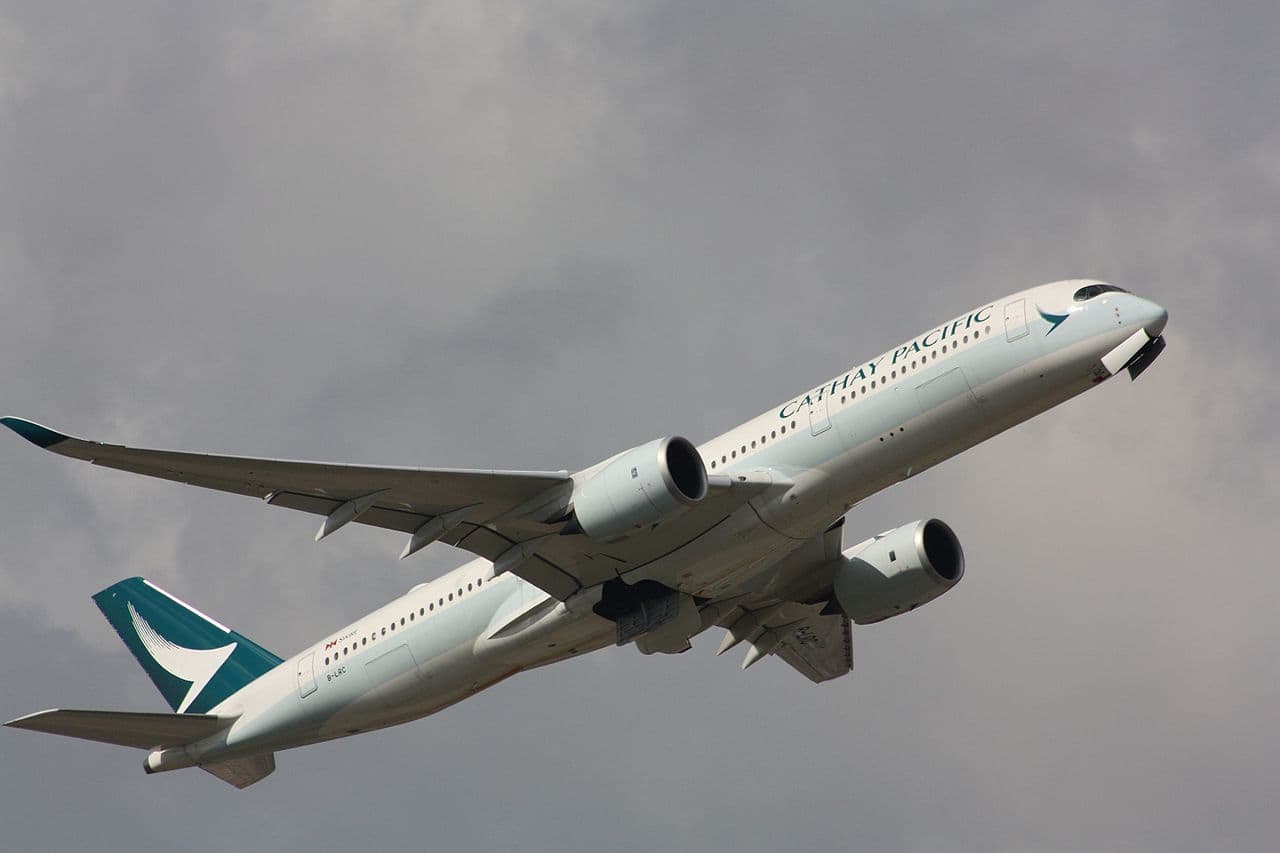
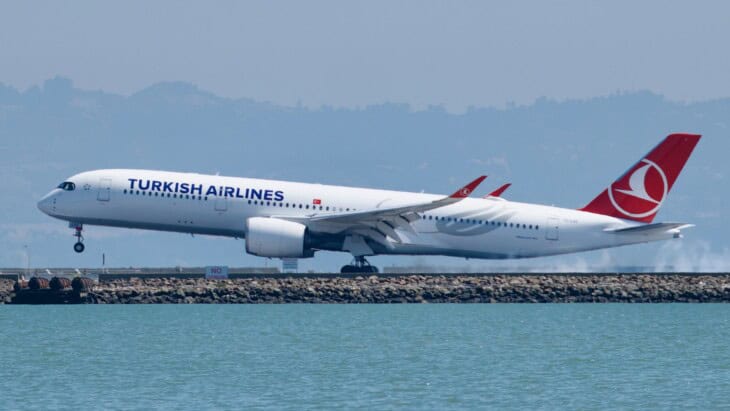
The Airbus A350-900 is the most common version of the A350 and one of the most widely flown big widebodies in the world. It is 219 feet 4 inches (66.8 m) long and seats about 315 passengers in three classes.
It is best known for range. The ultra-long-range version, the A350-900ULR, opened some of the longest nonstop flights ever scheduled, including Singapore to New York. Its quiet cabin and large windows have made it a passenger favorite.
It is smaller than the A350-1000 above but sells in far greater numbers, so it is the A350 most travelers actually fly.
9. Boeing 777-200LR


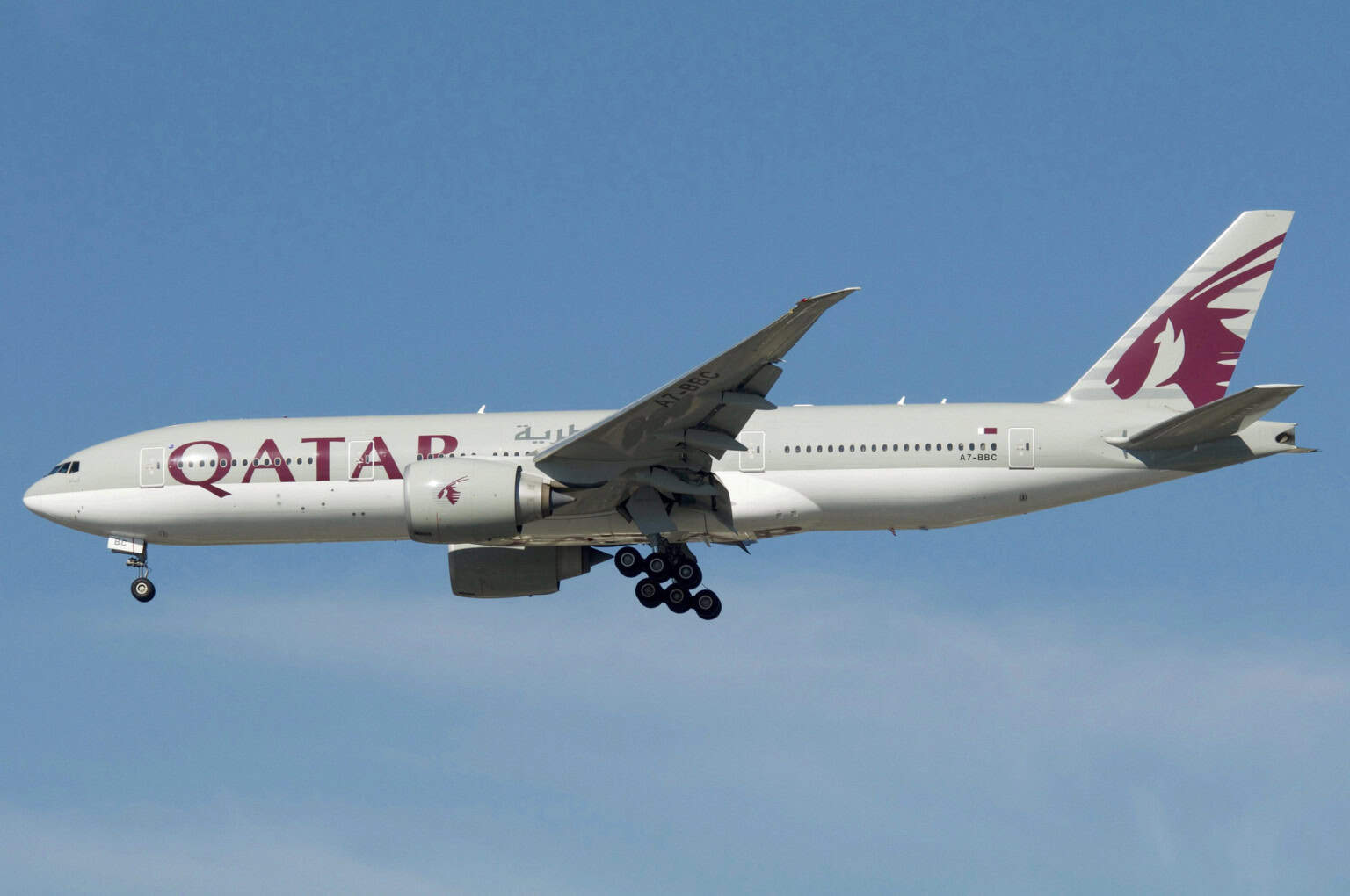


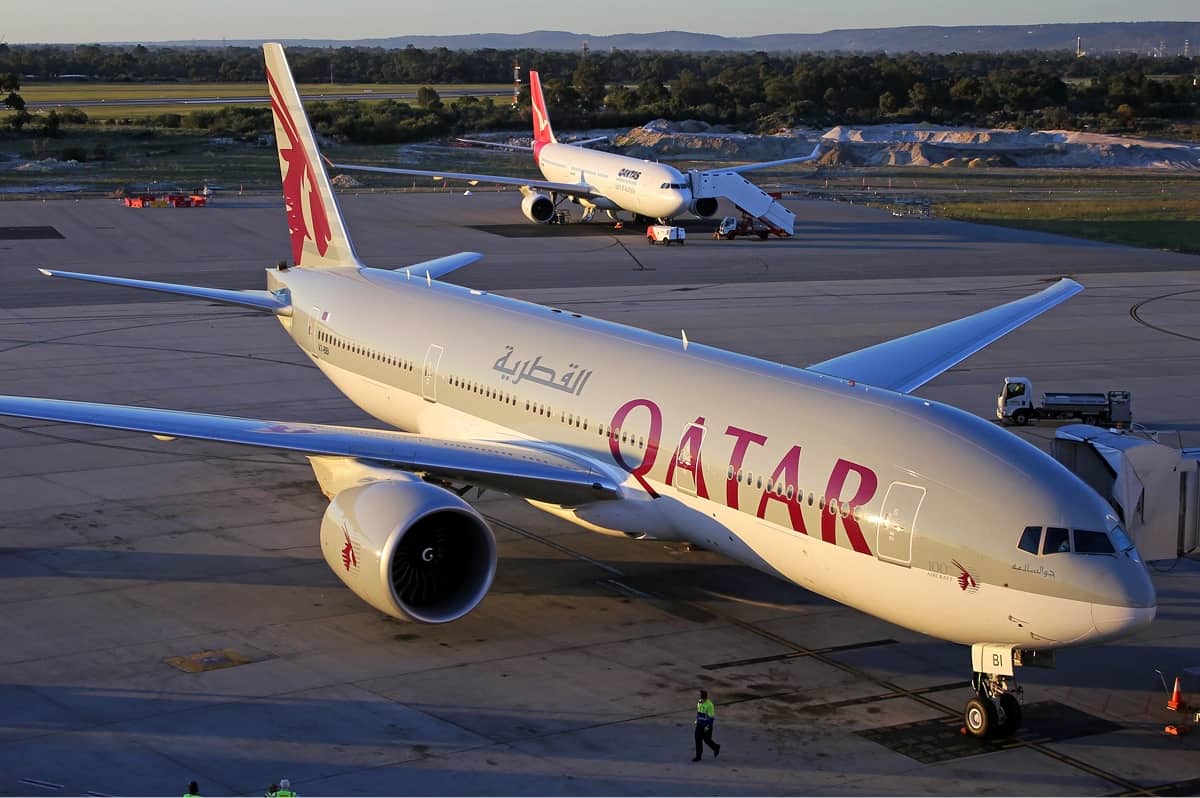
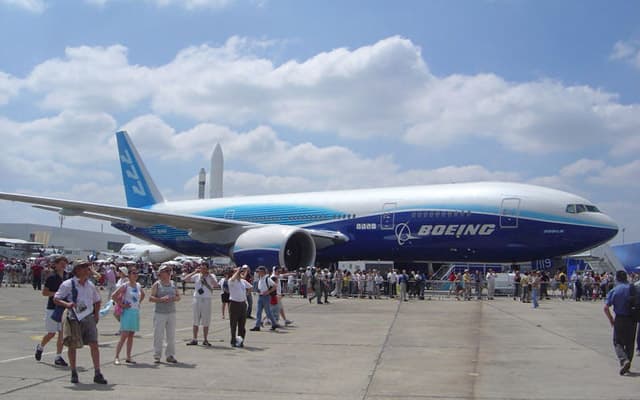
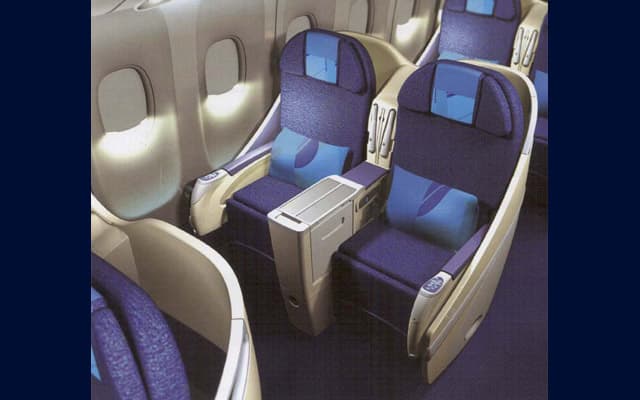
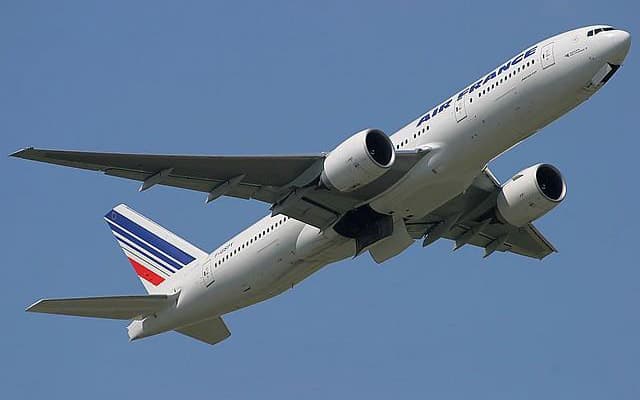
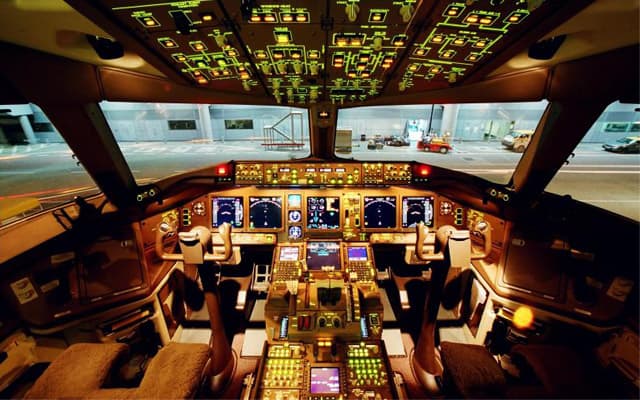
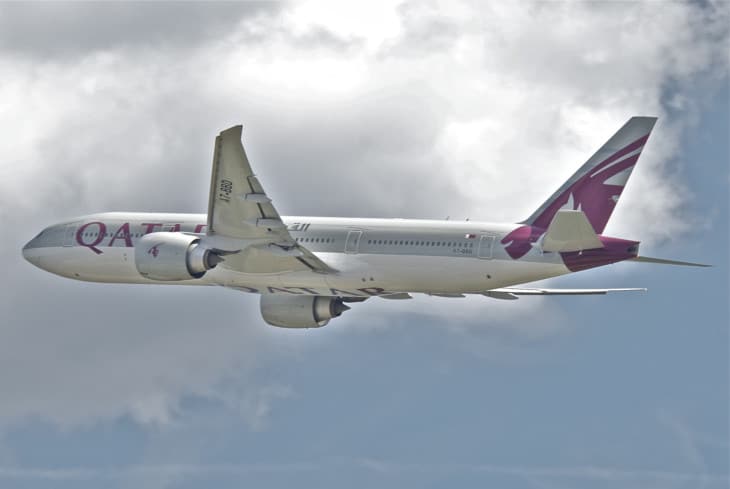
The Boeing 777-200LR is the shorter but longer-range sibling of the 777-300ER. At 209 feet 1 inch (63.7 m), it seats around 301 passengers, and the “LR” stands for Long Range.
It once held the record for the longest nonstop flight by a commercial airliner, flying eastbound from Hong Kong to London the long way around the globe. Its wingspan matches the larger 777 variants at 212 feet 7 inches.
Airlines such as Emirates and Ethiopian use it where they need extreme range but not the full seat count of the 777-300ER.
10. Airbus A330-300
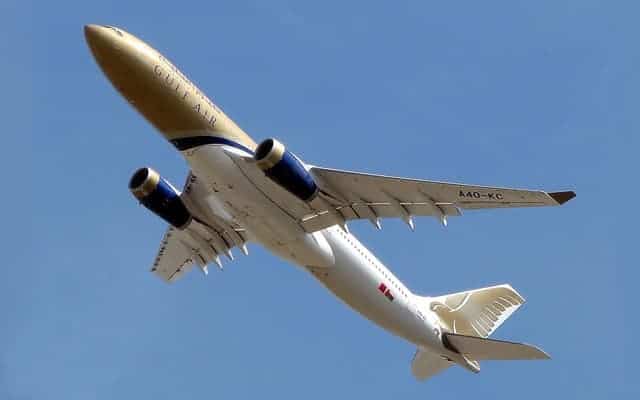
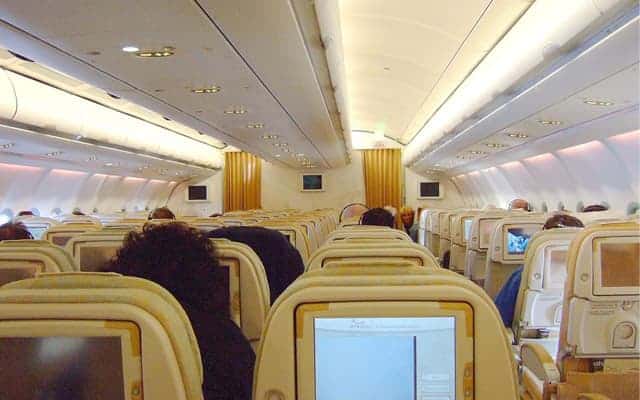
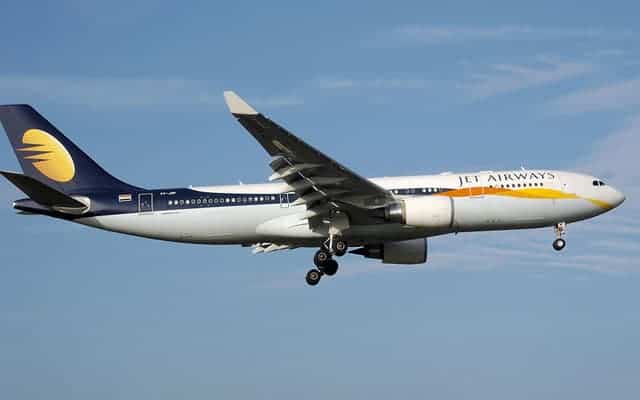


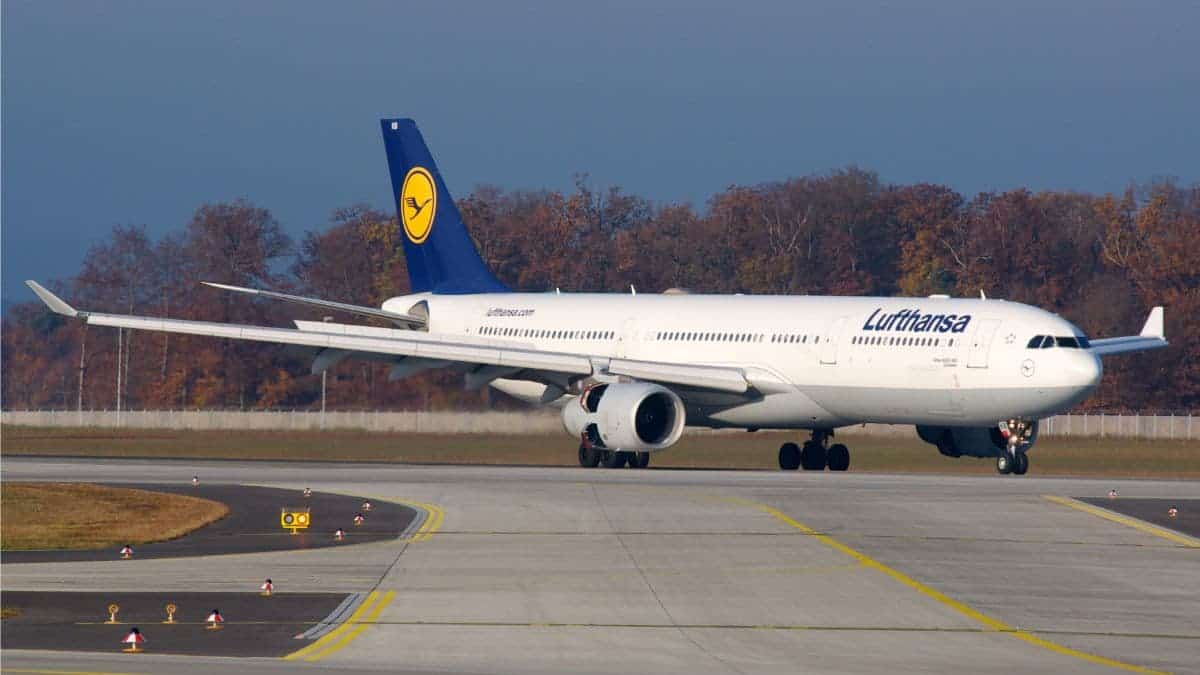
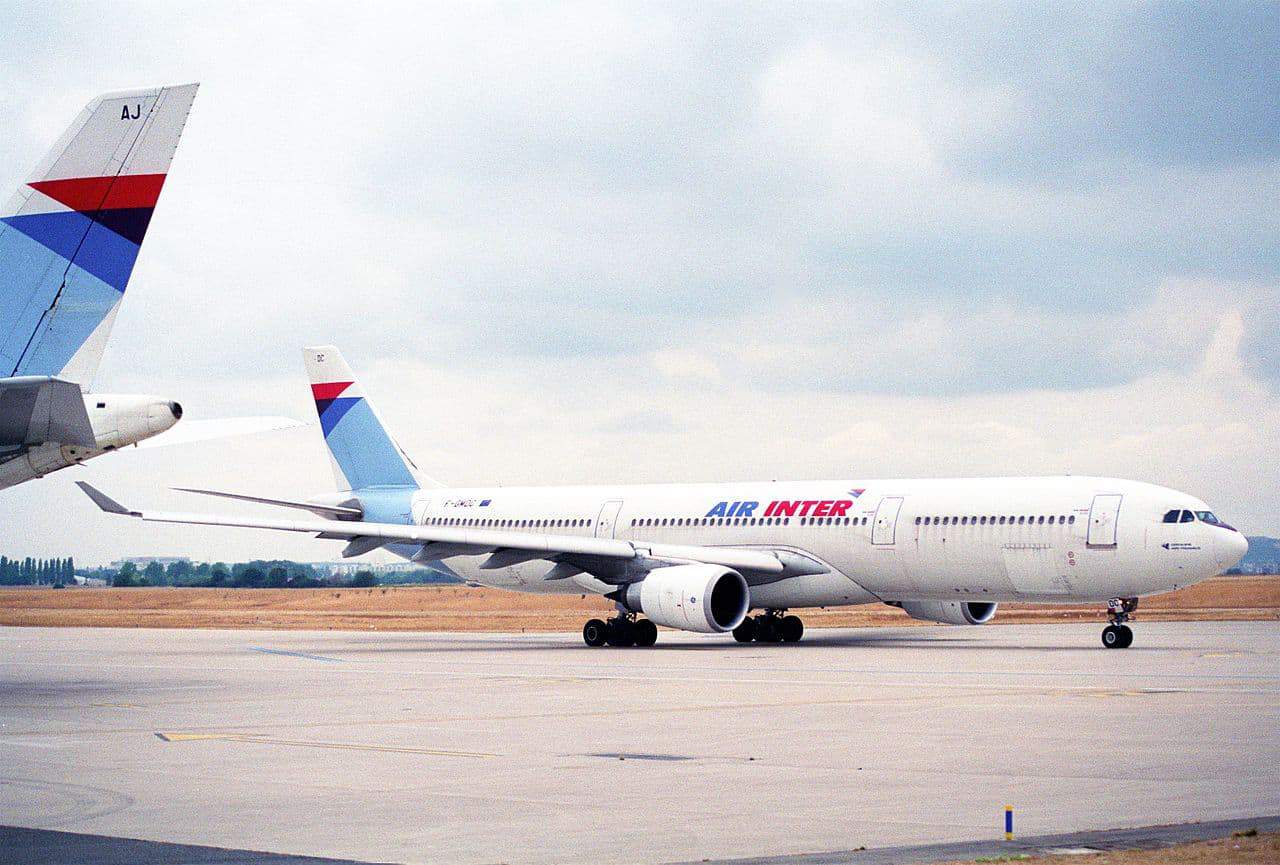
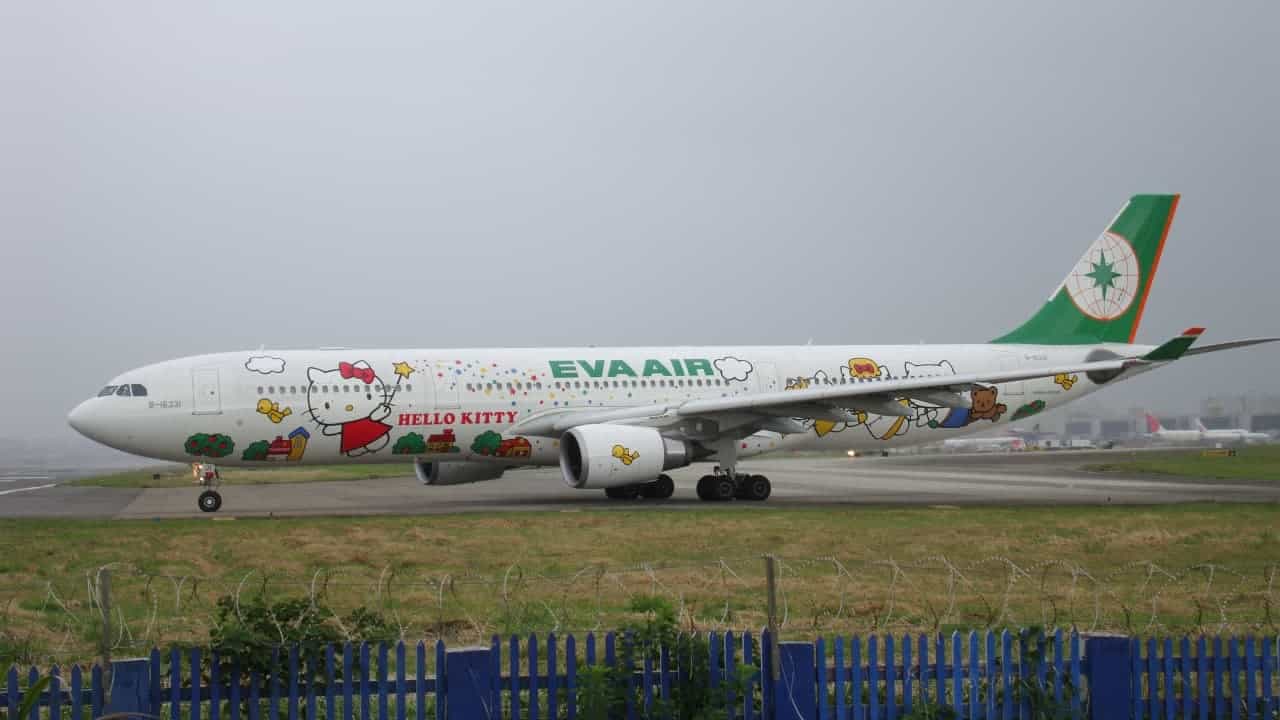
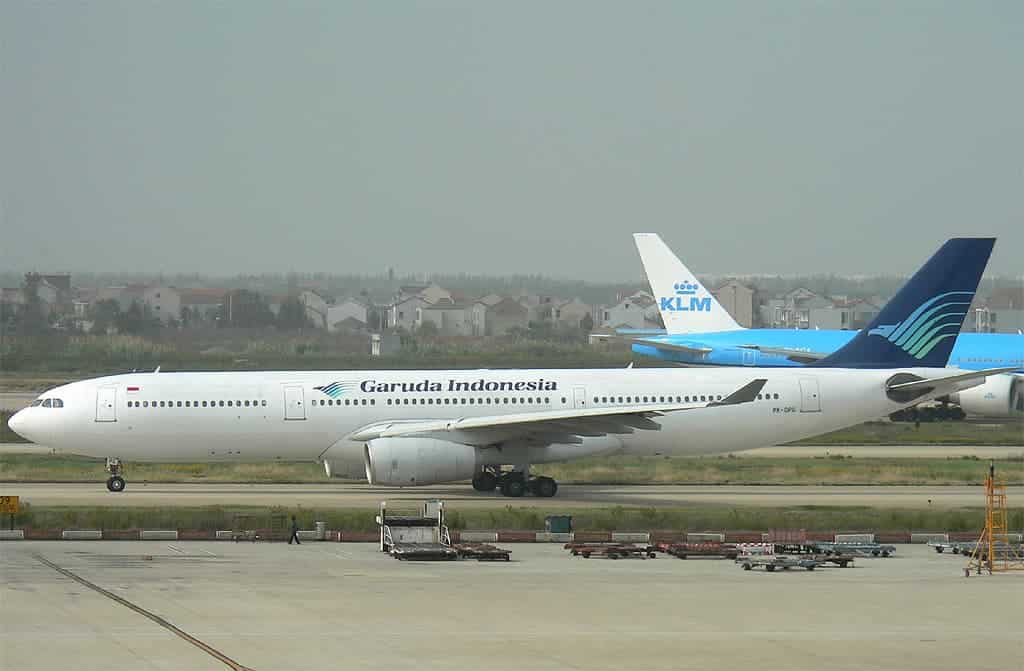
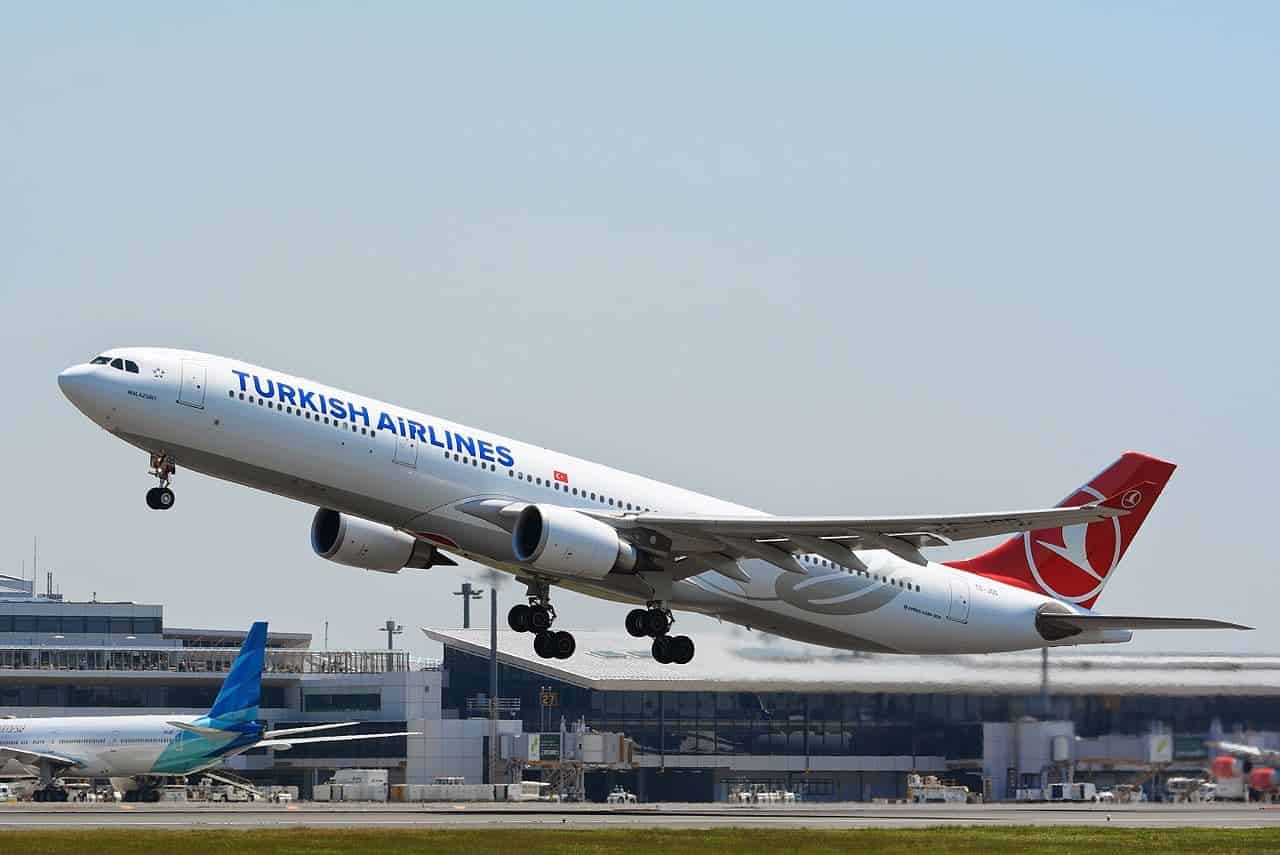

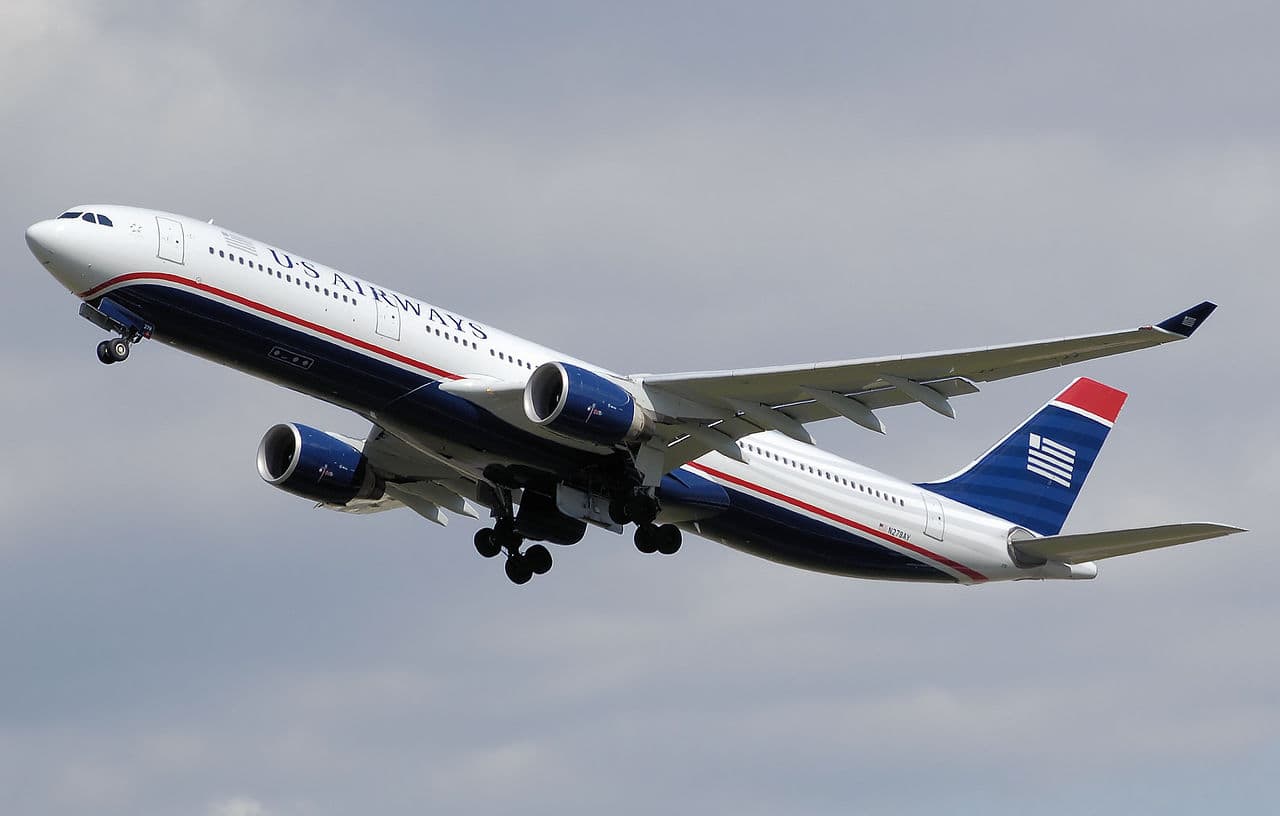
The Airbus A330-300 rounds out the list at 208 feet 10 inches (63.7 m), seating about 295 passengers in a typical layout. It is one of the most successful widebodies ever built and a common sight at airports worldwide.
The newer A330-900neo version is slightly longer and more efficient, and it keeps the design in production today. Both offer a wide twin-aisle cabin at lower cost than the bigger jets above.
It is the smallest airplane on this list, but it still carries nearly 300 people, a reminder of just how large the top of the ranking really is.
The largest airliner that isn’t flying yet

_(cropped).jpg)
One aircraft will rewrite this list when it arrives: the Boeing 777-9. At 251 feet 9 inches, it will be the longest airliner ever built, longer even than the 747-8, and it will seat around 425 passengers as the largest twinjet in the world.
It is not in service yet. After years of delays, Boeing now expects the first 777-9 to be delivered in 2027, with Lufthansa as the launch airline. Until then, the aircraft on the list above are the largest commercial airplanes you can actually fly on.
Why the 777-9 isn't ranked here
This list covers airplanes in passenger service today. The Boeing 777-9 completed its first production flight in 2026 but is still in certification, with deliveries pushed to 2027, so it doesn’t yet qualify as a commercial airplane flying today.
FAQ
Sources and references used for research and fact-checking.
Get the Newsletter
The latest aviation news and stories sent to your inbox.
About the Author

Tim is the owner and lead editor of AeroCorner since 2019, overseeing aviation content covering aircraft, airlines, airports, and the broader aviation industry. Through years of researching, writing, editing, and publishing aviation-focused content, he has developed extensive practical knowledge of commercial aviation and air travel. Based in Asia and a frequent traveler himself, Tim also brings firsthand passenger experience to AeroCorner’s coverage. Outside of publishing, he has also explored aviation firsthand through hands-on flight training in New Zealand.