Jumbo Passenger Jets
Airbus A380-900
ICAO: A389
The long-range widebody built for efficiency and passenger comfort
The latest aviation news and stories sent to your inbox.
The Airbus A350-900 represents the foundation of Airbus’s next-generation long-haul strategy. Designed with advanced materials, modern aerodynamics, and fuel-efficient engines, it delivers intercontinental range while improving operating economics and cabin experience for airlines worldwide.
Live Fleet Activity (A359)
Fetching live data…

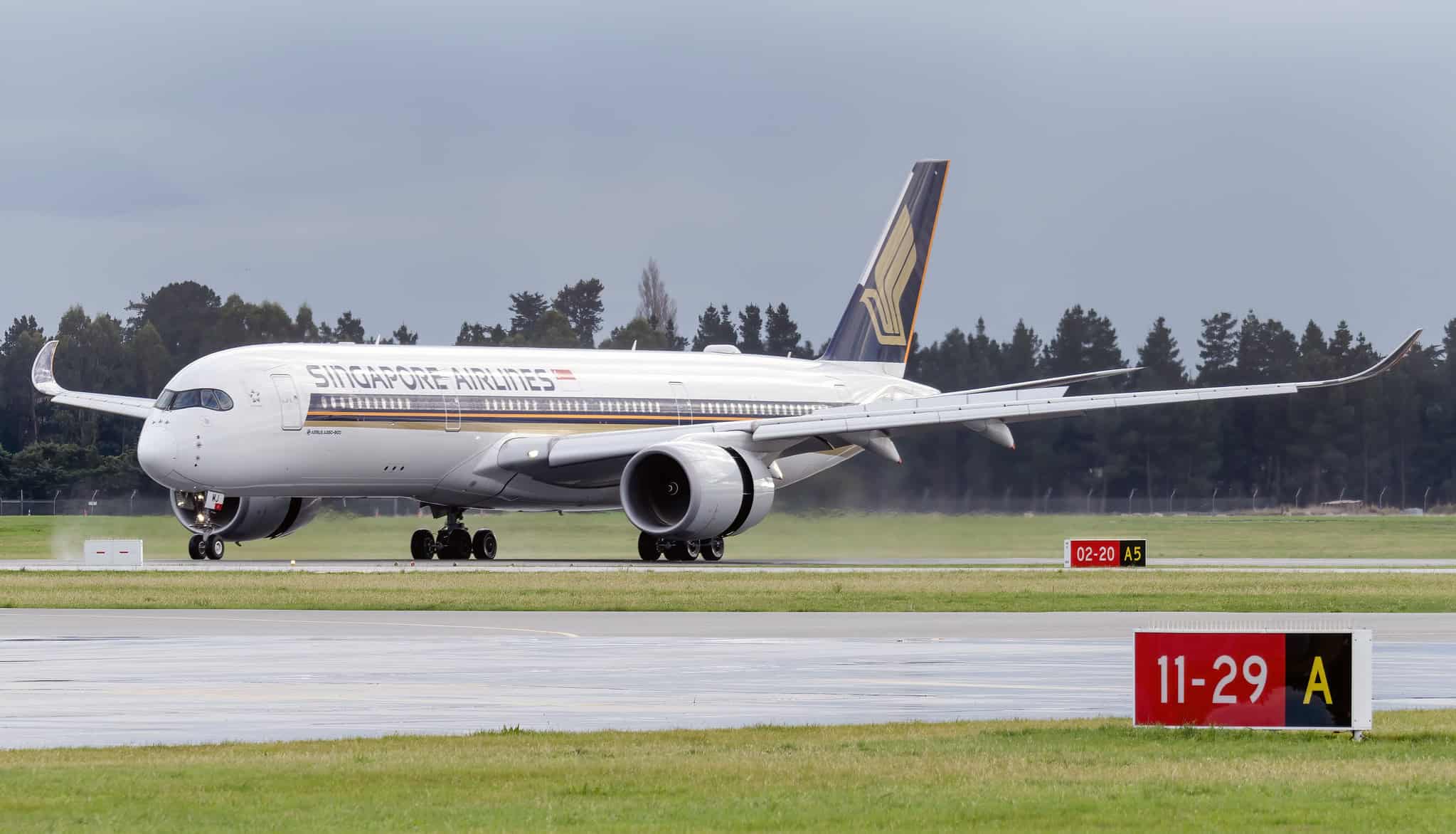
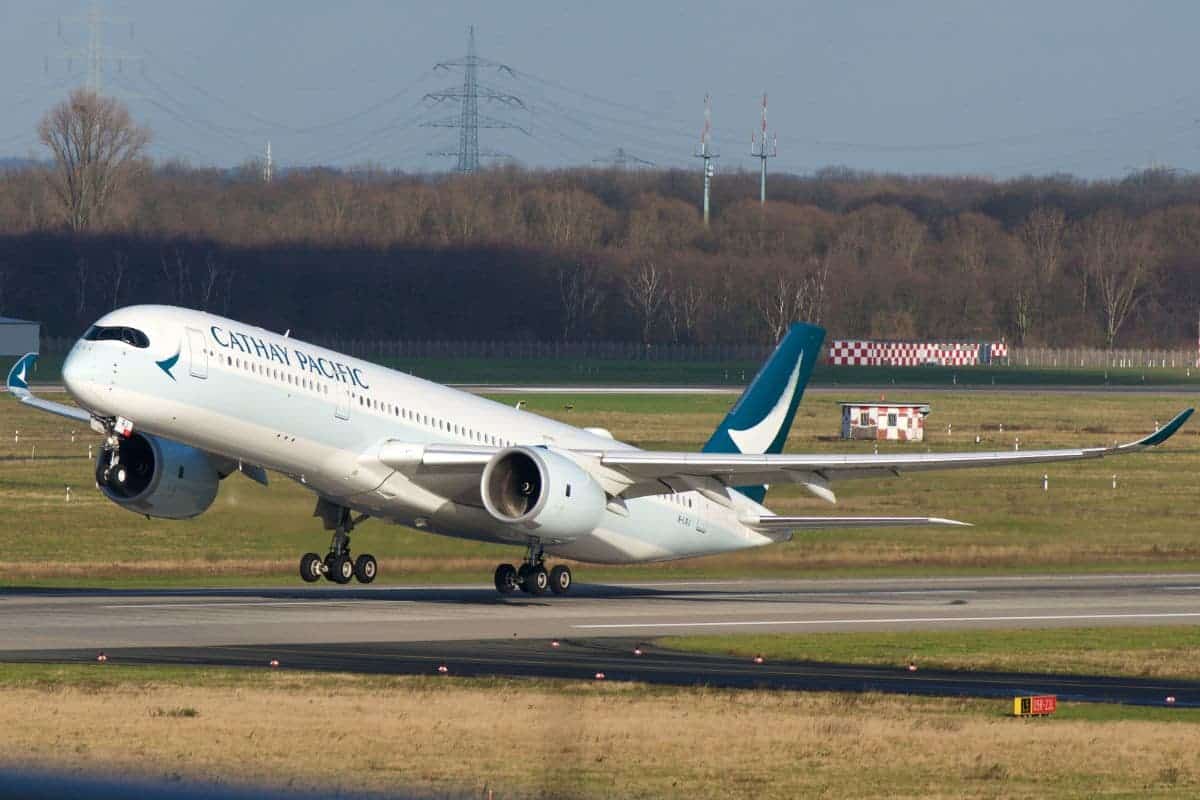


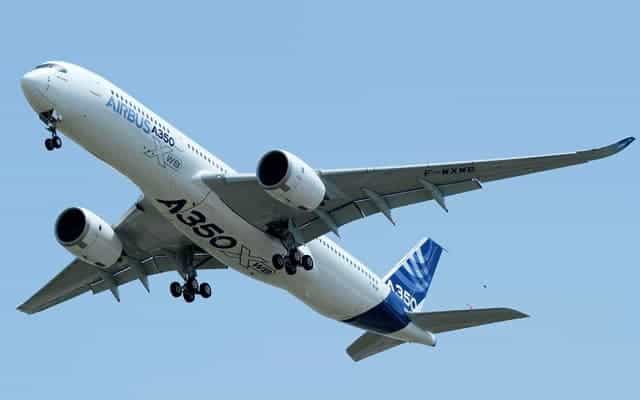
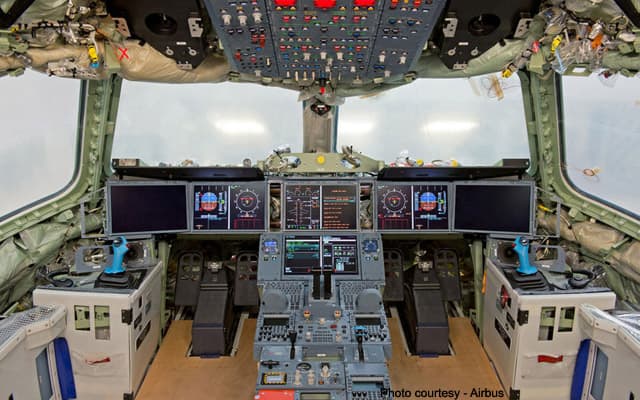
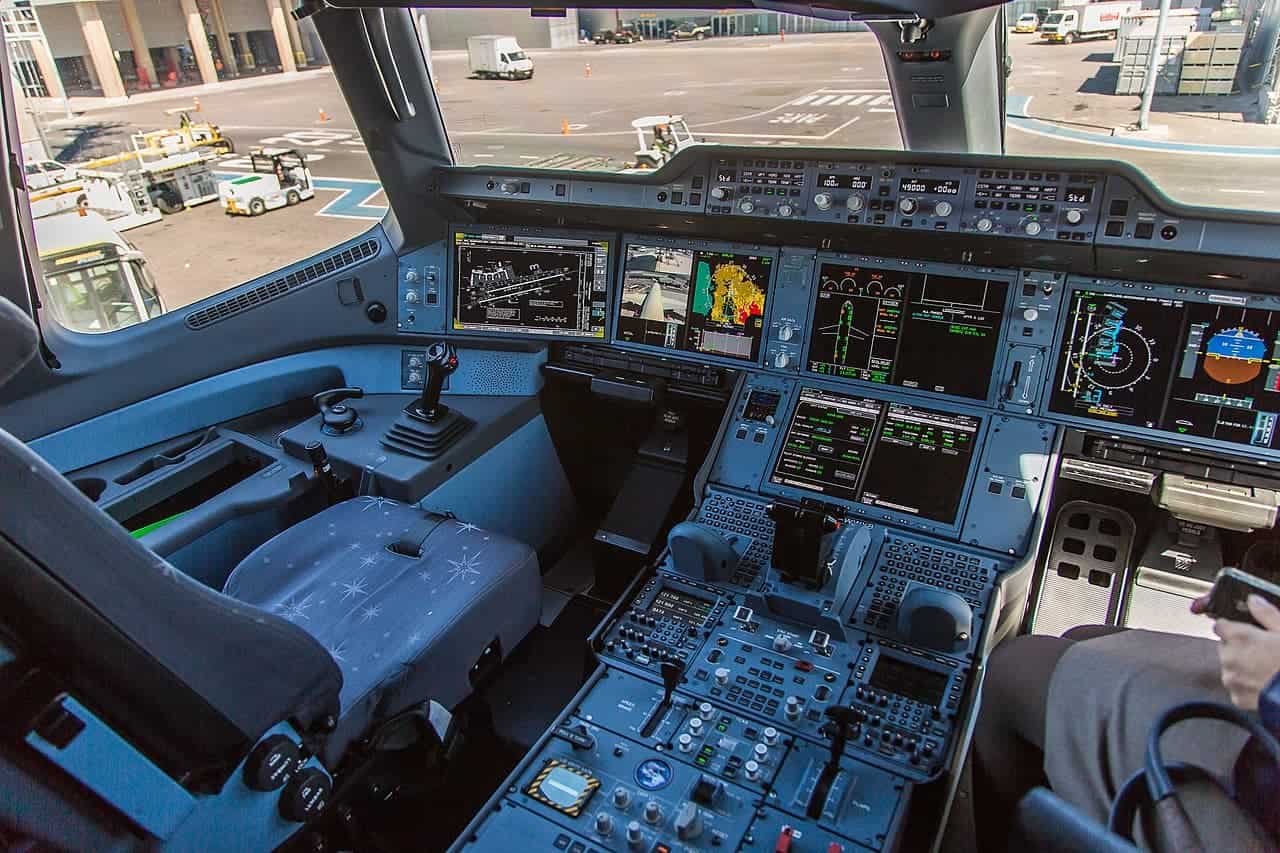
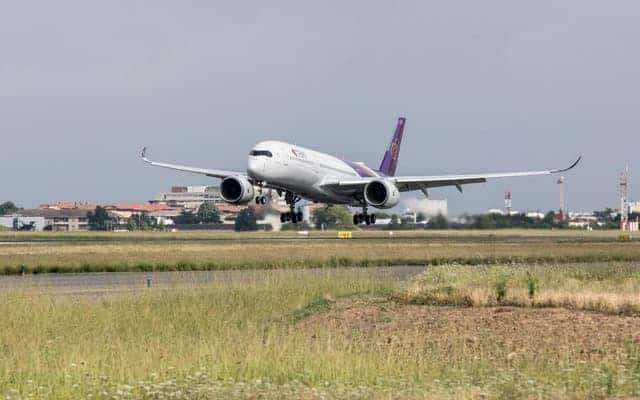
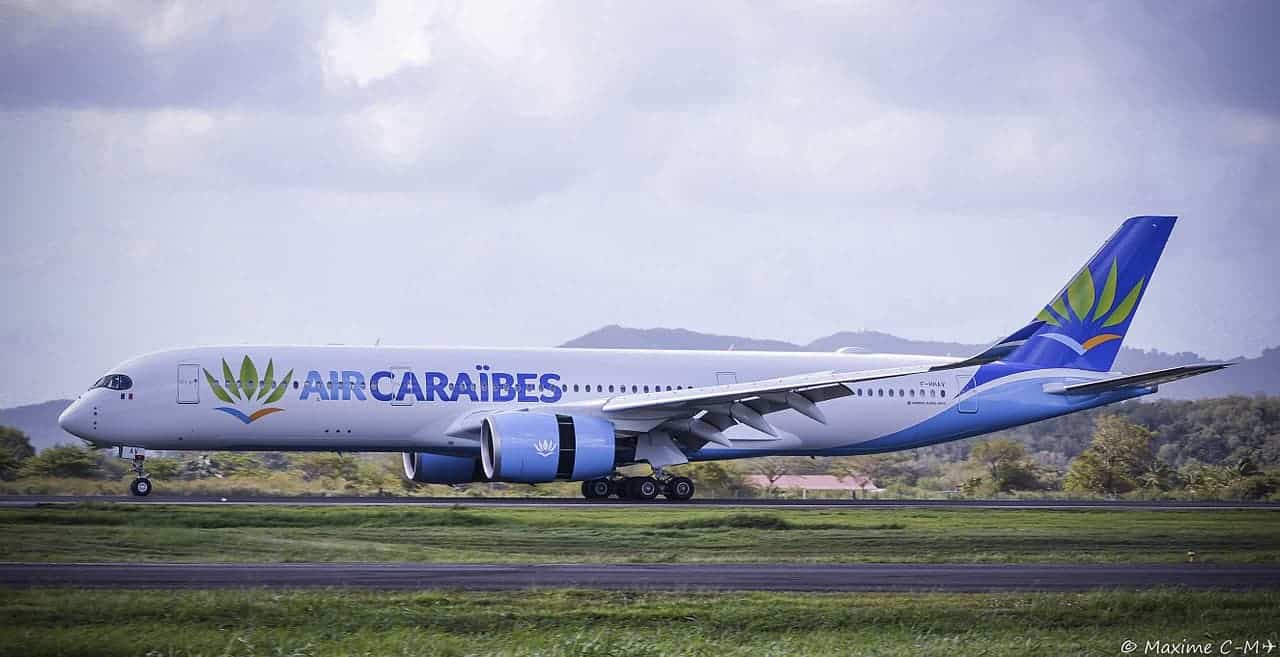
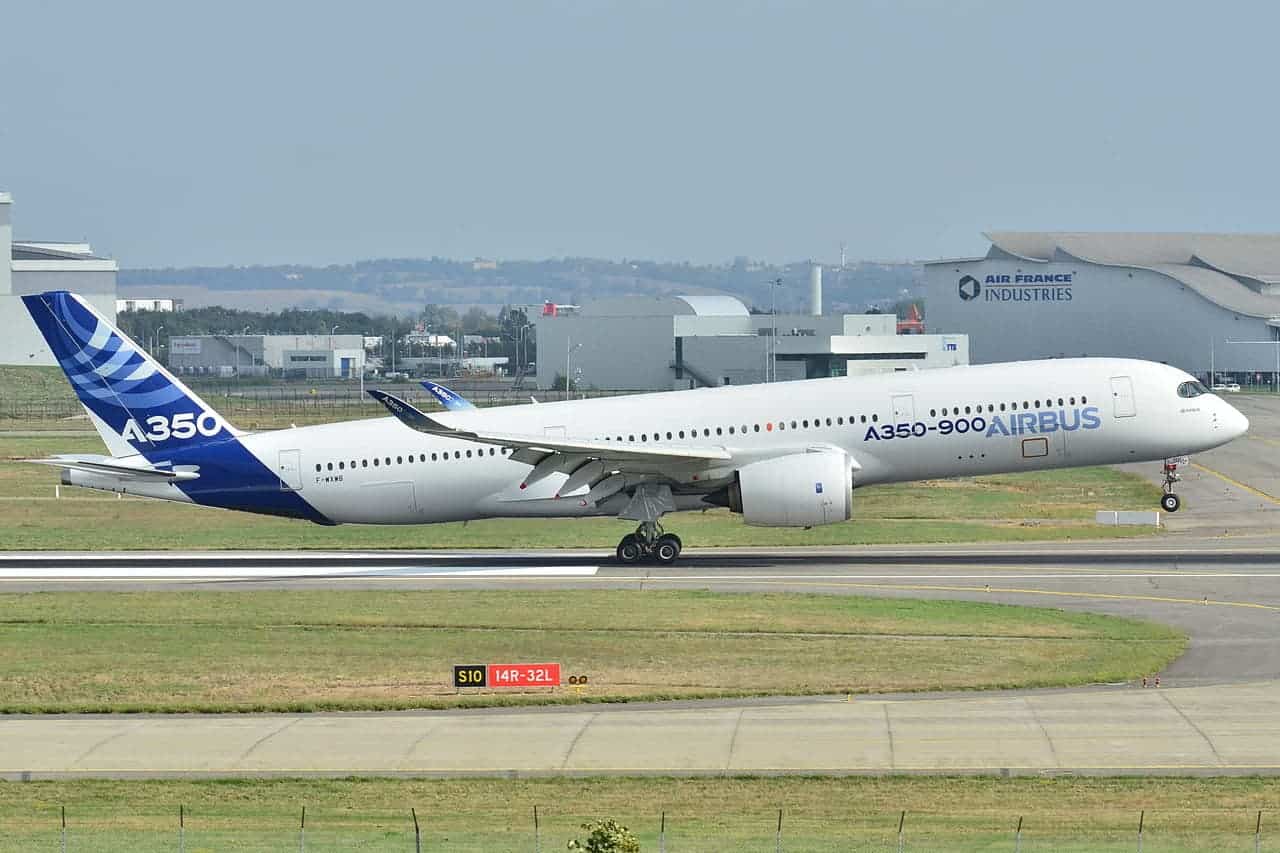
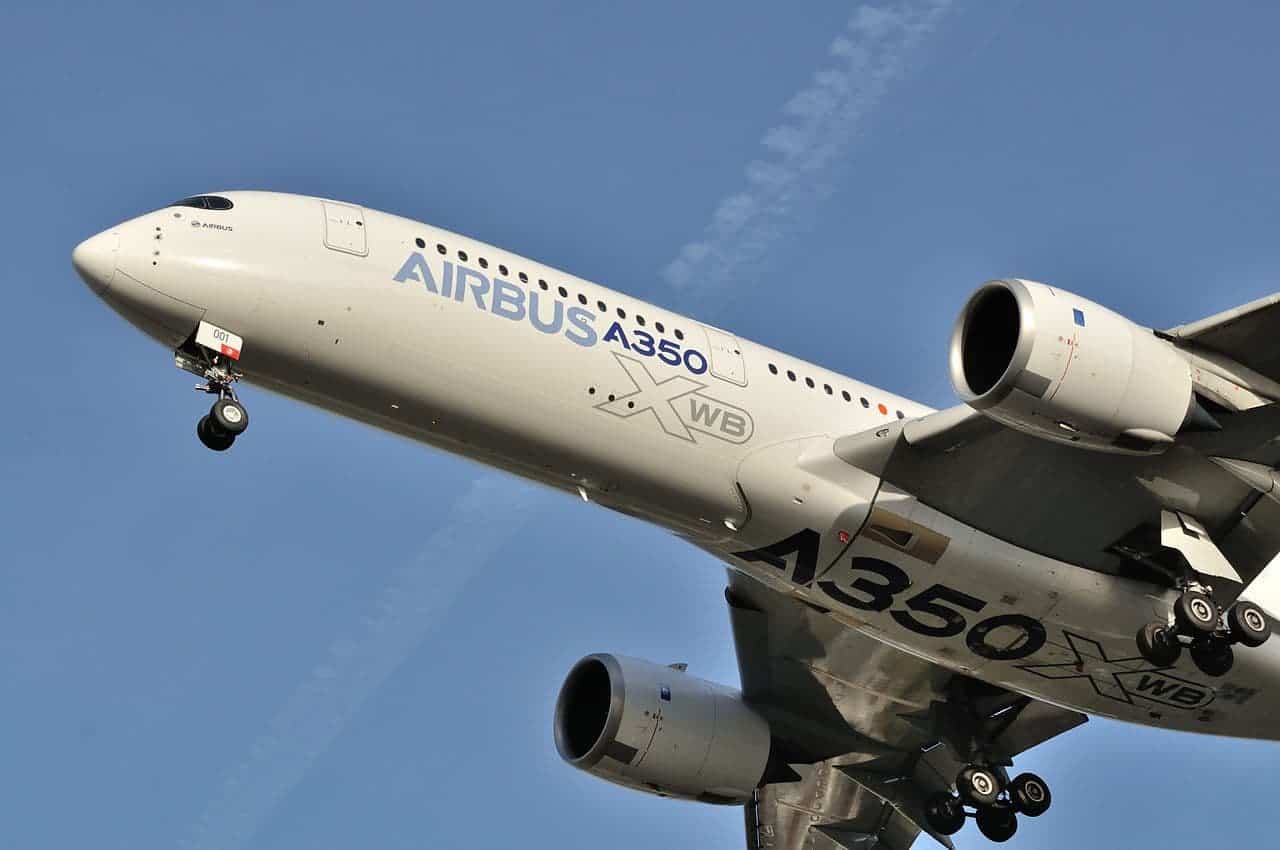
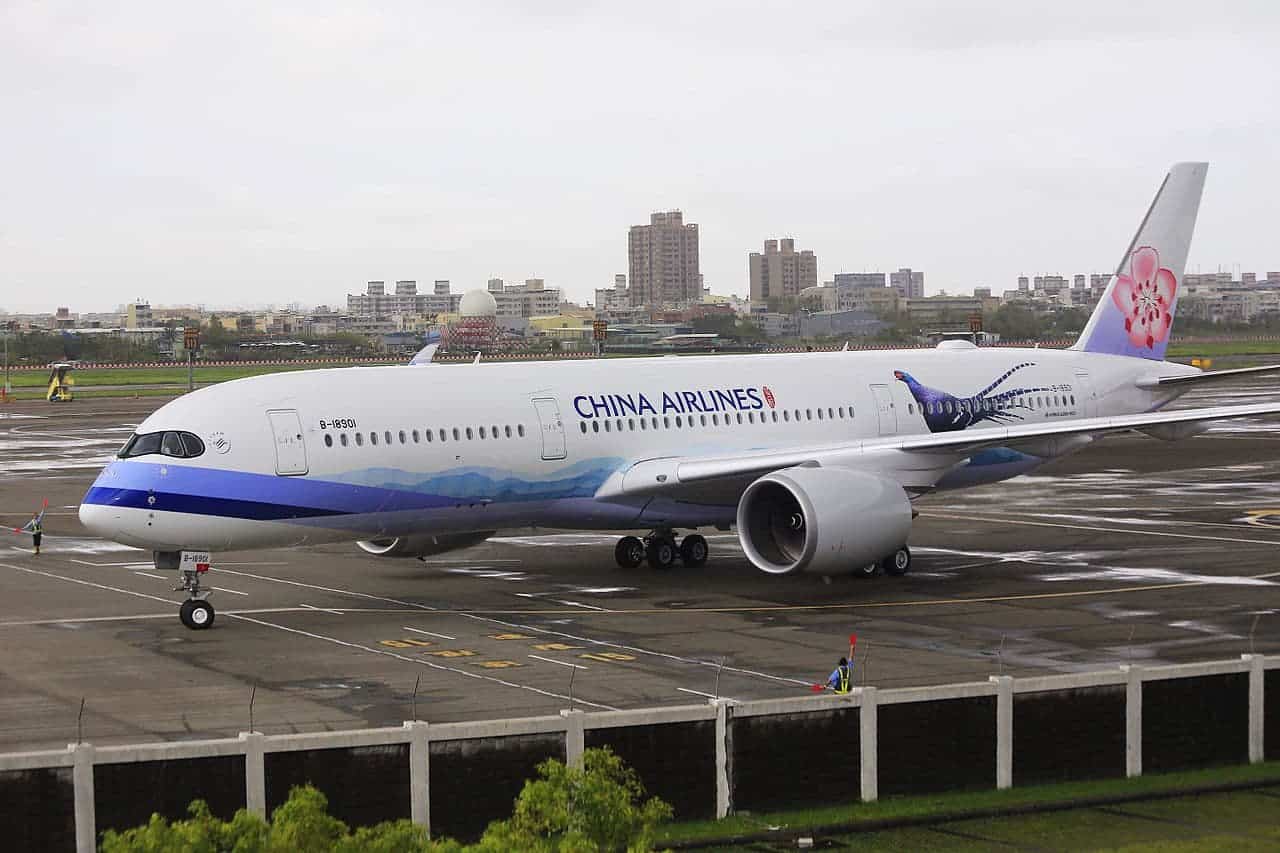
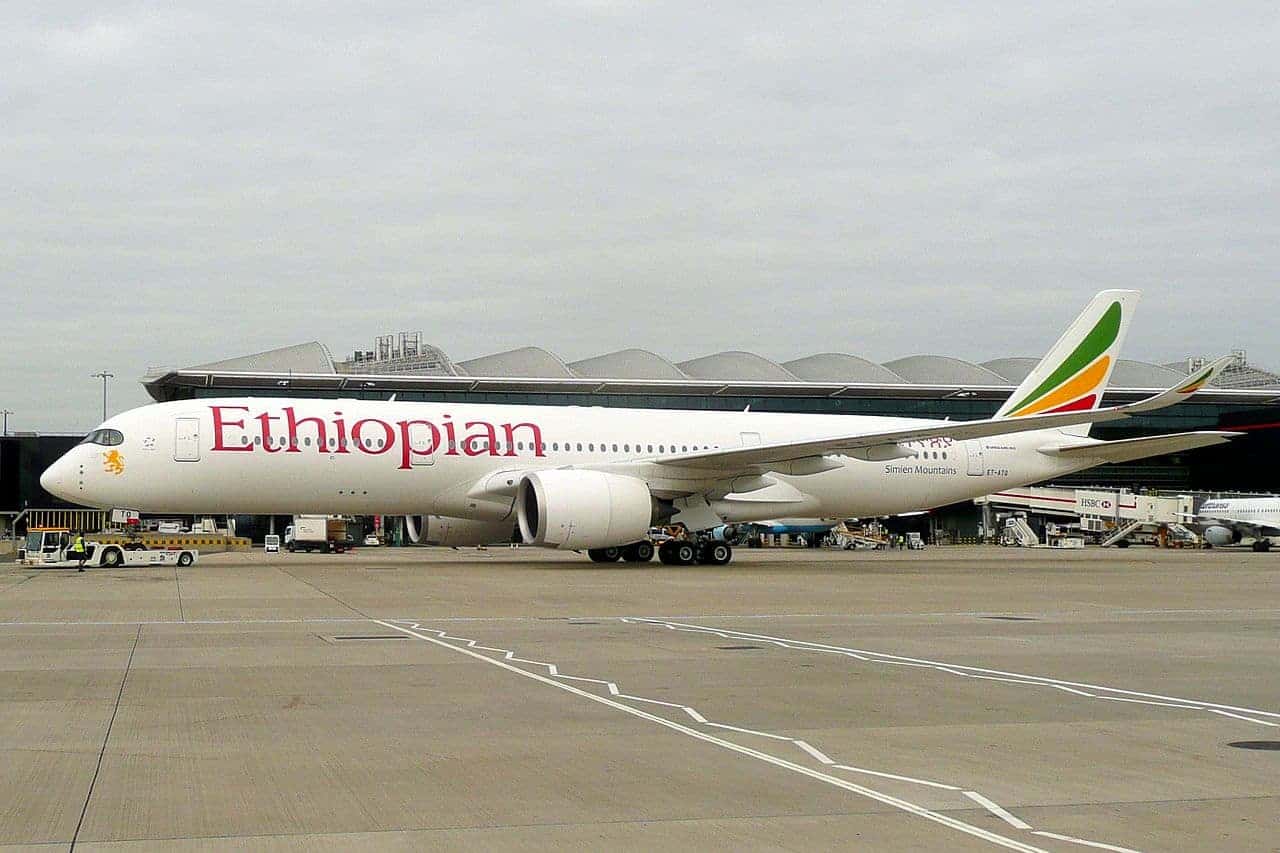
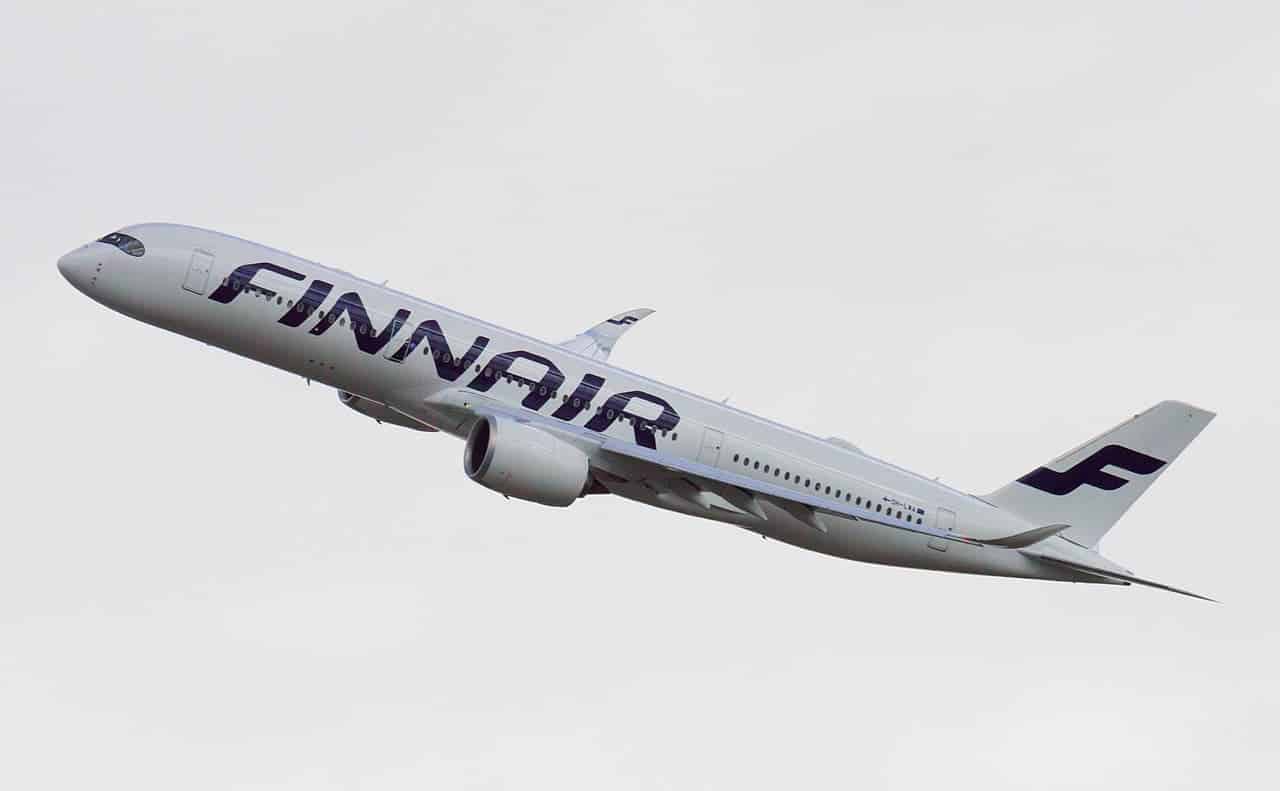
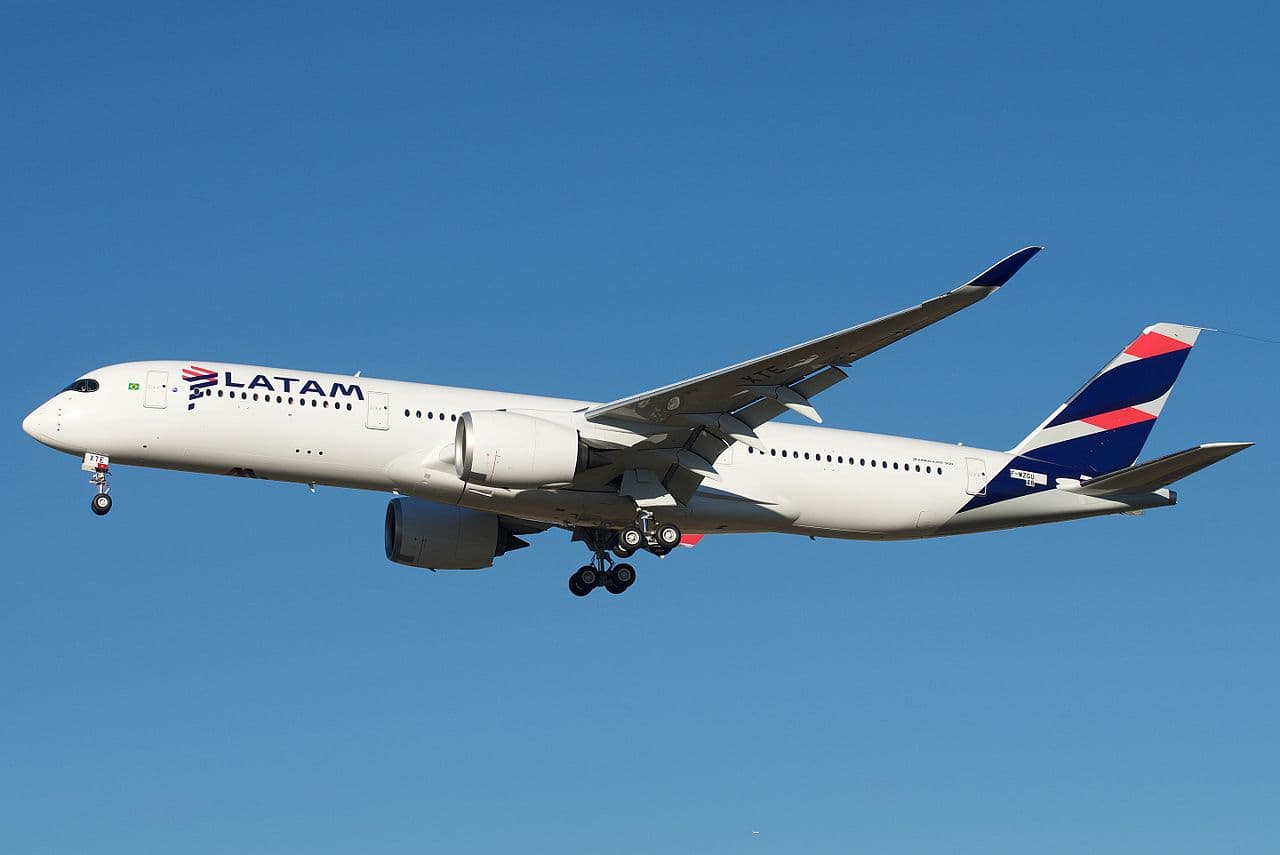
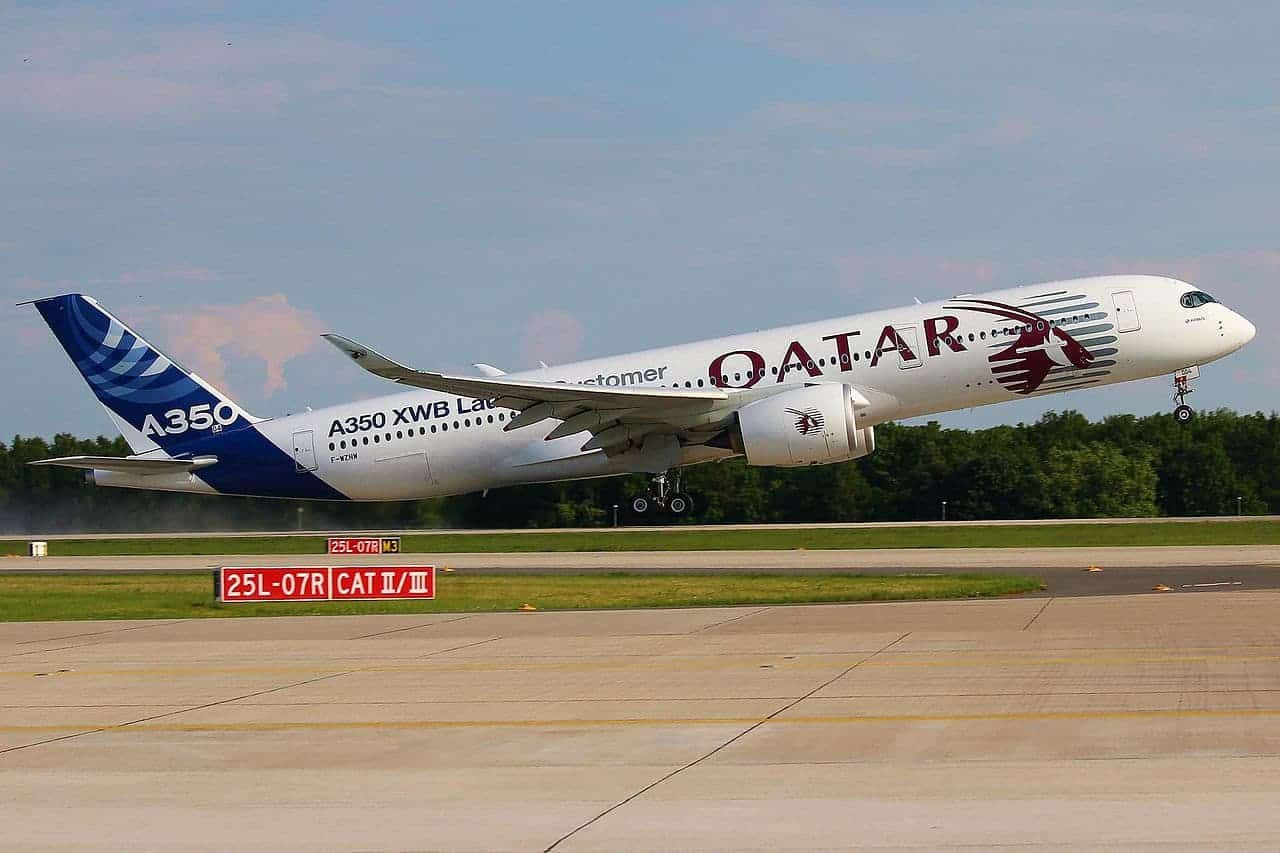

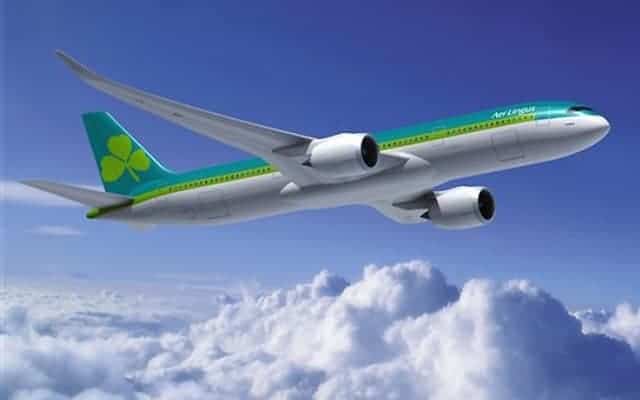
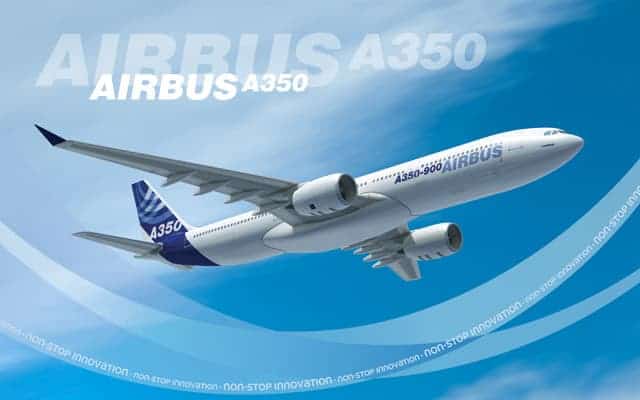
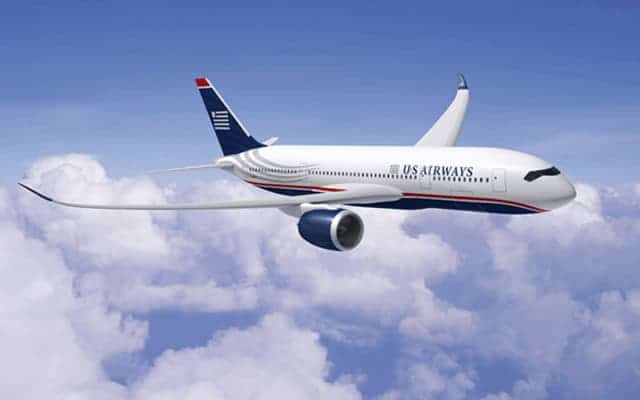
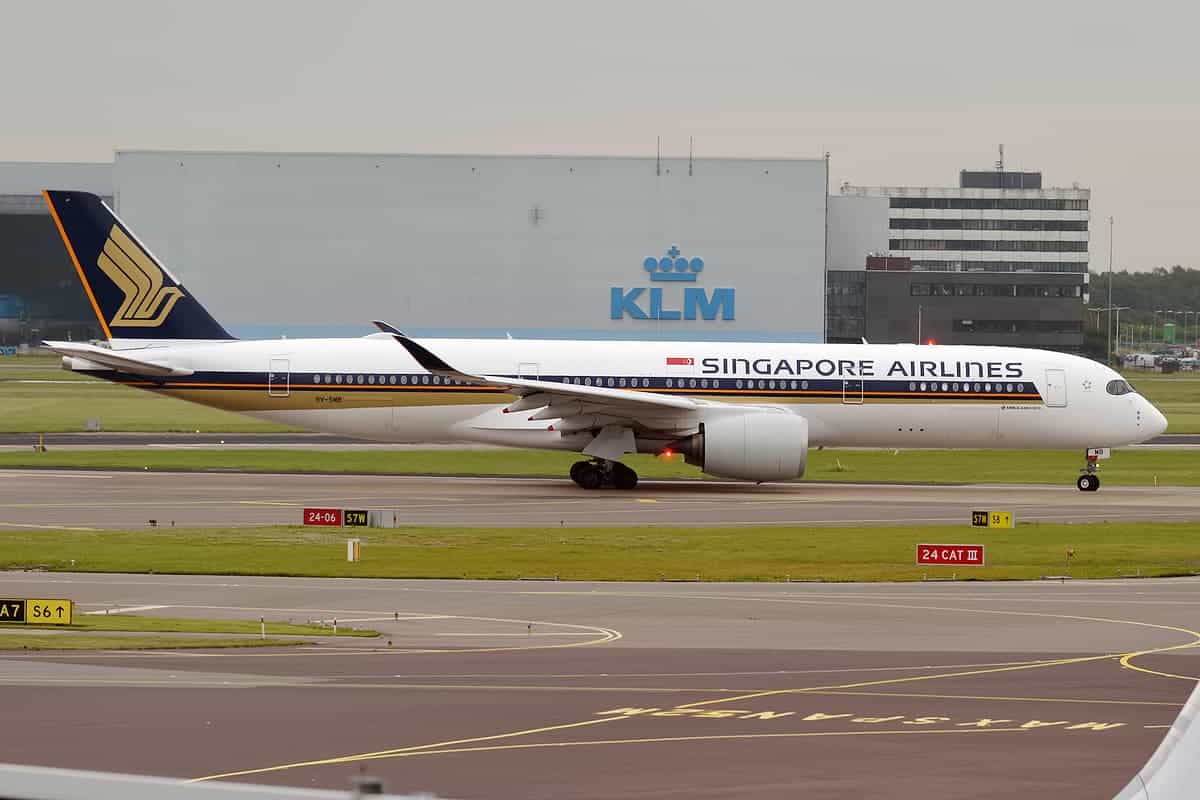
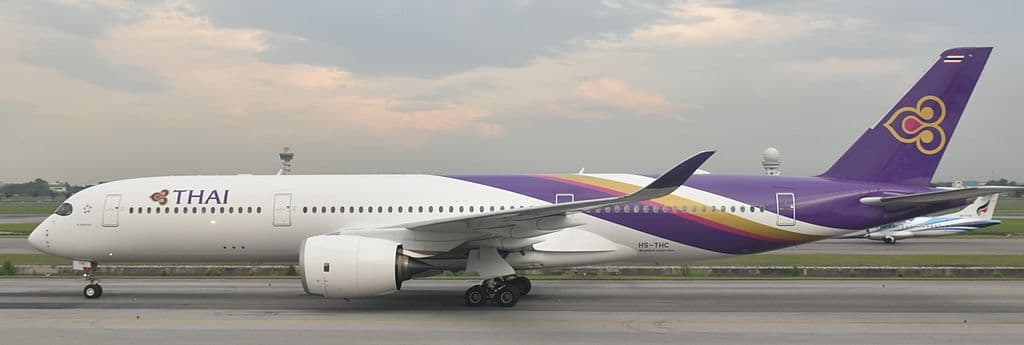
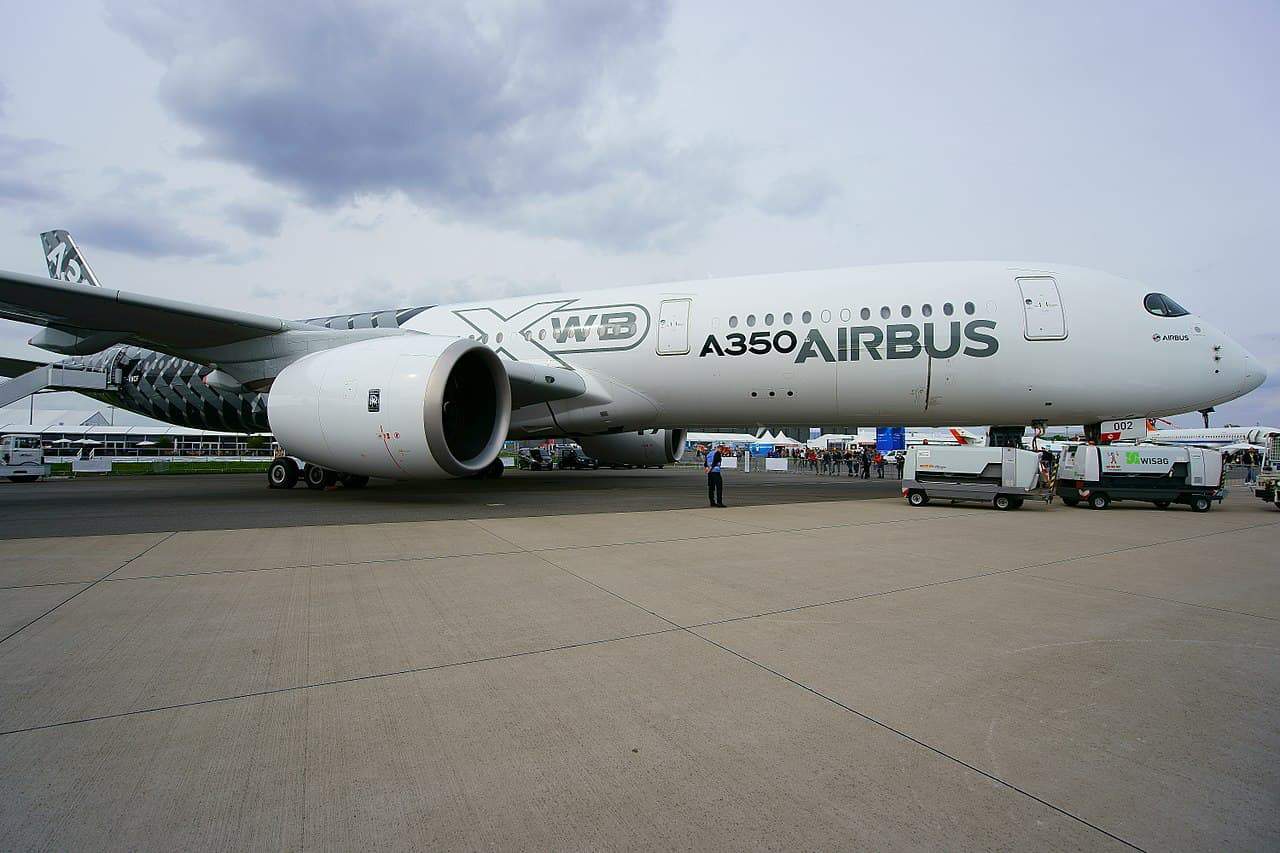

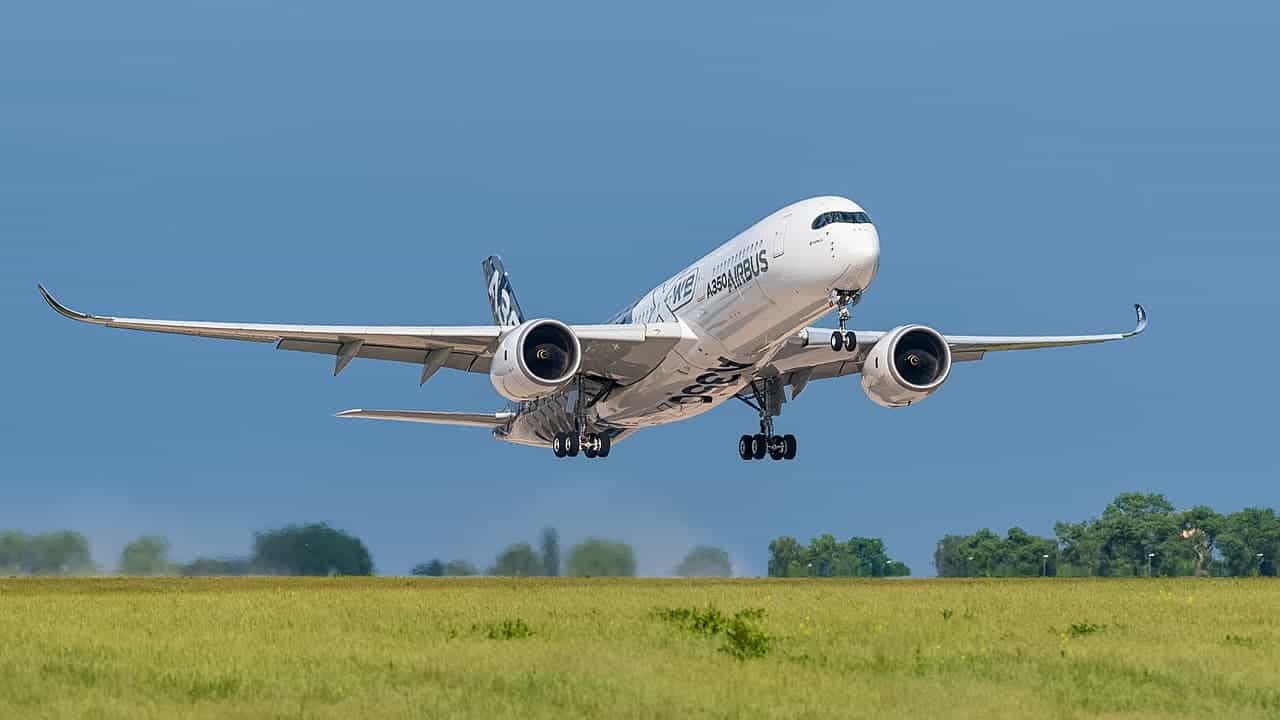
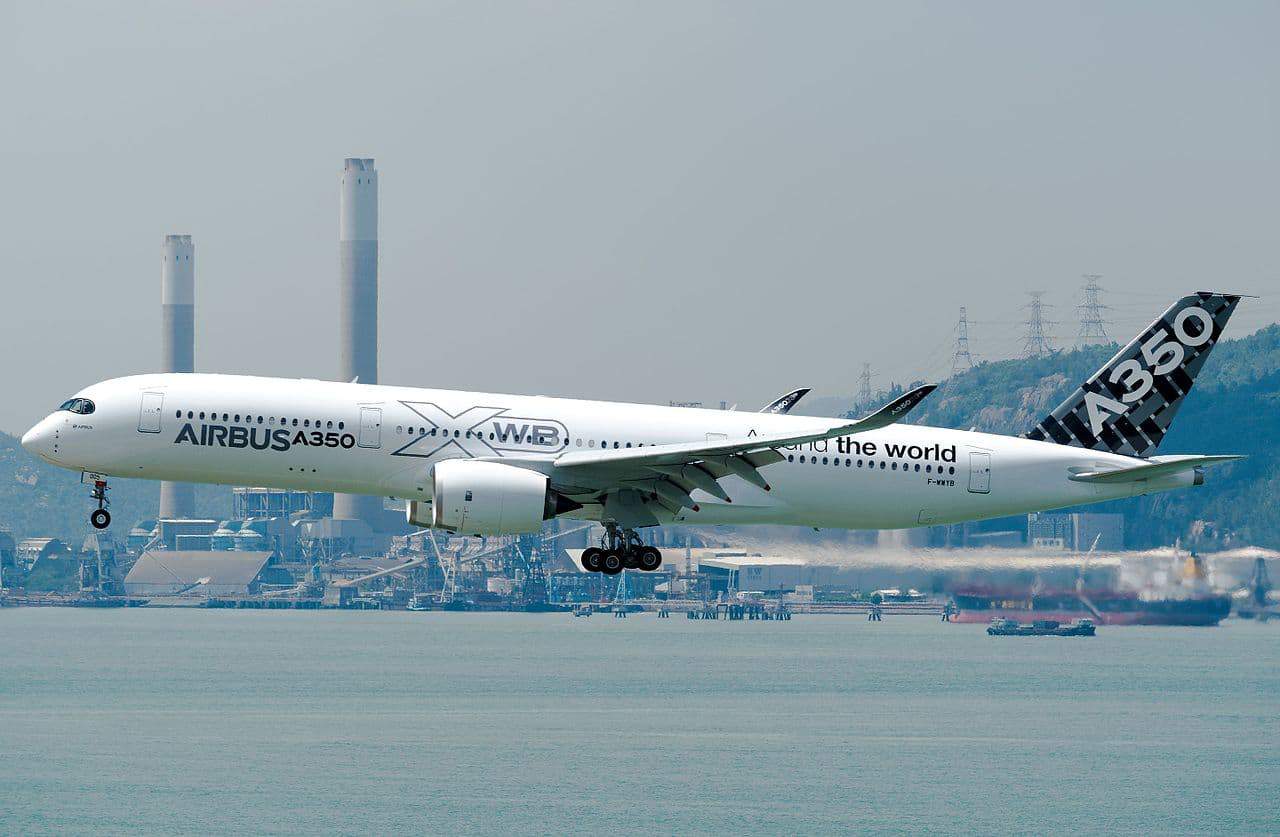
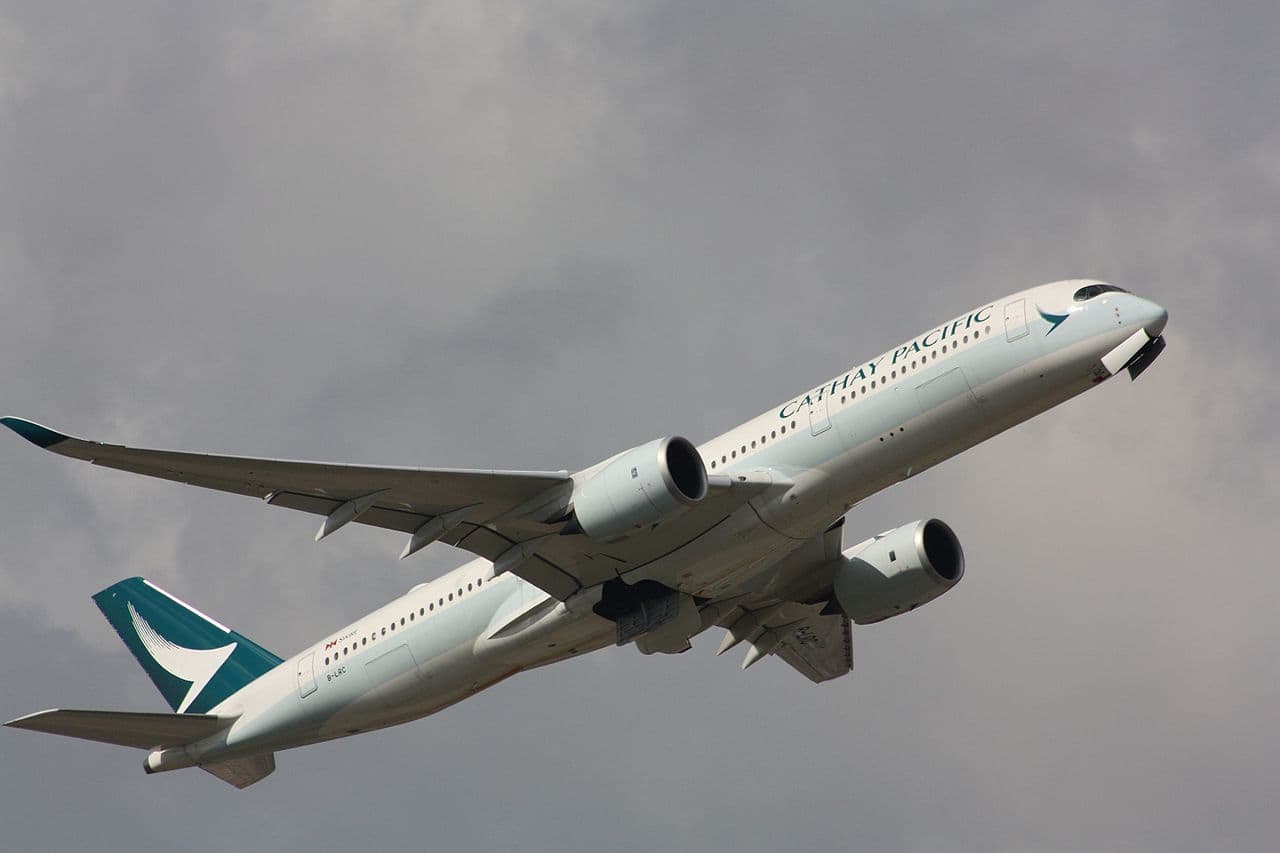

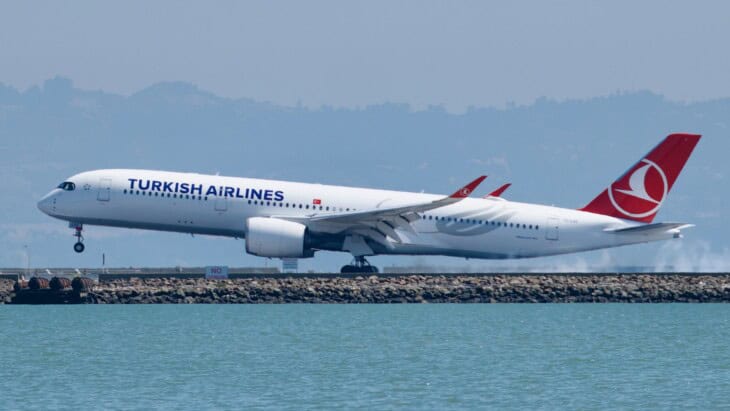
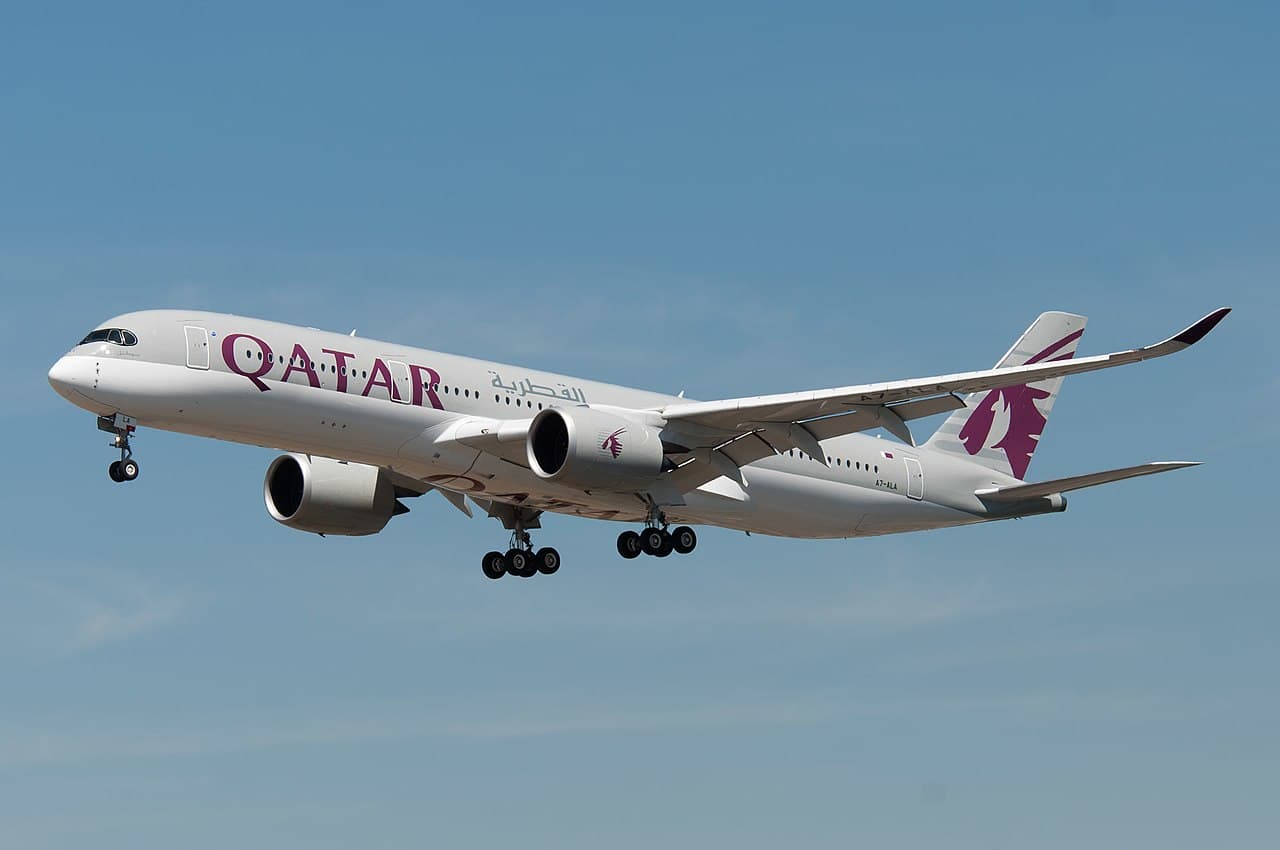
The Airbus A350-900 is the baseline and most widely produced member of the A350 XWB family. Launched in the mid-2000s and first flown in 2013, it entered commercial service in 2015 with Qatar Airways. The aircraft was developed to compete directly with Boeing’s 787 and 777 families by offering improved fuel efficiency, range, and passenger comfort.
One of the defining features of the A350-900 is its extensive use of composite materials, which make up a significant portion of the airframe. This reduces weight while improving structural strength and corrosion resistance. The aircraft is powered by two Rolls-Royce Trent XWB turbofan engines, optimized specifically for the A350 program and known for their efficiency and reliability.
The A350-900 typically seats around 300 to 350 passengers in a three-class configuration, though layouts vary by airline. It offers a range of approximately 8,100 nautical miles, enabling nonstop routes between major global hubs. Its advanced aerodynamics, including a high-aspect-ratio wing with curved wingtips, contribute to improved fuel burn and lower emissions compared to earlier-generation widebodies.
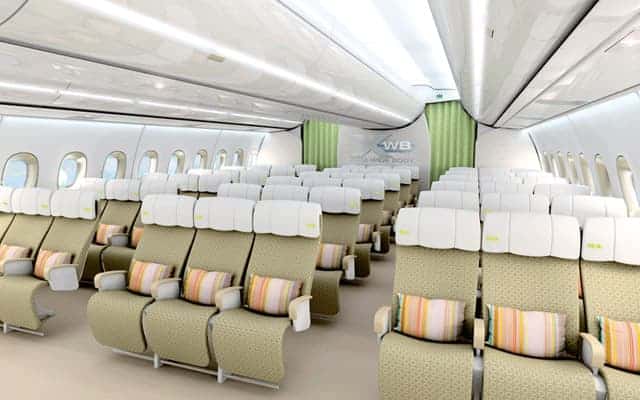
Inside, the A350 introduced Airbus’s Airspace cabin concept, featuring higher ceilings, improved humidity levels, larger windows, and advanced lighting systems designed to enhance passenger comfort on long flights.
With widespread global adoption, the A350-900 has become a key aircraft in long-haul fleets, balancing capacity, efficiency, and modern technology for today’s international air travel demands.
The A350-900 emerged from a program intent to offer a modern, flexible long-haul twin that addressed airline requirements for lower operating cost per seat and improved cabin flexibility. Airbus assembled a broad industrial network to support a high-rate widebody production effort and to secure supplier commitments for new structures and systems.
Early aircraft and test articles supported a comprehensive flight-test campaign focused on systems integration, handling qualities, and performance verification across load and environmental envelopes. Ground test work emphasized structural fatigue, pressurization cycles, and systems endurance under commercial fleet usage scenarios.
Final assembly and supply chain arrangements concentrated production modules at specialist locations while concentrating final integration in Toulouse. Type validation encompassed noise and emissions compliance alongside route-proving for long overwater operations and airline in-service evaluations.
The A350-900 is a twin-engine, low-wing, twin-aisle design configured to permit a wide range of airline seating and galley arrangements. The fuselage cross section prioritizes cabin width and ergonomics while enabling multiple economy layouts and modular premium zones adaptable to differing airline market strategies.
Structurally, the airframe uses a multi-material approach with attention to load-path efficiency and maintainability. Joints and access panels are arranged to facilitate shop-line maintenance and component replacement, and center wingbox integration reduces assembly complexity at final assembly.
Avionics adopt an integrated modular philosophy with large-format flight displays and a central operations philosophy that emphasizes pilot situational awareness and flight management automation. Systems architecture supports health monitoring and data-link capabilities for operational control and maintenance planning.
Distinguishing features include a focus on acoustic treatment and systems packaging to reduce in-cabin noise footprint and to simplify routine servicing. Cargo handling arrangements provide generous lower-deck volume with cargo systems designed for quick reconfiguration between container and bulk loads.
The aircraft cruises at typical long-range Mach numbers suitable for high-efficiency transcontinental and intercontinental sectors while maintaining economy cruise profiles for stage lengths from medium-long to ultra-long missions. Cruise optimization supports step-climb profiles managed by flight-management systems.
Payload flexibility allows operators to configure cabin density to match route demand, trading passenger capacity against cargo volume within maximum weight limits. Fuel-burn efficiency at long-range cruise yields operational economics favorable to a variety of network roles.
Climb capability and maximum operating ceiling enable efficient climb gradients and traffic-flow compatibility at major international airports. The aircraft is approved for extended overwater operation profiles, matching airline needs for transoceanic routing.
Operational limitations include runway performance considerations at maximum takeoff weight and attention to hot-and-high airports where field length and engine thrust margins become significant planning factors. Maintenance access and component replacement procedures influence turnaround planning for high-utilization operators.
The -900 ultra-long-range variant modifies fuel system capacity and takes-off weights to extend sector capability beyond the standard model’s long-range envelope. Interior arrangements and galley planning are adjusted to support the longer block times typical of ultra-long sectors.
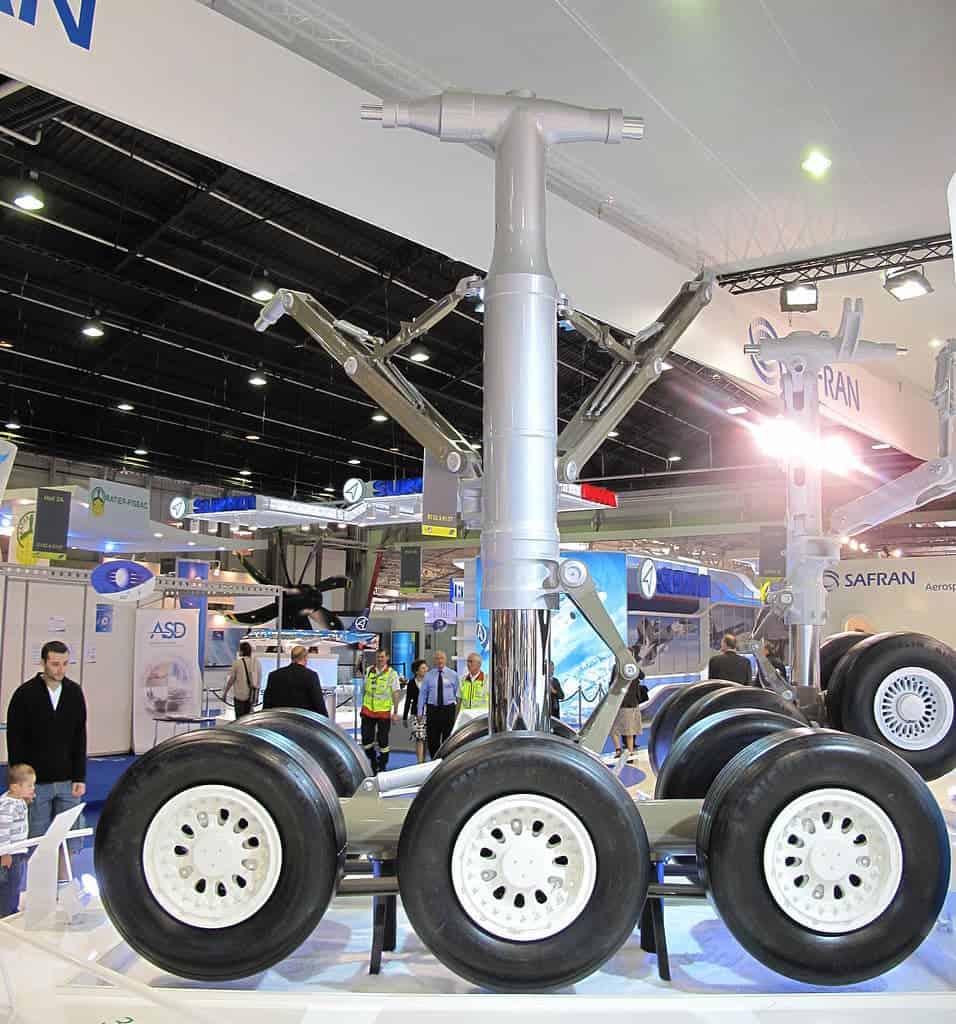
The family includes a larger sibling that shares common systems and cockpit philosophy while adding fuselage length, landing gear reinforcement, and higher thrust options to meet higher capacity and payload requirements. Structural and systems commonality reduces pilot training and maintenance cross-qualification burdens for mixed fleets.
A freighter derivative has been developed within the broader program context to address large-payload markets, incorporating reinforced floor structures and dedicated cargo handling systems. This freighter adapts the baseline architecture to a different mission profile while maintaining core systems commonality.
Airlines across multiple continents have deployed the A350-900 on long-haul international networks and on dense medium-long trunk routes. Operators use the type for nonstop services linking major hubs and for flexible capacity deployment on thin long-range markets that favor twin-engine economics.
The aircraft is integrated into mixed widebody fleets where common cockpit philosophies and maintenance practices reduce life-cycle costs. Airlines have scheduled the type for both high-frequency trunk rotations and extended single-cabin sectors, adjusting cabin fits to market needs.
Fleet reports emphasize predictable long-sector performance and in-service troubleshooting support from manufacturer and supplier networks. Health-monitoring programs and spares logistics have been key to sustaining high utilization and minimizing AOG (aircraft on ground) time.
The program established a baseline for future Airbus widebodies by demonstrating a systems-integrated approach to avionics, maintenance data, and operations support. Manufacturing processes and supplier integration practices refined during the program informed later widebody and derivative projects.
Market placement validated demand for efficient, long-range twins with flexible cabin capabilities and encouraged airframe and engine suppliers to align development cycles with airline fleet-planning horizons. The A350-900’s in-service record contributed to airline decisions on fleet renewal and long-haul strategy.
Continuing service of the type supports ongoing updates to avionics, cabin systems, and maintenance techniques, ensuring the platform remains adaptable to emerging airline operational concepts and regulatory environments.