
Jumbo Passenger Jets
Boeing 777-9
ICAO: B779
The long-range twin that redefined high-capacity international travel
The latest aviation news and stories sent to your inbox.
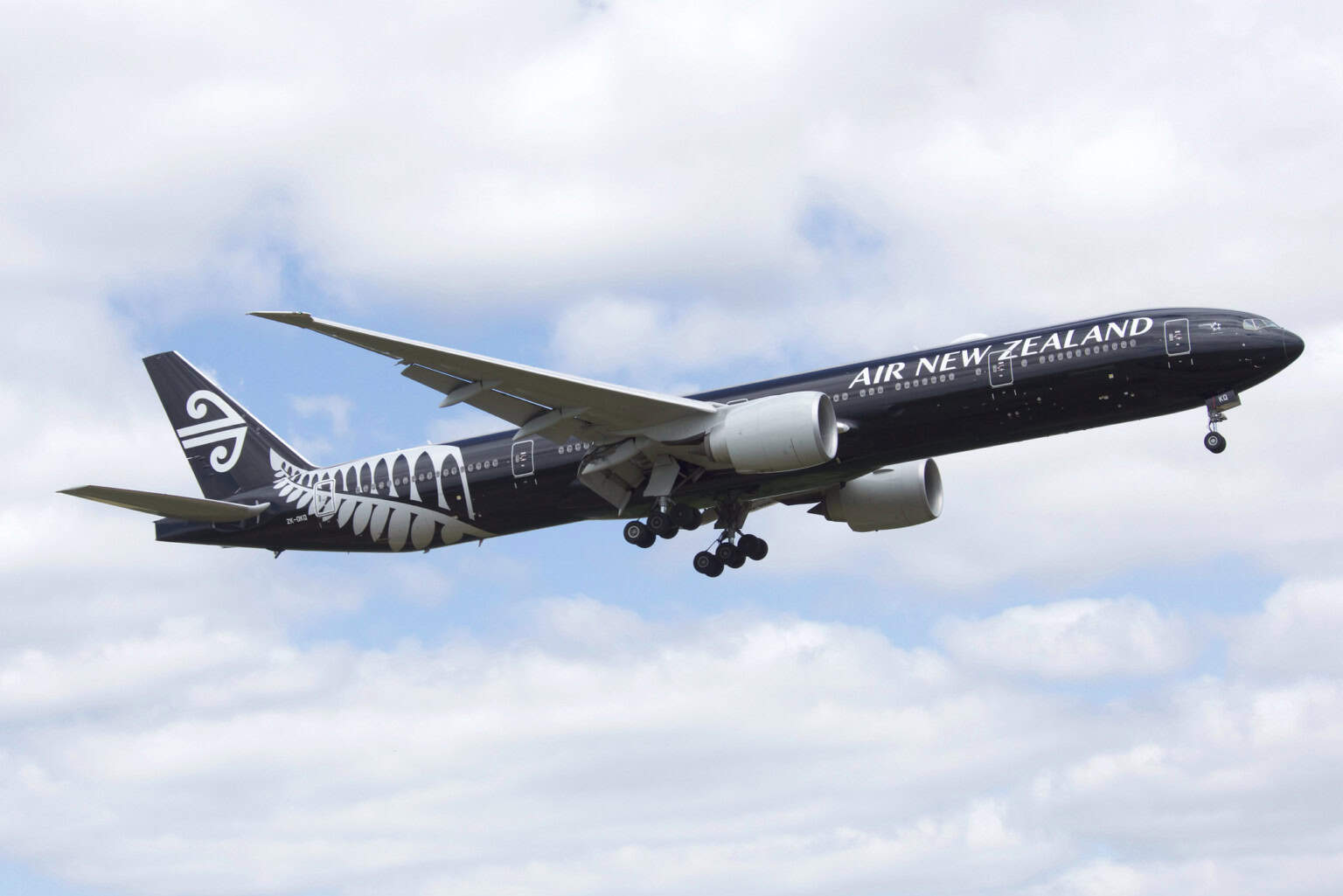
The Boeing 777-300ER is an extended-range widebody developed to serve high-demand long-haul routes. It became one of the most commercially successful large twin-engine airliners ever built. The aircraft combined capacity, efficiency, and range in a single platform.
Live Fleet Activity (B77W)
Fetching live data…


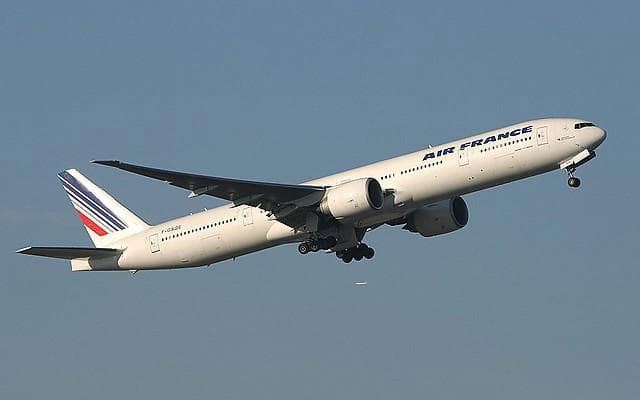


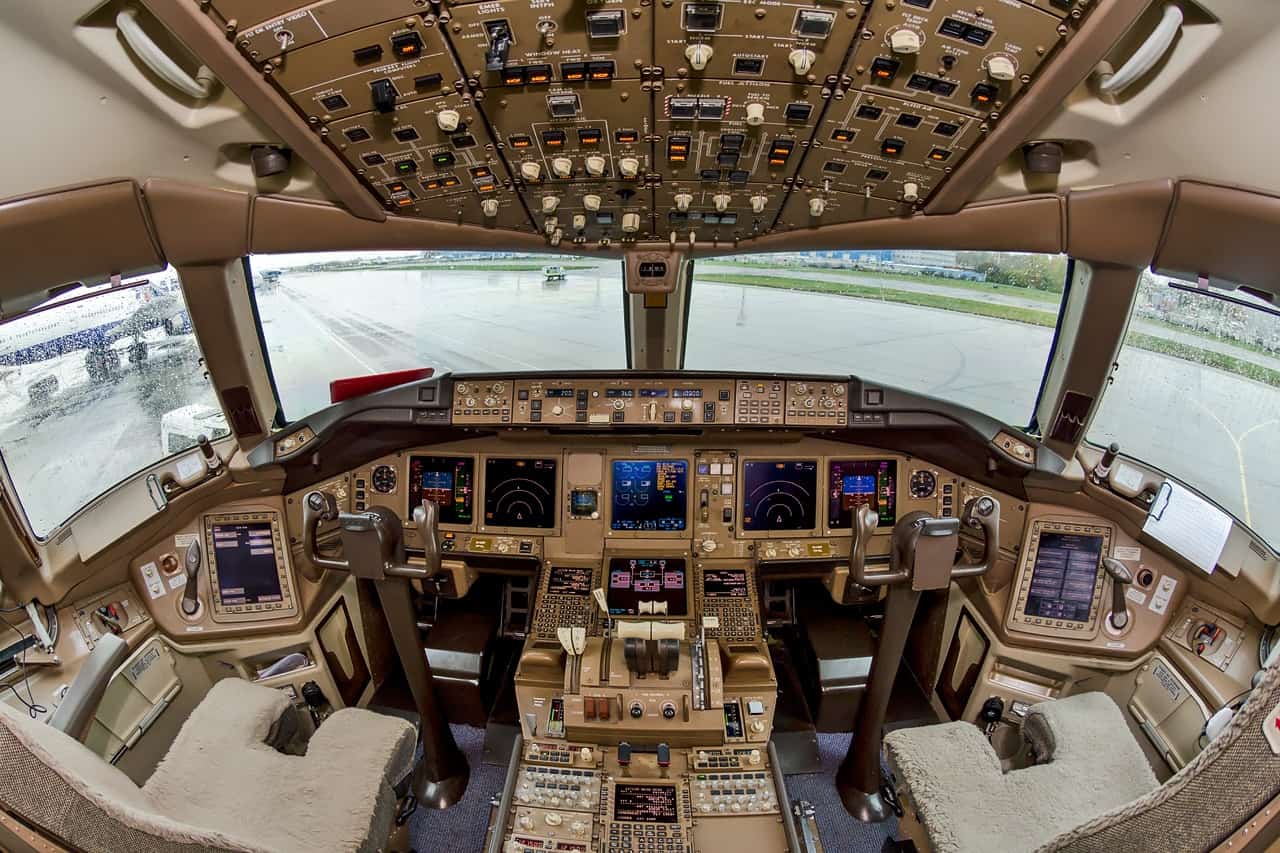
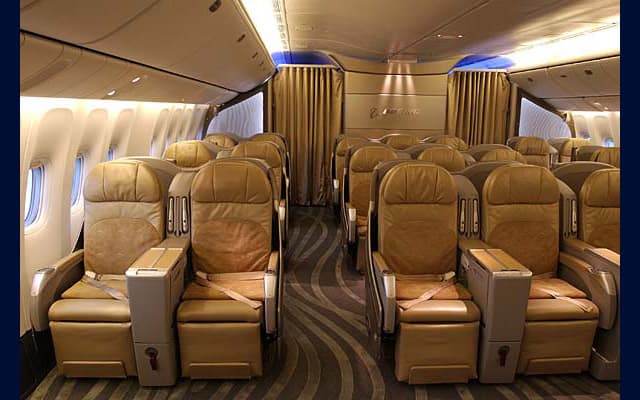
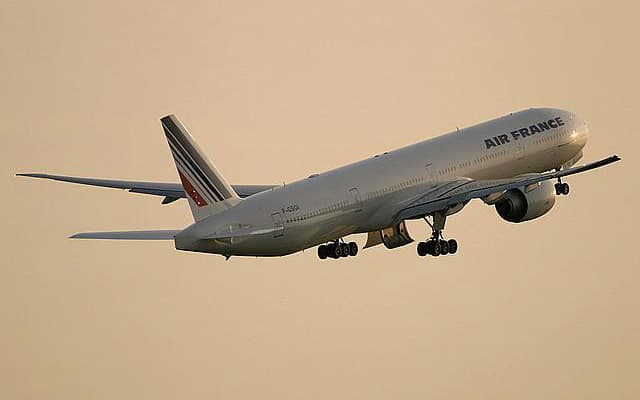
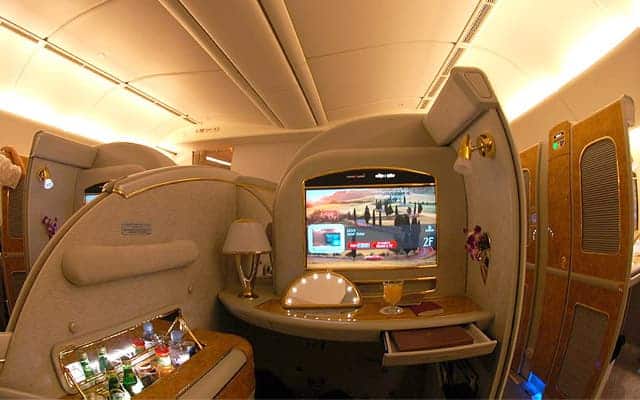

The Boeing 777 program began in the early 1990s to bridge the gap between the 767 and 747 families. The -300ER variant first flew in 2003 and entered service in 2004 as a higher gross weight development of the 777-300. Designed for extended-range operations, it allowed airlines to replace older four-engine aircraft on intercontinental routes.
Powered by two General Electric GE90-115B engines producing up to 115,000 pounds of thrust (512 kN) each, the 777-300ER is among the most powerful twin-engine aircraft in service. It typically seats between 350 and 400 passengers depending on configuration. The aircraft has a range of approximately 7,300 nautical miles (13,650 km) and cruises at around Mach 0.84.
The 777-300ER became a flagship aircraft for many international carriers due to its reliability and operating economics. It played a major role in the shift toward long-haul twin-engine operations under extended-range twin-engine operational performance standards. Its success laid the groundwork for the later 777X program and reshaped the global widebody market.
Sources and references used for research and fact-checking.