Jumbo Passenger Jets
Boeing 777-9
ICAO: B779
The latest aviation news and stories sent to your inbox.
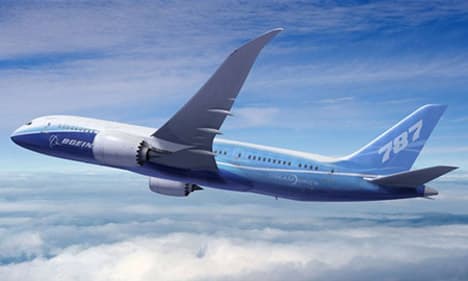
The Boeing 787-3 was a proposed variant of the Dreamliner family designed for high-density short and medium-haul routes. Intended primarily for Japanese domestic markets, it featured reduced range but increased seating. The program was later canceled.
Live Fleet Activity (B783)
Fetching live data…


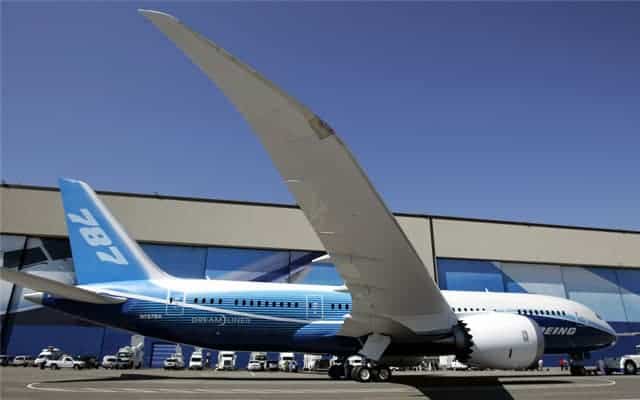

The 787-3 was announced in the mid-2000s as part of the broader Dreamliner program. It shared the composite fuselage and advanced systems of other 787 variants. The aircraft was optimized for routes with high passenger demand and shorter stage lengths.
Projected maximum takeoff weight was lower than the long-range 787 variants, with range estimated at approximately 3,000 nautical miles (5,560 km). Seating capacity was planned for around 290 to 330 passengers in typical layouts. Cruise speed was expected to match other 787 models at about 485 knots (900 km/h).
Due to shifting airline demand and production priorities, Boeing canceled the 787-3 before it entered service. Although it never flew, the concept reflected efforts to adapt composite widebody technology to dense regional markets.
Sources and references used for research and fact-checking.