Jumbo Passenger Jets
Airbus A340-300
ICAO: A343
The latest aviation news and stories sent to your inbox.
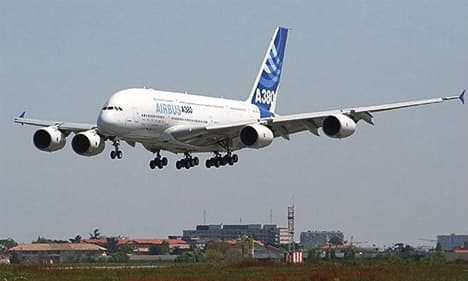
Imagine an Airbus A380 even larger than the one we know today — longer, heavier, carrying even more passengers across the globe in unmatched comfort. That vision was the Airbus A380-900, a proposed stretch of the world’s biggest airliner that promised extraordinary capacity but never made it off the drawing board.
Live Fleet Activity (A389)
Fetching live data…
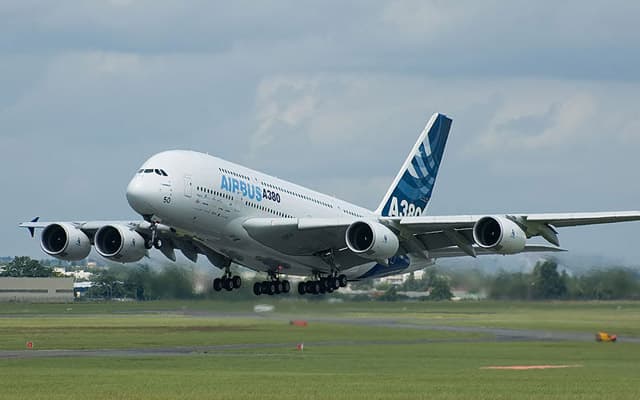
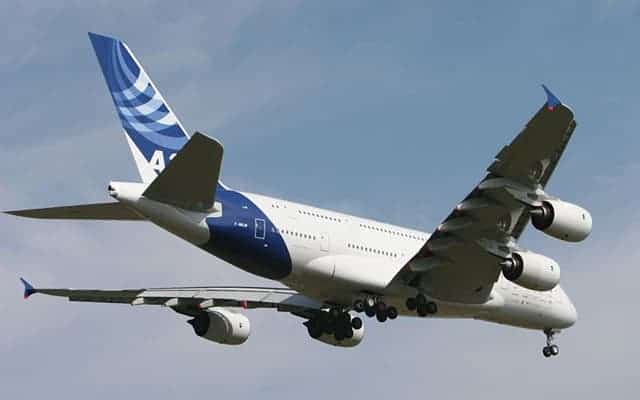
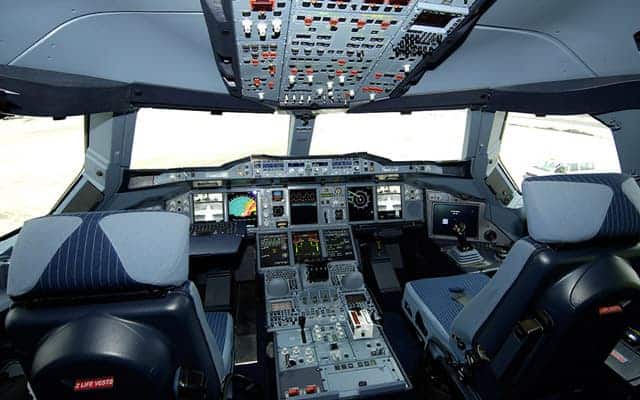

The Airbus A380-900 was a proposed enlarged variant of the A380 family, conceived during the program’s early development in the 2000s. Designed to increase capacity and improve per-seat efficiency, the A380-900 would have featured a lengthened fuselage, expanded cabin space, and potentially up to 650–900 passengers depending on configuration — making it the highest-capacity airliner ever planned.
Airbus envisioned the -900 as a natural progression of the A380 platform. Compared to the baseline A380-800, the -900 would have added roughly 7–10 meters of fuselage stretch, allowing more seating, larger lounges, or expanded premium cabins. The aircraft retained the same four-engine layout, advanced composite materials, and full-length twin decks that defined the A380 program.
Several major airlines — including Emirates, Singapore Airlines, and Virgin Atlantic — expressed interest in the stretched version, seeing it as a potential flagship for high-density long-haul routes. Airbus even studied performance improvements and structural modifications to support the increased maximum takeoff weight required for the larger airframe.
However, the project never proceeded to production. Shifts in airline strategy toward twin-engine efficiency, rising operating costs, and slower-than-expected A380 sales led Airbus to prioritize the A380-800 and eventually the improved A380plus concept instead. By the late 2010s, the A380 program was declining, and the -900 variant was formally shelved.
Though unbuilt, the A380-900 remains a fascinating “what-if” in modern aviation — a glimpse at what could have become the largest passenger aircraft in history, had market forces aligned with Airbus’s most ambitious vision.
Sources and references used for research and fact-checking.