Jumbo Passenger Jets
Airbus A380-900
ICAO: A389
The planned long-range widebody that never entered production.
The latest aviation news and stories sent to your inbox.
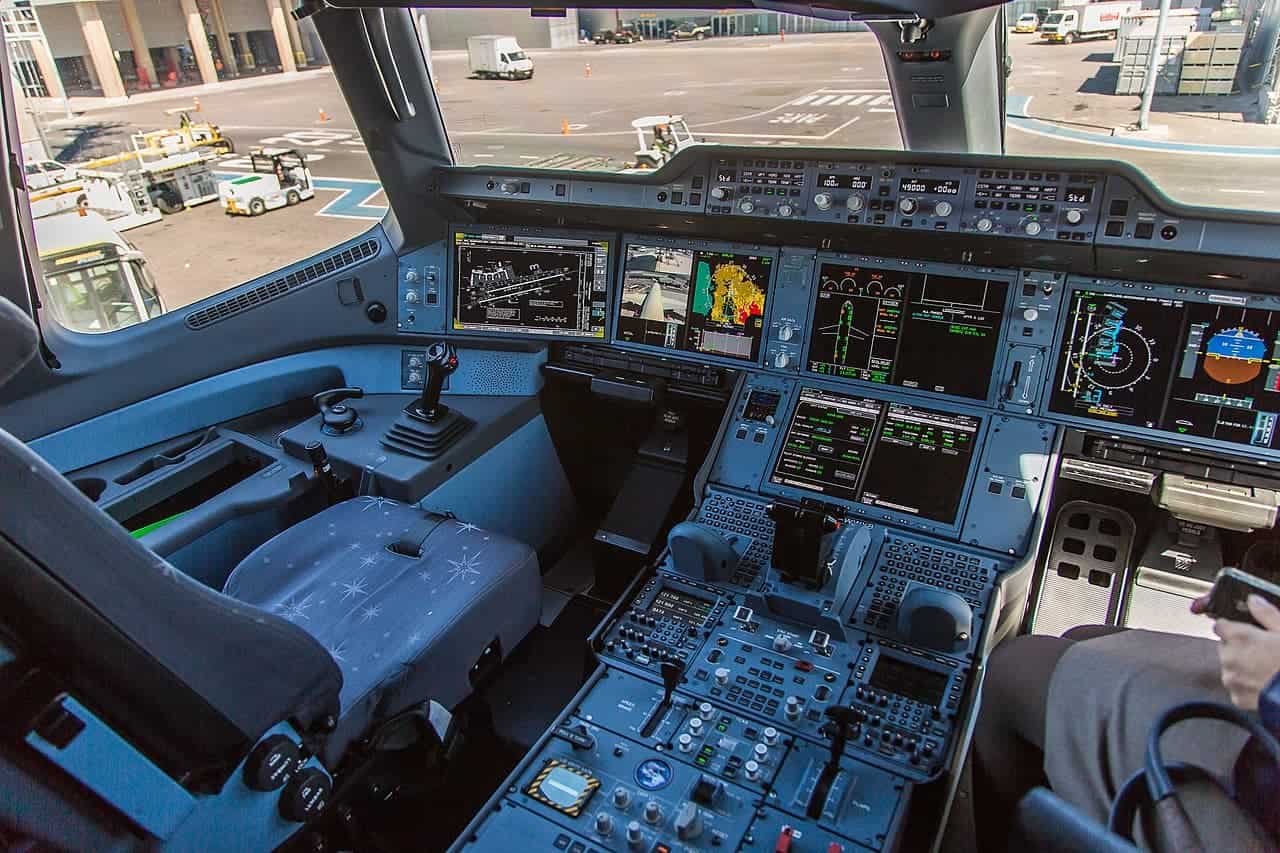
The Airbus A350-800 was conceived as the smallest member of the A350 family. Announced in the mid-2000s, it was intended to replace earlier-generation widebodies in the 250-seat class. The variant was ultimately canceled as airlines favored larger models.
Live Fleet Activity (A358)
Fetching live data…

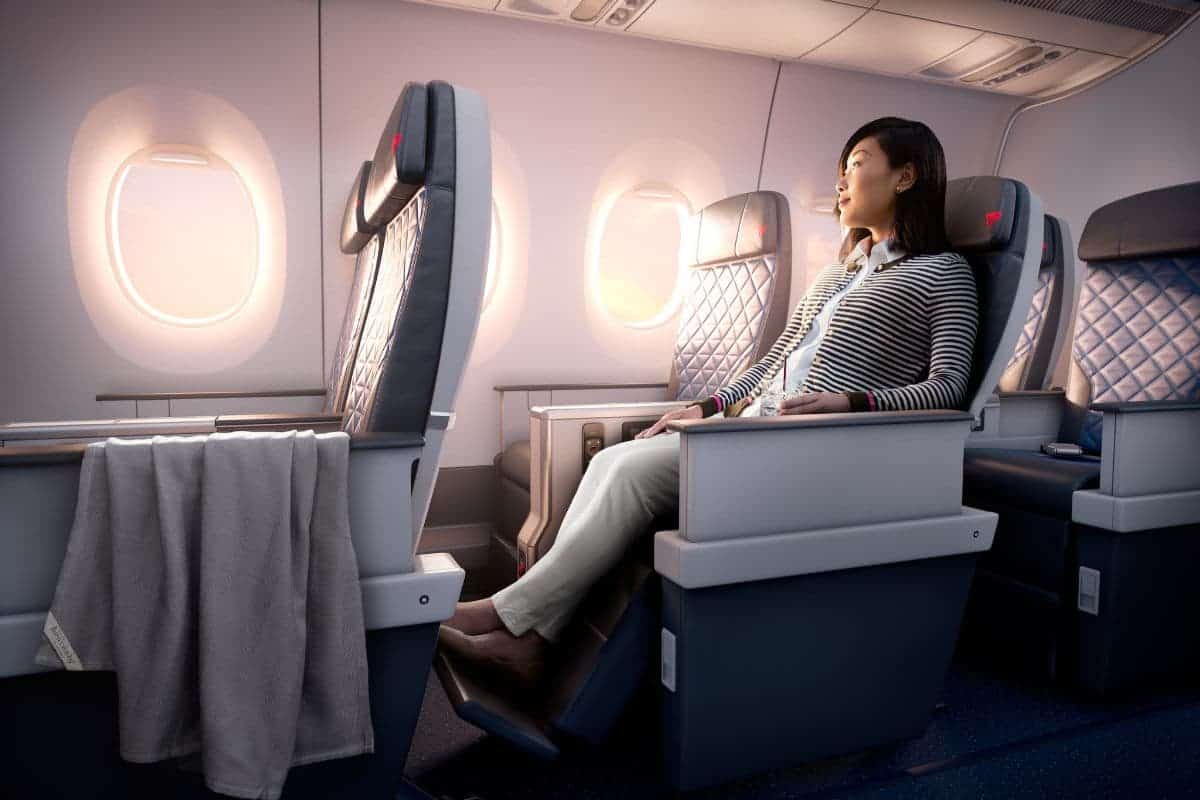
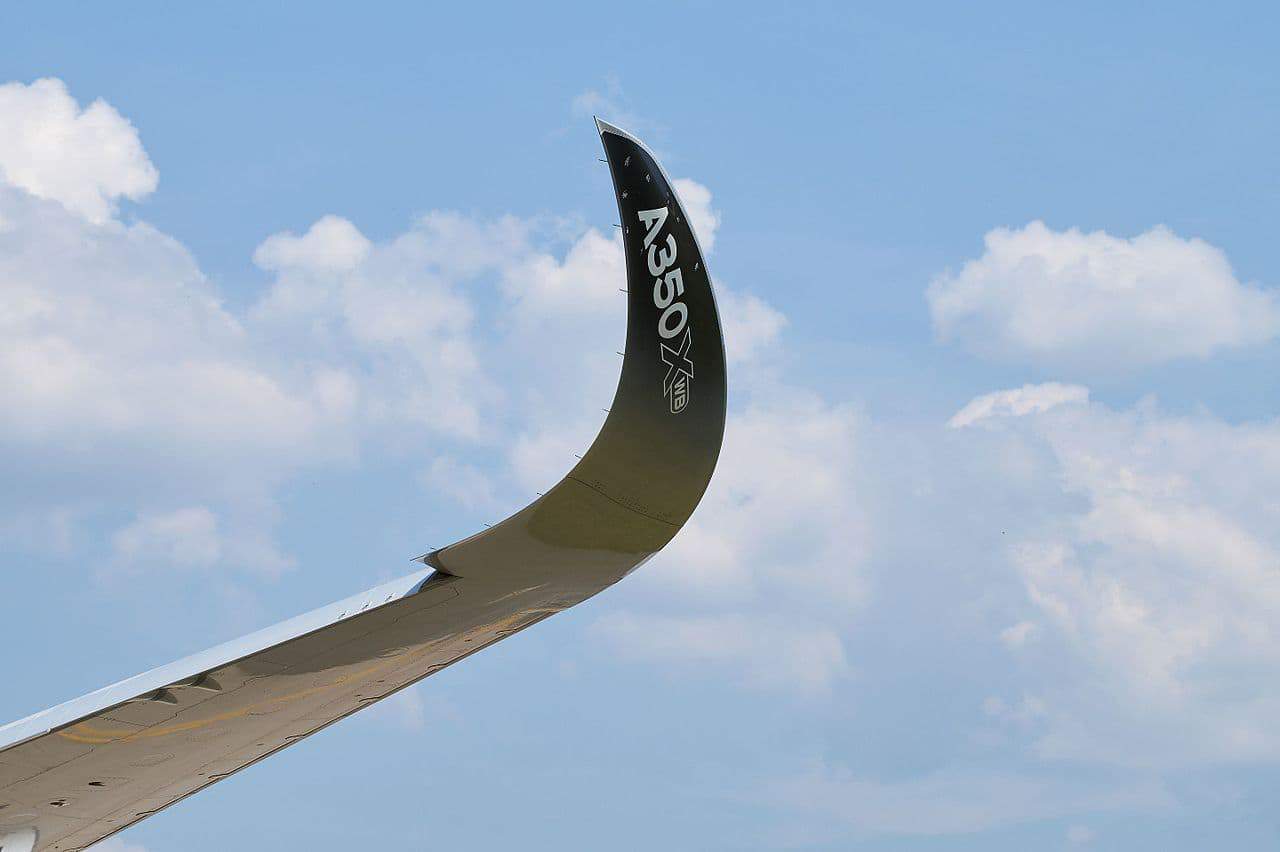
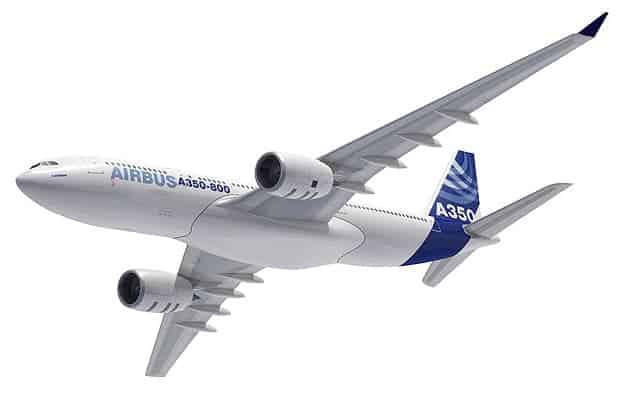
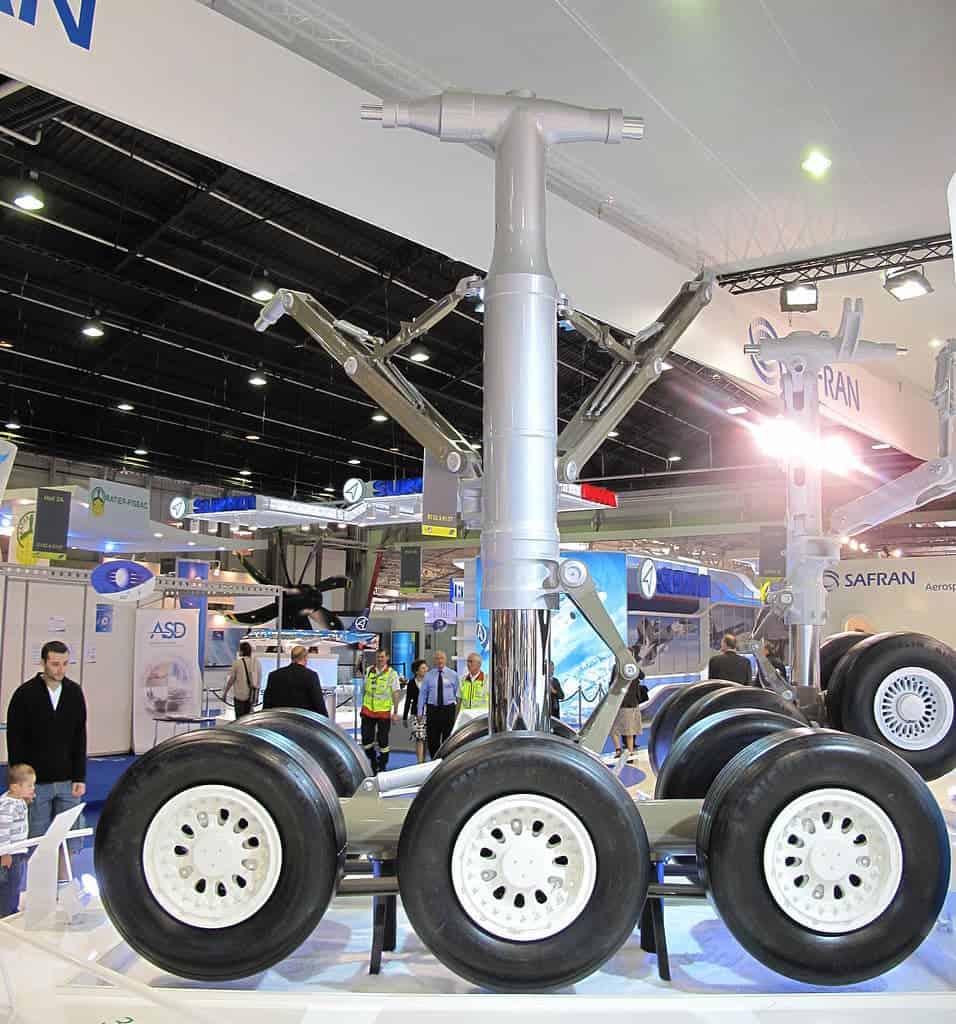
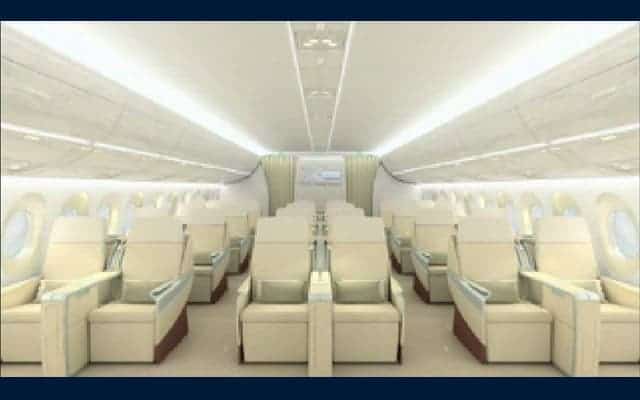
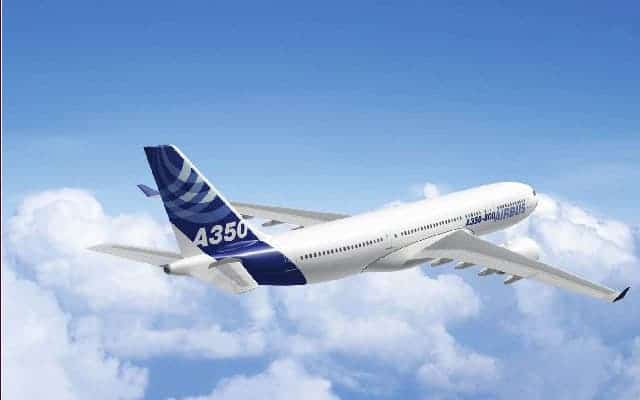
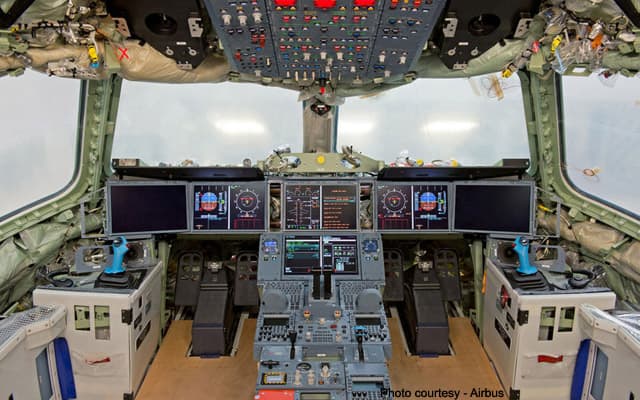
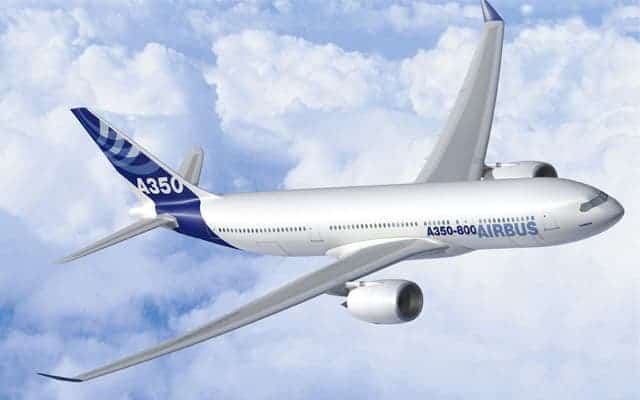

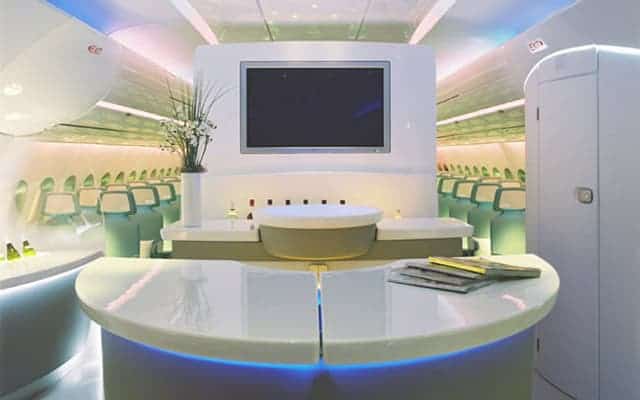
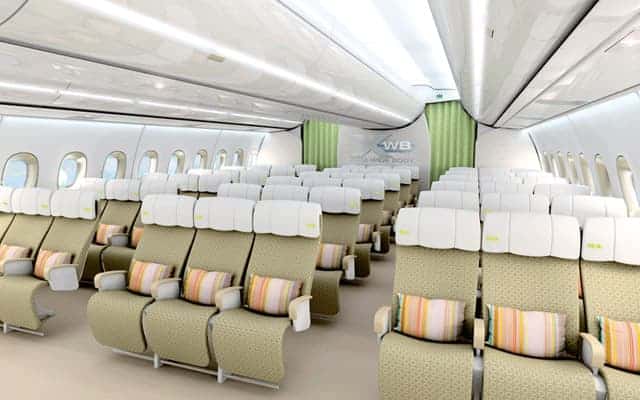

The A350-800 was originally launched as part of Airbus’s response to new composite widebody competitors. It was designed to carry roughly 250 passengers over intercontinental distances. As development progressed, airline demand shifted toward the larger A350-900 and -1000 variants.
The aircraft would have been powered by two Rolls-Royce Trent XWB turbofan engines producing approximately 84,000 pounds of thrust (374 kN) each. Cruise speed was projected near Mach 0.85. Maximum takeoff weight was expected to exceed 540,000 pounds (245,000 kg), with range approaching 8,000 nautical miles (14,816 km).
Despite initial orders, the -800 program was discontinued before production. Airbus redirected resources to the more commercially successful A350 variants. The A350-800 remains an example of market dynamics reshaping aircraft programs before entry into service.
Sources and references used for research and fact-checking.