Mid Size Passenger Jets
Airbus A318
ICAO: A318
The mid-size widebody built for long-haul flexibility.
The latest aviation news and stories sent to your inbox.
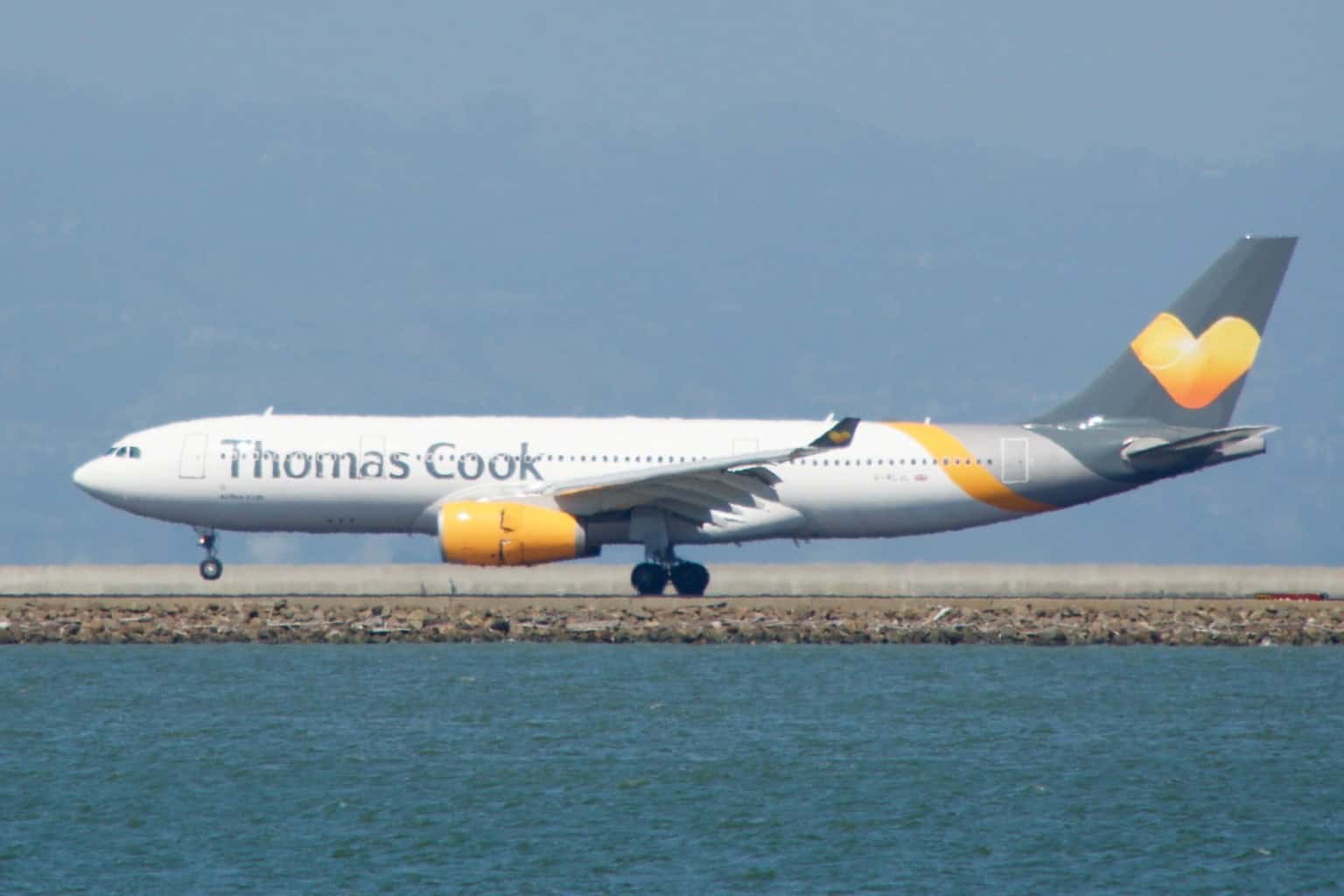
The Airbus A330-200 entered service in the late 1990s as a shorter-range counterpart to the A330-300. Designed for intercontinental operations, it balances passenger capacity with extended range. The aircraft has become a mainstay in global fleets.
Live Fleet Activity (A332)
Fetching live data…

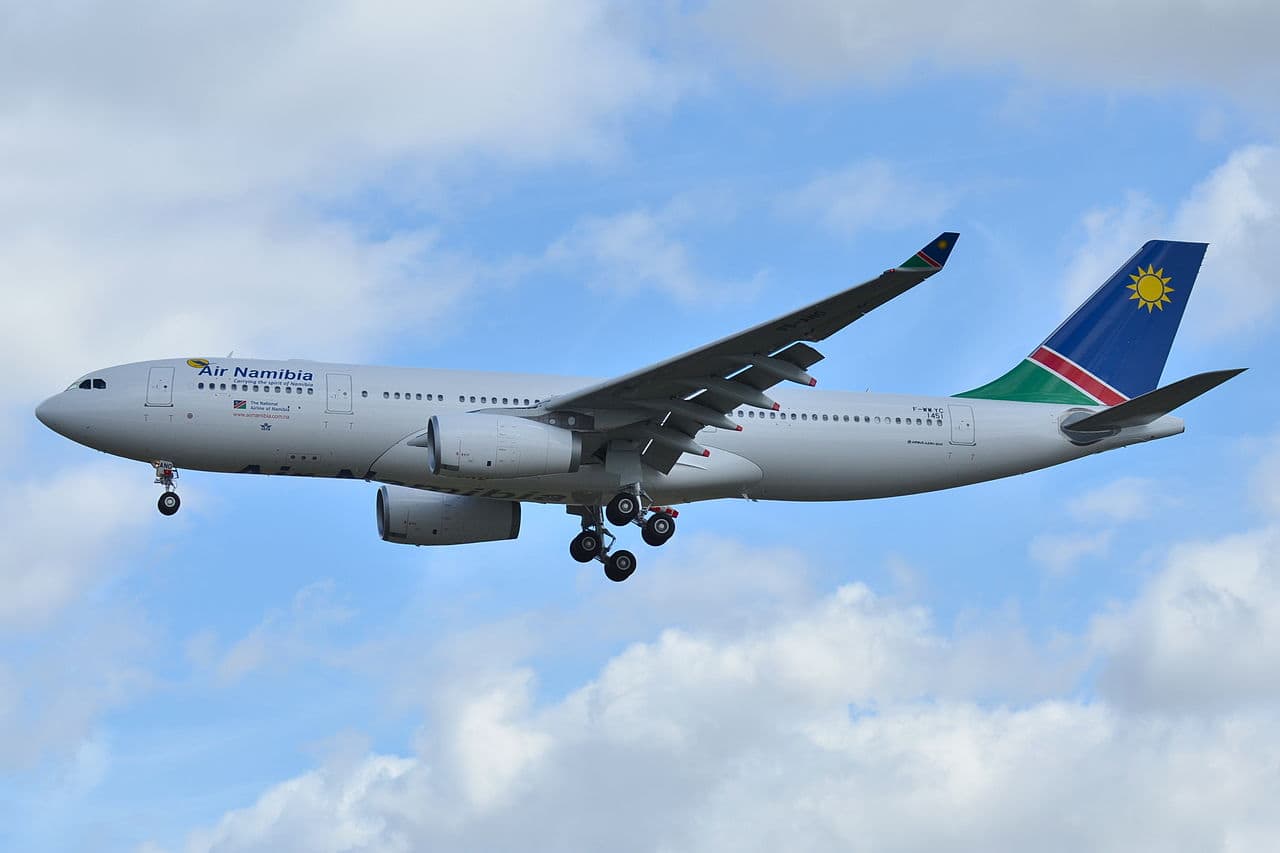

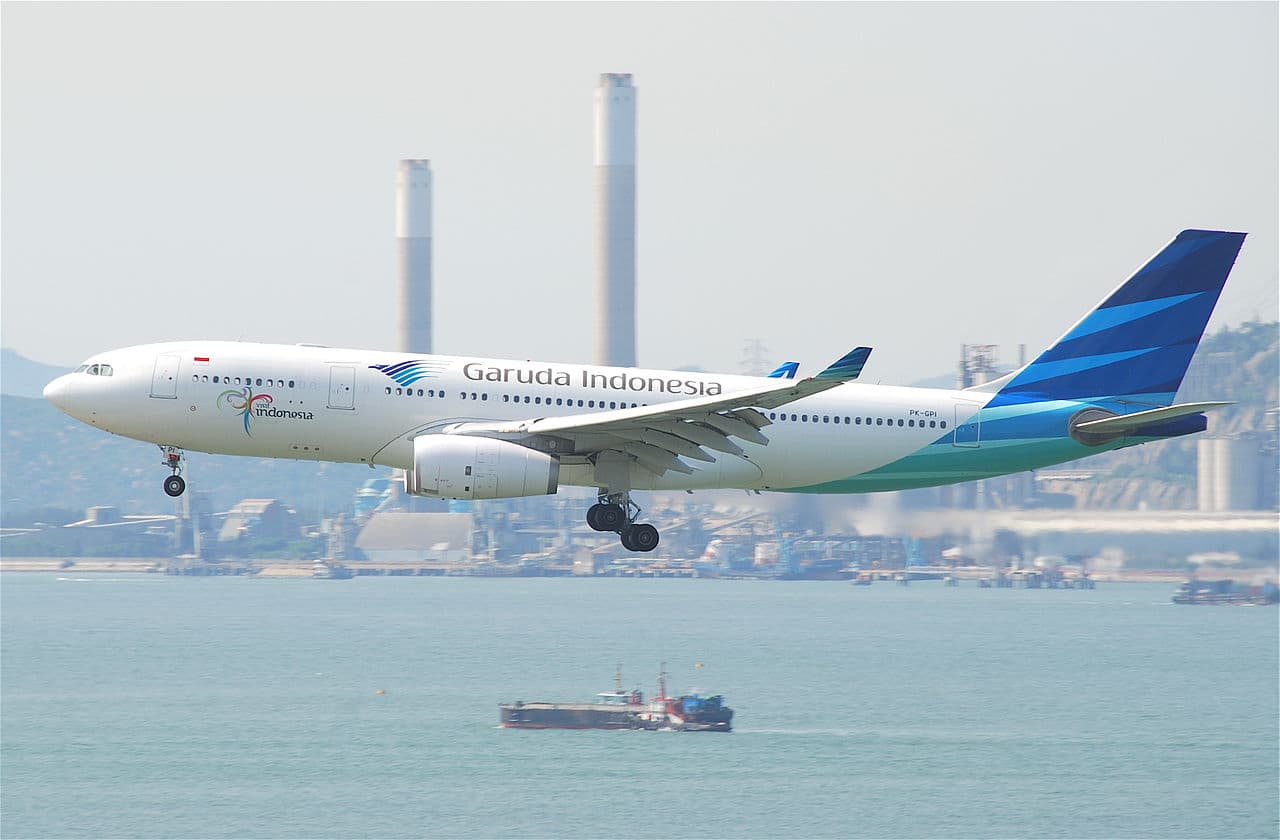


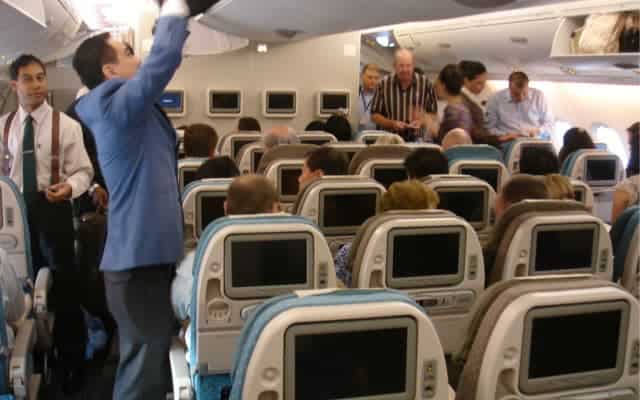
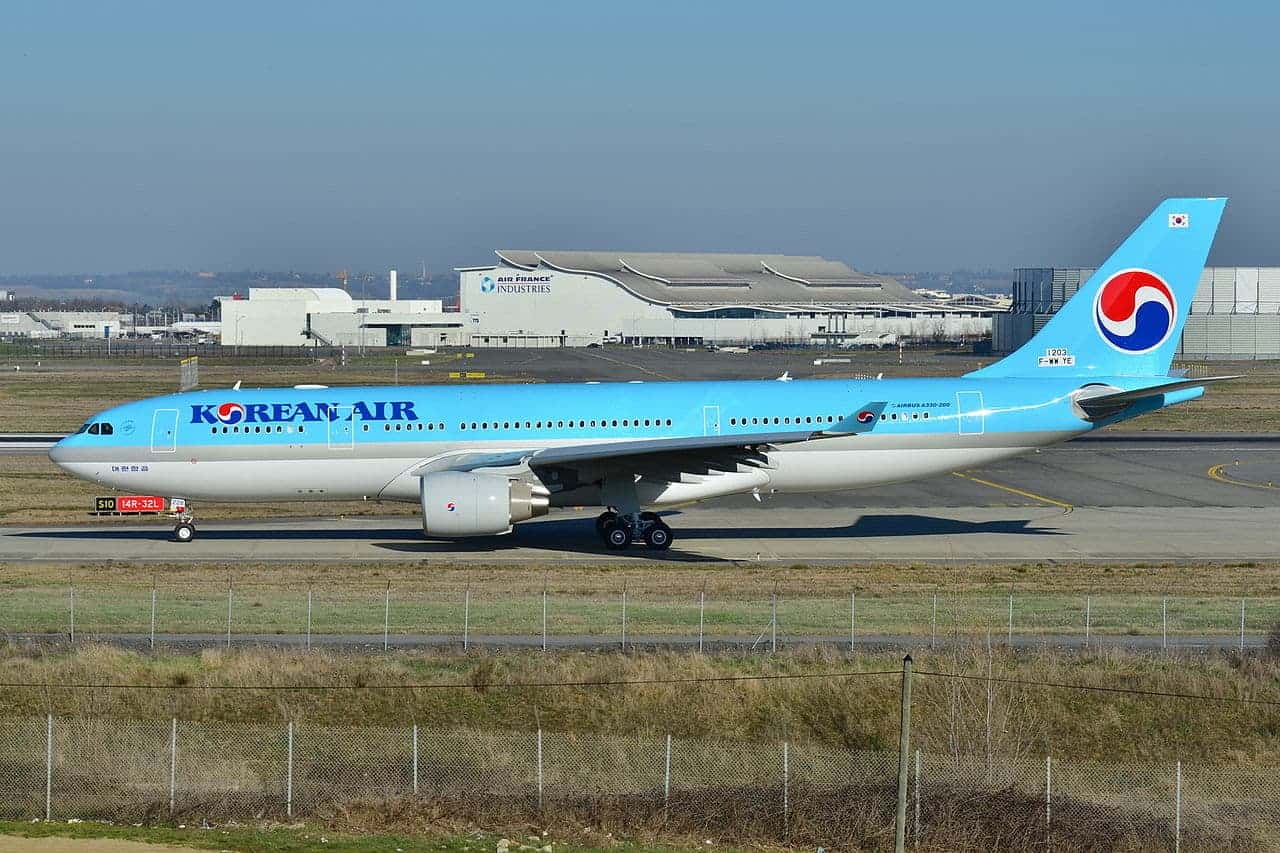
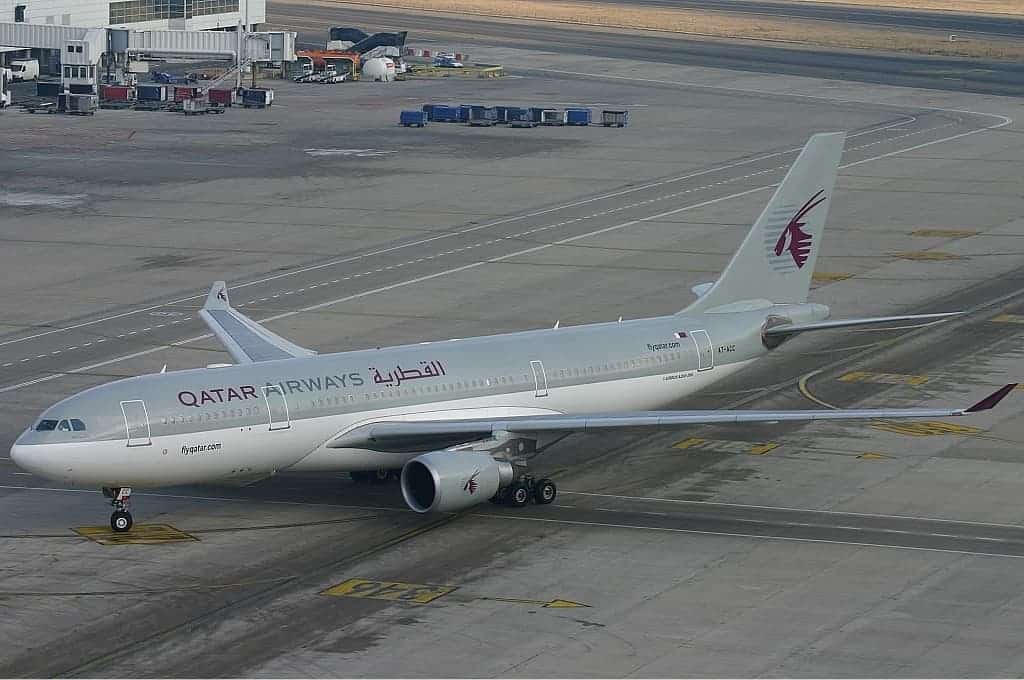
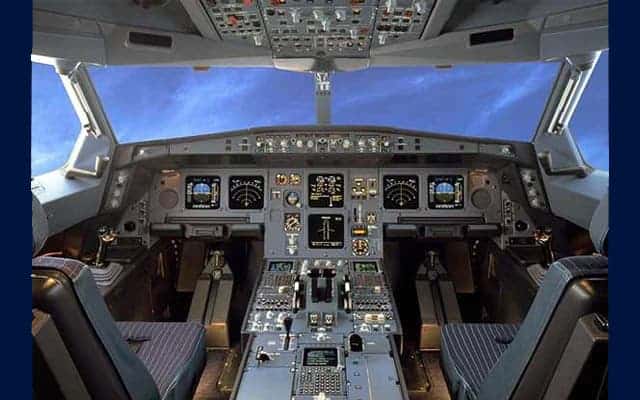
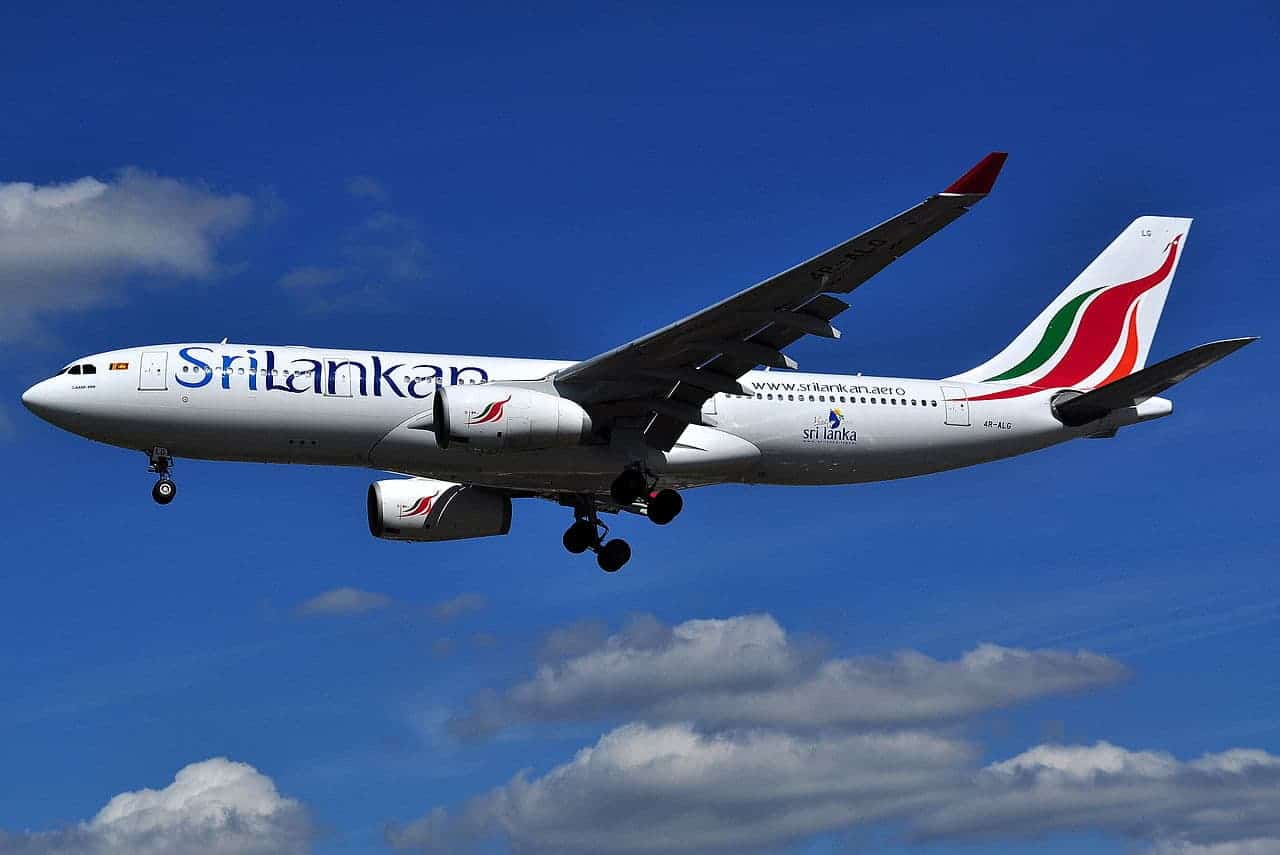
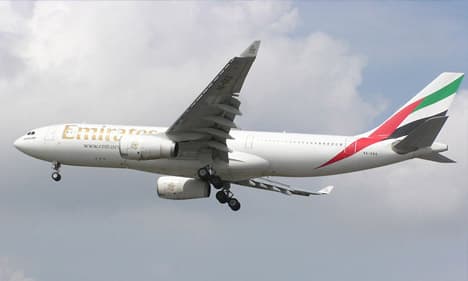
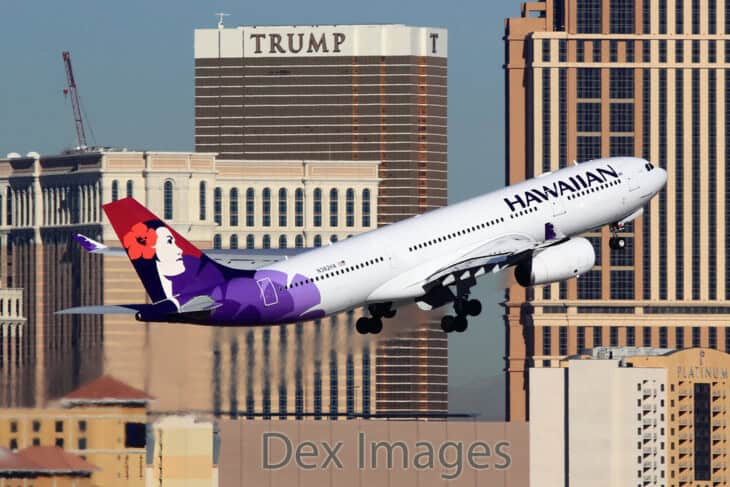
Development of the A330-200 began in the mid-1990s as a shorter, longer-range derivative of the A330-300, with the first flight occurring in 1997 and entry into airline service in 1998. Airbus marketed the type to carriers seeking intercontinental capability on thin routes and for replacement of older widebody types. The development emphasized range and operational commonality with the A330 family.
The A330-200 is a twinjet using one of three engine families offered by manufacturers: Rolls-Royce Trent 700, General Electric CF6-80E1, or Pratt & Whitney PW4000. It typically cruises at about Mach 0.82 and was configured by operators to balance payload and range. Cabin layouts vary, with many airlines seating a few hundred passengers in mixed classes depending on mission requirements.
In service the A330-200 provided airlines with flexible long-haul capability and contributed to fleet commonality across the A330 line. Its extended range version allowed new point-to-point routes and replacement of older designs. The type has influenced later Airbus widebody developments and remains a recognizable element of global airline fleets.
Airbus began modifying the A330-300 architecture to create a shorter-fuselage model with altered fuel and structural arrangements to increase range while retaining cockpit and systems commonality. The program intent emphasized a variant that could serve thin intercontinental markets and provide a replacement for older medium-capacity widebodies without a full redesign of avionics or flightdeck ergonomics.
Early prototype work concentrated on fuselage shortening, center wing box modifications, and optional higher maximum takeoff weights to permit long-range missions. Structural reinforcements and additional fuel capacity were introduced within existing wing and center tank arrangements to achieve the intended mission profiles. Suppliers coordinated adjustments to engine pylons and systems runs to suit the new loading cases.
Production context involved integrating the new variant into existing A330 assembly lines while maintaining the common airframe families strategy. Logistical changes included jigs and tooling for the shorter forward and rear fuselage sections, and updated assembly sequencing to handle different center-section components. Certification testing addressed the altered weight and balance envelope and systems performance unique to the shorter variant.
Program management sought to preserve operational commonality so airlines could add the type with minimal pilot and maintenance retraining. That objective shaped choices in cockpit layout, flight control laws, and support documentation, enabling fleet flexibility across differing A330 lengths and maximizing residual value for operators transitioning between types.
The aircraft maintains a conventional widebody twin-engine layout with a low wing and two underwing turbofan installations. Structural design centers on a common wing derived from the larger family member while incorporating additional internal fuel capacity and a modified center wing box to support extended-range missions and higher maximum takeoff weights where specified.
Fuselage cross section preserves the two-aisle widebody cabin, permitting multiple seating arrangements and a full-length cargo deck. Structural simplification relative to larger variants reduces empty weight through shortened fuselage panels and optimized interior floor beams. Landing gear geometry and attachment points are retained with calibrations for the altered mass distribution and ground handling characteristics.
Avionics follow a common philosophy across the family, featuring integrated flight management systems, digital fly-by-wire controls, and shared cockpit instrumentation to minimize differences training. Systems architecture allows for incremental upgrades and airline options such as enhanced cabin systems and in-flight entertainment. Distinguishing features include the tailored fuel system plumbing to enable optional long-range fuel tanks without changing wing geometry.
Aerodynamic refinements emphasize cruise efficiency at typical long-haul flight levels, including high aspect ratio wings with wingtip devices and optimized flap tracks for improved low-speed handling. Attention to structural fatigue life and corrosion protection reflects design priorities for aircraft expected to accumulate significant cycle and hour mixes on international schedules.
Payload and range tradeoffs are central to the aircraft’s mission flexibility, permitting operations from mid-capacity sectors with payloads comparable to larger narrowbodies while offering transcontinental and some intercontinental capability. Operators select outfitting and optional higher gross weight configurations to tailor the balance between revenue load and stage length according to route economics.
Cruise performance targets long-range cruise altitudes and fuel efficiency on multi-hour sectors. The airframe supports extended twin-engine operations under ETOPS authority, enabling routing over oceanic and remote areas when approved. Climb performance and typical cruise speeds are aligned with long-haul operational profiles, with operational considerations for hot and high airports requiring dispatch weight limitations.
Cabin and cargo capacity support mixed passenger and freight missions, and the lower fuselage volume allows efficient containerized freight stowage on many routes. Operational limitations include runway length requirements at higher takeoff weights and reduced payload capability on very long sectors; airlines commonly plan stage lengths and payloads to avoid constrained payload-range corners.
Operational endurance on ferry or ultra-long missions depends on configured fuel load and optional higher gross weight installations. For routine airline deployments the aircraft delivers sufficient loiter and diversion capability to meet dispatch reliability standards, while maintenance programs account for the high-utilization environments of international carriers.
The passenger variant spawned dedicated freighter and long-range versions that share primary structural elements while incorporating role-specific modifications. The freighter version features a reinforced floor, large forward cargo door, and cargo handling systems to support palletized and containerized freight operations with appropriate center-of-gravity considerations.
A long-range configuration incorporates increased usable fuel capacity and optional higher maximum takeoff weight components to extend stage lengths beyond the baseline passenger model. Structural and systems changes for the long-range option are implemented within the common wing and fuselage architecture to preserve logistics commonality.
Cargo conversion and manufacturer-produced freighter models coexist in service. These derivatives leverage the original airframe for role specialization without altering the basic cockpit or flight control philosophy, permitting airlines and integrators to operate mixed fleets with common pilot type ratings and maintenance practices.
Airlines employed the aircraft on a mix of long thin trunk routes and dense medium-haul services where a lower seat count than larger widebodies produced better yield. The type proved adaptable to varying cabin fits, from high-density single-class layouts to multi-class long-haul configurations, enabling carriers to match capacity to demand while maintaining range capability for nonstop international links.
Leasing companies placed significant numbers into the secondary market, supporting seasonal demand and quick capacity changes. The aircraft’s compatibility with common maintenance programs and spares pools eased transfers between operators and lessors, facilitating short-term wet or dry lease arrangements on international networks and enabling fleet flexibility during schedule adjustments.
Cargo operations expanded through factory freighters and aftermarket conversions, providing an airframe suited to transcontinental freight lanes and integrator networks. In cargo service payload-range and lower operating cost per ton-mile compared with older widebodies made the type attractive for dedicated freighter routes and charter freight operations.
Fleet experience highlighted predictable maintenance intervals and adaptation to avionics and cabin refit programs. Operators implemented cabin upgrades and retrofit packages to extend service life and improve passenger experience while retaining the baseline structural and systems integrity required for high-utilization international flying.
Major network carriers, regional flag carriers, and long-haul low-cost operators incorporated the type for its mission versatility. Cargo operators adopted the freight variants for scheduled and ad hoc freight services. National air forces and government agencies utilized a small number of airframes in transport and VIP configurations where civil certification and aftermarket modifications met mission needs.
Lease companies maintained a significant portion of the installed base to satisfy demand variability and short-term operational needs. Maintenance, repair, and overhaul providers developed capabilities specific to the type, including cabin reconfiguration, structural inspections for high-cycle units, and component refurbishment to support global operator networks.
Operator feedback informed service bulletin and modification programs addressing in-service findings. Airlines reported improvements in dispatch reliability and operational economics after implementing recommended maintenance practices and weight management procedures, supporting sustained use in diverse operating environments.
The aircraft demonstrated that a shortened widebody with long-range capability can occupy a profitable niche between larger widebodies and long-range narrowbodies. Technological lessons focused on modular commonality, enabling manufacturers to offer multiple mission variants from a single basic airframe without extensive redesign.
Program outcomes influenced subsequent product planning for reengined and advanced-technology derivatives that target improved fuel burn and lower operating cost per seat. Market lessons emphasized the value of cockpit commonality and flexible production lines in allowing manufacturers to supply tailored capacity to a wide range of operators.
Operationally, the airframe validated strategies for pairing efficient twin-engine aerodynamics with adaptable interior and cargo systems, reinforcing the economic case for twinjets on long-haul routes previously served by older four-engine types. Successor developments incorporate the performance and operational insights accrued during service life.