Mid Size Passenger Jets
Airbus A318
ICAO: A318
The extended narrow-body built for higher capacity and improved aerodynamic efficiency.
The latest aviation news and stories sent to your inbox.
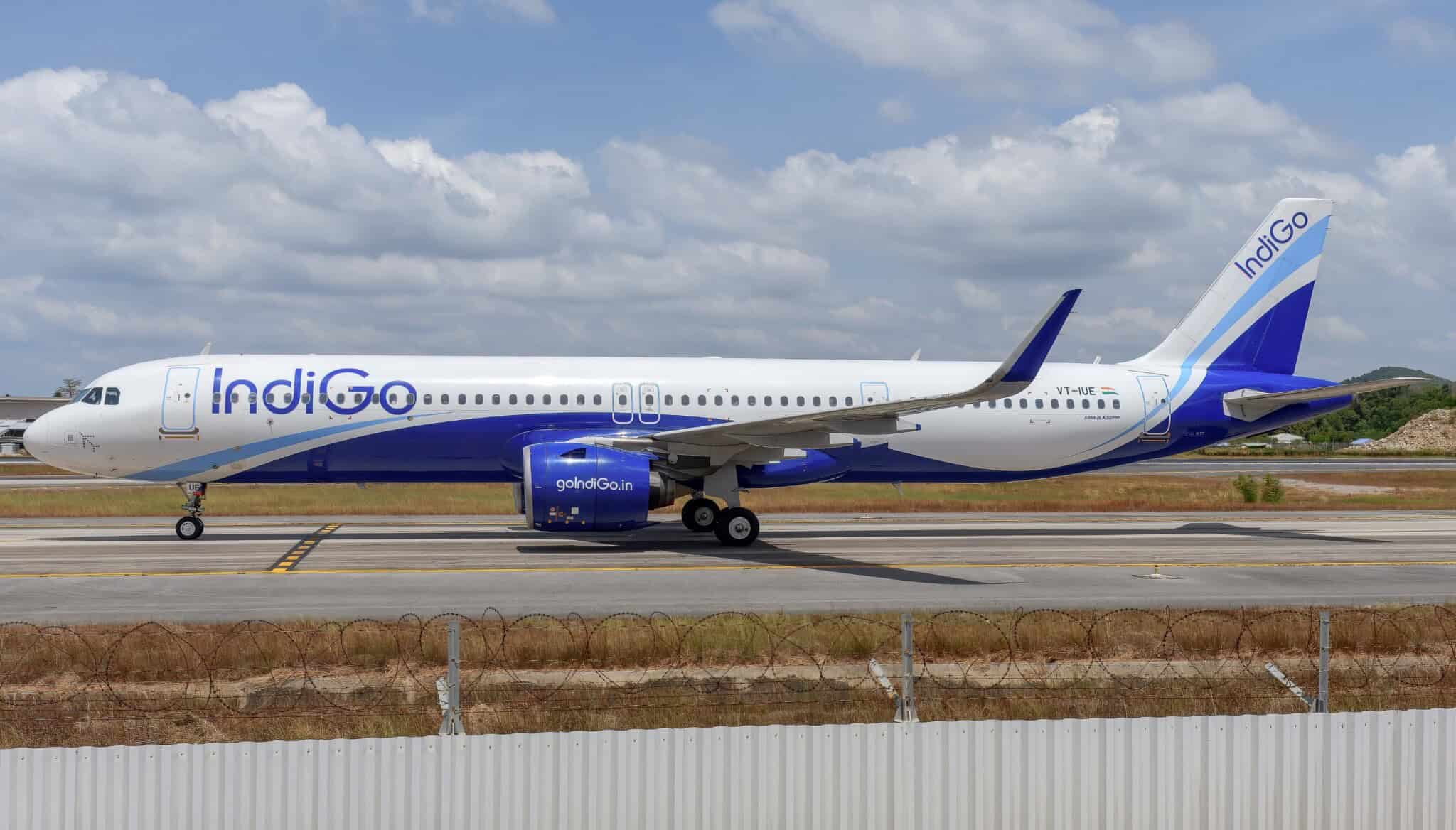
The Airbus A321neo Sharklet is an enhanced version of the A321neo equipped with Airbus’s Sharklet wingtip devices. It combines increased seating capacity with improved fuel efficiency. The aircraft is widely used on medium- and long-haul single-aisle routes.
Live Fleet Activity (A21N)
Fetching live data…

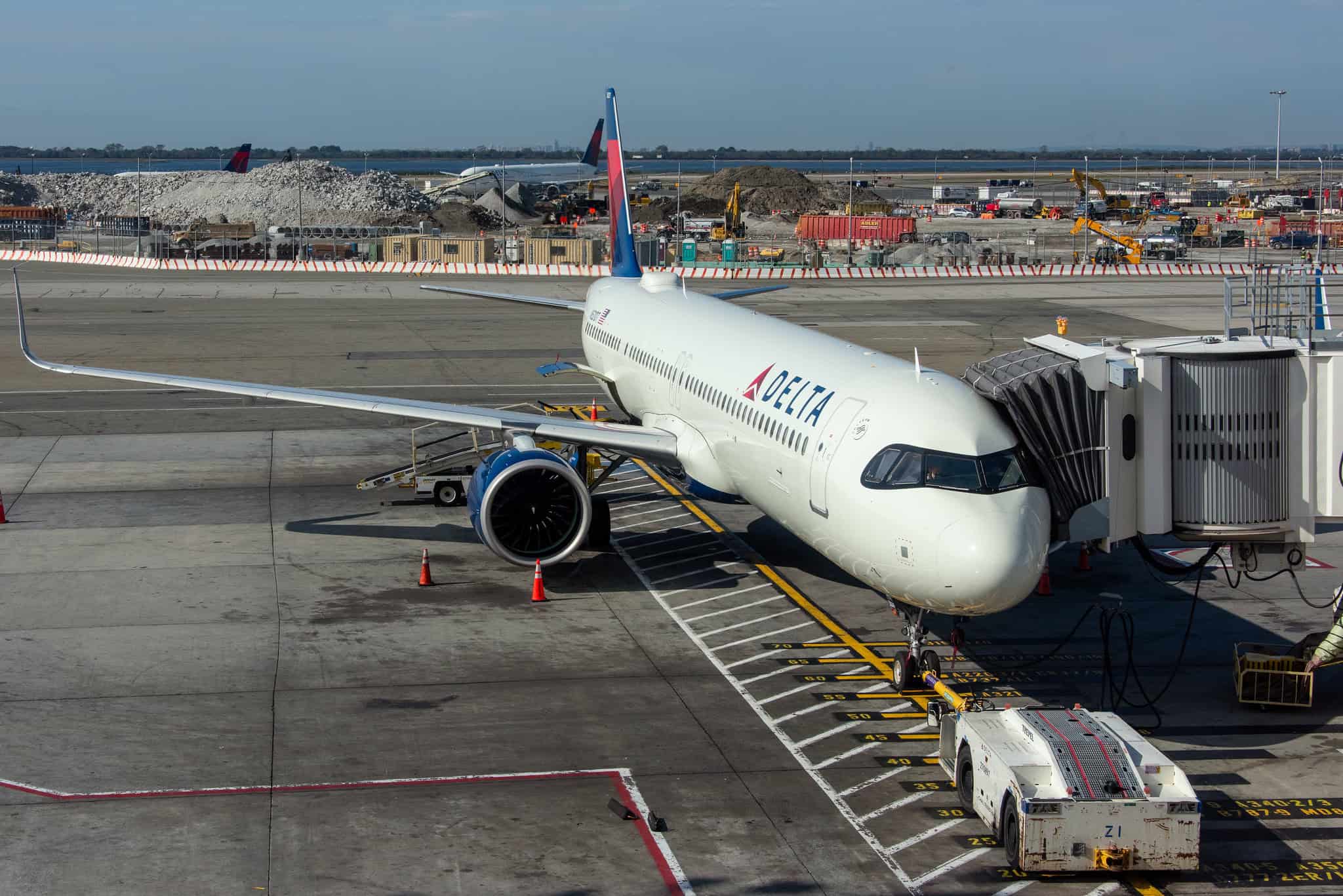


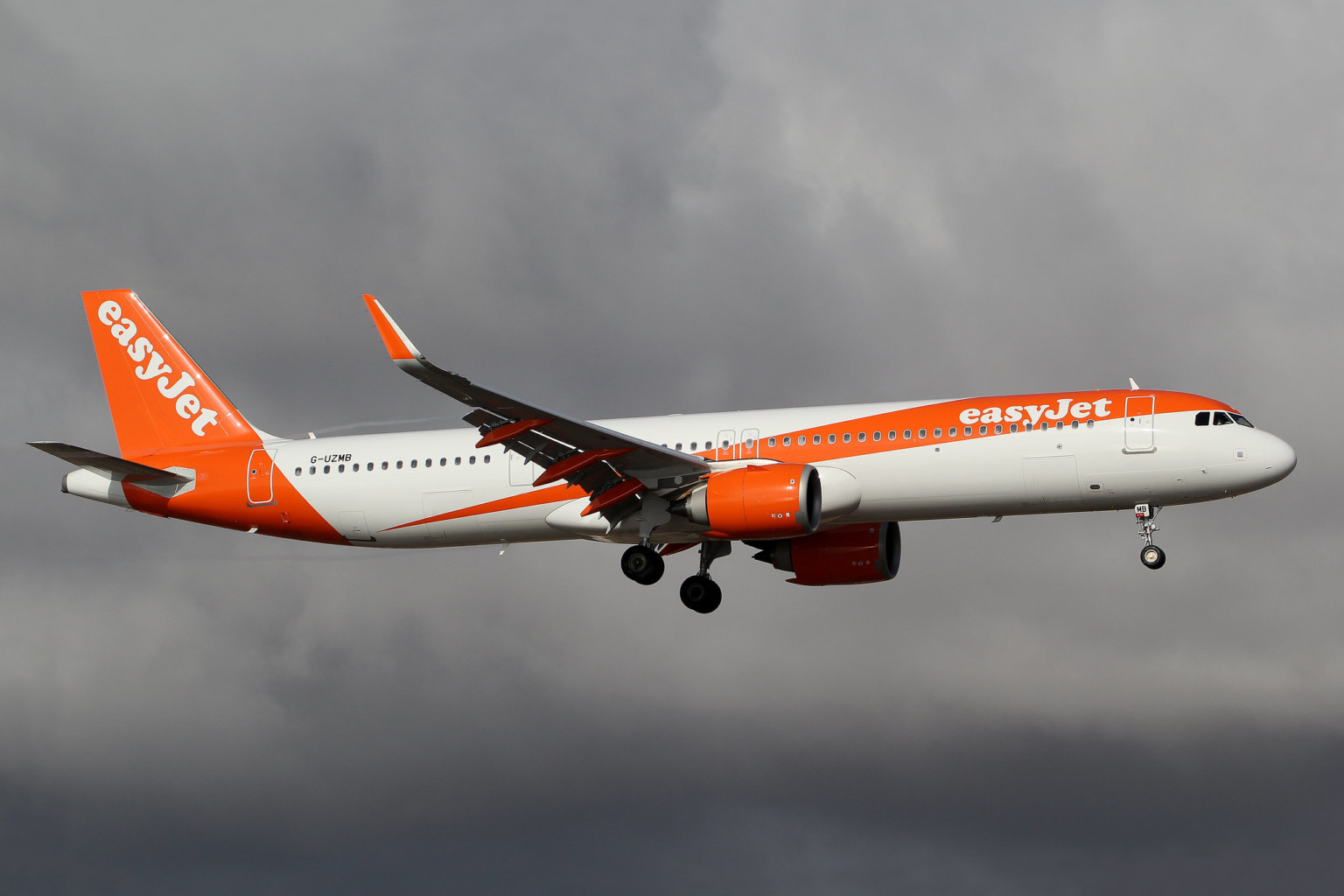
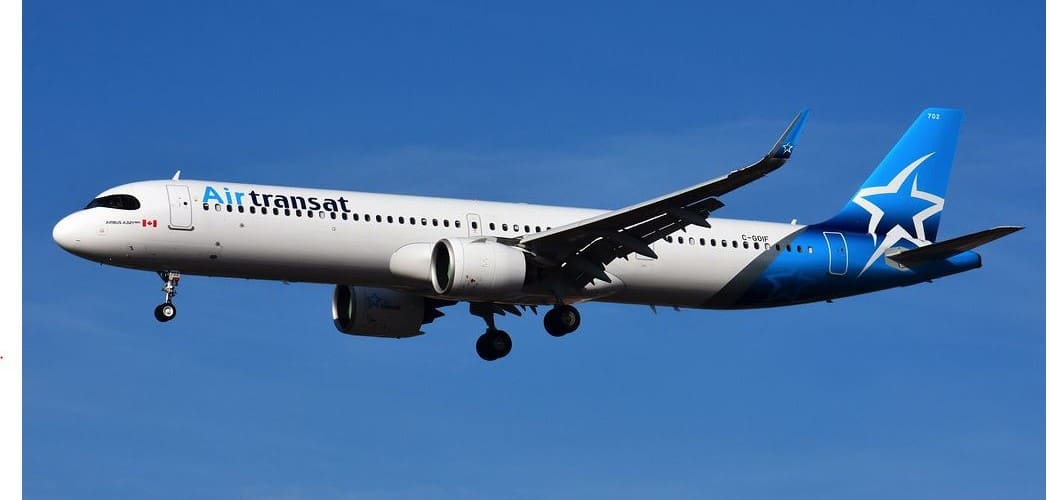
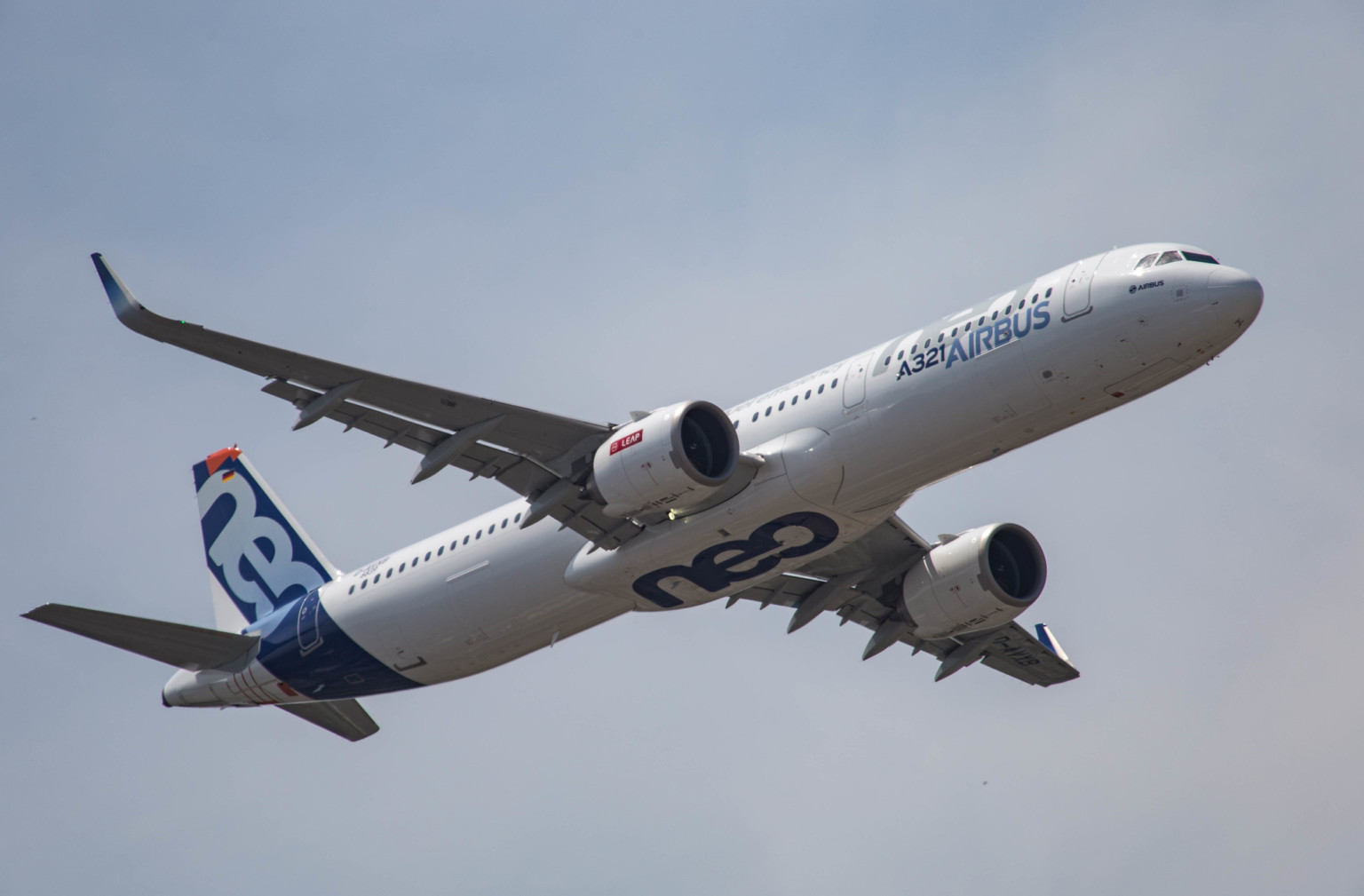


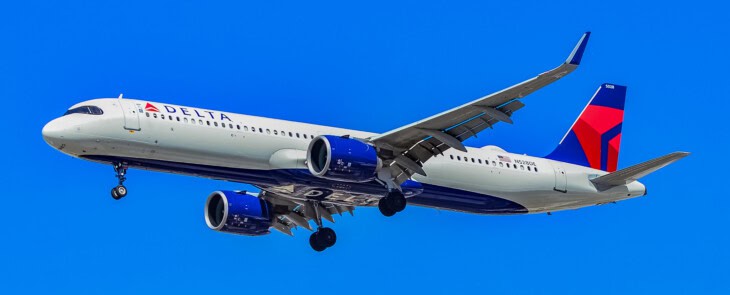
The A321neo first flew in 2016 and entered service in 2017. The Sharklet-equipped variant incorporates blended wingtip devices that improve aerodynamic performance and reduce fuel consumption. The aircraft retains fly-by-wire controls and cockpit commonality with the A320 family.
Powered by two CFM LEAP-1A or Pratt & Whitney PW1100G turbofan engines producing approximately 30,000 to 33,000 pounds of thrust (133 to 147 kN) each, the A321neo cruises at around 450 knots (833 km/h). Maximum takeoff weight exceeds 220,000 pounds (100,000 kg). Seating typically ranges from 180 to over 220 passengers depending on configuration.
The A321neo has become one of the most popular narrow-body aircraft in production. Its capacity and range allow it to replace older widebody aircraft on certain routes. The model plays a central role in Airbus’s single-aisle strategy.
Sources and references used for research and fact-checking.