
Mid Size Passenger Jets
Airbus A318
ICAO: A318
The updated narrow-body built for improved efficiency and reduced emissions.
The latest aviation news and stories sent to your inbox.
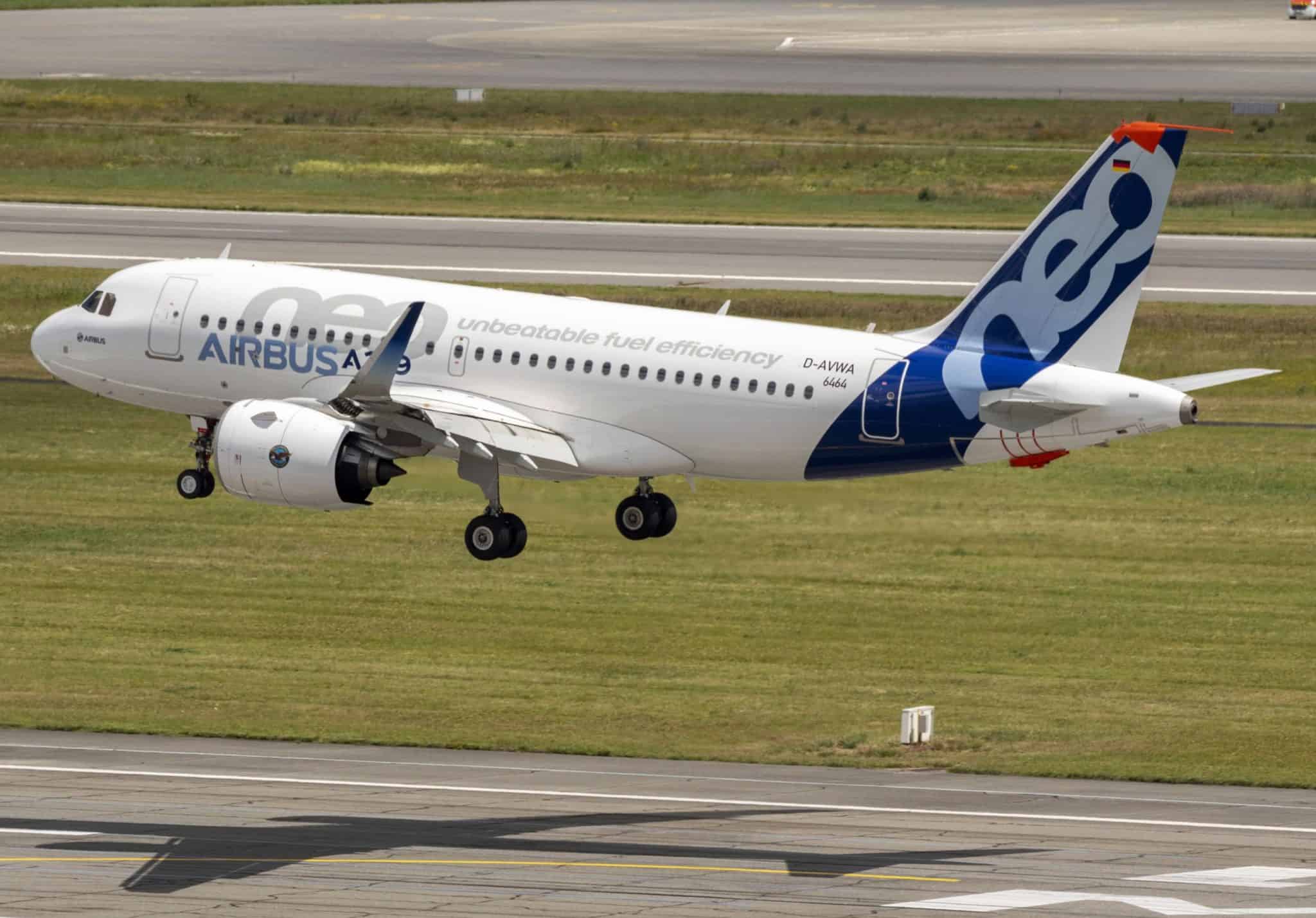
The Airbus A319neo is the re-engined version of the A319, part of the A320neo family. It incorporates new engines and aerodynamic refinements to reduce fuel burn. The aircraft entered service in the late 2010s.
Live Fleet Activity (A19N)
Fetching live data…

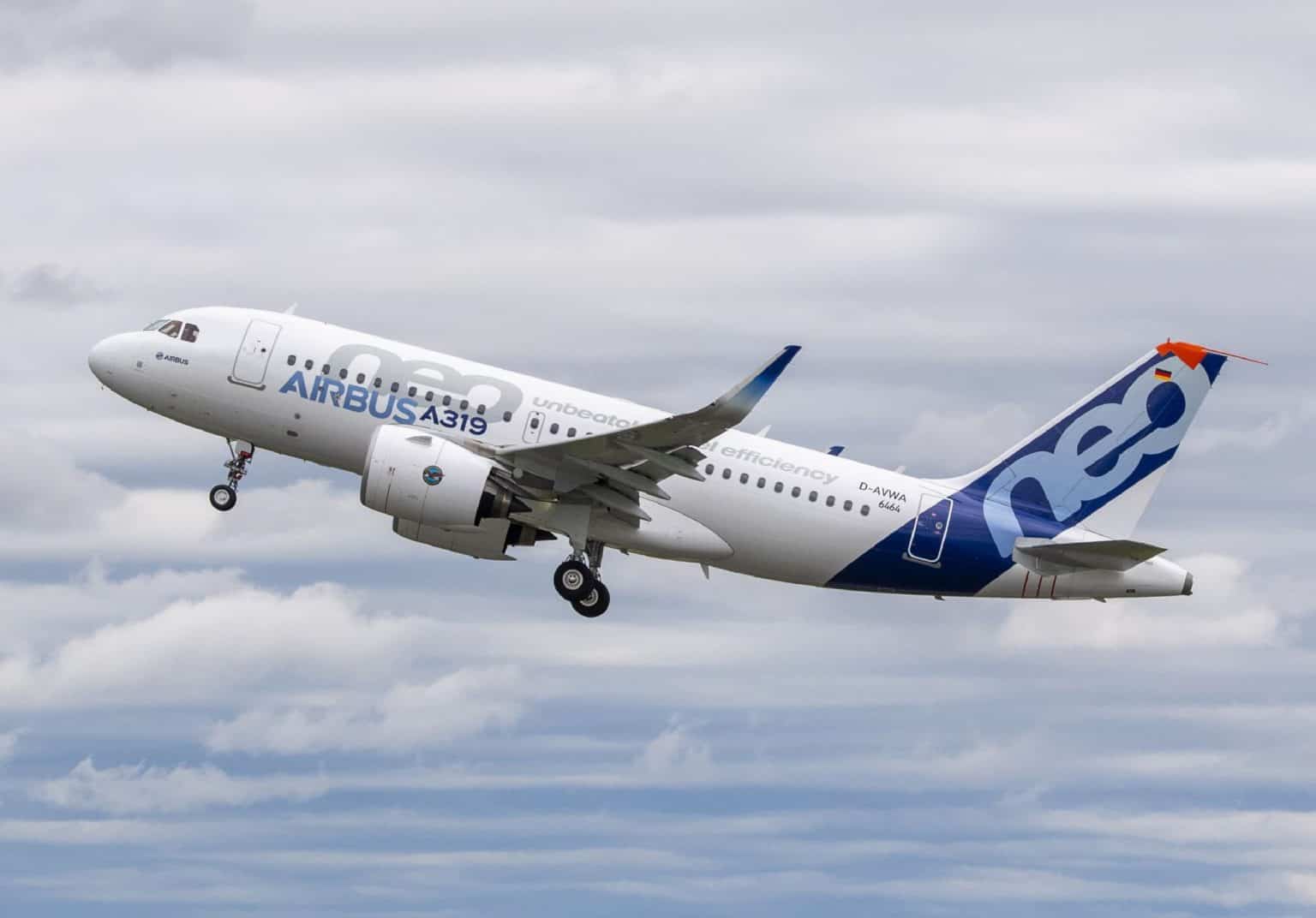


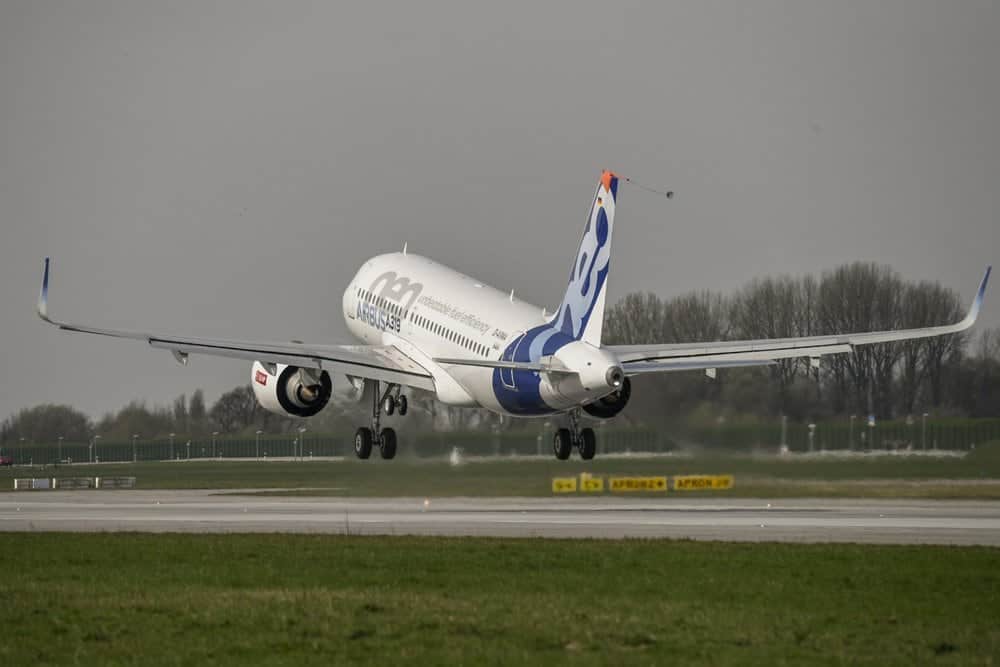


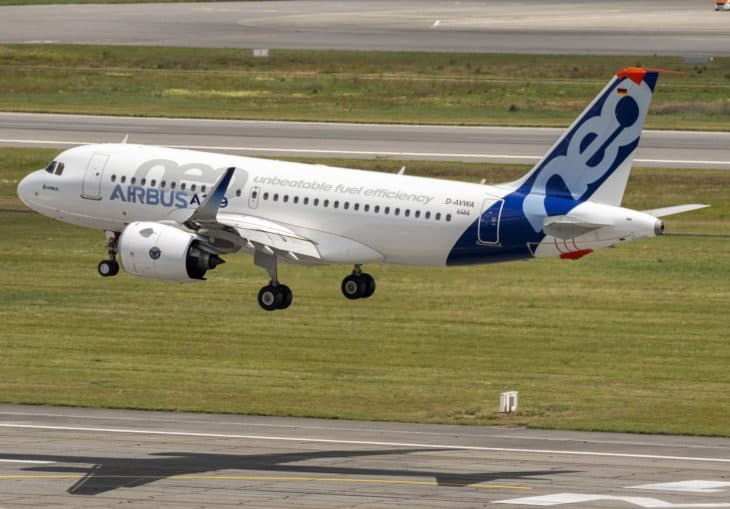
The A319neo first flew in 2017 and entered service in 2019. It retains the fuselage and systems commonality of earlier A319 models while integrating new-generation engines. The aircraft also features aerodynamic enhancements including optional wingtip devices.
Powered by two CFM LEAP-1A or Pratt & Whitney PW1100G turbofan engines producing approximately 24,000 to 27,000 pounds of thrust (107 to 120 kN) each, the A319neo cruises at around 450 knots (833 km/h). Maximum takeoff weight exceeds 166,000 pounds (75,300 kg). Seating typically ranges from 120 to 140 passengers depending on layout.
The A319neo offers improved fuel efficiency compared with earlier A319 variants. While sales volumes are smaller than larger A320neo family members, it serves operators requiring lower capacity with modern performance standards.
The A319neo emerged as a response to airline demand for a smaller-capacity member within a single-aisle re-engined family, intended to offer the family benefits while serving markets unsuited to larger variants. Program planning emphasized commonality with the established baseline to reduce pilot training and maintenance differences.
Prototype work reused a legacy A319 airframe as the demonstrator baseline to validate aerodynamics, systems integration, and engine/wing adaptations. Ground and flight test activity concentrated on proving systems compatibility, performance improvements, and handling characteristics across multiple takeoff and landing configurations.
Production planning aligned assembly processes with the wider family to allow flexible allocation of components and fast-line changes. Supply chain adjustments focused on accommodating new aerodynamic elements and revised nacelle and pylon interfaces while maintaining existing final assembly flow and paint and cabin outfitting sequences.
The A319neo retains a conventional low-wing, single-aisle layout with two turbofan engines mounted under the wings and a single vertical tail. Cabin cross-section and door locations remain consistent with family standards to preserve interchangeability of interiors and emergency equipment arrangements.
Structurally the aircraft continues to use an aluminum alloy primary airframe, supplemented by composite components in control surfaces and select fairings. Wing modifications include aerodynamic refinements and optional tip devices intended to reduce induced drag without altering basic wing box geometry.
Avionics follow a common philosophy across the family, with integrated flight decks that support advanced navigation, performance management, and maintenance diagnostics. Systems architecture emphasizes modularity to permit operator-specific options for radios, satellite communications, and in-flight entertainment without major changes to flight controls.
Distinguishing features include a shortened fuselage relative to the larger family members, allowing higher field performance on thinner routes, and cabin flexibility that supports high-density or premium configurations. Attention to acoustic treatment and environmental control yields a cabin environment comparable to larger family types.
The aircraft offers mission flexibility suited to lower-demand trunk routes and thin long-distance sectors, combining efficient cruise performance with the ability to operate from shorter runways. Its climb and cruise characteristics are aligned with the family so it integrates into common airline schedules and airspace procedures.
Range capability supports both short-haul shuttle work and transcontinental sectors when outfitted with appropriate fuel and passenger configurations. Payload and seating choices permit operators to trade capacity for range or reserve performance for adverse airports and payload-constrained operations.
Operational limitations follow typical narrow-body constraints, including reliance on suitable runway length for weight-dependent departures and performance penalties under high temperature and high-altitude field conditions. Fuel planning and weight management remain important for operators pursuing extended stage lengths.
The A319neo is a shortened derivative within the broader re-engined family, preserving the same wing and systems baseline while differing primarily in fuselage length and door layout. This relationship allowed the manufacturer to offer a common pilot type rating and reduced spare parts complexity across the family.
Some operators take delivery in specialized configurations such as corporate or VIP fitments, where bespoke interiors replace standard airline seating and galley arrangements. Airframe versatility supports such conversions with minimal structural change beyond window and door modifications.
Optional equipment packages exist to tailor the aircraft for particular network roles, including long-range auxiliary tanks and modified cabin fittings. These packages enable the model to cover an extended array of missions without requiring a distinct airframe derivative.
Airlines deploy the type on thin trunk routes, spoke services feeding larger hubs, and leisure sectors where demand does not justify larger single-aisle aircraft. Its operational profile often emphasizes frequency and connectivity rather than maximum single-flight capacity.
The aircraft is selected by carriers replacing older, less efficient narrow-bodies to achieve lower operating costs per trip on low-density routes while benefiting from family operational commonality. Airlines also use it for route development, testing demand before committing larger equipment.
Charter and ACMI operators incorporate the type to offer flexible capacity with modern onboard systems and competitive trip costs. The airframe's suitability for mixed short- and medium-haul networks makes it attractive for seasonal and ad hoc deployment patterns.
A range of airline business models operate the aircraft, including full-service network carriers, low-cost carriers adapting a premium configuration, and regional operations seeking fleet simplification. Fleet planning often pairs this aircraft with larger family types to match capacity to demand.
Maintenance organizations and MRO providers had to adapt processes to accommodate new nacelle and pylon interfaces and family-common avionics updates. Logistical advantages arise when operators field multiple family members, reducing inventory breadth for rotable components and training programs.
Aircraft are frequently configured for high-density seating by leisure operators or outfitted with extra premium seats for business-heavy routes. Conversion programs allow legacy operators to modernize interiors without major structural alteration.
Technologically, the aircraft demonstrates the practicability of applying re-engining and localized aerodynamic improvements to an existing fuselage to extend operational relevance. The program reinforced strategies for fleet commonality that prioritize pilot and maintenance commonality across model lengths.
Market experience highlighted the demand segmentation between capacity and frequency, informing subsequent manufacturer offerings and airline fleet planning. Lessons about matching aircraft size to route demand influenced how carriers managed network capacity and aircraft deployment.
The platform continues in service where demand favors its size and economics. Its presence in mixed-family fleets serves as a case study in balancing modernization investments against route-level revenue potential, informing decisions for future narrow-body developments and fleet renewal strategies.
Sources and references used for research and fact-checking.