Jumbo Passenger Jets
Airbus A380-900
ICAO: A389
Airbus's re-engined 300-seat widebody for long-haul routes
Updated: by Tim de Vries
The latest aviation news and stories sent to your inbox.
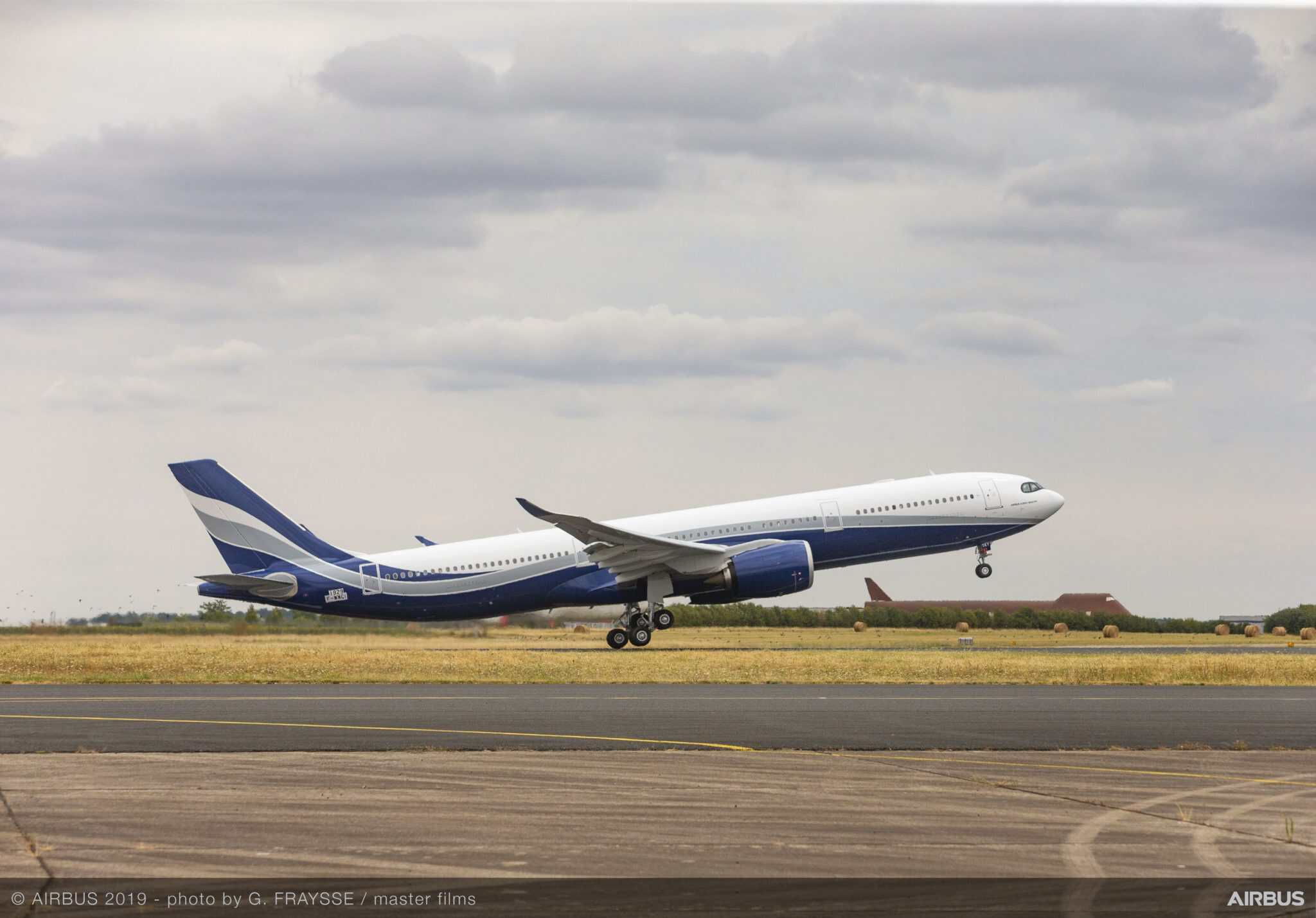
The Airbus A330-900 is the larger of the two A330neo models, a re-engined A330-300 with Rolls-Royce Trent 7000 engines, a longer wing with composite sharklets and the Airspace cabin. It was built to give airlines a 300-seat long-haul jet without paying for an all-new design.
Live Fleet Activity (A339)
Fetching live data…



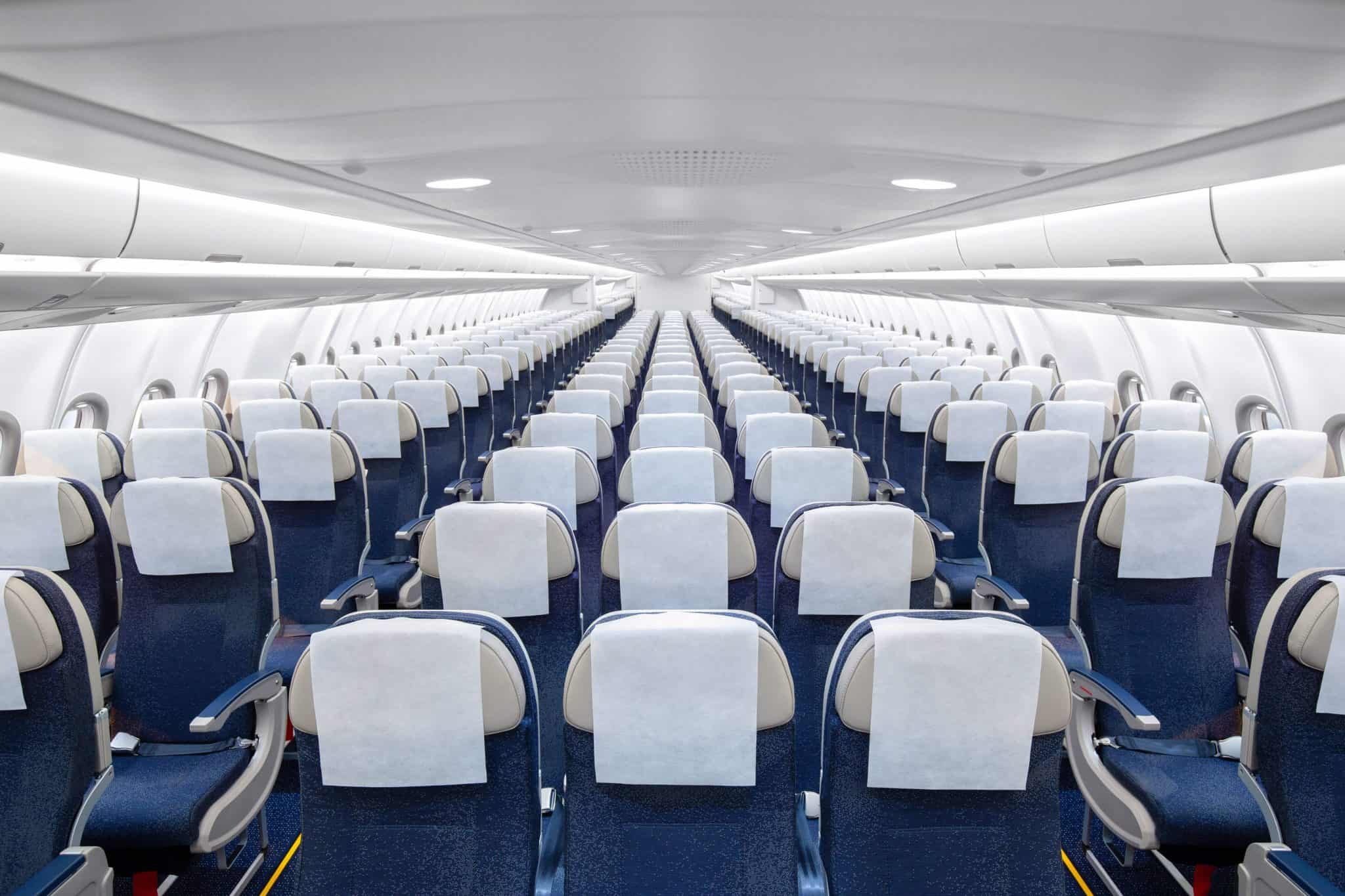
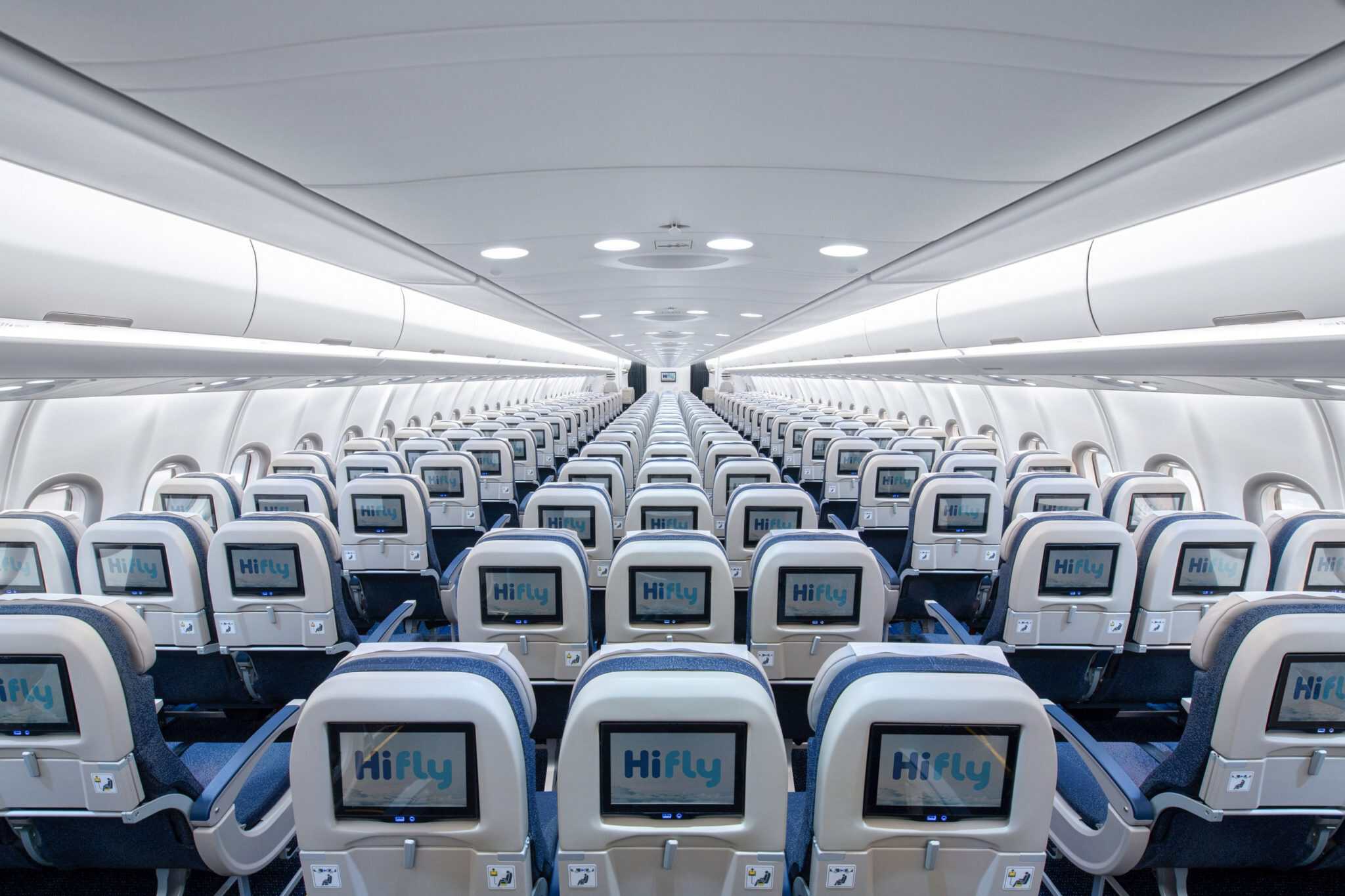


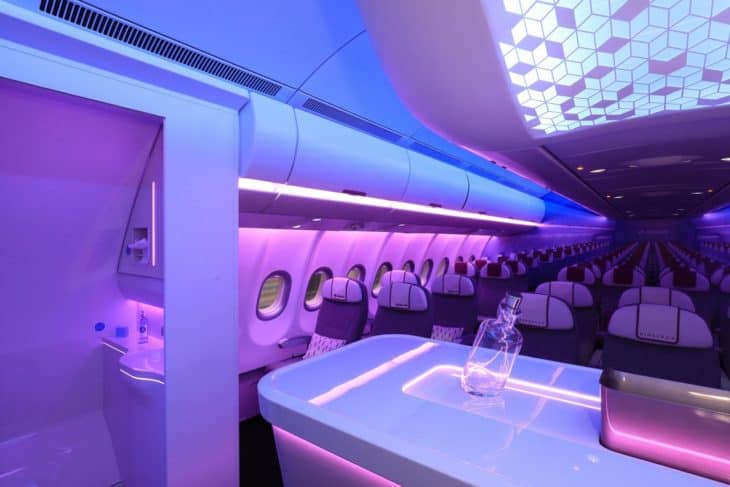
The Airbus A330-900neo is the larger of the two A330neo models: an A330-300 fuselage with new Rolls-Royce Trent 7000 engines, a longer wing and a redesigned cabin. Airbus launched the program on 14 July 2014, and TAP Air Portugal flew the first passenger service in December 2018.
Airbus sells it as the replacement for the A330-300, the A340-300 and the 777-200/ER, with up to 7% lower cash operating cost per seat than the Boeing 787-9. That figure is Airbus’s own claim, not an independent measurement.
This page covers how the -900 came about, what changed from the A330-300, how to read its numbers, who flies it and what is happening to the type in 2026.
Airbus launched the A330neo at the Farnborough Airshow on 14 July 2014, promising 14% lower fuel burn per seat than the A330ceo it was replacing. Rolls-Royce’s Trent 7000 was the only engine offered.
Airbus began building the first aircraft on 7 September 2015, starting with the center wingbox and an engine pylon. Final assembly of the first A330-900 began in Toulouse in September 2016.

The engine was the schedule risk. In December 2016 the program slipped six weeks because of marginal engine development at Rolls-Royce, and the first Trent 7000s reached Airbus in June 2017.
The first flight took place on 19 October 2017 and lasted 4 hours 15 minutes. It opened a 1,400-hour test campaign built around three prototypes and the first production aircraft.
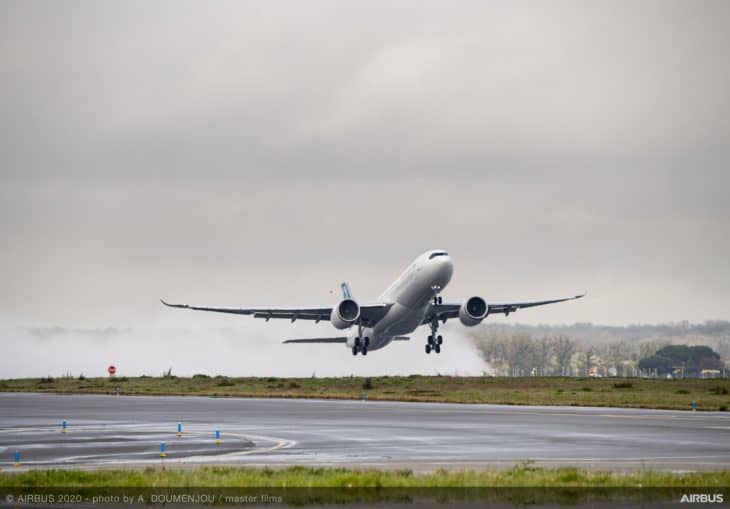
EASA certified the A330-941 on 26 September 2018, and the FAA followed on 21 December 2018. TAP Air Portugal received the first aircraft on 26 November 2018, leased from Avolon and fitted with 298 seats.
TAP’s first commercial flight, from Lisbon to Sao Paulo, left on 15 December 2018.
The A330-900 launched with a maximum takeoff weight of 242 metric tons. On 8 October 2020 EASA approved a 251 metric ton variant, which Airbus said added 650 nautical miles of range or six metric tons of payload compared with the 242 metric ton version.
Corsair International took the first 251 metric ton aircraft on 31 March 2021, in a three-class layout with 352 seats. The change also strengthened the landing gear and stretched the time before overhaul from 10 to 12 years.
Airbus’s April 2026 fact sheet lists a third option at 253 metric tons with a range of 7,350 nautical miles, and marks it as entering service in 2027. Treat that as an offer, not a delivered aircraft: EASA’s data sheet, last issued in December 2025, still lists 251 metric tons as the maximum.
Two Rolls-Royce Trent 7000-72 engines power the -900, each rated at 72,834 lbf of takeoff thrust for five minutes. The Trent 7000 is a bleed-air variant of the Trent 1000 that powers the 787-10.
Its fan is 112 inches across, against 97.5 inches on the Trent 700 of the older A330. The larger fan pushed the nacelles higher on the wing, which forced extra aerodynamic work to avoid shock-wave drag around the pylon.
Airbus claims 14% lower fuel burn per seat than the A330-200 and A330-300, and 25% lower than the 767-300ER and 777-200ER it targets.
The wing spans 210 ft 0 in (64.00 m) and carries large composite sharklets borrowed from the A350. That is 3.7 meters more than the A330-300 wing.
Airbus also re-twisted the wing and reshaped the flap-track fairings to cut drag. Airbus kept the longer span within ICAO Category E airport limits.
The fuselage is the A330-300’s, so the exterior length of 208 ft 10 in (63.66 m) is unchanged.
The fuselage diameter is 18 ft 6 in (5.64 m) and the maximum cabin width is 17 ft 3 in (5.26 m).
Airlines can fit it eight abreast in economy for a wider seat, or nine abreast to squeeze in more passengers.
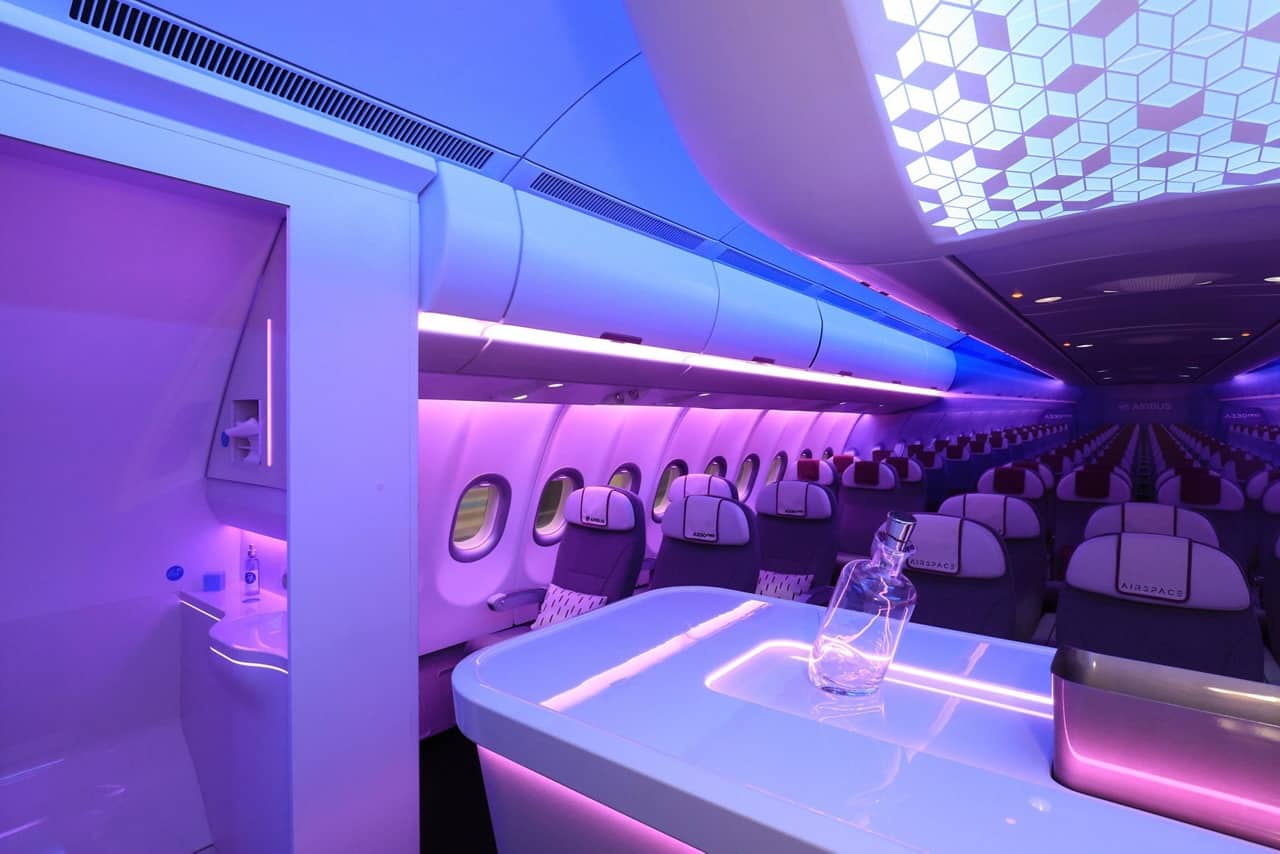
The interior is Airbus’s Airspace design. Airbus calls it the quietest cabin in its class, 3 dB quieter than the 787, which it describes as half the sound energy.
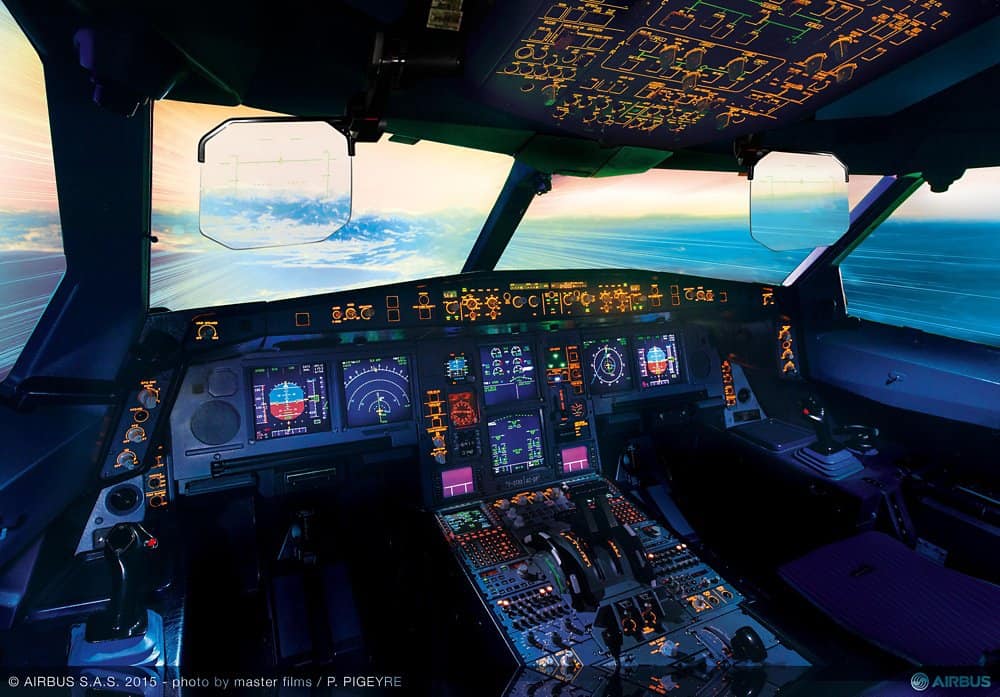
The flight deck takes several A350 features: a Wi-Fi tablet electronic flight bag, dual head-up displays and a Runway Overrun Prevention System. Airbus says a pilot moving from the A330 needs only half a day of self-training for the A330neo.

The full specification table for the aircraft is on this page. A few of the numbers need context to read correctly.
The range row reflects the 251 metric ton variant, which Airbus lists at 7,150 nm. The basic 242 metric ton aircraft is rated lower, and the 7,350 nm figure belongs to the 253 metric ton option that has not entered service.
The 8,100 nm that appears in Airbus press releases is the smaller A330-800, not the -900. Range always depends on the weight variant and the payload flown, so treat any single figure as a ceiling.
The 465 seats in the table is the certified ceiling, not a layout anyone sells. EASA approves 375 passengers with the basic exit set, 440 with four pairs of standard Type A exits, and up to 465 once Type A+ exits are fitted, a limit set by the certified life rafts.
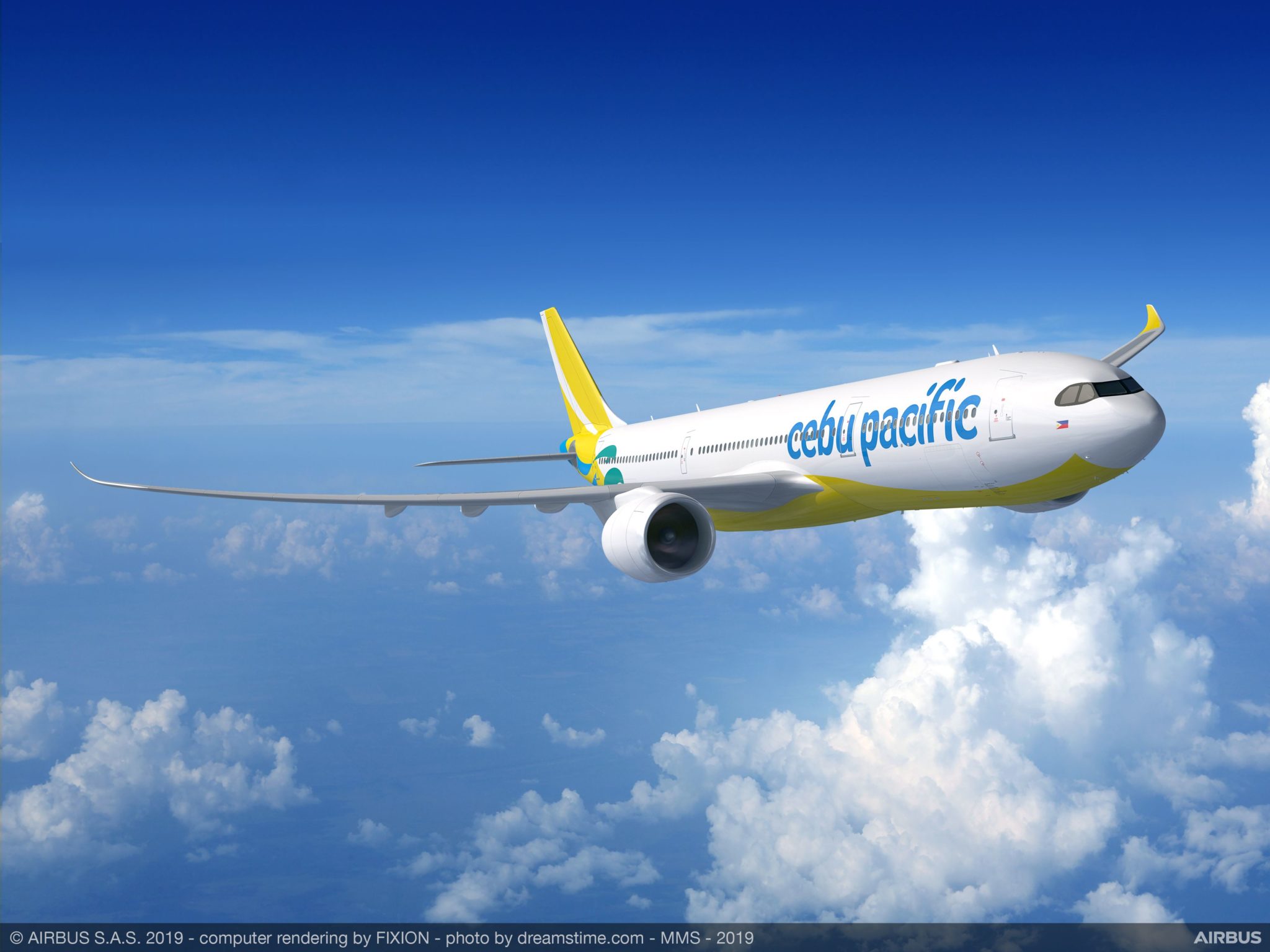
Real layouts are far lower. Airbus quotes 287 to 303 seats in a typical three-class cabin, Delta flies 281 and Corsair 352. Cebu Pacific runs the densest layout, with 459 economy-only seats.
The maximum speed row is the type’s top speed, Mach 0.86 in ICAO’s Doc 8643 listing, and it is not how airlines fly it. Airbus publishes a cruise Mach number of 0.82 for the A330-900, and the speed in knots changes with altitude and temperature, so the cruise speed row stays blank.
The maximum takeoff weight row is the 251 metric ton variant. The maximum landing weight is 421,000 lb (191,000 kg) for every weight variant, according to Airbus.
The cargo holds take 11 pallets or 33 LD3 containers, with the usable cargo volume shown in the baggage volume row.
The A330-300 is the aircraft the -900 replaces. Airbus puts its typical seating at 250 to 290, with the new aircraft at 287 to 303 and a longer range.
The A330-800 is the A330neo’s shorter sibling, built on the A330-200. It carries fewer passengers but flies much farther, which is why Airbus pitches it for routes such as Southeast Asia to Europe.
Only 8 -800s had been delivered by August 2026, against 189 -900s, so the -900 is the A330neo that most passengers actually fly.
At the end of March 2026 Airbus counted 489 A330neo orders, 189 deliveries and a backlog of 300. The fleet averaged about 3.5 years old, flew more than 435 routes and had logged around 2 million flight hours.
By August 2026 Wikipedia’s count showed 25 operators and 197 aircraft delivered. The largest fleets belong to Delta (39), TAP Air Portugal (19), Condor (18), ITA Airways (16) and Cebu Pacific (14).
Delta was the first North American airline to fly the type and is now its biggest operator. It ordered 25 in November 2014, had 35 on order by the time of first delivery, and took its first aircraft on 24 May 2019.
The first revenue service ran in July 2019 as flight DL589 from Seattle to Shanghai. Delta’s layout seats 281: 29 Delta One suites, 28 Premium Select, 56 Delta Comfort and 168 in Main Cabin. For help choosing between the two middle cabins, see Delta Premium Select vs Comfort Plus.
Delta’s schedule for the first half of 2026 put the A330neo on Atlanta to Lagos, Seattle to Shanghai, Atlanta to Athens, Seattle to Rome and Atlanta to Accra, among others. Delta also moved the type onto Atlanta to Buenos Aires in 2025. Airlines swap aircraft types, so check the equipment on a booking before you travel.
TAP Air Portugal launched the type in 2018 and now flies 19. Airbus delivered its 100th A330neo, an A330-900, to Condor on 11 April 2023, and Virgin Atlantic, ITA Airways, Cebu Pacific, Malaysia Airlines and Hainan Airlines have all taken the -900 since.
New orders keep arriving. Cathay Pacific placed a firm order for 30 A330-900s in August 2024, and SAS ordered 18 on 30 June 2026.
Airbus reported 99.00% operational reliability for the A330neo on a rolling three-month basis at the end of March 2026. That is a manufacturer figure, not an independent measurement.
One engine issue is open as of October 2026. EASA Airworthiness Directive 2026-0141, issued on 17 July 2026 and effective on 31 July, covers every Trent 7000 variant and the lubrication and scavenge oil pumps fitted to them.
EASA says there were reports of commanded in-flight engine shutdowns after low oil pressure indications, traced to an early-life failure inside certain pumps. The directive requires operators to confirm Rolls-Royce’s installation criteria are met each time an affected pump is fitted, and it replaces an earlier directive from January 2024. It is not a grounding.
It should not be confused with the emergency directives EASA issued on 4 September 2026, which cover the older Trent 700 and Trent 800 engines and not the Trent 7000. Our report on those is in the FAA and EASA Trent de-pairing order.
Airbus’s 2018 average list price for the -900 was $296.4 million (2018). A list price is a starting point, and airlines and lessors negotiate what they actually pay.
No public market value exists for a delivered aircraft. It depends on the weight variant, the age of the engines, the lease terms and the cabin fit.
Airbus’s 2018 average list price for the A330-900 was $296.4 million (2018). That is a list price, not what airlines paid. Used aircraft values are not published and depend on age, weight variant, engine condition and lease terms.
Delta uses it on long-haul routes from Atlanta, Seattle and New York JFK. In its schedule for the first half of 2026 these included Atlanta to Lagos, Athens and Accra, Seattle to Shanghai, Rome and Barcelona, and JFK to Tel Aviv and Buenos Aires. Delta changes equipment often, so confirm the aircraft on your booking.
The A330-900neo has a strong reliability record by Airbus’s own figures, with 99.00% operational reliability, and Airbus says it has the quietest cabin in its class. Airbus’s own comparison with the Boeing 787-9 puts the -900’s extra empty weight at a 3% fuel penalty, offset by 4% from its longer wing.
The open Trent 7000 oil pump directive is the main thing to watch. It is not a grounding.
The A330-300 has the longer fuselage and carries more passengers, while the A330-200 is shorter and flies farther. Airbus puts typical seating at 210 to 250 for the -200 and 250 to 290 for the -300. The A330neo versions are the A330-800 (based on the -200) and the A330-900 (based on the -300).
Airbus quotes 287 to 303 seats in a typical three-class layout, and EASA certifies up to 465 seats. Delta flies 281 passengers, Corsair 352 and Cebu Pacific 459 in an all-economy layout.
The 251 metric ton variant has a range of 7,150 nm according to Airbus. The basic 242 metric ton aircraft flies a shorter distance, and the 253 metric ton option, due in 2027, is listed at 7,350 nm.
Yes. Neo stands for new engine option, and the -900 is the larger of the two A330neo models. EASA lists it as the A330-941, and its ICAO type designator is A339.
Sources and references used for research and fact-checking.