Jumbo Passenger Jets
Airbus A380-900
ICAO: A389
The long-haul widebody that expanded Airbus into intercontinental markets.
The latest aviation news and stories sent to your inbox.
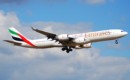
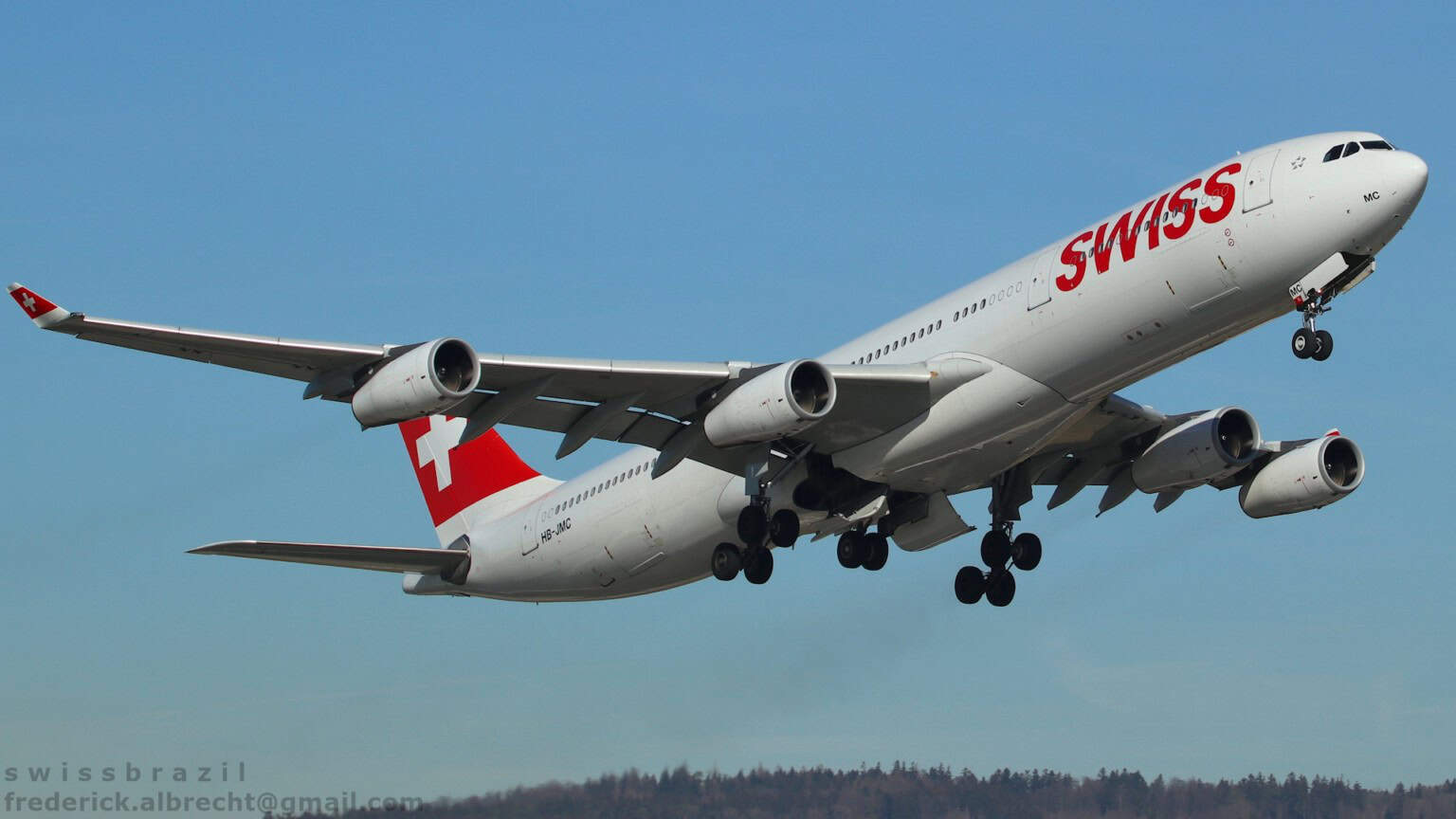
The Airbus A340-300 formed the backbone of the early A340 family. Introduced in the 1990s, it provided airlines with a four-engine alternative for long-haul routes. The aircraft played a central role in Airbus’s expansion into intercontinental operations.
Live Fleet Activity (A343)
Fetching live data…


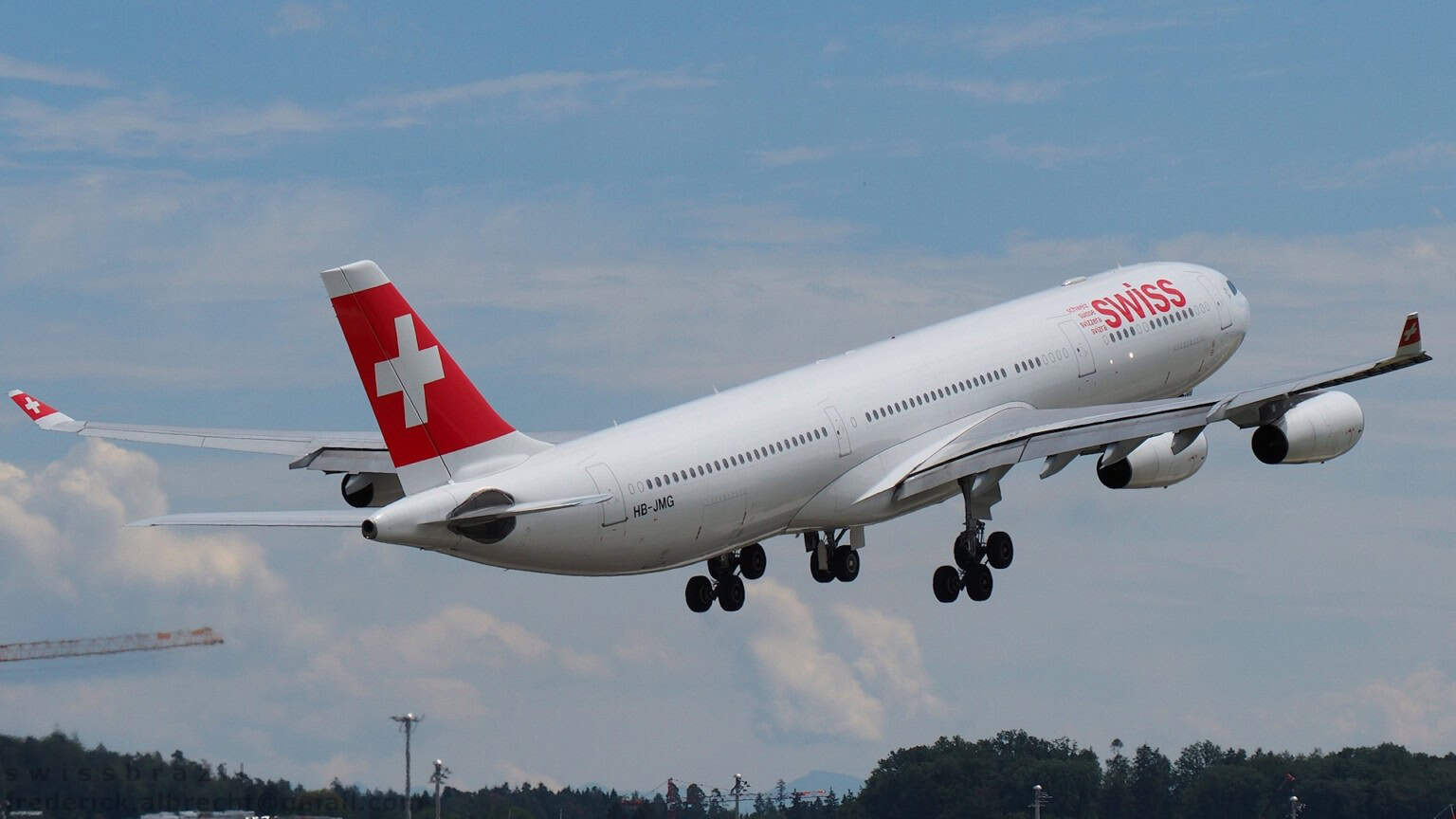


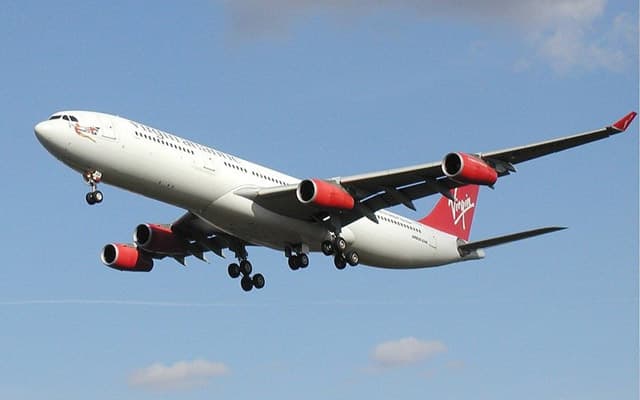
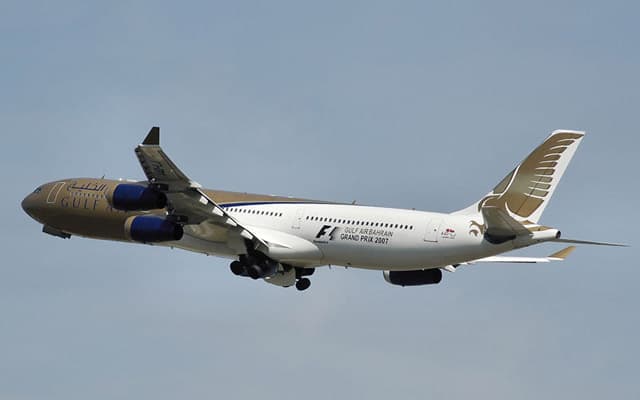
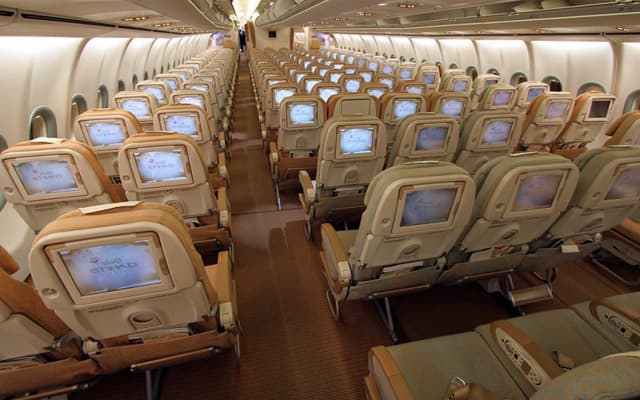
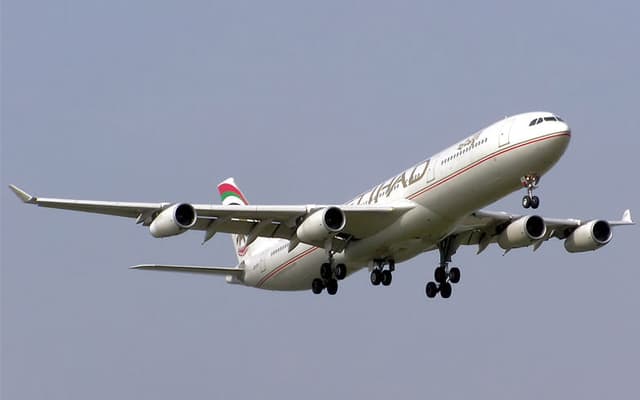
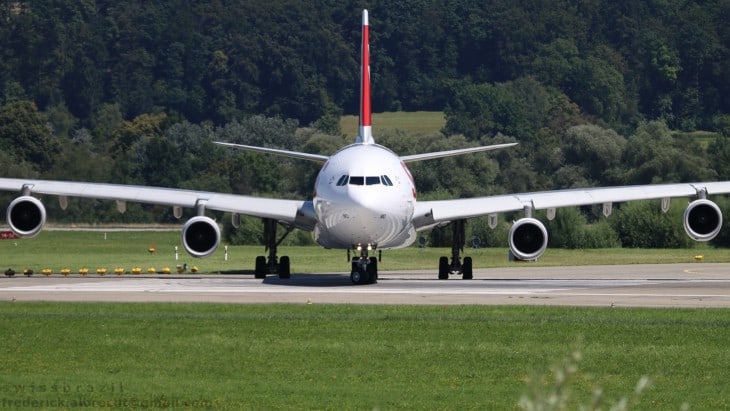
The A340-300 first flew in 1991 and entered service in 1993. Sharing a common fuselage cross-section with the A330, it was optimized for extended range and international routes. Airlines valued its four-engine design for long overwater operations under earlier ETOPS limitations.
Powered by four CFM56 turbofan engines producing approximately 34,000 pounds of thrust (151 kN) each, the aircraft cruised at about Mach 0.82. Maximum takeoff weight exceeded 600,000 pounds (275,000 kg). Typical seating ranged between 250 and 300 passengers depending on layout.
The A340-300 served major global carriers for decades. As twin-engine aircraft became more efficient, airlines gradually retired the type. Despite that shift, it remains an important milestone in Airbus’s widebody development history.
Sources and references used for research and fact-checking.