Mid Size Passenger Jets
Embraer E190-E2
ICAO: E290
The regional jet family built to modernize short-haul travel.
The latest aviation news and stories sent to your inbox.
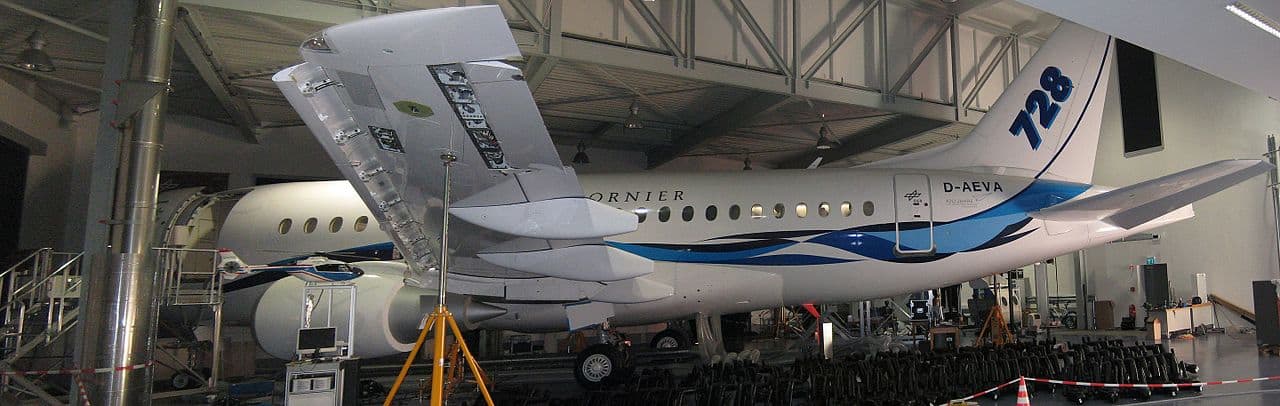
The Fairchild Dornier 728 was part of a planned family of regional jets designed to offer advanced avionics and passenger comfort. Developed in the late 1990s, it aimed to compete in the 70-seat market segment. The program was halted before entry into service.
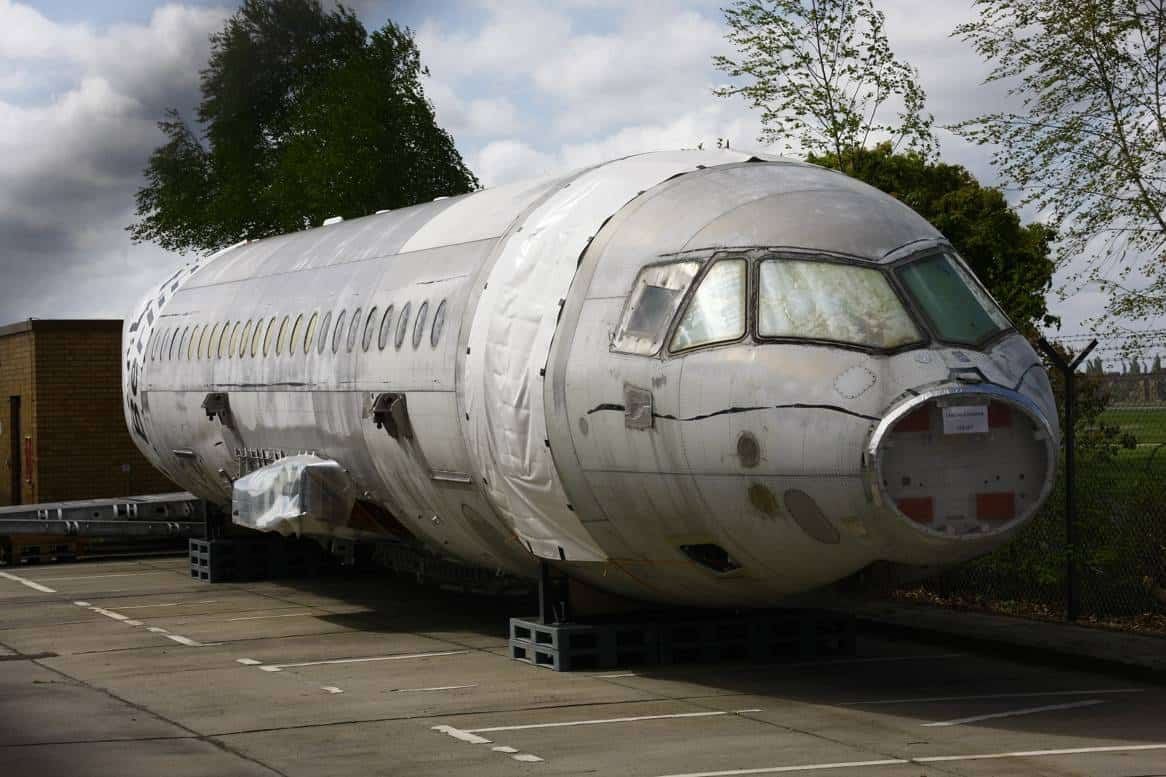
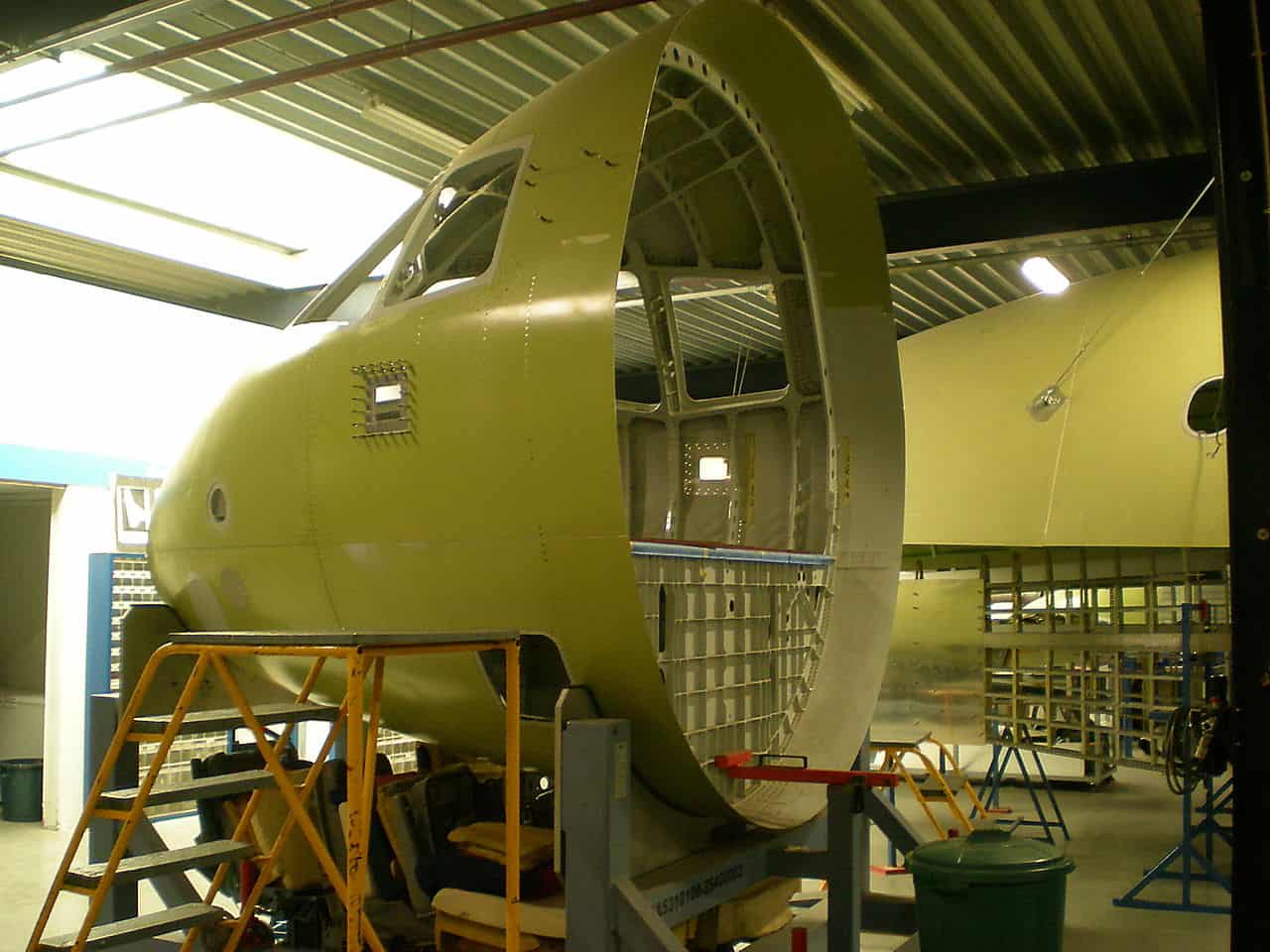
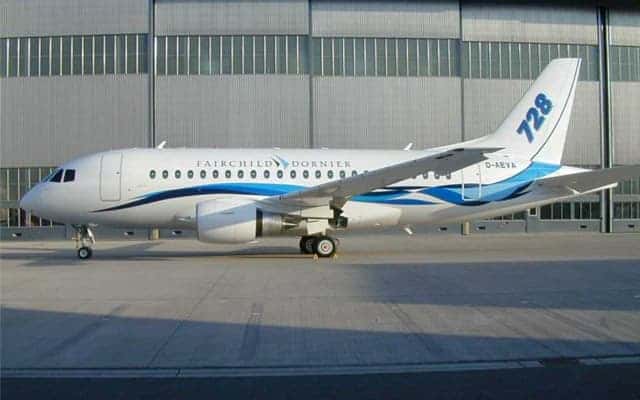
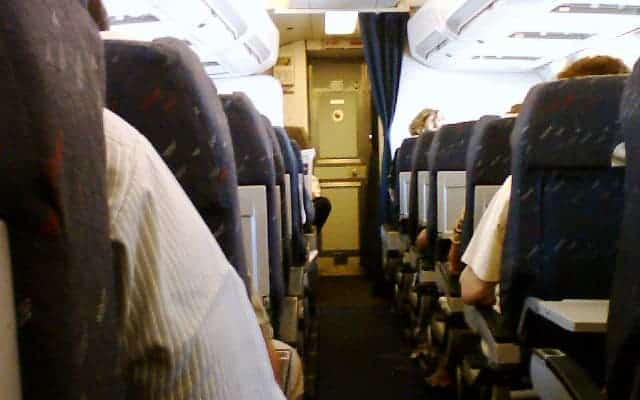
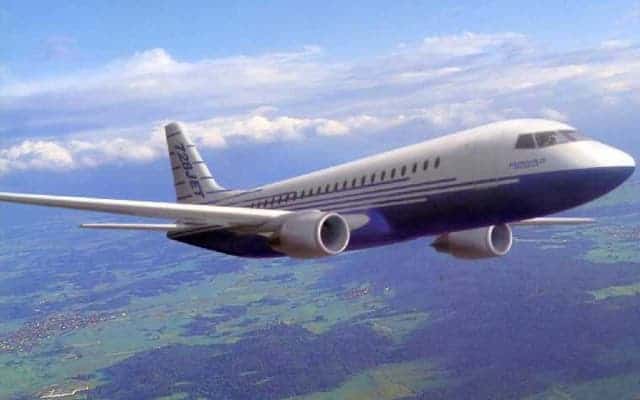
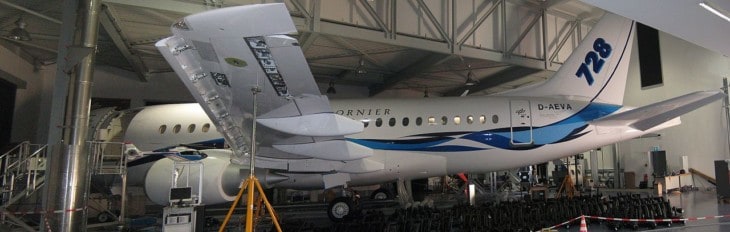
The 728 program began in the late 1990s as a new-generation regional jet platform. It featured a modern fuselage cross-section and fly-by-wire controls. The aircraft was intended to form the basis of a broader family including larger and smaller variants.
Planned performance included cruise speeds around 470 knots (870 km/h) and a maximum takeoff weight of approximately 80,000 pounds (36,300 kg) for the 728 variant. Seating capacity was projected at around 70 passengers. Advanced avionics and efficient engines were central to its design goals.
Financial difficulties led to the cancellation of the program in the early 2000s. Although prototypes were constructed, the aircraft never entered airline service. The 728 remains a notable example of an ambitious but unrealized regional jet project.
Sources and references used for research and fact-checking.