Mid Size Passenger Jets
Airbus A330-200
ICAO: A332
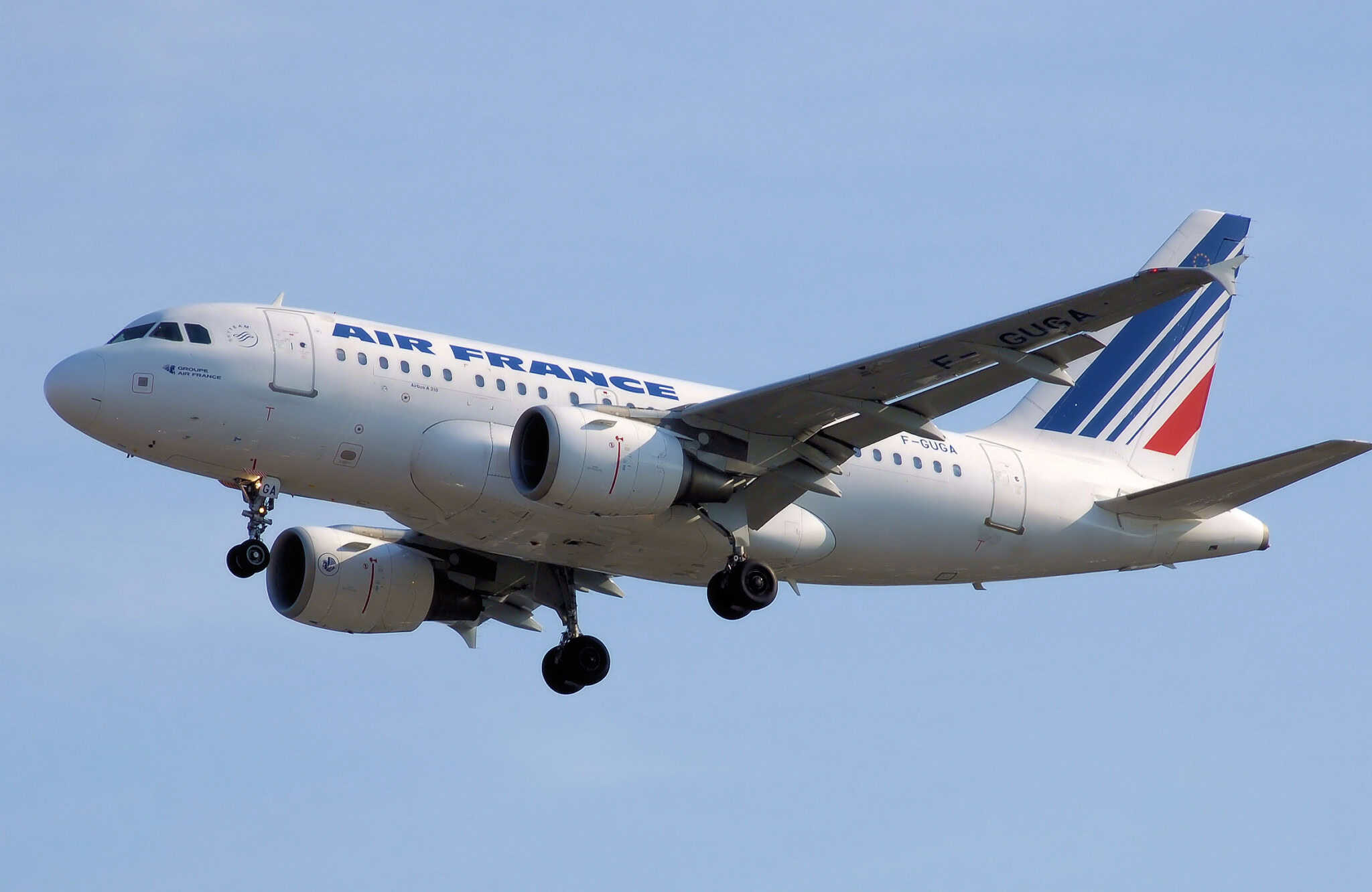
The Airbus A318 is the smallest A320-family jet, a 107-seat "Baby Bus" built from 2003 to 2013 that could fly the steep London City approach.
Updated: by Tim de Vries
The latest aviation news and stories sent to your inbox.
The Airbus A318 is the smallest jet Airbus has ever built, a shortened A320 that first flew on 15 January 2002 and entered service with Frontier Airlines in July 2003. Only about 80 were ordered, but it earned a niche as the largest airliner certified for 5.5 degree steep approaches into London City Airport. Air France is the last airline still flying it on scheduled passenger routes.
Live Fleet Activity (A318)
Fetching live data…


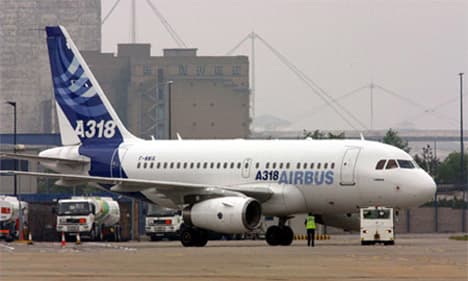
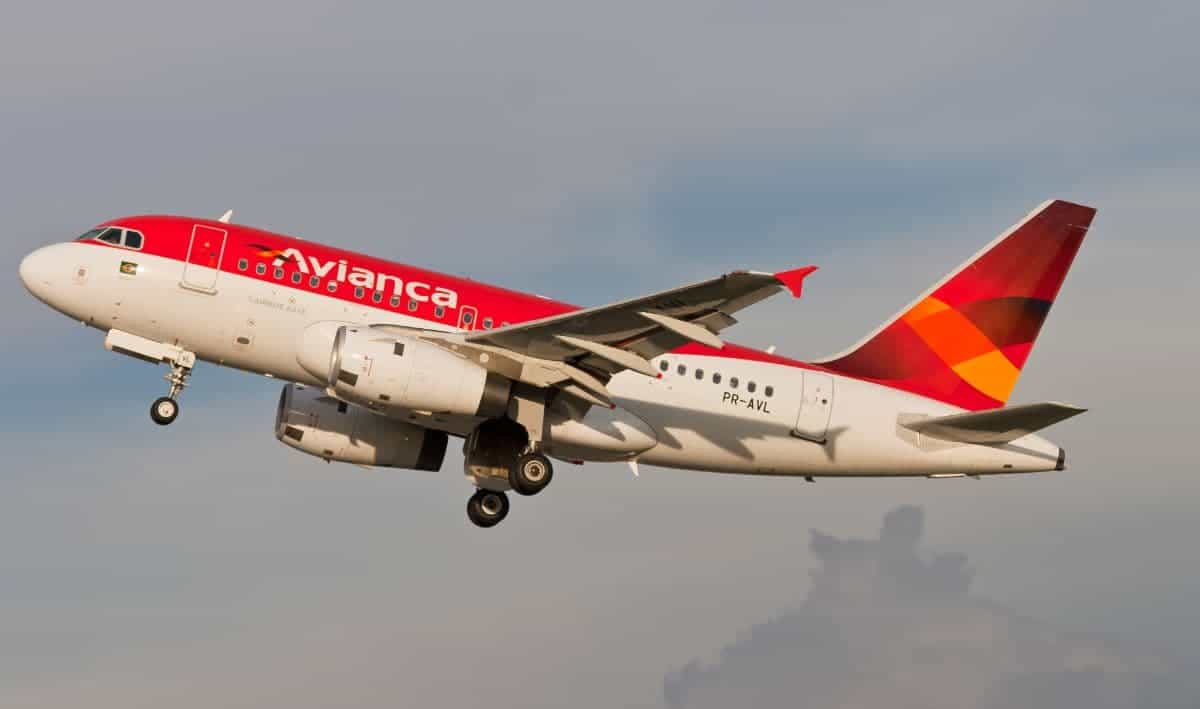
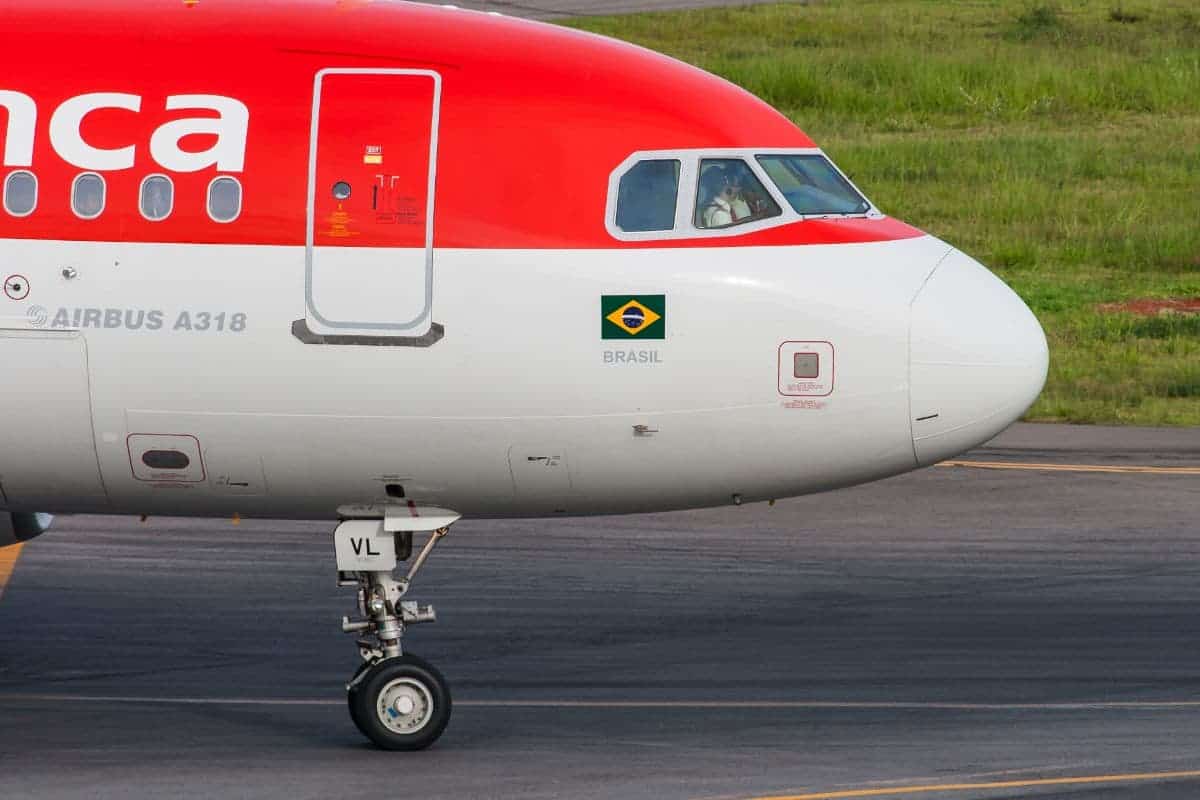
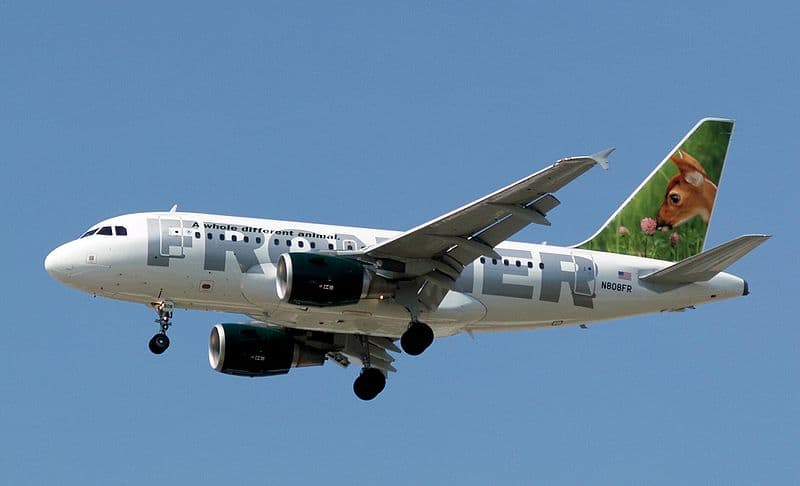
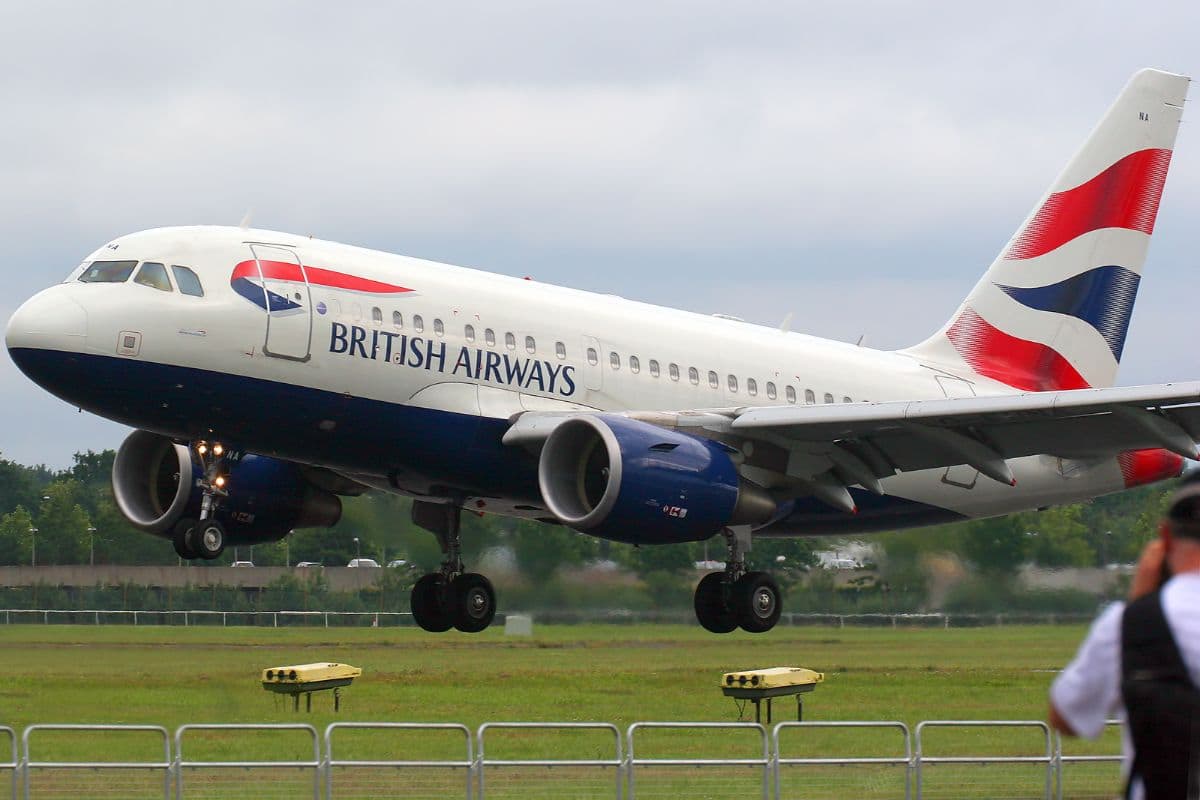
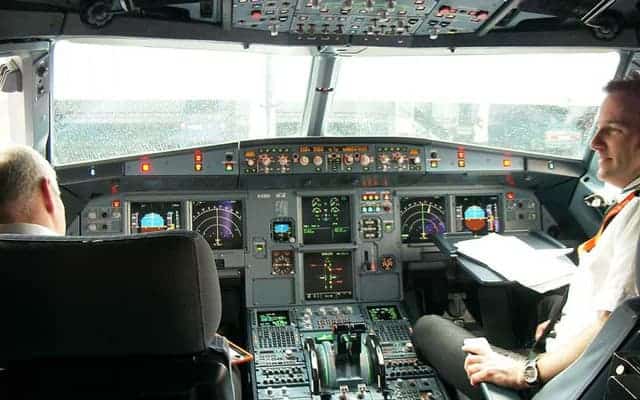
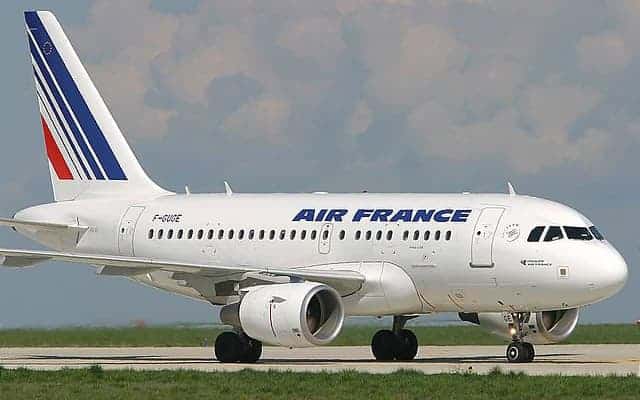
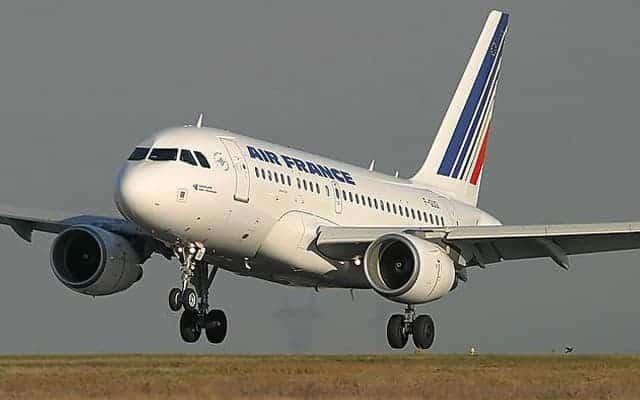
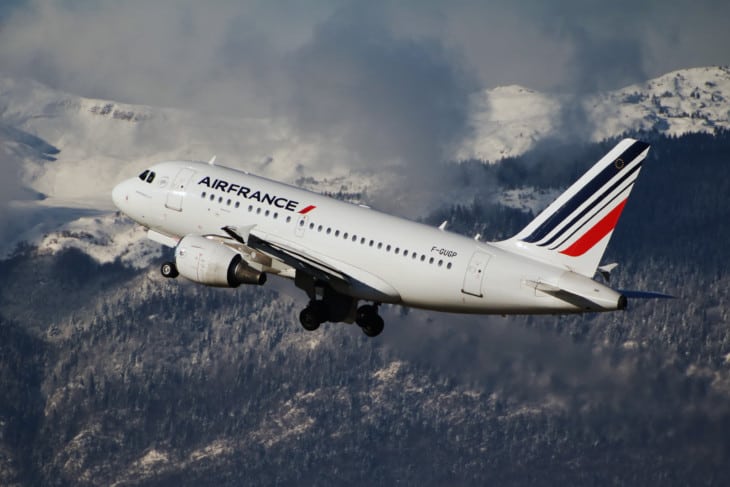
The Airbus A318 is the smallest airliner Airbus has ever built. It is a shortened A320, about 20 feet (6 m) shorter and roughly 3 tonnes lighter, and it is nicknamed the “Baby Bus.”
It first flew from Hamburg on 15 January 2002 and entered service in July 2003 with launch customer Frontier Airlines. Production ended in 2013, and the type is no longer offered for sale.
The full specification table for the aircraft is on this page. The sections below explain the numbers that need context.
The A318 grew out of a Sino-European regional jet plan called the AE31X, which was cancelled in July 1998. Airbus then reworked the idea as a cut-down A319 that kept the A320 family’s cockpit and systems.
The selling point was commonality. Pilots can fly the A318 on the same single type rating as the A319, A320 and A321, so an airline could add small routes without a separate pilot pool.
Two engine families were offered. The CFM56-5B versions, the A318-111 and -112, were certified on 23 May 2003. The Pratt & Whitney PW6000 versions, the A318-121 and -122, followed on 21 December 2005.
The CFM56-5B8 is rated at 21,600 lbf and the higher-rated 5B9 at 23,300 lbf (104 kN). The PW6000 later proved to burn more fuel than Pratt & Whitney had promised, which hurt sales of the version.
The A318’s best-known trick is the steep approach. EASA certified a software upgrade in March 2006 that lets the jet descend at up to 5.5 degrees instead of the usual 3 degrees. It remains the largest airliner EASA had certified for steep approaches.
A test flight into London City Airport followed in May 2006. British Airways received its first steep-approach A318 in August 2009 and flew a 32-seat, all-business-class service between London City and New York JFK, stopping at Shannon on the westbound leg.
British Airways retired its second and last A318 on 31 July 2020, so it no longer operates the type.
The A318 is a short, light airframe on a full-size wing. Its wingspan is 111 ft 11 in (34.10 m), the same as the A320, and its tail stands 41 ft 2 in (12.56 m) tall.
Maximum takeoff weight is 150,000 lb (68,000 kg). At maximum weight and sea level in standard conditions, the takeoff distance is 5,850 ft (1,780 m). The landing distance is 4,050 ft (1,230 m).
The typical range is 3,100 nautical miles (5,740 km) with about 107 passengers in two classes. Cruise is Mach 0.78, with a maximum of Mach 0.82.
The panel shows the single-class figure. The typical two-class layout seats 107 and the typical one-class layout seats 117, with a maximum of 132.

Only about 80 A318s were ordered, against thousands of A320-family jets. Demand fell after the 11 September attacks, and cancellations came from Air China, British Airways and TWA.
The A318 also competed against the Bombardier CRJ900 and the Embraer E-Jet family, which took much of the market for 100-seat jets.
The largest customers were government and corporate operators (20), Air France (18), Avianca (15), GE Capital Aviation Services (12) and Frontier (9), as of 30 September 2017.
The A318 Elite, announced in November 2005, is a corporate version for up to 18 passengers. It is aimed at flights of around 4,000 nautical miles. Comlux Aviation ordered three. See the Airbus A318 Elite ACJ page for that version.

Air France is the last airline operating the A318 on scheduled passenger flights. As of August 2026 it still had four, each with 131 economy seats, and they were due to fly until 27 March 2027. The Airbus A220-300 is replacing them.
Other examples remain with government and private operators. Tarom, Avianca Brasil, Mexicana and LATAM have all flown or retired theirs.
The Airbus A318 is the smallest Airbus airliner and the smallest member of the A320 family. Airbus describes it as seating roughly 100 passengers.
No. British Airways used the A318 for its all-business-class London City to New York JFK service and retired its last one on 31 July 2020.
List prices ran up to about $62 million (2008). The A318 is out of production, so a used one is priced by the market rather than Airbus.
No. The A318 cruises far higher, with a service ceiling of 41,000 feet. Ten thousand feet is the level below which US airliners normally stay at or under 250 knots.
The typical range is 3,100 nautical miles (5,740 km) with about 107 passengers. The Elite business version reaches roughly 4,000 nautical miles with fewer seats.
Weak demand after 2001, cancellations, a thirsty PW6000 engine and competition from regional jets held orders to about 80.
Sources and references used for research and fact-checking.