
Light Passenger Jets
Sukhoi Superjet 100-95 SSJ
ICAO: SSJ1
The quiet quad-jet built for city airports and short runways
The latest aviation news and stories sent to your inbox.
The British Aerospace BAe 146 was designed to serve airports that other jets struggled to reach. With four small turbofan engines and exceptional short-field performance, it became known for its quiet operations and ability to connect major cities with smaller regional destinations.
Live Fleet Activity (B462)
Fetching live data…
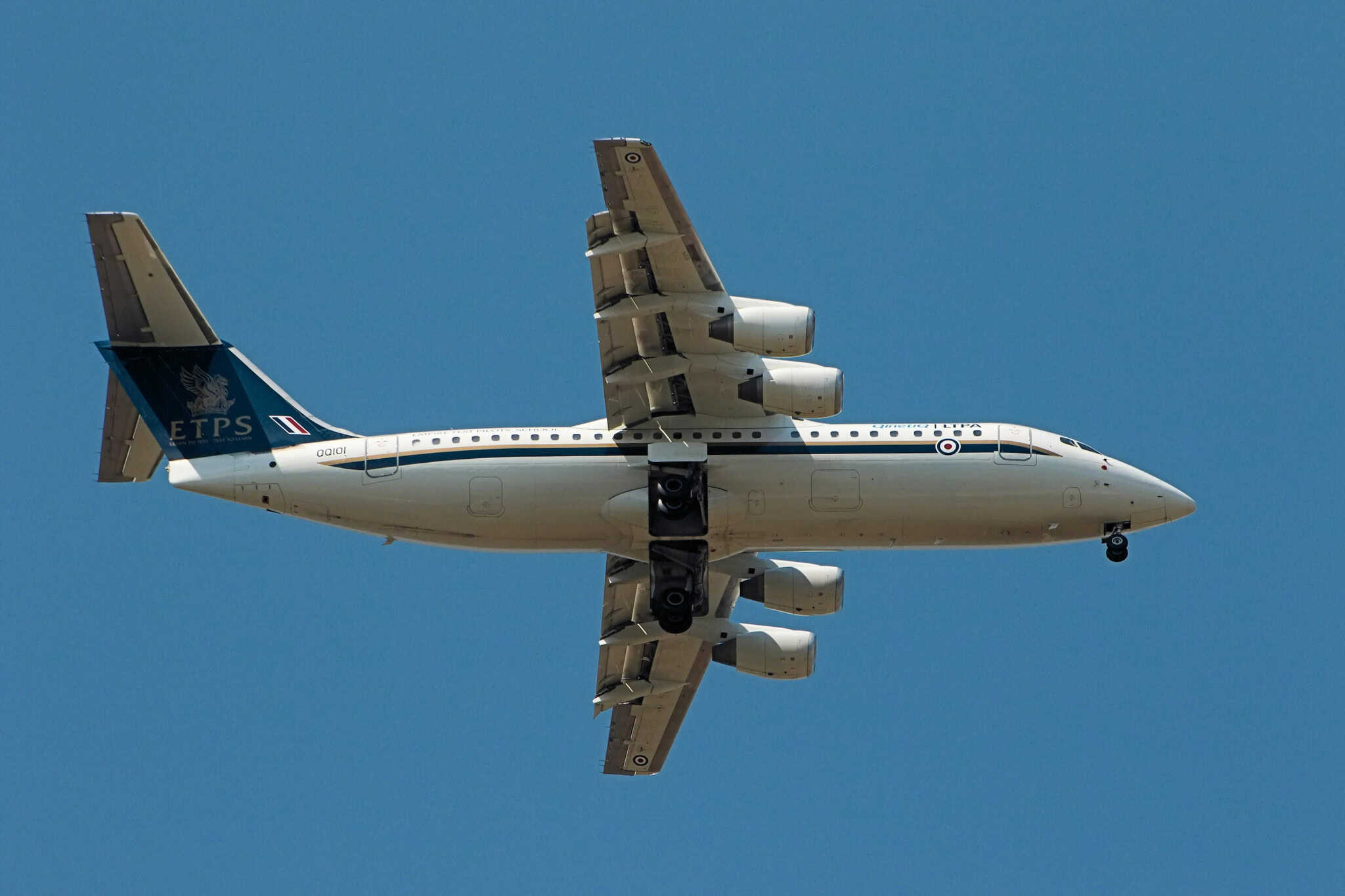
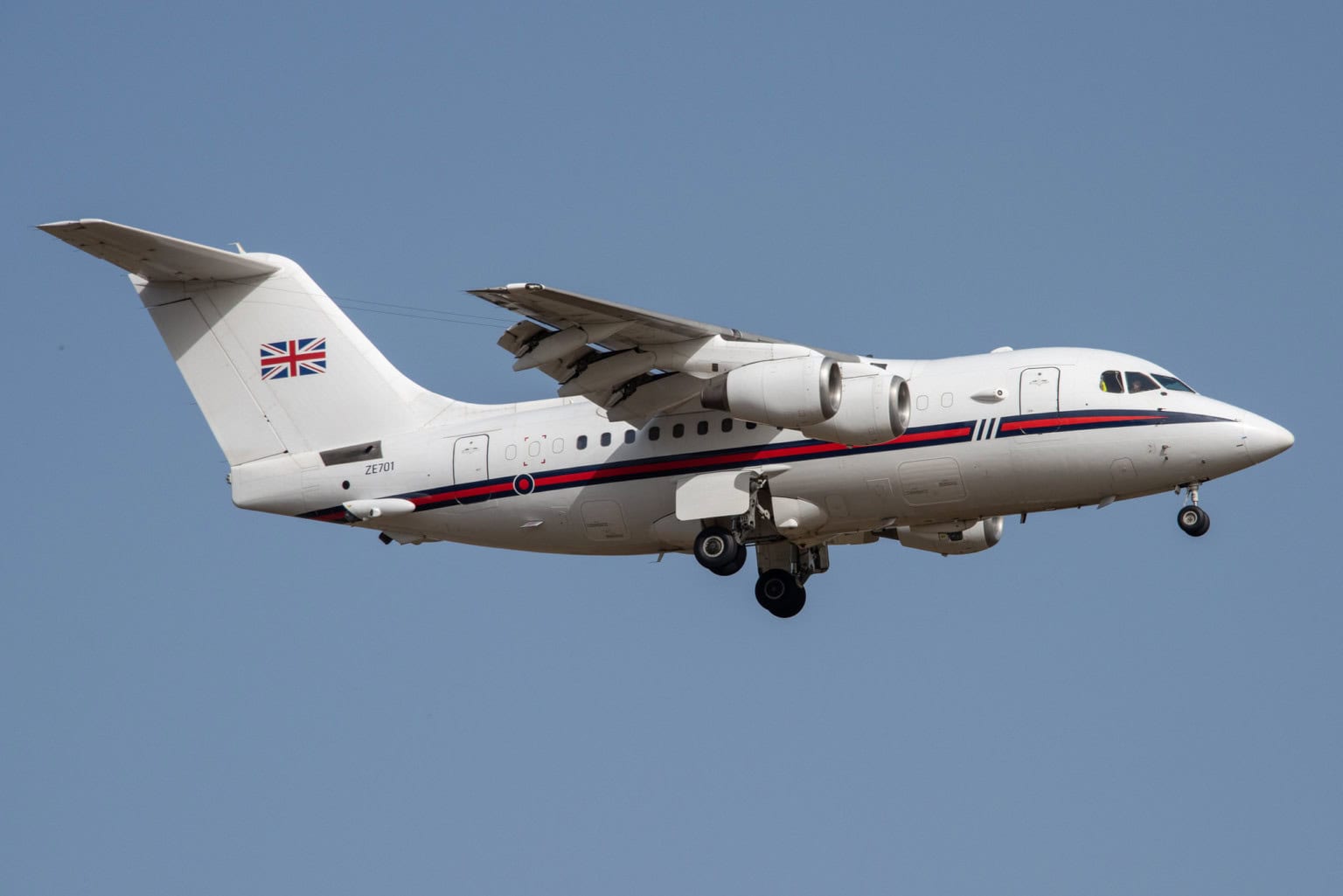
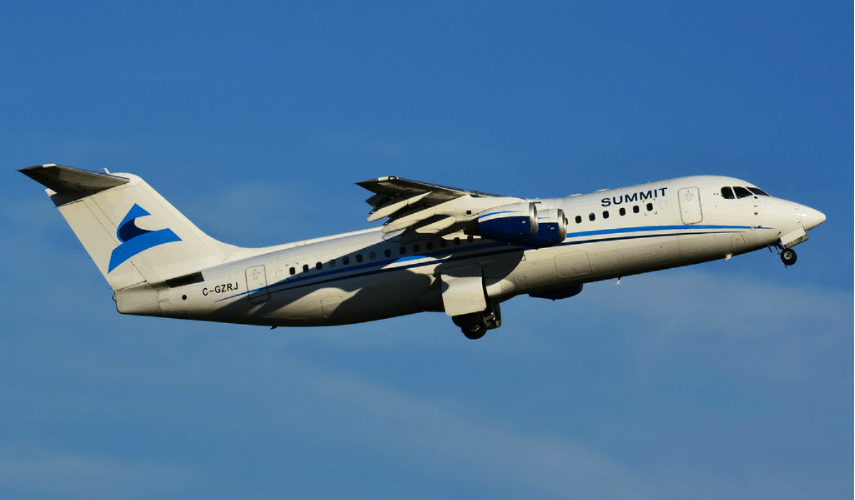



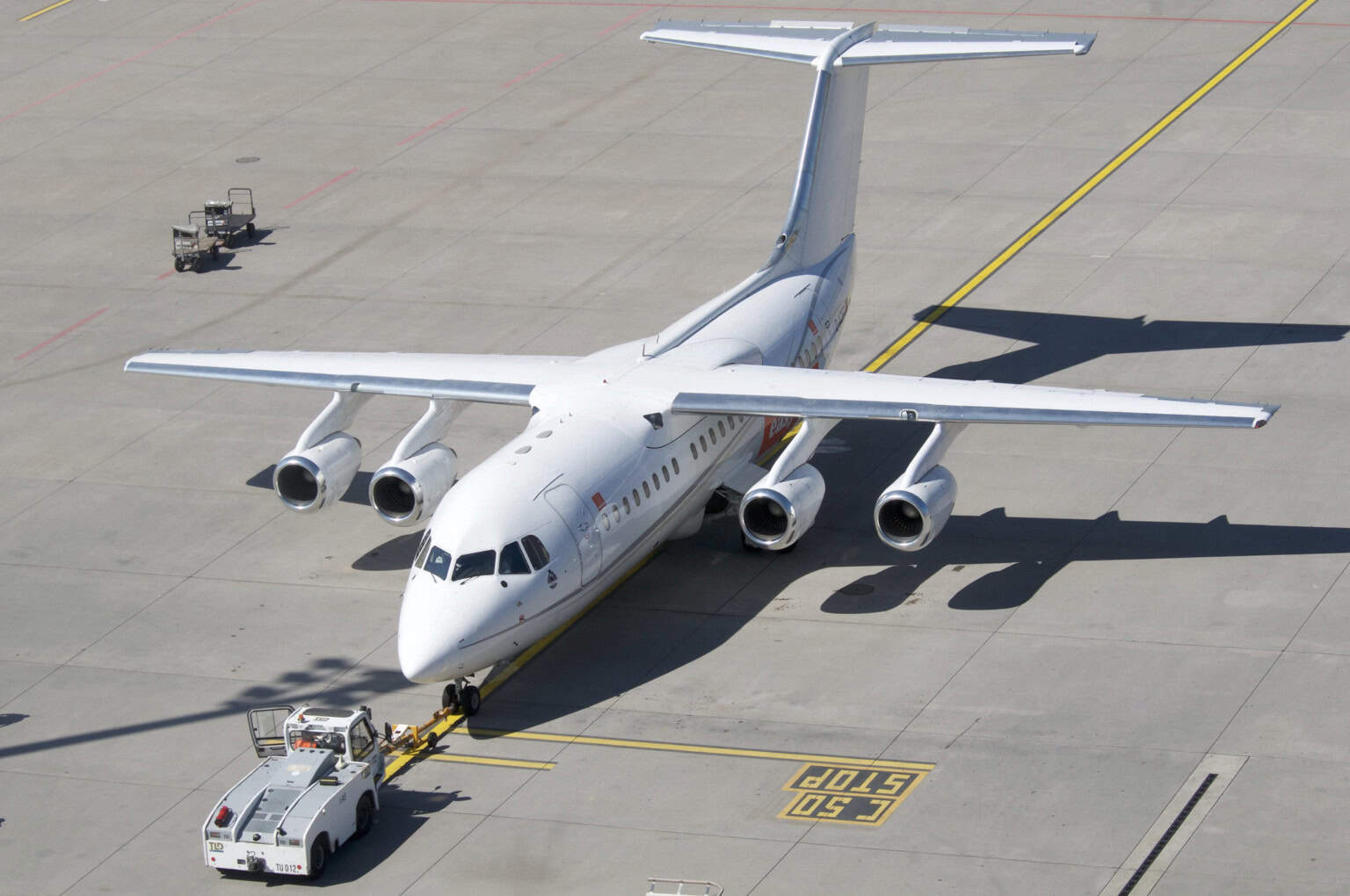


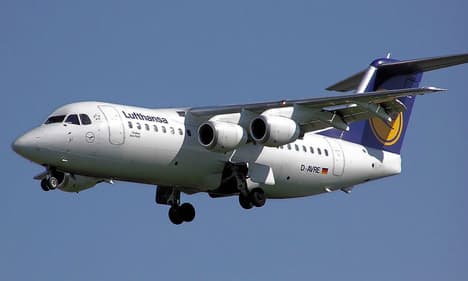
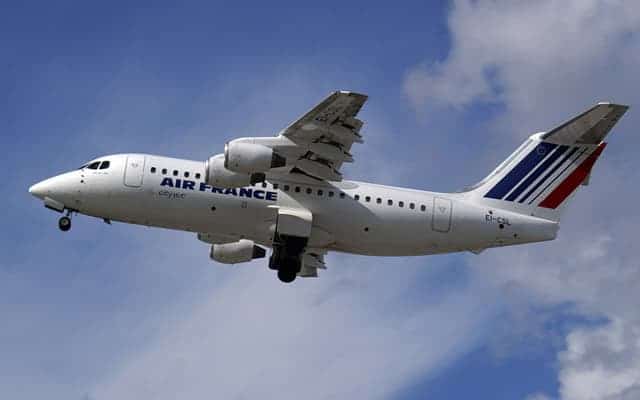
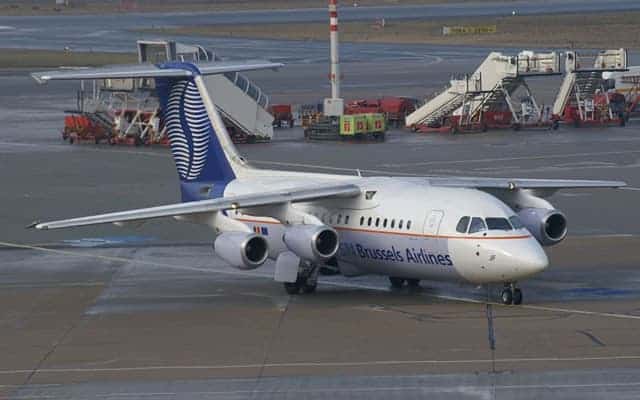

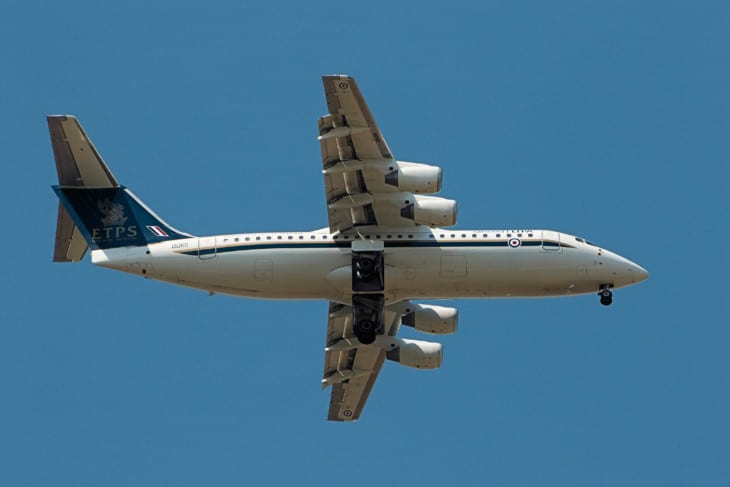
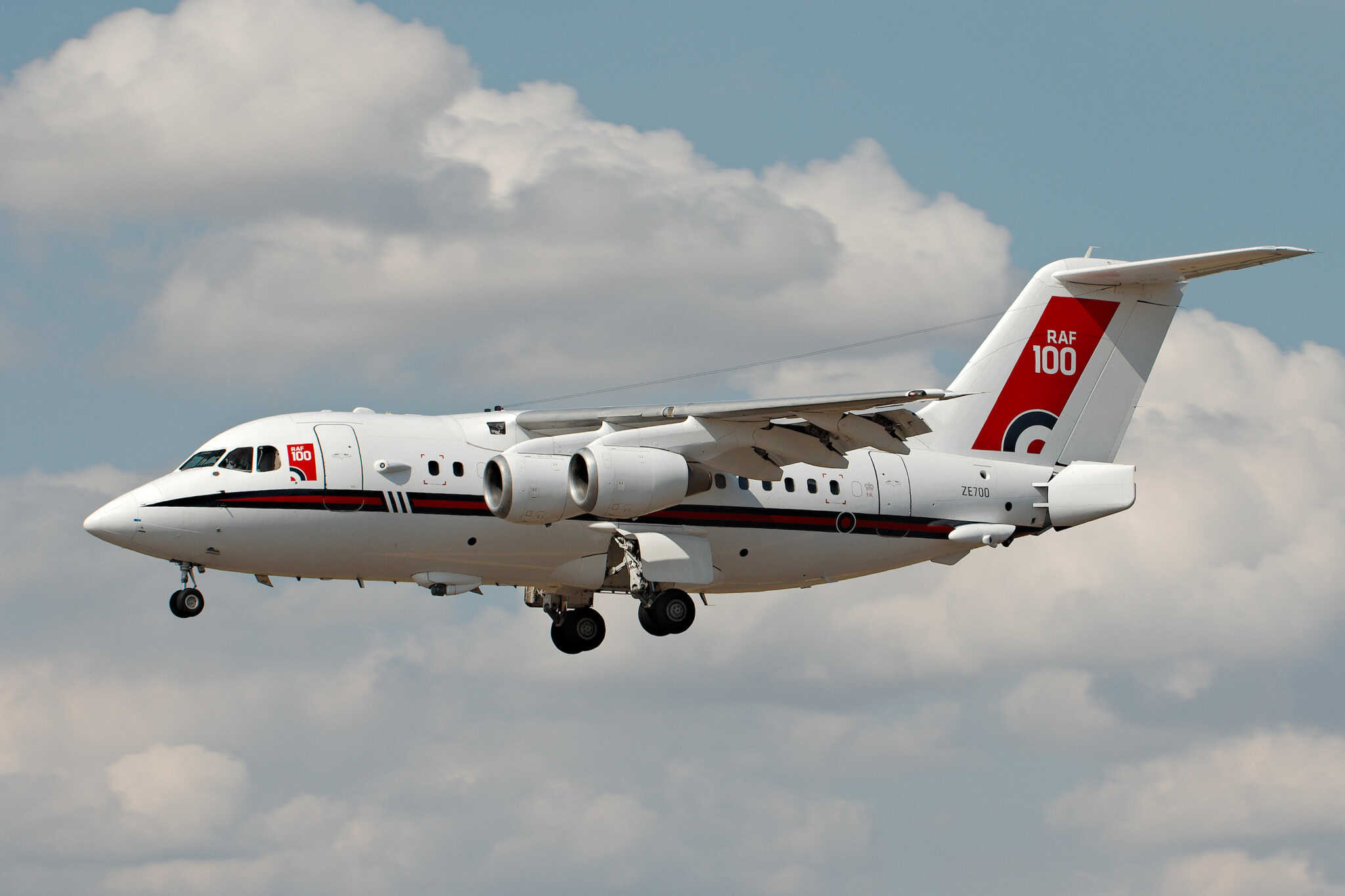
The BAe 146 was developed in the late 1970s as a high-wing, four-engine regional airliner optimized for short-haul routes and challenging airports. First flown in 1981 and entering service in 1983, the aircraft was designed to operate from short runways and noise-sensitive urban airports. Its high-mounted wing, robust landing gear, and advanced high-lift devices allowed it to deliver excellent takeoff and landing performance while maintaining low approach speeds.
One of the aircraft’s defining features was its four-engine configuration. Powered by compact turbofan engines, the BAe 146 offered lower external noise levels than many contemporaries, earning it the nickname “Whisperjet.” This made it particularly attractive to airlines operating into city-center airports such as London City, where steep approaches and strict noise limits were in place.
The BAe 146 was produced in several passenger variants and later evolved into the Avro RJ series with updated avionics and improved efficiency. It served airlines across Europe, North America, and Asia, becoming popular for regional and feeder routes. Beyond passenger service, the airframe proved adaptable, with cargo conversions and specialized roles including aerial firefighting, where its high wing and stable handling made it effective as a water bomber.
Production ended in the early 2000s, but many BAe 146 aircraft remain in niche roles today. Its combination of quiet performance, short-field capability, and operational flexibility secured its place as one of Britain’s most distinctive commercial aircraft designs.
The BAe 146 originated from a company effort to fill a gap between turboprops and larger jets for short sectors. Development emphasized compatibility with noise-restricted airports and the ability to operate from airfields with limited infrastructure. Design goals included forgiving low-speed handling and straightforward maintenance for frequent short-turn operations.
Early airframe prototypes underwent a test program focused on low-speed aerodynamics and ground handling on soft or uneven surfaces. Flight testing evaluated flap systems and leading-edge devices to achieve the targeted approach and takeoff characteristics. Structural testing addressed repeated short-cycle fatigue associated with high-frequency regional rotations.
Certification testing concentrated on noise and field performance standards relevant to urban airport operations. The manufacturer adapted production planning to allow gradual ramp-up and to accommodate multiple cabin layouts requested by regional operators. Production context included subcontracted component work across several UK and international suppliers to meet market demand.
Factory support plans emphasized short-term turnaround and line-maintainable systems to minimize ground time. Training syllabuses for flight crews highlighted unique handling traits associated with wing and flap combinations. Maintenance documentation and spares provisioning reflected the need for airlines to sustain operations at secondary airports with limited support facilities.
The BAe 146 employs a high-mounted wing and a T-tail configuration that yields clean airflow at the flaps and controls. The wing incorporates extensive trailing-edge flaps and slats that produce high lift coefficients at slow speeds, supporting low approach velocities and steep approach capability when required. The airframe layout places the fuselage close to the ground to ease loading and unloading.
The structure uses conventional aluminum alloys with reinforced attachments for frequent cycles and rough-field operations. Landing gear is robust and positioned to provide stability on uneven surfaces and unimproved pavements. Access panels and modular systems simplify component replacement for operators that need rapid turnarounds between rotations.
Avionics installations were offered in incremental configurations ranging from basic regional flight decks to upgraded digital suites. The manufacturer positioned avionics options to match airline operational philosophies, from crew workloads optimized for short sectors to enhanced navigation for noise abatement procedures and constrained approach paths.
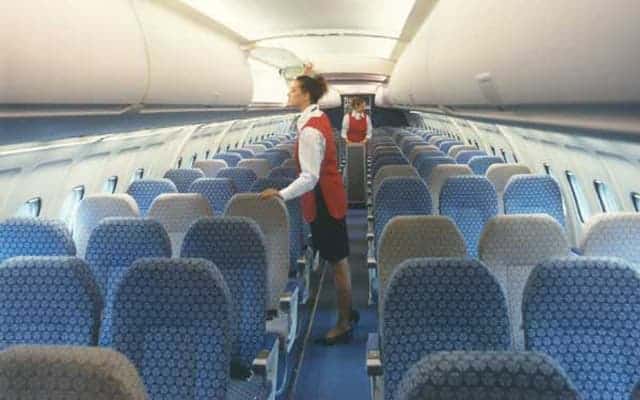
Distinguishing features include the combination of multiple small turbofan nacelles under the wing root area and tailored nacelle mounting to reduce vibration transmission to the fuselage. Cabin cross-sections were arranged to provide standard single-aisle seating while permitting multiple galley and lavatory configurations suited to short-haul operations and quick turn schedules.
The aircraft is optimized for short-haul mission profiles with cruise and climb characteristics designed to support multiple daily sectors. Cruise economy favors lower block times and frequent climb-cruise-climb cycles rather than a single long cruise, making the type efficient for short legs but less competitive on long-range sectors versus twinjets designed for longer stages.
Range capability supports typical regional networks and point-to-point city-pair links where runway or noise constraints preclude larger jets. Payload options permit mixed passenger and light cargo loads for feeder services. Operational ceiling and long-range cruise are sufficient for regional routing; however payload-range trade-offs are present when operating from high-altitude or hot-weather airports.
Climb performance and approach stability provide operators with conservative angle-of-attack margins at low speeds, aiding steep approaches into constrained fields. Endurance on station suits shuttle and frequent-turn operations rather than extended loiter or ferry missions. Operators report predictable handling in gusty conditions and during go-around maneuvers typical of busy terminal areas.
Operational limitations include higher per-seat fuel consumption compared with later-generation twinjets optimized for regional routes. Noise and runway performance advantages mitigate some economic differences for operators serving airports with restrictions. Weight growth through modifications can decrease useful load and range if not offset by performance upgrades or fuel planning.
The basic production family included short- and stretched-fuselage versions to match varying capacity requirements. Each stretched version offered increased payload and range through longer fuselage sections and reinforced floor structures to handle higher gross weights. Cabin flexibility allowed operator reconfigurations for higher-density commuter layouts or lower-density premium services.
Later factory-upgraded derivatives incorporated improved avionics packages and more refined cabin systems to meet evolving regulatory and airline requirements. Structural improvements and strengthened components were introduced for operators who required higher cycle counts and more intensive short-haul utilization. Noise reduction refinements appeared on select builds to comply with increasingly stringent limits.
Specialized adaptations converted some airframes into freighters and combi models with reinforced floors and large cargo doors. These conversions retained the original aerodynamic and landing characteristics while allowing operators to exploit the airframe for express cargo and mixed freight-passenger missions. Firefighting and survey roles utilized structural hardpoints and auxiliary tanks in dedicated retrofit programs.
Airlines used the type predominantly on short domestic and regional sectors where runway length, noise restrictions, or rapid frequency mattered more than lowest-possible seat-mile costs. The aircraft found roles on city-center services and routes between secondary airports that lacked jet bridges and extensive ground support. Operators valued quick turnaround capability and the aircraft’s predictable low-speed handling for scheduled commuter services.
The type also entered conversion programs for freight operators and charter companies that required a short-field capable jet with a relatively roomy cabin for cargo pallets. Some government and quasi-government services used the airframe for personnel transport and utility roles because of its ability to operate into constrained airfields. Seasonal deployments included special-purpose missions where specialized equipment was fitted to the airframe.
Cargo conversions extended operational life for many airframes after primary passenger careers declined. These freight operators emphasized the aircraft’s low-threshold runway performance for express logistics into smaller airports. Operational scheduling often leveraged the airplane’s fast climb and descent profiles to maintain tight multi-sector rotations inside congested airspace.
Fleet experience across operators highlighted robust landing gear and airframe resilience to frequent cycles. Maintenance intervals were structured to reflect short-sector usage with components designed for higher takeoff and landing counts. Operators transitioning from turboprops noted differences in ground handling and turnaround logistics that required revised ground crew procedures.
A wide range of regional and national carriers adopted the aircraft for short-haul networks, including services into airports with steep approaches or tight slot constraints. Cargo and charter operators also introduced converted examples into express freight networks. Government agencies and air forces employed a limited number of airframes for transport and utility tasks.
Small corporate and specialist operators acquired modified examples for roles that demanded quiet operations near population centers. Airport authorities and some municipal services used the aircraft in demonstration and emergency support roles because of its ability to access fields inaccessible to larger jets. Airline training organizations retained several for crew conversion and recurrent training duties.
Operator experience varied with route structure and maintenance philosophies. Fleets with centralized heavy maintenance programs achieved longer operational durations, while those relying on dispersed support required enhanced spares provisioning. Retirement patterns often favored transfer to niche operators or conversion to freighter and special-mission configurations.
The program demonstrated that specialized design trade-offs could open markets constrained by noise and runway length rather than capacity alone. The aircraft validated approaches to high-lift mechanical arrangements and robust undercarriage design for intensive regional use. Its operational record informed later designs that balanced airport access with airline economics.
The airframe’s adaptability to cargo, survey, and firefighting roles provided a pathway for extending service life beyond primary passenger careers. Operators and maintenance organizations developed conversion and sustainment practices that proved useful for other regional types when repurposing fleets. Lessons on modular avionics upgrades and cabin reconfiguration influenced aftermarket strategies for regional aircraft.
From a programmatic perspective, the aircraft illustrated the requirements of serving city-center operations with jet performance. Market responses highlighted the importance of operating-cost parity with newer twinjets for long-term viability. A number of surviving airframes remain in specialized roles, where their particular performance characteristics are still operationally relevant.
Sources and references used for research and fact-checking.