Light Passenger Jets
British Aero BAe 146
ICAO: B462
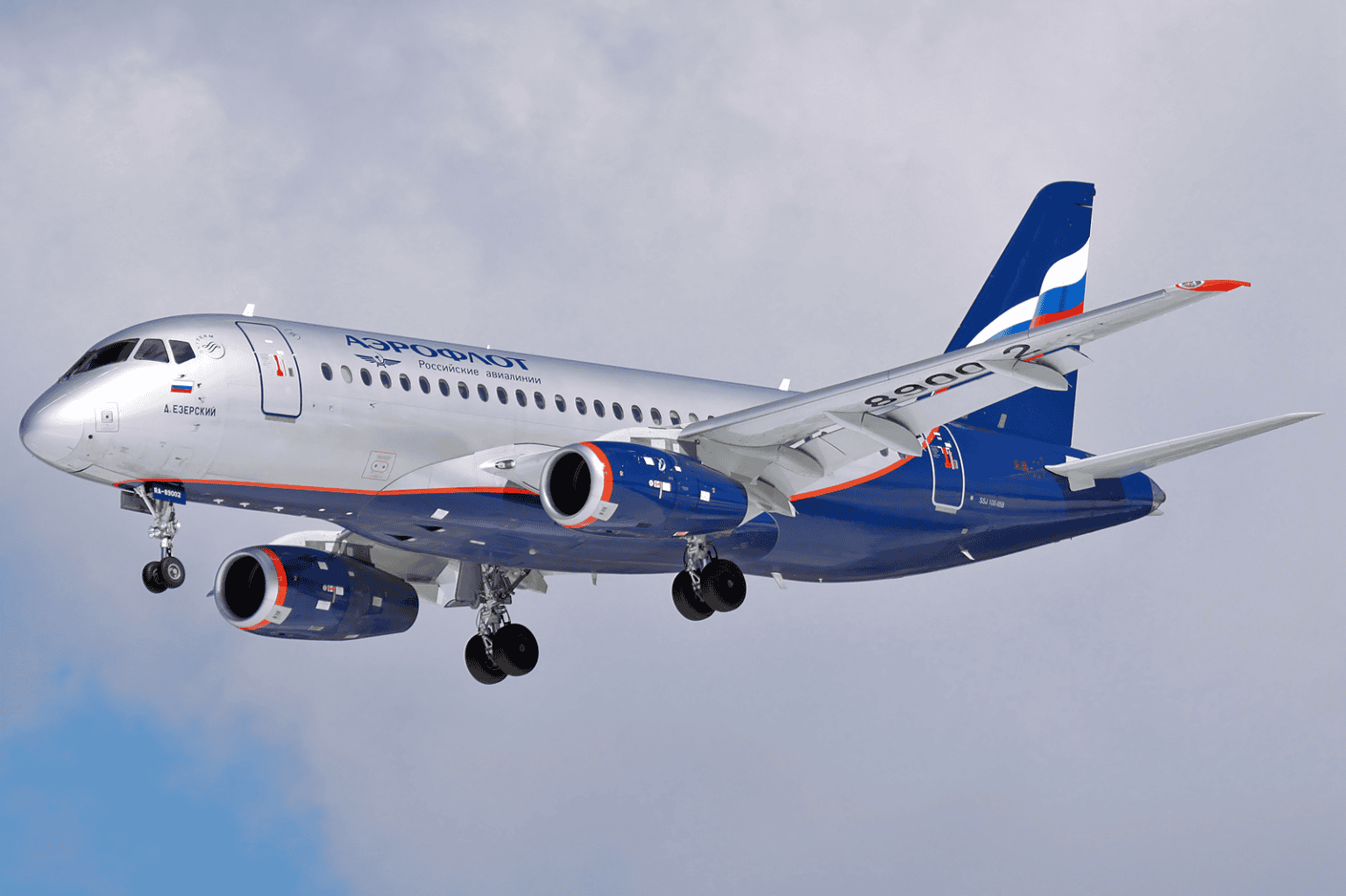
The modern Russian regional jet built for short and medium-haul routes.
The latest aviation news and stories sent to your inbox.
The Sukhoi Superjet 100-95 is a twin-engine regional jet developed to modernize Russia’s short-haul airliner fleet. Introduced in the late 2000s, it combines Western and Russian systems in a contemporary narrow-body design. The aircraft serves domestic and international operators.
Live Fleet Activity (SSJ1)
Fetching live data…


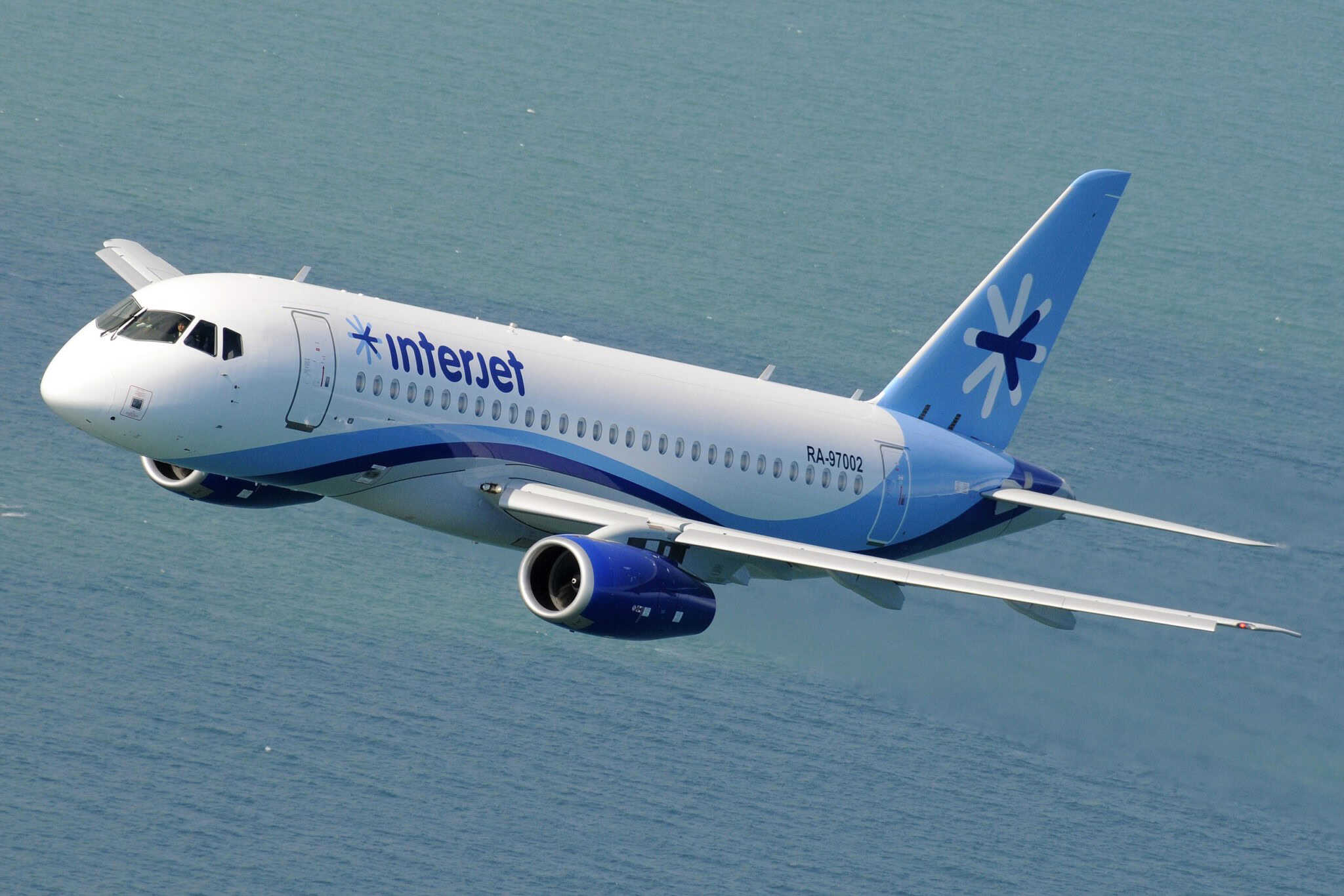

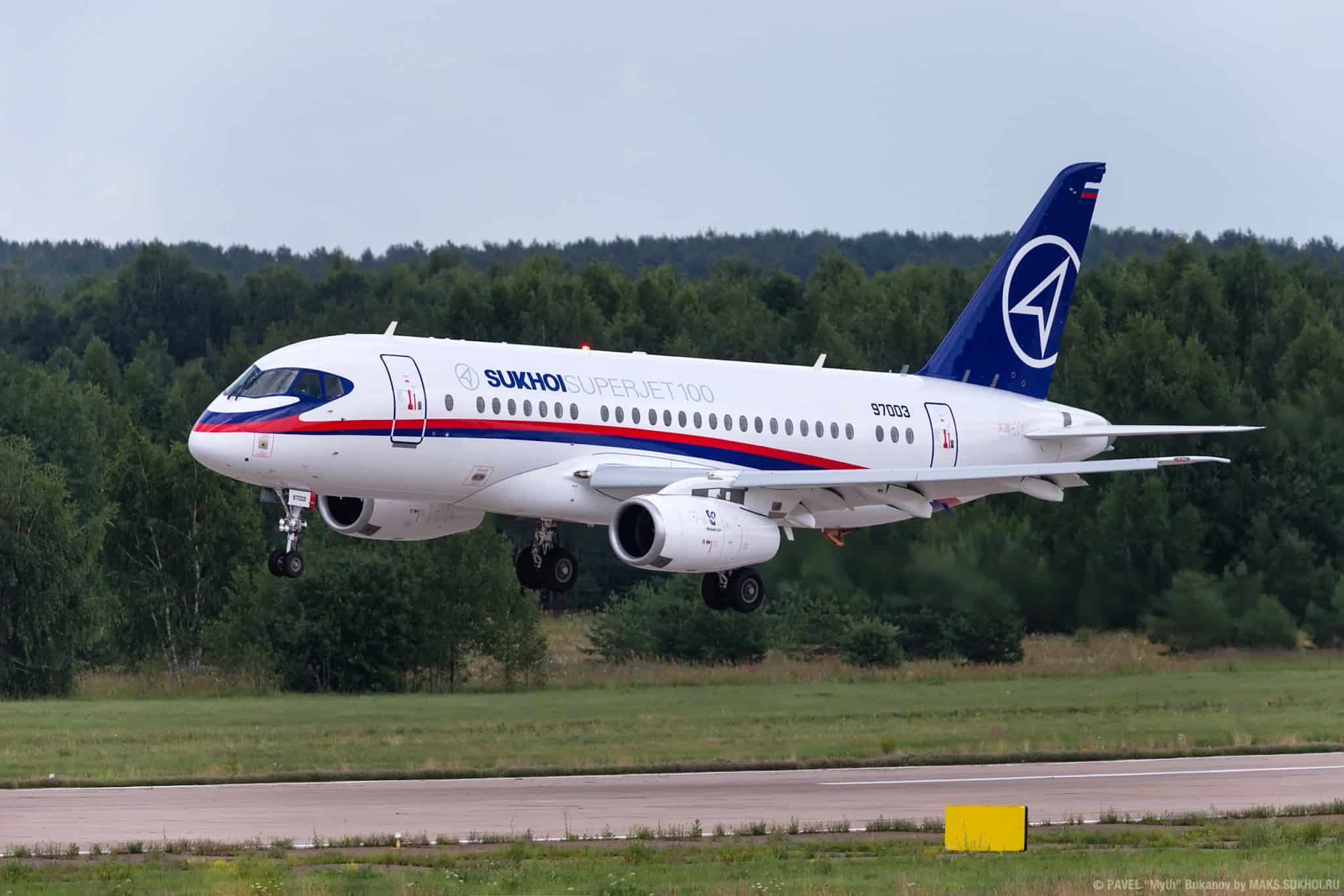


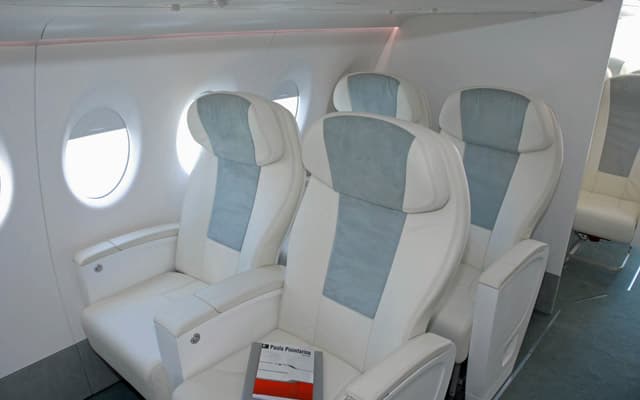
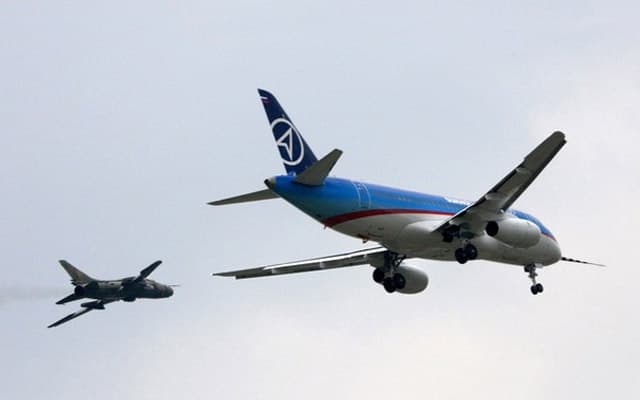

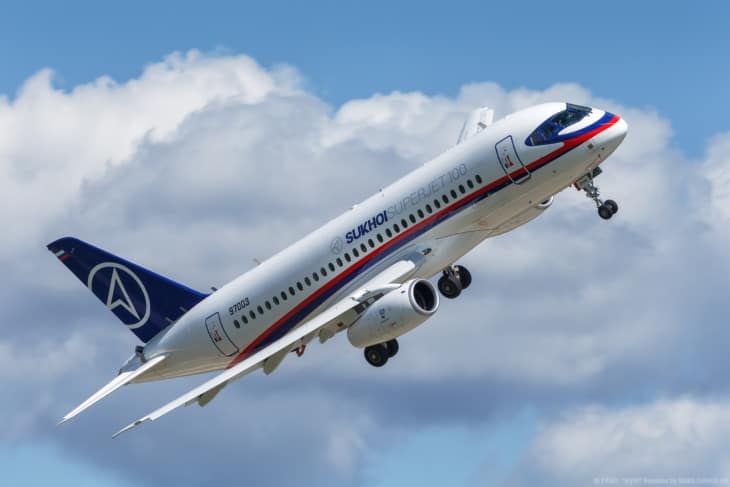
The Superjet 100 first flew in 2008 and entered airline service in 2011. It was designed as a clean-sheet regional jet featuring a conventional low-wing layout and underwing-mounted turbofan engines. International suppliers contributed to avionics and systems during early production phases.
Powered by two PowerJet SaM146 turbofan engines producing approximately 17,600 pounds of thrust (78 kN) each, the SSJ100 cruises at around 470 knots (870 km/h). Maximum takeoff weight is roughly 108,000 pounds (49,000 kg). Seating capacity typically ranges from 87 to 98 passengers.
The aircraft has operated primarily within Russia and selected international markets. Operational support and supply chain challenges have influenced its deployment. The Superjet represents a significant post-Soviet effort to reestablish a domestic commercial aircraft industry.
Sources and references used for research and fact-checking.