Jumbo Passenger Jets
Airbus A380-900
ICAO: A389
The widebody pioneer that launched Airbus Into the jet age
The latest aviation news and stories sent to your inbox.
When the Airbus A300B2 took flight, it marked the beginning of a new chapter in European aviation. As the first production model of Airbus’s first twin-engine widebody, it proved that Europe could compete with the giants of the industry and reshape commercial travel for decades to come.
Live Fleet Activity (A30B)
Fetching live data…


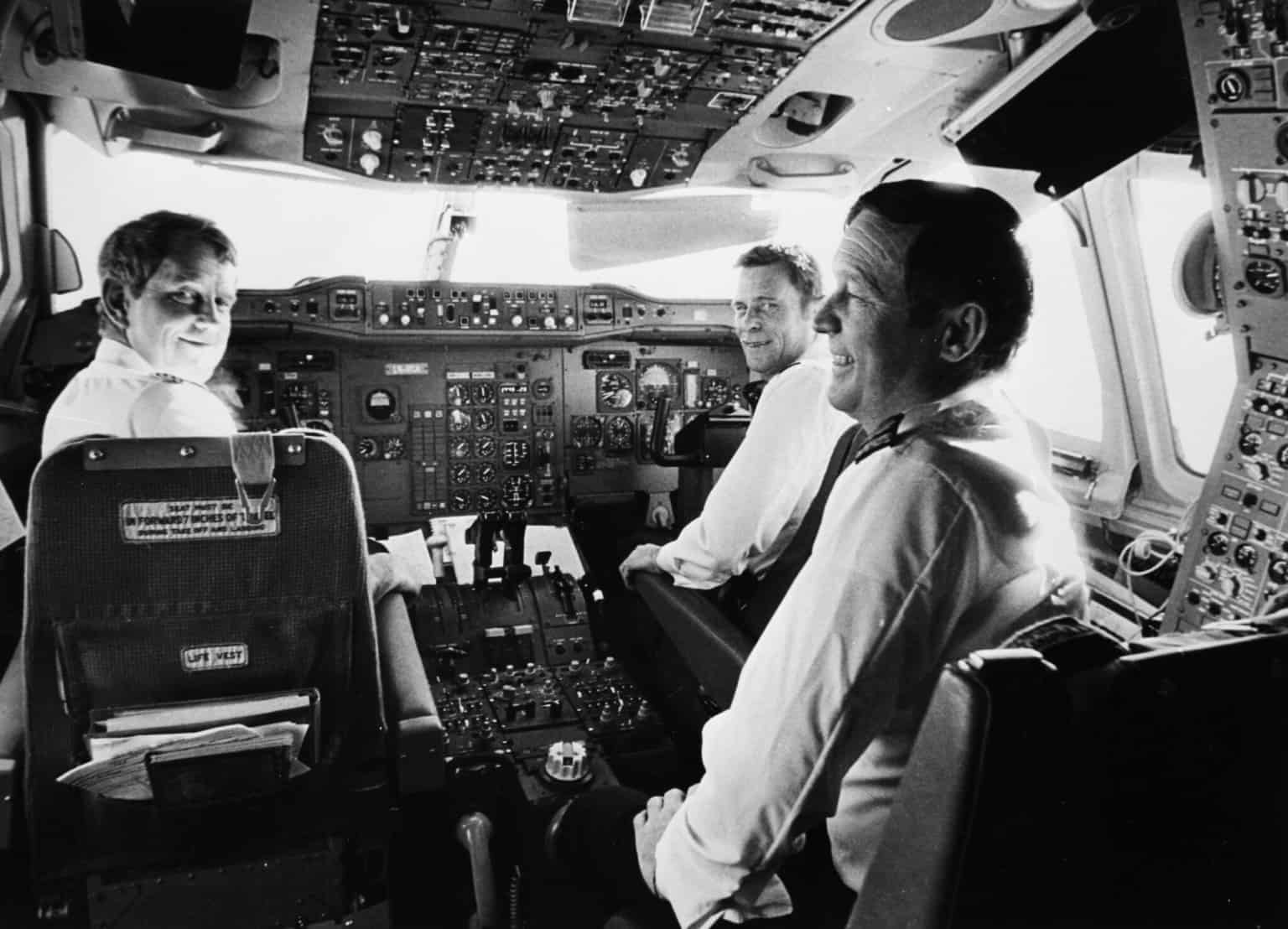


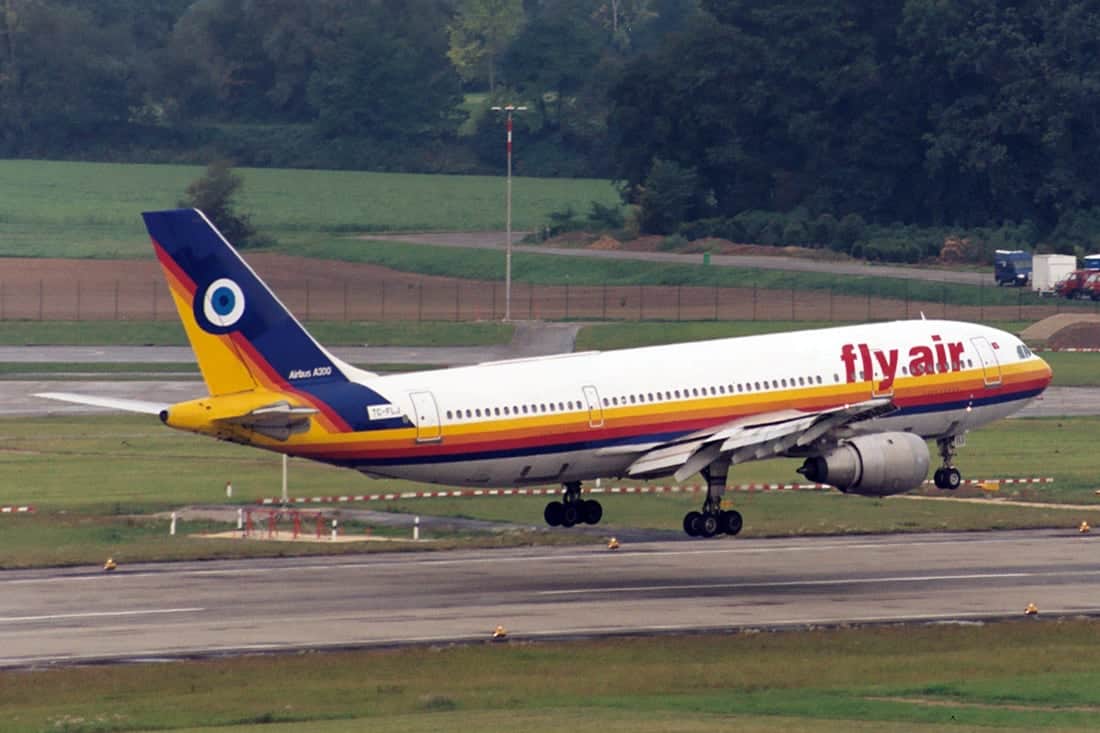


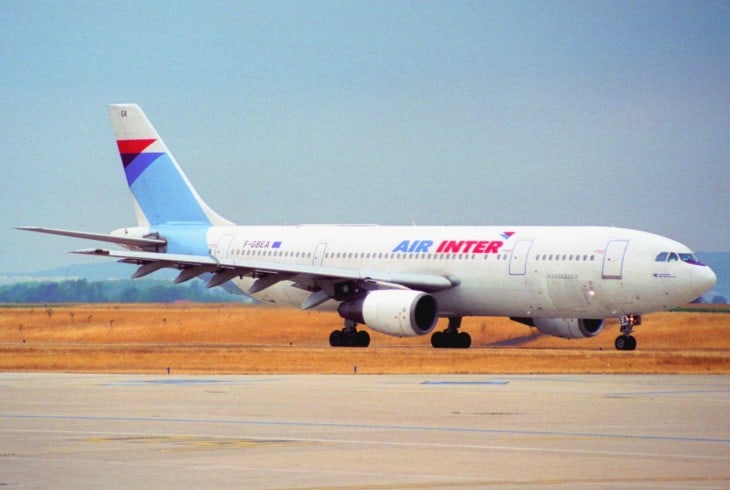
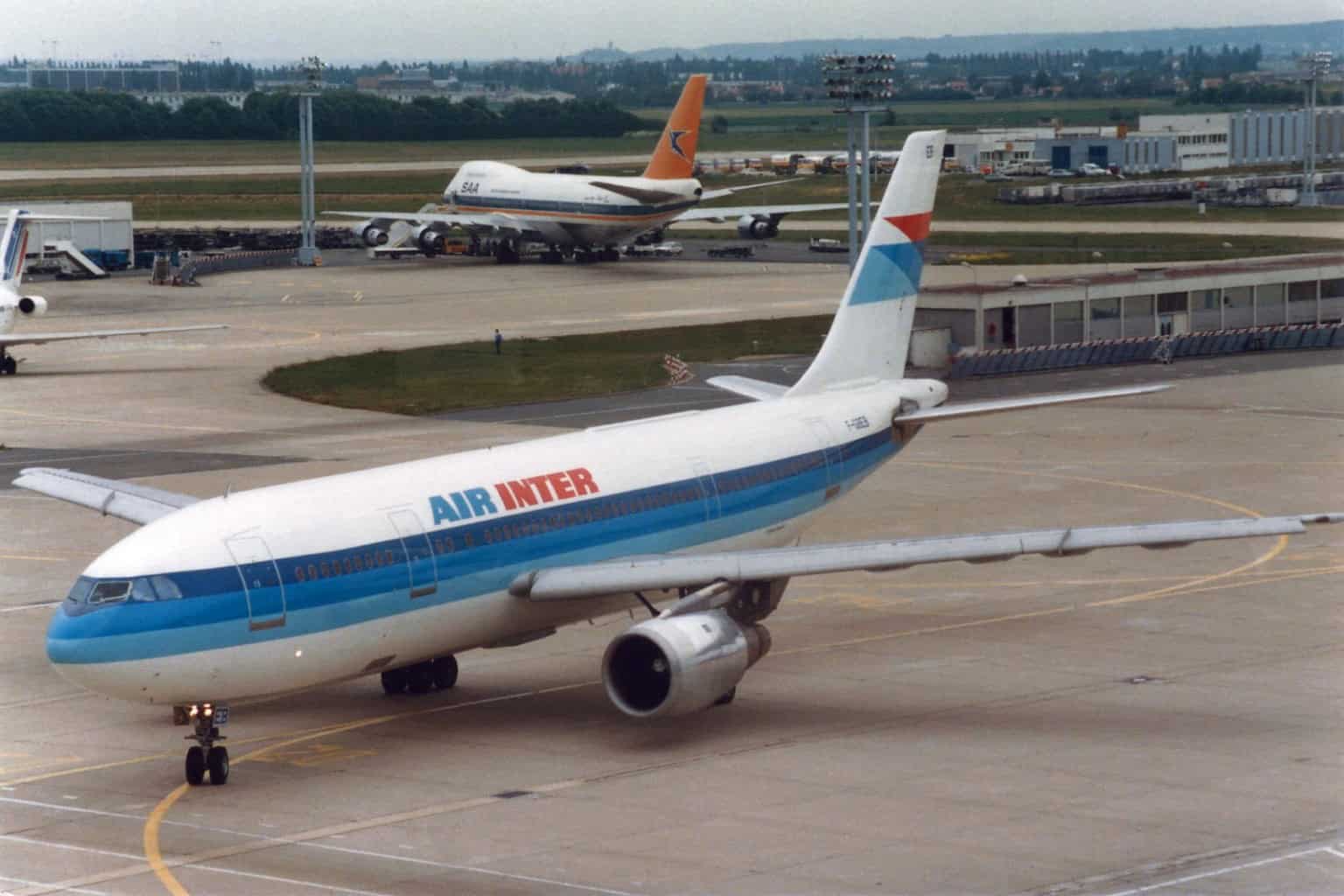
The Airbus A300B2 was the earliest production variant of the A300 family and one of the most important aircraft in Airbus history. Developed during the late 1960s and early 1970s, the A300 program aimed to create a modern, fuel-efficient widebody airliner that would offer airlines lower operating costs without the size and fuel consumption of long-range four-engine jets. The B2 model became the first version built in significant numbers.
The A300B2 entered service in 1974 with Air France after completing flight testing that began in 1972. Its design featured a two-aisle cabin, advanced high-lift wings, and a modern glass cockpit layout for its time. The aircraft’s twin-engine configuration was a major step forward in efficiency and became a defining feature of Airbus philosophy for decades.
Early A300B2 aircraft were typically powered by either General Electric CF6 or Pratt & Whitney JT9D engines. These powerplants gave the aircraft enough capability to serve busy regional and medium-haul routes across Europe and Asia. The model’s typical range suited high-density flights between major city pairs, where airlines valued its fuel savings and generous passenger capacity.
The A300B2 helped establish Airbus as a credible competitor to American manufacturers. It introduced design ideas that influenced later Airbus aircraft, including cockpit commonality and efficient widebody layouts. Although later A300 variants and the A310 expanded the platform’s capabilities, the B2 remained the foundation that allowed Airbus to grow into a global leader.
Today, the A300B2 is remembered as a pioneering step for Airbus and a milestone in the evolution of modern commercial aviation.
Sources and references used for research and fact-checking.