

Table of Contents
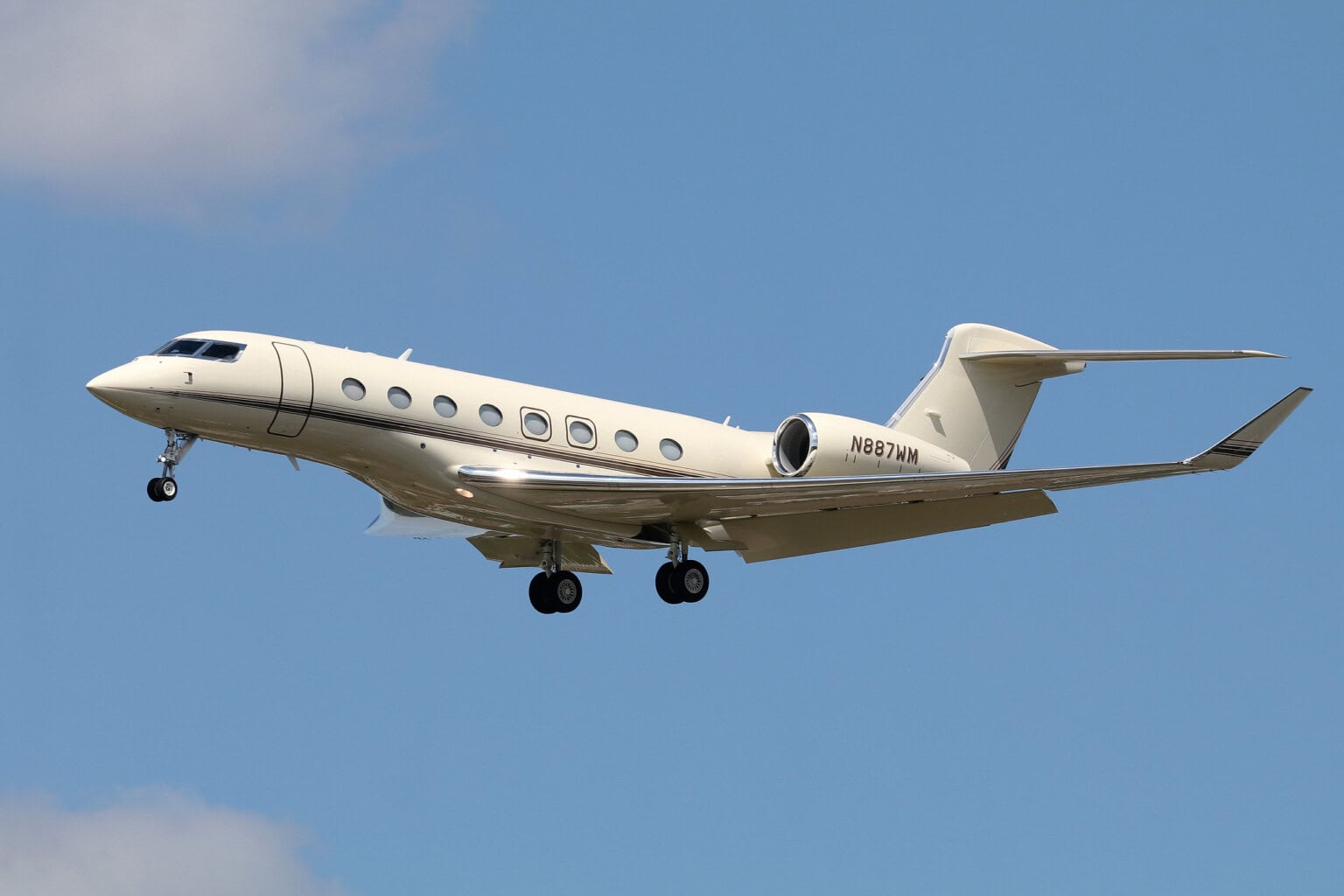
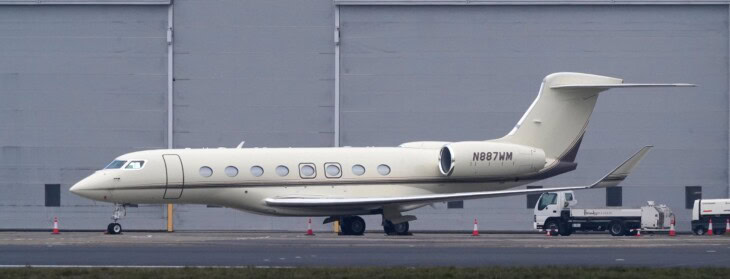
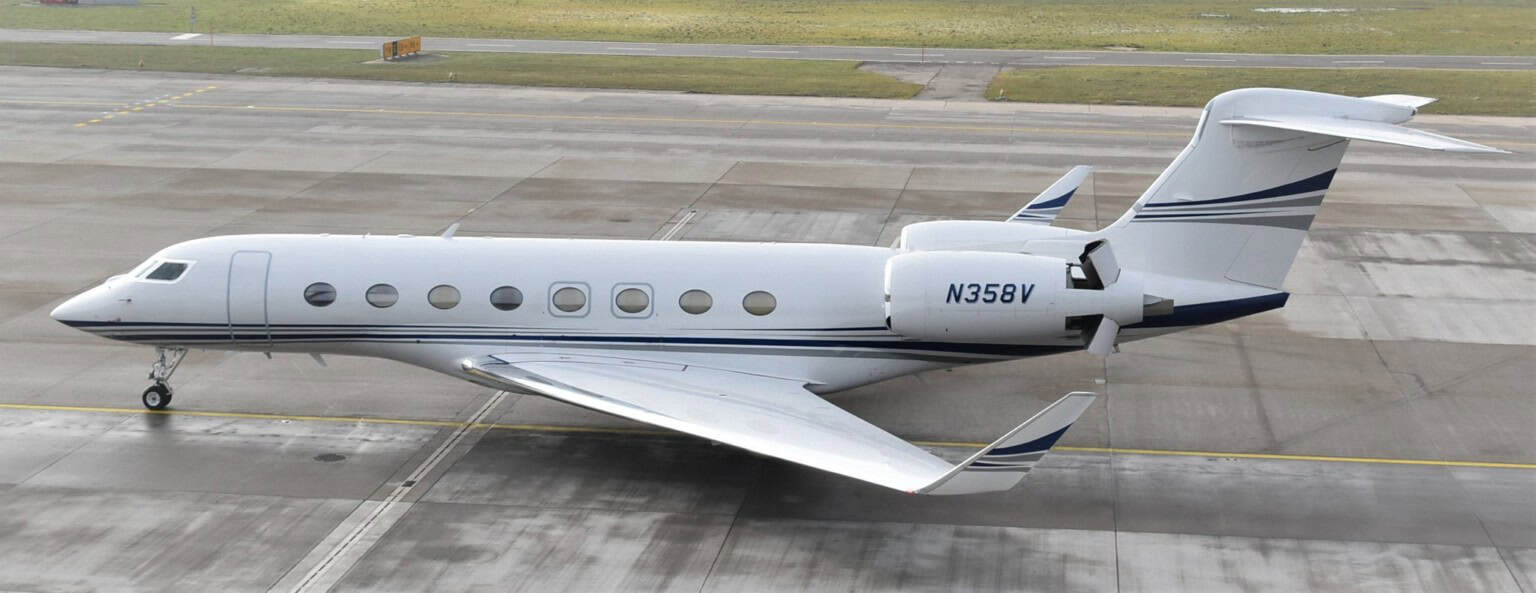
The tail numbers are the first clue. N887WM commemorates August 1987, the month Bill Gates met Melinda French at a Microsoft dinner in New York. N194WM marks January 1994, the month they married in Hawaii. Both registrations are held by MENTE LLC, a Gates-controlled entity in Washington State, and both aircraft are Gulfstream G650ERs worth roughly $70 million each. The world’s most ambitious philanthropist travels in jets that carry a love story in their registration numbers.
But two G650ERs are just the flagship layer of a larger fleet. Gates also holds fractional shares in two Bombardier Challenger 350s through NetJets, the private aviation company owned by Berkshire Hathaway. Warren Buffett, Berkshire’s chairman, was the one who convinced Gates to start flying private in the early 2000s, calling his NetJets share the second-best business decision he had ever made. Gates took the advice, and eventually outgrew the fractional model for long-haul travel. The result is a four-jet operation valued at roughly $194 million, supported by a Cessna 208 seaplane and a Eurocopter EC-135 helicopter for shorter hops around the Pacific Northwest.
This guide covers every aircraft in the Bill Gates private jet fleet: full specs, tail numbers, acquisition history, and the carbon emissions controversy that has shadowed his climate work. It also looks at the famous flights, the record-breaking performance of the G650ER, and where Gates stands alongside other billionaire flyers.
Quick facts about Bill Gates’ private jets
Bill Gates’ Complete Private Jet Fleet
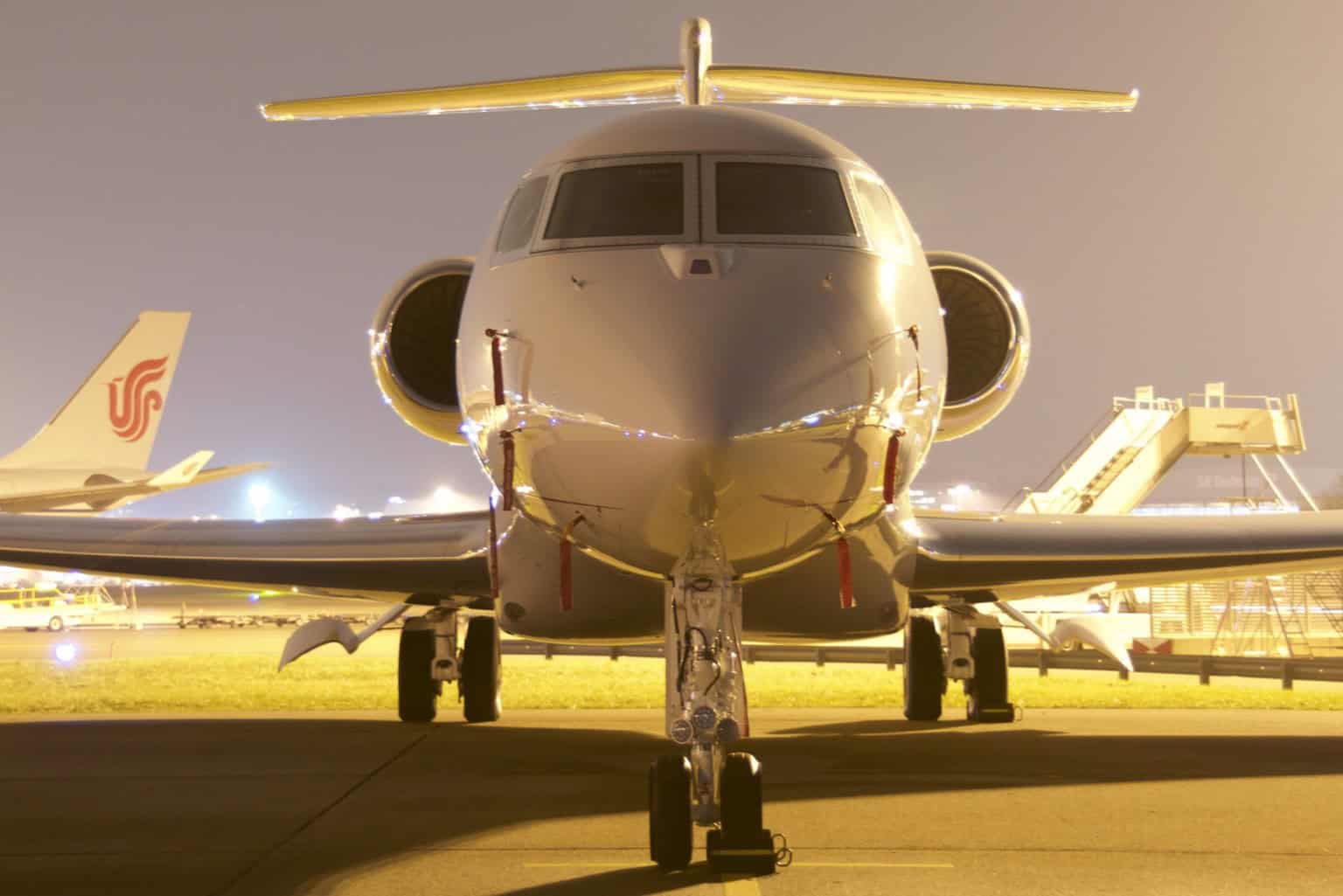
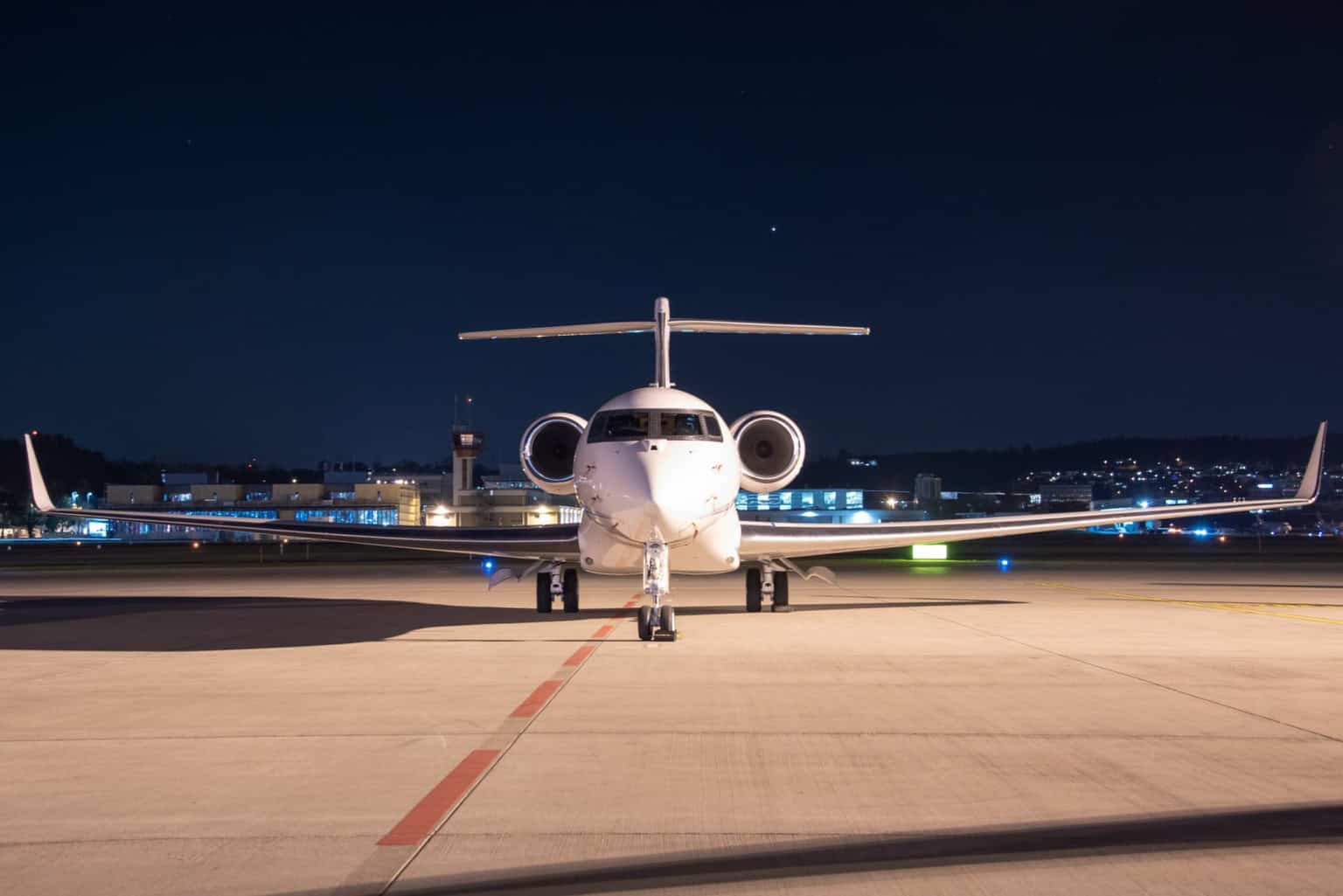
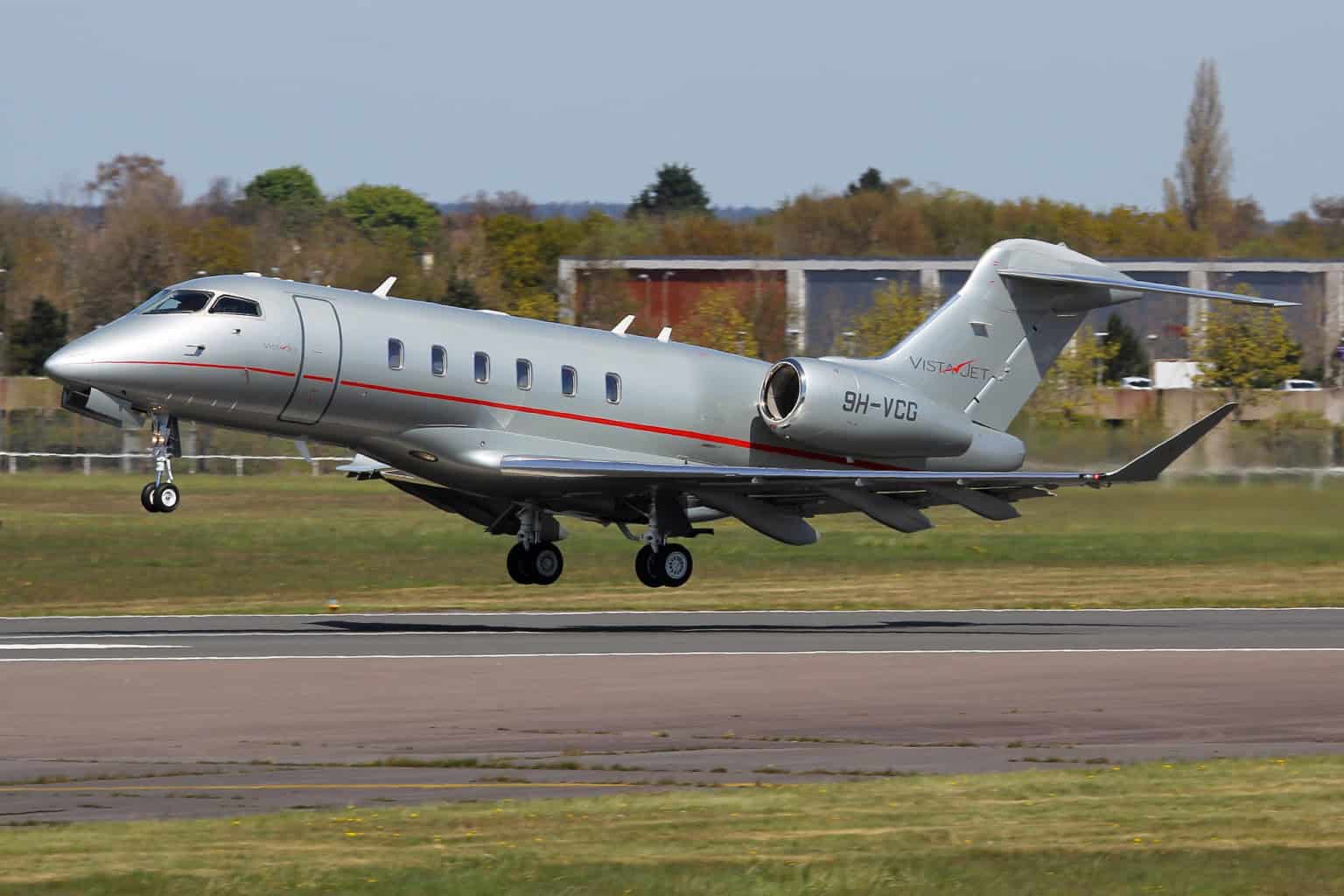
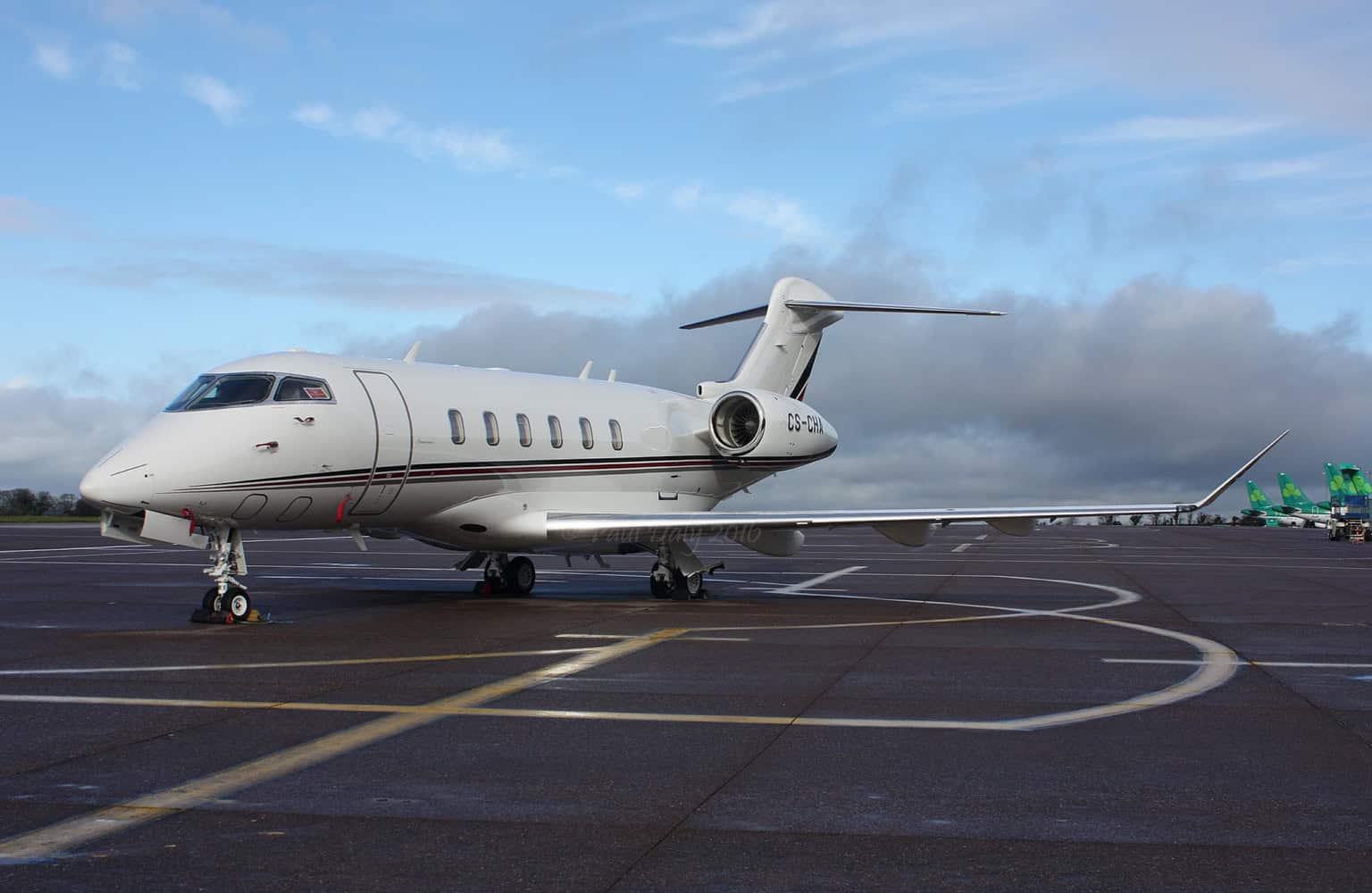
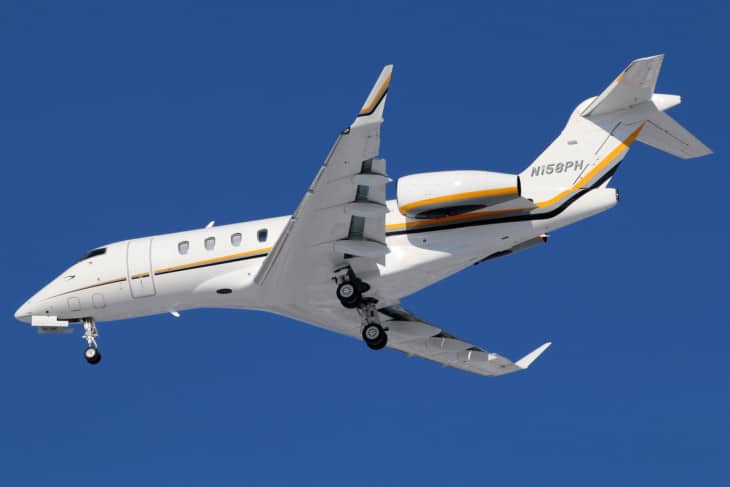
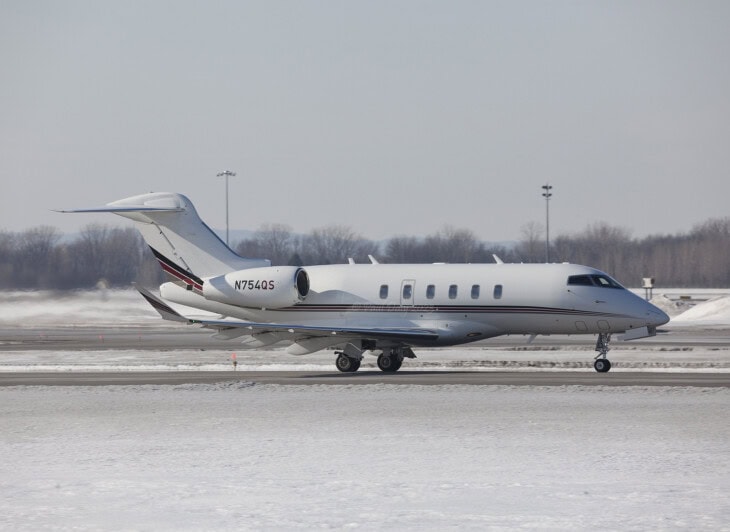
Gates operates four business jets split across two tiers: two ultra-long-range Gulfstream G650ERs for intercontinental travel and two mid-size Bombardier Challenger 350s through his NetJets fractional arrangement for shorter regional trips. Both G650ERs are registered to MENTE LLC and based at King County International Airport (BFI) in Seattle.





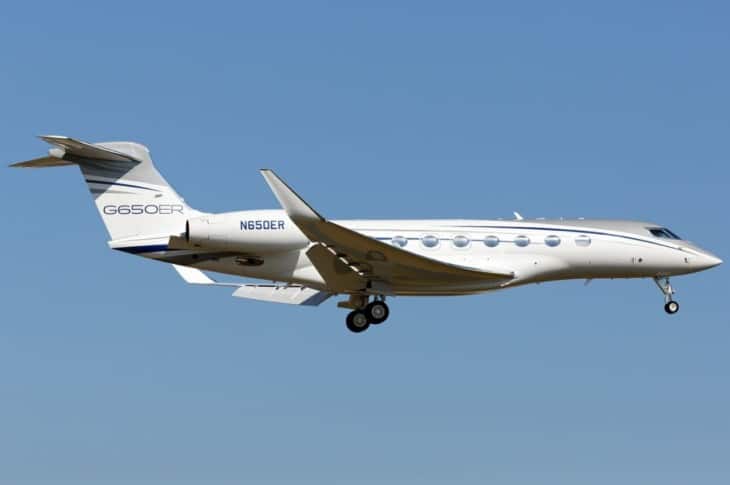
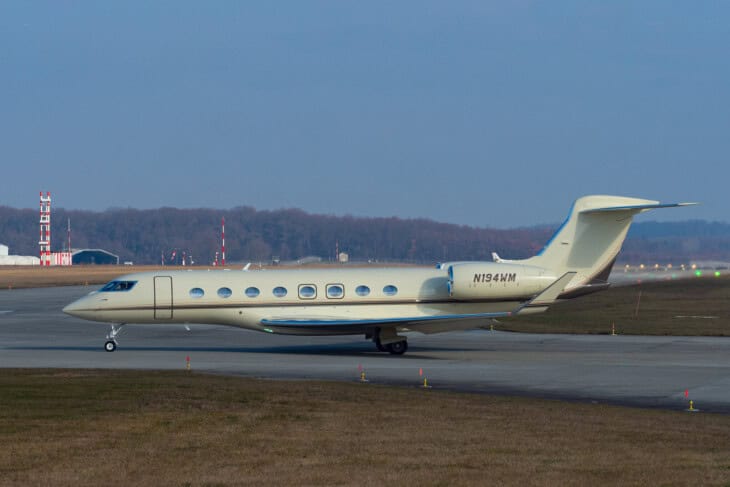
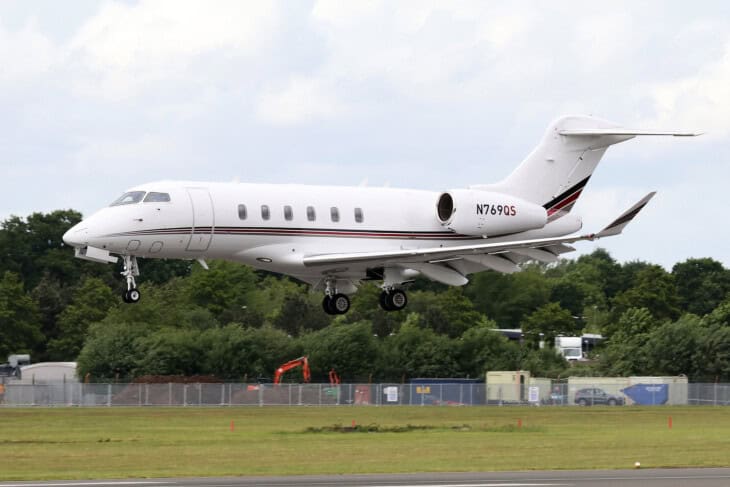


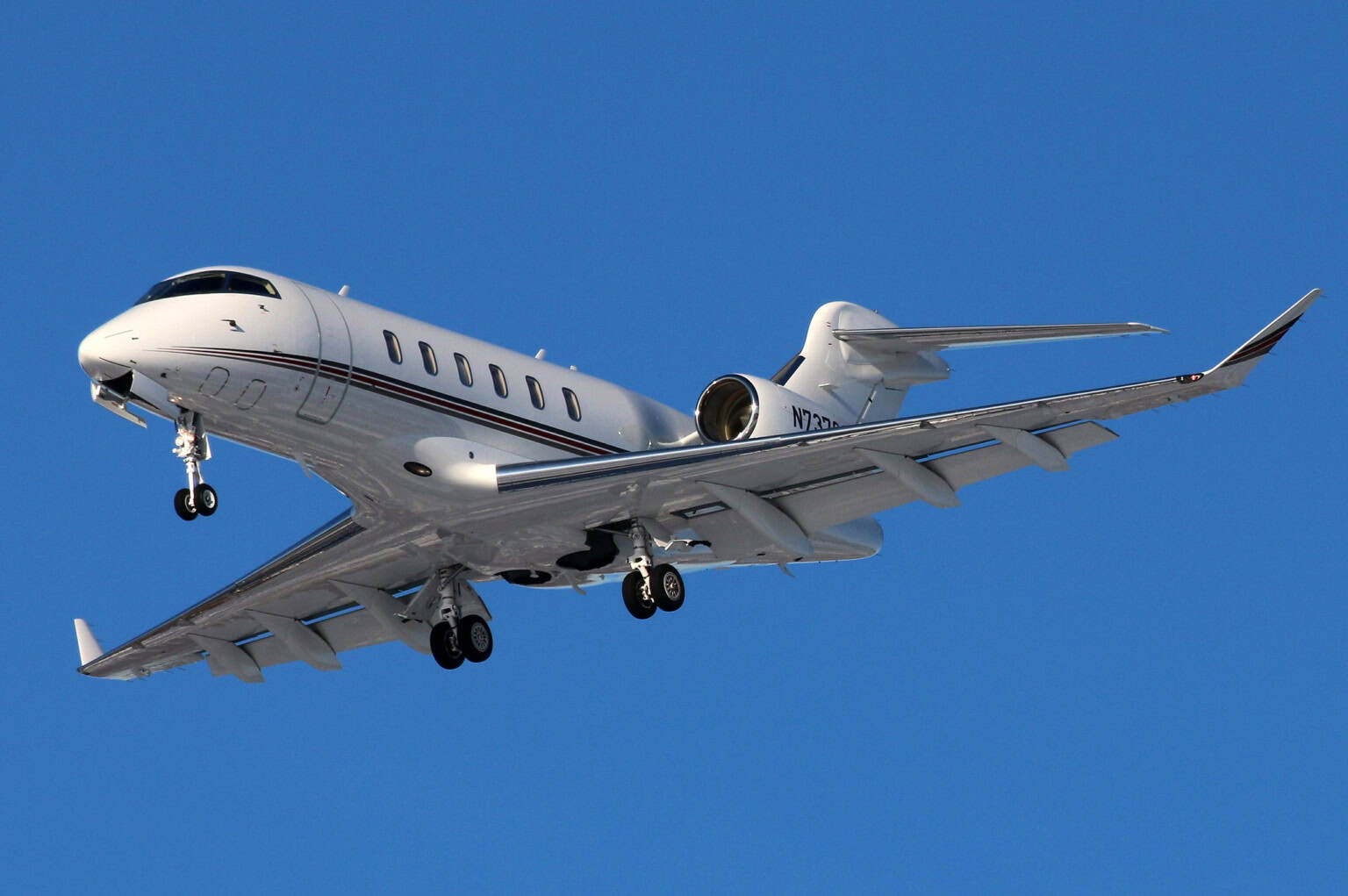





Beyond the jets
Gates also owns a Cessna 208 Caravan seaplane (N897WM, 2018) that operates on floats from Lake Washington near his Medina estate, and a Eurocopter EC-135 helicopter (N608WM, 2007) registered to MENTE LLC. Both are used for short-range travel around the Seattle area.
The Origin Story: Tail Numbers That Tell a Love Story
Gates did not start with a fleet. He started with a phone call from Warren Buffett. The two had become close friends after their first meeting in 1991, and Buffett, a longtime NetJets devotee, gradually wore down Gates’ resistance to private aviation. By the early 2000s, Gates was flying NetJets fractional shares. Within a few years, the scale of his travel, driven by the Bill and Melinda Gates Foundation’s global operations, pushed him toward full aircraft ownership. The story of how a software engineer who once famously flew coach became one of the world’s largest private jet operators is told in a handful of key dates.
Early 2000s
Warren Buffett makes the introduction. Buffett, whose Berkshire Hathaway owns NetJets, persuades Gates to purchase fractional shares in a business jet. Gates later described it as one of the most practical decisions Buffett steered him toward, and the NetJets relationship has continued alongside his outright ownership ever since.
Late 2000s
Upgrade to full ownership: two Bombardier Global Express jets. As Gates Foundation travel intensified, Gates moved beyond fractional shares and acquired two Bombardier Global Express jets for long-haul intercontinental trips, giving him dedicated aircraft with no scheduling constraints on foundation travel.
2018
The Gulfstream era begins. Gates orders two brand-new Gulfstream G650ERs (serial numbers 6357 and 6321), both built in 2018. N887WM is registered to MENTE LLC in Seattle; N194WM to TVPX Aircraft Solutions. The “WM” suffix and digits encode his relationship with Melinda: August 1987 (when they met) and January 1994 (when they married). The Global Express jets are retired.
2018
Seaplane joins the fleet. A Cessna 208 Caravan seaplane (N897WM, manufactured 2018) is registered to MENTE LLC for water operations from Lake Washington near the Gates compound in Medina, Washington.
2021
On 60 Minutes, Gates acknowledges a gigantic flying footprint. CBS anchor Anderson Cooper asks Gates directly whether private jet use makes him the wrong messenger on climate. Gates acknowledges the personal footprint but argues his philanthropic investments far exceed the impact. The tail numbers remain unchanged despite the divorce also announced in 2021.
2023
Gates doubles down: I am not part of the problem In a CNBC interview, Gates defends private aviation by pointing to his funding of Climeworks direct air capture and billions invested in Breakthrough Energy. The quote circulates widely and intensifies the ongoing debate about high-emissions philanthropy.
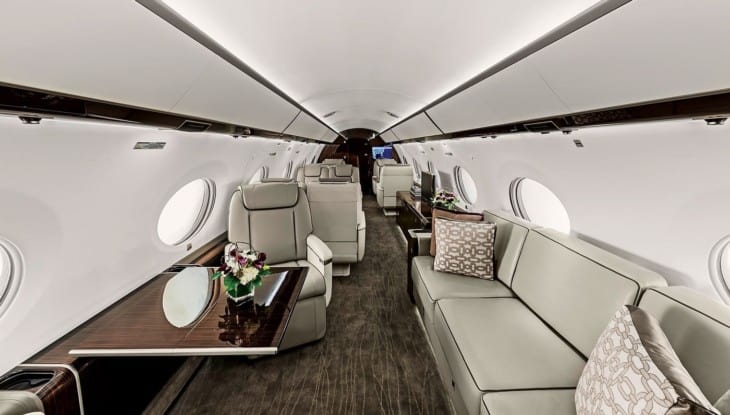
Inside the Gulfstream G650ER: Gates’ Primary Aircraft
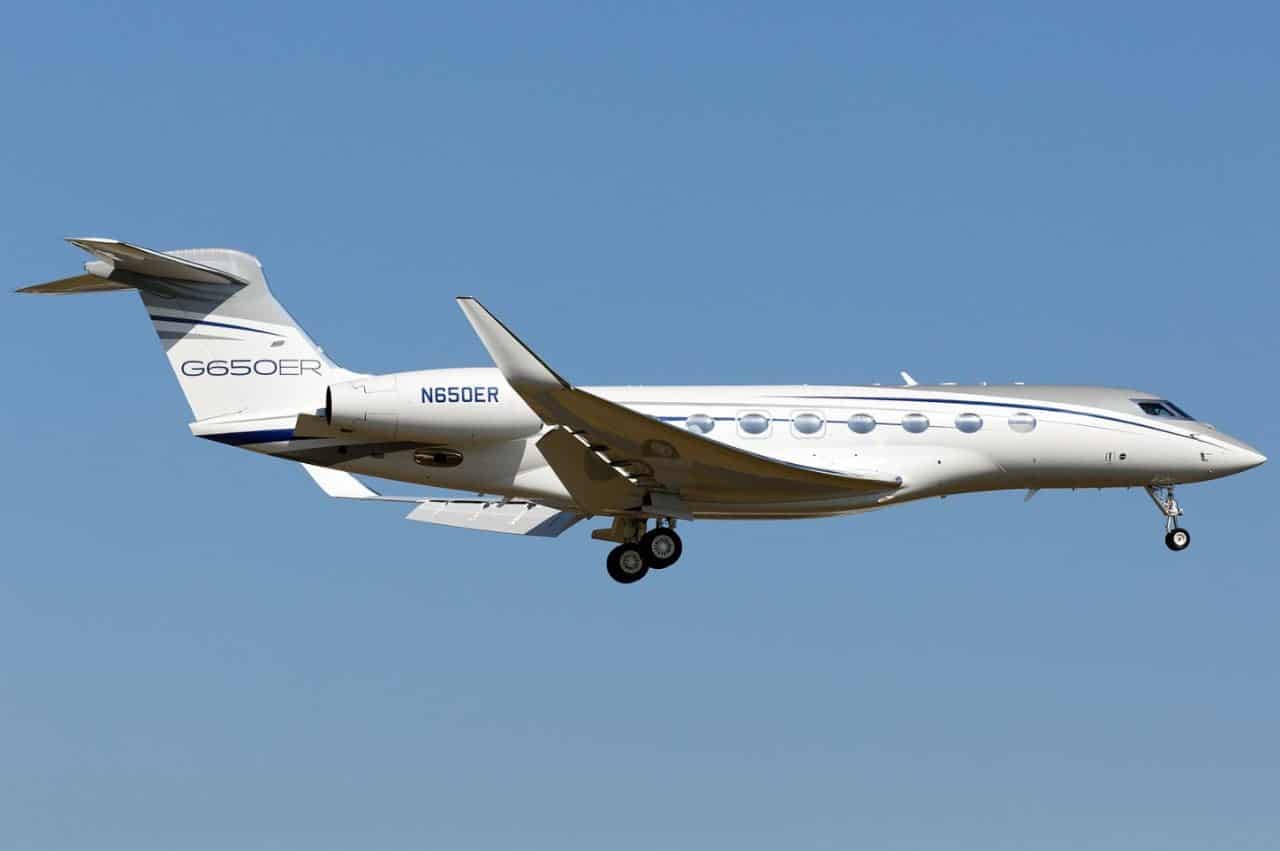
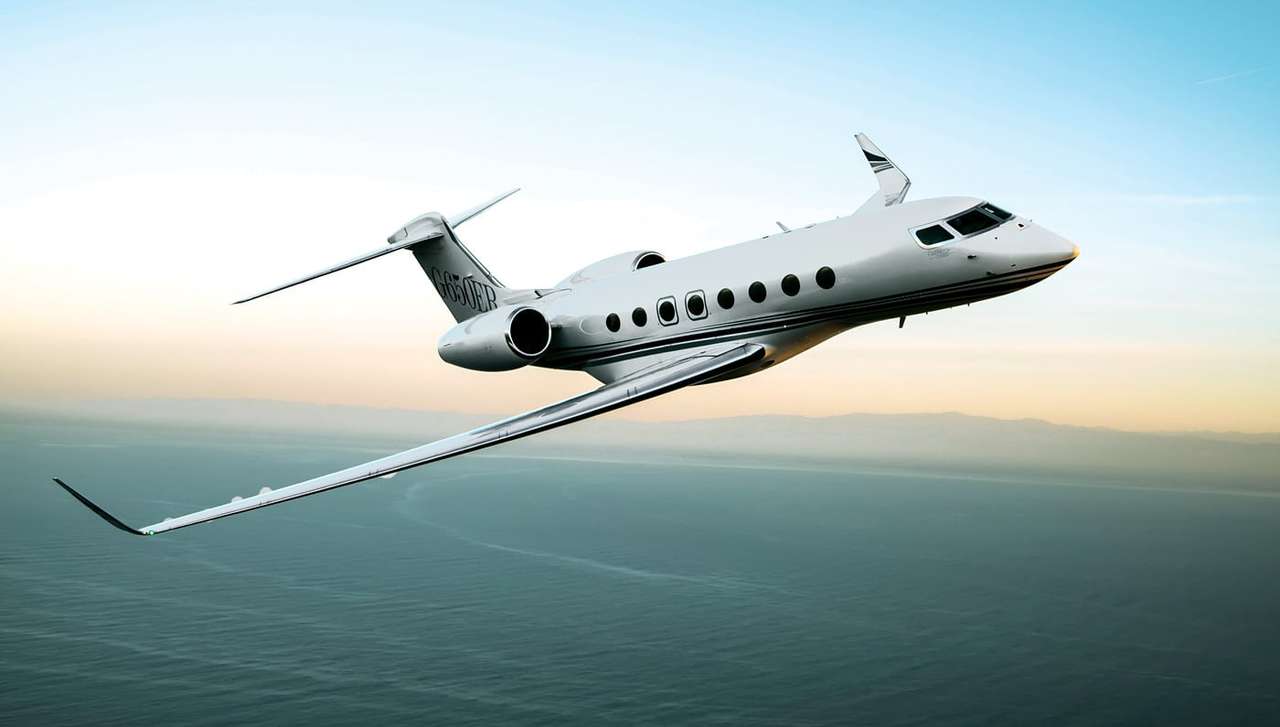
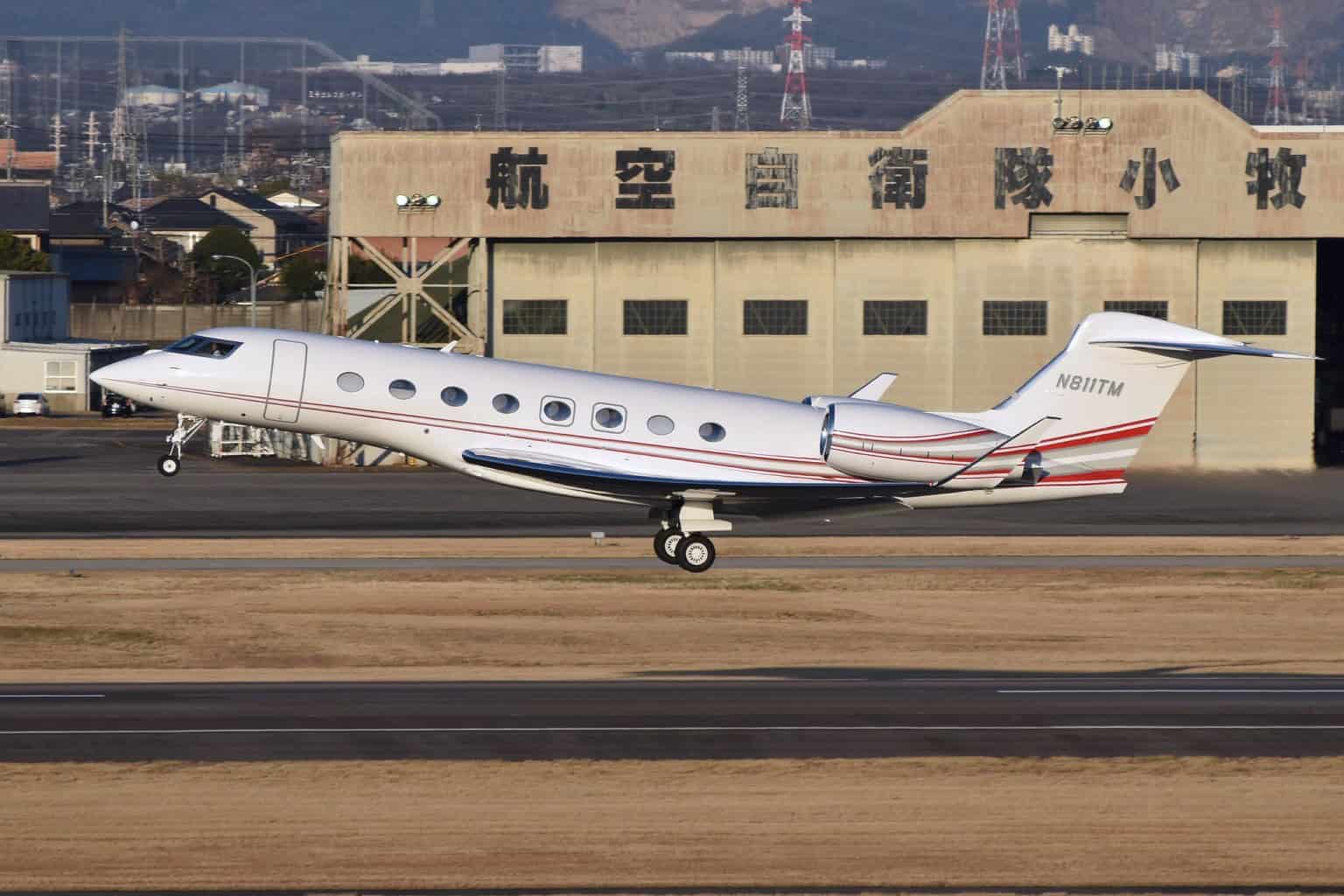
The Gulfstream G650ER is the extended-range variant of the G650, one of the most capable business aircraft ever certified. The “ER” designation adds roughly 500 additional nautical miles over the standard G650, pushing total range to 7,500 NM at Mach 0.85 cruise speed. That translates to nonstop capability on routes that defeat most business jets: Seattle to Tokyo, Seattle to London, or New York to Cape Town without a fuel stop. At a maximum speed of Mach 0.925, the G650ER is among the fastest non-supersonic business jets in production.
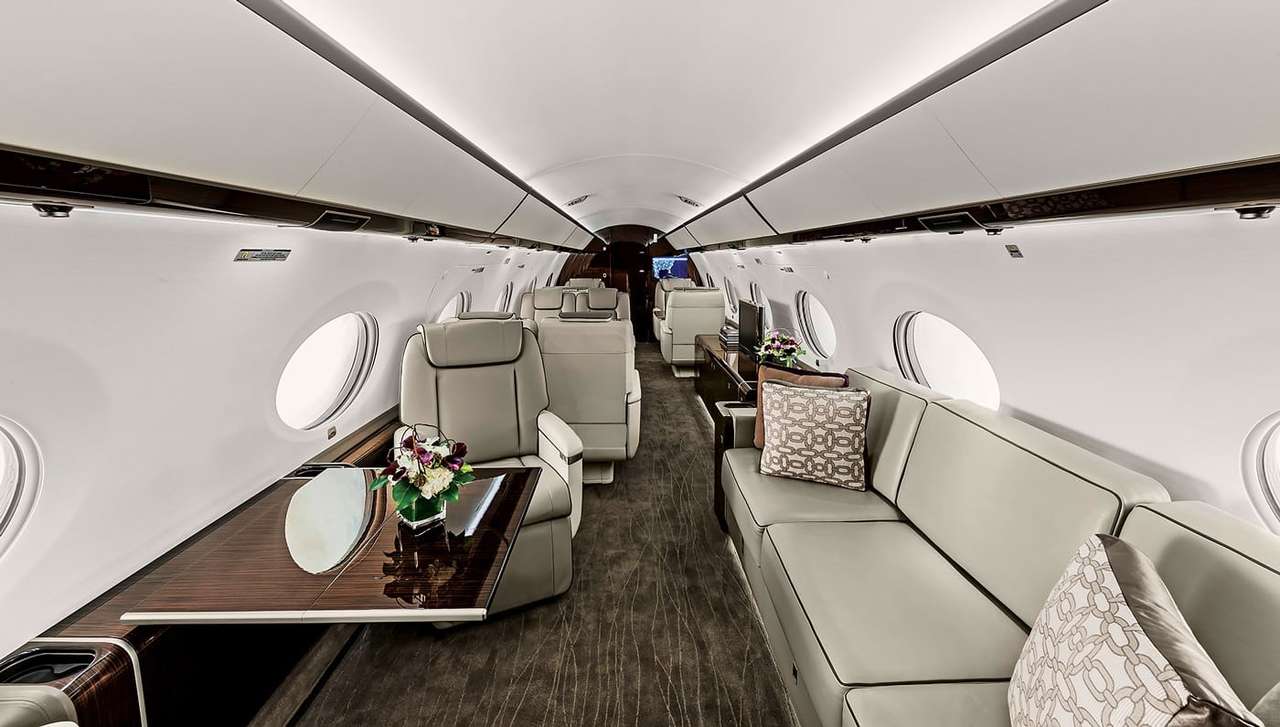
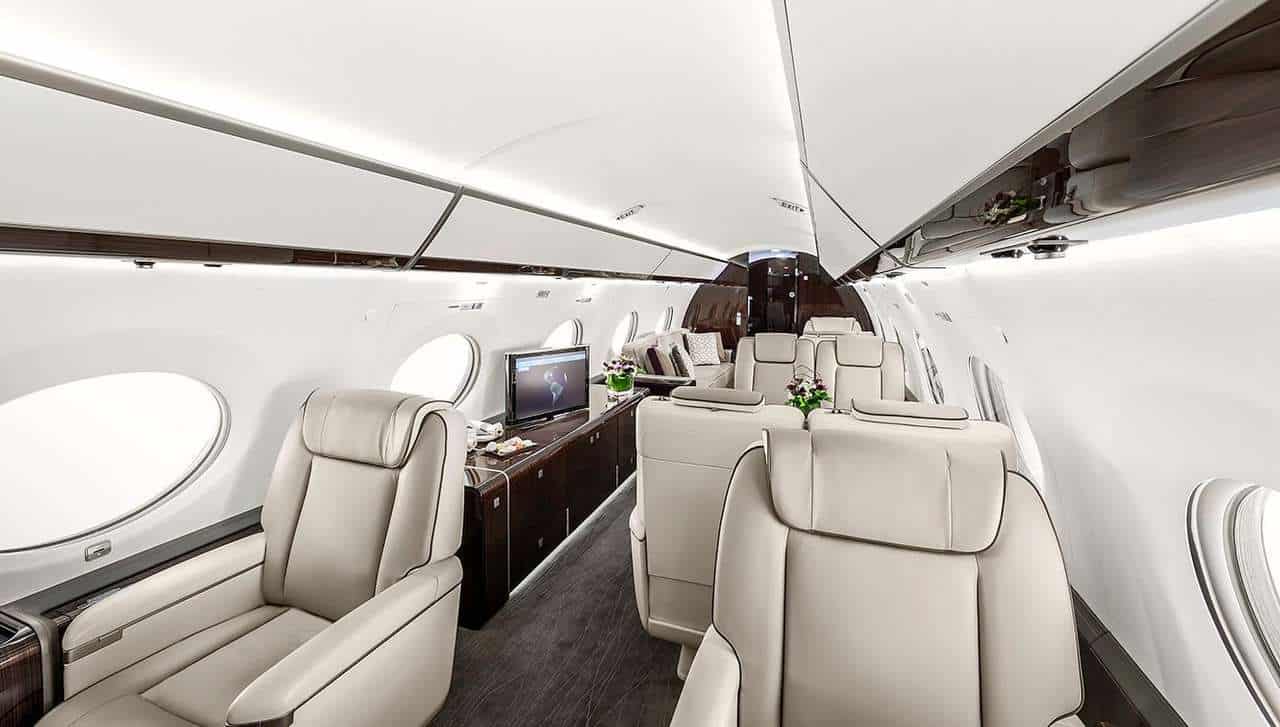
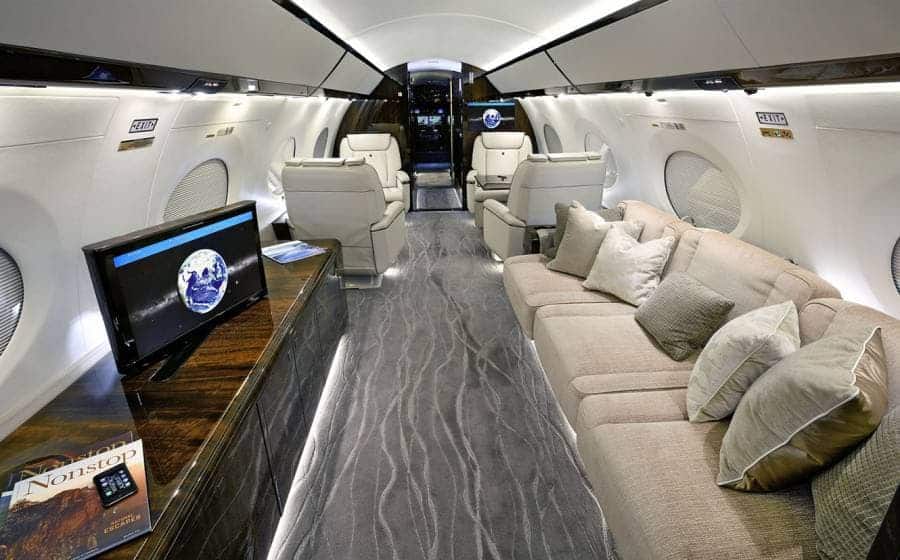
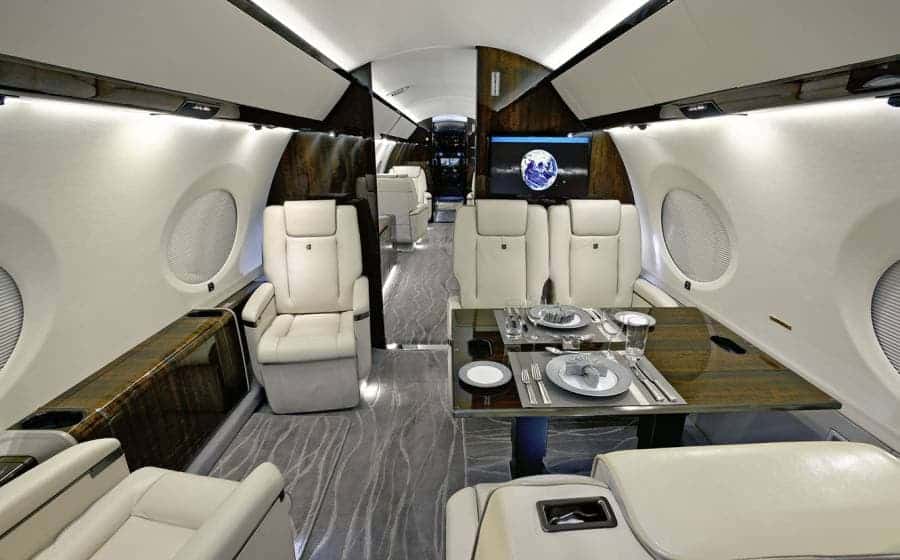
Gates runs two of them, both built in 2018 and configured to similar specs. The cabin seats up to 18 passengers in a high-density layout, or a smaller group in greater comfort with lie-flat beds, a dedicated stateroom section, and a full galley. The aircraft cruise at 51,000 feet, above most commercial traffic, powered by Rolls-Royce BR725 engines that burn roughly 450 gallons of fuel per hour at cruise.
Performance
Cabin
Ownership
In 2019, a Gulfstream G650ER set a city-pair speed record flying from Singapore to Tucson, Arizona, covering the 8,447-nautical-mile journey in 15 hours and 23 minutes. The flight demonstrated the aircraft type’s capability at the edge of its performance envelope. While that record flight was not Gates’ personal aircraft, it illustrates the performance headroom built into the same airframe he operates daily for foundation travel.
The tail numbers that outlasted the marriage
N887WM and N194WM encode the August 1987 meeting and January 1994 wedding of Bill and Melinda Gates. When they divorced in 2021, both registrations remained unchanged. Gates retained both aircraft with their original WM tail numbers, making them a quiet artifact of a 27-year marriage that now lives on in FAA records.
The Secondary Fleet: Bombardier Challenger 350
Not every Gates Foundation trip requires a 7,500-nautical-mile aircraft. For regional US hops and shorter international segments, Gates maintains fractional ownership shares in two Bombardier Challenger 350s through NetJets, registered as N769QS and N754QS. The Challenger 350 is a mid-size business jet that seats up to ten passengers with a range of 3,200 NM, sufficient for most North American routes and transatlantic short-hop connections.
The NetJets arrangement reflects Gates’ long-standing relationship with the company. Rather than fully retiring it when he acquired his G650ERs, he maintained the fractional shares to provide operational flexibility. The Challenger 350s handle trips where deploying a $70 million ultra-long-range aircraft makes no logistical sense, and they give Gates a backup option when both G650ERs are committed to foundation travel at the same time.
Why two jets of each type?
Operating two G650ERs means Gates and his foundation teams can run simultaneous long-haul trips without scheduling conflicts. A typical foundation week might have one G650ER in sub-Saharan Africa for a polio eradication review while the other is in Southeast Asia for agricultural development meetings. The two Challenger 350 fractional shares fill the shorter-range gaps.
The Aircraft He Left Behind: Bombardier Global Express
Before the G650ER era, Gates flew two Bombardier Global Express jets. The Global Express was Bombardier’s flagship ultra-long-range aircraft of the late 1990s and 2000s: a Mach 0.89 capable jet with a range of around 6,100 nautical miles and cabin seating for up to 19 passengers. At the time, it sat at the very top tier of business aviation alongside the Gulfstream V.
The Global Express jets covered the foundation’s intercontinental routes across Africa and South Asia for much of the 2000s and into the 2010s. When Gulfstream began delivering G650ERs in 2018, Gates moved to replace both aircraft. The G650ER offered a 23 percent range improvement, a modern fly-by-wire flight deck, and a quieter cabin at cruise altitude. The Global Express jets were retired from the MENTE fleet with no public record of sale prices or new operators.
The Emissions Controversy: 4,787 Tonnes and a Defense
Bill Gates is one of the world’s most prominent climate advocates. He co-founded Breakthrough Energy, funds direct air capture research through Climeworks, and wrote “How to Avoid a Climate Disaster,” which argues the case for a comprehensive net-zero transition. He also, in 2024, generated 4,787 metric tons of CO2 from private jet flights alone, across 273 flights covering 435,342 miles and burning 478,920 gallons of fuel. The tension between those two facts has generated years of public controversy.
Gates has addressed it directly and repeatedly. On CBS News’ 60 Minutes in 2021, Anderson Cooper asked whether Gates could credibly advocate on climate while producing a personal aviation footprint he himself described as “gigantic.” Gates acknowledged the footprint but argued his investment in carbon removal and clean energy technology far outweighs his personal emissions. In a 2023 CNBC interview he was more blunt: “I am not part of the problem.” The response drew criticism from climate scientists who note that direct air capture at scale remains expensive, unproven at the level needed to offset individual high-emission lifestyles, and explicitly flagged by the International Energy Agency as “not an alternative to cutting emissions.”
Gates figure: Celebrity Private Jet Tracker / CBS News, 2024. Swift and Musk figures: estimates based on 2022-2023 tracking reports. All totals cover registered aircraft only.
Private jets vs. commercial aviation
A private jet produces 5 to 14 times more CO2 per passenger than an equivalent commercial flight, and up to 50 times more than a train over the same distance. Gates’ 2024 emissions from jet travel alone equal roughly 300 average American citizens’ annual carbon footprints combined.
Bill Gates’ Most Notable Private Jet Moments
The Vietnam Holiday That Made Headlines
In 2023, Gates and his girlfriend Paula Hurd arrived in Da Nang, Vietnam, aboard one of his Gulfstream G650ERs for a personal holiday. Vietnamese media covered the aircraft’s arrival extensively, as the $70 million jet was among the most expensive business aircraft ever to land at Da Nang International Airport. Gates spent several days exploring Da Nang and the UNESCO heritage town of Hoi An. The trip attracted wide regional coverage partly because the Gates Foundation operates substantial agricultural programs across Southeast Asia, blurring the line between a personal vacation and foundation-adjacent travel.
Speed Record: Singapore to Tucson in 15 Hours
In 2019, a Gulfstream G650ER set a city-pair speed record flying from Singapore Changi Airport to Tucson, Arizona, completing the 8,447-nautical-mile journey in 15 hours and 23 minutes. The flight demonstrated the aircraft’s capability at the far edge of its performance envelope, flying at high cruise speed with favorable winds across the Pacific. While the record flight was not Gates’ personal aircraft, it highlights the same performance headroom available in the airframe he operates daily.
Foundation Travel Across Africa and South Asia
The Gates Foundation’s global health and agricultural programs operate in some of the world’s most remote regions: rural Nigeria, smallholder farming communities in Bangladesh, vaccine distribution hubs in the Democratic Republic of Congo. Commercial aviation rarely connects Seattle to these destinations directly. Gates’ G650ERs enable his team to reach field sites, government ministries, and partner organizations within a single travel day. When his 2023 podcast defense of private aviation drew criticism, he cited in-person visits to Kenya as the clearest example of travel that video calls simply cannot substitute for. The foundation’s own communications have credited private aviation as operationally essential for the pace of its global work.
The 2021 Divorce and the Fleet Split Question
When Bill and Melinda Gates announced their divorce in May 2021, questions arose about the fate of the MENTE LLC aircraft. The registrations N887WM and N194WM encode their relationship timeline, making them an unusual artifact of the marriage embedded in FAA records. As of 2025, both aircraft remain registered under their original tail numbers, with Gates retaining the full fleet. The digits on the fuselage remain unchanged.
How Gates Compares to Other Tech Billionaires
Among tech founders with private jet collections, Gates sits at the top by both aircraft count and documented emissions intensity. Jeff Bezos operates a Gulfstream G650ER alongside a Boeing 787 Dreamliner ordered for longer journeys. Larry Ellison of Oracle runs multiple Gulfstream aircraft. Elon Musk, whose jet usage attracted significant scrutiny after a student began tracking his flights publicly in 2022, reportedly operates a Gulfstream G700. Mark Zuckerberg upgraded to a G700 in 2024.
What distinguishes Gates’ situation from the others is the explicit tension with his public identity. Bezos and Ellison have not written books about avoiding climate disaster. Musk runs an electric vehicle company but has not positioned himself as a climate philanthropist in the same way. Gates has, which is why the 4,787 tonnes of CO2 his jets produced in 2024 attract a level of scrutiny that comparable emissions from other billionaires generally do not. Whether his direct air capture investments genuinely offset that footprint is a question climate economists continue to debate.
The G650ER: the default billionaire flagship
The G650ER has become standard equipment among tech billionaires who need genuine intercontinental range. Beyond Gates, confirmed G650ER operators include Jeff Bezos and Google co-founder Larry Page. Gulfstream delivered the first G650ER in 2014, and it quickly set the benchmark for ultra-long-range business aviation. Gates’ decision to operate two simultaneously rather than upgrade to a single G700 reflects the foundation’s parallel-operations model more than any preference for older hardware.
FAQ
Get the Newsletter
The latest aviation news and stories sent to your inbox.
About the Author

Tim is the owner and lead editor of AeroCorner since 2019, overseeing aviation content covering aircraft, airlines, airports, and the broader aviation industry. Through years of researching, writing, editing, and publishing aviation-focused content, he has developed extensive practical knowledge of commercial aviation and air travel. Based in Asia and a frequent traveler himself, Tim also brings firsthand passenger experience to AeroCorner’s coverage. Outside of publishing, he has also explored aviation firsthand through hands-on flight training in New Zealand.