

Table of Contents
When Mark Zuckerberg’s brand-new Gulfstream G700 lifted off from Monterey, California on its maiden flight in December 2024, it burned 5,500 kilograms of fuel and deposited 19 tonnes of CO2 into the atmosphere before touching down at his 1,500-acre estate on Kauai. It was a fitting debut for an aircraft that costs roughly $80 million and wears the same blue and white paint scheme as the social network that made him the world’s fourth-richest person. The Meta CEO’s Mark Zuckerberg private jet story is, in almost every way, a story about scale.
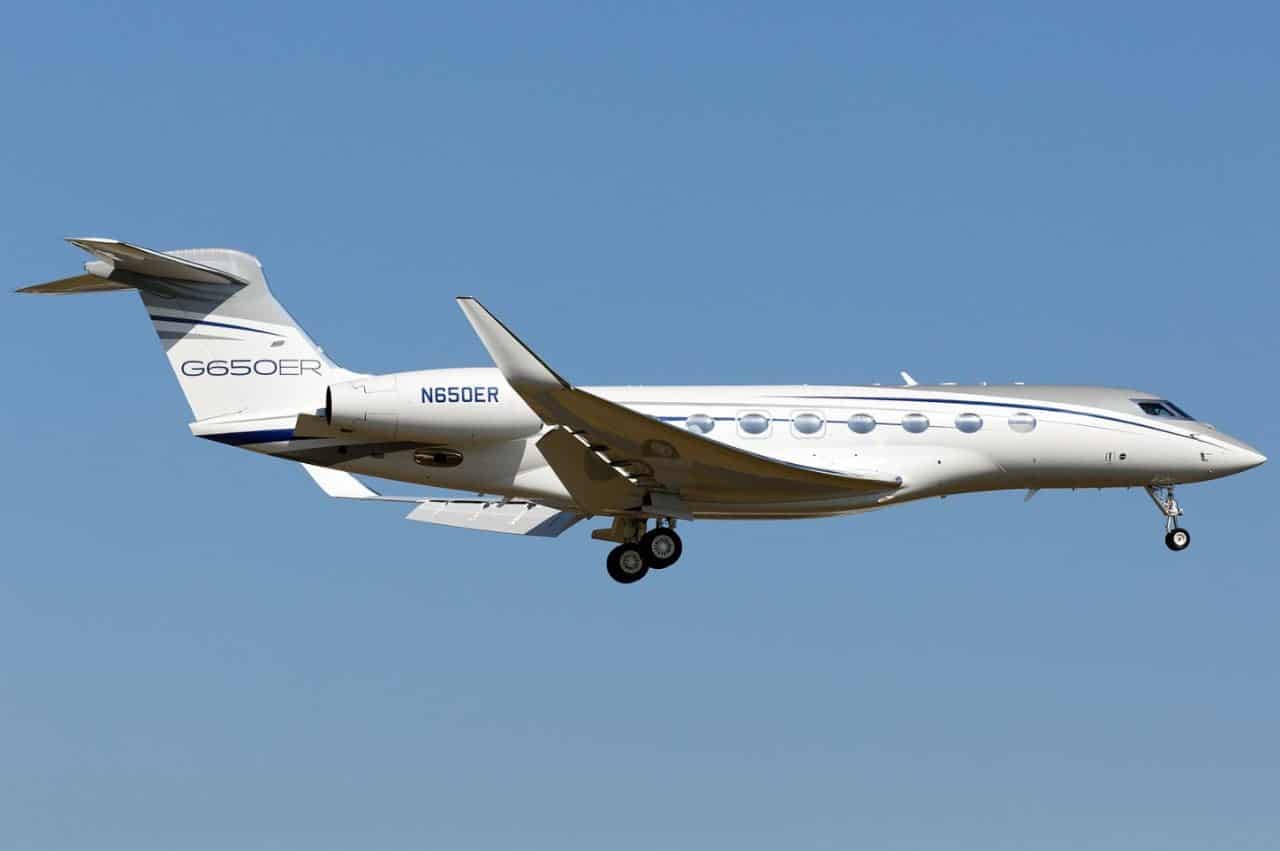
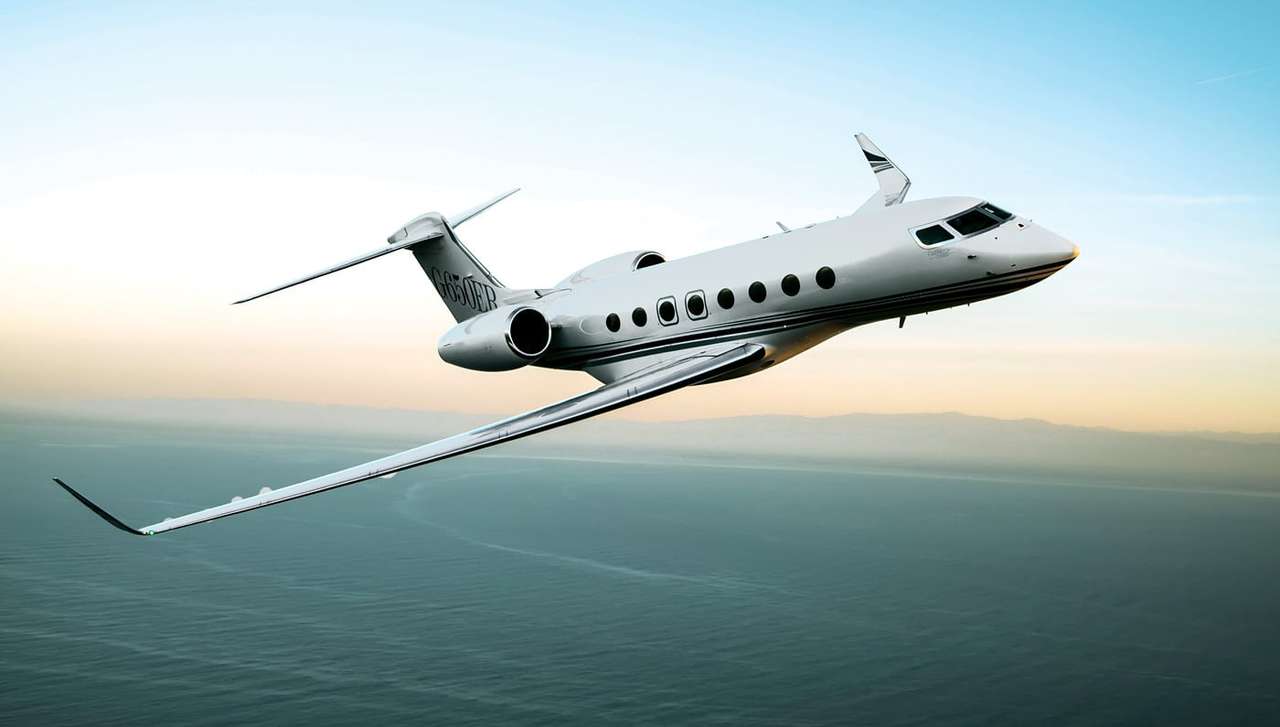
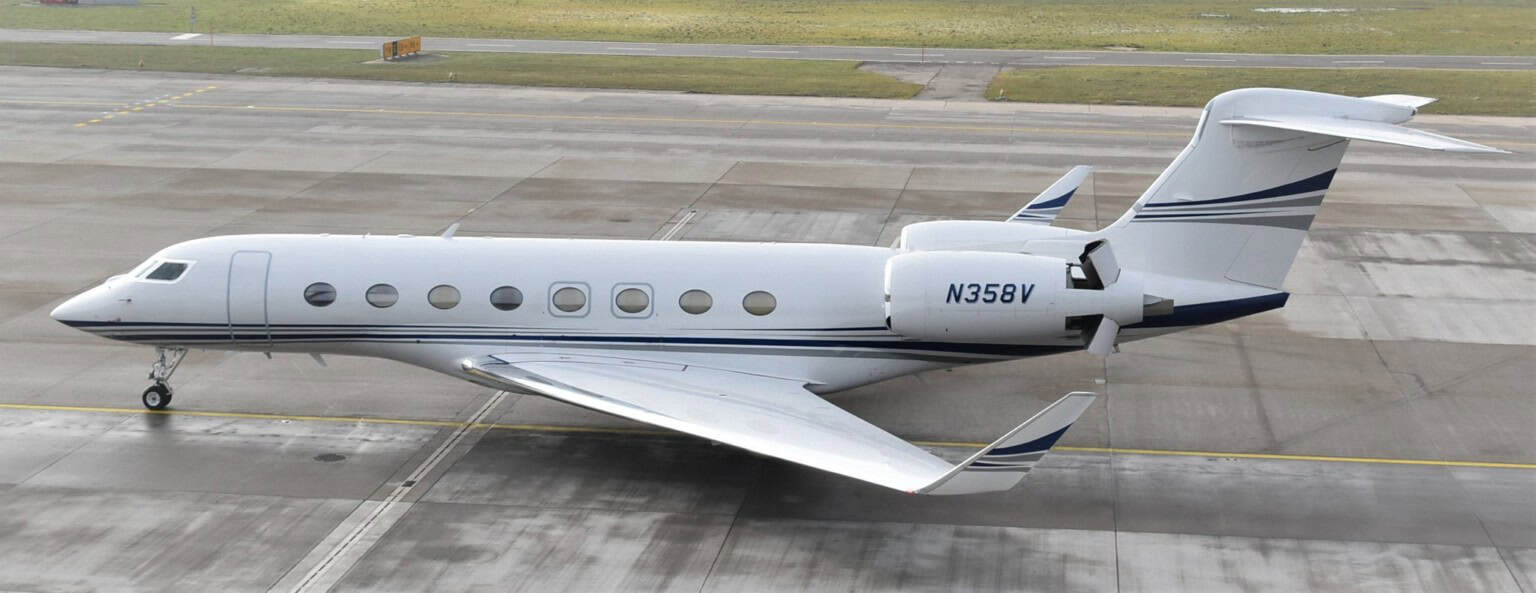
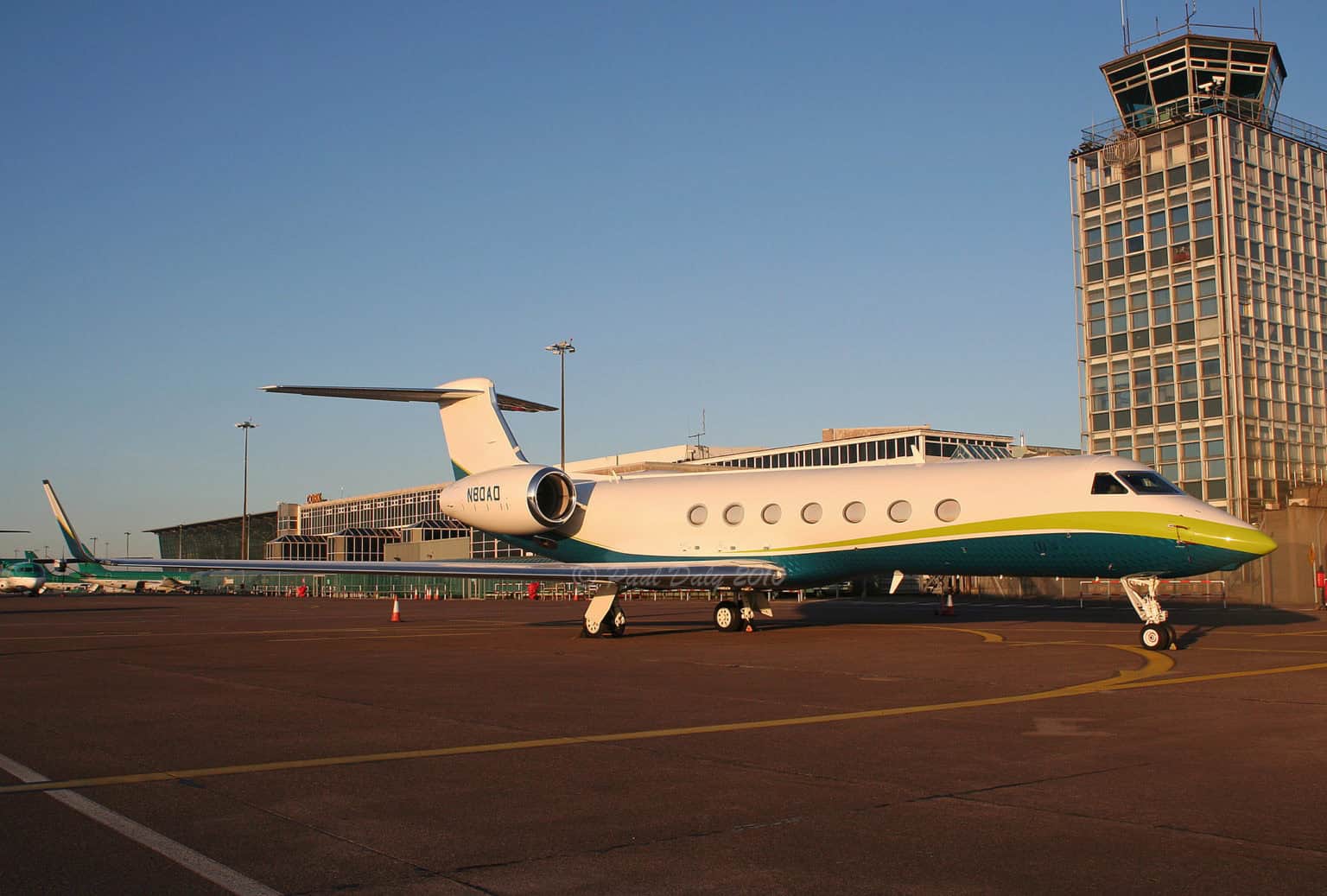
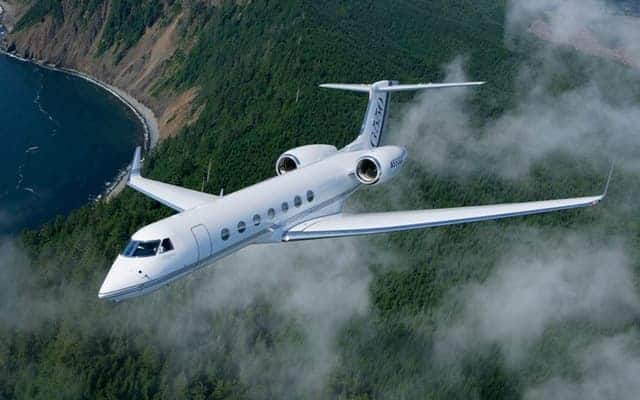
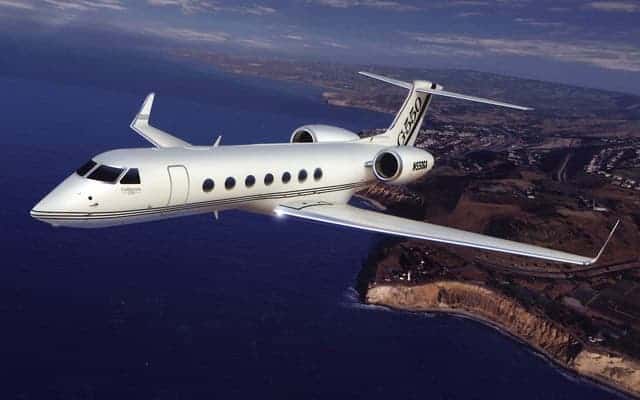
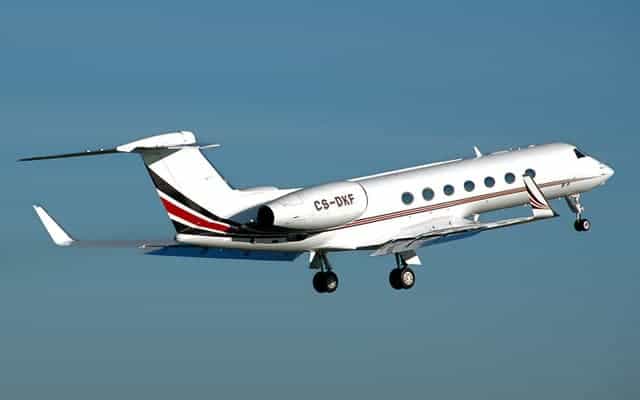
Zuckerberg operates two aircraft today: the new G700 and a Gulfstream G650ER (N68885) that he has flown since 2021. Both jets carry the same Meta-inspired livery, both are managed by Solairus Aviation, and both operate primarily between his Bay Area base and Hawaii. Before those Gulfstreams, he flew a G550 from 2009 until 2013, when he upgraded and the older jet was sold. The fleet reflects a career arc from scrappy startup founder to one of the most powerful technology executives alive.
Below, we cover every aircraft Zuckerberg has owned, the timeline behind how his fleet grew alongside Meta, the full technical specifications of his Gulfstream G700, and the emissions controversy that has trailed his jets for years.
Quick facts about Mark Zuckerberg’s private jets
Mark Zuckerberg’s Complete Private Jet Fleet
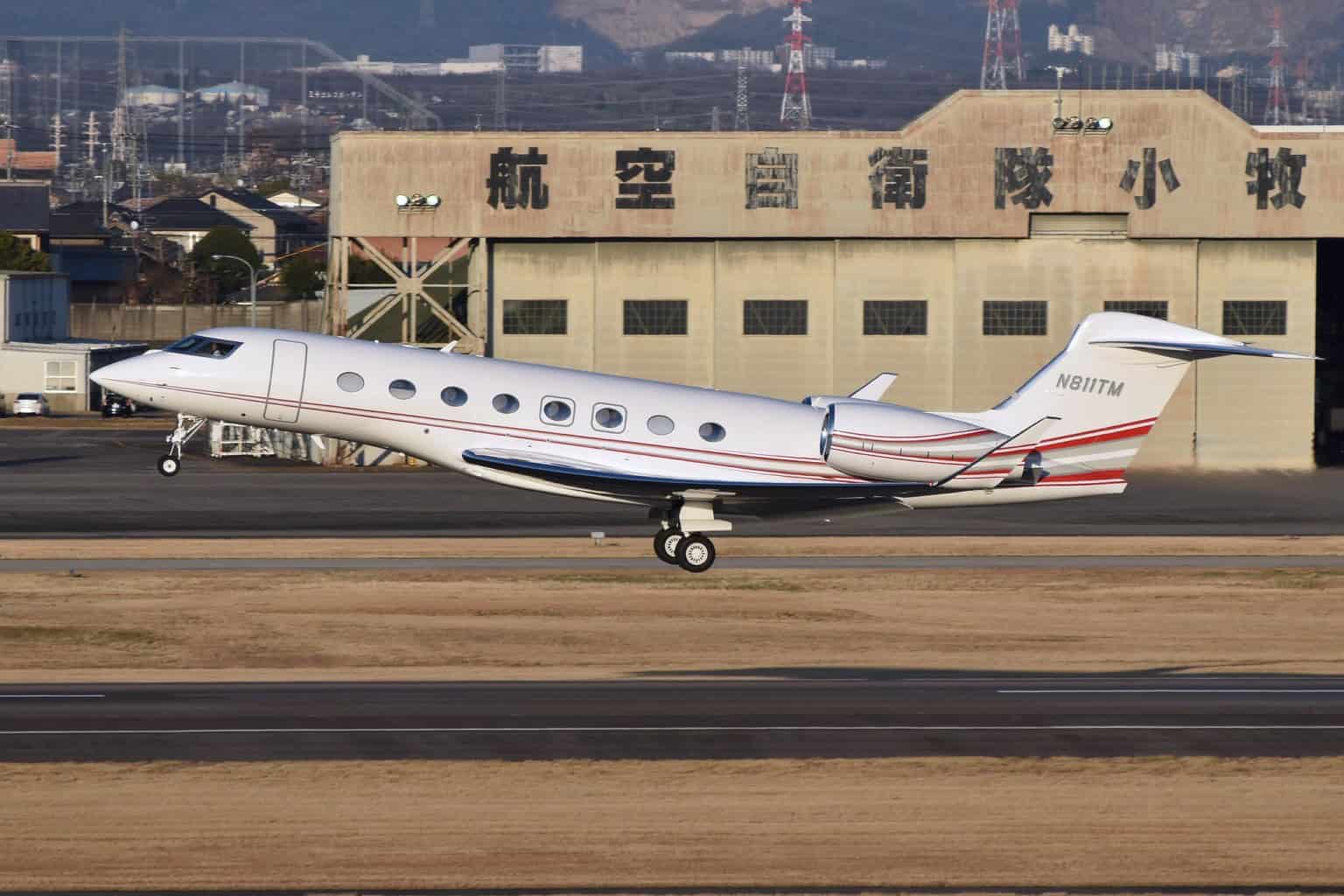
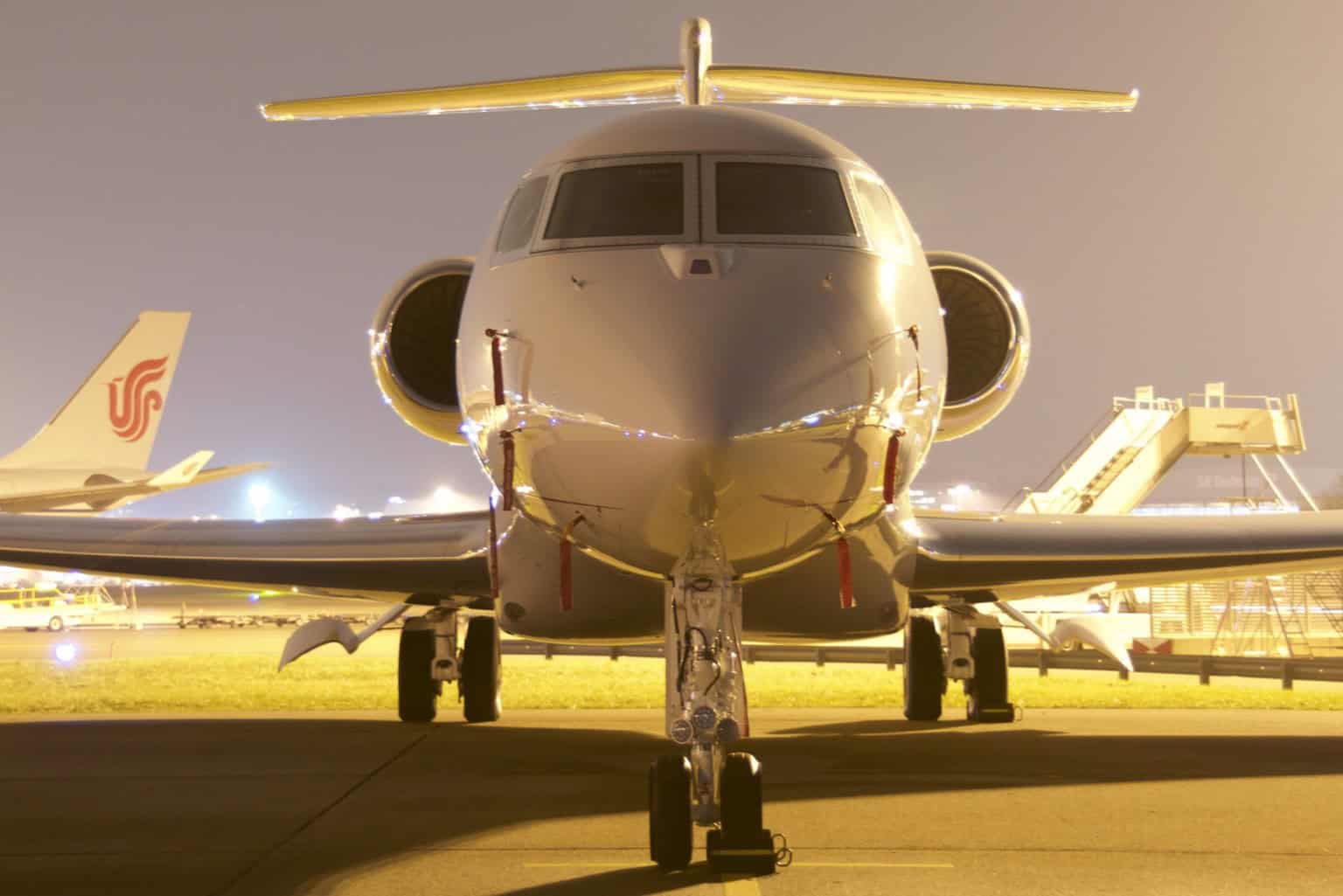
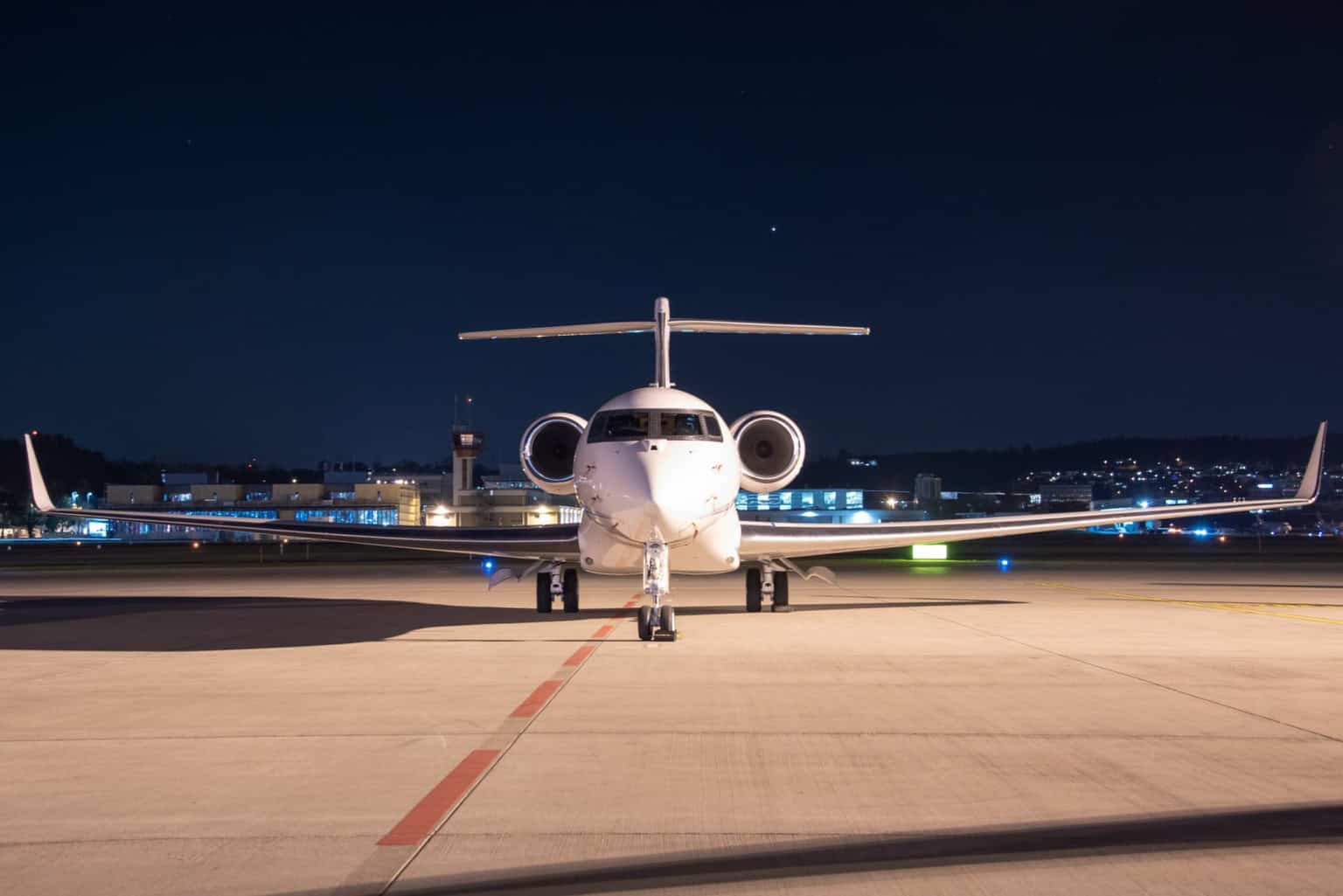
Zuckerberg’s current fleet is a matched pair: two Gulfstream aircraft finished in the same Meta blue-and-white paint, operated by the same charter management company, and both routinely flying the same California-to-Hawaii corridor. The G700 is the newer, longer-range flagship; the G650ER serves as its parallel running mate.





















The Origin Story: How Zuckerberg Built His Aviation Fleet
Zuckerberg’s progression from a single mid-size Gulfstream to a matched pair of ultra-long-range flagships mirrors Facebook’s own transformation from a college social network into one of the most valuable companies on earth. Each aircraft acquisition marked a new chapter in that arc.
2009
First private jet acquired: Gulfstream G550. At just 25, Zuckerberg purchased his first jet as Facebook began its ascent toward a billion users. The G550 offered a 6,750 NM range and room for up to 18 passengers, giving the young CEO the intercontinental reach his expanding global meetings required.
2012
Upgrade order placed for a G650. As Facebook prepared for its IPO, Zuckerberg ordered a Gulfstream G650 to replace the G550. The G650 was, at the time, the most capable large-cabin business jet in production, with a range of over 7,000 NM and the ability to cross the Pacific nonstop.
2013
G550 sold to Skandinaviska Enskilda Banken AB. The original jet was offloaded to the Swedish banking group, closing out the first chapter of Zuckerberg’s aviation history as he transitioned fully to the larger Gulfstream.
December 2021
Gulfstream G650ER acquired (N68885, serial 6472). The extended-range variant of the G650 joined the fleet, registered through Wyoming-based A7P Trust Co. Inc. The aircraft was finished in a distinctive Meta blue-and-white livery, making it one of the most visually identifiable private jets in California’s aviation ecosystem.
December 2024
Gulfstream G700 delivered (N3880). Zuckerberg took delivery of Gulfstream’s newest flagship in late 2024. The G700 matches the G650ER’s livery and is operated by the same Solairus Aviation team. Its maiden flight, from Monterey to Kauai, generated 19 tonnes of CO2, roughly the same as a typical American’s annual carbon footprint.
Inside the Gulfstream G700: Zuckerberg’s Flagship
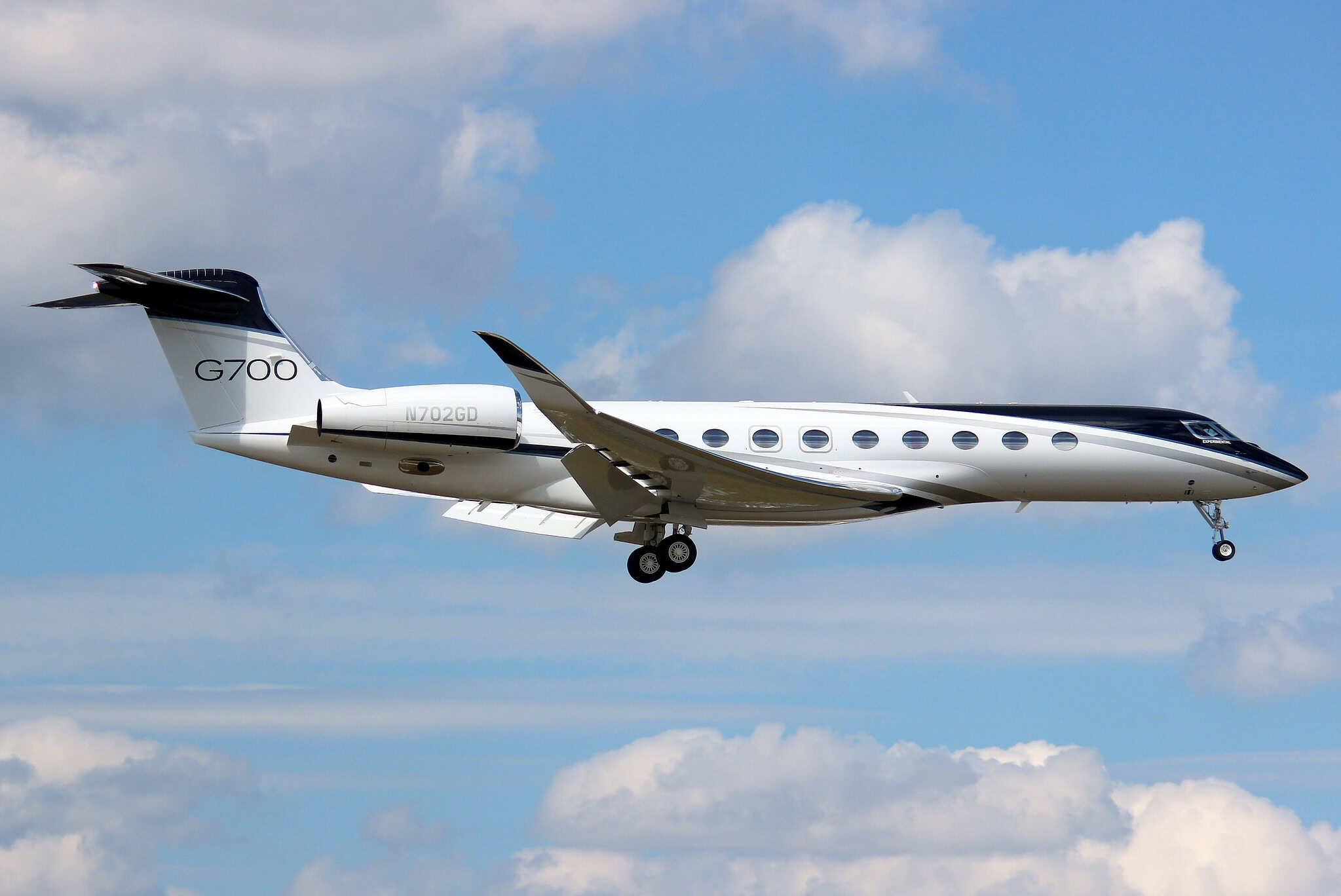
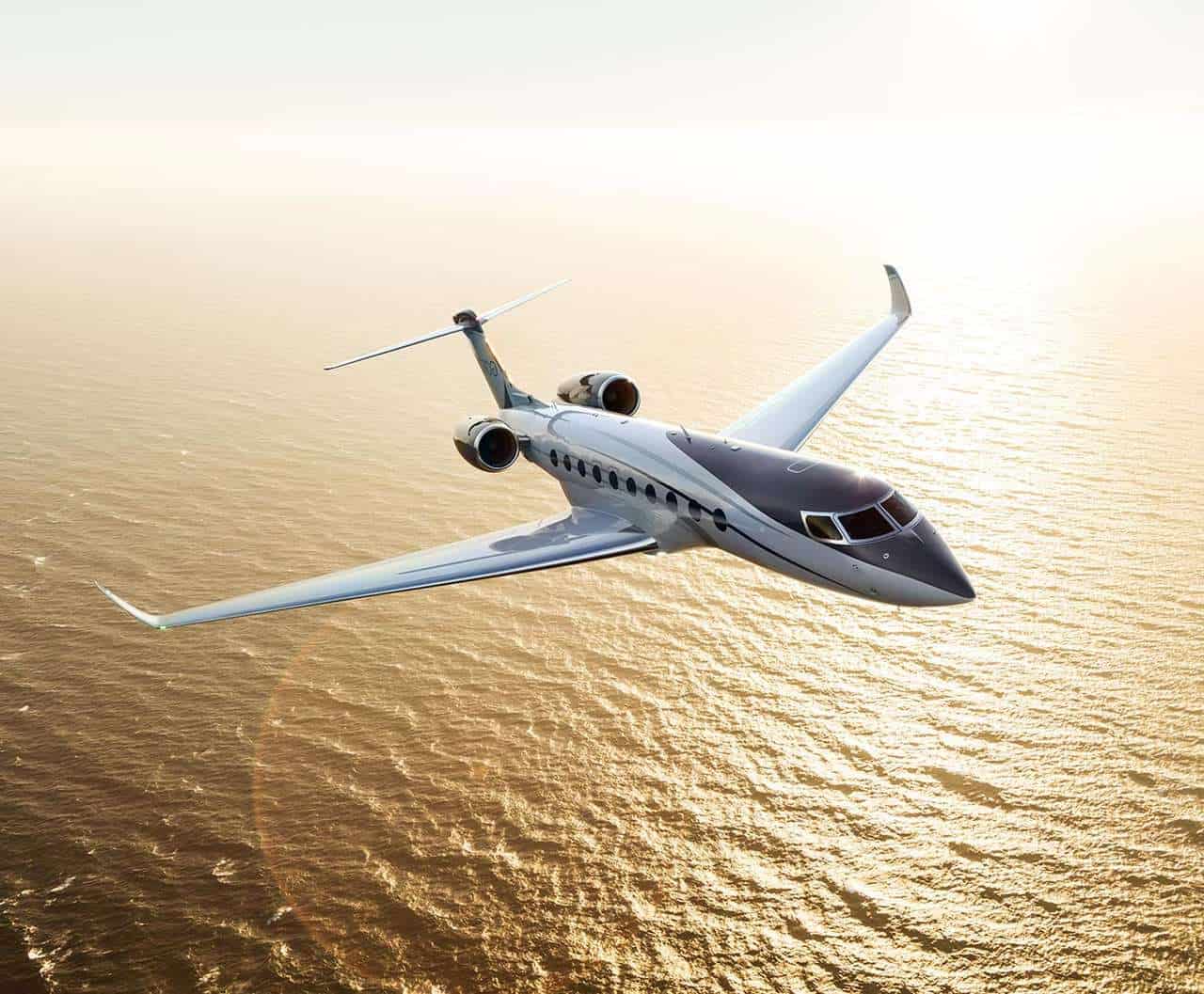
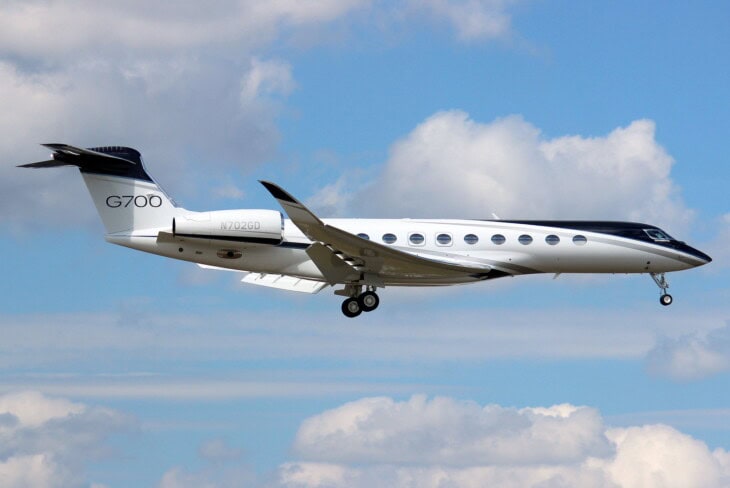
The Gulfstream G700 represents the current peak of large-cabin business aviation. With a maximum range of 7,750 nautical miles and a cabin that spans 56 feet in length, it can carry Zuckerberg nonstop from his Palo Alto headquarters to virtually any destination on earth, including his Kauai estate, without a fuel stop. The aircraft cruises at Mach 0.90 and reaches a maximum speed of Mach 0.935, making it one of the fastest non-supersonic business jets in service.
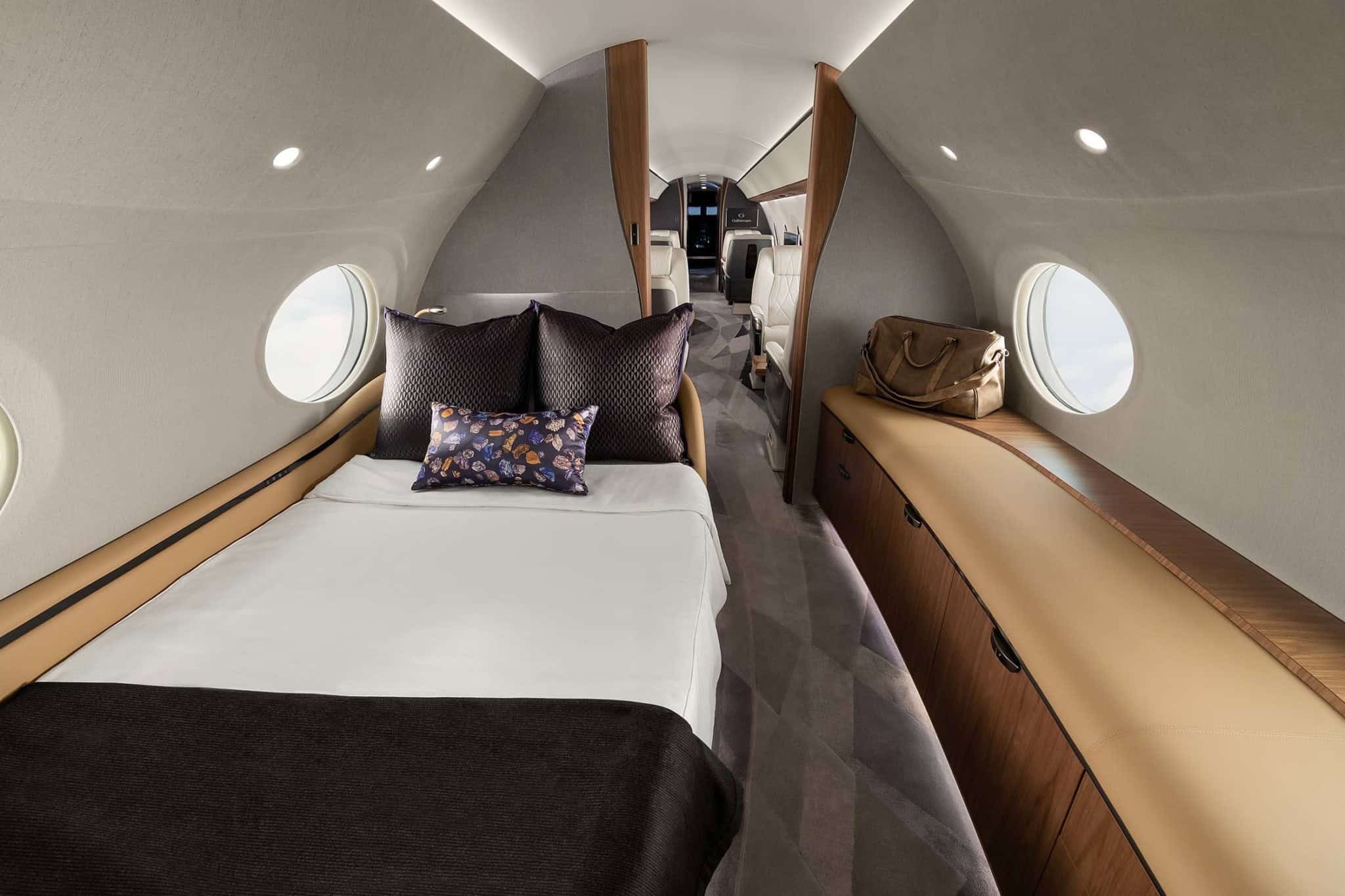
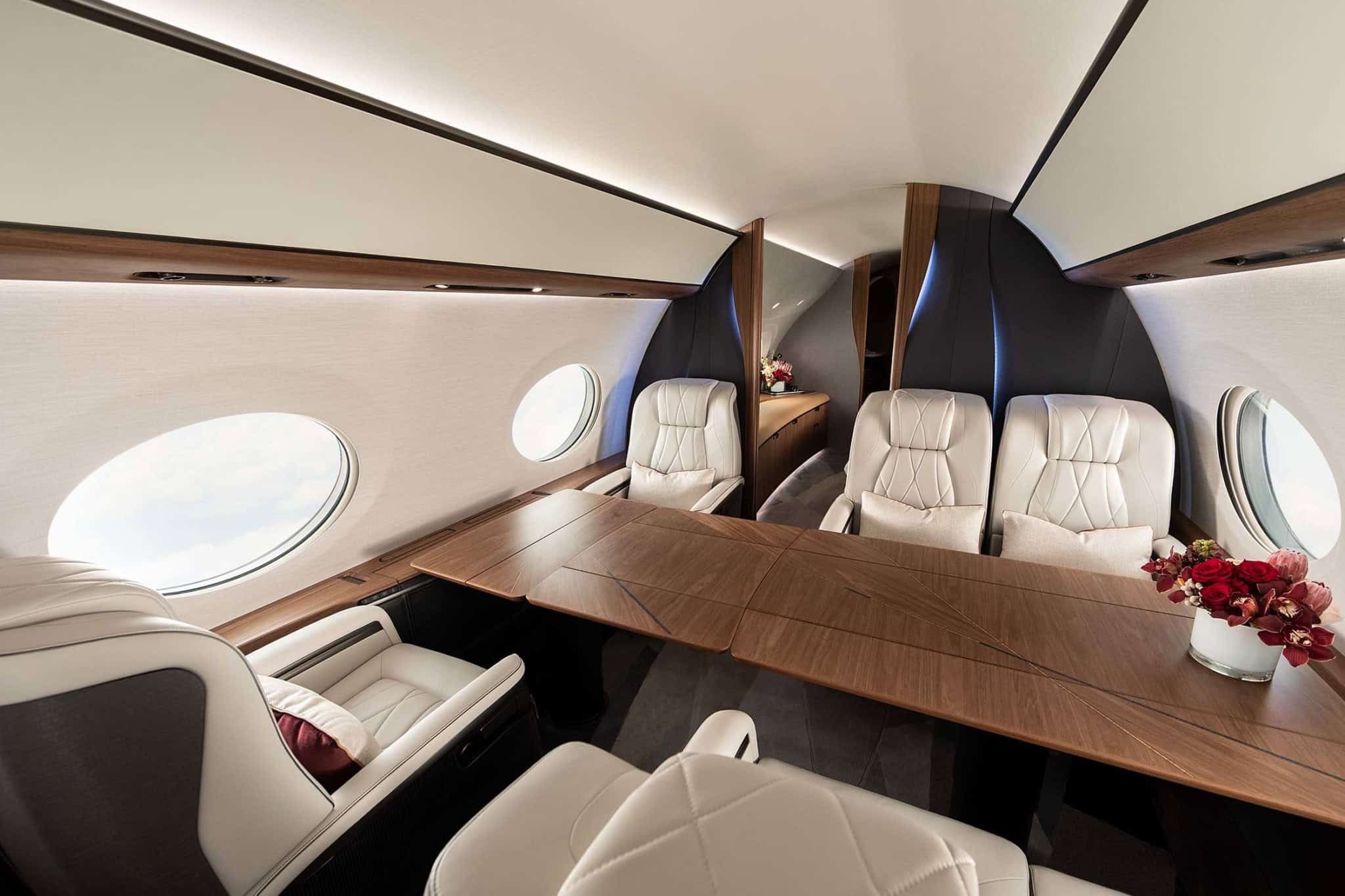
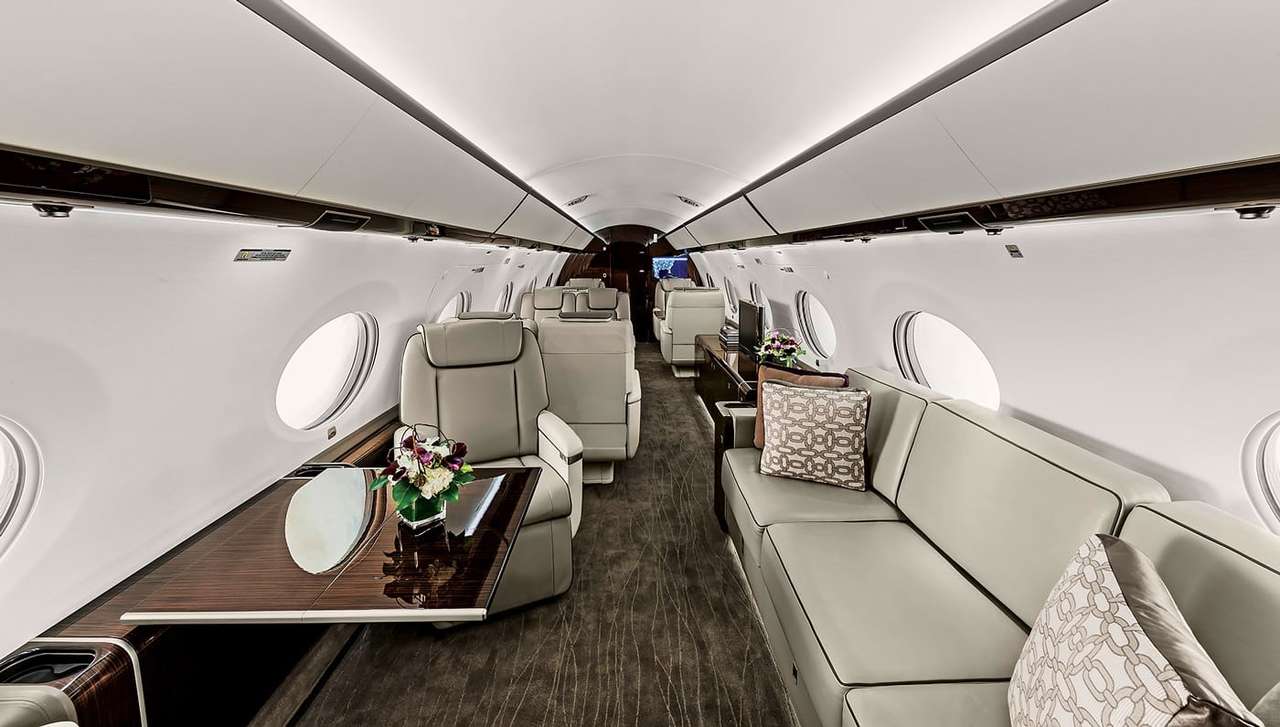
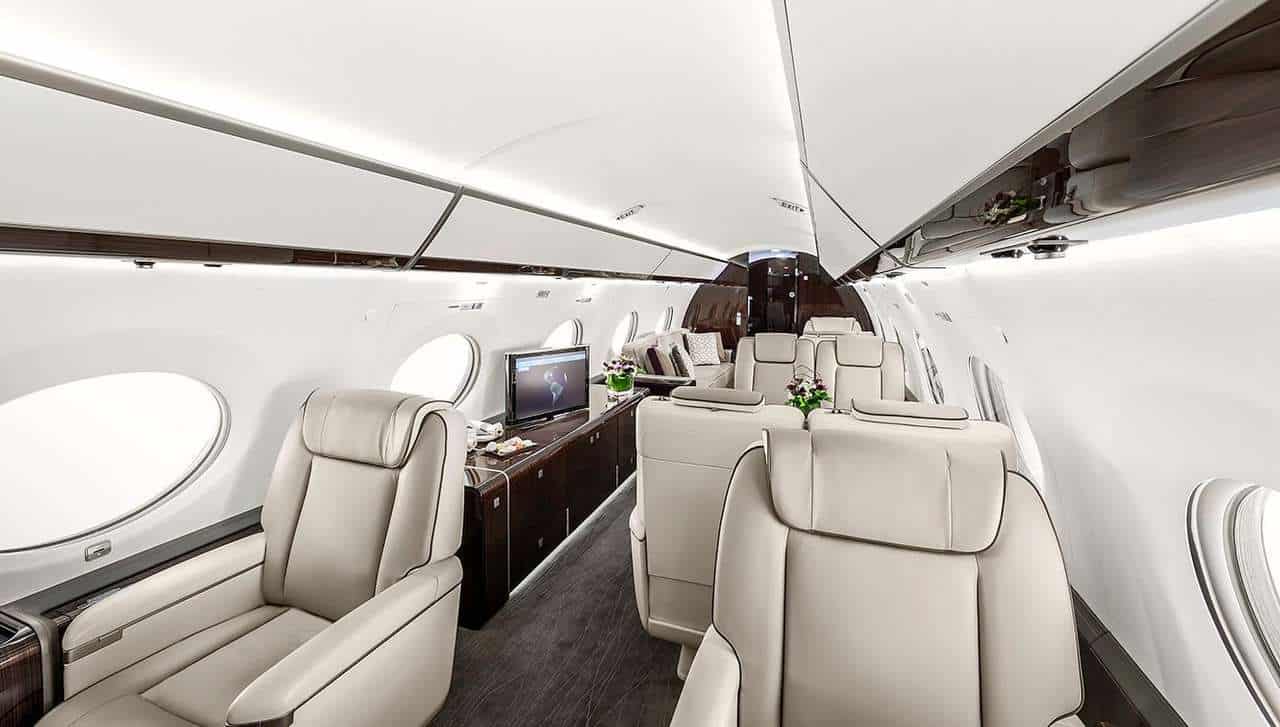
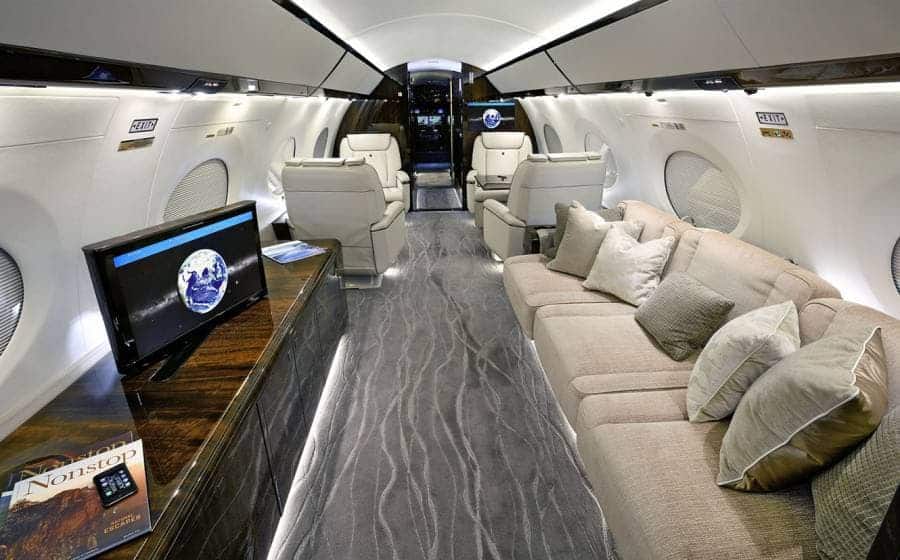
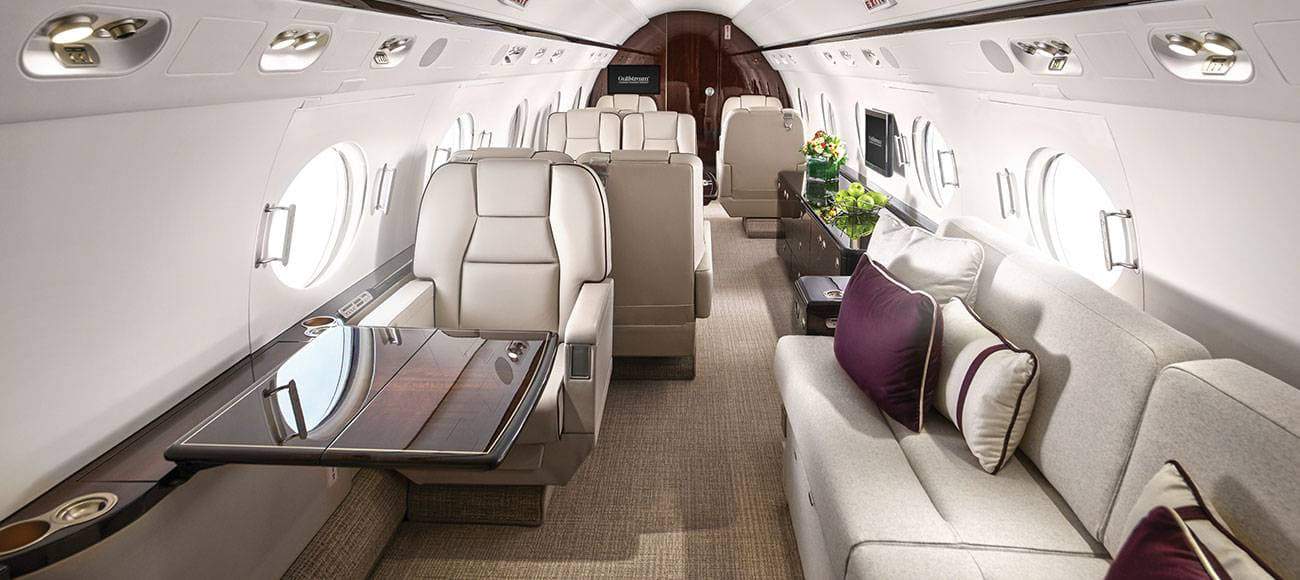
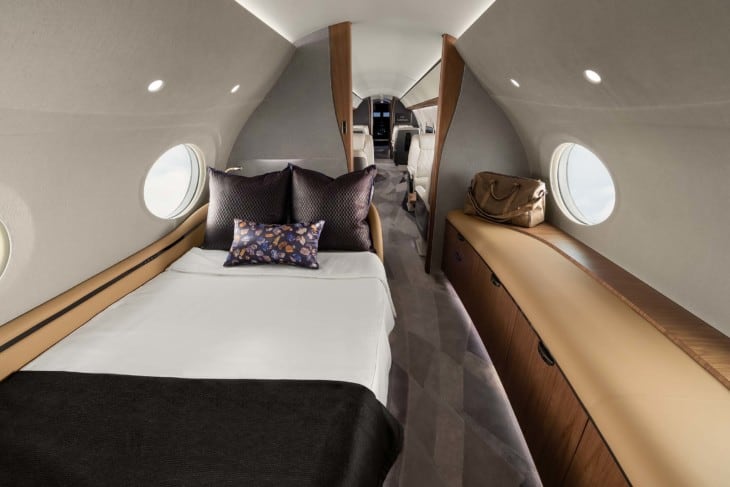
The G700 cabin sets a new standard for what a production business jet can offer. It features up to five living areas, a full-size stand-up cabin, Gulfstream’s Panoramic Oval Windows, and a forward galley capable of preparing multi-course meals on intercontinental routes. Its Rolls-Royce Pearl 700 engines are among the quietest ever fitted to a business aircraft, giving the cabin a noise level that Gulfstream describes as the quietest in aviation. For someone who uses long-haul flights as working time, the acoustic environment matters as much as the range.
Performance
Cabin
Ownership
Why Zuckerberg runs two Gulfstreams simultaneously
Operating a matched pair of ultra-long-range jets is not redundancy for its own sake. It is a scheduling tool. When one aircraft is repositioning from Hawaii back to California, the other can carry Zuckerberg in the opposite direction. For a CEO managing a company with more than 3 billion users across multiple time zones, the ability to move without coordinating around a single aircraft’s availability is a genuine operational advantage.
The G650ER: Zuckerberg’s Original Gulfstream
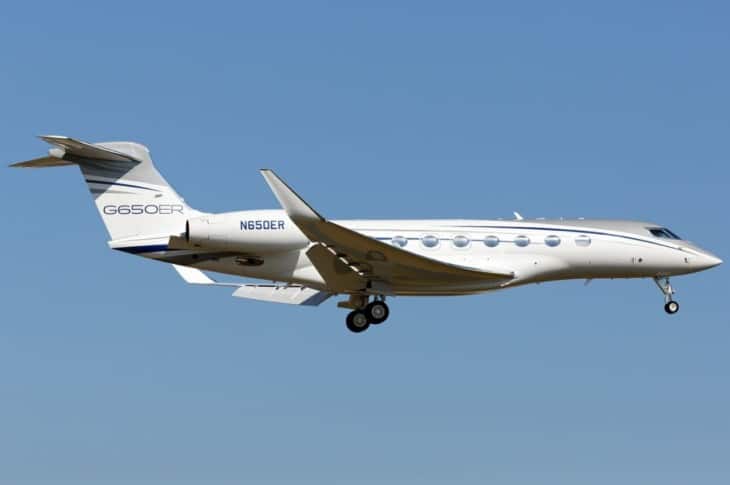
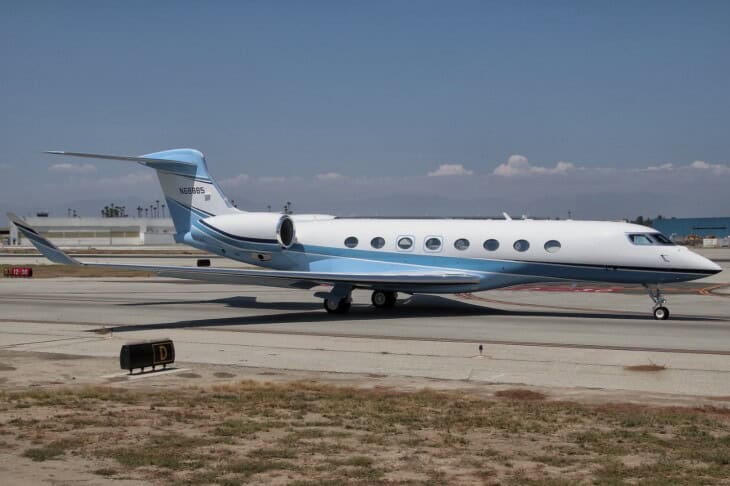
Before the G700 arrived, the Gulfstream G650ER (N68885) was Zuckerberg’s primary intercontinental aircraft. Acquired in December 2021 through Wyoming-based trust A7P Trust Co. Inc., it carries serial number 6472 and is powered by two Rolls-Royce BR725 turbofan engines producing approximately 17,000 pounds of thrust each. Its maximum range of 7,500 nautical miles allows nonstop service between California and nearly any destination in Asia or Europe.
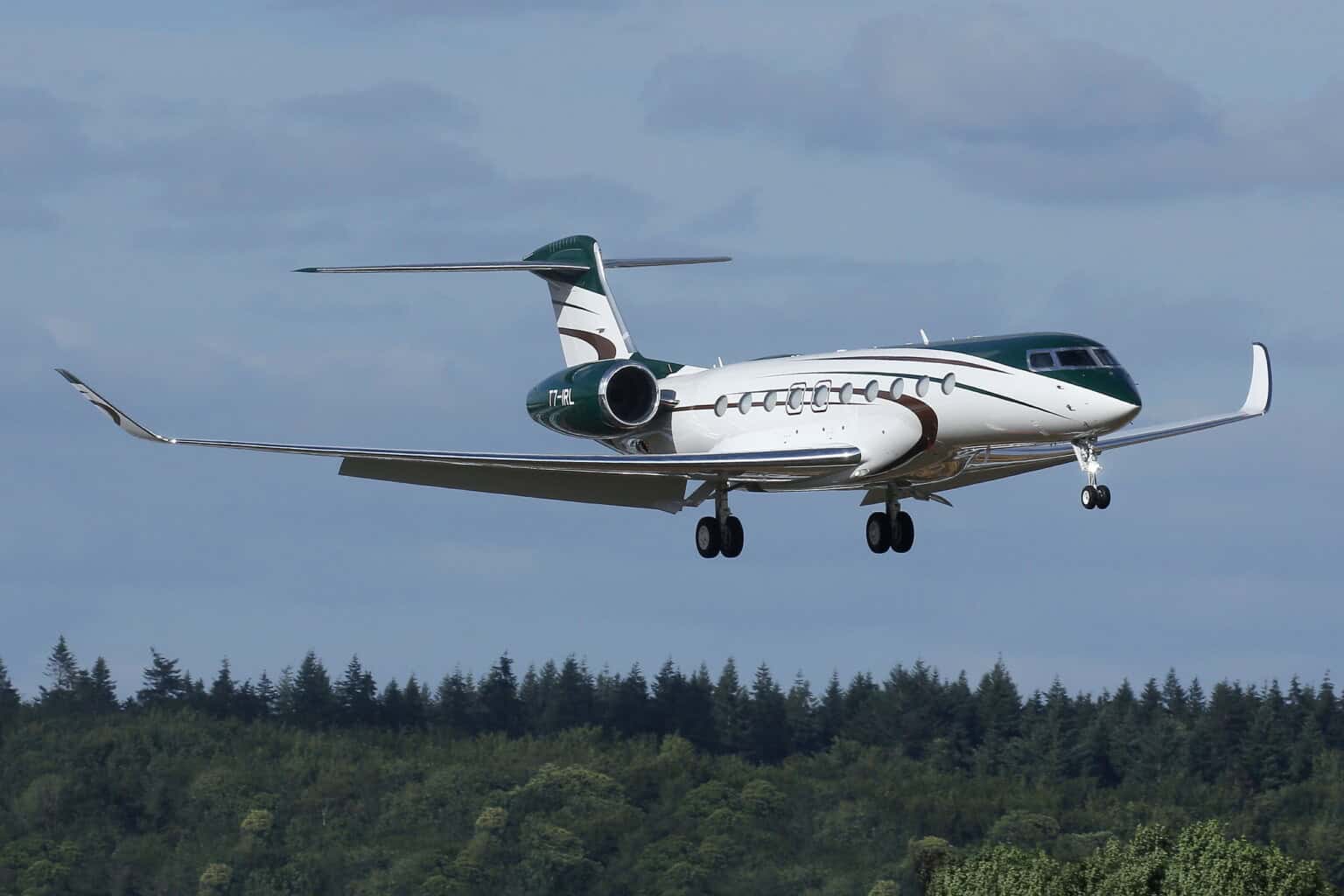
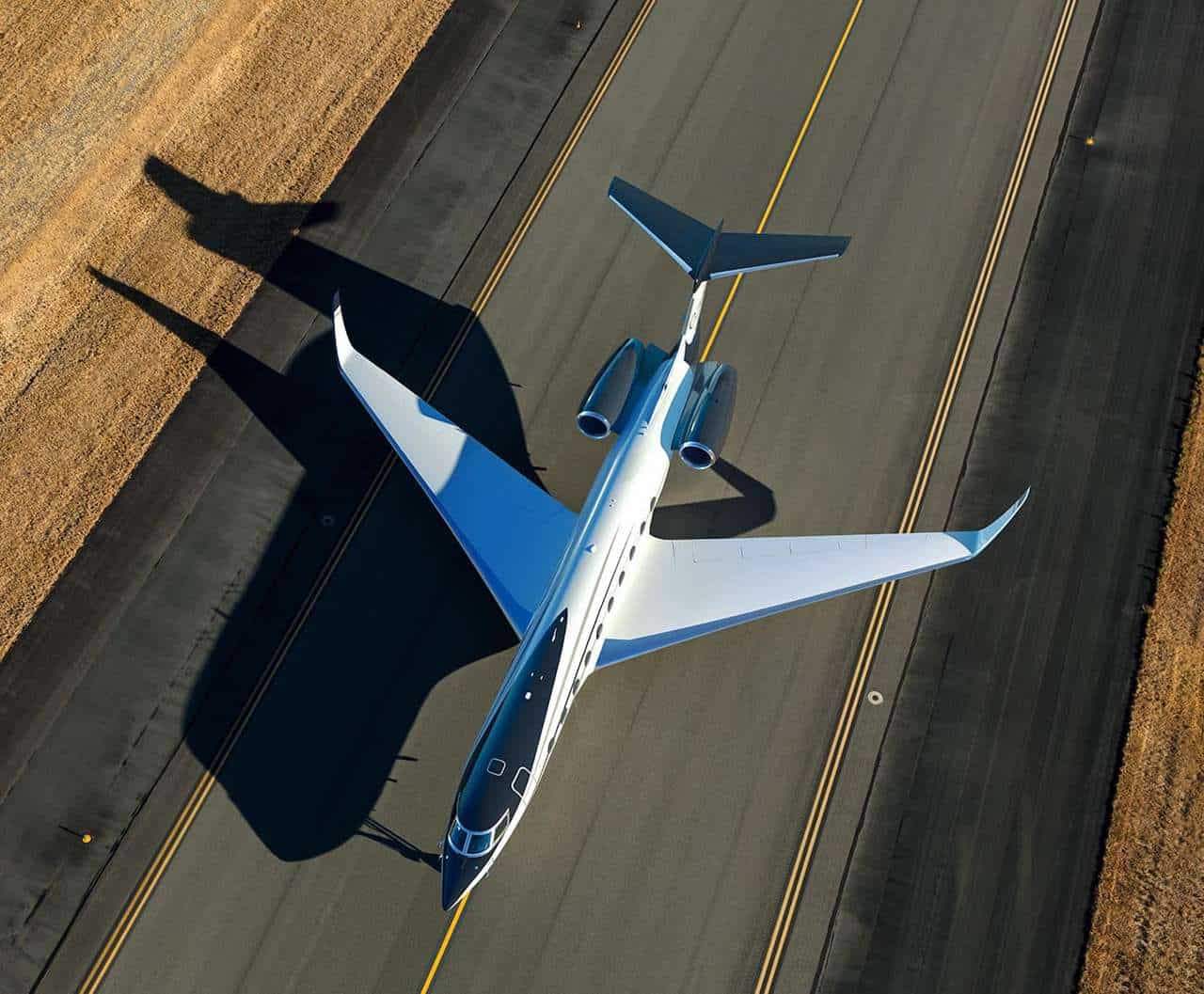
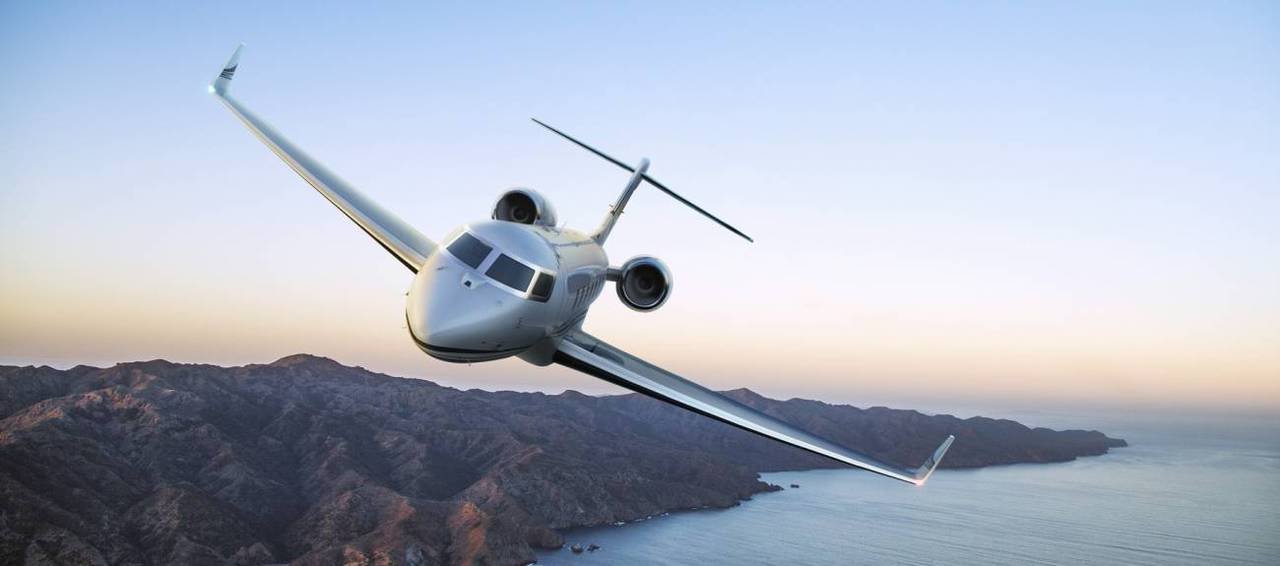
The aircraft’s most distinctive feature has nothing to do with its avionics: it is the livery. The G650ER wears a custom blue-and-white paint scheme directly referencing Meta’s brand colors, with lighter and darker blue tones running along the fuselage. It is one of the few private jets in operation instantly recognizable to anyone familiar with a major consumer technology platform. When the G700 arrived wearing an identical scheme, it confirmed both aircraft as part of the same fleet even before official registration records were reviewed.
The G550: Where It Started
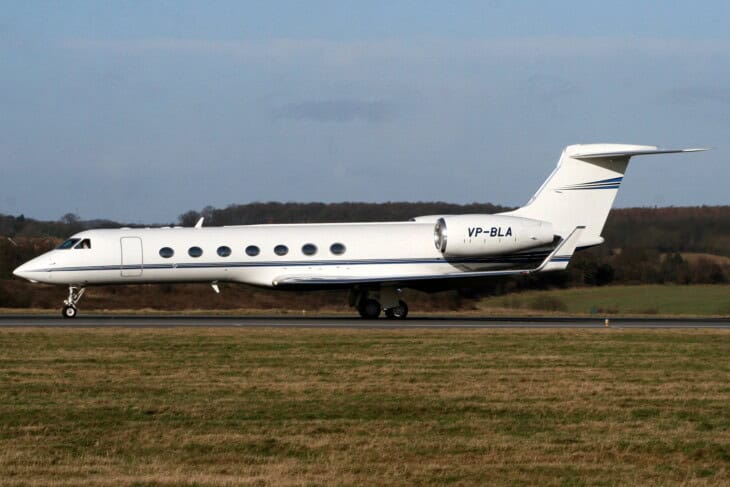
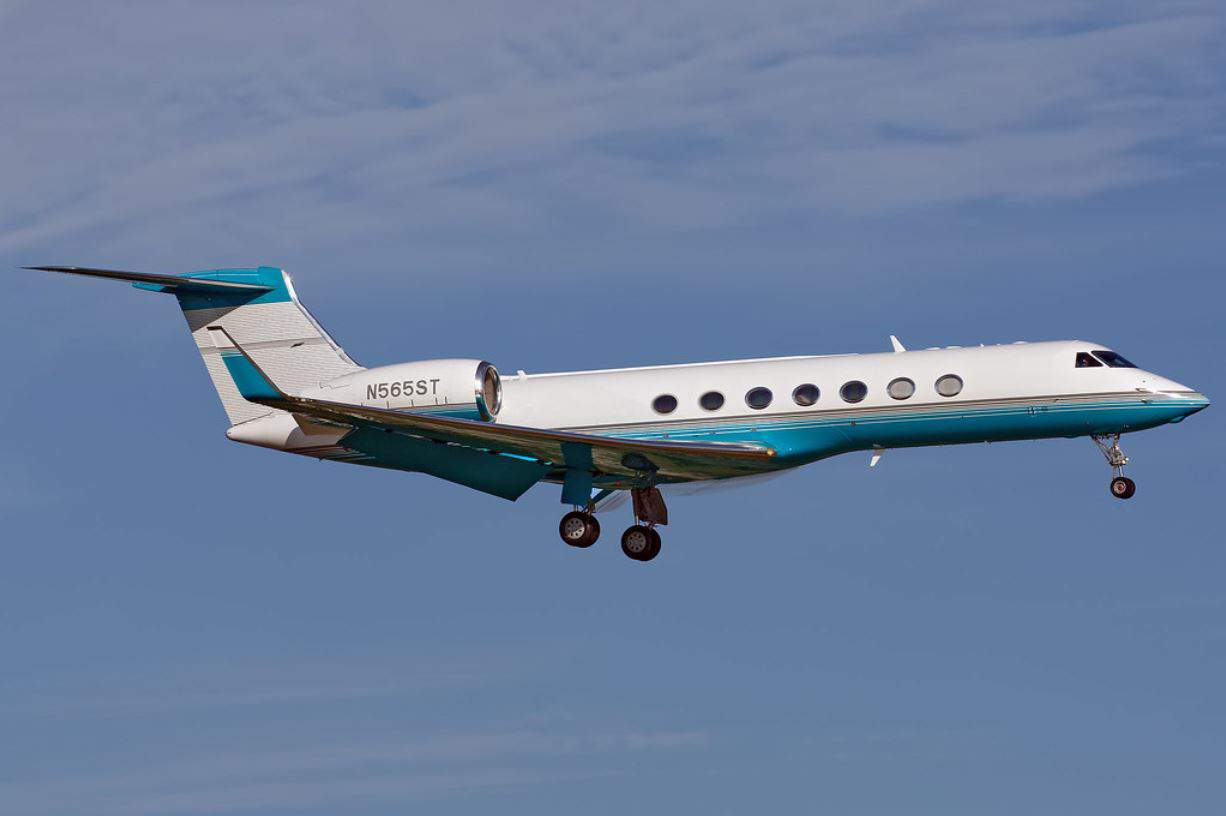
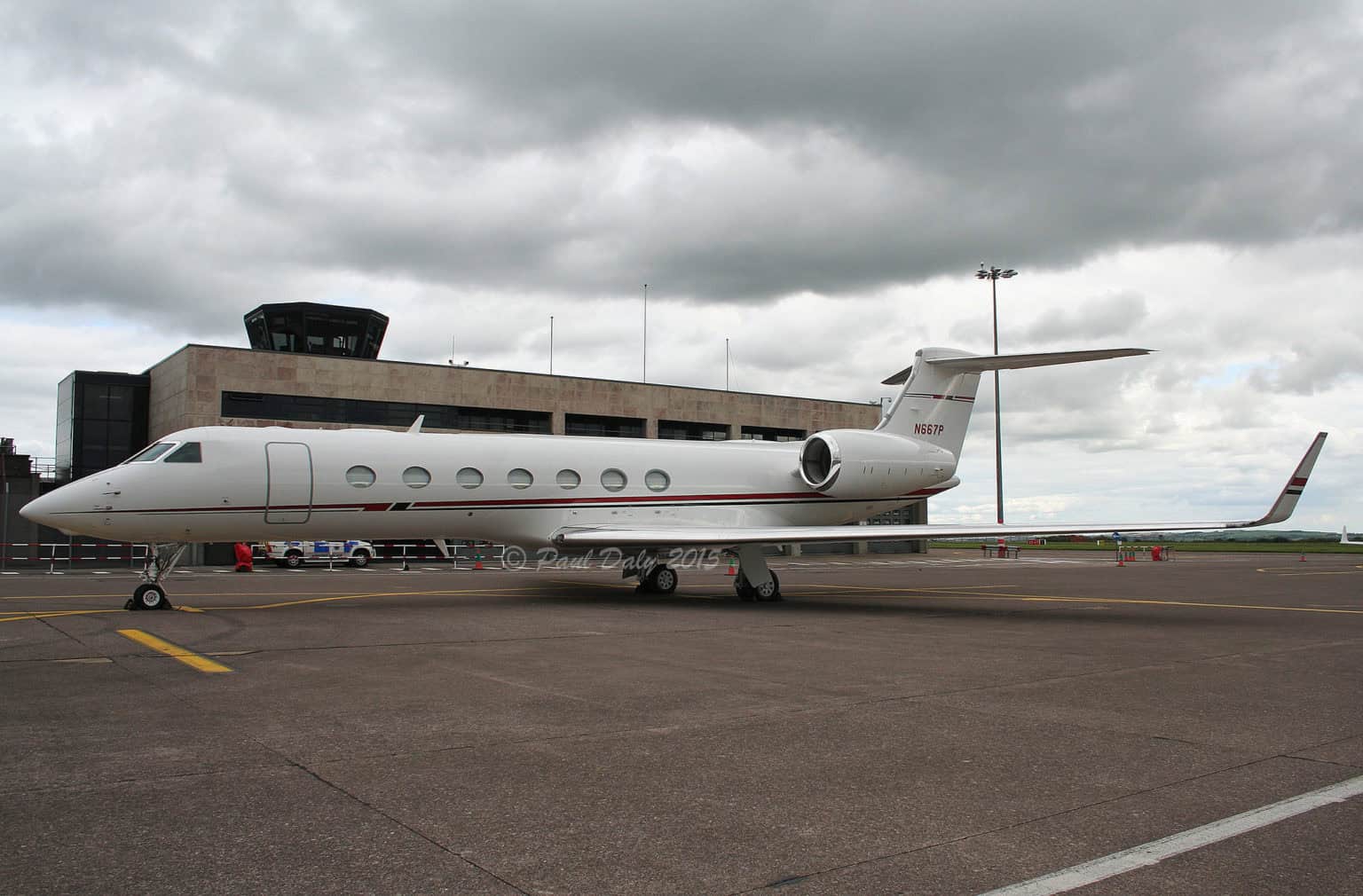
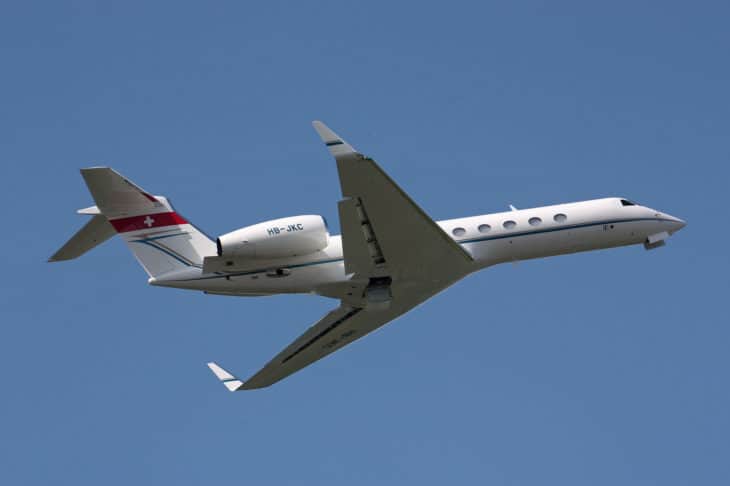
Zuckerberg’s first private jet was a Gulfstream G550, acquired around 2009 when Facebook was still several years away from its IPO and Zuckerberg was 25 years old. The G550 was a capable ultra-long-range aircraft with a 6,750 NM range and room for up to 18 passengers, sufficient for the international travel his role required as Facebook expanded into Europe and Asia. By 2012, with the IPO approaching and his schedule growing exponentially more complex, he placed an order for the then-new G650 to replace it. The G550 was sold in 2013 to Skandinaviska Enskilda Banken AB, the Swedish banking group.
The Carbon Controversy
Zuckerberg’s jets have attracted sustained criticism for their emissions output, particularly as Meta has positioned itself as a leader in corporate sustainability. Flight tracking data compiled in 2022 showed that his G650ER completed 28 flights over a two-month period, emitting an estimated 253 tonnes of CO2, the equivalent of roughly 15 years of driving for a single American. In late 2024, a two-day stretch of California-to-Hawaii-to-California flights generated approximately 70 tonnes in 48 hours.
Zuckerberg's jets vs. Meta's climate commitments
Meta has publicly committed to net-zero emissions across its value chain and has reported operating on 100% renewable energy since 2020. Against that backdrop, Zuckerberg’s personal aviation footprint draws scrutiny. The maiden flight of his G700 alone, a single trip from Monterey to Kauai, generated an estimated 19 tonnes of CO2. His G650ER produced 27 tonnes on the same route before the G700’s arrival. Flight tracking services have documented hundreds of flights per year across both aircraft.
Part of the emissions scrutiny stems from the California-to-Hawaii corridor. The roughly 2,500-mile route between the Bay Area and Lihue Airport on Kauai is one of Zuckerberg’s most frequently flown segments, and the G650ER burns approximately 17,178 pounds of fuel for that leg. The arrival of the G700 modestly reduces per-flight fuel burn on the route (roughly 12,222 pounds), but adding a second aircraft to the fleet increases aggregate emissions across the year.
Source: Flight tracking data, 2022 estimates (Zuckerberg figure covers a two-month tracking window, not a full year).
Mark Zuckerberg’s Most Notable Private Jet Moments
The G700’s Maiden Flight to Kauai (December 2024)
Zuckerberg’s Gulfstream G700 was tracked flying from Monterey Regional Airport to Lihue Airport on Kauai within days of its delivery in December 2024, confirming its ownership before any official documentation was publicly available. Aviation analyst Jack Sweeney, who operates public flight tracking accounts, documented the route: the G700 burned approximately 5,500 kilograms of fuel and released an estimated 19 tonnes of CO2 on that single leg. The return flight added a comparable footprint. The maiden round trip attracted significant press coverage, with the contrast between the environmental cost of a $80 million jet and Meta’s sustainability branding noted across multiple publications.
The 48-Hour California-Hawaii Shuttle (November 2024)
In November 2024, tracking data showed Zuckerberg’s G650ER completing multiple back-and-forth flights between California and Hawaii over a 48-hour window, burning an estimated 7,254 gallons of jet fuel and generating approximately 70 tonnes of CO2 in two days. The back-to-back routes between Monterey and Lihue drew attention not because any individual flight was unusual, but because the pace of the shuttle illustrated how frequently the aircraft operates the corridor. Seventy tonnes of CO2 in 48 hours is roughly 15 years of emissions for a single average American car.
Iceland and the Remote Destination Flights
Zuckerberg’s G650ER was tracked landing at Akureyri Airport in northern Iceland in May 2022, a regional airport that sees very limited private jet traffic and confirmed the aircraft’s use for personal travel to remote destinations. Akureyri is one of Iceland’s smaller airports and is primarily used for domestic Icelandic routes. The appearance of the blue-and-white Gulfstream there attracted attention from local aviation enthusiasts and was reported by Icelandic aviation blog Flugblogg, which documented the visit. It illustrated the range and flexibility of the G650ER as both an intercontinental workhorse and a tool for off-the-beaten-path personal travel.
How Zuckerberg’s Fleet Compares
Within the tech billionaire peer group, Zuckerberg’s fleet sits at the smaller end by aircraft count but at the top end by aircraft generation. His two-jet fleet is less expansive than Jeff Bezos’ four-aircraft operation, but both the G700 and G650ER are among the most capable business jets in production or recent service.
The livery that makes his jets impossible to hide
Most ultra-high-net-worth aircraft owners deliberately choose anonymous, matte, or neutral liveries to reduce public visibility. Zuckerberg’s blue-and-white Meta color scheme does the opposite. The paint is visually distinctive and brand-associated enough that spotters and trackers can identify the aircraft on the ground before reading the tail number. Whether intentional or incidental, it is one of the most recognizable private jet liveries in operation.
| Owner | Flagship jet | Aircraft count | Est. fleet value |
|---|---|---|---|
| Mark Zuckerberg | Gulfstream G700 | 2 | ~$150M+ |
| Jeff Bezos | Gulfstream G700 | 4 | ~$150M+ |
| Elon Musk | Gulfstream G700 / G650ER | 3+ | ~$200M+ |
| Bill Gates | Gulfstream G650ER | 2 | ~$130M+ |
Get the Newsletter
The latest aviation news and stories sent to your inbox.
About the Author

Tim is the owner and lead editor of AeroCorner since 2019, overseeing aviation content covering aircraft, airlines, airports, and the broader aviation industry. Through years of researching, writing, editing, and publishing aviation-focused content, he has developed extensive practical knowledge of commercial aviation and air travel. Based in Asia and a frequent traveler himself, Tim also brings firsthand passenger experience to AeroCorner’s coverage. Outside of publishing, he has also explored aviation firsthand through hands-on flight training in New Zealand.