

Table of Contents
In 2020, a 19-year-old college student named Jack Sweeney built a Twitter bot that tracked Elon Musk’s private jet using publicly available flight data and posted its location in real time. Musk noticed.
He sent Sweeney a direct message offering $5,000 to take the account down, citing security concerns. Sweeney countered with $50,000, or a Tesla Model 3. Musk went quiet.
Two years later, Musk paid $44 billion for Twitter. Among his first acts as owner: banning the account, suspending all 30 of Sweeney’s associated profiles, threatening a lawsuit, and temporarily suspending the journalists who reported on the ban.
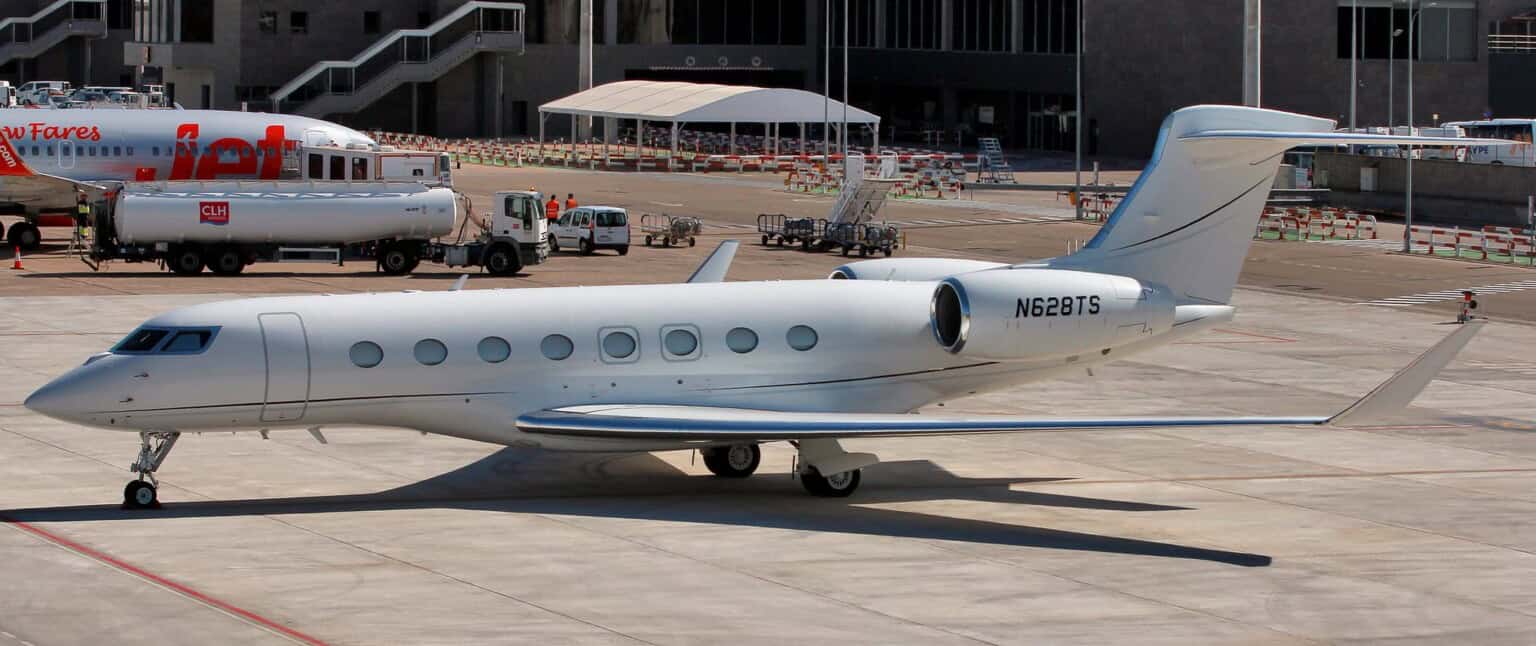
The @ElonJet saga is the defining story of celebrity private jet culture in the modern era, and it all started with a single Gulfstream tail number: N628TS.
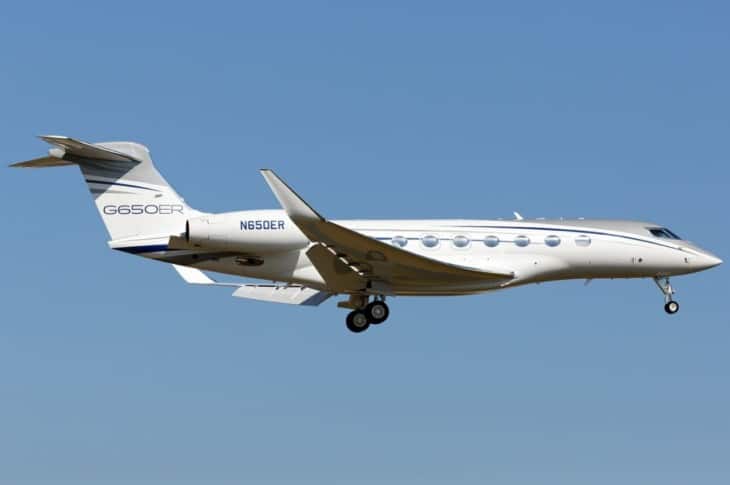
Unlike most celebrities who own one aircraft and call it a day, Elon Musk operates a four-jet Gulfstream fleet. The flagship is a Gulfstream G650ER (N628TS), the long-range workhorse that flew 355 times across the fleet in 2024.
The fleet has turned over sharply since. Musk took delivery of a Gulfstream G800 (N8628) in February 2026 and a Gulfstream G700 (N7628) in June 2026, two of the most capable business jets ever certified. Over the same period, the older of his two Gulfstream G550s dropped off the US registry entirely.
This guide covers every aircraft in Elon Musk’s private jet fleet as of August 2026, verified against the FAA aircraft registry, plus the origin story, the carbon data behind those flights, and the trips that made N628TS the most tracked tail number in business aviation history.
Quick facts about Elon Musk’s private jet fleet
Elon Musk’s Complete Private Jet Fleet
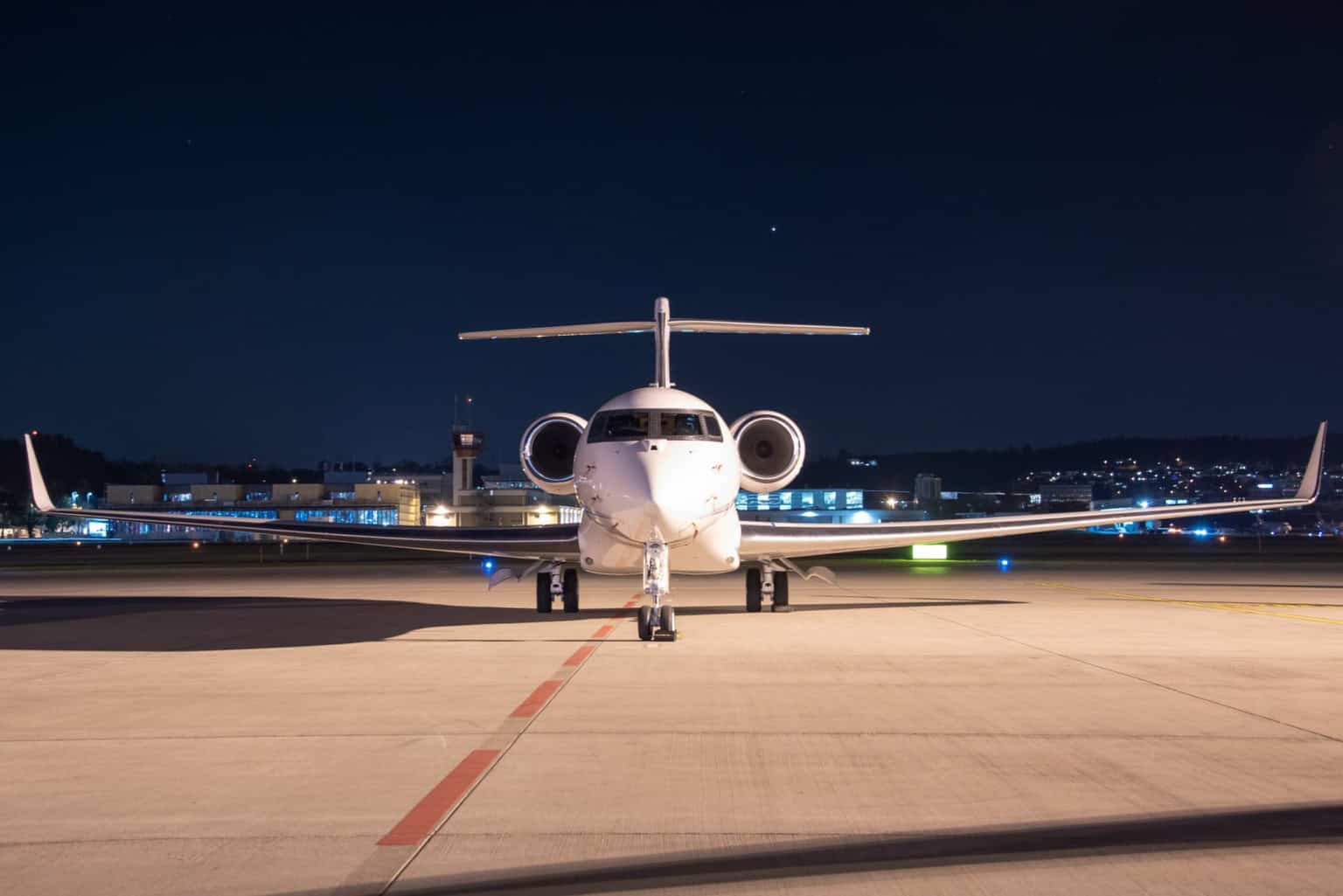
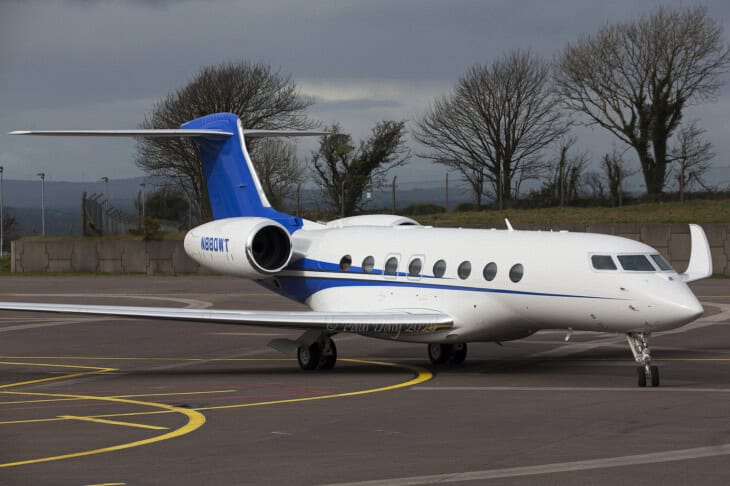
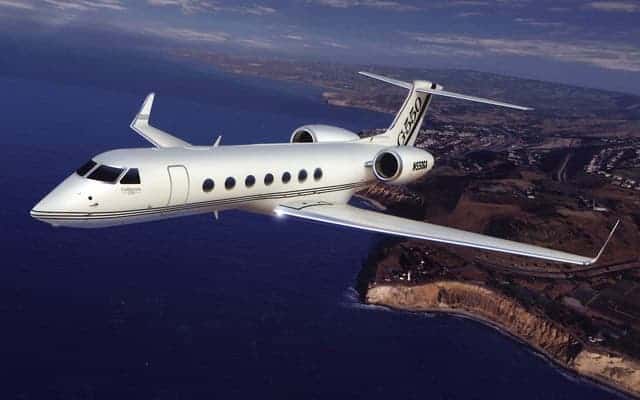
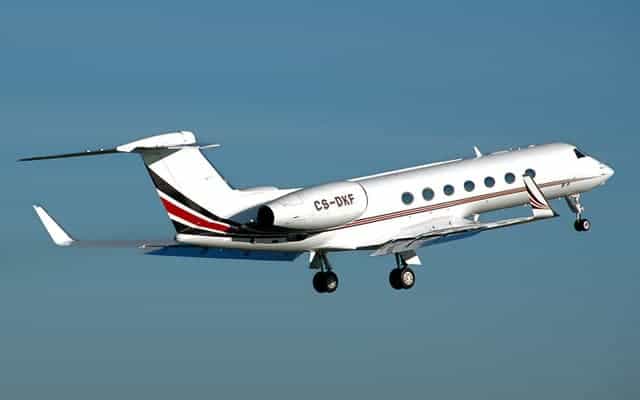
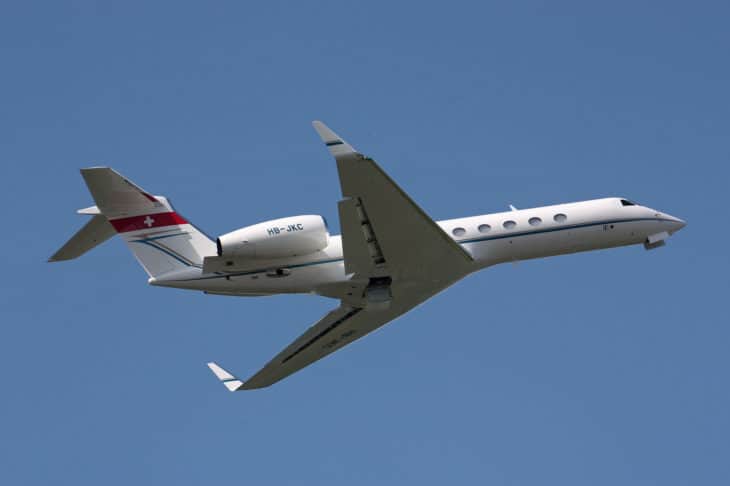
Musk owns four Gulfstreams outright, and every one of them is a large-cabin, ultra-long-range type. His fleet spans two decades of acquisitions, from a G550 bought in the early 2000s through the G700 delivered in June 2026.
The ownership paperwork changed along the way, and it is the single most useful thing to understand about this fleet. The two older jets are registered openly to Falcon Landing LLC, a SpaceX-linked entity at 1 Rocket Road in Hawthorne, California.
The two newest are registered to a corporate owner trustee, with the beneficial owner’s name withheld from the public FAA record.
| Aircraft | Tail number | Serial | Built | Status |
|---|---|---|---|---|
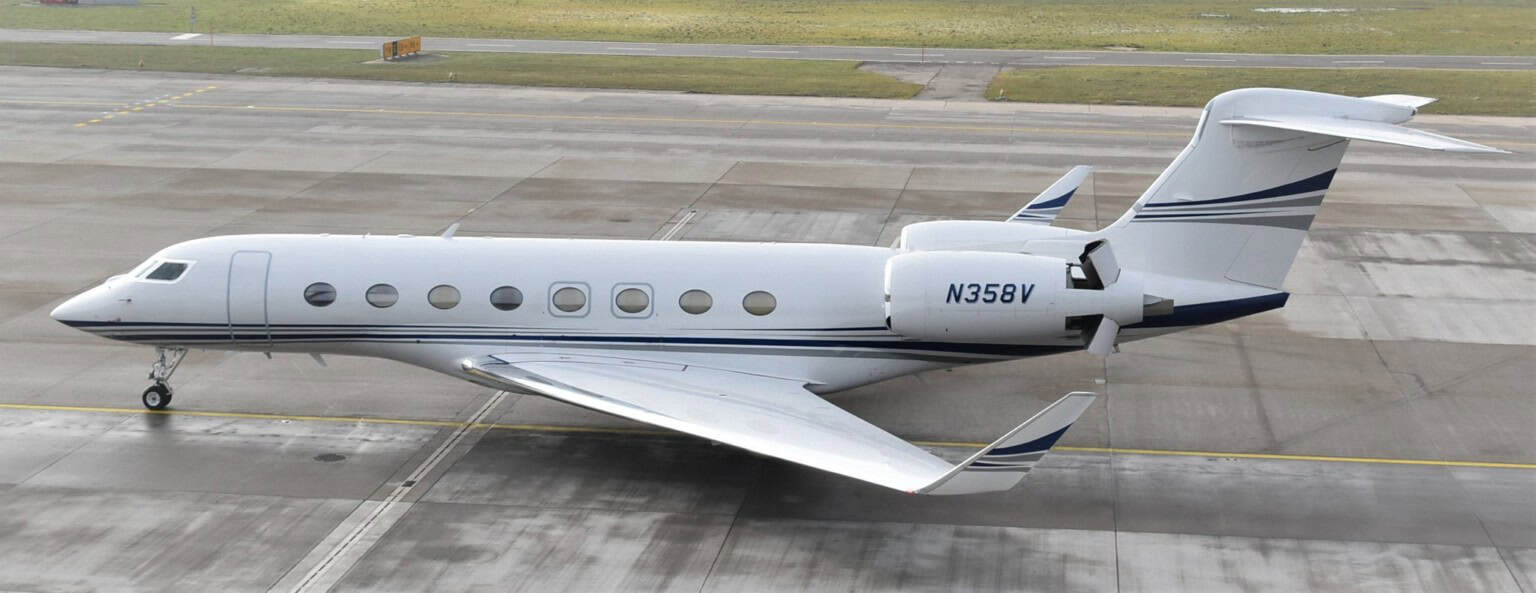
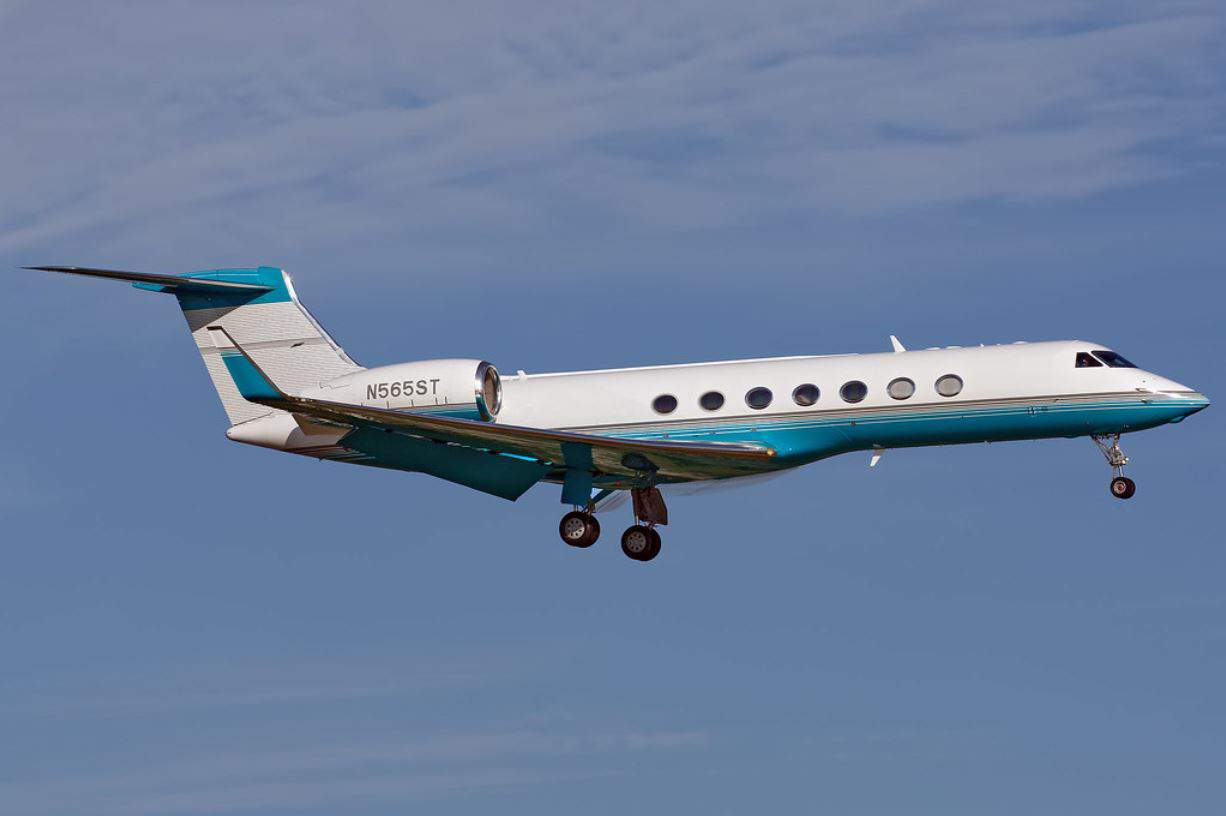
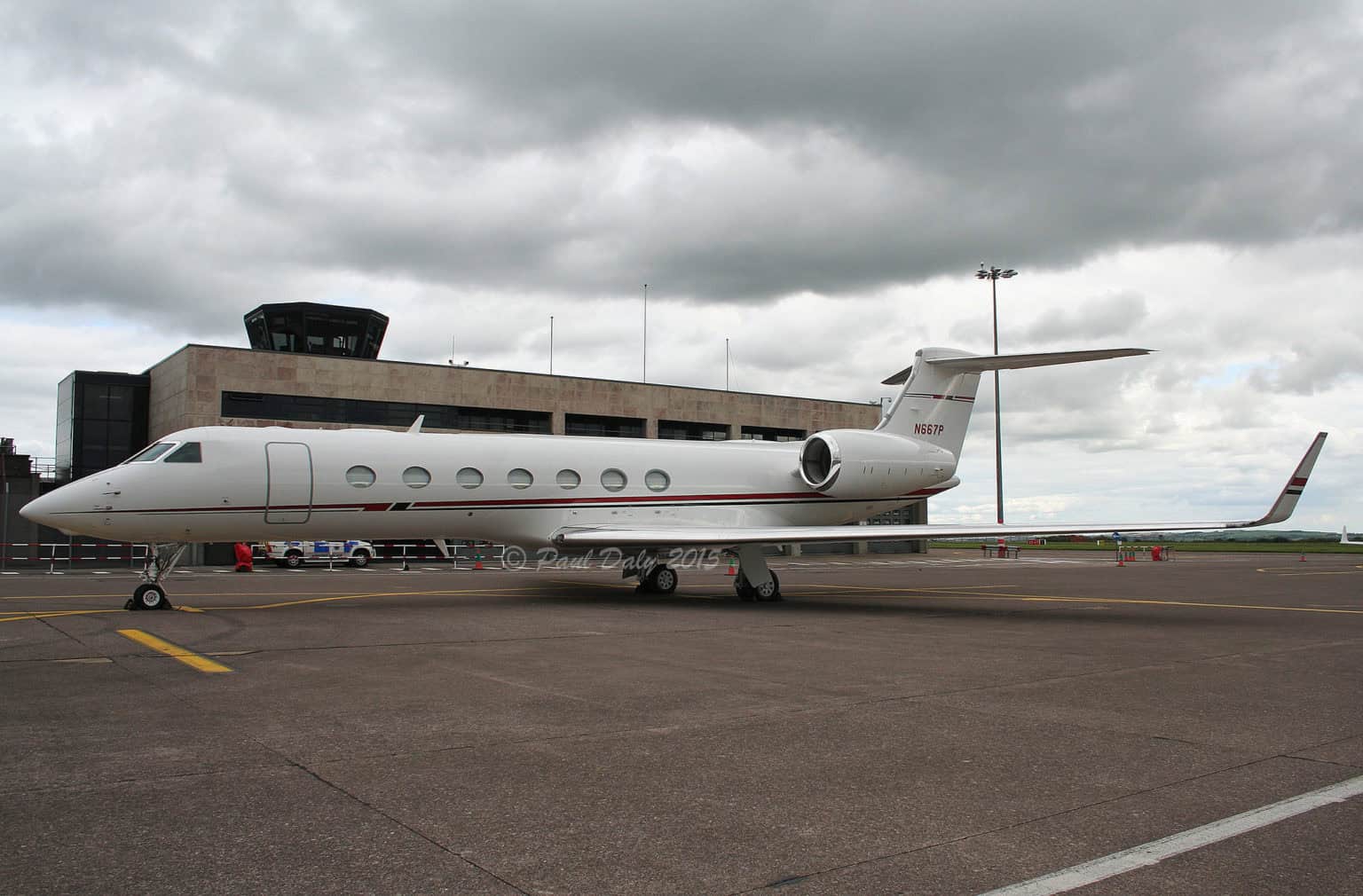
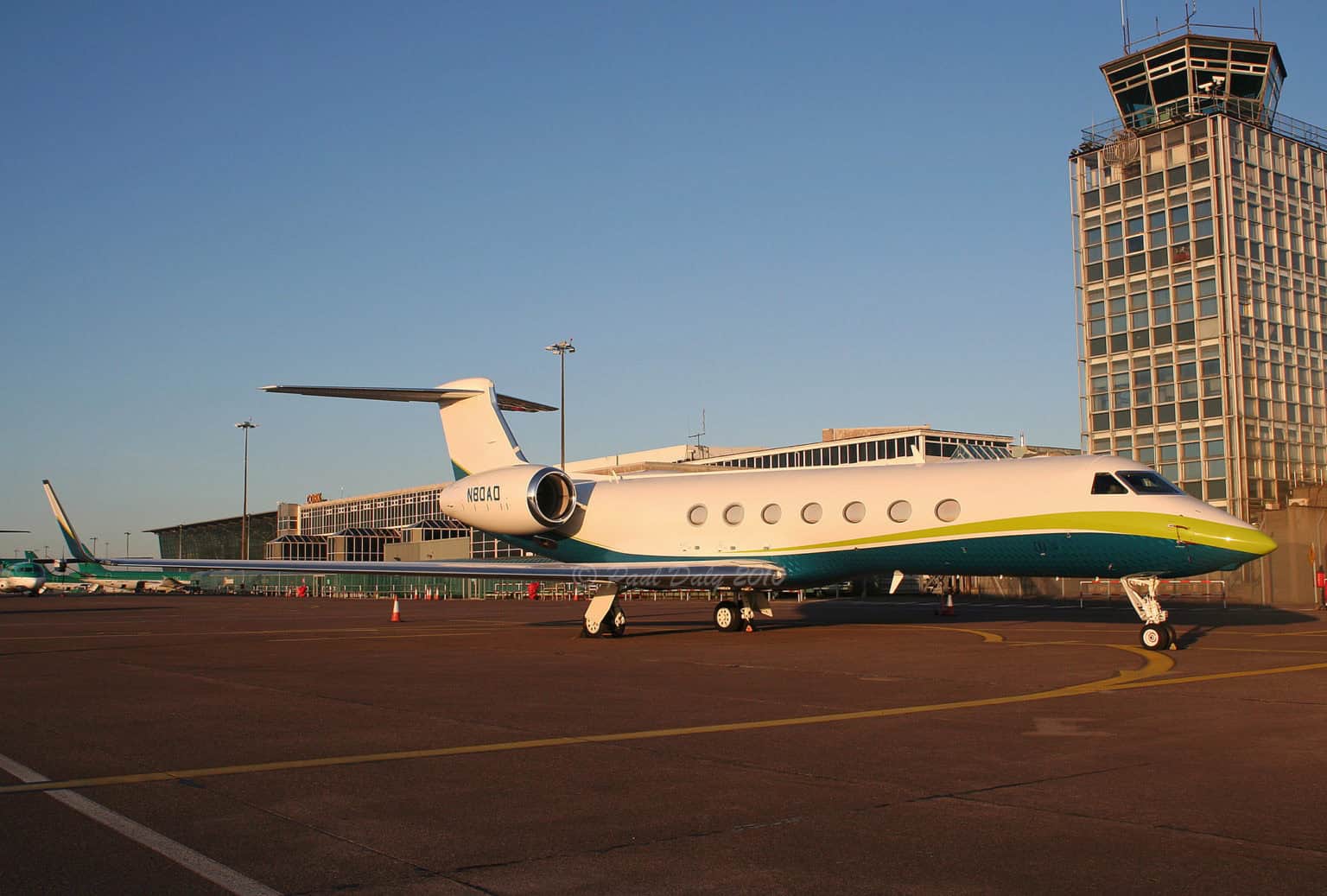
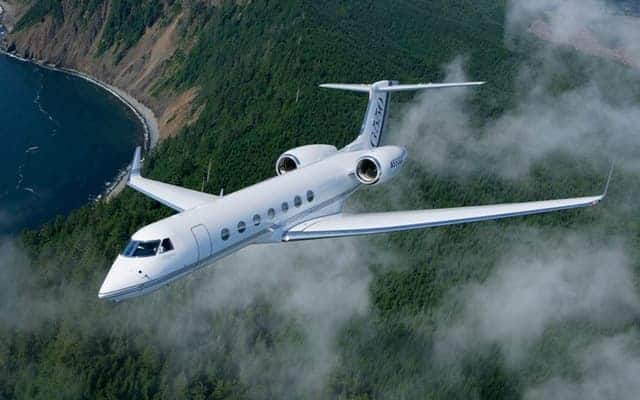
| Gulfstream G650ER | N628TS | 6177 | 2015 | Primary jet, Falcon Landing LLC |
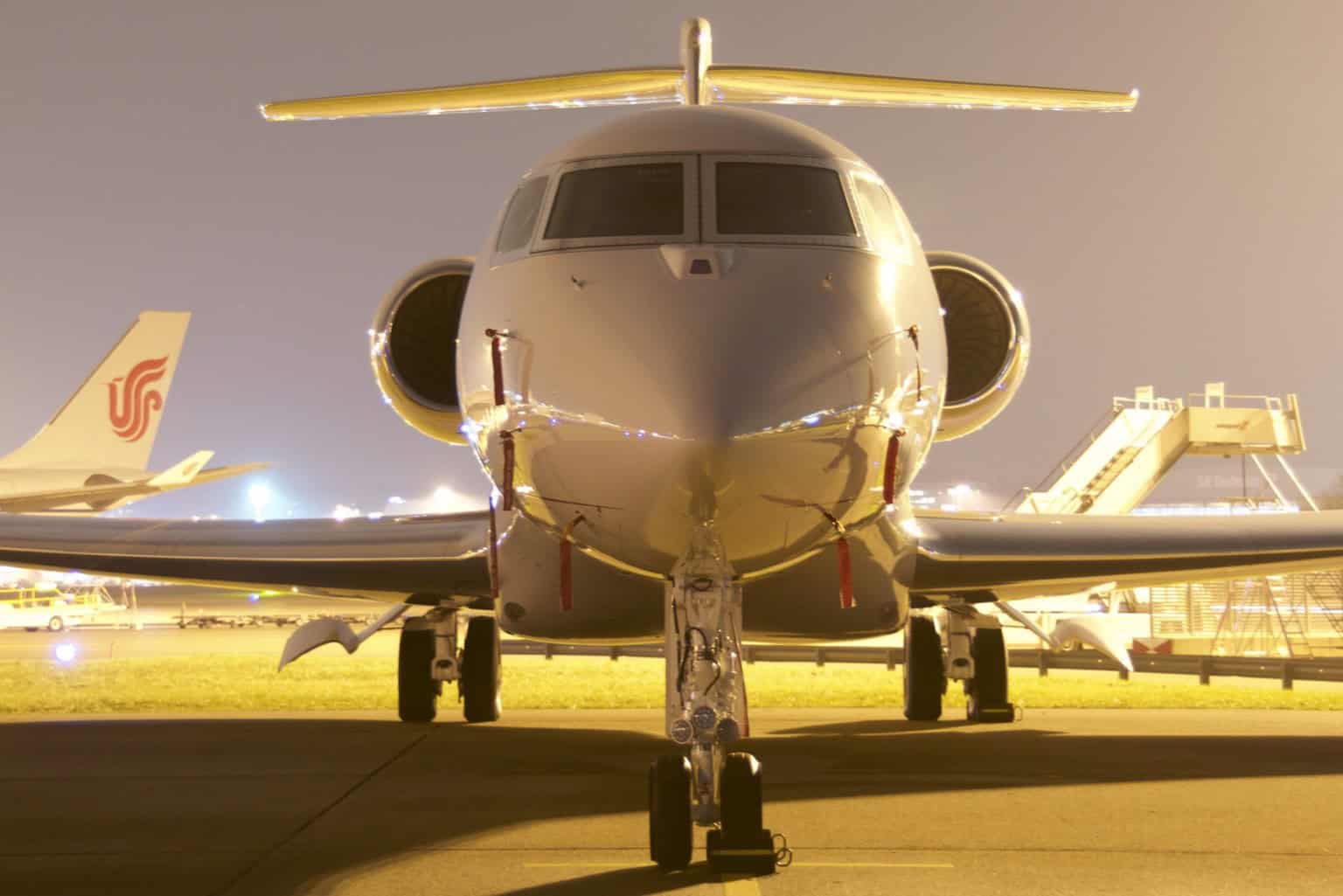
| Gulfstream G800 | N8628 | 88013 | 2026 | Delivered Feb 2026, owner withheld |
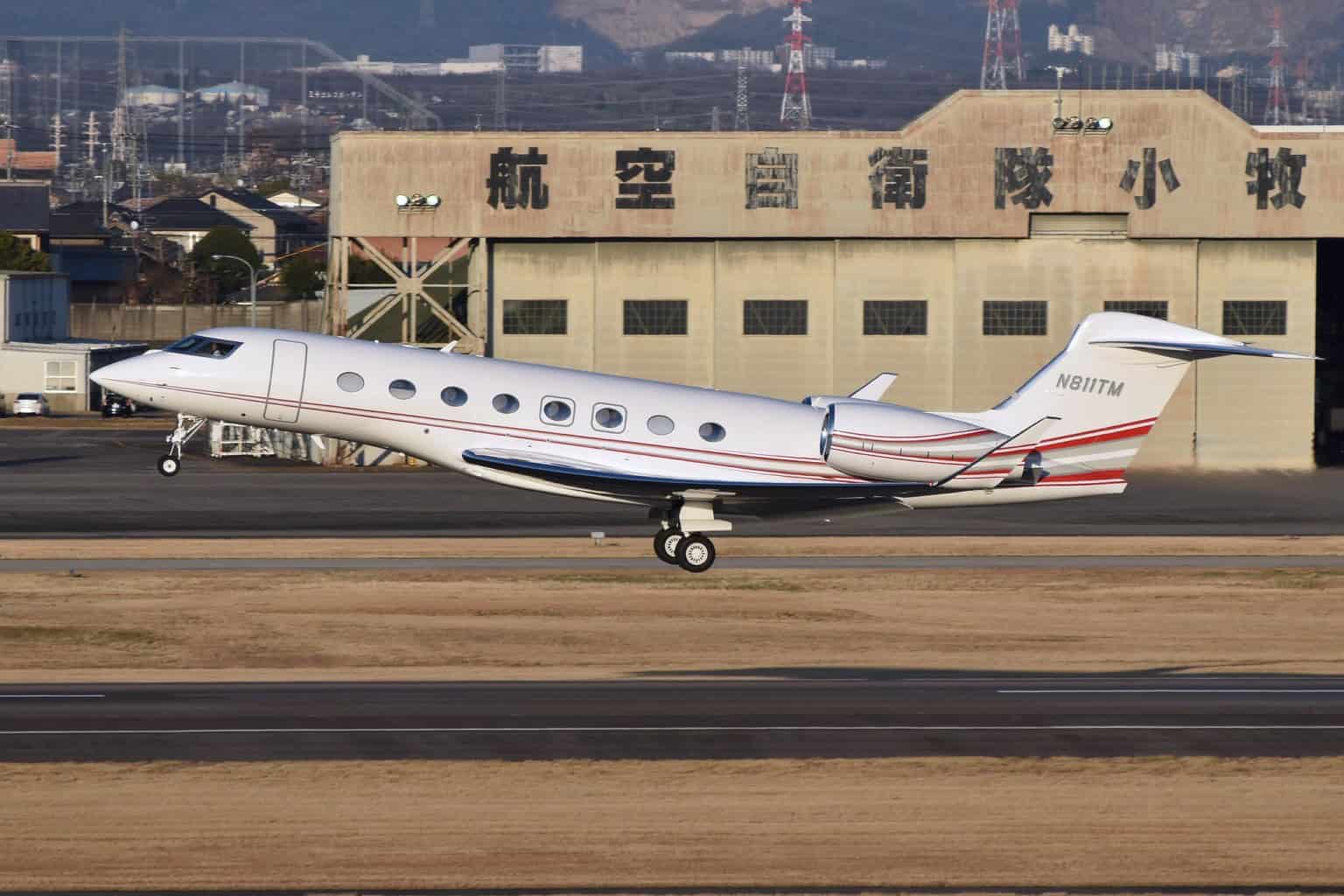
| Gulfstream G700 | N7628 | 87108 | 2025 | Delivered Jun 2026, owner withheld |
| Gulfstream G550 | N272BG | 5164 | 2007 | Falcon Landing LLC |
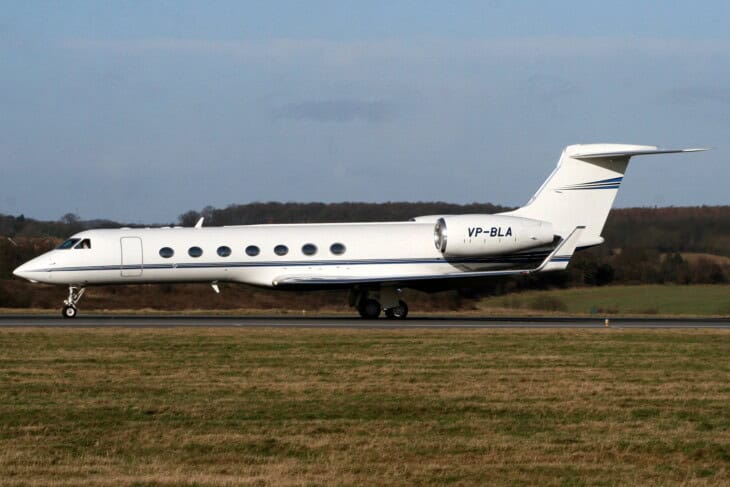
| Gulfstream G550 | N502SX | – | 2003 | Former, N-number now reserved only |


















Why two of his jets have no owner name
The FAA record for the G800 and the G700 lists a corporate owner trustee instead of a person or a named company, so the public registry shows no owner name at all. This is a legal and widely used ownership structure, not a loophole, and it is common among high-profile owners. The practical effect is that the two newest jets in the fleet cannot be tied to Musk through the registry the way N628TS and N272BG can, which is exactly the record the @ElonJet trackers were built on.
The Origin Story: How Elon Musk Built His Gulfstream Fleet
Musk’s relationship with private aviation began at the same moment he started building rockets, and the two have grown in parallel ever since. What began as a single mid-cabin jet for business travel became a four-aircraft operation that mirrors the scale of his corporate empire.
2003
First Gulfstream: the G550 later marked N502SX. In the same year SpaceX was founded, Musk acquires his first large-cabin Gulfstream, a 2003-build G550. It flew for years on the Bermuda mark VP-BLA before being re-registered in the United States as N502SX in 2021.
2007
Second G550 added: N272BG. As travel demands expand across Tesla, SpaceX, and his other ventures, a second Gulfstream G550 joins the fleet. It is held through Falcon Landing LLC and still serves as a workhorse for regional and secondary travel today.
March 2016
Gulfstream G650ER N628TS registered. Musk takes delivery of a brand-new Gulfstream G650ER, serial 6177, for approximately $70 million. The tail number encodes his birthday: 628 references June 28. The G650ER becomes his primary long-haul aircraft and the jet that will define his public aviation identity for the next decade.
November 2020
@ElonJet launches. Jack Sweeney, a 19-year-old college student, builds an automated Twitter bot that uses public FAA and flight tracking data to post the real-time location of N628TS. The account grows rapidly and is eventually followed by hundreds of thousands of people.
January 2022
Musk DMs Sweeney, offers $5,000. Musk sends Sweeney a direct message on Twitter asking him to take down @ElonJet, citing personal security concerns. He offers $5,000. Sweeney replies asking for $50,000 or a Tesla Model 3. Musk stops responding. The conversation is later published publicly by Sweeney.
December 2022
Twitter acquired; @ElonJet banned within weeks. Musk completes his acquisition of Twitter in October 2022. On December 14, citing a stalking incident involving his son, he suspends @ElonJet and all 30 of Sweeney’s Twitter accounts. Journalists who report on the ban are also suspended, triggering a fresh wave of international coverage.
2023
Fleet logs 456 flights. Musk’s jets hit their highest recorded annual flight count. The fleet connects SpaceX Starbase in Brownsville, Tesla Gigafactories in Austin and Berlin, Neuralink facilities, and political destinations as Musk’s public profile in US politics expands significantly.
2024
355 flights, ~$2.5M in fuel, ~4,000 metric tons CO2. The fleet burns approximately $2.5 million worth of aviation fuel across 355 flights. Key destinations include SpaceX sites in Hawthorne and Brownsville, Tesla Austin, and a string of political stops tied to Musk’s involvement in Trump’s presidential campaign, including 13 trips to swing states and 31 post-election flights to Palm Beach.
February 2026
Gulfstream G800 N8628 registered. Musk takes delivery of a Gulfstream G800, serial 88013, roughly six months after the type’s first customer delivery. The tail number again encodes his June 28 birthday in rearranged form. The G800 extends the fleet’s maximum range to 8,200 nautical miles.
March 2026
N502SX leaves the registry. The oldest G550 comes off the US aircraft register. Falcon Landing LLC reserves the N502SX mark on 26 March 2026, so the number is held but no aircraft is assigned to it.
June 2026
Gulfstream G700 N7628 registered. A Gulfstream G700, serial 87108, is added on 12 June 2026 and is photographed at Tulsa International Airport days before. It is the fleet’s second brand-new jet in four months and its longest cabin.
Inside the Gulfstream G650ER: The Jet That Started It All
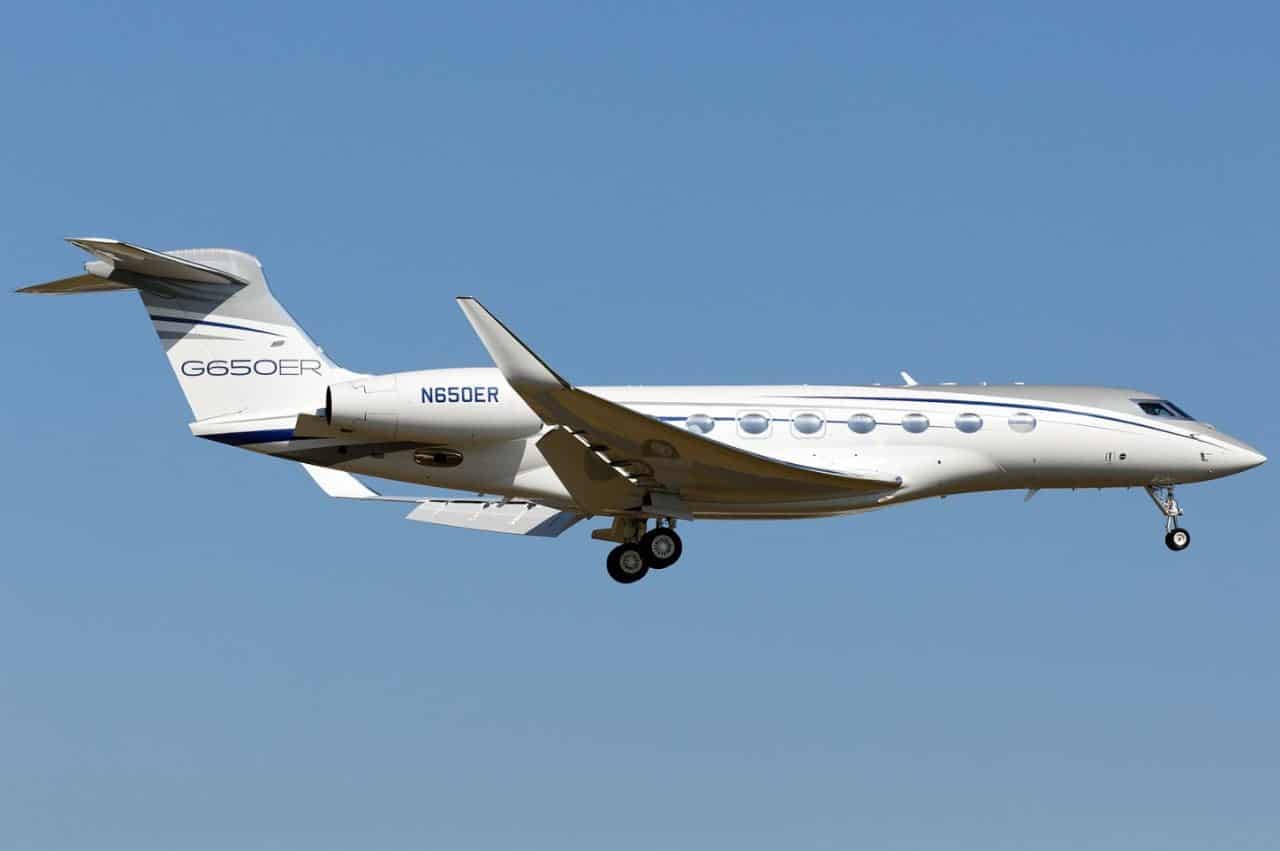
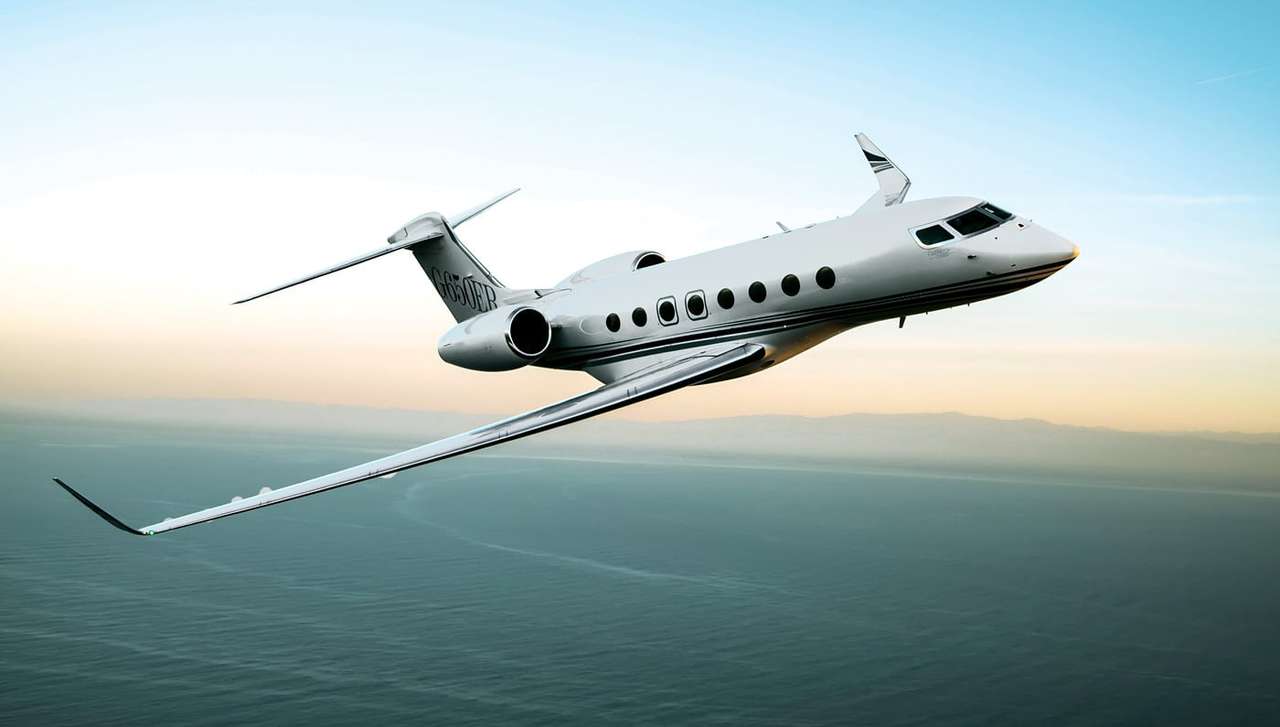
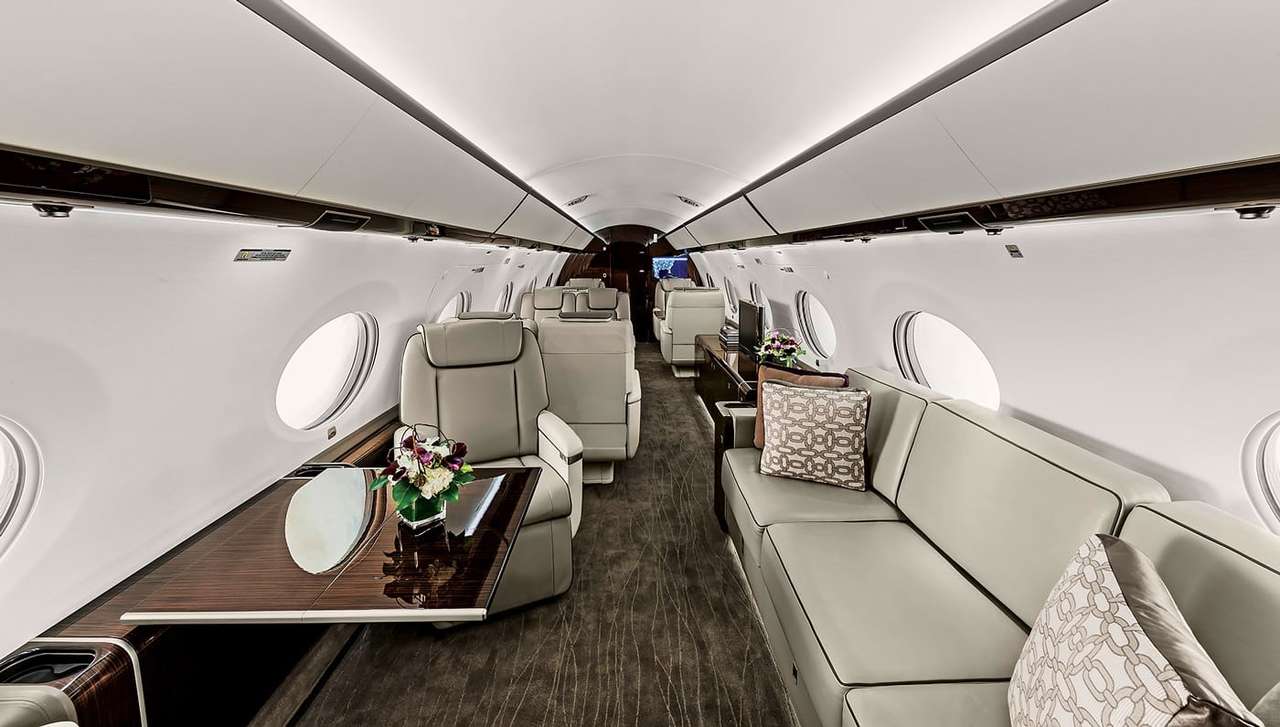
When Musk registered N628TS in March 2016, the Gulfstream G650ER was widely considered the finest purpose-built business aircraft in the world. It remains formidable: a range of 7,500 nautical miles at Mach 0.85, a maximum speed of Mach 0.925, and a cabin wide enough to configure with a private stateroom, divan seating, and a full galley.
The jet is powered by two Rolls-Royce BR725 engines, each producing 16,900 pounds of thrust. That gives the aircraft both the performance to climb rapidly above commercial traffic and the efficiency to sustain the ultra-long-range routes that define Musk’s travel pattern.
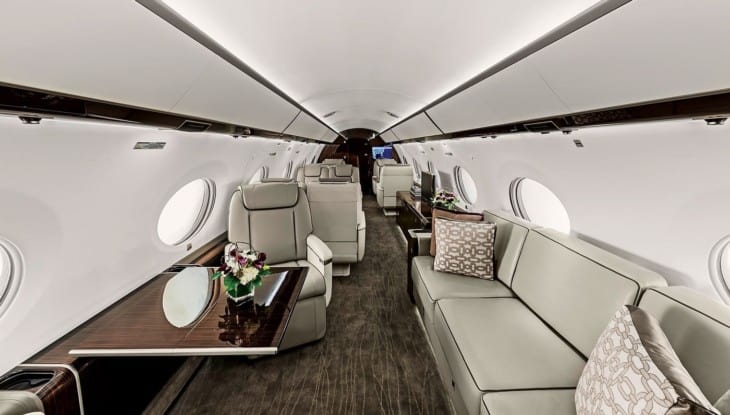

The G650ER’s “extended range” designation adds approximately 500 nautical miles over the standard G650 through a modified fuel system, a meaningful advantage for the transatlantic and transpacific routing Musk’s schedule demands.
In 2024 alone, N628TS logged 126 flights, accumulated over 300 flight hours, and consumed more than 150,000 gallons of aviation fuel. That generated approximately 1,500 metric tons of CO2 on its own, before accounting for the rest of the fleet.
Performance
Cabin
Ownership
What does N628TS mean?
The tail number N628TS encodes Musk’s birthday: June 28, written as 6/28. The “TS” suffix is widely interpreted as referencing Tesla and SpaceX, the two companies that dominate his travel schedule. The pattern repeats across the fleet: the G800 carries N8628 and the G700 carries N7628, both rearranging the same birthday digits behind the model number. Musk’s use of these numbers is a low-key personal signature, and one that aviation enthusiasts learned to spot long before a new jet is ever confirmed.
The Newest Jets: Gulfstream G800 and G700
Musk added two brand-new Gulfstreams inside four months in 2026, and both are among the most capable business jets ever certified. Together they nearly doubled the size of his long-haul capability in a single year.
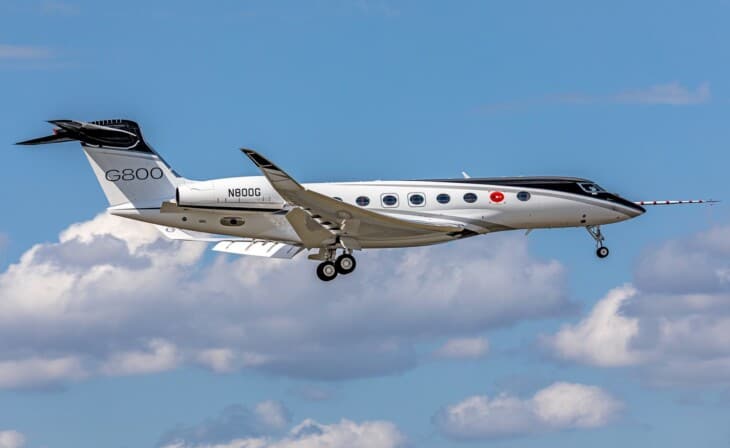
Gulfstream G800 (N8628)
The G800 was registered to Musk on 27 February 2026, serial number 88013. That put him among the earliest owners of a type that had only just reached the market: the G800 earned its FAA and EASA certification in April 2025, and Gulfstream did not hand over the first customer aircraft until late August 2025.
The G800 is the longest-range business jet in the world. It flies 8,200 nautical miles at Mach 0.85, 700 more than the G650ER, with a top speed of Mach 0.935 and a cabin Gulfstream configures with up to four living areas.
Power comes from two Rolls-Royce Pearl 700 turbofans, the same engine developed for the G700. At roughly $75 million new, it is the aircraft that lets Musk fly nonstop from Austin to essentially anywhere on earth.
Gulfstream G700 (N7628)
The G700 joined the fleet on 12 June 2026, serial number 87108, a 2025-build airframe. It was photographed on the ramp at Tulsa International Airport in the days around its arrival, which is how most new Musk aircraft are first confirmed.
The G700 trades a little range for a lot of room. It flies 7,750 nautical miles at Mach 0.85, 450 short of the G800, but its 56-foot 11-inch cabin is the longest in business aviation and supports up to five separate living areas.
It shares the G800’s Rolls-Royce Pearl 700 engines, each rated at 18,250 pounds of thrust, and its Mach 0.935 maximum speed. List price is around $80 million.
Is it a G700 or a G800? It is both
Search results still argue about which new Gulfstream Musk bought, and the answer is that he bought both, four months apart. The confusion is understandable: the two types share engines, a top speed of Mach 0.935, and near-identical tail numbers built from the same birthday digits. The G800 (N8628) is the long-range one at 8,200 nautical miles. The G700 (N7628) is the roomy one, with the longest cabin in business aviation. Anyone telling you he owns only one of them is working from information that is out of date.
The ElonJet Controversy: When Tracking a Jet Changed the Internet
No private jet in history has generated more public attention than N628TS, and it is largely because of one college student with a laptop and a public API. Jack Sweeney launched @ElonJet on Twitter in November 2020 using freely available flight tracking data from the FAA and ADS-B receivers worldwide.
The account was simple: it posted automated updates whenever N628TS took off or landed, showing departure airport, destination, and flight time. It grew to hundreds of thousands of followers.
The $5,000 DM
In January 2022, Elon Musk sent Jack Sweeney a direct message on Twitter: he wanted the @ElonJet account taken down, citing security concerns and the risk of being shot by a nutcase. He offered $5,000. Sweeney, then 19, replied asking for $50,000, or alternatively a Tesla Model 3. Musk stopped responding. Sweeney published the conversation, and the exchange set the stage for the far more dramatic confrontation that followed when Musk bought the platform.
When Musk completed his acquisition of Twitter in October 2022, few expected the ElonJet saga to resurface so quickly. It took less than two months.
On December 14, 2022, @ElonJet was suspended, along with all 30 of Sweeney’s associated accounts. Musk cited a specific incident in which he claimed a person tracking the jet’s movements followed a car carrying his young son, mistaking it for Musk’s vehicle. He announced legal action against Sweeney.
Separately, Twitter suspended a group of journalists who had reported on the account ban. That drew condemnation from press freedom organizations and created a new wave of international coverage of the story Musk was trying to suppress.
Sweeney responded by moving to other platforms, including Mastodon, and eventually rebuilt an audience there. He later launched similar tracking accounts for other public figures, and the threatened lawsuit was never filed.
The episode remains a landmark case in the tension between publicly available flight data, the privacy expectations of the ultra-wealthy, and the power of platform owners to enforce their own preferences. Its quieter legacy is visible in the FAA registry itself, where Musk’s two newest jets no longer carry his name.
Carbon Emissions: A Fleet-Level Problem
Elon Musk’s fleet is not just unusual for its size. It is unusual for what it emits.
In 2024, the combined operations of his jets consumed approximately $2.5 million worth of aviation fuel and generated close to 4,000 metric tons of CO2. That figure is roughly 250 times what the average American produces from all sources in an entire year.
The G650ER alone accounted for an estimated 1,500 metric tons of that total in 2024, from 126 flights and over 300 hours in the air.
Estimated CO2 emissions, 2024. Musk figure covers the full fleet. Kylie Jenner figure per flight tracking data. Taylor Swift, who topped 2022 rankings at an estimated 8,293 metric tons, had data not comprehensively published for 2024.
The irony that the founder of Tesla, the world’s largest electric vehicle company, also operates one of the most carbon-intensive private aviation fleets among public figures has not gone unnoticed. Musk has not publicly addressed the contradiction directly, beyond occasional references to the operational necessity of traveling between his many businesses.
The 2026 additions do not help. Adding a G800 and a G700 to a fleet that already included a G650ER and a G550 raises its ceiling rather than lowering it, though newer Gulfstreams do burn less fuel per mile than the older airframes they fly alongside.
Elon Musk’s Most Famous Private Jet Moments
The SpaceX Starbase Express (Ongoing)
The single most-flown route in N628TS’s history is the corridor between Hawthorne, California (adjacent to SpaceX’s headquarters) and Brownsville, Texas (where SpaceX Starbase is located). Every major Starship test, launch, or milestone has been preceded and followed by Musk’s Gulfstream appearing on the Brownsville tarmac.
Flight trackers note this route as the defining pattern of his travel log, a tight loop between the engineering base and the launch site that repeats dozens of times per year.
The Trump Campaign Circuit (2024)
In 2024, Musk’s jets made 13 documented trips to and from swing states as he campaigned publicly for Donald Trump’s presidential campaign. Pennsylvania, Wisconsin, Michigan, and Nevada appeared repeatedly in the flight logs.
The political travel was tracked independently by multiple outlets, which cross-referenced ADS-B data with rally schedules and public appearances. It was one of the first times a tech-industry figure’s jet data was used systematically as a tool for mapping political activity.
The Post-Election Palm Beach Commute (November to December 2024)
After Donald Trump’s victory in November 2024, Musk’s jet data told a clear story about where his attention was focused. His fleet made 31 flights to or from Palm Beach International Airport in 2024, with 25 of those 31 occurring after election day.
The frequency of Palm Beach trips, where Trump’s Mar-a-Lago estate is located, was widely noted in political and aviation reporting as a real-time indicator of Musk’s proximity to the incoming administration.
Paris for the Olympics and Notre-Dame (2024)
Among Musk’s international flights in 2024, his trip to France stood out for combining two distinct events: the Paris Summer Olympics and the ceremonial reopening of Notre-Dame Cathedral following its 2019 fire.
The trip was part of a broader 2024 international schedule that included flights to Germany, Poland, the United Kingdom, Indonesia, and China, reflecting the global operational footprint of his companies alongside his increasingly prominent presence in geopolitical events.
Bali: The Starlink Indonesia Launch (2024)
Musk flew to Bali, Indonesia in 2024 for the formal launch of Starlink satellite internet services in the country, one of SpaceX’s most significant market expansions in Southeast Asia.
The trip was a representative example of how his personal aircraft usage intersects directly with business development: a single long-haul flight connecting a major commercial partnership event with the rest of his global schedule, turning around quickly to return to the US.
How Elon Musk’s Fleet Compares to Other Billionaire Jets
Among tech industry billionaires, Musk’s four-aircraft fleet is in a category of its own. Jeff Bezos operates a Gulfstream G650ER as his primary jet, with a Boeing 767 serving as a secondary transport for larger party travel. Larry Ellison, Oracle’s co-founder, has operated multiple aircraft including a Gulfstream G650.
None, however, have assembled four currently registered jets with the combined utilization rate that Musk’s fleet logs, and none have taken delivery of both a G700 and a G800 in the same year.
In the broader celebrity landscape, Musk’s roughly 4,000 metric tons of annual CO2 from aviation represents one of the largest single-owner footprints on record for any year where comprehensive data is available. Taylor Swift topped the celebrity rankings in 2022 at an estimated 8,293 metric tons.
Drake’s “Air Drake,” a converted Boeing 767, operates in a similar weight class but with far fewer annual flights.
What makes Musk’s case distinctive is not any single extreme figure, but the sustained, year-over-year volume: 355 flights in 2024, 456 in 2023, with no public indication of any plans to reduce operations.
Where most celebrities who attract private jet scrutiny own one aircraft and find themselves in the news for a single controversial flight, Musk’s story is a decade-long accumulation of data, legal confrontations, and flight logs that have made N628TS the most documented tail number in modern private aviation.
FAQ
Sources and references used for research and fact-checking.
- Federal Aviation Administration, N-Number Inquiry: N628TS, N272BG, N8628, N7628, N502SX
- General Dynamics, Gulfstream G800 Earns FAA and EASA Certifications
- Aviation International News, Gulfstream Delivers First G800 Four Months after Certification
- Ground Control, Elon Musk's Brand New Private Jet: Gulfstream G800
- Ground Control, Falcon Landing: Elon Musk's, SpaceX's, and Tesla's Jets
- Wikipedia, Gulfstream G650/G700/G800
Get the Newsletter
The latest aviation news and stories sent to your inbox.
About the Author

Tim is the owner and lead editor of AeroCorner since 2019, overseeing aviation content covering aircraft, airlines, airports, and the broader aviation industry. Through years of researching, writing, editing, and publishing aviation-focused content, he has developed extensive practical knowledge of commercial aviation and air travel. Based in Asia and a frequent traveler himself, Tim also brings firsthand passenger experience to AeroCorner’s coverage. Outside of publishing, he has also explored aviation firsthand through hands-on flight training in New Zealand.