

Table of Contents
Most pop stars get a private jet. Taylor Swift built a relationship with hers.
Over a career spanning two decades, she has owned four aircraft, painted her lucky number on the side of one of them, loaned them out to friends, sparked a cease-and-desist war with a college student, and watched her jet usage become one of the most debated topics in celebrity culture — all while using those flights to power the highest-grossing concert tour in recorded history.
This is the complete guide to Taylor Swift’s private jets: every aircraft she has owned, full specs and costs, the carbon controversy in numbers, and what the whole saga says about fame, privacy, and the sky-high contradiction at the heart of it all.
Quick facts about Taylor Swift’s Private Jets
Taylor Swift’s Complete Private Jet Fleet
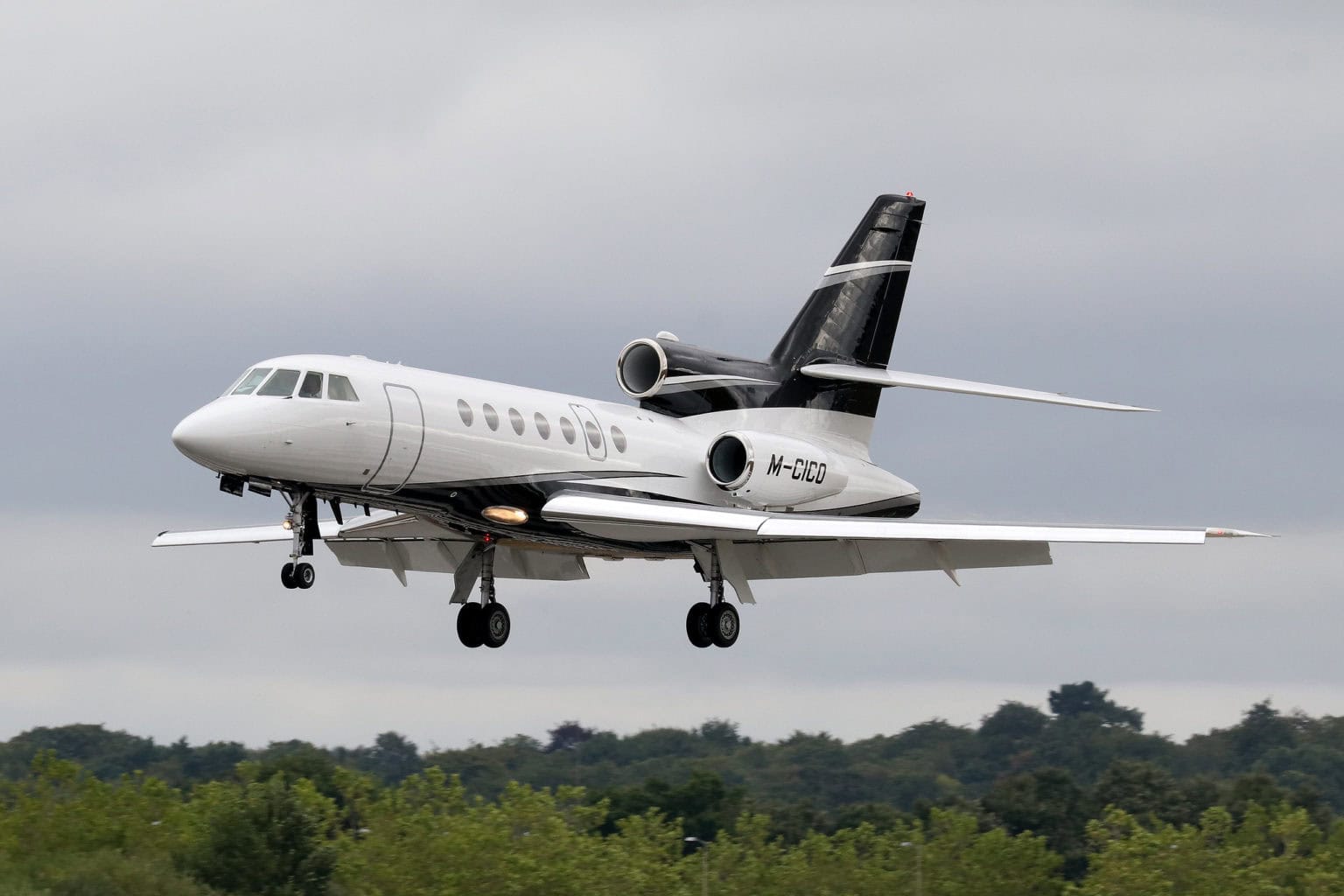
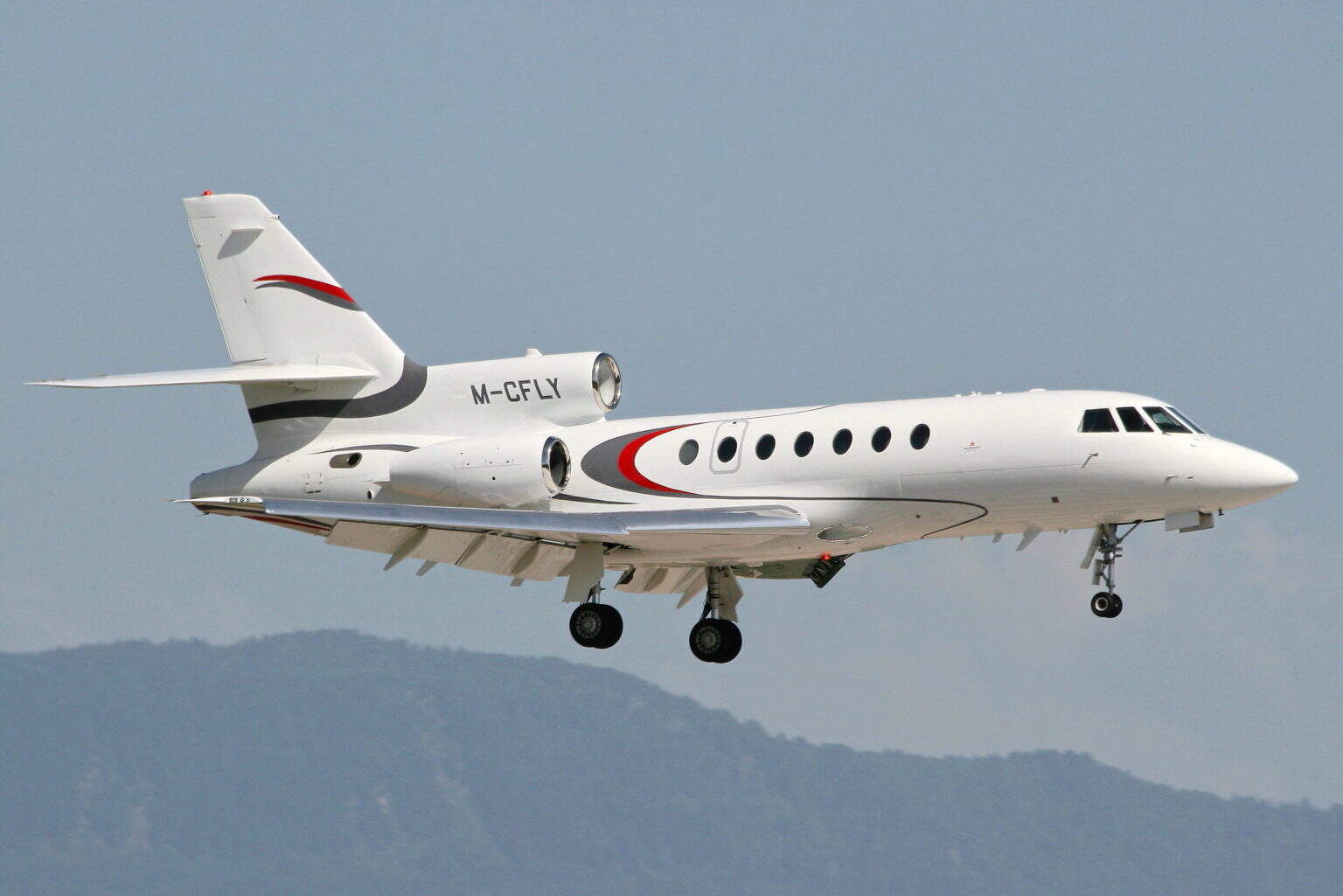
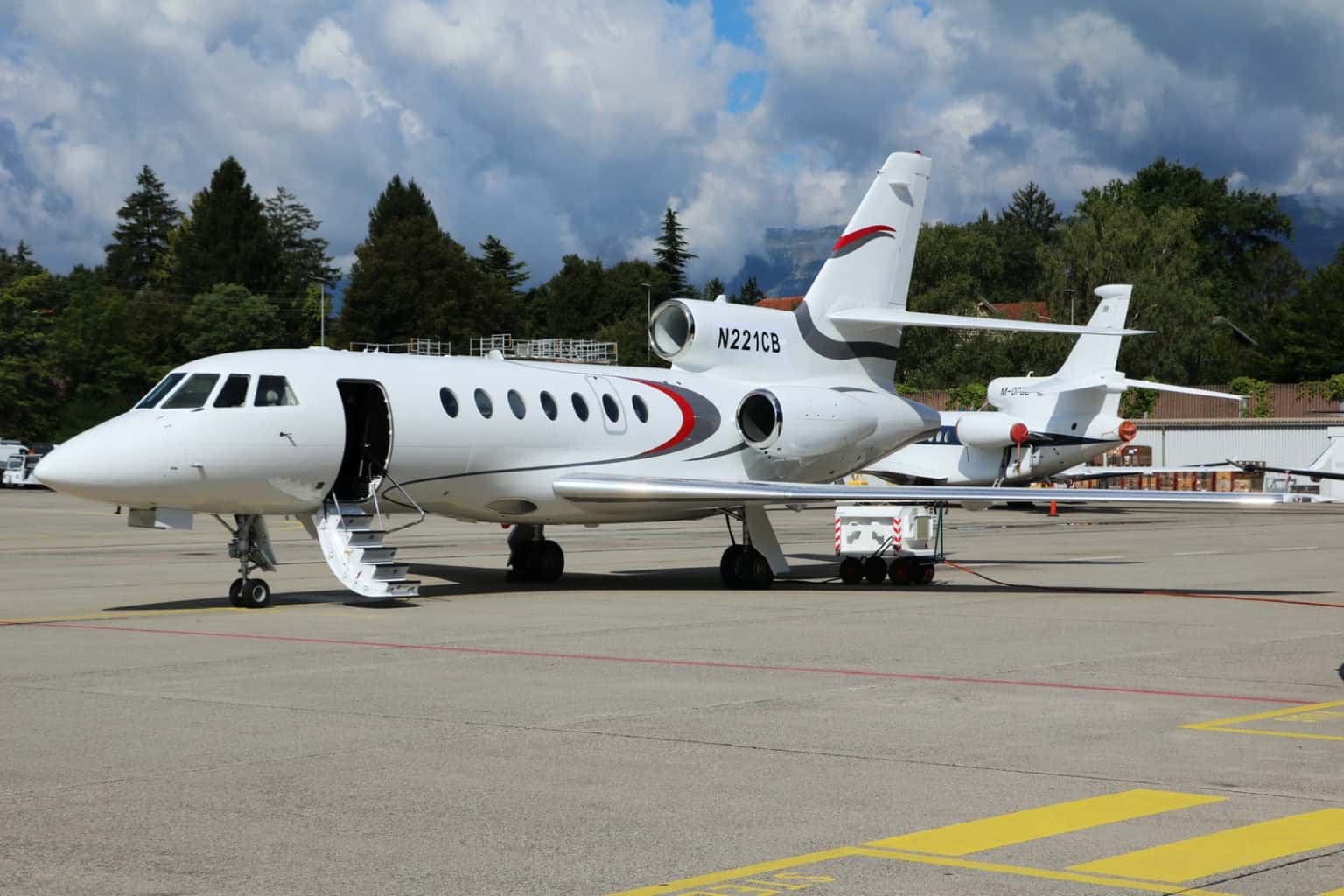
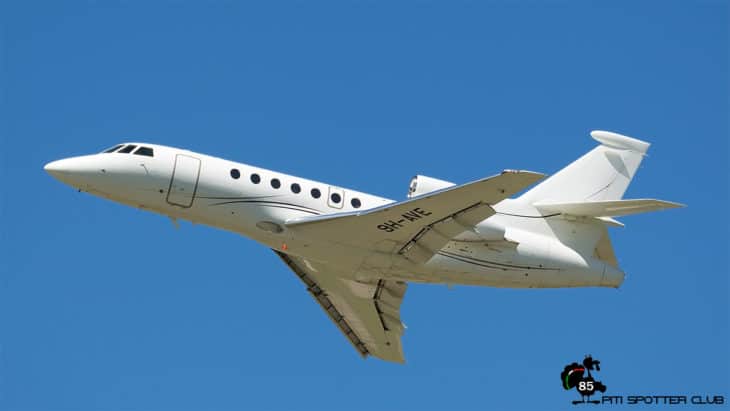
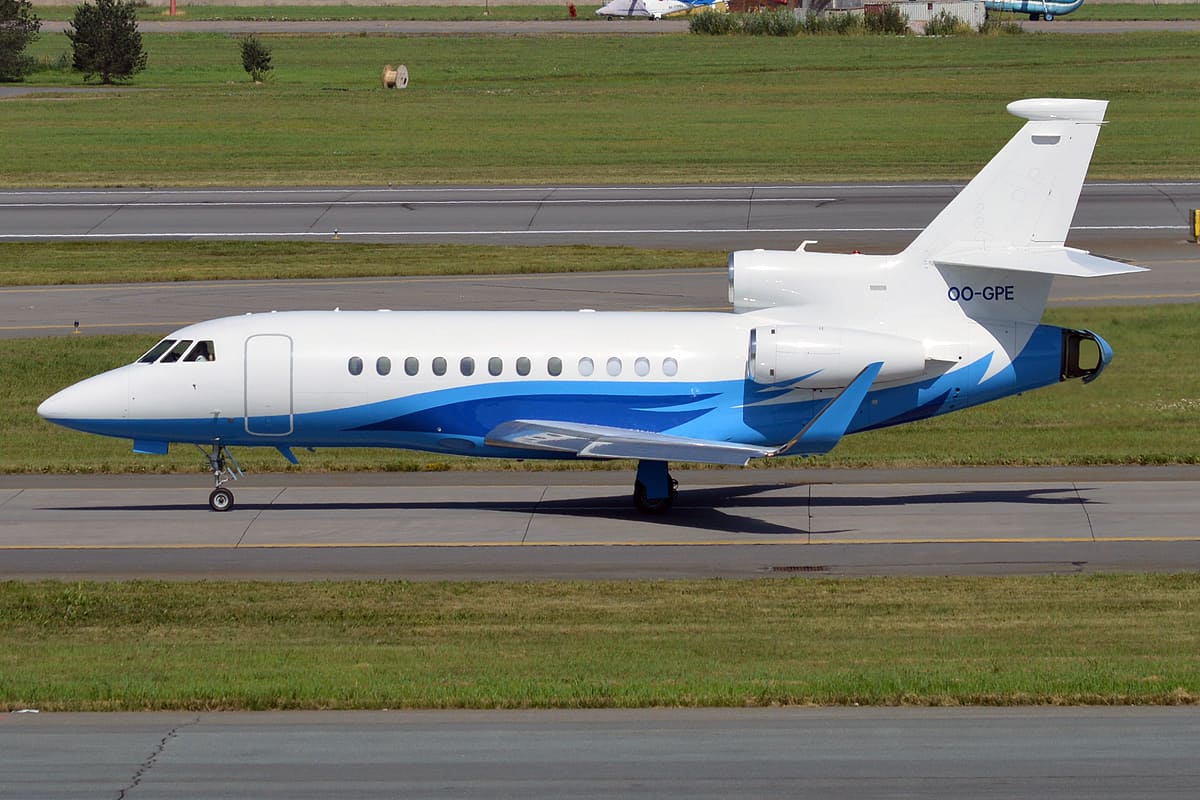
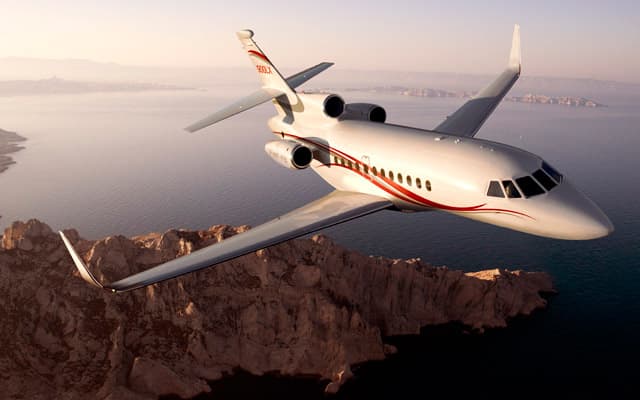
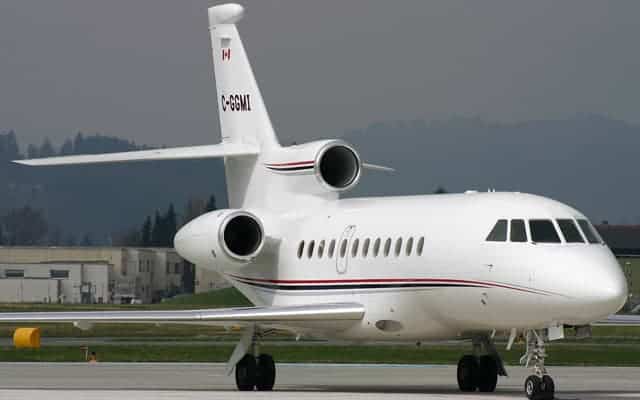
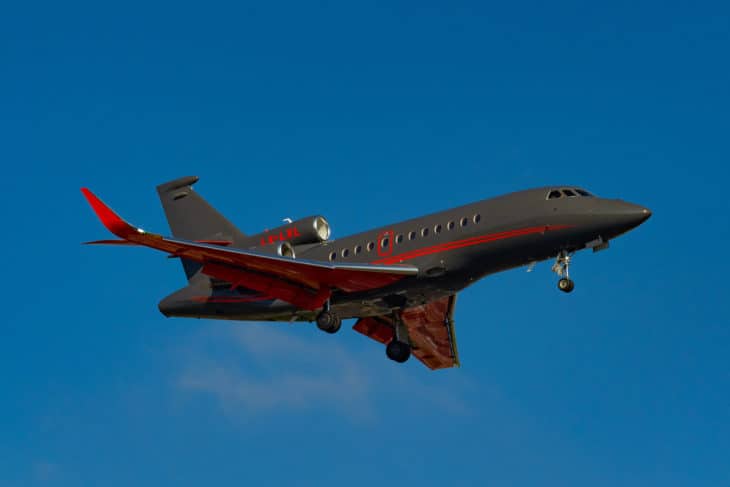
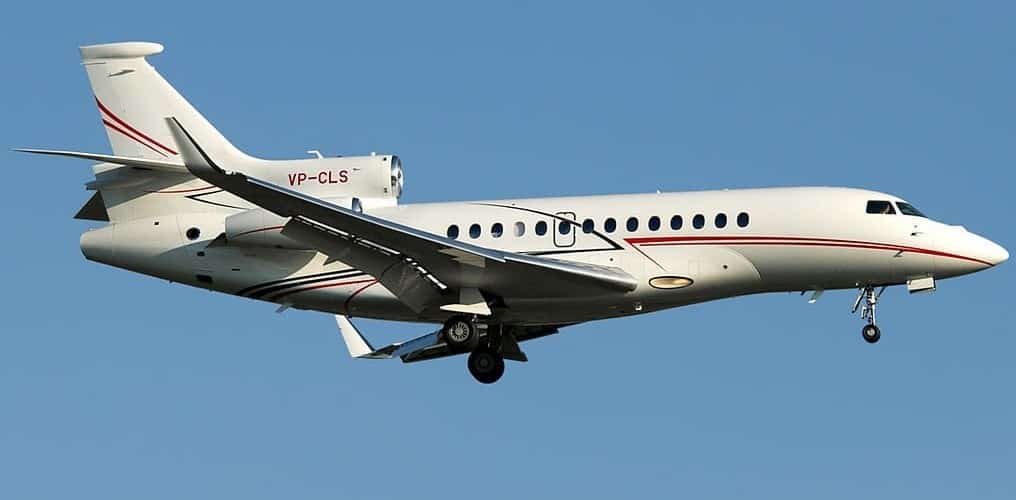
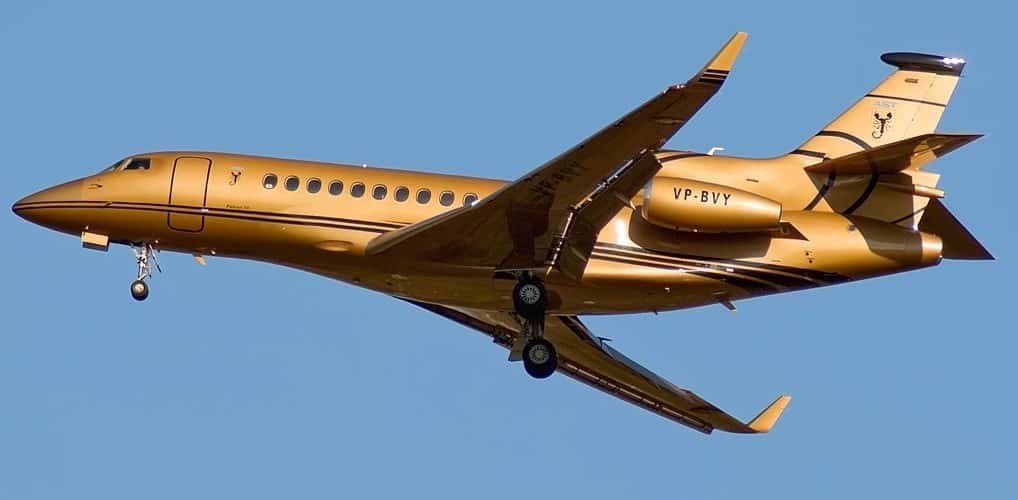
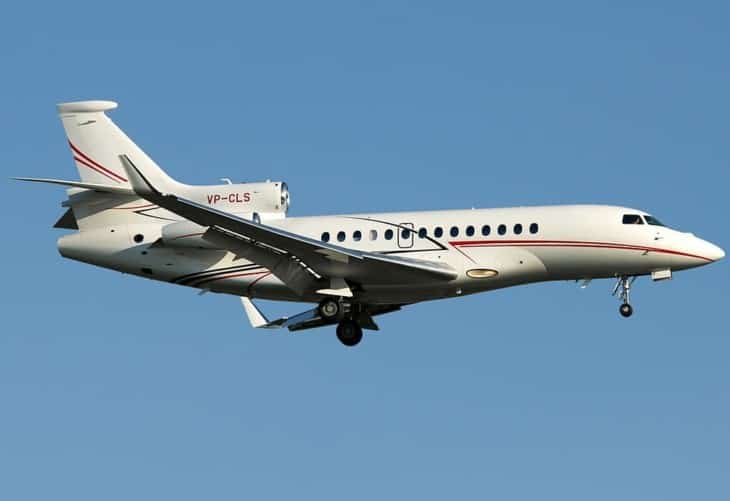
Swift has stayed loyal to one manufacturer her entire career: Dassault Aviation, the French aerospace firm whose Falcon series is the preferred choice of executives, heads of state, and entertainers who need serious range with a refined cabin. Here is every aircraft she has owned:
















Story Callout Title
Why always Dassault? Dassault’s Falcon series is the aviation equivalent of a Swiss watch — renowned for precision engineering, exceptional range-to-fuel efficiency ratios, and cabin quality that rivals anything Gulfstream or Bombardier produces. For a touring artist who needs to move between cities at short notice, the Falcon line delivers the ideal balance of speed, comfort, and operational flexibility.
The Origin Story: From a $4M Starter Jet to a $54M Flagship
Swift’s private aviation story began earlier than most people realize, and it has evolved significantly over 15 years.
2011
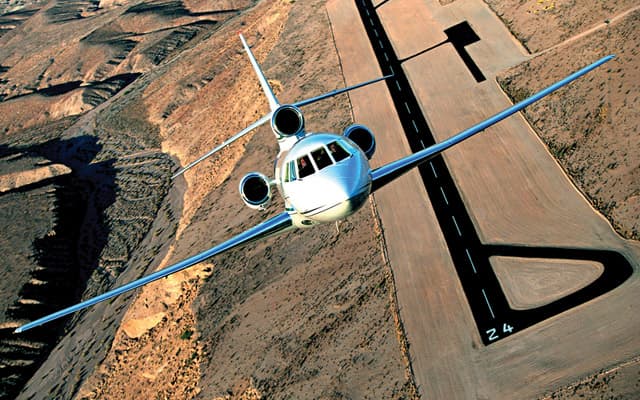
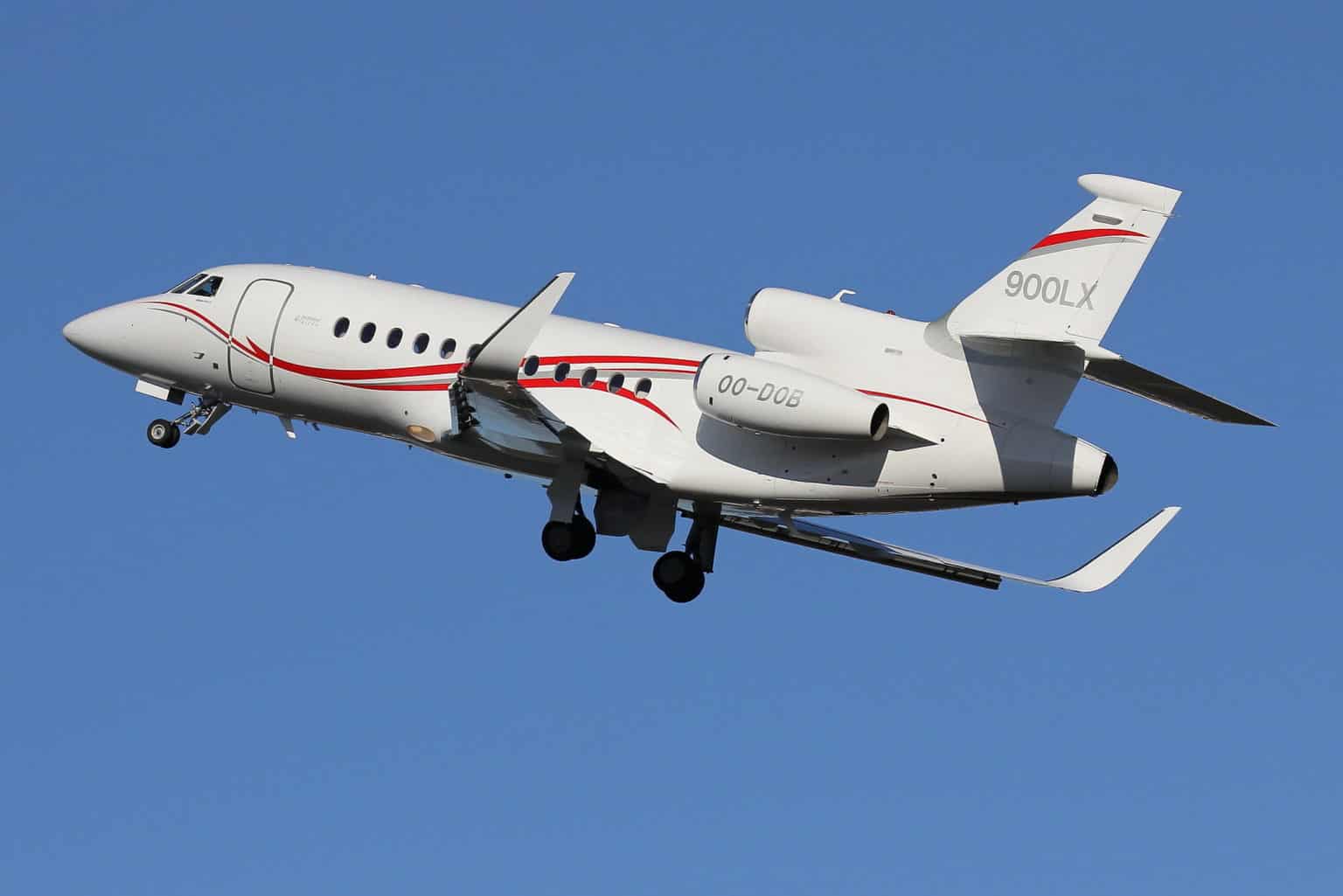
Falcon 900LX acquired for ~$40 million. Swift is 21 and already one of country music’s biggest stars. The jet, registered N898TS (ending in her initials), becomes her primary aircraft for the next decade. She has the number 13 painted on the fuselage — her self-declared lucky number.
2012
Falcon 50 acquired for ~$4 million. A smaller 9-seat aircraft used for shorter domestic hops between Nashville, New York, and Los Angeles.
2018-2020
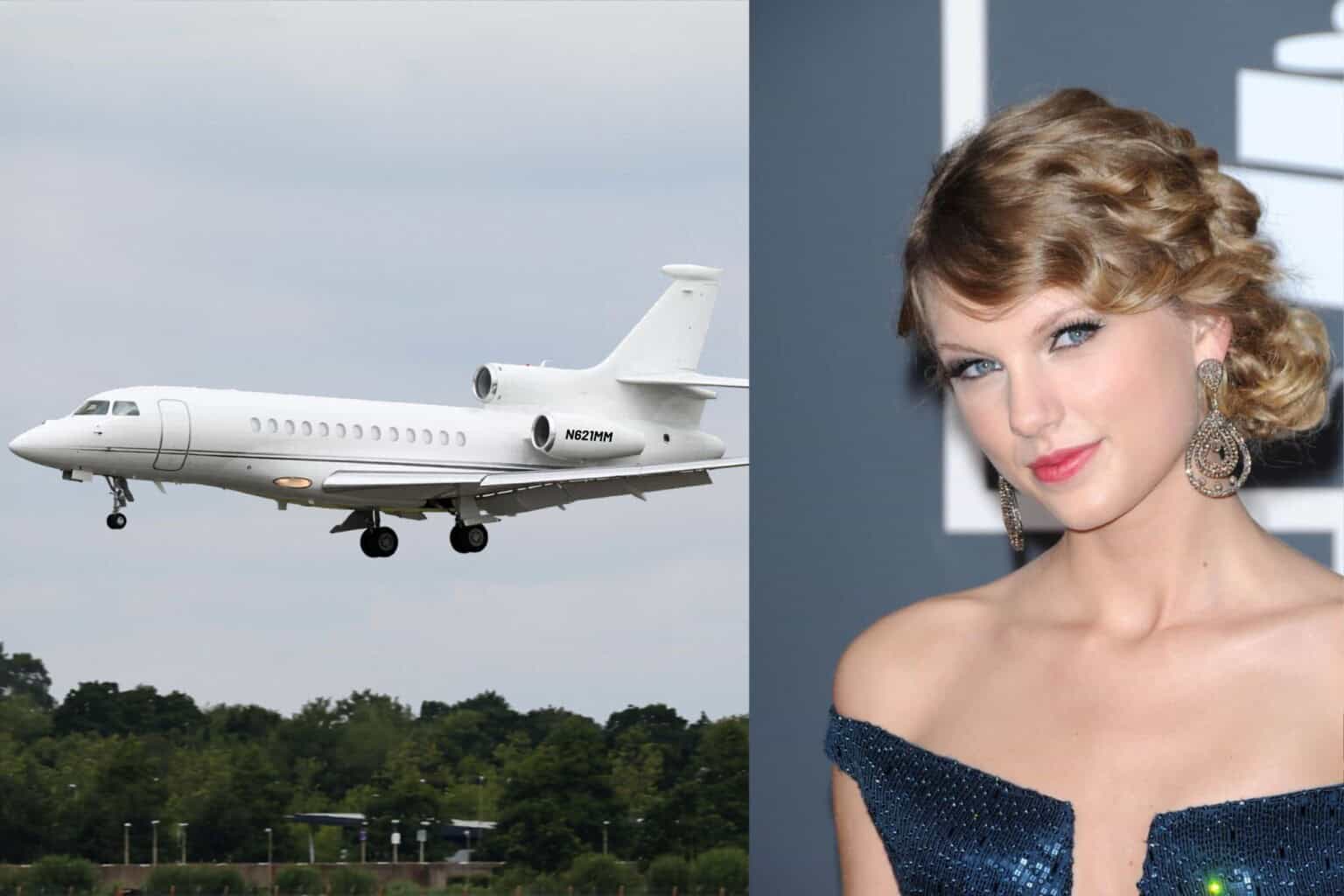
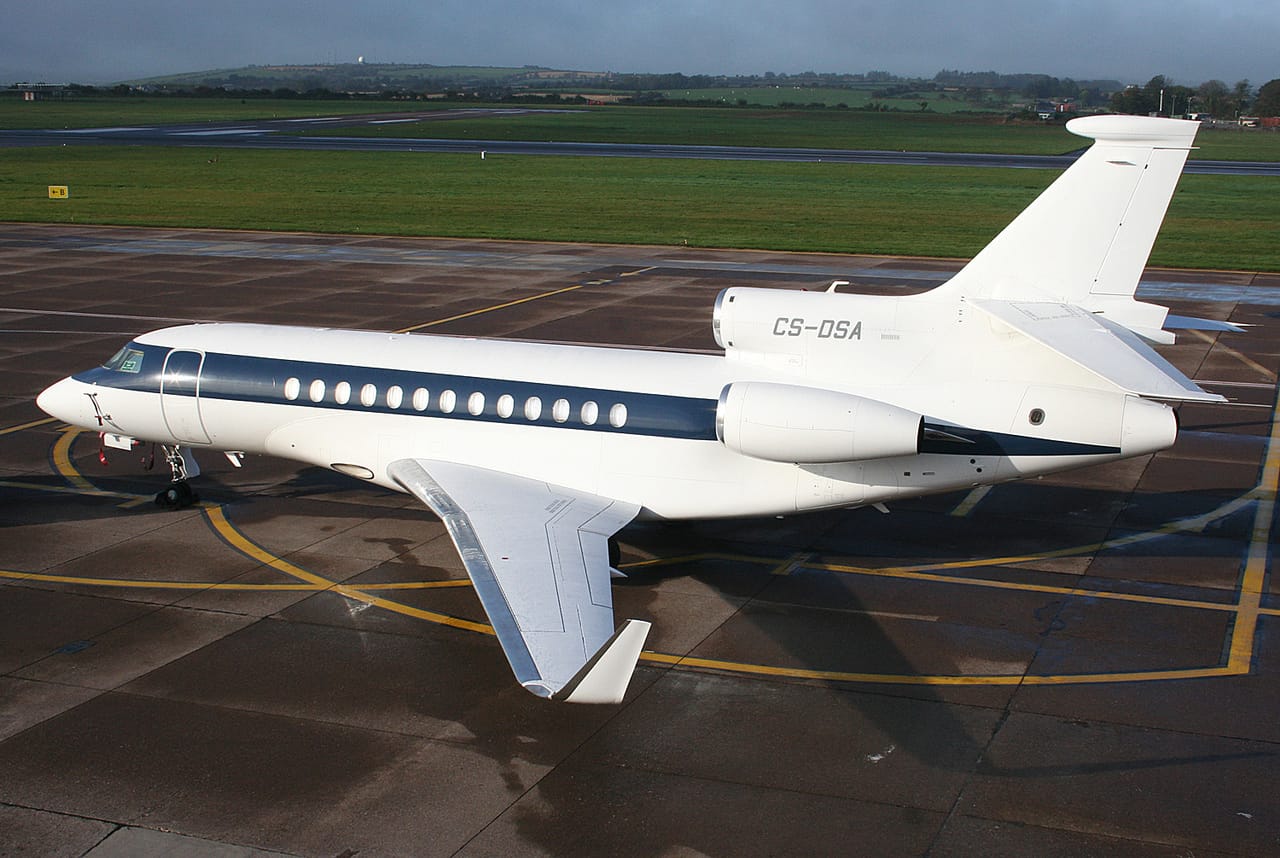
Falcon 7X acquired for ~$54 million. Registered N621MM under Island Jet Inc. in Nashville. The Falcon 50 is sold in 2020 with proceeds going to charity. Swift now operates two jets simultaneously.
2022
The carbon controversy ignites. Sustainability firm Yard ranks Swift the number-one celebrity carbon polluter, with emissions reportedly more than 1,100 times that of the average person. College student Jack Sweeney launches @TaylorSwiftJets on social media, which quickly amasses hundreds of thousands of followers.
2023
The Eras Tour begins — and the jets go into overdrive. Both jets log over 166 hours of flight in the first half of the year alone. Total fleet mileage for 2023 reaches approximately 178,000 miles. Swift’s legal team sends Sweeney a cease-and-desist letter in December.
Early 2024
The Falcon 900LX is sold. The “Lucky Number 13” jet transfers to a Missouri company for an estimated $20 million. Swift streamlines to the single Falcon 7X.
2025-2026
Eras Tour final legs continue globally. The Falcon 7X covers Asia, South America, the Middle East, and Europe. The N621MM tail number remains one of the most-tracked aircraft in the world.
Inside the Dassault Falcon 7X: Taylor Swift’s $54 Million Flagship
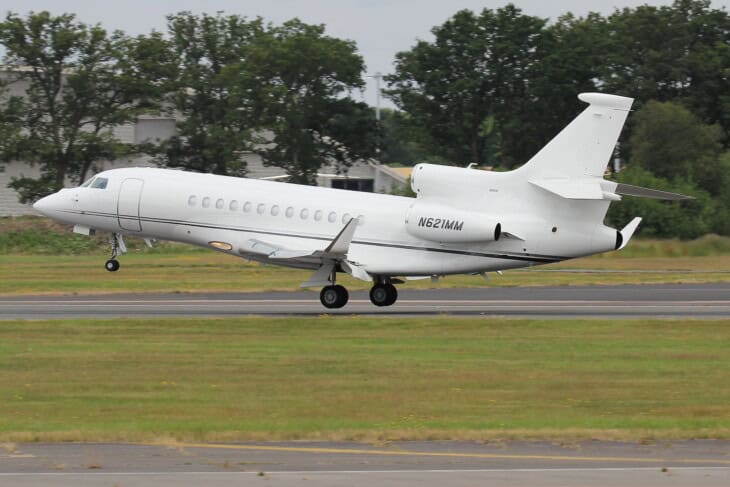
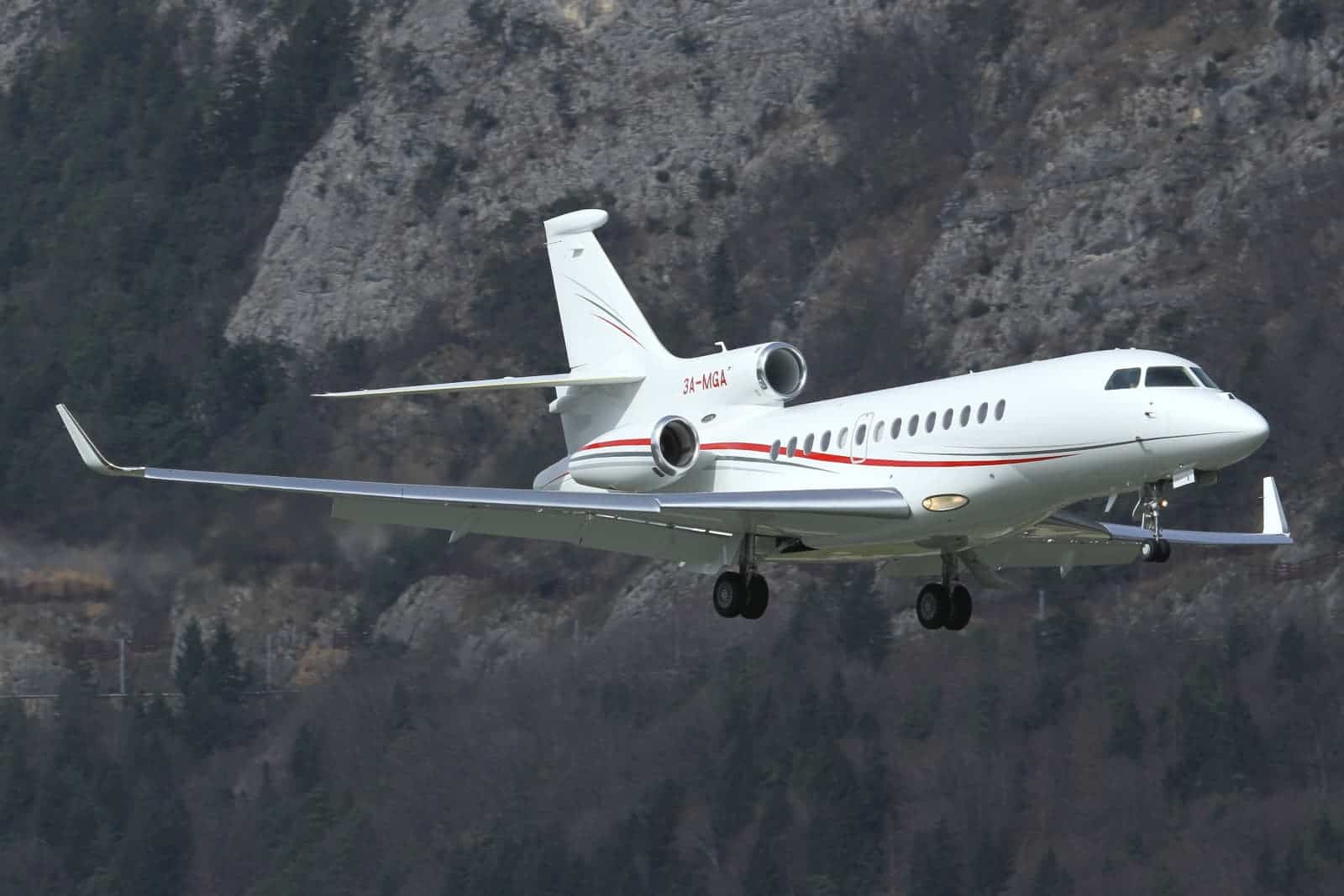
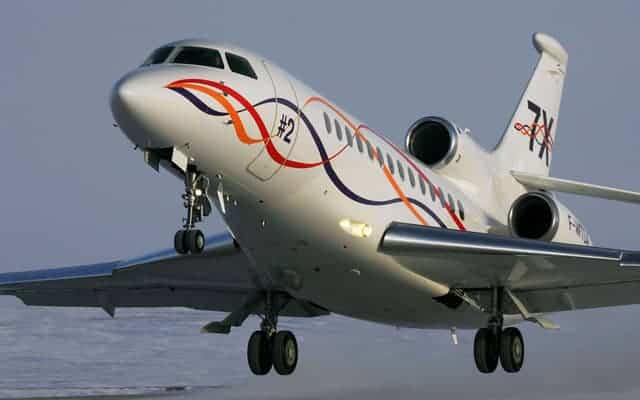
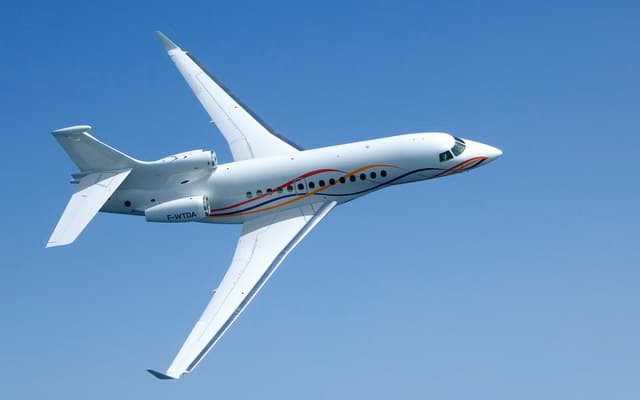
The Dassault Falcon 7X is one of the most capable long-range business jets ever produced. Introduced at the 2001 Paris Air Show, it became a standard choice for heads of state, tech billionaires, and top-tier entertainers for one simple reason: it can fly nonstop from New York to Tokyo, or Los Angeles to London, at close to the speed of sound, above commercial air traffic, with 16 passengers in genuine luxury.
Performance
Cabin
Ownership Costs
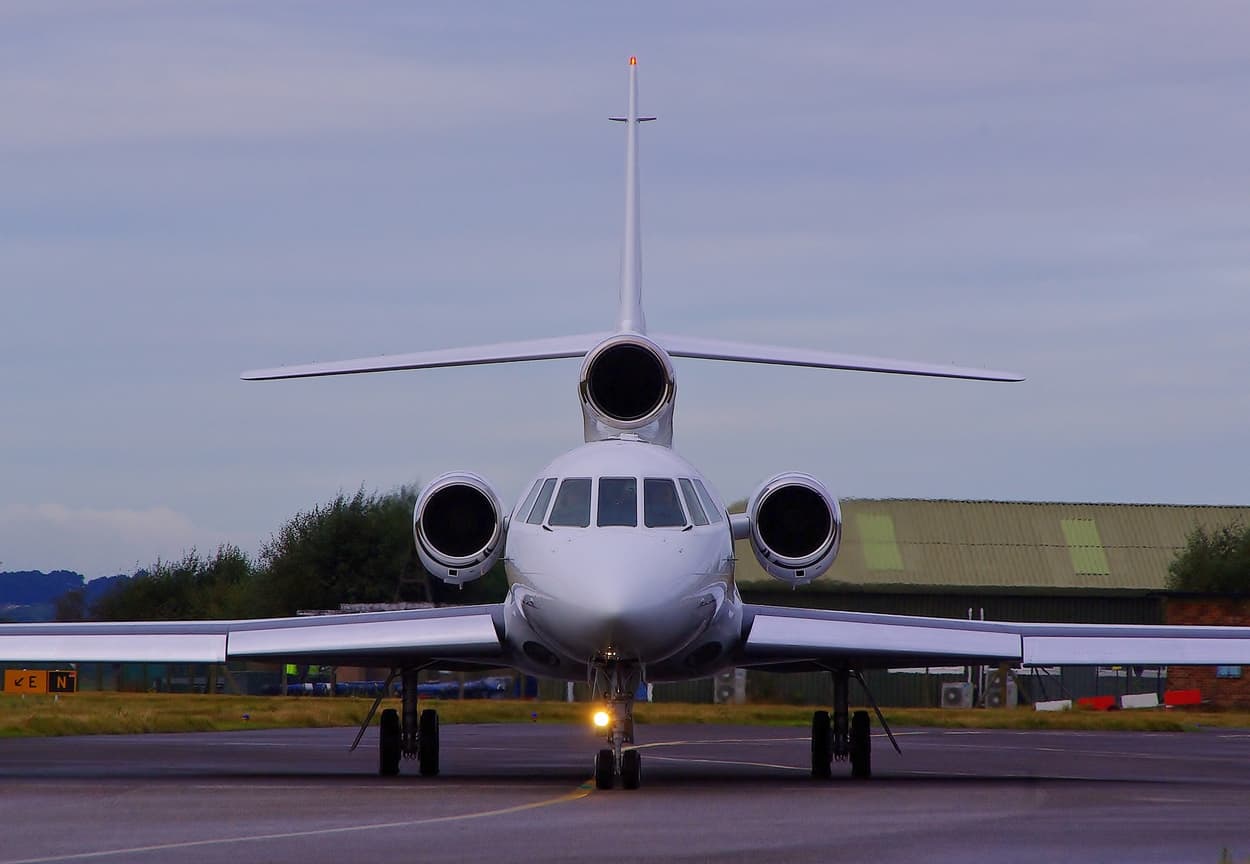
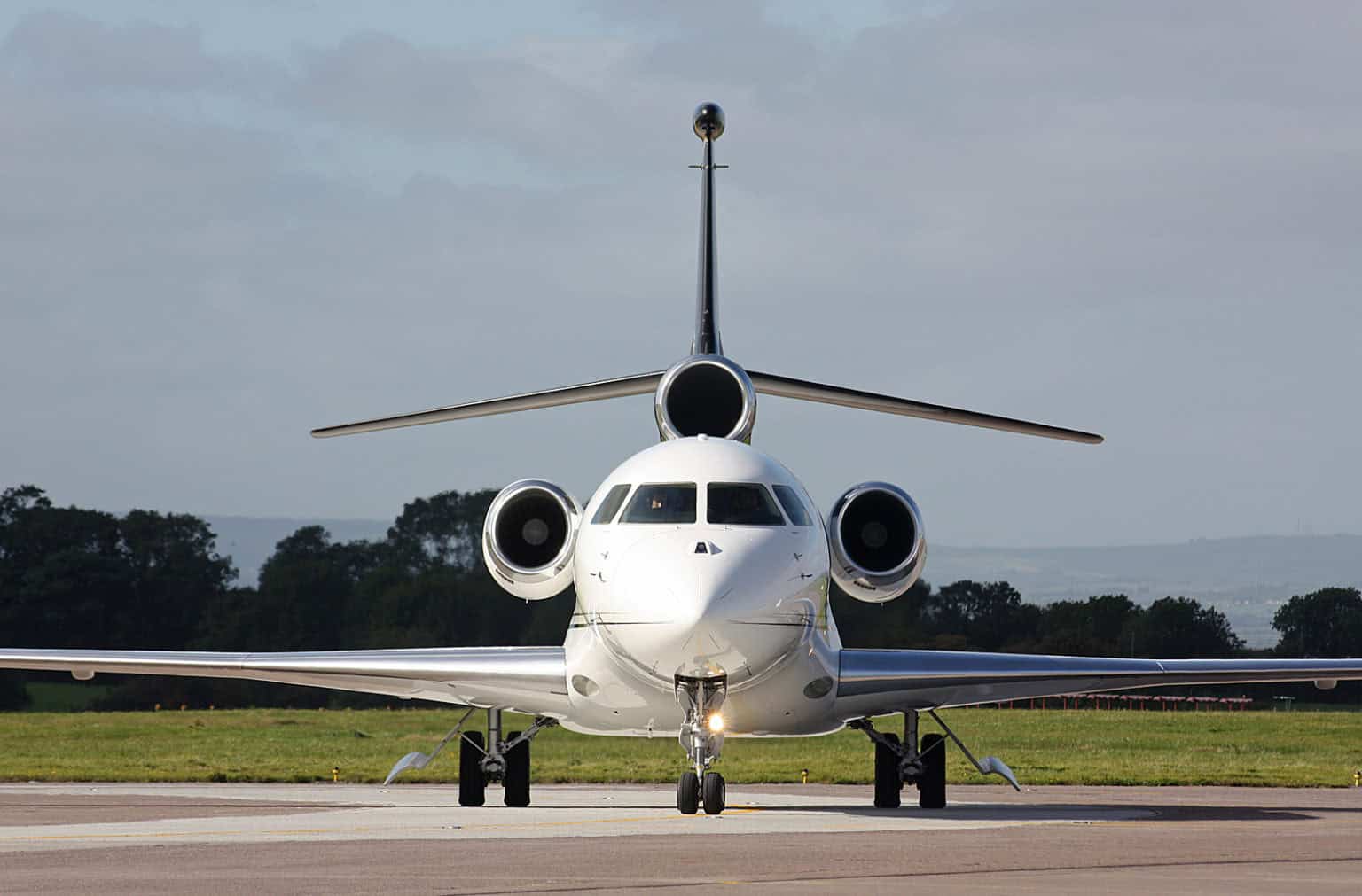
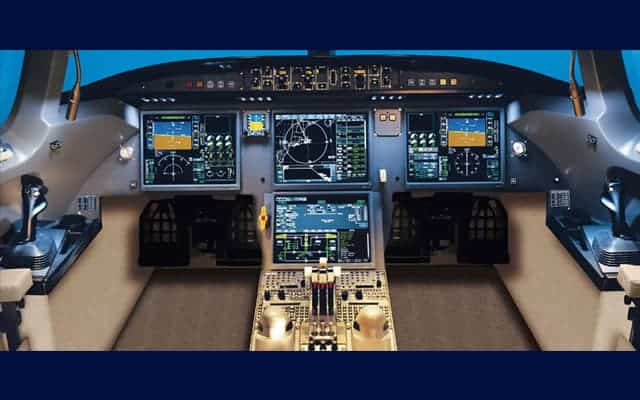
Flying at 51,000 feet, the 7X cruises above virtually all commercial traffic for a smoother, faster, and more direct ride. Its advanced EASy avionics suite gives Swift’s flight crew next-generation navigation and safety systems. The aircraft’s tri-jet configuration — three Pratt & Whitney PW307A engines — provides an additional margin of safety over twin-engine alternatives, which is one reason it is widely used by government and VIP operators.
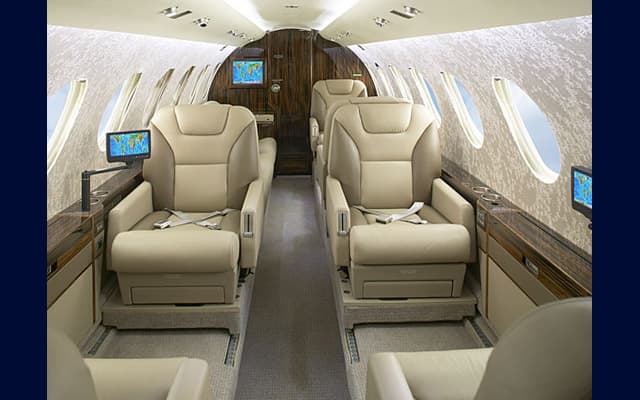
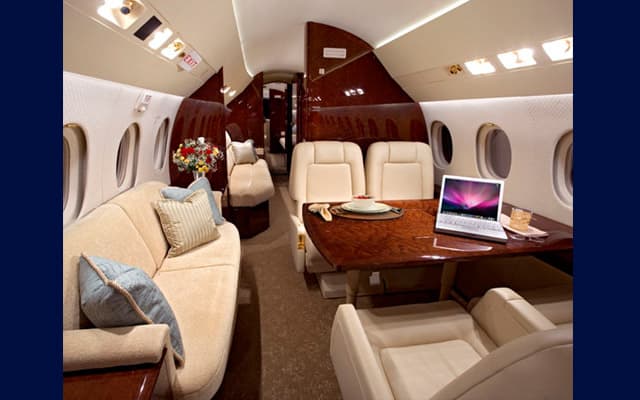
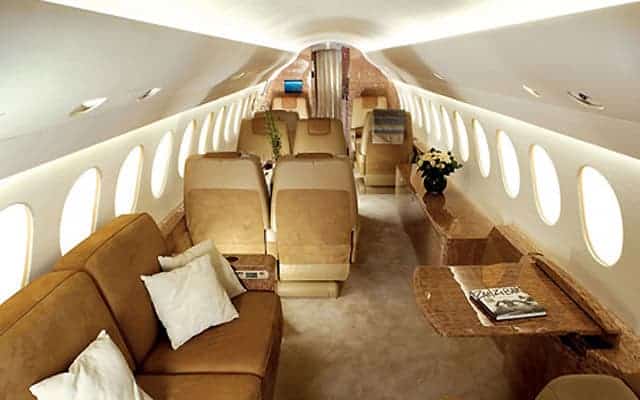
While Swift has not given public tours of the interior, aviation sources describe a cabin fitted with plush leather seating and modular sofas, a private bedroom with reportedly bohemian and vintage-influenced decor, a fully equipped kitchen, and a spa-style shower bathroom. Her signature number 13 is said to be woven into design accents throughout, making this as much a personal statement as a transport vehicle.
The “Lucky Number 13” Jet: Taylor Swift’s Dassault Falcon 900LX
If the Falcon 7X is Swift’s workhorse, the Falcon 900LX was her personality. Registered N898TS — the “TS” a clear nod to her initials — it carried the number 13 painted prominently on the fuselage. Swift has spoken at length about why 13 is her lucky number:
“I was born on the 13th, I turned 13 on Friday the 13th, my first album went gold in 13 weeks. Also, my first song that ever went number 1, it had a 13-second intro — I didn’t even do that on purpose!”
— Taylor Swift, The Tonight Show
The 900LX was purchased in 2011 for roughly $40 million and served as her primary aircraft for over a decade. It seated up to 12 passengers and had a range of 4,750 nautical miles — enough to fly New York to Moscow, or Paris to Beijing. During the US leg of the Eras Tour in 2023, it logged flight after flight between Nashville and cities across the country.

It was sold in early 2024 for approximately $20 million, a $20 million depreciation over 13 years — which in private jet terms is actually quite reasonable. The timing, coming at the peak of the carbon controversy and Jack Sweeney’s tracking campaign, was widely read as a strategic move: one jet is harder to attack than two.
The Controversy That Won’t Land: Carbon, Sweeney & the Cease-and-Desist War
Taylor Swift’s private jet usage became a cultural flashpoint in 2022 when sustainability marketing firm Yard ranked her as the top celebrity carbon-dioxide polluter. The figures are striking.
Emissions by the numbers
In 2022, Swift’s jets reportedly emitted CO2 at more than 1,100 times the rate of the average person. In 2023, her fleet covered approximately 178,000 miles — including a 34-minute flight from Hollywood to Las Vegas and an 8-minute flight from Missouri to Illinois. In 2025, her single Falcon 7X generated an estimated 8,293 tonnes of CO2 during Eras Tour international operations — equivalent to the annual carbon footprint of over 1,000 average Americans.
2025 Celebrity Jet CO2 Emissions Comparison
Even with just one jet, Swift consistently tops celebrity emissions rankings due to the sheer volume of flights:
Source: Celebrity Private Jet Tracker / Ground Control, 2025 estimates.
Jack Sweeney and the Cease-and-Desist Letters
The controversy has a face: Jack Sweeney, a University of Central Florida student who built automated bots that pull public FAA flight data and post it to social media accounts. His @TaylorSwiftJets account — among others tracking Elon Musk, Mark Zuckerberg, and various billionaires — grew massive followings by converting dry air traffic logs into shareable carbon-footprint posts.
Swift’s legal team, from law firm Venable LLP, sent Sweeney a cease-and-desist letter in December 2023, calling the tracking a “life-or-death matter” and citing legitimate stalker and security concerns. When the letter leaked onto Reddit in early 2024, it became a larger news story than the flights themselves — amplifying the controversy it was meant to stop.
Meta removed Sweeney’s Instagram and Threads accounts. His X accounts were suspended at various points. But since the data comes from public FAA records, tracking activity continues on multiple platforms. As of 2026, accounts monitoring the N621MM tail number remain active and widely followed.
Swift’s Response
Swift’s team offered two main rebuttals. First, that the jets are “loaned out regularly” to friends and associates — meaning not every tracked flight involves Swift herself. Second, that before the Eras Tour launched in March 2023, Swift purchased more than double the carbon credits needed to offset all tour travel.
Climate scientists and environmental groups pushed back on the carbon credits argument, noting that offset schemes are widely considered an inadequate substitute for actual emission reductions — and that purchasing credits rather than reducing flights is, at best, mitigation rather than action.
The privacy vs. public interest question
The Swift-Sweeney dispute raised genuine legal questions that extend well beyond celebrity gossip. FAA flight data is public by law, and Sweeney’s case that sharing it constitutes protected speech has merit. Swift’s case — that real-time location sharing creates physical danger for someone who faces serious stalking threats — also has merit. No court has yet definitively resolved where that line falls.
Taylor Swift’s Most Famous Private Jet Moments
Beyond the numbers and the controversy, Swift’s jets have been present at some defining moments in contemporary celebrity culture:
The Kelce Commute (2023-24)
Swift’s regular flights to watch Kansas City Chiefs tight end Travis Kelce became one of the most-tracked jet stories in recent memory. Between December 2023 and late January 2024 alone, her jets logged 15 trips in just over five weeks, generating an estimated 77 tonnes of CO2. The image of Swift flying coast-to-coast to attend NFL games — sometimes departing within hours of a concert — became a genuine cultural phenomenon.
Tokyo to the Super Bowl (February 2024)
Swift performed four sold-out Eras Tour shows in Tokyo, then flew approximately 5,500 miles across the Pacific in time to watch the Chiefs face the San Francisco 49ers at Super Bowl LVIII in Las Vegas. The Japanese embassy issued a statement assuring fans the journey was logistically feasible. It was one of the clearest demonstrations of what the Falcon 7X’s long-range capability makes possible.
The Eras Tour Logistics Machine (2023-2026)
The highest-grossing tour in recorded history relied on Swift’s jets as core operational infrastructure. The Falcon 900LX handled the US legs; the Falcon 7X covered international operations across Asia, South America, Australia, Europe, and the Middle East. Between show cities, the aircraft moved Swift, her creative team, and on occasion her wider circle of friends and family.
How Taylor Swift’s Jet Compares to Other Celebrities
The Dassault Falcon 7X is genuinely serious hardware — but it occupies a specific tier in the wider celebrity jet ecosystem. Swift is not operating at the scale of Drake’s “Air Drake” (a converted Boeing 767) or the Gulfstream G700 level favored by some tech billionaires. What sets her apart is volume: she simply flies more than almost anyone else.
Drake’s Air Drake is bigger and flashier, with higher per-mile emissions, but Swift’s sheer number of annual flights consistently puts her total CO2 higher. Jay-Z and Beyonce famously operate his-and-hers jet fleets. Elon Musk runs multiple Gulfstreams. Yet year after year, Swift’s tracker numbers lead the celebrity rankings — a direct consequence of what it takes to sustain a global touring schedule at the level of the Eras Tour.
FAQ
Get the Newsletter
The latest aviation news and stories sent to your inbox.
About the Author

Tim is the owner and lead editor of AeroCorner since 2019, overseeing aviation content covering aircraft, airlines, airports, and the broader aviation industry. Through years of researching, writing, editing, and publishing aviation-focused content, he has developed extensive practical knowledge of commercial aviation and air travel. Based in Asia and a frequent traveler himself, Tim also brings firsthand passenger experience to AeroCorner’s coverage. Outside of publishing, he has also explored aviation firsthand through hands-on flight training in New Zealand.