Mid Size Passenger Jets
Ilyushin Il-62(M)
ICAO: IL62
The short-body widebody built for long-range efficiency.
The latest aviation news and stories sent to your inbox.
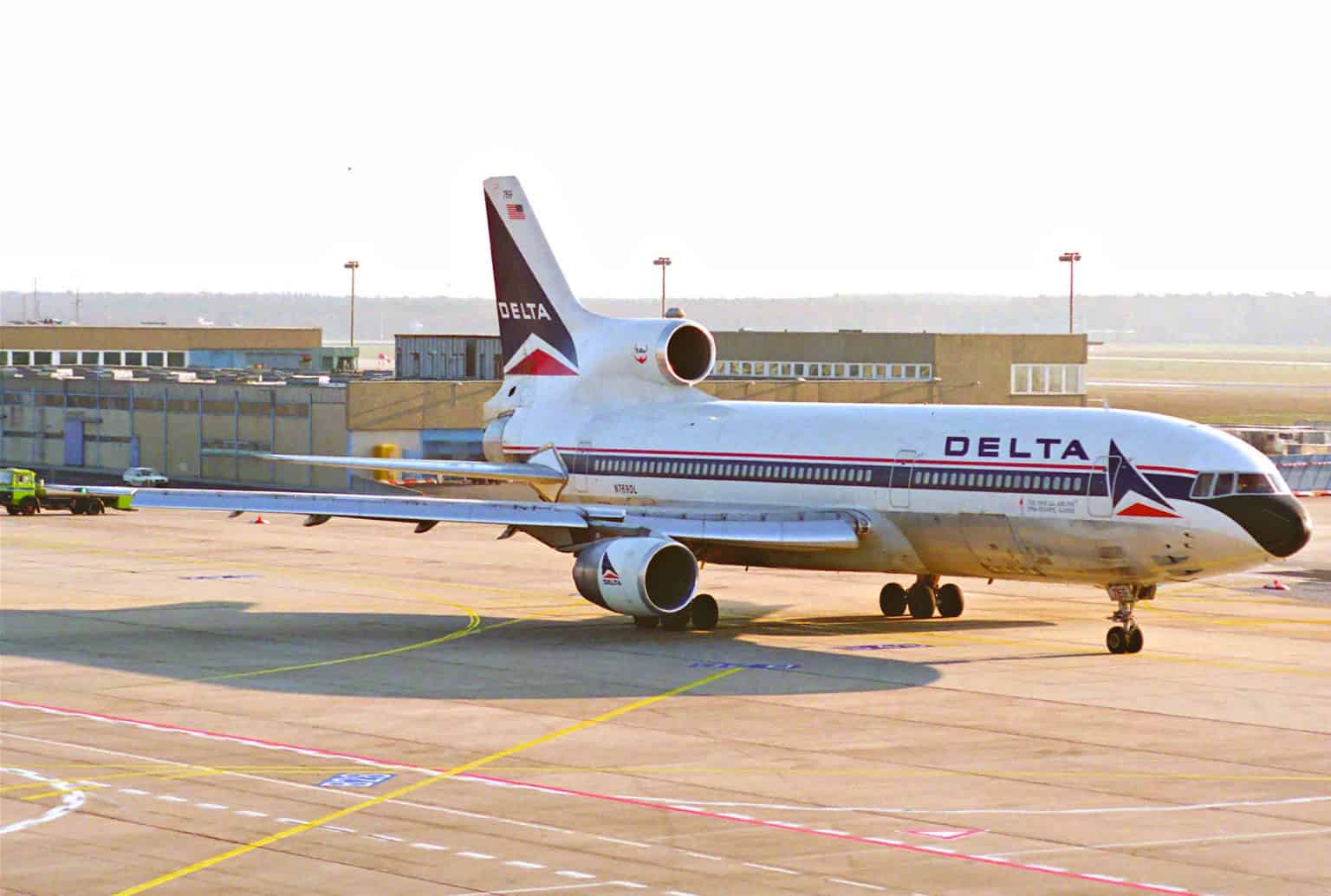
The Lockheed L-1011 TriStar 500 was a shorter-range and shorter-fuselage variant of the TriStar widebody. Designed for medium and long-haul routes, it combined advanced systems with a trijet configuration. The aircraft entered service in the late 1970s.
Live Fleet Activity (L101)
Fetching live data…


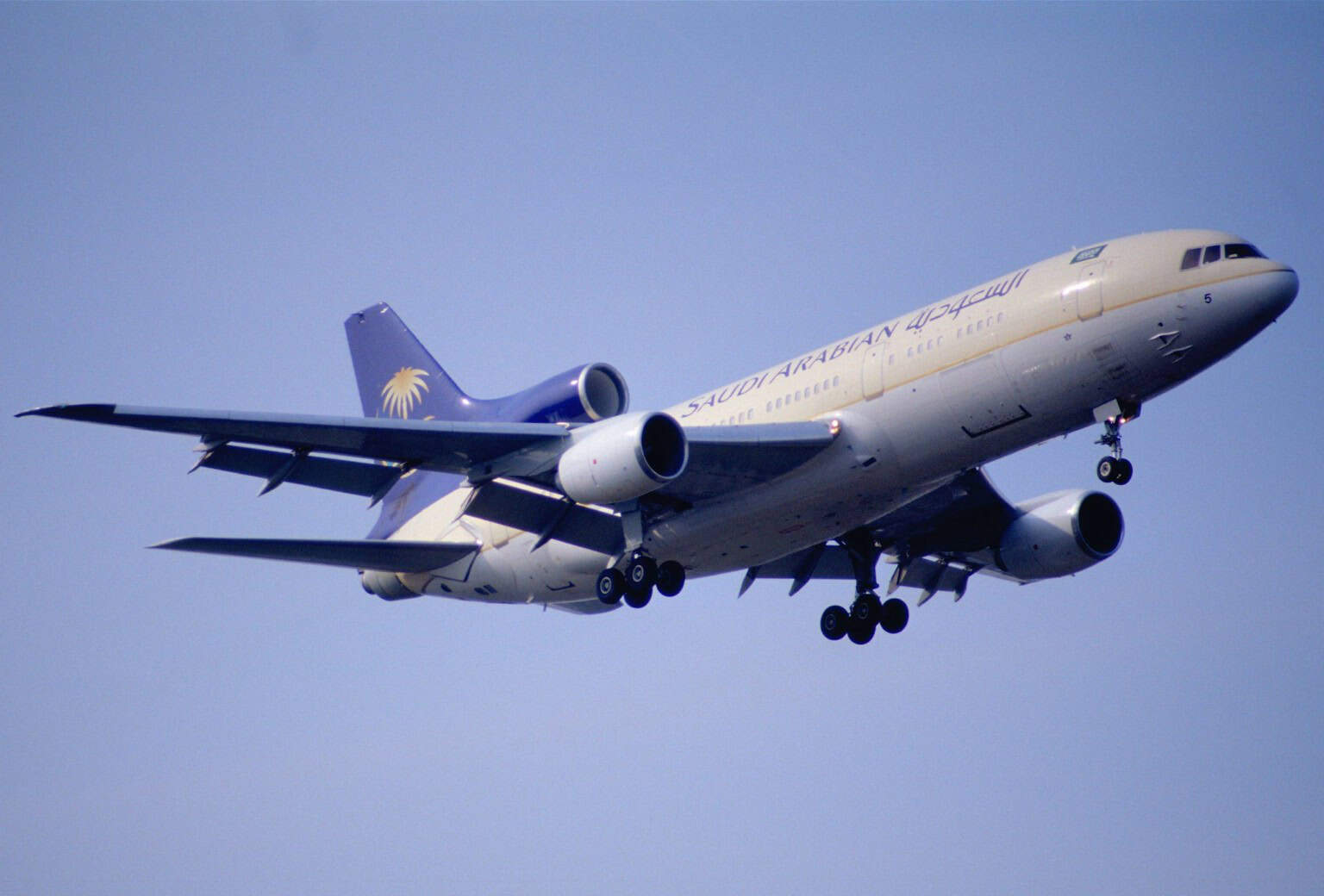


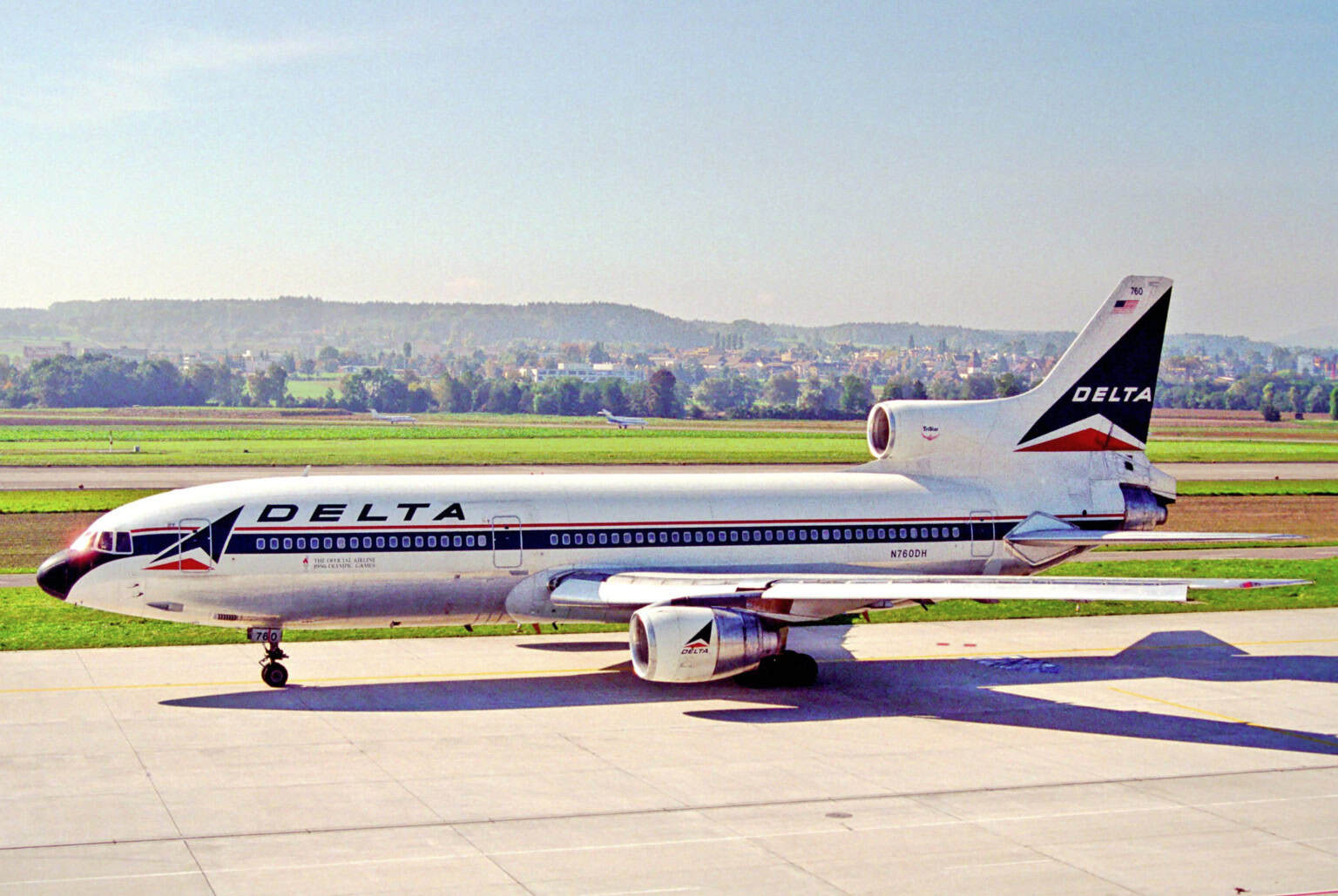
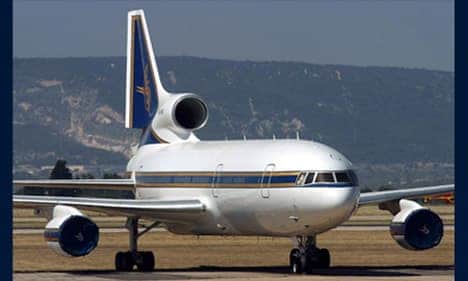
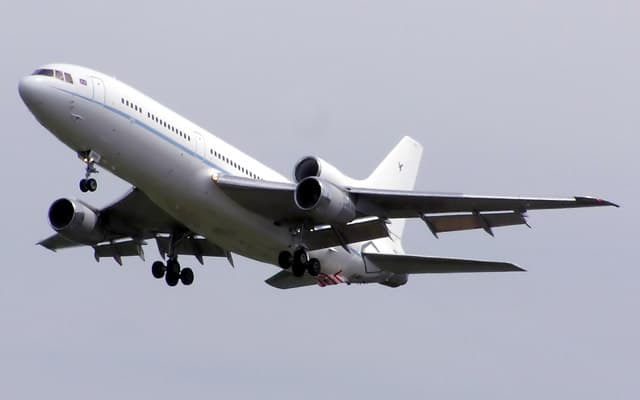
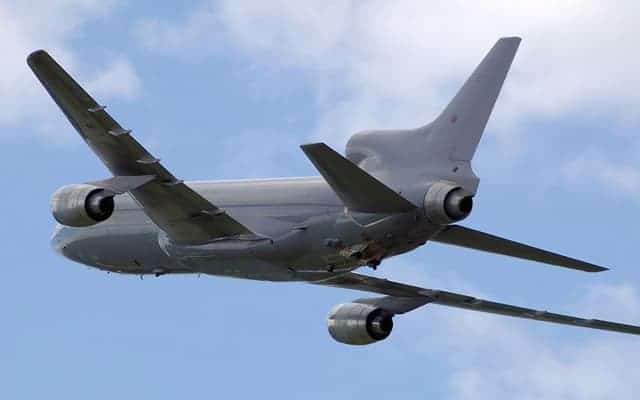



The TriStar 500 first flew in 1978 as a shortened derivative of earlier L-1011 models. It featured a reduced fuselage length to improve range efficiency on certain routes. The aircraft retained the three-engine configuration with one engine mounted in the tail.
Powered by three Rolls-Royce RB211 turbofan engines producing approximately 42,000 pounds of thrust (187 kN) each, the TriStar 500 cruised at around 520 knots (960 km/h). Maximum takeoff weight was roughly 510,000 pounds (231,300 kg). Passenger capacity typically ranged from 200 to 230.
The TriStar family was known for advanced avionics and passenger comfort. Although production numbers were limited compared with competitors, the aircraft achieved a strong safety record. The 500 variant offered airlines flexibility on medium-density long-haul routes.
Sources and references used for research and fact-checking.