
Mid Size Passenger Jets
Airbus A318
ICAO: A318
The compact narrowbody built for short- and medium-haul operations.
The latest aviation news and stories sent to your inbox.
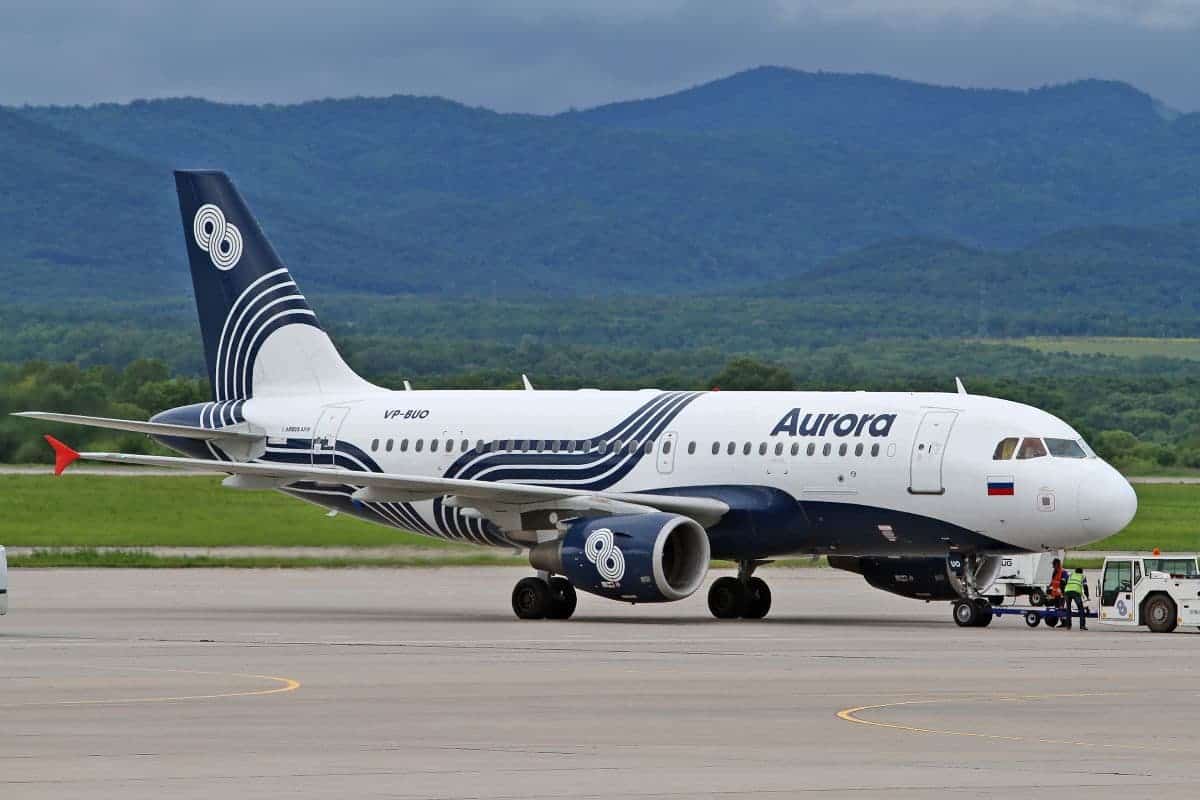
The Airbus A319-100 is a shortened member of the A320 family. Entering service in the mid-1990s, it was designed for airlines requiring fewer seats while retaining commonality. The aircraft operates on regional and transcontinental routes.
Live Fleet Activity (A319)
Fetching live data…
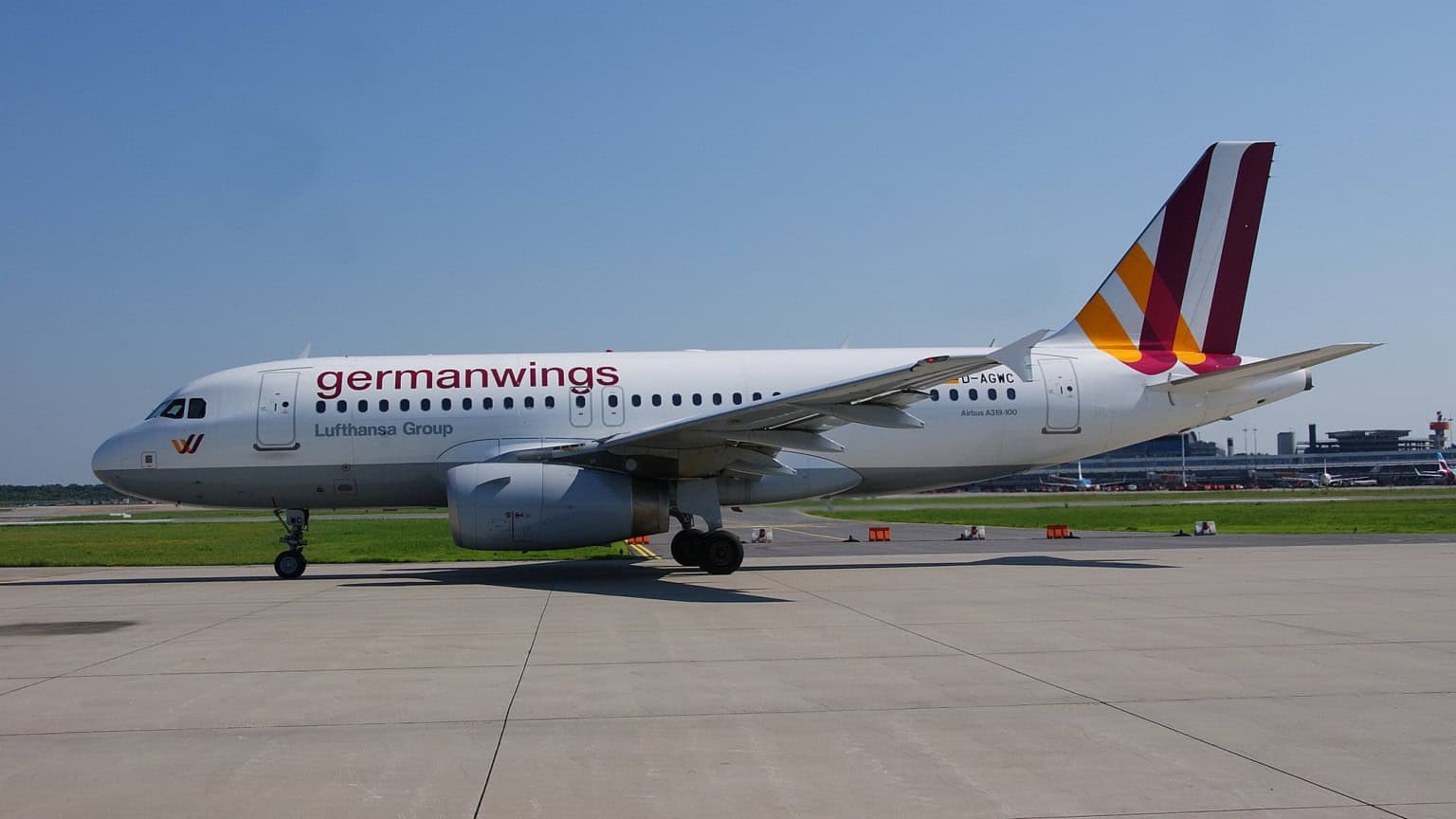


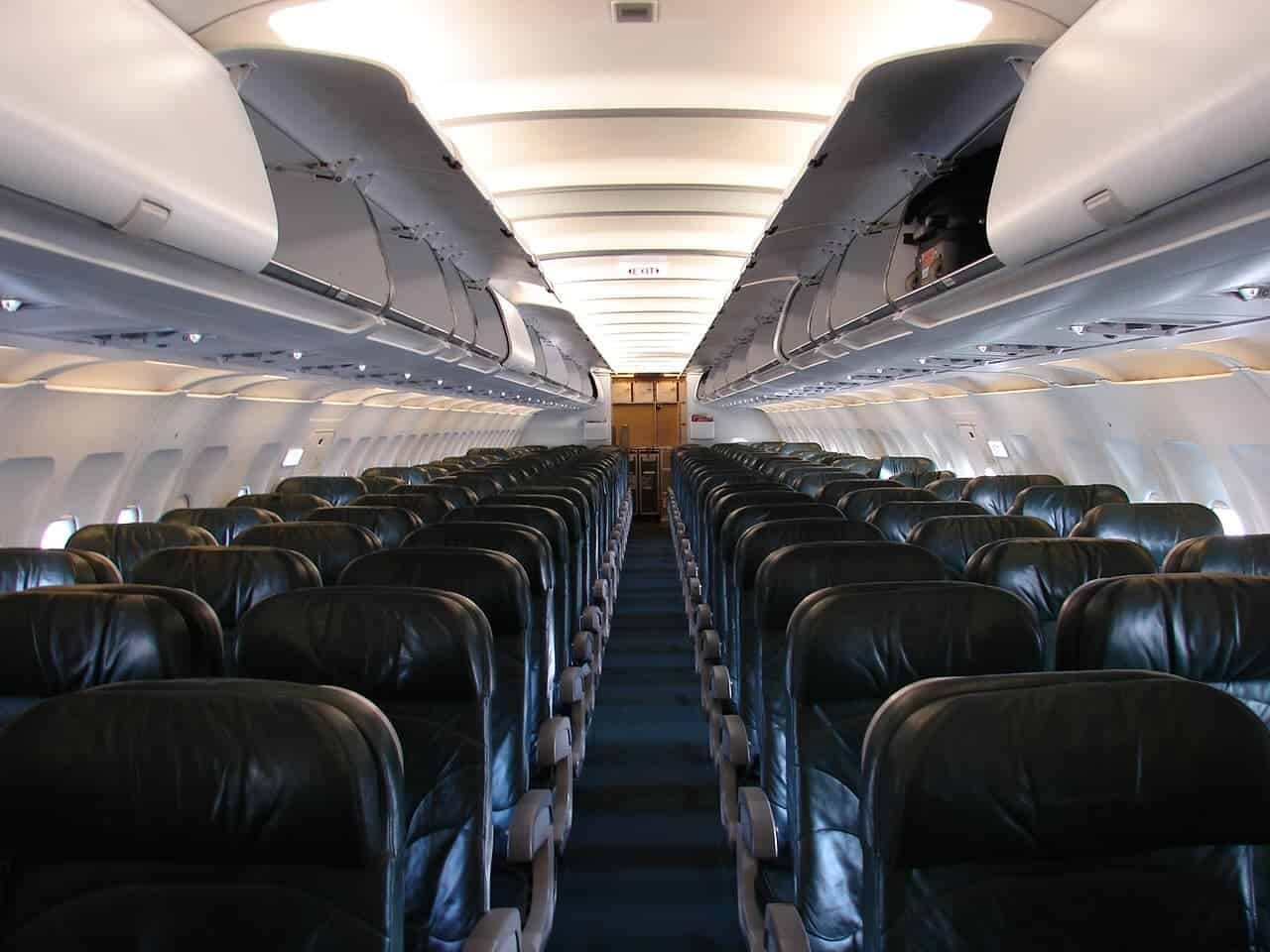


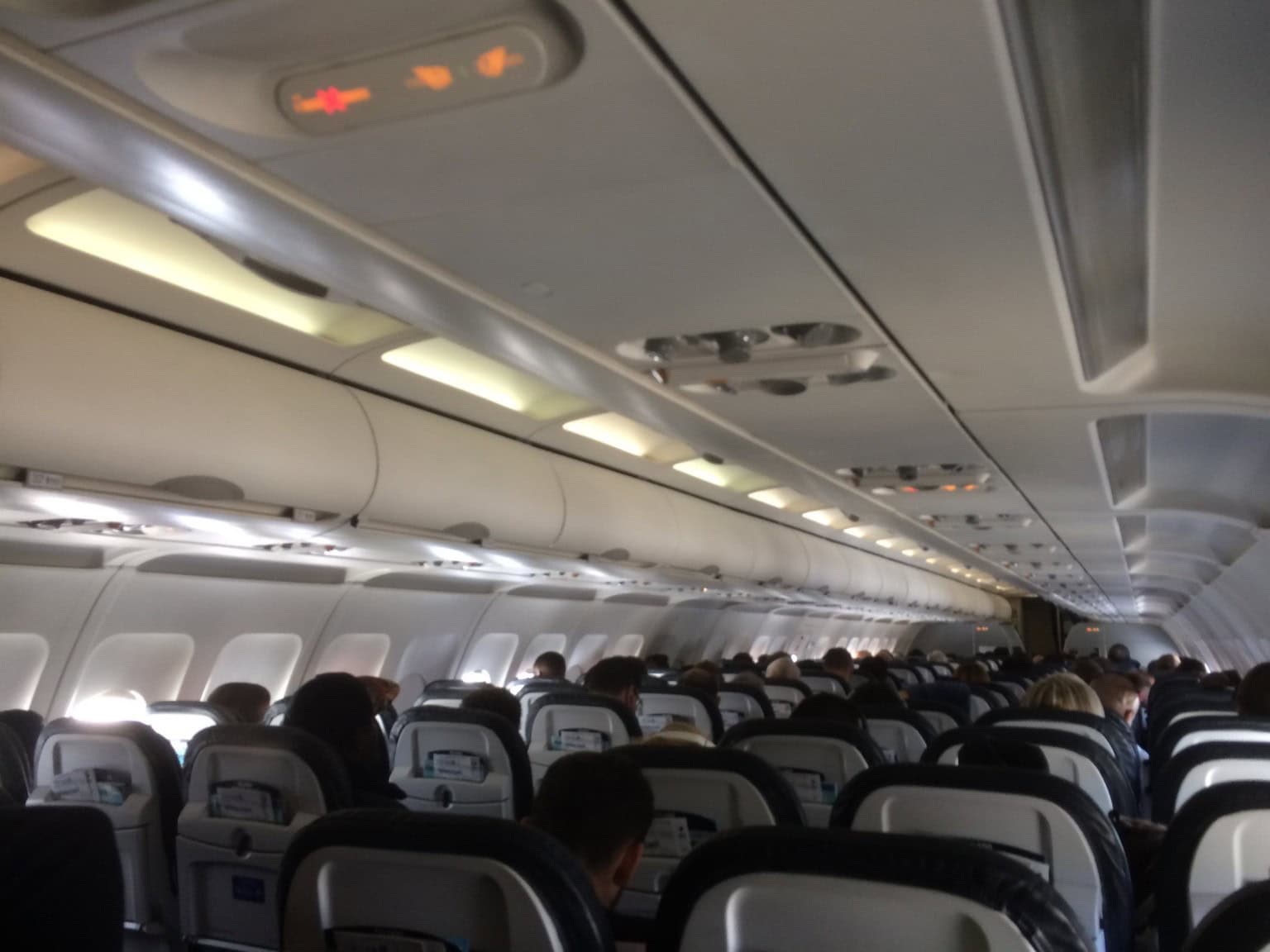
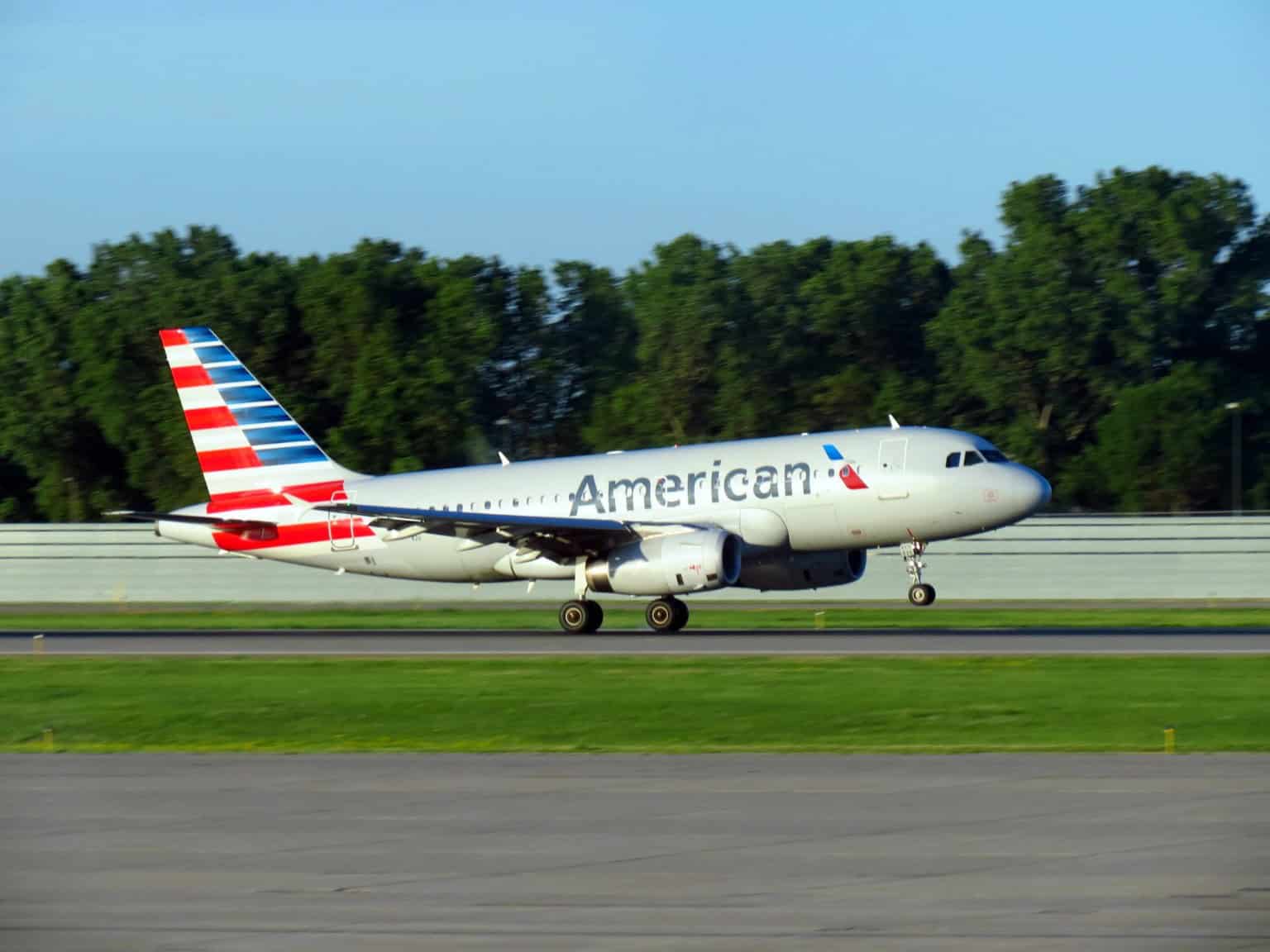


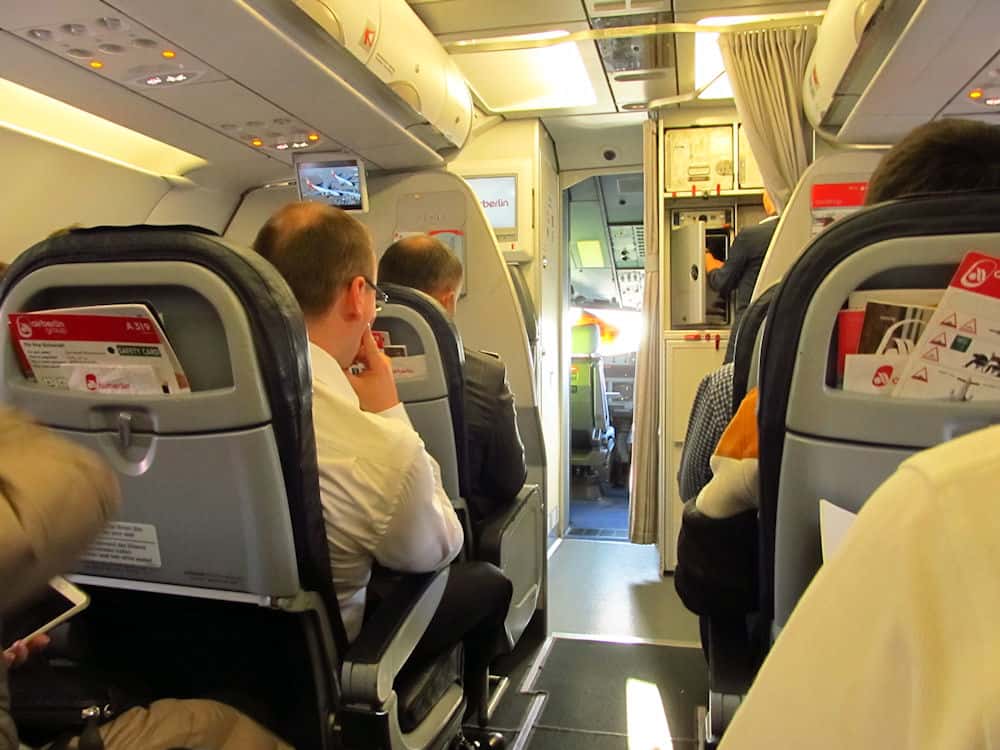
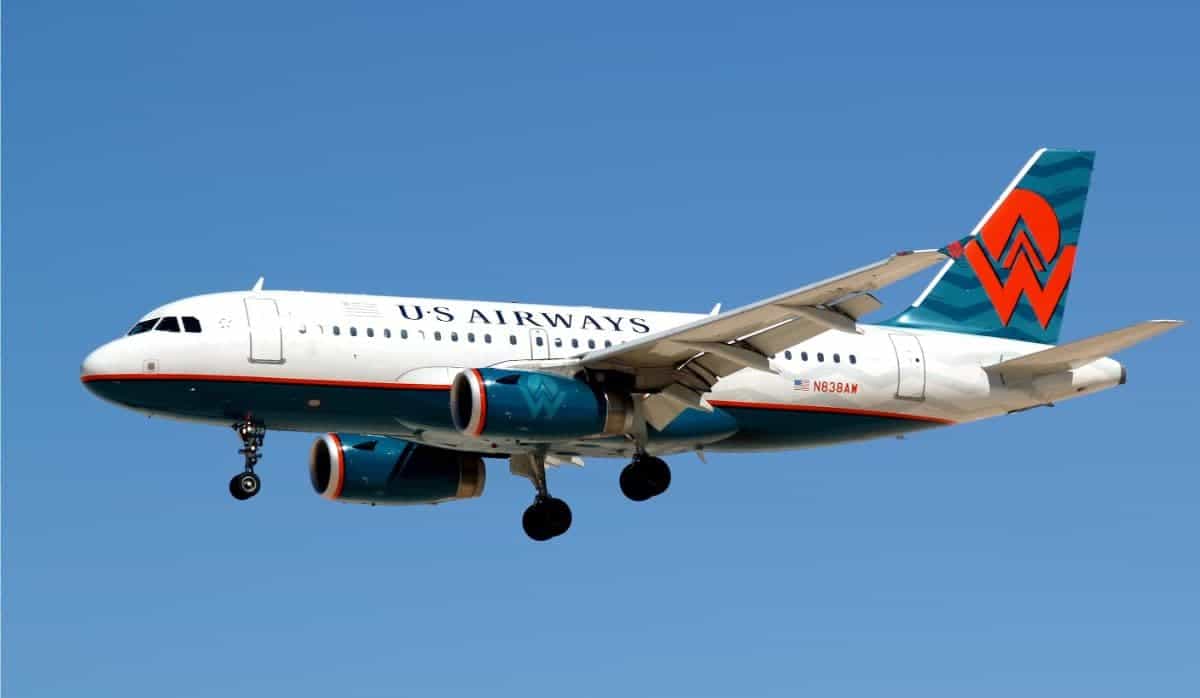
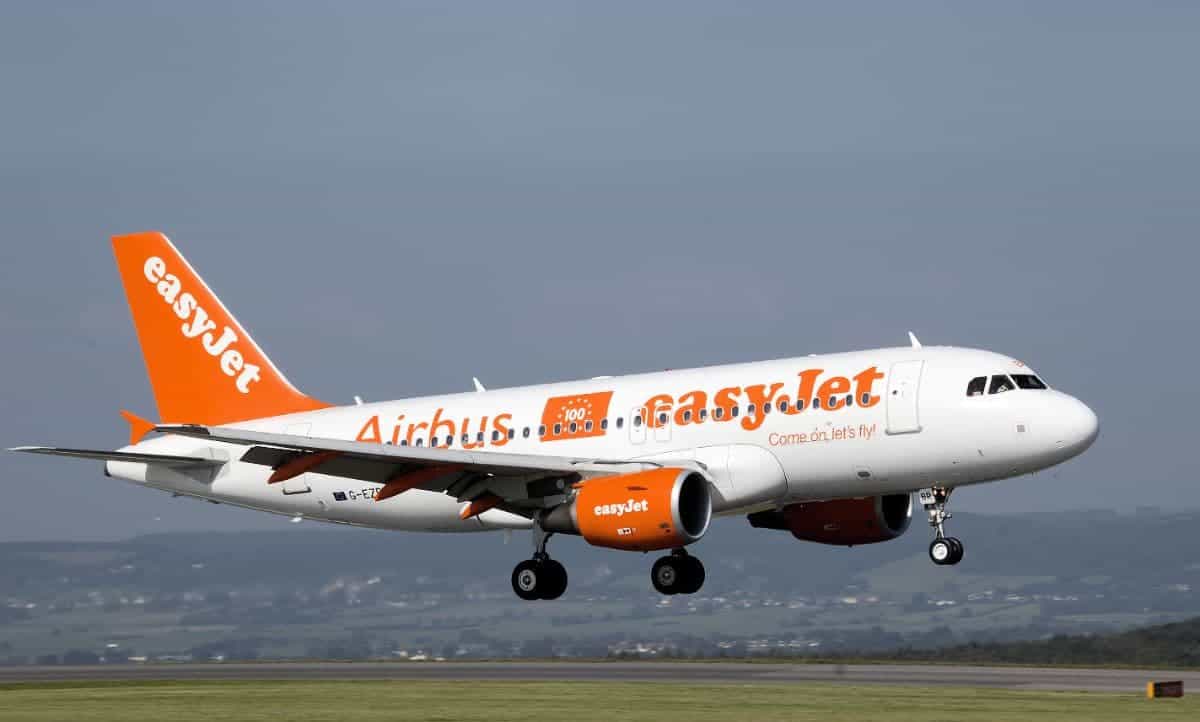
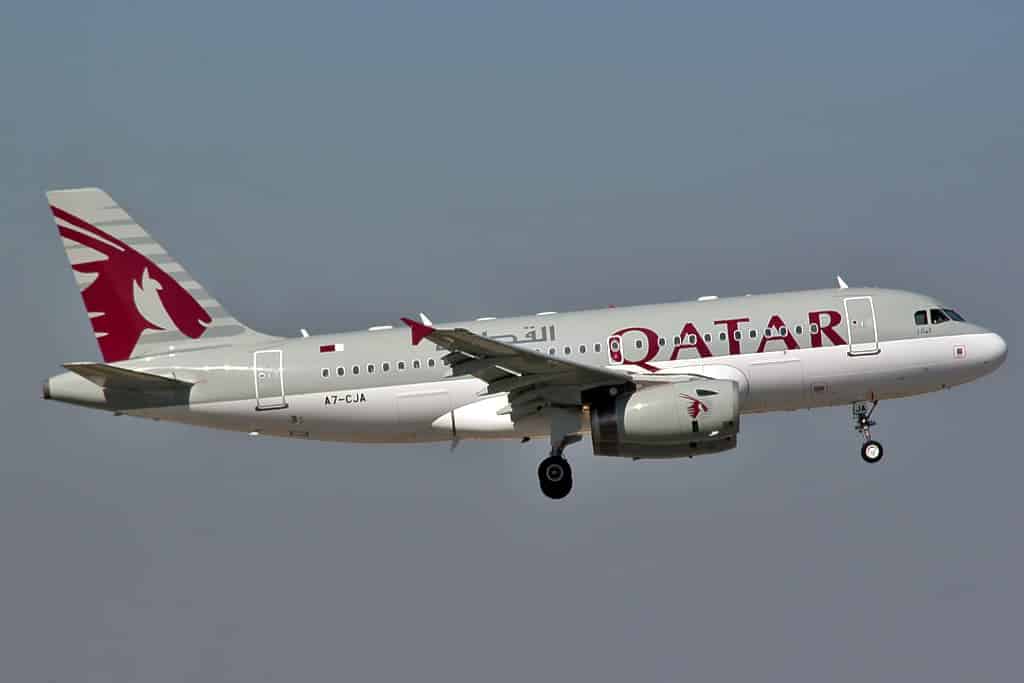
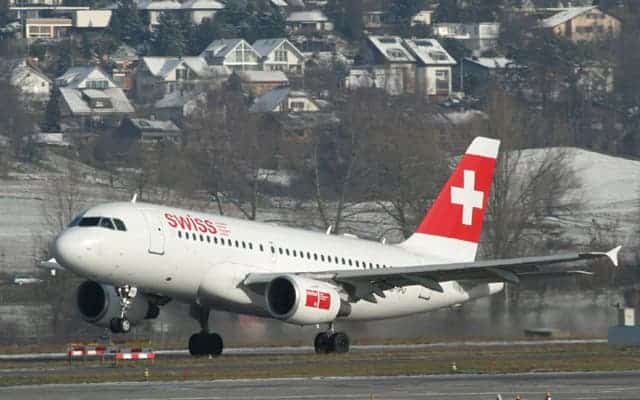
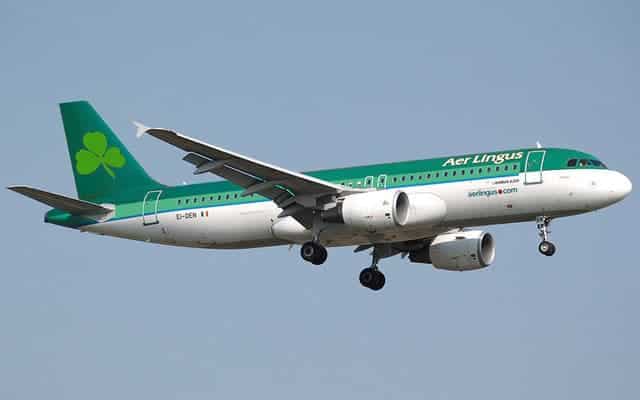
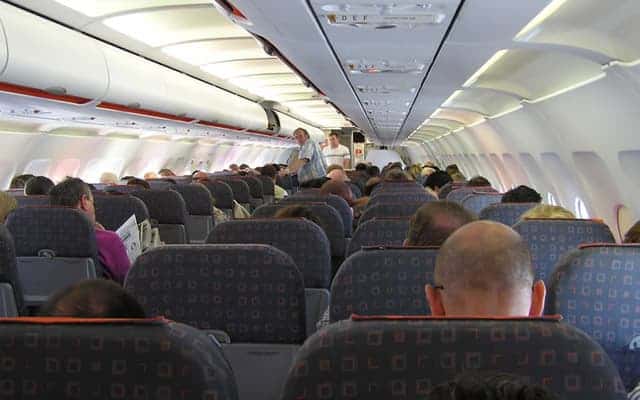

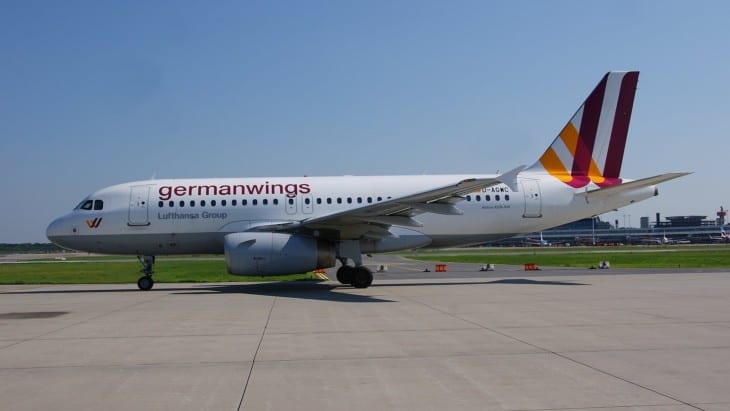
The A319-100 first flew in 1995 and entered service in 1996. It shares the A320 family’s fly-by-wire systems and cockpit commonality. The shorter fuselage provides seating for approximately 120 to 150 passengers depending on configuration.
Two CFM56 or IAE V2500 turbofan engines producing approximately 23,000 to 27,000 pounds of thrust (102 to 120 kN) each power the aircraft. Cruise speed approaches Mach 0.82. Maximum takeoff weight exceeds 166,000 pounds (75,297 kg), with range near 3,700 nautical miles (6,852 km).
The A319-100 has been widely used by major and low-cost carriers. Its operational flexibility supports both domestic and international routes. Many remain in service worldwide.
Airbus developed the A319 as a lengthened program derivative to provide airlines a smaller-capacity option within a single-family product line. The program intent emphasized fleet commonality so airlines could adjust capacity without adding new pilot or maintenance types. Market studies identified demand for a shorter fuselage variant capable of serving lower-density routes.
Initial airframes used aerodynamic and systems elements already proven on the family type to reduce development risk. Prototype activity concentrated on validating handling with a shorter fuselage and revised door and overwing exit arrangements. Structural reinforcements and weight distribution adjustments were evaluated to preserve handling and safety margins relative to the baseline model.
Certification work focused on demonstrating that family commonality did not compromise aircraft performance or emergency evacuation requirements after fuselage shortening. Production context for the model integrated its assembly into the existing family production flow, sharing major subassemblies and supplier interfaces to contain program costs and maintain high parts commonality.
During early production planning Airbus coordinated final assembly and supplier schedules to accommodate the variant alongside larger family members. This allowed airlines to access the type through existing sales channels while enabling staggered deliveries within airline fleet transition plans.
The A319 retains a single-aisle, low-wing configuration with twin underwing turbofan engines. Cabin layout typically follows a six-abreast arrangement with two aisles of seating per row on either side of a single center aisle. Door positions were adjusted relative to the baseline to optimize boarding for reduced seat counts while meeting evacuation rules.
Structurally, the aircraft uses the same wing box and major load-bearing elements as its siblings, with modified fuselage frames and floor beams to account for the shorter body. Weight-saving materials and localized reinforcement are employed where necessary to support higher optional maximum weights, auxiliary fuel installations, or corporate interior fit-outs.
Avionics philosophy follows a centralized, integrated architecture that supports common pilot tasks across the family and eases fleet interoperability. Flight controls are arranged for envelope protection and handling qualities consistent with the broader family design goals while allowing for airline-specific avionics packages and maintenance software.
Distinguishing external features include the shortened cabin section and revised door and overwing exit layout that differentiates the variant visually from longer family members. Operators frequently specify wingtip devices and cabin reconfigurations to match route profiles and commercial objectives.
The variant is optimized for short- to medium-range missions with operational flexibility to serve lower-density routes profitably. Cruise efficiency reflects the family wing and engine pairing, offering competitive block times and fuel consumption on point-to-point routes that do not require larger capacity aircraft.
Payload-range performance is influenced by cabin fit and optional equipment such as auxiliary fuel tanks for extended-range operations. On typical airline missions the aircraft balances passenger capacity against fuel and baggage loads, permitting transcontinental sectors in many operator routings when configured for increased range.
Takeoff and climb performance vary with engine selection and weight options, providing respectable short-field capability that supports operations into secondary airports with constrained runway lengths. Hot-and-high airports and high-weight departures will impose payload or range concessions, requiring route planning adjustments.
Operational limitations are driven by single-aisle economics at higher density routes where larger family members yield lower seat-mile costs. The aircraft performs best on thin trunk routes, regional trunk services, and niche international sectors where right-sized capacity and frequency matter more than maximum seating.
A corporate jet derivative repackages the base airframe with long-range fuel options and extensive interior customization for head-of-state, VIP, and corporate use. This version replaces standard high-density seating with spacious cabins and often increases optional maximum takeoff weight to support extended missions and additional cabin systems.
A long-range passenger variant incorporates additional fuel capacity and modified weight limitations to extend sector capability. Airlines and private operators specifying this option prioritize non-stop performance on longer thin routes where a standard narrowbody would require payload restriction or a technical stop.
Several operators and special mission providers commission conversions from passenger transport to specific roles, adapting cabin layouts, avionics, and interior systems to meet surveillance, medevac, or government transport requirements while retaining the basic airframe and aerodynamic characteristics.
Commercial operators placed the aircraft on domestic network and point-to-point international routes where lower capacity and frequency flexibility were required. Airlines deployed the type on short sectors to increase frequency while maintaining fleet commonality with larger family types for crew scheduling efficiency.
The platform proved adaptable to a range of passenger cabin standards. Network carriers often specified two-class interiors with a premium forward cabin to serve business travelers on trunk routes, while low-cost and charter operators installed higher-density seating for maximal revenue per flight on leisure sectors.
Several air forces, government services, and corporate fleets adopted the airframe for transport and VIP duties, leveraging its range and cabin volume after interior customization. Civil registrations in secondary markets increased as used airframes entered asset redistribution and private ownership channels.
Operational experience emphasized maintenance commonality benefits across the family, facilitating spares pooling and cross-utilization of technical staff. The aircraft remained in multi-role airline service patterns well after newer re-engined family members entered the market, with many examples repurposed for niche tasks as larger types took over core trunk work.
Airlines use the variant to match capacity to demand on thin transcontinental and regional routes, enabling higher frequency schedules without deploying larger aircraft. It frequently serves as a bridge aircraft for markets transitioning between turboprops and larger narrowbodies, offering jet speed while fitting airport size constraints.
Service planning favors the airframe for point-to-point routes where direct connectivity yields commercial advantage. Airline cabin specifications vary widely; some carriers install premium seating to attract business passengers, while others maximize economy seating for short-haul leisure sectors.
Leisure and charter operators value the flexibility to tailor interior layouts for seasonal demand swings. Operators also exploit the aircraft for ad hoc charters, sports team transport, and special event shuttles because of its balance between operating cost and passenger comfort.
A broad mix of scheduled airlines, charter companies, corporate flight departments, and government registrants operate the aircraft. Fleet managers prioritize its interchangeability with larger family types to minimize training overhead and to simplify crew rostering across mixed fleets.
Secondary market activity supports continued operation by smaller carriers and private owners after mainline retirement. Certification for various configurations and mission equipment allows a wide set of operators to adapt the airframe to regionally specific regulatory and operational requirements.
Technologically the aircraft demonstrated the commercial utility of offering multiple fuselage lengths within a single product family to serve distinct market segments while preserving cockpit and systems commonality. The program reinforced manufacturer strategies that prioritize parts commonality and modular interior options for airline fleet flexibility.
From a program perspective the variant validated that a right-sized narrowbody could sustain diverse airline business models, including network carriers and low-cost operators, without requiring unique pilot or maintenance types. Lessons learned influenced subsequent family developments that emphasize product continuity across size and capability variants.
Market experience highlighted the importance of offering optional long-range configurations and corporate derivatives to broaden an airframe s appeal beyond scheduled passenger service. The model continued to serve as a platform for specialized conversions and corporate adaptation as newer generations of the family entered commercial service.
Sources and references used for research and fact-checking.