Military Helicopters
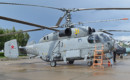
Kamov Ka-31
ICAO: KA31
The single-seat attack helicopter built around a coaxial combat design
The latest aviation news and stories sent to your inbox.
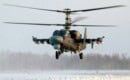
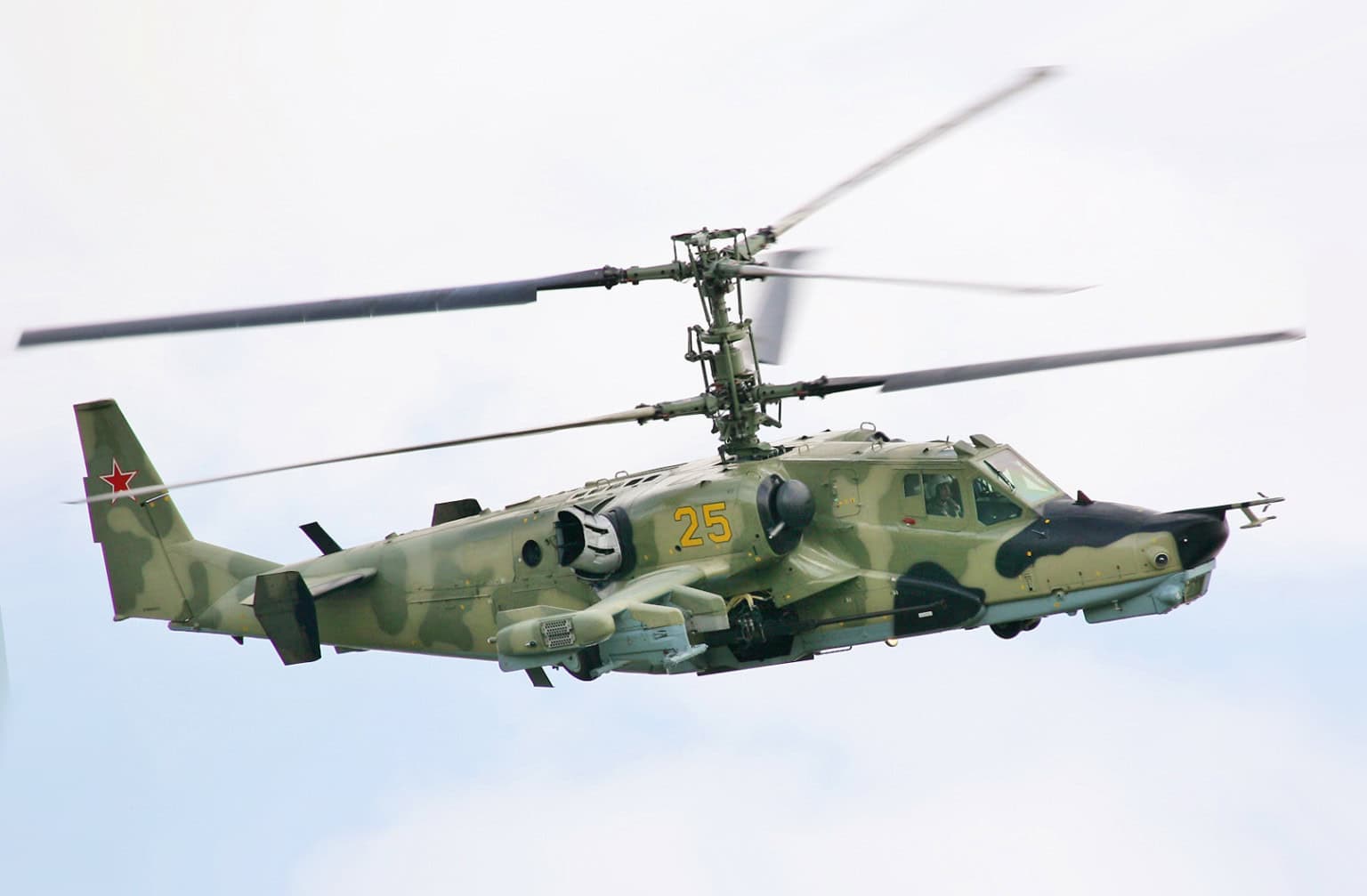
The Kamov Ka-50 is a single-seat attack helicopter developed for the Soviet military. Featuring a coaxial rotor system and heavy armament, it was designed for anti-armor and battlefield support missions. The aircraft stands out for its unique pilot-only configuration.
Live Fleet Activity (KA50)
Fetching live data…
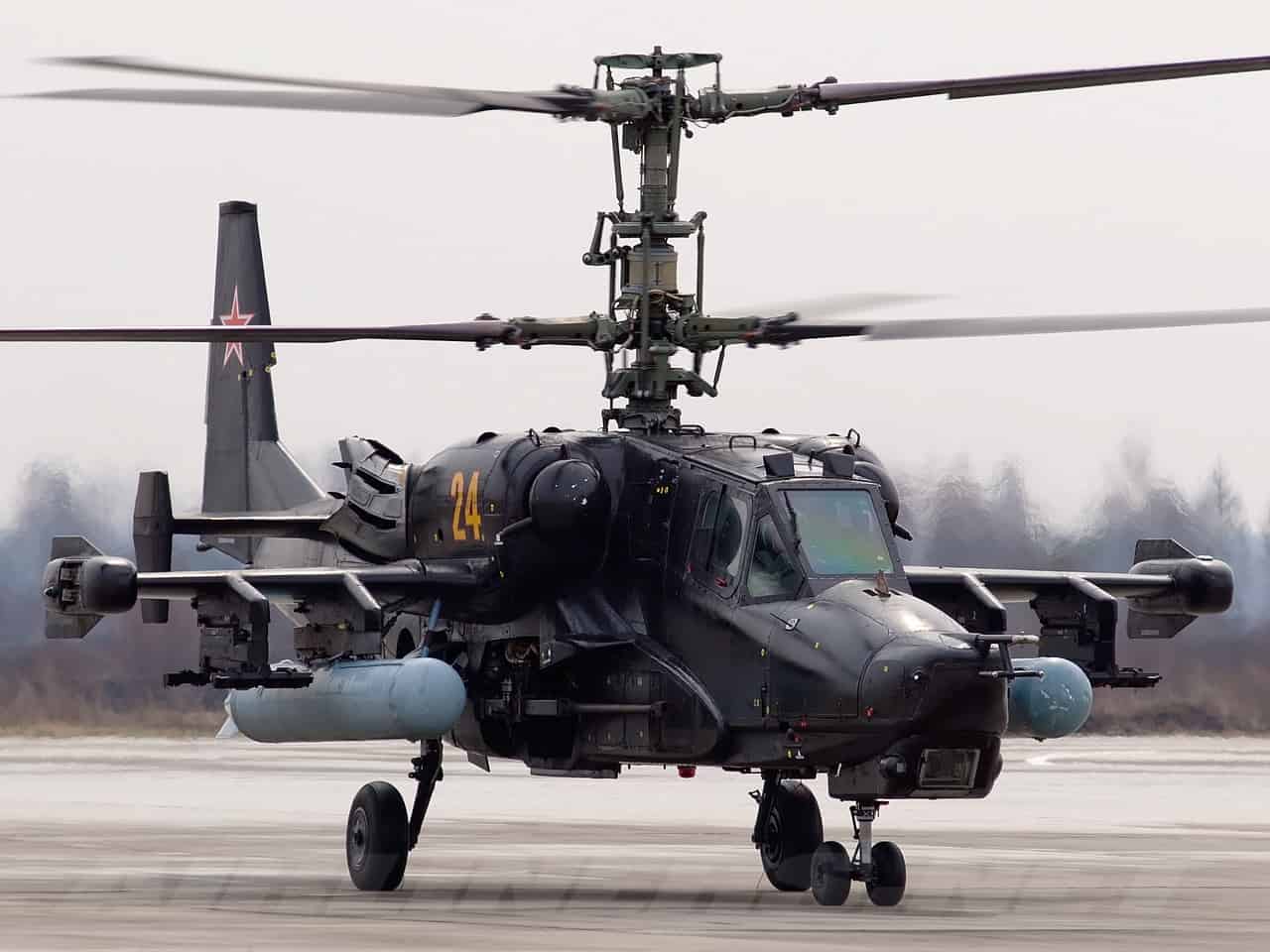

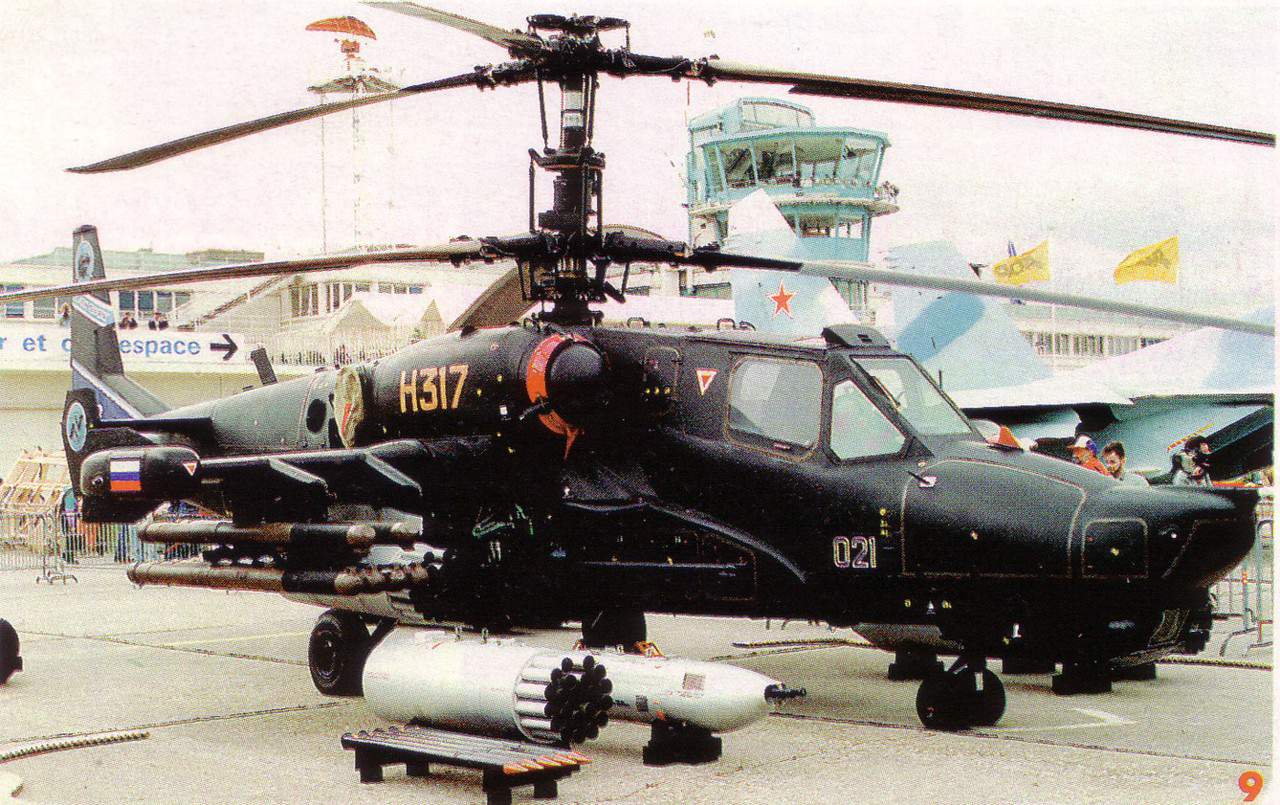

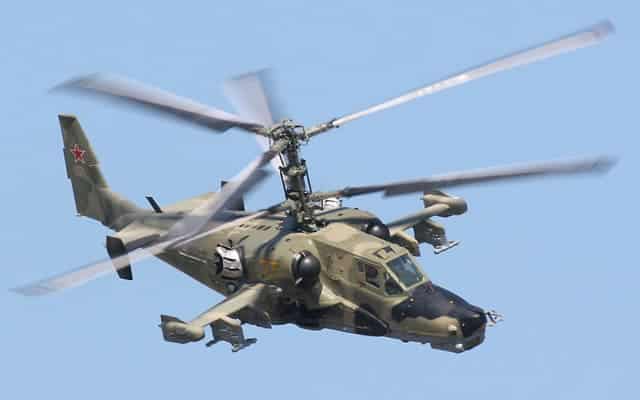
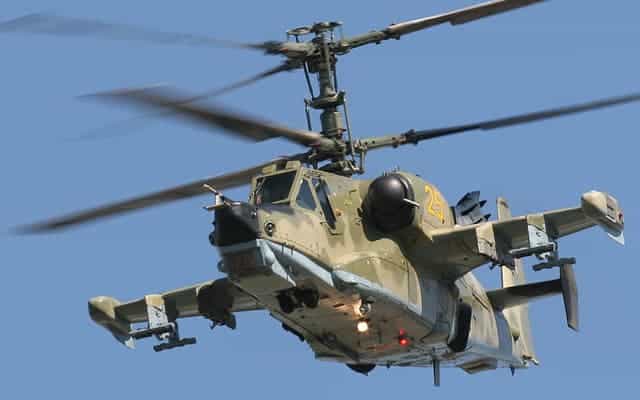
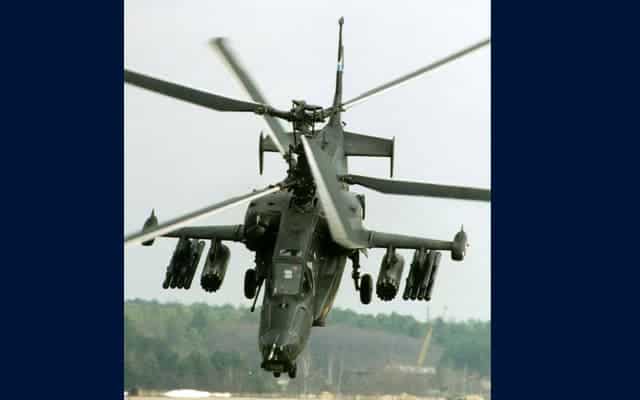
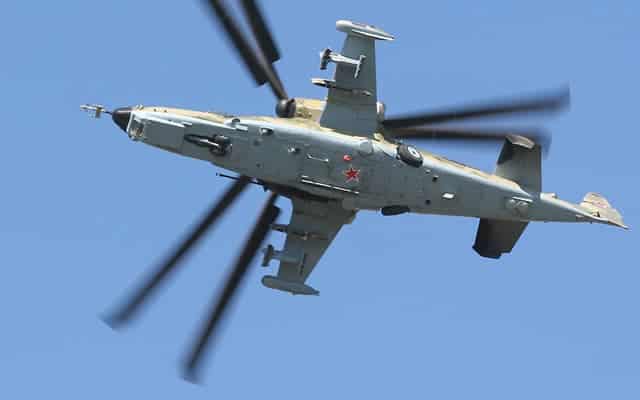
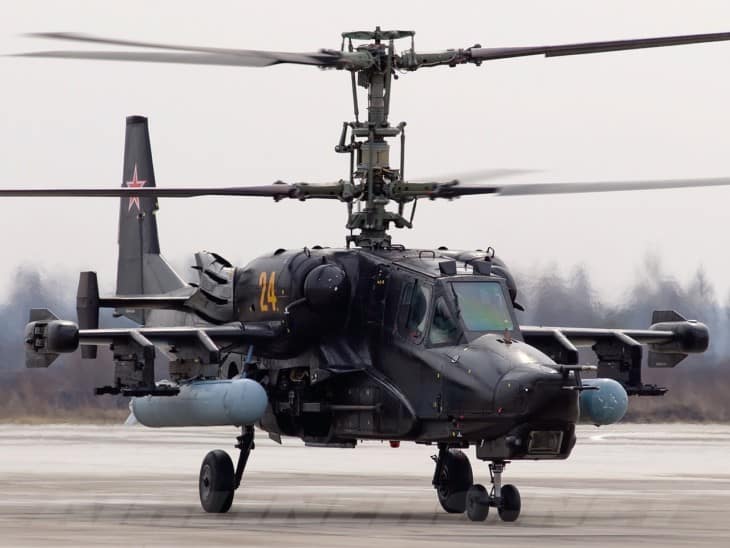
The Ka-50 program began in the 1970s as a next-generation attack helicopter to complement existing Soviet designs. The prototype first flew in 1982, and limited service entry occurred in the 1990s. Its coaxial rotor system eliminated the need for a tail rotor and enhanced agility and survivability.
Powered by two Klimov TV3-117 turboshaft engines producing approximately 2,200 shaft horsepower each, the Ka-50 can reach speeds of around 165 knots (305 km/h). Maximum takeoff weight is roughly 24,000 pounds (10,800 kg). Armament includes a 30 mm cannon and a range of rockets and guided missiles.
The single-seat configuration relied heavily on automation to reduce pilot workload. Although produced in limited numbers, the Ka-50 influenced later variants such as the two-seat Ka-52. It remains one of the most distinctive modern attack helicopter designs.
Sources and references used for research and fact-checking.