Military Helicopters
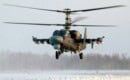
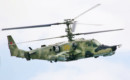
Kamov Ka-50 “Hokum”
ICAO: KA50
The airborne early warning helicopter built for naval fleet defense

The latest aviation news and stories sent to your inbox.
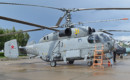
The Kamov Ka-31 is a naval airborne early warning helicopter developed for fleet air defense. Equipped with a large rotating radar, it provides extended detection capability over maritime environments. The aircraft is based on earlier Kamov naval helicopter designs.
Live Fleet Activity (KA31)
Fetching live data…


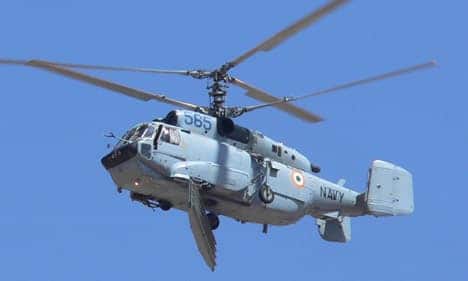
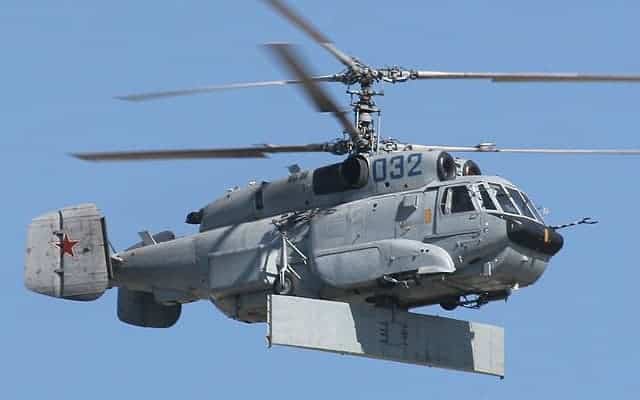

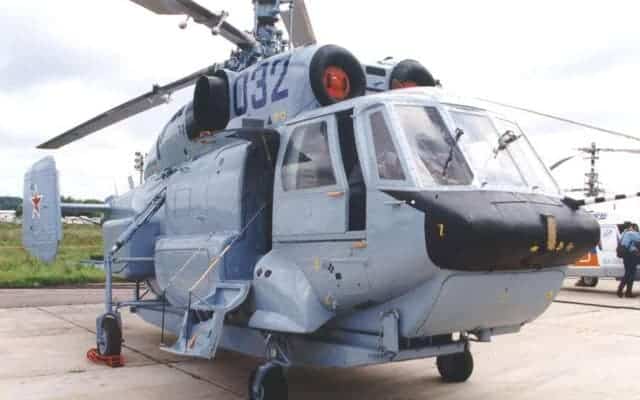
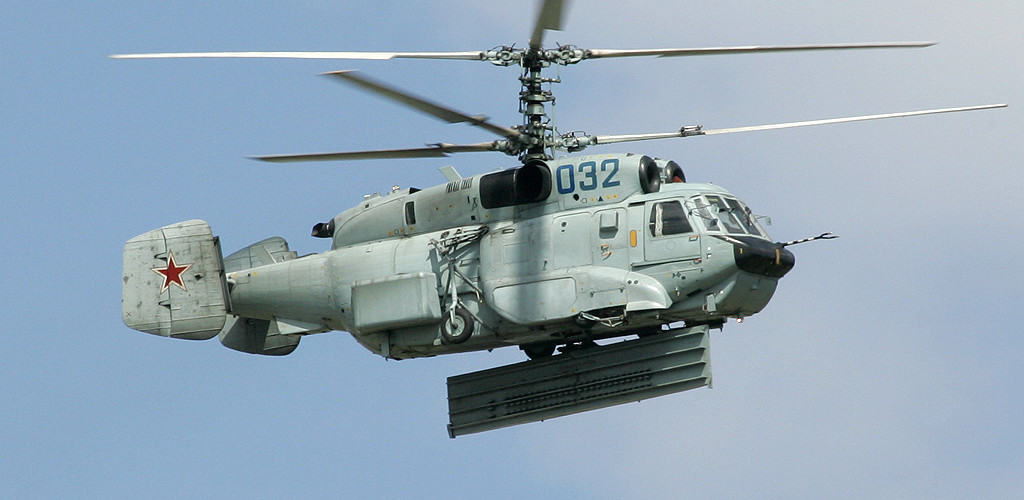
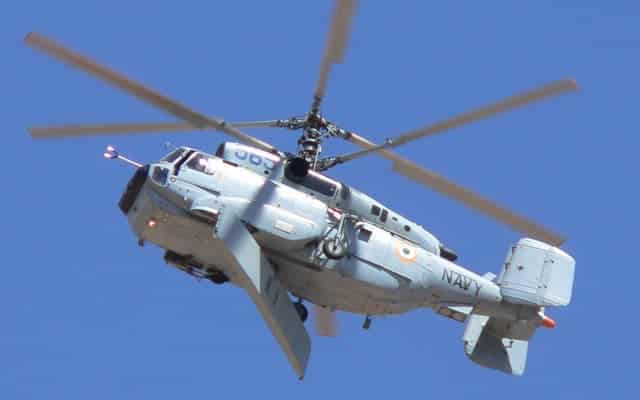
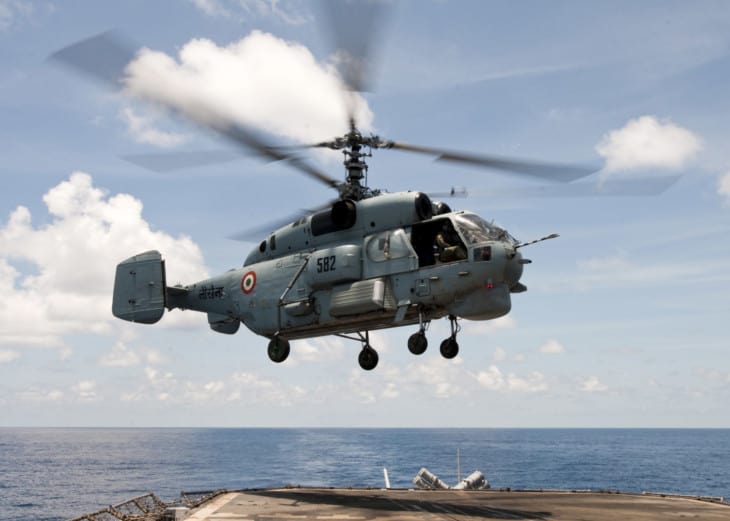
The Ka-31 was developed in the 1980s from the Ka-29 airframe to provide shipborne airborne early warning capability. It first flew in 1987 and entered service in the 1990s. The helicopter retains Kamov’s coaxial rotor system, allowing compact storage aboard ships.
Powered by two Klimov TV3-117 engines producing roughly 2,200 shaft horsepower each, the Ka-31 cruises at approximately 135 knots (250 km/h). Maximum takeoff weight is about 27,500 pounds (12,500 kg). The retractable radar antenna beneath the fuselage enables wide-area surveillance coverage.
The Ka-31 has been operated by several naval forces to extend radar coverage beyond the horizon of surface ships. Its ability to operate from frigates and aircraft carriers enhances fleet situational awareness. The aircraft remains a specialized but important component of naval air defense systems.
Sources and references used for research and fact-checking.