Military Helicopters
Kamov Ka-50 “Hokum”
ICAO: KA50
The Russian utility helicopter designed to modernize light military transport
The latest aviation news and stories sent to your inbox.
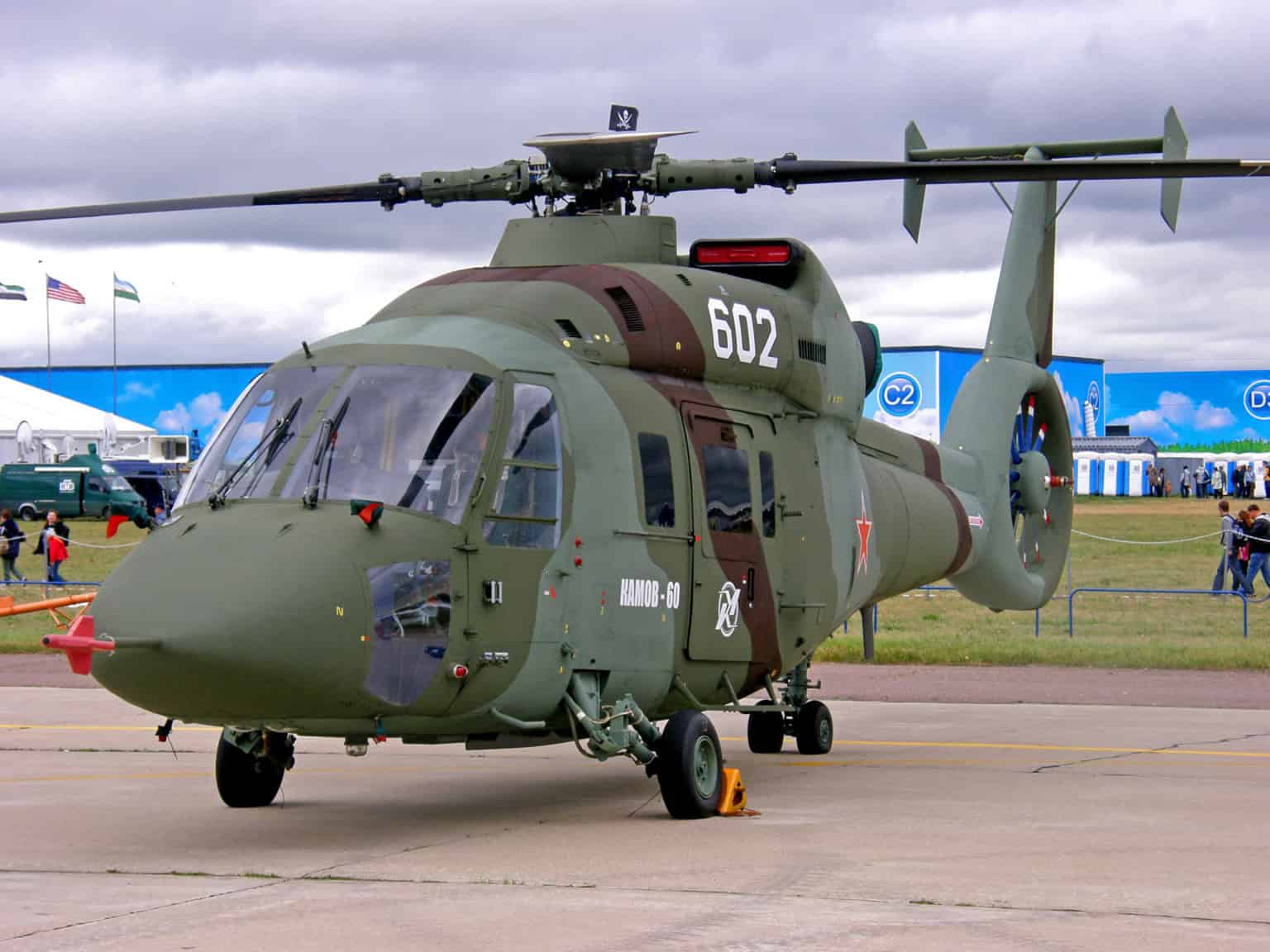
The Kamov Ka-60 was developed as a new-generation light military transport helicopter for the Russian armed forces. Unlike earlier Kamov designs, it adopted a conventional tail rotor configuration. The aircraft was intended to replace aging utility helicopters in domestic service.
Live Fleet Activity (KA60)
Fetching live data…
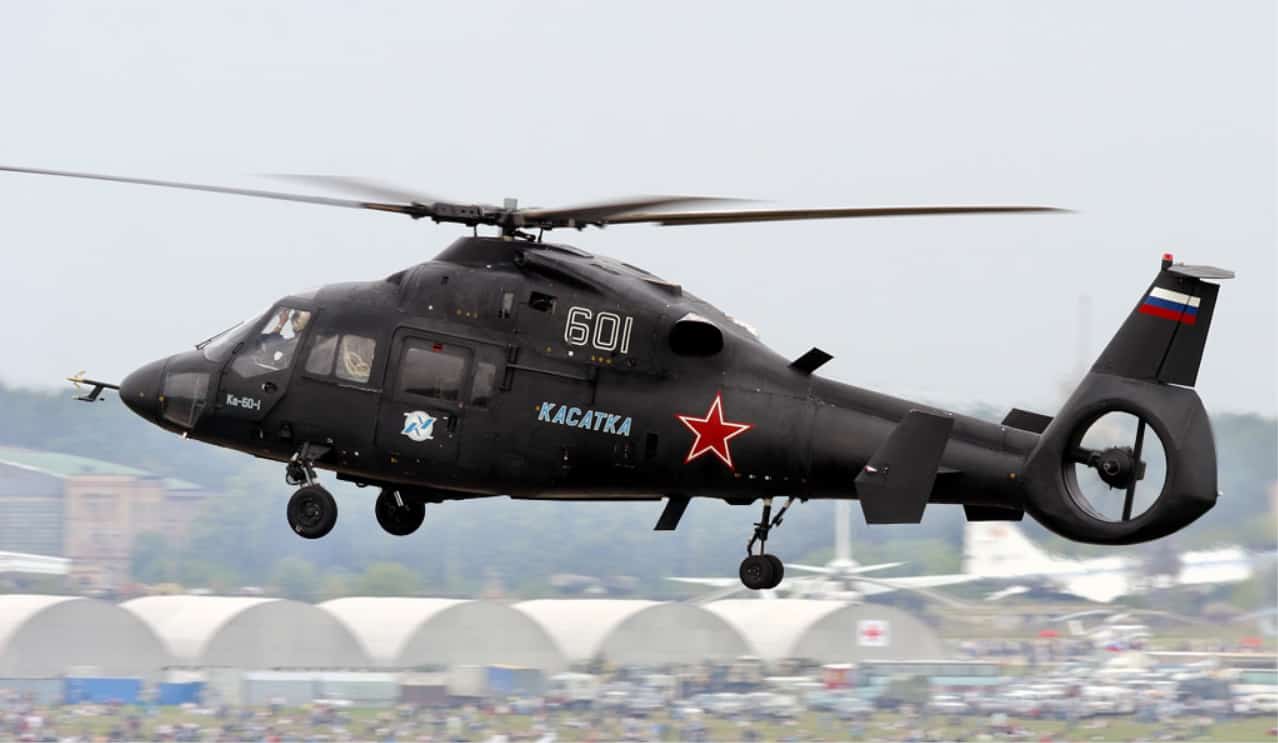


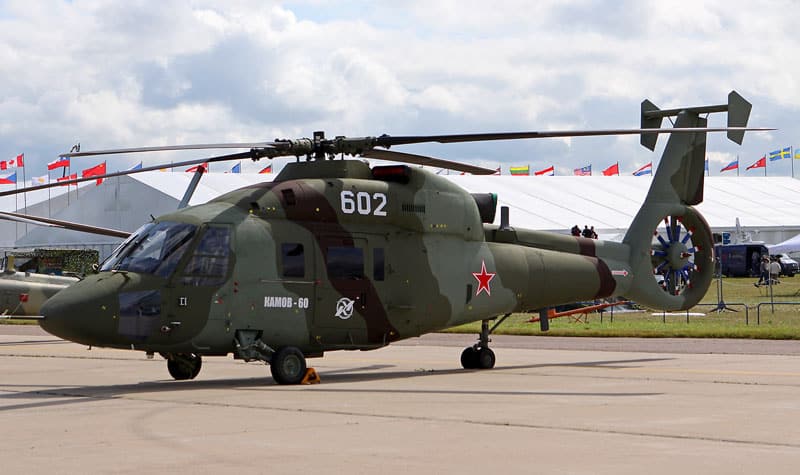

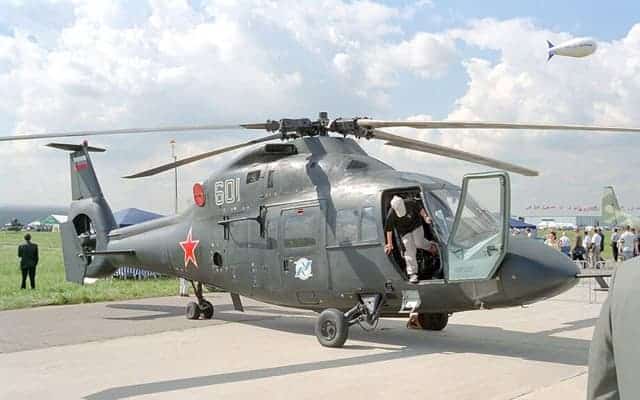
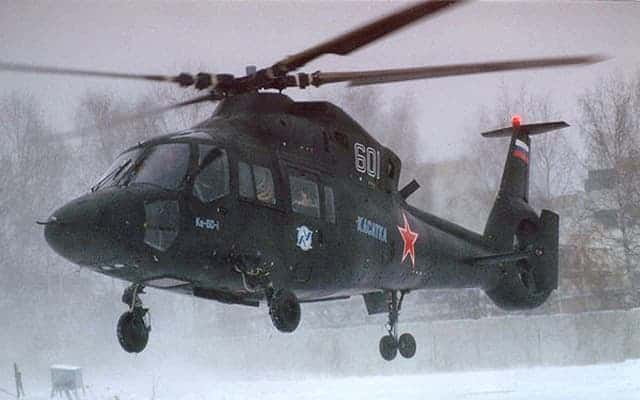

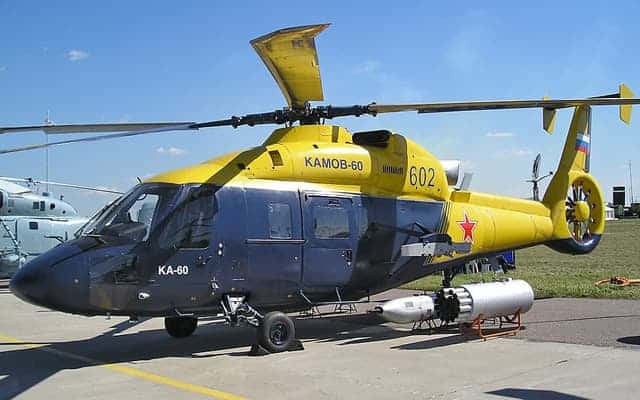
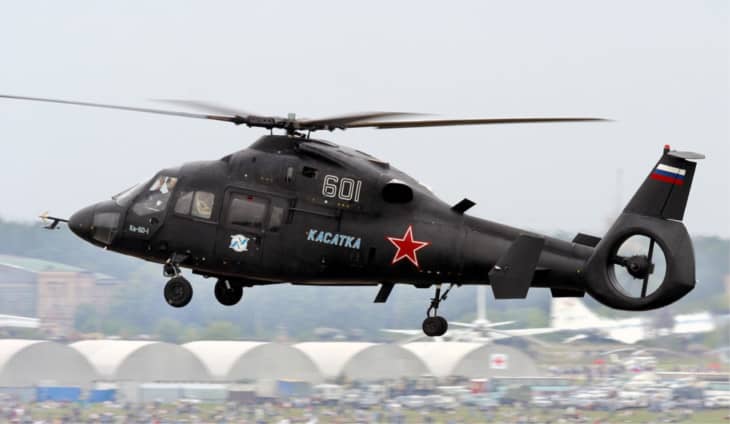
The Ka-60 program began in the 1980s to create a modern utility helicopter suited for reconnaissance and troop transport roles. The first prototype flew in 1998, though development experienced significant delays. Unlike traditional Kamov models, the Ka-60 used a single main rotor with a tail rotor, reflecting a departure from the company’s coaxial heritage.
Powered by two turboshaft engines in the 1,300 shaft horsepower class, the Ka-60 was projected to cruise at approximately 150 knots (280 km/h). Maximum takeoff weight is about 14,000 pounds (6,500 kg). The cabin was designed to carry up to 14 troops or equivalent cargo.
Despite extensive testing, the Ka-60 did not enter large-scale production. Technical challenges and funding constraints limited its operational adoption. Nevertheless, the program influenced subsequent Russian helicopter development efforts.
Sources and references used for research and fact-checking.