Military Helicopters
Kamov Ka-50 “Hokum”
ICAO: KA50
The naval helicopter built for anti-submarine warfare and fleet support
The latest aviation news and stories sent to your inbox.
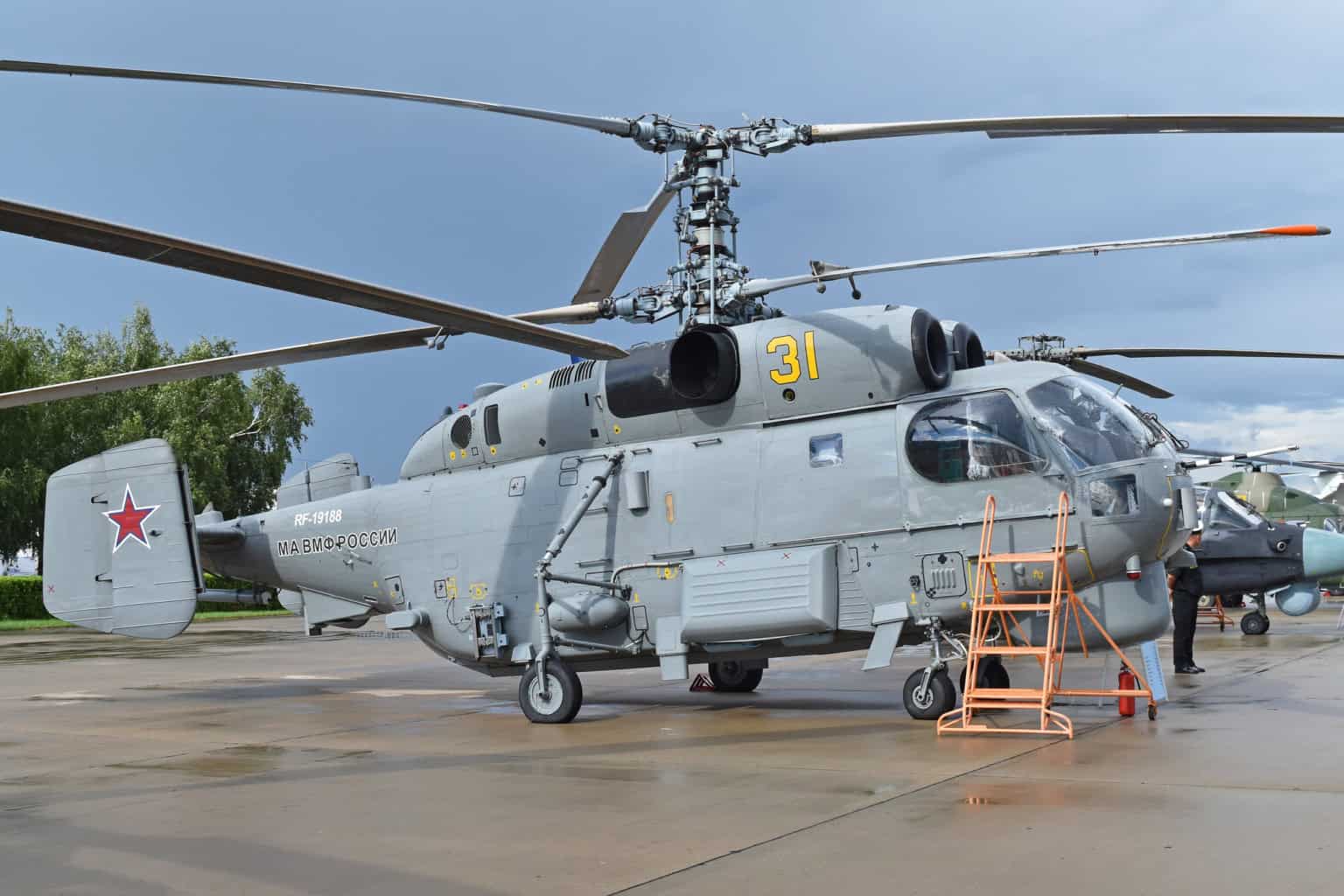
The Kamov Ka-27 is a shipborne helicopter developed for anti-submarine and maritime support missions. Designed with a compact coaxial rotor system, it operates from frigates, destroyers, and larger naval vessels. The aircraft became a standard naval helicopter for the Soviet Navy and its successors.
Live Fleet Activity (KA27)
Fetching live data…


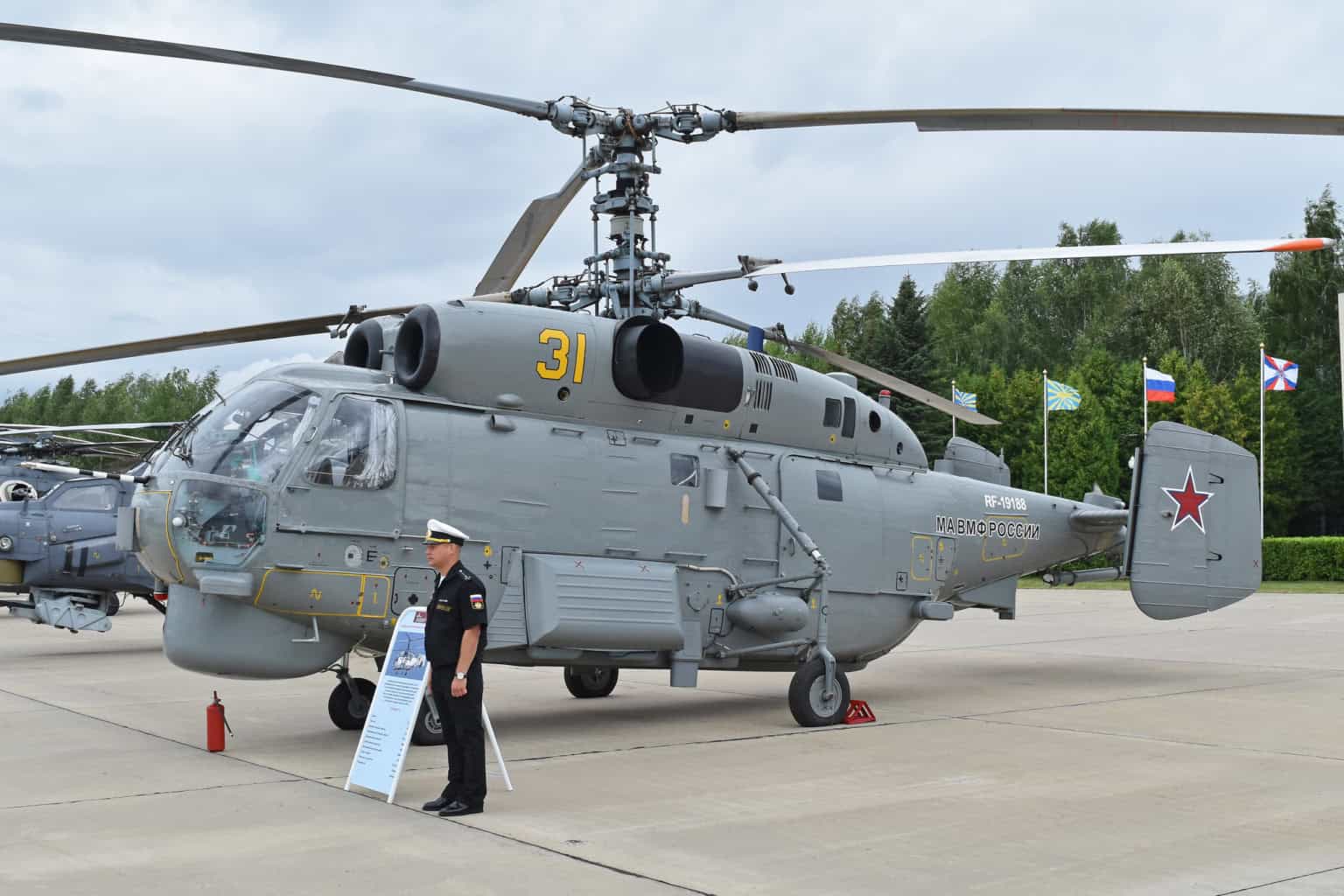


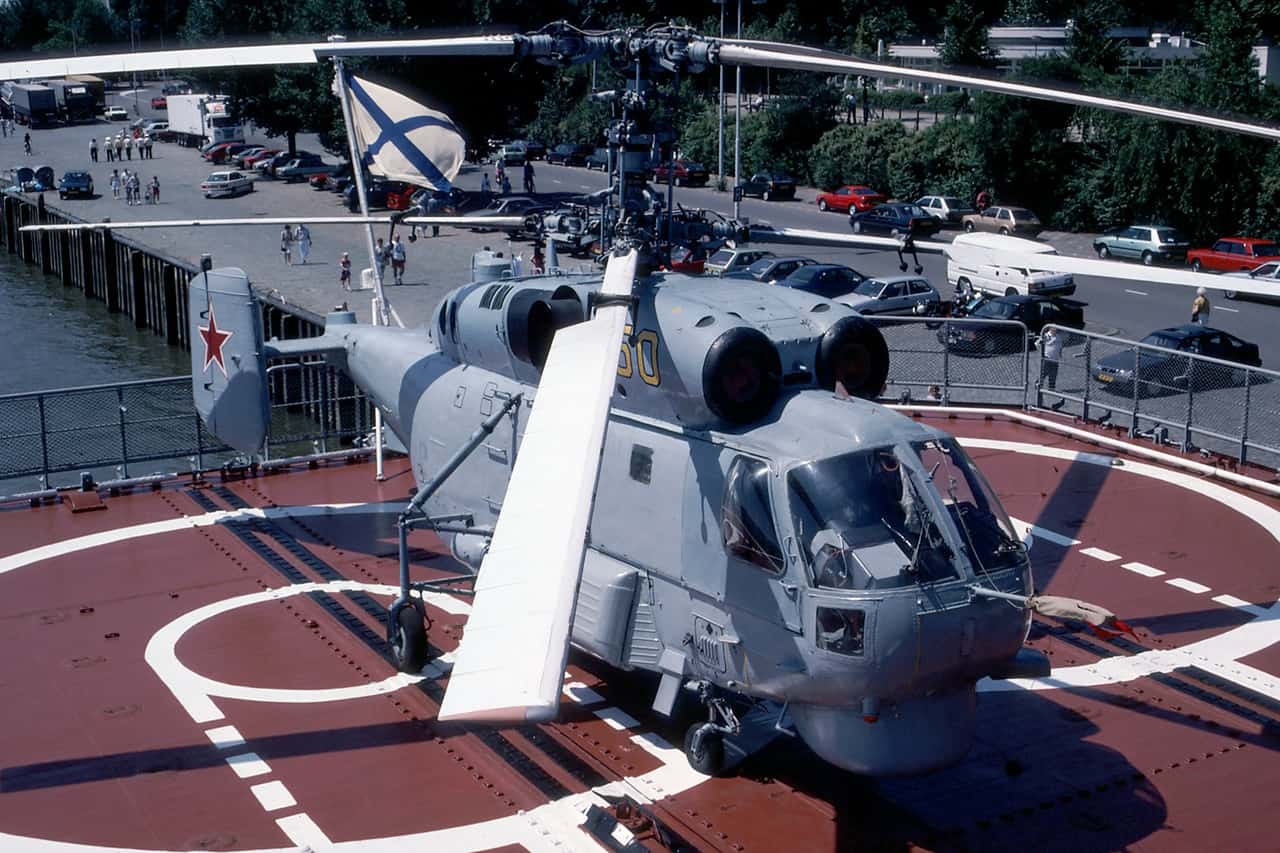
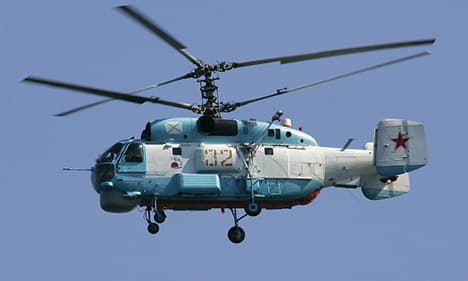
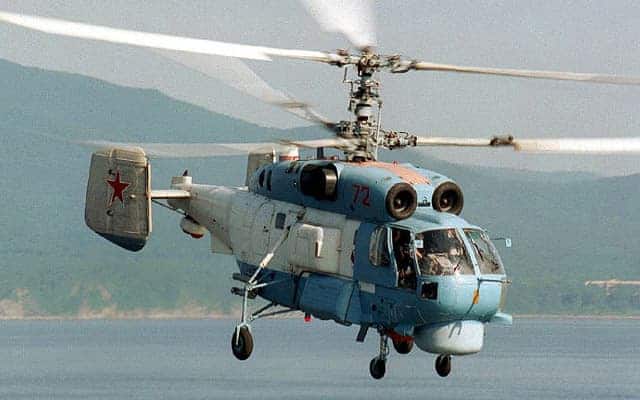
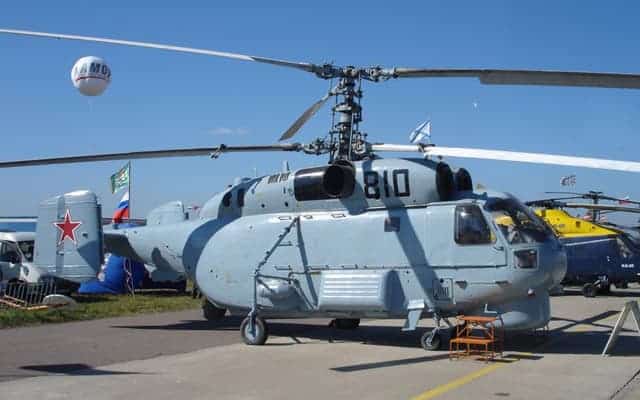
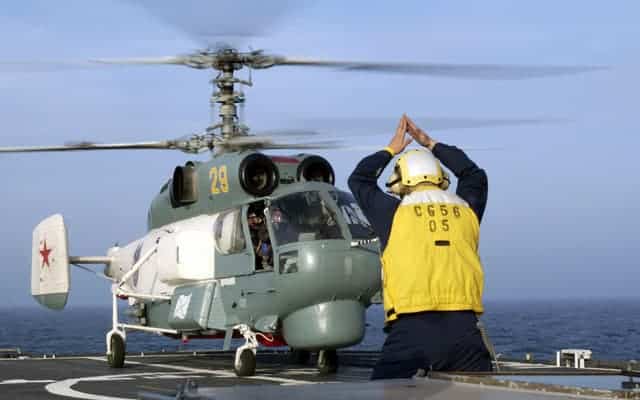
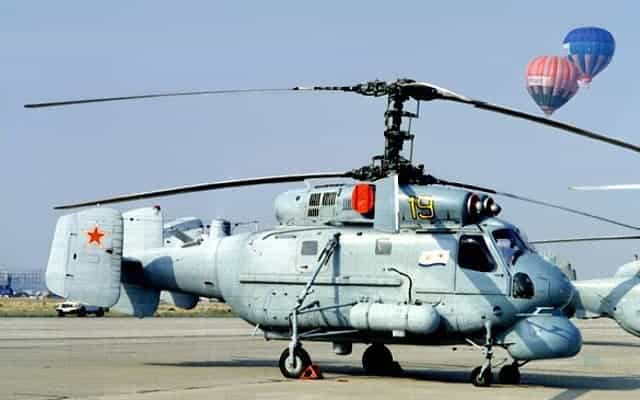
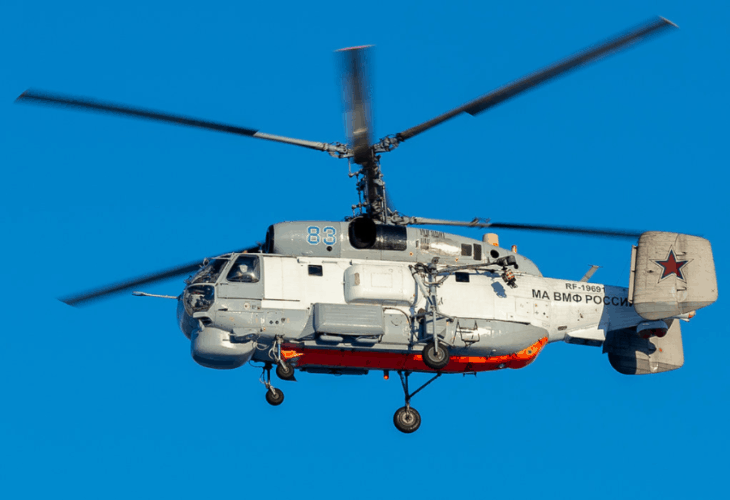
The Ka-27 was developed in the late 1960s and 1970s to replace earlier Kamov naval helicopters in Soviet service. It first flew in 1973 and entered operational service in the early 1980s. The helicopter retained Kamov’s coaxial rotor configuration, which eliminates the need for a tail rotor and allows more compact storage aboard ships.
Powered by two Klimov TV3-117 turboshaft engines producing approximately 2,200 shaft horsepower each, the Ka-27 cruises at about 135 knots (250 km/h). Maximum takeoff weight is roughly 26,500 pounds (12,000 kg). The aircraft is equipped with dipping sonar, radar, and torpedoes for anti-submarine warfare, along with provisions for search and rescue and transport variants.
The Ka-27 and its derivatives have served aboard numerous Russian and export naval vessels. Variants such as the Ka-28 and Ka-32 expanded the platform into export and civil markets. The Ka-27 remains a recognizable and widely deployed naval helicopter within the Russian fleet.
The Ka-27 arose from a defined requirement for a purpose-built shipboard helicopter capable of sustained anti-submarine operations with rapid stowage aboard small-deck warships. Design work emphasized a compact airframe and systems integration with shipboard sensors and weapons, reflecting priorities set by naval planners and the Kamov design office.
Initial prototype activity concentrated on validating sea-keeping characteristics, deck handling, and mission-system tradeoffs rather than raw aerodynamic performance. Early test programs evaluated folding-rotor mechanisms, corrosion-resistant materials, and the mechanical reliability of engine and transmission installations in a maritime environment.
Production entered service as part of a broader shipbuilding and naval aviation expansion, which required standardization of maintenance procedures and operator training. Shipboard trials defined ship-hangar and deck-handling standards that influenced subsequent production deliveries and modifications for embarked operations.
The fuselage is arranged to support a mission-focused internal layout with dedicated stations for flight crew and sensor operators, arranged to permit simultaneous navigation, sensor operation, and communications management during ASW sorties. Access arrangements support rapid reconfiguration between mission roles.
Structural design emphasizes marine durability with extensive use of corrosion protection treatments, accessible inspection panels, and reinforced deck attachment points. The understructure and attachment fittings are arranged to interface with common deck securing and handling equipment used by naval vessels.
Weapon and sensor interfaces are modular, allowing mission equipment for anti-submarine warfare, rescue, and logistics to be fitted without major structural change. The powerplant and transmission installation is arranged to permit maintenance from deck-level platforms and to isolate hot sections from the cabin and sensor bays.
Avionics are organized around mission-specific sensor suites rather than general commercial navigation systems. Crew ergonomics and human-machine interfaces prioritize operator access to dipping sonar, radar, and tactical data links, and subsequent upgrades have focused on modular electronic packages to reduce maintenance downtime.
The helicopter is optimized for shipborne mission patterns that require prolonged low-speed transit, stable hover for sonar operations, and relatively short transit distances to search areas. Fuel load and mission equipment configuration directly influence endurance and on-station time in ASW and search roles.
Deck handling and hover stability in maritime winds are key operational performance parameters, with the airframe and flight controls tuned to maintain station for dipping sonar employment and hoist operations under typical naval conditions. Sea state and deck motion impose practical limits on safe launch and recovery operations.
Payload tradeoffs determine the balance between weapons carried and fuel for transit. ASW missions commonly prioritize sensor endurance, while search and rescue or transport tasks adjust payload to increase survivability and range within available shipboard stowage and deck weight constraints.
Operational limitations include the vulnerability of mission sensors to heavy sea spray and the increased maintenance burden imposed by maritime operations. Upgrades to avionics and environmental seals have addressed some constraints, but shipboard exposure remains a primary factor in operational availability.
Several mission-specific configurations derive directly from the basic airframe. Anti-submarine configured examples incorporate sonar winch and tactical data interfaces tailored to fleet doctrine, while search and rescue configurations replace some mission sensors with rescue hoists, litters, and crew accommodations for survivor recovery.
Export and civilian derivatives retain the fundamental structure while adopting alternative mission equipment. Civil utility versions emphasize cargo handling and external load capability and frequently include firefighting modules such as water buckets or tanks, along with civil certification adjustments for nonmilitary operation.
Modernized production batches and retrofit packages focus on avionics, navigation, and sensor replacements to extend service life. These updates permit older airframes to meet contemporary tactical and airworthiness standards without wholesale redesign, supporting mixed fleets of original and upgraded examples.
The type operates from a range of surface combatants and shore bases where it performs anti-submarine patrols, fleet screening, search and rescue, and vertical replenishment. Embarked deployment practices emphasize rapid sortie generation and coordinated operations with shipboard sonar and command systems.
In fleet operations the helicopter fulfills detection, localization, and prosecution roles within anti-submarine tasking, often operating in conjunction with shipborne and other airborne assets to establish and maintain contact. Its sensor suite supports both active and passive detection techniques with procedures tailored to reduce false contacts from surface conditions.
The helicopter has been employed to conduct search and rescue missions, casualty evacuation, and logistic transfers in contested or remote maritime areas where conventional surface ships cannot reach quickly. Operational doctrine assigns it as a first-responder for high-priority tasking that requires vertical lift.
Tactical employment generally avoids using the platform as a long-range strike asset. Instead planners use it to provide situational awareness and to prosecute submerged contacts through torpedo or depth charge delivery and by vectoring other assets to a target area.
Naval aviation units operate the type from surface combatants with flight decks and hangar facilities sized to accept its stowed envelope. Shore-based squadrons use the helicopter for coastal patrol, training, and SAR duties, and civilian variants are fielded by operators conducting aerial work where vertical lift and compact stowage are advantageous.
Fleet support organizations developed specialized maintenance and handling procedures to accommodate frequent shipboard embarkations and recoveries. Training pipelines emphasize deck handling, shipboard communications, and coordinated tactics with surface units to ensure safe and effective integration.
The program demonstrated the practicality of a purpose-designed shipborne helicopter that balances sensor integration, deck compatibility, and modular mission equipment. It established maintenance and training practices that informed later naval rotorcraft programs and modernization initiatives.
Its continued use in upgraded forms illustrates a design approach favoring incremental avionics and sensor refreshes to extend operational life rather than immediate replacement. Civil conversions show the airframe’s adaptability for nonmilitary roles where high power-to-weight and compact stowage are required.
Lessons from operating in a maritime environment highlighted the maintenance impacts of saltwater exposure and the importance of modular mission interfaces. These lessons influenced subsequent procurement strategies that emphasize lifecycle support, commonality of shipboard interfaces, and the ability to field iterative capability improvements.
Sources and references used for research and fact-checking.