Jumbo Passenger Jets
Airbus A380-900
ICAO: A389
The longest and heaviest passenger A350, built for ultra-long-haul routes
Updated: by Tim de Vries
The latest aviation news and stories sent to your inbox.
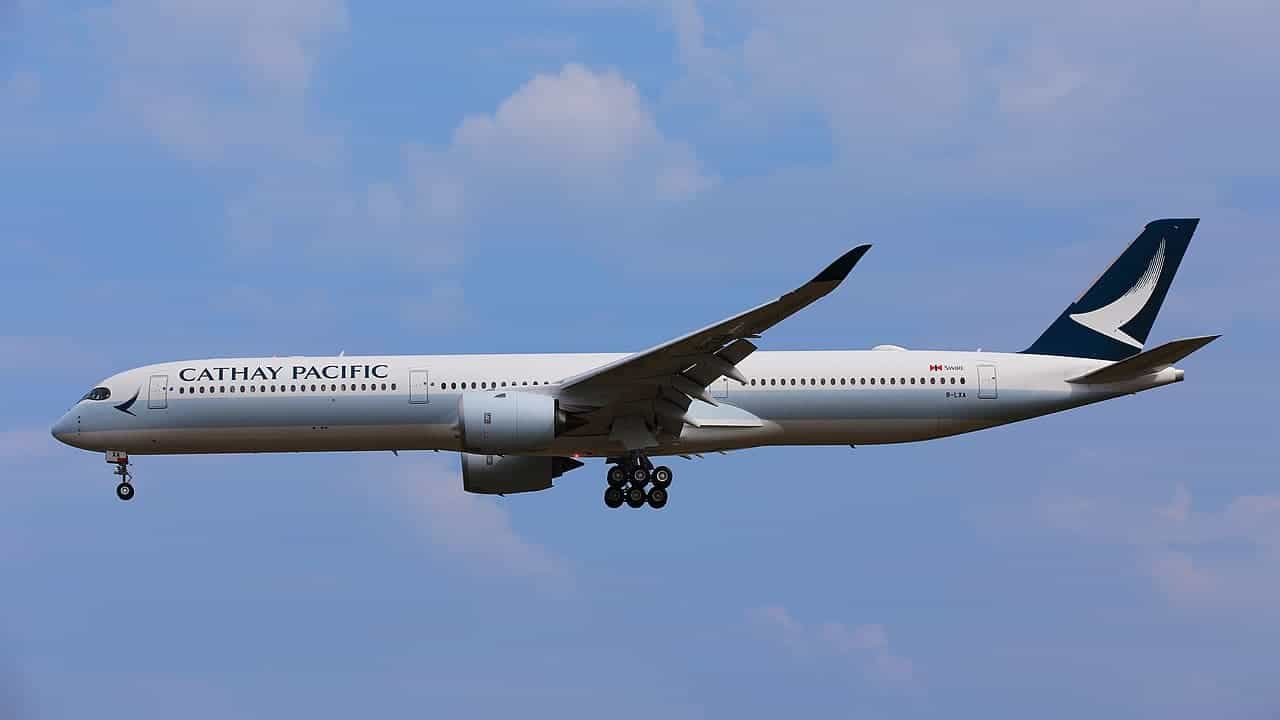
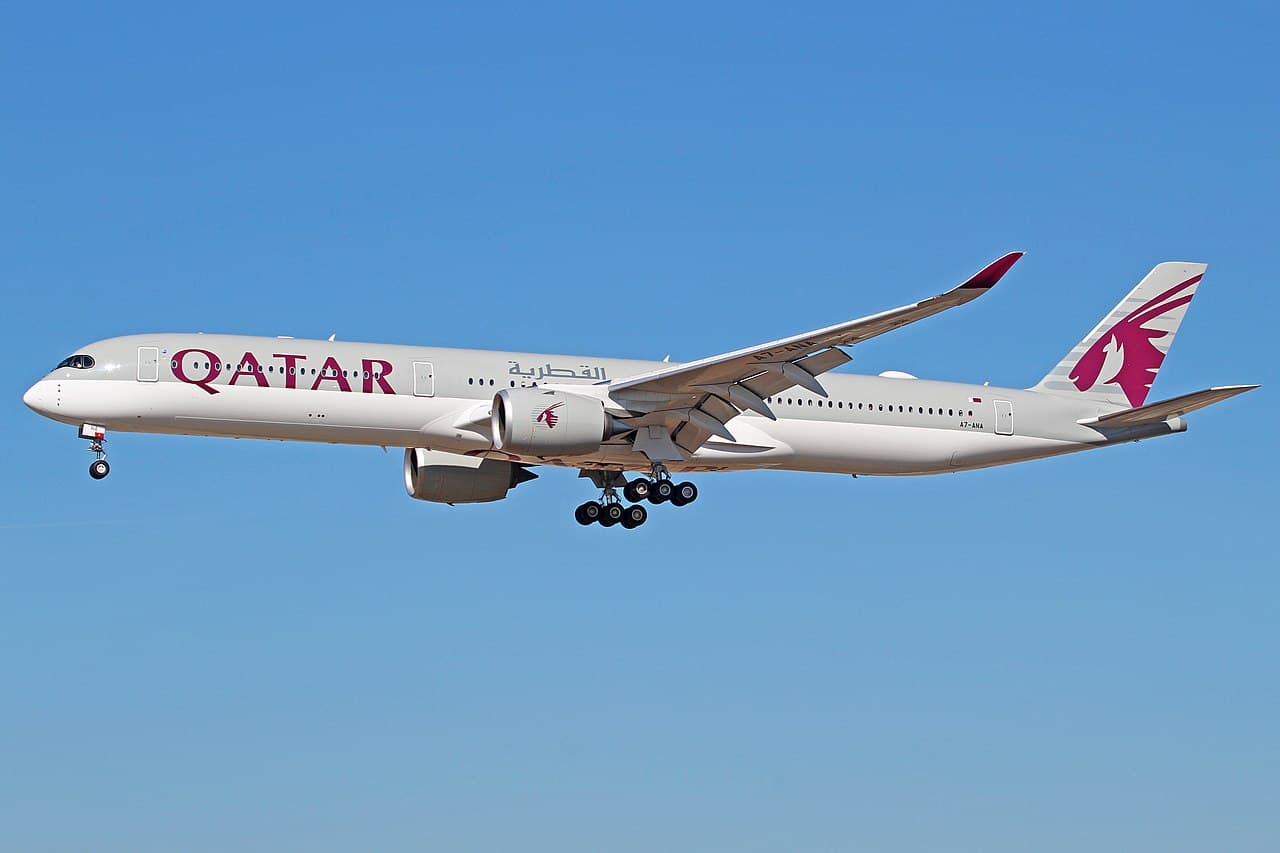
The Airbus A350-1000 is the largest passenger version of the A350 family, a stretched carbon-fiber twinjet built for long-haul routes. Qatar Airways launched it in 2018, and it now flies with carriers across the Middle East, Europe and Asia.
Live Fleet Activity (A35K)
Fetching live data…

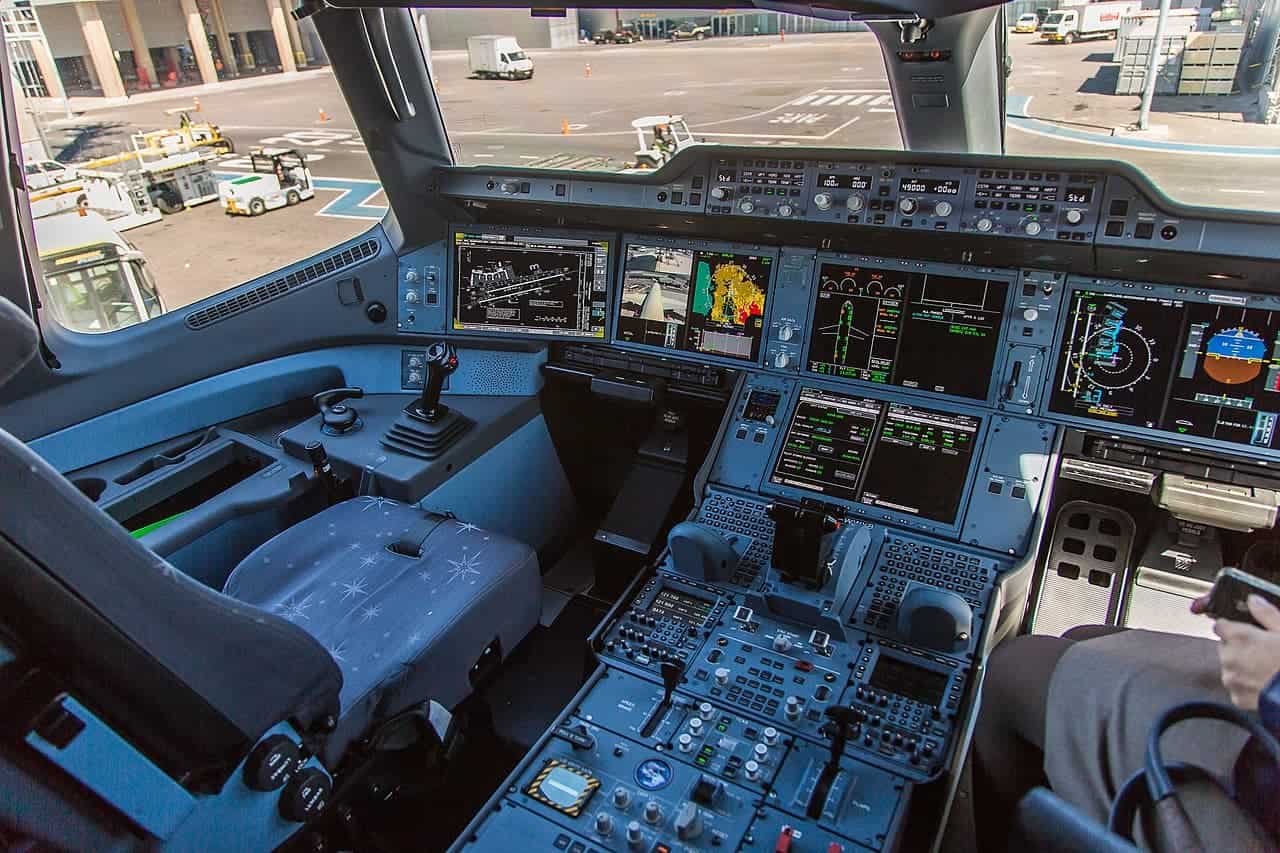
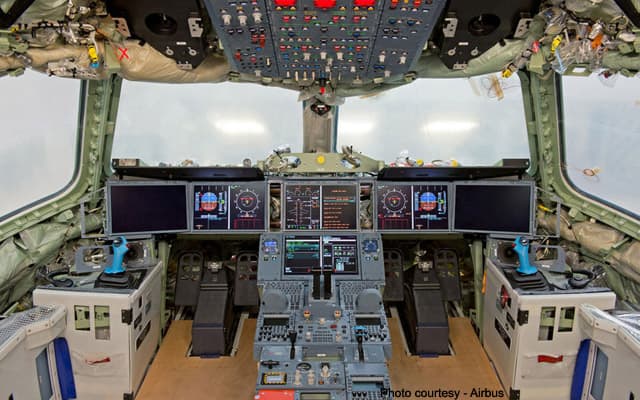
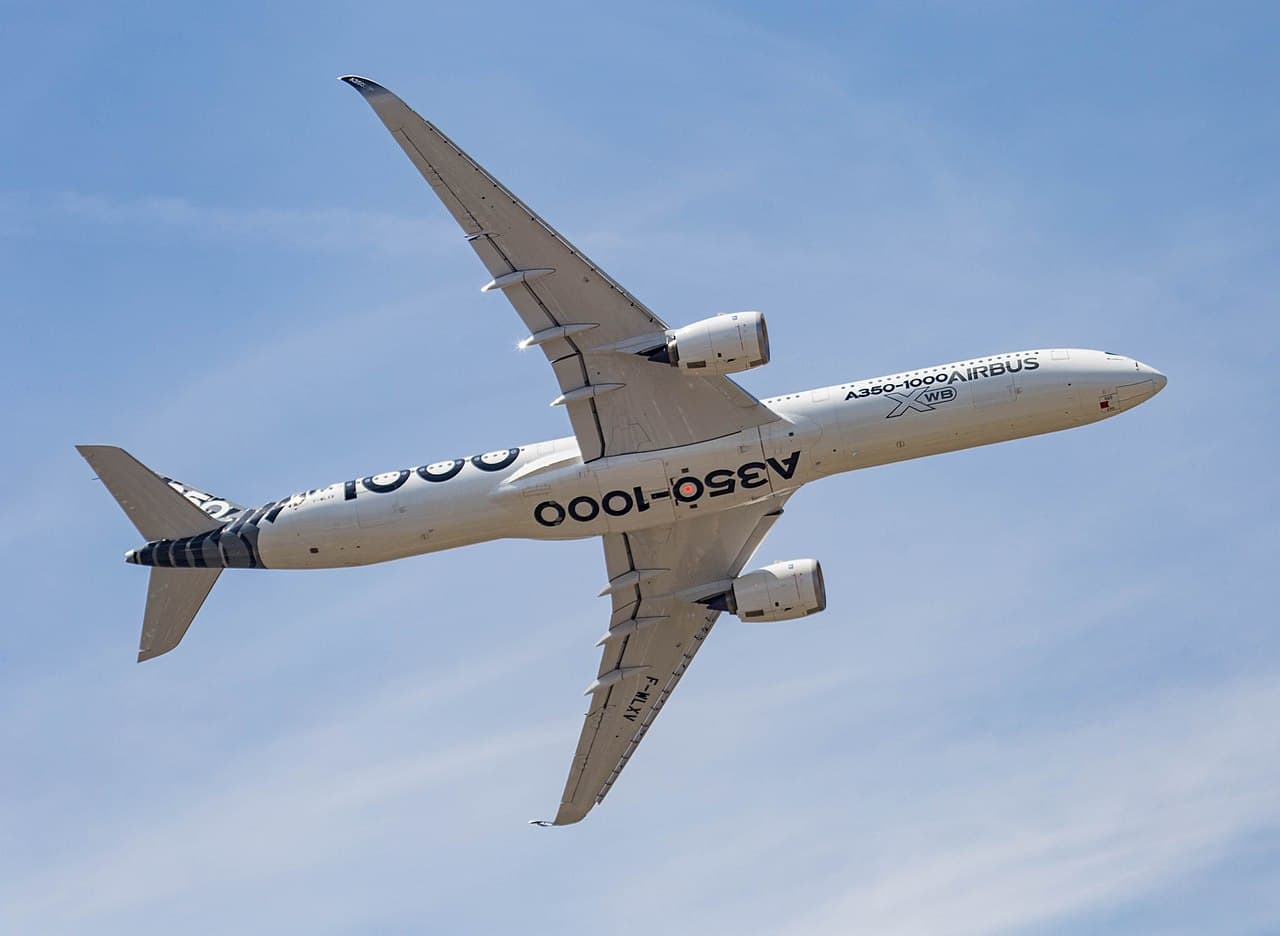
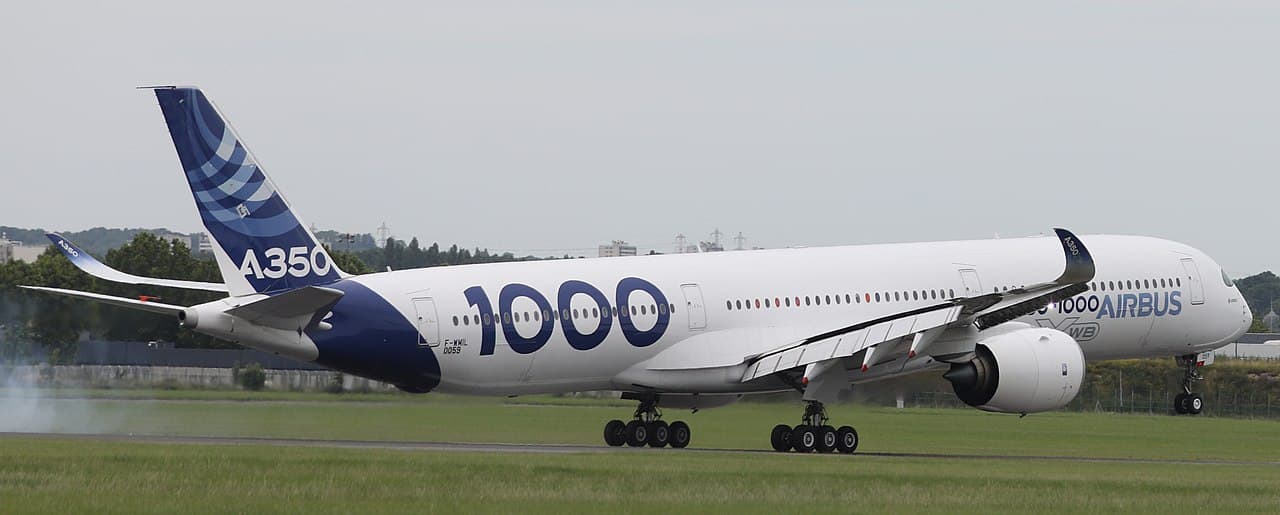

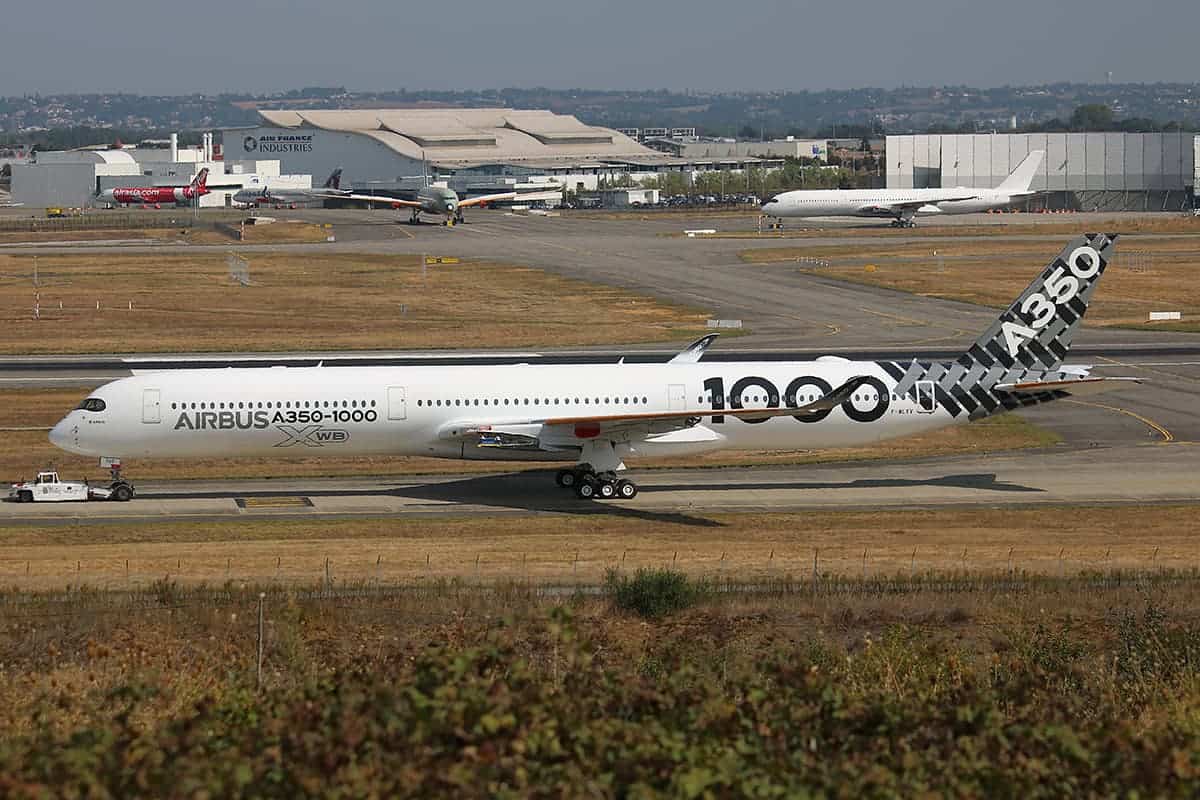

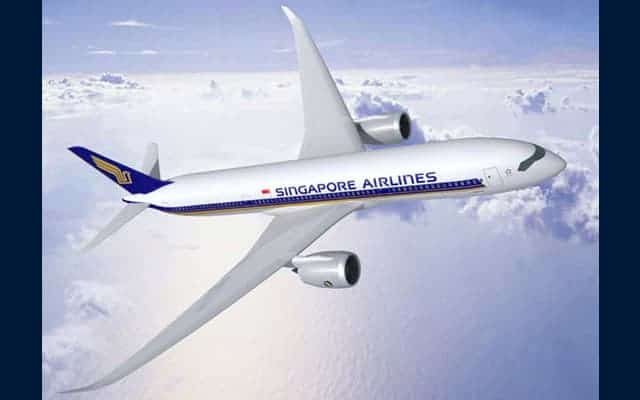
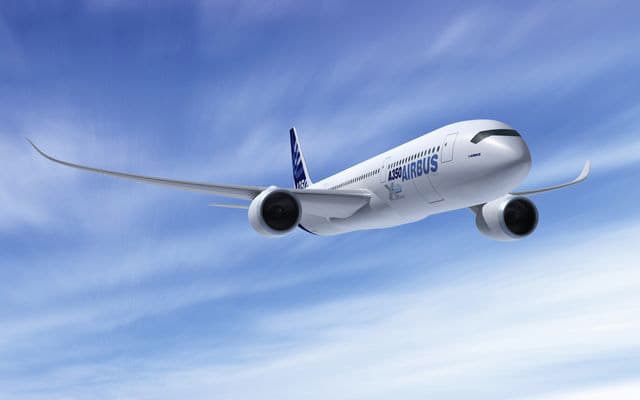
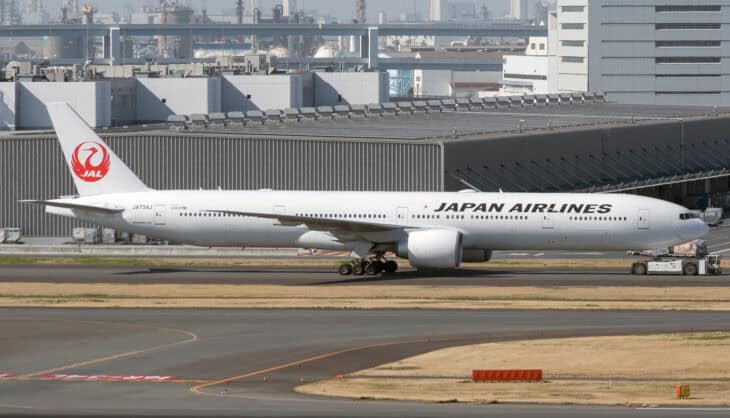
The A350-1000 is the biggest passenger version of Airbus’s A350 family. It is an 11-frame stretch of the A350-900, which makes it roughly 23 feet (7 m) longer, and it carries a slightly larger wing and a more powerful engine.
It first flew on November 24, 2016, and EASA awarded its type certificate on November 21, 2017. Qatar Airways took the first delivery on February 20, 2018, and put the type into service on February 24, 2018.
The full specification table for the aircraft is on this page. The sections below explain what the numbers mean and how the -1000 differs from the smaller A350-900.
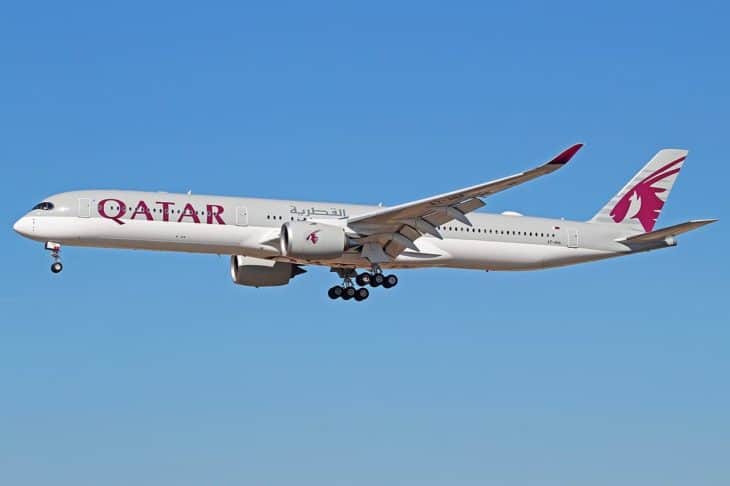
The A350-1000 started as the long member of a three-variant family launched in 2006. In 2011 Airbus redesigned it with higher weights and a more powerful engine, giving it the range for trans-Pacific routes.
That redesign made it a better match for airlines such as Cathay Pacific and Singapore Airlines, which had committed to the Boeing 777-9 for the same job.
Airbus began assembling the first fuselage sections in September 2015. The flight-test program planned about 1,600 flight hours across three aircraft, including route proving and ETOPS work.
The weight story did not stop at certification. The maximum takeoff weight was raised in steps, and in October 2023 EASA indicated the current 322-tonne version. Airbus now lists 11 weight variants for the type, from 270 to 322 tonnes.
The -1000 is 242 ft 1 in (73.79 m) long and shares the -900’s 212 ft 5 in (64.75 m) wingspan.
The wing is not identical, though. A trailing-edge extension adds about 4% to the wing area and makes the chord roughly 16 inches (400 mm) bigger, which improves flap lift and cruise performance.
Each Rolls-Royce Trent XWB-97 delivers 97,000 lbf, the top thrust rating in the Trent XWB range. The -900 uses lower-rated versions of the same engine.
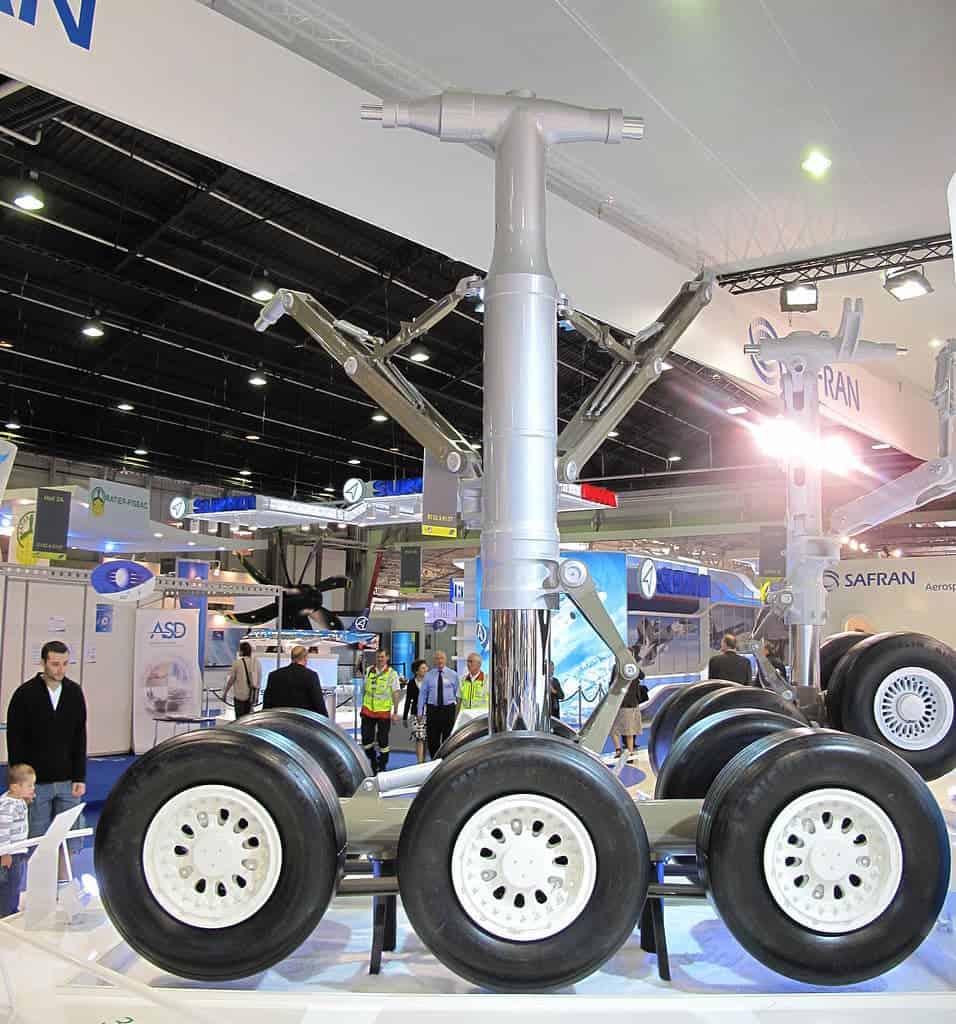
The biggest visible change is under the wing. The -1000 uses six-wheel main landing gear bogies, while the -900 has four-wheel bogies, to spread the higher weight across the runway.

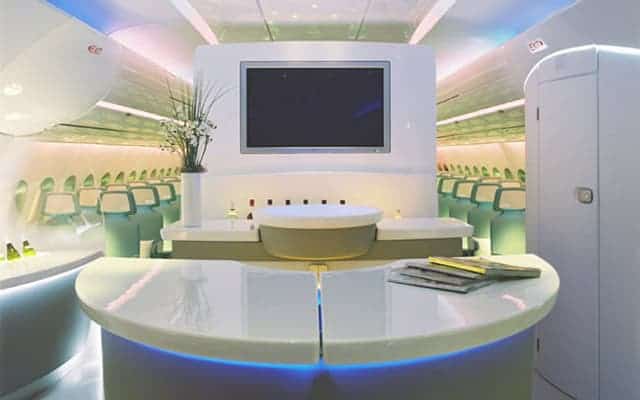
Seats. Airbus’s standard layout seats 369 passengers: 54 in business class at six abreast and 315 in economy at nine abreast. Airlines choose their own cabins, so real aircraft vary widely, and the certified maximum is 480 seats since new Type-A+ exits were approved in November 2019.
Range. The 9,000 nm figure came with the 322-tonne weight increase. Range varies with weight variant and payload, so what an airline actually gets depends on which variant it bought.
Speed. The A350-1000 cruises at about Mach 0.85. Its maximum operating speed is Mach 0.89, which is the 513 kt figure in the panel.
Ceiling. The -1000’s ceiling of 41,450 ft is lower than the 43,100 ft quoted for the -900, so the longer variant gives up some altitude on paper.
Airbus’s cross-section drawing puts nine-abreast economy seats at about 18 inches (46 cm) wide in a cabin that is 18 ft 5 in (5.61 m) across.
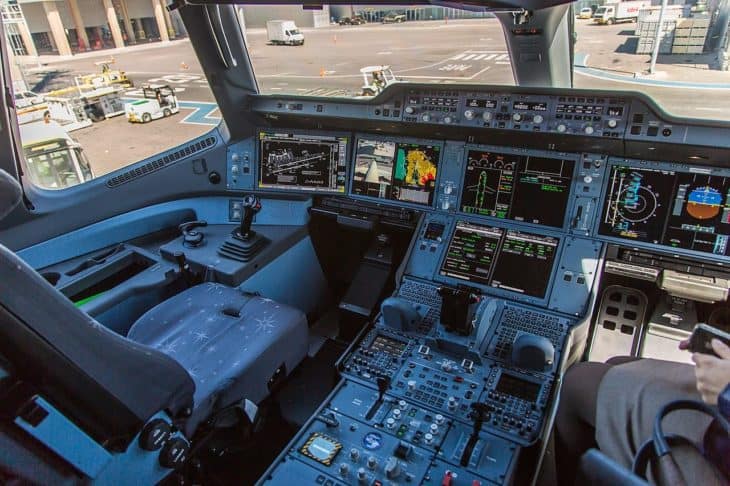
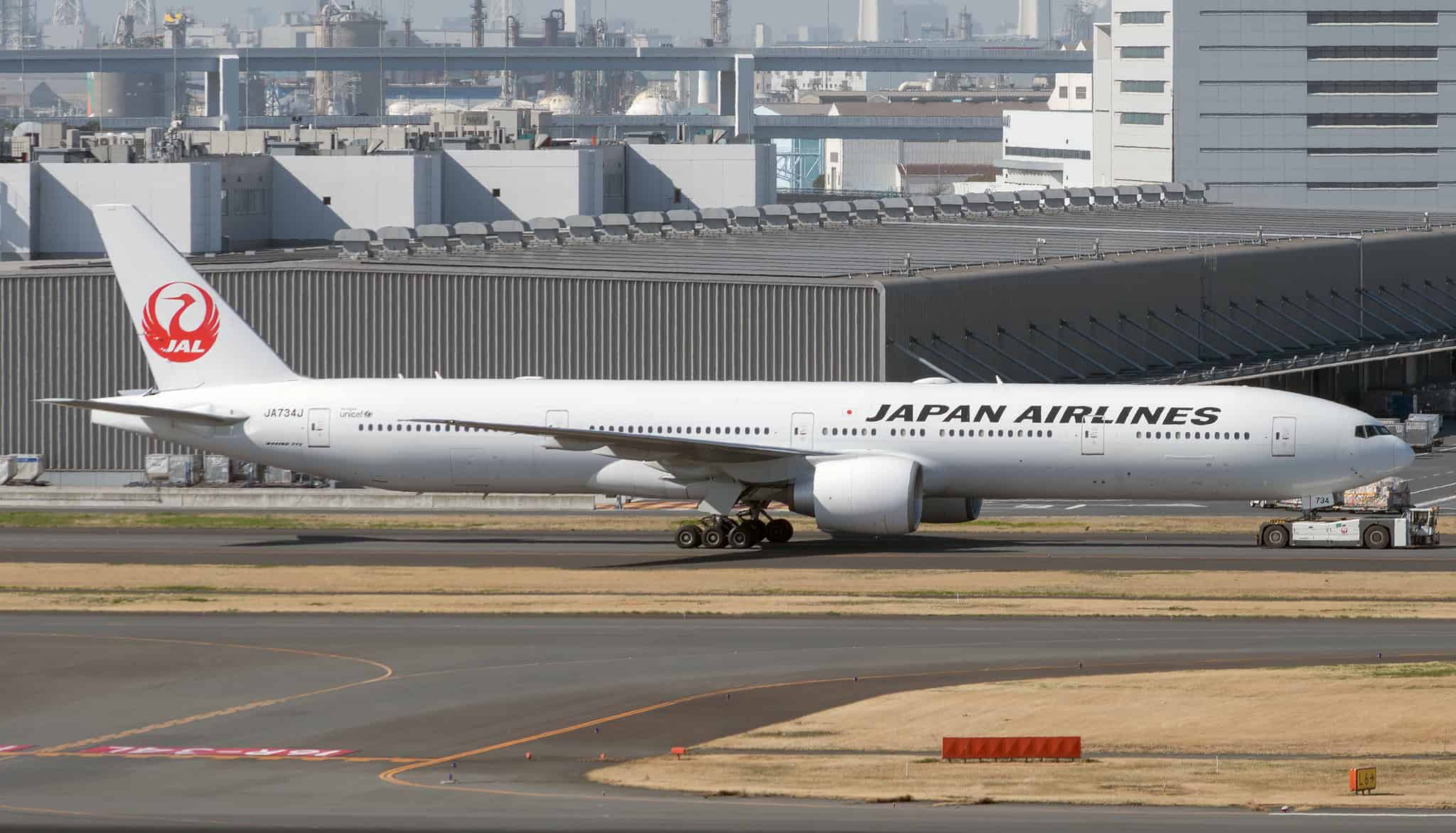
It depends which 777. The Boeing 777-300ER is slightly longer, at 242 ft 4 in (73.86 m), and heavier, with a maximum takeoff weight of 775,000 lb (351,533 kg). The A350-1000 is lighter than the 777-300ER, at 710,000 lb (322,000 kg).
Our Boeing 777-300ER page has the rest of that aircraft’s numbers.
Airbus reported 373 A350-1000s ordered and 120 delivered at the end of August 2026, which leaves a backlog of 253. The A350-900 is still the far bigger seller, with 1,136 ordered.
Qatar Airways has 42 on order and 30 delivered. Etihad has 12 delivered from 27 ordered, British Airways 18 from 24, and Cathay Pacific has received all 18 it ordered.
Several big orders have not started delivering. Riyadh Air has 31 on order after firming up six more in July 2026, Air India has 25 ordered and one delivered, and Delta has 20 ordered with none delivered yet.

The most extreme A350-1000 is the ultra-long-range version Qantas ordered for Project Sunrise, its plan for nonstop flights from Australia’s east coast to London and New York. Qantas has 24 A350-1000s on order, and 12 of them are the ULR version.
The ULR adds a rear center fuel tank of roughly 20,000 liters and seats 238 passengers rather than the 300-plus typical on a standard A350-1000. The first one flew on June 2, 2026.
In late July 2026 the test aircraft flew from Toulouse to Melbourne in about 19 hours, then returned in 24 hours and 24 minutes over roughly 14,300 miles, a flight reported as a distance record for a commercial airliner.
Airbus postponed the first delivery to April 2027, citing supply-chain problems. Qantas says it intends to start daily Sydney to London flights in October 2027, so those dates are plans and not yet fact.
Qatar Airways, British Airways, Cathay Pacific, Japan Airlines, Etihad, Virgin Atlantic, Philippine Airlines, Starlux and Ethiopian Airlines all operate A350-1000s. Japan Airlines has taken 11 of 13 ordered, and Virgin Atlantic has taken all six of its order.
Qatar’s first aircraft, registration A7-ANA, was the first A350-1000 produced. For the A350-900 and other family members, see our Airbus A350-900 page.
Not by length. The A350-1000 is 242 ft 1 in (73.79 m) long, while the Boeing 777-300ER is 242 ft 4 in (73.86 m). The 777-300ER is also heavier, at 775,000 lb (351,533 kg) maximum takeoff weight against 710,000 lb (322,000 kg). So the 777-300ER is marginally longer and clearly heavier, while the two have almost the same wingspan.
It is the longest and heaviest passenger A350, with a carbon-fiber airframe, six-wheel main landing gear and the most powerful Trent XWB engines, rated at 97,000 lbf each. The family also underpins the A350-1000ULR, built for Qantas’s Project Sunrise nonstop routes.
Airbus reported 120 A350-1000s delivered and 373 ordered at the end of August 2026. That leaves 253 on the backlog.
Airbus’s 2018 list price was $366.5 million. Airlines negotiate their own prices, so that is a list price and not what any carrier paid.
Airbus lists 9,000 nm for the 322-tonne weight variant. Lighter variants fly shorter distances.
Sources and references used for research and fact-checking.