
Mid Size Passenger Jets
Embraer E195-E2
ICAO: E295
The largest first-generation E-Jet built for busy regional and thin mainline routes
The latest aviation news and stories sent to your inbox.
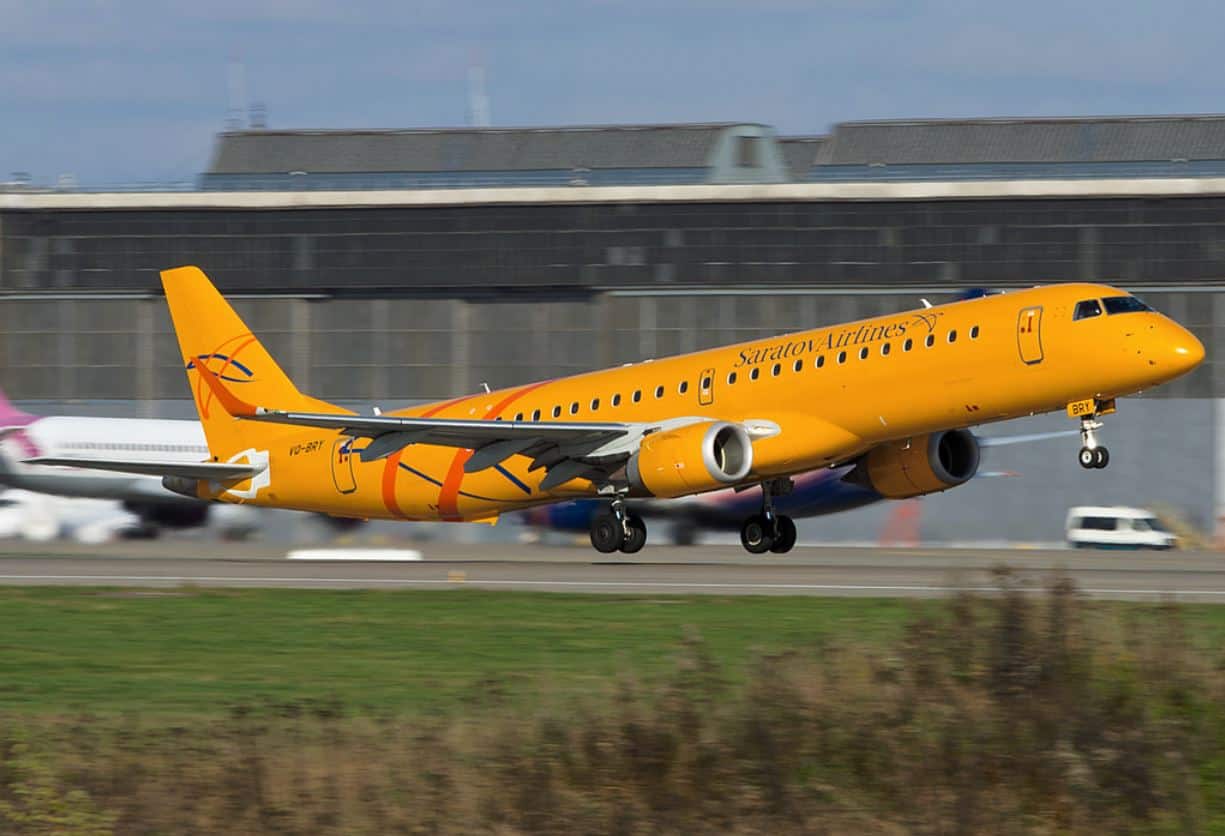
The Embraer 195 expanded the original E-Jet family into higher-capacity territory, giving airlines a bridge between traditional regional jets and larger narrowbody aircraft. With improved passenger comfort and efficient performance, it quickly became a popular choice for short- and medium-haul networks.
Live Fleet Activity (E195)
Fetching live data…


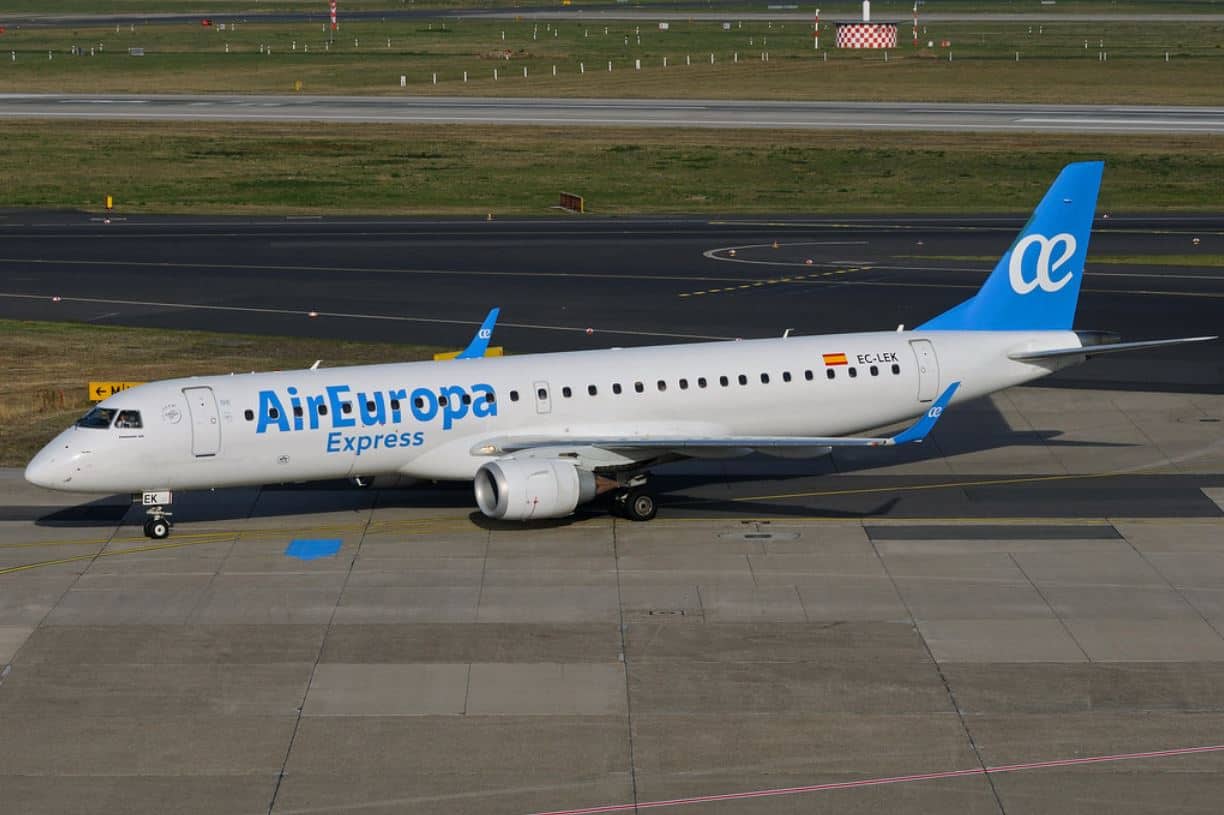




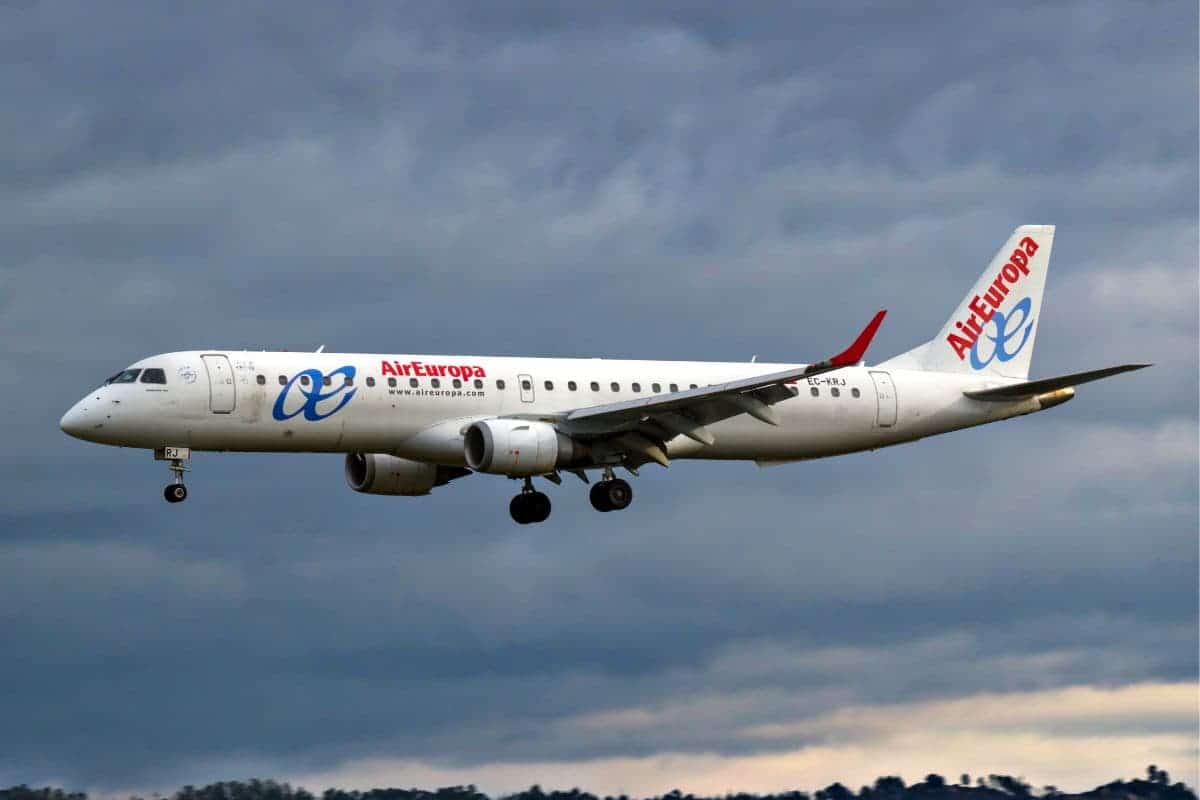


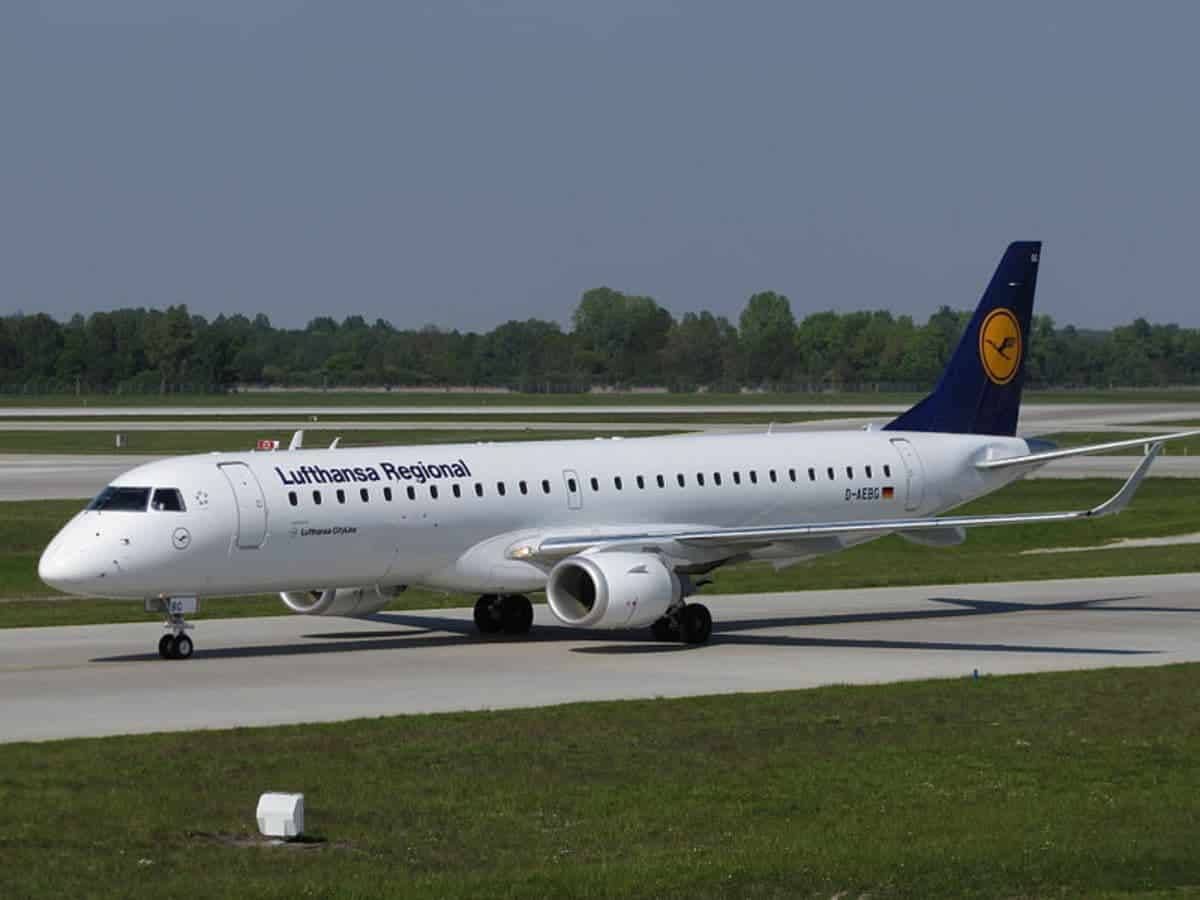
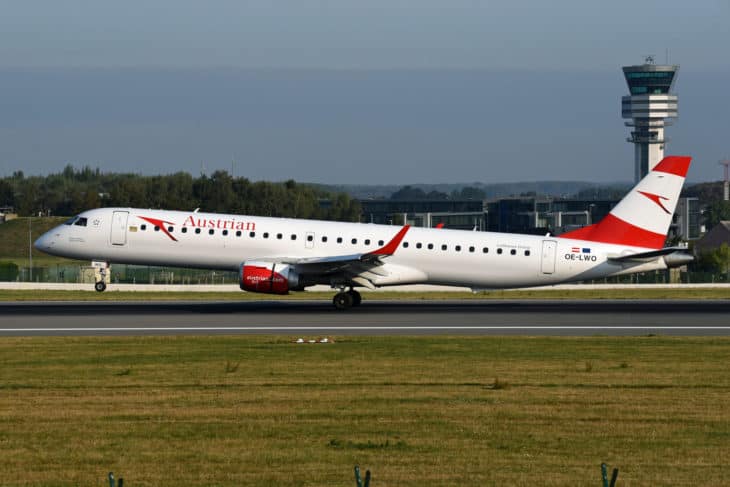
The Embraer 195 is the largest member of the first-generation E-Jet family, developed in the early 2000s to serve airlines needing more seats than the E170 and E175 while retaining similar operating economics. First flown in 2004 and entering service in 2006 with Flybe, the aircraft was designed to compete in the 100 to 120 seat market.
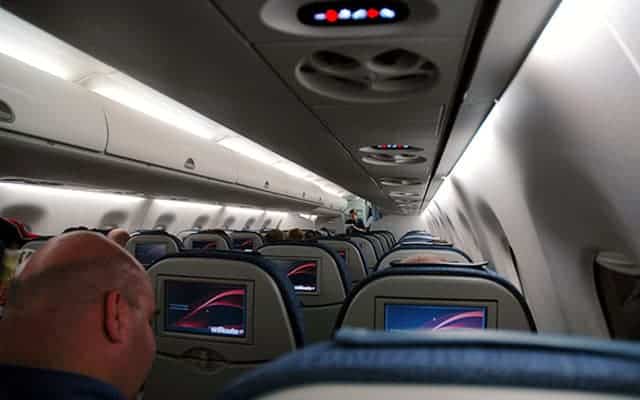
Like its smaller siblings, the E195 features a clean-sheet design with a two-by-two seating layout that eliminates middle seats. This cabin configuration, combined with relatively large windows and a modern interior, helped differentiate the aircraft from earlier regional jets. Typical seating ranges from about 100 to 124 passengers, depending on configuration.
Powered by two General Electric CF34-10E engines, the E195 offers strong short- to medium-range capability, with a range of approximately 2,200 nautical miles in standard configuration. Its fly-by-wire flight control system and advanced avionics improve efficiency and reduce pilot workload, contributing to its operational appeal.
The aircraft has been widely used by regional and low-cost carriers, as well as by airlines deploying it on thinner mainline routes where larger narrowbodies would be uneconomical. Although later followed by the more advanced E195-E2, the original E195 remains an important part of many fleets, demonstrating the success of Embraer’s strategy to redefine the regional jet segment.
As of March 2014, Embraer had received 145 firm orders for the 195, as well as 22 options. They had delivered 129 by that date. The launch customer for the 195 was Flybe, who ordered 14 jets with 12 more as an option. The order was placed in mid-June with deliveries beginning in September 2006.
Lufthansa CityLine, Air Colomiti, Augsburg Airways, LOT Polish Airlines, Azul Linhas, Aurigny Air Services, and Belavia Belarusian Airlines all placed orders for the 195. Some of these orders contained options for additional orders in the future if the airline was happy with the way that the 195 looked and operated.
This jet is a low-wing, monoplane design, and can easily operate both night and day in both international and domestic air routes, carrying 12,971 kg of fuel. Equipped with a Parker Hannifin fuel system that is durable and reliable, this jet is easy to refuel.
The Hamilton Sundstrand power unit provides the electricity to the jet.
Like other Embraer jets, the 195 has an all-digital flight deck. There are two crew members on the flight deck, which is equipped with an impressive multifunctional display, primary flight display, control unit, audio control panel, and Honeywell Primus EPIC flight instrumentation system.
Additionally, the flight deck hosts a fly-by-wire electronic control system. This allows the pilots to relax for some time while in the air, as the jet can easily perform autopilot missions without requiring hands-on help 100% of the time.
There are other great avionics installed in this jet to make it function correctly, including a crew alerting system and engine indicating. These, in conjunction with navigational compass, engine panels, and an air data computer, make the flight deck not only advanced, but also reliable and ensure that the pilots have all of the information they need when flying.
This jet features a double bubble fuselage design that provides more space and comfort to all passengers on the flight. The cabin is incredibly spacious and can easily fit between 108 and 124 passengers. There is a center aisle and the passenger seats four across.
Baggage space on the 195 is below the seating area, which is unlike storage in conventional aircraft. The height of the cabin is a standard 2 m and it is 2.74 m wide and 28.17 m long. Baggage volume is 27.17m3.
General Electric provided two CF34-10E turbofan engines. These can easily provide 89kN of thrust. An extended version of the E-190, the 195 has an impressive engine with a dry weight of 1.678 kg. it is 3.68 m long and has a 1.44 m diameter.
This jet is equipped with a powerful digital engine control, annular combustor, four stage low pressure turbine, and more.
This jet can easily climb at 17.76 m/s and has a max speed of 1004 km/h. The standard version of the 195 has a range of 2594 km, the long range has a range of 3334 km, and the advanced range has a range of 4077 km. It requires 2179 m for take off and 1282 m for landing.
The Parker Hannifin tricycle type retractable landing gear is durable and reliable, providing all of the security necessary during take off and landing. This is not the first time that Embraer has used this type of landing gear on their jets, as it has a great reputation for being reliable.
A few of the main competitors for Embraer include Bombardier, Gulfstream, Airbus, and Dassault. In particular, the Airbus A220 is often considered to be one of its biggest rivals. Additionally, the Bombardier CRJ-900 and CRJ-1000 are also considered to be top competition.
Sources and references used for research and fact-checking.