Heavy Business Jets
Airbus A340 Private Jet
ICAO: A343
The corporate jet built from a narrowbody airliner platform.
The latest aviation news and stories sent to your inbox.
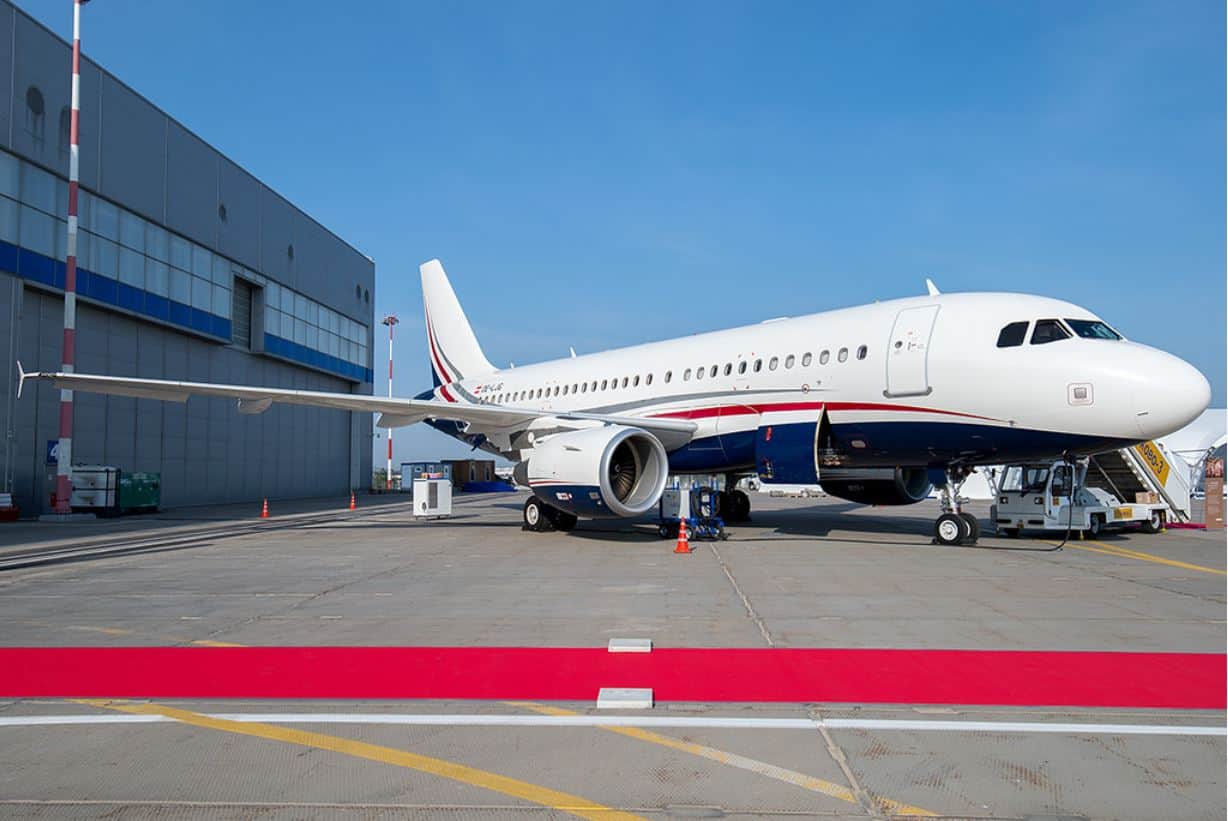
The Airbus A319 ACJ adapts the A319 airliner for corporate and government transport. Introduced in the late 1990s, it offers intercontinental range with a customizable cabin. The aircraft competes in the large VIP jet market.
Live Fleet Activity (A319)
Fetching live data…
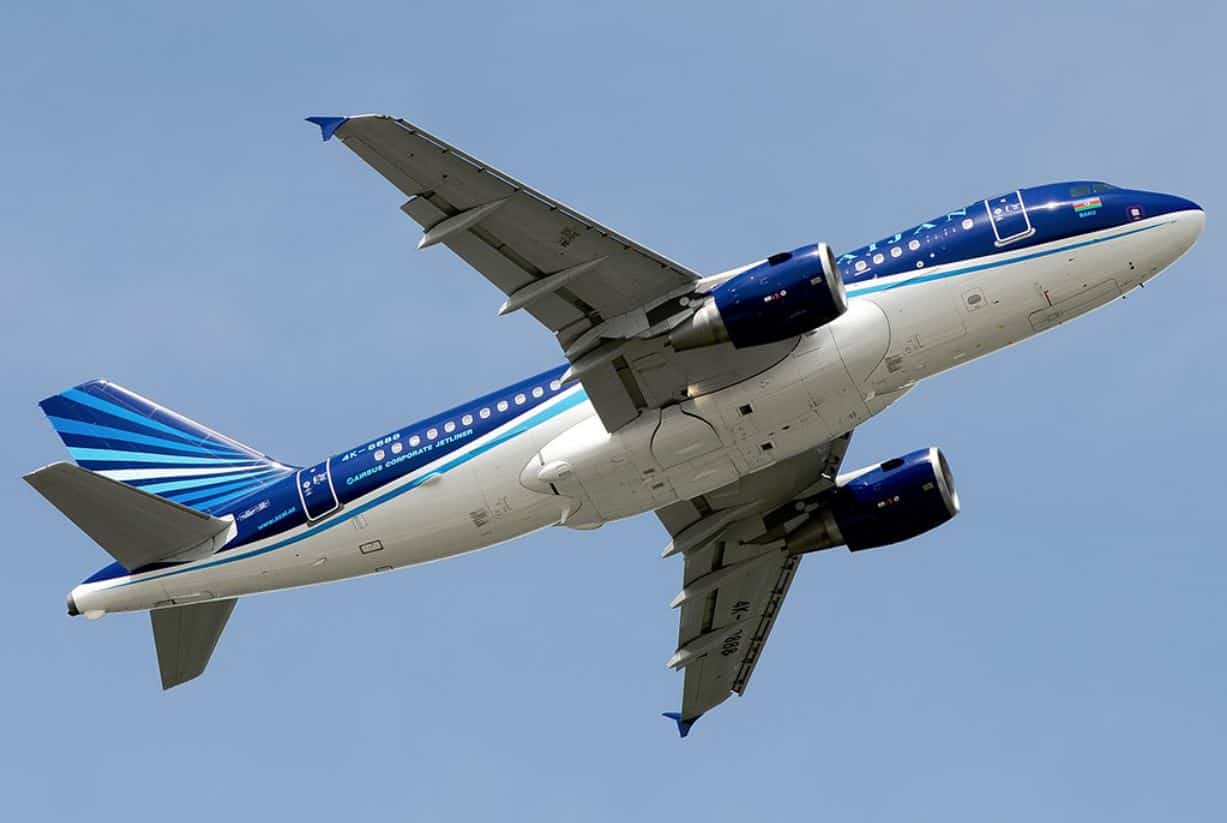
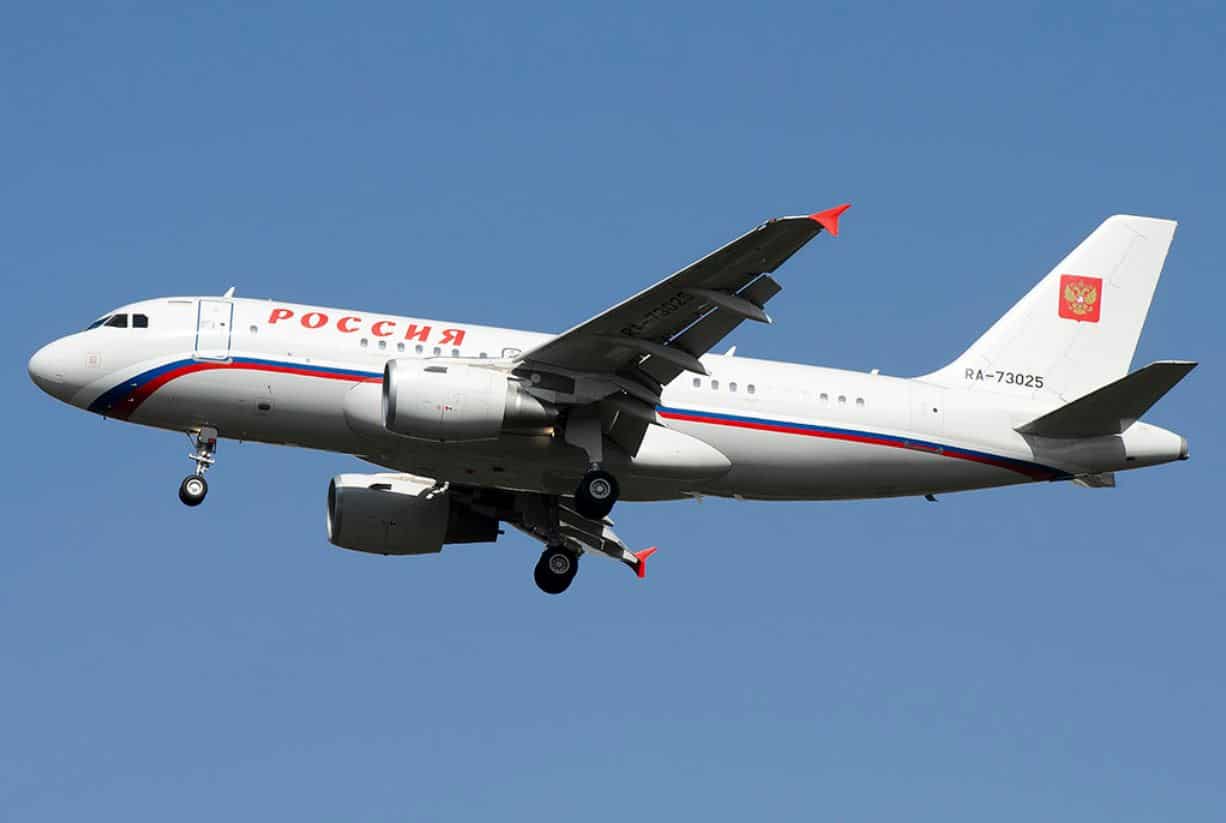

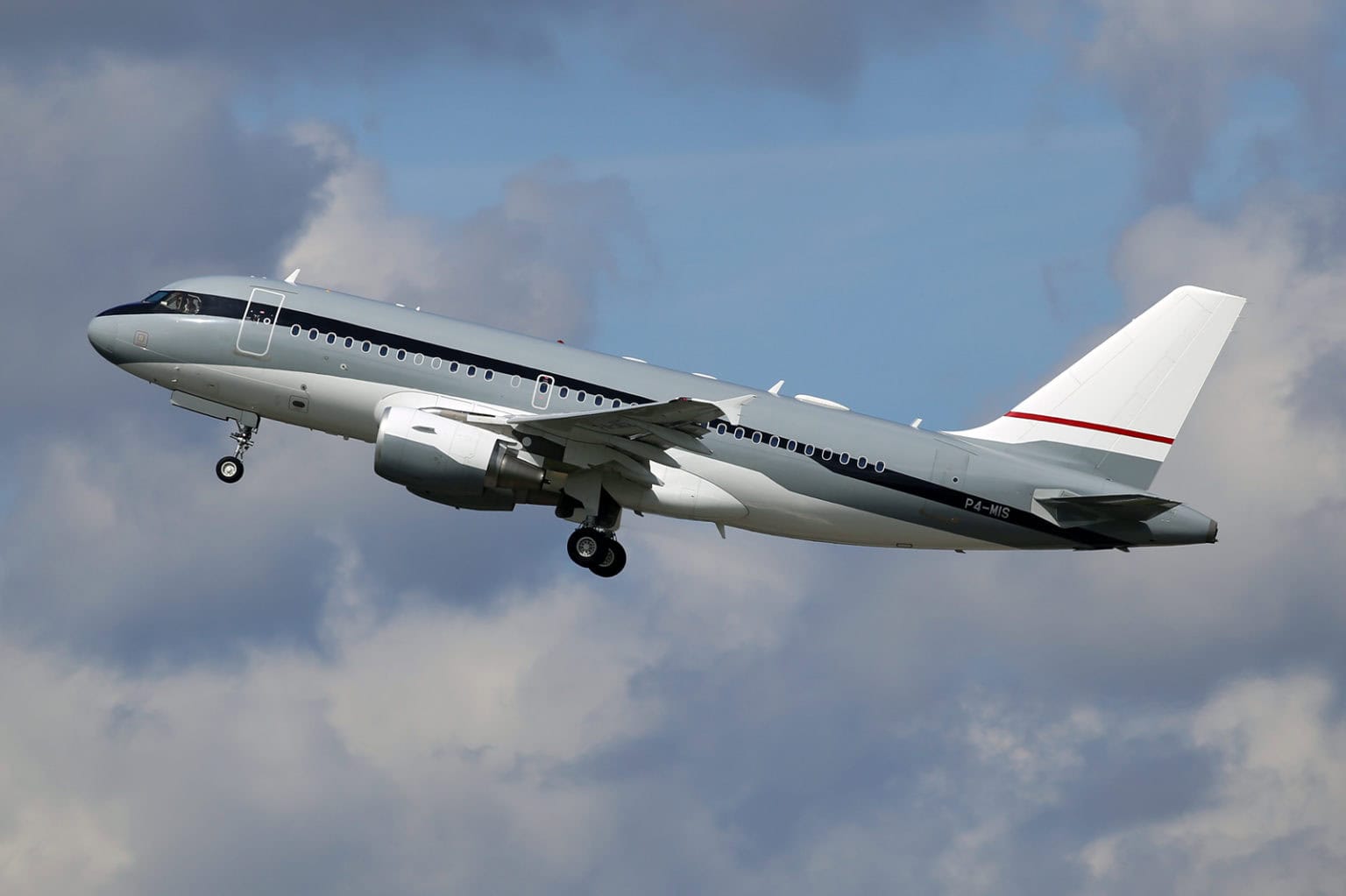

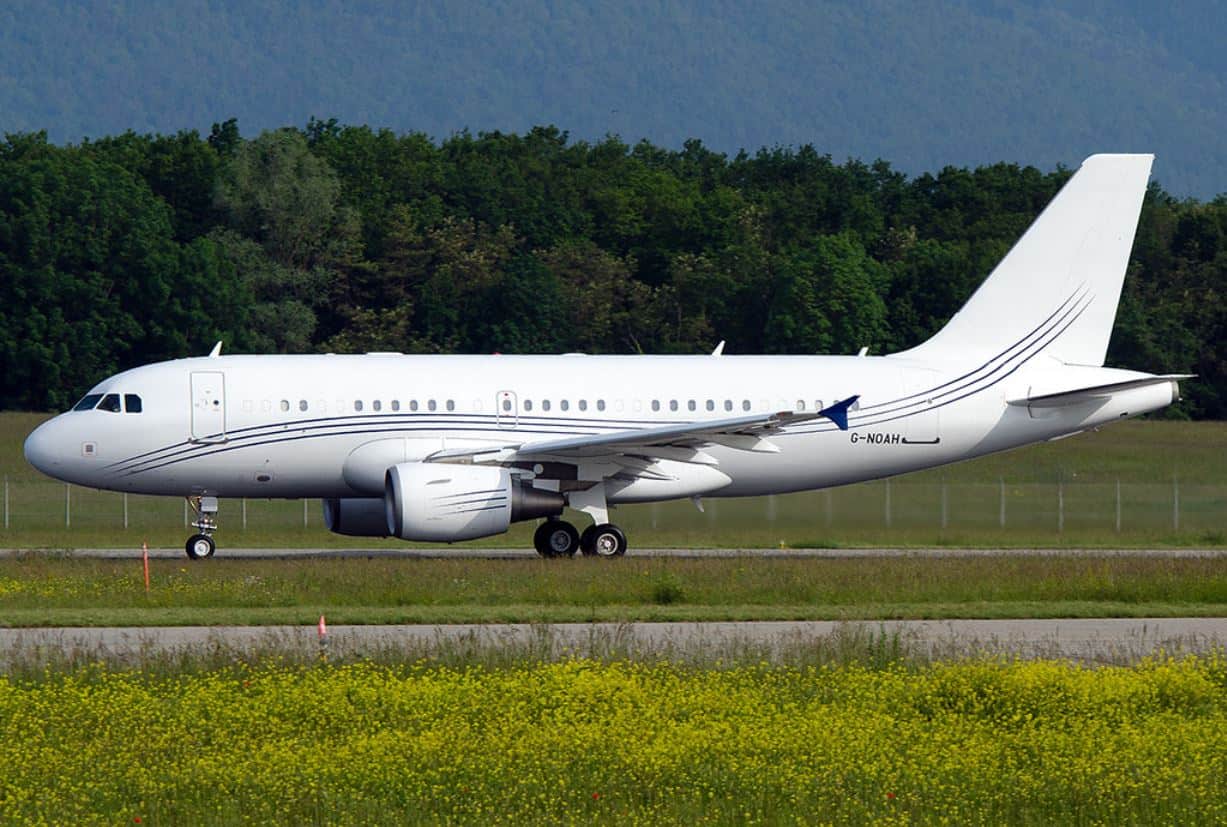
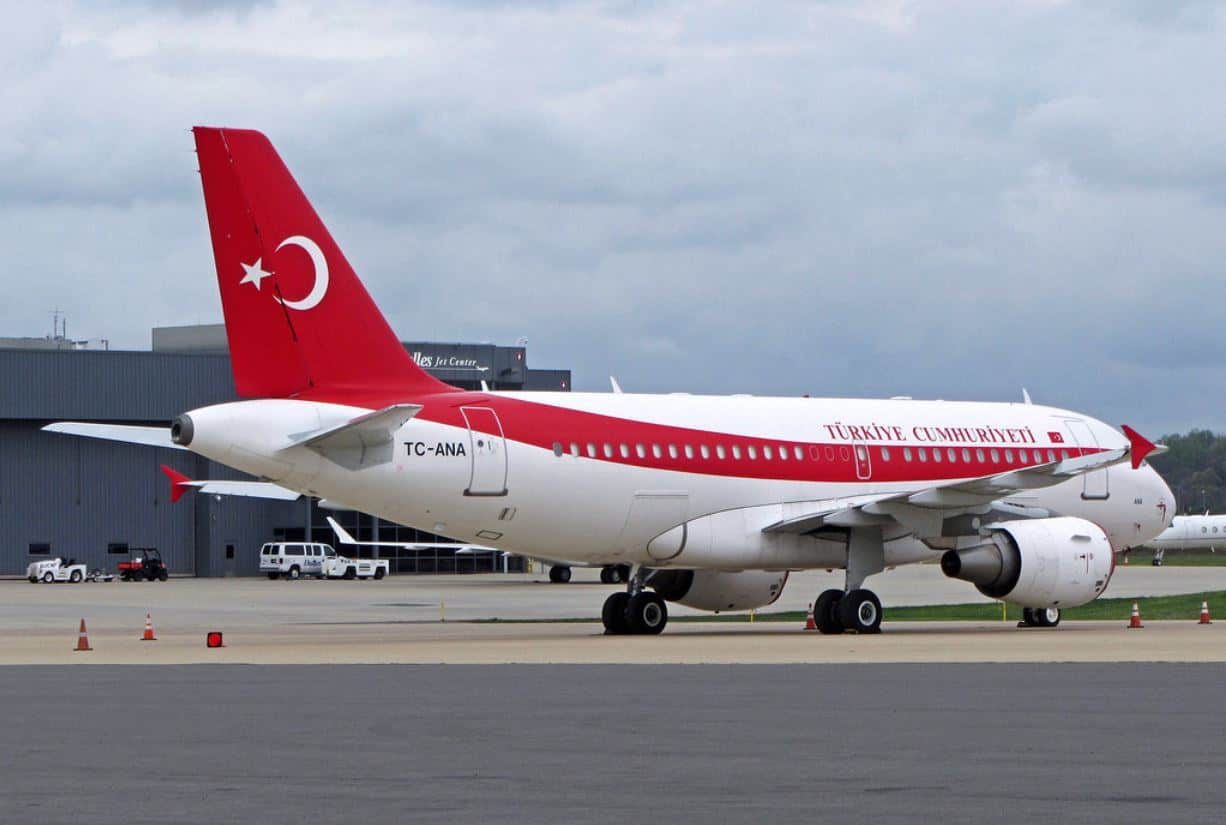
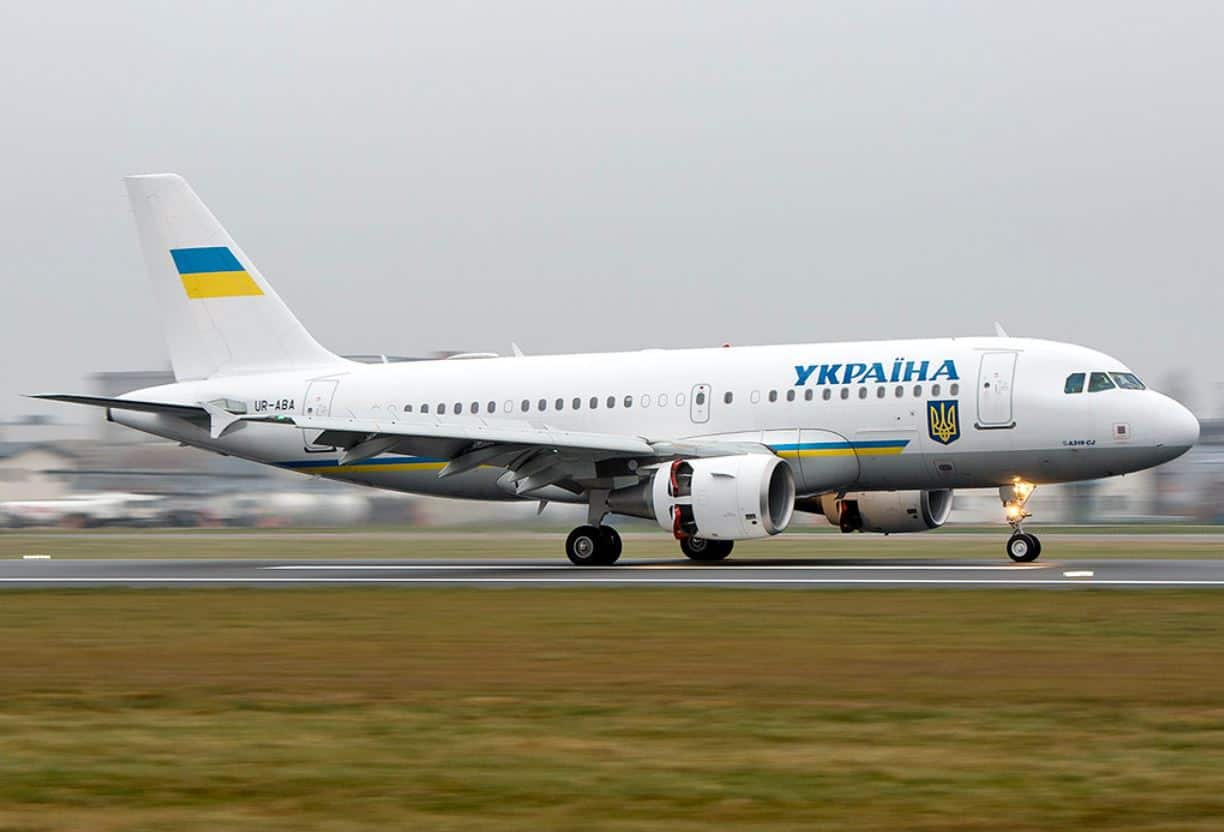

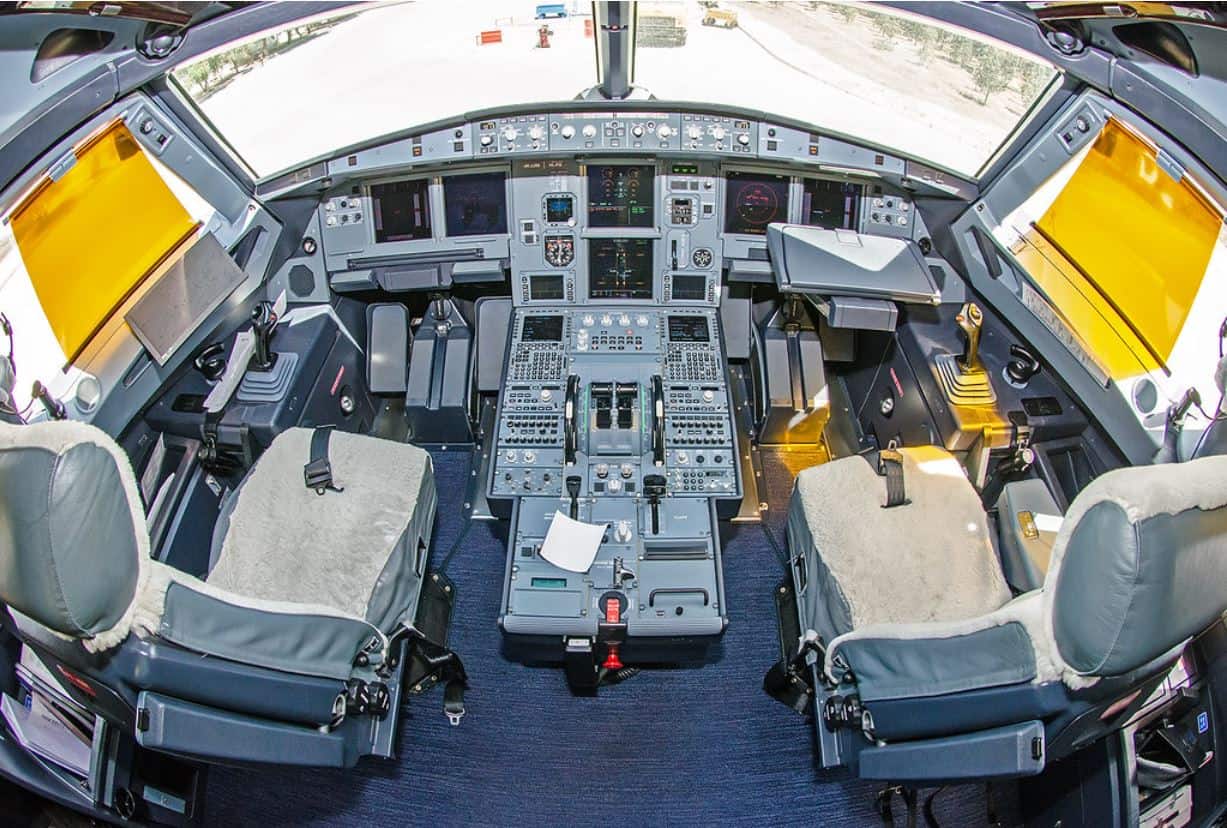
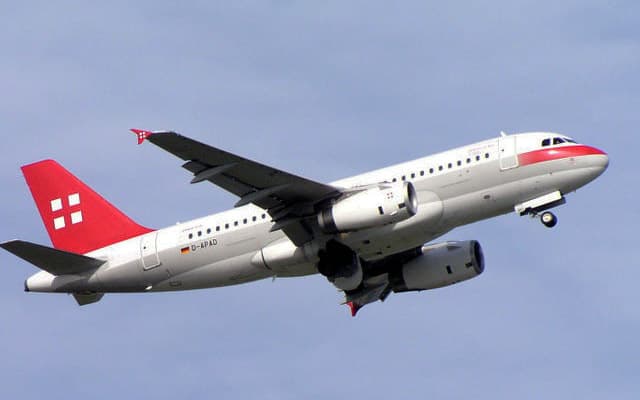
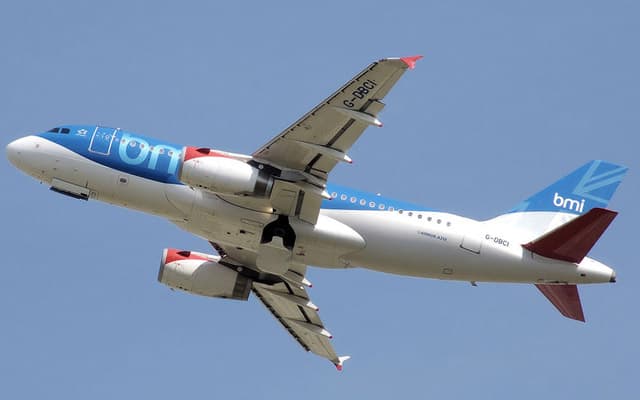
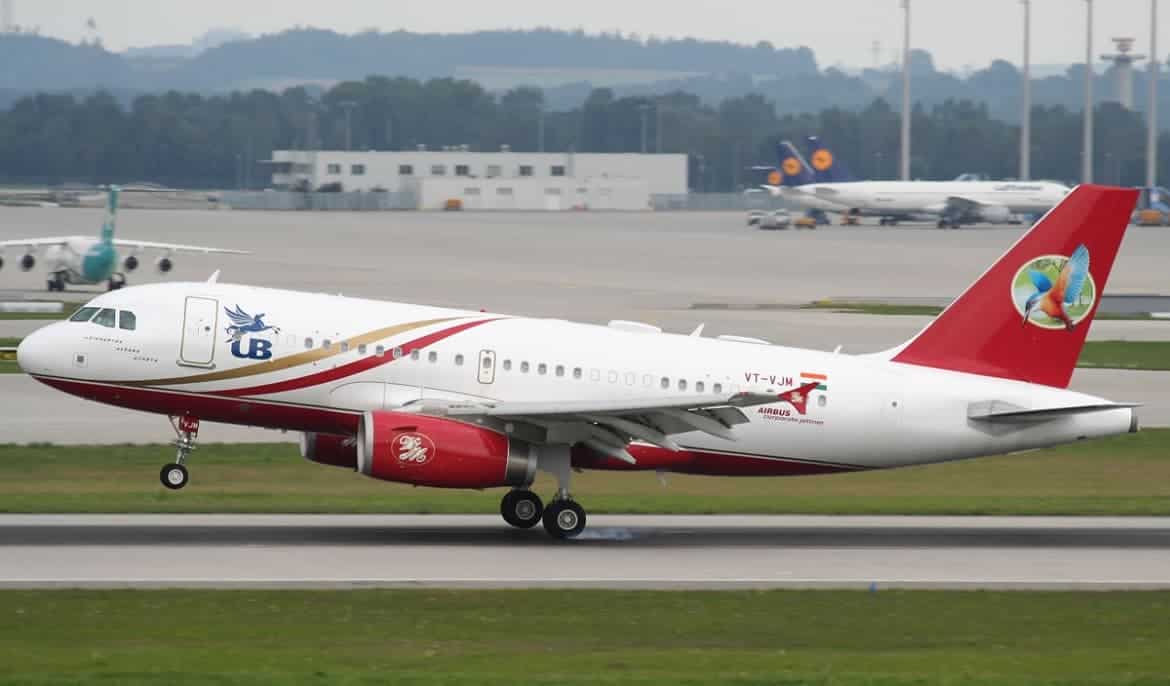
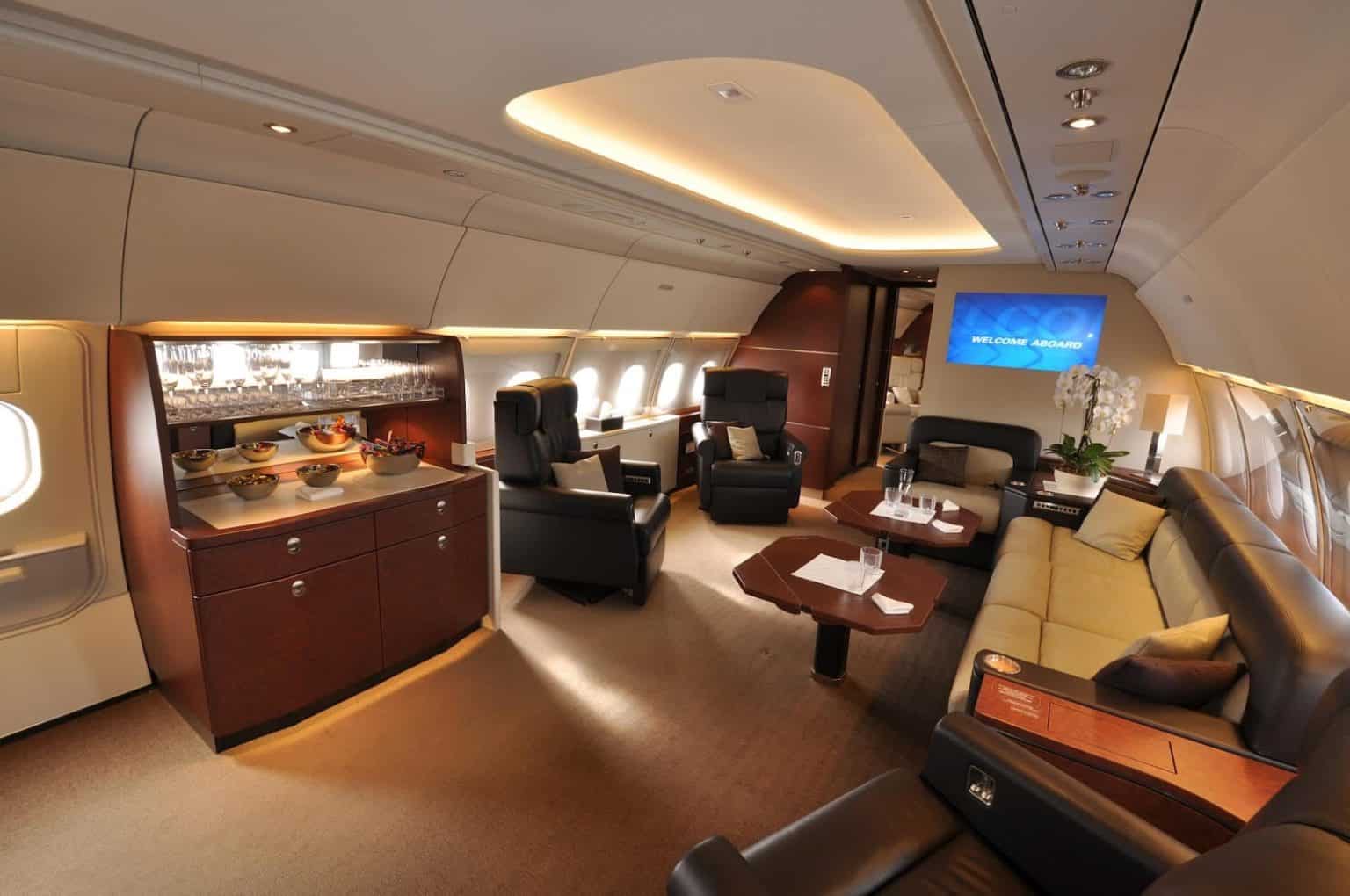
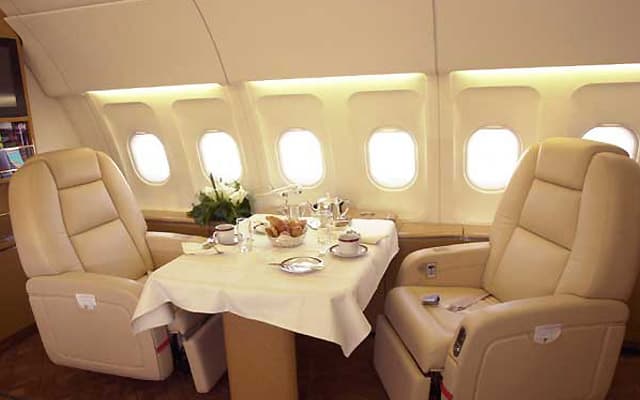
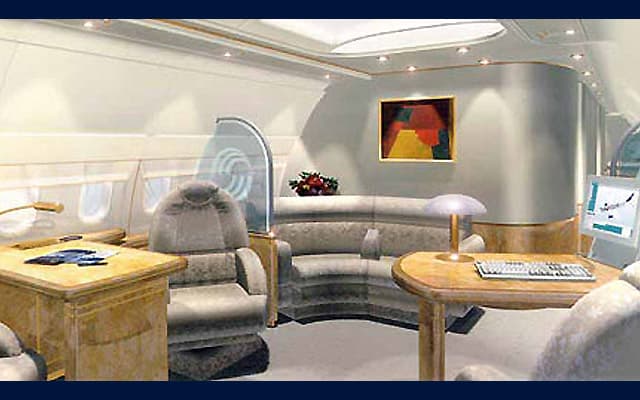
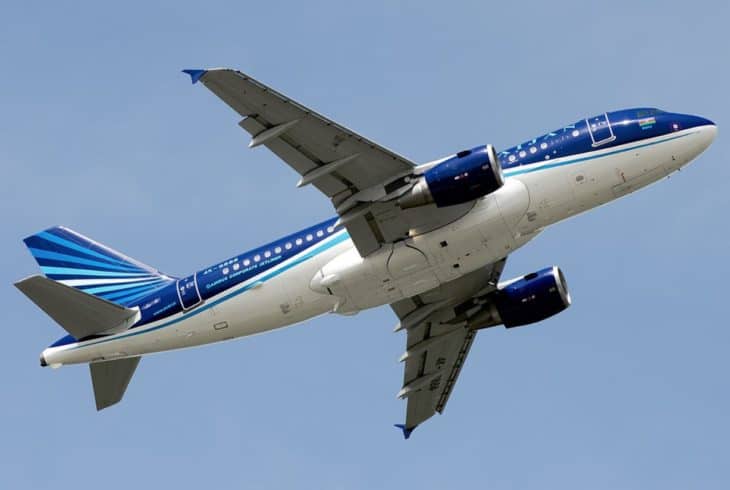
The A319 ACJ first entered service in 1999 as part of Airbus’s Corporate Jets program. It retains the A320 family’s flight deck and systems while incorporating additional fuel tanks. The spacious cabin can be configured for private suites and conference areas.
Two CFM56 or IAE V2500 turbofan engines producing approximately 27,000 pounds of thrust (120 kN) each power the aircraft. Cruise speed approaches Mach 0.82. Maximum takeoff weight exceeds 166,000 pounds (75,297 kg), with range near 6,000 nautical miles (11,112 km).
The A319 ACJ has been widely used by governments and private owners. Its airliner heritage ensures reliability and global support. The model remains part of Airbus’s corporate jet lineup.
The A319 ACJ originated as a response to demand for large, long-range corporate transports that offered airliner reliability with bespoke interiors. Airbus leveraged an existing narrowbody platform to provide a lower-cost alternative to purpose-built long-range business jets while meeting requirements for intercontinental non-stop flights with small passenger complements.
Initial program activity used standard-production airframes modified during completion rather than newly designed structures. Completion centers and OEM conversion programs were established to install corporate fittings, mission equipment, and auxiliary systems. The approach reduced program risk by minimizing changes to certified airframe and systems architecture.
Prototype and pre-production work emphasized cabin installation methods and systems integration for VIP interiors. Airframe modifications were limited to structural hard points for added interior loads, provisions for auxiliary fuel and service access, and certification of altered weight and balance conditions. Certification focused on ensuring altered interiors met civil airworthiness standards for transport category airplanes.
Production context aligned with the broader corporate jets business unit strategy to provide multiple cabin sizes based on the same family. Airbus coordinated supply-chain continuity with completion centers to maintain global support and aftermarket service for large corporate conversions. The program used commonality to simplify crew training and maintenance for customers transitioning from commercial or smaller corporate types.
The A319 ACJ retains the narrowbody fuselage cross section of its base type while adapting the internal arrangement for extended luxury accommodation. Typical plans feature forward cabins for lounge and conference areas, a mid-cabin for private suites, and aft sections for lavatories and galley services. Cabin fittings are installed on reinforced floor tracks to accommodate varied layouts and heavy furnishings.
Systems integration favors modularity. Environmental control systems and auxiliary power units are adapted to support extended ground and in-flight hotel loads. In-cabin systems include advanced cabin management, communications suites, and variable-zone environmental control to support mixed-use arrangements for work and rest. Acoustic treatment and interior insulation are enhanced compared with standard airliner interiors.
Structurally the corporate conversion preserves primary airframe integrity while introducing additional strengthening where concentrated loads occur. Cargo hold arrangements are often modified for increased baggage and support equipment. Equipment fittings are placed to comply with transport category structural margins and to facilitate accessibility for maintenance and inspection.
Avionics fit varies with customer requirements but follows a philosophy of retain, upgrade, and augment. Cockpit systems may receive enhanced navigation, communications, and safety equipment consistent with long-range operations. Where requested, operators install satellite communications, secure data links, and custom mission avionics without altering basic flight control architecture.
In operational terms the aircraft functions as a long-range narrowbody corporate transport capable of non-stop continental and intercontinental missions with reduced passenger counts. Cruise characteristics are consistent with transport-category airliners, enabling efficient high-speed cruise and favorable fuel burn per passenger on long sectors compared with smaller business jets.
Payload planning centers on small passenger complements, typically a mix of passengers, attendants, and substantial baggage and equipment. The cabin layouts prioritize comfort and usable workspace over maximum seating density, which affects payload-range tradeoffs and requires careful fuel and weight planning for long missions.
Operational limits derive from runway requirements, airport support needs, and typical large-aircraft handling. The type performs well from major international airports and many medium-length runways but can be constrained at smaller fields used by light jets. Ramp and hangar accommodations mirror those of other airliners in its class, which affects basing decisions for corporate operators.
Typical mission profiles emphasize long sectors with overnight hotel-style accommodations or executive transport use where in-flight productivity and rest are primary. Fuel planning and alternates are planned to civil air transport standards for extended overwater flights and international routings. Cabin systems support extended flight durations through provisions for meal service, rest areas, and sanitation facilities.
A family of corporate derivatives exists around the base A319 conversion concept, including retrofit and factory-completed options that differ principally in engine selection, auxiliary fuel arrangement, and interior completion level. Some versions are offered with upgraded powerplants and performance packages under Airbus corporate programs to extend range or improve fuel efficiency without changing the basic airframe.
Completions range from light VIP arrangements to highly customized full-luxury installations with bedrooms, offices, and auxiliary mission equipment. The range of completion houses and aftermarket modifiers produces a spectrum of capabilities, enabling customers to choose between factory-managed completions and third-party finishers depending on schedule and customization needs.
The type serves a mix of state, corporate, and charter operators who value airliner-level systems for global operations. Typical employment includes head-of-state transport, corporate shuttles for executive teams, and high-end charter services that require long-range, spacious cabins. Operators integrate the aircraft into existing fleets where commonality with airline-type support and crewing is advantageous.
Deployment patterns show frequent use on long-haul sectors between major city pairs, government transport missions, and ad hoc charter work. Maintenance and logistical support generally follow Airbus commercial channels supplemented by dedicated completion-house support for interior systems. Operators often establish long-term contracts for cabin systems maintenance and cabin management support.
Fleet experience highlights reliable airframe and systems performance consistent with commercial A320-family service histories. Maintenance intervals follow manufacturer and national aviation authority guidance, and operators report benefits from worldwide spares networks and commonality with other Airbus types. Turnaround considerations for VIP interiors differ from airline service schedules due to bespoke catering, security, and passenger requirements.
Commercial adoption emphasizes the balance between cabin size and operating economics. The aircraft appeals where owners require a full-size cabin and the infrastructure and runway length to support a narrowbody airliner. Charter operators market the type for upmarket group transport and government customers for official travel.
Operators
Operators range from government flight departments to private corporations and specialized charter companies. Flight departments typically tailor crewing and support to VIP operational standards, often using professional flight attendants and dedicated ground handling arrangements. Charter and fractional operators provide the aircraft for executive group travel and bespoke mission profiles.
The aircraft demonstrated the feasibility of converting a single-aisle airliner into a competitive corporate platform by combining airline systems maturity with bespoke completion work. The model reinforced a market segment where customers accept larger platforms for cabin space and global support rather than purpose-built business jets. Lessons from program delivery influenced how manufacturers and completion centers coordinate complex interior installations within certified transport airframes.
Technological developments in cabin management, secure communications, and environmental systems introduced in corporate conversions informed later upgrades across corporate and commercial completions. The model’s existence encouraged manufacturers to offer factory-supported long-range corporate options as part of product lineups, shaping options for customers seeking large, long-range executive transports.
Successor programs and upgraded derivatives reflect demand for improved efficiency and quieter, more capable cabins while maintaining the same basic corporate conversion model. The program reinforced the practical advantages of leveraging certified commercial platforms for specialized transport roles where safety, support, and cabin size are primary considerations.
Sources and references used for research and fact-checking.