Jumbo Passenger Jets
Airbus A380-900
ICAO: A389
The extended-range widebody built for medium and long-haul service.
The latest aviation news and stories sent to your inbox.
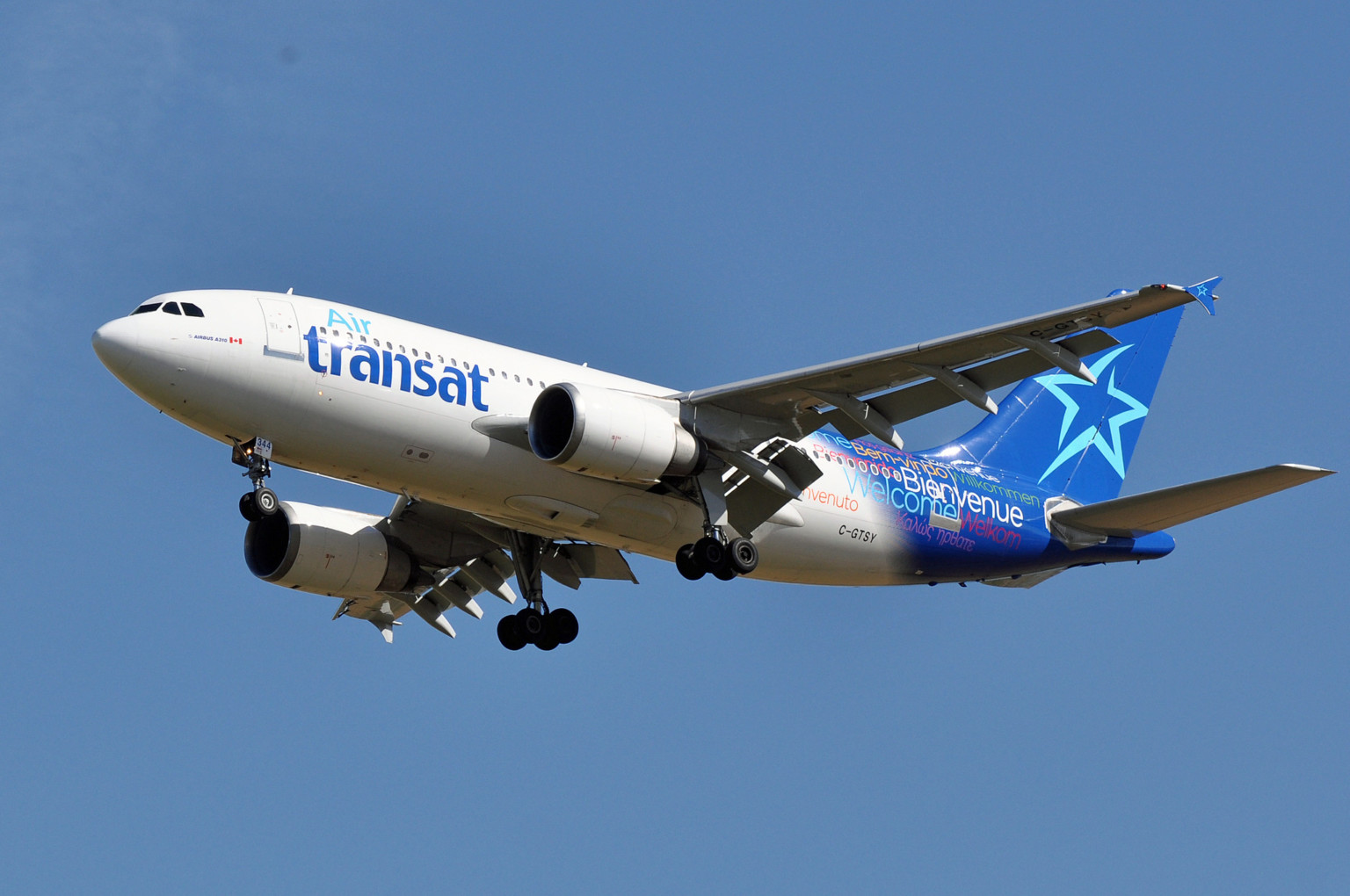
The Airbus A310-300 is an enhanced version of the A310 designed for greater range and efficiency. Introduced in the mid-1980s, it provided airlines with a smaller widebody option for long-distance routes. The aircraft also found roles in cargo and government service.
Live Fleet Activity (A310)
Fetching live data…
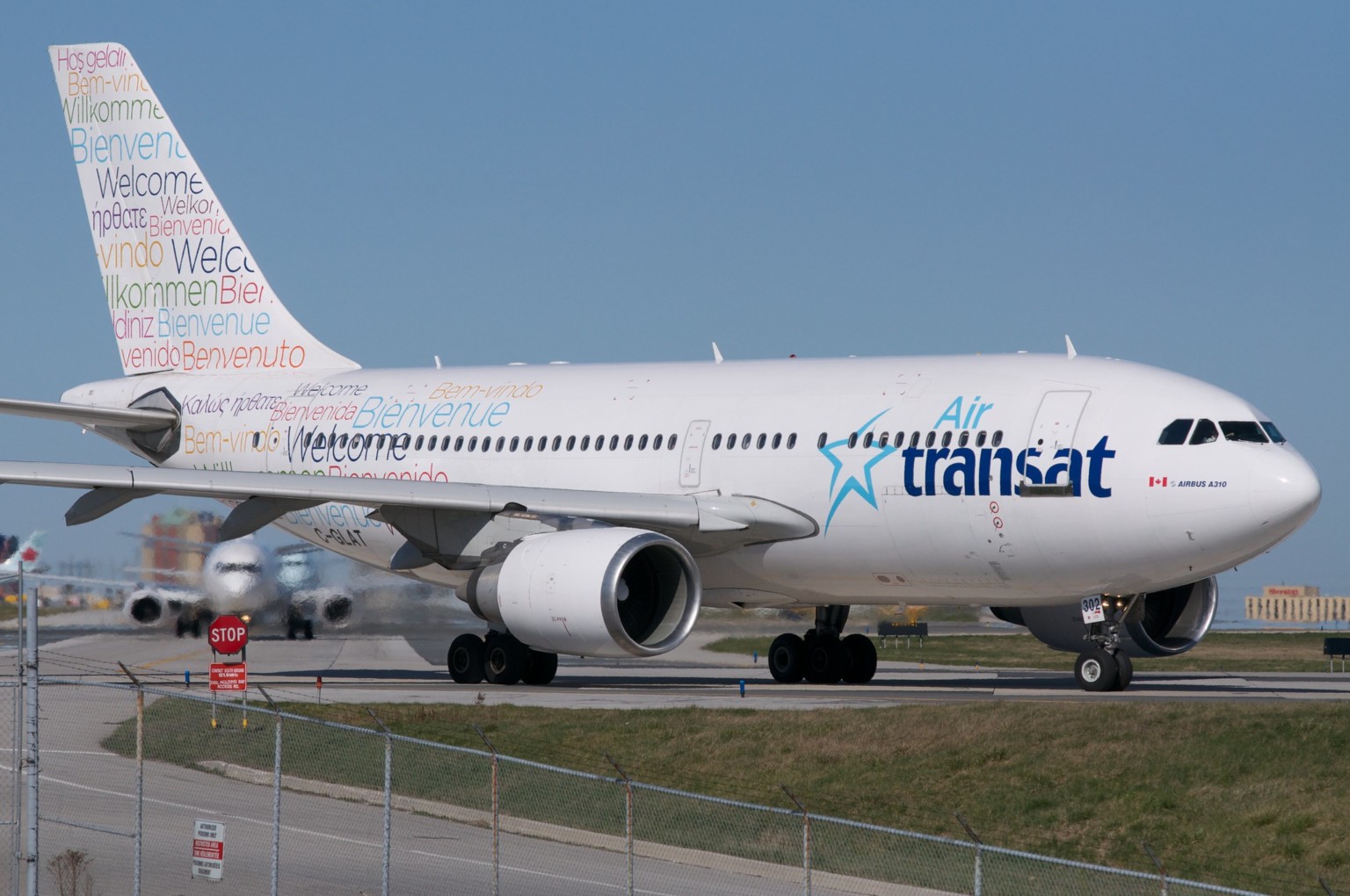
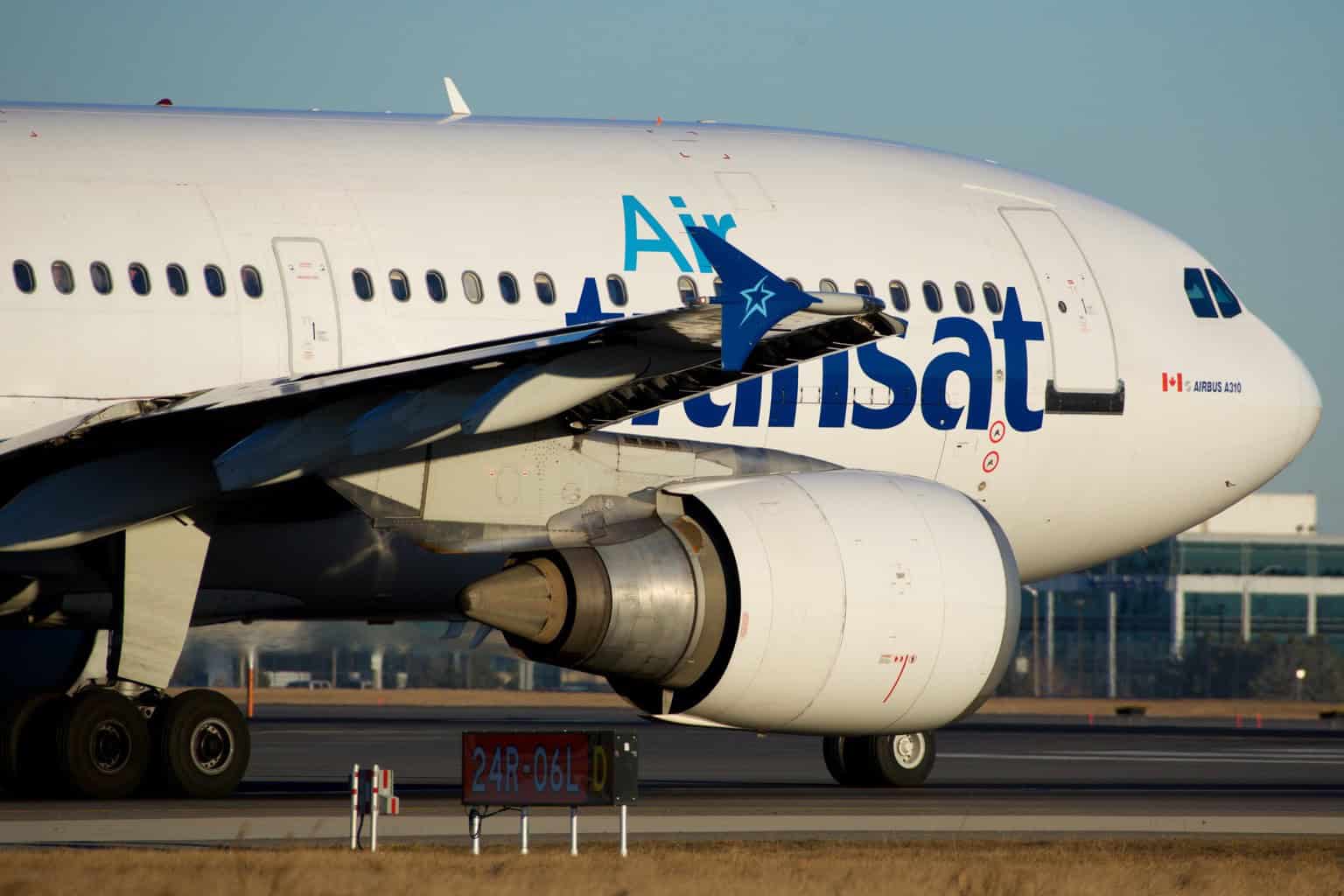



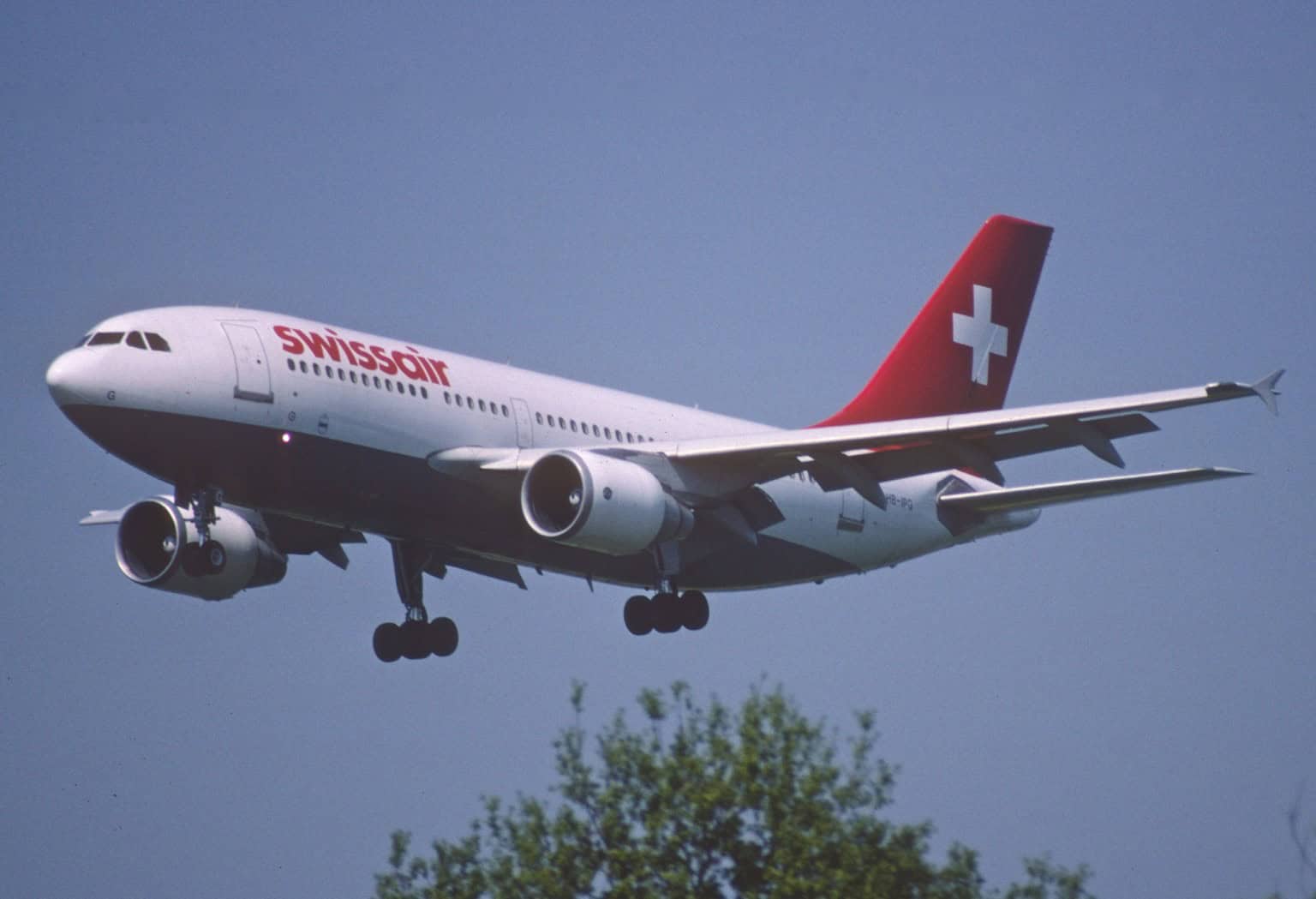

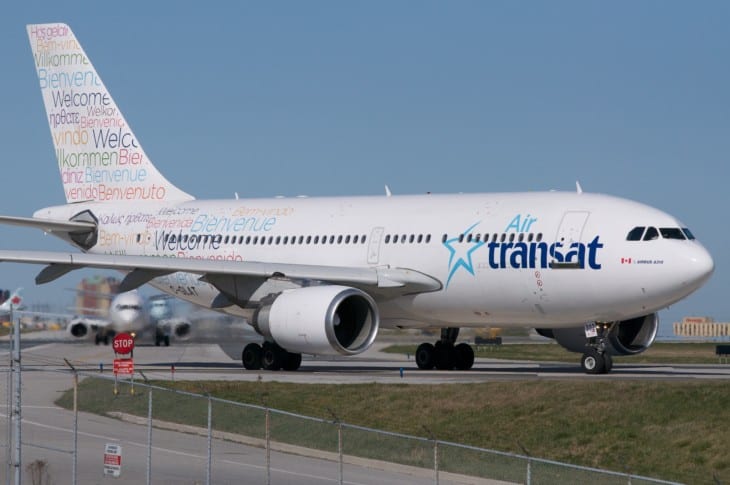
The A310-300 first flew in 1985 and entered service shortly thereafter. It incorporated increased fuel capacity and aerodynamic improvements compared with earlier A310 variants. The aircraft features a widebody fuselage and two underwing-mounted turbofan engines.
Powered by two General Electric CF6 or Pratt & Whitney PW4000 engines producing approximately 50,000 pounds of thrust (222 kN) each depending on configuration, the A310-300 cruises at around 470 knots (870 km/h). Maximum takeoff weight exceeds 360,000 pounds (163,300 kg). Seating typically ranges from 200 to 220 passengers.
The A310-300 served airlines worldwide before many were converted to freighter configuration. It also operates in government and military transport roles. The model represents an important step in Airbus widebody development.
Airbus initiated the A310 program to offer a reduced-capacity widebody that fit airlines seeking lower trip costs on medium to long stages. Design work emphasized a shortened fuselage relative to larger family members and a refined wing planform to preserve aerodynamic efficiency with fewer seats. Contractual negotiations with several European suppliers shaped component responsibilities.
Prototype construction proceeded within Airbus production lines with revised structural joints and systems adapted from the larger type. Flight-test instrumentation concentrated on validating handling characteristics with the shorter fuselage and assessing fuel system revisions. Certification flights evaluated operational loads, control response and systems redundancy across anticipated airline operating profiles.
Production commenced within an industrial context that balanced workshare among partner nations. Early production slots reflected a market niche between single-aisle widebody replacements and larger four-engine types. Program management monitored airline feedback from early deliveries to fine tune cabin arrangements and systems support processes.
Final assembly incorporated modularity to permit multiple interior layouts and mission fits. Customer options included extended-range fuel provisions and systems packages tailored for passenger or freight operations. Supply chain adjustments during production life improved build rates and simplified maintenance access to major structural components.
The airframe presents a twin-aisle cabin contained within a comparatively compact fuselage cross section. Wing geometry uses a high-aspect planform with structural box spars and integral fuel tanks to balance strength and weight. Control surfaces combine powered ailerons and spoilers to manage roll authority at varying airspeeds.
Flight deck ergonomics reflect Airbus philosophy of commonality with other family members within the era. Instrumentation employs conventional analog and early digital systems with centralized warning and management panels. Crew procedures emphasize two-pilot operation with provisions for progressive avionics upgrades installed in service.
Structural design uses conventional aluminum alloys for primary airframe members with selected composite fairings and secondary structures to reduce weight. Floor beams and cargo-handling attachments are reinforced for mixed passenger and freight roles. Access panels and system routing are arranged to facilitate line maintenance and expedite turnarounds.
Cabin systems incorporate environmental control and pressurization layouts that permit multiple zone temperature control. Doors and emergency exits follow widebody safety arrangements while galley and lavatory positioning supports a range of airline service concepts. Noise attenuation measures were integrated into nacelles and fuselage join lines to meet operator comfort expectations.
Cruise characteristics favor efficient cruise at typical long-range flight levels, balancing fuel burn and speed for medium to long sectors. The aircraft exhibits stable cruise handling with power margins sufficient for extended-range operations when configured with optional fuel provisions. Climb capability is adequate for standard departure profiles from major airports.
Operational range varies by configuration and payload choices. When fitted with extended fuel, the type is capable of transcontinental routes and certain intercontinental sectors. Payload flexibility allows operators to prioritize either passenger capacity or additional cargo and fuel for longer stages.
Takeoff and climb performance are influenced by landing field elevation and environmental conditions. Field performance benefits from high-lift devices and robust flap systems that reduce runway length requirements compared with earlier widebody types. Steep approach operations are feasible within standard certification limits.
Operational limitations include runway length considerations at high-weight departures and performance penalties in extreme hot and high conditions. The airframe supports typical ETOPS planning for twinjet operations of its era when fitted with required systems and maintenance regimes. Endurance on long sectors is a function of installed fuel capacity and payload choices.
The A310-300 represents a stretched-range development of the baseline A310 with structural and systems modifications to extend mission capability. Modifications include rearranged fuel distribution and optional auxiliary tanks that permit longer stage lengths without increasing passenger density. Systems packages were standardized to support both passenger and convertible freight configurations.
Sub-variants included customer-specific interior arrangements and certification for extended-range operations. Some production examples incorporated improved navigation and communications suites to comply with evolving air traffic requirements. Structural provisions allowed later conversion of passenger airframes to freighter roles without major redesign.
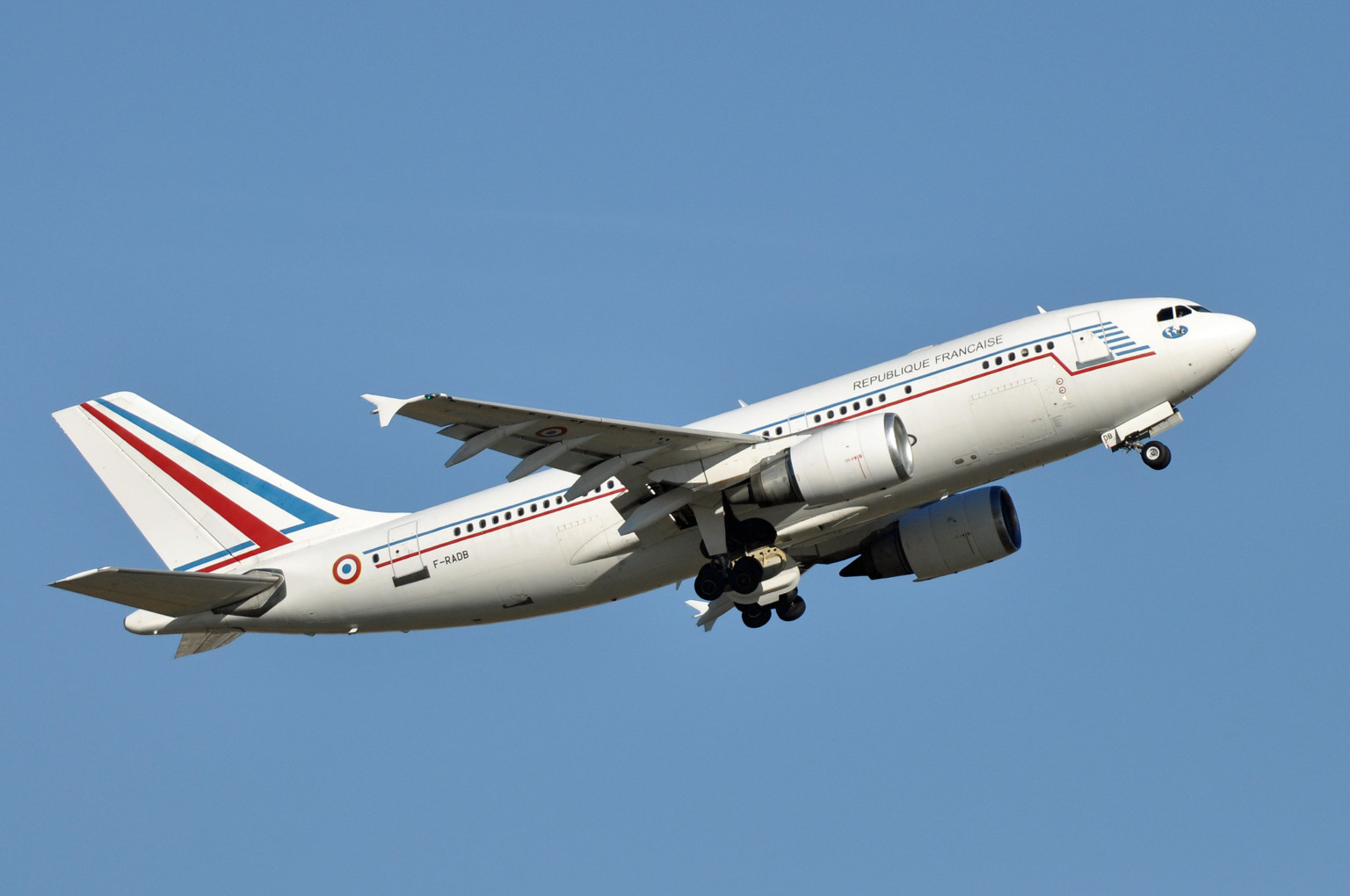
Special mission conversions were accomplished by third-party operators for government and military transport roles. These conversions typically integrated reinforced cargo floors, cargo handling systems and mission-specific avionics. Such airframes retained the core airworthiness characteristics while adding role-appropriate equipment.
Upgrade programs during service life addressed avionics modernization, structural fatigue management and interior refurbishment. Retrofit programs targeted operational reliability improvements and life-extension tasks to maintain economic viability against newer designs.
Major commercial operators deployed the type on routes that required widebody comfort but did not justify larger aircraft. Airlines used the aircraft on transcontinental and medium intercontinental sectors where reduced seat count delivered more favorable yield management. Fleet planning frequently positioned the aircraft as a niche complement to larger family members.
Airframes transferred between operators over service life as route networks evolved. Secondary market activity supported conversions to freighter or governmental duties. Airlines that retained the aircraft into later service life implemented progressive maintenance programs to address corrosion and fatigue issues typical of older airframes.
Civil government and military users adapted the platform for troop and cargo transport, VIP configuration and diplomatic missions. These roles leveraged the aircraft cabin volume and range without extensive structural modification beyond mission equipment fit. Maintenance regimes for government operators often emphasized availability for irregular mission patterns.
The type accrued a service record that highlighted cost per seat-hour economics on selected routes. Operational commonality with other fleet types and availability of aftermarket support influenced operator decisions regarding retention, refurbishment or retirement schedules.
Passenger deployment emphasized two-class cabin fits for comfort on longer stages while single-class high-density layouts addressed high-demand markets. Airlines marketed the aircraft as an option for “right-sizing” transoceanic and regional long-haul sectors where frequency mattered as much as capacity. Cabin refurbishment programs later focused on reducing weight and improving passenger amenities.
Freighter conversions extended service life in cargo operations carrying palletized freight on medium to long sectors. Converted airframes were attractive to cargo operators that required widebody volume but not the payload of larger freighters. Cargo operators noted the aircraft's ability to operate from established airports with standard ground equipment.
Airline maintenance records show attention to pressurization cycles and landing gear life for aircraft with heavy utilization. Operators commonly scheduled structural inspections based on accumulated flight cycles rather than only flight hours due to the aircraft's typical route patterns. Reliability improvements were achieved through targeted component redesigns during mid-life upgrades.
Customer support arrangements from the manufacturer and third-party suppliers provided spare parts pooling and component exchange services. These programs aimed to keep operational costs predictable and minimize AOG events, particularly for operators with smaller fleets.
Airlines around the world operated the type in diverse climates and infrastructure conditions. National carriers used it on both domestic trunk and international routes. Charter and lease companies offered flexible deployments that matched seasonal traffic. Military and government operators used the airframe where volume and range were priorities without dedicated tanker or strategic airlift requirements.
Operators documented maintenance and retrofit experiences that informed later purchase and leasing decisions. Those that invested in avionics and interior overhauls often extended economic service life relative to operators that retired airframes earlier. Training and logistics commonality with other types influenced airline fleet planning choices.
Regional maintenance centers specialized in structural inspections and heavy checks to support operators in multiple continents. The aftermarket ecosystem developed competence in conversions and life-extension programs, enabling continued operations beyond initial commercial service horizons.
The program demonstrated the commercial viability of a compact widebody for selected long-range missions and highlighted the importance of modularity in aircraft design. Technical lessons include the benefits of structural commonality for maintenance and the economic tradeoffs inherent in size versus frequency on long routes. The aircraft informed operator expectations for mid-life upgrade pathways.
Market outcomes showed that a smaller widebody can occupy a niche between narrowbody long-range jets and larger widebodies, but long-term competitiveness depends on fuel efficiency and systems modernization. The need for avionics upgrades and structural fatigue management became clearer as the fleet aged, influencing support strategies for similar types.
Operational experience influenced aftermarket markets for freighter conversions and government adaptations. Demand for role-specific modifications demonstrated the value of designing initial structures that facilitate later conversions without extensive rework. Support networks and leasing options shaped fleet turnover dynamics.
Successor programs and later designs addressed efficiency gains through more advanced materials and engines. The aircraft's operational record contributed empirical data on route planning, life-cycle maintenance costs and the practical limits of downscaling widebody concepts.
Sources and references used for research and fact-checking.