Jumbo Passenger Jets
Boeing 777-9
ICAO: B779
The stretched twinjet built for high-capacity long-haul routes.
The latest aviation news and stories sent to your inbox.
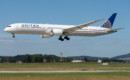
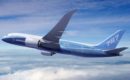
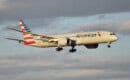
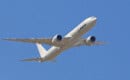
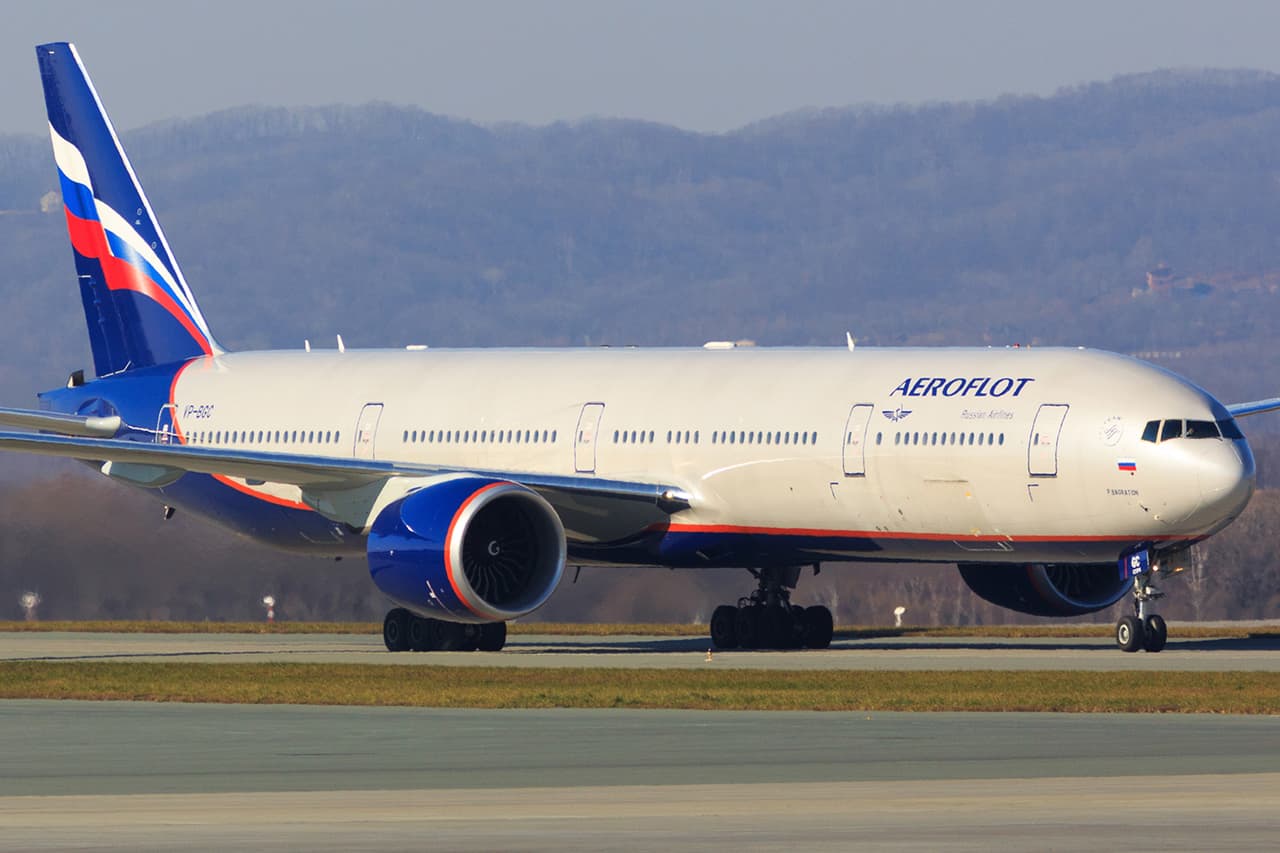
The Boeing 777-300 is a stretched version of the original 777-200, designed to increase passenger capacity. Entering service in 1998, it provided airlines with a large twin-engine alternative to older four-engine widebodies. The aircraft became a key model in the 777 family.
Live Fleet Activity (B773)
Fetching live data…


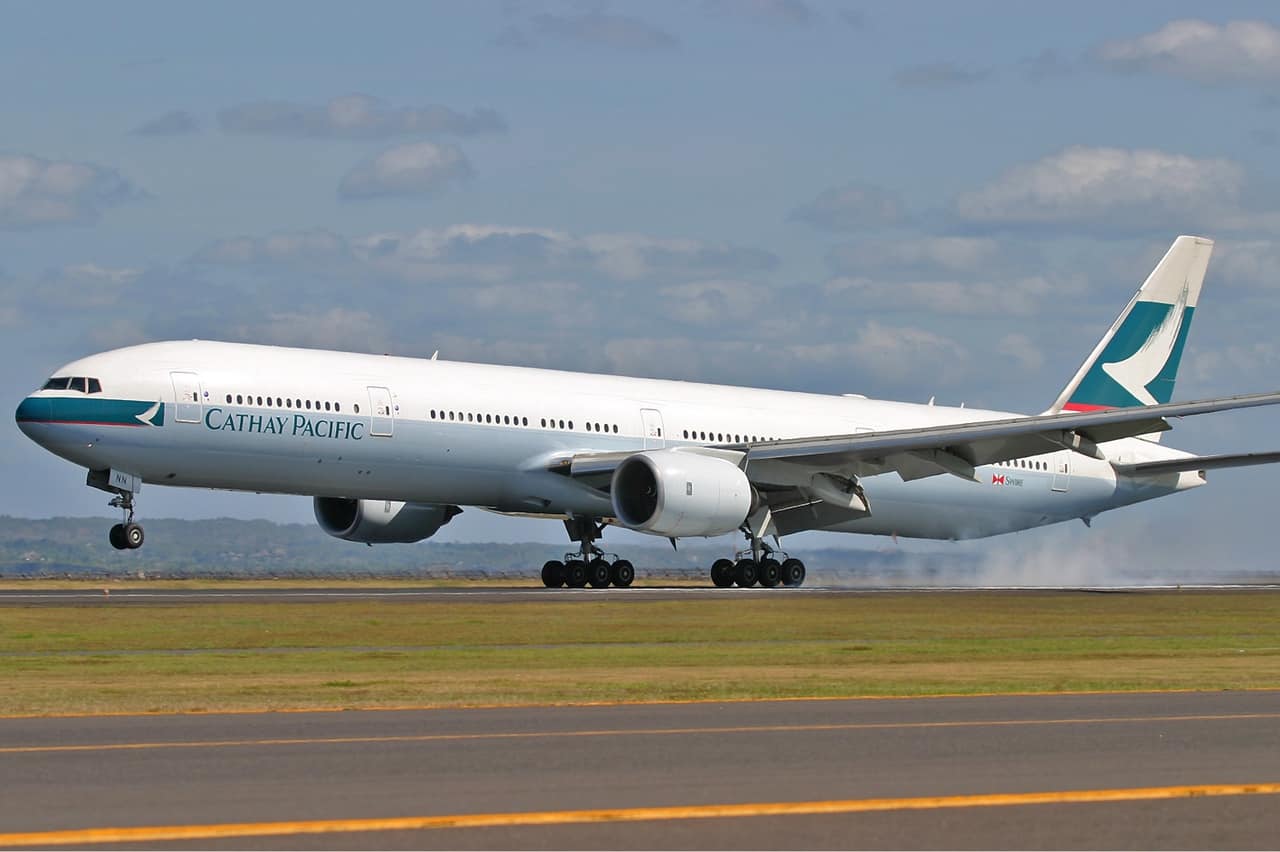
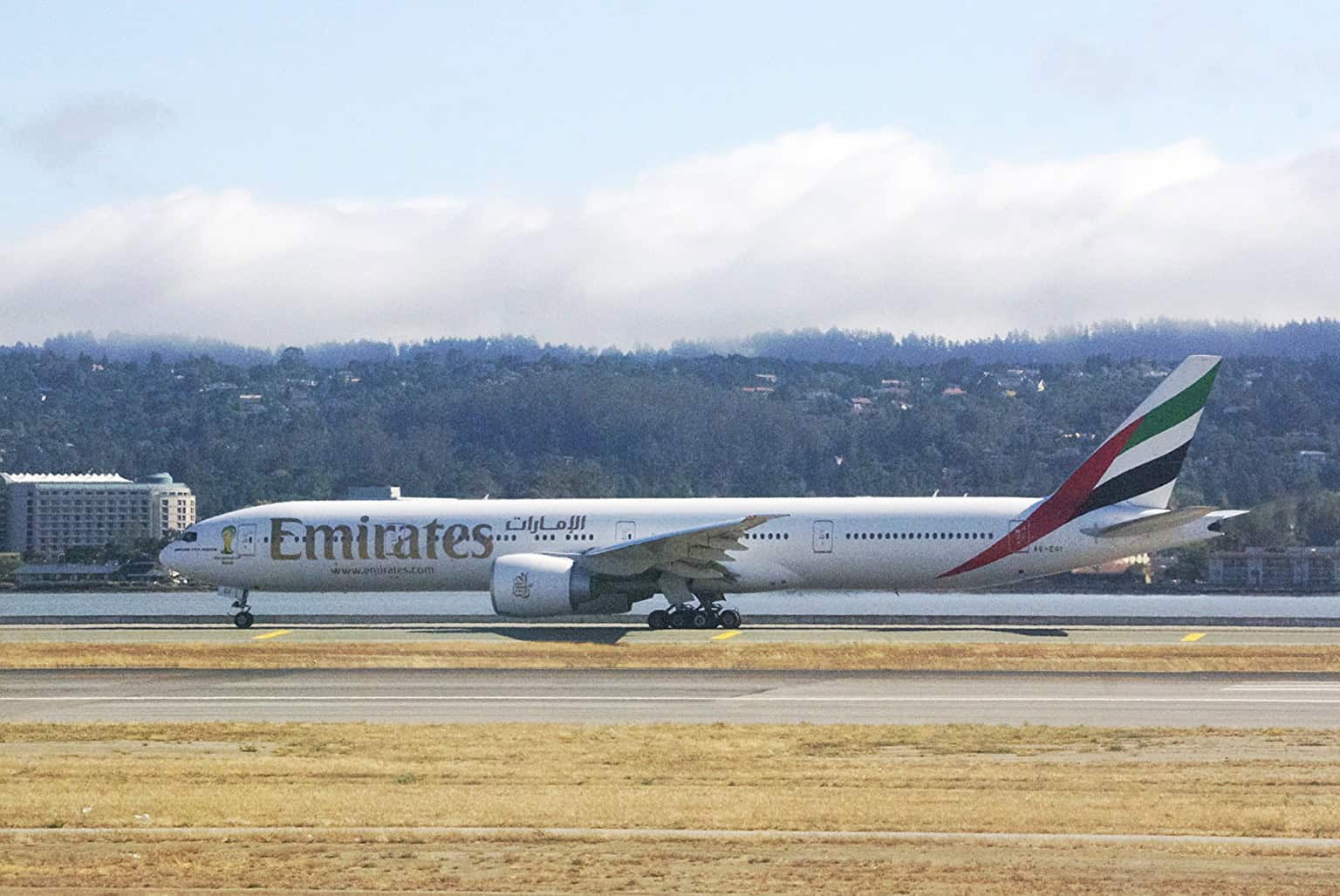

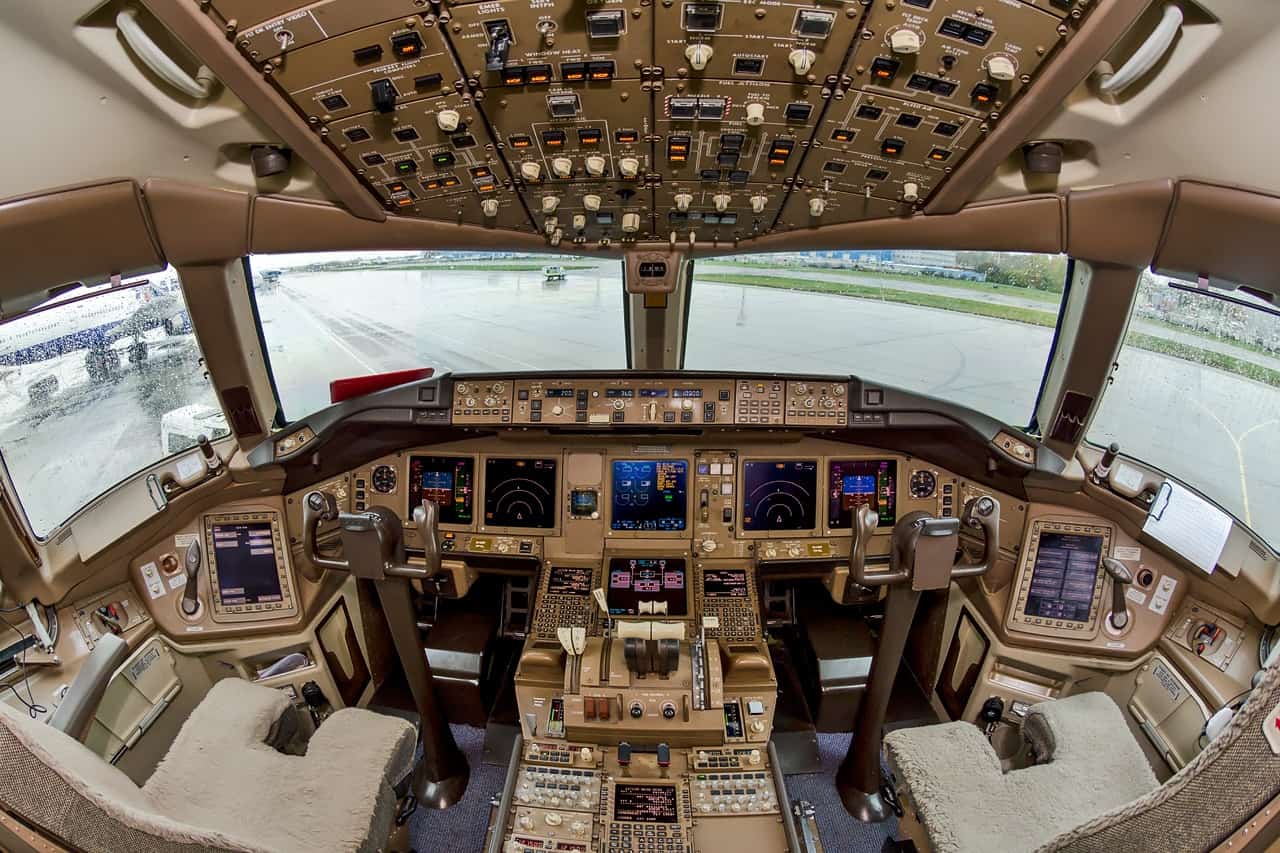
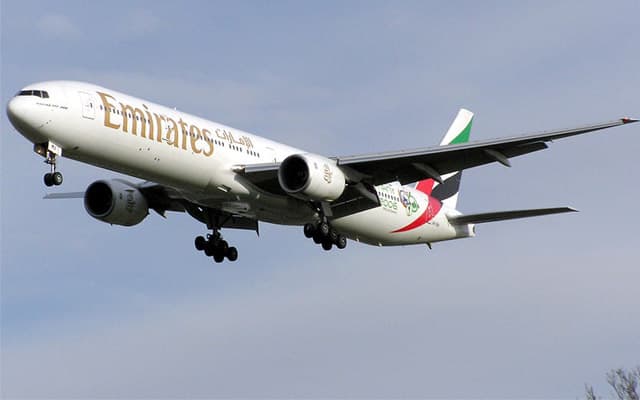
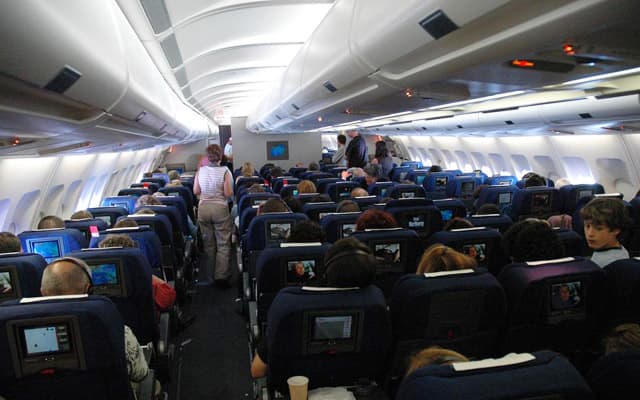
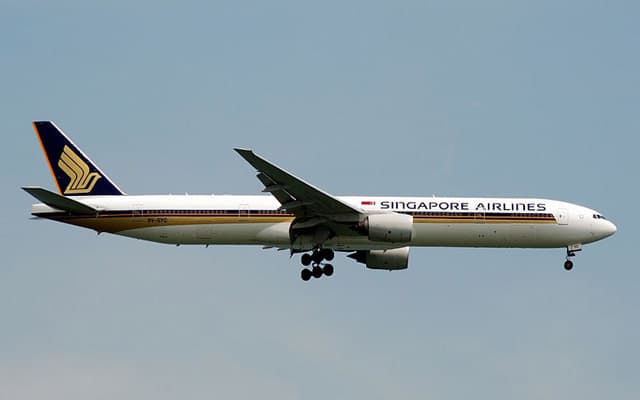
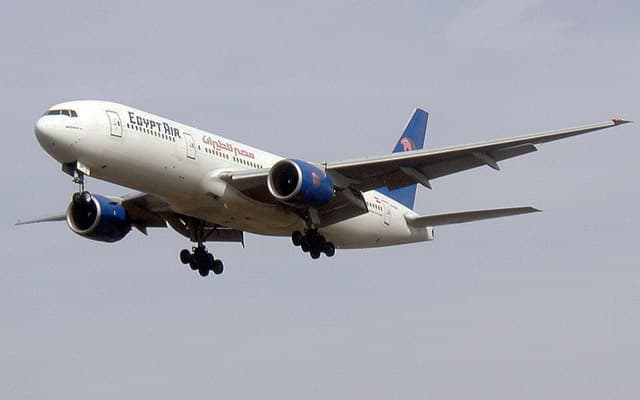
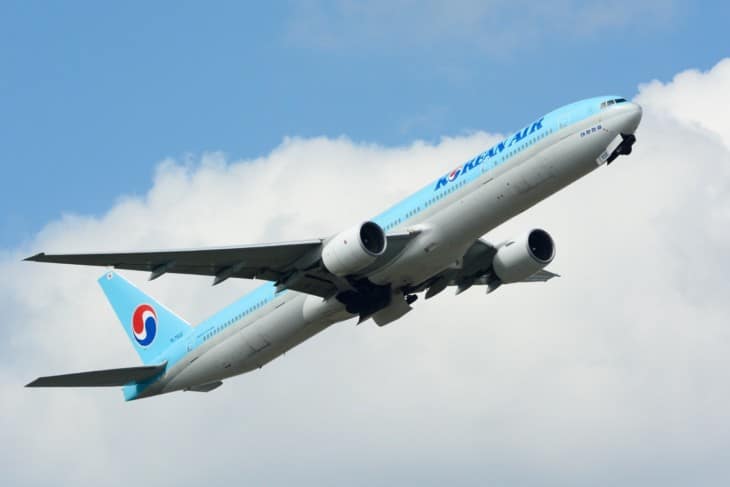
The 777-300 first flew in 1997 and entered service in 1998. It features an extended fuselage compared with the 777-200, allowing additional seating. The aircraft retains the widebody twin-engine layout and advanced flight deck systems introduced with the 777 program.
Powered by two high-bypass turbofan engines producing up to approximately 94,000 pounds of thrust (418 kN) each depending on engine option, the 777-300 cruises at around 490 knots (905 km/h). Maximum takeoff weight exceeds 660,000 pounds (299,370 kg). Seating typically ranges from 350 to over 450 passengers depending on configuration.
The 777-300 laid the groundwork for the later 777-300ER. It enabled airlines to serve high-demand routes efficiently with twin-engine economics. The model remains an important member of the 777 family history.
Sources and references used for research and fact-checking.