

Table of Contents
The most expensive aircraft in the world is the Boeing VC-25B, the replacement Air Force One. The US Air Force is paying about $6.6 billion for two aircraft, which works out to roughly $3.3 billion each.
The famous answer, the Northrop Grumman B-2 Spirit at about $2.1 billion per aircraft, is now second. It held the title for nearly three decades.
Both figures use the same measure: total program cost divided by the number of airframes actually delivered. That measure matters more than any other number in this article, because almost every list on this subject quietly mixes it with a much smaller one. All figures below are current as of 2026.
| Rank | Aircraft | Cost per airframe | Category | Status |
|---|---|---|---|---|
| 1 | Boeing VC-25B (Air Force One) | ~$3.3 billion | Head-of-state transport | In development |
| 2 | Northrop Grumman B-2 Spirit | ~$2.1 billion | Stealth bomber | In service |
| 3 | Boeing E-4C (SAOC) | ~$1.6 billion | Airborne command post | In development |
| 4 | Northrop Grumman B-21 Raider | ~$692 million | Stealth bomber | In testing |
| 5 | Boeing 777-9 | ~$442 million | Airliner | In development |
| 6 | Airbus A380 | ~$432 million | Airliner | In service |
| 7 | Lockheed Martin F-22 Raptor | ~$350 million | Fighter | In service |
| 8 | Sikorsky CH-53K King Stallion | ~$130 million | Helicopter | In service |
| 9 | Lockheed Martin F-35A | ~$82.5 million | Fighter | In service |
Expensive by which measure?
There are three different numbers behind every aircraft price, and they can differ by a factor of four. Flyaway cost is what one more airframe costs to build once the factory is running. Program acquisition unit cost adds research, development, tooling, and facilities, then divides the total by the number of aircraft actually delivered. Total program cost is everything, including decades of fuel, spares, and maintenance. This ranking uses program acquisition unit cost, because it is the honest answer to what an aircraft cost to put on the ramp.
1. Boeing VC-25B: about $3.3 billion each
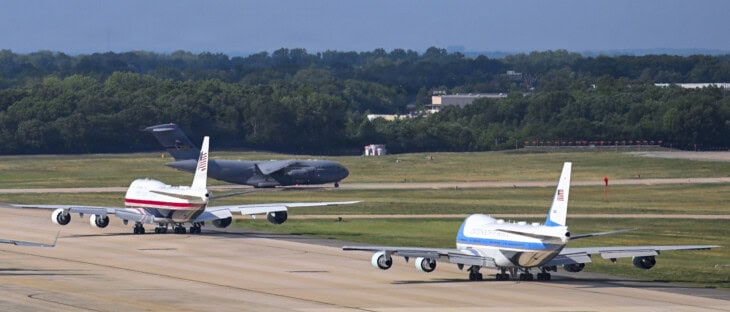
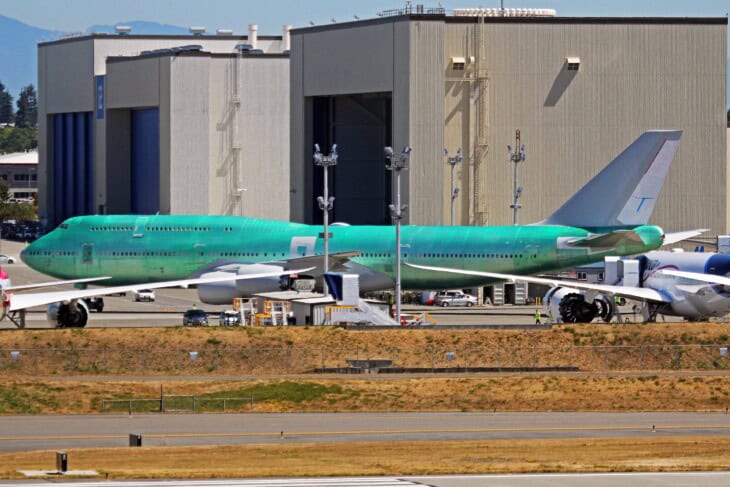
The next Air Force One is the most expensive aircraft ever ordered. Boeing signed a fixed-price deal in 2018 to convert two Boeing 747-8s into presidential transports for $3.9 billion.
It did not stay there. The Government Accountability Office reported the total estimated acquisition cost rising from $6.263 billion in December 2018 to $6.608 billion by August 2025, for the same two aircraft.
The money buys things a 747 does not normally carry: hardening against a nuclear blast, secure global communications, aerial refuelling capability, and a medical suite. The first aircraft is now targeted for delivery in mid-2028, four years later than the original December 2024 goal.
Boeing is paying for the overrun, not the taxpayer
Because the VC-25B contract is firm fixed-price, Boeing absorbs the cost growth itself. The company has now taken more than $3 billion in charges on the program, including a $280 million loss booked in the second quarter of 2026. It is one of the costliest contracts Boeing has ever signed and one of the least profitable.
The Air Force One flying today is a different aircraft
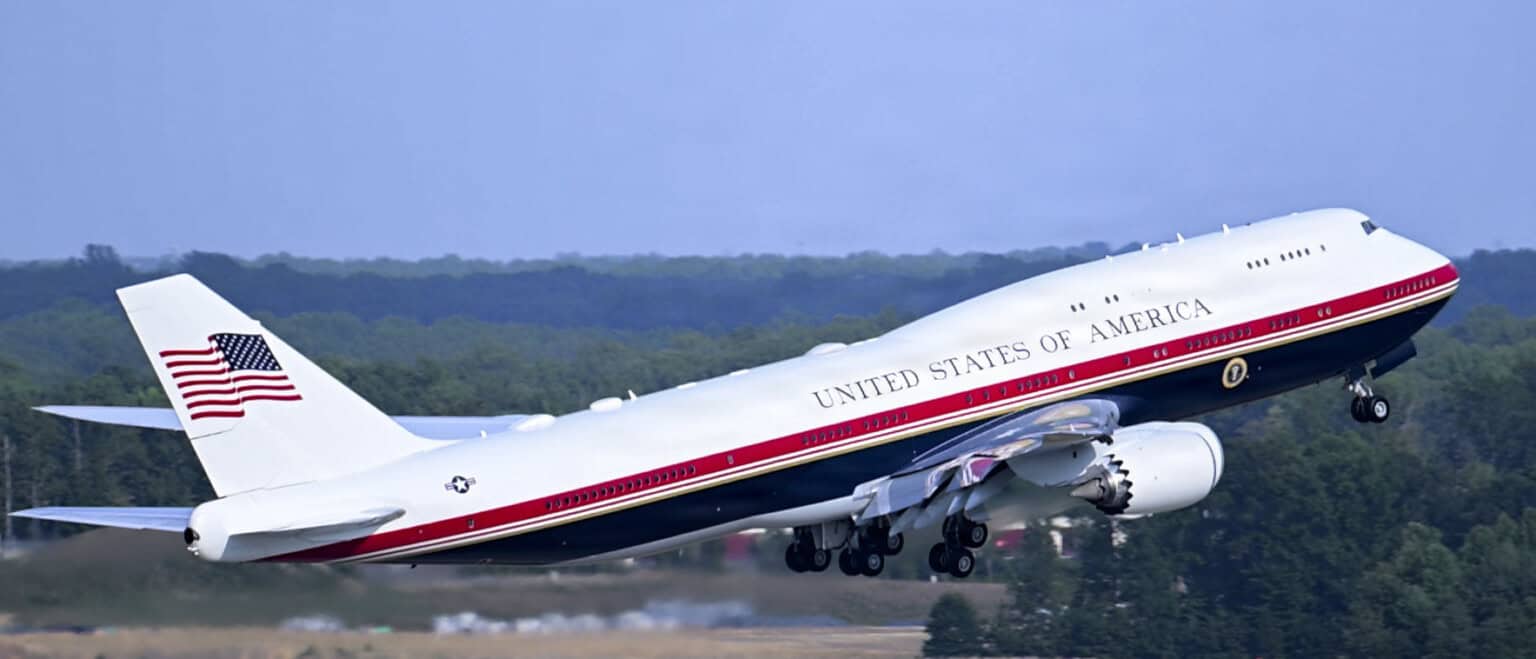
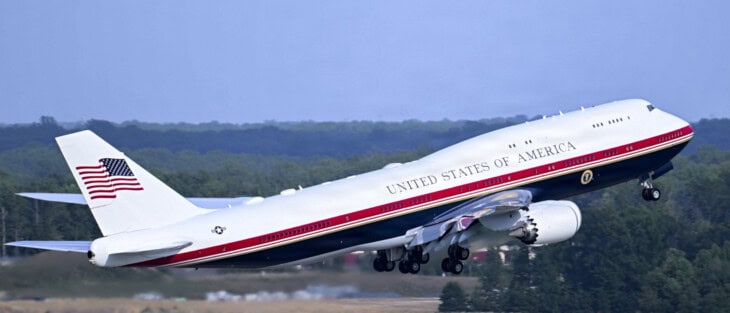
If you saw headlines in mid-2026 about the president flying a new Air Force One, that was not one of the two aircraft ranked above. Those are still being built.
The jet that entered presidential service is the VC-25B Bridge, a Boeing 747-8 originally delivered to the Qatar Amiri Flight as a business jet in 2012. Qatar gave it to the US government in 2025.
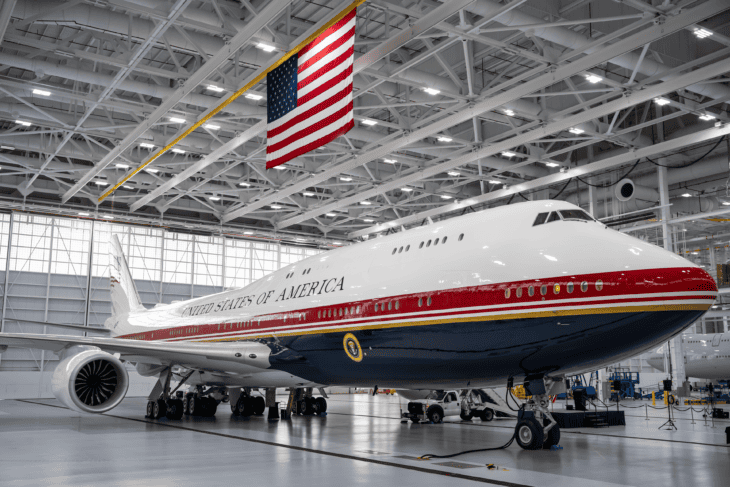
It was unveiled at Joint Base Andrews on 19 June 2026 and flew its first presidential mission on 1 July 2026, carrying the president to Bismarck, North Dakota.
The name is the giveaway. It is a stopgap that bridges the wait for Boeing, and it lacks the defensive countermeasures and part of the secure communications fit that define a full-specification VC-25B.
The most expensive aircraft ever given away, depending on how you count
The Qatari jet is among the largest foreign gifts the US government has ever accepted, and its price tag demonstrates this article’s whole problem. The figure quoted almost everywhere is $400 million, which is a replacement-value estimate, roughly what it would cost to build and outfit again. Bloomberg put its actual market value nearer $100 million to $125 million, because a used VIP 747-8 is worth what a buyer will pay, not what it cost to create. Same aircraft, two defensible numbers, a factor of three apart.
2. Northrop Grumman B-2 Spirit: about $2.1 billion each


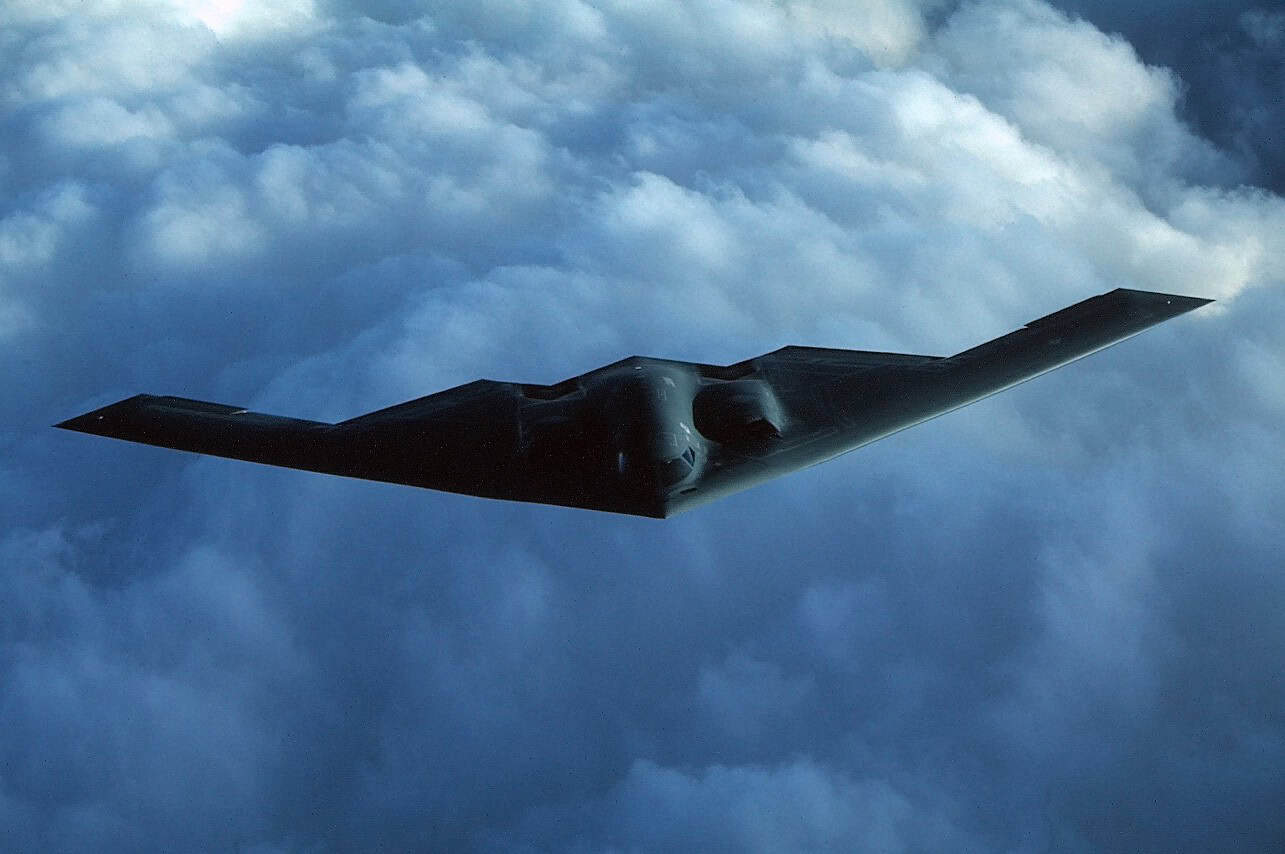

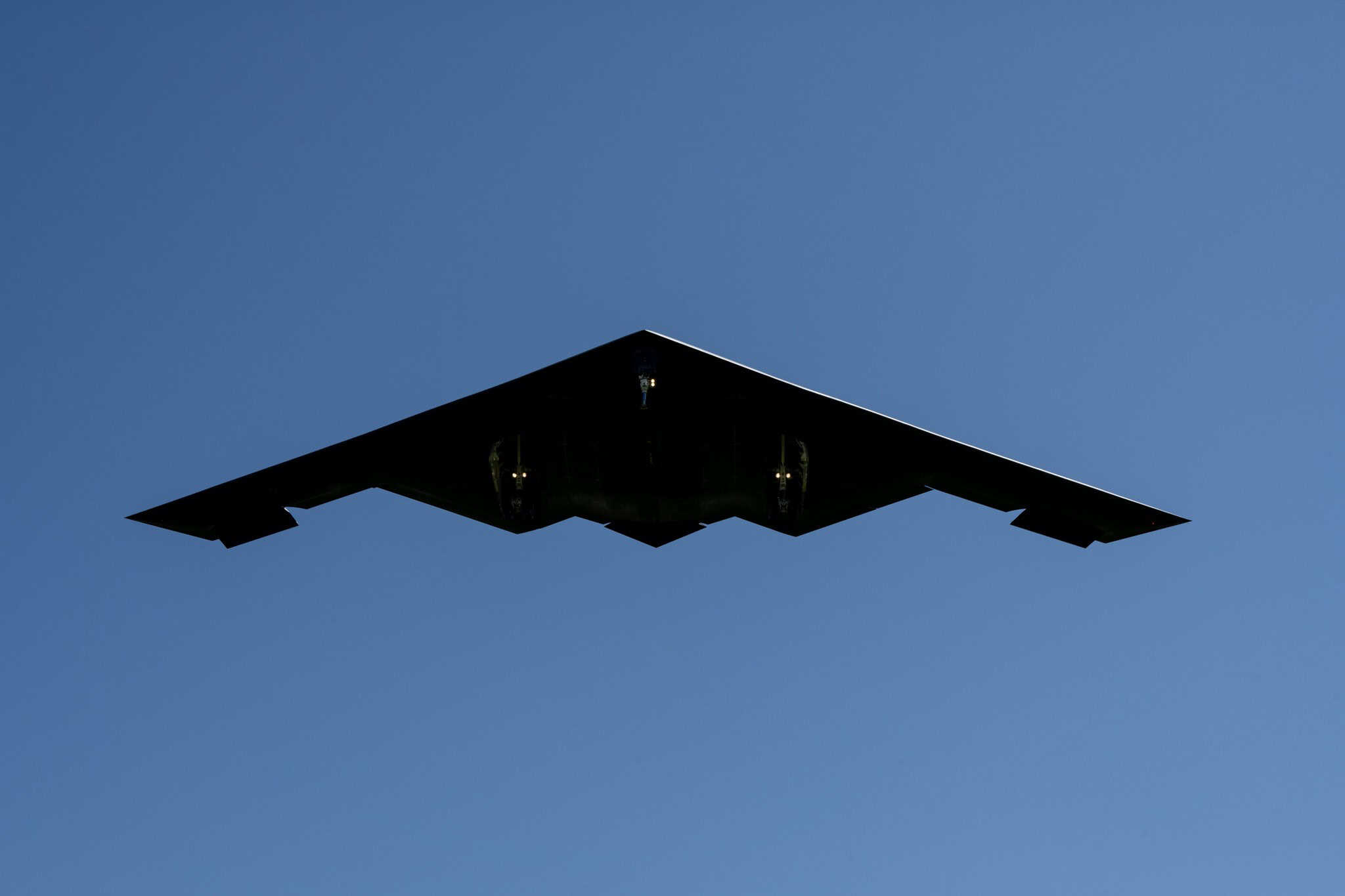
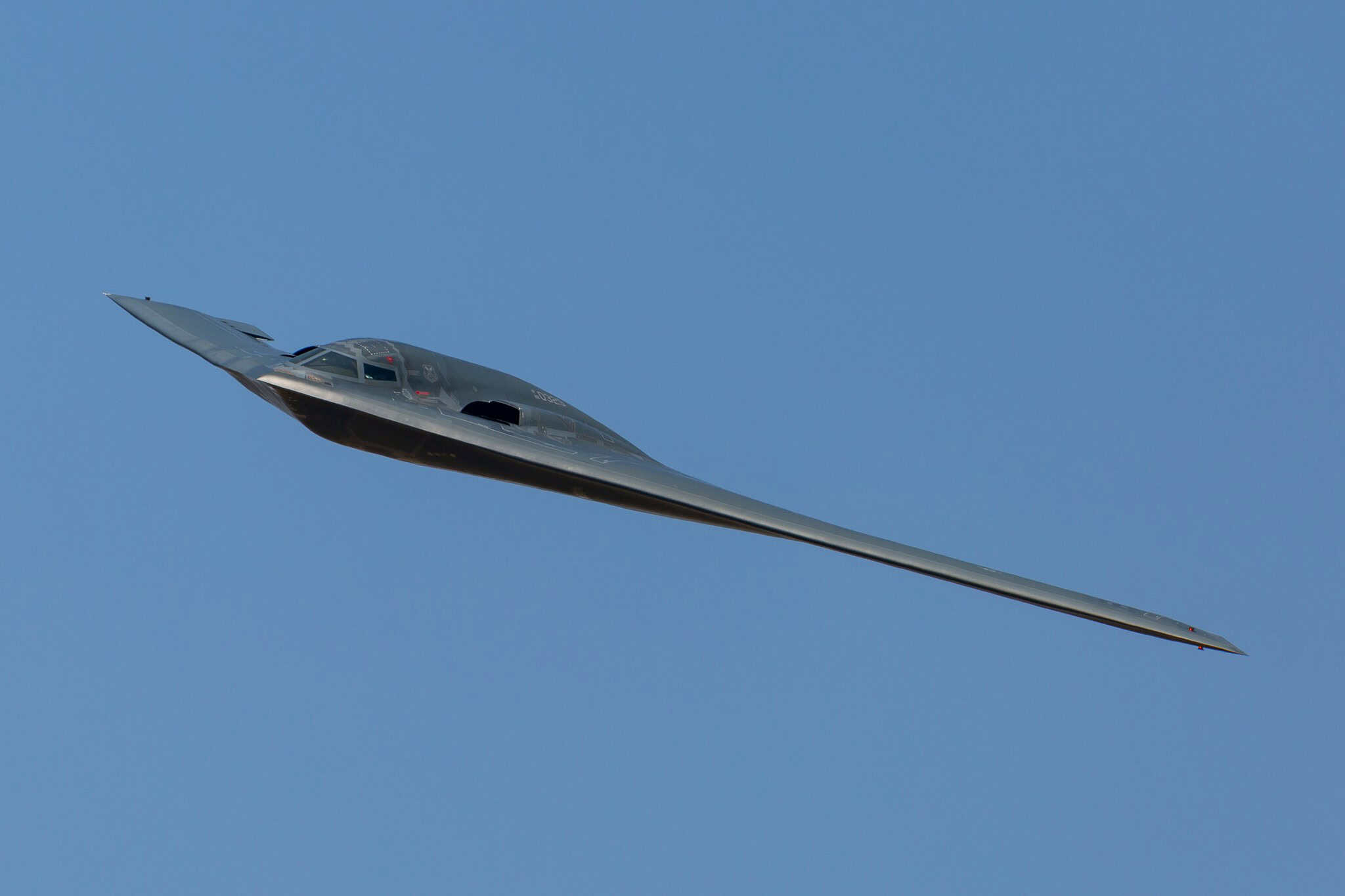


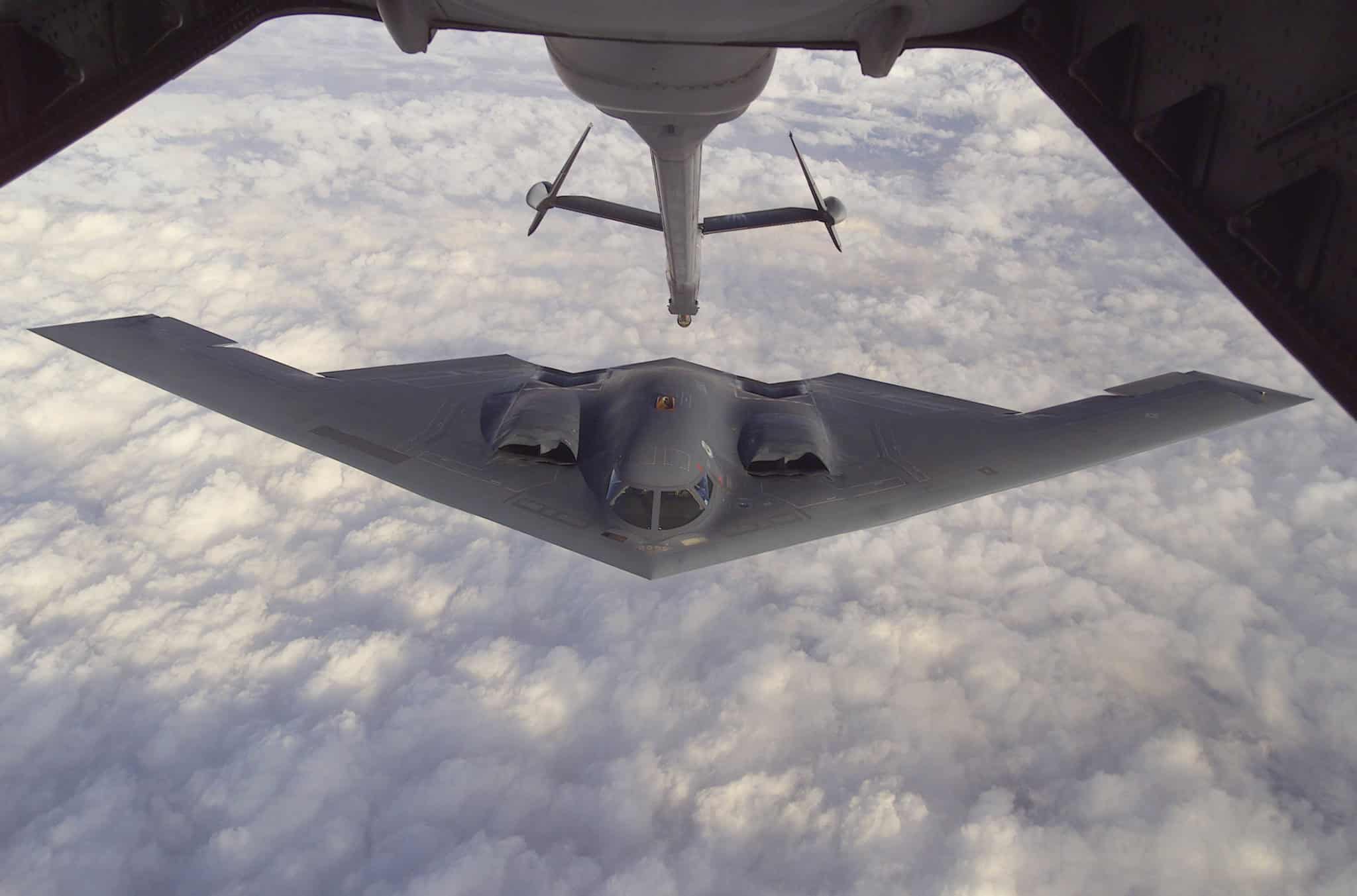

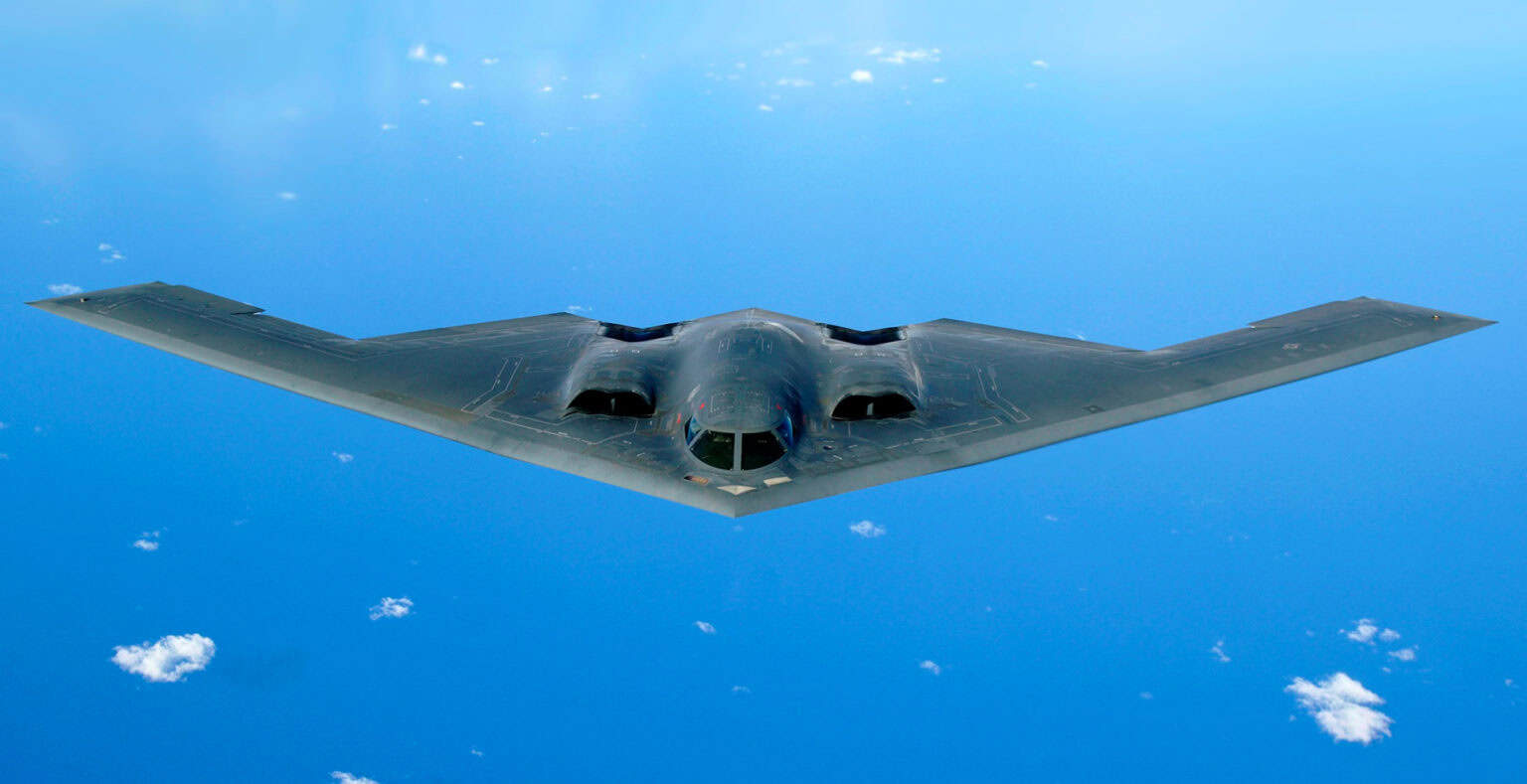
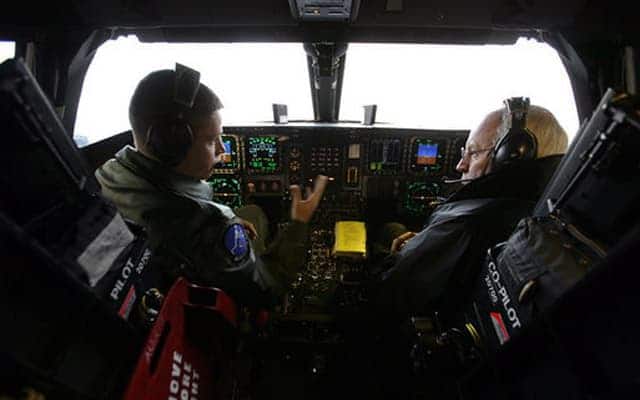
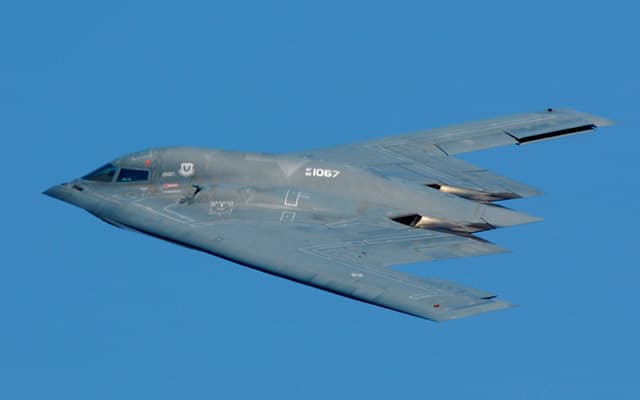


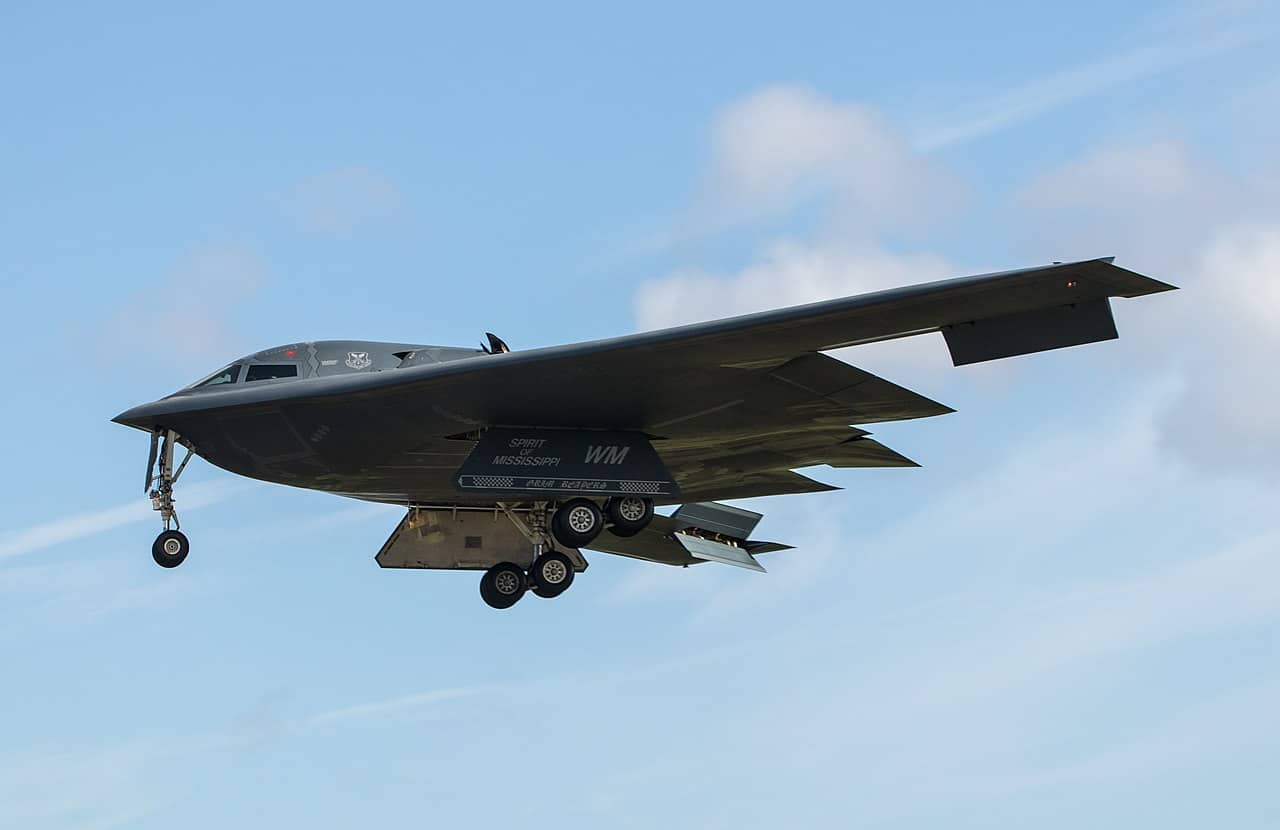

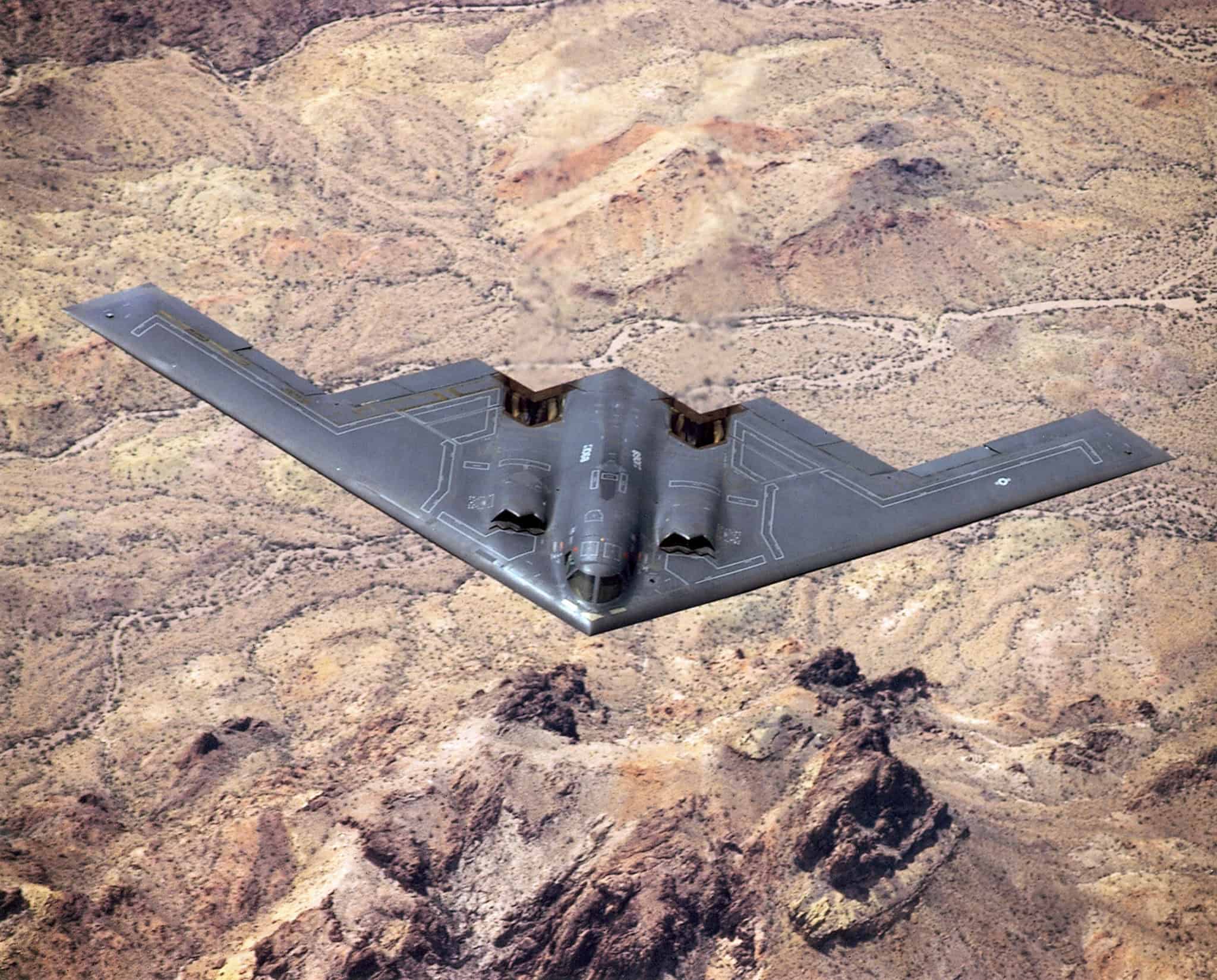


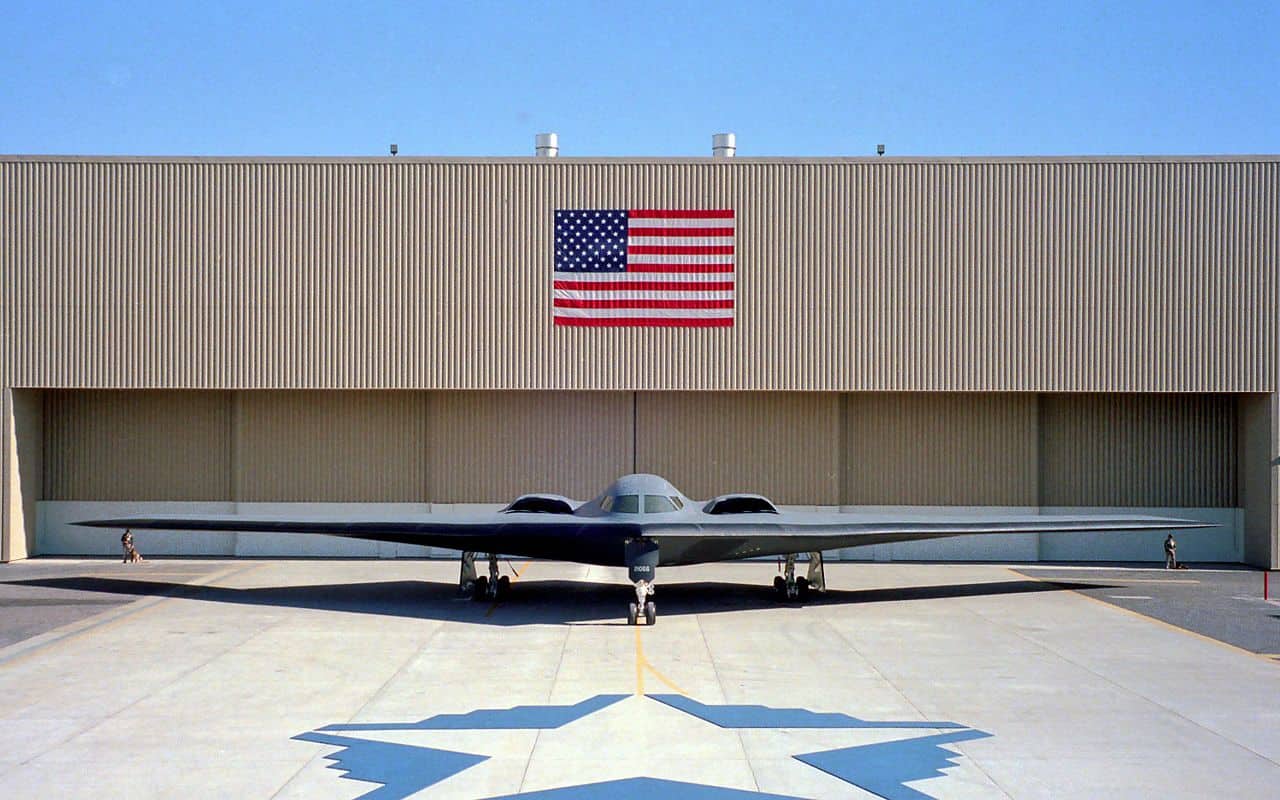
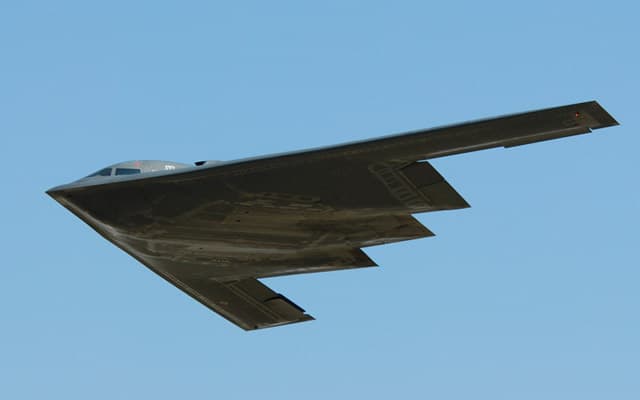
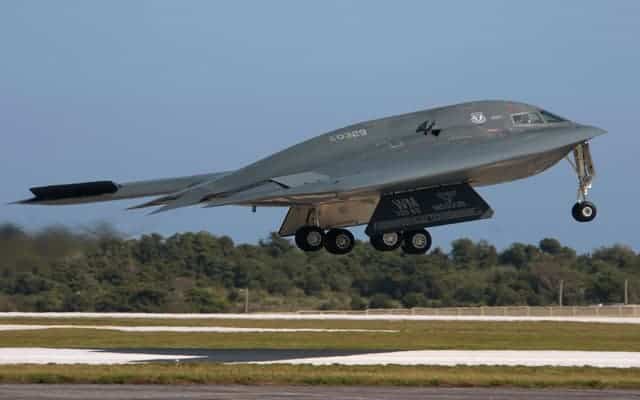
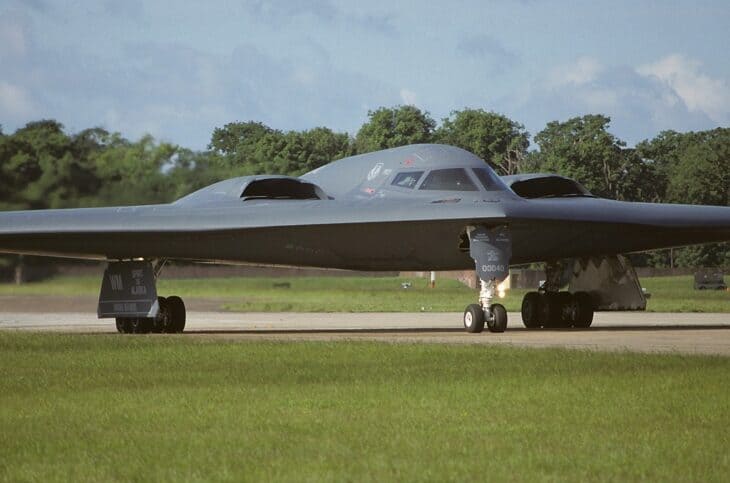
The B-2 Spirit is the aircraft most people name when asked this question, and the $2.1 billion figure is real. The total program cost reached $44.75 billion for 21 aircraft, which averages about $2.13 billion each.
What makes the B-2 remarkable is that its price was set by politics, not engineering. The Air Force originally planned 132 bombers, and the end of the Cold War cut the order to 21.
Roughly $23 billion of development spending, the flying-wing aerodynamics, the radar-absorbent materials, the fly-by-wire system, then had to be spread across 21 airframes instead of 132. The airframe did not get more expensive. The denominator collapsed.
The $2 billion bomber never cost $2 billion to build
The B-2’s flyaway cost, the price of building one more once the line was running, was about $737 million. The $2.1 billion figure is what happens when you divide a cancelled program’s full development bill across the handful of aircraft that survived the cuts. Both numbers are true. They answer different questions.
3. Boeing E-4C SAOC: about $1.6 billion each
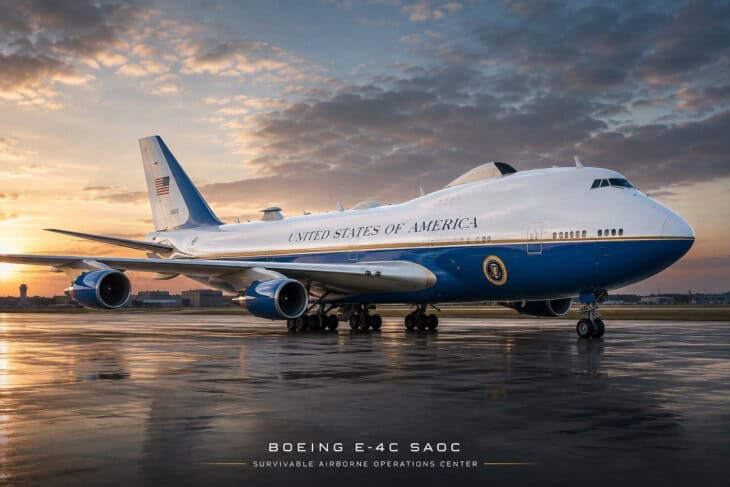
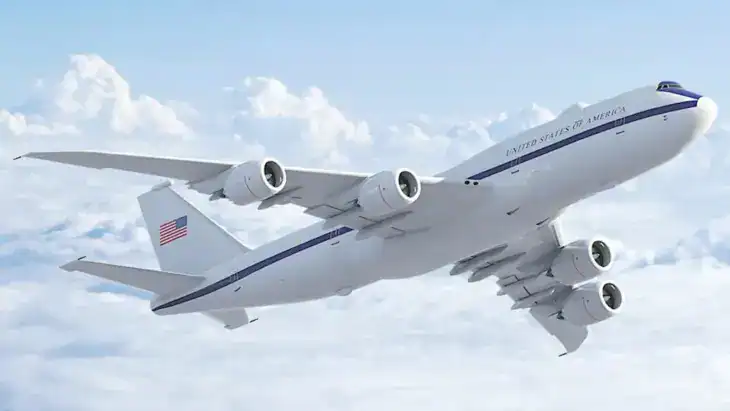
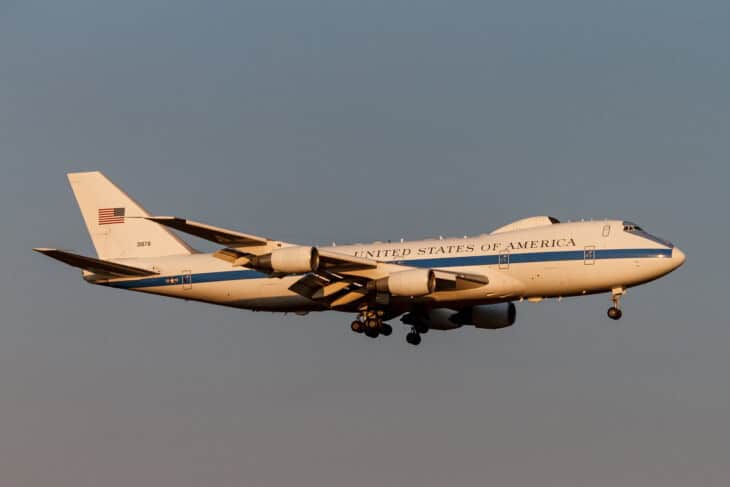
In April 2024 the Air Force awarded Sierra Nevada Corporation a $13 billion contract to build the Survivable Airborne Operations Center, the replacement for the E-4B “doomsday plane.” The Air Force is planning for up to eight aircraft, which puts each one near $1.6 billion.
Like the new Air Force One, the E-4C is a heavily modified Boeing 747-8i. Its job is to keep national command authority working during a nuclear exchange, which means shielding against electromagnetic pulse and communications that survive when the ground network does not.
The first aircraft flew on 7 August 2025, and the contract runs to July 2036.
4. Northrop Grumman B-21 Raider: about $692 million each
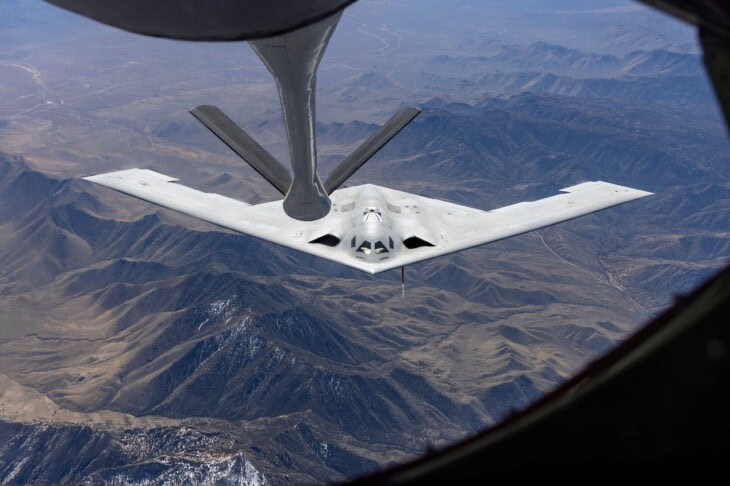
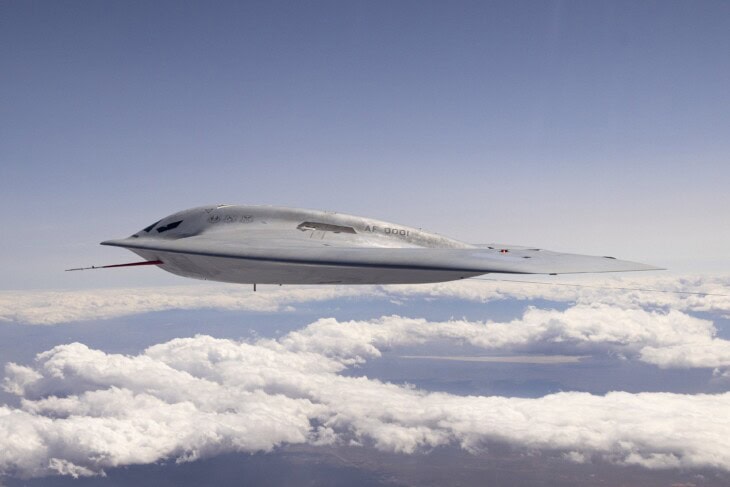
The B-21 is the deliberate answer to the B-2’s price tag. The Air Force set an average procurement unit cost of $550 million in 2010 dollars, which restates to roughly $692 million in 2022 dollars.
The lesson learned from the B-2 was to protect the quantity. The Air Force plans at least 100 B-21s, so development costs divide across a fleet large enough to keep the per-aircraft figure sane.
A stealth bomber at a third of the B-2’s cost is the single clearest illustration of why fleet size, not technology, drives these numbers. For the wider military field, see our ranking of the most expensive military aircraft.
5. Boeing 777-9: about $442 million
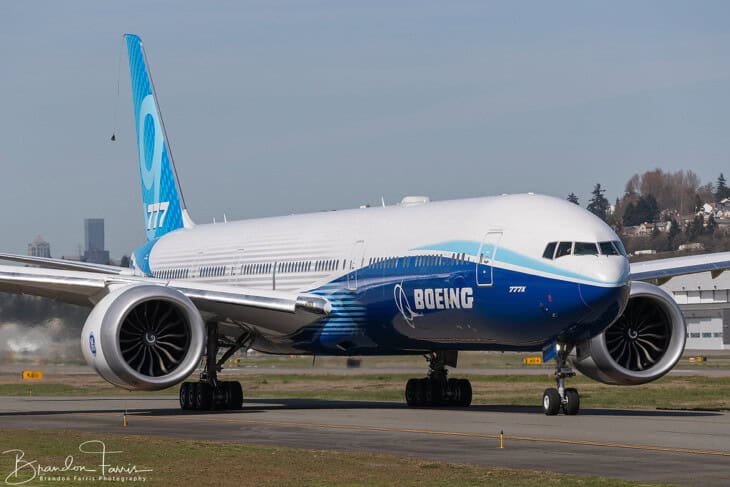
The most expensive civil aircraft ever offered is the Boeing 777-9, at a last published list price of $442.2 million. It is the largest twin-engine airliner ever built and is still working toward entry into service.
Treat airliner list prices as sticker prices on a car lot. No airline pays them, and discounts of 40 to 50 percent are normal on a large order, which is part of why Boeing stopped publishing the list after 2018.
6. Airbus A380: about $432 million
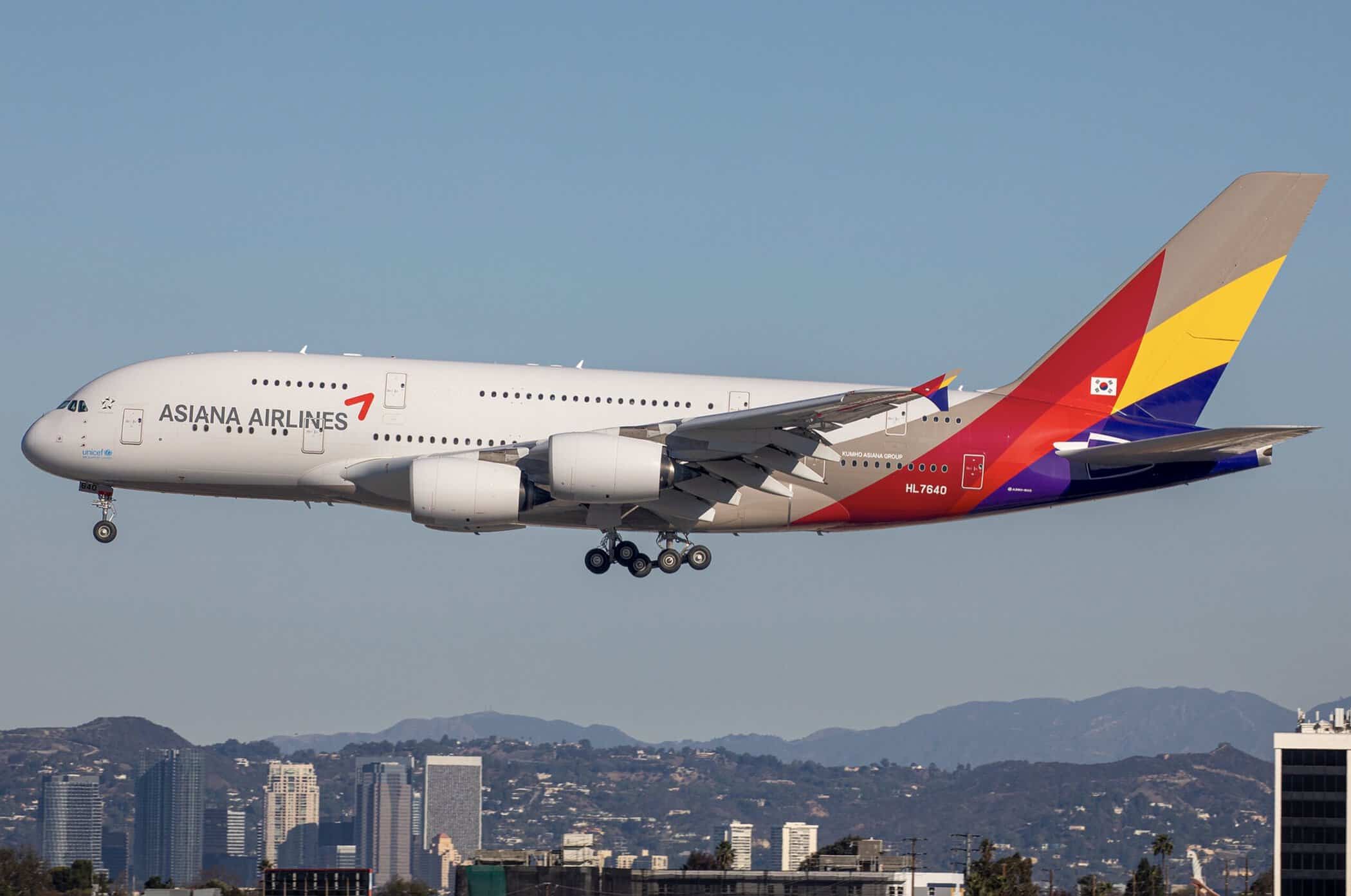
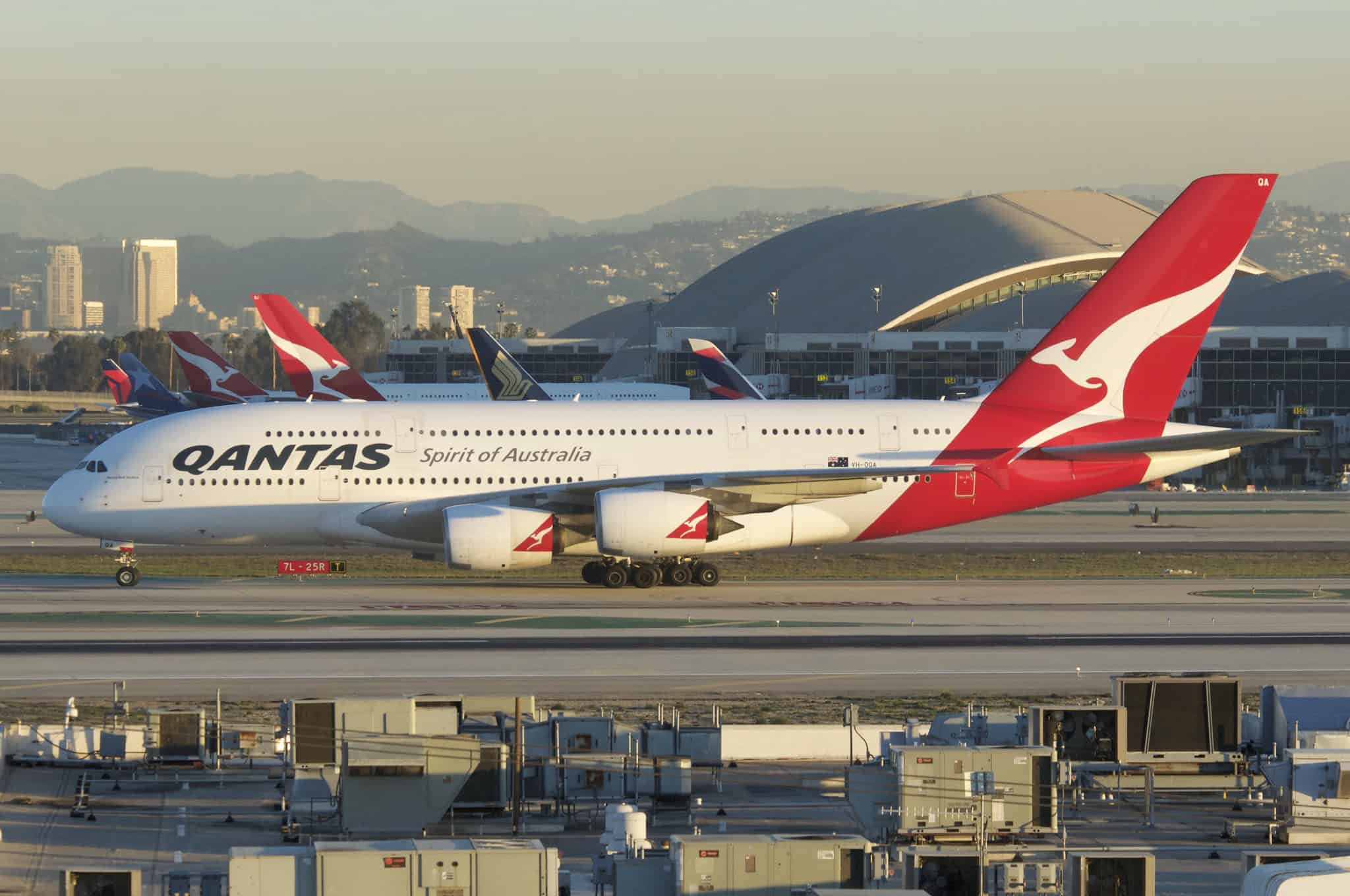


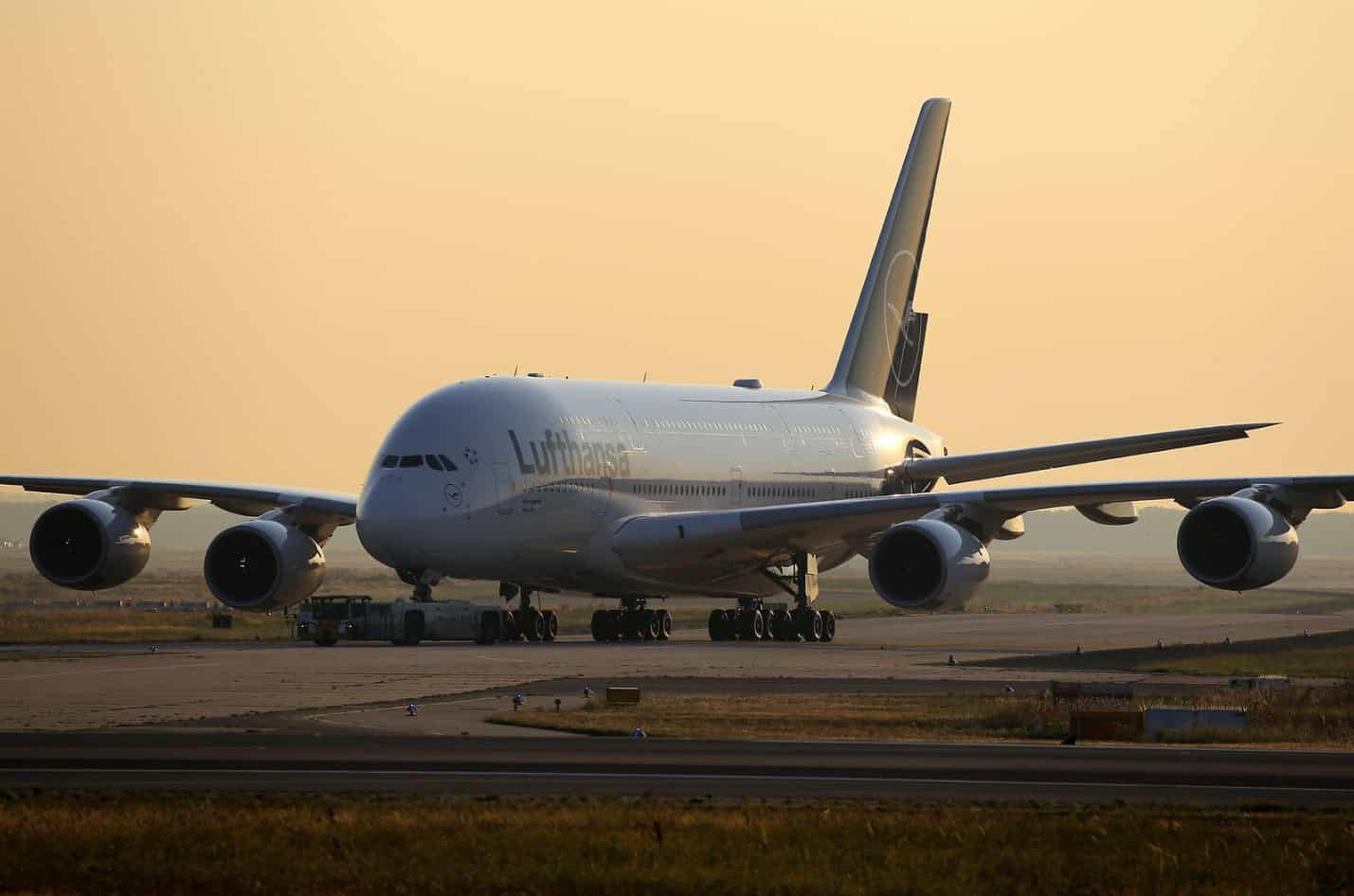


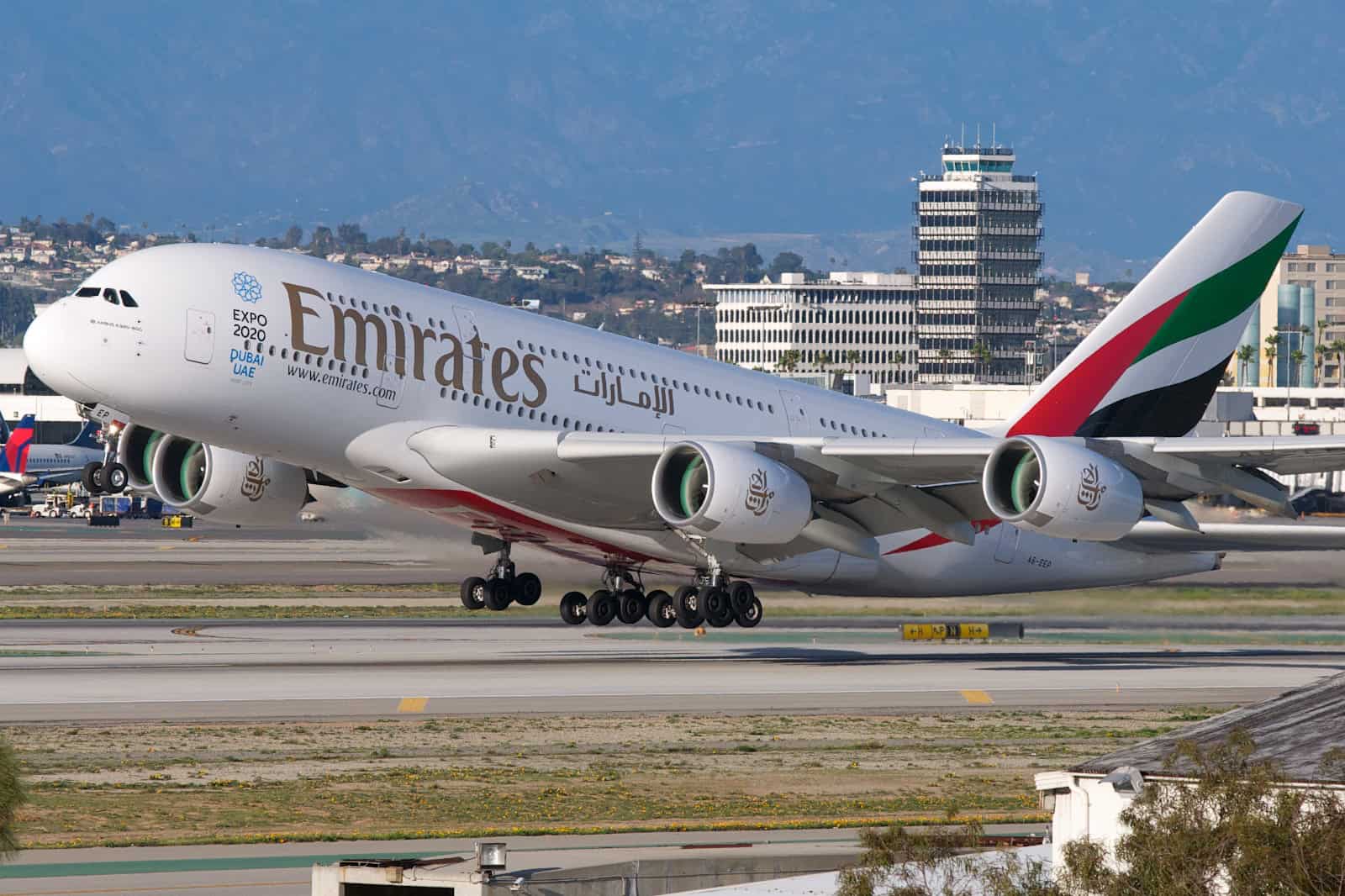
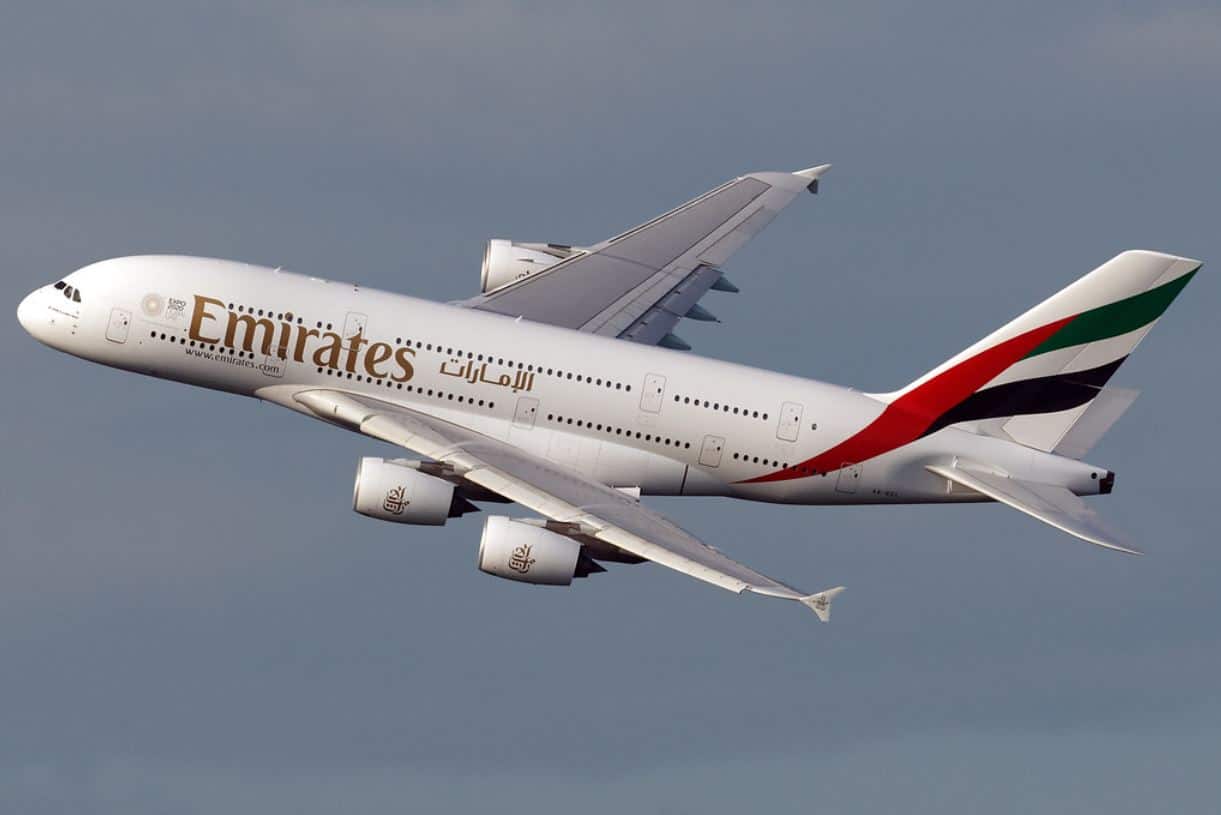
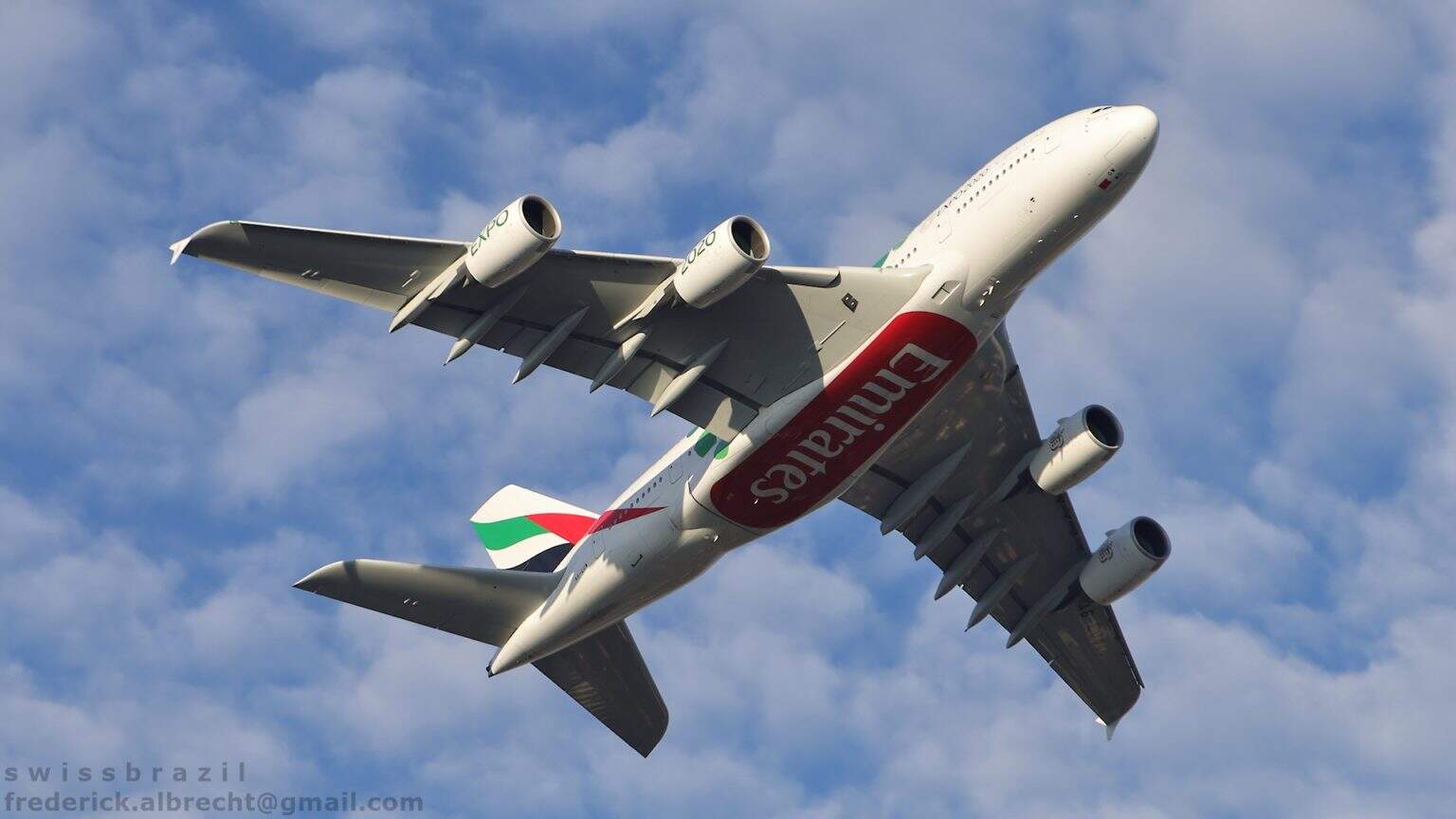


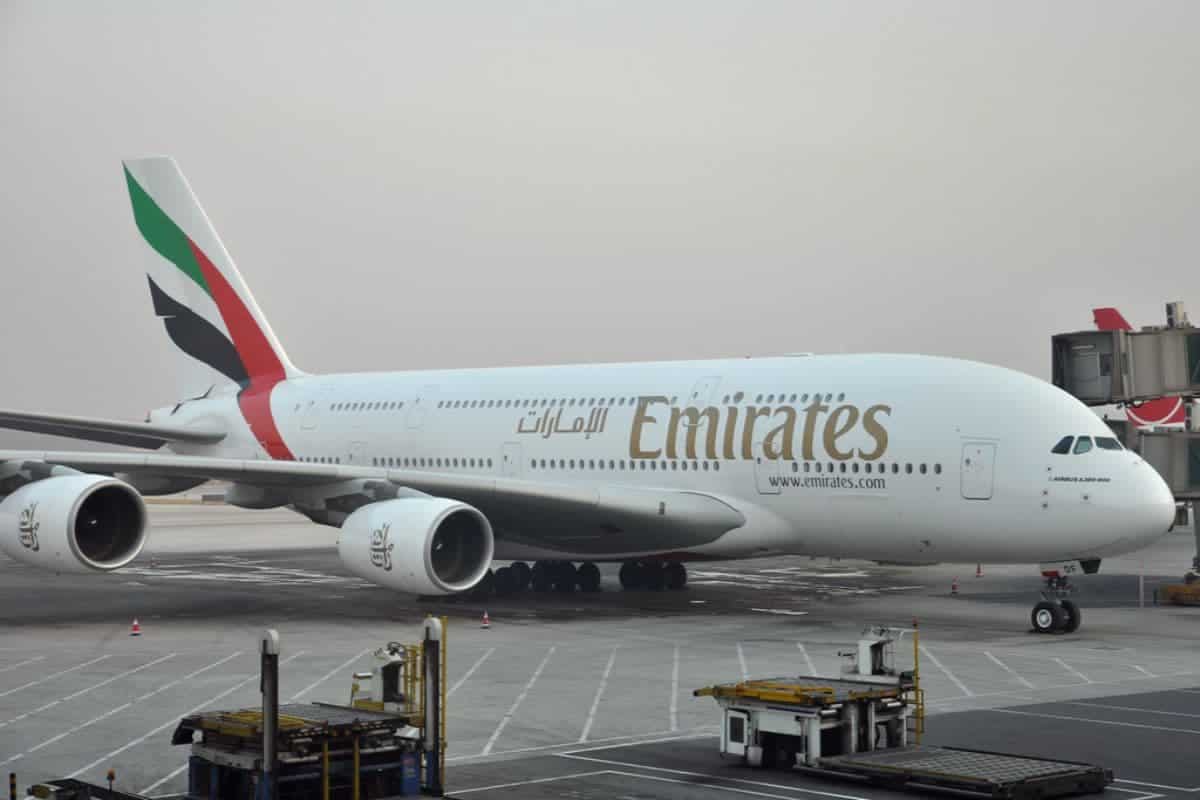

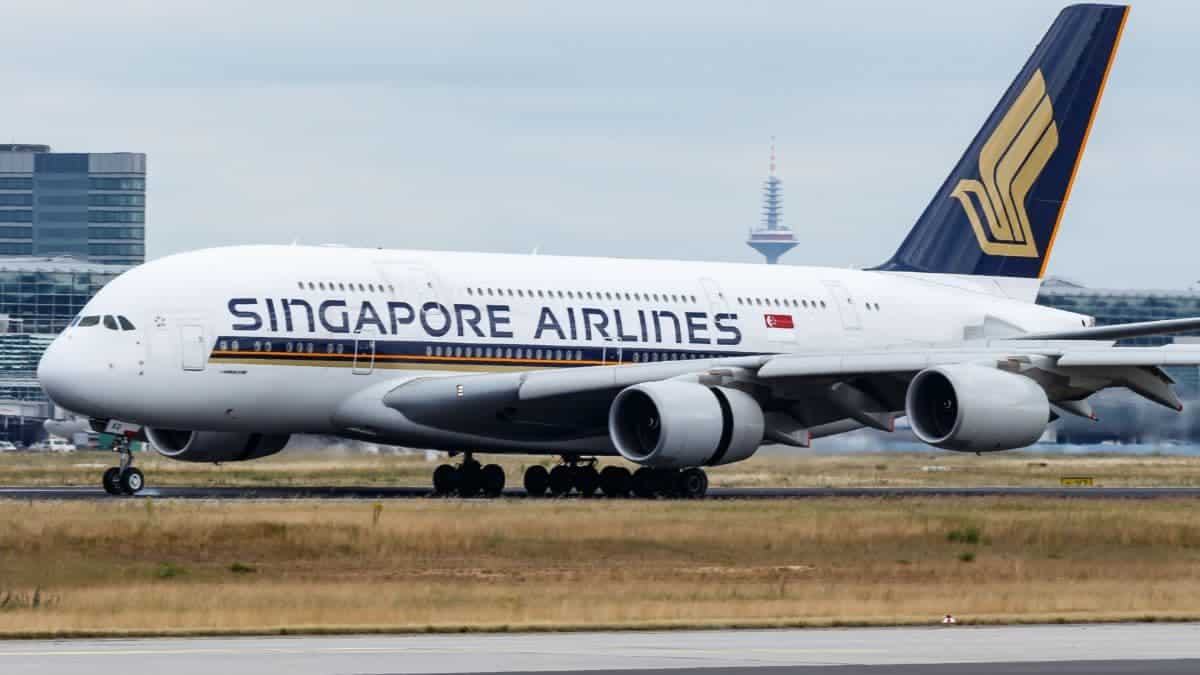


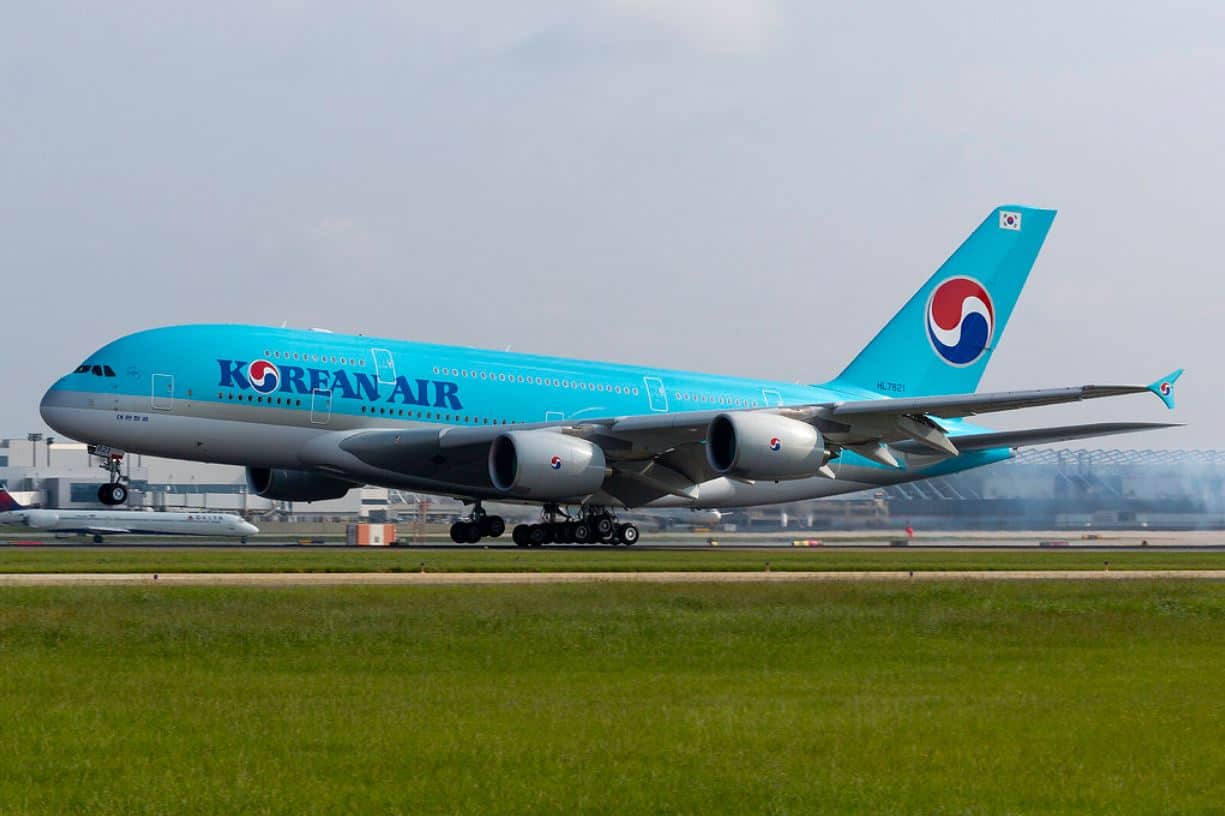


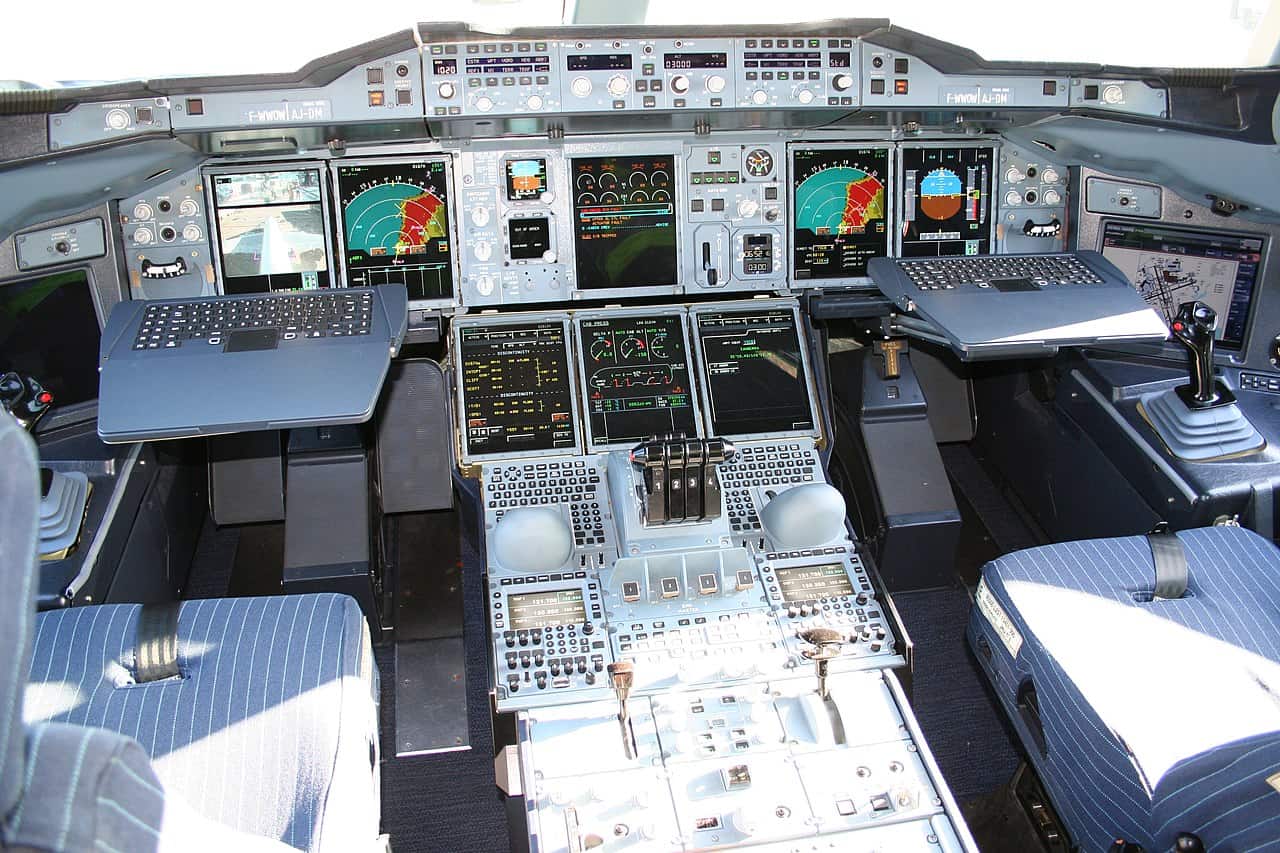
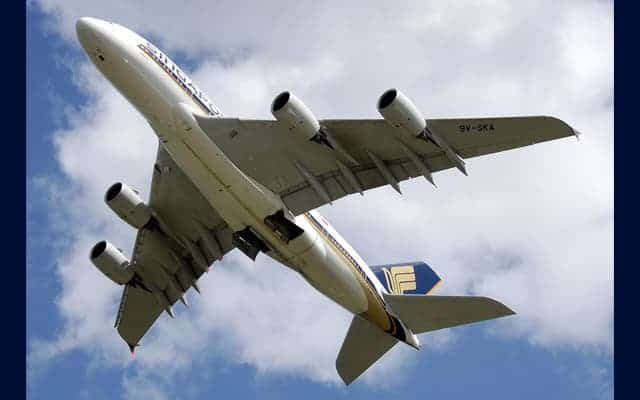
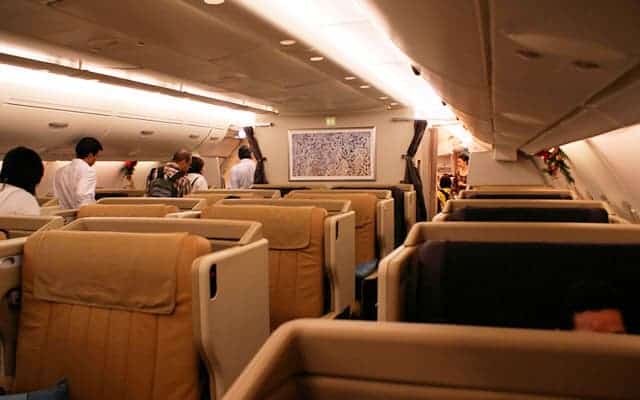
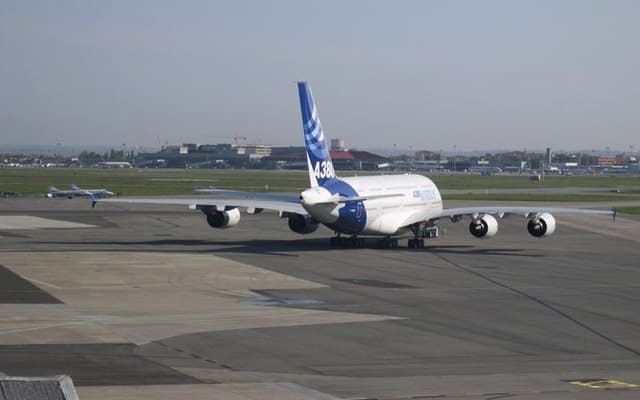
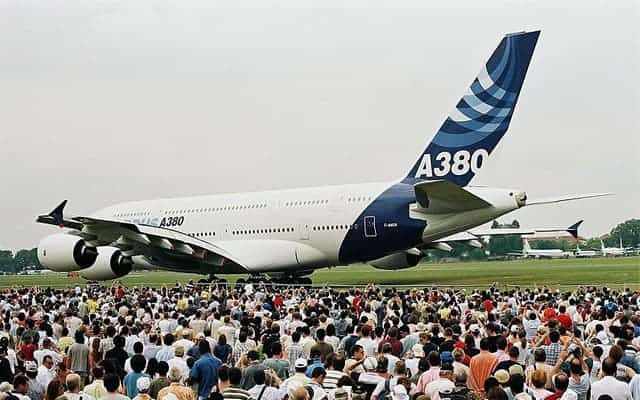
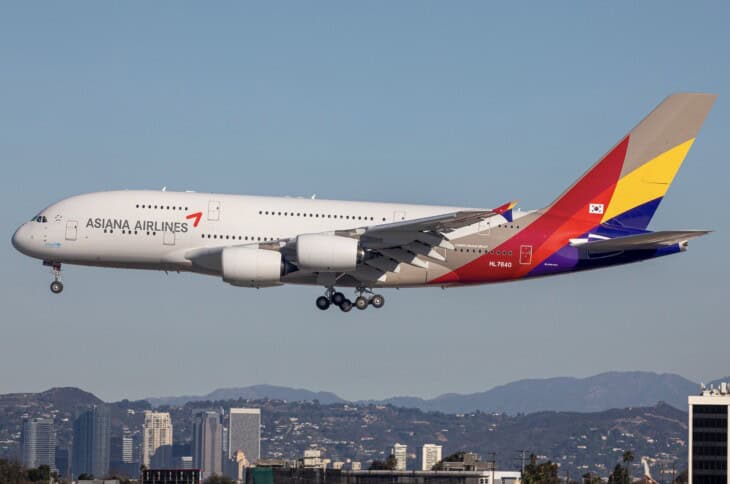
The Airbus A380-800 carried a list price around $432 million when production ended in 2021, making it the most expensive aircraft in airline service today.
The A380 is also the clearest case of expensive not meaning successful. Airbus spent roughly $25 billion developing it and built 251, never recovering the investment. It remains the biggest passenger aircraft in the world.
7. Lockheed Martin F-22 Raptor: about $350 million
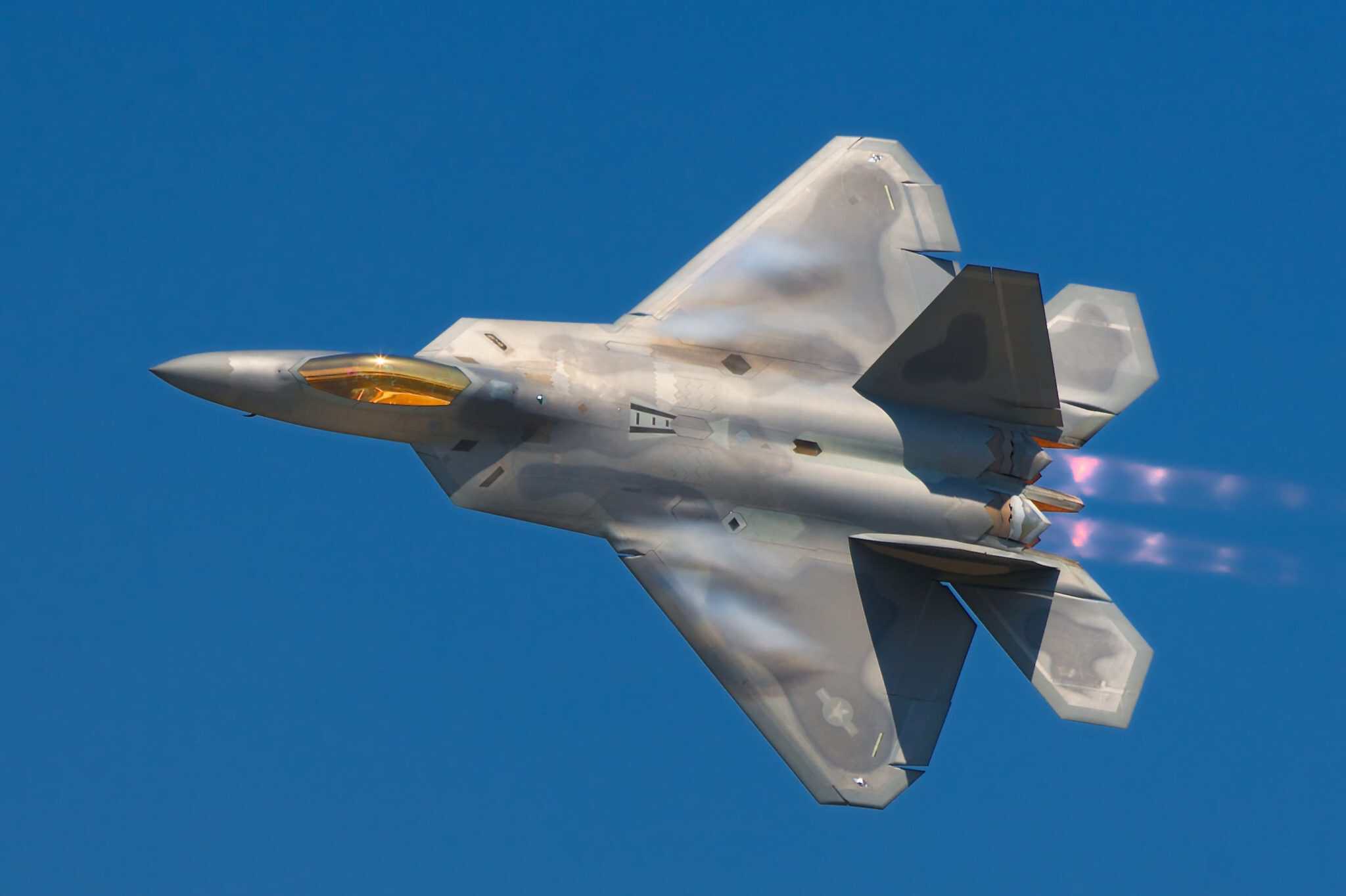

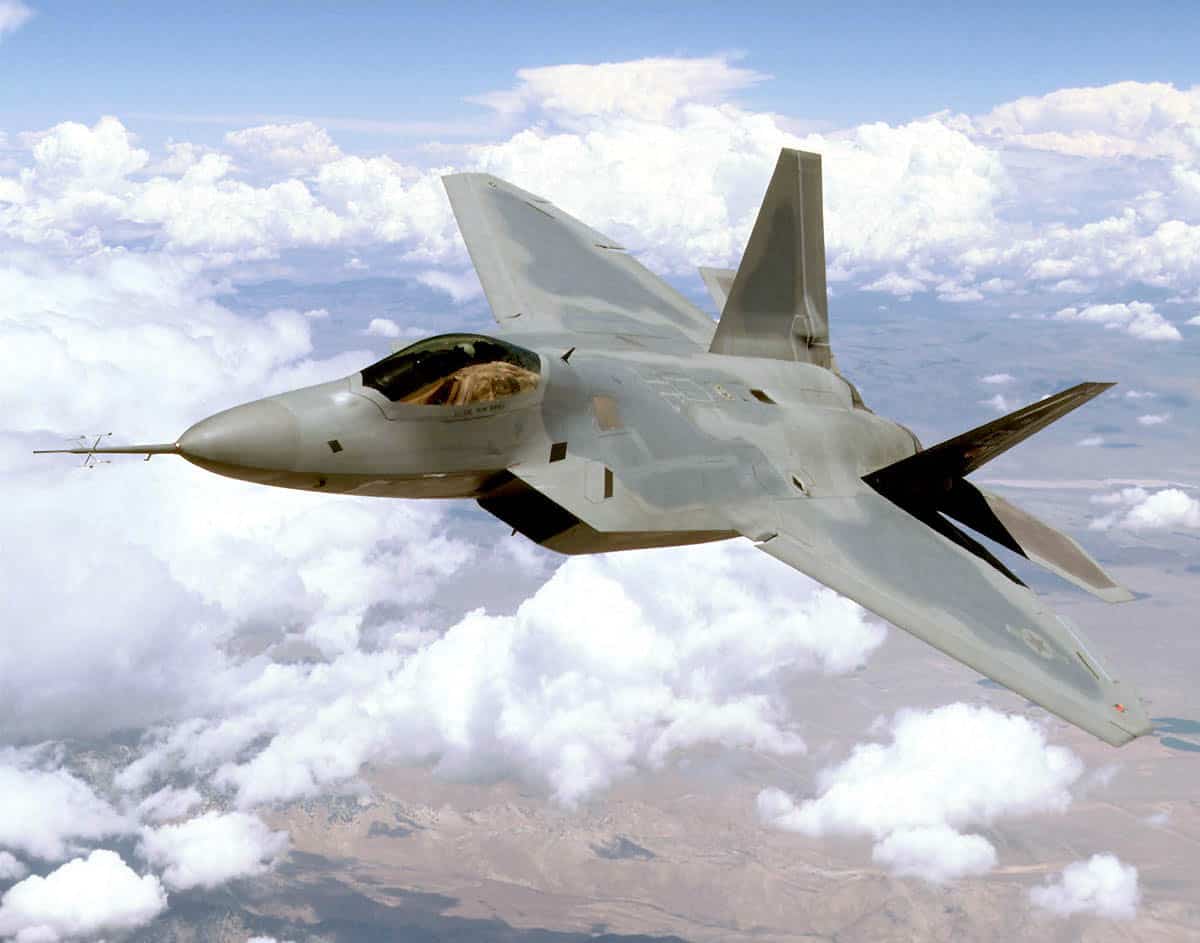
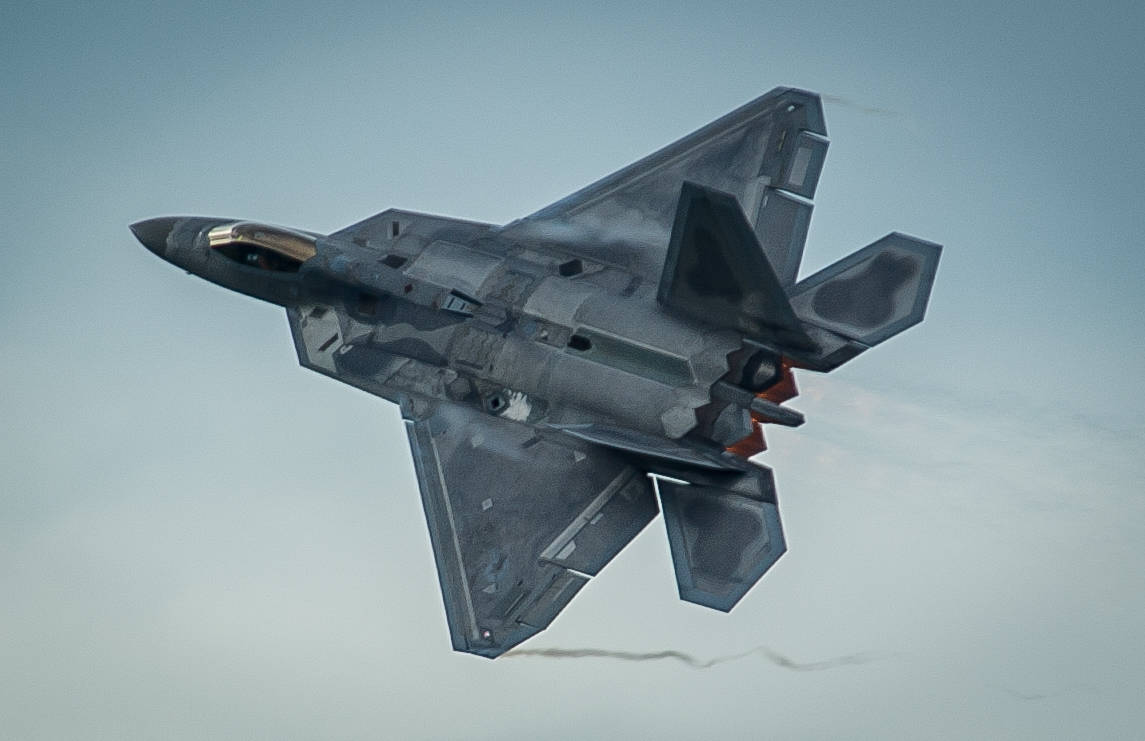


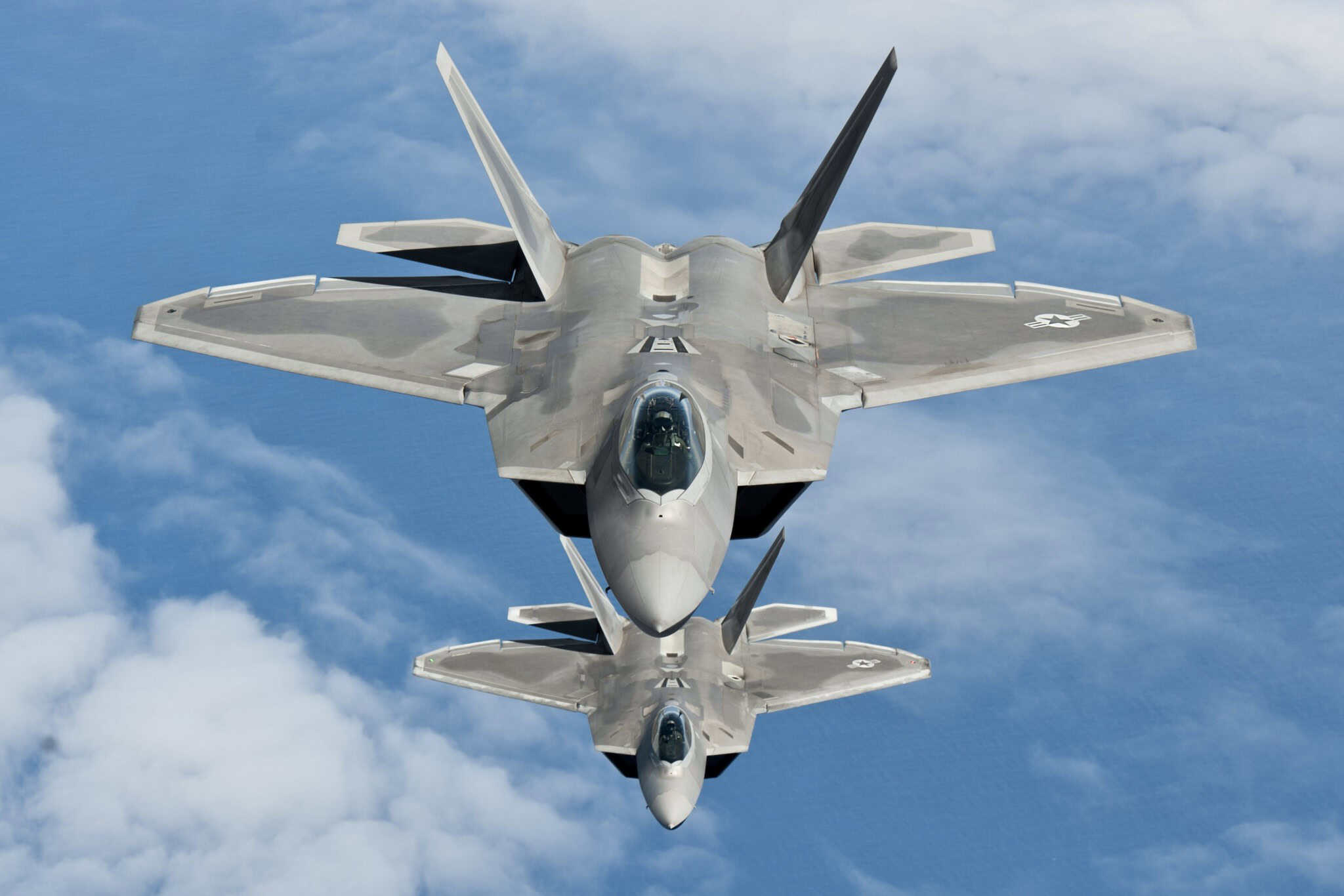

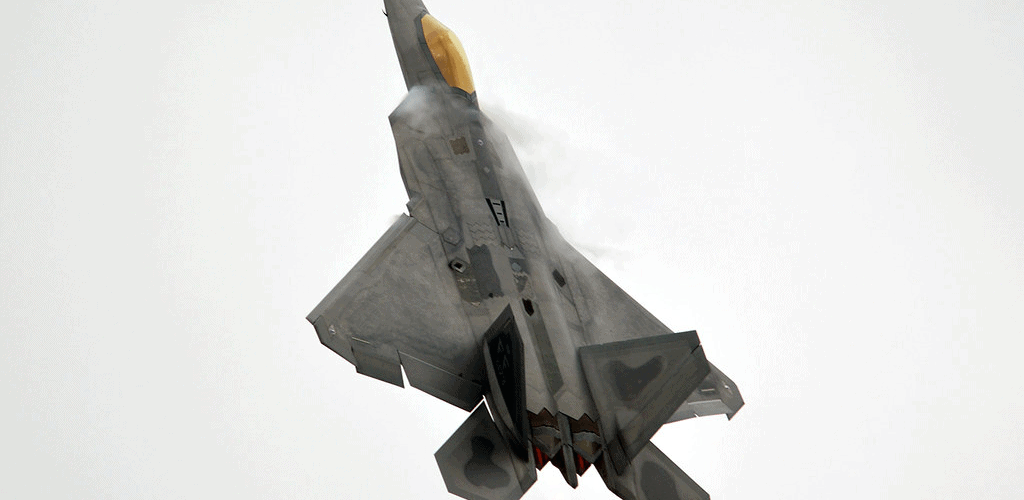


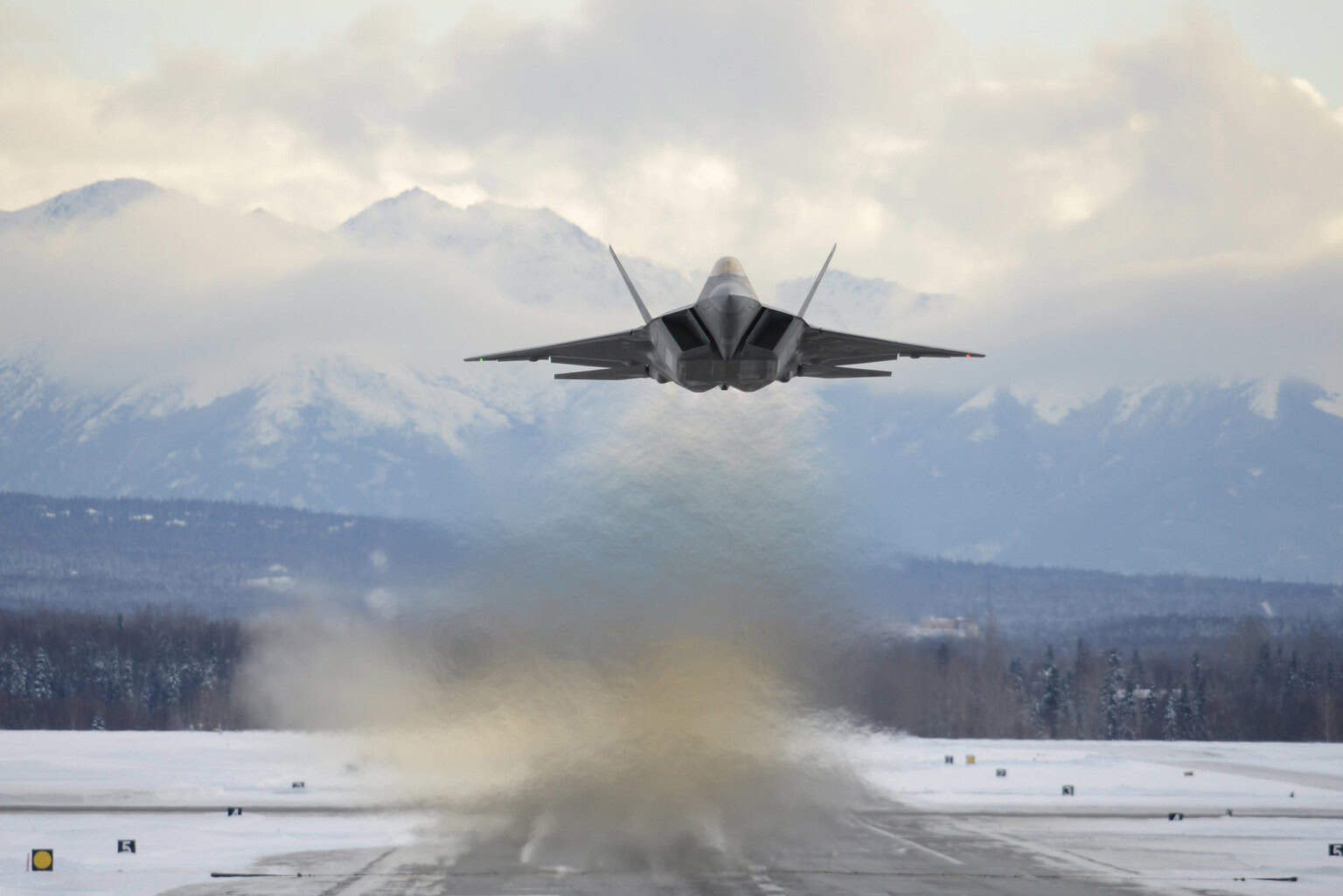


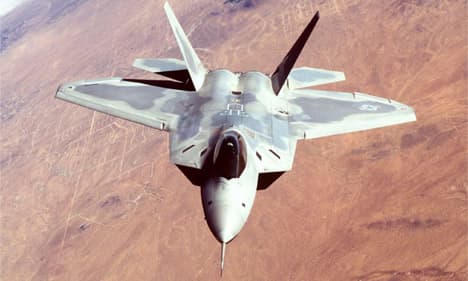

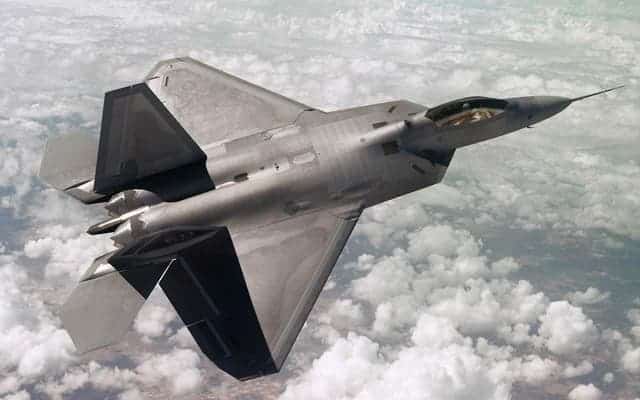

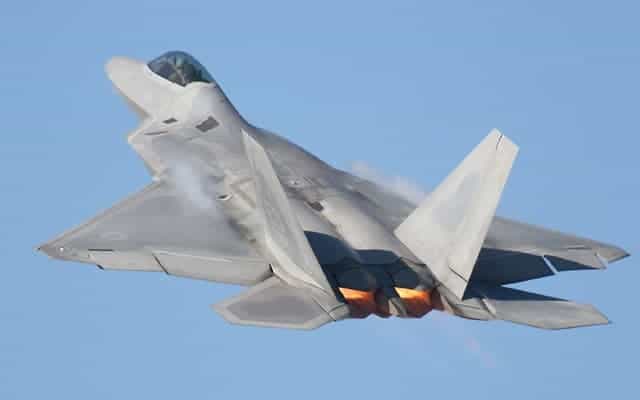
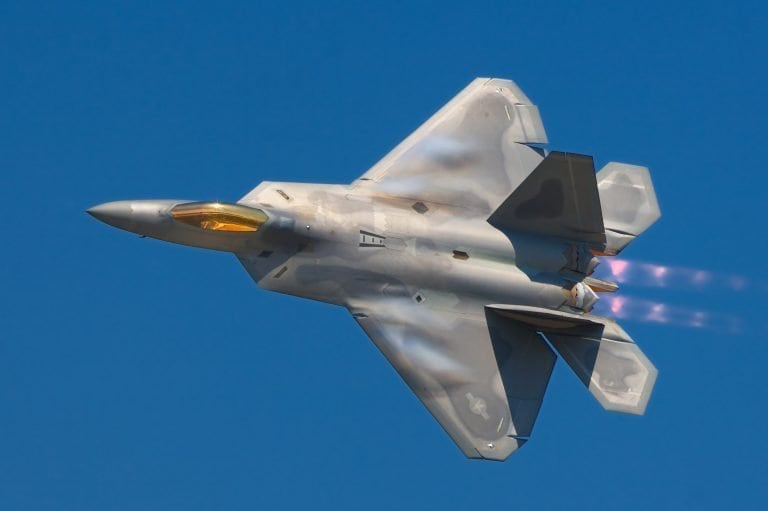
The F-22 Raptor is the most expensive fighter ever built by program cost. The program totalled $67.3 billion for 195 aircraft, about $350 million each.
Its flyaway cost was far lower, roughly $143 million. The gap is the B-2 story again: the Air Force wanted 750 Raptors, the order fell to 187 operational jets, and $32.4 billion of research and development landed on a much smaller fleet.
Production ended in 2012 and the line cannot realistically be restarted. See how it compares in our rankings of the most expensive fighter planes and the best fighter jets in the world.
8. Sikorsky CH-53K King Stallion: about $130 million


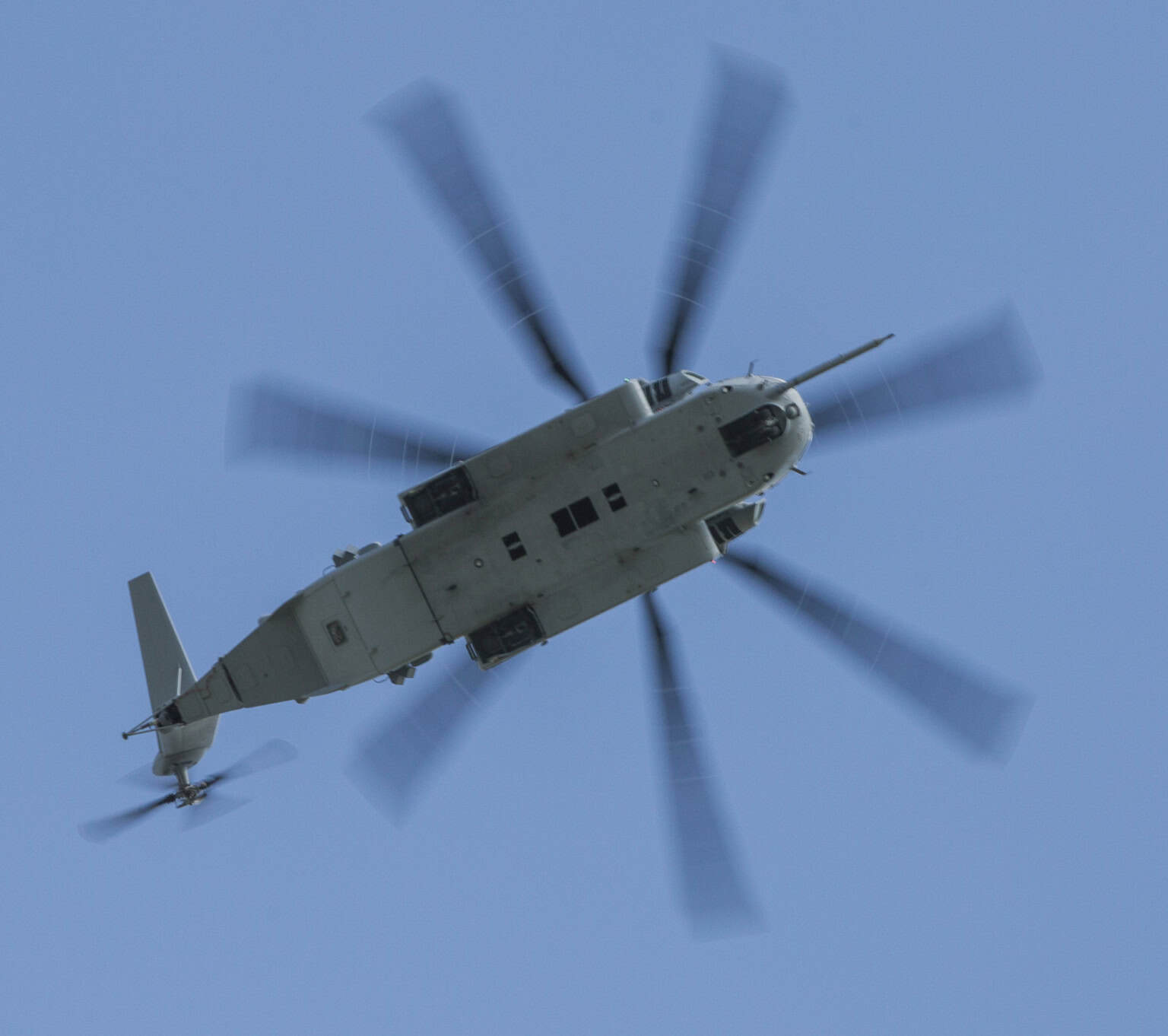
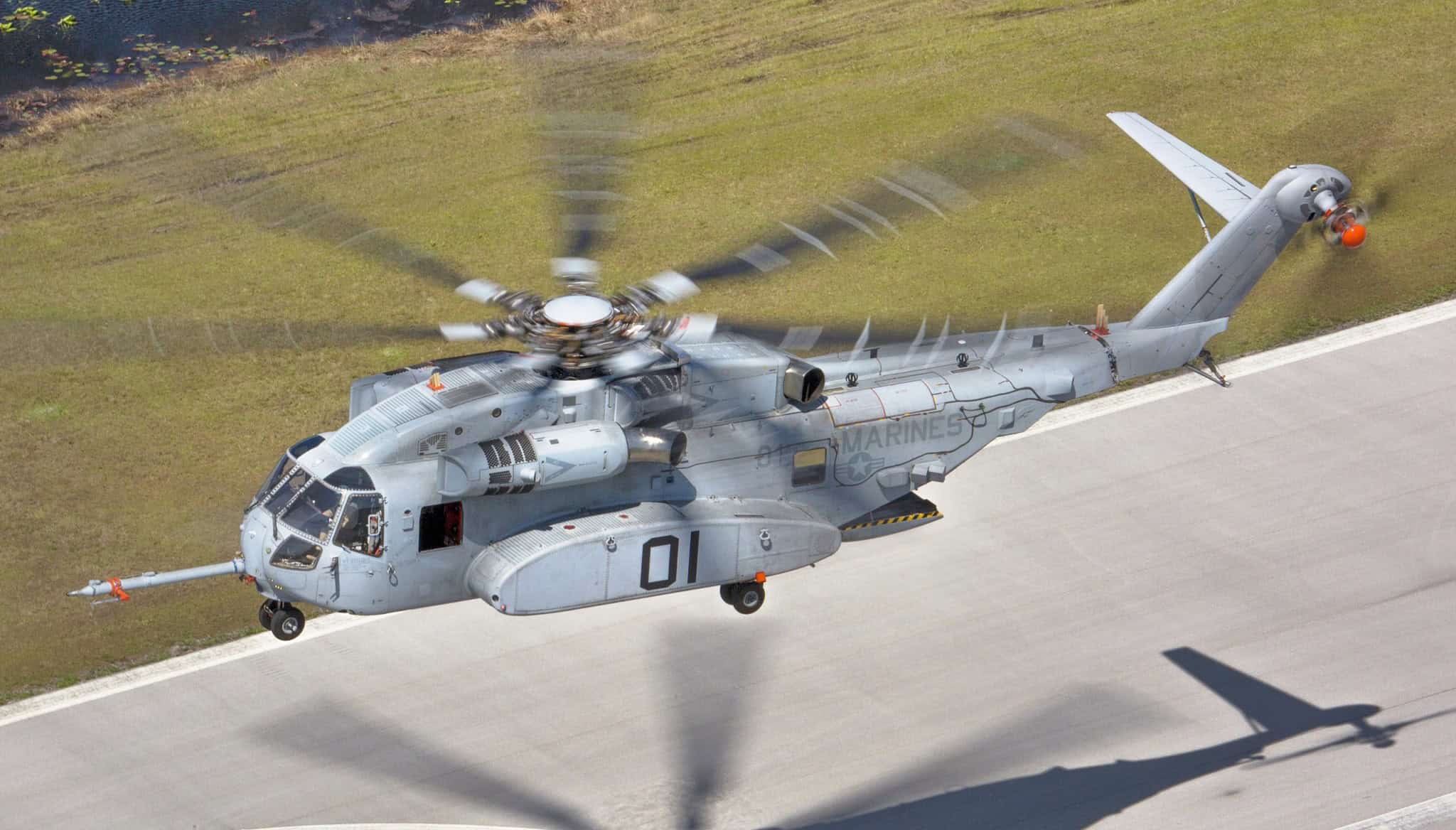


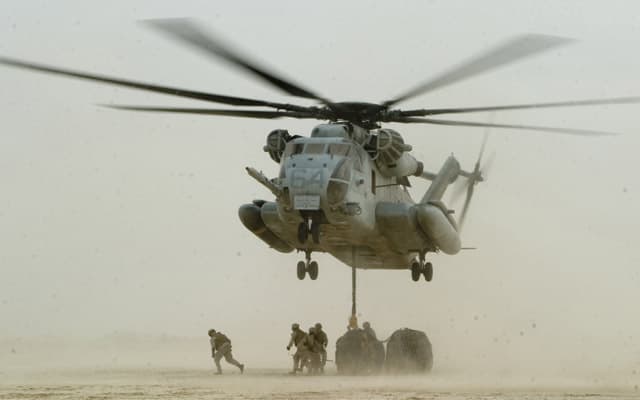
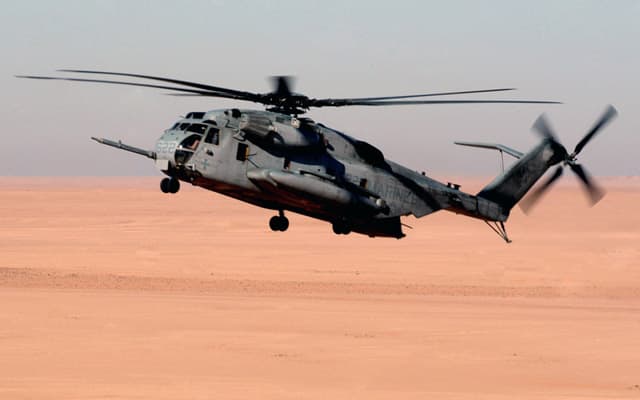

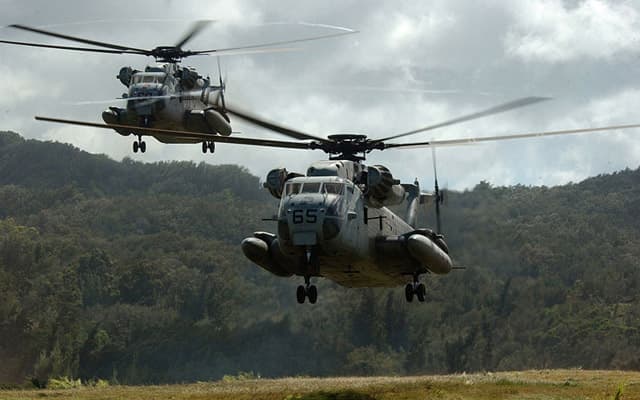
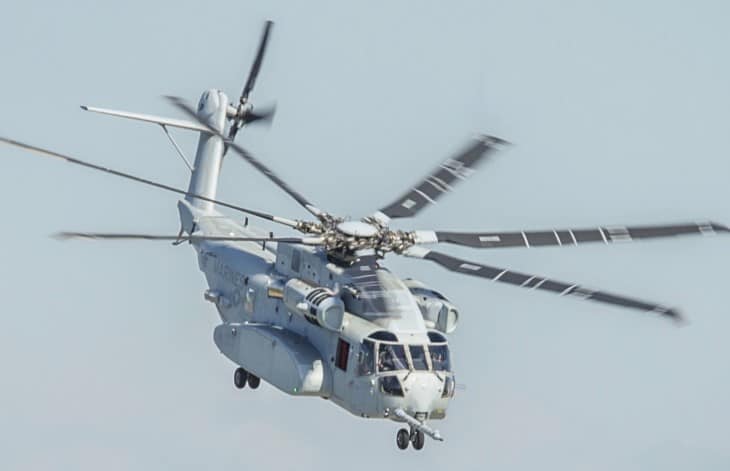
The CH-53K King Stallion is the most expensive helicopter in the world, with published figures ranging from about $100 million to $131 million depending on production lot.
It is the most powerful helicopter in the US military, able to lift triple the external load of the CH-53E it replaces. Sikorsky holds a contract worth close to $11 billion for up to 99 aircraft for the Marine Corps.
9. Lockheed Martin F-35: cheap per jet, the costliest program ever


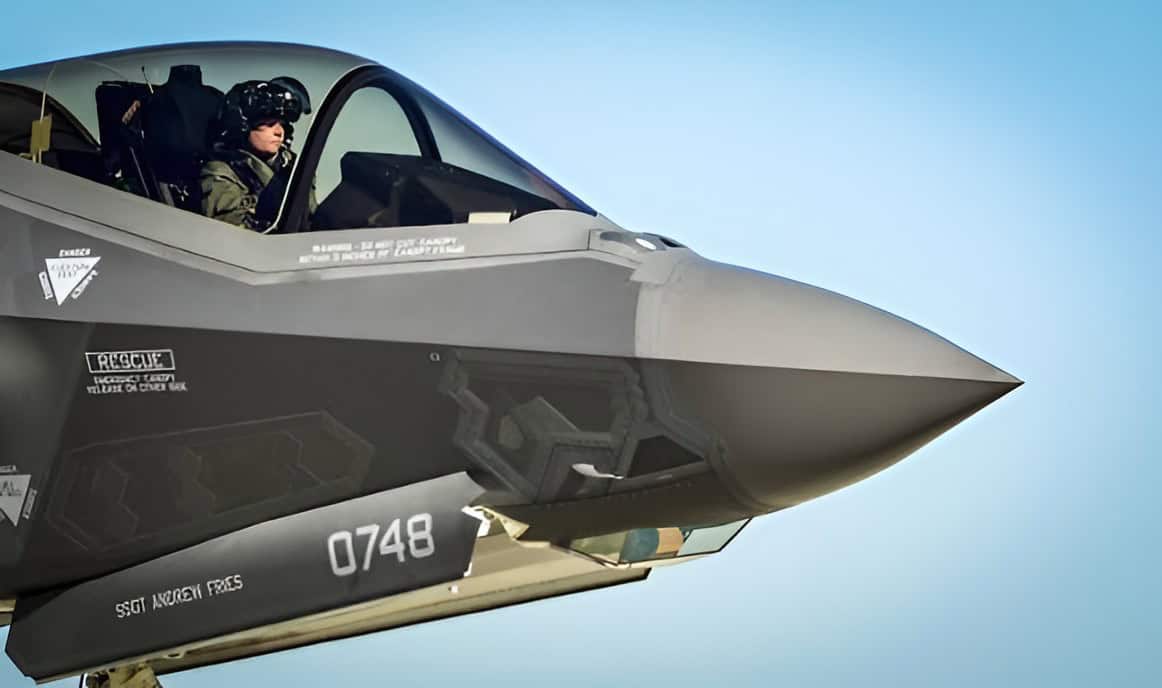


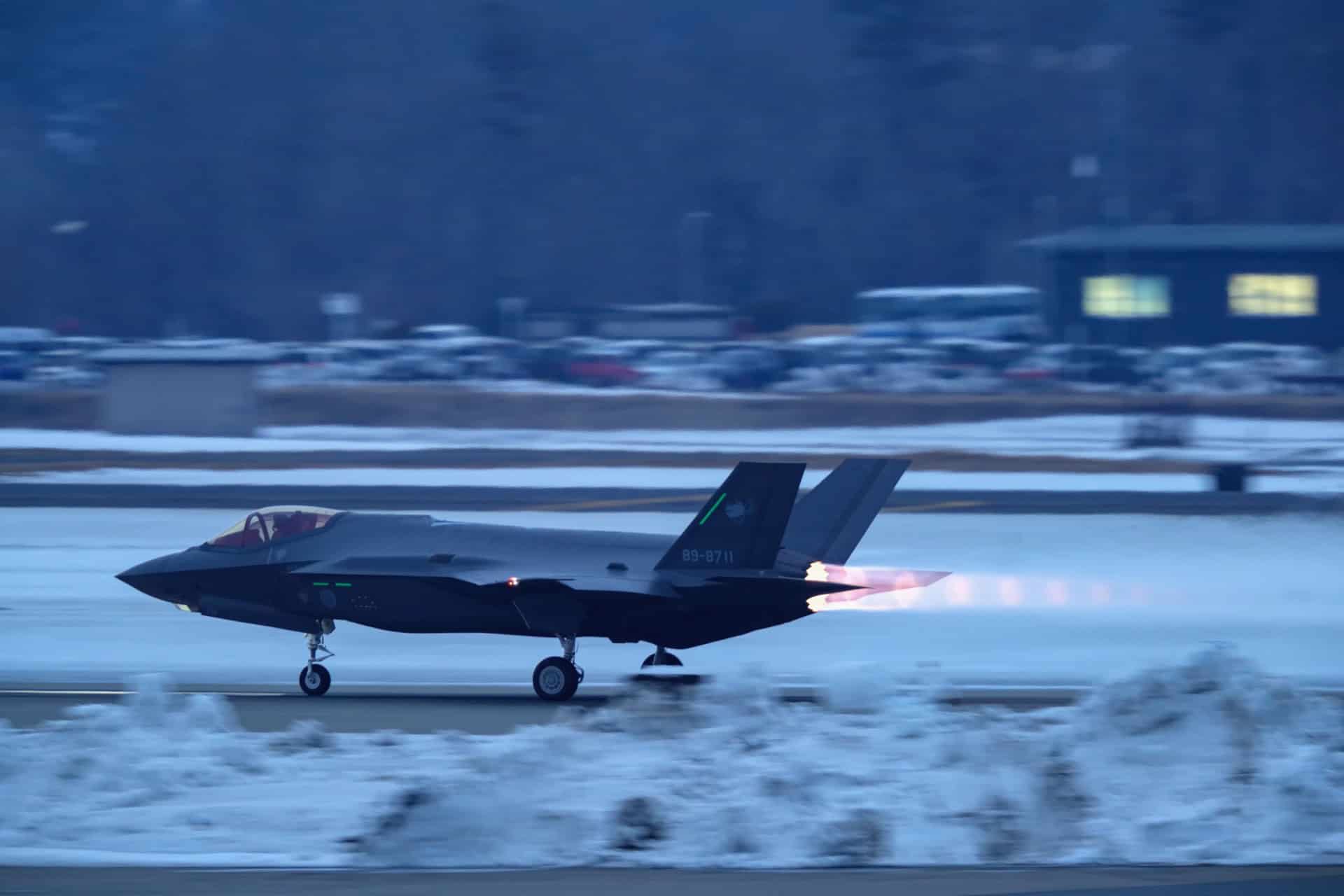


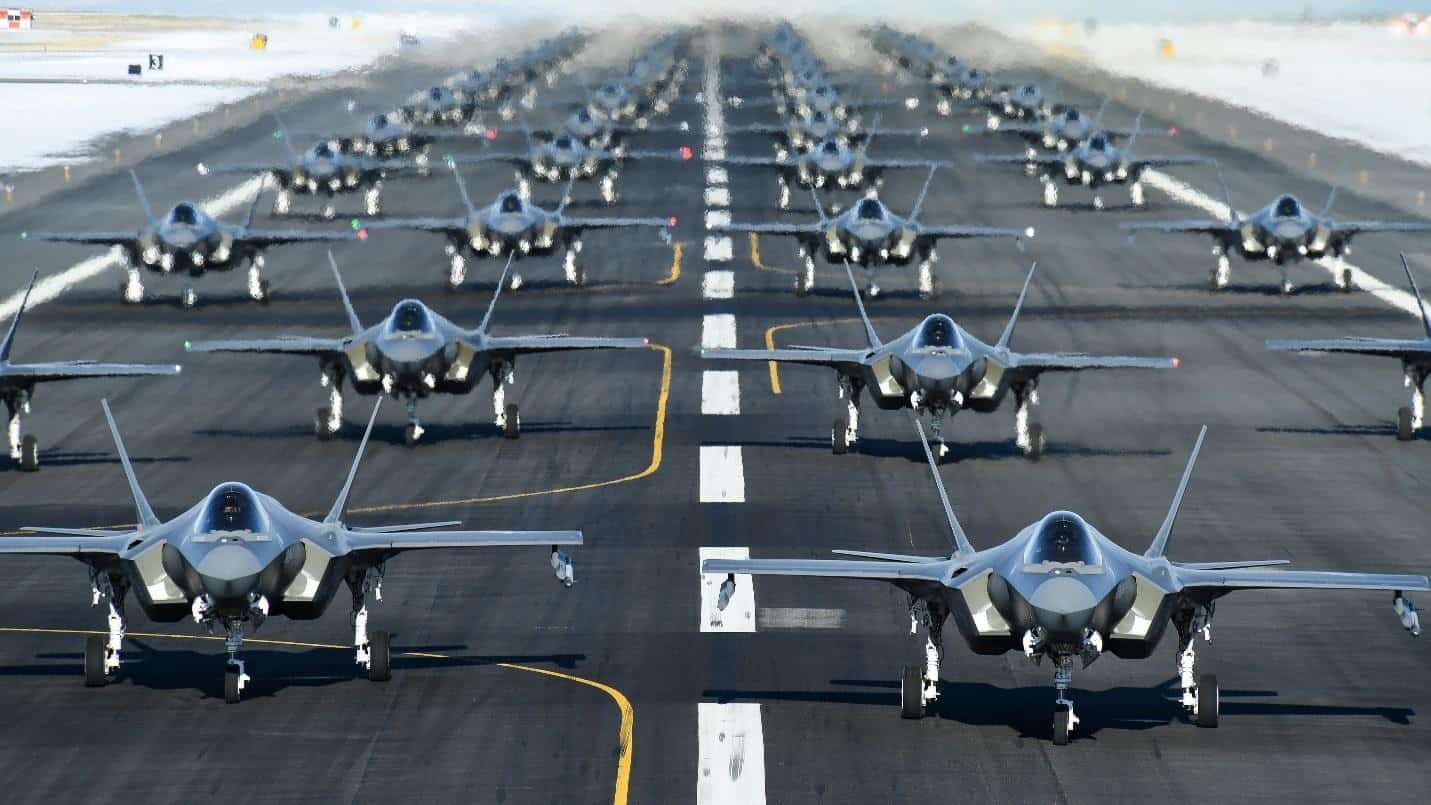

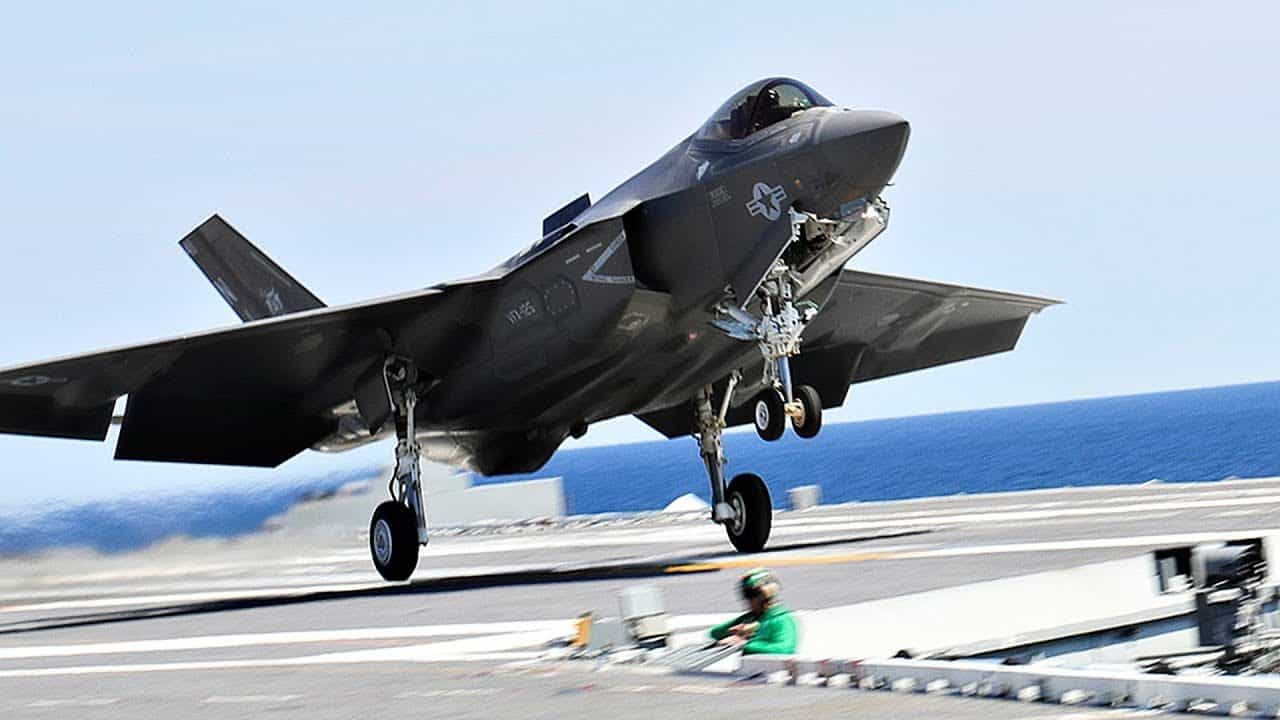
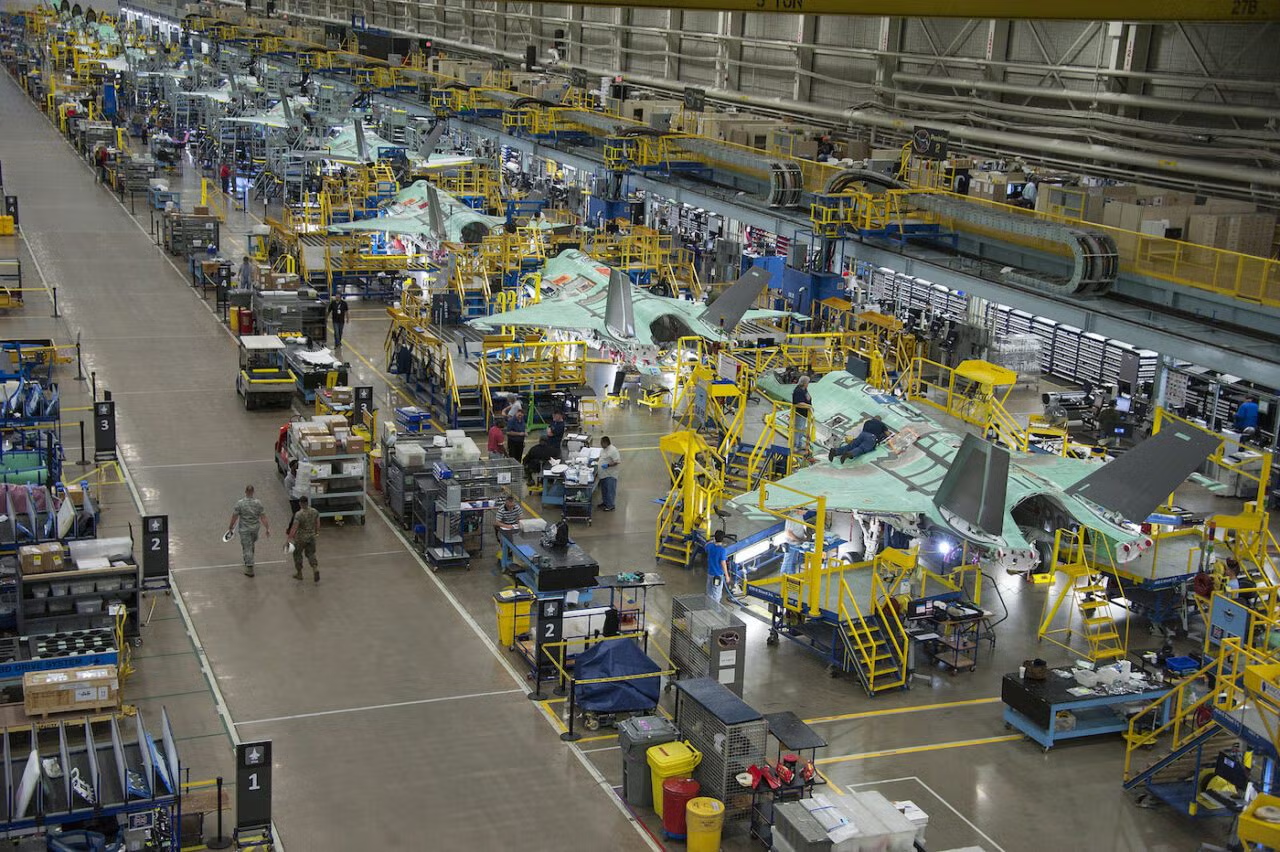


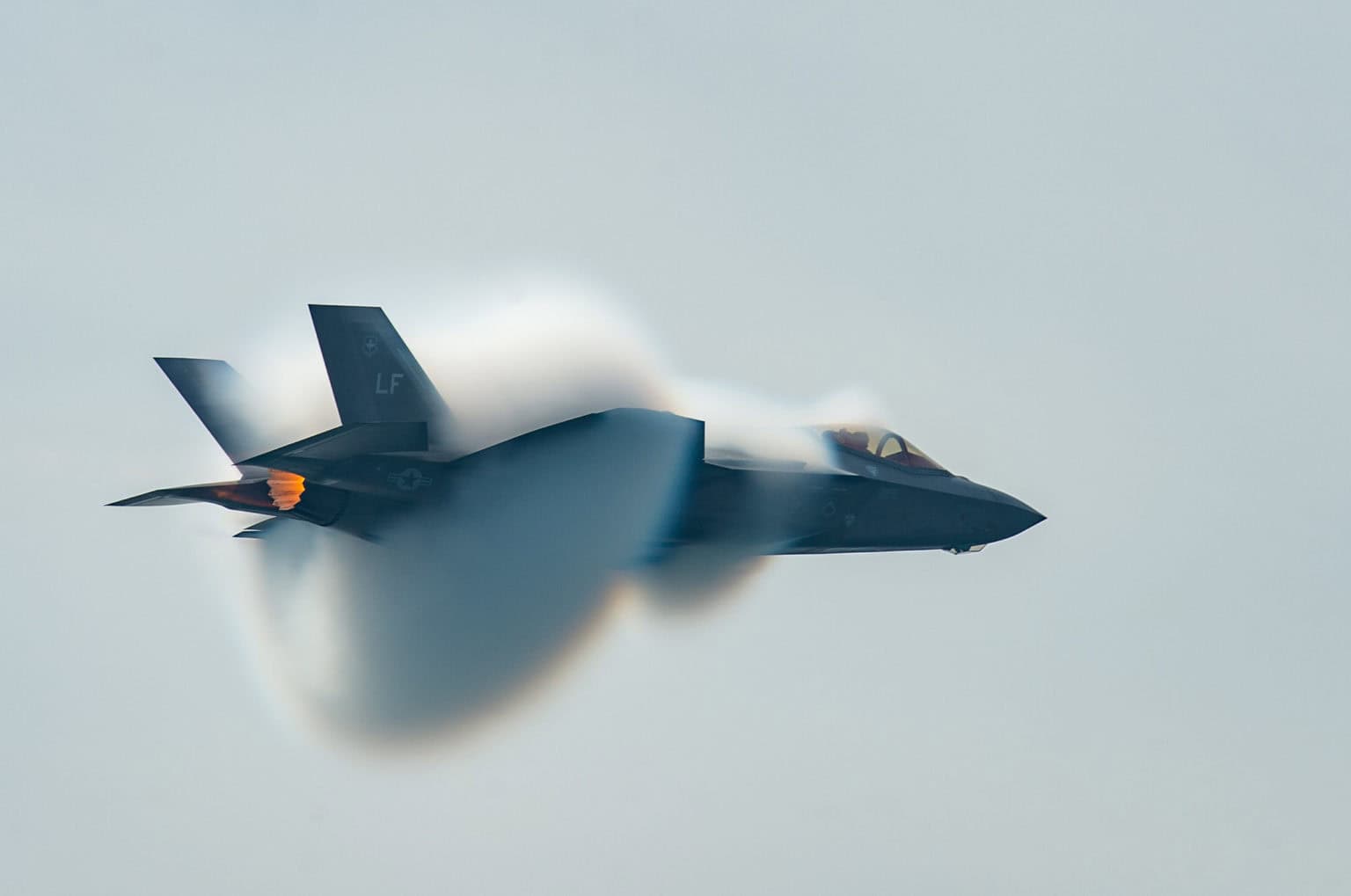


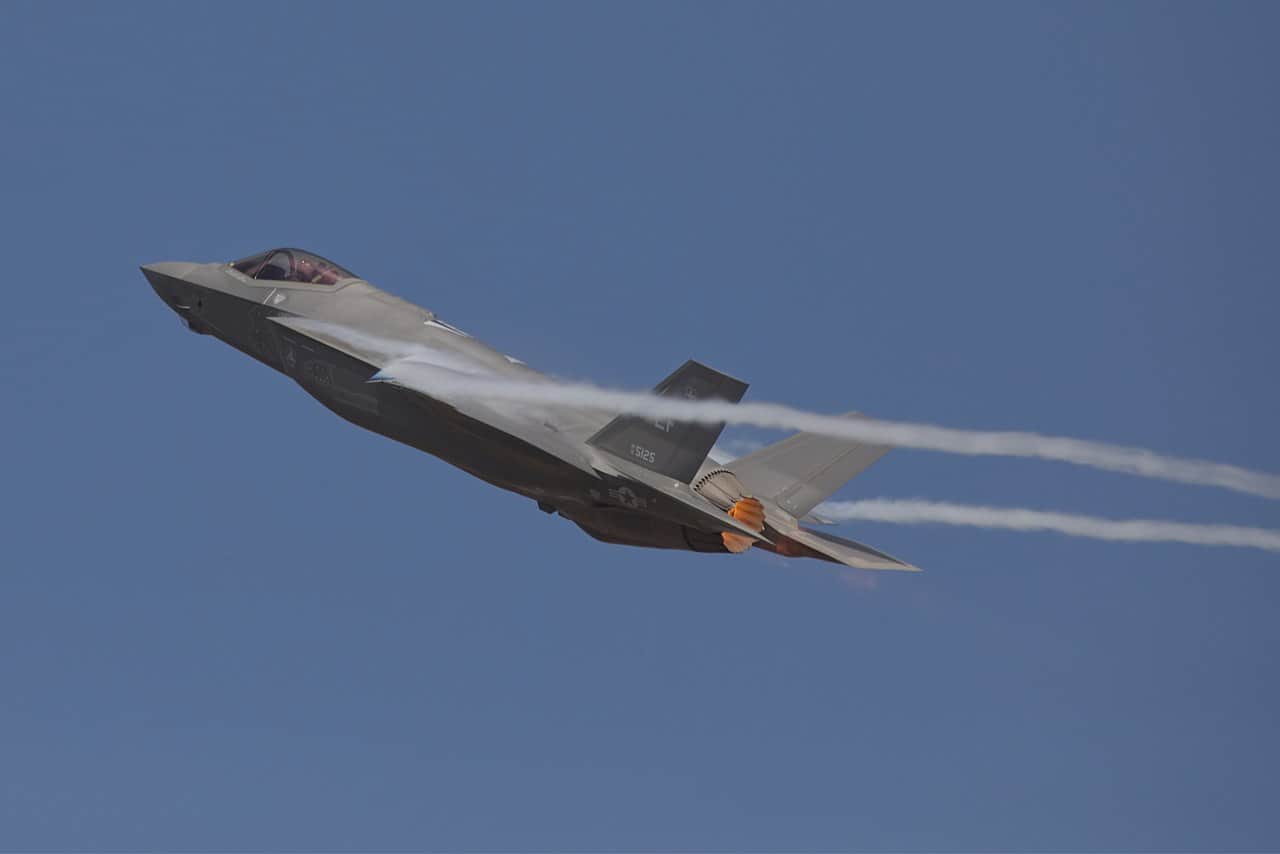
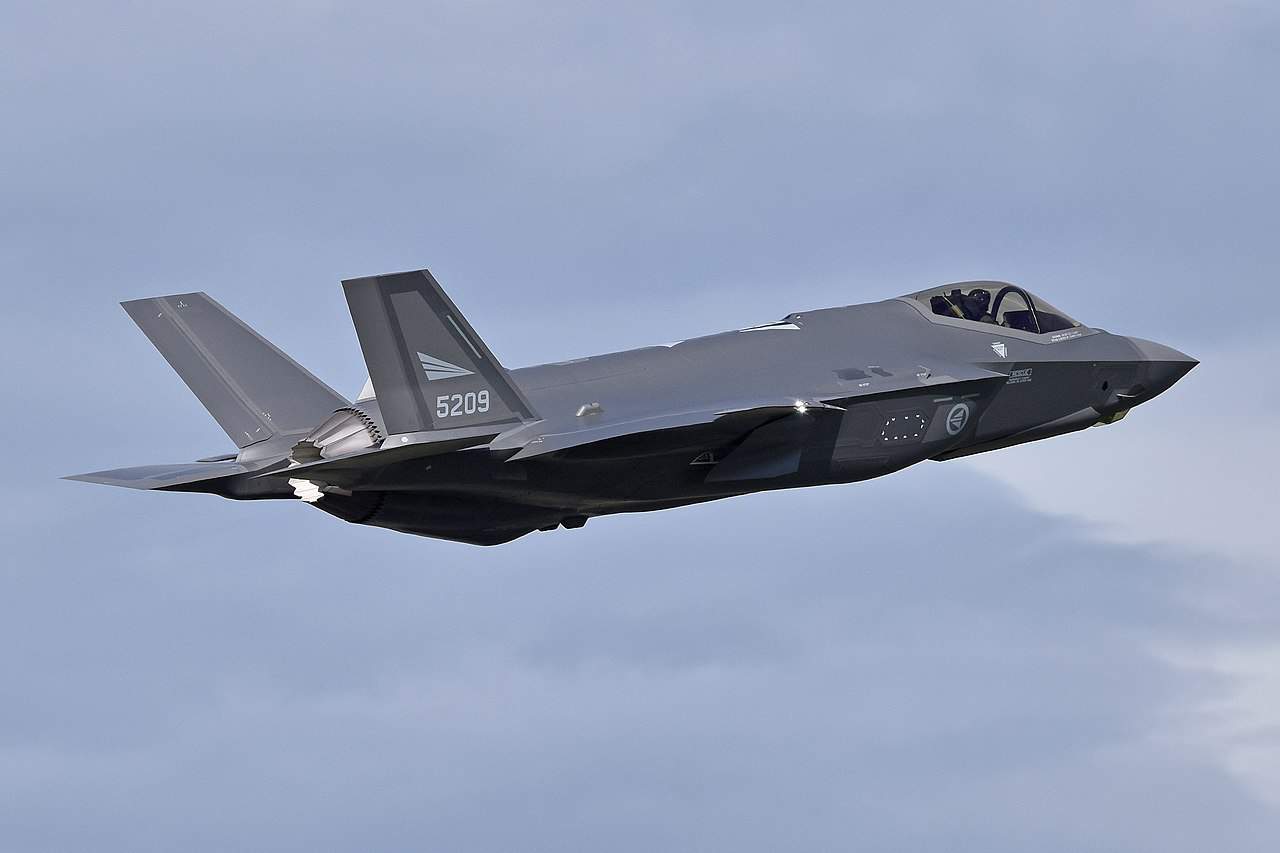
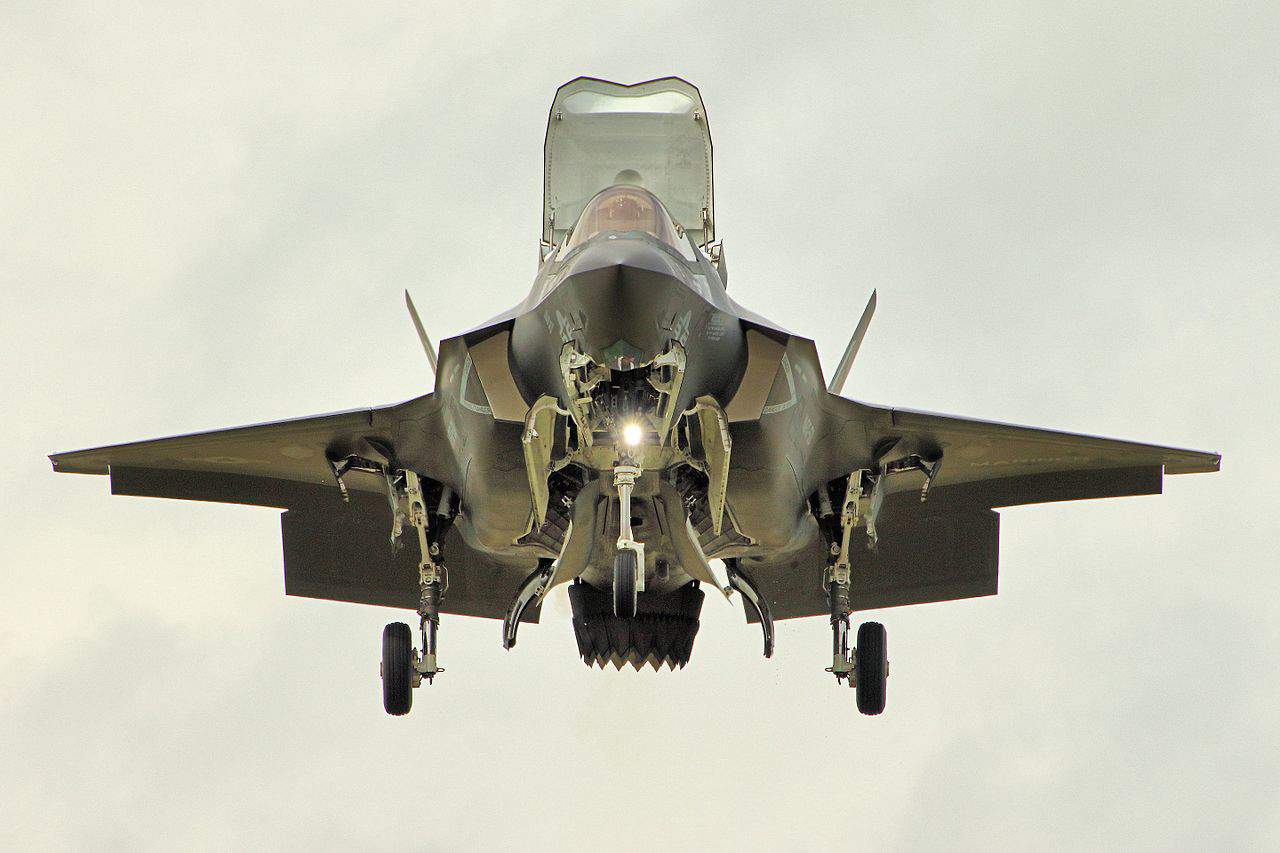


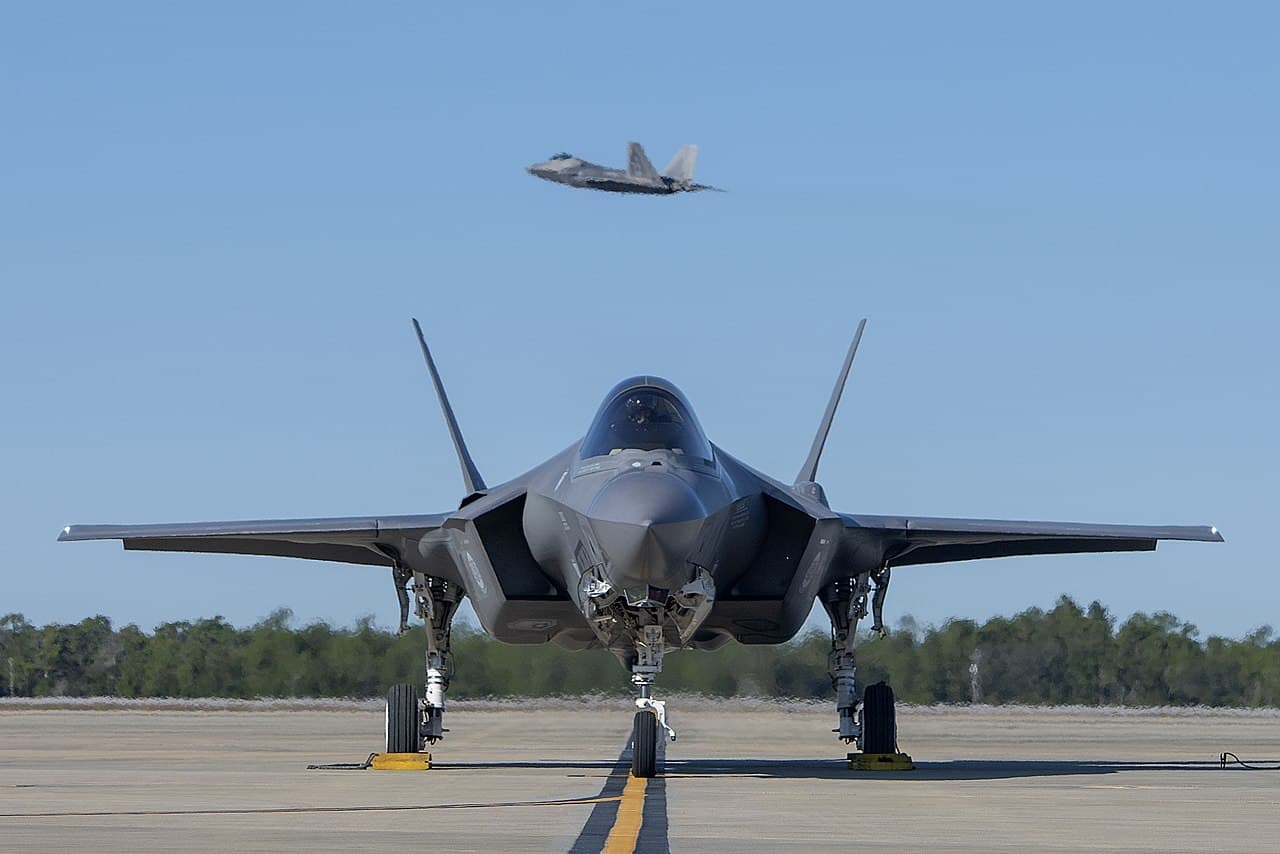
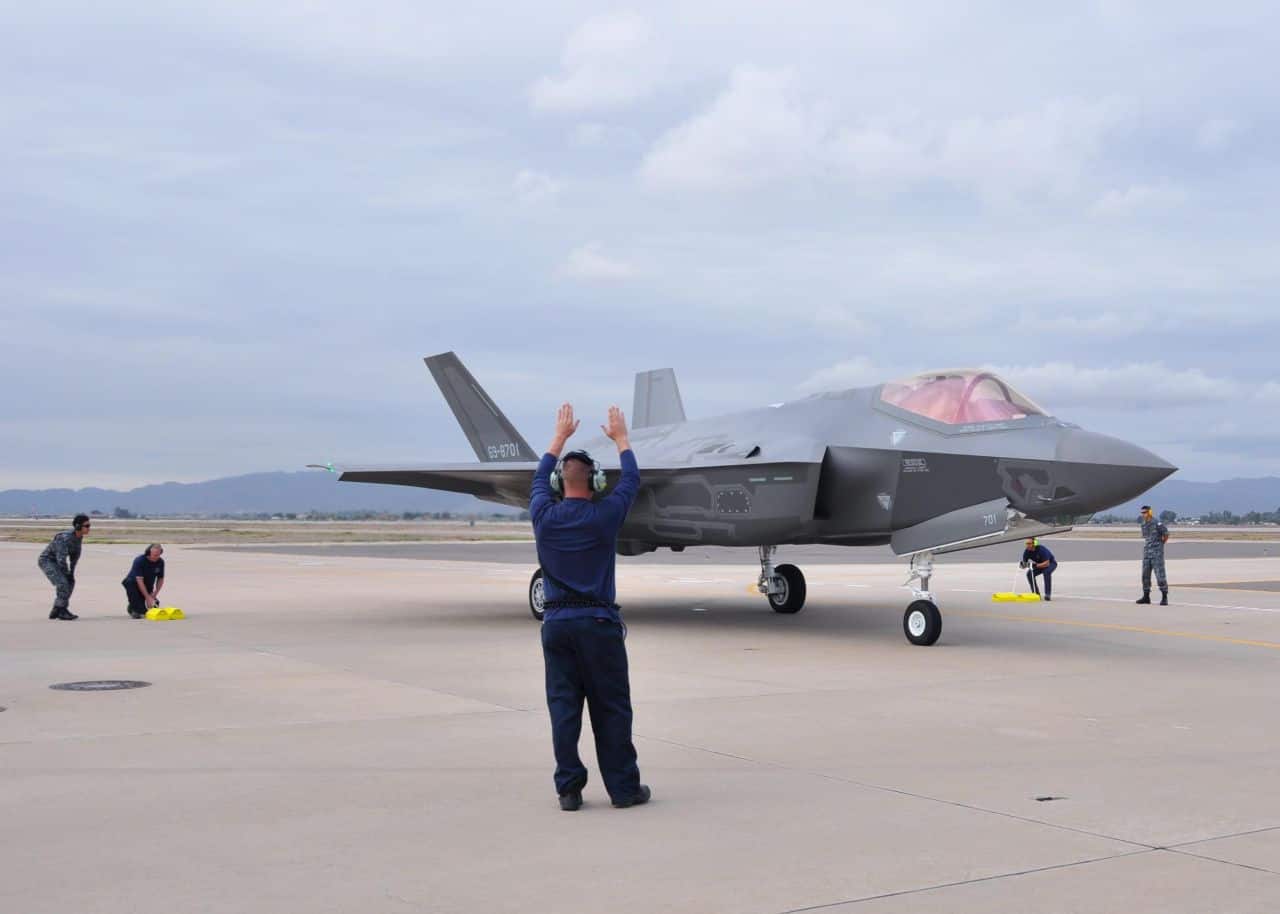
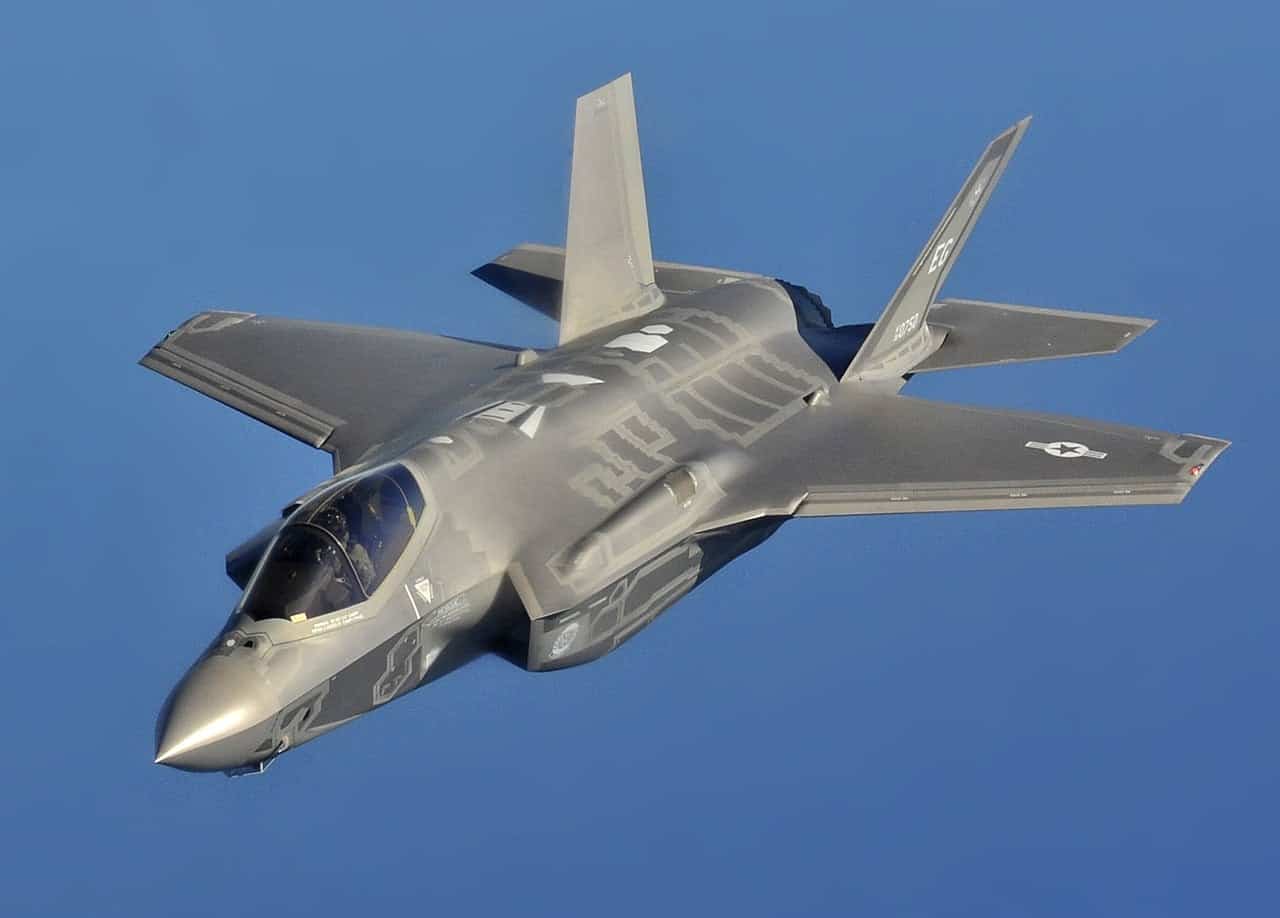
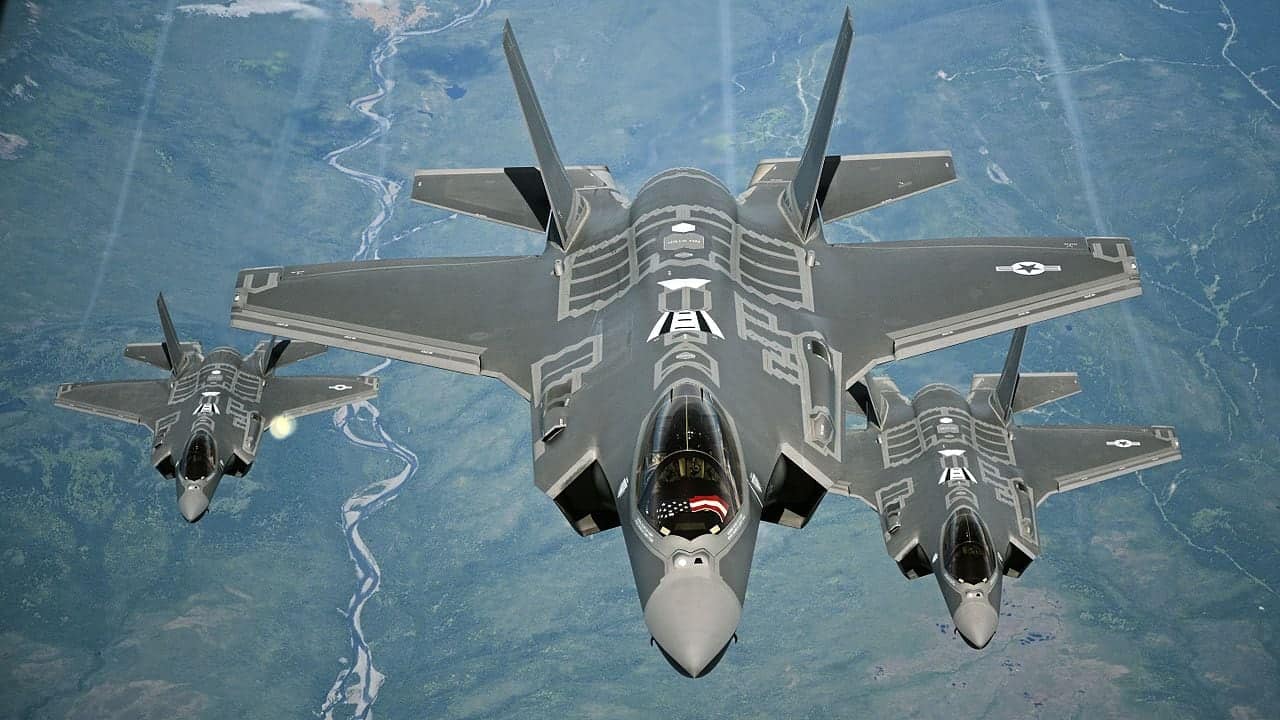
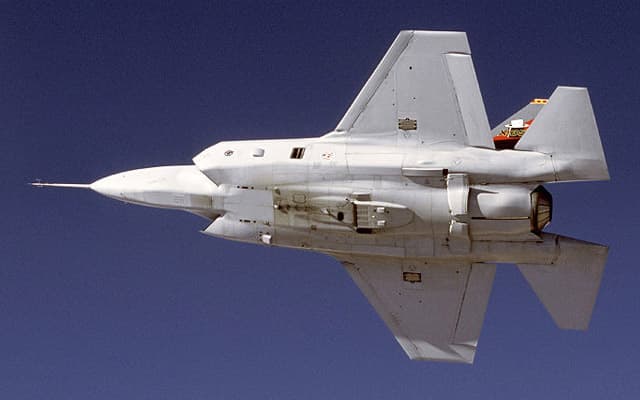
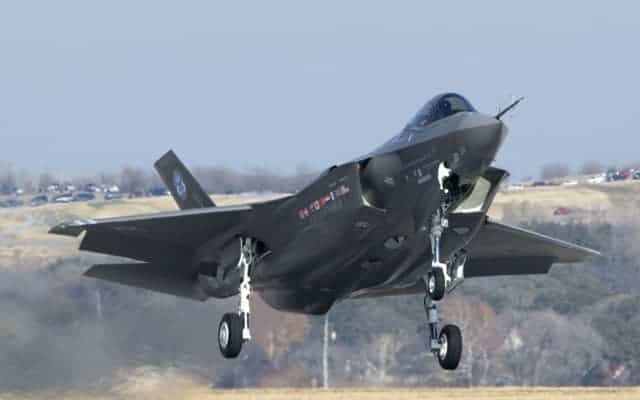
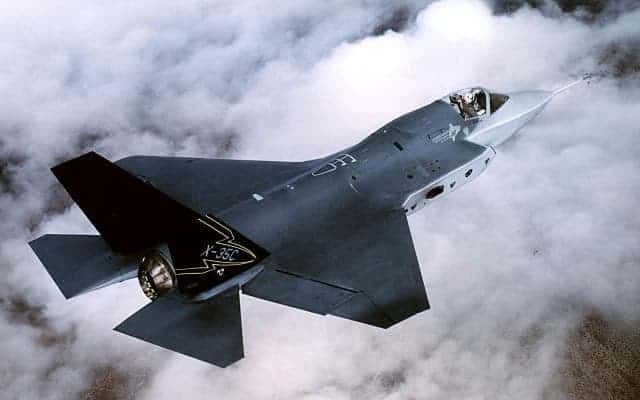
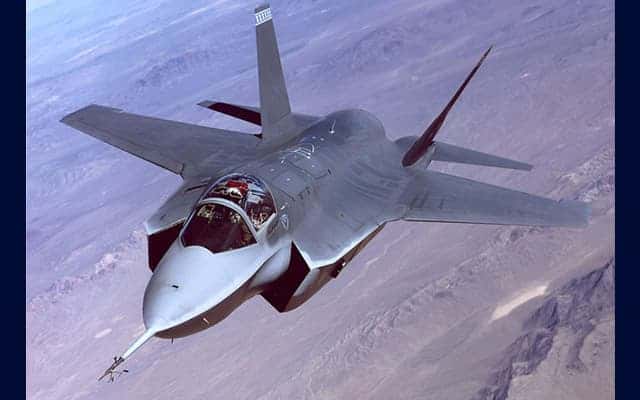

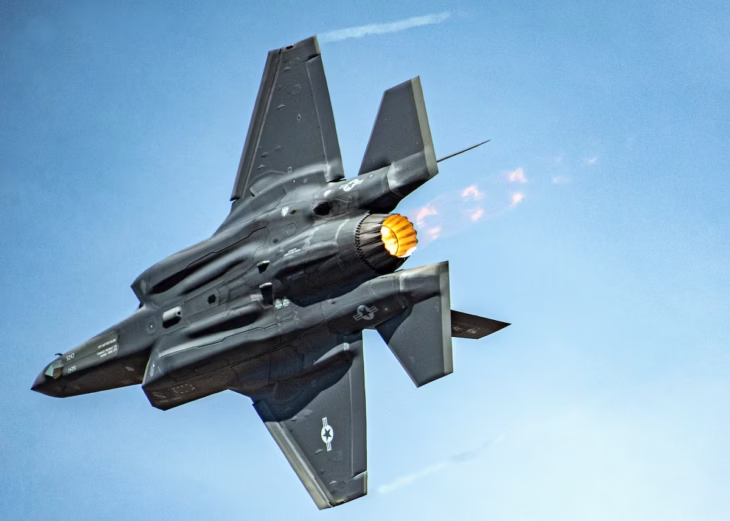
The F-35A is the least expensive aircraft on this list at roughly $82.5 million flyaway, and it belongs here anyway. It is the most expensive weapons program in history.
The Pentagon plans to buy 2,470 aircraft and fly them to about 2088. The GAO estimates acquisition and sustainment across that 77-year life cycle at more than $2 trillion, with sustainment alone around $1.6 trillion.
Two trillion dollars, flying a quarter of the time
The F-35’s sustainment estimate rose 44 percent in five years, from $1.1 trillion in 2018 to $1.58 trillion in 2023, partly because the fleet is now planned to fly 11 years longer than first assumed. Over the same period readiness fell: the GAO reported the fleet-wide mission-capable rate dropping from 67 percent in 2021 to 44 percent in 2025.
The flying palaces: the most expensive private jets
Private aircraft belong in a separate tier, because their prices are reported rather than audited. Nobody publishes a receipt for a head of state’s airliner conversion.
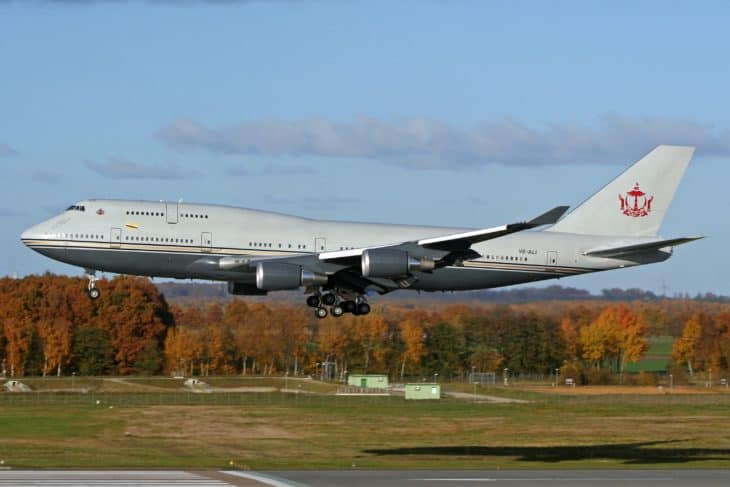
The most expensive private jet actually flying is generally accepted to be the Sultan of Brunei’s Boeing 747-430, with the airframe and its gold-plated interior widely reported between $220 million and $400 million. The figures vary by source, so treat them as estimates.
For the full field, including the Boeing 747-8 VIP and the top business jets, see our ranking of the most expensive private jets.
The $500 million A380 "Flying Palace" was never built
Almost every list names Prince Al-Waleed bin Talal’s $500 million Airbus A380 as the most expensive private jet in the world. It never existed. He ordered the aircraft in 2007 and planned a garage, a stable, and a spa across three decks, but the 2008 financial crisis intervened, payments lapsed, and Airbus confirmed in 2013 that the airframe had been resold to another buyer. It was never fitted out and never flew as a private jet.
The Most Expensive in Every Category
This article ranks the field across every category. Each category has its own full ranking on AeroCorner, with more entries and deeper specifications than a cross-category list can carry.
The military ranking linked above covers every type from bombers to airlifters, and the fighter and private jet rankings go far deeper than the entries here. Two more categories have their own lists.
- Turboprops, in our ranking of the most expensive turboprops.
- The other end of the market, in our guide to the least expensive private jets.
If the underlying question is why any of these numbers are so large, our explainer on why planes are so expensive covers the economics of certification, tooling, and low production volumes.
Why fleet size, not technology, sets the price
The pattern running through this ranking is not that expensive aircraft are more advanced. It is that expensive aircraft were ordered in small numbers.
The B-2, the F-22, and the VC-25B all spread enormous development bills across tiny fleets. The B-21 and the F-35 spread comparable bills across hundreds or thousands, and their per-aircraft costs fall accordingly.
That is why a cancelled order is the most reliable way to make an aircraft expensive, and why the F-35 can be the cheapest jet on this list and the costliest program ever built at the same time.
FAQ
Sources and references used for research and fact-checking.
- The War Zone, Boeing Has Now Eaten $3B In Air Force One Cost Overruns
- US Government Accountability Office, B-2 Bomber: Cost and Operational Issues (GAO/NSIAD-97-181)
- US Government Accountability Office, The F-35 Will Now Exceed $2 Trillion As the Military Plans to Fly It Less
- Air & Space Forces Magazine, Air Force Awards $13 Billion Contract for New 'Doomsday Plane'
- FlightGlobal, Trump logs first presidential flight on VC-25B Air Force One converted from Qatari 747-8
- Air & Space Forces Magazine, F-35 Deal for Lots 18 and 19 Covers 296 Fighters at $24.3 Billion
Get the Newsletter
The latest aviation news and stories sent to your inbox.
About the Author

Tim is the owner and lead editor of AeroCorner since 2019, overseeing aviation content covering aircraft, airlines, airports, and the broader aviation industry. Through years of researching, writing, editing, and publishing aviation-focused content, he has developed extensive practical knowledge of commercial aviation and air travel. Based in Asia and a frequent traveler himself, Tim also brings firsthand passenger experience to AeroCorner’s coverage. Outside of publishing, he has also explored aviation firsthand through hands-on flight training in New Zealand.