Military Aircraft
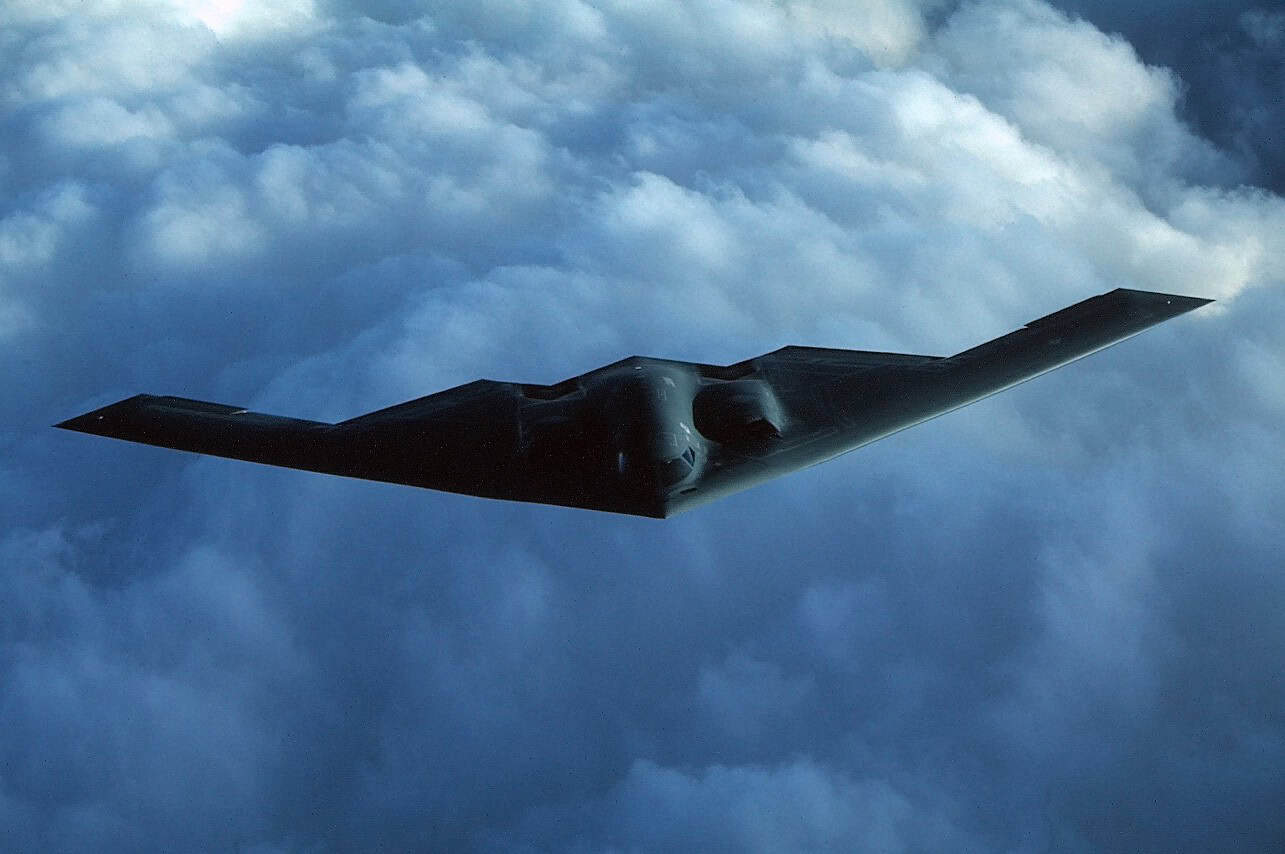
The Northrop Grumman B-2 Spirit is a long-range stealth bomber with a flying-wing shape and radar-absorbent skin, built to penetrate dense air defenses and strike targets anywhere on Earth, and only 21 were ever built.
Updated: by Tim de Vries
The latest aviation news and stories sent to your inbox.
The Northrop Grumman B-2 Spirit is a long-range stealth bomber developed to evade advanced air defenses. Featuring a distinctive flying wing design, it is optimized for low observable performance and precision strike capability. The aircraft entered service during the post-Cold War era.
Live Fleet Activity (B2)
Fetching live data…


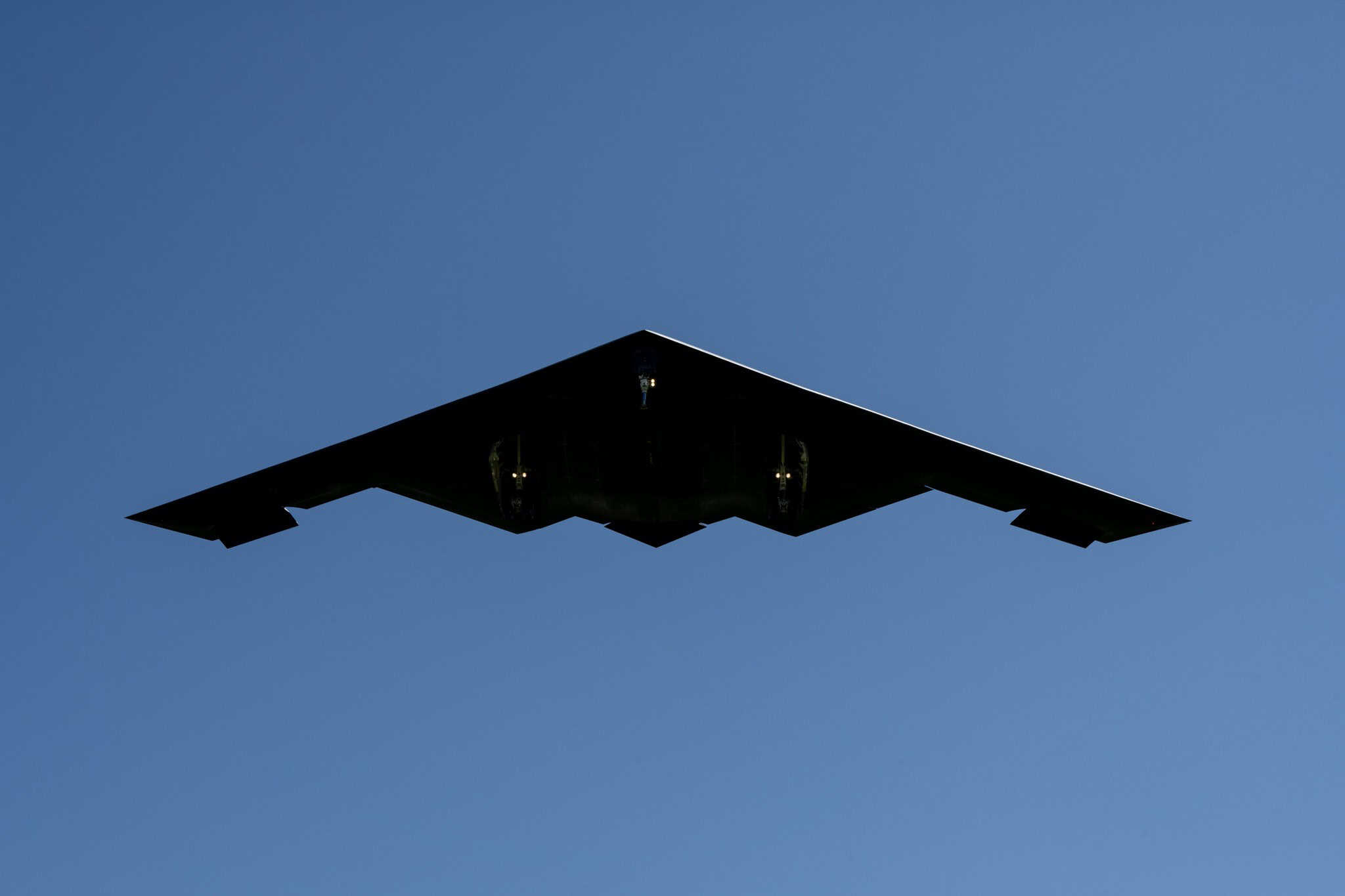
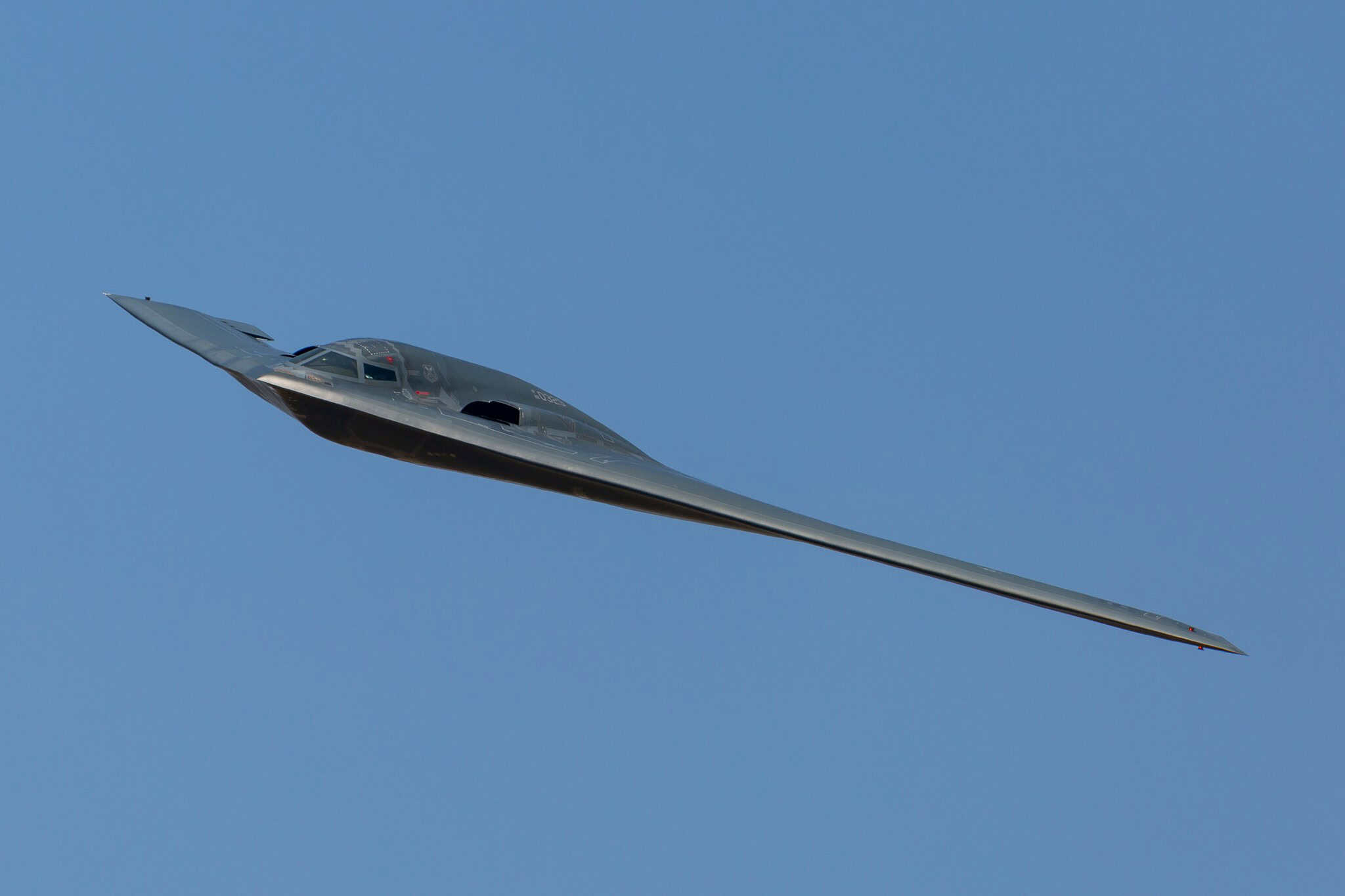


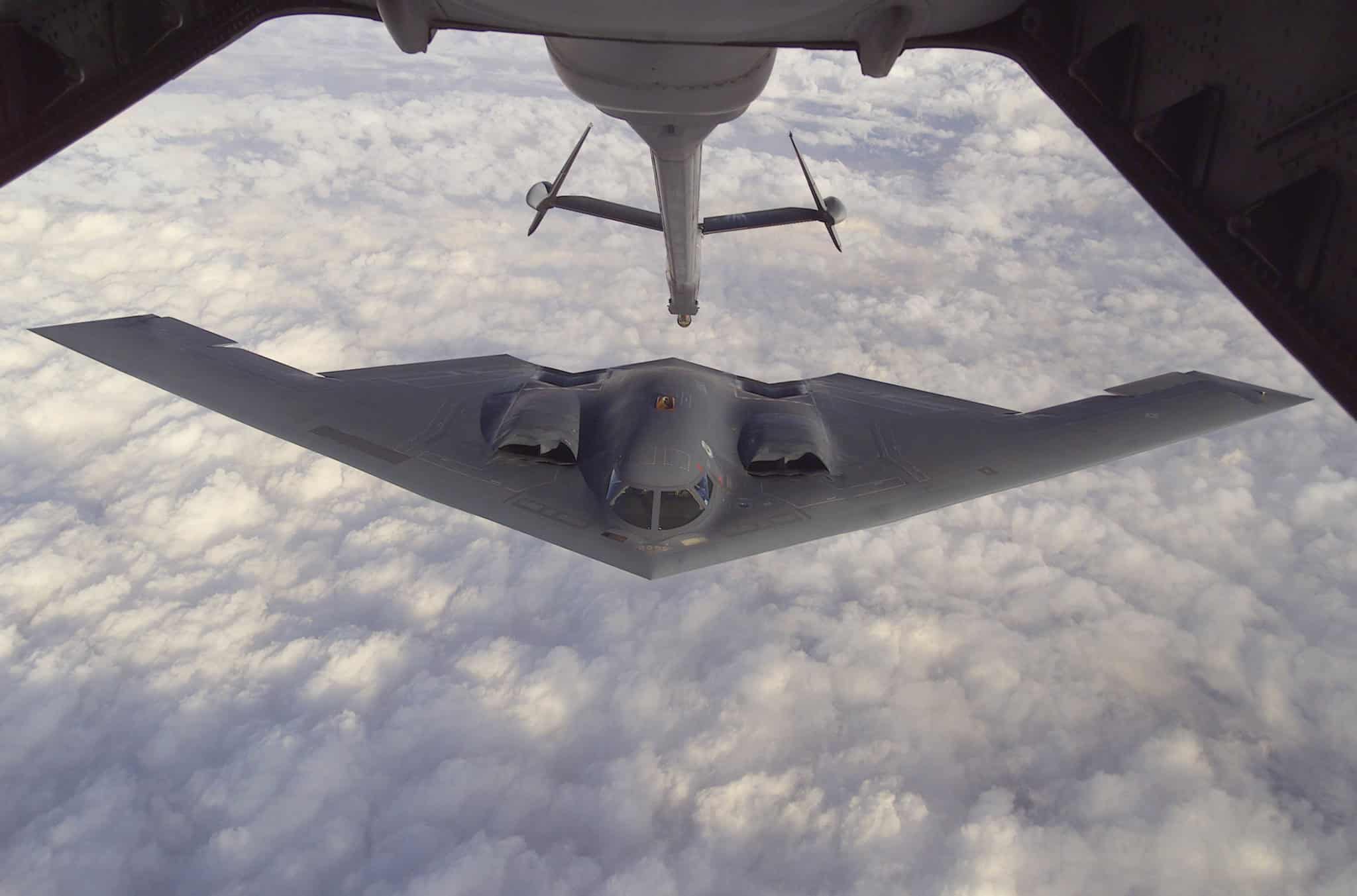

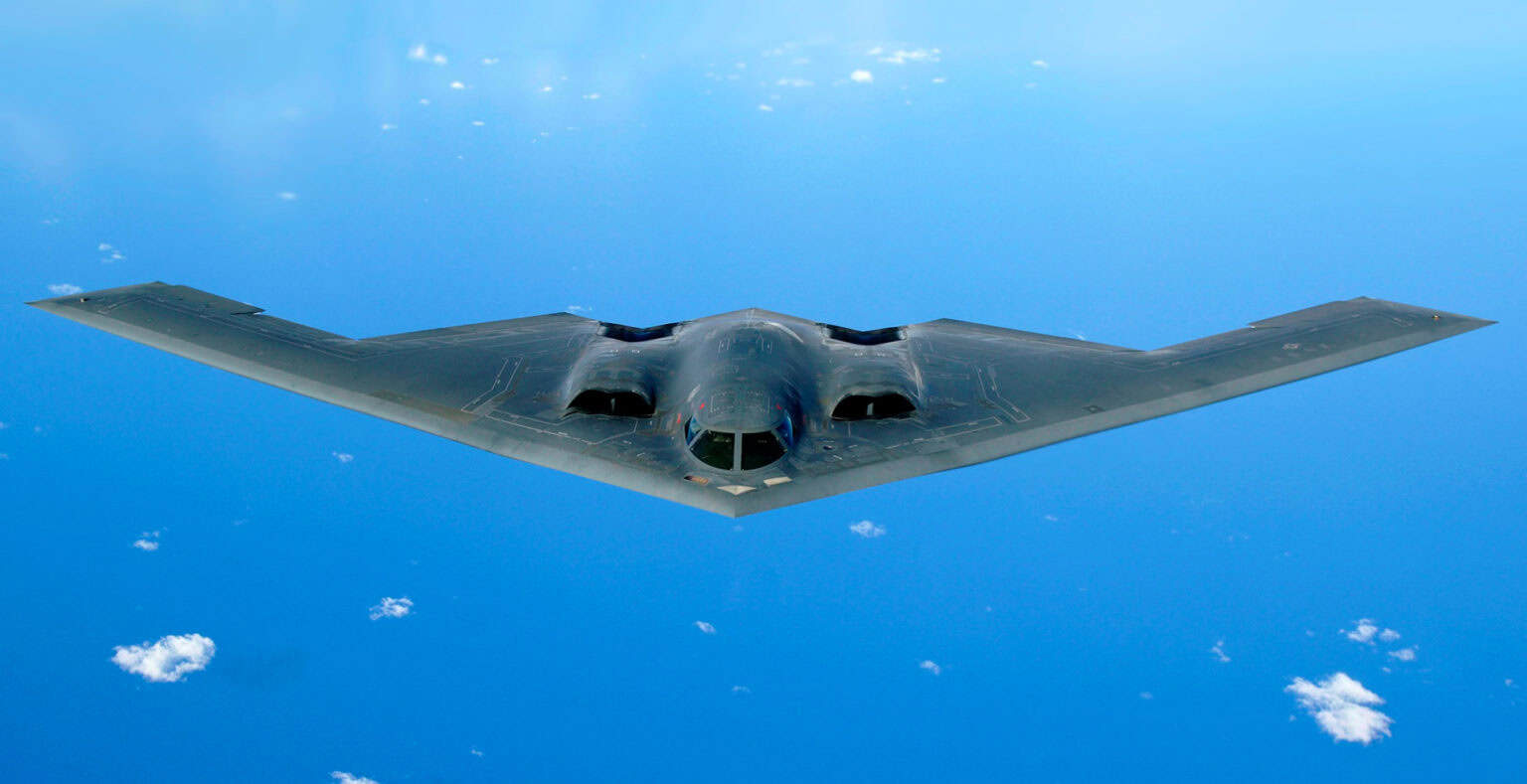
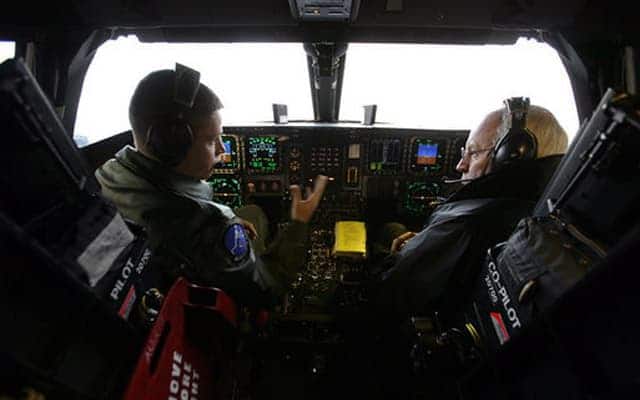
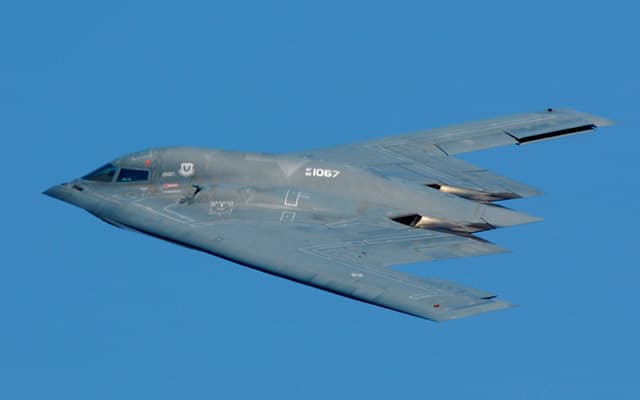


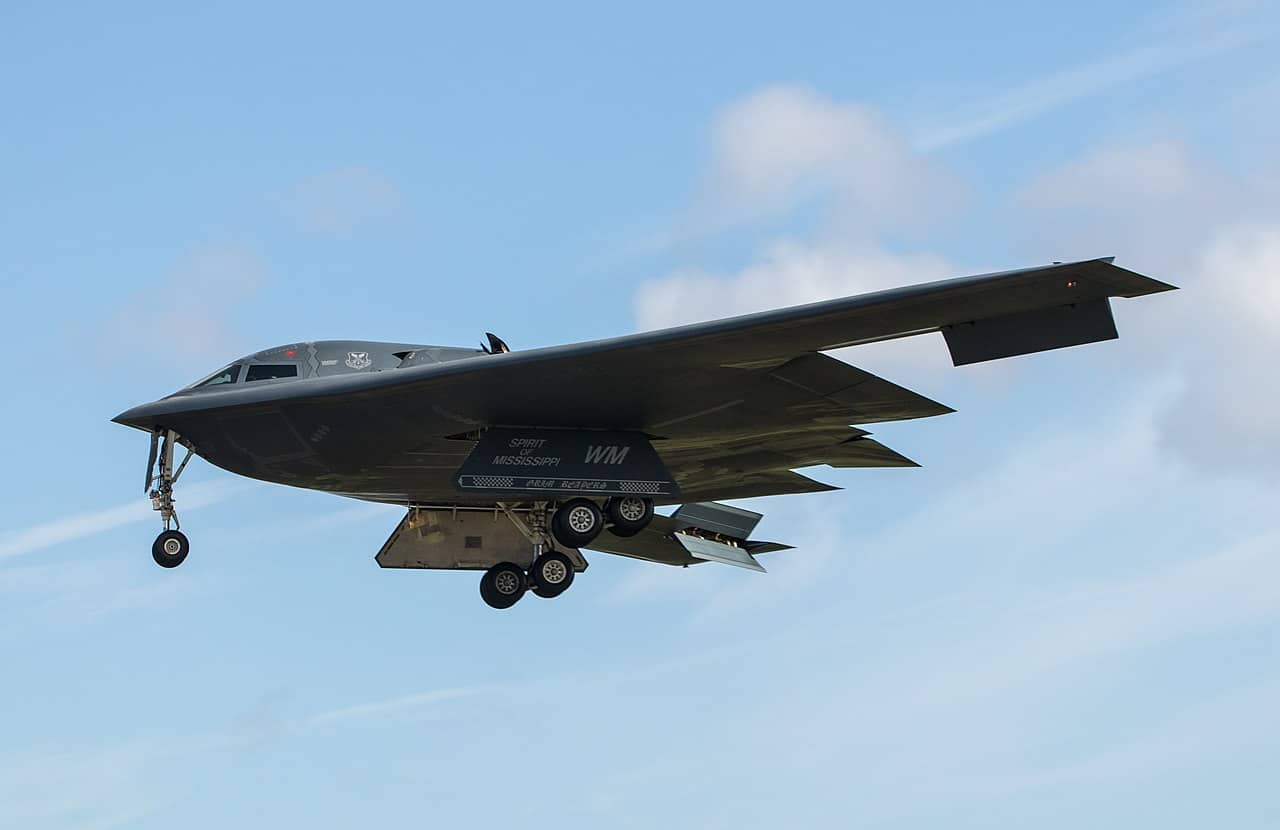

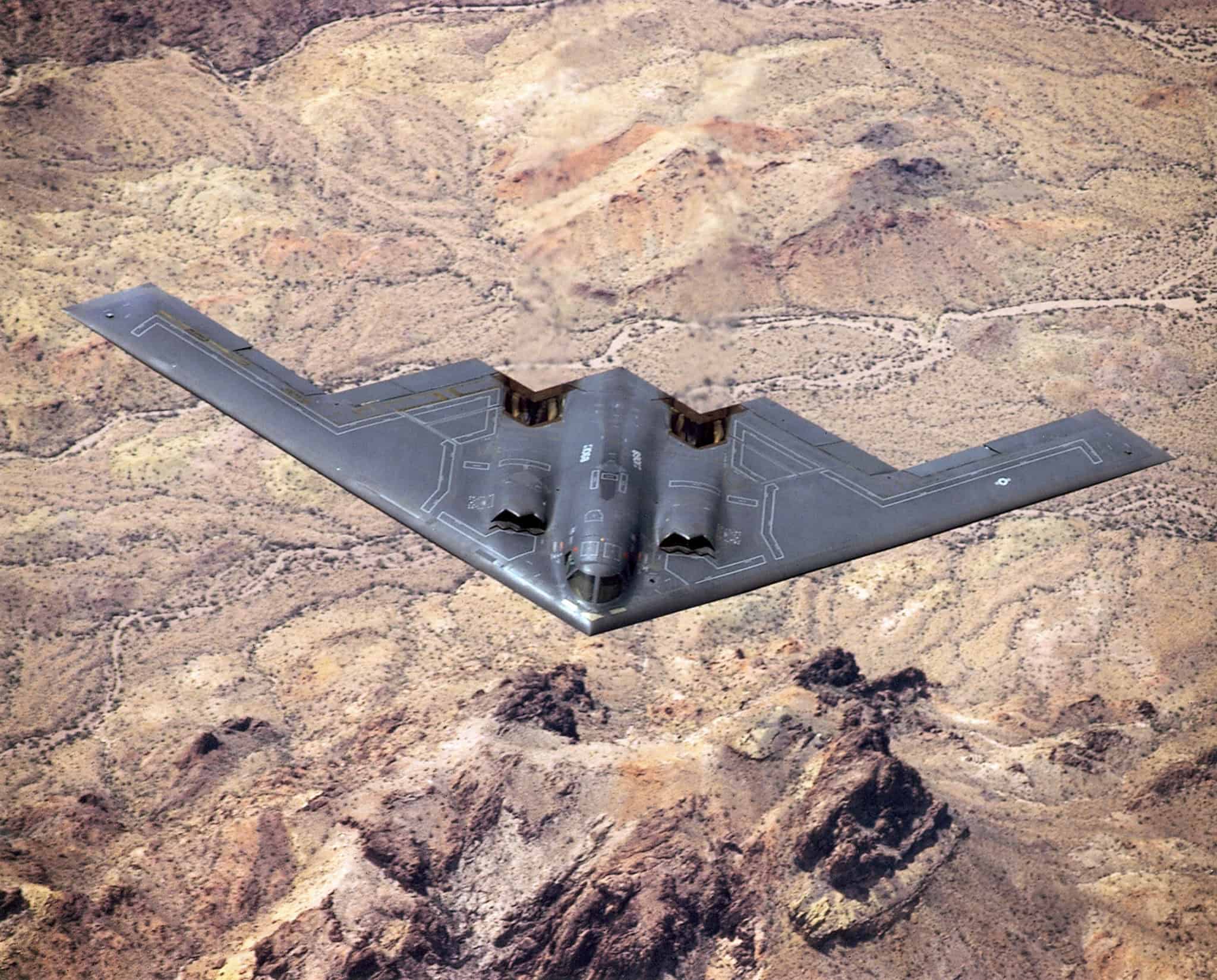


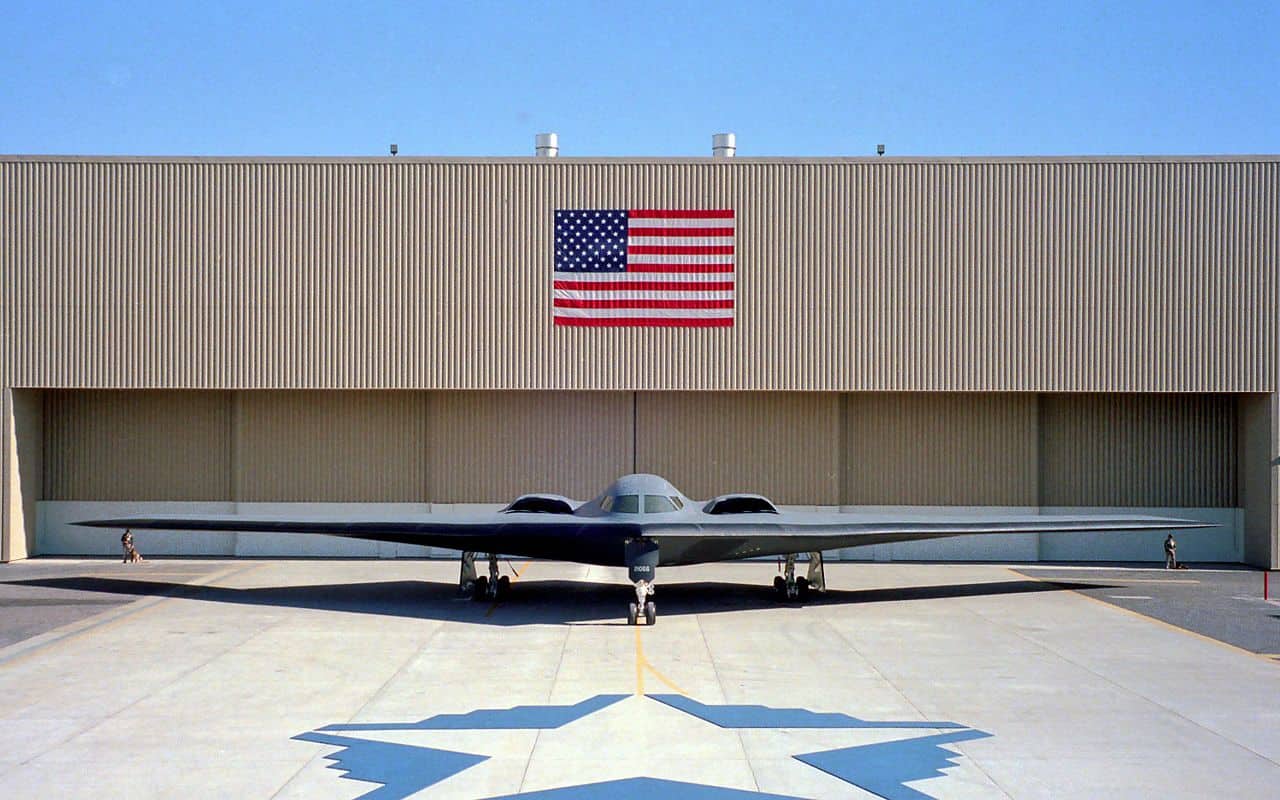
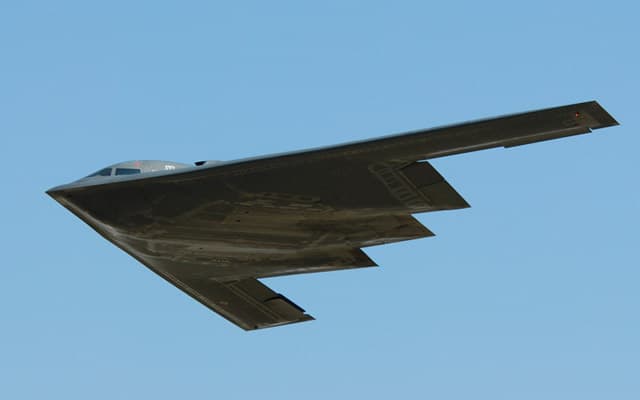
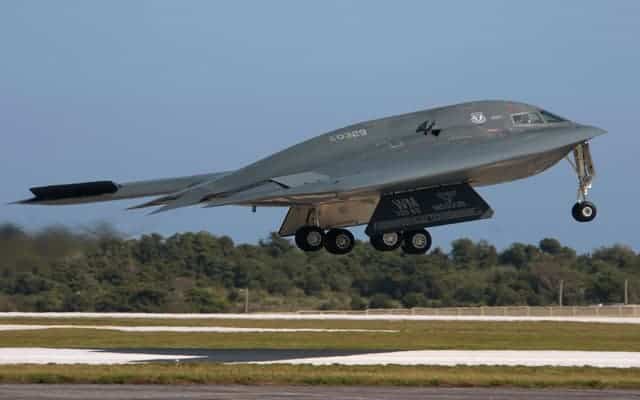
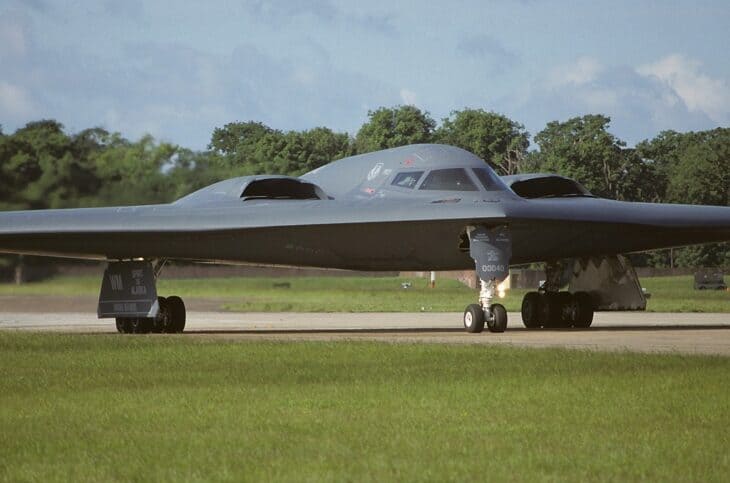
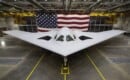
The Northrop Grumman B-2 Spirit is a long-range stealth bomber built to slip through the world’s most dense air defenses and strike targets anywhere on Earth. Its flying-wing shape, radar-absorbent skin, and hidden engines make one of the largest combat aircraft in service nearly invisible to radar.
Only 21 were ever built, at a cost approaching 2 billion dollars each. That price, and the aircraft’s ability to carry nuclear weapons undetected, have kept the B-2 at the center of American strategic airpower for more than 25 years.
The B-2 began in the early 1980s as a highly classified program to build a bomber that Soviet radar could not see. Northrop won the contract in 1981, drawing on decades of its own flying-wing research.
The first aircraft was rolled out in 1988 and made its maiden flight on July 17, 1989. The B-2 entered operational service with the U.S. Air Force in 1997, based at Whiteman Air Force Base in Missouri, where the fleet still flies from today.
The end of the Cold War cut the planned buy from 132 aircraft to just 21. Spreading the program’s enormous research cost across so few airframes is what pushed the per-aircraft price so high.
The B-2’s flying-wing layout has no fuselage and no tail fins, the features that reflect radar most strongly on a conventional aircraft. Every edge of the airframe is aligned to scatter radar energy away from its source.
The skin is built from radar-absorbent materials and composites that soak up rather than bounce back radar waves. The four engines are buried inside the wing, with intakes and exhausts shaped to hide the hot, radar-reflective turbine faces.
The result is a radar signature often compared to that of a small bird, on an aircraft with a wingspan of 172 ft 0 in (52.43 m). This low-observable approach is a hallmark of the stealth era, the same leap that defines the newest members of the five generations of fighter planes.
The B-2 is powered by four General Electric F118-GE-100 turbofans, each producing about 17,300 pounds of thrust. There is no afterburner, which would create a large heat signature.
Top speed is high subsonic, roughly 628 mph (Mach 0.95), with a normal cruise closer to Mach 0.85. The bomber has a service ceiling near 50,000 feet.
Unrefueled range is about 6,000 nautical miles, and aerial refueling extends that to intercontinental distances. B-2s routinely fly round-trip combat missions from Missouri lasting more than 30 hours.
The B-2 carries its entire weapons load internally, in two side-by-side bomb bays, so nothing breaks its stealth shape. Northrop Grumman quotes a payload of at least 40,000 pounds, and the Air Force fact sheet lists a maximum of 60,000 lb (27,200 kg).
For conventional missions it can drop up to 80 GPS-guided JDAM bombs in a single pass, or a pair of 30,000-pound GBU-57 Massive Ordnance Penetrators built to destroy deeply buried bunkers. For the nuclear role it carries B61 and B83 gravity bombs.
In June 2025, B-2s flew from Missouri to strike hardened Iranian nuclear sites with the GBU-57, the first combat use of that bunker-buster and a demonstration of the aircraft’s reach and payload.
The B-2 first saw combat in 1999 over Kosovo, flying nonstop from Whiteman AFB and back. It went on to open the air campaigns in Afghanistan in 2001 and Iraq in 2003.
Later missions included the opening strikes on Libya in 2011 and precision raids against militant targets in the years since. The fleet’s ability to launch from the United States and hit any point on the globe within hours remains its defining feature.
One B-2 was lost in a 2008 takeoff crash on Guam, with both crew ejecting safely. That left 20 aircraft in service, each one individually named after a U.S. state.
The flyaway cost of a single B-2 was about 737 million dollars in 1997. When the program’s research and development bill is divided across just 21 aircraft, the true cost climbs to roughly 2.1 billion dollars each.
That makes the B-2 the most expensive military aircraft ever built. Its replacement is designed to be far cheaper per copy.
Northrop Grumman is now building the B-21 Raider, a smaller and more affordable stealth bomber that first flew in 2023. The Air Force plans to buy at least 100 of them.
As the B-21 enters service through the 2020s and 2030s, it will gradually take over the B-2’s role. Until then, the Spirit remains the only stealth bomber flying anywhere in the world.
The B-2 can penetrate defended airspace without being detected by most radar, then deliver conventional or nuclear weapons on target. That combination of invisibility, global reach, and heavy payload means it can strike almost anywhere with little or no warning.
The Air Force operates 20 B-2 Spirits. A total of 21 were built, and one was destroyed in a 2008 crash on Guam.
The B-2 has a top speed of about 628 mph (Mach 0.95) and typically cruises near Mach 0.85. It is a high-subsonic aircraft, trading outright speed for stealth and range.
Yes. Because missions can last well over a day, the cockpit includes a toilet and a small space behind the seats where one of the two crew members can rest while the other flies.
The B-2 is designed to be very hard to detect on the radars used to guide weapons. Some newer low-frequency and networked radars may spot a stealth aircraft at long range, but tracking one accurately enough to shoot it down remains extremely difficult.
The flyaway price was around 737 million dollars in 1997. Counting development costs spread over just 21 aircraft, each B-2 works out to roughly 2.1 billion dollars, the most expensive aircraft ever built.
Sources and references used for research and fact-checking.