Military Aircraft
The battlefield surveillance aircraft built for wide-area ground tracking.

The latest aviation news and stories sent to your inbox.
The Northrop Grumman E-8C Joint STARS is a ground surveillance and battle management aircraft developed for the United States Air Force. Based on a modified commercial airliner, it provides radar coverage of moving ground targets over large areas. The platform integrates surveillance with command and control capability.
Live Fleet Activity (E8C)
Fetching live data…


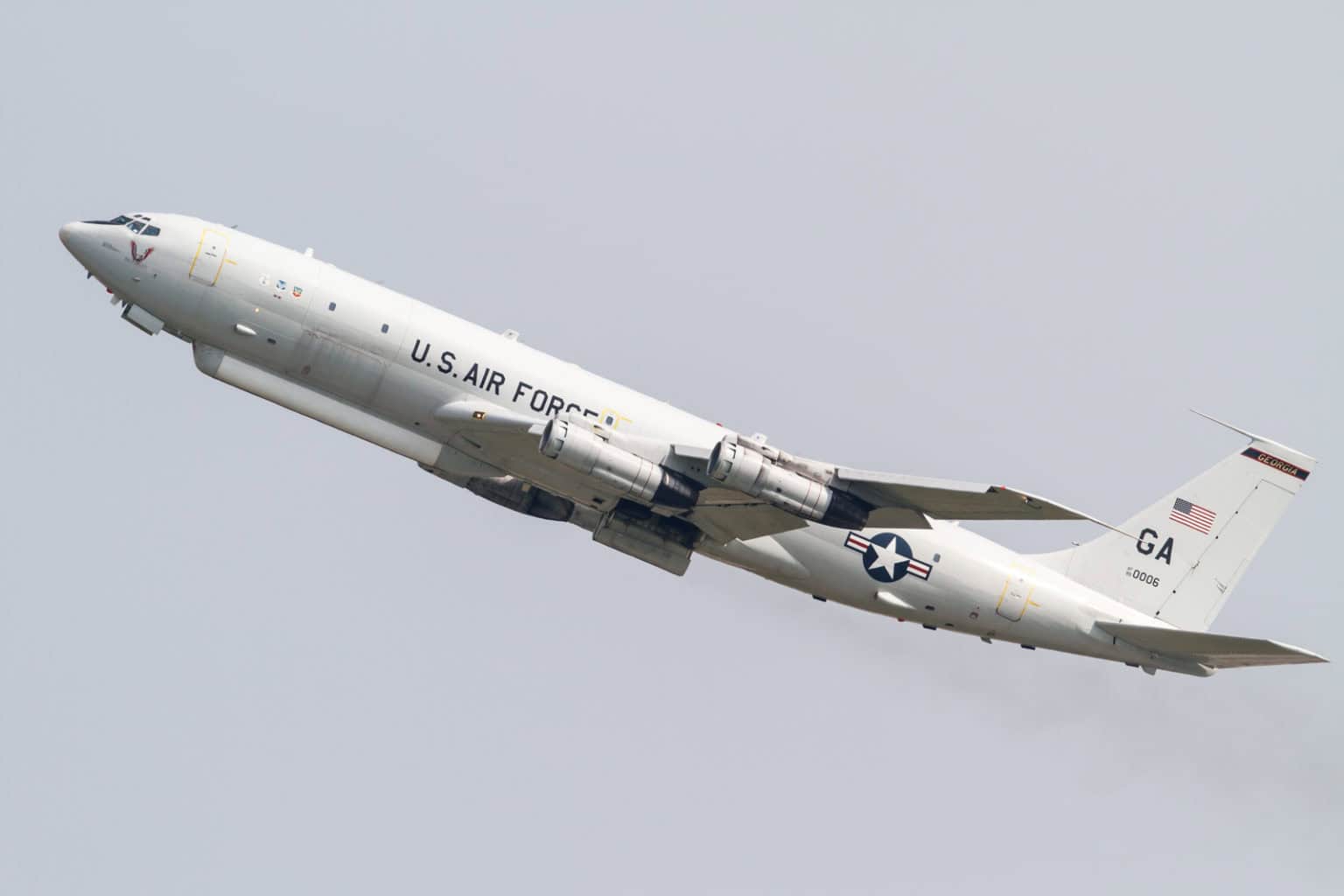


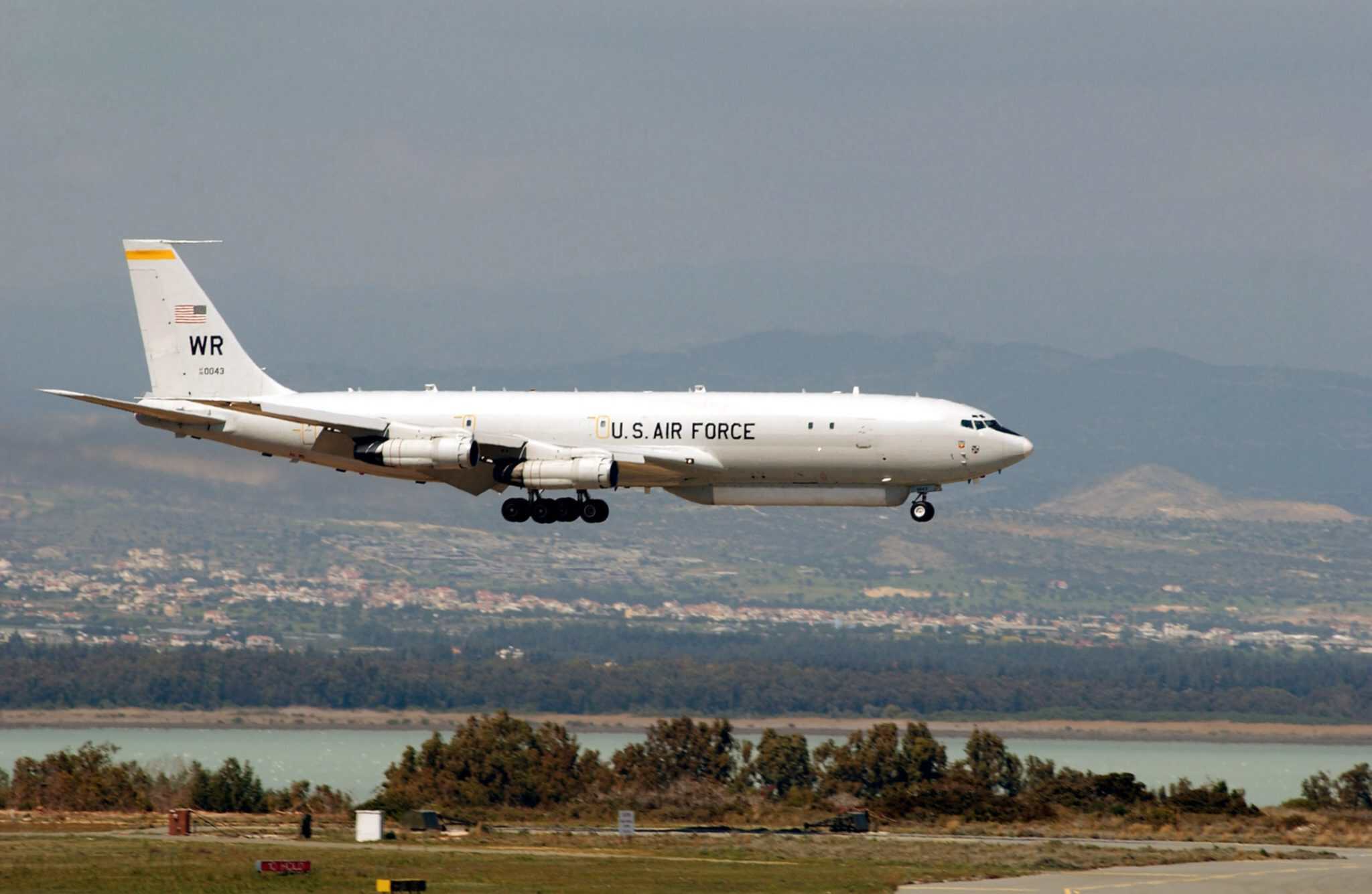


The Joint STARS concept emerged in the 1980s to provide real-time tracking of ground forces in combat. The E-8C variant is based on the Boeing 707 airframe and first entered service in the mid-1990s. The aircraft carries a large side-looking phased-array radar housed in a canoe-shaped radome beneath the forward fuselage.
Powered by four Pratt & Whitney TF33 turbofan engines producing approximately 21,000 pounds of thrust (93 kN) each, the E-8C cruises at around 450 knots (830 km/h). Maximum takeoff weight is roughly 335,000 pounds (152,000 kg). The onboard radar and communications systems allow tracking of moving ground targets at significant standoff distances.
The E-8C has been employed in conflicts from the Gulf War onward, providing commanders with situational awareness and targeting data. Its ability to coordinate air and ground assets enhanced battlefield effectiveness. Although modernization plans have evolved, the Joint STARS concept remains influential in airborne surveillance doctrine.
Sources and references used for research and fact-checking.