Military Aircraft
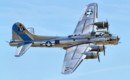
Boeing B-17 Flying Fortress
ICAO: B17
The airborne warning aircraft built for wide-area radar surveillance.
The latest aviation news and stories sent to your inbox.
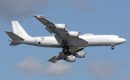
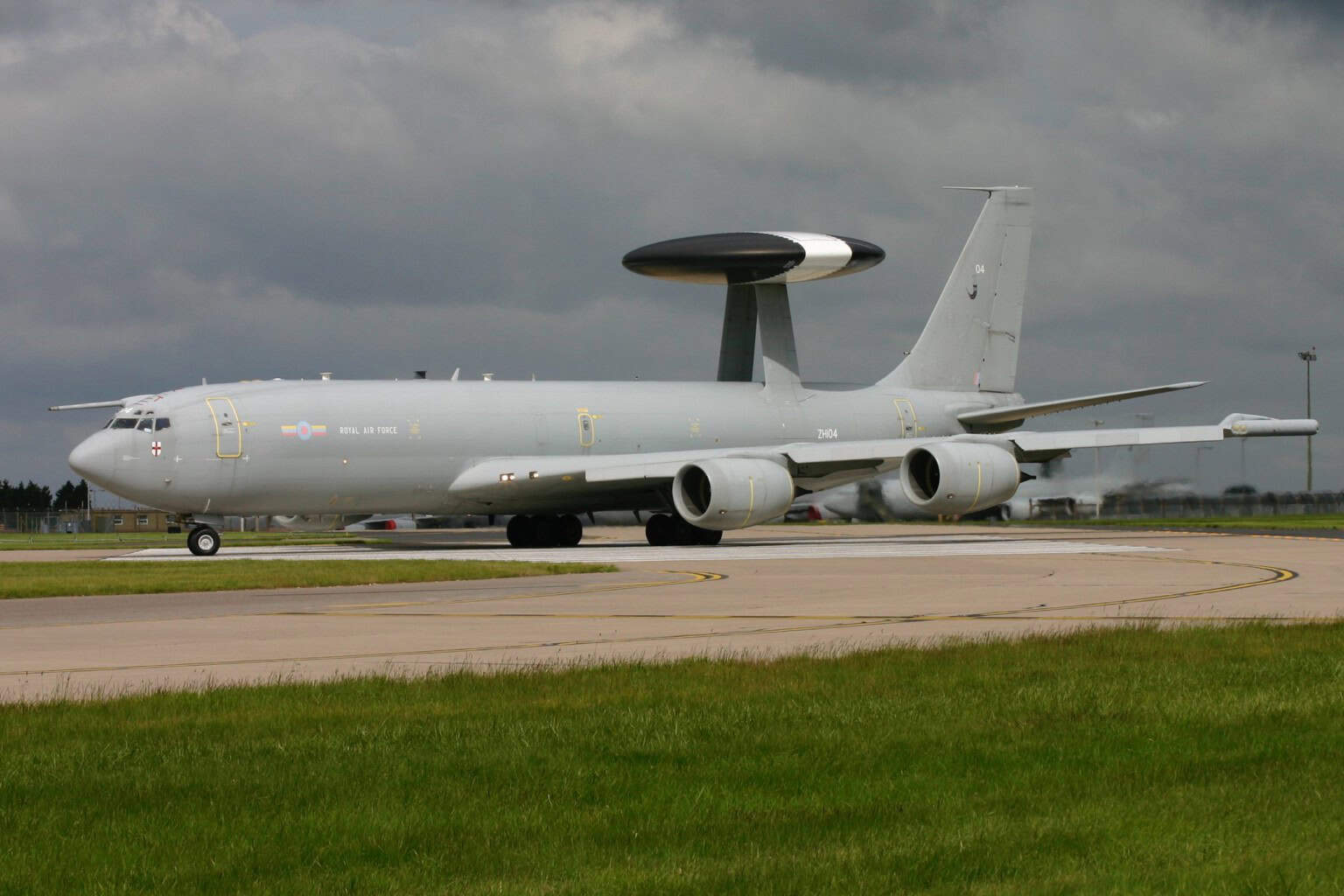
The Boeing E-3D Sentry is an airborne early warning and control aircraft based on the 707 airframe. Equipped with a rotating radar dome, it provides long-range airspace surveillance. The aircraft has served with multiple air forces since the 1970s.
Live Fleet Activity (E3CF)
Fetching live data…
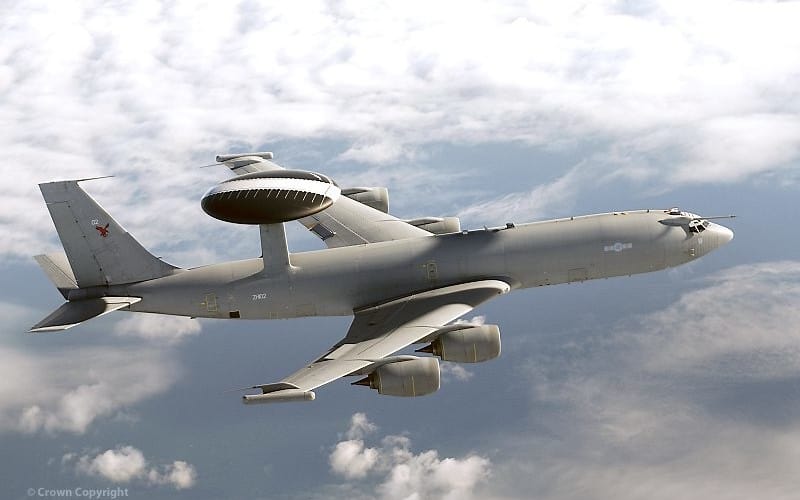
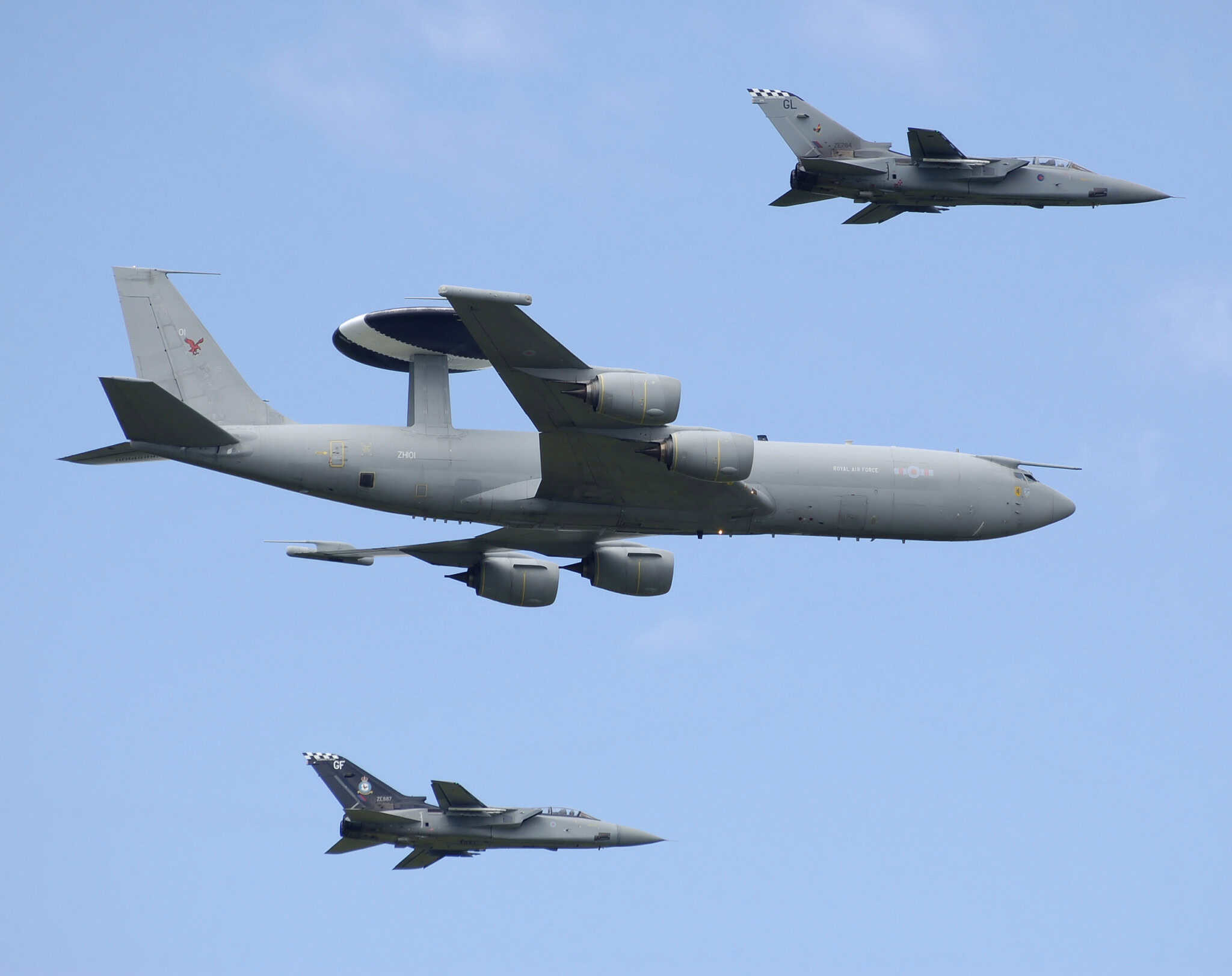
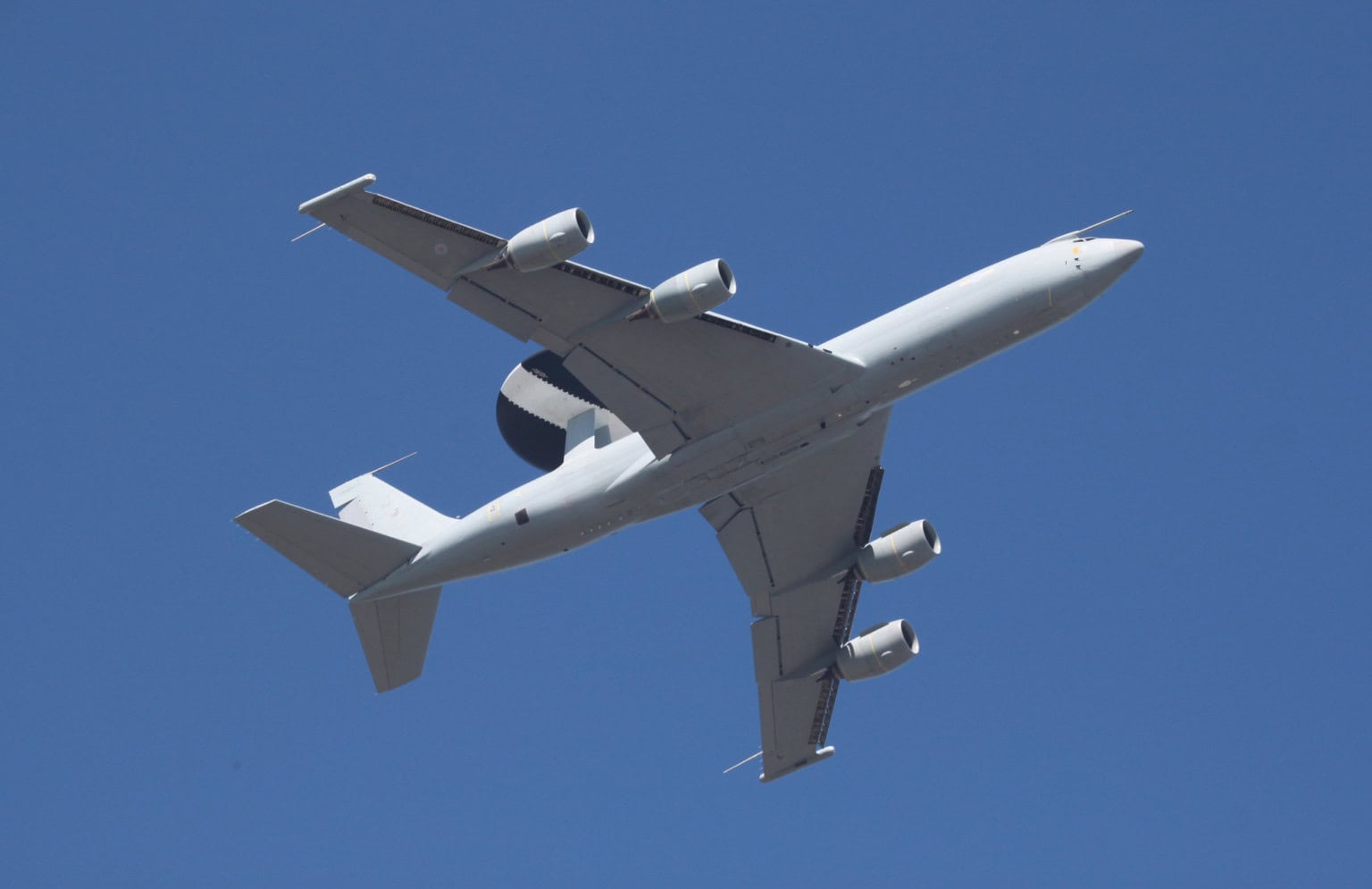


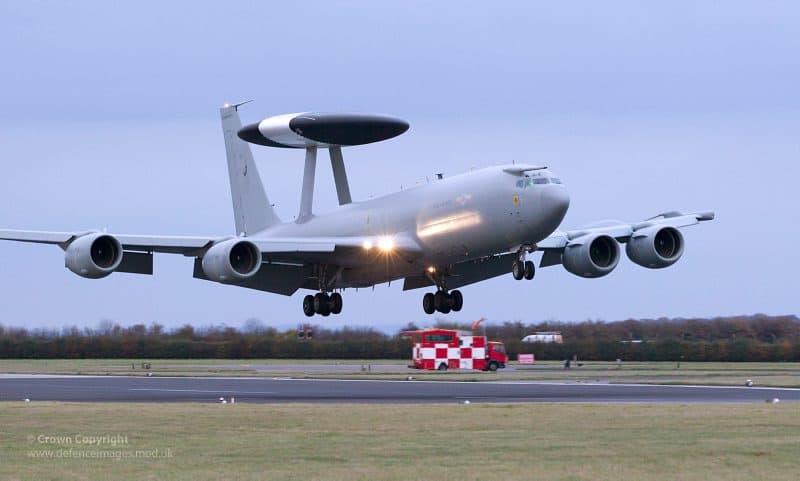


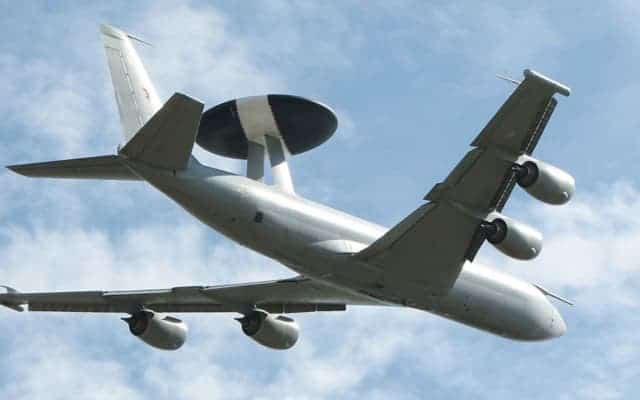
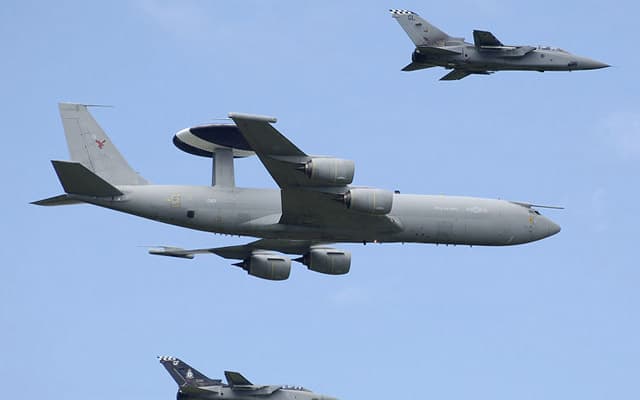


The E-3 first flew in 1972 and entered service in 1977. It features a distinctive rotating radar mounted above the fuselage. The E-3D variant serves the Royal Air Force with tailored avionics and systems.
Powered by four CFM56 turbofan engines producing approximately 22,000 pounds of thrust (98 kN) each, the E-3 cruises at around 450 knots (830 km/h). Maximum takeoff weight exceeds 340,000 pounds (154,200 kg). The radar system provides extensive airspace monitoring capability.
The Sentry coordinates air defense operations and supports coalition missions. Its command and control functions extend beyond simple surveillance. The aircraft remains a key component of airborne early warning fleets.
Sources and references used for research and fact-checking.